• About
  • Best Baby Names
  • Celebrity Baby Names
  • Celebrity Baby Names – Current
  • Celebrity Baby Names – Past
  • Featured Boys Names
  • Featured Girls Names
  • Featured Unisex Names
  • Links to Name Data
  • Waltzing on the Web

Waltzing More Than Matilda

~ Names with an Australian Bias of Democratic Temper

Waltzing More Than Matilda

Tag Archives: unisex names

Famous Name: North West

28 Wednesday Aug 2013

Posted by A.O. in Famous Names

≈ 4 Comments

Tags

Ancient Germanic names, aristocratic surnames, celebrity baby names, english names, famous namesakes, historical records, locational names, middle names, name history, name meaning, names of compass directions, names of railway lines, nature names, surname names, unisex names, vocabulary names, Wikipedia

1

The Hills Shire is in the north-west region of Sydney. Big news in The Hills at the moment is the North West Rail Link, which will connect Rouse Hill to Epping, and involve the construction of eight new railway stations. To assist with the necessary disruptions, The Hills Shire council has put out a pamphlet: Is your business north-west rail ready? The pamphlet suggests you may want to stagger your work times, or work from home until the North West Rail Link is complete.

The North West Rail Link is the “baby” of the Hills Shire council, and as often happens, their baby name was “stolen” when Kanye West and Kim Kardashian called their daughter North West. However, in this case New South Wales has precedence, because they came up with the name North West in 1998. Why it takes 15 years between the proposal and sending out pamphlets is a question only local government can explain. (If you’re really curious, Wiki it). There is no date set for ending the project, which may not occur until 2020. Hope you’re north-west rail ready!

North is one of the four major compass points, and in Western culture, it is considered the primary direction, and the one from which all other directions are taken. By convention, north is placed at the top of globes and maps, although the word comes from an ancient Germanic root which means “down, under”. This may come from an ancient root meaning “left, below”, because north is to the left when you face the rising sun.

For people in the northern hemisphere, north is the direction towards the Arctic, and when they think of “northern lands”, they probably envisage ice and snow, or at least cooler temperatures. In many fantasy tales, dangerous or evil creatures come out of the north, such as Hans Anderson’s Snow Queen, and the dragon in Tolkien’s The Hobbit. However, the ancient Greeks believed that in the far north lay the country of the happy Hypoboreans, who lived in a land of eternal sunshine (kind of on the right track due to the Midnight Sun).

In the southern hemisphere, north is the direction of the Equator, and we may think of northern places as hot and dry, or steamy and tropical. In Australia, the northern part of the country Australia has a certain mystique as vast, hot, empty of people, and rich in natural resources.

North is also an English surname. The aristocratic North family hold the title of Earls of Guildford, and Frederick North, the second Earl, was Prime Minister of Great Britain during the American War of Independence. Frederic Dudley North, descended from the British Prime Minister, emigrated to Western Australia in the 19th century and undertook several important posts, including representing the state during Queen Victoria’s Jubilee.

The origin of the surname is unclear – it could refer to someone who lived to the north of a particular town, or possibly someone with Norse ancestry, or who looked as if they might have.

West is another major compass point, conventionally placed on the left side of maps, and lying in the direction of the setting sun. It seems to be from an ancient root which means “downward”, referring to sundown, and is closely related to the word evening.

Because the west points toward the sunset, in many cultures it represents death (to go west, means “to die”). The ancient Celts imagined the Otherworld could be found far out in the western sea, while the ancient Greeks believed the paradisaical Fortunate Isles were located in the western ocean. The island of Atlantis was also thought of as being to the west, far out in the Atlantic.

In Britain, the West End is the posh part of London, while Westminster is the seat of power, and the West Country the land of legends and fairy tales. Westward Ho!, by Charles Kingsley, is set in the West Country and deals with adventures in the West Indies. Its title is the same as a Jacobean satire by Dekker and Webster on west London, taken from the call of Thames watermen. The playwrights later wrote Northward Ho!, set in north London.

In the United States, the western frontier lands in the 19th century symbolised freedom, adventure, opportunity and progress, as in the famous phrase, Go west young man. The Old West is not so much a time and a place as part of the American psyche, and the American West helped inspire imaginative works as diverse as Little House on the Prairie, Star Wars, The Great Gatsby, On The Road, Breaking Bad, and The Wizard of Oz (which has a Wicked Witch of the West).

The iconic Wild West played a major role in the development of the Australian myth of The Bush, and there is much we can identify with, as we have our own frontier country, the Outback. Here the west is Western Australia, the largest state, and the most geologically ancient part of the country, at over 4 billion years old. The oldest life forms on Earth, the stromatolites, can be found in Shark Bay, and the world’s oldest fossil, 3.4 billion year old bacteria, was discovered in Port Hedland.

The West also refers to Western civilisation, an idea which goes back to the ancient Greeks. Today it has political connotations, with people believing that “the West” stands for any number of values they might like or dislike. It is political rather than geographic, because “western” countries are all over the world.

The English surname West denotes someone who lived to the west of a town, or someone who had moved to the area from the west. It turns up early on in Essex, the most easterly part of England. This is another aristocratic surname, for the Wests were an old family originally from Devon, in the West Country.

North and West have both been used as personal names since at least the 16th century, with West much more common overall. Most Norths and Wests have been male, although the first North I can find in the records was a girl, and there are many female examples of both names. A larger proportion of Wests have been female, compared to Norths. There are thousands of Norths and Wests of both sexes in Australian records, although most of these are middle names.

North and West are names which sound a little out of the ordinary, and yet are straightforward and instantly recognisable. Everyone can spell and pronounce them, and they’re easy to explain: “North, like the North Pole”, “West, like the Wild West”.

They seem modern, but have surprisingly long histories, and layers of meanings, of which you are free to choose the ones which appeal to you the most. Kanye and Kim reportedly chose North because they saw it as meaning “the furthest up”, and therefore the pinnacle of their relationship, which strikes me as very northern-centric, and making a second child’s name problematic. If the first child’s name marks the pinnacle of your relationship, what’s left for Number 2?

POLL RESULTS: North received an approval rating of 40%, and West a rating of 35%. Most people preferred the names North and West on a boy rather than a girl. 98% of people thought the name North West was more suitable for a railway than a human.

(Picture shows an artist’s impression of a station on the North West Rail Link)

Upper Class Baby Names

18 Sunday Aug 2013

Posted by A.O. in Your Questions Answered

≈ 17 Comments

Tags

Anglo-Saxon names, birth registries, classic names, dog names, famous namesakes, fictional namesakes, flower names, Google, Greek names, hyphenated names, Latin names, Latinate names, middle names, name image, nature names, nicknames, popular names, rare names, retro names, royal baby names, royal names, Scottish names, surname names, underused classics, unisex names, vintage names

aristocrats-600x525

Class, baby names, and judgement thereof seems to be a topic under discussion everywhere at the moment. BRW magazine told us how to name our babies like a rich person, Wendy Harmer set high, perhaps unattainable standards for baby names, an American blogger told us how names are done in Old Blighty’s class system, and a random Devonian reality television contestant decided nobody’s baby names were good enough, not even hers. Perhaps the royal baby is the catalyst for all this reflection – he didn’t escape the scrutiny either; the reality TV contestant decided he had a “dog name”.

And then I checked my search engine stats this week, and found that someone had Googled what baby names do upper class australians use.

Strictly speaking, Australia doesn’t have an upper class, because we don’t have a hereditary aristocracy. It’s usual to consider the richest people of a country the de facto upper class, but when we talk of someone being “upper class”, it has connotations of more than mere possession of a large disposable income. Some of the richest families in Australia are from traditionally working class or middle class backgrounds – they’re just regular people with vast fortunes.

While Australia does have a class system, it’s a flattened-out one, with fewer social divisions, and a large middle ground. Class is more fluid and less structured here than some other places. Of course, that doesn’t mean we are free of all status markers and snobbery – including name snobbery.

So if we don’t have an upper class, do we have upper class baby names? I don’t think so, because any particular name is used by a wider variety of people than you might suppose. Although in our imaginations, poor people have children named Jaidyn and Tayylah, and rich people send Agatha and Lucius off to St Barnaby’s or the Kindergarten of Higher Consciousness, in real life it is a lot less stereotypical.

When you register your baby name, the registry doesn’t ask for your family tree or your bank balance. They won’t ever say, Look, I think Peregrine is out of your price range. Might I suggest something more affordable, like Cooper? All names are equal, because they cost the same amount to register. No matter how humble your circumstances, you can give your baby any name you want – elegant, serious, trendy, sassy, bold, or eye-raising.

And because all names are equal, they won’t make any difference to your own social position, or to your child’s. A poverty-stricken family won’t receive an invitation to join the Yacht Club just because their daughter is named Agatha, and a Jaidyn born into wealth will have just as privileged a life as if his name had been Lucius, and will be just as welcome at St Barnaby’s.

Although some people fret that their baby’s name needs to sound like a doctor, a judge, a professor, or a prime minister for them to succeed, in real life surgeons are named Kellee, chief justices are named Wayne, academics are named Tiffany and Brandy, and prime ministers are named Kevin. Not only does your name not indicate where you came from, it doesn’t indicate where you are going either.

However, it’s fair to say that some names have an upper class image. I don’t think Australia is significantly different from other English-speaking countries when it comes to what names may be perceived as upper class.

Names Which May Be Seen as Upper Class

Please note: This is by no means an exhaustive list, just a few ideas as to what I think sounds “upper class”, what others may perceive as upper class, or that I have noticed upper-middle class people choosing. I am not recommending these styles of name, or suggesting you use them.

  • Classic English-style names eg Thomas and Lucy
  • Anglo-Saxon type names eg Alfred and Edith
  • Names from European royalty eg Leopold and Adelaide
  • Latin and Latinate names eg Rufus and Aurelia; Hugo and Miranda
  • Classical names eg Leander and Hermione
  • Retro names eg Arthur and Florence
  • So old-fashioned that they’re hip eg Reginald and Gertrude
  • Vintage-style nicknames as full names eg Monty and Lottie
  • Names that have remained in use while never becoming popular eg Theodore and Susannah
  • Uncommon Scottish-style names for boys eg Cormac and Fergus
  • Uncommon flower names for girls eg Dahlia and Saffron
  • Historical surname names for boys eg Forbes and Monash
  • Whimsical names eg Huckleberry and Tuppence (while putting the whimsical name in the middle is the prudently middle class thing to do)
  • Fashionable “arty” names eg Ziggy and Coco (strike me as more aspirational middle class for some reason)
  • Literary names eg Caspian and Evangeline (these definitely seem middle class, as the middle class is keenest on reading)

How Middle to Upper-Middle Class Australian People Tend to Judge Names

Please note: I am not suggesting you follow any of this advice. It is for information only.

  • They like names that are spelled the more commonly accepted way. People are really fussy about this for some reason, and even slight changes to a name can bring on eye-rolling.
  • Any name that looks or sounds recently “made up” is frowned upon (although it’s fine if it was created a long time ago and therefore has a history behind it).
  • If a name has several variations, the simpler one is usually considered more upper class than the more elaborate eg Isabel rather than Isabella, Alice rather than Alicia, Sophie rather than Sophia.
  • Classic and retro names are usually considered more upper class than modern classics. However, Sophia is a classic name and Sophie is a modern classic, yet Sophie is more upper class than Sophia – so this does have exceptions, or can be overwritten by another rule.
  • Hyphenated names for girls, like Emma-Rose or Ruby-Lee, are often viewed with suspicion. This could be because “double” names are elaborations by their very nature.
  • Masculine or unisex names on girls are generally considered downmarket, while a unisex or feminine-sounding name on a boy often has quite a bit of cachet. So Mackenzie on a girl = thumbs down, Mackenzie on a boy = thumbs up.
  • It is fashionable to show pride in your cultural heritage, so Lorenzo, Agnieszka, Tevita, Silka and Johannes can be more stylish than Laurence, Agnes, David, Cecilia and John.
  • Conversely, many people seem to think that using names from a culture that you don’t have any immediate tie to looks distasteful. I think it’s silly, but it seems to be a widespread idea.
  • One or two middle names are fine, but once you reach three or more middle names (and you’re not royalty), you are considered to have gone beyond the bounds of good taste. It’s a little arbitrary, but it does seem to be the rule.

Names Not Obviously One Class or Another

  • Many names that have been highly popular for a length of time – by their nature, popular names are “of the people”; it’s easier for a name to remain very popular if many groups of people use them. Names like Charlotte, William, Chloe and Lachlan could belong to almost anyone, and do.
  • Hickster names – those that are fashionable-sounding yet slightly countrified, like Mayella and Elroy. Even after reading the birth notices carefully, looking for clues as to which kind of families choose these names, I still don’t know.
  • Uncommon nature names – names like Leaf or Snow are hard to place, I think. I have seen these names on children from absolutely everywhere on the social spectrum.
  • Extremely rare or obscure but genuine names – due to the fact they are almost never heard of, they don’t have any social context to put them into. You may only meet one Harmon in your whole life – so how can you generalise about the name?

What names do you think have an upper class image? And do you think there is any such thing as an upper class name? 

Boys Names of Australian Aboriginal Origin – Part 2

04 Sunday Aug 2013

Posted by A.O. in Name Themes and Lists

≈ 5 Comments

Tags

Ancient Germanic names, animal names, astronomical names, Australian Aboriginal names, Chinese names, colour names, days of the week names, english names, famous namesakes, fictional namesakes, Google, Hindi names, historical records, Indian names, locational names, middle names, mythological names, name history, name meaning, names from movies, names of weapons, nature names, nicknames, onomatopoeic names, rare names, unisex names

mh1

Bambam

Bambam as a person’s name might seem like an oddball suggestion, but although it would definitely be an unusual choice, I don’t think it’s an unfamiliar one either. For a start, there is Bamm Bamm Rubble from The Flintstones, first introduced as a cute blonde baby with superhuman strength. His name came from the fact that he would say Bamm bamm, and swing his club, to the general destruction of everything around him. Bam Bam is used as a man’s nickname, from American wrestler Bam Bam Bigelow to British DJ Bam Bam. There’s also skater Bam Margera, who gained his nickname from constantly running into walls as a toddler. I have seen a baby boy called Bambam – although that may have been a nickname. In English, bam bam is an onomatopoeic interjection, suggesting one thing repeatedly hitting or banging into another. In much the same way, in Nyungar (from south-west Western Australia), bam means “to hit”, and in Bundjalung (from northern New South Wales), bambam means “bruise, swelling”. However, in the Meriam language from the eastern Torres Strait Islands, bambam means “yellow”; in Indigenous art, yellow ochre is often used to represent the earth. It’s quirky, but Bambam is a rather lovable name.

Daku

Daku means “sand hill” in the extinct Diyari language; the Diyari people are from the South Australian desert, and thus very familiar with sand. Despite being generally used as a boys name in Australia, Daku is also a unisex name in India, and in Hindi it means “bandit”. Someone wrote in to the blog considering the name Daku for their son, but they never got back to me, so I don’t know whether they overcame family opposition to the name or not. This name reminds me a bit of Dakota, and it has the fashionable OO sound, such as Reuben and Jude; the name is pronounced (I think) DAK-oo. It would be a bold choice though, and I haven’t seen many boys with this name, although it can be found a few times in historical records.

Jardi

Jardi means “front” in the Ngadjumaja language; the Ngadjumaja people are from the Nullarbor Coast area of south-east Western Australia. I remember reading in the papers last year about a baby boy from Mudgee who has named Jardii, and his mother explained that his name was from the Wiradjuri language and means “first born son”. I wasn’t able to find that information for myself, but it occurred to me that “front” and “first” are similar in meaning, so Jardi also seemed like a good name for an eldest son. In the Jaminjung language from the Victoria River region of the Northern Territory, jardi means “to keep”, which also seems very positive. I found quite a few Indigenous boys and young men named either Jardi or Jardii, and I think it’s really attractive, with a similar sound to Jordie, the short form of Jordan.

Jiemba

Jiemba means “laughing star” in the language of the Wiradjuri people of central New South Wales. It refers to the morning star, or the planet Venus. (In some other Aboriginal languages, djimba simply means “star”). Astronomy was very important to the Wiradjuri, as with other Aboriginal societies, because stars and planets were used to tell the times and seasons, and this information was first given in early childhood. It is recorded that in the Wiradjuri in the 19th century, the elders would teach the children the stories behind the stars (the constellations), while the old women would teach children to count stars, which they could do into the thousands using a particular system. This information comes from radical poet and journalist Mary Gilmore, who grew up in Wagga Wagga, and was given the name Jiemba by the Wiradjuri people. Despite it being given to a little girl, I have only seen Jiemba given to boys – most likely because it is said JIM-ba, and thus shortens to Jim or Jimmy. One of the Aboriginal men from the Sydney area first encountered by Europeans was named Jimbah, so it sounds quite masculine (this Jimbah may also have been Colebee).

Lue

Lue is a small village in the Central Tablelands region of New South Wales. Its name means “chain of waterholes” in the local Dabee language – the Dabee are part of the Wiradjuri group. The village’s name is pronounced LOO-wee, which makes me think that this could be an Australian alternative to Louis or Louie. There are quite a number of people named Lue in Australian historical records – many of them are of Chinese ancestry, but there are some from the Lue area, suggesting that at least a few of them were named after the village.

Nullah

A nulla nulla, also known as a nullah or waddy, is an Aboriginal war club or hunting stick; the word comes from the extinct Darug language from the Port Jackson area of Sydney. A nullah is a heavy club which could be used in hand to hand combat, or used to stun prey; sometimes they were used to punish lawbreakers. In addition, these useful tools could be used to make fires, and grind ochre. This name is frequently Googled, because Nullah is the name of the young Aboriginal boy in Baz Luhrman’s 2008 epic, Australia, played by Brandon Walters. The film is set in the Northern territory, so the choice of Nullah for the character’s name is not meant to be authentic; I wonder if they chose it partly because it suggests the name of the Nullarbor Plain (Latin for “no trees”). Nullah is also a Hindi word for a narrow, steep-sided valley; in dry countries like Australia, these nullahs are commonly filled with brushwood, and when it rains heavily, they temporarily become streams. This could be another inspiration for the character’s name.

Omeo

Omeo is a town in Victoria which is in the East Gippsland, set high in the Great Dividing Range. Its name means “mountains, hills” in the local Gunaikurnai language, or one of its dialects, because it is set on a treeless plain on the fringes of the Snowy Mountains. There is evidence of human occupation of this region dating back around 20 000 years, and the first reported sighting by a European of Omeo was in 1832, by a naturalist on the slopes of the southern alps. It was his reports of fine grazing land which soon attracted pastoralists and squatters to the region. Gold was discovered in the 1850s, but Omeo’s isolation meant that it did not experience the massive boom of many goldfields towns – it did however, have the dubious distinction of being the roughest and most unruly place on the goldfields. Its first magistrate was Judge Browne, better known as author Rolf Boldrewood, who wrote of the area’s lawlessness in his novel, Robbery Under Arms. This name looks and sounds like Romeo without the R, which gives it recognisability as a name, although it also reminds me of Omo washing powder. Its goldfields history gives it a bit of a “wild west” feel; it seems a bit more bad boy than romantic Romeo. Omeo has had some use as a boy’s name in Australia, especially amongst people from Omeo itself, and was more often found in the middle.

Tanami

The Tanami Desert is in the Northern Territory, and is Australia’s most northerly desert. In the wet season, it rains heavily and even floods, but the high temperatures mean that most of it evaporates. Some parts of the Tanami do have wetlands though, and there is even a lake which has permanent water in it, so as deserts go, it’s on the slightly moist side. It is a refuge for several rare and endangered species of flora and fauna, making it a biologically important area. You can cross the desert on the Tanami Track, which is more than 1000 km long, and goes from Alice Springs to Halls Creek, in the Kimberly region of Western Australia. Tanami is a corruption of the local Walpiri name for the area, Chanamee, meaning “never die”, because the rock holes in a particular gully were said to never run dry of water, even in drought. When white people came here in the early twentieth century, they found to their dismay that this was not the case, so either the name was optimistic in nature, or the Indigenous people had a superior knowledge of obtaining water from the rock holes. I have seen Tanami occasionally on girls, but after seeing it given to a boy, I really like it as a male name. The pronunciation is TAN-uh-my, but the Aboriginal pronunciation would be more like TAN-uh-mee, so you could take your pick on how to say it.

Woden

Woden Valley is a district of the capital city of Canberra. The area is named after a homestead owned by Dr James Murray, which was built in 1837. In Aboriginal Place Names, Harold Koch suggests that the name of Dr Murray’s homestead may have been influenced by the word wadyan or wadhan, which means “possum” in several Indigenous languages, in an area stretching from the Monaro region right down to Omeo in Victoria. If so, then the spelling was altered to make it look like the name of the Anglo-Saxon and Germanic god Woden, whose name means “inspiration”; Dr Murray saw him as a god of wisdom. Woden was the chief god of the Germanic peoples, and is their equivalent of Odin. Anglo-Saxon royalty claimed that Woden was their ancestor, and he survives in English folklore as leader of the Wild Hunt, and perhaps even as Father Christmas. Of course, we unconsciously celebrate his special day once a week, on Wednesday (Woden’s day). With Odin being a rather hip name at present, Woden really doesn’t seem too strange, and this could be a way of celebrating Australian and English heritage together. There are a couple of men named Woden in Australian historical records, although it is more common as a middle name.

Yarramundi

Yarramundi is an outer suburb of Sydney which is a semi-rural area in the City of Hawkesbury. It is named after a famous Indigenous leader who was a member of the Boorooberongal clan of the Darug people, and a garadyi, or shaman – a healer, a man of great spiritual knowledge and power, and an enforcer of tribal law. Yarramundi’s son Colebee was the first Aboriginal person to receive a land grant, and his daughter Maria was the first Aboriginal child to be enrolled in a school for the education of Indigenous children; her marriage in 1824 was the first legally recognised union between an Aboriginal woman and a convict. Maria ended up being a successful land owner in Liverpool and Blacktown, and dozens of families in the area trace their ancestry back to Yarramundi. Yarramundi means “deep water”, and I saw a newspaper story about a baby boy named Yarramundi after this inspiring namesake.

POLL RESULT: People’s favourite names were Jardi, Lue, and Nullah, and their least favourite were Yarramundi, Omeo, and Bambam.

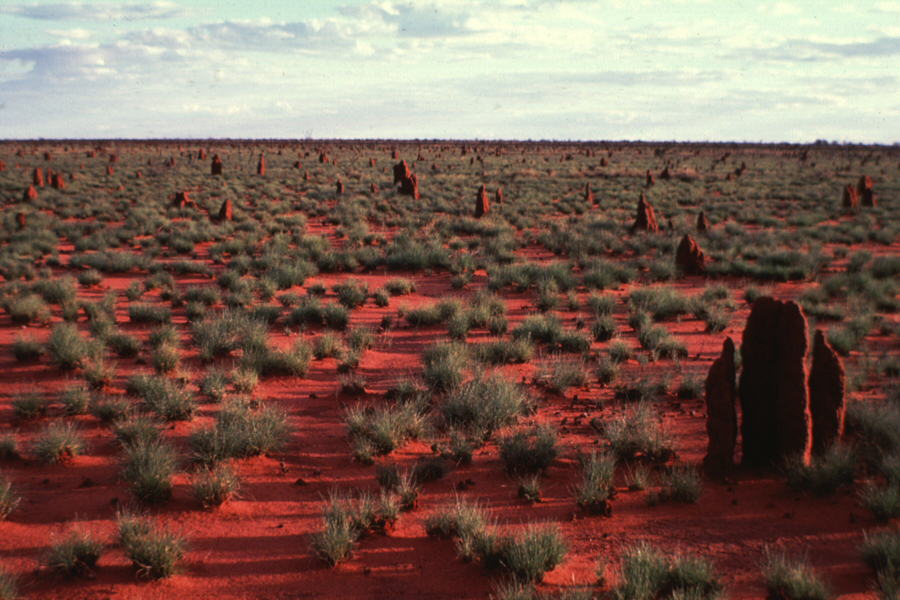
(Picture shows the Tanami Desert in northern Australia)

A Sibling Name for Harper

03 Saturday Aug 2013

Posted by A.O. in Naming Assistance

≈ 5 Comments

Tags

birth notices, choosing baby names, honouring, middle names, modern names, name combinations, name popularity, names of businesses, nature names, nicknames, popular names, rare names, sibsets, surname names, unisex names, US name popularity, vocabulary names

tumblr_mndd1obcEF1rrnekqo1_1280

Carissa and Nick Taylor are expecting their second child towards the end of the year, and they have a daughter named Harper Joy – Harper’s middle name is a family name.

If Harper had been a boy, the name they had picked out was Jensen, so that seemed an obvious choice for a boy’s name. However, they seem to be gradually losing interest in Jensen, and are now thinking of Carson instead. The only thing that bothers Carissa is that she wonders if Carson is too close in sound to her own name. The middle name for a boy will be Carissa’s maiden name, Fero.

They are having real problems deciding on a girl name that will match Harper. They love Avery, but dislike the idea of Ava as the nickname, and Carissa is concerned that the name will always remind her of Avery the stationery company.

They also love Quinn, but when they try to match it with a feminine middle name, it sounds too much like Queen ____. For example, Quinn Mary = Queen Mary. If they go with a more unisex middle name, it sounds “too American” to them. The middle names they are likely to use for a girl are Grace, May or Poppy (family names).

The Taylors don’t have any problems with popular names, but nothing in the Top 100 happens to appeal to them – except Willow, which isn’t possible for them to use for personal reasons.

~ ~ ~ ~ ~ ~ ~ ~ ~ ~

Name for a Boy

I get the feeling that Jensen is slipping away from you – part of the reason is probably that you think of it as Harper’s-name-if-she-had-been-a-boy, so it’s now hard for you to get enthusiastic about it on a new baby.

To me, Carson and Carissa sound similar, but not too similar, but I think this is something you have to decide for yourself. It might be a good idea to have Nick call out “Carson!” and then call out “Carissa!” and see if you can easily tell which one is your name from a distance (say, out in the back yard).

There’s nothing like road-testing a name for a week, so start using the name Carson in sentences all the time and see if it feels right to you. Talk to each other about Carson – “Carson came top of his class in maths this term; I think that extra tutoring is really helping” or “Carson has this weird rash on his left ankle. If I take him to the doctor, will they think I’m over-reacting?”.

Talk to Carson as if he’s there and already been part of your family for years. Call him to dinner, tell him to take those muddy football boots outside, talk to him about the family holiday you’re planning, ask him what colour he’d like his room to be painted. Does Carson sound like a name you can imagine saying for a lifetime? Is it a name that feels like it fits into your family? Can you imagine saying, “These are my children, Harper and Carson”?

You asked whether Jensen or Carson was more popular: Jensen is #149 in Victoria, and Carson doesn’t chart at all in Australia, although it is a Top 100 name in the US. I see Jensen fairly often in birth notices, but I can only remember seeing Carson a couple of times – once as a girl’s middle name. If popularity is a factor for you, then Carson is definitely the less common name.

Name for a Girl

If you had asked me to pick a sister for Harper, with no other information given, my top two suggestions would have been Avery and Quinn, so I think you have two excellent choices there.

Avery

It never occurred to me until you wrote it that Ava could be a nickname for Avery. While it’s hard to control what nicknames people will bestow on your child, I do feel as if Ava is the type of nickname which is not likely to take off if the parents don’t approve of it and give it their blessing. If I knew a little girl called Avery, and her mum and dad always referred to her as Ava, then I might call her that too, but I’d never think of just deciding to call her Ava on my own – maybe because I’d figure that if they’d wanted the name Ava, they would have chosen it in the first place.

As far as the stationery company goes, how often do you come across Avery? Do you have to use their products every day at work, or is it more that you’ll sometimes buy a box of labels for your Christmas cards? If you love the name Avery, I really don’t think you’ll be reminded of the stationery company once your baby girl arrives – Avery will be your daughter, and that will be it. Stationery isn’t a horrible association, and buying from Avery might even give you a bit of a buzz – seeing her name on a box of labels will probably be a thrill for a little girl named Avery anyway.

While Avery Grace or Avery May sounds nice, I think your own middle name would be lovely with Avery – Avery Elizabeth. If you were willing to share it, I think that one’s a winner.

Quinn

I see what you mean about the middle name issue with Quinn, which does make it slightly trickier for a girl’s name. I see girls named Quinn quite often in birth announcements, and what I’ve noticed is that they tend to be paired with a fairly modern or slightly gender-ambiguous middle name. Some from the blog are Quinn Eden, Quinn Gracyn, Quinn Cedar, and Quinn Brielle. I don’t think these sound “too American” – they just sound modern.

I don’t think Quinn sounds awful with any of the middle names on your list, but I wonder whether you might prefer it with a nature name eg Quinn Aspen, Quinn Autumn, Quinn Maple, Quinn Meadow, Quinn Saffron, Quinn Winter? To me, that solves the problem of Quinn + Girl Name, but at the same time, nearly everyone would recognise Quinn Meadow as a female name. It also fits in with Harper, who has a vocabulary word as her middle name.

If your heart is set on a family name, I like Quinn Poppy best, as it’s a nature name. You might also want to separate the names with another middle name, such as Quinn Winter Poppy.

Other Unisex Names for Girls

  • Arden
  • Ariel
  • Aubrey
  • Emerson
  • Fallon
  • Frankie
  • Marley
  • Morgan
  • Peyton
  • Remy

These names are all unisex, but more common on girls (like Avery), or fairly equally given to boys and girls (like Quinn). The one which appeals to me most is Arden, but I admit that might make a boy named Carson seem less usable down the track.

Well I hope that’s given you some food for thought. You’re still quite a way from your due date, so feel free to write in again as more ideas come to you!

NAME UPDATE: The baby was a boy, and his name is Jensen!

(Picture shows a vintage card with a female harpist)

Girls Names of Australian Aboriginal Origin – Part 2

28 Sunday Jul 2013

Posted by A.O. in Name Themes and Lists

≈ 16 Comments

Tags

animal names, astronomical names, Australian Aboriginal names, baby name books, bird names, birth notices, famous namesakes, fictional namesakes, flower names, Greek names, hebrew names, historical records, Italian names, Japanese names, locational names, mythological names, name history, name meaning, name popularity, name trends, names from books, names from fairy tales, names from movies, names from television, names of businesses, names of horses, names of ships, nature names, nicknames, plant names, Polish names, popular names, Romanian names, Slavic names, unisex names, varieties of fruit

OLYMPUS DIGITAL CAMERA

My first lists of names from Aboriginal languages are the most popular articles on the blog, so it seemed time for another selection. These names are all ones which have been used as personal names in Australia. I have done my best to elucidate meaning and history as much as possible.

Alinta

Alinta means “flame” in one of the traditional languages of South Australia; it was published in a dictionary by the Royal Society of South Australia in 1891. The name was popularised in 1981 when it was featured in the award-winning mini-series Women of the Sun. Each episode portrayed fictionalised accounts of lives of Aboriginal women in Australian society through history, and the first was Alinta: The Flame. It shows first contact between an Aboriginal tribe and Europeans, when early settlers encounter a tribe while searching for grazing land. The tribe’s culture is threatened by the newcomers, and the tribe is wiped out. The only survivors are a woman named Alinta and her child; Alinta vows that her daughter will “carry the torch” for her culture. There are several businesses in Australia named Alinta, most notably a Western Australian energy company, one of the largest in Australia, and named with the Aboriginal meaning in mind. There is also an Australian-bred variety of strawberry called Alinta. It’s not a very unusual name here, and there are several young actresses with the name. Alinta is also used as a name in Romania, where it means “caress”.

Arika

Arika is a name from the Waka Waka people of south-east Queensland, meaning “blue water lily”. There are several species of blue water lily native to Queensland, and they are used as bush food, for all parts of the plant are edible. In Aboriginal mythology, water lilies are a gift from the Rainbow Serpent, and sometimes in Indigenous astronomy, small stars were seen as water lily bulbs. In the novel Book of Dreams by Traci Harding, the meaning of the name is translated, and it says that in the past, Aboriginal women named Arika were given the name Lily by white people – which suggests that Arika might be a good name to honour a great-grandma Lily. Australians named Arika include Indigenous artist Arika Waulu Onus, and Arika Errington, who works in Aboriginal health, and contacted the blog to tell us about her name. I saw several children and teens named Arika online, mostly from Queensland, so it seems as if this name could be today’s Nerida. Arika sounds a bit like Erica, and is an angram of the Japanese name Akira, while having a similar meaning to Lotus. Possible nicknames that occur to me are Ari and Riki.

Jedda

Jedda (1955) was the first Australian film in colour, the last film of famous director Charles Chauvel, and the first film to star two Aboriginal actors in leading roles. In the movie, Jedda is an Aboriginal girl raised from infancy by a white woman after her mother died giving birth to her. Although she is curious about her own culture, her adoptive mother forbids her from learning anything about it, with tragic consequences. The film was nominated for the main prize at Cannes, and was a commercial success in Australia. In the movie, the name Jedda means “little wild goose” – a forerunner of the chase she will engender. I am not sure if the meaning was invented for the film, or drew on local knowledge; Jedda certainly exists as an Aboriginal name in historical records before 1955. An Aboriginal lady told me that she understood the name Jedda (which was her daughter’s name) as “little child”, but she didn’t say what language that was from. This is reasonably well used as a girl’s name, being similar to Jenna and Jetta – but I have seen it on a boy, because it shortens to Jed, and is also a plant name, because jedda (Jedda multicaulis) is a native shrub.

Kalina

Kalina means “love” in the extinct Wemba-Wemba language of north-west Victoria and south-west New South Wales. It has often been used as a place name, street name, a name for businesses and organisations, and sometimes as a girl’s name in Australia, but I’m not sure whether it was used as a personal name by the Wemba-Wemba people. It is also a literary name, because Kalina is one of the brumbies in the Australian classic children’s series, The Silver Brumby, by Elyne Mitchell – although in this case, Kalina is a white stallion, and his name is understood to mean (in horse language) “marvellous beauty of frost on snow”. Kalina is also a Slavic name which means “cranberry bush”; in Romania it means “rowan tree”, and in Poland it means “virburnum bush”. This is a pretty cross-cultural name which has several attractive meanings, and seems very easy to wear, being similar to Karina, Katrina and Kalista.

Leumeah

Leumeah is an outer southern suburb of Sydney, in the Macarthur region. It was settled by John Warby, a convict explorer who was transported here in 1792. In 1802, Warby was given the job of protecting cattle roaming free south-west of Sydney. Here he befriended the Tharawal people who lived in the area, and learned some of their language. In 1816 he was granted land on which to build a house, barn and stables; the barn and stables are still standing – one of them is a restaurant and the other a motel. (Just to confuse things, the stables is called The Barn Restaurant). Warby named his farm Leumeah, which means “here I rest” in the Tharawal language, and this became the name of the suburb. It is pronounced LOO-mee-uh. I have seen one or two girls given this name, and it seems like an especially happy name for an Australian, as it came about from a rare case of friendship between Aborigines and European settlers. The sound of it is quite on trend, and Lulu could be a nickname.

Marlee

Marlee is a small town in mid-northern New South Wales, whose name means “elder tree” in the local Biripi language. Native Elderberry or Yellow Elderberry is Sambucus australasica; its berries are bush food and they are sweeter than the variety from the northern hemisphere. Marlee is a popular name for houses and streets, suggesting leafy abundance, and it is not uncommon as a girl’s name here. Marlee also means “swan” in the Nyungar language of Western Australia, so it has a nice meaning in two languages. It is a rare week when I don’t see a baby named Marli, Marlie, Mahli or Mali in the birth notices, and Marlee fits in perfectly – in fact there was a Marlee in this week’s birth announcements. You could see these names as attempts to “feminise” Marley, but they could just as easily be short forms of Marlene, Mahlia or Malia. Marlee seems like a great way to join this trend with a specifically Australian meaning.

Narelle

Queen Narelle was the wife of King Merriman (or Umbarra), an important elder of the Yuin people in the latter part of the 19th century. The Yuin people are the traditional owners of the South Coast region of New South Wales, in the Bermagui area. Aboriginal people traditionally did not have kings or chiefs, and the title of “king” was given to certain elders by white people as a (misguided) mark of respect. There is a famous photo of Queen Narelle’s well-attended funeral taken around 1895, which shows black and white people mourning for her together, so it does seem as if Narelle and Merriman were able to form a bridge between cultures, or that relations in the 19th century could be harmonious. You may see Narelle translated as “woman from the sea” in baby name books, but in fact the meaning isn’t known; it is pronounced nuh-REL. Narelle first charted in Australia in the 1920s at #362, and reached the Top 100 in the 1940s. It peaked in the 1950s at #50, and was out of the Top 100 in the 1970s. It hasn’t ranked since the 1980s or charted since the 1990s. The name took a dive in the late 1970s, when it featured on highly popular comedy series The Naked Vicar Show. Narelle was a slightly dim-witted, mildly tarty woman – hence the plummeting popularity of the name, which immediately lost all cachet. However, Narelle is actually a pretty name, and the TV show has long been off the air. It even fits in with the trend for -ell names for girls, and could have fashionable Nell or Nellie as the nickname. Names from the 1950s are predicted to make a comeback: could Narelle be one of them?

Nyah

Nyah is a small town in Victoria on the banks of the Murray River, pronounced NY-ah. It began as a utopian socialist community in the late 19th century, but as utopian socialism went out of fashion, it lost the necessary government support, and it isn’t now any more utopian or socialist than the next country town. Its name means “this bend (of the river)” in the local Boorung language – the bend of the Murray River at Nyah was an important boundary marker for the Boorung people. The region around Nyah has several Indigenous sacred sites, and in the surrounding state forests, anthropologists have discovered many interesting artefacts of Aboriginal culture. I know of someone with this name, and it seems attractive and simple, similar in sound to popular names like Maya, while also a place name important to Indigenous heritage.

Talia

Talia is a small town on the Eyre Peninsula in South Australia whose name means “near water” in one of the local languages – appropriately enough for a town by the sea. It may be from Wirangu, or one of its closely related languages. Talia has charted in Australia since the 1970s, which seems to follow its inclusion in Aboriginal Words and Place Names by Alexander Wyclif Reed (1965). It first ranked in the 1980s at #483, and hit its peak in 2009, when it joined the New South Wales Top 100 at #91. Since then it has rapidly declined, and is now #222. The variant spelling of Tahlia has been much more successful, which has been in the Top 100 since the 1990s, peaked in 2009 at #36, and is now #78. Tahlia may be more than an attempt to make clear the Australian pronunciation of Talia – it may also be to differentiate it from international names, because Talia is known as a girl’s name in several other cultures. Talia is a variant of the modern Hebrew name Talya, meaning “dew of God”, and the Italian form of the Greek name Thalia, meaning “blooming”. It can also be used as a short form of Natalia. Talia was the name of the princess in an Italian folk tale on which Sleeping Beauty was based. This is a pretty cross-cultural name with a specifically Australian meaning, and although it is less popular than Tahlia, that may make it more attractive to some parents.

Yindi

Yindi was the name of a ship, one of four that the Australian government presented to the navy of the Philippines as a gift in 1958. Each of them were given Aboriginal names taken from The Australian Language by Sidney J. Baker (1945). The first ship was the Yindi, whose name is translated as “sun”; in most Aboriginal cultures, the sun is female. Yindi also means “to descend” in the Yindjibarndi language of Western Australia, and the name may remind you of the Australian band Yothu Yindi, which means “child and mother” in the Yolngu language of the Northern Territory. I saw a baby girl named Yindi in a birth notice last year, and it struck me as a really stylish choice, which stands out from the crowd and has a sunny meaning.

POLL RESULT: People’s favourite names were Talia, Alinta, and Kalina, and their least favourite were Leumeah, Jedda, and Narelle.

(Photo shows Nymphaea gigantea – a species of blue water lily native to south-east Queensland; © Raimond Spekking / CC-BY-SA-4.0 (via Wikimedia Commons)

Questions About Names

14 Sunday Jul 2013

Posted by A.O. in Your Questions Answered

≈ 5 Comments

Tags

Australian Aboriginal names, banned names, celebrity baby names, Dutch names, famous namesakes, Google, Japanese names, locational names, middle names, modern classics, name days, names from songs, names of gangs, nicknames, planet names, popular names, rare names, royal baby names, royal names, Russian names, unisex names, varieties of flower

survey-2

This is a sample of the many random questions about names which get searched to reach the blog. I do try to answer them in posts if I can, but these are ones which I can’t see any way of subtly working into blog posts at this time.

Is it illegal to call your daughter Talula?

This gets Googled several times a month. I guess it’s because of the little girl from New Zealand called Talula Does the Hula From Hawaii whose name was changed by the courts. The Talula part wasn’t the problem, and it’s perfectly legal as a name.

Are girls named Georgia successful?

I’m sure any successful Georgia would be insulted by the suggestion that their name was entirely responsible for their achievements.

Are there any queens named Nyree?

Not any that rule as monarchs in an official capacity.

Why hasn’t there been an English king named after Alfred the Great?

Maybe because he was a king of Wessex, and not of England. Or because they didn’t want the obvious comparison to be made, in case the other King Alfred was nicknamed Not-So-Great.

What is the queen’s second name?

Ooh, I bet you were doing some royal baby name sleuthing. It’s Alexandra.

Ned Kelly‘s middle name?

He didn’t have one – he was just Edward Kelly.

What does Ballarat mean in Aboriginal language?

It’s thought to come from the local Wathaurong name for the area, balla arat, translated as “resting place”.

What other names were considered instead of Victoria for [the state of] Victoria in Australia?

I don’t think any other names were considered – it was named in honour of Queen Victoria because it was she who signed the Act of Parliament separating it from New South Wales in 1850.

What was the first name for South Australia?

The first Europeans to give it a name were the Dutch in 1627; they called it Pieter Nuyts Land after the chief explorer on their expedition.

What other things is Antarctica called?

The Antarctic, The South Pole (informal), The White Continent (poetic), The Ice (slang).

What is the name of the last [known] planet [in our solar system]?

Neptune, and if you count dwarf plants, Eris.

What was [notorious bank robber] Darcy Dugan’s gang’s name?

They sarcastically called themselves The Lavender Hill Mob or The Lavenders, after the 1951 movie starring Alec Guiness.

Abby, Abbie or Abbey – which is the correct spelling?

As far as I know, there isn’t a “correct” spelling, and these are all accepted short forms of Abigail.

What is the Australian spelling of the name Milly?

There isn’t a specifically Australian spelling, but Millie is more common here, as elsewhere.

How do you pronounce Mila in Australia?

MEE-lah or MEE-luh.

How do you pronounce the name Atticus?

AT-ih-kus.

How is Sadie a nickname for Sarah?

It doesn’t really make sense to me, either!

What name is more modern – Poppy, Sienna or Darcy?

Sienna.

Is Riley a classic name or a modern name?

As a boy’s name, it’s a modern classic.

What’s a girl name that starts with Fin-?

Finola.

Is there a flower named Maude?

There’s a variety of wisteria named Aunt Maude; it’s from the American south.

Is there a rose named Imogen?

Rosa indica v. Imogen was one of the first Australian-bred China tea roses, dating from the 1840s and created by John Bidwill, a friend of John Macarthur’s who was the first person to breed different varieties of plants in Australia. The “Imogen” rose was pure white, with clustered blooms. It doesn’t seem to exist any more.

Baby names that rhyme with Archie

Chachi, and the Japanese name Hachi – but it’s not an exact rhyme, because the stress is on the second syllable, not the first.

Will the name Beatrix become popular because of Fifi Box?

Probably not, but it’s so rare it would be significant if it even began charting.

Will Isabella become dated?

Chances are that it will, eventually. It’s never been this popular before, so I couldn’t put a timeline on it.

What is the name day for Azaria?

December 16.

Is the christening name commonly used in Australia?

If you mean, do most people who are christened in Australia use the name they were christened by as their everyday name, then I’m pretty sure the answer is yes. But if you mean, are most Australian babies christened, and therefore have a christening name to use, then I’m not sure. It’s certainly normal to be christened here, but also normal not to be.

Songs [for the] name Sophie

One is Song for Sophie by the Danish singer Aura Dione, who has spent some time in Australia.

Is the name Reginald used in Russia?

Not usually, but they have their own version of the name, Rengold.

Why do so many boys names become girls names?

I don’t think it’s the case that many boys names become used for girls (I can really only think of a handful of cases where that’s happened). However, unisex names do seem to become more often used by girls than by boys, and that’s because parents of boys have a tendency to stop using them once they become “too girly”. Having said that, there are several formerly unisex names that have become almost entirely masculine, such as Clarence and Elvis, so parents of girls must also sometimes decide that a name has become “too boyish” to use.

Do boys dislike having a unisex name?

I know quite a few boys under 15 that have a unisex name (including one of my nephews), and they are all fine with it. To be fair though, their names are ones which are mostly male, although considered acceptable to give to girls (eg Darcy), almost equally male and female (eg Remy), or so rare that they aren’t strongly associated with any particular gender (eg Bay).

Names of everyone who died in World War I

More than 37 million people (including civilians) died as a result of World War I – that’s a lot of names! I suggest you start at the Australian War Memorial, which has a roll of honour for all Australians killed in service, then ask the staff for help in accessing international war records.

Was there anyone named Mikayla on the First Fleet?

No.

Shortened Names for Boys

30 Sunday Jun 2013

Posted by A.O. in Name Themes and Lists

≈ 13 Comments

Tags

African names, Arthurian names, birth notices, celebrity baby names, Chinese names, classic names, English idioms, famous namesakes, fictional namesakes, Finnish names, Frisian names, German names, Greek names, Irish names, Japanese names, Latin names, locational names, name history, name meaning, name popularity, names from movies, names from songs, names from television, nicknames, Old Norse names, polynesian names, popular names, scandinavian names, Shakespearean names, Swahili names, Swedish names, unisex names, US name popularity, vintage names, vocabulary words

mad-max-01-01Alfie

Alfie is a nickname for Alfred. It is most famous from the award-winning (and still emotionally shocking) 1966 movie Alfie, starring Michael Caine as the predatory Alfred “Alfie” Elkins. The theme song was sung by Cilla Black, who objected that Alfie sounded like a “dog name”, and suggested Tarquin instead. As it was too late to remake the entire movie, her views were dismissed. Alfred Elkins was the grandfather of the British “Lad”, and until recently, Alfie was a name we thought of as one that could stay on grandfather. It has been Top 100 in the UK since the late 1990s, one of the old geezer names rehabilitated as cute and cool. The insipid 2004 remake of Alfie, starring handsome Jude Law as the charming Cockney, gave Alfie a new image, and Alfie Allen plays cocky Theon in Game of Thrones (big sis Lily Allen wrote a song about him). Alfie follows on the heels of popular Archie, and is #201 in Victoria.

Bastian

Bastian is a German short form of Sebastian. The name became well known from Bastian Balthazar Bux, the main character in the fantasy novel, The Neverending Story, by Michael Ende. Translated into English in the 1980s, it has been adapted into several films. In the story, Bastian is a lonely, neglected little boy who loves reading; he steals a book called The Neverending Story, and is gradually drawn into a world where make-believe becomes reality. Along the way, he not only has many adventures, but learns valuable lessons about life and love, and manages to rewrite his own story. Although he is the protagonist, he isn’t exactly its hero, which might explain why this name hasn’t taken off. It’s not only handsome, but sounds like the English word bastion – part of a castle’s defence structure, and figuratively, a person who defends a particular position.

Gus

Gus can be used as a short form of Augustus, August, Angus, Fergus, and even the Greek name Kostas, although in practice it often seems to be a nickname based on a person’s surname. The name might remind you of film director Gus Van Sant (who was named after his dad), or astronaut Virgil “Gus” Grissom, the second American in space, or of NRL expert Phil “Gus” Gould. You might think of Gus as a cowboy name, due to Texas Ranger Augustus “Gus” McCrae from Lonesome Dove, or as slightly geeky, due to Burton “Gus” Guster in Psych. The name seems to be often used for fictional animals, such as Walt Disney’s Gus Goose, and the mouse Octavius “Gus” in Cinderella (both these Guses are fat). Gus the Theatre Cat is a character from T.S. Eliot’s Old Possum’s Book of Practical Cats; he is frail and elderly, and his nickname is short for Asparagus. This vintage nickname is now very fashionable, and is #241 in Victoria.

Jonty

Jonty is a nickname for Jonathan, which seems to have originated as a full name in the United States during the 19th century, but is now more common in Britain and some Commonwealth countries. You may know the name from retired South African Test cricketer Jonathan “Jonty” Rhodes. Oddly enough, Jonty does not appear in the US data at all now, so if any babies were named Jonty last year, there were less than five of them. Jonty is #315 for boys in Victoria. Although Jonathan is a boy’s name without a feminine form, girls are sometimes called Jonty too, but not enough to show up in the data.

Kai

Kai is Scandinavian name which may be a Frisian short form of Gerhard, Nikolaus or Cornelius. It could also be a short form of the Frisian name Kaimbe, meaning “warrior”. Another possibility is that it could be short for the Latin name Caius, a variant of Gaius, whose meaning is not known. If so, it would be the Scandinavian equivalent of the English male name Kay, as in Sir Kay, who was the foster-brother of King Arthur. Or it could be a variant of the Frisian male name Kaye, which is said to come from the Old Norse word for “hen, chicken”. Or perhaps it is short for Kajetan, which comes from the Latin name Caietanus, meaning “from the town of Gaeta” (Gaeta is in central Italy). Kai can also be a girl’s name in Scandinavia, and this case it is a variant of Kaj, which is a Swedish pet form of Karin (short for either Katrina or Karolina) – to complicate things, Kaj is also a Finnish form of male Kai. That’s a lot of names Kai can be short for! Kai can be a full name in its own right, because it is also a unisex Polynesian name meaning “ocean”, and Kai has the same meaning in Japanese. Kai is a Chinese boy’s name which means “victory” in Mandarin, and in Swahili, it is a girl’s name meaning “loveable”, but this is pronounced KY-yee, and not the more familiar KY. Kai first joined the charts in the 1970s, debuting at #498. It has climbed steeply and fairly steadily, and is currently #61 nationally, #60 in New South Wales, #78 in Victoria, #64 in Queensland, #35 in Western Australia and #62 in the Australian Capital Territory. This is a fantastic little cross-cultural name which can be used for either sex, although it has only ever charted for boys in Australia.

Liam

Liam is short for Uilliam, the Irish form of William. Famous people named Liam include Irish actor Liam Neeson, actor Liam Hemsworth, brother to Chris, musician Liam Finn, son of Neil, journalist Liam Bartlett, AFL footballer Liam Picken, and Liam Payne from One Direction, credited with much of the name’s international success last year. Liam first charted in the 1950s, and first ranks in the 1960s, when it debuted at #318. I don’t know if this was a factor, but it was in the 1950s that popular Irish folk band the Clancy Brothers began their career, with Liam Clancy their best singer. By the 1980s, Liam was in the Top 100, making #82 for that decade. Liam really took off in the 1990s, when Liam Gallagher kept grabbing headlines for controversial reasons, and was #26 for the decade. Stable for years, it is currently #11 nationally, #13 in New South Wales, #15 in Victoria, #9 in Queensland, #15 in South Australia, #8 in Western Australia, #24 in Tasmania, #14 in the Northern Territory and #8 in the Australian Capital Territory.

Max

Max can be short for Maxmilian, Maximus, Maxwell, Malcolm, or any name starting with Max-. Although we think of Max as a male name, it could also be short for female names such as Maxine or Maximilienne, and just this year Perth businessman Zhenya Tsvetnenko welcomed a daughter named Max Alice. It is perhaps best known from the Mad Max films, where Mel Gibson originally played Max Rockatansky, a vigilante in a dystopian Australian future. One of Australia’s most successful movie franchises, it kick-started a national film industry and created an enduring Australian icon. Max is a classic name in Australia which has never left the charts. It was #188 in the 1900s, and arrived in the Top 100 in the 1930s, before promptly leaving it again the following decade. It reached its lowest point in the 1970s, at #411, and then skyrocketed during the 1980s – this was the period when the Mad Max films were released. Max made the Top 100 in the 1990s. By 2003 it was in the Top 50 at #24, and by 2008 it was in the Top 20, where it has stabilised. It is #16 nationally, #18 in New South Wales, #14 in Victoria, #22 in Queensland, #18 in South Australia, #15 in Western Australia, #4 in Tasmania, and #46 in the Australian Capital Territory.

Ted

Ted can either be short for Theodore, or for Edward and other Ed- names. Teds seem to be very popular in comedy, including Father Ted Crilly from Father Ted, Ted Mosby from How I Met Your Mother, Ted from the Bill and Ted movies, Ted Bullpit in Kingswood Country, and the eponymous bear from the movie Ted. Ted became a celebrity baby name last year, when Leila McKinnon welcomed her son Edmund “Ted” Gyngell, and this year Livinia Nixon called her son Ted as his full name. Ted is #282 in Victoria, so it’s unclear whether Leila started a name trend, or simply joined one. I do see a fair amount of Teds in birth notices though.

Toby

Toby is a medieval contracted form of Tobias; you can see it as either a nickname for Tobias, or the English form of it. The name Toby is one prominent in traditional British popular culture, because of the Toby jug, originally a Staffordshire pottery jug in the shape of a stout seated man, drinking and smoking, dating to the 18th century. There are at least two theories as why it has been given the name Toby. One is that it is after Sir Toby Belch, from William Shakespeare’s Twelfth Night, a suitably jovial and carousing namesake. Another is that after Henry Elwes, a famous drinker from the 18th century who was nicknamed Toby Philpot, after a character in the drinking song, The Brown Jug. Another British Toby is Mr Punch’s dog in Punch and Judy puppet shows, traditionally a bull terrier; often in the past, Toby would be a a real trained dog, not just a puppet. Interestingly, The Brown Jug mentions Toby Philpot as enjoying a drink in “the dog days (of high summer)” – maybe one reason why the puppeteer’s dog was named Toby. Toby has charted since the 1960s, when it debuted at #427, and has been in the Top 100 since 2001. It is #78 nationally, #71 in New South Wales, #94 in Victoria, #85 in Queensland, #50 in Tasmania, and #46 in the Australian Capital Territory.

Xander

Xander is short for Alexander. Xander seems to have become common as a full name in Germany, the Netherlands and Scandinavian before it caught on in the English-speaking world, and as a nickname was used more in Britain than other Anglophone countries. Xander became popularised by the character of Alexander “Xander” Harris in the TV series Buffy the Vampire Slayer, the alter ego of his creator, Joss Whedon. It may not be a coincidence that Whedon attended school in England for a couple of years. Xander is Buffy’s best male friend, and gradually matures from geeky, insecure sidekick into a smart, effective warrior, who makes a place for himself in the “real world” and is quite successful with the ladies. It was only after the show began in the late 1990s that Xander joined the US Top 1000, or charted at all in the UK. Xander is #159 in Victoria.

POLL RESULT: People’s favourite names were Gus, Toby, and Ted, and their least favourite were Bastian, Xander, and Jonty.

(Picture shows a movie poster for Mad Max)


Names Spotted at Home and Abroad (Autum Edition)

27 Thursday Jun 2013

Posted by A.O. in Names Spotted at Home and Abroad

≈ 7 Comments

Tags

Arabic names, Arthurian names, Biblical names, Cornish names, english names, hebrew names, Japanese names, locational names, Maori names, name meaning, names from movies, names from television, portmanteau names, rare names, Scottish names, Slavic names, Spanish names, stage names, surname names, terms of endearment, unisex names, vocabulary names, Welsh names

982951-130420-twam-honeyNames of Babies and Children

The winners of the 2013 Bonds Baby Search were announced during the autumn, and some of the interesting names I saw amongst them were Ramsey, Cielo and Azriel. Ramsey is a Scottish surname from an English town meaning “wild garlic island” – at last, it’s an anti-vampire name! Cielo means “sky”, in Spanish, but it’s also a term of affection, meaning “my heaven”. Azriel is a Hebrew Biblical name which means “help of God”. Although male in the Bible, its similarity to Azaria and Ariel probably makes it seem unisex, or even female.

A baby girl born rather suddenly in a hospital car park in Adelaide was named Lowenek, a Cornish name said to mean “joyfulness”. South Australia has a strong Cornish heritage, and I wonder if little Lowenek was named with this in mind?

A poor little baby had a rather awful time in hospital. Her name is Venice, which I think is really pretty. We just saw a Verona in a birth announcement, and I saw a Vienna at For Real Baby Names – Valencia must be just around the corner.

This story on a mum who went all out to lose her baby weight, getting super fit in the process, says that she has a toddler son named Jatticus, and a baby daughter named Atlantis. I’ve seen people use Jatticus as a user name online, but never seen it on a baby before, and Atlantis is pretty wow.

A story on a Sydney family with a dozen children did not give all their names, but did mention one boy named Taiawhio, which is a Maori name meaning “go around, encircle”.

An article on baby naming laws in Australia from Lifehacker mentioned a few rare baby names that were registered last year – Hurricane, J’Adore, Couture, Excel, Burger, Google, Tron, Hippo. Are these unique baby names? Nope, they were each registered more than once. Remember, no matter how unusual you think your baby name is, someone else has probably thought of it.

Names of Adults

A story on a baby’s difficult birth mentioned the midwife as being named Oki Rose. Oki is a Japanese name which means “offing” – the offing is the distant sea which is still visible from the shoreline. It’s a surname in Japan, as well as a place name, the Oki Islands. It’s a name which strangely appeals to me, and as parents sometimes call their babies after the midwife in gratitude, I wonder if there are any little Okis in her area?

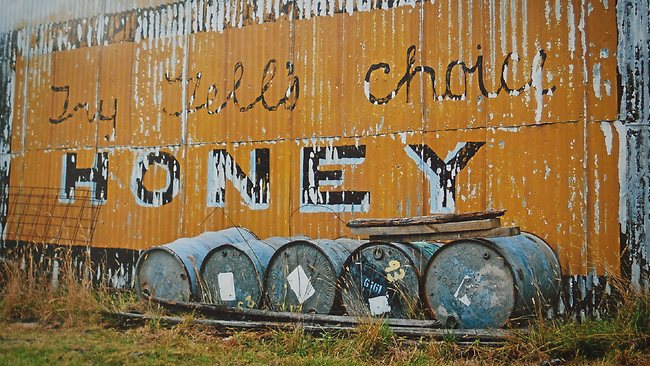
There was a profile on a novelist named Honey Brown. People always ask her if it’s a pen name, but it’s the name she was given at birth. Her dad was driving down a country road when he saw a sign advertising honey painted on a roadside shed, and he went home and told his pregnant wife that if they had a girl, her name had to be Honey. If that isn’t sweet enough, for her 40th birthday, Honey’s sister tracked down the original sign and took a photo of it. I love a name with a story behind it.

Another writer, this time a teenage fashion blogger from Perth named Willabelle Ong. She’s been blogging since she was 15, has more than 60 000 subscribers, racks up over 115 000 views a month, and has been featured in Teen Vogue and the New York Times. I’m not usually a fan of portmanteau names, but Willabelle is really quirky and charming.

There was a story on a young rapper whose stage name is Iggy Azalea, which is pretty cool. Her real name is Amethyst Kelly, which is cool too. Would you prefer to be called Iggy or Amethyst?

A story on new Australian citizens in Queensland mentioned one with the intriguing name of Ginny Lovelady. It puts an interesting picture in your mind. Other names of new Australians were Craig, Manjula, Marriette, Brigette, Albert, Melissa and Almari.

While watching RPA, I saw a young man, still in his teens, having a tumour removed from his leg. Luckily, his limb was able to be saved. He had the romantically Arthurian name Galahad, which some interpret as being from the Welsh for “hawk of summer”. Galahad is the only knight who is pure enough to find the Holy Grail, and some see him as a Christ-figure. Guinevere is becoming accepted as a “normal” name now, so how about Galahad for the guys?

On the news, there was a brief interview with the father of an unsuccessful criminal who was foiled by a quick-thinking young lady. The dad’s name was Trampas, which seemed to me very unusual (okay, utterly bizarre). Turns out the name had quite a vogue in its day, because Trampas was one of the main characters in the 1960s TV cowboy series, The Virginian. It’s from a place name meaning “traps” in Spanish, and there’s some famous Americans with this name, who were born while the TV show was on. There’s also several Australians with the name in historical records. Perhaps in 50 years a name blogger will exclaim over a stout middle-aged lady named Katniss, and wonder where on earth she got her “weird” name from.

Speaking of names from books, a friend complained that she couldn’t finish the novel she’d started because of the heroine’s name – Ava. She found it ridiculous that a grown woman should have a “little girl” name – sooo unbelievable. The funny thing is, I know an Ava who’s 32, not to mention a Ruby who’s 28 , a Keeley who’s 29, and an Oliver and a Tyson in their mid-forties. These popular baby names had to start out somewhere! The grown-up Ava I know has a toddler named Jessica – I wonder how many people get their names confused?

Interesting Names Spotted in Real Life

Akira – a Japanese name meaning “bright, clear”. It can be unisex, but I saw it on a boy.

Ebenezer – I was so rapt to see this on a little boy! It really doesn’t seem any different to Biblical names like Ethan, Elijah, Ezra etc.

Malik – an Arabic name meaning “chieftain, king”. Does it remind you of Slumdog Millionaire or One Direction?

Riven – a girl’s name from the online game, League of Legends. Literally it means “split asunder” in English, which kind of freaks me out, but I can see it sounds a lot like River and Rivendell. Maybe her parents think riven means “full of rivers”?

Zora – a Slavic name meaning “dawn”. A nice alternative to popular Zara.

Names of Babies Born to People I Know or Know Of:

Girls: Autumn, Mabel, Xanthe

Boys: Calvin, Lennon, Theo, Wyatt

(Picture shows the original sign which inspired Honey Brown’s name)

Diminutive Names for Girls

23 Sunday Jun 2013

Posted by A.O. in Name Themes and Lists

≈ 14 Comments

Tags

Australian Aboriginal names, Babyology, birth notices, english names, epithets and titles, famous namesakes, fictional namesakes, French names, German names, historical records, Indian names, locational names, mythological names, name history, name meaning, name popularity, names from songs, names from television, names of animals, names of comics, names of lions, nicknames, popular names, retro names, Scottish names, slang terms, Spanish names, Swedish names, underused names, unisex names, vintage names

6729_1302317773These short days of winter seem like the perfect time to cover names which are diminutives, nicknames, pet names, and short forms of names, but can also be used as full names.

Annika

Annika is a Swedish diminutive of the name Anna, so it’s one of those cases where the pet form of the name is longer than the name itself. The name became well known in the English-speaking world through Astrid Lindgren’s Pippi Longstocking books, because Annika is the little girl who lives next door to Pippi and is one of her friends. There are several variants of the name, such as Anneka and Anika, although while Anneka is said exactly the same way as Annika (AN-ih-ka), Anika is pronounced a-NEE-ka, and is also an Indian name. Annika has charted since the 1970s, and peaked in 2010 at #165; it’s now #196. Although in regular use, it’s never become popular. I think it’s pretty; in fact I wish this had been used as my own nickname!

Elsa

Elsa is a short form of the name Elisabeth. This name reminds me of the 1930s, as there were several prominent Elsas active during those years. One was stylish Italian fashion designer Elsa Schiaparelli, who was Coco Chanel’s greatest rival in pre-war Paris. Another was bohemian actress Elsa Lanchester, who studied under Isadora Duncan and played the “Bride of Frankenstein” on film. American hostess Elsa Maxwell threw lavish parties for the rich, including a scavenger hunt in Paris which disrupted the entire city. In fiction, Elsa is the heroine of Wagner’s opera, Lohengrin, and the pretty and fashionable young mistress in Françoise Sagan’s Bonjour Tristesse. The name may also remind you of Elsa the lioness, from the non-fiction books and movies, Born Free and Living Free. Similar to fashionable Elsie, but with a sophisticated European twist, this name has gained more attention since Chris Hemsworth married lovely Spanish actress Elsa Pataky. Elsa is #297 in Victoria.

Heidi

Heidi is a short form of the name Adelheid, the German form of Adelaide. This name became well known in the English-speaking world due to the best-selling children’s book, Heidi, by Johanna Spyri; the story of a curly-haired young orphan girl growing up in the Swiss Alps with a gruff, hermit-like grandfather. Although it was translated into English in the late 19th century, the name Heidi only became famous after the 1937 movie was released, starring Shirley Temple. Heidi first charts in Australia in the 1940s, and ranks in the 1950s, debuting at #527. The name skyrocketed to peak in the 1970s at #74. Heidi dropped out of the Top 100 in the 1980s and sunk to #213 in the 1990s – the band Killing Heidi probably didn’t help. It climbed again, and was Top 100 in 2010, then fell the next year. Last year it was one of the fastest-rising names for girls, rising to #76 nationally. It is currently #87 in New South Wales, #85 in Victoria, #72 in Queensland, #57 in Tasmania and #55 in the Australian Capital Territory. This is a spunky little name which just won’t give up – it keeps climbing up and down the charts as if they’re the Alps, but like little orphan Heidi, our hearts can’t let it go.

Jinty

Jinty is a Scottish pet form of Janet, a variation of French Jeanette. One prominent person with this name is British historian Dame Janet “Jinty” Nelson. You may also have heard of the Scottish-born Australian artist and designer, Jinty Stockings. There used to be a British girl’s comic called Jinty, much loved by readers for its bizarre storylines which dealt with dystopian futures, school bullies with mind control, mermaid mothers and the like. There is also a steam locomotive named Jinty in The Railway Series on which the kid’s TV show Thomas and Friends is based;  small tank engines were once nicknamed “jinties” by railwaymen. I saw this name in a birth notice a while ago, and was charmed by its jauntiness. Although it’s not a common name in Australia (I found only one woman named Jinty in Australian historical records and that may have been a nickname), there’s something vaguely Australian-sounding about it. Perhaps it’s partly because it sounds like Jindy, the affectionate name for the town of Jindabyne, which comes from an Aboriginal word for “valley”.

Lola

Lola is a short form of the name Dolores, taken from a Spanish title of the Virgin Mary, Maria de los Dolores, meaning “Mary of Sorrows”. The title refers to the Catholic devotion, the Seven Sorrows of Mary, reflecting on sad events during Mary’s life as the mother of Jesus. Despite this serious meaning, Lola is usually thought of a fun and even sexy name, and this can be attributed to Lola Montez. Born Eliza Gilbert in Ireland, she was beautiful and exotic-looking, and billed herself as a “Spanish” dancer. Her routines were considered salacious, and she was even more famous as a courtesan, being the mistress of Ludwig I of Bavaria. Lola toured Australia in 1855 where she enraptured audiences but attracted controversy; her beauty manual is illustrated by Australian cartoonist Kaz Cooke. After Ms Montez, Lola was a bad girl name, inspiring songs about showgirls, girls from bars in SoHo, and girls who get what they want. Lola was #203 in the 1900s, and peaked in the 1930s at #74, leaving the Top 100 the following decade. It was off the charts between the 1960s and 1990s, returning in the 2000s at #393, coinciding with the publication of the Charlie and Lola book/TV series, where the name got a new image as that of a lively little girl. Lola has been Top 100 since 2010, when it debuted at #97. It is currently #75 nationally, #86 in New South Wales, #59 in Victoria, #61 in Tasmania, #92 in Queensland, and #62 in the Australian Capital Territory. Cute yet alluring, it’s hard to resist the charms of this retro name.

Mimi

Mimi is a short form of all the Mary names – Mary, Marie, Maria, Miriam, and so on, although in practice it is used as a nickname for almost any name with an M sound in it. Some famous Mimis include Miriam “Mimi” Macpherson, actress Miriam “Mimi” Rogers, singer Mei “Mimi” Choo, and children’s author Mimi King. Mariah Carey is called Mimi by her family and close friends. Sometimes it is used as a pet form of certain male names; an example of this is Mislav “Mimi” Saric, who plays soccer for the Adelaide Raiders. The most famous fictional person of this name is Mimi from Puccini’s opera, La bohème; Mimi’s real name is Lucia, so Mimi can be used as a generic “cute” nickname. Mimi has an Australian connection, because in the Indigenous folklore of Arnhem Land, the Mimi are a race of spiritual beings who are often referred to as “Australian fairies”. Mimis are extraordinarily long and thin, and live in rock crevices. They taught humans how to hunt, cook and paint, and are usually harmless, but can be mischievous. The name Mimi is pronounced mee-mee, and seems to be rarely chosen as the name on the birth certificate. That seems unfair, when many brief, and perhaps insubstantial, names are highly popular for girls.

Nellie

Nellie is a pet form of Nell, a medieval short form of names such as Helen, Ellen and Eleanor. Australia has had two famous performers with this name. One of them is Dame Helen “Nellie” Melba, the charismatic operatic prima donna who reigned at London’s Covent Garden during its golden age. During her career, she was invited to sing for many of the royal heads of Europe, and was mobbed by fans, just like pop singers are today. The other is Eleanor “Nellie” Stewart, a beautiful singer and actress who made her name playing Nell Gwynn in Sweet Nell of Old Drury; after that she was always known as “Sweet Nell”. She starred in Sweet Nell, one of Australia’s earliest films. Nellie was #31 in the 1900s, and left the Top 100 in the 1930s. It hasn’t charted since the 1950s – coincidentally or not, that was the decade the enduring children’s song Nellie the Elephant was released. This vintage name is now a very hip choice, and I’m sure we will see more of it. It is currently #494 in Victoria.

Pippa

Pippa is a short form of the name Phillipa. It gained fame in 1841 when Robert Browning published his play-poem, Pippa Passes, which has the famous lines, God’s in His heaven/All’s right with the world! The Pippa of the poem is an innocent young silk-winder named Felippa, nicknamed Pippa. Pippa seems to be more readily accepted as a full name in Britain and Australia than elsewhere, and I used to think of it as a “soap opera” name, because there were two Pippas in Home and Away, and actress Pippa Black had a leading role on Neighbours. However, since 2011 we’ve all connected the name to Phillipa “Pippa” Middleton, who became an immediate sensation after appearing at her sister Catherine’s wedding to Prince William. The name is already Top 100 in Victoria, where it is #73, Queensland, where it is #84, and Tasmania, where it is #93. Other states to follow? Probably.

Romy

Romy is a German short form of Rosemarie, although it can also be used as a male name, possibly short for Romeo or Roman. The most famous person with this name is probably German-Austrian actress Rosemarie “Romy” Schneider, who gained fame in France during the 1960s and ’70s. In the 1990s, the name got some publicity with the release of ditzy gal-pal comedy, Romy and Michele’s High School Reunion, with the role of Romy played by Mira Sorvino. The name has been picked up by several celebrities, including cricketer Ed Cowan and his wife Virginia Lette, who welcomed their daughter Romy last year. Suzi Catchpole from Australian website Babyology lists Romy as a name with “swagger and sass” – it’s certainly very hip at the moment, a cool twist on popular Ruby and Rose. The name is pronounced RO-mee, like the first two words in the sentence, Row me to the shore.

Willa

Although Willa can be used as a short form of Wilhelmina and other names, it is actually a full name in its own right (so it’s slightly cheating to include it). It is the English form of the medieval French name Guilla, a feminine form of Guillaume – the French form of William. Famous people named Willa include novelist Wilella “Willa” Cather, New Zealand actress Willa O’Neill, and singer Willa Ford, whose real name is Amanda Modana – her stage name comes from her original surname, Williford. Another Willa is young actress Willa Holland, who has starred in The OC and Gossip Girl TV series. The Alternative Guide to Baby Names lists Willa as an Aboriginal name meaning “wife”, but the author doesn’t say which language it is from; in a language from the Melbourne region, willa means “possum”. There are so many place names here that begin with or contain Willa-, such as Willa-Willa Ridge near Adelaide, and Willa Willyong Creek near Broken Hill, that the name does have a rather Australian feel to it. Willa has been gaining in popularity, not only riding the success of its brother name, William, but providing a hip alternative to popular Willow. It is #468 in Victoria.

POLL RESULT: People’s favourite names were Elsa, Pippa, and Willa, and their least favourite were Heidi, Mimi, and Jinty.

(Picture of silver coin in commemoration of Dame Melba from Perth Mint)

Requested Name: Fia

05 Wednesday Jun 2013

Posted by A.O. in Requested Names

≈ 4 Comments

Tags

famous namesakes, Gaelic names, historical records, Italian names, name history, name meaning, name popularity, nicknames, Old Irish names, Old Irish words, rare names, Samoan names, Scottish names, unisex names

12Dec14-2934

Fia is one of those names whose origin is difficult to ascertain, or which may have multiple origins. This isn’t uncommon with names that are exceptionally short and simple, but it does make it difficult to research, and my findings are going to involve a certain amount of supposition.

The earliest I can find Fia in historical records is around the 18th century, across central and eastern Europe, later moving north to Scandinavia. The most likely explanation is that Fia was used as a short form of a longer name, and, considering names common to all the countries involved, my guess would be that it is short for Sofia (in fact I have seen quite a few Europeans online named Sofia with Fia as their user name).

Fia isn’t often found in the English-speaking world until the late 19th century, and  turns up in the United States amongst immigrants from the aforesaid European countries.

In Australian records, Fia is found very rarely, and associated with both Italian and Samoan immigrants. The Italian is interesting, because the most common explanation of Fia is that it is short for the medieval Italian name Fiammetta, which comes from the Italian word for “fire”. From the records of Italian immigrants to the US, I see Fia used as an abbreviation of Fiorella, meaning “little flower”, although Fia could still be short for Sofia in Italy (it is currently #1 there).

In Samoa, Fia is a common unisex short form of any name beginning or ending with fia. An example is AFL footballer Fia Tootoo, whose entire name is Fiatupu To’oto’o. A Samoan girls name that ends with -fia is Tausa’afia, which means “pleasant, lovable”; Fia can be used as the nickname.

There are two other theories I have read about the origin of Fia that are worth mentioning. One is that it is Scottish Gaelic, and originates from the medieval name Duibhshíth, which has been translated as “black fairy”. The other is that it is short for the medieval Irish name Fiachna, meaning “raven”, or related to fiadh, the Old Irish word for “deer” (originally any game animal).

I don’t find these theories very convincing, mostly because Duibhshíth and Fiachna are male names, and fiadh is also a masculine noun. I wasn’t able to find many women named Fia in Scotland or Ireland in historical records, and the very few I found may have been transcription errors, or abbreviations for longer names, such as Fionnuala. It would be strange for a genuinely Gaelic name to be so absent from Scotland or Ireland.

It would seem that in the English-speaking world, Fia is a modern name, and most likely began as a short form of Sofia. We may have lost touch with its origins due to the vagaries of immigration, and the name’s rarity.

If you are wondering how rare Fia is: there were 28 baby girls named Fia in the United States in 2012, 10 baby girls with the name born in the UK in 2010, and Fia doesn’t show up in Australian data at all. That’s very rare.

Fia is a neat, simple little name which would make a great alternative to popular Sofia and Mia, is a handy nickname for anything from Safiyah to Fiorella to Fiona to Seraphina, and which seems very multicultural. Its dearth of history and namesakes mean that it’s a baggage-free name, with few issues attached, and its rarity ensures that people don’t have a ready image to attach to its bearers.

However, if you are looking for an authentic Gaelic name to honour your Scottish or Irish heritage, I suggest you keep looking. I don’t think this is it.

Thank you to Celia for suggesting the name Fia to be featured on Waltzing More Than Matilda.

POLL RESULT: Fia received an approval rating of 68%. 19% of people thought the name Fia was pretty and unusual, but 15% preferred it as a nickname for a longer name only.

(Photo shows Swedish model Fia Ljungstrom)

← Older posts
Newer posts →

Enter your email address to follow this blog

Categories

Archives

Recent Comments

A.O.'s avatarwaltzingmorethanmati… on Zarah Zaynab and Wolfgang…
Madelyn's avatarMadelyn on Zarah Zaynab and Wolfgang…
JD's avatardrperegrine on Can Phoebe Complete This …
A.O.'s avatarwaltzingmorethanmati… on Rua and Rhoa
redrover23's avatarredrover23 on Rua and Rhoa

Blogroll

  • Appellation Mountain
  • Baby Name Pondering
  • Babynamelover's Blog
  • British Baby Names
  • Clare's Name News
  • For Real Baby Names
  • Geek Baby Names
  • Name Candy
  • Nameberry
  • Nancy's Baby Names
  • Ren's Baby Name Blog
  • Sancta Nomina
  • Swistle: Baby Names
  • The Art of Naming
  • The Baby Name Wizard
  • The Beauty of Names
  • Tulip By Any Name

RSS Feed

  • RSS - Posts

RSS Posts

  • Celebrity Baby News: Melanie Vallejo and Matt Kingston
  • Names from the TV Show “Cleverman”
  • Can Phoebe Complete This Sibset?
  • Zarah Zaynab and Wolfgang Winter
  • Baby, How Did You Get That Name?
  • Celebrity Baby News: Media Babies
  • Celebrity Baby News: Adelaide Crows Babies
  • Celebrity Baby News: Chris and Rebecca Judd
  • Names at Work: Name News From the World of Business and Employment
  • Celebrity Baby News: Sporting Round Up

Currently Popular

  • Celebrity Baby News: Alisa Camplin and Oliver Warner
  • Rare Boys Names From the 1950s
  • Sad Celebrity Baby News (contents may cause distress)
  • The Top 100 Names of the 1930s in New South Wales
  • The Top 100 Names of the 1940s in New South Wales

Tags

celebrity baby names celebrity sibsets english names famous namesakes fictional namesakes honouring locational names middle names name combinations name history name meaning name popularity name trends nicknames popular names saints names sibsets surname names twin sets unisex names

Blog at WordPress.com.

Privacy & Cookies: This site uses cookies. By continuing to use this website, you agree to their use.
To find out more, including how to control cookies, see here: Cookie Policy
  • Subscribe Subscribed
    • Waltzing More Than Matilda
    • Join 517 other subscribers
    • Already have a WordPress.com account? Log in now.
    • Waltzing More Than Matilda
    • Subscribe Subscribed
    • Sign up
    • Log in
    • Report this content
    • View site in Reader
    • Manage subscriptions
    • Collapse this bar
 

Loading Comments...