• About
  • Best Baby Names
  • Celebrity Baby Names
  • Celebrity Baby Names – Current
  • Celebrity Baby Names – Past
  • Featured Boys Names
  • Featured Girls Names
  • Featured Unisex Names
  • Links to Name Data
  • Waltzing on the Web

Waltzing More Than Matilda

~ Names with an Australian Bias of Democratic Temper

Waltzing More Than Matilda

Tag Archives: Australian Aboriginal names

Names Spotted at Home and Abroad (Summer Edition)

25 Monday Mar 2013

Posted by A.O. in Names Spotted at Home and Abroad

≈ 3 Comments

Tags

animal names, Australian Aboriginal names, changing names, culinary names, english names, ethnonyms, famous namesakes, fictional namesakes, fish names, floral emblems, flower names, food names, French names, German names, honouring, initials, Japanese names, Latin names, locational names, makes of cars, name combinations, name meaning, names of horses, names of spices, names of weapons, Native American names, nature names, nicknames, Persian names, plant names, rare names, rose varities, sibsets, surname names, types of boats, unisex names, vocabulary names

297602-baby-namesThe first baby born in Wollongong for 2013 was Rumi Vassilakoglou; he is named after the medieval mystical Persian poet, whose moniker means “from Rome” (this name for him is not used in Muslim countries, by the way). Rumi’s mum is named Leila, and his younger sibling is Mahli.

Your baby disappearing is every parent’s worst nightmare, but little Minowa Worthington’s story ended happily. Minowa is the name of a Japanese town, and a Japanese surname, but baby name books tell me it also Native American for “one with a moving voice”. They don’t say which language it is from, but I have seen Native Americans online with Minowa as their surname.

A Gold Coast baby born in the Queensland floods was named Sabre Smith. Although his name can be after the sword, putting it in the same genre as Blade or Steel, a sabre is also a class of racing boats – which seems apt for a baby born surrounded by water.

Another water baby is Dwight Anderson, who was born in the bath. I was a tiny bit surprised to see such an old-fashioned name in use … much more surprised to see that Dwight is a girl. Dwight’s sister is named Billie-Jo.

Allegra Bluebelle from Canberra, born in the city’s centenary year, has a middle name after its floral emblem, the royal bluebell. A little girl born on the city’s birthday seven years ago has the same initials as the Australian Capital Territory – Aisha Caitlyn Truselsen. A fisherman has a daughter named Makaira Indica, which is the scientific name for the black marlin (this isn’t connected to Canberra, so not sure why they mentioned it, but there you go).

The Hallett family changed their name by deed poll to Holden, in honour of the make of car. Not content with that, they have given their children Holden-related names too. Their son is named Toree, after the Torana, and his little sister is named Elcee – after the LC generation of Toranas.

An article about “unique” names quoted brothers named Mac and Fonzii. I have no idea why Mac is supposed to be unique, but Fonzii does seem slightly out of the ordinary. He’s not named about Fonzie from Happy Days, which reminds me of the baby named Tinkabell not named after the fairy. Other unusual names of real babies mentioned were Dragon, Justus, Porch, Ever, Notorious, Cash, Lychee and Bandit.

Another article on the same subject, with much the same information, featured a baby boy named Ace Bear Johnson, which strikes me as both cute and sporty (Ace’s sister is named Esmee). There was also a baby girl named Annecy Belle Easton [pictured], named after a French town that her parents fell in love with after they stayed there. She is called Annie for short, and Annecy’s mum also has the name of a French town – Nancy. Article also mentions real babies named Batman, Blaze and Charisma.

Darwin schoolteacher Wendy Green named her racehorse Rogan Josh, after the Indian spice mix, which she saw at the supermarket. She claims that in Tennant Creek, she was asked to baptise a baby, which she did using champagne, and named the baby Rogan Josh as well. You may take this story with as many grains of salt as you wish – but Rogan Josh really isn’t too bad a name. It literally means “boiling oil” in Persian.

Friday’s birth notices included a new baby named Passion Brinessa Ajayla Quinatee Martin, who is the 12th child in her family. The rest of the family are Samantha Jayne (18), twins Shantelle Victoria and Stephanie Catherine (15), Jenaya Lee (11), Shania Kay (10), Brandon Bradley (7), Brandi Shyla Molly Robyn (6), Cruz Richard (5), Clayton Adam Logan (4) and Diammond Sparckle Zedekeyah Lilly Ann (3). Mum is named Brinessa, which is a variety of rose, and quite an unusual name too. She admits she did find it difficult to come up with original names, and turned to an iPhone application for inspiration.

Names of Adults

Lyra Benbow is a primary schoolteacher in the Melbourne suburb of Digger’s Rest who is just about to spend her Easter break doing volunteer work in Uganda. Is anyone else just loving her name? It sounds like something out of a fantasy novel.

Another awesome name from the papers: Eugenie Pepper, who runs a children’s fashion business named Plum. I feel like ringing her number to hear if she answers, “Hello, this is Pepper of Plum”.

Last year, Cressida Moneypenny attended the Anzac Day commemorations in Turkey. Originally from the Gold Coast, Ms Moneypenny was drawn to her name’s spiritual home, and moved to London. Ian Fleming never gave his Miss Moneypenny a name, but I feel sure it should have been Cressida …

The Melbourne Comedy Festival will feature eight comedians named Dave. Why so many funny guys named Dave? Dave O’Neil was a David until he started in comedy – then he became Dave, which seemed more man of the people. Dave Hughes also began as a David, but said he couldn’t make it stick – people just expect a comedian of a certain age to be a Dave, apparently. All the Daves agreed they had been stuck with an uncool name – while a David can be hip or sexy, a Dave is always daggy.

Names From Real Life

A pair of sisters named Ilse and Matine, which I thought went together really well without being in the least matchy. Ilse is a German nickname for Elizabeth, while Matine is based on the French word for “morning”.

Another cute sibset, this time a little hippyish – Lotus, Jewel and Sunny (two girls and a boy). They are names which just make you smile.

Someone I know told me they have a new niece named Berrilee, which is the name of a suburb of Sydney (and one I missed!). It is derived from an Aboriginal word meaning perhaps “mouth” or “food”, and far from being a modern innovation, baby Berrilee is named after an ancestor.

A name I saw on a class list at the start of the school year – Phonique. It’s French for “phonic”, as pertaining to sound, and is used by a (male) DJ in Europe. To me it almost seems like a portmanteau of phony and unique …. and quite technological.

In spring it was Aryan … here’s another name I saw some people find controversial – Gypsy. This is a name more common in Australia than it is in the UK and other European countries, which have significant populations of Romanis or Travellers (who sometimes refer to themselves as gypsies). Romanis are not in fact from Egypt, which is what Gypsy literally means – their origins are from the Indian subcontinent.

Names of Babies Born to People I Know or Know Of:

Girls: Florence, Harriet, Lola, Marina

Boys: Arlo, Gus, Huxley

Requested Famous Name: Banjo

14 Thursday Feb 2013

Posted by A.O. in Famous Names, Requested Names

≈ 10 Comments

Tags

aliases, Australian Aboriginal names, Australian names, Australian slang terms, english names, famous namesakes, historical records, musical instruments, name history, name meaning, names of horses, nicknames, patriotic names, pen names, pseudonyms, vocabulary names

146168-banjp-paterson-grapphicOn Sunday February 17 this year it will be the 149th birthday of Andrew Barton Paterson, affectionately known as “Banjo” Paterson. To celebrate, The Orange and District Historical Society will be throwing him a birthday party, with a car rally, picnic lunch in Banjo Paterson Park, poetry readings, stories of Banjo’s life, and walk around the historic property where he was born.

Because this is a name blog, I feel obliged to explain that Paterson was named Andrew after his Scottish-born father, and his middle name Barton was a family name from his mother’s side; he was related to Edmund Barton, who would later become Australia’s first prime minister. Because he and his dad had the same name, Paterson went by his middle name, and was always known as Barty to his friends and family.

Paterson lived with his grandmother while he was attending the prestigious Sydney Grammar School, and she encouraged in him a love of poetry. He was 21 when he first began submitting poems to The Bulletin, under the pseudonym of “The Banjo” (sometimes shortened to a simple “B”). Full of fierce nationalism and a desire for a fairer society, he had some aspirations to write fiery polemic, and had even written a political pamphlet. However, The Bulletin had other ideas.

In the late 19th century, there was a movement towards the British colonies of Australia becoming one country, a feeling that Australia should be a united nation, and Australians a united people. In the effort to provide Australia with a unifying mythology that would instil nationalistic pride, it seemed that the Australian bush and outback would be the symbol to draw everyone together.

The Bulletin suggested that Banjo Paterson try his hand at bush poetry in line with its nationalist editorial policy. Banjo had been born in the Central West, but spent most of his childhood and youth growing up on the family property near Yass, north of Canberra. It was here he learned to ride, and watched the horsemen from the Murrumbidgee River and Snowy Mountains country play polo and take part in picnic races. He gained a great love of horses, and an admiration for horsemanship.

When he wrote The Man from Snowy River, it was a poem of reckless horse-riding heroism which immediately captured the nation’s imagination, and which still has our heart. It made his name, and his first poetry collection, under the title The Man from Snowy River, is the most-sold collection of Australian bush poetry ever, and is still reprinted today. During his lifetime, Banjo Paterson was second only to Rudyard Kipling in popularity among living poets writing in English.

Banjo Paterson was a colleague and friend of Henry Lawson, but had a very different way of seeing the bush. In Banjo Paterson poems, the bush is a place of adventure, romance and beauty, populated by heroes who live in freedom amongst the gum trees, honest freckle-faced youths, and characters with funny names and odd yarns about them.

Australia is the Outback, and pioneers, and songs around the campfire under the starry sky, and swagmen camped by billabongs. It’s a country of warmth and humour, and although it never quite existed, like all good mythology it lives in our hearts and minds. Banjo Paterson gave us a dream of Australia – one from which we have never truly awakened.

When it comes to names from history, often times there is a tinge of tragedy to them; some sadness attached to the real person who bore them, or even a whiff of scandal. There is no darkness to the name Banjo – Paterson was a decent, highly intelligent man who cared very much about the less fortunate, but he was essentially a happy person who was popular and sociable, and liked sport and the outdoors.

He wore his fame easily, remained modest about his talents, and never had any scandal attached to him. He was able to fulfil many of his dreams, and those that were denied him didn’t set him back. He enjoyed the ordinary love of friends and family, as well as the extraordinary love and devotion given to him by his nation. He is the model of what we hope for and expect from our celebrities.

The equine-loving Paterson took his pen name name of The Banjo from that of a horse owned by his family. This always seems to be described as “a favourite horse”, or even “his favourite horse”, but I cannot find any original source for this. Paterson himself simply describes it, no doubt with affection, as a “so-called racehorse“.

The origin of the horse’s name is apparently lost to history, but the word banjo has a history as a slang word in Australia. Slang dictionaries suggest as possible meanings “frying pan”, and “shoulder of mutton”. Another meaning was “shovel used for mining”, which during World War I, became used for any military entrenching tool – in other words, there are some correlations between the slang terms banjo and digger!

A banjo is military slang for a bacon and egg roll, because the motion of constantly dealing with crumbs while eating is reminiscent of someone playing the banjo. And Banjo Paterson himself has added another slang term – a banjo is a $10 note, because Paterson’s picture is on it, along with the words to The Man from Snowy River (Henry Lawson was on the old $10 note).

The banjo is the descendant of musical instruments brought to Colonial America by African slaves, and long seen as a staple of country music, the music of the poor and downtrodden (the kind of people that Banjo Paterson cared about). It is not known where the word banjo comes from, but the most likely source is West Africa, where it may be the same word they used for bamboo.

There are quite a few men named Banjo in Australian records, with the name most common as a nickname or alias. Many must have been named in honour of the poet, with some families named Paterson apparently finding it hard to resist having their own “Banjo Paterson”. The name isn’t unusual in Aboriginal communities, where it is given as a nickname.

The name Banjo gained fresh impetus when actress Rachel Griffiths named her son Banjo Patrick in 2003; since then the name has received more use, with 12 baby boys named Banjo last year in Victoria alone.

Banjo is an uniquely Australian name; one which seems strange in other countries, yet cosy and familiar in our own. It’s patriotic and honours one of our most beloved national poets. It’s cute, cool, and has a very Aussie nickname too – Joey.

Thank you to Brooke for suggesting Banjo as a featured name.

POLL RESULT: Banjo received an approval rating of 86%, making it one of the most highly esteemed names of the year. It was seen as uniquely Australian and patriotic (36%), cool and different (30%), and cute and spunky (20%). The remaining 14% of people thought it was over the top, weird, or ridiculous.

(Picture shows Banjo Paterson with the score to Waltzing Matilda)

Australian Beaches That Could be Used as Girls Names

30 Sunday Dec 2012

Posted by A.O. in Name Themes and Lists

≈ 8 Comments

Tags

Albanian words, animal names, Australian Aboriginal names, Bonds Baby Search, celebrity baby names, code names, english names, ethnonyms, famous namesakes, fictional namesakes, French names, Gaelic names, historical records, Italian names, Latin words, literary names, locational names, meteorological names, middle names, mythological names, name history, name meaning, name popularity, names from movies, names in songs, names of rivers, Native American names, nature names, nicknames, Polish names, retro names, Robert Louis Stevenson, Russian names, Scottish names, season names, Slavic names, spiritual concepts, surname names, unisex names, vintage names, vocabulary names

morningtideYou may have noticed that all the names that have been featured on the blog since the weather got warmer have had some connection with water or the sea. With summer holidays upon us, it is only fitting that the last Name List for the year is one of Australian beach names.

Airlie

The town of Airlie Beach in the Whitsunday region of north Queensland is a popular tourist destination and one of the departure points for the Great Barrier Reef. Because James Cook thought he arrived here on Whitsunday, every year there is a Blessing of the Fleet on Whitsunday (Pentecost) – although Cook almost certainly got the day wrong and it was really Whitmonday. The town’s beach is quite small, and infested by sea wasps, the most lethal jellyfish in the world. For the convenience of those wishing to avoid a painful death, a swimming lagoon has been built on the foreshore. The town is named after Airlie in Scotland, the seat of the Earl of Airlie. Airlie Castle is referenced in the ballad, The Bonnie House o’ Airlie, and mentioned in Robert Louis Stevenson’s novel, Kidnapped. The meaning is not known, although it’s possibly from the Gaelic for “edge of a ridge”. Airlie is a name reasonably well-known in Australia, although rare elsewhere; there’s ABC presenter Airlie Ward, hockey player Airlie Ogilvie, policy analyst Dr Airlie Worrall, and actress Airlie Dodds. This is a modern name with ties to Scottish history, and would be a great choice if Airlie Beach is meaningful to you.

Bondi

Bondi Beach is extremely popular with locals and tourists alike, one of Sydney’s iconic destinations, and heritage listed. In the fashionable eastern suburbs, it’s a place to see and be seen, lined with hotels, cafes and restaurants from where you can view the beach and beachgoers. Bondi has always had a reputation for showing a lot of flesh, and in stricter times the American actress Jean Parker was booted off it for wearing a bikini. These days topless bathing is common on Bondi. If almost-naked humans aren’t your thing, there is always the chance of seeing dolphins, fairy penguins, and in season, whales. Bondi Beach has many cultural events, including the annual City to Surf charity run, and it stars in TV shows such as Bondi Rescue and Bondi Vet. The name Bondi (said BON-dye) is said to be from boondi, a local Aboriginal word meaning “sound of water breaking over rocks”. The rare use of this name in records may be from the Italian surname Bondi (said bon-DEE), meaning “good day”. I saw a baby girl named Bondi in this year’s Bonds Baby Search. This is an unusual choice, but rather patriotic, and seems ideal for beach-loving Sydneysiders.

Etty

Etty Bay is a picturesque little bay in far north Queensland; the nearest town is Innisfail. Enclosed by rainforest filled with wildlife, it attracts bushwalkers, birdwatchers and picnickers, and is known as one of the best places to see endangered cassowary birds in the wild – cassowaries are large flightless birds around six feet tall. Etty Beach is considered safe for swimming, as long as you avoid saltwater crocodiles and deadly jellyfish. Etty is a pet form of names such as Esther, Ethel, Henrietta and Harriet, and was most common in the nineteenth and early twentieth centuries. With Etta tipped as the next retro-chic name, and Arrietty from The Borrowers receiving notice, Etty seems not only cute and usable, but positively stylish. It fits in with other vintage nicknames such as Elsie, Hattie and Millie.

Miami

Miami is a suburb of the Gold Coast which was first developed in the 1920s to entice tourists, and is still a popular place for people to visit. Its clean sandy surf beach make it a favourite destination for family holidays. It is named after Miami in Florida, as being somewhere else that’s hot, humid and beachy – during the 1920s, Miami enjoyed such prosperity and growth that it was dubbed “The Magic City”. This success the Queensland developers no doubt hoped to emulate. The city of Miami was named after the Miami River, and this in turn was named for the Native American people called the Maiyami. They took their name from the lake they lived by (later known as Lake Okeechobee); the name simply means “big water”. Miami is a name I see sometimes on little girls, and its not only an American place name, but an Australian one as well. It fits in with popular names such as Mia, Maya and Amy.

Pippi

The town of Yamba in northern New South Wales lies at the mouth of the Clarence River, and boasts eleven beaches, including Pippi. It’s primarily known for surfing, and the Pippi Beach Classic is a surfing event held here each January. At one end of the beach is the enticingly-named Lovers Point, and from here is an easy walk up to a rock shelf which gives magnificent views of the sea. Dolphins are plentiful, and whales can be seen during winter and early spring. Pippi Beach is named after the pippis or pipis which can be found here – small edible clams which are often used for fish bait. You may recall that John Sutton, co-captain of the South Sydney Rabbitohs team in the NRL, welcomed a daughter named Pippi last year. As John is a keen surfer, I wondered if Pippi Sutton may have been named after this popular surf beach. You probably also know the name from the Pippi Longstocking books by Astrid Lindgren – the character’s name was invented by Mrs Lindgren’s nine-year-old daughter, Karin. You can see Pippi as short for Phillipa, and if Pippa or Piper delight you, yet seem too common, then sprightly Pippi may fit the bill.

Rainbow

Rainbow Beach is a small town in southern Queensland which was once a centre for sand-mining, but is now a popular tourist destination with an attractive beach and many bushwalking tracks. The town get its name from the brilliant coloured sand dunes which surround it. According to a local Aboriginal legend, the dunes received their colours when the spirit of the rainbow plunged into the cliffs after coming off second-best in battle. More prosaically, the colours stem from the sand’s rich mineral content. The evanescent beauty of rainbows have made them part of mythology for many thousands of years. Both Greek and Norse myth saw the rainbow as a path between heaven and earth; in Irish folklore there is a pot of gold at the end of the rainbow; and in the familiar story of Noah and the Ark from the Old Testament, the rainbow is a sign of God’s promise to never destroy the earth again. In Australian Aboriginal mythology, the rainbow serpent is of great significance and power, creating and marking the earth’s territories, and controlling its water resources. The subject of artists, singers and poets, the stuff of hopes and dreams, the rainbow has long been used as a symbol of social change. The striking name Rainbow is not that rare in old records, and used for both sexes, but is most common as a middle name.

Trinity

Trinity Beach is a suburb of Cairns in far north Queensland; the city lies on Trinity Bay, which is where the suburb gets its name. Captain James Cook named it on his 1770 voyage, as he arrived there on Trinity Sunday, which is the first Sunday after Pentecost (hopefully he had his dates sorted out by this stage). It is a festival to celebrate the Holy Trinity of the three Persons of God: Father, Son, and Holy Spirit. Although the Holy Trinity is a Christian concept, the idea of a triple deity is found in several religions. The name Trinity was used from the 17th century, and was given to both sexes, in honour of the Holy Trinity. In recent years, it has gained a sci-fi image, for there has not only been a cult science-fiction film called Trinity, but Trinity is the love interest in The Matrix movie series, and Trinity Wells a newsreader in Doctor Who, Torchwood and The Sarah Jane Adventures. More ominously, the Trinity Test was the code name for the first detonation of a nuclear bomb in 1945, heralding the start of the Atomic Age.

Vera

Vera View Beach is just north of famous Cottlesloe Beach, in Perth, Western Australia. It isn’t one you will see promoted as a major tourist destination; not the most stunning beach in the world, it nonetheless makes a pleasant walk from the main beach, and is near the main cafe strip. It is also a good place to go snorkelling, as there a small reef nearby teeming with sea life. The beach’s name comes from the fact that it is near Vera View Parade in Cottlesloe. Vera is a Russian name which means “faith”; we tend to be struck by its similarity to the Latin for “truth”, while Albanians notice that it sounds like their word for “spring”. Vera was #15 in the 1900s, and by the 1940s was out of the Top 100. It ceased to chart in the 1980s, but has very recently made a comeback, and was #626 in 2011. Its image was severely dented by the sour-faced prison guard, Vera “Vinegar Tits” Bennett, in the 1970s-80s TV series, Prisoner (no wonder it disappeared from the charts then). However, with simple old names firmly back in fashion, and the V sound becoming increasingly popular, retro Vera could do very well.

Vivonne

Vivonne Bay is on Kangaroo Island in South Australia; the island is off the coast of Cape Jervis. The pristine beach at Vivonne Bay is several kilometres long, and popular for surfing and fishing. There is a tiny town of Vivonne beside the bay. Vivonne Bay was named by the French explorer Nicolas Baudin, who came here in 1803. He was the first to map the western and southern coasts of Australia, and his expedition was a great success, discovering more than 2500 new species and meeting the Indigenous people of Australia. Apparently his expedition harboured a spy – one of his men prepared a report for Napoleon on how to invade and capture the British colony in Sydney Cove, but recommended not to. Baudin died of TB in Mauritius on the way home. He named Vivonne Bay after the French town of Vivonne, near Poitiers (or the aristocratic surname which comes from the town – the town’s name comes from the nearby river Vonne). Readers of Marcel Proust will remember he used the name Vivonne for the river in Swann’s Way. I think this name is pretty, and seems like a cross between Vivienne and Yvonne. It’s different, but not too different.

Wanda

Wanda Beach lies on Bate Bay in the suburb of Cronulla; this is in Sutherland shire, in the southern districts of Sydney. Wanda has a dark past, because there were two murders here in 1965. Two teenage girls, Marianne Schmidt and Christine Sharrock, best friends and neighbours, disappeared at Wanda Beach while on a picnic, and their bodies, partially covered in sand, were found the next day. The murder is still unsolved. Wanda Beach gets its name from an Aboriginal word, wanda, said to mean “beach” or “sand dunes”. Wanda is also a Polish name; there is a medieval Polish legend about a Princess Wanda, and the name was popularised in the English-speaking world by English author Ouida’s 1883 novel, Wanda. The name may come from the West Slavic people known as the Wends; their name possibly means “tribe, kinship, alliance”, ultimately from an ancient word for “love, desire”, and related to the name Venus.

(Photo shows the morning tide coming in at Etty Bay)

Is the Name Macalla of Indigenous Origin?

15 Saturday Dec 2012

Posted by A.O. in Naming Assistance

≈ 2 Comments

Tags

Australian Aboriginal names, baby name websites, Chunes of Broome, Google, Hawaiian names, Karajarri words, Mervyn Mulardy, meteorological names, name meaning, name popularity, National LIbrary of Australia, nature names, polynesian names, popular names

image_previewA reader named Beni wrote in some time ago to ask if I could verify that the name Macalla was from an Australian Aboriginal language, and had the meaning “full moon”.

If you do a quick Google search, this interpretation does pop up on a few baby name sites, but they do not explain which language it is from. They also offer Mikayla or Makayla as being “derived” from this name, when we know that is not the case at all, so it starts to look rather unconvincing.

Even before searching these dubious baby name sites, I was already suspicious, because there is no letter c in the orthography of Australian Indigenous languages – a hard c sound, such as in the word carrot, is always shown as a k.

Feeling unsure of where to look next, I replaced the c with a k and tried searching for Makalla instead. In the National Library records, I found an album by a Western Australian musician and performer named Mervyn Mulardy; it was called Yatangal, and one of the tracks was Makalla.

I wrote to a music store named Chunes of Broome, and a helpful staff member named Andrew gave me Mr Mulardy’s phone number so that I could ask him about the song title.

Mr Mulardy was kind enough to take time out of his recording schedule to talk to me, and he explained that makalla is a word from the Karajarri language of the Kimberley, in Western Australia’s north-west. It describes the long grey clouds which roll in across the sky like waves, and which bring rain.

I don’t feel at all confident in reproducing Mr Mulardy’s pronunciation (especially as heard over the phone), but it sounded rather like MAHK-uh-lah, and the l in the word almost seemed to be a soft r sound.

I asked if Makalla is ever used as a name, and Mr Mulardy said he hadn’t heard of it being used so, but thought it very well could have been. I asked if it would cause any offence or be culturally inappropriate for non-Karajarri or non-Indigenous people to use Makalla as a name. Mr Mulardy seemed to think for a moment, and then said he didn’t believe so – in fact, he thought it would make a very good name.

As far as Macalla being an Indigenous name, that’s all I was able to find, and as you see, nothing about a full moon.

There is a Hawaiian girl’s name Makala, and this can be translated as “set free” or “myrtle” (depending upon pronunciation) – although other sources suggest that it can be used as a Hawaiian feminine form of Michael, which seems to bring us back to Mikayla again.

Another baby name site simply says that Macalla is a spelling variant of Mikayla, and this seems like the most likely explanation to me.

When it comes to spelling variants of common and popular names, baby name websites sometimes seek to make them seem more like “real names” with their own etymologies, origins and histories, and this can sometimes lead to overly imaginative interpretations of re-spelled names.

So Beni, I’m afraid I wasn’t able to verify that Macalla is an authentic Indigenous name, or even a genuine name in its own right.

But there are similar words and names that you could use, such as Makala and Makalla, and of course there is always Michaela, which could very well be the true source.

It’s interesting that while Mikayla is a Top 100 name, Michaela is only in the 400s, so the original (and some would say, the “correct”) spelling of the name actually makes a less common and more distinguished alternative.

If anyone has further information or insights on the name Macalla, please feel free to send them in to the blog. And which name would you prefer to use – Macalla, Makalla, Makala, Mikayla, Makayla or Michaela?

Much gratitude to Andrew at Chunes of Broome and Mervyn Mulardy for all their help.

(Photo shows a full moon over Lake Mungo)

Reader Name Story: Kirri, the Girl in the Whirlwind

11 Tuesday Dec 2012

Posted by A.O. in Reader Name Stories

≈ Comments Off on Reader Name Story: Kirri, the Girl in the Whirlwind

Tags

Australian Aboriginal names, mythological names, name history, name meaning

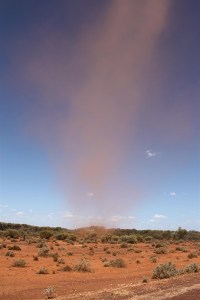
A495955_3__TN600A blog reader named Tina has written in to share a story she remembers, an Aboriginal legend from the Western Desert region of central Australia.

(For the benefit of overseas readers, I should explain that the whirlwind or mini-tornado that is elsewhere called a dust devil, is in Australia a willy-willy, a word thought to come from the Yinjibarndi language of north Western Australia. Sometimes it’s called a whirly-whirly, in imitation of the Aboriginal word, influenced by the English word whirl.)

The legend goes that there was once a stunning beauty named Kirri, who fell in love with a young warrior, and he with her. However, she had already been promised to one of the Elders of her people, and the two young lovers ran away together.

The Elder chased after them, and did battle with the young warrior while Kirri kept running as fast as she could. The Elder killed the young warrior, and then chased after Kirri, determined to kill her as well, in punishment for the shame she had brought upon him.

Because Kirri was young and fleet of foot, she was able to stay ahead of him, but she grew more and more tired, and knew that it was only a matter of time before he caught her. She asked the Ancestors for help, beseeching them not to let her her die at the hands of the Elder.

The Ancestors took pity on pretty Kirri, and turned her into a willy-willy, so that she could keep running from the Elder without ever being caught – for now she was just a swirl of dust which whirled across the desert at lightning speed.

The Elder was angered by this interference, and begged the Ancestors to reconsider: he had been shamed, and had the right to justice. The Ancestors decided that although they had given Kirri her life and freedom, and this couldn’t be reversed, the Elder also had the right to continue the chase.

They therefore turned the Elder into a willy-willy too, but because they had already promised to spare Kirri’s life, the Elder could never quite catch up to her and kill her. The two of them were thus cursed to run for evermore, always in pursuit or being hunted down, yet never able to capture or be caught.

So when you see a twin willy-willy, where two whirlwinds seem to twirl together, you know it is the spirits of Kirri and the Elder, forever running until the end of time.

Tina thinks that the name Kirri means “fast” or “very fast”, but she has been unable to find the original story to confirm this.

If you like the names Ceri, Kairi, Kirra, Kira, Keira or Kiara, then you may like Kirri too, and it’s possible to see it as one of the sources for the name Kirrily.

Thank you Tina for sharing this story, and providing more information on the name Kirri.

Name News Round-Up

13 Saturday Oct 2012

Posted by A.O. in Names in the News

≈ 4 Comments

Tags

Australian Aboriginal names, baby name superstitions, birth records, birth registries, changing a baby's name, choosing baby names, locational names, name changes, name combinations, name meanings, name popularity, name trends, nicknames, popular names, vintage names

I’ve read quite a few odd little snippets abut names in the news, and the holidays seems like a good opportunity to share them.

The same names popular across New South Wales

Data from the NSW Registry of Births, Deaths and Marriages shows that most areas followed the same name trends last year, despite cultural and ethnic differences. One of the major exceptions to the rule was the name Aaliyah, which is #77 across the state, but a Top Ten name in Blacktown, in Sydney’s western suburbs. At the public hospitals of Royal North Shore and Royal Prince Alfred, Oliver and Chloe were the most popular names; Olivia was the favourite name at Westmead, St George and Nepean hospitals, while Isabella topped the girl’s list at Randwick, Blacktown and Liverpool hospitals. Ethan was #1 in Liverpool, while the Central Coast was the only region to appreciate Cooper in significant numbers. Amelia proved an across-the-board favourite in almost every region, only failing to make the Top Ten in Newcastle, St Leonards, Central Coast and Blacktown.

Lismore bucks the trend

Despite this uniformity, up in Lismore in the state’s far north, they pride themselves on doing things a little differently, including baby names. In the Northern Rivers region, the most popular baby names are Riley and Mia (#20 and #5 in the state respectively). Cooper is the #2 boy’s name in Lismore, adding weight to the idea that it is coastal areas which tend to go for this name. Grace is #4 in Lismore, although #14 in the state.

Baby name regret, 1909 style

This is a story sent in by a reader to one of those columns where people send in their odd little stories.

The Unthank family of Somerville welcomed their baby daughter Hazel Ethel in 1909. Today Somerville is a suburb of Melbourne, but back then it was a rural orchard town. In order to register his daughter’s birth, Mr Unthank had to drive 10 km (6 miles) by horse and carriage to Hastings, a bustling seaside town (now another suburb).

On his way to the registry office, he dropped into the local pub to visit his wife’s family, who owned the pub, and share the good news. They all had a few drinks, and decided Hazel Ethel wasn’t suitable after all. They picked a new name, wrote it down on a piece of paper, and Mr Unthank continued his journey.

When Mr Unthank got home, he casually told his wife that he and her sisters had changed the baby’s name, but unfortunately he couldn’t remember what it was, as he had handed the slip of paper to the registrar and thought no more about it.

It was six weeks before they could find the time to visit their relatives again, and in the meantime, they had no idea what their daughter’s name was. They just called her Bubby. Eventually, they discovered her name was Zalie Vivienne Unthank, but for the rest of her life, Zalie was known by her family as Bub.

Perhaps not so strangely, both Hazel and Zalie now sound perfectly suitable as contemporary baby names. Do you think her dad and aunties made the right choice for 1909? And which one sounds better today?

(You can see the birth record for Zalie here, where her name is given as Zalie Vyvian).

Baby name superstitions

In a newspaper article from Tasmania dated 1936, it is claimed that in times gone by, it was considered lucky to choose a baby’s name before it was born. The name had to be chosen in the first nine days after birth, or it would be an unlucky child. The article unfortunately doesn’t say how long ago these superstitions were in effect.

The town that got its name back

This isn’t about baby names, but I checked my blog’s title, and it says it is about Australian names, not just baby or even people names.

The town of Mutchilba in far north Queensland is on the small side, but famed for its mangoes. In 1999, the town was quietly downgraded and removed from the map. The population of Mutchilba was (statistically speaking) moved to swell the ranks of nearby Dimbulah, which has the same postcode.

It’s said that life moves at a slower pace in the tropical heat, and perhaps that explains why the good people of Mutchilba failed to notice the change in status to their little town until July of this year. Perhaps nobody bought any new maps in the interim. Certainly nobody bothered telling them.

However, when the local paper published an article informing them of what had occurred, they were hopping mad, and launched a campaign to get their town back.

I’m happy to say they were successful, and as of October 12 this year, Mutchilba is now officially a town once more. Queensland Natural Resources and Mines Minister Andrew Cripps says the State Government fast-tracked the process, and that he took personal interest in the case, being from the far north himself.

The mayor of Mutchilba is now hoping to re-launch the Mutchilba Mango Mardi Gras, the annual festival celebrating the mango harvest, as a means of highlighting the town’s unique identity.

Mutchilba has a lovely meaning in the local language – “place of many birds”.

The People’s Choice of Boy’s Names

23 Sunday Sep 2012

Posted by A.O. in Name Themes and Lists

≈ 15 Comments

Tags

African-American names, alphanumeric names, American slang, anagram names, Anglo-Saxon names, animal names, aristocratic names, Australian Aboriginal names, Australian slang terms, banned names, bird names, birth notices, Bonds Baby Search, celebrity baby names, computer hacker names, controversial names, created names, english names, famous namesakes, germanic names, Google, Greek names, historical records, Indian names, J.R.R. Tolkien, locational names, Maori names, meteorological names, middle names, mythological names, name history, name meaning, nature names, nicknames, Old English names, Old Norse, polynesian names, popular culture, royal names, saints names, scandinavian names, slang terms, Spanish dialect words, surname names, tree names, unisex names, US name popularity, vintage names, vocabulary words, Welsh names

Adolf

A form of the Germanic name Adalwolf, meaning “noble wolf”. The Old English form is Æthelwulf, and there are a few famous men of this name in English history, most notably the father of Alfred the Great. The name was often used amongst the royal houses of northern Europe, and the Latinised form Adolphus turns up in the monarchy of the United Kingdom. There is a saint called Adolf of Osnabrück, a 9th century German monk. Up until the mid-twentieth century, the name was common in central and northern Europe, and can be found in Australia due to immigration from Germany and Scandinavia. The reason this name has been included is because barely a day goes by without someone Googling: “Is it legal to call your child Adolf?”, to which I can say, yes, it is legal here, and you can find quite a few Australians in the records with this name – including ones born during and shortly after World War II. I have met a man named Adolf (born around the early 1960s), and I believe he was named after his grandfather. The other chestnut is, “Is it legal to call your child Adolf Hitler in Australia?” to which I reply, Why would you want to do that? Seriously, why? As the name Ned Kelly is banned because he is considered too wicked, I’m pretty sure Adolf Hitler would also be illegal here.

Buster

This spunky name has more history than you might think. In England, it was first used in the middle position; Buster is a variant of the surname Bustard, after the bird. In 18th century America, it seems to have been more common for African-Americans, and may have started as a pet name in the sense of “breaker”. Later it took on the meaning of “unusual, prodigious, amazing”. Buster is used to address males in the same way as pal or fella (“Now listen up, buster”). This comes from the Spanish dialect busté, meaning “you”. It’s gone on to have negative connotations. One of the most famous men with this name is actor Joseph “Buster” Keaton, who started his career in vaudeville as a small child. He claimed to have received his nickname as a toddler from Harry Houdini, after falling down a flight of stairs unhurt. Houdini allegedly remarked, “That was a real buster!”, meaning “a fall with the potential to cause injury”. So Keaton’s name indicated he was tough enough to take a tumble. Buster Brown was a cartoon strip boy who was an angelic-looking blond prankster. In Australian slang, come a buster means to fall or fail by misfortune, while buster is a term for a strong wind – especially the Southerly Buster. This is a name Sydneysiders give to the abrupt cool change that sometimes blows in from the south during the warmer months. Vintage name Buster has recently become rather an Australian favourite for boys, although in the novel, The Shiralee, by D’arcy Niland, Buster is a little girl.

Chester

Chester is a city in Cheshire, England, founded by the Romans as a fortress in 79; its size has led some historians to speculate that the Romans intended it to be the capital, rather than London. Its current name comes from the Old English Ceaster, meaning “Roman fort”, and its early history was very military, with wars seemingly constant. Even King Arthur is supposed to have won a major battle here, and it was the last city to fall to the Normans during the Conquest. Today it’s a thriving modern city which still tries to preserve its historic buildings. Chester has been used as a personal name since the 16th century, probably after the surname, although early births in Cheshire suggest they may have been named directly for the city itself. Although it’s been a popular name in the US in its time, and only left the Top 1000 in the mid-1990s, for some reason it never caught on in a big way here. I was surprised to see it on a baby in the Bonds Baby Search Competition this year. For some reason, this baby name is often Googled, although the slang term chester is an impediment to its use.

Digby

An English surname from a place name meaning “settlement by the ditch”, derived from a combination of Old English and Old Norse. The name seems to have been first given in honour of the aristocratic Digby family, Anglo-Irish peers whose family seat in Coleshill, Warwickshire was granted to them by Henry VII. It is from the town of Coleshill that the personal name originates in the 17th century. One of the most famous of this clan was Sir Kenelm Digby, a Catholic philosopher considered a great eccentric for his exuberant personality and fascination with science, which extended to studying alchemy, astrology and magic (not considered incompatible with science then); he was the first person to note the importance of oxygen to plants. A man of action as well as thought, he became a privateer, and killed a man in a duel; he also wrote several cookbooks, invented the modern wine bottle and managed to fit in a secret romance to a famous beauty which led to their marriage. A true all-rounder. This name regularly appears in birth notices here, especially from Victoria, and may be encouraged by comedienne Cal Wilson, who welcomed a son named Digby a few years ago. People seem to either loathe this name or find it irresistibly cute; I must confess to being in the second category.

Elfyn

This is the Welsh form of the Old English name Ælfwine, meaning “elf friend”; it went out of use after the Norman Conquest. J.R.R. Tolkien liked to think of the name as meaning “friend of the elves”, and invented two fictional characters with this name who formed close bonds with elves. Modern forms include Alvin and Elvin, both taken from the surname form of the name. There are several famous people in Wales with Elfyn as either their first name or surname, including young rally driver Elfyn Evans and poet Menna Elfyn. For reasons I cannot explain, it is Googled several times a week.

Jharal

Jharal Yow Yeh is an NRL star who plays for the Brisbane Broncos. An Aboriginal Australian from the Margany people of Queensland, he also has Torres Straits Islander, Vanuatuan and Chinese heritage. Now aged 22, he has been playing for the Broncos since 2009, for the Indigenous All-Stars since 2010, and for both the Queensland state team, the Maroons, and the Australian national side, the Kangaroos, since last year. Early this season he sustained a serious leg injury, and is still recovering. People Google Jharal’s name all the time, asking for its meaning, and often querying whether it’s of Indigenous origin. In fact, his name was created for him by his grandmother. His mother couldn’t decide what to call him, so she asked nana Iris to name him. Iris cleverly arranged the letters of all the strongest men in her family into a name, and came up with Jharal. It is taken from the initials of James, Harold, Anthony, Reece, Arthur and Linc. The name is pronounced JHUH-rahl, and Iris says that most people think it is an Indian name. In fact, by coincidence, a jharal is a mountain goat from India. Names created for celebrities often seem too unique for others to use, but I have seen Jharal a few times in birth notices recently. Looking for a nickname? Jharal is known to his family as Joe.

Koa

This unisex name has several different origins. There is a Hawaiian male name Koa meaning “strong, brave, fearless”, and it’s also the name of a Hawaiian tree, the Acacia koa. The wood was traditionally used to make dug-out canoes and certain types of surfboards. In Maori, the word koa means “happiness”. In the Kaurna language of South Australia, the word koa means “crow”, and the Koa people come from south-east Queensland, so it’s also a tribal name. There has been a sudden proliferation of this name in Australian birth notices, and that might be because Tom Dumont from No Doubt welcomed a son named Koa last year. However, I am beginning to see far more girls named Koa in birth notices than boys. This may be because of model and actress Koa Whelan, a contestant on this year’s dating show, Please Marry My Boy. I think this works equally well for boys and girls, although the first meaning is male only.

Neo

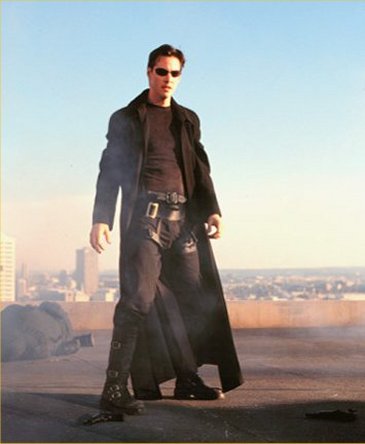
This is from an Ancient Greek prefix meaning “new, young, fresh”. It turns up in words such as neonatal, meaning “pertaining to the newborn”, or neologism, meaning “a freshly coined word”. The name has become well-known since 1999 because Neo is the protagonist of the cyberpunk Matrix film series. In the films, the character’s name is Thomas Anderson, and Neo is his computer hacker identity (Anderson does have the letters N, E and O in it). Neo is also an anagram of One, and the films seek to discover whether Neo is “The One”, a Messiah-like figure who will be able to rescue humanity. The films have become cult classics, and intermingle a range of philosophical and spiritual ideals from the East and the West – it’s even spawned its own religion, Matrixism. From the amount of times that people have Googled neo baby name or neo for a boy, there are quite a few parents considering using this name. Neo fits right in with current trends, and doesn’t sound any stranger than Leo. It is very strongly associated with the film character though. However, Australians have a solid history of gaining name inspiration from the movies, and most of The Matrix series was filmed in Sydney, giving it an Australian connection.

Rune

A Scandinavian name derived from Old Norse meaning “secret”. The runes are the letters of the runic alphabets, which were used to write different Germanic languages, dating from at least the first or second century AD. Runic inscriptions seem to have been for magical and divinatory use, and perhaps their knowledge was restricted to an elite in early times. According to Norse mythology, the runes were originally stolen from the god Odin. They are part of English history, because the Anglo-Saxons had their own runic alphabet. If you have read The Hobbit, you will have seen Anglo-Saxon runes used on a dwarven map; Tolkien later invented his own runic alphabet which appears in The Lord of the Rings. Rune stones are  used for divination today, often in a similar way to tarot cards. The name isn’t unusual in Scandinavia, and you may know the name from the Polish speedway rider Rune Holta, born in Norway. I think this is a simple, attractive name with layers of history and meaning.

Zephyr

A zephyr is a light, warm wind. It comes from the name Zephyrus, who was the Greek god of the west wind – the gentlest of breezes, which served as a harbinger of spring. He married both Iris, the goddess of the rainbow, and Chloris, the goddess of flowers – who is also seen as a deity of spring (and named Flora by the Romans). Children may know the name as that of a bat in the Silverwing book series, and, in the form Zephir, as the monkey in the Babar the Elephant stories. Grown ups may be reminded of The Zephyr Song by the Red Hot Chilli Peppers. If you take the name as derived directly from the god, then it is male, but if you accept it as a nature name and vocabulary name, it is unisex. It only seems to be Googled to my blog as a male name however. Pronounced ZEF-uhr, this name is unsual but not outrageous; it seems like a breezy alternative to popular Z names like Zachary, Zeke or Zane. The obvious nickname is Zeff or Zeffy.

(Picture shows actor Keanu Reeves in his role of Neo from The Matrix; Sydney skyline in background)

The People’s Choice of Girl’s Names

16 Sunday Sep 2012

Posted by A.O. in Name Themes and Lists

≈ 14 Comments

Tags

Australian Aboriginal names, Biblical names, birth announcements, celebrity baby names, doll names, Dutch names, English idioms, english names, famous namesakes, fictional namesakes, Finnish names, French names, germanic names, Google, Google searches, hebrew names, Hungarian name popularity, Hungarian names, Indian names, Irish name popularity, Irish names, Japanese names, locational names, mythological names, name history, name meaning, name popularity, Native American names, nicknames, Polish name popularity, Polish names, popular culture, royal names, saints names, Sanskrit names, Slavic names, Spanish names, tribal names, Turkish names, UK name popularity, unisex names, US name popularity, Visigothic names, vocabulary names, Welsh names

I have been trying to add Featured Names from those in the search terms, when possible. To celebrate the start of spring, I’m choosing ten names for each gender that people have used as search terms to reach my blog. I tried to concentrate on those that had been Googled multiple times, or which had questions attached to them, and I’ve chosen names which don’t make the Top 100.

Of course, if you would like to see a particular name featured on the blog, you don’t need to type it into a search engine and cross your fingers – you can always e-mail me directly and put in a request.

Arya

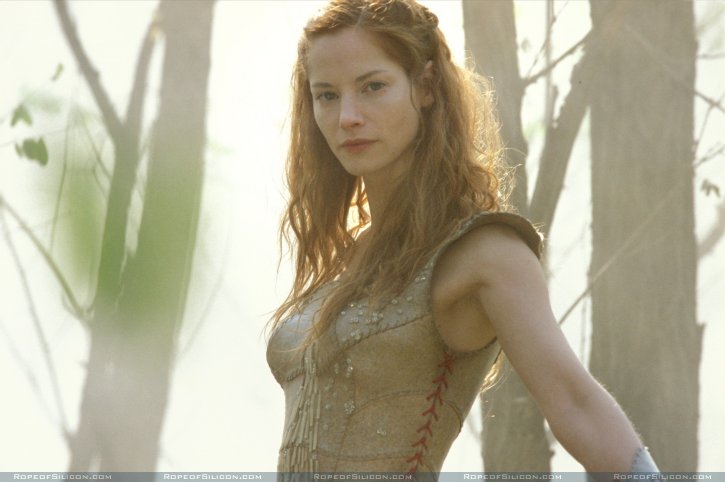
Arya is a unisex Indian name which means “noble, honourable” in Sanskrit. Common in India, it’s become known in the English-speaking world through two fantasy novelists. In George R.R. Martin’s A Song of Fire and Ice series, Lady Arya Stark is a beautiful free-spirited noblewoman who leads a very adventurous life. In Christopher Paolini’s Inheritance cyle, Arya Dröttning is an elf, later queen of the elves, and the romantic interest of the hero, Eragon. Both these characters are strong and independent, good at swordplay, horse-riding and taking care of themselves. Although there are several famous men and women in India called Arya, English-speakers probably think of it as a female name, because of the fictional characters. The Indian pronunciation is AHR-yuh, but both Martin’s and Paolini’s ladies say their names AHR-ee-uh (I’m basing this on how they are said in the TV series and the movie, as some written guides suggest AR-ee-uh or AYR-yuh). So there’s quite a selection of pronunciations. Arya recently joined the US Top 1000, and is currently #711. It would make a good heritage choice, or else an attractive literary name.

Carmel

Mount Carmel is a mountain range in Israel, and its name means “garden”. Our Lady of Mount Carmel is the title given to the Virgin Mary in her role as patroness of the Carmelite Order. The first Carmelites were Christian hermits who lived on Mount Carmel during the 12th century, and built a chapel dedicated to the Virgin Mary. They were approved as an order devoted to contemplative prayer, but didn’t stay in the Holy Land for long. They soon made their way to Sicily and Cyprus, and from there throughout Europe. Carmel was first used as a name in honour of Our Lady of Mount Carmel, perhaps especially for girls born on or near her feast day of July 16. Carmel was in rare use in 1900, then climbed steeply to make the Top 100 in 1930. It peaked in the 1940s at #77, and was off the Top 100 by the 1960s. It hasn’t charted since the 1990s. Although this name originated amongst Catholics, Mount Carmel is a place name mentioned in the Bible, and is important in Judaism, Protestantism, Islam, and the Bahá’í Faith as well, so it is usable by anyone who feels a connection to it.

Elodie

This is the Anglicised form of French Élodie, derived from the Spanish name Alodia; Saint Alodia was a 9th century Spanish martyr. The meaning of the name is uncertain, but it has been interpreted as Visigothic, from the Germanic meaning “foreign wealth”. In English it’s pronounced like Melody without the M, but the French pronunciation is ay-lo-DEE. There are several fashion boutiques in Australia with the name Elodie in them, giving it a self-consciously stylish air, and it’s a name often seen in birth announcements here, especially from Melbourne. This pretty name makes a good alternative to popular Eloise, and I can see it becoming another Amelie in the future (although a movie called Elodie would be a real help).

Kinga

Saint Kinga was born a Hungarian princess, and her name is the pet form of Kunigunde, which is from the Germanic for “family war”. Kinga had several saintly family connections, because she was the niece of St. Elizabeth of Hungary, and the great-niece of St. Hedwig. One of her sisters became St. Margaret of Hungary, while the other, Blessed Jolenta of Poland, is still being considered for canonisation. Saint Kinga was married off to Bolesław V, who became High Duke of Poland; she insisted that the marriage remain chaste, and although her husband wasn’t happy about the situation, he reluctantly agreed. During her marriage, she devoted herself to charitable works, and after being widowed, became a nun and spent the rest of her life in contemplative prayer. She is the patron saint of Poland and Lithuania, and her name is a popular one in both Hungary and Poland. This name has turned up repeatedly in the search terms ever since comedian Merrick Watts and his wife welcomed their daughter Kinga Rose in December last year. It’s apparently pronounced KEEN-gah, and makes an unusual and attractive heritage choice.

Mika

This little name has several different origins. Mika is a Japanese girl’s name translated as “beautiful fragrance”. It is also a Native American word, meaning “racoon” in the Osage and Omaha-Ponca languages of Oklahoma and Nebraska. However, it’s an Australian Aboriginal word too, because mika means both “moon” and “month” in the Nyungar language of south-west Western Australia. This is a name I’ve seen used a lot in the past, although not so much lately. It often appears in variant spellings, such as Meeka or Meekah – presumably to make the pronunciation clearer, because it is said MEE-kuh, and not like the boy’s name Micah. However, it’s possible that these variants were trying to provide a phonetic spelling of the Dutch name Mieke, which is a pet form of Maria, and said exactly the same way. Mika is similar to popular names such as Mia and Mila; it could also be understood as a short form of Mikayla. Just to confuse things further, Mika is an unrelated boy’s name as well – it’s a pet form of Mikael, the Finnish form of Michael. I suspect the reason I see less babies with this name is the British singer Mika, who now makes it seem male.

Niamh

Niamh is an Irish name meaning “bright, radiant”. In Irish mythology, Niamh was a goddess, the daughter of the god of the sea, and a fairy queen in the Otherworld known as the Land of Eternal Youth. Called Niamh of the Golden Hair, she lured the poet Oisin away to her own world, and together they were the parents of two children, Oscar and Plúr na mBan (meaning “flower of women”). Oisin thought he had been with Niamh for three years, but when he returned to Ireland, he found that three centuries had passed. Niamh gave him her white horse to ride, and warned him not to let his feet touch the ground, or he would never return to her. Later, he accidentally fell off the horse, and the three hundred years caught up with him; he became a very old man, near death. According to legend, his grave site is in Scotland. Depending on accent, the Irish pronunciation is either NEE-av or NEEV, but English-speakers tend to opt for NEEV as easier to say. This fairytale name is Top 100 in England/Wales, Scotland, Northern Ireland and Ireland, and you can see why.

Saskia

This Germanic name is derived from the name of the Saxons, a tribe from the north of Germany. We know them well, because some of them migrated to the British Isles and merged with the Angles to become the Anglo-Saxons of English history; their lands were in the south of England. The name of the tribe may come from the seax, a type of knife that the Saxons were known for using as a weapon. The seax is still an important symbol in the English counties of Essex and Middlesex, both of whom feature three seaxes in their ceremonial emblem. The Saxons who stayed behind in Germany resisted the Christian Franks for some time, but were defeated by Charlemagne and forced to convert; their lands became the Duchy of Saxony. Saxons also gained territories in the Netherlands and northern France. The name became famous through Saskia van Uylenburgh, who was the wife of the Dutch artist Rembrandt vn Rijn, and often served as a model for his paintings. In Australia the name is well known because of the actress Saskia Burmeister, who appeared in the film Hating Alison Ashley, and from the British-Australian children’s TV series Noah and Saskia, where Saskia is the Australian girl. Here the name is pronounced either SAHS-kee-ah, or SASS-kee-ah, and can be seen as a Dutch heritage choice.

Seren

This is a modern Welsh name meaning “star”, and it’s said SEH-ren. It can apparently be used for both sexes, but in Wales it is highly popular as a girl’s name and doesn’t chart for boys. Its similarity to female names such as Sarah, Serena and Serenity probably makes it seem more feminine. I’m including this one because amongst the most common search terms I receive are those asking for baby names which mean “star”, and I think this is a very pretty and simple one. Seren is also a popular unisex Turkish name, which, according to a Turkish dictionary I consulted, refers to the spar of a boat, which juts out from the sail. I’m not sure if the name is taken directly from the word, though. This might be a good name for yachties to consider – especially as boats once used the stars to navigate.

Tuppence

Tuppence means “two pennies” in the pre-decimal currency or old money. We use the word tuppence to signify a very small amount, as in the phrase, I don’t care tuppence, and is also used in the same way as my two cents to indicate you are proffering an opinion (“Well, that’s my tuppence worth”). Tuppence is theoretically unisex, and in Australia “Tuppence” was the nickname of Desmond Moran, from the notorious crime family. However, it’s usually seen as feminine, as in the British actress, Tuppence Middleton, or the nickname of Agatha Christie’s detective, Prue Beresford, in Tommy and Tuppence. Little Tuppence was a New Zealand fashion doll sold throughout Australasia in the late ’60s (a slight rip-off of American Penny Brite), and this gives it a definite girly flavour. To me it seems distinctly vintage, with a touch of English eccentric. It’s Penny to the power of two!

Zaria

Zaria is a goddess of beauty in Slavic mythology, and her name means “dawn” – the time of day when people would pray to her. She is a goddess of warriors, and was invoked to protect against death in battle. The Dutch royal family have a little Countess Zaria, aged six; she is the daughter of Prince Friso and Princess Mabel of Orange-Nassau. Although her first name is Joanna, she is officially known as Zaria, and was named after the goddess. Zaria seems like a great alternative to popular Zara, and very much like Azaria without the baggage. In the US, Zaria has been Top 1000 since the mid 1990s, and is currently #753.

(Picture shows actress Sienna Guillory in the role of Arya from the movie Eragon)

Can You Suggest Any Names Similar to These?

01 Saturday Sep 2012

Posted by A.O. in Naming Assistance

≈ 11 Comments

Tags

Australian Aboriginal names, celebrity baby names, choosing baby names, famous namesakes, fictional namesakes, Gone With The Wind, Hollywood names, modern names, name meaning, name popularity, name substitutes, nme combinations, popular names, sibsets, surname names, US name popularity

Jools and her husband are expecting a baby in a few weeks, and have elected not to find out the sex in advance. If the baby is a boy they are all set, having easily decided on a name. However, girls’ names seem a bit trickier. Jools would like something that isn’t too popular, but isn’t too different either.

Their list so far is:

  • Sc@rlett Elle
  • H@rlow Eve
  • Mill@ Rose

Jools and her husband already have a little boy named J@sper (he has a modern middle name that makes his name seem quite “cowboy cool”), and their surname starts with F and ends in N.

Jools would like to know what people think of the names they have come up with so far, and if there are any names similar to these that they might prefer.

~~~~~~~~~~

I think the names you’ve already picked are perfectly fine – they’re pretty, fashionable, modern names that are familiar to everyone from their Hollywood associations, but none of them are crazy popular as yet. They all seem okay with your surname, and I can imagine them as sisters to your son.

To me, Scarlett sounds best with your surname and the best match with J@sper, although for some reason Sc@rlett Elle doesn’t quite gel as a name combination – the two names seem to run into each other a little too much, maybe. I’d probably prefer the middle name to start with a consonant, such as May or Louise (just as examples). To me that sounds a bit crisper and more defined.

Milla is a lovely name, and the name combination you’ve chosen very attractive. However, if you were concerned about popularity, then Harlow is the least common of the names – although I’m pretty sure it’s scorching up the charts, and will be in the Top 100 within a few years.

Basically you could go with whichever of these you like best, but the fact you’re still looking for names suggests that you are not completely satisfied with any of them. You’ve still got a few weeks, so consider a wide range of names and step outside your comfort zone a bit. Then, if you don’t like any of them, you can go back to your original list with more confidence.

Here’s a few names to think about:

If you like Scarlett, you may like:

  • Bonnie – this is another name from Gone with the Wind; Bonnie was Scarlett and Rhett’s daughter. I think it sounds sweet and pretty, yet not frilly or sugary. It’s never been in the Top 100, but I think it will be there in a year or three.
  • Russet – it’s another surname that means “red”, and has the same T-ending as Scarlett, but it’s very rare and much more daring.
  • Sadie – to me this sounds like another “Southern belle” type name; it’s getting quite hip, but still isn’t popular at all. Like Scarlett was around 15 years ago.

If you like Harlow you may like:

  • Cleo – similar sound and references another famous woman known for her beauty. Like Harlow, it’s getting very fashionable, but not popular yet.
  • Meadow – this is another American-style name which is very underused in Australia. It may seem slightly out-there. Just like Harlow did a few years back.
  • Marlowe – this is the name of Sienna Miller’s new daughter, and it’s bound to become a “hot” name – just like Harlow did after Nicole Richie and Joel Madden chose it for their daughter.

If you like Milla you might like:

  • Millie – I really love this one as a match with your son’s name. It’s a cute name, and others must agree, as it climbed 90 places last year.
  • Milea – pronounced mi-LAY-uh, this name sounds European and sophisticated, just like Milla. Its origins are equally ambiguous.
  • Willa – a fashionable celebrity baby name just starting to chart in the US. It has an Aussie connection, because willa is an Aboriginal word for “woman”.

Wild Card Suggestions

  • Airlie
  • Avalon
  • Blythe
  • Charlize
  • Coco
  • Mika
  • Milana
  • Monroe
  • Tempest
  • Willow

Readers, which name do you like best that would fit with Jools’ requirements? And can you think of any other names in a similar style she might like?

NOTE: The baby’s name was Milla Harlow!


A Girl’s Name from an Aboriginal Language Meaning “Star”

23 Thursday Aug 2012

Posted by A.O. in Naming Assistance

≈ 8 Comments

Tags

astronomical names, Australian Aboriginal names, dictionaries, famous namesakes, Google, Italian vocabulary words, name history, name meaning, nicknames, slang terms, Swedish slang terms

Anika has written in to the blog about a name she is considering but is unsure about. Her husband’s family is Indigenous Australian, one side being from the Wakka Wakka people of south-east Queensland. They have been told of a name Mirri Yannan meaning “falling star”, but it is from a language of northern New South Wales.

Anika adores the name Mirri, and its meaning of “star”, and would love to use it. However, when she did a search for the name, the meaning of “dog” was returned by Google. She doesn’t like the idea of her daughter thinking her name means dog, and now she’s not sure about it.

This is an issue I raised in my article about Australian Aboriginal names – there are lots of Aboriginal languages, and a word may mean something pleasant in one language, and less appealing in another. For example, Merinda can be taken from a Sydney-area language meaning “beautiful”, but in South Australia it means “leech”. This isn’t unique to Australian languages. Pippa is becoming a popular name in the English-speaking world as a short form of Phillipa, but in Swedish it is vulgar slang for “to have sexual intercourse”, while in Italian it means “masturbate, hand job”.

I read through some dictionaries and language guides in regard to the word mirri. It does mean “dog” in the Ngiyampaa and Wiradjuri languages of New South Wales. Mirri also means “face” in the Paakantyi language from New South Wales, and “sun” in the Gooniyandi language of northern Western Australia. So it has several meanings in different Australian languages.

I tracked it down in a dictionary from the Kamilaroi or Gamilaraay people from northern New South Wales. Their word for star is mirii, and mirii yanan means “shooting star” (meteor).

So I think you have a couple of options open to you. You could use Mirri or Mirii, which is said exactly the same way (I rang the very helpful Visitors Centre and asked).

If you are truly bothered by mirri meaning “dog” in another language, then mirii sounds like the solution to your dilemma, as well as being the word you were originally looking for.

I think Mirii makes an extremely pretty name for a girl, and I love its meaning of “star”. I hope you use the name, in whichever form you like best and feel most attracted to.

(Some information in the article from Macquarie Aboriginal Words, published 2006)

← Older posts
Newer posts →

Enter your email address to follow this blog

Categories

Archives

Recent Comments

A.O.'s avatarwaltzingmorethanmati… on Zarah Zaynab and Wolfgang…
Madelyn's avatarMadelyn on Zarah Zaynab and Wolfgang…
JD's avatardrperegrine on Can Phoebe Complete This …
A.O.'s avatarwaltzingmorethanmati… on Rua and Rhoa
redrover23's avatarredrover23 on Rua and Rhoa

Blogroll

  • Appellation Mountain
  • Baby Name Pondering
  • Babynamelover's Blog
  • British Baby Names
  • Clare's Name News
  • For Real Baby Names
  • Geek Baby Names
  • Name Candy
  • Nameberry
  • Nancy's Baby Names
  • Ren's Baby Name Blog
  • Sancta Nomina
  • Swistle: Baby Names
  • The Art of Naming
  • The Baby Name Wizard
  • The Beauty of Names
  • Tulip By Any Name

RSS Feed

  • RSS - Posts

RSS Posts

  • Celebrity Baby News: Melanie Vallejo and Matt Kingston
  • Names from the TV Show “Cleverman”
  • Can Phoebe Complete This Sibset?
  • Zarah Zaynab and Wolfgang Winter
  • Baby, How Did You Get That Name?
  • Celebrity Baby News: Media Babies
  • Celebrity Baby News: Adelaide Crows Babies
  • Celebrity Baby News: Chris and Rebecca Judd
  • Names at Work: Name News From the World of Business and Employment
  • Celebrity Baby News: Sporting Round Up

Currently Popular

  • Rare Boys Names From the 1950s
  • Celebrity Baby News: Toby Allen and Darren Weller
  • The Top 100 Names of the 1930s in New South Wales
  • Celebrity Baby News: Antonia Kidman and Craig Marran
  • Celebrity Baby News: Jason Morrison and Heidi Tiltins

Tags

celebrity baby names celebrity sibsets english names famous namesakes fictional namesakes honouring locational names middle names name combinations name history name meaning name popularity name trends nicknames popular names saints names sibsets surname names twin sets unisex names

Create a free website or blog at WordPress.com.

Privacy & Cookies: This site uses cookies. By continuing to use this website, you agree to their use.
To find out more, including how to control cookies, see here: Cookie Policy
  • Subscribe Subscribed
    • Waltzing More Than Matilda
    • Join 517 other subscribers
    • Already have a WordPress.com account? Log in now.
    • Waltzing More Than Matilda
    • Subscribe Subscribed
    • Sign up
    • Log in
    • Report this content
    • View site in Reader
    • Manage subscriptions
    • Collapse this bar
 

Loading Comments...