• About
  • Best Baby Names
  • Celebrity Baby Names
  • Celebrity Baby Names – Current
  • Celebrity Baby Names – Past
  • Featured Boys Names
  • Featured Girls Names
  • Featured Unisex Names
  • Links to Name Data
  • Waltzing on the Web

Waltzing More Than Matilda

~ Names with an Australian Bias of Democratic Temper

Waltzing More Than Matilda

Tag Archives: middle names

The Fastest Rising Top 100 Names of 2013

20 Sunday Apr 2014

Posted by A.O. in Naming Issues

≈ 7 Comments

Tags

Baby Center, Babynameobsessed, celebrity baby names, classic names, famous namesakes, fictional namesakes, Google, Italian names, middle names, name popularity, name trends, names from television, nicknames, popular names, royal names

Aria and Louis

GIRLS

Aria
In 2012 Aria was a newcomer to the national Top 100, and one of its highest-risers. In 2013 its success continued as the #1 rising name in Australia and Queensland, and a top rising name in New South Wales and Victoria. Aria is one of the main characters in the Pretty Little Liars book and television series, and also sounds similar to Arya from Game of Thrones. Its Italian origins make this a good cross-cultural choice too.

Evelyn
Classic Evelyn was the #1 rising name in the Northern Territory, and one of the top rising names nationally, as well as in New South Wales, Victoria, and Tasmania. In 2012 it was a top rising name nationally, and last year increased the speed at it which it rose. Ivy was the fastest-rising girls’ name of 2012, and here’s another name with a V, following hard on the heels of Evie, Eva and Ava.

Penelope
I suspect Penelope’s entrance into the Top 100 has caused some dismay. It’s certainly made me eat humble pie, as I was foolish enough last year to reassure parents that Penelope was not too popular when you had a careful look at the available data. I began to get an inkling I had made a boo-boo when day after day, I saw that the search term popularity of penelope in australia had come up yet again. I couldn’t help worrying that if all these people trustingly chose the name Penelope, its popularity was sure to increase dramatically. My fears were not unfounded, as Penelope rose more than 100 places to be the #1 rising name in Victoria, and was a top rising name nationally and in New South Wales. A slew of celebrity babies named Penelope has helped this name become hot property, and it’s back on the Top 100 for the first time since the 1970s.

Samantha
Perenially popular Samantha had been gradually sliding down the Top 100 for over a decade, but last year got a boost, going up 15 places nationally and 58 places in Victoria, as well as being a top rising name in the Australian Capital Territory, and joining the Western Australian Top 50. Perth-born model and singer, Samantha Jade, who won The X-Factor in 2012, and recently had a starring role in the hit INXS mini-series, Never Tear Us Apart, probably has something to do with it. Popular breakfast television presenter Samantha Armytage may be another factor.

Lola
Lola was the #1 name rising in New South Wales and a top rising name in Queensland. Short forms such as Maggie and Elsie did well in the charts in 2013, and although Lola is part of this movement, it seems much cheekier and flirtier than its retro sisters. Could it be the next Ruby?

BOYS

Louis
Even though classic Louis has charted since the 1900s, it was a newcomer to the Top 100 last year. It rose at least 27 places to become the #1 rising name in the country for 2013, as well as a top rising name in New South Wales and Victoria. Louis has been rising steeply for several years now, and it was only a matter of time before it made the Top 100 – but being chosen as a royal middle name can’t have done any harm.

Hudson
Hudson was one of the fastest-rising names of 2012, and continues to power up the charts. It was the #1 rising name in New South Wales, and a top rising name nationally, as well as in Victoria, Queensland, Western Australia and Tasmania. This name has been doing very well since being chosen as a baby name by two celebrities – TV chef Curtis Stone in 2011, and pop star Guy Sebastian in 2012.

Nathaniel
Nathaniel is another newcomer to the Top 100 charts, having charted in the 1900s then dropped off the charts until the 1960s. It was the #1 rising name in Victoria, and a top rising name nationally, and in New South Wales, Queensland, and Tasmania. This retro name has been making smooth and steady progress up the charts for decades, and its entry into the Top 100 coincides with the release of the first successful singles of pop singer Nathaniel (thanks to Ebony at Babynameobsessed for this tip). Another famous Australian namesake is Nathaniel Buzolic from The Vampire Diaries. This provides another way to get the popular short form Nate.

George
Remember those reports from Baby Center that Prince George hadn’t had any effect on the popularity of the name George? And how they said that before any official data had been released? Well now some has, and the name George was a top rising name nationally, and in Queensland and Western Australia (our most monarchist states?). George rose 11 places to #60; its highest ranking since the 1970s. As well as the little Prince currently gracing our shores, there is a baby George in Downton Abbey, the heir to an earldom. The Duke and Duchess of Cambridge are fans of the show, making their choice of George a possible subconscious small-screen homage. It’s interesting to note that George, Alexander and Louis all became more popular last year.

Lincoln
Lincoln was a fast-rising name of 2012, and before all the data had come in, I predicted that it would make the national Top 50 for 2013. It rose 17 places and just scraped in at #50, so a close call! Lincoln was also a top rising name in Victoria and Western Australia. Lincoln Younes plays “River Boy” Casey Braxton on Home and Away, and the name Lincoln has been increasing in popularity ever since he joined the show in 2011.

Other Names That Rose

  • Lillian – top riser nationally and in New South Wales
  • Eloise – top riser nationally and in Victoria
  • Olive – top riser nationally and in Victoria
  • Violet – #1 rising name in Western Australia and Tasmania
  • Indigo – top riser in Victoria and Queensland
  • Felix – top riser nationally and in New South Wales
  • Ryder – top riser nationally and in Tasmania
  • Lewis – top riser in Victoria and Tasmania
  • Hugo – top riser in Queensland and the Australian Capital Territory
  • Finn – top riser in Western Australia and the Australian Capital Territory

NOTE: I have chosen those names which increased in popularity in the most number of states and territories, making their popularity widest across the board in Australia. For the positions of each name in individual states and territories, please refer to the Name Data category for more information.

POLL RESULTS: People’s favourite fastest-rising names were Penelope and Louis.

How Can She Choose a Modern Baby Name If He’s Still Living in the ’70s?

05 Saturday Apr 2014

Posted by A.O. in Naming Assistance

≈ 4 Comments

Tags

Biblical names, birth notices, choosing baby names, classic names, middle names, name combinations, popular names, sibsets

047728-bcabc874-5cb4-11e3-8eb9-1c57f26bd260Fiona and Brent are expecting their fourth child next month. They had no problems choosing names for a baby girl, but have found it more difficult to agree on names for boys.

Fiona and Brent want many of the same things in a name: it must be easy to spell and pronounce, it must be recognisable as a name to everyone, it must have a long history of use, and it must have an established nickname. The trouble is, they don’t always see eye to eye on what those things mean.

Brent only likes names that he is familiar with from people of his own generation – the names of people he went to school with. His choice would be a name like Peter, Ian, Jason, or Nicholas.

Fiona doesn’t want a dated 1970s name for her son, although she would be happy with a classic name that has always been popular. She would like a religious association for the name, but could gain that from the middle name. Her choice would be a name like Owen, Dominic, Patrick, Luke, or Silas.

As a result, Fiona and Brent are left with a very short list of compromise names which are classics, and could belong to someone of any age. So far they have managed to agree on John, David, William, and Patrick.

Sometimes Fiona loves the idea of having a little Johnny, Davey, Billy or Paddy, and feels a compromise is absolutely fine. Other times she worries that these names will sound out of place on a baby born in 2014, and seem a bit old-fashioned next to the Lucases and Olivers who will be his schoolmates. These concerns are significant enough to keep her awake at night.

She wonders if there is any such thing as a classic name which is a safe and reliable choice, and yet still sounds fresh? Or have they picked out good names, and can stop looking for something else?

Fiona and Brent’s other three children have very nice classic names from the Bible. Fiona doesn’t care at all if the name doesn’t fit into a “sibset”, although the names they have already chosen do happen to sound good together.

The middle name will be John, unless they pick John for the first name, and the second middle name will be Francis.

The family surname is an unusual English one that is instantly recognisable as the name of an extremely famous fictional character eg Merlin, Batman. It tends to get good-natured teasing, and although it’s a nice surname with positive associations, they don’t want a first name which will draw further attention to it, or excite more comment.

* * * * * * * * * *

I was so interested to get your e-mail Fiona, because I quite often see women writing in to name forums saying that their partner only likes names from his own generation, and the advice often seems to be to wait until the next baby, because by then he’ll have realised that the popular names of today are Chloe and Mason, not Kylie and Jason. Clearly that doesn’t always work, since you are now up to Baby #4 and Brent hasn’t changed his mind.

If it makes things easier for you, it really isn’t that uncommon for couples to choose baby names from their own era. Many people like “normal” baby names, and for some, normal means the names they grew up with. I read birth notices every week, and you’d be surprised how many families I see where the children’s names could be people I went to school with: Emma, Natalie and Damien, or Penelope and Marcus, or Joshua, Sarah, Michael and Elizabeth.

I think you’ve come up with an excellent compromise in choosing classic names that feel familiar to Brent, yet remain common enough that they haven’t become dated. It probably suits your surname too, because if your surname is unusual yet highly recognisable from another context, a classic name gives it dignity, and even a bit of anonymity.

However, you did ask if there is a way to choose a classic name that feels fresh and modern, and to a certain extent, there is. Last year I wrote an article on classic names, which sorted them into categories, and the first category is Contemporary Classics, which are classics currently at their most popular, so that they feel traditional, yet also up-to-date. Boys names in this category which were reasonably common in the 1970s include:

  • Alexander (#69 in the 1970s)
  • Angus (#139 in the 1970s)
  • Lachlan (#137 in the 1970s)
  • Marcus (#109 in the 1970s)
  • Samuel (#83 in the 1970s)
  • William (#48 in the 1970s)

There are also the Up and Coming Classics, which are currently rising in popularity. Although a classic name can’t exactly sound original, Up and Coming Classics seem quite fresh and stylish. Boys names in this category which were reasonably common in the 1970s include:

  • Frank (#143 in the 1970s)
  • John (#14 in the 1970s)
  • Leon (#141 in the 1970s)
  • Patrick (#65 in the 1970s)

As you can see, three of the four classic names you are considering are actually quite fresh and modern, with William very popular, and John and Patrick rising. And David is still in the Top 100, and fairly stable, so it definitely isn’t dated. I don’t think these will stand out or seem strange in a future classroom.

I know you were a bit iffy about William, and whether it sounded odd with your surname, and I’m going to be the one who tells you: yes it does. Even though it’s a handsome classic, it does draw attention to your surname, in the same way Arthur Merlin or Robin Batman would seem a bit much (even if you called him Artie or Rob). I would cross William off your list.

I think John, Patrick, and David all sound really nice with the middle names you have chosen, and they all sound fine with your surname. Basically, I guess I’m saying you have already done a good job of choosing names for your potential future son, and there’s no need for you to keep looking.

I hope that you can now get a few good nights sleep in before the baby arrives!

Readers, which of the names on Fiona and Brent’s name list do you like best? And do you have any name suggestions for them?

(Photo shows 1970s bowler Jeff Thomson)

NAME UPDATE: The baby’s name is John Patrick Francis!

POLL RESULT: The public’s choice for the baby’s name was Patrick John Francis, with nearly half of respondents voting for this name combination.

Names of Australian Birds for Girls

30 Sunday Mar 2014

Posted by A.O. in Name Themes and Lists

≈ 4 Comments

Tags

Ancient Germanic names, animal names, Australian Aboriginal names, Australian slang terms, bird names, birth notices, brand names, english names, fictional namesakes, germanic names, Greek names, Irish names, Italian names, Latin names, locational names, middle names, mythological names, name history, name meaning, name popularity, nature names, nicknames, retro names, scientific names, unisex names


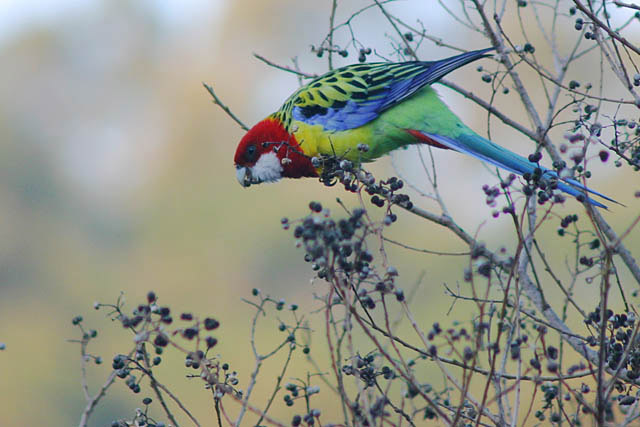
Eastern Rosella #40I seem to have covered several bird names on the blog recently, and that might be because our family was watching light-hearted bird documentary series, Hello Birdy, on the ABC, or maybe just because I love birds. Australia is lucky enough to have a staggering array of birds, many of them colourful, beautiful, intelligent, or unusual, and sadly, often under-appreciated. Here are some names that bring to mind a few of our feathered friends. Click on a likely link, and you will be taken to a YouTube video of each bird – there’s at least one for every entry.

Brahminy
The Brahminy Kite is a bird of prey and scavenger native to Australasia and Asia; in Australia they are found in coastal regions in the north. They are chestnut brown with a white head, breast, and tail tip, and typically nest in trees in mangrove swamps. The name Brahminy is due to their being found in India; it alludes to the Hindu Brahmin priestly caste, and is said BRAH-min-ee. The Brahminy Kite is the official mascot of Jakarta, in Indonesia, and in India is regarded as a representation of Garuda, the sacred bird of the supreme god Vishnu. I would not have considered this as a person’s name if I hadn’t seen a baby girl named Brahminy. It’s a bold choice, and its connection with a sacred bird is fascinating.

Corella
The Corella is a small, white cockatoo with a pink blush to its plumage. They are found from the central deserts to the eastern coastal plains, and are a familiar sight on farms and in cities. In some areas, Corellas have become so numerous they are considered a pest, being particularly destructive to trees and cereal crops. They congregate in large flocks, even up to several thousand, and make a high-pitched screeching noise which is ear-piercing when a flock all calls together, and can be heard for miles. Although they are noisy birds, they are very playful and have the joie de vivre that all parrots are blessed with. They are popular as pets, because they are good talkers, and excellent mimics. The word corella comes from the Wiradjuri language of central New South Wales. Corella has been used as a girl’s name since the 18th century, and is probably part of the Cor- group which is based on the Greek Kore, meaning “maiden”. The bird gives it a uniquely Australian flavour.

Dove
Here’s the dirty little secret about Doves: they’re just pigeons! Not only that, it’s unclear what makes some species of pigeons “doves”, because while we generally call smaller pigeons doves, that isn’t always the case. The confusion arises because the word pigeon is from Latin, and dove from Ancient Germanic, so they are two different words for the same thing (like autumn and fall). Nonetheless, their images are completely different: doves are symbols of peace, while pigeons are seen as disease-ridden pests (in fact, pigeons are no more disease-ridden than any other animal and pose no general health risk). Australia has a number of species identified as doves, and although we often think of doves as modest and grey, the Emerald Dove has striking green colouring, and the many varieties of Fruit Dove are likewise very colourful. There are also introduced species of dove, including those kept as pets. Dove has been used as a first name since the 17th century, and has been far more common for girls; a contemporary example is Disney actress Dove Cameron. Dove not only rhymes with love, but doves are used as symbols of love, since pigeons mate for life; the word dove can mean “sweetheart”. Perhaps because of this, doves were considered sacred to goddesses such as Venus. Another religious connection is that in Christian iconography, the Holy Spirit is often depicted as a dove.

Halcyon
Halcyon is the Latin name for the Tree Kingfishers, a large genus of birds found in Africa, Asia and Australasia, with Australasia having the most species. They are recognisable by their large heads and long pointed bills, and many are brightly coloured, often in iridescent blues and greens. The Laughing Kookaburra is a type of tree kingfisher, an iconic Australian bird with a raucous cackle that seems to epitomise the spirit of the bush. Halcyon is from the Greek for “kingfisher”, and is connected to a character from Greek mythology named Alcyone; the daughter of the winds, she married Ceyx, the son of the morning star. The pair were very much in love, and after Ceyx was lost at sea in a terrible storm, the unhappy Alcyone threw herself into the waves to end her life. The gods took pity on them, and changed both into kingfishers. According to legend, the “halcyon days” of midwinter, when storms cease, was when Alcyone laid her eggs, and her father restrained the winds so that she could do so safely. Because of this, the word halcyon (pronounced HAL-see-uhn) has come to mean “calm, serene, peaceful”, with our halcyon days those happy times we look back on with nostalgia. Halcyon has been used as a girl’s name since the 19th century: pretty and unusual, it gives Hallie as the nickname.

Lalage
Lalage is the scientific name for the Trillers, native to Asia and Australasia; they are small birds, usually coloured black, white and grey. They are called Trillers because during the breeding season, the males make a cheerful, almost continuous, trilling call. Lalage is derived from Greek, and means “to babble, to prattle”, or, in the case of birds, “to chirp”. The name became known from an ode by Roman poet Horace, where he speaks of his love for a young girl, his “sweetly laughing, sweet talking Lalage”. It has been used a few times since as a literary name, most notably in Kipling’s Rimini. Lalage has had occasional use, and in Britain seems to have a fairly upper-class image: contemporary examples are photjournalist Lalage Snow, and fashion designer Lalage Beaumont. In English, this name is usually pronounced LAL-a-gee or LA-la-ghee – just remember it’s three syllables, emphasis on the first, hard g like girl, not soft like germ. This fascinating name fits in with L-L names like Lillian, and as Lalage was a very young courtesan, almost seems like a posh version of Lolita! Lallie, Lollie, and Lala could be nicknames.

Lark
Larks are plain brown birds to look at, but their great beauty is in their voices, for they are famous for their melodious singing. This has made them a favourite subject for poets, such as Percy Bysshe Shelley’s, To a Skylark, and to say someone sings “like a lark” is a great compliment to the range and joyousness of their notes. Traditionally, larks are a symbol for dawn and daybreak, as in “getting up with the lark”, and this has given them religious overtones, for just as dawn is the passage between night and day, it can also be seen as that between heaven and earth. In Renaissance paintings, larks were sometimes used as a symbol of Christ. Although Australia has many birds with lark as part of their name, our only true lark is Horsfield’s Bushlark, widely found in grasslands and open woodlands. It is much smaller than larks in the northern hemisphere, and doesn’t have quite such an impressive voice, although its songs are still rich and varied, and it is a good mimic as well. The Eurasian Skylark which features in Shelley’s verse has been introduced here. Lark has been used as a name since the 18th century, and is historically more common for boys, but is often now thought of as more feminine than masculine. It’s a simple, non-frilly nature name laden with symbolism, and is more often found in the middle.

Maggie
Maggie is the affectionate name for the Australian Magpie. Although they look similar, it isn’t closely related to the European Magpie. Easily recognisable from their black and white plumage, magpies are very familiar in suburban life. Magpies are one of Australia’s favourite songbirds, because they have a complex, melodious warble, and will carol in chorus at dusk and dawn. They can also mimic other birds and animals, including human speech. Bold and sturdy, they are not typically wary of humans, and will happily accept (demand!) free food from us. They become unpopular in spring, as males can be so aggressive during breeding season that they swoop or even attack humans to warn them away. This is when feeding them pays off, as they can tell individual people apart, and won’t scare their buddies. The Magpie was a totem animal for the Indigenous people of the Illawarra, and is an official emblem of South Australia, appearing on the state flag. Magpies is a common name for sporting teams, and the cocky attitude of the Magpie is seen as indicative of the national character. Maggie is also a short form of Margaret. It was #174 in the 1900s, and was off the charts by the 1940s, returning in the 1970s. It has climbed steadily, and is currently in the 100s.

Oriole
Orioles are a large family of birds found throughout the world, which come in a variety of colours. Australian Orioles are green, perfect for blending in with the trees. They are fruit-eating birds, and the Figbird is one of the Orioles, although it doesn’t only eat figs. Orioles and Figbirds are attracted to backyards with small fruit trees and bushes, and which have native trees such as eucalypti and wattle; they are a fairly common sight in suburbia. The word oriole is derived from the Latin for “gold”, because the Eurasian Golden Oriole is a bright yellow. Oriole is related to names like Aurelia and Auriol, which are from the same derivation, and looks a lot like Oriel, which may be seen as a variant of Auriol, but also has Irish and Germanic origins. Oriole seems like a way to retain the golden meaning, while also referencing the bird.

Rainbird
The Rainbird is the colloquial name for the Pacific Koel, a species of migratory cuckoo which arrives here in spring from Papua New Guinea and Indonesia, and is found in north and eastern Australia. It’s called a Rainbird because of the belief that its rather mournful “whooping” call is a harbinger of wet weather. Males call for a mate during their breeding season, which coincides with the spring rains and the summer “wet season”, and are so loud they can be considered a nuisance. Like all cuckoos, Rainbirds lay their eggs in the nests of other species so that they can be raised by the unsuspecting hosts; however, unlike most other cuckoos, the baby Rainbird doesn’t kill the host chicks. Rainbirds are rather goofy-looking birds; the males have glossy black plumage and bright red eyes. I have seen Rainbird used as a girl’s middle name, and think it makes a wonderful name for a spring or summer baby. It would work equally well for boys.

Rosella
Rosellas are colourful parrots which are very familiar in suburbia. I think we might take them for granted, because they really are pretty, with a more pleasing range of calls than most parrots. Rosellas will be attracted to any garden that provides them with water, seeds and fruit, and can become so tame that they will eat out of your hand. This has led them to become common as pets, but in captivity they can become bored and aggressive, so I think it’s nicer to have them as backyard visitors. European settlers first saw Eastern Rosellas at Rose Hill (now called Parramatta), and called them Rosehill Parakeets; this evolved into Rosehillers, and eventually became Rosella. The Sydney suburb of Rozelle is named after them. Rosella is also a popular brand of tomato sauce, which sports an Eastern Rosella as its logo. By coincidence, Rosella is also an Italian name, an elaboration of Rosa, and looks like a combination of popular Rose and Ella.

POLL RESULTS
The public’s favourite names were Lark, Maggie and Rosella, and their least favourite were Brahminy, Oriole and Lalage.

(Photo shows an Eastern Rosella)

International Names for Girls

23 Sunday Feb 2014

Posted by A.O. in Name Themes and Lists

≈ 19 Comments

Tags

American names, Arabic names, aristocratic titles, birth notices, brand names, Catalan names, celebrity baby names, Chinese names, created names, english names, Etruscan names, European name popularity, famous namesakes, fictional namesakes, French names, Gaelic names, Greek names, hebrew names, historical records, Hungarian names, International Baby Names for Australian Parents, international naming laws, Latin names, middle names, mythological names, name history, name meaning, name trends, names from movies, names from television, Old Norse names, Persian names, Provencal names, royal names, saints names, scandinavian names, Slavic names, Spanish names, surname names, UK name popularity, unisex names, US name popularity, virtue names, Visigothic names

juno

These are names chosen from my e-book, International Baby Names for Australian Parents – names which are familiar in other countries, but rarely used here. I chose ten that I particularly like, or find interesting, or think very usable. If you haven’t read the book, it gives you an idea as to what’s inside, and if you have read it, it’s a chance for me to provide more information than is possible in a book.

Anais

Identified as a French form of the Persian name Anahita, meaning “pure, immaculate”; Aredvi Sura Anahita is an Indo-Iranian goddess of fertility and wisdom. To get around French naming regulations, it was explained as a Catalan or Provençal form of Anna or Anne. The name is strongly associated with the American writer Anaïs Nin, whose first name was Angela, but always went by her second name. Anaïs was born in France and was of Spanish, Cuban, French and Danish descent. She is principally known as a diarist, where she intimately explored the complexities of her personal life, and as a writer of female erotica. Her name was the inspiration for the Cacharel perfume, Anais Anais, and in Australia we have the children’s clothing label, Aden + Anais. The name is pronounced a-na-EES. Feminine and exotic, Anais is very popular in France and Chile, and charts in the UK.

Bo

This short spunky name has different origins. It is a Chinese name for both boys and girls which means “wave”, as in a wave on water (especially the sea). It is a rare Chinese surname too, and an aristocratic title translated as the equivalent of a Count. It is also a Scandinavian boy’s name derived from the Old Norse name Búi, meaning “to live”. As a girl’s name, its most famous namesake is American actress and sex symbol Bo Derek, born Mary Collins. Ms Derek doesn’t know why she chose the name Bo: it just seemed “grown up” and “unusual” to her. A fictional girl Bo is the nursery rhyme shepherdess Bo Peep – her name comes from a slang term for being in a pillory, presumably because the person “peeped” through the head holes. Radio host Tim Blackwell named his daughter Bo last year, and since then there seems to be a few girl babies with the name in Australian birth notices. To show the gender divide in regard to this name, Bo is rising in the UK charts as a girl’s name, and rising in the US as boy’s name (probably a variant spelling of Beau). In the Netherlands, it charts for both sexes, but is only popular for girls.

Cora

The American author James Fenimore Cooper is credited with the creation of this name, in his 1826 historical novel, The Last of the Mohicans. The novel’s heroine is Cora Munro; dark, intelligent, and serious, she is a distant descendant of African-American slaves who forms a relationship with the son of a Native American chief – the titular “last of the Mohicans”. Her story ends tragically. There are actually many people named Cora in the records prior to the book’s publication, dating back to the late 16th century, but it is difficult to tell if they are abbreviations for longer names, like Cordelia. The name Cora is often theorised to be based on the Greek name Kore, meaning “maiden”; it was the common name of the goddess Persephone. If invented by Cooper, this makes sense, as there are a number of names with this derivation, such as Corinna. However, if its use goes back to the 16th century, it would pre-date the use of these “Kore” names, and may be based on the Latin cor, meaning “heart”. Cora is also used to Anglicise the Gaelic name Coira, meaning “seething pool”. Cora is a Downton Abbey name (the character is American-born), and fits in with the trend for simple, graceful names like Clara and Isla. It charts in both the US and UK, and is popular in Northern Ireland.

Elvira

Spanish form of an unknown Visigothic name whose meaning is much debated. It was traditional amongst medieval Spanish royalty, and became a favourite in fiction. The vengeful scorned lover Elvira of Mozart’s Don Giovanni is just one example of the many characters of this name in operas, plays, novels and films. Another is the title character of Noel Coward’s supernatural comedy Blithe Spirit, a hauntingly beautiful former wife who arrives in the least convenient fashion. Elvira is the name of Donald Duck’s grandmother, and many will remember the campy, cleavage-enhanced Elvira, Mistress of the Dark, played by Cassandra Peterson. A famous person with the name is Elvira Madigan (born Hedvig Jensen), a 19th century Danish circus performer who had a tragic love affair. Her story has been turned into several films and songs. English-speakers can pronounce this romantic name either el-VEER-ah or el-VY-ra (I prefer the first, as the second reminds me of virus), and it fits in with popular names such as Ella and Ava. Elvira charts in The Netherlands and is popular in Sweden.

Hermione

Derived from Hermes, the Greek god of transitions and boundaries, who was the messenger of the gods, and patron of travellers, herdsmen, thieves, public speakers, comedians, writers, poets, athletes, inventors, and merchants. Most scholars understand his name as meaning “stone, roadside shrine, boundary marker” – these were dedicated to Hermes as the god of boundaries and travellers. It may be related to the Greek for “the interpreter” to reflect the god’s role as divine messenger. In Greek myth, Hermione was the daughter of the lovely Helen of Troy, and had relationship troubles of her own involving Trojans. There is a Saint Hermione, an early Christian martyr who was the daughter of Saint Philip, identified as a prophetess in the church. In literature, Hermione is a beautiful queen accused of infidelity in Shakespeare’s play, The Winter’s Tale, and Harry Potter’s best female friend, the book-smart Hermione Granger. An Australian character of this name is Hermione the Modern Girl, the cartoon creation of Kaz Cooke. A famous namesake is British actress Hermione Norriss, from television shows Cold Feet and Wire in the Blood. This elegant name is pronounced her-MY-oh-nee, and charts in the UK.

Ilona

Hungarian name of uncertain meaning. It is usually said to be a form of Helen, although this may be folk etymology. In Magyar folklore, Ilona is the traditional name of the Queen of the Fairies. She is very beautiful, but also mischevious, and at times, dangerous! Archduchess Ilona of Austria was a Hungarian member of the Hapsburgs, one of the great royal houses of Europe; she passed away a few years ago. This pretty name is usually pronounced ih-LOH-na, and has Loni as the obvious nickname. It charts in France.

Juno

The Roman goddess of marriage and childbirth, and the queen of the gods, besides being the patron and protector of the Roman state. She was seen as eternally youthful, filled with forceful vitality, and a fertility figure, yet also warlike. Juno was the sister and wife of the sky god Jupiter, and the divine couple are two of the oldest known Roman gods. Like her husband, Juno had the power to throw thunderbolts, and the couple’s relationship could be stormy at times. The Romans believed that each woman had a protective guardian spirit called a juno, and this was given offerings on the woman’s birthday. The goddess’ name may mean “youth”, with the suggestion of vitality and fertility, but it is also possible that it is related to that of the Etruscan mother goddess Uni, meaning “she who gives”. The Romans connected her name to the waxing and waning of the moon – perhaps with the idea that, like the moon, she constantly renewed herself. The month of June is named in Juno’s honour, and when a woman is described as junoesque, it means she is beautiful, tall and shapely in a stately, imposing way. A famous person with the name is British actress Juno Temple, who has been in The Other Boleyn Girl, and The Dark Kight Rises. The movie Juno, starring Ellen Page, has helped give this name recent exposure, and it fits in with the trend for names ending with O. You may recall that New Zealand name blogger Anna Hamilton has a little girl named Juno. Juno charts in the UK, where it is rising.

Patience

Patience is the ability to endure difficult circumstances, persevering without exhibiting negativity such as irritation or anger, and being able to deal with strain or frustration during long-term difficulties. It is considered one of the highest virtues in several religions, such as Islam, Buddhism and Hinduism, and in Christianity is one of the Seven Heavenly Virtues. Modern psychology sees patience as a sign of self-control and maturity, and it is a secular virtue as well. The word patience is ultimately from the Latin for “suffering”, and it was introduced as a virtue name by the Puritans in the late 16th century. A famous Australian namesake is Patience Hodgson, a member of indie rock band The Grates. Virtue names are back in fashion, and this one seems both admirable and attractive – a name that someone can grow with. Patience charts in the US.

Safiya

Variant of Safiyya, feminine form of the Arabic name Safi, meaning “pure”. The name is important in Islam because Safiyaa bint Huyayy was a Jewish woman captured from a nomadic Arabian tribe at the age of 17 who was chosen by Muhammad for his own. Previously, she had dreamed that the moon fell from the heavens into her lap, and this was interpreted as a miraculous sign she would marry Muhammad. She converted to Islam and became one of the Prophet’s wives, and after his death gained quite a bit of power and influence. Safiya is pronounced sa-FEE-ah, and is an Arabic heritage choice which fits in with current trends, as it is not dissimilar to popular Sophia. It charts in both the UK and France.

Ziva

Slavic name meaning “living, being, existing”. In Slavic mythology, Živa was a goddess of life and fertility who was worshipped throughout what is now Poland, the Czech Republic, Slovakia, Slovenia, and Germany before the coming of Christianity. She was depicted as a beautiful woman, and people prayed to her for good health and long life. She seems to have been connected with the harvest of both fruit and grains, and one story is that she was able to turn herself into a cuckoo bird. Ziva is also a feminine form of the Hebrew name Ziv, meaning “bright, radiant”. In the television drama series NCIS, Ziva David is an Israeli-American agent portrayed by Cote de Pablo. Pronounced ZEE-vah, Ziva fits in with popular names such as Ava and Zoe. It charts in The Netherlands, and the UK, where it is rising, and is popular in Slovenia.

POLL RESULTS
The public’s favourite names were Cora, Juno and Hermione, and their least favourite were Safiya, Patience and Elvira.

(Photo shows Ellen Page as Juno MacGuff in Juno)

What I Know About Australian Names

09 Sunday Feb 2014

Posted by A.O. in Naming Issues

≈ 13 Comments

Tags

Appellation Mountain, Arabic names, Australian Aboriginal names, birth notices, blogging, middle names, name trends, popular names, royal baby names, unisex names, vintage names, Waltzing More Than Matilda

1000posts

This will be my 1000th blog post since I started blogging nearly three years ago in 2011 – something which fills me with a certain amount of awe, coupled with a strong feeling I may have posted too often!

When Abby from Appellation Mountain reached her 1000th blog post in 2010, she decided to share a few of the things she had learned about names as a blogger. I thought about doing that, then realised how embarrassing it would be to admit how little I knew to begin with. And I’ve learned so many things that I’d need another blog with 1000 blog posts to explain all that I’ve learned writing this blog.

So instead I will share a few things I have learned about Australian names.

1. Australia, like other countries, has its own unique name trends

Matilda, Lachlan and Banjo mean more to us than in other countries. Darcy is a boy’s name here, Asher is unisex, and Avery is only for girls. We have a special connection with Talia, but prefer to spell it Tahlia.

Adrian was popular here for much longer than in other countries; Mitchell and Chelsea are still popular here while they have disappeared from the Top 100s of other places; Mervyn and Dulcie were only ever popular in Australia, while Derek and Gillian never became popular here.

Because of our relatively small population size, name trends often show up earlier in Australia than elsewhere, so that names such as Isabella and Jayden were Top 100 here long before anywhere else. Does that mean that current Australian favourites like Amity and Braxton will become popular elsewhere? Only time will tell!

Although Australia’s name trends are heavily influenced by both the UK and US, and sometimes by Europe, only one country can claim to be our baby name twin, and that is New Zealand. It’s seldom acknowledged, but we share more than 70% of our popular names with our Trans-Tasman cousins.

2. Every state and territory is a little different when it comes to names

Queensland is crazy for royal baby names – any name chosen by royalty will invariably rise in popularity this state. New South Wales is the only state with Arabic names in the Top 100 – Muhammad would be in the Top 30 there if all spellings were combined. Tasmanians adore vintage names, Western Australians tend to shun the classics for the contemporary, the Northern Territory has many names of Indigenous significance, and South Australians love a quirky middle name. The ACT has the strictest naming laws, and are therefore the most conservative at choosing baby names. Victorians are the name nerds of Australia – they are deeply interested in name trends, worry about popularity, and are the most likely to announce their baby’s name in the newspapers. I probably couldn’t function (as a blogger) without them.

3. Rural and regional Australians are the best at choosing interesting names

I love name stories and birth notices from country Australia, because they always have the most diverse selection of names, and the most unusual names and colourful name combinations. If it wasn’t for local newspapers, I don’t think I could keep doing the Birth Announcements each week.

4. Australians are patriotic namers

When I first started Waltzing More Than Matilda, I couldn’t help wondering if anyone would be interested in a blog about Australian names, and more importantly, I wasn’t sure if Australians would be interested!

Happily, my doubts have been proven wrong, because every day people come to the blog searching for Indigenous Australian names, names of Australian plants, names of Australian towns and cities, names of famous Australians, and asking for “patriotic Australian names” to use for their son or daughter.

It seems that there are many people at least considering a name with an Australian “flavour” for their children.

5. Australian parents are AWESOME namers!

There’s a vocal, mean-spirited and ignorant group of people who think it’s fun (or funny) to insist that Australians are too stupid or tasteless to be allowed to name their own children. According to this mob, who often seem to work in the media, you only have to read a few birth notices to see that Australian babies are given increasingly bizarre “made up names” with a bewildering range of spellings and punctuation that render them barely comprehensible.

Well, I read birth notices every day, and have done for years, and I can tell you that that is absolute tripe. Most babies are given fairly common names like Emily and Liam, and even less common names are usually traditional like Walter and Patricia, familiar like Axel and Clementine, or are from other cultures, like Malini and Ngemba. Variant spellings are generally low-key and easily coped with, such as Scarlette or Jaxson – out of the thousands of babies’ names I read each year, perhaps four or five have given me real difficulties in understanding them.

Australian parents, let me tell you that you are doing a great job! A brilliant job! An outstanding job at naming your babies! You make reading birth announcements a joy and an adventure!

Whether you chose the name Audrey or Behati. Whether you preferred Thomas or Zephyr. If you picked Felix or Kylen or Huckleberry or Lenny or Percival or Diamond. Opted for Eloise or Mietta or Taiyah or Rafferty or Storm or Xanthe. If your heart told you that the perfect name was Acacia or Digger or Lawson. Or you knew straight away that only Jack or Charlotte or Hamish would do. You all did the right thing, and you all did very well.

You impress and amaze me every day. Thank you.

True Blue Names for Girls

19 Sunday Jan 2014

Posted by A.O. in Name Themes and Lists

≈ 6 Comments

Tags

animal names, Australian idioms, Biblical names, bird names, celebrity baby names, colour names, english names, fictional namesakes, flower names, French names, gemstone names, German names, Greek names, middle names, modern classic names, name history, name meaning, name popularity, name trends, names from movies, nature names, nicknames, Norman-French names, Persian names, plant names, popular names, surname names, unisex names

bluewren-male

It will be Australia Day in a week’s time, and rather than cover just one name, I am suggesting names with a “blue” theme, in honour of Australia, where the phrase “true blue” has taken on its own patriotic meaning.

Azura

The name Azura is an elaboration of the colour name Azure. Azure is an intense light blue, the colour of a clear sky on a hot summer’s day. In the patriotic Song of Australia, the lyrics describe how all about is azure bright, and the bird called the azure kingfisher is native to Australia. The English word azure comes from French azur, and is taken from the blue mineral lapis lazuli – lapis means “stone” in Latin, while lazuli is from lāžaward: the Persian name for the mineral, derived from Lazhward, a place where it was mined. According to Jewish tradition, Azura was one of the daughters of Adam and Eve, and the wife of her brother Seth. Azura is a popular name in science fiction and fantasy, most notably in Skyrim, where Azura is the Lady of Twilight who rules over the realm of Moonshadow. Last year, NRL star Anthony Minichiello, and designer Terry Biviano, welcomed their daughter Azura. This is pretty and exotic while still similar to names like Arya and Zara.

Bluebell

The bluebell is a type of hyacinth; a spring bulb which grows wild in the woodlands of Europe and is also a popular garden plant. Its name comes from its violet-blue colour, and mass of bell-like petals. Several other unrelated flowers around the world are named bluebell, and in Australia we have the Royal Bluebell (Wahlenbergia gloriosa). This deep violet wildflower grows abundantly in the Australian Alps, and is the floral emblem of the Australian Capital Territory. Summer flowering, it is hardy and easily grown in the garden; however, it is protected in the wild, and cannot be picked or collected. Bluebell came into use as a girls name during the 19th century, along with other flower names, but doesn’t have a Victorian vintage vibe – it seems hip and funky. I have seen this a few times as a middle name, but would love to see it boldly upfront.

Delphine

Delphine is the French form of Delphina, which can be understood as meaning “from Delphi”. However, the name reminds me of dolphins, whose scientific family name is Delphinidae, from the Greek delphus, meaning “womb”, to indicate that although they look fish-like, as mammals, they bear live young. The Greek town of Delphi, the home of the famous Delphic Oracle in ancient times, is also said to mean “womb”, as it was meant to be the navel of the earth goddess Gaia. The grey-blue colouring of the dolphin suggested this name to me, and there are several species of dolphin which live in, or migrate to, the waters surrounding Australia. Since ancient times, people have been fascinated by dolphins, and there are many stories of wild dolphins rescuing people, helping surfers and swimmers in trouble, or even protecting humans from shark attacks. Their high intelligence and playful behaviour make them appealing companions, and there are several places in Australia where you can swim with and interact with wild dolphins. Delphine is a pretty dolphin-related name for anyone who loves these free-spirited sea creatures, and has Dell and Fifi as potential nicknames.

Indigo

Indigo is one of the seven colours of the rainbow, a dark shade of blue. It was Sir Isaac Newton who introduced indigo as one of the colours of the spectrum, because in the mid-17th century, when he began his work with prisms, the East India Company had begun importing indigo dye to Britain, where it was used to colour clothing a deep blue. Indigo dye comes from the plant Indigofera tinctoria, native to tropical Asia, and the word indigo comes from the Greek, meaning “Indian dye”. Indigo is a rather controversial colour, because Sir Isaac Newton decided there had to be seven colours to match the seven notes of a scale and seven days of the week, and scientists question whether indigo is really a colour of the spectrum, or just the point where blue deepens. Even more confusingly, Sir Isaac Newton seems to have used the word indigo to mean the colour we call blue. Indigo has strong New Age associations, because it is seen as a particularly spiritual colour connected to psychic power. Indigo is a rather trendy girls name in Australia, a favourite choice of celebrities; rising with other Ind- names, it is #137 in Victoria.

Jasmine

I would not have considered this for a list of Blue Names, except that while writing it, Australian actress Cate Blanchett won a Golden Globe for her role in the film Blue Jasmine. There are about twelve species of jasmine native to Australia; these climbing vines come from tropical and subtropical areas of Queensland and northern New South Wales. The flowers are delicate and white, and have a sweet, intoxicating scent; they are both fragile and strong. The word jasmine comes from the Latinised Persian yasamen, meaning “gift from God” – there really is something quite heavenly about jasmine. The name Jasmine is a modern classic which has charted here since the 1960s, and soared during the 1970s to make the Top 100 for the 1980s. It peaked in the early 2000s at #14, and is still stable in the Top 100. It is #36 nationally, #33 in New South Wales, #28 in Victoria, #41 in Queensland, #31 in South Australia, #24 in Western Australia, #59 in Tasmania, #15 in the Northern Territory and #20 in the Australian Capital Territory.

Sailor

This name occurred to me because the Royal Australian Navy winter uniform is dark blue (and the summer uniform has dark blue trim); Sailor could be used as a name to honour a family naval tradition. Sailor has been used as a first name since at least the 19th century, and was used for both sexes, although more common for boys. It received greater recognition in the 1990s, when American model Christie Brinkley gave the name to her daughter, and since then has been overwhelmingly seen as a girls name – perhaps partly because it fits in so well with the trend for names such as Kayla, Layla and Tayla. Weatherman Grant Denyer named his daughter Sailor in 2011, his wife Cheryl a fan of the name ever since Christie Brinkley’s choice. The name Sailor probably came originally from the occupational surname, in which case it can be from the German seiler, and mean “ropemaker”, or English, where it means “dancer, acrobat”, from the Norman French sailleor, meaning “dancer, leaper”. The German origin seems to be more common, and as sailors once worked with ropes, still seems to fit as a sailing name.

Sapphira

A Greek name meaning “sapphire”, which simply means “blue stone”. However, it is likely that the ancient Greeks were referring to lapis lazuli when they used the word – it comes from the Hebrew sappir, meaning “lapis lazuli”. In the New Testament, Sapphira was an early Christian who, along with her husband, was struck dead for concealing money from the church and lying about it. It’s hard not to think that they were executed, although the Biblical account is vague on the details. It’s one of the creepier and more troubling parts of the Bible, and doesn’t really show the early church in a good light. A more pleasant connection is the intelligent and loyal blue dragon named Saphira in Christopher Paolini’s Inheritance series of fantasy novels. Crime novelist Tara Moss chose the name Sapphira for her baby daughter in 2011, apparently because she had blue eyes. Sapphira is an exceptionally beautiful and elegant name which can also reference the sapphire mining trade in Australia.

Sky

The atmosphere as it appears from Earth; the word comes from the Norse word for “cloud” (you can see our ancestors came from a place where skies tended to be cloudy!). On a clear day the sky appears blue because air scatters blue sunlight more than it scatters red. Because of this, we give as a truism that the sky is blue, even though it appears in a range of colours depending on the conditions, and there is a colour named sky blue because of that. Blue skies are symbolic of happiness and good times ahead, and blue skying is to think creatively – to think that the sky is the limit, to reach for the sky. Although there are blue skies all over the world, in Australia the strong sunlight and lack of cloudiness mean we see a lot of blue sky, and intensely blue skies – the patriotic song Awake! Awake, Australia! mentions our “bright blue skies”. Sky is a unisex name which has never charted in Australia, but its similarity to Skye and Skyla will make it seem feminine here.

True

An English word which can be understood as meaning “genuine, trusty, faithful”, ultimately from an ancient root meaning “steady, firm”. A common saying in Australia is to describe someone as a true blue Aussie, as featured in the John Williamson song, True Blue. The phrase true blue goes back to medieval times, when the colour blue symbolised faith and constancy. Although theories abound as why this was so, the most likely explanation is that it’s from the blue-dyed cloth produced in the town of Coventry, famous for not fading with washing, and thus remaining “true”. Later on, the phrase became associated with the Presybterian Church, and later still, the Tory Party, and their “true blue supporters”. In Australia, far from “true blue” having these conservative associations, in the 19th century it was used to describe those working class men who remained true to their labour principles, and was thus a left-wing term. Gradually, true blue came to mean anyone loyal to Australia and its values. True can be used as a name for either sex; on a girl, it seems as if it could be short for Trudy and similar names.

Wren

Australian wrens are similar in appearance, but unrelated to the wrens of Europe and the Americas. In some species, such as the Superb Fairywren and Splendid Fairywren, the breeding male has a very distinctive and beautiful blue plumage in contrast to the grey-brown tones of the females and juniors. In other species and subspecies, both males and females are bright blue, or have blue patches. Because they are tiny, pretty, and have an attractive range of birdsongs, we love it when fairywrens visit our gardens. Seeing a group of colourful wrens flutter through the bushes is the closest thing to having fairies in the garden that most people will experience. Another charming fairywren fact is that the male will present brightly coloured flower petals when courting a female, which to human eyes looks like bringing a bouquet of flowers. Wren has been used as a first name since the 17th century, and from the beginning was unisex, given roughly equally to both sexes, and possibly influenced by the surname, which comes directly from the bird. Today it is usually thought of a girls name, and although I can see it on a boy, the fairywren seems to render it more feminine than masculine. Elsewhere Wren might seem a humble choice as a name, while here I think it’s much brighter and more cheerful.

POLL RESULTS
The public’s favourite names were Wren, Indigo and Delphine, and their least favourite were Sailor, True and Sky.

Name Update: Nameless No Longer

26 Thursday Dec 2013

Posted by A.O. in Name Updates

≈ 4 Comments

Tags

celebrity baby names, choosing baby names, fictional namesakes, honouring, middle names, name combinations, nicknames, sibsets

AnneGreenGables27

Nina wrote in to the blog because she and her husband Hamish had a six-week-old baby daughter who still didn’t have a name, and the date for registration was growing closer each day.

Nina had her heart set on Annie, but at the last minute Hamish said he wanted the baby to be named Sarah, after his mother. The longer it took them to resolve their differences, the more other people felt they could offer their own opinions on the matter, which made the decision seem even more complicated.

After the couple compromised by agreeing on the name Anne, Nina wrote in again to ask for help on choosing a middle name.

Just before Christmas, Nina posted off the registration forms for their child’s name, so they got in before the deadline with about a week to spare, and their daughter’s name is

ANNE ELIZABETH KATE “ANNIE”,

baby sister to Edie and Alistair “Mac”.

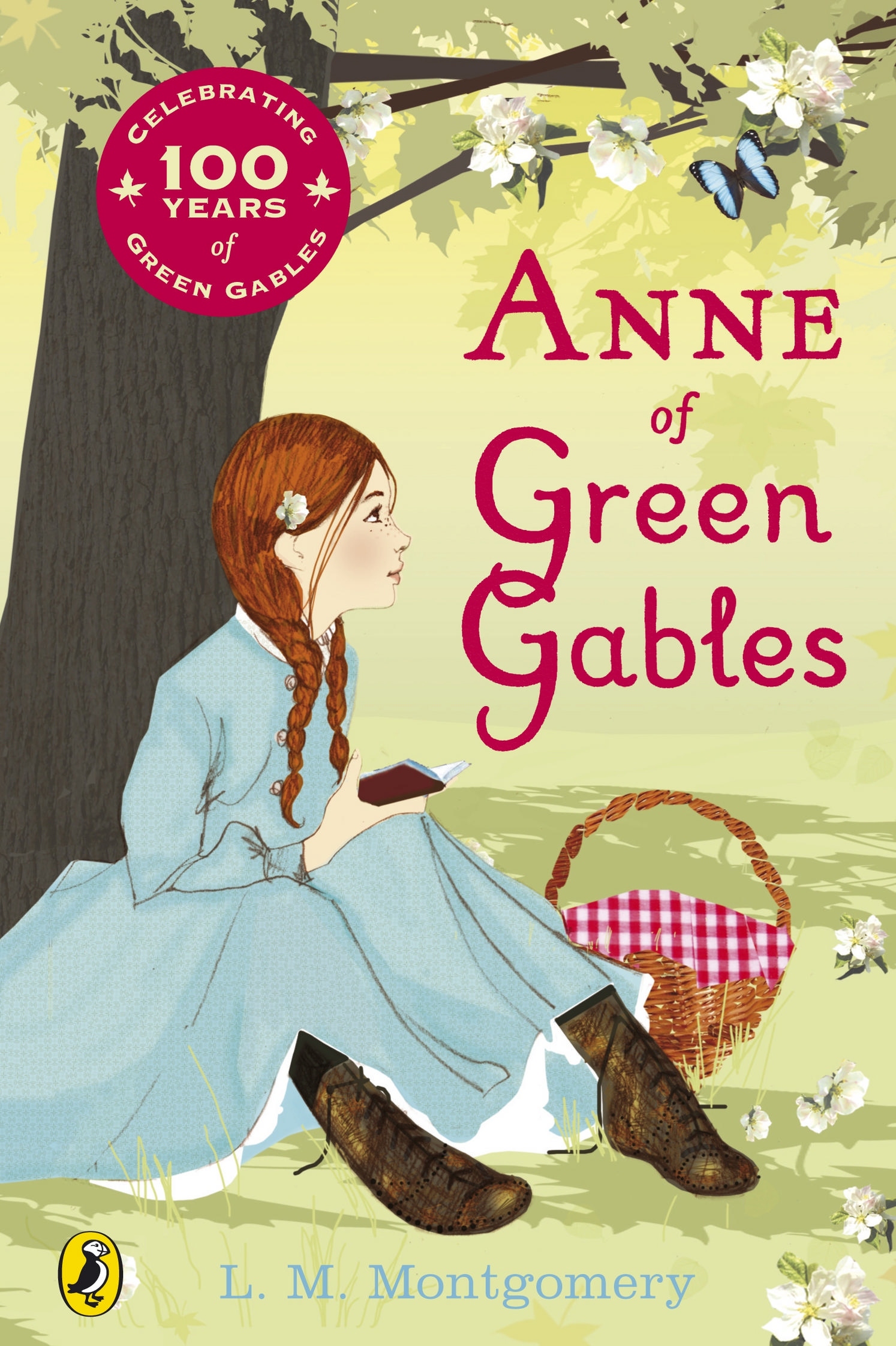
Anne is the middle name of Hamish’s mum, so they found a way to honour his mother and still get to the nickname Annie. Nina is pleased, because she loved the Anne of Green Gables books as a child (as well as the musical Annie).

Nina chose the middle name Elizabeth because so many people suggested that they name the baby “what she looks like”, and Nina thinks her youngest daughter looks most like an Elizabeth – a name they had also considered. If Anne ends up going by her middle name and being a Betsy, Nina won’t mind that at all.

Kate is a family name that had also been on their list, and was the middle name she favoured for a baby Annie.

Nina says she wasn’t brave enough to use as many middle names as Clive Palmer – and there wasn’t enough space on the form anyway!

They have had mixed reactions from family and friends, with most people saying they should have just gone with Annie as the official name. However, Nina loves her baby’s name and thinks it is perfect for her.

At the moment, it is not entirely sure whether Anne will be called Annie or not. Mac hasn’t been able to pronounce the name Annie yet, and sometimes calls his little sister Peg. Nina still just calls her Baby. However, Nina recently discovered that Annie was the middle name of her great-grandmother, so maybe it is fate that she be an Annie in the future!

Congratulations to Nina and Hamish on their new daughter! I think Anne Elizabeth Kate is a lovely simple, unpretentious classic name that is perfectly familiar, but these days, not common at all.

Remember that you have sixty days to name a baby, so don’t be afraid to take longer to find the perfect name if you need to. You will get there in the end, even if it doesn’t feel like it at times.

Celebrity Baby News: Clive and Anna Palmer

23 Monday Dec 2013

Posted by A.O. in Celebrity Baby News

≈ 2 Comments

Tags

celebrity baby names, celebrity sibsets, fictional namesakes, honouring, middle names, names from comics, names from songs

691088-clive-and-anna-palmer

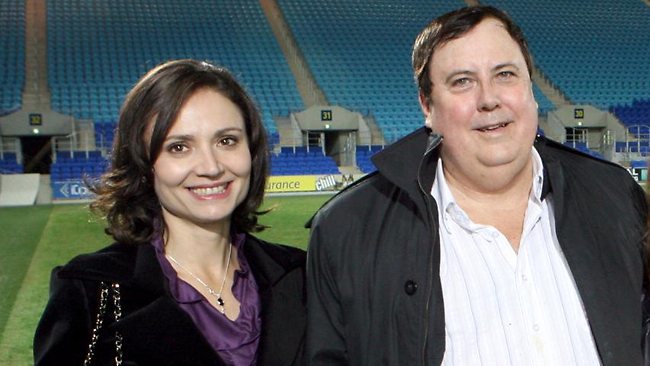
Billionaire MP Clive Palmer, and his wife Anna, welcomed their second daughter together on December 18 and named her Lucy Diamond Stelina Mary Anna Nancy. Lucy Palmer joins big sister Mary, aged 5. Clive has two adult children named Michael and Emily from his first wife, Susan, to whom he was married for 22 years.

Clive was raised on Queensland’s Gold Coast, and holds many interests in mining, including Mineralogy, which has 160 billion tonnes of iron ore in the Pilbara region of Western Australia, Waratah Coal, Queensland Nickel and the Palmer Nickel and Cobalt Refinery. He has also owned a football team, Gold Coast United, and is Adjunct Professor of Management at Bond University on the Gold Coast. He is secretary-general of the World Leadership Alliance, which promotes democracy and includes members such as Bill Clinton and Aung San Suu Kyi; Clive is also president of the alliance’s business chapter, the World Economic Council. He recently opened the Palmersaurus dinosaur park, and has plans to launch a modern-day replica of the RMS Titanic, to be named Titanic II. Clive has been active in conservative politics since the 1970s, and this year won the seat of Fairfax on the Gold Coast for his Palmer United Party. In 2012 he was named a National Living Treasure by the New South Wales branch of the National Trust of Australia.

Anna is originally from Bulgaria, and came here in the early 1990s. She was married to Clive’s friend Andrew Topalov; Clive walked Anna down the aisle at her first wedding when her parents were unable to attend. Many years later, Clive lost his wife Sue to cancer in 2005, and Anna’s husband passed away from melanoma the following year. Shared grief brought Clive and Anna together, and they were married in 2007.

Before his second daughter’s birth, Clive said that if the baby was a boy, he would like to name him Charlie, after Charlie Brown in the Peanuts strip – apparently a favourite comic of his. I wonder if Lucy‘s name is after Lucy Van Pelt from Peanuts?

The Diamond seems like a reference to the Beatles song, Lucy in the Sky with Diamonds, although it also reminds me of the famous blue diamond in the movie Titanic!

Mary and Anna are the baby’s sister and mother, Nancy is the name of Clive’s mother, and I wonder if Stelina could be Anna’s mother’s name? With this many middle names, I suspect the Palmers are not planning on having more children.


Name News Round Up

17 Tuesday Dec 2013

Posted by A.O. in Names in the News

≈ 4 Comments

Tags

Baby Center Australia, birth data, birth registries, celebrity names, choosing baby names, fictional namesakes, French names, Kidspot, middle names, name meaning, name trends, names from television, naming laws, popular names, rare names, Starts at Sixty

News

Baby Center Australia has released its most popular names for 2013, with Oliver and Charlotte taking the #1 positions. Names with a strong V featured prominently, including Ava, Evie and Ivy, and X, with Jaxon and Jaxson included along with Jackson. Less common names from the site: Blue, Chevy, Blip and Daxx.

Meanwhile, News Limited looked at data from birth registries all over Australia to see how popular culture is affecting name choices. Some names from Game of Thrones, Breaking Bad, Dexter, Downton Abbey, Mad Men, NCIS, How I Met Your Mother, and The Big Bang Theory are up, or appearing for the first time. There’s some rubbery figures, with whole groups of names being counted together, and even quite common names like Abby and Catelyn being counted as “pop culture”. Numbers are statistically significant, but overall very low, so no need to panic in regard to popularity. Most interesting factoid: Dexter peaked in 2010 at 67 births, so the chances of this name hitting the Top 100 are slipping away. Also the fairly ridiculous assertion that “popular culture” names will put your child in hospital … Health Department, please release a health warning on names!

Sabrina Rogers-Anderson from Kidspot is French Canadian by origin, and wanted a French middle name for her daughter, so she and her husband chose Fée – French for “fairy”, and pronounced FAY. Unfortunately, when they went to register the baby’s name in New South Wales, they were told that all accents and diacritical marks were forbidden. Rather than name their baby Arabella Fee, they changed the spelling and went with Fae. However, Sabrina believes that the rule is culturally insensitive, as it disallows valid names and spellings from other countries.

Rebel Wylie from Kidspot is expecting baby number three, a boy, and finds that all is not going well in choosing the name. In her tongue-in-cheek article, she claims her husband Andy is not playing fair in the baby name discussions, because he rejects every name she comes up with, but never suggests anything himself. After moaning about it to her girlfriends, it turns out The Sisterhood believes that the mother gets automatic naming rights as the one bonus of an otherwise miserable pregnancy. Rebel enthusiastically becomes a supporter of this theory, and chooses the name herself. She says Andy only gets a say-so if he can come up with something (she likes) better. A lot of angry comments from people who didn’t find it funny, but some interesting ones too.

Starts at Sixty website looked at the top baby names of 1950, with Jennifer and Peter leading the pack. The author of the article opines that in the past, parents were much more interested in tradition and the meanings of names, and chose accordingly, while today parents choose names from favourite places, TV stars, and brand names. I’m not convinced that parents don’t care about name meaning today – I get so many search terms from people looking for a name with a particular meaning. Lots of interesting comments from the 60+ crowd on how their names were chosen – including a Julie who had her name picked out of a hat (meaning and tradition?!) There were also plenty named after film stars, showing that celebrity name inspiration is no new phenomenon.

The Logan Reporter mourns the days when Sally, Jane, David and Brian were popular names. Newsflash from Logan – the 1960s are over. They’re still coping with the time-lag, including some problems with multicultural Australia. Oh dear.

The People’s Choice of Girls Names – 2

15 Sunday Dec 2013

Posted by A.O. in Name Themes and Lists

≈ 11 Comments

Tags

African names, American names, Arabic names, astronomical names, British names, celebrity baby names, created names, Creek names, Disney names, Dutch names, english names, epithets and titles, famous namesakes, fictional namesakes, French names, germanic names, Greek names, hebrew names, honouring, Indian names, Italian names, Latin names, locational names, Maori names, middle names, mythological names, name history, name meaning, name popularity, names from ballet, names from films, names of rivers, Native American names, nicknames, Old Norse names, Persian names, Roman names, royal names, saints names, Sanskrit names, scandinavian names, screen names, Shakespearean names, surname names, Tibetan names, Tiv names, unisex names, virtue names, vocabulary names, Welsh names

Queensland_Ballet_presents_Giselle

Here are ten names for girls which have been often searched for to reach my blog. I chose names that aren’t in the Top 100, and come from a range of origins.

Anouk

Dutch and French short form of Anna. A famous namesake is celebrated French actress Anouk Aimée; she was born Françoise Dreyfus, and took the name Anouk from the first character she portrayed on film. The name became better known in the English-speaking world after the publication of the award-winning 1999 novel Chocolat, by British author Joanne Harris, in which there is a little girl named Anouk. The character of Anouk is based on the author’s daughter Anouchka, whose name is another pet form of Anna. The book was made into a movie in 2000. Actor and author Andrew Daddo has a daughter named Anouk, born a year after the film was released. Pronounced a-NOOK or an-ook, this exotic name doesn’t have an obviously “French” sound to it, and seems quite sophisticated.

Blythe

Variant of Blithe, an English virtue name meaning “cheerful, merry” which is first found in 16th century Norfolk, stronghold of the Puritans. Although the name began as a girls name, it has been given to boys as well, particularly in the United States, and overall is fairly evenly divided between the sexes, although more common for girls. In the case of boys, the name probably comes from the surname, which is derived from any of the places called Bligh, Blyth or Blythe; they get their name from the River Blyth in Northumberland, the River Blythe in Warwickshire, or the River Blithe in Staffordsire. The names of the rivers simply come from the word blithe, so in either case the name has the same pleasant meaning. A famous namesake is American actress Blythe Danner, mother of Gwyneth Paltrow; her name is a middle name of Gwyneth’s daughter, Apple. This is a fresh, sprightly name which has a modern feel despite its long history.

Cordelia

Cordelia is a princess in William Shakespeare’s King Lear, a loyal daughter who is disowned by her father because she will not make flattering speeches to him, with tragic results. The character is based on Queen Cordeilla, a legendary queen of the Britons who appears in Geoffrey of Monmouth’s History of Britain. According to Geoffrey, Cordelia ruled Britain as queen, but came to grief because the rule of a woman was deemed unacceptable. Cordelia is also mentioned in Edmund Spenser’s epic poem, The Fairie Queene, where her role as heroic British queen was probably a compliment to Queen Elizabeth I. The first Cordelias were born around the time The Faerie Queene was published, and were from upper-class families. There is a popular but unsubstantiated theory that Geoffrey of Monmouth based the name Cordeilla on that of Creiddylad (said cree-THIL-ahd), a character in Welsh Arthurian legends who was the daughter of the god Lud, and considered the most beautiful girl in Britain. Another idea is that Geoffrey may have based the name on that of Saint Cordula, a legendary companion of Saint Ursula whose name is from the Latin for “heart” (Cordeilla is also found spelled Cordoyla, which offers this some support). Still another is that it may be derived from the Roman name Cordus, meaning “late born”, with the implication that as Cordelia was King Lear’s youngest daughter, he had her late in life. Although all these suggestions are attractive, the last one may appeal most to older parents. If you are a fan of L.M. Montgomery’s Anne books, you will remember that the heroine wished her name was Cordelia – because it is “perfectly elegant”. This literary name still seems refined, and can be pronounced cor-DEE-lee-uh, or cor-DEEL-yuh.

Giselle

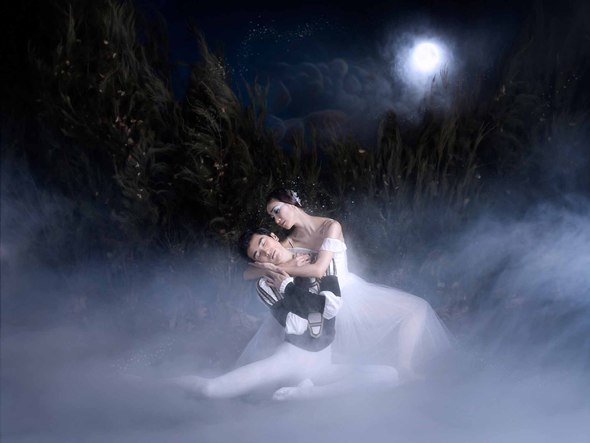
Derived from the Germanic name Gisela, meaning “pledge, hostage”. Although the word hostage has rather alarming associations today, in the past it was common for political treaties to be accompanied by the exchange of political hostages, as a guarantee of good faith and to maintain peace. Often the children of the ruling classes, even princes and princesses, would be handed over to be raised and educated by a foreign court, with hopes of greater cultural understanding between nations. Gisela and Gisèle (the French form) were popular names amongst medieval nobility and royalty. The name received a huge boost in the 19th century, because of the romantic ballet, Giselle. It tells of an innocent village girl named Giselle who dies of a broken heart after being betrayed by her lover. However, as a sign of her forgiving nature, after her death she protects the man she loves from the spirits of vengeance, and saves his life. Another fictional Giselle is the sweet peasant girl who makes a happy-ever-after transition from cartoon fantasy land to gritty real world in the Disney film, Enchanted. Graceful and fairytale, Giselle is usually pronounced ji-ZEL in Australia, and is #161 in Victoria.

Ingrid

Derived from the Old Norse name Ingríðr, meaning something like “beloved of Ing, beauty of Ing, delight of Ing”. Ing is an older name for the Norse god Freyr – perhaps his true name, because Freyr means “lord” and is his title. Freyr was a phallic fertility god who brought peace and pleasure, and was associated with sacred kingship, male sexuality, prosperity, and sunshine. In Norse legend, Ing is the god followed by the Germanic peoples of the area which is now Denmark and its surrounds, and he is claimed as the first king of Sweden, as well as the progenitor of the Anglian kings. Ingrid is a traditional name amongst Scandinavian royalty and nobility, and there is a young Princess Ingrid of Norway, who is expected to one day be queen. A famous namesake is beautiful Swedish-born movie star Ingrid Bergman, who starred in many Hollywood movies, including Casablanca. Ingrid has a strong and chiselled beauty, and is #481 in Victoria.

Piata

Maori name meaning “shine, glisten”. It isn’t unusual in New Zealand, and is still given to girls today; it can also be found as a surname. It’s not common in Australia, but I think it would work well here, and has a pleasingly cross-cultural feel, since it is similar to Italian Pia and Pieta. I believe it is pronounced pee-AH-ta.

Soraya

Persian form of the Arabic name Thurayya, meaning “the Pleiades”. The Pleiades is the familiar group of stars in the constellation Taurus, sometimes known as The Seven Sisters. The name became better known in the west because of two royal Sorayas. Soraya Tarzi was a liberal Muslim and feminist who married into the monarchy of Afghanistan and became queen; she appeared in public alongside her husband as an equal and together they tried to modernise their country. Afghanistan wasn’t quite ready for it, and the couple went into exile in Rome in 1929. Even more influential was Soraya Esfandiary-Bakhtiari, who was Queen of Iran as the second wife of the last Shah. Very attractive and western-educated, Soraya and her husband were forced to divorce in 1958 because she was apparently infertile. She also went into exile, under the name Princess Soraya, and lived in France, where her story evoked much sympathy. Her divorce inspired a song, I Want to Cry Like Soraya, and a variety of sunflower was named in her honour. A beautiful star name, Soraya is similar to familiar names like Sarah and Zara, and in Australia is usually pronounced soh-RAY-uh.

Tallulah

A place name of Native American origin, this probably means “town” in the Creek language. Tallulah Falls is a small town in Georgia, in the United States, which has attracted tourists since the late 19th century. Parts of the film Deliverance were filmed there, so you may even have seen it on screen. Tallulah has been used as a girls name since the 19th century, and records show that the name originated in the southern states, with most Tallulahs born in Georgia. The most famous namesake is flamboyant actress and party girl Tallulah Bankhead, who was from Alabama, and named after her grandmother. Despite being a name of American origin, Tallulah has never charted in the US, and is far more popular in the UK. Tallulah Bankhead was a huge celebrity in 1920s London, and her name is very fashionable in England, chosen as a baby name by the upper classes and minor royals. Spunky, sexy and fun to say, this fits in with familiar names such as Tully and Tahlia, and comes with cute nicknames like Lula and Lulu.

Uma

This Indian name is one of the epithets of the benevolent mother goddess Parvati, the wife of Shiva. Its original meaning is “mother (goddess, wife of) Shiva”. Because Parvati is a goddess of light, the name Uma also came to be understood as meaning “light, radiance”. In a previous incarnation, the goddess (then called Sati) committed suicide by throwing herself on a sacrificial fire, and her ashes became the sacred spice turmeric; because of this the name Uma came to be understood as meaning “turmeric”. The meaning of Uma is also glossed as “O child, do not (practice austerities)!”, because as a young girl Parvati’s mother chided her for the extreme ascetisim she practicised in order to please her future husband, Shiva. By coincidence, uma is literally translated as “flax” in Sanskrit, although this doesn’t seem to have any connection to the goddess. The most famous namesake is American actress Uma Thurman, whose name is said to have a different origin. Uma’s father was the first westerner to become a Buddhist monk, and the term uma chenpo means “Great Middle Way” in Tibetan – one of the guiding principles of Buddhism. In modern Hebrew, uma means “nation”, and in Israel Uma is a patriotic unisex name. In the Tiv language of West Africa, the name Uma means “life”, and can be used for both sexes. Simple yet multi-layered, this is a fascinating cross-cultural name which isn’t common in any country of the world.

Xanthe

Ancient Greek name meaning “yellow, yellow-brown”, often translated as “blonde, fair-haired”. There are several figures from Greek mythology with the name. Xanthe was one of the Oceanides, the three thousand daughters of the Titan sea gods Oceanus and Tethys. The Oceanides were nymph-like goddesses who were responsible for the world’s fresh water, and were often pictured married to river gods. In some sources, Xanthe is imagined as presiding over the yellow clouds that can be sometimes be seen at sunrise or sunset. Xanthe is also given as the name of one of the Amazon warriors, and Hesiod mentions Xanthe as being the mortal wife of Asclepius, the god of medicine. Actress Madeleine West welcomed a daughter named Xanthe last year. This quirky, stylish name is usually pronounced ZAN-thee in Australia, and comes with the cool nickname Xan or Zan. The name is #469 in Victoria.

POLL RESULT: People’s favourite names Blythe, Cordelia and Xanthe, and their least favourite were Giselle, Piata and Uma.

(Photo shows a scene from the ballet Giselle, performed by the Queensland Ballet)

← Older posts
Newer posts →

Enter your email address to follow this blog

Categories

Archives

Recent Comments

A.O.'s avatarwaltzingmorethanmati… on Zarah Zaynab and Wolfgang…
Madelyn's avatarMadelyn on Zarah Zaynab and Wolfgang…
JD's avatardrperegrine on Can Phoebe Complete This …
A.O.'s avatarwaltzingmorethanmati… on Rua and Rhoa
redrover23's avatarredrover23 on Rua and Rhoa

Blogroll

  • Appellation Mountain
  • Baby Name Pondering
  • Babynamelover's Blog
  • British Baby Names
  • Clare's Name News
  • For Real Baby Names
  • Geek Baby Names
  • Name Candy
  • Nameberry
  • Nancy's Baby Names
  • Ren's Baby Name Blog
  • Sancta Nomina
  • Swistle: Baby Names
  • The Art of Naming
  • The Baby Name Wizard
  • The Beauty of Names
  • Tulip By Any Name

RSS Feed

  • RSS - Posts

RSS Posts

  • Celebrity Baby News: Melanie Vallejo and Matt Kingston
  • Names from the TV Show “Cleverman”
  • Can Phoebe Complete This Sibset?
  • Zarah Zaynab and Wolfgang Winter
  • Baby, How Did You Get That Name?
  • Celebrity Baby News: Media Babies
  • Celebrity Baby News: Adelaide Crows Babies
  • Celebrity Baby News: Chris and Rebecca Judd
  • Names at Work: Name News From the World of Business and Employment
  • Celebrity Baby News: Sporting Round Up

Currently Popular

  • Celebrity Baby News: Alisa Camplin and Oliver Warner
  • Rare Boys Names From the 1950s
  • The Top 100 Names of the 1930s in New South Wales
  • Sad Celebrity Baby News (contents may cause distress)
  • Girls Names From Stars and Constellations

Tags

celebrity baby names celebrity sibsets english names famous namesakes fictional namesakes honouring locational names middle names name combinations name history name meaning name popularity name trends nicknames popular names saints names sibsets surname names twin sets unisex names

Create a free website or blog at WordPress.com.

Privacy & Cookies: This site uses cookies. By continuing to use this website, you agree to their use.
To find out more, including how to control cookies, see here: Cookie Policy
  • Subscribe Subscribed
    • Waltzing More Than Matilda
    • Join 517 other subscribers
    • Already have a WordPress.com account? Log in now.
    • Waltzing More Than Matilda
    • Subscribe Subscribed
    • Sign up
    • Log in
    • Report this content
    • View site in Reader
    • Manage subscriptions
    • Collapse this bar
 

Loading Comments...