• About
  • Best Baby Names
  • Celebrity Baby Names
  • Celebrity Baby Names – Current
  • Celebrity Baby Names – Past
  • Featured Boys Names
  • Featured Girls Names
  • Featured Unisex Names
  • Links to Name Data
  • Waltzing on the Web

Waltzing More Than Matilda

~ Names with an Australian Bias of Democratic Temper

Waltzing More Than Matilda

Tag Archives: Australian Aboriginal names

More About Matilda

29 Sunday Jul 2012

Posted by A.O. in Your Questions Answered

≈ 15 Comments

Tags

angel names, Australian Aboriginal names, Australian names, Biblical names, celebrity baby names, famous namesakes, fictional namesakes, germanic names, Google, Irish names, name combinations, name history, name meaning, name popularity, name trends, names of convicts, names of roses, names of ships, names of stars, names of trains, rhyming names, saints names, Shakespearean names, sibsets, US name popularity, Waltzing More Than Matilda
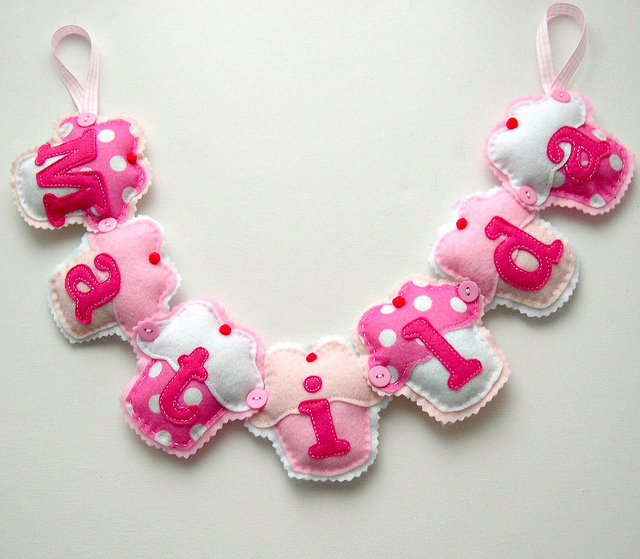
I love the title I chose for my blog, and as time goes by, it seems to be growing into its name even better. Although I don’t suffer from one ounce of name regret, an unintended side effect of its title is that it when people Google anything to do with the name “Matilda”, they often seem to be guided to Waltzing More Than Matilda.

They have been sent here under false pretences, because the blog isn’t dedicated to the name Matilda, or people named Matilda, or the song Waltzing Matilda. Even though Matilda is a Featured Name, in the wider scheme of things, it doesn’t rate too many mentions at all on the blog. I feel bad that so often, the information they are looking for just isn’t here.

So this is my attempt to answer as many of the Googled questions as I can about the name Matilda. They are all genuine questions, but I have added punctuation and corrected the odd typo to make things easier (it seemed fair enough as people don’t write their Google searches for publication). I’ve added information in brackets to make questions clearer, and where there were several questions asking similar things, I have amalgamated them into a generic enquiry.

I hope you enjoy learning more about Matilda; I ended up learning a great deal myself!

Matildas in the Bible/What is the Biblical significance of the name Matilda?

There aren’t any, and there is none.

Is Matilda the name of an angel?

No. Angels are always given male Hebrew names by tradition.

Is Matilda a saints name?

Yes. Saint Matilda was the wife of King Henry I of Germany, and she was therefore Queen Matilda too. She is said to have been very beautiful and virtuous, and was famous for her devotion to prayer and works of charity. Her feast day is March 14, and she is the patron saint of parents with large families, although she only had five children herself – Hedwig, Otto, Gerberga, Henry and Bruno.

Is there a character named Matilda in Shakespeare?

No.

Is there a star or constellation named Matilda?

No.

Is there a rose named Matilda?

Yes. There’s a hybrid named Rosa “Matilda” which was registered in France in 1988. It’s a hardy perennial shrub, and its scentless blooms are white with delicate pink edges.

Is Matilda an Irish or an Australian name?

Neither – it’s the Latinised form of a Germanic name, Mahthildis.

What is the Irish form of Matilda?

Maitilde. It was never a common name in Ireland though.

Why do Australians claim Matilda (as their own)? It’s not really Australian

It’s because of our national song, Waltzing Matilda. I’m sorry if it annoys you – you sound annoyed. You’re right that it’s not Australian, it’s German originally, but a German migrant to Australia helped to inspire the song.

What was Waltzing Matilda‘s first name?

As far as I know, the song’s title was always Waltzing Matilda.

Is Waltzing Matilda a train?

Not that I know of.

Did James Cook have a kid named Matilda?

No. His children were called James, Nathaniel, Elizabeth, Joseph, George and Hugh.

Were any of the convicts named Matilda?

When I searched the Australian Convict Collection at Ancestry.com.au, I got almost 2000 hits for the name “Matilda”. Some of those would be middle names, and some would be doubled-up entries, so maybe around 1000 convicts had the name Matilda.

There was also a convict ship named the Matilda; she came out in 1791 as part of the Third Fleet. However, she only carried male convicts, so there were no Matildas on the Matilda, alas.

How popular is the name Matilda in Australia?

It made #19 on the national chart for 2011.

A beautiful rocking Australian girl named Matilda?

I’m sure there’s absolutely tons of them.

Is there an Aboriginal name that’s the equivalent of Matilda?

It depends what you mean by “equivalent”. If you mean, Is there an Aboriginal girl’s name with the same meaning as Matilda?, then I don’t think so. Matilda means something like “strong in battle”, as the ancient Germanic tribes had a warrior culture. Aboriginal names tend to be inspired by nature.

However, if you mean, Is there a girl’s name of Aboriginal origin which, like Matilda, is considered to be a stereotypically Australian girl’s name?, then I would suggest that the name Talia fits that description, and Allira seems to be preparing to take its place.

Famous people named Matilda

One of the most notorious in Australia is Matilda Mary “Tilly” Devine, who was a prostitute and madam prominent in the 1920s and ’30s. The press called her “The Worst Woman in Sydney” and “The Queen of the Night”. Her colourful career continued until the late 1960s, and she died relatively well off.

Celebrity babies named Matilda

Matilda Esma Birmingham – Simon Birmingham (2011)

Matilda Thomson – Craig Thomson (2009)

Matilda Kewell – Harry Kewell and Sheree Murphy (2008)

Matilda Rose Ledger – Heath Ledger and Michelle Williams (2005)

Matilda Elizabeth Ramsay – Gordon Ramsay (2002)

In what year was Matilda a name?

Wow, that’s very specific. The name’s origins go back to the Dark Ages, but I’m not sure at which point it was Latinised as Matilda. I do know that it became an English name in 1066, as this was the name of William the Conqueror’s wife. However, her name was pronounced Maude. I think the modern-day pronunciation dates to the 18th century.

There must be a “first Matilda” – the first person with both the modern spelling and pronunciation of the name – but who she is, and what year she was born, I’m afraid I cannot say. I welcome input and suggestions from others more knowledgeable than myself.

Is Matilda too trendy?

No, I don’t think so. It’s trending downwards in Australia and the UK, and is still underused in the United States.

Will Matilda reach Top 100 in North America?

It’s been back on the US Top 1000 for only four years, and you are already worrying about it getting into the Top 100? Sheesh. It’s not even going up in popularity very quickly! If it does, it won’t be for years and years, so quit stressing already.

Is Matilda a boy or a girl name?/Matilda as a boy’s name/Any boys named Matilda?

It’s a girl’s name, and although you are free to use it on a boy, it’s an idea that doesn’t appeal to me. I’ve never heard of a boy named Matilda; they may all call themselves Matt to avoid terminal embarrassment.

What’s a good boy’s name to match with Matilda?

Angus, Banjo, Barnaby, Charlie, Darcy, Harry, Henry, Jack, Jasper, Lachlan, Liam, Sam, William

What girl names go good with Matilda?

Adelaide, Alice, Charlotte, Clementine, Harriet, Edith, Emmeline, Lucy, Poppy, Rose, Ruby, Sophie

An Aussie-style sibset for Matilda?

I think the quintessential Australian sibset is Jack, Matilda, Lachlan, and Ruby.

Names to go with the middle name Matilda?

Annabel Matilda, Caroline Matilda, Eloise Matilda, Jane Matilda, Phoebe Matilda, Violet Matilda

A boy’s name that rhymes with Matilda?

Bob the Builder? Seriously, I don’t think there is one.

Name of story about mean stupid couple who have nice smart kid called Matilda?

Matilda, by Roald Dahl. It was originally published in 1988, made into a film in 1996, and adapted as a musical in 2012.

What’s that song at the start of (the movie) Matilda where she makes stuff spin round?

Little Bitty Pretty One. It was written and originally recorded by Bobby Day; the movie features the 1957 version sung by Thurston Harris.

What are the cast of (the movie) Matilda all doing now?

The whole cast? For flip’s sake, that’s dozens of people! Go look it up at the Internet Movie Database or something.

Matilda is an awesome name

Too right it is!

(Image from Flickr)
Melbourne Suburbs That Could Be Used as Boy’s Names

15 Sunday Jul 2012

Posted by A.O. in Name Themes and Lists

≈ 1 Comment

Tags

Ancient Celtic names, Anglo-Saxon names, Appellation Mountain, Australian Aboriginal names, birth announcements, birth records, British Baby Names, celebrity baby names, Celtic names, english names, fictional namesakes, Gaelic names, Gypsy names, Harry Potter names, Irish names, K.M. Sheard, locational names, mythological names, name history, name meaning, nicknames, Norman names, Norse names, Old English names, popular culture, Scottish names, sibsets, surname names, unisex names, Upswing Baby Names, Victorian name trends, virtue names, vocabulary names

Albion

Albion is right next to the suburb of Sunshine, and was developed by H.V. McKay as part of his Sunshine Estate. His own house was in Albion, showing that he was not too proud to live alongside his workers. Albion is the oldest known name for the island of Great Britain. The meaning, which comes from Ancient Celtic, may either mean “white”, perhaps referring to the white cliffs of the southern shores, or “hill”. According to K.M. Sheard, it should be interpreted as “white upper world”, to distinguish it from the dark Underworld (and thus similar to the Midgard of Norse mythology, which became the Middle Earth of Tolkien’s fantasy world). It’s related to a Welsh word which simply means “earth, world”. The Ancient Greeks and Romans knew of Albion, and even in their time, it was considered a name of great antiquity. Today Albion is often used as a poetic term for Britain, such as in our national anthem – “when gallant Cook from Albion sail’d”. In British mythology, Albion was a giant who ruled Britain and gave his name to the island. It’s an imposing heritage choice, very suitable for a baby born in a Jubilee year.

Baxter

Baxter is a rural locality on the Mornington Peninsula, and received its name because it was founded by pastoralist Benjamin Baxter, who came here as a member of the 50th Regiment. The property he owned, and the cottage he and his wife Martha lived in, are both still in existence today. The township developed in the late 19th century once the railway arrived. Baxter is an occupational surname from the English word bakester, originally referring to a female baker, as opposed to the male baker, but very soon accepted as meaning both men and women, and then as masculine only. The surname is most common in Scotland, and the northern counties of England, especially Yorkshire. There are several famous Australians with the surname Baxter, including the explorer John Baxter, who was killed on the expedition across the Nullarbor Plain. With its fashionable X and nickname Bax fitting in with Max and Jax, this now seems a pretty cool option as a boy’s name. This was chosen as a celebrity baby name last year by radio host Kate Dimond.

Brighton

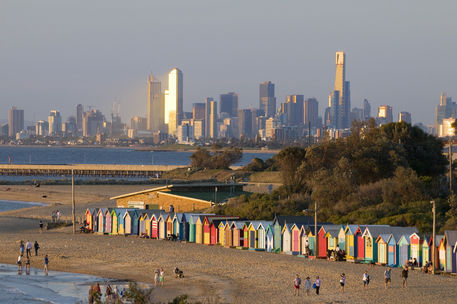
Brighton is a beachside suburb named after the English seaside town. Brighton is from the Old English, meaning “Beorhthelm’s farmstead” (Beorhthelm is a man’s name meaning “bright helmet”). The suburb was bought by an Englishman named Henry Dendy in 1840, who got it for 1 pound an acre, sight unseen. He chose the name Brighton, hoping this would also become a fashionable seaside resort. Unfortunately, there was a depression at the time and Dendy was forced to sell the land to his agent. Dendy died a pauper, but his dream did come true, because very soon Brighton began attracting wealthy residents, and it remains a very exclusive address, full of luxury mansions. One of its most notable sights is the 82 colourful bathing boxes, which have been on Dendy Street Beach since the 19th century. These can only be owned by rate-paying residents, and will set you back at least a couple of hundred thousand dollars. Brighton is the home of many of the rich and famous, including former athlete Catherine Freeman. I’ve been seeing this bright, right-on name quite a bit lately in birth announcements for boys, and the suburb does give it a swanky air.

Elwood

Elwood did not have the most glamorous beginning. A piece of swampland, the first settlers came here because of fever. It was Victoria’s first quarantine station, and the area’s first cemetery. Elwood became a working class suburb with such lovely features as an abattoir, a very smelly canal, and, before sewage, a dumping ground for human waste. However, today the Art Deco houses, pleasant beach, leafy streets, and busy cafe strip make it a very upmarket suburb. It’s thought to have been named after the Quaker poet Thomas Ellwood, because Governor La Trobe, who named it, had a thing for Quakers. The surname can be after Ellwood in Gloucestershire, which means “elder wood”, or derived from the Anglo-Saxon man’s name Aelfweald, meaning “elf ruler”. As elder trees play a big part in folklore, and The Harry Potter books feature the Elder Wand, it’s a very magical sort of name. I saw this at Mer de Noms and in a birth announcement, then it was covered by Upswing Baby Names, and then at Appellation Mountain. Perhaps because of the Blues Brothers, this name is seemingly now very hip. Please do not match it with a brother named Joliet or Jake though.

Fingal

Fingal is a rural suburb that may be named after the Irish county of Fingal; the county’s name means “foreign territory”, because the Vikings settled in the area. However, Fingal is also the Anglicised form of the Gaelic name Fionnghall, meaning “white stranger”. This also refers to the blonde Viking settlers, and Fingal mac Gofraid, a ruler in the Scottish Hebrides, was part of this same Norse dynasty. The name has a distinct literary air, as Fingal is the hero of James McPherson’s epic poem Fingal, and Irish author Oscar Wilde had Fingal as one of his middle names (Oscar is another name from McPherson’s poetry). McPherson claimed to have based Fingal on the legends of Irish folk hero, Fionn mac Cumhaill – Fionn’s name simply means “white”, and was a nickname; his real name was Deimne (meaning “sureness, certainty”). Fingal’s Cave in the Hebrides is named for the epic hero, and the sea echoes there so melodiously that it inspired a piece by composer Felix Mendelssohn. Irish names starting with Fin- are very fashionable right now, but I haven’t really seen Fingal in use. It seems poetic, musical, and quite fairytale to me.

Gilderoy

Gilderoy is a rural locality in the outer suburbs; it’s a rare variant of the Irish surname Gilroy, an Anglication of two possible Gaelic names which either mean “son of the red haired servant” or “son of the king’s servant”. As a first name, Gilderoy was used by British Gypsies, and a man who rejoiced in the name Gilderoy Scamp was King of the Kentish Gypsies in the late nineteenth and early twentieth centuries. Of course, this name will remind many of Gilderoy Lockhart, the vain and boastful fraud from the Harry Potter books. J.K. Rowling apparently named him after the handsome Scottish highwayman, Patrick Macgregor, whose nickname was Gilderoy (from the Gaelic Gillie Roy – “red-haired lad”). Both Lockhart and Macgregor had reputations for winning women’s hearts undeservedly, and one of Macgregor’s smitten female fans is supposed to have written the song Gilderoy about him. Perhaps Rowling was also thinking the name sounds like the English word gild, meaning to give a thin veneer of gold (to cheaper materials). I don’t know if anyone will actually use this name, but it’s a pretty fabulous one, with some very colourful namesakes.

Harkaway

Harkaway was settled by German immigrants, and is now an attractive suburb with large distinguished houses and extensive parkland. I first saw this name given to a minor character in Stella Gibbons’ hilarious novel, Cold Comfort Farm, and found it fascinating. Another famous literary Harkaway was Jack Harkway, from the Victorian era “penny dreadfuls” – a schoolboy who ran away to sea and had a life of adventure. There is also the novelist Nick Harkaway, although it’s a pseudonym; he’s a son of writer John Le Carre, and his real name is Nicholas Cornwell. Hark away! is a cry traditionally used in hunting to encourage the hounds; to hark means “to hear, heed, listen”. It’s a genuine, although rare, surname, and I presume an occupational one to denote someone who worked with fox hounds. I have seen this used as a man’s name in old records from the United States; I’ve only seen it used as a middle name in Australia. This is a really unusual vocabulary name which, with its meaning of “to listen”, almost qualifies as a virtue name as well. It isn’t much like any name on the Top 100, but it continues to fascinate me.

Ivanhoe

Ivanhoe is a suburb with many old homes and an Art Deco town hall, famous for the extravagant Christmas lights display it puts on each year. It was named by a Scottish settler after Sir Walter Scott’s 1819 novel, Ivanhoe. The book is a romance about one of the few remaining Saxon noble families at a time when the English nobility were almost all Norman. The protagonist is the Saxon Wilfred of Ivanhoe, who has sworn allegiance to King Richard I, and amongst the many characters are Robin Hood and his merry men. The novel is credited for starting the medieval revival of the 19th century – hence the number of Victorian babies named Alfred or Edith. Although the book is set in Yorkshire and Nottinghamshire, the English village of Ivinghoe is in Buckinghamshire. The village’s name is Anglo-Saxon, and means “Ifa’s hill spur”. The Anglo-Saxon Ifa later merged with the Norman Ivo, both names meaning “yew bow”. It’s dashing and looks like Ivan with a fashionable OH sound, but will the -hoe at the end prove problematic? If you are stuck for sibling ideas, Elea at British Baby Names has many suggestions!

Skye

Skye is named after the Isle of Skye in Scotland, the largest island in the Inner Hebrides. It was at one time ruled by Vikings, and even the Gaelic clans who were chieftains here have Norse ancestry. The island’s name is an etymological tangle of several languages. However, the Norse referred to it as skuyö – “the isle of cloud” – and this looks a lot like the English name for the island. The ruggedly beautiful Isle of Skye has spectacular Highland scenery and abounds in wildlife such as red deer and golden eagles; a popular tourist destination, it was recently voted the fourth best island in the world. It is known for its castles, including Dunvegan, which has an ancient flag supposedly gifted by the fairies, and is the oldest Scottish castle continuously occupied by a single family (since the 13th century). The island features in the lovely Skye Boat Song, which tells of the Jacobite heroine Flora McDonald helping Bonnie Prince Charlie escape “over the sea to Skye”, after the defeat of the Jacobite rising. This attractive unisex name is more often given to girls, but to me it seems equally suitable for boys.

Yannathan

Yannathan is a rural area in the Shire of Cardinia, and its name, from a local Aboriginal language, is translated as “to walk about, wander, travel, journey, roam”. Walkabout is a term from Indigenous culture which is understood to mean a journey undertaken as a rite of passage; a deeply meaningful spiritual quest which involves connecting with the traditional land and understanding cultural obligations. Australians of British descent also use the term loosely and colloquially to mean anything from going on holiday to escaping your customary obligations to disappearing without apparent cause (as in “the scissors seem to have gone walkabout”). I am not sure if yannathan was meant in any other way than just to take a walk or go on a journey, but it’s a word which may resonate with many Australians. Pronounced YAN-a-thun, it sounds like a variant of Jonathan, and seems very usable. It’s yet another name you could get the popular nickname Nate from.

(Photo shows the iconic bathing boxes in Brighton)

Melbourne Suburbs That Could Be Used as Girl’s Names

08 Sunday Jul 2012

Posted by A.O. in Name Themes and Lists

≈ 12 Comments

Tags

astronomical names, Australian Aboriginal names, bird names, Brazilian names, Bunurong names, created names, english names, famous namesakes, Gaelic names, gemstone names, germanic names, Greek names, Irish names, Latin names, literary namesakes, locational names, mythological names, name history, name meaning, name popularity, nature names, Old Norse names, Palawa names, plant names flower names, popular culture, Portuguese names, Scottish names, Spanish names, tree names, unisex names, Visigothic names, vocabulary names

Cardinia

Cardinia is an outer suburb of Melbourne, in the shire of the same name. The name Cardinia is taken from the local Bunurong phrase Kar Din Yarr, meaning “to look towards the rising sun”. I’ve always thought this would make a great girl’s name, with an interesting sound and an inspiring meaning. To me it sounds like a cross between Caroline and Gardenia, and is a native alternative to Dawn and Aurora.

Clematis

Clematis is another outer suburb in the Shire of Cardinia, leading into the Dandenong Ranges. It’s a tiny village dating to the turn of the century, with a few basic amenities. Its fire brigade formed in 1936, takes about 100 emergency calls per year, and has fought many major blazes in Victoria and New South Wales. The suburb is named after the climbing plant, which looks wonderful in the garden and has large, beautiful flowers. The plant’s name is Ancient Greek, and probably referred originally to the periwinkle (the plant we call clematis is from Asia, and related to the buttercup). Clematis is an elegant name filled with Edwardian charm; it’s more unexpected and alluring than Clementine.

Doreen

The name Doreen looks like an elaboration of the name Dora, perhaps influenced by Kathleen, and is said to have been invented by English author Edna Lyall, who published a novel called Doreen in 1894. The Doreen in her story was an Irish singer, and possibly Lyall had heard of the Irish name Dáiríne, which is pronounced daw-REEN-uh, and means “fertile”. Although this outer suburb of Melbourne had been settled since 1844, it was renamed Doreen in 1895, just a year after Lyall’s novel. Perhaps someone was a big fan of the book? Doreen plays a role in Australian literature too, for poet C.J. Dennis wrote a famous verse-novel called Songs of a Sentimental Bloke (1915), in which larrikin Bill meets, courts and marries his sweetheart. This is a girl who works in a pickle factory called Doreen, and she turns Bill from a Melbourne gang-member into a contented husband and father. It’s been made into two movies, a musical, a TV show and a ballet. Doreen was #83 in the 1900s, and peaked in the 1920s at #21, no doubt influenced by the rhymes of C.J. Dennis. It hasn’t charted since the 1970s.

Emerald

Emerald is a town and semi-rural area in the Shire of Cardinia, and its post office first opened in 1899. It’s a popular tourist destination, because it has the Puffing Billy steam train railway which opened in 1900, and enjoyed its heyday in the 1920s. The town also holds a number of festivals through the year. Emeralds have been mined on a small scale in New South Wales and Western Australia; there is a town in Queensland named Emerald; and David Williamson’s play Emerald City is a classic of modern theatre – the title a reference to The Wizard of Oz. Emerald is a name that I’ve seen in occasional use, and the popularity of Ruby is almost certainly making other gemstone names for girls seem more usable. It also has a connection to Ireland, because this country is known as The Emerald Isle. The name is ultimately from the Greek, meaning “green gem”. Perhaps the town got its name because it is set in the forest like a green jewel – although Gembrook is just up the road.

Iona

Iona is a rural area in the Shire of Cardinia; its post office opened in 1898, and it received its current name in 1905. It is named after an island in the Hebrides, off the coast of Scotland. According to tradition, Saint Columba founded a monastery there in the 6th century, and it played a vital role in converting the Picts of Scotland and the Anglo-Saxons of northern England to Celtic Christianity. A renowned centre of learning for four hundred years, Viking raiders plundered it, and the monastery was abandoned. Today it has an ecumenical Christian community, active since the 1930s; they worship in the restored medieval Iona Abbey. The island’s name is thought to come from the Gaelic for “place of yew trees”, but may also be from the Old Norse for “island of the bear cave, island of the animal den”. It is still a popular name in Scotland, and seems like a good alternative to the popular Isla with the fashionable OH sound in it (it’s said ie-OH-na).

Jacana

The suburb of Jacana was originally farmland owned by Duncan Kennedy in the 1840s, and its streets were laid out in 1923 after the land was sold. During the 1950s to 1970s, the land was developed by the government Housing Commission, who built most of the houses. They also re-named some of the early streets, which had been given jocular names such as Emu Parade and Sunset Boulevard. Being developed as a Housing Commission suburb, it is a lower-middle and working-class area with good amenities. The suburb is apparently named after Jacana Avenue, which is in the next suburb of Broadmeadows; other streets nearby also have bird names, such as Ortolan and Dacelo. Jacanas are tropical birds that live on lily lakes in wetlands and found world-wide; in Australia we have the Comb-Crested Jacana. Its name is Brazilian-Portuguese, and pronunciation is very diverse around the globe. The Australian way to pronounce it is juh-KAH-nuh, although the original is more like ZHAH-suh-NUH. I think this is a pretty and unusual bird name that sounds similar to Jacqueline, Jana and Jacinta, but with its own “feel”.

Kallista

Kallista is in the outer suburbs, and the first European inhabitants were loggers in the 1850s; gradually farmers began settling in the area as the forest was cleared. From early on, the government preserved a section of it as state forest, and once the roads were completed, Melburnians began using it for weekenders and holiday homes. During the Depression, many people could not afford the luxury of a second home for holidays, and they were bought up cheaply by those hoping to support themselves by living off the land. The suburb gained its name in 1925, from the Ancient Greek Kalliste, meaning “most beautiful”. In Greek mythology, Callisto or Kallisto was one of the nymphs of Artemis, although Kalliste was one of the epithets of the goddess herself, and the stories of the nymph were probably originally about Artemis. Callisto was seduced by Zeus, and gave birth to a son named Arcas, who became the king of Arcadia. Jealous Hera turned Callisto into a bear, and when a teenaged Arcas was hunting in the woods, he almost shot his own bear-mother. Zeus placed them in the sky as the constellations Ursa Major and Ursa Minor to protect them. A very pretty “star” name.

Olinda

The outer suburb of Olinda began as a logging settlement, but began growing in the early 1900s as land became available for market gardening. It is famous as the home of artist Sir Arthur Streeton, and today is an artsy-craftsy sort of suburb, studded with antique shops and galleries. Olinda is named after Olinda Creek, which has its source in the suburb, and the creek was named after Alice Olinda Hodgkinson, the daughter of Victoria’s acting surveyor-general in 1859. Her unusual middle name is something of a mystery to me – I have seen it defined as a German name meaning “defender of the land”, which became used in Spain thanks to the Visigoths. However in English, this name is said to be derived from the place Olynthus in Greece, meaning “fruit of the wild fig tree”. Olinda’s Adventures was the first novel of a precocious teenage writer in the 17th century called Catherine Trotter. It fits in with other literary names of that period, such as Orinda and Belinda. It sounds like retro Linda, dressed up with the fashionable OH sound, and still seems exotic and poetic.

Sassafras

Sassafras is in the outer suburbs, and lies between Olinda and Kallista. It was opened to farming in the 1890s, and a small township developed. Around the turn of the 20th century, it began to attract tourists, and still caters for them, with boutique stores, cafes serving Devonshire teas, and garden nurseries. Sassafras has very fertile volcanic soil, which makes it ideal for growing plants. Aptly enough, it is named after the sassafras tree, found growing there in profusion. These are not true sassafras, which are native to North America and Asia, but Southern Sassafras, an ancient tree from the southern hemisphere, with several species native to Australia. The one in Victoria is Atherosperma moschatum, and it grows in cool temperate rainforest. An evergreen, it flowers in winter with white petals, and its springy timber is in demand for speciality woodwork. The word sassafras is thought to be a corruption of saxifrage, an unrelated genus of tough alpine plants; their name is from the Latin for “stone breaker”. I have seen this once in a birth notice for a baby girl; it’s an unusual plant name which gives the nicknames Sass and Sassy.

Sunshine

This inner-city suburb has been a township since the late 19th century, and is an important part of our industrial history, because the Sunshine Harvester Works were moved here in 1906 by H.V. McKay, and became the largest manufacturing plant in Australia. It was after this that the suburb was given its present name; it is believed that McKay chose Sunshine for the name of his business after hearing a sermon by visiting American evangelist Rev. Thomas de Witt Talmage. The word sunshine seems to have been frequently used in Talmage’s writings, as a symbol of happiness and God’s blessings. McKay planned Sunshine on Garden City principles, and workers flocked there to live. The manufacturing plant was demolished in the early 1990s, but there is still plenty of industry, and it has attracted many migrants, especially from Malta and Vietnam. Skier Lydia Lassila grew up here, as did singer Bon Scott; Prince Philip lived here briefly. This cheerful, friendly name isn’t just from nature – it’s one connected to our manufacturing history, and also has idealistic Christian roots. Although unisex, the film Little Miss Sunshine helps give it a feminine edge. Sunny makes a cute nickname.

Truganina

This suburb is named after Truganini, considered to be the last “full blood” Palawa (Tasmanian Aborigine). Truganini was a chieftain’s daughter born in 1812 on Bruny Island, described as a vivacious and intelligent woman by contemporary sources. Her mother was killed by whalers, her two sisters were abducted and taken as slaves, her fiance died saving her from being abducted herself. Efforts at conciliation meant that Truganini and the last surviving Palawa people were moved around, including a short time in Melbourne, which is how the suburb received its name. By 1873, Truganini was the last Palawa left, and she died three years later. Her final request, that her ashes be scattered in the D’Entrecasteaux Channel near her island home, was ignored; she was buried in a convict workhouse in Hobart. Two years later, her skeleton was exhumed, and put on display by the Royal Society of Tasmania. In 1976, a century after her death, her last wish was finally fulfilled. Her name is the Palawa word for the tough plant we call grey saltbush (Atriplex cinerea), and can be spelled a number of ways. This could make an interesting heritage choice, although its namesake is a tragic symbol of Indigenous genocide. The correct pronunciation is not known, but Truganina could be said to give the nicknames True and Nina.

(Picture shows the Puffing Billy steam railway in Emerald)

Famous Name: Venus

13 Wednesday Jun 2012

Posted by A.O. in Famous Names

≈ 7 Comments

Tags

astronomical names, Australian Aboriginal names, Babylonian names, english names, Greek names, Latin names, locational names, mythological names, Norman-French names, Phoenician names, planet names, popular culture, Roman names, ship names, surname names

Last Wednesday was the transit of Venus, the planet taking about six and a half hours to cross the face of the Sun. Most of Australia was in a prime position to view this astronomical event (with special protective glasses, or else streamed live on the Internet so as not to damage our eyes).

Transits of Venus occur in pairs 8 years apart, separated by gaps of 121.5 years and 105.5 years. So the one before this one was in June 2004, and the next one will be in December 2117. I don’t want to be a pessimist, but if you missed this last one, I think you’ve lost your chance to see another.

The transit of Venus is not only a rare and lovely astronomical event, it is also an essential part of Australian history. It was in 1766 that the Royal Society sent Captain James Cook to observe the transit of Venus from the Pacific region. The reason scientists were so keen to get accurate observations was because astronomer Edmond Halley (of Halley’s Comet fame) had suggested that if you measured one of the transits, you could then use the data to figure out the distance from the Earth to the Sun, and thence to work out the distances to all the other bodies in the solar system.

For a variety of reasons, nearly all the scientists sent around the world ran into technical problems, and it was up to Captain Cook to take the observations, which he did in Tahiti in 1769. He then opened his sealed orders from the British Admiralty to find he had been sent on a secret mission to discover the mythical Terra Australis. There was no such place, and discovering New Zealand was a massive disappointment, as it was nowhere near the size the expedition had been hoping for.

Now some men would have gone home, feeling that observing the transit of Venus and discovering New Zealand was enough for one trip. But Captain Cook was made of sterner stuff, and he took it upon himself to become the first European to explore the east coast of Australia, and also to claim it as British territory. His reward was to be given a promotion, and sent back again to look just a bit harder for Terra Australis.

By sailing around diligently discovering places and claiming them for Britain, he was at last able to establish that Terra Australis didn’t exist, although Britain now owned a reasonable sized country it could send convicts to. The maps Cook made in the process were so good that they were still being used in the twentieth century, and the observations he took of the transit of Venus were used to calculate the distance between the Earth and the Sun with reasonable accuracy.

The planet Venus has an ancient connection to Australia as well, because the Yolngu people of Arnhem Land believe she is an important creator spirit called Banumbirr. Through dawn ceremonies performed with beautifully decorated Morning Star poles, they communicate with their dead ancestors through a rope of light which Banumbirr trails behind her. The ceremony means the ancient Yolngu people must have had enough astronomical knowledge to track the complex motion of Venus, as it rises before dawn only at certain times of the year.

I love stars, and although Venus is a planet, I, like almost everyone else, know it as both the Morning Star and the Evening Star. The brightest object in the night sky after the Moon, Venus is the first light to appear at dusk, and the last to disappear at dawn. In fact, I have often wished on Venus, with that little rhyme which begins, Star light, star bright, first star I see tonight …. Sometimes my wishes came true, sometimes they didn’t! Fickle Venus.

The Babylonians may have been the first to understand that the morning and evening stars were the same object, and called it Ishtar, after their goddess of love, sex, fertility and war. Other cultures followed the tradition, and to the Romans she was Venus; her morning aspect was called Lucifer (“light-bringer”), and her evening one Vesper.

Venus was a Roman goddess of love, beauty, sex, fertility, luck and war; her name is from the Latin word venus, meaning “sexual love, sexual desire”. The word is closely related to venenum, meaning “poison, venom”, which probably demonstrates a certain ambivalence towards passionate love we share today. The word venenum also meant charm, as in a love potion. Falling madly in love with someone can feel as if we have been given some sort of magic potion, and if it all goes wrong, we do indeed feel as awful as if we had swallowed poison instead!

The Romans said that Venus was the mother of Aeneas, the Trojan ancestor of Rome’s founder, Romulus, and therefore the mythological ancestor of the Roman people. The month of April was sacred to her, and she was associated with springtime flowering and the fecundity of nature. Her earliest festivals were ones that celebrated gardens and wine-drinking, and many of her attributes seem to be taken from more ancient goddesses of water and purity. Later on, Venus was identified with the Greek goddess Aphrodite and the Phoenician goddess Astarte.

The beauty of Venus has made her a popular subject in art, especially as it was acceptable (and practically mandatory) to show her nude or semi-nude. Two of the most famous are probably the classical statue, the Venus de Milo, which has the arms missing, and Bottichelli’s painting, The Birth of Venus. To call a woman “a Venus” means that she is beautiful and desirable in a very erotic way.

As well as being a female first name, Venus can be an English surname. It’s not related to the goddess, but is from the Norman-French place name of Venoix, near the city of Caen.

Venus is also a place name; there are two towns in Australia called Venus Bay – one in South Australia and the other in Victoria. Both these fishing villages are named after ships called Venus, which brings us to another intriguing Australian connection to Venus.

It is said that the drinking song, The Good Ship Venus, may have been influenced by actual events, when convicts travelling on the brigantine Venus mutinied and took the ship to New Zealand, becoming Australia’s first pirates. Two of the convicts were female, and there were reports of great immorality aboard ship – a possible inspiration for the song’s bawdy lyrics.

Venus is a rarely used name, but one which evokes both feminine beauty and the twinkle of a lovely “star” which can grant wishes …. sometimes. It’s one which has several connections with Australia, and is deeply woven into our nation’s history and culture. That makes Venus a surprisingly patriotic name choice, although I do feel on this one, we have waltzed far, far beyond Matilda!

(Photo of the transit of Venus from NASA)

Interesting Names Spotted in Print, on Radio and on TV – Autumn Edition

05 Tuesday Jun 2012

Posted by A.O. in Names Spotted at Home and Abroad

≈ 7 Comments

Tags

animal names, astronomical names, Australian Aboriginal names, Chinese names, Cornish names, created names, english names, famous namesakes, Fijian names, Greek names, honouring, Indian names, Latin names, literary namesakes, locational names, mythological names, name history, name meaning, nature names, popular culture, Scottish names, sibsets, unisex names, vocabulary names, Welsh names

This celebrates the fourth birthday of a little boy who was the first baby born at Saltwater in New South Wales in over a century. The beachside area is the traditional place of the Worimi-Biripi people, and is now in a national park. Dawn Morcombe gained special permission to give birth at this spiritually significant location, and she named her son Yarramundi John Michael Hollis. Yarramundi was a famous Indigenous leader of the colonial era; his son was Colebee, who was featured on the blog last year. His name is said to mean “deep water”. Fantastic story, namesake, and meaning, especially for a baby born at Saltwater!

Debbie Bell from South Australia has had a rough life and been through more than her fair share of heartache. However, after a great deal of physical and emotional suffering, she and her husband Ian were at last able to have a baby through a donated embryo, and named their son Derlerean. I think Debbie and Ian may have created this name themselves. It reminds me of the car, the Delorean.

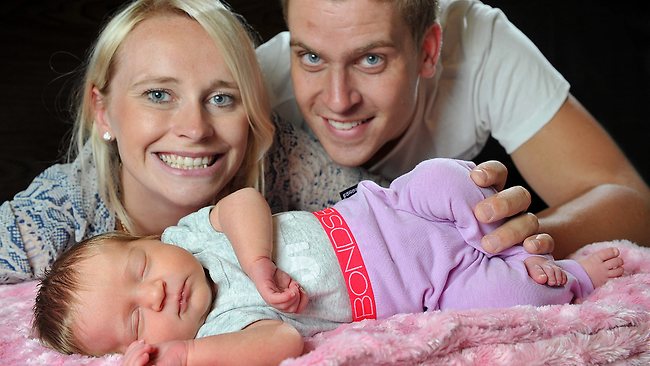
Victorian couple Charlotte Gernandt and Dale Hynes called their first baby Tinkabell Darling [pictured]. Now this sounds like a name straight out of Peter Pan, but Charlotte and Dale say she is not named after the fairy. Um, okay … must be inspired by some other Tinkerbell … She’s called Tinka for short.

Emma Preston was so crippled by endometriosis that she was confined to a wheelchair, and had little hope of ever having a baby. But then Sydney fertility specialist Dr Geoff Reid not only got her out of her wheelchair, he helped her to conceive through embryo transfer. Emma was so grateful, she named her baby after him. No, the baby’s not called Geoff; her name is Reid Louise. Nice gesture and name story.

It’s not often a baby ends up in the paper just because of his name, but this one is quite striking. Kate Anderson and Lance Walshe, from the Yarra Ranges just outside Melbourne, named their son Viper. His name was inspired by Lance’s love of snakes, and the couple wanted an original name that nobody else had. They considered Wolfgang, but rejected it because they thought it might lead to teasing. Viper Walshe doesn’t have a middle name, and if he’d been a girl, his name would have been Ruby Joanne. Kate says his name has met with mixed reactions.

A story from Port Macquarie on the ever-rising prices on electricity bills featured a struggling single mum named Bek Latimore. Bek’s baby girl is named Arizona; although I generally don’t go for American-states-as-names, this one always puts a smile on my face. I’m not sure I can ever imagine using it myself though. Arizona’s older brother is named Nick, which made me think – could Nick be short for Phoenix? Hmm?

This story about a midwifery programme at Canterbury Hospital in Sydney showed a mother with an elegant name: Eglantine Jalicot. Eglantine’s son has an equally stylish name – Lysander. His ancient Greek name means “release of a man”, and belonged to a famous military general of ancient Sparta. Eglantine is another name for the sweetbriar, and is first found as a personal name in Chaucer’s Canterbury Tales.

Two interesting and pretty girls’ names from a story on sleep and babies: Luna and Reya. Luna is of course Latin for “the moon”, and Reya is an Indian name which means (I think) “wealth”.

A story on a new breech birth clinic at Westmead Hospital in Sydney showed mum Mallissa Tulfua with her son Tevita. His name is the Fijian form of David.

A Brisbane columnist covers a naming dilemma from real life when two of her friends cannot agree what to name their baby. Readers are invited to help name their sprog, but as we’re not told what names they’ve come up with already, it seemed a rather futile exercise (although apparently the mother had rejected Luke as “not masculine”, which seemed odd). The columnist notes some of the baby names from her own extended family are Echo, Theo, Roarke, Ziad, Ingrid and Rudi.

Alana Mahadik had a very difficult childbirth with her first son, Avighna. With her second, she opted for hypnobirthing at Caboolture Hospital in Queensland on Anzac Day, and found the whole experience very quick and stress-free. Her new baby son’s name is Rudra, which is an Indian name meaning, aptly enough, “remover of pain”. Avighna’s name means “remover of obstacles”.

A rather adorable little baby girl was sadly abandoned at Canterbury Hospital early this year. The baby has been named Li-Ye, which means “beautiful child” in Chinese. Only a few babies have been abandoned this way in New South Wales in recent years: two others were named Adam and Sunday April. All of these babies were eventually adopted after their birth mothers failed to come forward.

Interesting Names of Adults

An ABC radio podcast on parenting featured a Melbourne child psychologist named Angharad Candlin. This Welsh name meaning “greatly loved” is one I have admired since childhood, yet never before seen on a real person (although I didn’t actually see her, as it was radio).

This travel writer, enjoying the Sicilian sun, has the name Dugald Jellie. There’s quite a few Australians with this Scottish form of Douglas as their name, but Dugald Jellie seemed just a bit more interesting and storybook-character somehow.

The junk mail of one April morning produced a community newsletter about a new medical centre opening in the area. One of the doctors was named Demelza – a Cornish place name from the Poldark books and TV series. I briefly thought about changing doctors just to have a GP named Demelza, but couldn’t face all the paperwork.

I read One Way or Another: The Story of a Girl Who Loved Rock Gods, the memoirs of Gold Coast rock star groupie Nikki McWatters. Eventually she sees the error of her ways, and settles down by sensibly marrying a schoolteacher. Her husband’s name? The very rockstar-sounding Zeus. As well as teaching school, Zeus is a trained opera singer, so she obviously never lost her thing for male vocalists.

Channel 7 have resurrected The Price is Right, which I find keeps the troops quietly occupied while I make dinner. As I stir and chop, I keep an ear out for names: so far I have seen a pair of sisters named Jalila and Janita (late teens to early twenties), a woman named Feda, pronounced like “feeder” (twenties), and a grandmother named Dixie (around sixtyish).

Saturday Sibsets: Four Families from Tasmania

12 Saturday May 2012

Posted by A.O. in Sibsets in the News

≈ 2 Comments

Tags

animal names, Arabic names, Australian Aboriginal names, english names, hebrew names, Maori names, nature names, nicknames, polynesian names, sibsets, unisex names, virtue names, vocabulary names

THE CIRCUS TROUPE

Kristy and Mark Sands run the Sands Family Circus. They began performing together in the mid-1990s, and initially planned on having two children, but ended up with a few more than that. All the children naturally learned circus skills, and became part of the act.

Jiemba (15) BOY – means “morning star” in the Wiradjuri language

Tohua (13) BOY – in Maori means “egg”; in Polynesia, a Tohua is a ceremonial meeting place

Spida (11) GIRL

Rain (9) BOY

Ooliki (3) BOY – I don’t know what his name means

Next child (due in July)

THE BABYSLING MUMPRENEUR

Anita Lincolne-Lomax turned her passion for attachment parenting into a business when she founded Babes in Arms several years ago. Babes in Arms sells baby carriers and baby slings throughout Australia and New Zealand, and last year Anita was named 2011 Mumpreneur of the Year by parenting website connect2mums.com.au, and Babes in Arms is a finalist in two categories of this year’s Australian Small Business Champion Awards. Her husband Ralph now works full-time in the company.

Tilli (8)

Jontae (5) – a variant of Jonte, a pet form of Jonathan

Aviya (3) – Hebrew name meaning “my father is Yahweh” (unisex)

Grace (7 months)

THE COOKS WHO COOK

Jo Cook is a chef and market curator, and food is her passion. A member of Slow Food Hobart, she runs Flavour Workshops for children, and volunteers at a primary school to work in their kitchen garden. Next she hopes to link up with the university to inspire a new generation to eat more mindfully and healthily. Of course, at home, the family connects around growing food, cooking meals and enjoying them together around the table.

Nina (10)

Charlie (8)

A FRESH START

Sarra Elradi came to Tasmania from Sudan with her four children to give them a better start in life. She had separated from her husband, and the family spent two years in Egypt, which they describe as “very tough”, because there was no one to help them. When they arrived in Australia, only Sarra’s eldest son could speak English, so they were on a steep learning curve; however they appreciate the education they are receiving and the opportunities that are available to them. Sarra’s daughters are both members of the Glenorchy Young Women’s Multicultural Group.

Elsawi BOY Arabic name meaning “servant of God”

Hanadi (15) GIRL Arabic name meaning “lovely fragrance”

Zeinab (12) GIRL Arabic name meaning “desert flower”

One other child

(Photo and story from The Hobart Mercury, May 11 2012)

Baby Name Dilemma: They Love a Name That Nobody Else Does

24 Tuesday Apr 2012

Posted by A.O. in Naming Assistance

≈ 23 Comments

Tags

Australian Aboriginal names, Bonds Baby Search, honouring, Indian names, locational names, Macquarie Aboriginal Words, middle names, name advice, name history, name meaning, nicknames, slang terms, surname names, unisex names

I recently received an e-mail from a father-to-be and blog-reader named Gabriel; technically I’m still on holiday, but this was urgent enough to bring me back early!

Gabriel and his wife Theresa are expecting a baby boy in only two weeks; unfortunately, the name they have picked out has met with a cool reception from family and friends.

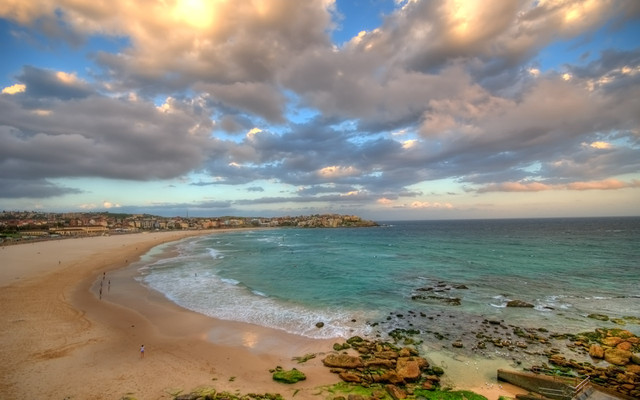
The couple first met on Bondi Beach, and, like many Australians living near the coast, are strongly drawn to the ocean, which is cleansing and refreshing, and for a city-dweller especially, washes away the fatigue that comes from modern life. They want a name with a meaning connected to the beach and the sea. They are also very keen to use an Aboriginal Australian word for a name, feeling that this is a perfect way to honour their homeland.

They immediately fell in love with the idea of using Daku as a name. This is a name given to boys meaning “sand”, and apparently it is from one of the languages of north-west Western Australia. Not only did they love the sound of it, but the meaning seemed ideal. Not only did they meet and fall in love at the beach, but sand itself conveys the power of water, which gradually over millions of years wears down great rocks and boulders into fine grains. It therefore holds connotations of patience and persistence – qualities which they hope their son will learn to possess.

When they shared their choice with family and friends, others saw the name quite differently, and thought it was a choice which would lead to teasing. Basically their objections amounted to this:

  • Daku might be okay for a boy growing up in a hippie commune, but isn’t suitable for one growing up in a big city
  • It sounds like the phrase “dack you” – which in Australian slang, means that you are pulling someone’s pants down in a playful or spiteful manner
  • Daku is an Indian girl’s name, which could cause confusion further down the line
  • In Portuguese, daku is supposedly some sort of unsavoury slang (or maybe sounds similar to it)

Their families would much prefer a name which is clearly European and Christian – something along the lines of John, Paul, Daniel, or Xavier.

Gabriel and Theresa now have a dilemma on their hands: do they ignore everything their families and friends say and follow their hearts, or do they choose another name which will cause less controversy? With only a couple of weeks to go, they are starting to get a little stressed over it.

*********************************************************

Everyone has a particular bias in a debate, and I should declare mine straight away. I believe that it is the parents who get to choose their child’s name, not extended family, relatives, friends, or well-wishers.

I believe that loved ones have a perfect right to their own opinion, they have the right to (politely) make suggestions and share their concerns before the birth, and they have the right to be listened to respectfully. However, the final decision must lie with the parents.

Now you could take your story onto any name forum, and you will be able to find at least a dozen people who will advise you to just tell your family to butt out, shut up, and mind their own business in no uncertain terms, then move interstate so you don’t have to deal with them ever again. It’s easy advice to give, but I’m not sure it’s necessarily the best advice to follow.

For a start, obviously you love your family and don’t want to alienate them or cause a big family drama just as a baby is about to born and you need support more than ever. Second, occasionally the objections that family and friends offer have some validity, or make some sense. If you were planning to name your child Freddie Hoff or Penelope Ophelia Overton, a friendly hint might help you realise the mistake you were about to make. At the very least, they give you a taste of how others might see that name, and what response it could get. It’s better to have that information in advance.

As far as I can see, these are the choices the two of you have before you:

1. Go ahead with your original plan, and name your son Daku

Pros: You son will receive a name that you both love, and love hearing – moreover, a name which is a constant reminder of your love for each other. That’s incredibly special. You will have a wonderful story to share with your son when he asks, “Mum and dad, why did you call me Daku?” Maybe one day you can take him to Bondi and show him where his own unique life story and name story began, and when he hits a difficulty in life, perhaps you can show him the sand on the beach that he’s named after, and explain how it could only be made through the sea patiently grinding it down day after day, and never giving up.

Cons: Your family may not be happy with the choice you have made, or feel slighted that their dire warnings were not heeded. However, you have listened to everything they said and taken it on board, and you have also chosen his middle name, Rudolf, after Theresa’s father. You have pretty much already done your family duty. It’s not uncommon for family members to become reconciled or at least used to a “strange” name once they see it on their adorable grandson or nephew, and they may come up with their own pet name for him anyway.

I do feel that your family and friends have gone straight to the “worst case scenario” for the name, and some of their ideas are probably a little silly. I think Sydney is cosmopolitan enough to cope with the name Daku, and the slang issues seem a bit overboard to me.

“Dack you” is pretty dated slang now (although boys do seem to hang onto old slang more than girls), and in any case, most names sound a bit like something else. I find it hard to believe your son will suffer horribly because of his name, although naturally I can’t guarantee he will never be teased because of it. I must say that the name didn’t remind me of the phrase dack you.

The Portuguese slang term isn’t one I was able to find a reference to online, so doesn’t seem to be in general circulation. Unless you are planning to ship him to Portugal at some point, or you associate with many Portuguese people, perhaps this isn’t the big problem you fear.

Although Daku is a girl’s name in India, it’s a word and name used all over the world in many different cultures and in different contexts. In Japan it means “embrace, hug”; in Fiji it can mean “cousin”, and is also a place name; in Malay it means “I, me, myself”; in Hindi it can mean “bandit, pirate”; in Swahili it is related to the word “grasp, seize”; in ancient Sumerian it meant “executed”. It’s also a word in an invented language in the game World of Warcraft (no idea what it means).

When a word has this many meanings, it’s hard to get too worried if one or two are less pleasant than others. As well as a girl’s name, Daku is also a surname used all over the world, by people from a variety of ethnic backgrounds.

Realistically, what you will face with the name Daku is people not being sure how to spell it or stumbling over the pronunciation. When your son is very small, people may be unsure whether he’s a girl or a boy. People will say, “What an unusual name! Where does it come from?”.

I’m pretty sure once you explain it’s an Australian Aboriginal name meaning “sand”, 90% of people will just go, “Oh right then”. 10% will be interested enough to ask for more information (Most likely, “Do you have any Aboriginal heritage?” or “Why did you choose it?”). I do feel once they know the origin and meaning, most criticism they may have offered will be quashed.

I know that parents who have chosen unusual names find that although they do sometimes get some aggressive or rude comments, they also find many people who say, “Oh that’s a fantastic name”, “It’s so different”, “What a great meaning” and so on. It does tend to stick in people’s memories. You don’t usually get this kind of attention and enthusiasm if your child’s name is Daniel or John.

2. Please your family by choosing a standard European-style name

Pros: Your son will have a name that blends right in with everyone else’s. People will know how to say it and spell it. He won’t be questioned about his background or his name. His name will be in a style which fits in with his family and community.

I’d love to be able to say that your family will appreciate your sacrifice forever and shower you with praise and devotion, but they probably won’t. They may secretly despise you for giving in; they may resent you for resisting them until the last minute; they may figure that if you caved in on such a big issue, you will always cave in on smaller ones; some of them may still dislike the name you choose. They may forget all about the disagreements during the pregnancy, and in ten years will assume his name was always going to be Paul. If you try to remind them what a sacrifice you made, they may roll their eyes about the “big fuss” you keep making about it.

Cons: He will miss out on hearing that wonderful name story. When he asks, “Why did you name me Xavier?” you will say, “We did have another name picked out, but ended up going with something your grandma liked. The name we chose was meant to inspire you to always be persistent; ironically, we didn’t persist with the idea”.

3: Pick another name that is similar to Daku, but causes less family friction

You did say that if your son had been a girl, he would have been named Iluka, an Aboriginal word and place name said to mean “by the sea”.

You may not have realised this, but in Australia Iluka is generally accepted as a male name. It’s usually listed as a boy’s name in baby name books (although giving it to a girl would be fine). Because it sounds like the popular boy’s name Luca, it’s often taken as a native elaboration of that name, and is given the nicknames Luke or Lukey.

Iluka has a similar sound, origin and meaning to Daku, but it might be something your family could accept more readily, as it sounds like popular names Luca, Lucas and Luke, and has the same nicknames as them.

If you were worried about using a name you were reserving for a future sister, there are many, many pretty sea-oriented names for girls from Aboriginal languages.

If you were feeling very bold, you could give either a son or a daughter the name Bondi, which means “the sound of water breaking over rocks”. It’s one I saw given to a baby girl in the Bonds Baby Search, but seems unisex to me, and rare enough to be up for grabs by either gender.

The word used in the Sydney area for beach sand was marrang, and I’m afraid that’s all the beach-related Aboriginal words which sound like masculine names I can think of. I suggest that you buy a copy of Macquarie Aboriginal Words, which would make a useful reference tool.

I can’t make the choice for you, that is your privilege. I hope you at least feel a bit less stressed seeing your choices laid out in print with some possible outcomes attached.

Once your little boy arrives and is safely settled in, please please please let us know what you chose, and how it’s gone down with everyone on a real baby!

(Image of Bondi Beach from Beach Wiki)

Global Girls – More Names from Around the World from the Bonds Baby Search

04 Wednesday Apr 2012

Posted by A.O. in Baby Contests

≈ 1 Comment

Tags

African names, Arabic names, Australian Aboriginal names, Chinese names, Dutch names, Ethiopian names, Fijian names, Finnish names, French names, German names, Greek names, hebrew names, Igbo Names, Indian names, Iranian names, Italian names, Japanese names, Maori names, Persian names, Polish names, polynesian names, Russian names, scandinavian names, Slavic names, Slovak names, Spanish names, Sri Lankan names, Swahili names, Swedish names, Turkish names, Xhosa names

Akira (Japanese et al)

Amara (Igbo et al)

Amaya (Spanish et al)

Anamaya (Indian)

Annalisa (Italian)

Annika (Swedish)

Anushka (Russian)

Anya (Russian)

Aranya (Indian)

Arya (Indian)

Astrid (Scandinavian)

Ayana (Swahili)

Belen (Spanish)

Catalina (Spanish)

Chalah (Hebrew)

Chava (Hebrew)

Diamalaini (Fijian)

Dika (Scandinavian)

Diya (Arabic)

Eleni (Greek)

Elisa (Spanish etc)

Eliska (Slovak)

Elke (German et al)

Emel (Turkish)

Evanthia (Greek)

Giuliana (Italian)

Grazia (Italian)

Hadassah (Hebrew)

Hanneke (Dutch)

Hawaiki (Maori)

Ilaria (Italian)

Indra (Indian)

Ivona (Slovak etc)

Jamilla (Arabic)

Jana (Slavic et al)

Jara (Slavic et al)

Jaya (Indian)

Jazarah (Ethiopian)

Jedda (Australian Aboriginal)

Jiaya (Chinese?)

Kaisa (Finnish)

Kamilah (Arabic)

Katia (Russian)

Lalita (Indian)

Latika (Indian)

Layal (Arabic)

Leilani (Polynesian)

Lidija (Slovak etc)

Liv (Scandinavian)

Magali (French)

Mannat (Indian)

Manarra (Arabic)

Mariam (Arabic et al)

Marta (Slovak etc)

Matarii (Polynesian)

Mathilda (German et al)

Meila (Dutch etc)

Mereana (Polynesian)

Mija (Finnish)

Mika (Japanese)

Milena (Slavic)

Naava (Hebrew)

Naeema (Arabic)

Nahla (Arabic)

Nalani (Polynesian)

Nataya (Indian)

Ngareta (Maori)

Nicolina (Italian)

Nikisha (Indian)

Nithara (Indian)

Oviya (Indian)

Porjai (Indian)

Raffaella (Italian)

Ru (Chinese)

Safia (Arabic)

Sakura (Japanese)

Samala (Hebrew)

Samara (Arabic et al)

Sana (Arabic et al)

Soraya (Persian)

Stefania (Italian etc)

Tamika (Indian)

Tarla (Indian)

Tatiana (Russian)

Thandiwe (Xhosa)

Thinuki (Sri Lankan)

Vanya (Russian – usually male)

Yianna (Greek)

Zaneta (Spanish)

Zari (Persian et al)

Zofia (Polish)

Iridessa and Bambam: Created Names from the Bonds Baby Search

03 Tuesday Apr 2012

Posted by A.O. in Baby Contests

≈ 7 Comments

Tags

Australian Aboriginal names, car names, created names, famous namesakes, fictional namesakes, Indian names, Latin names, popular culture, Shakespearean names

Obviously all names are created at some point, but these are ones whose origins  seem easier to spot than most, or which were created for a specific purpose, or for a person who later became famous.

GIRLS

Alinta (an Aboriginal name meaning “fire”, used by a power company as their name)

Chevelle (a make of car)

Chevi (from Chevy, a make of car)

Cordelia (seems to have been created by Shakespeare for King Lear, from older sources)

Evangeline (said to have been created by Longfellow in his poem of the same name, from Greek)

Haidee (created by Byron in his poem Don Juan, probably from Greek)

Iridessa (one of the Disney Fairies in the Tinkberbell films; based on the word iridescent?)

Jovie (a character from the movie Elf; based on the word jovial?)

Juliet (created by Shakespeare for Romeo and Juliet; an Anglicisation of Giulietta)

Katara (a character from Avatar: The Last Airbender TV show; the word for an Indian dagger)

Lorna (created by R.D. Blackmore for his novel Lorna Doone; perhaps from a Scottish place name)

Lyra (created by Philip Pullman for the His Dark Materials series, from the constellation)

Miranda (created by Shakespeare for The Tempest, from Latin)

Mahalia (singer Mahala Jackson put an i in her name to become Mahalia Jackson)

Mavis (created by Marie Corelli for The Sorrows of Satan; old name for a song thrush)

Miakoda (touted as a Native American name, but actually from an obscure 1970s sci-fi novel)

Miette (often used in French cinema and from The Sleeping Ballet ballet; means “crumb, morsel”)

Miley (nickname of actress Destiny Cyrus, based on the word smiley)

Nessa (an angelic character mentioned in Tolkien’s The Lord of the Rings)

Perdita (created by Shakespeare for The Winter’s Tale, from Latin)

Pollyanna (perhaps created by Eleanor H. Portman for her novel of the same name)

Scout (nickname of Jean Finch, the narrator of Harper Lee’s To Kill a Mockingbird)

Shara (a place name in Robert Jordan’s Wheel of Time fantasy series).

Solara (a make of car)

Talaara (a character from World of Warcraft role-playing game)

Talitha (taken from an Aramaic phrase in the New Testament, meaning “little girl)

Tandia (seemingly created by Bryce Courtenay for his novel of the same name; an African surname)

Vanessa (created by Jonathan Swift for his poem Cadmus and Vanessa, based on a friend’s name)

Zali (ski-er Zali’s Steggall’s name seems to be a created name, possibly from a Slavic place name)


BOYS

Arda (the name given to Earth in Tolkien’s fantasy world)

Aslan (the name of the Christ-like Lion in C.S. Lewis’s Chronicles of Narnia series)

Atreju (original German name for Atreyu from The Neverending Story)

Bam (nickname of skateboarder Brandon Margera, from the onomatopoeic word)

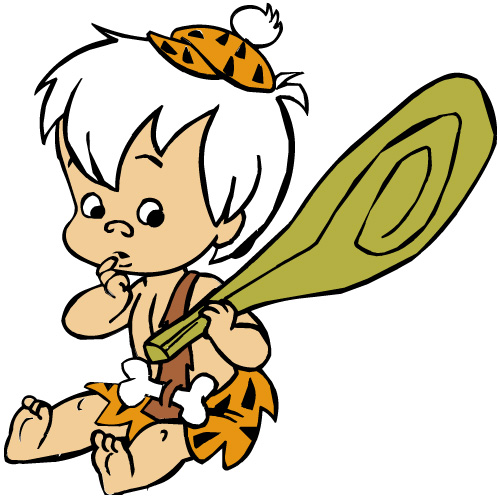
Bambam (a character from The Flintstones cartoon; onomatopoeic)

Caeulum (the Latin word for “sky, heavens”)

Che (nickname of revolutionary Ernesto Guevara; slang for “mate, buddy, pal”)

Dorian (used as a name by Oscar Wilde for The Portrait of Dorian Gray, from Greek)

Dre (nickname of radio personality André “Doctor Dré” Brown, short for his first name)

Jaylen (based on Jalen; basketballer Jalen Rose’s name is James + Leonard)

Jharral (based on Jharal; NRL player Jharal Yow Yeh’s name is the initials of the men in his family)

Kailo (from a Proto-Indian-European word meaning “whole, healthy”)

Keanu (seemingly created by the parents of actor Keanu Reeves)

Neo (main character from The Matrix movies, Latin for “new”)

Reiv (character from the Fire Emblem video games)

Rohan (a place name in Tolkien’s fantasy world)

Sonova (a combination of the Latin words for sound and new)

Stryder (Strider is the alias of Aragorn in Tolkien’s The Lord of the Rings)

Thorion (character from the comic book Thorion of the New Asgods)

Tynnan (a species in the Star Wars franchise)

Saturday Celebrity Sibset: Australian-European Influence – Richard Roxburgh and Silvia Colloca

24 Saturday Mar 2012

Posted by A.O. in Sibsets in the News

≈ 9 Comments

Tags

Australian Aboriginal names, celebrity baby names, celebrity sibsets, honouring, Italian names, nicknames, Slavic names

Richard Roxburgh is considered one of Australia’s finest actors. He grew up in the country town of Albury in New South Wales as the youngest of six brothers and sisters, the children of John and Mary. He fell in love with acting at the age of 15, playing the lead role in Death of a Salesman to an enchantress named Meryl, but studied economics at university. Richard got as far as applying for an office job before he came to his senses and entered the National Institute of Dramatic Art.

He has won awards for his television roles, and been critically acclaimed for his stage work, particularly as Hamlet. Richard has appeared in several Hollywood blockbusters, where he often seems to be cast as a villain, such as a henchman in Mission Impossible II, and the Duke of Monroth in Moulin Rouge.

He is the only actor who has played, on screen, Sherlock Holmes (in The Hound of the Baskervilles), Holmes’ nemesis, Professor Moriarty (in The League of Extraordinary Gentlemen), and Count Dracula (in Van Helsing). Orson Welles also managed it, but on radio.

Richard says that he has been attracted to European people and culture since childhood, so it’s no surprise that he married the beautiful Italian actress Silvia Colloca, who played one of the brides of Dracula in Van Helsing. The couple were married in Tuscany in 2004.

Silvia is from Milan, and the youngest of three siblings; her sister is Alessandra, her brother is Giammarco, and they are the children of Loredana and Mario. She trained as a mezzo-soprano at the prestigious Music Academy of Milan, and sang in musical theatre and opera. Van Helsing was her first major movie role; since then she has done more movies, often ones where she again appears as a vampire with a Romanian accent. She has also appeared in Australian film and TV, including the hit drama series, Packed to the Rafters.

Richard and Silvia have two children:

Raphael Jack Domenico “Raffi” (born 2007)

Miro Gianni David (born 2010)

Richard and Silvia live in Sydney and London, consider Italy their home, and are bringing their sons up to be completely bilingual, and equally Italian and Australian. Fittingly, the names of their children are a mixture of names common in both countries.

Raphael (especially with the nickname Raffi) is hugely fashionable here, so they chose a name that doesn’t stand out. Jack is almost stereotypically Aussie, and may honour Richard’s father, John.

Miro has a Slavic name; interesting as they met on a film shot on location in the Czech Republic. However, Richard was drawn to Slavic immigrants as a schoolboy, and became conversant in Yugoslav. Miro is also a word from an Australian Aboriginal language, but they may not have known that. Miro sounds a little like both Richard’s mother Mary, and Silvia’s father, Mario. With the rise of Mira as a name in vogue, the masculine form Miro seems a perfect match with Raphael.

Thank you to Siobhan for suggesting the Roxburgh family as a Celebrity Sibset.

← Older posts
Newer posts →

Enter your email address to follow this blog

Categories

Archives

Recent Comments

A.O.'s avatarwaltzingmorethanmati… on Zarah Zaynab and Wolfgang…
Madelyn's avatarMadelyn on Zarah Zaynab and Wolfgang…
JD's avatardrperegrine on Can Phoebe Complete This …
A.O.'s avatarwaltzingmorethanmati… on Rua and Rhoa
redrover23's avatarredrover23 on Rua and Rhoa

Blogroll

  • Appellation Mountain
  • Baby Name Pondering
  • Babynamelover's Blog
  • British Baby Names
  • Clare's Name News
  • For Real Baby Names
  • Geek Baby Names
  • Name Candy
  • Nameberry
  • Nancy's Baby Names
  • Ren's Baby Name Blog
  • Sancta Nomina
  • Swistle: Baby Names
  • The Art of Naming
  • The Baby Name Wizard
  • The Beauty of Names
  • Tulip By Any Name

RSS Feed

  • RSS - Posts

RSS Posts

  • Celebrity Baby News: Melanie Vallejo and Matt Kingston
  • Names from the TV Show “Cleverman”
  • Can Phoebe Complete This Sibset?
  • Zarah Zaynab and Wolfgang Winter
  • Baby, How Did You Get That Name?
  • Celebrity Baby News: Media Babies
  • Celebrity Baby News: Adelaide Crows Babies
  • Celebrity Baby News: Chris and Rebecca Judd
  • Names at Work: Name News From the World of Business and Employment
  • Celebrity Baby News: Sporting Round Up

Currently Popular

  • Rare Boys Names From the 1950s
  • The Top 100 Names of the 1930s in New South Wales
  • Celebrity Baby News: Toby Allen and Darren Weller
  • Celebrity Baby News: Jason Morrison and Heidi Tiltins
  • Celebrity Baby News: Caroline Craig and Callum Finlayson

Tags

celebrity baby names celebrity sibsets english names famous namesakes fictional namesakes honouring locational names middle names name combinations name history name meaning name popularity name trends nicknames popular names saints names sibsets surname names twin sets unisex names

Create a free website or blog at WordPress.com.

Privacy & Cookies: This site uses cookies. By continuing to use this website, you agree to their use.
To find out more, including how to control cookies, see here: Cookie Policy
  • Subscribe Subscribed
    • Waltzing More Than Matilda
    • Join 517 other subscribers
    • Already have a WordPress.com account? Log in now.
    • Waltzing More Than Matilda
    • Subscribe Subscribed
    • Sign up
    • Log in
    • Report this content
    • View site in Reader
    • Manage subscriptions
    • Collapse this bar
 

Loading Comments...