• About
  • Best Baby Names
  • Celebrity Baby Names
  • Celebrity Baby Names – Current
  • Celebrity Baby Names – Past
  • Featured Boys Names
  • Featured Girls Names
  • Featured Unisex Names
  • Links to Name Data
  • Waltzing on the Web

Waltzing More Than Matilda

~ Names with an Australian Bias of Democratic Temper

Waltzing More Than Matilda

Tag Archives: flower names

Finding a Sibling Name for Bugsy

02 Saturday Mar 2013

Posted by A.O. in Naming Assistance

≈ 11 Comments

Tags

animal names, celebrity baby names, celebrity sibsets, choosing baby names, flower names, gemstone names, names from movies, nature names, nicknames, plant names, sibsets, surname names
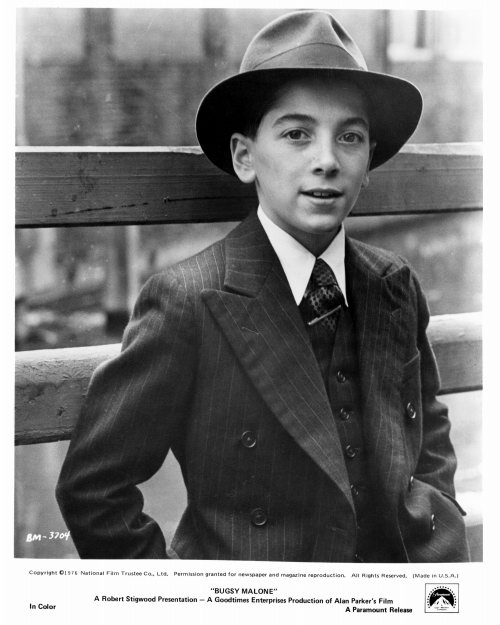
180351.1020.AMia and Lachlan are expecting their second child in about ten weeks, who will be a baby sister or brother to their son Bugsy.

Lachlan chose Bugsy’s name, in a tribute to the film Bugsy Malone, which has special significance to him. Mia wasn’t at all sure about the name, and pushed for Bugsy to be used in the middle instead. However, once their son was born, Bugsy suited him so perfectly that he couldn’t be called anything else; Mia absolutely loves his name.

It is now Mia’s turn to choose the second child’s name, and she feels utterly stumped. Nothing seems to match the name Bugsy, and everything she has come up with seems wrong. She’s made a name list for each sex, but isn’t completely happy with any of them.

Mia’s Name Lists

Boys

  • Penn
  • Hugo
  • Finley
  • Otto
  • Tristan

Girls

  • Poppy
  • Nellie
  • Scout
  • Clover
  • Marigold
  • Tilda
  • Maisie

Names Already Crossed Off the List

Harrison, Luca, Max and Ryder (boys); Emerson, Emme and Sadie (girls)

Mia’s getting increasingly stressed as her due date grows ever closer, and feels ready to contemplate almost any name.

~ ~ ~ ~ ~ ~ ~ ~

Mia, this is a good demonstration of one of the pitfalls of the “I’ll pick the first name and you pick the next one” baby name compromise. It sounds very fair, but in fact it’s a far more difficult task for the parent who goes second, and the parent who goes first rarely stops to think about what their choice might mean in regard to subsequent sibling names.

I feel that while it’s a nice idea to have your childrens’ names sound good together, it should be a preference (even a very strong preference) rather than a requirement when choosing names.

Look at the way Bugsy’s name was chosen. It is meaningful, both parents love it, and it fits him perfectly. I think your second child deserves to have a name that’s equally meaningful and fitting, and loved just as much. It shouldn’t just be an accessory to “match” Bugsy (although if the two names do sound great together, then that’s a bonus).

You don’t seem to have really fallen in love with any names yet, and I wonder if that’s because you are constantly judging them against Bugsy? When you start off a baby name search with an absolute in mind (must start with J, must be three syllables long, must match with Bugsy), it makes it hard to properly consider any other potential names.

And something like “must match with Bugsy” is much more complex than “must start with J” because it’s a subjective matter rather than an objective one. We all agree on what the letter J is – we may not all agree on what matches Bugsy. One person may think Bugsy and Daisy is adorable; another may think the names sound horribly twee together. The same person may swing in both these directions, unable to make up their mind one way or another.

Rather than tie yourself into knots finding a name which sounds good with Bugsy, I would start out by eliminating names which sound terrible with Bugsy. So when you are considering baby names you like, ask yourself, “Will this sound awful with Bugsy, and make both names look ridiculous?” If it fails your test, cross it off; if it doesn’t sound too dreadful, I would give it a chance.

For example, Bugsy and Elmer sound ridiculous together, because of Bugs Bunny and Elmer Fudd, and makes your children’s names seem like a joke. On the other hand, Bugsy and James may not be the most amazing sibset in history, but I don’t think that it’s absolutely terrible either.

I think it would be a mistake to think that you can’t use a mainstream or popular name as a sibling for Bugsy. I imagine you get a lot of people saying, “Bugsy? That’s different”, or “What an unusual name”, but although Bugsy is definitely a very uncommon name, it isn’t really that unusual. It’s a vintage American-style nickname with a movie reference context, so to get you started, here’s some ideas of other names similar to that which I don’t think sound too bad with Bugsy.

Names From Movies

The first one that comes to mind is Rocky, which is another name from the movies of the 1970s; however I think they are too much alike as brothers. I could see Rhett or Scarlett though, from Gone with the Wind, or Atticus or Scout from To Kill a Mockingbird. You have Scout on your girl’s list, and I think Bugsy and Scout sound fantastic together.

The Cutesy Factor

Bugsy sounds quite similar to the name Buddy, and Jamie Oliver’s son Buddy has sisters named Poppy, Daisy and Petal. I’ve noticed you have some pretty cute names on your girl’s list, such as Poppy, Nellie, Tilda and Maisie, and I think any of these would make an adorable sister for Bugsy. Cute names are fun and likeable, just like Bugsy.

Tough Guy Nicknames

Another name which reminds me of Bugsy is Buster, and I’ve noticed that parents of Busters tend to give their other sons tough guy nicknames, like Jake or Dan. However, this doesn’t really seem to be your style for boys names.

Names from the 1920s and ’30s

Because of its vintage style, I can see a boy named Bugsy matching with another name from that era, such as Coco, Etta, Lulu, Mabel or Zelda for girls, or Arlo, Dashiell, Django, Lenny or Roy for boys.

Gemstones

Gemstone names were very fashionable in the 1920s, and besides the popular ones like Ruby and Pearl, less common ones like Emerald, Sapphire and Opal were just as cool. Gemstone names for boys such as Jasper, Garnet and Diamond were also stylish.

Nature

When you think of it, Bugsy is kind of a nature name as well. You have Clover and Marigold on your list, and I think either of those would sound great with Bugsy. I think boy’s nature names seem a bit more problematic with Bugsy, as they tend to sound quite soft, except animal ones like Fox or Bear – and these probably underline the “bug” part of Bugsy too heavily.

Surnames

I admit that I have had much more success finding girls’ names to go with Bugsy than boys’ names (and really I think all the names on your girls list sound fine with Bugsy). But one of the appealing things about surname names is that they harmonise with many different styles of names. You have Penn at the top of your boys list, and I think Bugsy and Penn sound awesome together. They’re both a little off-beat in different ways, and they don’t seem to either clash or be too matchy. Other surname names that I get a similar vibe from are Arlen, Cash, Dexter, Gray, Knox, Reid, and Weston.

Mia, I hope this has given you a few ideas of how Bugsy can be matched with a sibling name. Once your baby name lists have firmed up a bit, write in again and we’ll have another look at naming a brother or sister to Bugsy.

NOTE: The baby’s name was Jem Richmond!

POLL RESULTS: One third of respondents thought that a name from the 1920s or ’30s would be the best match with a brother named Bugsy.

(Photo shows Scott Baio as Bugsy Malone)

Sibling Names and Sibsets

24 Sunday Feb 2013

Posted by A.O. in Your Questions Answered

≈ 15 Comments

Tags

Australiana, Biblical names, classic names, english names, fictional namesakes, fictional sibsets, flower names, Google, nature names, nicknames, plant names, popular names, Scottish names, sibsets, vintage names, virtue names

sibling1wide-420x0These are questions on sibling names that people have Googled to reach my blog. I did have fun dreaming up matching sibsets.

OPINIONS ON SIBSETS

Isobel and Bella, names too close [as siblings]?

I think they are, since they are variations of the same name.

Arlo and Ezra [as] sibling names; [do they] go [together]?

They both begin and end with vowels, they both have two syllables, and they are both not-quite-unisex-but-not-quite-not-either. This makes them alike enough to go together without being super matchy, and this is a hip brotherly sibset.

Is Lucy a good sibling name for Arabella?

I think it’s an excellent sibling name. Arabella and Lucy sound very elegant together, like something from an 18th century novel.

Are Lachlan and Callum too similar names [as siblings]?

No, I think they make a nice Scottish sibset of popular names. I can only think that their sister will be Isla.

Olivia and Sophia as siblings

They sound almost too pretty together: actually Olivia and Sophia are the sisters in Oliver Goldsmith’s novel The Vicar of Wakefield. In the book, their names are both chosen from romantic novels that their mother is reading.

Reuben and Isaac as a sibset

Great! They are both Old Testament names that are patiently climbing the popularity charts, and go together really well.

Millie and Elsie – sibling names

I’d say this is a perfect match of cute vintage nicknames rising rapidly in popularity. It might be a little hard to add another sister without breaking the pattern or sending the cute factor through the roof though.

Stanley and Evelyn – sibset

I actually love them as siblings – they are both classic English names that are becoming more fashionable, but don’t sound matchy together. There’s just enough of a clash to seem interesting.

Are Lola and Iona too close girl’s names [as siblings]?

I’m not sure whether they are too close, but to me they are a slight mismatch. Iona seems a bit too serious for cute Lola, and I’d probably anticipate something like Ruby or Zoe to match her. However, these unexpected sibsets can be refreshing.

SIBSET SUGGESTIONS

Siblings for Layla (asked more than once)

Sisters: Evie, Grace, Jasmine, Sophie, Willow, Zara

Brothers: Connor, Fabian, Gabriel, Rylan, Samuel, Tighe

Matchy names to go with Poppy

I don’t think you can get any more matchy than other flower names, such as Daisy and Rose. Floral sibsets including Poppy seem quite popular.

Virtue names to go with Wyatt

Sisters: Amity, Blythe, Ever, Faith, Liberty, Temperance

Brothers: Justice, Lucky, Maverick, Pax, True, Zeal

Brother to Violet

Arthur, Caspian, Dexter, Edward, Henry, Sebastian

Names to go with Henry and Barnaby

General advice: I’d steer clear of another name ending in an -ee sound, or you’ll end up with a sibset that sounds like it’s from a cartoon (check nicknames also). For fun, try a four syllable name like Nathaniel or Octavia so that each name increases by one syllable.

Sisters: Alice, Cordelia, Eleanor, Florence, Jemima, Mabel

Brothers: Casper, Felix, Maxwell, Otis, Rupert, Wilfred

Siblings for Jude [using] popular names

Sisters: Abigail, Eden, Hannah, Lily, Piper, Scarlett

Brothers: Ashton, Elijah, Leo, Oliver, Toby, Zac

Biblical and Australian boy names to go with Matilda

If you want a Biblical name which reminds me strongly of Australia, it would be James, after James Cook. And I think Matilda and James do sound nice together.

Siblings to match Edgar

Sisters: Audrey, Beatrice, Cecilia, Daphne, Harriet, Penelope

Brothers: Albert, Charles, Giles, Hugo, Theodore, Vincent

Baby boy name to match Harper, Flynn and William

Angus, Patrick, or Riley.

Sibling names for Clementine

Sisters: Aurelia, Beatrix, Eloise, Genevieve, Isadora, Lucinda

Brothers: Alistair, Hugo, Jasper, Lysander, Miles, Rafe

Sister to go with sibset Robert and Matthew

I’m thinking another sensible classic, like Catherine, Elizabeth, Josephine, Louisa, Sarah or Victoria.

Do you have your own sibling suggestions for any of these, or can you think of something that would be a better match?

Underused Names for Girls

03 Sunday Feb 2013

Posted by A.O. in Name Themes and Lists

≈ 20 Comments

Tags

Arabic names, Arthurian legends, celebrity baby names, Disney names, english names, ethnonyms, famous namesakes, fictional namesakes, flower names, French name popularity, French names, German names, germanic names, Greek names, historical records, How Green Was My Valley, Italian names, Latin names, mythological names, name data, name history, name meaning, name popuarity, names from movies, nature names, nicknames, Old French names, Old Welsh names, Oz: The Great and Powerful, plant names, Poldark, popular culture, Puritan names, rare names, royal names, saints names, Shakespearean names, surname names, The Iliad, The Wizard of Oz, tribal names, unisex names, virtue names, vocabulary names, Welsh names, William Shakespeare

sabine women detailLast week we had names from Victoria which were used less than ten times in 2012. Those names are uncommon – but what if you wanted something even rarer? These are names which don’t appear even once in the Victorian data from last year, and have never charted in Australia. However, they are not strange or obscure, and all of them can be found in Australian historical records.

Angharad

Angharad is an Old Welsh name meaning “greatly loved”. It was reasonably common in medieval times, and there are several Angharads in Welsh history. In Welsh mythology, Angharad Golden-Hand is the lover of Peredur, one of King Arthur’s knights. Angharad Morgan is a main character in How Green Was My Valley, and in the film version was played by Maureen O’Hara. Actress Angharad Rees became well known in the 1970s for playing the role of Demelza in the TV series Poldark. Lots of famous Angharads, yet I could find only one woman named Angharad in Australian records. The pronunciation, ang-HAH-rad, may have caused some concern. This is a strong and unusual name with a lovely meaning. It would definitely stand out.

Beatrix

Beatrix is based on the name Viatrix, the feminine form of the Latin name Viator, meaning “voyager, traveller”. Early on, the spelling was altered to associate it with the Latin word beatus, meaning “blessed”, and it was common amongst early Christians. Some baby name books sandwich these two meanings together and interpret it as “blessed traveller”. Saint Beatrix was an early Roman martyr; according to legend, she was strangled by her servants. The name became less common in England after the Middle Ages, but was revived in the 19th century. One of the most famous people with this name is Beatrix Potter, the children’s writer and illustrator, who gave us such delightful characters as Peter Rabbit, Jemima Puddleduck, Squirrel Nutkin and Mrs. Tiggy-Winkle. As well as these talents, she was also a scientific researcher, conservationist, farmer, and sheep breeder. Queen Beatrix of the Netherlands helps give this name a royal touch, and a famous literary character is Beatrix “Trixie” Belden, girl detective. To me, this charming name seems spunkier and more eccentric than her sister Beatrice.

Cressida

In Greek mythology, Chryseis was the daughter of a Trojan priest named Chryses, and she was captured by the Greek champion Agamemnon as part of the spoils of war; he refused to give her back even after being asked nicely. Chryseis’ dad prayed like blazes to the god Apollo, who obligingly sent a plague through the Greek soldiers until Chryseis was returned. A later legend says that she bore Agamemnon a son. Her name given in the Iliad simply means “daughter of Chryses”; appropriately for a priest of Apollo, Chryses’ name means “golden”, perhaps in reference to sunlight. Some writers say Chryseis’ real name was Astynome, meaning “possessor of the city”. When medieval authors retold the tale of the Trojan War, this story had a complete rewrite. Chryseis became Cressida (KRES-ih-duh), and one corner of a tragic love triangle; she is made the epitome of the false woman and the whore. Some authors were sympathetic to Cressida’s plight, and in Shakespeare’s version, Cressida is complex, highly intelligent and witty. A famous Australian with this name is the artist Cressida Campbell. I find this literary name quite bewitching.

Emmeline

Emmeline is the Old French form of the Germanic name Amelina, based on the word for “work”; it is therefore related to the name Amelia, and not to Emily. The name was introduced to Britain by the Normans, and many people prefer to give it a slightly French pronunciation as EM-uh-leen, while others seek to Anglicise the way it is said as EM-uh-line (like Caroline). My experience is that the British tend to say leen, Americans tend to say line, and Australians have a bob each way and can usually cope with either. There were several prominent suffragists named Emmeline, including Emmeline Pankhurst, Emmeline Pethick-Lawrence and Emmeline Wells. Australia mountaineer Emmeline Du Faur was the first woman to climb Mount Cook (in record time), and the first person to climb several peaks – always dressed in a skirt. Emmeline Pethick-Lawrence was a keen hiker and woodcrafter, and to me the name Emmeline sounds vigorous, healthy, and practical. Emmeline has a solid history of use in Australia, being commonly found in old records, and today its nickname Emmie means it fits in with popular names such as Emily, Emma and Emmerson.

Isadora

Isadora is a variant of the name Isidora, the feminine form of Isidore, from the Greek for “gift of Isis”; the Egyptian goddess Isis was worshipped widely in the ancient world, and she was also important to the Greeks and Romans. Saint Isidora was a 4th century Egyptian nun, considered to be a “holy fool”, and treated with contempt by the other nuns for her eccentric ways, such as wearing a dirty dishrag on her head instead of a veil, and eating only leftovers instead of proper meals. When a visiting saint came to the nunnery, he immediately picked out Isidora as the only person holier than himself; upset by the praise and attention, Isidora ran away into the desert to be a hermit, and nothing more is known of her. The most famous Isadora is the American dancer Isadora Duncan, who developed her own unique style of dance, based on the natural movements of the human body. Like the saint, she was considered eccentric and radical, and danced to the beat of her own drum. Isadora is a beautiful, glamorous and individualistic name!

Lavender

Lavender has been used as a personal name since the 17th century, and was given to both sexes. It may have originally been derived from the surname, which is Norman-French and based on the word lavandier, referring to a worker in the wool industry who washed the raw wool (this is an occupation that both men and women had). Even in the middle of the 20th century, you can still find boys named Lavender. By now, however, it is almost entirely thought of as a girl’s name, and considered to be from the flower. The flower name comes from the Old French lavendre, possibly from the Latin for “blue-coloured”, lividius, but also influenced by lavare, meaning “wash”, because lavender was used in washing clothes. Lavender is often used to scent soaps and beauty products, and has been used as a relaxation aid for thousands of years. The colour lavender is associated with sensuality and decadence, and at one time, was considered symbolic of homosexuality. Like Rose, this is a pretty old-fashioned flower name that is more complex that it first appears.

Sabine

Sabine is a French and German form of Sabina, the feminine form of the Latin name Sabinus, meaning “Sabine”. The Sabines were an Italian tribe who inhabited the region where the city of Rome stands today, and some of them fought against Rome for their independence. According to legend, the Romans abducted Sabine women to populate the city of Rome; the war between the Romans and Sabines ended when the women threw themselves and their children between the armies of their fathers and those of their husbands. The history behind the legend is that the conquered Sabines assimilated with the Romans, beginning a new line of inheritance. Many of the noble Roman families traced their ancestry to Sabine origins, and at least some of the deities and rituals of Rome came from the Sabines. The Sabines were said to have taken their name from the hero Sabus, who was worshipped as a deity. Although it is too long ago to be sure, one theory is that the tribal name Sabine meant “us, ourselves, our own people”. You can either say this name the French way, sa-BEEN, or the German way, za-BEE-nuh; most English-speakers use the French pronunciation. There is at least one famous man named Sabine – the writer Sabine Baring-Gould, whose name was after the surname (derived from the personal name). You can find both men and women named Sabine in Australian records. Sabine is smooth and sophisticated, but comes with a cute nickname – Bean.

Theodora

Theodora is the feminine form of the Greek name Theodoros, meaning “gift of God”. The name pre-dates Christianity, but its meaning appealed to early Christians, and there are a few saints with this name. One of them was Saint Theodora, who as punishment for her pious celibacy, was dragged into a brothel. Her first “customer” was a Christian man, who had came to save her; they were both martyred, but their virtue remained intact. This story is probably fictional, and may have been inspired by sacred prostitution, of which Christians obviously disapproved. An Eastern Orthodox Saint Theodora disguised herself as a man and joined a monastery. Her identity as a woman was only discovered after her death. The name was a very popular one for Byzantine empresses, and Theodora I is also regarded as a saint. A Roman Theodora was a senator, and supposedly the lover of one of the early popes. She was harshly condemned for daring to “exercise power like a man”. The hussy! The image you get from these historical Theodoras is of very strong, independent, determined women – which might explain why Disney has chosen this name for the Wicked Witch of the West in Oz: The Great and Powerful. Pop star Robbie William welcomed a daughter named Theodora Rose last year, called Teddy; he wanted a dignified full name for the cuddly nickname, and Theodora fit the bill perfectly.

Verity

Verity is an English word meaning “truth”, especially in regard to religious truth or doctrine. It has been used as a personal name since the 17th century, and would have been given as a virtue name by the Puritans. However, it was most likely also given in honour of the surname, for births of Veritys in Yorkshire are suggestive, given that the Verity family is a prominent one in that county. The surname is Anglo-Norman, and has the same meaning as the personal name. Originally, Verity was a unisex name, and in early records is given equally to boys and girls. The first Verity I can find born in the United States was a boy, and his family were Puritans in Massachusetts. You can find the name Verity given to both sexes in Australian records, but only as a middle name for boys, and it has never been very common here. Famous Australian women named Verity include the politicians Verity Barton and Verity Firth, the ABC presenter Verity James, and the actress Verity Hunt-Ballard, who played Mary Poppins in the Australian version of the musical. This is a crisp, clean name which sounds intelligent and upper-class to me.

Zia

Zia is a variant of the Arabic name Ziya, meaning “light, shine, splendour” – more specifically, it refers to light which shines by its own illumination, and is connected to the sun and sunlight. Traditionally, Zia is a male name, but Arabic baby name sites usually list it as female, and the name charts in France only for girls. There are quite a few people called Zia in Australian records, and they are not all Arabic men. There are women called Zia from different cultures, including Italian, where Zia may be short for a name such as Annunzia (zia means “aunt” in Italian, but this doesn’t seem to have been a hindrance to its use by Italians). Most women called Zia in the records seem to be of British descent, and I’m guessing either it was seen as a short form of other names, or parents just liked the sound of it. I can imagine parents today also liking the sound of it, because it is so similar to popular names such as Zara and Mia – indeed, it almost seems like a cross between these names. This is a zippy name which sounds a bit different, but won’t seem out of place in the playground.

POLL RESULT: People’s favourite names were Beatrix, Emmeline, and Isadora, and their least favourite were Lavender, Zia, and Angharad.

(Picture shows a detail from The Intervention of the Sabine Women (1799) by Jacques-Louis David)

Famous Name: Rose

16 Wednesday Jan 2013

Posted by A.O. in Famous Names

≈ 14 Comments

Tags

classic names, English idioms, english names, flower names, French name popularity, French names, germanic names, Latin names, middle names, mythological names, name history, name meaning, name popularity, nature names, Norman names, plant names, popular names, Scottish name popularity, UK name popularity, vocabulary names

Gift_white_rosesThis Friday will be The Day of the Roses, which sounds lovely, but has a tragic meaning. January 18 this year marks the 36th anniversary of the Granville train  disaster, when a crowded train was derailed in a suburb of western Sydney, and hit the supports of a railway bridge. The bridge collapsed onto the train carriages, crushing the passengers inside. 83 people were killed, and more than 200 injured; it was then Australia’s worst peace time disaster, and is still the worst rail accident in Australian history.

The Granville Memorial Trust was established to commemorate the victims and to campaign for improvements to rail safety. Since the disaster, there has been a substantial increase in money spent maintaining the railways, and standards have improved. Each year on the anniversary of the crash, the Trust organises a memorial service, in which a bell rings 83 times, and 83 roses are thrown onto the railway tracks – one for each of the victims.

Rose is not the simple flower name it at first appears, for it began life as the Germanic name Hrodohaidis or Hrodheid, meaning “bright kind, famous kind” (kind in the sense of type, sort). It was the Normans who introduced it to Britain in the forms Roes, Rohais, Roheis and Rohese. The name Rohese was a fairly common one amongst the Norman nobility in England after the Conquest.

The form Rose began to be used by the early 1200s – even this early it was already being associated with the flower, whose name is French, derived from the Latin rosa. It goes back to an ancient word meaning “sweetbriar” (a wild rose also known as the eglantine rose).

Roses are tens of millions of years old, and have been grown in gardens for thousands of years – perhaps first in China, although they were grown in Persia, Babylon and ancient Egypt as well. The flower was sacred to the goddess Isis, and later the Greeks and Romans identified it with Aphrodite or Venus, so that it became seen as a blossom of beauty and eternal love – which is one reason why you are more likely to receive roses on Valentine’s Day than daisies or sweetpeas.

In medieval Christianity, roses became associated with the Virgin Mary, were carefully cultivated by monks, and in both Christian and Islamic mysticism, the rose can be a symbol of divine love. The rose is the national flower of England and the floral emblem of the United States; the red rose is the symbol of socialism; the white rose of peaceful resistance. The Romans used it as a symbol of secrecy, and to alchemists it meant balance and unity.

This ancient flower speaks to our hearts on so many different levels, and the rose has a richness of beauty we cannot help but admire. Yet it is mysterious too, and its thorns urge us to keep our distance, even while its loveliness attracts. Roses are by no means vain beauties, because they can be used to make perfumes, skin care products and medicines; rose hips can be made into jams, syrups and teas (in fact I am drinking a cup of it as I write). Rose petals are also edible.

We often think of Rose as being a quintessentially English name, and a beautiful Englishwoman is even called an “English rose”. Yet the name is also French, and Rose is Top 100 in France, as well as in England/Wales and Scotland.

In Australia, Rose is a classic which has always charted. It was #55 in 1900, and gradually fell until it left the Top 100 in the 1930s. It reached its lowest point in the 1970s, at #287, and after that began a stately rise, with its sharpest increase in the late 2000s. By 2008 it was near the bottom of the Top 100, and each year has continued to steadily gain. In 2011 it was #66 in New South Wales, and in Victoria and the ACT it has proved to be one of the names with the most growth during 2012. Rose is also extremely popular as a middle name.

Rose is an overwhelmingly feminine name, yet isn’t frilly. It’s both sensual and sensible, possessing the ripeness of a mature woman rather than a frivolous girl. It’s a short name, yet doesn’t seem abrupt or harsh but rather, soft and velvety as one of its own petals. Despite being an English word, there are many international variants of Rose, and it is easily understood in other countries. It is a name from fairy tale, reminding us of Briar Rose, the sleeping beauty, and Rose-Red, the vivid sister of fair Snow-White – and yet it also has a practical and wholesome appeal.

Increasing numbers of parents are choosing the name Rose for their daughters. In The Little Prince, the prince, who is in love with the only rose on his planet, cries in dismay when he comes to Earth and sees dozens of rose bushes; he has given his heart to something special, and found it commonplace. But a wise fox teaches him that his rose is unique, because it is the only one that he loves. There may be a garden of Roses in the world, but only one Rose who blooms there will be the one in your heart.

POLL RESULT: Rose received an approval rating of 86%, making it one of the most highly esteemed names of the year. The name Rose was judged to be beautiful and feminine (54%) and pretty and wholesome (21%), although 7% thought it was better left in the middle position. Nobody thought that the name Rose was boring.

2012 Name Trends in Victoria – Girls

12 Saturday Jan 2013

Posted by A.O. in Name Data

≈ 4 Comments

Tags

Biblical names, celebrity baby names, famous namesakes, flower names, name popularity, name trends, nature names, nicknames, plant names, popular names, retro names, royal names

Biggest Movers Up

  1. Harper +72 at least
  2. Bella +35
  3. Mackenzie +34
  4. Pippa +28 at least
  5. Ebony +21 at least
  6. Victoria +21
  7. Mila +20
  8. Rose +20
  9. Paige +18
  10. Sophia +15

Also Up

Alexandra, Audrey, Ava and Evelyn, Eva and Eve, Eden, Emily, Layla, Kayla, Elizabeth, Isla, Savannah, Sofia, Bonnie, Millie, Billie, Charlie, Willow, Sara, Natalie, Kiara, Madeleine, Maddison, Maya, Mia, Molly, Zoe

Up Slightly

Alice, Eliza, Emma, Evie, Gemma, Hayley, Imogen, Isabelle, Jade, Jasmine, Lola, Ruby, Scarlett, Sophie, Stella, Stephanie, Summer

Victoria Beckham’s daughter Harper seems to have made a real impression on Victorian parents, and Mrs Beckham’s own name was also one of the biggest risers. You can see Victoria and Sophia as “royal sounding” names, but commoner Pippa Middleton seems to have won more hearts than any of the royals (although Elizabeth, Isla and Savannah all went up the charts). Isabella may have gone down, but Bella is surging upward. Eden and Eve seem inspired by Genesis, and while flower names in general seem to have wilted slightly, the lovely Rose is blooming. Back in the charts with a bang were long-time favourites Ebony and Kayla, who obviously have life in them yet.

Biggest Movers Down

  1. Samantha -68
  2. Abbey -43
  3. Amelie -30
  4. Isabel -30
  5. Mikayla -37
  6. Caitlin -27
  7. Holly -27
  8. Charli -20
  9. Lara -20
  10. Anna -19

Also Down

Abigail and Abby, Alana, Alexis, Alyssa, Amber, Angelina, Addison, Annabelle, Isabella, Caitlin, Claire, Georgia, Heidi, Daisy, Poppy, Violet, Olive, Lily, Lilly, Leah, Lucy, Madeline, Ella, Ellie, Jessica, Sienna, Zara


Down Slightly

Amy, Charlotte, Grace, Madison, Olivia, Phoebe, Tahlia

Samantha dropped the most places at 68, and fell off the list altogether. The #2 biggest fall from Abbey also took off her list, and Abby and Abigail fell too. In fact, A names in general didn’t do so well, with Amelie and Alana dropping from the list, and Addison, Anna and Alyssa falling significantly. Olive only debuted last year, and is already falling – perhaps a bit of “getting too popular” jitters, or another plant name to suffer; Daisy dropped her petals and her place on the list. Lara was the biggest riser in the ACT, but the name of Sydney socialite Lara Bingle fell 20 places in Victoria. While Kayla bounced back, Mikayla plunged.

No Change in Position

  • Chloe (4)
  • Amelia (8)
  • Matilda (16)
  • Hannah (20)
  • Ivy (27)
  • Milla (35)
  • Piper (75)
  • Indiana (78)

New to the List

  • Harper (29)
  • Pippa (73)
  • Billie (97)
  • Millie (99)
  • Bonnie (100)

While the celebrity names did best out of the newbies, down the bottom of the list are sweet retro names Bonnie and Millie, and Billie, which sounds like a cross between them. Millie and Bonnie have both been steadily rising in NSW, but I expected them to make the Top 100 in Victoria first. They managed to squeak in and prove me right by a whisker.

Back on the List

  • Ebony (80)
  • Kayla (88)
  • Sara (90)
  • Natalie (91)
  • Kiara (95)

Gone from the List

  • Amelie (64)
  • Mikayla (67)
  • Alana (73)
  • Samantha (75)
  • Caitlin (77)
  • Abbey (78)
  • Abby (98)
  • Angelina (98)
  • Daisy (98)

Names of Australian Female Olympic Swimmers

25 Sunday Nov 2012

Posted by A.O. in Name Themes and Lists

≈ 11 Comments

Tags

Babylonian names, Biblical names, classic names, english names, famous namesakes, fictional namesakes, flower names, French names, hebrew names, Hollywood names, Latin names, locational names, mythological names, name meaning, name popularity, names in songs, Old English names, Old Norse names, popular names, portmanteau names, Portuguese names, Roman names, royal names, Russian names, Sabine names, scandinavian names, screen names, Spanish names, Sumerian names, surname names, The Canterbury Tales, time of day names, unisex names, vocabulary names

During the winter, I compiled lists of names from Olympic medalists, and perhaps you noticed that no swimmers were included. That’s because swimmers are such a big part of our team, and historically the big medal winners, so that they really needed lists all to themselves. Now that it’s hot again, maybe they will inspire you to hit the pool!

Alva (Colquohuon)

Alva Colquhuon won silver at the 1960 Olympics. Alva is the feminine form of the Scandinavian name Alf, from the Old Norse for “elf”. Alva is also a male name, a variant of the Hebrew name Alvah, meaning “his highness”. As a male name, it is best known as the middle name of American inventor Thomas Alva Edison. Today it almost seems like a cross between Ava and Alba.

Brittany (Elmslie)

Brittany Elmslie is a young swimmer who attended her first Olympics this year, where she won a gold and two silvers. Brittany is the name of a region in north-west France, which in French is known as Bretagne. It was once known as Little Britain in order to distinguish it from Great Britain, hence its name. The Breton language is Celtic, related to Welsh and Cornish, and the history of the land and its people is intimately connected to Great Britain. Even today, Brittany retains its own identity and culture within France. Brittany has been used as an English girl’s name since the late 18th century – perhaps originally because Brittany was known for its resistance to the French Revolution. The name first entered the charts in the 1970s, making #245 by the 1980s. It peaked in the 1990s at #31, then sharply dropped, leaving the Top 100 in the early 2000s. It hasn’t charted at all since 2009 (the year actress Brittany Murphy died), and this is a good example of a name which reaches popularity very quickly, then becomes just as rapidly dated.

Dawn (Fraser)

Dawn Fraser is one of our most famous swimmers, who has received many honours; she is considered the greatest sprint swimmer of all time. She won two golds and a silver at the 1956 Olympics, a gold and two silvers in 1960, and a gold and a silver at the 1964 Games, setting two world records and two Olympic records. She is well known for her blunt speech and larrikin character, and one of the ferries on Sydney Harbour is named after her. Dawn is the period just before sunrise, where there is pale sunlight, but the sun itself is still below the horizon. The word comes from the Old English for “to become day”. The name is found from the 16th century onwards, and must at least sometimes have been given to girls born at daybreak. Dawn first entered the Australian charts in the 1910s, reaching #103 for the 1920s. It peaked in the 1930s at #32, and left the Top 100 in the 1950s. It hasn’t ranked since the 1980s, and the 1970s song Delta Dawn, about a crazy middle-aged woman, probably didn’t do its image any good – although covering it gave Australian singer Helen Reddy her first #1 hit. I wonder whether it might be time for a revival of this 1930s name? Apart from the fragile beauty of dawn, the word is filled with hope and optimism, and a sense of renewal.

Emily (Seebohm)

Emily Seebohm has been a champion swimmer since 14 and is now 20. She won gold at the 2008 Olympics, and a gold and two silvers at the London Games. Emily is the English form of the Roman name Aemilia, the female form of the family name Aemilius. The Aemilii were one of the noblest and most ancient patrician houses of Rome, and were probably of Sabine origin. They interpreted their name as meaning “persuasive”, and others derived it from Latin aemulus, meaning “rival”, but most likely these are both false etymologies. The English form is first found in Chaucer’s Canterbury Tales; he adapted it from a character named Emilia in a poem by Giovanni Boccaccio, where two men are rivals for the affections of the same woman. Although in use from early on, it didn’t become popular until the Hanoverians came to the throne in the 18th century, as Princess Amelia, daughter of George II, was called Emily by her family. Emily was #36 for the 1900s, but fell until it had left the Top 100 by the 1930s. It reached its lowest point in the 1950s at #455, then climbed steeply; it skyrocketed to make #26 for the 1980s. Emily peaked at #1 in 1998, and remained there for most of the early 2000s. Currently this pretty classic is #12.

Hayley (Lewis)

Hayley Lewis was at her peak during the 1990s, when she won many medals internationally, but although she attended three Olympics, only won silver and bronze at the 1992 Games. Hayley is now the host of Channel Ten’s weight-loss show, The Biggest Loser. Hayley is an English surname from a common English place name meaning “hay clearing” in Old English; the surname dates from the 13th century and is especially associated with Yorkshire. It’s been used as a personal name for both boys and girls since the early 18th century, but only became popular in the 20th century, and only as a girl’s name. This was because of English actress Hayley Mills, who was the most popular child star of the 1960s, and made several Disney films as a teenager. Hayley first entered in the charts in the 1960s, when Mills began her career, debuting at #489. It climbed steeply during the 1970s, and was Top 100 by the 1980s. Hayley peaked in 2005 at #21, and is currently #50. It dropped just one place in 2011, and looks set to maintain a graceful decline that could see it in the Top 100 for several more years.

Jacinta (van Lint)

Jacinta van Lint won silver at the 2000 Olympics. Jacinta is the feminine form of the name Jacinto, a Spanish/Portuguese name meaning “hyacinth”. The Spanish pronunciation is something like ha-SEEN-tah, but in English we say it juh-SIN-tah. It is best known as the name of Blessed Jacinta Marto, who was one of the three children of Fátima in Portugal, who reported witnessing visions of an angel and the Virgin Mary in 1916-17. Jacinta has been rather a favourite in Australasia, first entering the charts in the 1950s, and climbing until it peaked at #101 for the early 2000s. It fell to #197 in 2009, and since then has picked up slightly, to make #189 last year. The fact that it entered the charts in the 1950s makes me wonder if use of the name was originally inspired by the 1952 Hollywood movie, The Miracle of Our Lady of Fatima, which starred Sherry Jackson as Jacinta (the name had the English pronunciation in the film). It’s a pretty name which has had steady use without ever becoming highly popular in New South Wales – although more common in Victoria.

Lisbeth (Trickett)

Lisbeth “Libby” Trickett won gold and bronze at the 2004 Olympics, two golds, a silver and a bronze in 2008 while setting a world record, and gold at the London Games this year. Lisbeth is a variant spelling of Lisbet, a Scandinavian short form of Elisabeth. The name has recently become well-known due to Lisbeth Salander, the antiheroine of Swedish author Stieg Larsson’s crime thriller Millennium series. The first novel, The Girl with the Dragon Tattoo, was turned into a Hollywood movie last year, with Rooney Mara as Lisbeth. Lisbeth Salander is a disturbed computer hacker with a punk-Goth style, and a victim who refuses to lie down, but instead turns vigilante. It’s definitely given sweet Lisbeth a far more dangerous and edgy image.

Marilyn (Wilson)

Marilyn Wilson won silver at the 1960 Olympics. Marilyn is a portmanteau name combining Mary and Lynn. It can be found from the late 18th century, and seems to have sprung up in several countries almost simultaneously, so that an origin for the name isn’t obvious. Its most famous namesake is Hollywood sex symbol Marilyn Monroe, and thanks to Elton John’s Candle in the Wind, nearly everyone knows her birth name was Norma Jeane. The name Marilyn was chosen for her by a studio executive because she reminded him of Broadway beauty Marilyn Miller (oddly enough, Marilyn later married writer Arthur Miller). Marilyn Miller was born Mary, and combined her name with her mother’s middle name to create her stage name. Marilyn first entered the charts in the 1920s, when Marilyn Miller began her career, and by the 1930s was #146. It skyrocketed to make the Top 100 in the 1940s, and peaked in the 1950s, the era in which Monroe enjoyed her greatest success, at #44. It then plummeted into the 200s during the 1960s after Monroe’s death, and hasn’t ranked at all since the 1980s. This is a dated name, yet still possesses some of the lustre of its two glamorous namesakes.

Nadine (Neumann)

Nadine Neumann had to battle against the odds, first recovering from chronic fatigue syndrome as a teenager, then breaking her neck before she could attend the 1992 Olympics. She made it to the 1996 Games, but failed to win a medal. After retiring, Nadine became an educator and writer. Nadine is the French form of the Russian name Nadia, a short form of Nadezdha, meaning “hope”. The French pronunciation is na-DEEN, but in Australia we usually say it nay-DEEN. Its most famous namesake is South African novelist and political activist Nadine Gordimer, who won the Nobel Prize for Literature in 1991. In the 1960s, the name got its own popular song when Chuck Berry released Nadine, describing his object of desire as moving “like a wayward summer breeze”. Nadine first charted in the 1950s, the decade that Nadine Gordimer published her first novel; it debuted at #535. The name peaked in the 1970s at #145, and by 2009 no longer charted at all. However, Nadine recently made a minor comeback, reaching #573 last year. Irish singer Nadine Coyle, from pop group Girls Aloud, may have been a help; her first solo album was released at the end of 2010.

Sarah (Ryan)

Sarah Ryan won silver at the 1996 Olympics, silver in 2000 and gold in 2004. In the Bible, Sarah was the wife of the prophet Abraham, and a woman of surpassing beauty; she is honoured in Judaism, Christianity and Islam. She was barren until extreme old age, when God blessed her and Abraham with a son named Isaac. Her name was originally Sarai (said suh-RYE), but when she and Abraham made their covenant with God, her name was changed to Sarah. As both names have the same meaning (“woman of high rank, female ruler of the court”, translated as “princess”), it is unclear what the purpose of the change was. It’s possible the ah sound in Sarah suggested the name of Yahweh more closely, as if to demonstrate she was now a woman of the Lord, not of the world. In fact, Sarah is the only prophetess in the Bible who is spoken to directly by God. Although Sarah is a Hebrew name, its origins are Babylonian, and some scholars identify the Biblical Sarah with the goddess Ishtar. This vaguely fits with the Old Testament story, which says Abraham and his wife were originally pagans from Sumeria. Sarah was #43 in the 1900s, but had left the Top 100 by the 1920s, and reached its lowest point in the 1940s at #284. By the 1960s it was Top 100 again, and peaked in the 1980s at the #1 name. Currently it is #31, and remains a lovely classic.

(Picture is of Dawn Fraser at the 1956 Olympics in Melbourne; photo from Wikimedia Commons)

Saturday Celebrity Sibset: Poppy Montgomery – A Handful of Flowers and a Rock Band

17 Saturday Nov 2012

Posted by A.O. in Sibsets in the News

≈ 3 Comments

Tags

band names, celebrity baby names, flower names, Moms & Babies Celebrity Baby Blog, People magazine, sibsets

On Wednesday we had Poppy as the Famous Name of the week, in which I mentioned actress Poppy Montgomery, who is 37 and still rocking her name.

Poppy is originally from Sydney, and as a girl, was a poor student who was expelled from six different private schools – even more than Holden Caulfield. Unlike Holden, she didn’t wind up at a rest cure for wealthy whackos, but dropped out at 14 to pursue a career in theatre, and travel around Bali with a boyfriend.

At 18 she moved to the United States to meet a boy in Florida she’d met when he was an exchange student. Within five days she realised she couldn’t stand him, and hopped on a bus to LA to become an actress. Through persistence, she signed with an agent, and worked on a number of TV shows during the late 1990s, including NYPD Blue and Party of Five.

Her big break came when she won the role of Marilyn Monroe in the 2001 miniseries, Blonde. She then got the lead female role in Without a Trace, which she took because she’d be working with fellow expat Aussie, Anthony LaPaglia. Currently she plays the lead in police drama Unforgettable, and Harry Potter fans will recognise her from biopic Magic Beyond Words, in which she played J.K. Rowling.

Poppy’s full name is Poppy Petal Emma Elizabeth Deveraux Donahue, and she has four sisters: Rosie Thorn, Daisy Yellow, Lily Belle and Marigold Sun. Poppy and her sisters were named after illustrations in the “Flower Fairy” books by Cicely Mary Barker. Poppy also has a brother, who is named Jethro Tull, after the band. Also in the blended family mix are Tara, Sean and Patrick.

Poppy claims that she and sisters’ names sound like “porno star” names and that she was “tortured” at school for being called Poppy – although as she could easily go by one of her more sedate middle names, it seems unlikely that the torture was really that unbearable or she dislikes her name.

You’d be forgiven for thinking Poppy’s parents must be free-spirited hippies who sell rainbow banners and unicorn bracelets from a caravan in Nimbin, but mum Nicola (nee Montgomery) is an executive in market research, and dad Phil Donahue runs a restaurant (from which Poppy got fired).

Poppy has one son, named Jackson Phillip Deveraux Montgomery Kaufman, Jackson’s dad is actor Adam Kaufman, who this year was in Hawaii Five-0. Poppy is currently dating Shawn Sanford, a Microsoft marketing executive.

Poppy is also a blogger at People magazine’s Moms & Babies Celebrity Baby Blog where she writes amusingly and realistically about bringing up Jackson on her own.

(Photo of Poppy from Zimbio)

Famous Name: Poppy

14 Wednesday Nov 2012

Posted by A.O. in Famous Names

≈ 7 Comments

Tags

english names, famous namesakes, flower names, German names, name history, name image, name meaning, name popularity, nature names, nicknames, plant names, popular names, Remembrance Day, surname names, The Wizard of Oz, UK name popularity, unisex names, US name popularity, vocabulary names

Last week I covered the name Bede for Remembrance Day, partly with the idea that it had “been in my Request file for ages”. When I went to cross if off the list, I found it wasn’t there at all – it seems I imagined it. So today I’m going to make up for it by covering a Remembrance Day name that really has been in my Request file for ages (I double checked!).

It has long been tradition to associate November 11 with poppy flowers. During the First World War, red corn poppies (Papaver rhoeas) were among the first plants to spring up on the battlefields of northern France and Belgium, blooming between the trenches and no man’s lands on the Western Front. In soldier’s folklore, the red of the poppies came from the blood of their fallen comrades soaking the ground, and were perhaps a poignant reminder that life went on regardless.

The sight of poppies on the battlefield at Ypres in 1915 inspired Lieutenant Colonel John McCrae, of Canada, to write the poem In Flanders Fields. An American woman named Moina Michael, who worked for the YMCA, read McCrae’s poem just before the Armistice, and was so moved that she wrote a poem in response, and promised to wear a red poppy as a way of keeping faith.

At an international YMCA conference in 1918, Moina spoke about the poem and the poppies, and Anna Guérin, the French YMCA secretary, took the idea further by selling poppies to raise money for widows, orphans, and needy veterans and their families.

The poppy soon became widely accepted throughout the allied nations as the flower of remembrance to be worn on Armistice Day, and the Australian Returned Soldiers and Sailors Imperial League (the forerunner to the RSL) first sold poppies for Armistice Day in 1921, with the money going to children’s charities and the League’s own welfare work. Today you can still buy a poppy pin from the RSL to help veterans of war.

At the Australian War Memorial in Canberra, it is customary on Remembrance Day to place a poppy on the Roll of Honour, as a small personal tribute to the memory of a particular person. Another ritual is to lay a single poppy flower on the Tomb of the Unknown Australian Soldier at the Memorial.

Even before World War I, poppies had a long history as symbols of sleep and death – sleep because poppy seeds have since ancient times been used as sedatives, and death because the colour of poppies reminds people of blood, or possibly because if over-prescribed, a poppy-induced sleep may become permanent. Today, poppies are still grown to obtain opium, morphine and codeine for medicinal use, with Australia being one of the major producers of poppy crops.

In Greek myths, poppies were given as offerings for the dead, with the suggestion that they were also a promise of resurrection in the life to come. The symbol of the mother goddess Demeter, she is depicted carrying both sheaves of wheat and poppies, and it has been theorised that the taking of opium was part of her worship in the sacred Mysteries.

These twin symbols of sleep and death were put to good effect in what must be one of the most famous images of poppies in literature and cinema – the field of scarlet poppies in The Wizard of Oz, the poison scent of which sends Dorothy into such a deep sleep that she is in danger of dying from it.

The English word poppy is ultimately derived from Latin, but the meaning is not known for sure; it may be from the word for “to feed”, because as anyone who has munched a poppy seed muffin or a bread roll topped with poppy seeds can tell you, poppies are yummy.

Poppy can be found as an English name as early as the 18th century, and the first examples are male, taken from the surname. This is derived from a German name Poppo or Boppo, used as a pet form of the name Bodebert, meaning “bright messenger”. However, by the 19th century, it was firmly established as a female name and associated with the flower, coming into common use along with other floral names.

Poppy only entered the Australian popularity charts in the 1980s, and in the 1990s was #602. It skyrocketed during the 2000s to reach the Top 100 by 2009, debuting at #69. Last year it was #79, and with such a brief history behind it, it is far too soon to make any predictions about its future.

Poppy is even more popular in the UK, where it has been Top 100 since the 1990s, and is currently in the Top 20. However, it has never been in the US Top 1000 at all. Last year 130 baby girls were named Poppy in the United States.

I think one of my first clues to how differently names are seen in other countries is that I kept reading in name forums from American contributors advising that Poppy might sound adorable on a little girl, but can you imagine a woman in her thirties named Poppy? Um yes, easily – Australian actress Poppy Montgomery must be in her mid-thirties by now. Poppy seems to suit her equally well as it does a toddler.

Another popular Poppy putdown is The name doesn’t sound serious enough, your daughter will never become a businesswoman, doctor or lawyer if you name her Poppy. Oh really? Then how did Poppy King manage to start her own cosmetics company? How did Doctor Poppy Sindhusake become senior lecturer in the school of medicine at the University of Western Sydney? And how did Poppy Matters start her practice in family law? By what occult means did they crash through this poppy-red ceiling to make the grade? Unless such a ceiling does not exist …

Some complain that the name, with its cheeky sound and link to a flaunting red colour, sounds too cute and flippant for a woman’s name – how will she ever be taken seriously, they fret? My own thought is that with its associations to such a solemn day, its death symbolism, and connection to drugs, it’s a jolly good thing that Poppy sounds so cheerful and light-hearted in order to offset what could otherwise seem rather gloomy.

Poppies are colourful, sturdy little flowers that bloom and blow easily in our gardens and the “pop” sound in their name makes us think of pop music, pop art and pop-up books – things that seem bright and lively and youthful. But beneath it is something dark and ancient and powerful. It stands for death, and life rising again, and the blood of heroes, and eternal flame, and rows of crosses in northern France, and keeping the faith. It is a memory in honour of those who died in foreign fields.

Do not underestimate Poppy. She is spunky and sprightly, but also strong and deep and enigmatic. She can survive almost anywhere, and, not content in being merely decorative, is useful too. She can feed the hungry, she can allay pain, she can understand sacred mysteries. Sometimes she can even be dangerous.

She can run her own business, or become a doctor, or lawyer, or politician, or anything else she wants to be. And she will sound fabulous when she is forty!

(Picture is of poppies growing in the Somme, northern France; photo from Keynsham People)

Meanings of Names

07 Sunday Oct 2012

Posted by A.O. in Your Questions Answered

≈ 3 Comments

Tags

African names, Ancient Egyptian names, Anglo-Saxon names, animal names, Arabic names, astronomical names, bird names, Chinese names, choosing baby names, English idioms, english names, epithets, flower names, French names, German names, Google, Google searches, Greek names, hebrew names, Hindi names, Igbo Names, Indian names, Indonesian names, Japanese names, Latin names, Maori names, musical terms, mythological names, name meaning, names of constellations, nature names, Old French names, Old Norse names, Persian names, popular culture, prefixes, royal titles, Sanskrit names, scandinavian names, Spanish names, surname names, Swedish names, unisex names, Viking names, vocabulary names, Yiddish names, Zulu names

There’s many different ways to choose baby names. Some people pick out a name they like, and perhaps quickly check to make sure it doesn’t mean something horrible, like “he who has the face of a deranged warthog”, or maybe not even care what it means. Others think of a meaning they would like to associate with their baby, and then hunt around for a name that fits that meaning.

These are all the web searches people used to get to the blog this year, looking for names with particular meanings. I don’t know if I’ve always come up with a name they wanted to know about, and I’m not even completely sure that I’m correct on each one, but I did my best.

NAMES WITH MEANINGS RELATED TO STARS

Boys name that means “star”

The English word Sterling, referring to sterling silver, is said to most likely mean “little star”, as some early Norman pennies were imprinted with a small star. The Old French word for the pennies is Esterlin. We also use the word sterling to mean “excellent, of high quality”, so you get another layer of meaning from it.

Latin boy’s name meaning “star”

The Latin for star is Astrum. Astro is a Latin prefix meaning “pertaining to the stars”, as in the word astronomy. I have seen this used as a name.

Swedish girl’s name that means “star”

Stjarna.

A boy’s name that means “bright star”

Nayyar is an Arabic boy’s name which is understood as meaning “bright star”. It also refers to the sun, which of course is our nearest, and thus brightest, star.

Male name meaning “bright star in the southern hemisphere”

There’s isn’t a star name which means that, but Sirius is the brightest star in the sky, and is visible in both hemispheres. However, Canopus, the second brightest, is more often connected with the southern hemisphere; it is always visible from some parts of Australia. It is occasionally called Soheil in English, and the Maori name for it is Atuatahi, meaning “stand alone”.

Spanish girls name that means “constellation”

I’m not sure there is one, but the Spanish for constellation is Constelación. I haven’t heard of it being used as a person’s name, but Constelacia might look a bit more name-like. I don’t speak Spanish, so apologies if this looks absurd to Hispanophones.

Boy name that means “many constellations”

The Japanese name Ikuto has this meaning, although I’ve only seen it used as a fictional surname.

A constellation name which means “small”

All the constellations have names which are nouns or “things”, not adjectives, so there isn’t one. A few have Minor as part of their name, to indicate they are the smaller of two eg Ursa Minor. The closest I could find was Equuleus, meaning “little horse, foal”.

Name meaning “starry sky”

In Japanese, Hoshizora means “starry sky”. It’s used as a surname in the Japanese anime Smile Pretty Cure!

Boys name that means “galaxy”

I have seen Galaxos as a character name in online games, and Galaxian would mean “of the galaxy” or “from the galaxy”.

NATURE NAMES

Boys name that means “beach”

Beach, Bay or Cove.

Names that mean “songbird”

Hebrew has both a male and female name with this meaning. Efrona for a girl (meaning “lark”), and Zalmir for a boy.

Flower name that means “peaceful”

There’s a native plant from Western Australia called the Gunniopsis pax – it’s a succulent, and it does have small flowers. There is also the Peace Lily, and the Peace Rose, and a type of guzmania (a bromeliad) called Pax. The White Poppy, the Lotus and the Daisy have all been used as symbols of peace.

Boy name meaning “otter”

In Japanese, Rakko means “sea otter”. That seemed to be the most usable word for otter in another language I could find.

POSITIVE MEANINGS

Indian boy’s name meaning “one who cannot be defeated”

It seems to be a popular meaning for boy’s names in India, for there are several. I managed to find Adityendra, Ajay, Ajeenkya, Ajeesh, Ajit, Aparajita, and Durjaya. Take your pick!

Viking name meaning “prince”

Balder is translated as meaning “lord, prince, king”, and it was used as an epithet for heroes. In Norse mythology, Balder was the son of Odin and Frigg.

Girl name that means “independence”

Liberty or Freedom.

Sanskrit girl’s name meaning “bright, happy”

Nandita.

Girl’s name that means “beautiful”

There’s a lot. A few you may not be familiar with are Mei (Chinese), Shayna (Yiddish) and Ziba (Persian).

Name that means “bewitching”

Mohana is an Indian unisex name which means “bewitching, infatuating, charming” in Sanskrit. It is used as an epithet of several gods and goddesses.

The word for “lovely” in some other language

Delightfully vague! I pick French – Jolie.

NEGATIVE MEANINGS

Baby name that means “spiteful”

I hope this is for a story and not a real baby! The German surname Sauer means “spiteful” (related to the word sour, acid), and it can be Anglicised as either of the unrelated names Sawyer or Sayer, so I guess those are possible options.

Hindi word for “proud”

Ooh there’s quite a few. Garvi, Garvit and Nidar look the most like names, to me.

DOESN’T EXIST

Name that means “daughter of a princess”

Hmm, seems a bit narcissistic as a baby name, somehow! Anyway, there’s no term for a princess’ daughter, and the daughter of a princess doesn’t necessarily have any special status – Princess Anne’s daughter Zara is just Mrs Tindall. I would choose a name that simply means “princess” or is royal-related. However, the Indonesian name Putri means both “daughter” and “princess”.

Norse name which means “female knight”

Vikings didn’t generally fight with a cavalry, and although there were some female warriors, it’s very unlikely they would have ridden horses, as this was usually reserved for leaders of a warband. It does make me think of the Valkyries, who were mythological women of the afterlife, always depicted on horseback. Valkyrie means “chooser of the slain”.

Norse name meaning “hunter”

There isn’t one. The Old Norse word for hunter is Veiðimaður, and some think this word is the basis of the English surname Waitman. This is occasionally used as a first name.

Name for a girl that means something

More specific, please!

NAMES FOR SPECIAL CIRCUMSTANCES

Name that means “perfect time”

I know it’s not quite right, but I keep thinking Serendipity. Also Season, because of the saying that “For everything there is a season, and a time for everything under heaven”. The Japanese girl’s name Aya means “design”, suggesting a planned pregnancy. Musical names like Rhythm or Cadence come to mind, as music must be perfectly timed. Ogechukwukama is an Igbo girl’s name meaning “God’s time is the best” – good for a surprise, but very welcome, baby.

Name that means “beating the odds”

Lucky or Chance.

Boy’s name that means “when two souls join”

I’d probably be thinking of names that mean “bliss, joy”. Anand is a Sanskrit name meaning “bliss”, while Anglo-Saxon has Wynn, meaning “joy, bliss”. The word Bliss itself can be used for both sexes. The Chinese unisex name Zheng or Zeng means “harmony, union”, which seems to describe the state of soul togetherness.

Zulu name for boys that gives hope for the future

Mduduzi is a Zulu boy’s name that means “bringer of hope”.

Boy’s name meaning “not meant to be”

Oh how sad, and what a sad meaning. I’m so sorry. I thought long and hard about this one, and it seems to me that the concept behind “meant to be” and “not meant to be” is the same, that is, some idea of Fate, Fortune or Destiny. We usually think of it as feminine (“Dame Fortune” etc), but the Ancient Egyptians had a god of fate, named Shai or Shay, meaning “that which is ordained”. I think that’s a nice name for a boy, and has the sense of the meaning you’re looking for.

(Picture shows the Milky Way above Lake Moogerah in south-east Queensland; photo from Perth Now)

Can You Suggest Any Vintage Baby Names for This Couple?

29 Saturday Sep 2012

Posted by A.O. in Naming Assistance

≈ 11 Comments

Tags

choosing baby names, classic names, flower names, middle names, nature names, nicknames, plant names, popular names, retro names, sibsets, The Baby Name Wizard, vintage names

Anya and Tom are expecting their second child in about three or four weeks, and although they have dutifully compiled a little list of names for each gender, they don’t have strong feelings about any of the names, which is making it hard for them to decide.

Girls List

  • Elsie
  • Belle
  • Lily
  • Rose
  • Anya likes the names Pearl and Mabel
  • Tom likes the name Josie

Boys List

  • Stanley
  • Reggie
  • Jack
  • Anya likes Monty, Billy and Eddie
  • They have also considered Albie, Archie and Alfie

Anya and Tom’s Preferences

  • Vintage names
  • Nicknames, and names that can be shortened to a nickname
  • Short names
  • Not too fussed about popularity, and would prefer a popular name to something obscure
  • Something which is a good match with their daughter, who is named Is**la

Anya and Tom would love suggestions of other names that fit their naming style, and their surname begins with E and ends with S eg Eadens. They don’t mind alliterative names, such as Elsie Eadens. They are also looking for middle names.

~~~~~~~~~~~~~~~~~

Congratulations, Anya and Tom – you’re well-prepared, second-time-around parents-to-be who have done all their homework! You’ve drawn up your name lists, you know what you like, yet you are open to thinking of new names. Best of all, you have a positive, relaxed attitude to finding a baby name, and willing to have some fun in the process.

It sounds like you’ve already received some criticism for your name choices, and although I’m sure you handled it diplomatically, you do need to be able to make your decision without being swayed by others (including me!).

Because none of the names you’ve picked seems to have won your heart, I think it’s a good idea to keep looking, but don’t think that a name you don’t “love” should be crossed off. Sometimes we find the perfect name right away, but it takes a while for us to get emotionally attached to it. It’s amazing how many parents will end up going with a name they didn’t warm up to at first.

Even though you only have a few weeks to go, you don’t need to choose the name right now. I’d suggest that you finalise your name lists, and keep all your options open until after the birth. Once your new son or daughter is born, don’t be afraid to follow your heart, because chances are the right name will come to you intuitively if you’re patient and don’t try to force it.

(Middle names: I’ve written a short guide to middle names that might interest you).

GIRLS NAMES

It’s interesting you’re looking for a vintage name to match your daughter’s, because your little girl has quite a modern name, in that it’s only become popular quite recently. Because of that, I’d suggest that you might want to go with a classic or retro name that’s already popular or gaining rapidly in popularity.

Elsie and Lily are quite similar in sound to your daughter’s name – Elsie also has a vowel-L-S-vowel pattern, while three of Lily’s letters can be found in I’s name, and they both end in vowels. That makes me wonder if you would like a sister-name match that sounds a lot like your daughter’s? I actually think you and your daughter have quite similar names, so another one like that could make a “family set”. I notice you seem to like girl’s names with a strong L sound in them, so I’ve tried to find names that fit that pattern.

Rose and Belle are both really pretty, feminine names. I think classic Rose is my favourite of your names under consideration – sounds lovely with your surname, makes a good sibling match, and has a nice level of popularity. The Baby Name Wizard actually has Belle listed as a sister for Is**la! The two names together make me think of Belle Isle, a popular place name; they seem to make the phrase beautiful island. If you don’t end up using them, either name could become a middle name.

Suggestions

  • Alice (sweet popular classic name, sounds similar to Elsie)
  • Violet (elegant popular vintage flower name, same long I sound as her sister)
  • Millie (vintage name rising rapidly in popularity, similar to Mabel and Lily)
  • Molly (popular vintage name, similar to Mabel and Lily)
  • Daisy (cute vintage flower name as an alternative to Lily and Rose)
  • Tilly/Tillie (nickname alternative to Lily)
  • Eva or Eve (pretty popular names that bring the nickname Evie, similar to Elsie)
  • Lola (everything you asked for, but may seem too similar as a sibling name match)

BOYS NAMES

You seem to have considered quite a few boy’s names that got rejected, although I’m not sure if Albie/Alfie/Archie has been eliminated or is still in the running. Stanley and Jack are both classics, while Reggie is just coming in to fashion as a fresh alternative to Archie. I’m finding it hard to pick a front-runner, as they are all subtly different and have their points to offer.

Stanley has never gone out of use, and yet isn’t popular, although he is on the rise and pretty hip; while Jack and Reggie are laddish, Stanley nn Stan is sturdy and manly. Reggie is cute, and makes quite a daring choice – he seems like he has the potential to become the new Archie. Perennial favourite Jack never goes out of fashion, even though his popularity is currently slipping. I think Jack probably sounds best with your surname and as a brother to your little girl, but as you well know, he will be one of many Jacks (not that there’s anything wrong with that). I might be leaning slightly towards Stanley, but I think any of these names would make a fine choice.

Suggestions

  • Will (a softer alternative to Billy; I think it would sound nice with his sister)
  • Fred or Freddie (a cute but more surname-friendly alternative to Eddie)
  • Percy (seems similar to Reggie)
  • Gus (very hip old-style nicknamey name)
  • Lenny (similar to both Stanley and Reggie, becoming very fashionable)
  • Rex (short, strong vintage name; similar to both Reggie and Jack)
  • Kit (similar to Jack, but with a touch of the west)
  • Barnaby nn “Barney” (seems similar in feel to Monty)

NOTE: The baby’s name was Jack!

← Older posts
Newer posts →

Enter your email address to follow this blog

Categories

Archives

Recent Comments

A.O.'s avatarwaltzingmorethanmati… on Zarah Zaynab and Wolfgang…
Madelyn's avatarMadelyn on Zarah Zaynab and Wolfgang…
JD's avatardrperegrine on Can Phoebe Complete This …
A.O.'s avatarwaltzingmorethanmati… on Rua and Rhoa
redrover23's avatarredrover23 on Rua and Rhoa

Blogroll

  • Appellation Mountain
  • Baby Name Pondering
  • Babynamelover's Blog
  • British Baby Names
  • Clare's Name News
  • For Real Baby Names
  • Geek Baby Names
  • Name Candy
  • Nameberry
  • Nancy's Baby Names
  • Ren's Baby Name Blog
  • Sancta Nomina
  • Swistle: Baby Names
  • The Art of Naming
  • The Baby Name Wizard
  • The Beauty of Names
  • Tulip By Any Name

RSS Feed

  • RSS - Posts

RSS Posts

  • Celebrity Baby News: Melanie Vallejo and Matt Kingston
  • Names from the TV Show “Cleverman”
  • Can Phoebe Complete This Sibset?
  • Zarah Zaynab and Wolfgang Winter
  • Baby, How Did You Get That Name?
  • Celebrity Baby News: Media Babies
  • Celebrity Baby News: Adelaide Crows Babies
  • Celebrity Baby News: Chris and Rebecca Judd
  • Names at Work: Name News From the World of Business and Employment
  • Celebrity Baby News: Sporting Round Up

Currently Popular

  • Rare Boys Names From the 1950s
  • Celebrity Baby News: Toby Allen and Darren Weller
  • The Top 100 Names of the 1930s in New South Wales
  • Celebrity Baby News: Antonia Kidman and Craig Marran
  • Celebrity Baby News: Jason Morrison and Heidi Tiltins

Tags

celebrity baby names celebrity sibsets english names famous namesakes fictional namesakes honouring locational names middle names name combinations name history name meaning name popularity name trends nicknames popular names saints names sibsets surname names twin sets unisex names

Create a free website or blog at WordPress.com.

Privacy & Cookies: This site uses cookies. By continuing to use this website, you agree to their use.
To find out more, including how to control cookies, see here: Cookie Policy
  • Subscribe Subscribed
    • Waltzing More Than Matilda
    • Join 517 other subscribers
    • Already have a WordPress.com account? Log in now.
    • Waltzing More Than Matilda
    • Subscribe Subscribed
    • Sign up
    • Log in
    • Report this content
    • View site in Reader
    • Manage subscriptions
    • Collapse this bar
 

Loading Comments...