• About
  • Best Baby Names
  • Celebrity Baby Names
  • Celebrity Baby Names – Current
  • Celebrity Baby Names – Past
  • Featured Boys Names
  • Featured Girls Names
  • Featured Unisex Names
  • Links to Name Data
  • Waltzing on the Web

Waltzing More Than Matilda

~ Names with an Australian Bias of Democratic Temper

Waltzing More Than Matilda

Category Archives: Name Themes and Lists

Boys Names from the Top 100 of the 1910s

26 Sunday May 2013

Posted by A.O. in Name Themes and Lists

≈ 14 Comments

Tags

aristocratic surnames, aristocratic titles, Arthurian legends, Biblical names, British names, celebrity baby names, Celtic names, classic names, english names, famous namesakes, fictional namesakes, French names, Gaulish names, germanic names, hebrew names, Idylls of the King, King Arthur, Latin names, locational names, Lord Tennyson, name history, name meaning, name popularity, names from movies, nicknames, Norman-French names, Old Norse names, papal names, Roman names, royal names, saints names, Scottish names, surname names, unisex names, Welsh names
awm-ez0007Arthur

Arthur‘s fame comes from the legendary King Arthur, a British hero of the Dark Ages who became much celebrated in medieval romances. The meaning of the name isn’t known; some popular theories derive it from the British for “bear king” or, less convincingly, the Welsh for “bear man”. Another theory is that it is from the Roman surname Artorius, which would make King Arthur a Romanised Briton; this does fit in with some of the earliest versions of the tales. Unfortunately, it isn’t known what Artorius means, so leaves us no wiser. It’s a name we often think of as Victorian, as the 19th century was so keen on reviving medieval names, and Lord Tennyson’s Idylls of the King made the Arthurian legends popular once more. Queen Victoria’s favourite son was named Arthur, and Arthur Wellesley, the Duke of Wellington, and detective writer Arthur Conan Doyle were two other famous Victorian namesakes. Arthur was #6 in the 1900s, and peaked in the 1910s at #5. It didn’t leave the Top 100 until the 1960s, and reached its lowest point in the early 2000s at #334. Since then it has been rising gently, and is currently #216. Handsome and noble, this is a classic which isn’t overused and the nickname Artie is a good alternative to popular Archie.

Clarence

Clarence seems to have started out as a girl’s name, presumably an elaboration of Clare or variant of Clarice. In the 19th century, although given to both sexes, it was much more common as a boy’s name, due to Queen Victoria’s son Leopold, the Earl of Clarence. The title is said to originate from the town of Clare in Suffolk, owned by the first Duke of Clarence, Lionel of Antwerp, in the 14th century. The town’s name was originally Clara, from Roman times – this was either from the Latin for “clear” because of the Chilton Stream which flows through the town, or a Latinisation of a Celtic word, but scholars seem to currently lean towards the first explanation. Clarence was #30 in the 1900s, #42 in the 1910s , and left the Top 100 in the 1940s. It hasn’t charted since the 1960s. Famous as the angel in It’s a Wonderful Life, this might seem like an “old person name”, but actor Clarence Ryan, who has starred in kid’s TV shows Lockie Leonard and Dead Gorgeous, gives us a chance to see the name on a young man. The classic nickname is Clarry, but Ren would be neat.

Ernest

Ernest is a Germanic name meaning “vigour, strife”, only very distantly related to the English word earnest. It was a name used by German royalty and nobility, and introduced to England in the 18th century when the Hanoverians inherited the British throne. Famous men named Ernest include New Zealand-born physicist Ernest Rutherford, British explorer Ernest Shackleton, American author Ernest Hemingway and Australian TV host Ernest “Ernie” Sigley. The name also reminds us of Ernest Worthing, from the Oscar Wilde play, The Importance of Being Earnest. Ernest was #16 in the 1900s, #17 in the 1910s, and left the Top 100 in the 1950s. It hasn’t charted since the 1970s. Ernest seems like one of those granddad names that could easily be used again; it’s strong and appealing, almost sounds like a virtue name, and Ernie makes a cute nickname. In a recent poll on the blog, Ernest was voted the male name from the 1900s that people most wanted to be revived.

Horace

Horace is the name by which the Roman poet Quintus Horatius Flaccus is known in English. He was a member of the Horatii, an ancient noble family of Rome. The family name Horatius is said to go back to a legendary hero named Horatus; the meaning of his name is unknown. The poet Horace used to make puns on his own name and its similarity to the Latin hora, meaning “hour”, and from this exhorting to “seize the day” and make the most of time. The elegant and witty poetry of Horace was a great influence on English literature from the Middle Ages onwards, but to modern eyes his love poetry appears brutally unromantic (he seized the day with an awful lot of people). The name Horace was #45 in the 1900s, #57 in the 1910s, and had left the Top 100 by the 1930s. It hasn’t charted since the 1940s. Unfortunately for the name, Horace always seems to be used for comic characters in fiction, often overweight ones, such as barrister Horace Rumpole of the Bailey and Horace Slughorn from Harry Potter. Indeed, the Roman poet himself was short and rotund, giving this name a portly sound. However, it also seems sturdy and reliable – and you could use Ace as a contemporary nickname.

Joseph

Joseph is a form of the Hebrew name Yosef. In the Old Testament, Joseph was the son of Jacob and his favourite wife Rachel. The meaning of the name appears to be “Yahweh shall add (a son)”, but the Bible makes a pun about Joseph also “taking away” his mother’s shame of being barren – a little mathematical joke. Jacob spoiled Joseph terribly, gave him some fancy duds, and his jealous brothers sold him into slavery after he unwisely shared a dream he had about being way better than them. Through a series of adventures where his dream skills were more appreciated, he became the most powerful man in Egypt after the Pharaoh, and was reunited with his family, who he received with love and forgiveness. In the New Testament, Joseph was the husband of Mary, and the earthly father of Jesus; he is regarded as a saint. Joseph was #17 in the 1900s, and #23 in the 1910s. A sturdy classic which has never left the Top 100, the lowest it’s ever been is #68 during the 1940s. Currently it is #52 in New South Wales. Although last year it fell somewhat, Joseph is an extremely safe choice with Joe as the standard and popular nickname.

Laurence

Laurence is the English form of the Roman surname Laurentius, meaning “from Laurentum”. Laurentum was an ancient city near Rome whose name may mean “laurel tree”. The Romans wore laurel wreaths to symbolise victory, so it’s a very positive meaning. (In France, Laurence is the feminine form of Laurentius). Laurence became well known because of Saint Lawrence, a 3rd century martyr put to death for not handing over the church’s money to the Emperor. According to legend, he was roasted on a gridiron, cheekily saying, “I’m done – turn me over!”. He is one of the most popular saints, and widely venerated. Laurence was #87 in the 1900s and #72 in the 1910s; it peaked in the 1920s at #62, and didn’t leave the Top 100 until the 1960s. Laurence hasn’t charted in New South Wales since 2009, but in Victoria it is #494. This name is sleek and handsome, but presently much more popular in the middle than up front.

Maxwell

Maxwell is a Scottish surname which comes from a place named Maccus Well or Maxwell on the Scottish Borders. The name came about when a Norman lord named Maccus obtained land on the River Tweed, with a salmon pool soon known as Maccus’ Wiel – Maccus’ pool. Maccus is from the Old Norse name Makkr, a form of Magnus, meaning “great”. A grandson of Maccus became chamberlain of Scotland, and through him many branches of the family grew through south-west Scotland. Clan Maxwell was a very powerful Lowland clan who operated as one of the great noble houses of Scotland, holding titles of high esteem. Maxwell has been used as a first name since the 17th century, and in Scotland was sometimes given to girls. Entertainer Jessica Simpson raised eyebrows when she named her daughter Maxwell last year. Maxwell was #118 in the 1900s and #79 in the 1910s. It peaked at #29 in the 1930s, and left the Top 100 in the 1960s. Maxwell hit its lowest point in the 1970s and ’80s, when it plateaued at #318. After that it climbed, and was just outside the Top 100 when it fell to #139 in 2011. The retro nickname Max makes this a very attractive choice.

Percy

Percy is an aristocratic surname used as a first name. William de Percy was a Norman who arrived in England in 1067; he may have lived in England before the Conquest, but been expelled and returned when it was safe. He was granted large tracts of land, and it is from him that the House of Percy descends. The Percys were the most powerful noble family in the north of England during the Middle Ages, and rivals to the Nevilles. Various Percys did all the usual noble things – signed the Magna Carta, took leading roles in wars and battles, governed Virginia. George Percy, Earl Percy, the current heir to the Dukedom of Northumbria, was Pippa Middleton’s housemate, and is close friends with her. The name Percy comes from the manor of Perci-en-Auge in Normandy; it’s derived from the Roman personal name Persius, of unknown meaning, and may be a Latinisation of a Gaulish name. Percy was #41 in the 1900s, #48 in the 1910s and had left the Top 100 by the 1930s. It hasn’t charted since the 1940s. Because Percy can be used as a nickname for Percival or Perseus, it fits in well with the trend for old-fashioned nicknames like Ned or Ollie.

Ronald

Ronald is a Scottish form of Ragnvaldr or Rognvaldr, an Old Norse name meaning something like “well-advised ruler, decisive ruler”. The Gaelic form of the name is Ragnall, and this was Anglicised as either Ranald or Ronald (the Latinised form is Reginald). The Norse name was introduced to Scotland by settlers from Scandinavia, and there were several powerful Norse rulers of northern England and Scotland named Ragnall. Ronald was #34 in the 1900s, #10 in the 1910s, and peaked in the 1920s at #3. It didn’t leave the Top 100 until the 1970s, and only stopped charting in the late 2000s. There are two likeable fictional sidekicks which remind me of this this name – Ron Weasley, red-headed best mate of wizard Harry Potter, and Ron Stoppable, bestie of crime fighter Kim Possible. Both are played for laughs, yet are brave, loyal, and manage to get the girl. I have seen a few babies in birth notices called Ron or Ronnie, but so far I haven’t seen a full-blown Ronald. I suspect the familiar hamburger clown Ronald McDonald might hamper it – the name Ronald took a definite dive after McDonalds became established in Australia.

Victor

Victor is a Roman name meaning “victor” in Latin, which is easy enough to understand. It was a very popular name amongst early Christians, symbolising victory over sin and death. There are several saints named Victor, and three popes with the name – Saint Pope Victor I was the first African pope. Victor was commonly used as a name amongst Continental European nobility and royalty, and in the 19th century received a boost in England due to Queen Victoria. There are quite a few Victors in fiction, but the most widely-known often has his first name forgotten – Victor Frankenstein, the young Swiss scientist who brings a nameless creature to life. Writer Mary Shelley based Frankenstein on her husband Percy Shelley, who used Victor as a pen name and had been a keen science student while at university. Victor was #31 in the 1900s and #38 in the 1910s. It left the Top 100 in the 1960s, and reached its lowest point in the charts in 2009, when it dipped to #478. Currently it is #333. This is a strong, honest-sounding classic which seems rather hip.

POLL RESULT: People’s favourite names were Arthur, Joseph, and Maxwell, and their least favourite were Clarence, Ronald, and Horace.

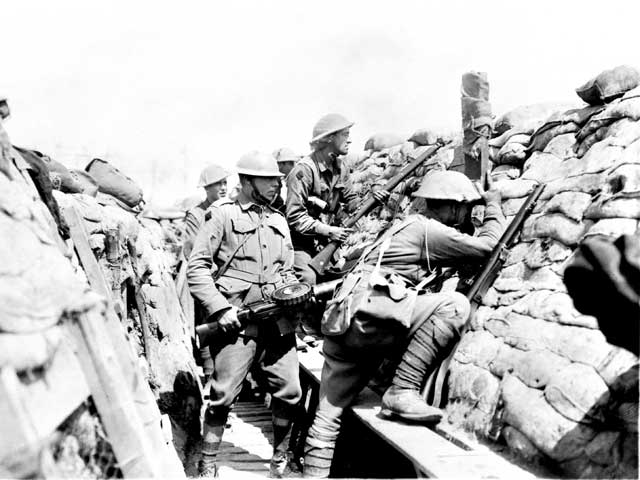
(The photo shows Australian soldiers in the trenches at Bois-Grenier near Armentières on the Western Front, 1916. Image held by the Australian War Memorial)
Girls Names from the Top 100 of the 1910s

19 Sunday May 2013

Posted by A.O. in Name Themes and Lists

≈ 18 Comments

Tags

Arthurian names, Astrophel and Stella, band names, classic names, created names, Disney names, Doctor Who, english names, famous namesakes, fictional namesakes, French words, germanic names, Greek names, hebrew names, Hollywood names, honouring, Idylls of the King, Italian names, Latin names, Little Women, locational names, Lord Tennyson, mythological names, name history, name meaning, name popularity, name trends, names from comics, names from movies, names from television, nicknames, Old French names, popular names, retro names, royal names, Russian names, saints names, Sanskrit names, scandinavian names, Shakespearean names, Sir Philip Sydney, Spanish names, unisex names, vintage names, Welsh names, William Shakespeare

P04233.001Amy

Amy is the English form of the Old French name Amée, meaning “beloved”; it’s a form of the Latin name Amata. It was in use in the Middle Ages, and revived in the 19th century. Amy was #32 in the 1900s, and by the following decade had sunk to #58, leaving the Top 100 in the 1920s. Amy disappeared from the charts between 1940 and 1960, but soared in popularity to make the Top 100 in the 1970s, and peaked in the 1980s at #8; by the 1990s it had only dropped one place. Amy had a very gentle decline, and left the Top 100 in 2011, but last year rallied and made #89, showing that there is life in this name yet. No wonder Amy has remained such a favourite – it’s a simple, unpretentious name with a nice meaning, and possesses appealing fictional namesakes from Little Women‘s Amy March to Doctor Who‘s Amelia “Amy” Pond.

Enid

Enid is a Welsh name meaning “soul”. In medieval Welsh legend, Enid is the wife of Geraint, a warrior king who is one of King Arthur’s men. Due to a silly misunderstanding, Geraint believes Enid has been unfaithful, and drags her off on a dangerous journey where she is not allowed to speak to him. Sensible Enid ignores this request, as she often has to warn him of approaching danger. Somehow this road trip from hell doesn’t put Enid off her husband, and in the end the two lovebirds are reconciled. Lord Tennyson turned the legend into two poems for his Idylls of the King, which brought the name to the attention of literature-loving Victorians. Enid was #64 in the 1900s, #49 for the 1910s, and peaked in the 1920s at #40. It left the Top 100 in the 1940s, and hasn’t charted since the 1950s. The most famous Australian Enid is Dame Enid Lyons, the first woman elected to the House of Representatives. Strong yet sweet, and sounding like an anagram of Eden, this is a clunky old-style name which deserves revival.

Gertrude

Gertrude is a Germanic name meaning “spear of strength”. It was used amongst medieval German nobility and royalty, and Saint Gertrude was one of the great mystics of the 13th century. The name probably didn’t become well known in Britain until the 15th century, due to immigration from the Netherlands. Shakespeare used it for the Danish queen in Hamlet, giving it a stamp of approval as an English name. The name seems to have been more common in Australia amongst Catholics, due to its saintly namesake. Gertrude was #54 in the 1900s, #87 in the 1910s, and had left the Top 100 by the 1920s. It hasn’t charted since the 1930s – a very steep decline. However, I feel that this dignified name could have a slight revival, and would make a very hip and cutting-edge choice. The nicknames Gertie and Trudy seem cute and usable.

Helen

Helen is a name of Greek derivation whose meaning has been much debated. Often translated as “light”, “torch” or “the shining one”, the name may be related to a Sanskrit name meaning “swift”. The name is forever connected to its original namesake, Helen of Troy, a woman of staggering beauty. In Greek mythology, Helen was the daughter of Zeus, who came to her mother Leda in the guise of a swan, so that Helen was born from an egg. Married to King Menelaus of Sparta, she was carried off by Prince Paris of Troy, sparking the Trojan War to avenge her abduction, causing no end of trouble for all involved. Famous Helens include singer Helen Reddy, novelist Helen Garner, and opera star Dame Helen “Nellie” Melba. Helen has never left the charts; #77 in the 1900s, it was #71 in the 1910s and peaked in the 1940s at #4. A long-time favourite, it didn’t leave the Top 100 until the 1980s. It reached its lowest point in 2009 at #554, and since then has taken a slight upward turn, making #355 in 2011. With names such as Eleanor and Elena gaining rapidly in popularity, and retro nicknames Nell and Nellie becoming fashionable, classic Helen looks like it has plenty of room for growth.

Joan

Joan is the English form of the Old French name Johanne, a feminine form of Johannes, which is the Latin form of the Greek name Ioannes, from the Hebrew name Yehochanan, meaning “Yahweh is gracious”. The English form of Johannes is John, and Joan is also a Spanish form of John. Joan was introduced to Britain by the Normans, and it was used amongst royalty and the nobility during the Middle Ages. Later it became less common, and had a revival in the 19th century. It is well known from Saint Joan of Arc, the visionary military leader, whose French name is Jeanne d’Arc. Famous Joans include Joan Lindsay, who wrote Picnic at Hanging Rock and opera star Dame Joan Sutherland. Joan was #152 for the 1900s, shot up to make #28 for the 1910s, and peaked in the 1920s at #2. It didn’t leave the Top 100 until the 1960s, and hasn’t been on the charts since the 1970s. For many years, Joan’s image was stout and sensible, but since Mad Men came to our TV screens, Joan Holloway has given it a stylish and sassy edge.

Mavis

Mavis is an English dialect word meaning “song thrush”; it is related to the French word mauvis and appears in literature as a poetic word for the bird. The word was in rare use as a girl’s name, but massively popularised by its use in Marie Corelli’s 1895 novel, The Sorrows of Satan. Although panned by the critics, it is considered the world’s first best-seller. Mavis was #85 in the 1900s, #16 by the 1910s, and peaked in the 1920s at #14. It left the Top 100 in the 1940s, and hasn’t charted since the 1950s. Mavis seems to have been a real Australian favourite, because it was more popular here than in Britain, and much more popular than in the US. In the 1960s, pioneering TV series, The Mavis Bramston Show, set the tone for Australian sketch comedy (a “Mavis Bramston” was theatre slang for an actress who was a pain in the backside). Australian band The Mavis’s were named after a cat. Mavis was a fresh, pretty name in the 1910s, and I think it can be again. It sounds very much like Maeve, and its associations with spring time and bird song are lovely.

Minnie

Minnie can be used as a short form of many different names – Mary, Amelia, Wilhelmina, Minerva, Hermione, or anything similar – and has long been used as an independent name. Famous fictional Minnies include Disney sweetheart Minnie Mouse, the Beano‘s tomboyish Minnie the Minx, and Cab Calloway’s jazzy Minnie the Moocher. These lively vintage creations make Minnie seem appealing, mischievous and off-beat; you can’t imagine a Minnie being tame or dull. Minnie was #56 in the 1900s, and by the 1910s was #100; it hasn’t ranked since the 1940s. With other vintage nicknames like Millie in vogue, piquant Minnie seems more than ready for a comeback.

Olga

Olga is the Russian form of the Scandinavian name Helga, meaning “holy, blessed”. Saint Olga was a 10th century Russian saint and princess, and the first Russian ruler to convert to Christianity. She didn’t convert until she was quite elderly, and before that she was a fierce ruler and brutal military leader. The name Olga was used by the Russian imperial family, and Mount Olga in the Northern Territory is named after Queen Olga of Württemberg, a daughter of Nicholas I of Russia. Olga was #88 in the 1900s, and peaked in the 1910s at #60. It left the Top 100 in the 1930s, and last charted in the 1980s. I am not sure why Olga became such a trend in this decade; I can only think it had something to do with the Russian Imperial Family, who would have often been in the news during World War I, and who were overthrown in 1917. Today we might connect the name to actress Olga Kurylenko, who played Bond girl Camille in Quantum of Solace and recently appeared in Oblivion. On Nancy’s Baby Names, people debated whether Olga was a “horrid” name; although some find it ugly, others could find it clunky and hip. This would be a bold choice which still seems exotic.

Stella

Stella is the Latin for “star”, and it was created as a name by 16th century poet Sir Philip Sydney in his sonnet sequence Astrophel and Stella. It is believed that Stella was inspired by real-life noblewoman Lady Penelope Rich, so endowed with dark-eyed, golden-haired beauty that it was practically mandatory for the poets of the day to fall in love with her (or pretend to), and dash off poems in her honour. Apparently unmoved by their literary efforts, she instead chose as her lover a handsome, wealthy and ruthless baron. Perhaps Sydney saw Lady Rich like a distant star – beautiful, glittering, cold, and unattainable. Stella wouldn’t have seemed too crazy as a name, because the Old French name Estelle is based on the Latin stella, and had been in use since the Middle Ages, and the Virgin Mary had for centuries been known as Stella Maris (“Star of the Sea”). Stella is a classic name in Australia. It was #48 in the 1900s, and #70 in the 1910s; by the 1920s it had left the Top 100. It reached its lowest point in the 1980s at #563, and since then has mostly climbed, reaching the Top 100 in the late 2000s. It is currently #52 in New South Wales, and still rising. You can understand why parents continue to use this pretty, star-like name, which fits in with the trend for -ella names.

Veronica

Veronica is a Latin form of the Greek name Berenice, which means “bringing victory”; the spelling was altered to make it seem as if it was based on the Latin phrase vera icon, meaning “true icon”. Saint Veronica is a legendary saint who is said to have been so moved to pity when she saw Jesus on his way to Calvary that she wiped his face with her veil. By a miracle, the image of his face was impressed upon it, and this cloth could then be used to heal the sick, or even bring the dead back to life. This legend, which comes from the Eastern church, was very popular in the Middle Ages, and several of these veils were venerated as holy relics until their cult was suppressed. Veronica was first used as a girl’s name in Italy, and spread from there. In Australia, Veronica was #63 for the 1900s and #69 for the 1910s; it didn’t leave the Top 100 until the 1950s. It has never stopped charting, and is currently at its lowest point yet – #356. Veronica has something of a glamorous image. Hollywood femme fatale Veronica Lake lent her name to Veronica Lodge from the Archie comics, with the comics themselves suggesting that “a Veronica” was a stunning high-maintenance girl. This was picked up by 1980s mean girls cult flick Heathers, with Winona Ryder as Veronica, and Australian girl band The Veronicas called themselves after Ryder’s character. This is an underused classic which seems sophisticated, with dark undertones.

POLL RESULT: People’s favourite names were Stella, Helen, and Minnie, and their least favourite were Gertrude, Joan, and Olga.  

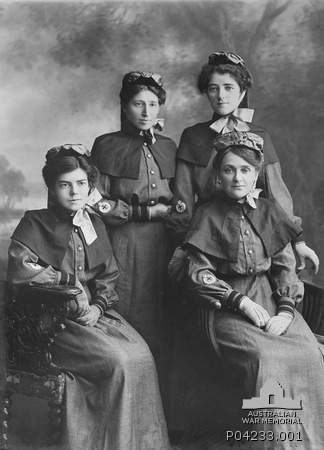
(Photo is of Australian World War I nurses; standing at the back on the right is Sister Constance Keys, who was mentioned in the post on Gallipoli. These nurses received military decorations for their heroism, and all made it back to Australia at the end of the war)

Boys Names Which Rose in Popularity in 2012

21 Sunday Apr 2013

Posted by A.O. in Name Themes and Lists

≈ 8 Comments

Tags

astrological names, Biblical names, celebrity baby names, Celtic names, Disney names, english names, famous namesakes, fictional namesakes, hebrew names, Hollywood names, honouring, Irish Gaelic names, Irish names, Latin names, locational names, name history, name meaning, name popularity, name trends, names from movies, names from television, nicknames, Old English names, Old Gaelic names, popular names, saints names, Scottish names, soap opera names, unisex names

586419-river-boysThese are the boys’ names which became markedly more popular last year. I think the list lacks the depth of the one for girls, with far less diversity. There is only one classic name for boys, and eight of the names are surnames – six of these ending in N. While the girls’ list shows names which are currently trending, I think a couple of these could be legitimately identified as trendy.

Braxton

Braxton is without doubt 2012’s Name of the Year, joining the national Top 50 from nowhere. It was the #1 fastest-rising name nationally, in New South Wales and South Australia; made the top 5 fastest-rising names in Victoria, Queensland, and Western Australia; and went up in Tasmania and the Australian Capital Territory. Currently it is #31 in Australia, #51 in NSW, #81 in Victoria, #25 in Queensland, #44 in SA, #34 in WA, #65 in Tasmania and #70 in the ACT. Braxton is an English surname of disputed origin. It is a corruption of an English place name; perhaps Branxton in Northumberland, meaning “Branoc’s settlement” (Branoc is a Celtic personal name derived from the word for “raven”). Braxton has been used as a personal name since the late 18th century, and originated in the United States – Carter Braxton was one of the signatories to the American Declaration of Independence. Here it is known from the Braxton brothers on soapie Home and Away; three members of a thuggish surfer gang, and sexually desirable “bad boys” (based on the real-life Bra Boys). The characters were introduced in 2011, and last year Steve Peacocke won a Logie for his role of Darryl “Brax” Braxton. Braxton is new to the charts, although short form Brax had been in the Top 100 before. I wonder if it will keep going, or will parents hit the panic button after its massive surge in popularity?

Jaxon

Jaxon was the #1 fastest-rising name in Victoria and Tasmania, made the top 5 fastest-rising names in New South Wales and South Australia, and increased in popularity in Western Australia and the Australian Capital Territory. Currently it is #37 in Australia, #54 in NSW, #52 in Victoria, #42 in Queensland, #31 in SA, #17 in WA, #33 in Tasmania and #92 in the ACT. Jaxon is a variant of the surname Jackson; although sometimes derided as a “mis-spelled Jackson”, it is a legitimate surname particularly associated with East Anglia, and possibly with the Puritans. Jaxon has been used as a first name since the 17th century, and originated in Norfolk – then an area with a high Puritan population. Jaxon has charted in Australia since the 1990s, and rose steeply to make the Top 100 in 2011. It continues to capitalise on its trendy X, and may even overtake big brother Jackson. It’s interesting that it is most popular in Western Australia, for there is a large construction company in that booming state named Jaxon.

Mason

Mason was the #1 fastest-rising name in Queensland; it increased in popularity nationally, and in every state and territory. Currently it is #15 in Australia, #24 in NSW, #18 in Victoria, #15 in Queensland, #10 in SA, #12 in WA, #8 in Tasmania, #15 in the NT and #28 in the ACT. Mason first charted in the 1980s, and rose steadily to make the Top 100 by the mid-2000s. Mason is an occupational surname for someone who worked as a stonemason. The Mason family settled in Kent, on lands granted to them by William the Conqueror for their part in the Battle of Hastings. Mason has been used as a first name for boys since at least the 16th century, and originated in East Anglia; it possibly had Puritan significance. It’s much more common in the United States, where the distinguished Mason family played a prominent role in American politics. George Mason IV was one of the Founding Fathers of the United States, and an author of the Bill of Rights. Recently it has been often used as a celebrity baby name, boosting and cementing its popularity.

Hunter

Hunter was the #1 fastest-rising name in Western Australia, amongst the top 5 fastest-rising names nationally and in Queensland, and increased in popularity in New South Wales, Victoria, South Australia, Tasmania and the Australian Capital Territory. It is currently #24 in Australia, #35 in NSW, #39 in Victoria, #19 in Queensland, #27 in SA, #22 in WA, #7 in Tasmania and #50 in the ACT. Hunter is a surname based on the English word for a man who hunts professionally, and originated in Scotland. The Clan Hunter were from Normandy and settled in Ayrshire in the 11th century; experts in hunting and fieldcraft, they were invited there by King David I, who had been brought up in a Norman court. Hunter has been used as a personal name since the early 18th century, and seems to have been most popular in the northern counties of England. The Hunter Valley is the area around the city of Newcastle; the Hunter River is named after Governor John Hunter, and as his surname suggests, he was a Scotsman. Hunter has charted in Australia since the 1990s, and made the Top 100 by the late 2000s. It shows no signs of losing steam.

Hudson

Hudson was in the top 5 fastest-rising names nationally, in New South Wales, Victoria and Western Australia, and increased in popularity in South Australia and Tasmania. Currently it is #43 in Australia, #74 in NSW, #50 in Victoria, #45 in Queensland, #36 in SA, #31 in WA, and #67 in Tasmania. Hudson is an English surname which means “son of Hudde”. Hudde can be an old nickname for Hugh or Richard, or it can be derived from the common Old English name Huda; the surname is traditionally associated with Yorkshire. Hudson has been used as a first name since the early 17th century; although these births coincide with English explorer Henry Hudson’s first voyages, it can’t be known whether he inspired them. Hudson was new to the charts last year, having gained massive popularity after pop singer Guy Sebastian welcomed his son in 2012. The inspiration for Hudson Sebastian’s name came from the Hudson River in New York, (named after Henry Hudson), as Guy and his wife Jules love New York City. However, it has an Australian connection as well, because Sir Hudson Fysh, a World War I hero, founded Qantas, so Hudson could be used to honour a family tradition in the aviation industry.

Flynn

Flynn was in the top 5 fastest-rising names in Victoria and South Australia, and increased in popularity nationally, in New South Wales, Western Australia, Tasmania and the Australian Capital Territory. It is currently #41 in Australia, #46 in NSW, #36 in Victoria, #34 in Queensland, #43 in SA, #35 in WA, #22 in Tasmania and #28 in the ACT. Flynn has been in the charts since the 1990s, and after hitting a plateau for a few years, it suddenly shot up into the middle of the Top 100 in 2011, after Miranda Kerr and Orlando Bloom welcomed their son Flynn. Flynn is a common Irish surname which is an Anglicised form of the Old Gaelic Ó Floinn, meaning “son of Flann”. Flann means “red, ruddy” in Irish Gaelic, and is the name of one of the High Kings of Tara. The name is strongly associated with swashbuckling Tasmanian actor Erroll Flynn, known for his success with the ladies. He helped inspire the character of Flynn Rider from the Disney film Tangled. Interestingly, Flynn is most popular in Tasmania.

Archer

Archer was in the top 5 fastest-rising names in South Australia and the Australian Capital Territory; it also increased in popularity in New South Wales, Victoria and Tasmania. Currently it is #92 in NSW, #47 in Victoria, #61 in Queensland, #47 in SA, #47 in Tasmania and #46 in the ACT. The name was new to the Top 100 this year. Archer is an occupational surname denoting a professional bowman, and was brought to England at the time of the Norman Conquest; the Archer family settled in Wiltshire. Archer has been used as a first name since the 17th century, and seemed to be much more common in the southern counties surrounding London. Archer may remind you of legendary bowmen such as Robin Hood and William Tell, or it could remind you of the zodiac sign Sagittarius, called The Archer. In Australia, the Archer River is on the Cape York Peninsula in far north Queensland, and the first horse to win the Melbourne Cup was named Archer. Archer’s popularity is growing partly because it’s a great way to get the popular nickname Archie.

Eli

Eli was in the top 5 fastest-rising names in Australia, and increased in popularity in Western Australia, Tasmania and the Australian Capital Territory. Currently it is #34 in Australia, #53 in NSW, #83 in Victoria, #27 in Queensland, #48 in SA, #38 in WA, #32 in Tasmania and #27 in the ACT. Eli has been in the charts since the 1970s, and reached the Top 100 in the late 2000s; since then it has gliding smoothly upward. Eli is a Hebrew name meaning “ascent”, and in the Old Testament, Eli was a high priest who is regarded as a judge and prophet in Judaism, and the teacher of the prophet Samuel. In Scandinavia, Eli is a girl’s name, used as a short form like Ellie, and pronounced EE-lee. Some Australian namesakes include rally driver Eli Evans, Olympian hockey player Eli Matheson, soccer player Eli Babalj, and kickboxer Eli “Mad Dog” Madigan. At a time when Old Testament boys’ names are slumping, Eli stands out as a Biblical success story, and tended to rise when Elijah did too.

Patrick

Patrick was in the top 5 fastest-rising names in South Australia, and increased in popularity nationally, in New South Wales, Victoria, Western Australia, Tasmania, and the Australian Capital Territory. Currently it is #42 in Australia, #47 in NSW, #34 in Victoria, #53 in Queensland, #35 in SA, #47 in WA, #53 in Tasmania, and #25 in the ACT. In Australia, Patrick is a sturdy classic which has never left the Top 100. It was #36 in the 1900s, and peaked in the 1990s at #34; the lowest it has ever been is #68, in 2009. Patrick is from the Latin name Patricius, meaning “nobleman”, and its fame today is entirely down to one man – Saint Patrick. Saint Patrick was a 5th century Romanised Briton brought up in a Christian family. As a teenager, he was captured and carried off as a slave to Ireland, where he remained for six years. He managed to escape back to Britain, but returned to Ireland as an ordained bishop to undertake missionary work. Called the Apostle of Ireland, he is the major patron saint of Ireland, and such a vital part of Irish identity that his feast day on March 17 is seen as a celebration of Irish culture.

Harrison

Harrison was in the top 5 fastest-rising names in Queensland, and increased in popularity nationally and in South Australia. Currently it is #22 in Australia, #25 in NSW, #26 in Victoria, #16 in Queensland, #13 in SA, #27 in WA, #34 in Tasmania and #40 in the ACT. Harrison has charted since the 1980s, and skyrocketed into the middle of the Top 100 during the 1990s. It peaked at #23 in the early 2000s, then fell before starting to climb again, so it’s now on its second wind. Harrison is a surname meaning “son of Harry”, with Harry itself being a short form of Henry. Harrison has been used as a first name since the 16th century, and over time became greatly more popular in the United States than in Britain. This may be because of the Harrison family of Virginia, who were related to King Edward I. They managed to produce numerous state governors, as well as two presidents – Benjamin Harrison and William Henry Harrison. The popularity of Harrison as a first name is probably due to actor Harrison Ford – the name began charting just after he starred in the first Star Wars movie, and boomed during the Indiana Jones series.

POLL RESULT: People’s favourite names were Flynn, Archer, and Patrick, and their least favourite were Braxton, Mason, and Jaxon.

(Photo shows the Braxton brothers from Home and Away)

Girls Names Which Rose in Popularity in 2012

14 Sunday Apr 2013

Posted by A.O. in Name Themes and Lists

≈ 25 Comments

Tags

celebrity baby names, classic names, english names, epithets, famous namesakes, fictional namesakes, Gaelic names, germanic names, Hollywood names, locational names, mythological names, name history, name meaning, name popularity, name trends, names from television, Native American names, nature names, nicknames, Old French names, Old Norse names, plant names, popular names, retro names, royal names, Scottish names, Slavic names, Spanish names, surname names, Twilight names, unisex names, vocabulary names

213495458_f0e01eb1bf_z-Cotswold-Cottage-2These names became noticeably more popular in Australia last year. If you are considering using any of them, don’t panic. Most are making solid progress rather than madly storming upward. It would be foolish to reject them based on their current popularity, and silly to fret if you chose one of these names in 2012.

The list indicates the diversity of girls’ names at present, with a mix of classic and modern; places and nature; Hollywood and royalty. There’s something for nearly everyone amongst these popular names.

Ivy

Ivy was the fastest-rising girl’s name both nationally and in Western Australia last year, and made the top 5 fastest-rising names in South Australia, Queensland and the Australian Capital Territory. It became more popular across the board in 2012, and nationally rose 18 places. This is its second time around in the Top 100 – Ivy was #17 in the 1900s, and didn’t leave the Top 100 until the 1940s. It vanished from the charts in the 1970s, but reappeared in the 1990s. Ivy soared during the 2000s, making the Top 100 by the end of that decade. It is currently #22 in Australia, #21 in NSW, #27 in Victoria, #25 in Queensland, #22 in SA, #28 in WA, #44 in Tasmania, and #30 in the ACT. Ivy is named for the plant, and like its namesake, is presently climbing; Beyonce‘s daughter Blue Ivy may have given the name publicity. Chances are we’ll be seeing more of this fresh, pretty retro name, which sounds similar to popular Ava, Eva and Evie.

Savannah

Savannah was in the top 5 fastest-rising names in South Australia, went up 9 places nationally, and increased in popularity in New South Wales, Victoria, Queensland, Western Australia and Tasmania. It is currently #35 in Australia, #38 in NSW, #74 in Victoria, #28 in Queensland, #43 in SA, #35 in WA and #94 in Tasmania. Savannah first charted in the 1990s, and climbed until it reached the Top 100 at the end of the 2000s. Savannah is an alternate spelling of the word savanna, referring to grasslands that have scattered trees, or where the trees are open to the sky; large tracts of northern Australia are savanna. The word comes from the Spanish sabana, derived from the Arawak (Native American) word zabana, which originally meant a treeless grassy plain. Savannah is a place name in the United States, most famously the city in Georgia. The city’s name comes from the Savannah River, which may be derived from the Shawnee people, or from Native American words for “southerner” or “salt”. The city featured in 1990s soap, Savannah, which probably accounts for its début in the charts that decade. While I imagine Savannah originally got its foot in the door because it sounds like Susannah, here it fit in with those other hip names of the ’90s, Ava and Sienna. Like Harper, this is another American South-inspired name, but also a royal one, because the queen’s first great-granddaughter is named Savannah.

Harper

Harper was the fastest-rising name in Tasmania and Victoria, made the top 5 fastest-rising names in South Australia and Western Australia, and became more popular in every state. Currently it is #39 in Australia, #37 in NSW, #29 in Victoria, #36 in Queensland, #44 in SA, #29 in WA, and #31 in Tasmania. Harper began as a surname from the English word for a professional harp player. The surname  originates from the west coast of Scotland, and is especially associated with the Clan Buchanan. The name also has Christian overtones, for heaven is said to be filled with the sound of harp music. Harper has been used as a first name since the 17th century, and was originally given to boys. The fame of (Nelle) Harper Lee, author of To Kill a Mockingbird, gave it a feminine slant. Harper only began charting in 2011, after David and Victoria Beckham welcomed their first daughter. Harper Beckham was named by her brothers after a character in Wizards of Waverley Place (although Victoria Beckham also happened to be working for Harper’s Bazaar at the time). The Beckhams said they wanted a name to honour their time in the United States, and chose this American-style name. Many Australians have followed in their footsteps.

Alice

Alice was the #1 fastest-rising name in South Australia, and has just joined the Top 20 in the Northern Territory, so it has gained popularity in central Australia. Intriguingly, the town of Alice Springs is in the middle of the Australia, offering food for thought. Alice also went up in popularity nationally, in Victoria, and in Tasmania. It is currently #43 in Australia, #49 in NSW, #34 in Victoria, #53 in Queensland, #34 in SA, #49 in WA, #41 in Tasmania, #20 in the NT and #43 in the ACT. Alice is a classic name which has never left the charts. It was #4 in the 1900s, and just missed out on the Top 100 in the 1940s, at #105. It reached its lowest point in the 1960s at #265, then began climbing, reaching the Top 100 for the second time in the 1990s. Since the beginning of the 2000s it has made staid but steady progress up the charts, and become middle name de jour. Alice is from the Old French name Aalis, short for Adelais, which is a short form of the Germanic name Adelheidis, meaning “noble kind” (which Adelaide is based on). Alice became popular in the Middle Ages, and got a boost during the 19th century after Queen Victoria had a Princess Alice. It’s been a favourite in fiction ever since Lewis Carroll penned Alice in Wonderland, and is the name of a main character in the Twilight series. Sensible, yet with a touch of magic, sweet Alice is one to keep your eye on.

Willow

Willow was in the top 5 fastest-rising names in Western Australia, went up  nationally, and increased in popularity in New South Wales, Victoria and the Australian Capital Territory. It is currently #44 in Australia, #43 in NSW, #33 in Victoria, #39 in Queensland, #32 in WA, #73 in Tasmania and #68 in the ACT. Willow first charted in the 1990s, and rose precipitously to make the Top 100 by the late 2000s. Willow is named for the genus of small trees and shrubs which symbolise both wisdom and deep loss. It has been used as a personal name since the 18th century, and was originally given equally to boys and girls. It has only ever charted for girls in Australia, but is still occasionally used for boys. The 1988 fantasy film Willow, which possibly played a role in Willow joining the charts in the ’90s, has a hero named Willow. In 2011, pop singer Pink welcomed a daughter named Willow, and that doesn’t seem to have done this name any harm. Flower names mostly didn’t do well in 2012; Ivy and Willow show that greenery is more appreciated than petals at present.

Mackenzie

Mackenzie made the top 5 fastest-rising lists in New South Wales and Victoria, and increased its popularity in other states and the Australian Capital Territory. Currently it is #46 in Australia, #57 in NSW, #44 in Victoria, #45 in Queensland, #33 in SA, #37 in WA, #45 in Tasmania, and #48 in the ACT. Mackenzie has charted since the 1990s, and zoomed up the charts to make the Top 100 by the early 2000s. It dipped out of the Top 100 in 2009, but was back the next year. Mackenzie is a Scottish surname, an Anglicised form of of the Gaelic Mac Coinnich, meaning “son of Coinneach” (Coinneach is the original form of Kenneth). The Clan Mackenzie is from the Highlands, and of Celtic origin; they trace their clan name back to the pagan god Cernunnos. Mackenzie has been used as a first name since the 18th century in Scotland; it was nearly always given to boys in the beginning, but not exclusively so. Mackenzie first charted in the US as a female name, popularised by actress (Laura) Mackenzie Phillips, who was in American Graffiti. Since then there have been other Mackenzies on our screens; most recently, Mackenzie Foy played Renesmee in Breaking Dawn – Part 2. 

Audrey

Audrey made the national Top 50 last year, and according to my estimate, rose almost as many places as Ivy. However, it’s harder to see where the gains were made than it is with Ivy, although Audrey made significant increases in New South Wales and Victoria, and modest ones in Tasmania and the Australian Capital Territory. Currently it is #50 in Australia, #36 in NSW, #32 in Victoria, #55 in Queensland, #96 in Tasmania and #35 in the ACT. Like Ivy and Alice, Audrey has been Top 100 before. Although it was #156 in the 1900s, it made the Top 100 the following decade, and shot up to peak at #32 in the 1920s. It sank faster than it had risen, and was #197 in the 1940s, reaching its lowest point in the 1980s with a ranking of #0. Since then it has climbed, and reached the Top 100 again at the end of the 2000s. It looks likely to overtake its earlier peak, but Audrey seems to be under the radar at present. This is one of those names which is probably more popular than you think, and has an Australian connection, for the famous Skipping Girl Vinegar neon sign in Melbourne is affectionately known as Little Audrey.

Mila

Mila was the #1 fastest-rising name in the Australian Capital Territory, and grew more popular in New South Wales, Western Australia and Tasmania. It is currently #59 in NSW, #46 in Victoria, #65 in Queensland, #44 in WA, #70 in Tasmania, and #48 in the ACT. Mila only began charting in 2011, so has been extremely successful in a brief space of time. The fame of Hollywood actress Mila Kunis must have had an impact; Mila entered the charts the year after Ms Kunis appeared in Black Swan. Mila is a short form of Slavic names containing the element mil, meaning “gracious, dear”. Mila Kunis’ full name is Milena, which is the feminine form of the Slavic name Milan, meaning something like “dear one”, and often translated as “sweetheart”. Mila sounds similar to other popular names such as Mia and Milla, and at the moment is doing very well.

Freya

Freya is a name just beginning to make an impression, for it joined the Top 100 in Tasmania and the Australian Capital Territory last year, and was in the top 5 fastest-rising names in Tasmania. Both these regions have small population sizes, so you can be forgiven for being a little sceptical; Freya is currently #174 in NSW and #129 in Victoria. Freya is the English spelling of the Old Norse goddess Freyja – her name means “lady”, and was originally an epithet. In Norse mythology, Freyja is a goddess of love, sex, beauty, fertility, sorcery, gold, war and death. Immensely beautiful and clever, she rules over a field in the afterlife. The name Freya has been popular in the UK for several years now, and is well known here due to Tasmanian actress Freya Stafford; it doesn’t seem too far-fetched that we should follow Britain’s lead, but we shall have to wait and see.

Josephine

Josephine just managed to squeeze onto the Top 100 in New South Wales last year. That may not sound impressive, but the amount Josephine climbed was phenomenal – it went up 99 places, far outstripping Ivy’s mere 18. For that reason alone, it deserves a place on this list. Josephine is a solid classic which has never been off the charts, or left the Top 200; on the other hand it has never enjoyed high popularity either. It was #86 for the 1900s, and peaked the following decade at #76. It just failed to reach the Top 100 of the 1940s at #103, and dipped in the 1980s to make #172. Its progress has been up and down, but never too high or low, and it reached its lowest point in the charts in 2011, at #199. It has more than made up for this by getting back to the Top 100 in 2012, where it hasn’t been since the 1930s. Currently it is #100 in NSW and #105 in Tasmania. Josephine has recently made its mark as a royal and celebrity baby name, with Josephine chosen for the daughter of Prince Frederik and Princess Mary of Denmark, and also the grand-daughter of former prime minister Kevin Rudd. Will Josephine continue its ascent? Historically it’s unlikely, for Josephine seems most comfortable in the low to mid 100s, and may very well drop back this year. Stay tuned!

POLL RESULT: People’s favourite names were Alice, Ivy, and Freya, and their least favourite were Harper, Savannah, and Mackenzie.

Italian Names for Boys

17 Sunday Mar 2013

Posted by A.O. in Name Themes and Lists

≈ 15 Comments

Tags

Austrian name popularity, Belgian name popularity, birth notices, celebrity baby names, Chilean name popularity, Dutch name popularity, english names, ethnonyms, famous namesakes, fictional namesakes, French name popularity, germanic names, Greek names, Hungarian name popularity, Hungarian names, Italian name popularity, Italian names, Latin names, locational names, mythological names, name history, name meaning, name popularity, nicknames, Orlando Furioso, Portuguese names, Roman names, saints names, Scottish name popularity, Shakespearean names, Spanish name popularity, Spanish names, surname names, The Divine Comedy, theological names, tribal names, UK name popularity, unisex names, William Shakespeare

romeo_and_juliet_01Angelo

Angelo is the Italian form of the Latin name Angelus, meaning “angel”. The Angelus is a Christian devotion, which traditionally involves praying three times a day, accompanied by the the ringing of church bells. It was common during the Middle Ages, so the name can be seen as after the prayer as much as after the heavenly creature. Angels are mentioned in the Old Testament as spiritual beings who bring communications from God; the word angel is derived from the Greek for “messenger”. Angels play a much bigger role in the New Testament, where they make several important announcements, including the birth and resurrection of Christ. A famous Italian named Angelo was Father Angelo Secchi, a 19th century astronomer and one of the first scientists to state that the sun is a star. Cricket fans know the name well from Angelo Matthews, the Sri Lankan captain. The name is rarely used in Australia, where angel-type names for boys aren’t common – even though angels are traditionally masculine. However, singer Adele welcomed a baby boy last year, rumoured to be named Angelo, and this may be a help. The Italian and English pronunciation are very similar – AHN-jel-oh and AN-jel-oh.

Dante

Dante is a short form of Durante, the Italian form of the Latin name Durans, meaning “enduring”. Its most famous namesake is undoubtedly medieval Italian poet, Dante degli Alighieri, nearly always known by his first name only. His Divine Comedy is considered the greatest work of Italian literature, and in Italy he is known as il Poeto (“the Poet”), just as Shakespeare is called The Bard in England. He is famous for his adoration of Beatrice, a girl he knew only slightly and who died in her twenties; he plays an important role in the literature of “courtly love”. Dante is a name which seems to be gaining more use in recent years, perhaps because of the number of fictional characters named Dante on TV and in video games. I see this handsome name quite a bit in birth notices, and have met a number of small boys named Dante, from a variety of backgrounds. The Italian pronunciation is DAHN-tay, and this is commonly used in Australia, but I have heard it said DAN-tay as well.

Eduardo

Eduardo is the Italian form of the English name Edward. The name is used in Spanish and Portuguese-speaking countries as well, where it is much more popular than in Italy – it is a Top 100 name in Spain and Chile. Famous Italians include actor, playwright and screenwriter Eduardo De Filippo; songwriter Eduardo di Capua, who composed the famous song O Sole Mio; and quantum physicist and cyberneticist Eduardo Caianiello (all these Eduardos were from Naples). The name is pronounced ed-WARD-oh, with the ward part rhyming with hard rather than horde. Last year, Australian soccer player Vince Grella welcomed a son named Eduardo, and so far it’s the only celebrity baby boy’s name which has been rated as “perfect” by blog readers.

Lorenzo

Lorenzo is the Italian form of the Roman name Laurentius, which means “from Laurentum”; Laurentum was an ancient city in Italy, south of Rome, and its name probably comes from the laurel, or bay tree. Laurel wreaths were used by the Romans as a symbol of victory. The English form of the name is Laurence. One of the most famous Italian namesakes is Lorenzo de Medici, known as Lorenzo the Magnificent. A Florentine ruler during the Renaissance, he was famed for presiding over Florence’s Golden Age, and for being a great patron of the arts. Lorenzo’s grandson also bore his name; he is best known for being the ruler to whom Machiavelli dedicated his practical political handbook, The Prince. Lorenzo has been in the Top 5 in Italy for several years, and is currently #4; it’s also Top 100 in France. The Italian pronunciation is loh-REN-tso, and in English it’s pretty much the same except we say the final syllable -zo. Reality TV star Snooki, from Jersey Shore, welcomed a baby boy named Lorenzo last year. Possible nicknames include Enzo, Ren, Renzo and Zo.

Luca

Luca is the Italian equivalent of the name Luke, derived from the Greek name Loukas, meaning “from Lucania”. Lucania was an ancient district of southern Italy, and the name comes from the tribe of the Lucani who inhabited the area. One theory is that the tribe’s name comes from the Greek word for “wolf”; another that it means “sacred wood” in Latin. A famous Italian with this name is medieval sculptor Luca della Robbia; another is Fra Luca de Pacioli, a mathematician and Franciscan friar who worked with Leonardo da Vinci. You may also know the name from Luca Cordero di Montezemolo who is chairman of Ferrari. Luca is incredibly popular internationally: it is #12 in Italy, and also makes the Top 100 in the UK, Scotland, Austria, Belgium, the Netherlands and France. It has charted in Australia since the 1980s, and joined the Top 100 in the late 2000s; currently it is #79. You will sometimes see Luca described as a unisex name, and that’s because it is also the Hungarian form of Lucia, and is #10 for girls in Hungary. However, the two names are pronounced differently – the Italian boy’s name is said LOO-kah, while the Hungarian girl’s name is said LOO-tsah.

Massimo

Massimo is the Italian form of Maximus, a Roman family name derived from the Latin for “greatest”. There is a very old and noble Roman family named Massimo, and they claim to be descended from the Maximi family of ancient Rome, including the famous general Fabius Maximus. This cannot be proven, as the family history only goes back about a thousand years, but what’s on the record is impressive enough. Extremely rich and influential, great patrons of the arts, they have produced numerous cardinals, ambassadors, politicians and military leaders, and have married into some of the most important royal houses of Europe, so that the family now bears a princely title. Massimo is one of the most common Italian boy’s names I see in birth notices, with Massi the usual nickname. It is pronounced mahs-SEE-mo.

Orlando

Orlando is the Italian form of Roland, a Germanic name meaning “famous land” or perhaps “fame of his country”. According to history, Roland was a Frankish military commander in Charlemagne’s army, responsible for defending France against the Bretons; he died in a skirmish against the Basques after Charlemagne was defeated in a battle against Islamic forces. His death must have captured people’s imaginations, because while history says very little about Roland, legend says much. His life became an epic drama about a great nobleman of royal blood who dies in battle, defending his land and faith from Muslims. Just in case this seemed a bit tame, legend gave him a magic sword and threw in a giant, and the story was a massive medieval minstrel-sung hit all across western Europe. In Italy, he not only appears in Dante’s Divine Comedy, but starred in a whole line of epics as Orlando. The most famous of these is Orlando Furioso (it basically means Crazy Orlando) by Ludovico Ariosto. As the title suggests, Orlando goes doolally from unrequited love of a pagan princess and gallops around the world in a frenzy. There’s wizards and hippogriffs and sea monsters and a trip to the moon involved, and the story was hugely influential in European literature. We know this name well from actor Orlando Bloom, married to Miranda Kerr, and since their wedding I see this attractive name regularly in birth notices. The Italian pronunciation is or-LAHN-do, and the English or-LAND-oh.

Rocco

Saint Rocco is an Italian saint who was born a nobleman but came to Rome on a pilgrimage. Turning up while the city was suffering from a plague, he spent his time tending the sick. When he succumbed himself, he was banished from populated areas, but miraculously provided with water, and a dog who brought him food and licked his wounds, which cured him. Returning home, he was thrown into prison as a spy and died, refusing to reveal his noble identity. However, he was recognised by a cross-shaped birthmark, and canonised as a saint by popular acclaim. When the Black Death swept through Europe, it was said that this plague could be averted by praying to Saint Rocco, and when a town was apparently spared in this manner, his popularity went through the roof. Although his cult had begun in northern Italy, it soon spread across Europe; in France his name became Roch, in Spain Roque, and in England, Rock. You’d be forgiven for thinking Rocco had something to do with rocks, but it’s an ancient Germanic name meaning “rest”, and pronounced ROK-ko. Even though the Black Death isn’t such a worry any more, Saint Rocco is still popular as a healer of the sick and patron of dogs. Rocco has charted in Australia since the 1940s, hitting a peak in the 1960s at #193. Since the early 2000s, when Madonna welcomed her son Rocco, it has been climbing steeply and is currently #228. Expect to hear more of this cute yet macho name in the future.

Romeo

Romeo is the Italian form of the Latin name Romaeus, meaning “pilgrim to Rome”. When we hear the name Romeo, we think of the young and ardent lover from William Shakespeare’s Romeo and Juliet, whose pubescent romance goes so tragically wrong. Shakespeare’s plot wasn’t original – he based it on retellings of 16th century Italian romances, and in turn, these used the story of Pyramus and Thisbe from Roman mythology as inspiration. However, one of the Italian authors, Luigi Da Porto, fell for an enchanting young woman at a ball and she returned his feelings; things never got off the ground because their families were feuding. By the time he had the chance to write about Romeus and Giulietta in Verona, the object of his desire had been married off to someone else. His version of the story, including the principals’ names, proved enduring – perhaps because it had the personal touches of someone who has loved and lost. Romeo is such an ultra-romantic name that it’s used as an epithet for any male lover. David and Victoria Beckham welcomed their son Romeo in 2002, giving this name some star appeal as well. We say it RO-mee-oh, but we know the Italian pronunciation of ro-MAY-oh from the car manufacture, Alfa Romeo.

Valentino

Valentino is the Italian form of the Latin name name Valentinus, the saint of lovers, also called Valentine. It got an extra helping of Latin Loverboyishess from Italian actor Rudolph Valentino, a seductive sex symbol and star of the silent screen. He made women swoon, and men snipe at his annoying amount of attractiveness. The gals screamed with desire during his movies; the guys stormed out in disgust and threw hissy fits. We know the name well from Italian motorcycle racer and MotoGP World Champion, Valentino Rossi, giving this name quite a sporty image as well. I don’t know if it’s because of Rossi, but I do see the name Valentino quite often in birth notices, where it seems to be especially popular in the middle position.

POLL RESULT: People’s favourite names were Luca, Rocco, and Massimo, and their least favourite were Orlando, Valentino, and Eduardo.

(Picture shows scene from Baz Luhrman’s Romeo + Juliet)

Italian Names for Girls

10 Sunday Mar 2013

Posted by A.O. in Name Themes and Lists

≈ 4 Comments

Tags

Arthurian legends, Arthurian names, Austrian name popularity, Belgian name popularity, Biblical names, birth notices, celebrity baby names, compound names, English idioms, famous namesakes, fictional namesakes, food names, French names, Greek names, Harry Potter names, hebrew names, Italian name popularity, Italian names, J.K. Rowling, locational names, modern classics, mythological names, name history, name meaning, names from movies, names from songs, nicknames, Orlando Furioso, Percy Bysshe Shelley, popular names, Roman names, saints names, Shakespearean names, The Sleeping Beauty, William Shakespeare

William_Dyce_-_Francesca_da_Rimini_-_Google_Art_ProjectItalian-Australians are the largest ethnic group in Australia after those of British and Irish heritage, and about a million people identify as having Italian ancestry – around 5% of the population. The first Italian migrants arrived in the 19th century (Australia’s first police officer was an Italian), but immigration soared after World War II. They have made an incalculable contribution to Australia’s economy and culture, with noteworthy Italians in business, politics, sport, the arts and entertainment. It’s not that I can’t imagine Australia without an Italian history; it’s just that imagining such an Australia appals me.

This is a selection of Italian names for girls which I think are usable in Australia, whether you have Italian ancestry or not.

Alessandra

Alessandra is the feminine form of Alessandro, the Italian form of Alexander. Alessandra has been popular in Italy for many years, remaining in the Top 10 throughout the 1970s. It is still in the Top 100 today, and has only recently slipped off the Top 30. I see many instances of this name in birth notices, particularly in families with Italian surnames (although not exclusively). Not only is it the Italian form of the popular Alexandra, but is well known due to Brazilian supermodel Alessandra Ambrosio, who is of part-Italian descent. It is also an Australian celebrity baby name, since Casey Stoner and his wife Adriana welcomed their daughter Alessandra Maria last year. This pretty name is an Italian modern classic, and the Italian pronunciation is ahl-e-SAHN-dra, although I suspect many Australians would say it more like al-uh-SAN-dra. Nicknames abound, including Allie, Alessa, Alessia and Lissa, and it is one of the names tipped to rise in the wake of Hurricane Sandy.

Arianna

Arianna is the Italian form of the Greek name Ariadne, meaning “most holy, utterly pure”. In Greek mythology, Ariadne was a princess of Crete, the daughter of King Minos, and helped the hero Theseus escape from the Minotaur (Ariadne’s monstrous half-brother). The two of them escaped together, but Theseus abandoned her on the island of Naxos, where she married the god Dionysus. It seems likely that Ariadne was originally an ancient Cretan mother goddess, and some suggest that she was a goddess of weaving, thus perhaps a goddess who ruled fate. Arianna is currently #24 in Italy, and although there are a few famous Italians with this name, it’s probably best known as the name of Arianna Huffington, who co-founded The Huffington Post. The Italian pronunciation is ah-RYAHN-na, and the English is ah-ree-AH-nuh or ar-ee-AN-uh, which allows Ari as the obvious nickname.

Bianca

Bianca is the Italian equivalent of the French name Blanche, meaning “white, fair”. The name was used amongst the Italian nobility during the Middle Ages and the Renaissance; one example being Bianca Visconti, a 15th century Duchess of Milan who is a distant ancestor of both Diana, Princess of Wales and Princess Michael of Kent. There are two characters named Bianca in the plays of Shakespeare, in Othello and The Taming of the Shrew, but the name doesn’t seem to have been used in Britain until the 19th century, during the Victorian veneration of the Bard and his works. It does seem to have been attractive to families with Italian ancestry from early on. The name Bianca did not chart here until the 1960s, and was in the Top 100 by the 1980s. It peaked in the 1990s at #45, and fell until it left the Top 100 in 2009. In 2011 it rose again to make #103, only just outside the Top 100. Bianca is a modern classic in Australia which hasn’t been lower than the 100s since the 1960s, although it is rather dated in Italy. The Italian pronunciation is something like BYAHN-ka, but here we say it bee-AN-ka.

Chiara

Chiara is the original Italian form of the names Clara, Clare and Claire, meaning “clear, bright, famous”. Chiara Offreduccio was one of the followers of Saint Francisof Assisi, and founded the Order of Poor Ladies; she is the first woman known to have written a monastic Rule. She was a great encouragement and support to Saint Francis, and nursed him during his final illness. Today we know her as Saint Clare, and her order is affectionately known as The Poor Clares. This medieval saint has a very modern connection, because she is the patron of television. Chiara has been a Top 10 name in Italy for several years now, and is currently #6. It is also Top 100 in Austria and Belgium. Chiara is one of the most popular Italian names that I see in Australian birth notices, and it is known to us as the name of cyclist Cadel Evans’ Italian wife. We say this name kee-AH-ra, which isn’t exactly the Italian pronuciation, but not too far off it either.

Eliana

Eliana is the Italian form of the Roman name Aeliana, the feminine form of Aelianus. The name is from the Roman family name Aelius, derived from the Greek word helios, meaning “sun”. One of the Titans was named Helios, a handsome sun god who drove his chariot across the skies each day. There is a Saint Eliana, an early Roman martyr. Eliana can also be understood as a modern Hebrew name meaning “my God has answered”. This name is not on the Italian Top 30, but I have seen many examples of it in Australian birth notices, with a variety of spellings. The Italian pronunciation is eh-LYAH-na, but I think most Australians would prefer el-ee-AH-na, as it opens the name up to nicknames such as Ella, Elle or Ellie.

Francesca

Francesca is the feminine form of Francesco, the Italian original of the name Francis. One of the most famous people with this name is Francesca da Rimini, whose story features in Dante’s Divine Comedy. Francesca was married off to a brave but crippled man named Giovanni, and fell in love with his younger brother, Paolo. Although Paolo was married too, they managed to carry on an affair for about ten years. Her story reached a tragic conclusion when her husband killed both she and her lover after finding them together in her bedroom. In Dante’s poem, he meets she and Paolo in the second circle of Hell, where those who have committed sins of lust are punished; Dante faints in pity at her sad plight. Her story has been turned into numerous operas, plays and artworks. Francesca has been on the Australian charts since the 1940s, but has never reached the Top 100. It peaked in the 1960s at #241; currently it is #245 and climbing, so looks likely to overtake this high point fairly soon. The name has been popular in Italy for many years, and is currently #12. The Italian pronunciation of frahn-CHES-ka, and the English fran-CHES-ka are both used here; Frankie is fast becoming the fashionable nickname.

Ginevra

Ginevra is the Italian form of Guinevere, so you can consider it to be the Italian Jennifer as well. By coincidence, it is also the Italian name for the Swiss city of Geneva. The Arthurian legends were known in Italy, and on the cathedral of Modena in Italy, it shows King Arthur rescuing Guinevere from her abduction by the villain Maleagant. A 15th century Florentine noblewoman named Ginevra de’ Benci was painted by Leonardo da Vinci and there was an also a 17th century Italian painter named Ginevra Cantofoli. There are several Ginevras in fiction, including Princess Ginevra of Scotland in Orlando Furioso, the Ginevra who has a tragic wedding day in the poem by Shelley, and Ginevra “Ginny” Weasley from the Harry Potter books. Ginevra is #25 and rising in Italy, but this romantic name is not often used in Australia. The Italian pronunciation is something like jeh-NEEV-rah, while the English pronunciation is ji-NEHV-ruh; I think both sound usable, and allow nicknames such as Jenny, Ginny, Ginger, June, Neve and Evie.

Lia

Lia is the Italian form of the Hebrew name Leah, who in the Bible was one of Jacob’s two wives, or it can be used as a short form of names such as Rosalia or Aurelia. I’m not sure how popular this name is in Italy (it’s not in the Top 30), but there are quite a few Australians named Lia, including politician Lia Finocchiaro. Italian girls names don’t have to be elaborate or ornate; here is one as sweet and simple as you could desire, fitting in perfectly with short popular names like Mia and Ava. Although Lia does not chart in Australia, Leah is in the Top 100 and has been climbing since the 1990s.

Mietta

Mietta is the Italian form of the French name Miette, which literally means “bread crumb”, but is a term of endearment, like “sweet little morsel, sweet little thing” (compare with how you might call a little girl muffin in English). One of the fairies in The Sleeping Beauty ballet is named Miettes qui tombent, meaning “falling breadcrumbs”. It presumably began life as a nickname, but at some point was accepted as a full name, probably because it seemed like a pet form of names such as Marie. In Australia we best know the name from the chef Mietta O’Donnell, whose parents were Italian migrants and restaurateurs. Mietta and her partner opened the famous Mietta’s restaurant during the 1970s, a Melbourne institution for twenty years. Mietta O’Donnell was not just a contributor to Australian cuisine, she changed and defined Australian cuisine and raised the standard immeasurably, as well as teaching people about good food through her restaurant guides and cookbooks. Mietta was a charismatic and ardent supporter of the arts in her city; little wonder I see so many birth notices for little Miettas in Melbourne. In O’Donnell’s case, Mietta was a nickname; her real name was Maria. The Italian pronunciation of this name is MYEHT-ah, but most Australians would prefer mee-EH-tah. The popularity of Mia must surely have made Mietta more appealing.

Rosabella

Rosabella combines the names (or words) Rosa and Bella, and even if you don’t know much Italian, you can probably figure out what Rosabella means – “beautiful rose”. The two original words were used together in a medieval Italian poem by Leonardo Giustiniani, O Rosa Bella, which later became a popular English chant. A 1940s Italian love song featuring the name is Rosabella Del Molise; the song tells of a beautiful woman from southern Italy loved by a shepherd; he begs Rosabella to marry him, and plans a wedding to be speedily followed by a bambino. A piece of film trivia is that in the Italian version of Citizen Kane, the sled is called Rosabella instead of Rosebud. I get the feeling that in Italy this is a very old-fashioned name, and as it is also a variety of luncheon meat, may even appear comical. However, I have seen this name several times in recent Australian birth notices, along with Rosa-Bella, Rosabel and Rosebelle. Here it seems like a compound of popular Rose with popular Isabella; it’s slightly operatic, but does fit the trend for frilly girls names, and has simple nicknames like Rosie and Bella.

POLL RESULT: People’s favourite names were Eliana, Arianna, and Francesca, and their least favourite were Bianca, Rosabella, and Mietta.

(Picture shows Francesca da Rimini (1837), painted by William Dyce)

Underused Names for Boys

10 Sunday Feb 2013

Posted by A.O. in Name Themes and Lists

≈ 14 Comments

Tags

Anglo-Saxon names, Arthurian legends, Arthurian names, band names, Biblical names, British names, celebrity baby names, Celtic names, Cornish names, english names, famous namesakes, fictional namesakes, French names, German names, Gothic names, Greek names, hebrew names, Jakob Grimm, Latin names, locational names, mythological names, name history, name meaning, nicknames, Old English names, Old French names, Roman names, royal names, Sabine names, saints names, Scottish names, Shakespearean names, Sir Walter Scott, surname names, unisex names, William Shakespeare

Time-For-Bed-Said-ZebedeeThis follows on from last week’s Underused Names for Girls; to briefly recap, they are names which aren’t common here (used less than six times in the 2012 Victorian data, have never charted in Australia), but still have a history of use in Australia (can be found in historical records).

Alaric

Alaric is from the Gothic name Alareiks, meaning “ruler over all”. Alaric I was the king of the Visigoths who sacked Rome in 410, and his great-grandson, Alaric II, was ruler of the Visigothic kingdom, covering most of Spain and the south of France. Another Alaric was a legendary king of Sweden, skilled in battle and sport, and a masterful horseman. He had a brother Eric, and for some unknown reason, the pair of them killed each other with their horses’ bridles, which seems an awfully strange choice of weapon. The name Alaric is far commoner in fiction than in real life, where it tends to be either chosen for comedies, in the belief that the name Alaric sounds amusingly high-faluting, or science-fiction/fantasy, in the belief that it sounds geekily exotic. In the TV series, The Vampire Diaries, there is a character named Alaric; he says his name uh-LAHR-ik, although most sources say the name is pronounced AL-uh-rik. Powerful and commanding, this is unusual, but sounds similar to familiar names like Alan and Eric.

Blaise

In Arthurian legend, Blaise was the priest who baptised the wizard Merlin, became his tutor and friend, then took the trouble to write down all Merlin’s deeds for posterity. There is a Saint Blaise, who is a saint of healing, as he cures sore throats (the saint was a doctor as well as a bishop). He seems to have been quite popular in England, perhaps because his feast day of February 3 is right after the Celtic festival of Imbolc and the Christian feast of Candlemas, and often marked by bonfires. Blaise sounds like the word blaze, so a pleasing coincidence for fire-lovers. The most famous namesake is Blaise Pascal, the French theologian and philosopher. The meaning could be from either Latin or Greek. If Latin, it means “stuttering, lisping”; if Greek it means “bow-legged”, so either way it’s not flattering. Saint Blaise was Greek, but the Blaise of Arthurian legend is probably meant to be Roman or Romanised, so you can take your pick. It’s a name loved for its sound, namesakes and associations rather than its meaning.

Corin

Corin is a French surname derived from Quirinus; Saint Quirinus was part of a Roman missionary group sent to convert Gaul, and legend has attached to this popular saint all the standard saintly stories, such as killing a dragon and going for a stroll after getting his head chopped off. The original Quirinus was an early Roman god, probably a Sabine war deity. The Sabines had an altar to Quirinus on the Quirinal Hill, one of the Seven Hills of Rome. The Romans considered him to be a deified Romulus, and in the early days he was a major god, although they gradually lost interest in worshipping him. However, even after the fall of Rome, the Quirinal Hill remained a place of power, so that it was chosen as the seat of royalty, and later the residence of the Presidents of the Italian Republic. The name is linked to the name of the Sabine town Cures, and may come from the Sabine word for “spear”. There is a shepherd named Corin in Shakespeare’s As You Like It, and a Prince Corin in C.S. Lewis’ The Horse and His Boy. You can also see this name from another perspective, for in British legend, Corineus was a great warrior and giant-killer who founded Cornwall; his name may be an echo of Cernunnos, the Celtic god, whose name is usually translated as “horn”, or “horned one”. There are several place names in Cornwall apparently derived from Cernunnos (including Cornwall itself), and the name Corin enjoyed early popularity in Cornwall and Devon – so you can see this as a British name just as much as a French one. This packs a double mythological punch, and doesn’t seem much different than names such as Corey or Colin.

Edgar

Edgar is an Old English name meaning “rich spear”. Saint Edgar the Peaceful was a king of England; a Scottish King Edgar was a son of Saint Margaret. The name became rare after the Norman Conquest, but had a revival in the 19th century, after Sir Walter Scott’s historical novel, The Bride of Lammermoor, told the story of tragic lovers Lucy and Edgar – a tale which ends in madness, murder and quicksand. Edgar is also a character in William Shakespeare’s King Lear; disinherited by his father, he wanders the heath disguised as a babbling madman. Noble and clever, he is also enigmatic with a touch of darkness; he enjoys playing the crazy beggar just a little too much. The most famous person named Edgar is probably the American writer, Edgar Allen Poe, said to have been named after Shakespeare’s character. Poe’s works are also quite dark and enigmatic, dealing with topics such as grief, guilt, mystery, murder, madness, doom, death, drugs, and being buried alive. Edgar is related to the other Ed- names, such as Edward and Edwin, but seems more vintage, a bit edgier, and a touch more Gothic. This name might be uncommon, but it’s also traditional and comes with all the usual Ed and Eddie nicknames.

Giles

This is based on the Latin name Aegidius, derived from the Greek for “young goat”. Aegidius was a 7th century hermit from Athens who lived in the south of France with a tame deer; in Old French his name became Gidie, then Gide, and finally Gilles; when the Normans took his name to Britain, it became Giles. A noted miracle worker, Saint Giles was very popular in the Middle Ages, and his name became common; it was also given quietly but steadily to girls (even into the 20th century). Although we often think of Giles as a terribly “English” name, Saint Giles is the patron saint of Edinburgh, and the name Giles is traditional in Scotland; many Gileses in Australian records have Scottish surnames. The English haven’t done this name many favours, as it’s a favourite in English books and TV shows for good-natured upper class twits. However, this doesn’t reflect the reality of the name, or the Australian experience of it, and I think it’s possible to see Giles in quite a different light. I can see Giles as a solid country-style name, a brother to Archie and Will, or slightly hipster, a brother to Hugo and Barnaby. If you crossed Gus with Miles, you might end up with something that looks a little like Giles …

Huxley

Huxley is an English surname. The Huxley family were Normans who came to Britain after the Conquest and settled in Cheshire, taking their name from a village near Chester, which was originally named Holdesieia, and corrupted into Huxley. The original name may be from the Anglo-Saxon for “sloping land”, and Huxley is believed to mean’s “Hucc’s wood”, with Hucc being an Anglo-Saxon nickname meaning “insult, taunt”. Huxley has been used as a personal name since the 18th century, and early examples are from the Cheshire area, suggesting they may have been named directly after the village. The Huxley family have produced an astonishing number of brilliant thinkers, from the biologist T.H. Huxley, supporter of Charles Darwin, to the author Aldous Huxley, who wrote Brave New World. T.H. Huxley came to Australia as a young man, and did such excellent work in natural history that he was made an immediate Fellow of the Royal Society on his return (Mount Huxley in Tasmania is named in his honour). T.H. Huxley’s distant cousin, Sir Leonard Huxley, migrated to Australia in childhood, and became one of our most distinguished physicists. With its fashionable X and intellectual pedigree, this name seems very hip, and comes with the nicknames Huck or Hux.

Jethro

Jethro is translated as “excellence, abundance” in Hebrew, and in the Old Testament, Jethro is the father-in-law of Moses, and a priest (it is never made clear in what religion he was a priest, but by the end he accepted Yahweh as his God). Jethro is revered as a prophet in Islam, and is held in the highest regard by the Druzes. The most famous person with this name is Jethro Tull, an English agricultural pioneer who helped bring about the British Agricultural Revolution which formed the basis of modern farming practices. The rock band Jethro Tull is named after him. You may also remember the dull-witted Jethro Bodine from The Beverly Hillbillies. Jethro is a little bit hick and a whole lot hip – it’s hickster.

Rufus

Rufus started life as a Roman nickname, but afterwards became a family name; it’s from the Latin for “red haired”. There are many famous men with the surname Rufus, including the Stoic philosopher Gaius Musonius Rufus. His views on philosophy were moderate and practical, encouraging all men and women to follow a philosophical life, and giving advice on all manner of topics, including diet (vegetarian, raw) and hairstyles (long, beardy). He was so highly-regarded that when all other philosophers were expelled from Rome by the Emperor Vespasian, Rufus was allowed to stay. There are at least ten saints named Rufus, one of whom is mentioned in the New Testament as a disciple of St. Paul; his father was the man who carried the cross for Jesus on the way to Calvary. There is also the Gaelic saint Mael Ruba, whose name is Anglicised as either Maree or Rufus. King William II of England was nicknamed “Rufus” for his ruddy complexion. Famous people named Rufus include the Canadian-American singer Rufus Wainwright, and the British actor Rufus Sewell; Roger Taylor from Queen has a son named Rufus Tiger. With names ending in -us becoming fashionable, Rufus looks set to become the new Atticus.

Wolfgang

Wolfgang is a German name meaning “wolf path, wolf journey”, and interpreted by folklorist Jakob Grimm as being the name of a hero who follows in the wake of the “wolf of victory”. It has two heavy-duty namesakes: composer Wolfgang Amadeus Mozart, and writer Johann Wolfgang von Goethe; there is also a Saint Wolfgang, one of the patrons of Germany. Eddie Van Halen chose this name for his son. Nearly all Wolfgangs in Australian records have German surnames, and although this would make a striking heritage choice, it could work even if you don’t have a scrap of German ancestry. Wolfgang is one of those names that people seem to either love or loathe, so it attracts some extreme reactions. The usual nicknames are Wolf or Wolfie.

Zebedee

In the New Testament, Zebedee was a fisherman, and the father of the Apostles John and James. He is mentioned as being left behind in the boat when Jesus called the brothers to “become fishers of men”; we never learn whether he was supportive of his sons’ career change, or thought they should have remained fishers of fish. Zebedee’s wife was one of the women present at the crucifixion. The name Zebedee is the Greek form of the Hebrew name Zebadiah, meaning “Yahweh has bestowed”, and nearly always interpreted as “gift of God”. There is an English painter named Zebedee Jones and an English newsreader named Zebedee Soanes; both these Zebedees were born in the 1970s, when the cult children’s show, The Magic Roundabout, was first on television. In the show, Zebedee was a jack-in-the-box who is popularly recalled as ended the show by bouncing down out of nowhere and intoning, “Time for bed, children” (although I’m not sure how often this occurred). With Old Testament names for boys becoming a bit old hat, it could be time to consider some of the more unusual New Testament names. This one is full of zest, and the nickname Zeb is as cowboy cool as Zeke and Jed.

POLL RESULT: People’s favourite names were Huxley, Alaric, and Corin, and their least favourite were Wolfgang, Zebedee, and Giles.

(Picture shows Zebedee from The Magic Roundabout)

Underused Names for Girls

03 Sunday Feb 2013

Posted by A.O. in Name Themes and Lists

≈ 20 Comments

Tags

Arabic names, Arthurian legends, celebrity baby names, Disney names, english names, ethnonyms, famous namesakes, fictional namesakes, flower names, French name popularity, French names, German names, germanic names, Greek names, historical records, How Green Was My Valley, Italian names, Latin names, mythological names, name data, name history, name meaning, name popuarity, names from movies, nature names, nicknames, Old French names, Old Welsh names, Oz: The Great and Powerful, plant names, Poldark, popular culture, Puritan names, rare names, royal names, saints names, Shakespearean names, surname names, The Iliad, The Wizard of Oz, tribal names, unisex names, virtue names, vocabulary names, Welsh names, William Shakespeare

sabine women detailLast week we had names from Victoria which were used less than ten times in 2012. Those names are uncommon – but what if you wanted something even rarer? These are names which don’t appear even once in the Victorian data from last year, and have never charted in Australia. However, they are not strange or obscure, and all of them can be found in Australian historical records.

Angharad

Angharad is an Old Welsh name meaning “greatly loved”. It was reasonably common in medieval times, and there are several Angharads in Welsh history. In Welsh mythology, Angharad Golden-Hand is the lover of Peredur, one of King Arthur’s knights. Angharad Morgan is a main character in How Green Was My Valley, and in the film version was played by Maureen O’Hara. Actress Angharad Rees became well known in the 1970s for playing the role of Demelza in the TV series Poldark. Lots of famous Angharads, yet I could find only one woman named Angharad in Australian records. The pronunciation, ang-HAH-rad, may have caused some concern. This is a strong and unusual name with a lovely meaning. It would definitely stand out.

Beatrix

Beatrix is based on the name Viatrix, the feminine form of the Latin name Viator, meaning “voyager, traveller”. Early on, the spelling was altered to associate it with the Latin word beatus, meaning “blessed”, and it was common amongst early Christians. Some baby name books sandwich these two meanings together and interpret it as “blessed traveller”. Saint Beatrix was an early Roman martyr; according to legend, she was strangled by her servants. The name became less common in England after the Middle Ages, but was revived in the 19th century. One of the most famous people with this name is Beatrix Potter, the children’s writer and illustrator, who gave us such delightful characters as Peter Rabbit, Jemima Puddleduck, Squirrel Nutkin and Mrs. Tiggy-Winkle. As well as these talents, she was also a scientific researcher, conservationist, farmer, and sheep breeder. Queen Beatrix of the Netherlands helps give this name a royal touch, and a famous literary character is Beatrix “Trixie” Belden, girl detective. To me, this charming name seems spunkier and more eccentric than her sister Beatrice.

Cressida

In Greek mythology, Chryseis was the daughter of a Trojan priest named Chryses, and she was captured by the Greek champion Agamemnon as part of the spoils of war; he refused to give her back even after being asked nicely. Chryseis’ dad prayed like blazes to the god Apollo, who obligingly sent a plague through the Greek soldiers until Chryseis was returned. A later legend says that she bore Agamemnon a son. Her name given in the Iliad simply means “daughter of Chryses”; appropriately for a priest of Apollo, Chryses’ name means “golden”, perhaps in reference to sunlight. Some writers say Chryseis’ real name was Astynome, meaning “possessor of the city”. When medieval authors retold the tale of the Trojan War, this story had a complete rewrite. Chryseis became Cressida (KRES-ih-duh), and one corner of a tragic love triangle; she is made the epitome of the false woman and the whore. Some authors were sympathetic to Cressida’s plight, and in Shakespeare’s version, Cressida is complex, highly intelligent and witty. A famous Australian with this name is the artist Cressida Campbell. I find this literary name quite bewitching.

Emmeline

Emmeline is the Old French form of the Germanic name Amelina, based on the word for “work”; it is therefore related to the name Amelia, and not to Emily. The name was introduced to Britain by the Normans, and many people prefer to give it a slightly French pronunciation as EM-uh-leen, while others seek to Anglicise the way it is said as EM-uh-line (like Caroline). My experience is that the British tend to say leen, Americans tend to say line, and Australians have a bob each way and can usually cope with either. There were several prominent suffragists named Emmeline, including Emmeline Pankhurst, Emmeline Pethick-Lawrence and Emmeline Wells. Australia mountaineer Emmeline Du Faur was the first woman to climb Mount Cook (in record time), and the first person to climb several peaks – always dressed in a skirt. Emmeline Pethick-Lawrence was a keen hiker and woodcrafter, and to me the name Emmeline sounds vigorous, healthy, and practical. Emmeline has a solid history of use in Australia, being commonly found in old records, and today its nickname Emmie means it fits in with popular names such as Emily, Emma and Emmerson.

Isadora

Isadora is a variant of the name Isidora, the feminine form of Isidore, from the Greek for “gift of Isis”; the Egyptian goddess Isis was worshipped widely in the ancient world, and she was also important to the Greeks and Romans. Saint Isidora was a 4th century Egyptian nun, considered to be a “holy fool”, and treated with contempt by the other nuns for her eccentric ways, such as wearing a dirty dishrag on her head instead of a veil, and eating only leftovers instead of proper meals. When a visiting saint came to the nunnery, he immediately picked out Isidora as the only person holier than himself; upset by the praise and attention, Isidora ran away into the desert to be a hermit, and nothing more is known of her. The most famous Isadora is the American dancer Isadora Duncan, who developed her own unique style of dance, based on the natural movements of the human body. Like the saint, she was considered eccentric and radical, and danced to the beat of her own drum. Isadora is a beautiful, glamorous and individualistic name!

Lavender

Lavender has been used as a personal name since the 17th century, and was given to both sexes. It may have originally been derived from the surname, which is Norman-French and based on the word lavandier, referring to a worker in the wool industry who washed the raw wool (this is an occupation that both men and women had). Even in the middle of the 20th century, you can still find boys named Lavender. By now, however, it is almost entirely thought of as a girl’s name, and considered to be from the flower. The flower name comes from the Old French lavendre, possibly from the Latin for “blue-coloured”, lividius, but also influenced by lavare, meaning “wash”, because lavender was used in washing clothes. Lavender is often used to scent soaps and beauty products, and has been used as a relaxation aid for thousands of years. The colour lavender is associated with sensuality and decadence, and at one time, was considered symbolic of homosexuality. Like Rose, this is a pretty old-fashioned flower name that is more complex that it first appears.

Sabine

Sabine is a French and German form of Sabina, the feminine form of the Latin name Sabinus, meaning “Sabine”. The Sabines were an Italian tribe who inhabited the region where the city of Rome stands today, and some of them fought against Rome for their independence. According to legend, the Romans abducted Sabine women to populate the city of Rome; the war between the Romans and Sabines ended when the women threw themselves and their children between the armies of their fathers and those of their husbands. The history behind the legend is that the conquered Sabines assimilated with the Romans, beginning a new line of inheritance. Many of the noble Roman families traced their ancestry to Sabine origins, and at least some of the deities and rituals of Rome came from the Sabines. The Sabines were said to have taken their name from the hero Sabus, who was worshipped as a deity. Although it is too long ago to be sure, one theory is that the tribal name Sabine meant “us, ourselves, our own people”. You can either say this name the French way, sa-BEEN, or the German way, za-BEE-nuh; most English-speakers use the French pronunciation. There is at least one famous man named Sabine – the writer Sabine Baring-Gould, whose name was after the surname (derived from the personal name). You can find both men and women named Sabine in Australian records. Sabine is smooth and sophisticated, but comes with a cute nickname – Bean.

Theodora

Theodora is the feminine form of the Greek name Theodoros, meaning “gift of God”. The name pre-dates Christianity, but its meaning appealed to early Christians, and there are a few saints with this name. One of them was Saint Theodora, who as punishment for her pious celibacy, was dragged into a brothel. Her first “customer” was a Christian man, who had came to save her; they were both martyred, but their virtue remained intact. This story is probably fictional, and may have been inspired by sacred prostitution, of which Christians obviously disapproved. An Eastern Orthodox Saint Theodora disguised herself as a man and joined a monastery. Her identity as a woman was only discovered after her death. The name was a very popular one for Byzantine empresses, and Theodora I is also regarded as a saint. A Roman Theodora was a senator, and supposedly the lover of one of the early popes. She was harshly condemned for daring to “exercise power like a man”. The hussy! The image you get from these historical Theodoras is of very strong, independent, determined women – which might explain why Disney has chosen this name for the Wicked Witch of the West in Oz: The Great and Powerful. Pop star Robbie William welcomed a daughter named Theodora Rose last year, called Teddy; he wanted a dignified full name for the cuddly nickname, and Theodora fit the bill perfectly.

Verity

Verity is an English word meaning “truth”, especially in regard to religious truth or doctrine. It has been used as a personal name since the 17th century, and would have been given as a virtue name by the Puritans. However, it was most likely also given in honour of the surname, for births of Veritys in Yorkshire are suggestive, given that the Verity family is a prominent one in that county. The surname is Anglo-Norman, and has the same meaning as the personal name. Originally, Verity was a unisex name, and in early records is given equally to boys and girls. The first Verity I can find born in the United States was a boy, and his family were Puritans in Massachusetts. You can find the name Verity given to both sexes in Australian records, but only as a middle name for boys, and it has never been very common here. Famous Australian women named Verity include the politicians Verity Barton and Verity Firth, the ABC presenter Verity James, and the actress Verity Hunt-Ballard, who played Mary Poppins in the Australian version of the musical. This is a crisp, clean name which sounds intelligent and upper-class to me.

Zia

Zia is a variant of the Arabic name Ziya, meaning “light, shine, splendour” – more specifically, it refers to light which shines by its own illumination, and is connected to the sun and sunlight. Traditionally, Zia is a male name, but Arabic baby name sites usually list it as female, and the name charts in France only for girls. There are quite a few people called Zia in Australian records, and they are not all Arabic men. There are women called Zia from different cultures, including Italian, where Zia may be short for a name such as Annunzia (zia means “aunt” in Italian, but this doesn’t seem to have been a hindrance to its use by Italians). Most women called Zia in the records seem to be of British descent, and I’m guessing either it was seen as a short form of other names, or parents just liked the sound of it. I can imagine parents today also liking the sound of it, because it is so similar to popular names such as Zara and Mia – indeed, it almost seems like a cross between these names. This is a zippy name which sounds a bit different, but won’t seem out of place in the playground.

POLL RESULT: People’s favourite names were Beatrix, Emmeline, and Isadora, and their least favourite were Lavender, Zia, and Angharad.

(Picture shows a detail from The Intervention of the Sabine Women (1799) by Jacques-Louis David)

Australian Beaches That Could be Used as Boys Names

06 Sunday Jan 2013

Posted by A.O. in Name Themes and Lists

≈ 2 Comments

Tags

adjective names, aristocratic names, banned names, celebrity baby names, Celtic names, english names, ethnonyms, famous namesakes, fictional namesakes, Gaelic names, historical records, locational names, name history, name meaning, name popularity, names of ships, nicknames, Old English names, Old Gaelic names, Old Norse names, Scottish names, surname names, unisex names, vocabulary names

SetWidth960-Kangaroo-on-the-beach-Lucky-Bay-Esperance-Western-AustraliaCheviot

Cheviot Beach is on Melbourne’s Mornington Peninsula, and will forever be remembered in Australian history as the place where our seventeenth Prime Minister, Harold Holt, disappeared without trace on December 17 1967, presumed drowned. To the best of my knowledge, we are the only country to have had a national leader disappear in modern times. The beach is named after the SS Cheviot, which was wrecked here in 1887, 35 people losing their lives. Not surprisingly, the public is not permitted access to Cheviot Beach, because the seas are far too dangerous – Harold Holt was only allowed to swim here because he was the Prime Minister, and as we see, it wasn’t a good idea. The SS Cheviot was named after the Cheviot Hills on the border between England and Scotland. They feature in The Ballad of Chevy Chase, which tells of a medieval battle between the English and the Scottish here. The name Cheviot is almost certainly Celtic, but the meaning is not known. This seems like an interesting way to get the nickname Chevy – which I’ve seen several times on baby boys.

Elliott

Elliott Heads is a small town in Queensland, set amongst farmland and sugarcane fields. The beach at Elliott Heads is family friendly, popular for swimming, fishing, sailboarding and jet skiing. The town is at the mouth of the Elliott River, with the river supposedly named after Gilbert Eliott, who was the first Speaker of the Queensland Parliament. If so, I’m not sure why it is spelled differently. Eliott came from a long line of Scottish barons and baronets, and being calm, courteous and dignified, avoided nearly all political controversy, and was extremely popular. The surname Elliott can be derived from a number of different personal names. One is Ellis, a medieval English form of the name Elijah. It can be from the Old English Athelgeat, a male name meaning “noble Geat” (the Geats were a tribe who inhabited what is now Sweden). Another source is Old English Athelgyth, a female name meaning “noble battle”. It can be from Old English Aelfwald, meaning “elf ruler”. Finally, in Scotland it can be from the Gaelic surname Elloch, meaning “dweller by the mound”. Elliott has never charted in Australia, with parents preferring the spelling Elliot for their sons, currently #181.

Henley

Henley Beach is a pleasant suburb of Adelaide, and its white sandy beach has gentle water for swimming and a jetty for fishing. The public square next to the beach is lined with shops, hotels and restaurants. A well-established older suburb, it was first advertised in 1860 as being “free of noxious smells”, but as you can see, it’s got a lot more going for it than that. Henley was named after Henley-on-Thames in Oxfordshire, a famous centre for rowing, with the Henley Royal Regatta held each summer. Sir Ninian Stephen, former Governor-General of Australia, was born in Henley, and came to Australia during his childhood. The name Henley means “high wood” in Old English, because the town is in the Chiltern Hills. Henley was in use as a boy’s name in the 19th century, and it is found in some rather aristocratic-sounding name combinations in Australian records (and the less inspired Henry Henley). It was a classy name choice 150 years ago – could it be again?

Kingston

Kingston is a commuter town just south of Hobart in Tasmania; Kingston Beach is one of its suburbs. The area was settled in the 19th century by a family who were evacuated from Norfolk Island. Norfolk Island was at first a convict settlement like Sydney, but it ran into such difficulties that settlers were eventually forced to relocate to Tasmania. Being sent from a balmy subtropical island to freezing Tasmania must have come as a shock, but the pioneers obviously flourished. After World War II, many Dutch immigrants moved to Kingston, and it is a sister city to Grootegast in The Netherlands. Kingston Beach is the first swimming beach south of Hobart. Kingston was nostalgically named after the capital of Norfolk Island, which gained its appellation from its founder, Lieutenant Philip King. As we know, it’s not possible to name your child King in Australia, but you can call a baby Kingston, and it’s reasonably well-used in the records – one girl from Tasmania was even named Revie Josephine Kingston Beach. Quite common as a middle name for girls, only boys seem to have received it as a first name, including Kingston Rainbow, who managed to get two beachy names from my lists.

Lennox

Lennox Head is a village in the Northern Rivers district of New South Wales near the town of Ballina. Lennox Head Beach is more popularly known as Seven Mile Beach, although technically it’s only 5.3 miles long. The head, often called Lennox Point, provides panoramic views and a world-class point break, which makes this a famous surfing destination. Young surfers can look forward to the Rusty Gromfest in Lennox Head, known as the original and best youth surfing event in the country, and boasting alumni such as Stephanie Gilmore and Joel Parkinson. People also use Lennox Point for hang-gliding, and dolphin and whale watching. Lennox Head was named after Charles Gordon-Lennox, Duke of Lennox and Richmond, a soldier and politician. The dukedom is named for the district of Lennox in Scotland, near Glasgow; its name comes from the Old Gaelic for “field of elm trees”. Lennox is a very cool name for boys at the moment, which not only has the fashionable X, but also gives the trendy nickname Lenny; it was chosen as a baby name by racing driver Jason Bright. Handsome and aristocratic, it’s a great choice, and one I’m sure we’ll be seeing more of in the future.

Lorne

Lorne is a seaside town on the stunning Great Ocean Road in Victoria. Settled in the mid 19th century, it was visited by Rudyard Kipling in 1891, who mentions it in his poem The Flowers. Kipling was obviously ahead of the trends, because the town only opened up to tourists in the 1930s. Lorne is one of Victoria’s most popular tourist destinations, and its beach one of the main attractions, offering good swimming, surfing and fishing. In January, the town holds the Pier to Pub swim, which, with a 1.2 km course, attracts thousands of entrants, and is listed in the Guinness Book of Records as the largest organised ocean swim in the world (Kieren Perkins won in 1992). Lorne is named in honour of the Marquess of Lorne, to commemorate his marriage to Princess Louise, daughter of Queen Victoria. The Marquess became a very popular Governor-General of Canada; the Candian press feared he and his princess bride would be horribly snooty, but the young couple turned out to be sociable, relaxed, and flatteringly enchanted by Canada’s natural beauty. The district of Lorne in Scotland may have gained its name from Loarn mac Eirc, a Dark Ages ruler of a kingdom in Argyllshire. The Celtic name Loarn is said to mean “fox”, a clan totem animal. Lorne is a name comparatively well-used in Canada, which has close ties to the Marquess, and probably best known for many years as the screen name of Canadian actor, Lorne Greene. Others may remember it as Andy Hallett’s character’s name on the TV series, Angel – the joke is that his demonic face is green.

Lucky

Lucky Bay is in Cape Le Grand National Park, not far from Esperance on the Southern Ocean coast of Western Australia. Australia has more than its fair share of beautiful beaches, but Lucky Bay must be one of the most magnificent – over five kilometres long, it is a perfect crescent of white sand lapped by clear, sparkling turquoise water. Surrounded by bushland inhabited by pygmy possums and bandicoots, you may have to share the beach with kangaroos, who enjoy lazing on the sands. Lucky Bay received its name from the navigator Matthew Flinders, who discovered it in 1802. He had been sailing in the hazardous Archipelago of the Recherche, the place where Australia’s only pirate operated from, in the 1830s. Although Flinders didn’t have to negotiate wth pirates, he had trouble enough to deal with. Sailing through the labyrinth of islets and rocks, and with night falling, Flinders took the risky step of sailing straight to the coast, in the hope that he could find safe anchorage on a beach. All was well, and he dubbed his welcome haven Lucky Bay. Most explorers in Australia haven’t been as fortunate, and therefore it is littered with forbidding place names such as Mount Disappointment, Misery Creek, Mount Hopeless, Miserable Island, Starvation Lake, Point Torment, Dismal Swamp, and Mount Destruction. Lucky Bay is unusually upbeat for an Australian place name chosen by an explorer. Lucky is a rare unisex name, and a very happy one – well suited to a baby whose birth circumstances seem particularly auspicious.

Preston

Preston Beach is a hamlet in the south of Western Australia, between Mandurah and Bunbury. It was developed in the late 1950s as a private estate, and its beach is known locally for being a good fishing spot. It was named after nearby Lake Preston, in Yalgorup National Park; the lake is named after Lieutenant William Preston, who discovered it in 1829. The surname Preston is from a very common place name in England, and means “priest town”. It may have either denoted a village which had its own priest, or one which belonged to the Church. Preston is well-known in Ireland as an aristocratic surname, and it is fairly common in Australian records from the 19th and early 20th centuries. It strikes me as a rather sleek, understated surname name for boys, in a similar mould to Parker and Spencer.

Tallow

Tallow Beach is near Byron Bay in northern New South Wales. Once a hard-working and rather environment-destroying centre for logging, sand-mining, dairying, slaughtering, fishing and whaling, in the 1960s Byron began attracting surfers to its beaches. This began its new life as a tourist destination, and in the early 1970s the counter-culture Aquarius Festival was held in nearby Nimbin. From then on, it was known as a hippy, alternative town. Today in Byron, barely a weekend goes by when they are not holding a yoga or meditation retreat, pagan gathering, music festival, film festival, writers festival, surf festival, triathlon, underwater photo festival or art fair. Tallow Beach, in Bouddi National Park is a long stretch of wild, windswept shoreline with huge waves. It got its name when the Volunteer was wrecked there in 1864, and 120 casks of tallow were washed ashore. Tallow is rendered meat fat, once used to make candles, and still used today for biodiesel, soap and skincare products. I have occasionally seen Tallow used as a unisex name – it has the fashionable -oh sound ending with homespun appeal, and is  similar to names such as Talon, Tallis, Talia and Tully. Because Tallow was used for candles, it seems like another name with an association of “light”.

Trigg

Trigg is a northern suburb of Perth in Western Australia, and Trigg Beach one of the city’s most popular beaches for surfing and bodyboarding. The suburb is named after Henry Trigg, who was the Superintendent of Public Works in the 1830-1850s. A wealthy builder, Henry was able to emigrate to Australia and take up a large land grant. His son, also named Henry, was his partner in the building trade, and an architect who designed many of the buildings in Perth city. The surname Trigg is from the Old Norse surname Triggr, meaning “trustworthy, faithful, true”, and the personal name Trig has been used in England since medieval times. The American politician Sarah Palin has a son named Trig, which brought this very old name to new public attention. It has an attractive meaning, and is part of Western Australian history. I think it might appeal to people who like short, unusual names for boys, such as Kip, Dex or Zed.

(Picture shows kangaroo relaxing on the beach at Lucky Bay)

Australian Beaches That Could be Used as Girls Names

30 Sunday Dec 2012

Posted by A.O. in Name Themes and Lists

≈ 8 Comments

Tags

Albanian words, animal names, Australian Aboriginal names, Bonds Baby Search, celebrity baby names, code names, english names, ethnonyms, famous namesakes, fictional namesakes, French names, Gaelic names, historical records, Italian names, Latin words, literary names, locational names, meteorological names, middle names, mythological names, name history, name meaning, name popularity, names from movies, names in songs, names of rivers, Native American names, nature names, nicknames, Polish names, retro names, Robert Louis Stevenson, Russian names, Scottish names, season names, Slavic names, spiritual concepts, surname names, unisex names, vintage names, vocabulary names

morningtideYou may have noticed that all the names that have been featured on the blog since the weather got warmer have had some connection with water or the sea. With summer holidays upon us, it is only fitting that the last Name List for the year is one of Australian beach names.

Airlie

The town of Airlie Beach in the Whitsunday region of north Queensland is a popular tourist destination and one of the departure points for the Great Barrier Reef. Because James Cook thought he arrived here on Whitsunday, every year there is a Blessing of the Fleet on Whitsunday (Pentecost) – although Cook almost certainly got the day wrong and it was really Whitmonday. The town’s beach is quite small, and infested by sea wasps, the most lethal jellyfish in the world. For the convenience of those wishing to avoid a painful death, a swimming lagoon has been built on the foreshore. The town is named after Airlie in Scotland, the seat of the Earl of Airlie. Airlie Castle is referenced in the ballad, The Bonnie House o’ Airlie, and mentioned in Robert Louis Stevenson’s novel, Kidnapped. The meaning is not known, although it’s possibly from the Gaelic for “edge of a ridge”. Airlie is a name reasonably well-known in Australia, although rare elsewhere; there’s ABC presenter Airlie Ward, hockey player Airlie Ogilvie, policy analyst Dr Airlie Worrall, and actress Airlie Dodds. This is a modern name with ties to Scottish history, and would be a great choice if Airlie Beach is meaningful to you.

Bondi

Bondi Beach is extremely popular with locals and tourists alike, one of Sydney’s iconic destinations, and heritage listed. In the fashionable eastern suburbs, it’s a place to see and be seen, lined with hotels, cafes and restaurants from where you can view the beach and beachgoers. Bondi has always had a reputation for showing a lot of flesh, and in stricter times the American actress Jean Parker was booted off it for wearing a bikini. These days topless bathing is common on Bondi. If almost-naked humans aren’t your thing, there is always the chance of seeing dolphins, fairy penguins, and in season, whales. Bondi Beach has many cultural events, including the annual City to Surf charity run, and it stars in TV shows such as Bondi Rescue and Bondi Vet. The name Bondi (said BON-dye) is said to be from boondi, a local Aboriginal word meaning “sound of water breaking over rocks”. The rare use of this name in records may be from the Italian surname Bondi (said bon-DEE), meaning “good day”. I saw a baby girl named Bondi in this year’s Bonds Baby Search. This is an unusual choice, but rather patriotic, and seems ideal for beach-loving Sydneysiders.

Etty

Etty Bay is a picturesque little bay in far north Queensland; the nearest town is Innisfail. Enclosed by rainforest filled with wildlife, it attracts bushwalkers, birdwatchers and picnickers, and is known as one of the best places to see endangered cassowary birds in the wild – cassowaries are large flightless birds around six feet tall. Etty Beach is considered safe for swimming, as long as you avoid saltwater crocodiles and deadly jellyfish. Etty is a pet form of names such as Esther, Ethel, Henrietta and Harriet, and was most common in the nineteenth and early twentieth centuries. With Etta tipped as the next retro-chic name, and Arrietty from The Borrowers receiving notice, Etty seems not only cute and usable, but positively stylish. It fits in with other vintage nicknames such as Elsie, Hattie and Millie.

Miami

Miami is a suburb of the Gold Coast which was first developed in the 1920s to entice tourists, and is still a popular place for people to visit. Its clean sandy surf beach make it a favourite destination for family holidays. It is named after Miami in Florida, as being somewhere else that’s hot, humid and beachy – during the 1920s, Miami enjoyed such prosperity and growth that it was dubbed “The Magic City”. This success the Queensland developers no doubt hoped to emulate. The city of Miami was named after the Miami River, and this in turn was named for the Native American people called the Maiyami. They took their name from the lake they lived by (later known as Lake Okeechobee); the name simply means “big water”. Miami is a name I see sometimes on little girls, and its not only an American place name, but an Australian one as well. It fits in with popular names such as Mia, Maya and Amy.

Pippi

The town of Yamba in northern New South Wales lies at the mouth of the Clarence River, and boasts eleven beaches, including Pippi. It’s primarily known for surfing, and the Pippi Beach Classic is a surfing event held here each January. At one end of the beach is the enticingly-named Lovers Point, and from here is an easy walk up to a rock shelf which gives magnificent views of the sea. Dolphins are plentiful, and whales can be seen during winter and early spring. Pippi Beach is named after the pippis or pipis which can be found here – small edible clams which are often used for fish bait. You may recall that John Sutton, co-captain of the South Sydney Rabbitohs team in the NRL, welcomed a daughter named Pippi last year. As John is a keen surfer, I wondered if Pippi Sutton may have been named after this popular surf beach. You probably also know the name from the Pippi Longstocking books by Astrid Lindgren – the character’s name was invented by Mrs Lindgren’s nine-year-old daughter, Karin. You can see Pippi as short for Phillipa, and if Pippa or Piper delight you, yet seem too common, then sprightly Pippi may fit the bill.

Rainbow

Rainbow Beach is a small town in southern Queensland which was once a centre for sand-mining, but is now a popular tourist destination with an attractive beach and many bushwalking tracks. The town get its name from the brilliant coloured sand dunes which surround it. According to a local Aboriginal legend, the dunes received their colours when the spirit of the rainbow plunged into the cliffs after coming off second-best in battle. More prosaically, the colours stem from the sand’s rich mineral content. The evanescent beauty of rainbows have made them part of mythology for many thousands of years. Both Greek and Norse myth saw the rainbow as a path between heaven and earth; in Irish folklore there is a pot of gold at the end of the rainbow; and in the familiar story of Noah and the Ark from the Old Testament, the rainbow is a sign of God’s promise to never destroy the earth again. In Australian Aboriginal mythology, the rainbow serpent is of great significance and power, creating and marking the earth’s territories, and controlling its water resources. The subject of artists, singers and poets, the stuff of hopes and dreams, the rainbow has long been used as a symbol of social change. The striking name Rainbow is not that rare in old records, and used for both sexes, but is most common as a middle name.

Trinity

Trinity Beach is a suburb of Cairns in far north Queensland; the city lies on Trinity Bay, which is where the suburb gets its name. Captain James Cook named it on his 1770 voyage, as he arrived there on Trinity Sunday, which is the first Sunday after Pentecost (hopefully he had his dates sorted out by this stage). It is a festival to celebrate the Holy Trinity of the three Persons of God: Father, Son, and Holy Spirit. Although the Holy Trinity is a Christian concept, the idea of a triple deity is found in several religions. The name Trinity was used from the 17th century, and was given to both sexes, in honour of the Holy Trinity. In recent years, it has gained a sci-fi image, for there has not only been a cult science-fiction film called Trinity, but Trinity is the love interest in The Matrix movie series, and Trinity Wells a newsreader in Doctor Who, Torchwood and The Sarah Jane Adventures. More ominously, the Trinity Test was the code name for the first detonation of a nuclear bomb in 1945, heralding the start of the Atomic Age.

Vera

Vera View Beach is just north of famous Cottlesloe Beach, in Perth, Western Australia. It isn’t one you will see promoted as a major tourist destination; not the most stunning beach in the world, it nonetheless makes a pleasant walk from the main beach, and is near the main cafe strip. It is also a good place to go snorkelling, as there a small reef nearby teeming with sea life. The beach’s name comes from the fact that it is near Vera View Parade in Cottlesloe. Vera is a Russian name which means “faith”; we tend to be struck by its similarity to the Latin for “truth”, while Albanians notice that it sounds like their word for “spring”. Vera was #15 in the 1900s, and by the 1940s was out of the Top 100. It ceased to chart in the 1980s, but has very recently made a comeback, and was #626 in 2011. Its image was severely dented by the sour-faced prison guard, Vera “Vinegar Tits” Bennett, in the 1970s-80s TV series, Prisoner (no wonder it disappeared from the charts then). However, with simple old names firmly back in fashion, and the V sound becoming increasingly popular, retro Vera could do very well.

Vivonne

Vivonne Bay is on Kangaroo Island in South Australia; the island is off the coast of Cape Jervis. The pristine beach at Vivonne Bay is several kilometres long, and popular for surfing and fishing. There is a tiny town of Vivonne beside the bay. Vivonne Bay was named by the French explorer Nicolas Baudin, who came here in 1803. He was the first to map the western and southern coasts of Australia, and his expedition was a great success, discovering more than 2500 new species and meeting the Indigenous people of Australia. Apparently his expedition harboured a spy – one of his men prepared a report for Napoleon on how to invade and capture the British colony in Sydney Cove, but recommended not to. Baudin died of TB in Mauritius on the way home. He named Vivonne Bay after the French town of Vivonne, near Poitiers (or the aristocratic surname which comes from the town – the town’s name comes from the nearby river Vonne). Readers of Marcel Proust will remember he used the name Vivonne for the river in Swann’s Way. I think this name is pretty, and seems like a cross between Vivienne and Yvonne. It’s different, but not too different.

Wanda

Wanda Beach lies on Bate Bay in the suburb of Cronulla; this is in Sutherland shire, in the southern districts of Sydney. Wanda has a dark past, because there were two murders here in 1965. Two teenage girls, Marianne Schmidt and Christine Sharrock, best friends and neighbours, disappeared at Wanda Beach while on a picnic, and their bodies, partially covered in sand, were found the next day. The murder is still unsolved. Wanda Beach gets its name from an Aboriginal word, wanda, said to mean “beach” or “sand dunes”. Wanda is also a Polish name; there is a medieval Polish legend about a Princess Wanda, and the name was popularised in the English-speaking world by English author Ouida’s 1883 novel, Wanda. The name may come from the West Slavic people known as the Wends; their name possibly means “tribe, kinship, alliance”, ultimately from an ancient word for “love, desire”, and related to the name Venus.

(Photo shows the morning tide coming in at Etty Bay)

← Older posts
Newer posts →

Enter your email address to follow this blog

Categories

Archives

Recent Comments

A.O.'s avatarwaltzingmorethanmati… on Zarah Zaynab and Wolfgang…
Madelyn's avatarMadelyn on Zarah Zaynab and Wolfgang…
JD's avatardrperegrine on Can Phoebe Complete This …
A.O.'s avatarwaltzingmorethanmati… on Rua and Rhoa
redrover23's avatarredrover23 on Rua and Rhoa

Blogroll

  • Appellation Mountain
  • Baby Name Pondering
  • Babynamelover's Blog
  • British Baby Names
  • Clare's Name News
  • For Real Baby Names
  • Geek Baby Names
  • Name Candy
  • Nameberry
  • Nancy's Baby Names
  • Ren's Baby Name Blog
  • Sancta Nomina
  • Swistle: Baby Names
  • The Art of Naming
  • The Baby Name Wizard
  • The Beauty of Names
  • Tulip By Any Name

RSS Feed

  • RSS - Posts

RSS Posts

  • Celebrity Baby News: Melanie Vallejo and Matt Kingston
  • Names from the TV Show “Cleverman”
  • Can Phoebe Complete This Sibset?
  • Zarah Zaynab and Wolfgang Winter
  • Baby, How Did You Get That Name?
  • Celebrity Baby News: Media Babies
  • Celebrity Baby News: Adelaide Crows Babies
  • Celebrity Baby News: Chris and Rebecca Judd
  • Names at Work: Name News From the World of Business and Employment
  • Celebrity Baby News: Sporting Round Up

Currently Popular

  • Girls Names From Stars and Constellations
  • The Top 100 Names of the 1920s in New South Wales
  • Rare Boys Names From the 1950s
  • The Top 100 Names of the 1940s in New South Wales
  • The Top 100 Names of the 1930s in New South Wales

Tags

celebrity baby names celebrity sibsets english names famous namesakes fictional namesakes honouring locational names middle names name combinations name history name meaning name popularity name trends nicknames popular names saints names sibsets surname names twin sets unisex names

Blog at WordPress.com.

Privacy & Cookies: This site uses cookies. By continuing to use this website, you agree to their use.
To find out more, including how to control cookies, see here: Cookie Policy
  • Subscribe Subscribed
    • Waltzing More Than Matilda
    • Join 517 other subscribers
    • Already have a WordPress.com account? Log in now.
    • Waltzing More Than Matilda
    • Subscribe Subscribed
    • Sign up
    • Log in
    • Report this content
    • View site in Reader
    • Manage subscriptions
    • Collapse this bar
 

Loading Comments...