• About
  • Best Baby Names
  • Celebrity Baby Names
  • Celebrity Baby Names – Current
  • Celebrity Baby Names – Past
  • Featured Boys Names
  • Featured Girls Names
  • Featured Unisex Names
  • Links to Name Data
  • Waltzing on the Web

Waltzing More Than Matilda

~ Names with an Australian Bias of Democratic Temper

Waltzing More Than Matilda

Tag Archives: vintage names

Celebrity Baby News: Tim and Michelle Ross

28 Tuesday Jan 2014

Posted by A.O. in Celebrity Baby News

≈ 4 Comments

Tags

celebrity baby names, celebrity sibsets, name trends, nicknames, vintage names

606499-tim-ross

KIIS FM radio star Tim “Rosso” Ross, and his wife Michelle, welcomed their second child on Australia Day and have named their son Bobby Arrow. Bobby Ross has a big brother named Bugsy, aged 2. Bugsy’s birth was announced on the blog.

You may remember a reader wrote in to the blog to find a baby name that would go well as a brother to their son Bugsy, and also decided on a vintage short form to match it. Arrow may be the logical next step from Archer and Fletcher, and seems like a name with a lot of potential.

(Photo shows Tim, Michelle and Bugsy)

Upper Class Baby Names

18 Sunday Aug 2013

Posted by A.O. in Your Questions Answered

≈ 17 Comments

Tags

Anglo-Saxon names, birth registries, classic names, dog names, famous namesakes, fictional namesakes, flower names, Google, Greek names, hyphenated names, Latin names, Latinate names, middle names, name image, nature names, nicknames, popular names, rare names, retro names, royal baby names, royal names, Scottish names, surname names, underused classics, unisex names, vintage names

aristocrats-600x525

Class, baby names, and judgement thereof seems to be a topic under discussion everywhere at the moment. BRW magazine told us how to name our babies like a rich person, Wendy Harmer set high, perhaps unattainable standards for baby names, an American blogger told us how names are done in Old Blighty’s class system, and a random Devonian reality television contestant decided nobody’s baby names were good enough, not even hers. Perhaps the royal baby is the catalyst for all this reflection – he didn’t escape the scrutiny either; the reality TV contestant decided he had a “dog name”.

And then I checked my search engine stats this week, and found that someone had Googled what baby names do upper class australians use.

Strictly speaking, Australia doesn’t have an upper class, because we don’t have a hereditary aristocracy. It’s usual to consider the richest people of a country the de facto upper class, but when we talk of someone being “upper class”, it has connotations of more than mere possession of a large disposable income. Some of the richest families in Australia are from traditionally working class or middle class backgrounds – they’re just regular people with vast fortunes.

While Australia does have a class system, it’s a flattened-out one, with fewer social divisions, and a large middle ground. Class is more fluid and less structured here than some other places. Of course, that doesn’t mean we are free of all status markers and snobbery – including name snobbery.

So if we don’t have an upper class, do we have upper class baby names? I don’t think so, because any particular name is used by a wider variety of people than you might suppose. Although in our imaginations, poor people have children named Jaidyn and Tayylah, and rich people send Agatha and Lucius off to St Barnaby’s or the Kindergarten of Higher Consciousness, in real life it is a lot less stereotypical.

When you register your baby name, the registry doesn’t ask for your family tree or your bank balance. They won’t ever say, Look, I think Peregrine is out of your price range. Might I suggest something more affordable, like Cooper? All names are equal, because they cost the same amount to register. No matter how humble your circumstances, you can give your baby any name you want – elegant, serious, trendy, sassy, bold, or eye-raising.

And because all names are equal, they won’t make any difference to your own social position, or to your child’s. A poverty-stricken family won’t receive an invitation to join the Yacht Club just because their daughter is named Agatha, and a Jaidyn born into wealth will have just as privileged a life as if his name had been Lucius, and will be just as welcome at St Barnaby’s.

Although some people fret that their baby’s name needs to sound like a doctor, a judge, a professor, or a prime minister for them to succeed, in real life surgeons are named Kellee, chief justices are named Wayne, academics are named Tiffany and Brandy, and prime ministers are named Kevin. Not only does your name not indicate where you came from, it doesn’t indicate where you are going either.

However, it’s fair to say that some names have an upper class image. I don’t think Australia is significantly different from other English-speaking countries when it comes to what names may be perceived as upper class.

Names Which May Be Seen as Upper Class

Please note: This is by no means an exhaustive list, just a few ideas as to what I think sounds “upper class”, what others may perceive as upper class, or that I have noticed upper-middle class people choosing. I am not recommending these styles of name, or suggesting you use them.

  • Classic English-style names eg Thomas and Lucy
  • Anglo-Saxon type names eg Alfred and Edith
  • Names from European royalty eg Leopold and Adelaide
  • Latin and Latinate names eg Rufus and Aurelia; Hugo and Miranda
  • Classical names eg Leander and Hermione
  • Retro names eg Arthur and Florence
  • So old-fashioned that they’re hip eg Reginald and Gertrude
  • Vintage-style nicknames as full names eg Monty and Lottie
  • Names that have remained in use while never becoming popular eg Theodore and Susannah
  • Uncommon Scottish-style names for boys eg Cormac and Fergus
  • Uncommon flower names for girls eg Dahlia and Saffron
  • Historical surname names for boys eg Forbes and Monash
  • Whimsical names eg Huckleberry and Tuppence (while putting the whimsical name in the middle is the prudently middle class thing to do)
  • Fashionable “arty” names eg Ziggy and Coco (strike me as more aspirational middle class for some reason)
  • Literary names eg Caspian and Evangeline (these definitely seem middle class, as the middle class is keenest on reading)

How Middle to Upper-Middle Class Australian People Tend to Judge Names

Please note: I am not suggesting you follow any of this advice. It is for information only.

  • They like names that are spelled the more commonly accepted way. People are really fussy about this for some reason, and even slight changes to a name can bring on eye-rolling.
  • Any name that looks or sounds recently “made up” is frowned upon (although it’s fine if it was created a long time ago and therefore has a history behind it).
  • If a name has several variations, the simpler one is usually considered more upper class than the more elaborate eg Isabel rather than Isabella, Alice rather than Alicia, Sophie rather than Sophia.
  • Classic and retro names are usually considered more upper class than modern classics. However, Sophia is a classic name and Sophie is a modern classic, yet Sophie is more upper class than Sophia – so this does have exceptions, or can be overwritten by another rule.
  • Hyphenated names for girls, like Emma-Rose or Ruby-Lee, are often viewed with suspicion. This could be because “double” names are elaborations by their very nature.
  • Masculine or unisex names on girls are generally considered downmarket, while a unisex or feminine-sounding name on a boy often has quite a bit of cachet. So Mackenzie on a girl = thumbs down, Mackenzie on a boy = thumbs up.
  • It is fashionable to show pride in your cultural heritage, so Lorenzo, Agnieszka, Tevita, Silka and Johannes can be more stylish than Laurence, Agnes, David, Cecilia and John.
  • Conversely, many people seem to think that using names from a culture that you don’t have any immediate tie to looks distasteful. I think it’s silly, but it seems to be a widespread idea.
  • One or two middle names are fine, but once you reach three or more middle names (and you’re not royalty), you are considered to have gone beyond the bounds of good taste. It’s a little arbitrary, but it does seem to be the rule.

Names Not Obviously One Class or Another

  • Many names that have been highly popular for a length of time – by their nature, popular names are “of the people”; it’s easier for a name to remain very popular if many groups of people use them. Names like Charlotte, William, Chloe and Lachlan could belong to almost anyone, and do.
  • Hickster names – those that are fashionable-sounding yet slightly countrified, like Mayella and Elroy. Even after reading the birth notices carefully, looking for clues as to which kind of families choose these names, I still don’t know.
  • Uncommon nature names – names like Leaf or Snow are hard to place, I think. I have seen these names on children from absolutely everywhere on the social spectrum.
  • Extremely rare or obscure but genuine names – due to the fact they are almost never heard of, they don’t have any social context to put them into. You may only meet one Harmon in your whole life – so how can you generalise about the name?

What names do you think have an upper class image? And do you think there is any such thing as an upper class name? 

Names in the News

30 Tuesday Jul 2013

Posted by A.O. in Names in the News

≈ 4 Comments

Tags

created names, epithets and titles, Game of Throne names, honouring, name campaigns, name combinations, name contests, name popularity, name social groups, name studies, names from television, nicknames, popular names, sibsets, vintage names

News

Dr Benjamin Pitcher, from the University of London, analysed the most popular names in the UK, Australia, and the US, and found that boys names are more likely to have “large” vowel sounds, while girls are more likely to have “small” vowel sounds in their names. Larger sounding vowels pull the tongue to the back of the mouth, creating more airspace and releasing lower frequency sounds, while smaller vowels force the tongue forwards and upwards, giving high pitched sounds. Examples of “large” vowels in names include Jack, Lachlan, Cooper, Noah and Tom, while “small” vowels can be found in Isabella, Olivia, Mia, Lily and Ella. Dr Pitcher says this is an example of biological evolution, but only looked at names between 2001 and 2010, which doesn’t seem like enough of a time period to evolve in. I was interested to see that a Dr Pitcher would end up studying pitch, and that his first name, Benjamin, tends towards the more feminine vowels.

More studies into gender differences in names show that in English-speaking countries, girls names tend to be longer, to have unstressed “weak” initial syllables, end on a vowel sound, and to have more vowel sounds generally. It is thus supposed that girls names are more “decorative”, and boys names more “functional”. I wonder what they think in non-English countries, because in India, Arabic countries, and Polynesian islands, male names are often just as long and vowel-heavy as female ones, and I’m sure they don’t think of their boys names as “weak” or “girly”. Perhaps we should we be asking ourselves why we see our girls names as “weak and decorative” – it probably says a lot more about our own attitudes than it does about their vowels. Because take away all our value judgements, and there is no real reason while a girls name like Jane is “stronger” and more “functional” than one such as Olivia or Isabella.

The invented word Khaleesi, from Game of Thrones, has the meaning of “queen” in the fictional Dothraki language, although it is a title and not a personal name. Khaleesi has been used as a baby name since the TV show aired in Australia, and it turns out that it is more popular in Queensland – 15 babies named Khaleesi have been born in Queensland so far this year, compared to 4 each in Victoria and South Australia, and 6 in New South Wales. Could it be the meaning of “queen” which unconsciously makes it more appealing to Queenslanders? Two Queensland fans of the show who chose the name for their daughter say that they couldn’t agree on any name until the first season of Game of Thrones began airing. They thought Khaleesi was a really nice name which would be suitable for an adult too, and found out the spelling from the show’s website. Makes you wonder what all these Khaleesis would be called if the books hadn’t been turned into a TV series …

The town of Busselton on Western Australia’s south-west coast has a social group for women named June, and on June 1 each year, they celebrate Happy June Day. (Because if the first of May is May Day, then obviously the first of June is June Day … right?) In existence since 2010, this year eight women named June got together for a cuppa and to find out what else they have in common. Two of the Junes were born in June (well, actually, one of them was born on May 31, but so close to midnight it was practically June). One of the Junes has four children born during the month of June, half the Junes had a mother named Mary, and two Junes have a sister named Barbara. June peaked in the 1930s at #10, and this is something cool to look forward to if you have a popular name – starting your own name group.

This year’s mission for the Junes was to see more newborn babies named June – a wish which was granted instantly, because after a friend sent her the story about June Day in the Busselton paper, Eleisha Whiston contacted the June group to tell them she named her daughter June on May 25. Baby June is named after her 83-year-old great-grandmother, who was born in June. Her brother Hugo also has a June birthday. The Happy Junes were “overwhelmed” to hear of a new June so soon. You know what? June is a lovely name. Seriously consider having a little June – no matter what the moon, or whether born at morn or afternoon, that name would be a real boon, bringing great fortune. Then every day would mean a Happy June.

Meanwhile, Dave Noonan from Hobart’s Heart 107.3 radio station became alarmed at the thought that his own name might die out, and initiated a Save Dave campaign, to convince the women of Hobart to call their sons Dave. Eventually, Matt and Melissa Moore welcomed their son at 4.33 am on July 19, and named him David Xander, to be rewarded with a newly-renovated kitchen. Melissa plans to call her son Davey as his nickname, which she finds “cuter”, making the contest seem a bit pointless.

Can You Suggest an Old-Fashioned Sibling Name That’s Nickname-proof?

06 Saturday Jul 2013

Posted by A.O. in Naming Assistance

≈ 7 Comments

Tags

choosing baby names, classic names, honouring, middle names, nickname-proof names, nicknames, popular names, rare names, retro names, sibsets, vintage names

a0a4d2ce42332c0a1d4e469c79ec8a71Jodie and Drew are expecting their second child next month, and don’t know what the sex will be. They have a daughter named Audrey, and would like a name which sounds good with that. Jodie really likes vintage style names, and prefers ones that can’t be shortened into a nickname. They have lists of names for both boys and girls, but each possible name seems to have its own issues to think about.

Jodie and Drew’s Boy List

  • Archer (not sure about nickname Archie, or whether it goes with Audrey)
  • Emerson (maybe too out there?)
  • Hugo (too common?)
  • Spencer (too preppy?)
  • Louis (people might pronounce it like Lewis, instead of LOO-ee)
  • Edmund (don’t want it shortened to Ed)

Jodie and Drew’s Girl List

  • Florence (Drew isn’t keen, and it might get shortened to Flo)
  • Gwendoline (a family name – will get shortened to Gwen)
  • Sadie (Drew loves it, but it almost seems too nicknamey already)
  • Mabel (too common-sounding and undignified next to Audrey?)
  • Madeline (it will be shortened to Maddie)
  • Hilary (it might get shortened to Hil)
  • Clementine (Jodie likes it, Drew doesn’t; it could get shortened to Clem)

Names Jodie and Drew Have Rejected

  • Boys – Arthur, Ashton, Byron, Clarence, Clement, Darcy, Elliot, Ernest, Erroll, Fletcher, Floyd, Flynn, Harvey, Hector, Henry, Hugh, Jarvis, Lenny, Miles, Miller, Morgan, Noah, Rupert, Willis
  • Girls – Abigail, Agatha, Agnes, Amber, Amelie, Avery, Beatrice, Charlotte, Iris, Grace, Harriet, Hazel, Juliet, Louisa, Marion, Miranda, Miriam, Olive, Paige, Piper, Rosalind, Ruby, Scarlett, Sybil, Vera, Vivienne

Middle Names

  • Boys – they are thinking of using Alistair, which is a family name, but it’s not decided yet.
  • Girl – Jodie would like to use Ann, which is a very important family name, but Drew isn’t keen on the idea.
  • In either case, the second middle name would be Jodie’s surname, which is a one syllable name.

Jodie is hoping to find a classic, old-fashioned name which doesn’t seem strange, but isn’t in the Top 50, and if possible, not in the Top 100. She doesn’t mind if the name becomes more popular later, but doesn’t like the idea of a name which is falling in popularity, in case it quickly dates.

The surname begins with B and ends with T, for example, Barrett, and they don’t want a name which starts with B. Ideally, the name would be one that can’t be turned into a nickname, and doesn’t sound too nicknamey either. They especially need help with boy’s names.

~ ~ ~ ~ ~ ~ ~ ~ ~ ~

I can understand wanting to limit what nicknames others can use from your child’s name, but I don’t think it’s possible to completely control it, or even predict what nicknames will be bestowed. There are Elizabeths who are never called anything but their full name, and there are boys named Max who are called Maxy, Max Kersplatz, Mini-Max, and Sir Maxalot.

People can be quite creative in bestowing nicknames, and your baby will soon become a little person with their own ideas. They could be happy to accept a nickname from their family and friends, and may even feel sad and left out if they don’t have one.

Rather than worrying about whether Louis will be Lou or Spencer called Spence, you can at least never use a nickname for your child yourself, and, up to a certain age, you can politely correct people who try to give them one. However, at some point you will have to let go and allow them to decide for themself.

With the middle names, I love Alistair as the middle name for a boy, and it would sound okay with all the names you are considering.

I understand that Ann is a special family name, and it’s also your daughter’s middle name (as well as other family members). I get the appeal of that – it’s like they’re all in this secret family Ann club. I am wondering though why Drew isn’t keen on the idea? Is there a family name from his side that he’d like to use? Or does he think that two sisters should have their own individual names and identities?

The children will be sharing a second middle name anyway, so perhaps sharing both middle names isn’t really necessary. If it’s extremely important to that Ann is used as the middle name, perhaps you could allow Drew to pick his favourite name for a girl, as a concession. And maybe if he convinces you to not use Ann, you could use a middle name from his side of the family instead.

YOUR NAME LISTS

Boys

  • Archer: I think it sounds nice with Audrey, but a nickname of Arch or Archie does seem likely.
  • Emerson: It doesn’t seem too out there, although it is more common for girls.
  • Hugo: I think Hugo is dashing, sounds really good with your surname and chosen middle name, and Audrey and Hugo is an adorable sibset.
  • Spencer: I guess Spencer might be a little preppy. I think only you can decide if it’s too preppy. I do like Audrey and Spencer.
  • Louis: I think this would be a fantastic choice, if you can cope with people sometimes saying his name LOO-is, which I agree could easily happen.
  • Edmund: I absolutely love this name, and I think it is utterly perfect as a match for Audrey. I feel as if people would only call him Ed if that was a nickname he liked himself.

Girls

  • Florence: I don’t think it would be shortened to Flo, which seems pretty old-fashioned. However, as Drew doesn’t care for it, I think it’s off the list anyway.
  • Gwendoline: Gwen does seem a fairly likely nickname for Gwendoline. If you decided not to go with Ann in the middle, I think Gwendoline would make a wonderful and meaningful middle name.
  • Sadie: If you insist on Ann in the middle, then it would be nice to let Drew choose this one. Sadie Ann is cute.
  • Mabel: I don’t think Mabel sounds undignified at all, and I like Audrey and Mabel a lot. To me they are rather similar, in that they can both sound cute for a little girl, but suitable for an adult too.
  • Madeline: I agree – this will get shortened to Maddie. And it’s also falling in popularity, which is one of the things you didn’t want.
  • Hilary: I don’t think it would automatically become Hil, but I’m not sure how much I love this name with Audrey.
  • Clementine: I think this is a very pretty name, and unlikely to be shortened to Clem, but as Drew doesn’t like it, I don’t think it’s a possibility.

BOYS

These are boys names I thought of that don’t have an obvious nickname. Some of them are on the Top 100, but lower than Archer.

  • Arlo
  • Drake
  • Elias
  • Felix
  • Jasper
  • Jude
  • Rex
  • Rufus
  • Stirling
  • Winston

GIRLS

These are girls names that didn’t seem straightforward to turn into nicknames. None of them are on the Top 100, and they are all vintage or retro style.

  • Cecilia
  • Celia
  • Clara
  • Cora
  • Eloise
  • Esme
  • Helena
  • Lydia
  • May
  • Pearl

~ ~ ~ ~ ~ ~ ~ ~ ~ ~

Out of the names you’ve chosen I like Mabel best for a girl, and Mabel Ann sounds sweet, if you convince Drew that Ann in the middle really is a good idea. For a boy, Edmund makes me swoon, but if you can’t get over the thought of someone calling him Ed one day, then Hugo Alistair is gorgeous.

Out of the names I came up with, I think Winston is the best match with Audrey, and Rex is the only name on the list which is old-fashioned, uncommon, gaining in popularity, and can’t be shortened into a nickname. It’s not a classic, but it’s not far off. For girls I love Clara as a sister to Audrey, and Celia Gwendoline is lovely. Several of the girls names are classics, and a couple are so rare they don’t chart at all.

Good luck Jodie and Drew – you picked an absolute winner with Audrey, and I’m sure you’ll do just as well second-time around. Let us know whether you have a boy or a girl, and what name you decide upon for him or her!

NAME UPDATE: The baby was a boy, and his name is Archer!

POLL RESULTS
The public’s choice for the baby’s name was Mabel for a girl and Hugo for a boy.

(Photo of vintage-style nursery from Spearmint Baby)

Shortened Names for Boys

30 Sunday Jun 2013

Posted by A.O. in Name Themes and Lists

≈ 13 Comments

Tags

African names, Arthurian names, birth notices, celebrity baby names, Chinese names, classic names, English idioms, famous namesakes, fictional namesakes, Finnish names, Frisian names, German names, Greek names, Irish names, Japanese names, Latin names, locational names, name history, name meaning, name popularity, names from movies, names from songs, names from television, nicknames, Old Norse names, polynesian names, popular names, scandinavian names, Shakespearean names, Swahili names, Swedish names, unisex names, US name popularity, vintage names, vocabulary words

mad-max-01-01Alfie

Alfie is a nickname for Alfred. It is most famous from the award-winning (and still emotionally shocking) 1966 movie Alfie, starring Michael Caine as the predatory Alfred “Alfie” Elkins. The theme song was sung by Cilla Black, who objected that Alfie sounded like a “dog name”, and suggested Tarquin instead. As it was too late to remake the entire movie, her views were dismissed. Alfred Elkins was the grandfather of the British “Lad”, and until recently, Alfie was a name we thought of as one that could stay on grandfather. It has been Top 100 in the UK since the late 1990s, one of the old geezer names rehabilitated as cute and cool. The insipid 2004 remake of Alfie, starring handsome Jude Law as the charming Cockney, gave Alfie a new image, and Alfie Allen plays cocky Theon in Game of Thrones (big sis Lily Allen wrote a song about him). Alfie follows on the heels of popular Archie, and is #201 in Victoria.

Bastian

Bastian is a German short form of Sebastian. The name became well known from Bastian Balthazar Bux, the main character in the fantasy novel, The Neverending Story, by Michael Ende. Translated into English in the 1980s, it has been adapted into several films. In the story, Bastian is a lonely, neglected little boy who loves reading; he steals a book called The Neverending Story, and is gradually drawn into a world where make-believe becomes reality. Along the way, he not only has many adventures, but learns valuable lessons about life and love, and manages to rewrite his own story. Although he is the protagonist, he isn’t exactly its hero, which might explain why this name hasn’t taken off. It’s not only handsome, but sounds like the English word bastion – part of a castle’s defence structure, and figuratively, a person who defends a particular position.

Gus

Gus can be used as a short form of Augustus, August, Angus, Fergus, and even the Greek name Kostas, although in practice it often seems to be a nickname based on a person’s surname. The name might remind you of film director Gus Van Sant (who was named after his dad), or astronaut Virgil “Gus” Grissom, the second American in space, or of NRL expert Phil “Gus” Gould. You might think of Gus as a cowboy name, due to Texas Ranger Augustus “Gus” McCrae from Lonesome Dove, or as slightly geeky, due to Burton “Gus” Guster in Psych. The name seems to be often used for fictional animals, such as Walt Disney’s Gus Goose, and the mouse Octavius “Gus” in Cinderella (both these Guses are fat). Gus the Theatre Cat is a character from T.S. Eliot’s Old Possum’s Book of Practical Cats; he is frail and elderly, and his nickname is short for Asparagus. This vintage nickname is now very fashionable, and is #241 in Victoria.

Jonty

Jonty is a nickname for Jonathan, which seems to have originated as a full name in the United States during the 19th century, but is now more common in Britain and some Commonwealth countries. You may know the name from retired South African Test cricketer Jonathan “Jonty” Rhodes. Oddly enough, Jonty does not appear in the US data at all now, so if any babies were named Jonty last year, there were less than five of them. Jonty is #315 for boys in Victoria. Although Jonathan is a boy’s name without a feminine form, girls are sometimes called Jonty too, but not enough to show up in the data.

Kai

Kai is Scandinavian name which may be a Frisian short form of Gerhard, Nikolaus or Cornelius. It could also be a short form of the Frisian name Kaimbe, meaning “warrior”. Another possibility is that it could be short for the Latin name Caius, a variant of Gaius, whose meaning is not known. If so, it would be the Scandinavian equivalent of the English male name Kay, as in Sir Kay, who was the foster-brother of King Arthur. Or it could be a variant of the Frisian male name Kaye, which is said to come from the Old Norse word for “hen, chicken”. Or perhaps it is short for Kajetan, which comes from the Latin name Caietanus, meaning “from the town of Gaeta” (Gaeta is in central Italy). Kai can also be a girl’s name in Scandinavia, and this case it is a variant of Kaj, which is a Swedish pet form of Karin (short for either Katrina or Karolina) – to complicate things, Kaj is also a Finnish form of male Kai. That’s a lot of names Kai can be short for! Kai can be a full name in its own right, because it is also a unisex Polynesian name meaning “ocean”, and Kai has the same meaning in Japanese. Kai is a Chinese boy’s name which means “victory” in Mandarin, and in Swahili, it is a girl’s name meaning “loveable”, but this is pronounced KY-yee, and not the more familiar KY. Kai first joined the charts in the 1970s, debuting at #498. It has climbed steeply and fairly steadily, and is currently #61 nationally, #60 in New South Wales, #78 in Victoria, #64 in Queensland, #35 in Western Australia and #62 in the Australian Capital Territory. This is a fantastic little cross-cultural name which can be used for either sex, although it has only ever charted for boys in Australia.

Liam

Liam is short for Uilliam, the Irish form of William. Famous people named Liam include Irish actor Liam Neeson, actor Liam Hemsworth, brother to Chris, musician Liam Finn, son of Neil, journalist Liam Bartlett, AFL footballer Liam Picken, and Liam Payne from One Direction, credited with much of the name’s international success last year. Liam first charted in the 1950s, and first ranks in the 1960s, when it debuted at #318. I don’t know if this was a factor, but it was in the 1950s that popular Irish folk band the Clancy Brothers began their career, with Liam Clancy their best singer. By the 1980s, Liam was in the Top 100, making #82 for that decade. Liam really took off in the 1990s, when Liam Gallagher kept grabbing headlines for controversial reasons, and was #26 for the decade. Stable for years, it is currently #11 nationally, #13 in New South Wales, #15 in Victoria, #9 in Queensland, #15 in South Australia, #8 in Western Australia, #24 in Tasmania, #14 in the Northern Territory and #8 in the Australian Capital Territory.

Max

Max can be short for Maxmilian, Maximus, Maxwell, Malcolm, or any name starting with Max-. Although we think of Max as a male name, it could also be short for female names such as Maxine or Maximilienne, and just this year Perth businessman Zhenya Tsvetnenko welcomed a daughter named Max Alice. It is perhaps best known from the Mad Max films, where Mel Gibson originally played Max Rockatansky, a vigilante in a dystopian Australian future. One of Australia’s most successful movie franchises, it kick-started a national film industry and created an enduring Australian icon. Max is a classic name in Australia which has never left the charts. It was #188 in the 1900s, and arrived in the Top 100 in the 1930s, before promptly leaving it again the following decade. It reached its lowest point in the 1970s, at #411, and then skyrocketed during the 1980s – this was the period when the Mad Max films were released. Max made the Top 100 in the 1990s. By 2003 it was in the Top 50 at #24, and by 2008 it was in the Top 20, where it has stabilised. It is #16 nationally, #18 in New South Wales, #14 in Victoria, #22 in Queensland, #18 in South Australia, #15 in Western Australia, #4 in Tasmania, and #46 in the Australian Capital Territory.

Ted

Ted can either be short for Theodore, or for Edward and other Ed- names. Teds seem to be very popular in comedy, including Father Ted Crilly from Father Ted, Ted Mosby from How I Met Your Mother, Ted from the Bill and Ted movies, Ted Bullpit in Kingswood Country, and the eponymous bear from the movie Ted. Ted became a celebrity baby name last year, when Leila McKinnon welcomed her son Edmund “Ted” Gyngell, and this year Livinia Nixon called her son Ted as his full name. Ted is #282 in Victoria, so it’s unclear whether Leila started a name trend, or simply joined one. I do see a fair amount of Teds in birth notices though.

Toby

Toby is a medieval contracted form of Tobias; you can see it as either a nickname for Tobias, or the English form of it. The name Toby is one prominent in traditional British popular culture, because of the Toby jug, originally a Staffordshire pottery jug in the shape of a stout seated man, drinking and smoking, dating to the 18th century. There are at least two theories as why it has been given the name Toby. One is that it is after Sir Toby Belch, from William Shakespeare’s Twelfth Night, a suitably jovial and carousing namesake. Another is that after Henry Elwes, a famous drinker from the 18th century who was nicknamed Toby Philpot, after a character in the drinking song, The Brown Jug. Another British Toby is Mr Punch’s dog in Punch and Judy puppet shows, traditionally a bull terrier; often in the past, Toby would be a a real trained dog, not just a puppet. Interestingly, The Brown Jug mentions Toby Philpot as enjoying a drink in “the dog days (of high summer)” – maybe one reason why the puppeteer’s dog was named Toby. Toby has charted since the 1960s, when it debuted at #427, and has been in the Top 100 since 2001. It is #78 nationally, #71 in New South Wales, #94 in Victoria, #85 in Queensland, #50 in Tasmania, and #46 in the Australian Capital Territory.

Xander

Xander is short for Alexander. Xander seems to have become common as a full name in Germany, the Netherlands and Scandinavian before it caught on in the English-speaking world, and as a nickname was used more in Britain than other Anglophone countries. Xander became popularised by the character of Alexander “Xander” Harris in the TV series Buffy the Vampire Slayer, the alter ego of his creator, Joss Whedon. It may not be a coincidence that Whedon attended school in England for a couple of years. Xander is Buffy’s best male friend, and gradually matures from geeky, insecure sidekick into a smart, effective warrior, who makes a place for himself in the “real world” and is quite successful with the ladies. It was only after the show began in the late 1990s that Xander joined the US Top 1000, or charted at all in the UK. Xander is #159 in Victoria.

POLL RESULT: People’s favourite names were Gus, Toby, and Ted, and their least favourite were Bastian, Xander, and Jonty.

(Picture shows a movie poster for Mad Max)

 

Diminutive Names for Girls

23 Sunday Jun 2013

Posted by A.O. in Name Themes and Lists

≈ 14 Comments

Tags

Australian Aboriginal names, Babyology, birth notices, english names, epithets and titles, famous namesakes, fictional namesakes, French names, German names, historical records, Indian names, locational names, mythological names, name history, name meaning, name popularity, names from songs, names from television, names of animals, names of comics, names of lions, nicknames, popular names, retro names, Scottish names, slang terms, Spanish names, Swedish names, underused names, unisex names, vintage names

6729_1302317773These short days of winter seem like the perfect time to cover names which are diminutives, nicknames, pet names, and short forms of names, but can also be used as full names.

Annika

Annika is a Swedish diminutive of the name Anna, so it’s one of those cases where the pet form of the name is longer than the name itself. The name became well known in the English-speaking world through Astrid Lindgren’s Pippi Longstocking books, because Annika is the little girl who lives next door to Pippi and is one of her friends. There are several variants of the name, such as Anneka and Anika, although while Anneka is said exactly the same way as Annika (AN-ih-ka), Anika is pronounced a-NEE-ka, and is also an Indian name. Annika has charted since the 1970s, and peaked in 2010 at #165; it’s now #196. Although in regular use, it’s never become popular. I think it’s pretty; in fact I wish this had been used as my own nickname!

Elsa

Elsa is a short form of the name Elisabeth. This name reminds me of the 1930s, as there were several prominent Elsas active during those years. One was stylish Italian fashion designer Elsa Schiaparelli, who was Coco Chanel’s greatest rival in pre-war Paris. Another was bohemian actress Elsa Lanchester, who studied under Isadora Duncan and played the “Bride of Frankenstein” on film. American hostess Elsa Maxwell threw lavish parties for the rich, including a scavenger hunt in Paris which disrupted the entire city. In fiction, Elsa is the heroine of Wagner’s opera, Lohengrin, and the pretty and fashionable young mistress in Françoise Sagan’s Bonjour Tristesse. The name may also remind you of Elsa the lioness, from the non-fiction books and movies, Born Free and Living Free. Similar to fashionable Elsie, but with a sophisticated European twist, this name has gained more attention since Chris Hemsworth married lovely Spanish actress Elsa Pataky. Elsa is #297 in Victoria.

Heidi

Heidi is a short form of the name Adelheid, the German form of Adelaide. This name became well known in the English-speaking world due to the best-selling children’s book, Heidi, by Johanna Spyri; the story of a curly-haired young orphan girl growing up in the Swiss Alps with a gruff, hermit-like grandfather. Although it was translated into English in the late 19th century, the name Heidi only became famous after the 1937 movie was released, starring Shirley Temple. Heidi first charts in Australia in the 1940s, and ranks in the 1950s, debuting at #527. The name skyrocketed to peak in the 1970s at #74. Heidi dropped out of the Top 100 in the 1980s and sunk to #213 in the 1990s – the band Killing Heidi probably didn’t help. It climbed again, and was Top 100 in 2010, then fell the next year. Last year it was one of the fastest-rising names for girls, rising to #76 nationally. It is currently #87 in New South Wales, #85 in Victoria, #72 in Queensland, #57 in Tasmania and #55 in the Australian Capital Territory. This is a spunky little name which just won’t give up – it keeps climbing up and down the charts as if they’re the Alps, but like little orphan Heidi, our hearts can’t let it go.

Jinty

Jinty is a Scottish pet form of Janet, a variation of French Jeanette. One prominent person with this name is British historian Dame Janet “Jinty” Nelson. You may also have heard of the Scottish-born Australian artist and designer, Jinty Stockings. There used to be a British girl’s comic called Jinty, much loved by readers for its bizarre storylines which dealt with dystopian futures, school bullies with mind control, mermaid mothers and the like. There is also a steam locomotive named Jinty in The Railway Series on which the kid’s TV show Thomas and Friends is based;  small tank engines were once nicknamed “jinties” by railwaymen. I saw this name in a birth notice a while ago, and was charmed by its jauntiness. Although it’s not a common name in Australia (I found only one woman named Jinty in Australian historical records and that may have been a nickname), there’s something vaguely Australian-sounding about it. Perhaps it’s partly because it sounds like Jindy, the affectionate name for the town of Jindabyne, which comes from an Aboriginal word for “valley”.

Lola

Lola is a short form of the name Dolores, taken from a Spanish title of the Virgin Mary, Maria de los Dolores, meaning “Mary of Sorrows”. The title refers to the Catholic devotion, the Seven Sorrows of Mary, reflecting on sad events during Mary’s life as the mother of Jesus. Despite this serious meaning, Lola is usually thought of a fun and even sexy name, and this can be attributed to Lola Montez. Born Eliza Gilbert in Ireland, she was beautiful and exotic-looking, and billed herself as a “Spanish” dancer. Her routines were considered salacious, and she was even more famous as a courtesan, being the mistress of Ludwig I of Bavaria. Lola toured Australia in 1855 where she enraptured audiences but attracted controversy; her beauty manual is illustrated by Australian cartoonist Kaz Cooke. After Ms Montez, Lola was a bad girl name, inspiring songs about showgirls, girls from bars in SoHo, and girls who get what they want. Lola was #203 in the 1900s, and peaked in the 1930s at #74, leaving the Top 100 the following decade. It was off the charts between the 1960s and 1990s, returning in the 2000s at #393, coinciding with the publication of the Charlie and Lola book/TV series, where the name got a new image as that of a lively little girl. Lola has been Top 100 since 2010, when it debuted at #97. It is currently #75 nationally, #86 in New South Wales, #59 in Victoria, #61 in Tasmania, #92 in Queensland, and #62 in the Australian Capital Territory. Cute yet alluring, it’s hard to resist the charms of this retro name.

Mimi

Mimi is a short form of all the Mary names – Mary, Marie, Maria, Miriam, and so on, although in practice it is used as a nickname for almost any name with an M sound in it. Some famous Mimis include Miriam “Mimi” Macpherson, actress Miriam “Mimi” Rogers, singer Mei “Mimi” Choo, and children’s author Mimi King. Mariah Carey is called Mimi by her family and close friends. Sometimes it is used as a pet form of certain male names; an example of this is Mislav “Mimi” Saric, who plays soccer for the Adelaide Raiders. The most famous fictional person of this name is Mimi from Puccini’s opera, La bohème; Mimi’s real name is Lucia, so Mimi can be used as a generic “cute” nickname. Mimi has an Australian connection, because in the Indigenous folklore of Arnhem Land, the Mimi are a race of spiritual beings who are often referred to as “Australian fairies”. Mimis are extraordinarily long and thin, and live in rock crevices. They taught humans how to hunt, cook and paint, and are usually harmless, but can be mischievous. The name Mimi is pronounced mee-mee, and seems to be rarely chosen as the name on the birth certificate. That seems unfair, when many brief, and perhaps insubstantial, names are highly popular for girls.

Nellie

Nellie is a pet form of Nell, a medieval short form of names such as Helen, Ellen and Eleanor. Australia has had two famous performers with this name. One of them is Dame Helen “Nellie” Melba, the charismatic operatic prima donna who reigned at London’s Covent Garden during its golden age. During her career, she was invited to sing for many of the royal heads of Europe, and was mobbed by fans, just like pop singers are today. The other is Eleanor “Nellie” Stewart, a beautiful singer and actress who made her name playing Nell Gwynn in Sweet Nell of Old Drury; after that she was always known as “Sweet Nell”. She starred in Sweet Nell, one of Australia’s earliest films. Nellie was #31 in the 1900s, and left the Top 100 in the 1930s. It hasn’t charted since the 1950s – coincidentally or not, that was the decade the enduring children’s song Nellie the Elephant was released. This vintage name is now a very hip choice, and I’m sure we will see more of it. It is currently #494 in Victoria.

Pippa

Pippa is a short form of the name Phillipa. It gained fame in 1841 when Robert Browning published his play-poem, Pippa Passes, which has the famous lines, God’s in His heaven/All’s right with the world! The Pippa of the poem is an innocent young silk-winder named Felippa, nicknamed Pippa. Pippa seems to be more readily accepted as a full name in Britain and Australia than elsewhere, and I used to think of it as a “soap opera” name, because there were two Pippas in Home and Away, and actress Pippa Black had a leading role on Neighbours. However, since 2011 we’ve all connected the name to Phillipa “Pippa” Middleton, who became an immediate sensation after appearing at her sister Catherine’s wedding to Prince William. The name is already Top 100 in Victoria, where it is #73, Queensland, where it is #84, and Tasmania, where it is #93. Other states to follow? Probably.

Romy

Romy is a German short form of Rosemarie, although it can also be used as a male name, possibly short for Romeo or Roman. The most famous person with this name is probably German-Austrian actress Rosemarie “Romy” Schneider, who gained fame in France during the 1960s and ’70s. In the 1990s, the name got some publicity with the release of ditzy gal-pal comedy, Romy and Michele’s High School Reunion, with the role of Romy played by Mira Sorvino. The name has been picked up by several celebrities, including cricketer Ed Cowan and his wife Virginia Lette, who welcomed their daughter Romy last year. Suzi Catchpole from Australian website Babyology lists Romy as a name with “swagger and sass” – it’s certainly very hip at the moment, a cool twist on popular Ruby and Rose. The name is pronounced RO-mee, like the first two words in the sentence, Row me to the shore.

Willa

Although Willa can be used as a short form of Wilhelmina and other names, it is actually a full name in its own right (so it’s slightly cheating to include it). It is the English form of the medieval French name Guilla, a feminine form of Guillaume – the French form of William. Famous people named Willa include novelist Wilella “Willa” Cather, New Zealand actress Willa O’Neill, and singer Willa Ford, whose real name is Amanda Modana – her stage name comes from her original surname, Williford. Another Willa is young actress Willa Holland, who has starred in The OC and Gossip Girl TV series. The Alternative Guide to Baby Names lists Willa as an Aboriginal name meaning “wife”, but the author doesn’t say which language it is from; in a language from the Melbourne region, willa means “possum”. There are so many place names here that begin with or contain Willa-, such as Willa-Willa Ridge near Adelaide, and Willa Willyong Creek near Broken Hill, that the name does have a rather Australian feel to it. Willa has been gaining in popularity, not only riding the success of its brother name, William, but providing a hip alternative to popular Willow. It is #468 in Victoria.

POLL RESULT: People’s favourite names were Elsa, Pippa, and Willa, and their least favourite were Heidi, Mimi, and Jinty.

(Picture of silver coin in commemoration of Dame Melba from Perth Mint)

Famous Name: Charlotte

19 Wednesday Jun 2013

Posted by A.O. in Famous Names

≈ 9 Comments

Tags

Banjo Paterson, birth notices, Elisabeth Wilborn, famous namesakes, fictional namesakes, food names, French names, germanic names, locational names, name history, name meaning, name popularity, names from movies, names from songs, names from television, names of bands, names of ships, nicknames, popular names, retro names, royal names, The Man from Snowy River, vintage names

Charlotte-Pass-NSW-AustraliaThe Winter Solstice is just a couple of days away, and the weather has been noticeably chillier in most places for about a month. I like lots of things about winter, but find I have to keep reminding myself of them as the weather gets colder. To convince myself it wasn’t so bad, I looked up the coldest temperature ever recorded in Australia, and found it was minus 23.4 degrees Celsius (around minus 10 Fahrenheit), on June 29 1994, at Charlotte Pass in New South Wales. That made today seem more bearable.

Charlotte Pass is in the Snowy Mountains, and nearby Charlotte Pass Village is the highest permanent settlement in Australia at 1760 m (5777 feet). It is in this region you will find the country that Banjo Paterson wrote about in The Man from Snowy River, although you are far more likely to be hurtling down a ski slope than mooning over poetry here, because Charlotte Pass is Australia’s oldest and snowiest ski resort. It can snow at any time of year, and snow may lie on the ground for days, even in the middle of summer. The pass and village are named after Charlotte Adams, who became the first European woman to climb Mount Kosciuszko in 1881.

Charlotte is a feminine form of Charles; I think technically it’s the feminine form of Charlot, a French short form of Charles (it ends in an -oh sound, like Carlo). Charles is derived from a Germanic name meaning “man”, and it is something of a puzzler whether Charlotte should be translated as meaning the same thing, or does a feminine ending on the name turn it into its opposite, so that it now means “woman”? Is a man-ette a woman, I wonder? I’m not so sure (it doesn’t seem at all flattering to women, if so), but I will leave you to figure this gender confusion out for yourselves, dear readers.

Charlotte has been commonly used amongst European royalty; one was Charlotte of Savoy, who married Louis XI of France and was the mother of Charles VIII. The name became popularised in Britain in the 18th century because of Charlotte of Mecklenberg-Strelitz, who married George III, and whose daughter was named Charlotte after her. George III’s son, George IV, had only one legitimate child who was named Charlotte, and she died young, deeply mourned by the British public. Since then, the British royal family hasn’t seemed as keen on this name for its heirs to the throne.

Princess Charlotte Bay in far north Queensland is named after this unfortunate royal, and another Australian connection is that one of the First Fleet ships was named Charlotte. Rebel convict Mary Bryant named her daughter Charlotte after the ship she came here on. The Charlotte was later lost in the Canadian Arctic, and it recently had a fictional resurrection in the adventure film National Treasure, where the first clue to the treasure is found on the Charlotte.

Famous Australians named Charlotte include Charlotte Barton, who wrote the first children’s book to be published in Australia. Charlotte “Lottie” Leal and Charlotte Austin were both community leaders and benefactors, while Charlotte Sargent was a pastry-cook and co-founder of Sargent’s Pies. Charlotte “Lottie” Lyell was Australia’s first film star, and a pioneering film-maker.

Another exciting namesake is Charlotte Badger, a convict regarded as Australia’s first female pirate. She was a member of the notorious crew who commandeered the Venus and took it to New Zealand. The bawdy drinking song, The Good Ship Venus, references this historical event, and also refers to Charlotte … born and bred a harlot. Because of this, it is often surmised that Charlotte Badger is the original “Charlotte the Harlot“. This connection to Charlotte makes some parents uneasy, but I would be chuffed to share my name with an infamous pirate.

Some other musical connections to the name are Perth band Charlotte’s Web, who named themselves after the classic children’s book about the touching friendship between a pig and a spider. Similarly, US band Good Charlotte named themselves after a children’s book about an unlucky little girl named Charlotte, whose positive qualities are not discovered for some time.

Good Charlotte’s Joel Madden is currently living in Australia and a judge on The Voice, so you’ve probably been hearing of them a lot. For some reason, the band name’s always reminds me of the thriller Hush … Hush, Sweet Charlotte, where Bette Davis plays the mentally fragile Charlotte Hollis.

Charlotte was #96 in the 1900s, and left the Top 100 in the 1910s. It disappeared from the charts completely in the 1940s and ’50s; it’s rather surprising that Charlotte isn’t strictly a classic, but rather a retro name in Australia.

In the 1960s, Charlotte made a return at #513, representing just 2 babies named Charlotte per year. The name climbed steeply during the 1980s, and by 1995 was Top 100 at #87. By 1998, Charlotte had made the Top 50 at #37. By 2001 it joined the Top 20 at #17, in 2003 it debuted in the Top 10 at #10, and in 2005 it made the Top 5 at #2. In a decade, it had risen 85 places.

Nationally, Charlotte is #1, and it is #2 in New South Wales, #2 in Victoria, #1 in Queensland, #1 in South Australia, #1 in Western Australia, #2 in Tasmania, #10 in the Northern Territory, and #1 in the Australian Capital Territory. From the birth notices I have seen so far this year, it looks likely to wear the crown again in 2013.

Charlotte is extremely popular, and no wonder. It’s pretty and elegant, yet sounds sensible and professional. It’s been worn by a tragic princess, a snowy mountain climber, a mystery ship, a coral bay, a genius spider, a pie maker, a film star, a deranged Southern belle and a saucy pirate wench.

That’s an impressive diversity of Charlottes, and I haven’t touched upon Charlotte Bronte, Charlotte Church, Charlotte Rampling, Charlotte Perkins Gilman, or the various Charlottes from Sex and the City, McLeod’s Daughters, All Saints, Rugrats or Revenge. I haven’t even mentioned the pudding named Charlotte, which has a fascinating history of its own.

Baby name style queen Elisabeth Wilborn picked Charlotte as her favourite Top 100 name, which is an impressive commendation. She can’t get past the popularity, but maybe you can, because despite its rapid ascent, Charlotte seems like a name that will wear well. The unisex nickname Charlie had a surge of popularity which now seems to be dying down, but vintage Lottie is the current fashionable short form.

POLL RESULT: Charlotte received an approval rating of 69%. 33% of people saw the name Charlotte as elegant and classy, but 23% thought it was much too popular.

(Photo shows the sun rising over Charlotte Pass)

Name Update: Bugsy Has a Brother!

08 Saturday Jun 2013

Posted by A.O. in Name Updates

≈ 9 Comments

Tags

choosing baby names, honouring, names from movies, nicknames, sibsets, To Kill a Mockingbird, vintage names

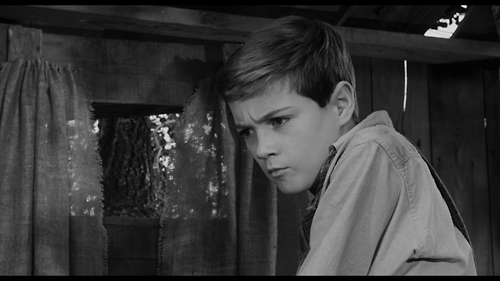
jem finchMia wrote in to the blog a couple of months ago, wondering what kind of name would suit a sibling to her son Bugsy, whose name was chosen by his dad, Lachlan.

Mia wrote in again to say that she was considering the name Marlon for the baby if it was a boy. However, she set her heart on a girl’s name which starts with Mar-, so she abandoned the idea of calling her son Marlon.

Mia and Lachlan’s second son was born on May 22 weighing 5 lb 3oz, and at first the name Thatcher (nicknamed Ted) seemed like the right one for him. But somehow Mia was not 100% convinced that he looked like a Thatcher, and when she talked it over with Lachlan, he confessed he didn’t really love the name.

It took a couple more weeks to make the final decision, but now Mia and Lachlan are absolutely sure of his name, and he is called

JEM RICHMOND,

little brother to Bugsy.

Mia and Lachlan like that it is short and nicknamey, easy to spell, and a regular name that won’t be a hassle, while still being just unusual enough to not stand out next to Bugsy. James is an important name on both sides of the family, so they feel that it is honouring the Jameses, although they didn’t set out to do that. Everyone loves Jem’s name, so it’s been a complete success.

Interestingly, Bugsy is a name from a movie (Bugsy Malone), while Jem is also from a movie (Jem Finch in To Kill a Mockingbird), so they seem a very well-matched pair of brothers. They’re both vintage names, and both quite boyishly cute and casual as well.

Another interesting snippet is that when readers were polled on what kind of name would go best with Bugsy, most respondents picked “A name from the 1920s/30s” – To Kill a Mockingbird is set in the 1930s.

Not only is Jem gorgeous, the rise of hip Atticus and Scout make Jem seem like an undiscovered Mockingbird name – I think people will really “get” Jem, and a couple are going to be kicking themselves they didn’t think of it first.

I love the middle name Richmond too – very sleek and handsome. It made its way onto a name list two years ago – oddly enough, it was published May 22. Spooky!

Congratulations Mia and Lachlan for choosing the perfect name for your son, and putting so much love and thought into the choice. Thanks also for showing people it’s okay to have a change of heart about your baby name, even after the baby is born.

(Photo shows Philip Alford as Jem Finch in To Kill a Mockingbird)

Girls Names from the Top 100 of the 1910s

19 Sunday May 2013

Posted by A.O. in Name Themes and Lists

≈ 18 Comments

Tags

Arthurian names, Astrophel and Stella, band names, classic names, created names, Disney names, Doctor Who, english names, famous namesakes, fictional namesakes, French words, germanic names, Greek names, hebrew names, Hollywood names, honouring, Idylls of the King, Italian names, Latin names, Little Women, locational names, Lord Tennyson, mythological names, name history, name meaning, name popularity, name trends, names from comics, names from movies, names from television, nicknames, Old French names, popular names, retro names, royal names, Russian names, saints names, Sanskrit names, scandinavian names, Shakespearean names, Sir Philip Sydney, Spanish names, unisex names, vintage names, Welsh names, William Shakespeare

P04233.001Amy

Amy is the English form of the Old French name Amée, meaning “beloved”; it’s a form of the Latin name Amata. It was in use in the Middle Ages, and revived in the 19th century. Amy was #32 in the 1900s, and by the following decade had sunk to #58, leaving the Top 100 in the 1920s. Amy disappeared from the charts between 1940 and 1960, but soared in popularity to make the Top 100 in the 1970s, and peaked in the 1980s at #8; by the 1990s it had only dropped one place. Amy had a very gentle decline, and left the Top 100 in 2011, but last year rallied and made #89, showing that there is life in this name yet. No wonder Amy has remained such a favourite – it’s a simple, unpretentious name with a nice meaning, and possesses appealing fictional namesakes from Little Women‘s Amy March to Doctor Who‘s Amelia “Amy” Pond.

Enid

Enid is a Welsh name meaning “soul”. In medieval Welsh legend, Enid is the wife of Geraint, a warrior king who is one of King Arthur’s men. Due to a silly misunderstanding, Geraint believes Enid has been unfaithful, and drags her off on a dangerous journey where she is not allowed to speak to him. Sensible Enid ignores this request, as she often has to warn him of approaching danger. Somehow this road trip from hell doesn’t put Enid off her husband, and in the end the two lovebirds are reconciled. Lord Tennyson turned the legend into two poems for his Idylls of the King, which brought the name to the attention of literature-loving Victorians. Enid was #64 in the 1900s, #49 for the 1910s, and peaked in the 1920s at #40. It left the Top 100 in the 1940s, and hasn’t charted since the 1950s. The most famous Australian Enid is Dame Enid Lyons, the first woman elected to the House of Representatives. Strong yet sweet, and sounding like an anagram of Eden, this is a clunky old-style name which deserves revival.

Gertrude

Gertrude is a Germanic name meaning “spear of strength”. It was used amongst medieval German nobility and royalty, and Saint Gertrude was one of the great mystics of the 13th century. The name probably didn’t become well known in Britain until the 15th century, due to immigration from the Netherlands. Shakespeare used it for the Danish queen in Hamlet, giving it a stamp of approval as an English name. The name seems to have been more common in Australia amongst Catholics, due to its saintly namesake. Gertrude was #54 in the 1900s, #87 in the 1910s, and had left the Top 100 by the 1920s. It hasn’t charted since the 1930s – a very steep decline. However, I feel that this dignified name could have a slight revival, and would make a very hip and cutting-edge choice. The nicknames Gertie and Trudy seem cute and usable.

Helen

Helen is a name of Greek derivation whose meaning has been much debated. Often translated as “light”, “torch” or “the shining one”, the name may be related to a Sanskrit name meaning “swift”. The name is forever connected to its original namesake, Helen of Troy, a woman of staggering beauty. In Greek mythology, Helen was the daughter of Zeus, who came to her mother Leda in the guise of a swan, so that Helen was born from an egg. Married to King Menelaus of Sparta, she was carried off by Prince Paris of Troy, sparking the Trojan War to avenge her abduction, causing no end of trouble for all involved. Famous Helens include singer Helen Reddy, novelist Helen Garner, and opera star Dame Helen “Nellie” Melba. Helen has never left the charts; #77 in the 1900s, it was #71 in the 1910s and peaked in the 1940s at #4. A long-time favourite, it didn’t leave the Top 100 until the 1980s. It reached its lowest point in 2009 at #554, and since then has taken a slight upward turn, making #355 in 2011. With names such as Eleanor and Elena gaining rapidly in popularity, and retro nicknames Nell and Nellie becoming fashionable, classic Helen looks like it has plenty of room for growth.

Joan

Joan is the English form of the Old French name Johanne, a feminine form of Johannes, which is the Latin form of the Greek name Ioannes, from the Hebrew name Yehochanan, meaning “Yahweh is gracious”. The English form of Johannes is John, and Joan is also a Spanish form of John. Joan was introduced to Britain by the Normans, and it was used amongst royalty and the nobility during the Middle Ages. Later it became less common, and had a revival in the 19th century. It is well known from Saint Joan of Arc, the visionary military leader, whose French name is Jeanne d’Arc. Famous Joans include Joan Lindsay, who wrote Picnic at Hanging Rock and opera star Dame Joan Sutherland. Joan was #152 for the 1900s, shot up to make #28 for the 1910s, and peaked in the 1920s at #2. It didn’t leave the Top 100 until the 1960s, and hasn’t been on the charts since the 1970s. For many years, Joan’s image was stout and sensible, but since Mad Men came to our TV screens, Joan Holloway has given it a stylish and sassy edge.

Mavis

Mavis is an English dialect word meaning “song thrush”; it is related to the French word mauvis and appears in literature as a poetic word for the bird. The word was in rare use as a girl’s name, but massively popularised by its use in Marie Corelli’s 1895 novel, The Sorrows of Satan. Although panned by the critics, it is considered the world’s first best-seller. Mavis was #85 in the 1900s, #16 by the 1910s, and peaked in the 1920s at #14. It left the Top 100 in the 1940s, and hasn’t charted since the 1950s. Mavis seems to have been a real Australian favourite, because it was more popular here than in Britain, and much more popular than in the US. In the 1960s, pioneering TV series, The Mavis Bramston Show, set the tone for Australian sketch comedy (a “Mavis Bramston” was theatre slang for an actress who was a pain in the backside). Australian band The Mavis’s were named after a cat. Mavis was a fresh, pretty name in the 1910s, and I think it can be again. It sounds very much like Maeve, and its associations with spring time and bird song are lovely.

Minnie

Minnie can be used as a short form of many different names – Mary, Amelia, Wilhelmina, Minerva, Hermione, or anything similar – and has long been used as an independent name. Famous fictional Minnies include Disney sweetheart Minnie Mouse, the Beano‘s tomboyish Minnie the Minx, and Cab Calloway’s jazzy Minnie the Moocher. These lively vintage creations make Minnie seem appealing, mischievous and off-beat; you can’t imagine a Minnie being tame or dull. Minnie was #56 in the 1900s, and by the 1910s was #100; it hasn’t ranked since the 1940s. With other vintage nicknames like Millie in vogue, piquant Minnie seems more than ready for a comeback.

Olga

Olga is the Russian form of the Scandinavian name Helga, meaning “holy, blessed”. Saint Olga was a 10th century Russian saint and princess, and the first Russian ruler to convert to Christianity. She didn’t convert until she was quite elderly, and before that she was a fierce ruler and brutal military leader. The name Olga was used by the Russian imperial family, and Mount Olga in the Northern Territory is named after Queen Olga of Württemberg, a daughter of Nicholas I of Russia. Olga was #88 in the 1900s, and peaked in the 1910s at #60. It left the Top 100 in the 1930s, and last charted in the 1980s. I am not sure why Olga became such a trend in this decade; I can only think it had something to do with the Russian Imperial Family, who would have often been in the news during World War I, and who were overthrown in 1917. Today we might connect the name to actress Olga Kurylenko, who played Bond girl Camille in Quantum of Solace and recently appeared in Oblivion. On Nancy’s Baby Names, people debated whether Olga was a “horrid” name; although some find it ugly, others could find it clunky and hip. This would be a bold choice which still seems exotic.

Stella

Stella is the Latin for “star”, and it was created as a name by 16th century poet Sir Philip Sydney in his sonnet sequence Astrophel and Stella. It is believed that Stella was inspired by real-life noblewoman Lady Penelope Rich, so endowed with dark-eyed, golden-haired beauty that it was practically mandatory for the poets of the day to fall in love with her (or pretend to), and dash off poems in her honour. Apparently unmoved by their literary efforts, she instead chose as her lover a handsome, wealthy and ruthless baron. Perhaps Sydney saw Lady Rich like a distant star – beautiful, glittering, cold, and unattainable. Stella wouldn’t have seemed too crazy as a name, because the Old French name Estelle is based on the Latin stella, and had been in use since the Middle Ages, and the Virgin Mary had for centuries been known as Stella Maris (“Star of the Sea”). Stella is a classic name in Australia. It was #48 in the 1900s, and #70 in the 1910s; by the 1920s it had left the Top 100. It reached its lowest point in the 1980s at #563, and since then has mostly climbed, reaching the Top 100 in the late 2000s. It is currently #52 in New South Wales, and still rising. You can understand why parents continue to use this pretty, star-like name, which fits in with the trend for -ella names.

Veronica

Veronica is a Latin form of the Greek name Berenice, which means “bringing victory”; the spelling was altered to make it seem as if it was based on the Latin phrase vera icon, meaning “true icon”. Saint Veronica is a legendary saint who is said to have been so moved to pity when she saw Jesus on his way to Calvary that she wiped his face with her veil. By a miracle, the image of his face was impressed upon it, and this cloth could then be used to heal the sick, or even bring the dead back to life. This legend, which comes from the Eastern church, was very popular in the Middle Ages, and several of these veils were venerated as holy relics until their cult was suppressed. Veronica was first used as a girl’s name in Italy, and spread from there. In Australia, Veronica was #63 for the 1900s and #69 for the 1910s; it didn’t leave the Top 100 until the 1950s. It has never stopped charting, and is currently at its lowest point yet – #356. Veronica has something of a glamorous image. Hollywood femme fatale Veronica Lake lent her name to Veronica Lodge from the Archie comics, with the comics themselves suggesting that “a Veronica” was a stunning high-maintenance girl. This was picked up by 1980s mean girls cult flick Heathers, with Winona Ryder as Veronica, and Australian girl band The Veronicas called themselves after Ryder’s character. This is an underused classic which seems sophisticated, with dark undertones.

POLL RESULT: People’s favourite names were Stella, Helen, and Minnie, and their least favourite were Gertrude, Joan, and Olga.  

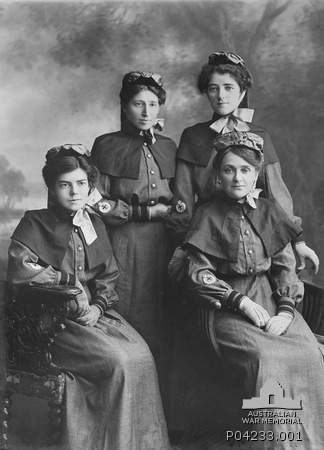
(Photo is of Australian World War I nurses; standing at the back on the right is Sister Constance Keys, who was mentioned in the post on Gallipoli. These nurses received military decorations for their heroism, and all made it back to Australia at the end of the war)

Will Olive Become Too Popular?

18 Saturday May 2013

Posted by A.O. in Naming Assistance

≈ 8 Comments

Tags

Biblical names, choosing baby names, classic names, honouring, middle names, name popularity, sibsets, underused classics, vintage names

OlivesSophie and Michael are expecting their second child in a couple of months, who will be a brother or sister to their daughter Mary. If it’s a boy, he will be named Harry, which is a family name, but girls names have proved harder to decide upon. Sophie and Michael’s surname begins with a hard C and ends in an OH sound eg Carrow, and they are hoping to use family name May in the middle, but for the right name they could change it.

Sophie and Michael’s Name List

  • Olive – this is their first choice, but Sophie is worried it could become too popular in the future
  • Alice – a name both of them like
  • Tabitha – Lucy’s choice
  • Gertrude – Lucy’s choice; a family name
  • Annabelle – Michael’s choice

Names Rejected

  • Matilda and Millicent – don’t want another name starting with M
  • Cate – really like it, but doesn’t match with surname

Sophie is very concerned about popularity, and definitely wouldn’t consider any name in the Top 20. She loves that she has has never met another little Mary. They are looking for a name which is original, but not too “out there”; ideally an under-the-radar classic which is clunky, currently under-used, and enduring. They prefer shorter names which can’t be abbreviated to a diminutive form.

~ ~ ~ ~ ~ ~ ~ ~ ~ ~

Your Name List

Olive

This is a spunky little name which sounds nice with your surname and would make an adorable sister for Mary. No wonder it’s your favourite choice! Realistically, if you had an Olive she would be statistically unlikely to share her classroom with anyone else of that name, but I can see you might be worried about future popularity.

Alice

A pretty classic which isn’t even in the Top 50 in your area, and rising sedately in popularity. I’m crazy about Mary and Alice as sisters, and if you decided that Olive was too “risky” a choice for you, despite being more popular, Alice would probably be safer.

Tabitha

Very cute name which I think would be an excellent choice. If popularity is a real concern, then Tabitha is very under-used, and likely to remain so.

Gertrude

I think Gertrude would be quite a hip choice, and Mary and Gertrude definitely make an old-style name set. Gertrude is easily shortened to Gertie or Trudy though.

Annabelle

Very pretty and feminine, and now losing popularity rather than gaining. I would prefer the Scottish Annabel spelling with your surname though, and Mary and Annabel somehow feels a better match than Mary and Annabelle. I read on Nameberry somewhere that men prefer Annabelle though!

Other Names You Might Like

Vera

A simple vintage name which has just rejoined the charts, and has the same V sound as Olive. If Olive has gone from hip to fashionable, Vera still feels like it’s at the hip phase.

Florence

A similar sound and feel to Alice, but more fashionable and much less popular (although rising nicely). I like Mary and Florence together, and I think this sounds fantastic with your surname. Florence does lend itself to several nicknames though.

Jemima

Reminds me of Tabitha – both three-syllable clunky-stylish Biblical names with animal-related meanings that joined the charts in the 1960s and have never made the Top 100. Neither of them have an obvious nickname either.

Greta

Has the same clunky sound as Gertrude, yet while Gertrude is at the proto-hip stage, Greta has been hip seemingly forever. On and off the charts, it’s often in use, but never come anywhere near being popular.

Lydia

Lydia has that quirky upper-class feel of Annabelle and is from the New Testament like Tabitha. This name is a genuine underused classic, having never left the charts while never joining the Top 100.

June

Simple, pretty vintage name with a fashionable OO sound, and a great match as a sister to Mary. You couldn’t use May as the middle name, but June Annabelle is cute.

Willa

Has never charted in Australia, but fast becoming a hip name choice. I could see this as the Olive of the future … a nice long time in the future!

~ ~ ~ ~ ~ ~ ~ ~ ~ ~

I wonder if you would have already decided on Olive if you weren’t worried about its future popularity? Olive didn’t even make the Top 100 in your area last year, but that’s probably not much comfort. It’s a fashionable name, has got a celebrity “buzz” around it, and you’ve already seen little Olives appearing in your neighbourhood. You may have even read my article where I note that Olive is currently on the same trajectory that Ruby was 15 years ago.

I think you have to ask yourself exactly how upset you would be if Olive became popular down the track, and exactly why it would bother you. This is something far more likely to bug you than your daughter. Children usually like their own name, and often bond with others who share it.

I’ve noticed that girls who were given a name rising in popularity nearly always love their name, probably because they are receiving constant subtle reminders that others value it. Your own name is more popular now than it would have been when you were born – has that really been a problem for you?

You also have to ask yourself – what happens if you don’t pick Olive, and the name never does become that popular? Would you be regretful that you didn’t go with your first choice, based on something that might happen?

At the very least, if you did go with Olive, you would be doing so with your eyes open, knowing that it could become popular in time, and resigned to that happening.

In my experience, savvy parents who choose the name they love best even while foreseeing future popularity don’t end up with many regrets. There might be an occasional twinge of annoyance at meeting yet another baby with their child’s name, or an eye roll when the name data comes out, but in general they are happy they went with their favourite name, and glad that they got to pick it while it was still fresh.

You don’t need to make a choice now – you don’t even know if you’re having a girl, and you already have a great list of names up your sleeve if you ultimately decide that Olive isn’t right for you.

Good luck, and let us know what name you went with!

UPDATE: The baby’s name is Olive!

POLL RESULT: People preferred the second choice of Alice for Mary’s sister, at 21% of the vote, but Olive wasn’t far behind in the #2 position at 18%.


← Older posts
Newer posts →

Enter your email address to follow this blog

Categories

Archives

Recent Comments

A.O.'s avatarwaltzingmorethanmati… on Zarah Zaynab and Wolfgang…
Madelyn's avatarMadelyn on Zarah Zaynab and Wolfgang…
JD's avatardrperegrine on Can Phoebe Complete This …
A.O.'s avatarwaltzingmorethanmati… on Rua and Rhoa
redrover23's avatarredrover23 on Rua and Rhoa

Blogroll

  • Appellation Mountain
  • Baby Name Pondering
  • Babynamelover's Blog
  • British Baby Names
  • Clare's Name News
  • For Real Baby Names
  • Geek Baby Names
  • Name Candy
  • Nameberry
  • Nancy's Baby Names
  • Ren's Baby Name Blog
  • Sancta Nomina
  • Swistle: Baby Names
  • The Art of Naming
  • The Baby Name Wizard
  • The Beauty of Names
  • Tulip By Any Name

RSS Feed

  • RSS - Posts

RSS Posts

  • Celebrity Baby News: Melanie Vallejo and Matt Kingston
  • Names from the TV Show “Cleverman”
  • Can Phoebe Complete This Sibset?
  • Zarah Zaynab and Wolfgang Winter
  • Baby, How Did You Get That Name?
  • Celebrity Baby News: Media Babies
  • Celebrity Baby News: Adelaide Crows Babies
  • Celebrity Baby News: Chris and Rebecca Judd
  • Names at Work: Name News From the World of Business and Employment
  • Celebrity Baby News: Sporting Round Up

Currently Popular

  • Celebrity Baby News: Jacinta Allan and Yorick Piper
  • The Top 100 Names of the 1940s in New South Wales
  • Celebrity Baby News: Jacinta Allan and Yorick Piper
  • Celebrity Baby News: Jason Morrison and Heidi Tiltins
  • The Top 100 Names of the 1930s in New South Wales

Tags

celebrity baby names celebrity sibsets english names famous namesakes fictional namesakes honouring locational names middle names name combinations name history name meaning name popularity name trends nicknames popular names saints names sibsets surname names twin sets unisex names

Create a free website or blog at WordPress.com.

Privacy & Cookies: This site uses cookies. By continuing to use this website, you agree to their use.
To find out more, including how to control cookies, see here: Cookie Policy
  • Subscribe Subscribed
    • Waltzing More Than Matilda
    • Join 517 other subscribers
    • Already have a WordPress.com account? Log in now.
    • Waltzing More Than Matilda
    • Subscribe Subscribed
    • Sign up
    • Log in
    • Report this content
    • View site in Reader
    • Manage subscriptions
    • Collapse this bar
 

Loading Comments...