• About
  • Best Baby Names
  • Celebrity Baby Names
  • Celebrity Baby Names – Current
  • Celebrity Baby Names – Past
  • Featured Boys Names
  • Featured Girls Names
  • Featured Unisex Names
  • Links to Name Data
  • Waltzing on the Web

Waltzing More Than Matilda

~ Names with an Australian Bias of Democratic Temper

Waltzing More Than Matilda

Tag Archives: fictional namesakes

The Fastest Rising Top 100 Names of 2015

23 Monday May 2016

Posted by A.O. in Naming Issues

≈ 2 Comments

Tags

famous namesakes, fictional namesakes, international name trends, name trends, popular names

maleficent mark 2GIRLS

Aurora
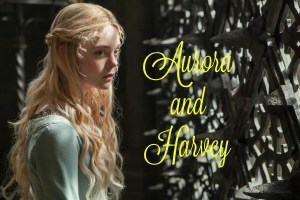
Aurora joined the Top 100 in 2015 and was the fastest-rising girl’s name in the country, going up at least 23 places to make #78. Aurora was also new to the Top 100 in New South Wales, Victoria, and Queensland, and among the top-rising names in those states. Princess Aurora is the name of the Sleeping Beauty in the animated 1959 Disney film, and the name received fresh attention after the 2014 live-action film Maleficent, a revisionist re-telling; Princess Aurora was played by Elle Fanning. A golden name associated with true love’s kiss, Aurora shares a similar sound with popular Aria. Already popular and rising in New Zealand, the US, Italy, Portugal, Switzerland and Norway, Aurora is rising in the UK.

Billie
Billie was another Top 100 debut last year, gaining at least 19 places to make #82, and joined the Top 100 in New South Wales. It was the fastest rising girl’s name in Victoria, where it was already a Top 100 name. Billie first charted in the 1930s and ’40s, and rejoined the charts in the 1970s. It has been zooming up the charts since 2010, when the hit TV drama series Offspring first screened, with Kat Stewart as straight-talking big sister Billie Proudman. This retro name is only a success story in Australia, so has genuine local appeal.

Penelope
Penelope was one of the fastest-rising names of 2013 when it rejoined the Top 100 that year, and in 2015 it rose 17 places to #62. It was also the fastest-rising girl’s name in Queensland, and among the top rising names in New South Wales, Victoria, and Tasmania. Chosen by a number of celebrities for their babies, this is a name with star power. Also popular in New Zealand and the US, it is rising in Europe and only just outside the Top 100 in the UK.

Piper
Piper has been solidly on the Top 100 since 2008, rising after the witchy TV series Charmed, with Holly-Marie Combs as sensible sis Piper Halliwell. Last year it rose 17 places to #49, joining the Top 50, and was one of the fastest-rising girl’s names in New South Wales. The name was boosted by women’s prison drama Orange is the New Black, starring Taylor Schilling as upmarket drug smuggler Piper Chapman. Already popular and rising in the US and New Zealand, Piper is also rising in the UK.

Eve
Eve was last on the Top 100 in 2013, and after a year away returned in 2015, rising at least 14 places to #87. It rejoined the Top 100 in New South Wales and the Australian Capital Territory, and was one of the top rising girl’s names in Victoria and the Australian Capital Territory. In 2014 Evelyn was one of the fastest rising names, and it is no surprise that clean, stripped-back Eve has taken its place. Fitting in with short V-sound names like Ava and Ivy, Eve is a natural choice for someone wanting the nickname Evie. Apart from Australia, Eve is only popular in Ireland, Northern Ireland, and Scotland – it’s used to Anglicise the Irish name Aoife, giving it another layer of meaning.

BOYS

Harvey
Harvey debuted in the Top 100 last year, and was one of the top rising names of 2014. In 2015 it did even better, becoming the fastest rising boy’s name in the country, rising 31 places to reach #53, and was one of the fastest rising boy’s names in New South Wales, Queensland, and Tasmania. Harvey benefits both from the fashionable V sound, as in Oliver, and the AR sound found in names such as Archer and Darcy. Harvey also joined the Top 100 in New Zealand last year, and has been popular in the UK for many years.

Theodore
Theodore was another Top 100 debut of 2014, and last year made significant gains, rising 30 places to #66. It was the fastest rising boy’s name in New South Wales, and among the top rising names in Victoria and Tasmania. Among its many attractions are the nicknames Theo and Ted, already gaining in popularity as independent names – Teddy cannot be far behind, and even Bear is a possible nickname. Theodore is also popular and rising in New Zealand, the US, and UK.

Nathaniel
Nathaniel debuted in the Top 100 of 2013, and was one of that year’s fastest rising names. While it fell significantly the following year, Nathaniel has bounced back, rising 20 places to #80, and was one of the top rising boy’s names in new South Wales. This name provides a way to get to popular Nate. A busy namesake for the year was the singer Nathaniel, who released his first album, with the single going platinum and a cover song being chosen as the theme for I’m a Celebrity … Get Me Out of Here! Nathaniel has been popular in the US since the 1970s, and we seem to be catching up just as they prepare to let go of it.

Beau
Beau has been in the Top 100 since the 1980s, so is an old favourite, although it has never become very popular. Nonetheless it had a surprise jump in 2015, going up 19 places to #61, and was the fastest rising boy’s name in Victoria. I had a request to cover the name Beau last year, and I’m impressed by how quickly blog readers tune in to name zeitgeist – Penelope had a huge leap after I was asked to cover it, and now even reliable old Beau has made significant gains. Blog readers know! Beau is only popular in Australia and New Zealand, but is rising in the US.

Carter
Carter debuted in the Top 100 in 2014, and last year went up to 19 places to #79; it was also the fastest rising boy’s name in New South Wales for 2015. Surnames are on trend (and not just for boys – hello Piper!), and Carter has that fashionable AR sound shared with Harvey. Carter is already popular in New Zealand, the US, and Northern Ireland, and rising fast in the UK.

POLL RESULTS

The public’s favourite fastest-rising names of 2015 were Eve and Theodore, and their least favourites were Piper and Carter.

 

Boys Names from the Top 100 of the 1950s

08 Sunday May 2016

Posted by A.O. in Name Themes and Lists

≈ Comments Off on Boys Names from the Top 100 of the 1950s

Tags

aristocratic titles, classic names, english names, epithets and titles, famous namesakes, fictional namesakes, French names, Gaelic names, Greek names, imperial names, Indian names, Irish names, locational names, mythological names, name history, name meaning, name popularity, names from movies, nicknames, papal names, Roman names, royal names, saints names, Scottish names, surname names

r556127_3326529

Adrian
From the Roman name Hadrianus, meaning “from Hadria”. Hadria (now called Adria) is a town in northern Italy. Its name may be from the River Adria, named from the Venetic word adur, meaning “water, sea”. It has given its name to the Adriatic Sea, to which the river was once connected. A famous Roman namesake is Publius Aelius Hadrianus, otherwise known as the Emperor Hadrian, well known for the wall he built across northern England. There have been many saints named Adrian, including Adrian of Canterbury, an African-born English scholar famous for his learning. There have also been six popes named Adrian. The name Adrian has been used in Britain since the Middle Ages, but only became common in the 19th century. Adrian was #144 in the 1900s and joined the Top 100 in the 1940s; by the 1950s it was #94. It peaked in 1976 at #38 and left the Top 100 in 2004; it is currently around the 100s so still in reasonable use. This is a classic which has been superseded by Aidan, but a reliable choice which is still widely popular around the world.

Christopher
From the Greek name Christophoros, meaning “bearing Christ”; it was a name chosen by early Christians to indicate they held Jesus Christ in their hearts. The legendary St Christopher is said to have carried the Christ Child across a river, making the name’s meaning literal. Christopher seems to be a title or epithet of the Egyptian martyr St Menas, and the story is very similar to one told of the hero Jason in Greek mythology. Christopher is a hugely popular saint, and you may even know someone who has a St Christopher medal to keep them safe, as he is the patron of travellers, athletes, surfers, and sailors. Christopher has been used as an English name since the Middle Ages, and has remained in constant use for centuries. Famous Australian namesakes include poet Christopher Brennan, winemaker Christopher Penfold, Federal Minister Christopher Pyne, statistician Professor Christopher Heyde, and actor Chris Hemsworth. Christopher was #97 in the 1900s and left the Top 100 in the following decade. It returned in the 1940s and by the 1950s was #11, peaking at #2 in the mid 1980s. Christopher just left the NSW Top 100 in 2015, so is still common here, and popular in the English-speaking world.

Darryl
Variant of the English surname Darrell, from the Norman-French D’Airelle, meaning “from Airelle”; Airelle in Normandy means “courtyard”. Although Darrell has been used since the 17th century, the variant Darryl didn’t come into common use until the 19th. Darryl entered the charts in the 1930s at #174, and was on the Top 100 by the 1950s, when it was #80 for the decade. This corresponds to the period when Darryl F. Zanuck was head of Twentieth Century Fox. That was also its peak, and it left the Top 100 in 1969; it hasn’t charted since the 1990s (Daryl has a similar history, but slightly less popular). A famous fictional namesake is cheerful battler Darryl Kerrigan from The Castle, voted the favourite Australian film character of all time. Is that enough to give Darryl another go around the block? Some would say you’re dreaming to think it.

Denis
From a medieval French form of Dionysius, derived from Dionysos, the Greek god of wine. The god’s name combines his father’s name, Zeus, with Nysa, the mythological region where he was raised. Dionysius was an extremely common name in ancient Greece, and the name continued to be used in the Christian era. There is a Dionysius in the New Testament, a judge of Athens converted by St Paul. A number of saints have the name, and a pope as well. However, the most famous is the Dionysius who became bishop of Paris in the 3rd century and was martyred; he is known as St Denis and is one of the patrons of France. According to legend, after being decapitated he picked up his head and walked several miles with it, preaching sermons the whole way. He seems to have started a trend, as after that it became fashionable for saints, especially French ones, to carry their own heads. St Denis was very popular, and his name was introduced to England by the Normans. It became a great favourite in Ireland. Denis was #109 in the 1900s, and joined the Top 100 in the 1930s. It peaked in the 1940s at #41, and by the 1950s was #73. It left the Top 100 in 1957, and hasn’t charted since the late 2000s. The surname form Dennis has always been more popular, and this spelling is still in use.

Gary
Surname usually said to be a variant of the surname Geary, a medieval English nickname for names such as Gerard and Gerald, and thus another form of Gerry or Jerry. In Ireland Geary is used to anglicise the Gaelic name O Gadhra, meaning “son of Gadhra”, with the name Gadhra meaning “dog”. The surname Gary is more common in Ireland as a contraction of McGarry, from the Gaelic name Mag Fhearadhaigh, meaning “son of the brave”. Gary has often been understood as a pet form of Gareth, even though that isn’t its origin. Gary has been used as a boys name since perhaps the 16th century, coming into common use by the 19th. Gary entered the charts in the 1930s when Gary Cooper began his Hollywood career in films such as A Farewell to Arms. The name Gary was in the Top 100 by the 1940s and peaked in 1952 at #8, the year Gary Cooper starred in classic Western High Noon. Gary left the Top 100 in 1985, and hasn’t charted since the early 2000s. Its downfall is usually attributed to the numerous child sex offence charges against British pop star Gary Glitter (real name Paul Gadd) although it had already left the Top 100 long before he was first arrested. Garry had a similar history, but was a bit less popular.

Glenn
Scottish surname meaning “narrow valley”. It has been used as a personal name since the 18th century, becoming more common in the 19th. Glenn joined the charts in the 1940s, just as Hollywood star Glenn Ford was making his name known in war drama So Ends Our Night, and appearing in early film noir Gilda. It was in the Top 100 by the 1950s when it made #40 for the decade, peaking at #17 in the early 1960s, around the time Glenn Ford starred in epic Western Cimarron. It left the Top 100 in 1987, and hasn’t charted since the 1990s. There are a number of Glenns in the field of music, including pianist Glenn Gould, jazz star Glenn Miller, Glenn Frey from The Eagles, heavy metal guitarist Glenn Hughes, and Glenn Tilbrook from Squeeze. In Australia there is cricketer Glenn McGrath, and rugby league star turned politician Glenn Lazarus. Glenn is a simple nature name that could still appeal – in a discussion I had with other parents, Glenn was the 1950s boy’s name most people wanted revived. Glen had a similar history, but was less popular.

Keith
Scottish surname from the lands of Keith in East Lothian, whose name is said to come from a British word meaning “wood”. In the 11th century, the lands were supposedly given to a Germanic warrior of the Chatti tribe who helped defeat invading Danes, and some believe the name may be German in origin. The Clan Keith held a hereditary title as protector of the King of the Scots, and took leading roles in the Scottish Wars of Independence. One of the most powerful of the Scottish clans, various Keiths have been appointed ambassadors and keepers of the crown jewels, so have always had close ties with royalty. Keith has been used as a personal name since the 18th century; from the beginning it had strong associations with Scotland. The name became popular in the 19th century, perhaps due to George Elphinstone, Baron Keith, an admiral during the Napoleonic Wars. Keith was #43 in the 1900s, peaking in the 1920s at #8. By the 1950s it was #44 for the decade; it left the Top 100 in 1970, and hasn’t charted since the late 2000s. I do see the occasional baby named Keith (could country singer Keith Urban be an influence?), so this name is still going long past its peak, and could experience a revival in the future.

Neil
Based on the Irish name Niall, perhaps derived from the Old Irish word niadh, meaning “champion, warrior”, or from nel, meaning “cloud”. The most famous Niall in history is the semi-legendary 5th century Irish king Niall of the Nine Hostages. The name Niall was popular in medieval Ireland and Scotland. It was adopted by the Vikings, who had strong ties with Ireland in the Middle Ages, and the name was taken to Scandinavia in the form Njall. The Normans, who were of Viking stock, brought the name to England, although the name already existed in the north, where it had been introduced from Ireland or by Scandinavian settlers. Neil was in use by the 17th century, and originated in Scotland, perhaps influenced by the surname McNeil, meaning “son of Niall”. Neil was #110 in the 1900s and joined the Top 100 the following decade. It peaked in 1955 at #33 and left the Top 100 in 1986. It is currently around the 600s, and the Indian name Neel, meaning “blue”, is more common. Neil is still a pleasant Gaelic choice with some cool namesakes, including astronaut Neil Armstrong, singer Neil Young, and Beat muse Neal Cassady.

Shane
Anglicised form of Séan, the Northern Irish version of Seán, pronounced SHAYN rather than SHAWN, and an Irish form of John. Shane has been in common use since the 19th century, and was strongly associated with immigration from Ireland. The name became famous because of the classic 1953 Western film Shane, with Alan Ladd in the title role as the mysterious stranger who rides into a little Wyoming valley and becomes a guardian, teacher, and inspiration to a family of settlers still unskilled in the ways of the West. The name Shane rocketed into the Top 100 from nowhere in 1954, and was #69 for the decade. It peaked in 1973 at #12 and left the Top 100 in 1997 (cricketer Shane Warne doesn’t seem to have helped, even at the peak of his success). It is now around the 500s and drifting away like its famous namesake – will anyone ever cry out, Come back, Shane!, I wonder?

Wayne
English occupational surname for a wagon-driver or wagon-maker, from the Old English waegn, meaning “cart, wagon”. It has been used as a personal name since the 18th century, and was more common in the United States – probably because of Anthony Wayne, who was General in Chief of the Army during the American Revolutionary War. The name Wayne first charted in the 1930s, the decade when Hollywood star John Wayne began his career in Western films; he hit the big time in 1939 with Stagecoach. Interestingly, 1939 was also the year that superhero Batman first appeared, the alter ego of billionaire playboy Bruce Wayne; this seems significant, although the creators named him after Anthony Wayne. Wayne was in the Top 100 by the 1940s and peaked in 1955 at #11, the year after John Wayne starred in airline disaster flick The High and the Mighty. It left the Top 100 in 1987 and hasn’t charted since the 1990s, the name disappearing after the Wayne’s World movies with Mike Myers as partying slacker Wayne Campbell. This name is no longer excellent, which is bogus and sad.

POLL RESULTS

The public’s favourite 1950s names were Adrian, Christopher and Neil, and their least favourites were Darryl, Denis and Gary.

(Picture shows At Newport, 1952, by classic Australian photographer Max Dupain; now held at the Art Gallery of NSW)

Girls Names from the Top 100 of the 1950s

01 Sunday May 2016

Posted by A.O. in Name Themes and Lists

≈ 1 Comment

Tags

aristocratic names, Biblical names, celebrity baby names, english names, European name popularity, famous namesakes, fictional namesakes, flower names, French names, germanic names, hebrew names, Irish names, Latin names, locational names, middle names, name history, name meaning, name popularity, name trends, names from movies, names from television, names from video games, nature names, nicknames, plant names, royal names, saints names, screen names, Spanish names, surname names

De104960

Annette
French pet form of Anne. It was in common use by the 18th century, not only in France and French-speaking countries, but in the English-speaking world, Central Europe, and Scandinavia. Annette sprang straight into the Top 100 in the 1930s; a famous namesake from this era was singer Annette Hanshaw, one of the most popular radio stars of the decade. The name peaked in the 1950s and ’60s at #41, perhaps inspired by 1950s Mousketeer Annette Funicello, who starred in teen beach movies in the 1960s. Two famous Australian namesakes are feminist and political activist Annette Cameron, and early 20th century swimming star Annette Kellermann. It would be easy to dismiss Annette as a tired 1950s name, but there’s still something sweet and elegant about it, and it doesn’t seem strange next to popular names like Annabelle, especially as French names like Estelle are gaining in favour. Annie and Nettie are the standard nicknames.

Beverley
English surname from the town of Beverley in Yorkshire; in the Middle Ages one of the wealthiest towns in England, and a centre for pilgrimage with its own patron saint, John of Beverley. The town’s name is from the Old English for “beaver lake” or “beaver clearing”, as there were once beaver colonies in the nearby River Hull. Beverley has been used as a personal name since at least the 18th century, and from the beginning was given to both sexes, but mostly to boys. One of the reasons it became more common for girls in the 20th century could be silent film star Beverly Bayne (born Pearl, she used her middle name). Beverley has charted in Australia since the 1910s, the beginning of Beverly Bayne’s career, debuting at #321. It rocketed into the Top 100 in the 1930s, peaking in the 1940s at #13. By the 1950s it was #56, and it left the Top 100 in the 1960s, falling off the charts in the 1980s. Unisex-style surname names for girls are on trend, and Beverley is just Everley with a B, yet a comeback seems unlikely.

Heather
The common name for the widespread hardy shrubs; the plant name was later influenced by the word heath, as they grow on heathlands and moors. Heather is one of the symbols of Scotland, as it grows abundantly in the Highland hills. White heather is supposed to lucky, probably because it’s rare. Heather has been used as a girl’s name since at least the 17th century, but did not come into common use until the 19th, when flower names became fashionable. Heather was #128 in the 1900s and joined the Top 100 in the 1910s, peaking in the 1930s at #30. By the 1950s it was #47, and it left the Top 100 in the 1970s, leaving the charts altogether in 2010. The film Heathers gives it a dark edge, but the lovely Heather Jelly, played by Kerry Armstrong in SeaChange, brings a touch of suburban fantasy to it. It’s a flower name that’s strong and sensible rather than feminine and frilly, and might well appeal to a future generation.

Jill
Variant of Gill, short for Gillian, an English feminine form of Julian which dates to the Middle Ages. It’s perhaps most famous as the heroine of the old nursery rhyme, the girl who comes tumbling down the hill after Jack. At one time, Jill was used to mean any young girl or sweetheart (just as Jack meant any lad). It didn’t become common as an independent name until the 19th century – I wonder if that’s because it’s when Jack and Jill became widely published? Attractive fictional Jills include brave Jill Pole in the Narnia novels by C.S. Lewis, and P.G. Wodehouse’s flapper-era Jill the Reckless. A more modern example is tough heroine Jill Valentine from the Resident Evil game franchise. Jill entered the charts in the 1920s at #171, and was in the Top 100 by the 1930s at #45, which was also its peak. It was #73 by the 1950s, and left the Top 100 in the 1960s, leaving the charts in the 1990s. Vintage short forms like Tess, Nell and Mae are in vogue, and there seems no convincing reason why spunky Jill could not be used.

Judith
In the Old Testament, Judith is a beautiful widow who saved her people by seducing an enemy general of the Assyrians and decapitating him while he was drunk. The Book of Judith doesn’t fit any historical facts, and so is accepted as a parable or religious fiction; however, it has been a popular subject in literature, art, and music. There’s another Judith in the Bible – one of the wives of Esau, Jacob’s twin brother. Judith is the feminine form of the Hebrew name Judah, meaning “praise”. It has been in use since the Middle Ages and was traditional among European nobility and royalty. An early celebrity baby was Judith Shakespeare, the Bard’s daughter, and twin sister of Hamnet. Famous Australian namesakes include actress Dame Judith Anderson, poet Judith Wright, singer Judith Durham, and comedian Judith Lucy. Judith entered the charts in the 1910s at #248, and was in the Top 100 by the 1920s. It peaked in the 1940s at #3, and by the 1950s was #8; it left the Top 100 in the 1970s, and the charts in the 1990s. Mature and substantial, Judith seems almost ready for a comeback, and the nickname Jude is positively cool.

Leonie
From the French name Léonie, feminine form of the Latin name Leonius. It can be seen as a feminine form of Leo, with the same meaning of “lion”. In use since at least the 18th century, it soon spread to the English-speaking world as well as Central Europe; it is still popular in France, Switzerland, Germany, and Austria. Famous Australian namesakes include distinguished academic Dame Leonie Kramer, senior journalist Leonie Wood, and actress Leonie “Noni” Hazlehurst; it’s also the name of Chris Hemsworth’s mother. Leonie entered the charts in the 1910s at #338 and was in the Top 100 by the 1940s. It peaked in the 1950s at #55, left the Top 100 in the 1970s, and was off the charts by the early 2000s. This is a 1950s name that still sounds pretty and elegant, fits in with the trend for animal names, and has the advantage of never being highly popular.

Linda
Originally a Latinised short form of medieval Germanic names such as Sieglinde, or short for names such as Irmilinda; in these cases, the -linde or -linda meant “soft, tender”. However in the modern era, Linda is given because of the Spanish word linda, meaning “pretty”. Linda has been used as a personal name in Spain since perhaps the 17th century, and spread to other countries. The 19th century opera Linda di Chamounix by Donizetti helped popularise it in the English-speaking world, and Nancy Mitford’s novel The Pursuit of Love, with beautiful Linda Radlett as its focus, has some plot elements in common with the romantic opera. Linda was #53 in the 1900s, and left the Top 100 in the 1920, sinking to #189 in the 1930s. It returned in the 1940s and was #24 in the 1950s, peaking at #12 in 1963. Linda left the Top 100 in the early 1980s, falling after Alice Lynn “Lindy” Chamberlain was falsely convicted of her daughter’s death, and hasn’t charted since 2009. Linda is a classic with a lovely sound and meaning which now feels dated, along with its ‘sixties sisters Melinda and Belinda. Although it does not sound that odd next to today’s Lilys and Laylas, most will probably believe it needs a rest before rediscovery.

Maureen
Anglicised form of the Irish name Máirín, a pet form of Máire, the Irish form of Mary. A modern name, Maureen came into common use in the 19th century, with significant use in Ireland. Maureen joined the charts in the 1910s at #271, and was in the Top 100 by the 1930s, when Irish-American film star Maureen O’Sullivan, who played Jane in several Tarzan films, married Australian-born film director John Farrow. The name peaked in the 1940s at #18, when gorgeous Irish-American actress Maureen O’Hara was starring in such films as How Green Was My Valley and Miracle on 34th Street. By the 1950s it was #42, and by the 1960s had left the Top 100; it hasn’t charted since the 1980s. It may not be currently fashionable, but Maureen does not seem horribly old-fashioned, as there are so many contemporary and even rather hip namesakes. Who could forget Maureen “Mo” Tucker from The Velvet Underground, or writer and activist Maureen Duffy? Bisexual performance artist Maureen Robinson from the musical Rent shares her name with a time-evading mama in the sci-fi Future History series by Robert Heinlein. Another generation might find Maureen strong and attractive, and even now it could appear clunky and cool.

Susan
English form of the Hebrew name Susanna, meaning “lily”; it has been in use since the Middle Ages. Famous Australian namesakes include Justice of the High Court Susan Kiefer; socialite Lady Susan Renouf; long distance swimmer Susan “Susie” Maroney; and Susan Cullen-Ward, who became Queen Susan of Albania. Susan was #149 in the 1900s, and was in the Top 100 by the 1940s, peaking as the #1 name of the 1950s; the name’s popularity was influenced by Hollywood star Susan Hayward. It left the Top 100 in the 1980s, and last charted in 2010. Susan was a favourite name in children’s fiction, so you might have grown up with Susan Pevensie in the Chronicles of Narnia, Susan Walker in Swallows and Amazons, Susan Garland from The Country Child, Little Friend Susan from Milly-Molly-Mandy, Susan from The Weirdstone of Brisingamen, or Susan from Worzel Gummidge. This is a charming classic which has suffered from being a mid-century #1 now at the ebb of its cycle, leading to much hand-wringing. Depending on your point of view, you will either think it’s too dated and needs more time before it feels fresh again, or can see that choosing Susan will put you way ahead of the curve when ‘fifties names make a comeback.

Yvonne
Ultimately the feminine form of the medieval Germanic name Ivo, thought to be a short form of names beginning with Iv-, meaning “yew”. Because yew wood is used to make bows, the name can be glossed as “bowman, archer”. In French, the name became Yves, hence Yvonne. Although introduced to England by the Normans, the name died out and only became common again in the 19th century. Famous Australian namesakes include opera singers Yvonne Minton and Yvonne Kenny, and rugby league commentator Yvonne Sampson, but the most famous is tennis champion Evonne Goolagong Cawley, one of the great players of the 1970s and ’80s. Yvonne joined the charts in the 1910s at #165 and was in the Top 100 by the following decade. It peaked in the 1930s at #26 and by the 1950s by #68. It left the Top 100 in the 1970s and hasn’t charted since the early 2000s. Yvonne seems dated, except that the strong V sound is still on trend, and popular Evie could be used as the nickname. I see baby girls with names like Evanne, Yvanna and Yvaine, so it feels more like a name that has evolved rather than simply gone out of use.

POLL RESULTS

The public’s favourite 1950s names were Leonie, Annette and Heather, and their least favourites were Linda, Maureen and Beverley.

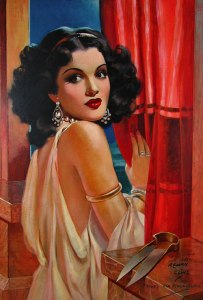
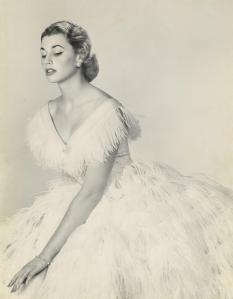
(Picture of 1950s model from an exhibition of Melbourne fashion photography by Athol Shmith held at the National Gallery of Victoria).

What Name for Olive and Mabel’s Sister?

30 Saturday Apr 2016

Posted by A.O. in Naming Assistance

≈ 12 Comments

Tags

choosing baby names, fictional namesakes, middle names, name combinations, Nameberry, Namehunter, names from television, nicknames, sibsets

girls-614914_960_720

I’m positive you will remember Charlotte and Jake. A couple of years ago they got themselves into a baby naming pickle with their second daughter: they named her at the hospital, but then family disagreements made Charlotte unsure of their decision.

They picked another name, but friends and family made some very hurtful comments about it which added to Charlotte’s worries. Eventually they decided that the second name was the right one, and their baby girl officially became Mabel a couple of months after her birth, a sister for their eldest daughter, Olive.

Charlotte and Jake are expecting their third child in the spring, and it will be another girl. They have learned some valuable lessons in regard to baby naming since Mabel’s birth. Jake definitely has – he wouldn’t even consider the prospect until they both agreed that this baby would be named before she leaves the hospital!

Charlotte is keeping her name list down to ten names, and they aren’t sharing their name ideas with friends and family this time. Another point of interest is that Olive is now old enough to have her own opinions, and her four favourite name choices are top of Charlotte’s list.

Charlotte (and Olive’s!) Name List:

Edie or Edith
Violet
Nora
Ida
Iris
Margot
Agnes
Ethel (starting to grow on her)

Charlotte quite likes the middle name Percy with some of these names, perhaps short for Persephone (she’s been watching the remake of Upstairs, Downstairs which has a Lady Persephone, sister to Agnes). Another possibility for a middle name is Florence.

Jake’s Name List:

Edie
Alice (Charlotte can’t agree to this, it’s beautiful but just isn’t for her)
Nora
Rosie (they already know three families just in their suburb with an Olive and Rosie sibset!)
Margot

Charlotte favourite name is probably Ida. She loves the name Violet, but its growing popularity is a slight turn off. She adores Edie, but would like a full name option for it, and can’t commit to Edith; three of her old friends back in London, where the name is more popular, have daughters named Edith. However, she is currently watching Downton Abbey, so she might change her mind! She thinks Jake could agree to Ida and Violet without too much persuasion.

Charlotte wonders what people think of their name choices so far.

* * * * * * * * * * * *

It’s always nice to hear back from parents who have been on the blog previously, and it’s especially good to hear from those who’ve had naming troubles in the past, and feel much more relaxed  this time around. I’m so glad to hear that you’re expecting another little girl, and have put rules in place for yourselves to make things easier when choosing her name. I’m tickled by Jake’s name rule, but of course he’s quite right.

And how delightful that Olive is now asserting herself, and has such sympathetic taste in names to her parents: I love that she gets to make her own little name list for her new sister.

It sounds to me as if you are doing absolutely fine, and are making sensible choices for yourself. The better you plan now, the less stress you’ll experience once the baby arrives.

It’s good that you and Jake and Olive have all made name lists, and although you do have a quite a way to go yet, I wonder whether it might be time to start combining them into a Master List. The easiest way is to include all the names that both you and Jake have agreed on independently, with perhaps some wiggle room for names that you think either one might come around to.

So far it looks as if everyone likes these names: Edie (possibly short for Edith), Nora, and Margot.

And you think that Jake could be persuaded to agree to: Ida and Violet.

You have ruled out Alice, and still don’t seem too keen on Rosie, which you vetoed last time (I can see that being the fourth family in your suburb to pick both Olive and Rosie would not be appealing).

That leaves Agnes, Iris, and Ethel still up in the air. I remember Jake went off Agnes and Iris last time, but then again you vetoed Edie/Edith last time and it’s now at the top of your list. So I think it’s worth having more conversation about these names. Ethel is a very new addition to the list, and I would give that some time to settle in before you make any decisions either way.

So your list is now:

Front Runners
Edie/Edith
Nora
Margot

Maybe (need more input from Jake)
Ida
Violet

Still Possible (need more thought and conversation)
Agnes
Iris
Ethel

And there’s room to add more names that you might fall in love with over the winter, so you don’t need to worry that your name list is overstocked.

EDIE/EDITH
This is a name that everyone has at the top of their list, so can’t be overlooked. I do remember that you prefer names to have a long form, and Edith nn Edie might suit you better than Edie. I wouldn’t worry about your friends in London having daughters named Edith. If you ever catch up with them all on a trip it will be a cute talking point, but can’t see how it will impact on your day to day life. I think Olive, Mabel and Edith is adorable, and Edith Persephone, Edith Percy or Edith Florence all sound nice. Maybe the final episode of Downton can make up your mind!

NORA
Another favourite name of everyone. I know it’s technically a nickname, but so is Mabel: I think they are both names where the short form has become much better known than the full name. Nora seems very hip and spunky, and at the moment is even less common in Australia than Edie or Edith. Who wouldn’t love Olive, Mabel and Nora together (they even touch in the alphabet)? Nora Florence is lovely, while Nora Percy unfortunately sounds vaguely rude.

MARGOT
Yet another technically-it’s-a-nickname-but-not-really name! It’s terrifically hip and elegant, and I suspect could get a good response from people. Olive, Mabel and Margot are sweet together, and I like both Margot Florence and Margot Persephone (although in this case I think Margot Percy looks a bit rude). Margot has become an It Name lately, and that makes some parents nervous. Hopefully you can embrace that rather than be put off by it.

IDA
I’m just loving Olive, Mabel and Ida, and the combination Ida Persephone! And I think this name is sufficiently ahead of the curve that you won’t have to worry about other little Idas popping up all over the place. Jake went off this name before, so here’s hoping he has a change of heart.

VIOLET
Very pretty, although possibly a bit too much on trend for your complete comfort. Also I remember last time you weren’t sure about having another plant name with Olive, so how do you feel about it now? Would it make Mabel look out of place, or does Mabel actually help make it seem more possible?

I was interested to see that when I put Olive and Mabel into Nameberry’s Namehunter, it suggested Violet, Iris, Edith, Alice, and Florence for you. Other names on the list were Pearl, Clementine, Maisie, Clara, Beatrice, Cora, Adelaide, Willa, and June. And when I put your five top names in, it suggested Olive and Mabel, so it seems as if you have a really good feel for matching name styles.

I know you and Jake (and Olive) are going to choose a name for your baby girl that you love and makes a perfect match with her sisters – that just comes naturally to you. In the meantime, keep working on your name list as a family while remaining tight-lipped. Feel free to come back to us if you add new names and name combinations to your list – we’re always happy to help if we can.

POLL RESULT: The public’s clear choice for the name was Edith or Edie on 27%.

UPDATE: Last time I heard from Charlotte, Jake had convinced her that Edith was the right name for their new daughter.

Name Update: Meet Miss Mattie

03 Sunday Apr 2016

Posted by A.O. in Name Updates

≈ 2 Comments

Tags

choosing baby names, fictional namesakes, name combinations

9780747594468-us-300

Catherine wrote in to the blog twice while she and husband Daniel were expecting their first baby. A lifelong name nerd, Catherine found that choosing a name for a real baby was much harder than all the hypothetical name lists she had enjoyed writing (surely many of us can relate?).

Catherine and Daniel welcomed their daughter last week, and took three days to choose her name. But there was one name which had always been a very strong contender, and in the end they decided her name was

MARGARET ALICE, “MATTIE“.

Catherine became very attracted to the idea of a girl named Mattie after reading Elizabeth Gaskell’s Cranford, which has a character named Miss Matty (played by Dame Judi Dench in the TV series). Catherine says Margaret is very definitely a Mattie.

Catherine wondered if her family might think Margaret was too old-fashioned, but her concerns were quite unfounded. Both families love the name they have chosen, and after announcing it, she discovered that the name combination Margaret Alice was a traditional one in her grandfather’s family. Needless to say, grand-dad is pleased as punch to welcome a new Margaret Alice into the family.

Congratulations to Catherine and Daniel on their daughter! Margaret Alice is a beautiful classic name, and how intriguing it ended up being traditional in the family – there’s a real sense of “meant to be”. The majority of readers championed the name Margaret, so I think there will be wide approval for it.

What Name For Isabel’s Brother or Sister?

02 Saturday Apr 2016

Posted by A.O. in Naming Assistance

≈ 3 Comments

Tags

choosing baby names, family traditions, fictional namesakes, nicknames, sibsets

Newborn-photographer-Cape-Town-Alexa7

I’m sure you remember Sarah and Rupert – Sarah wrote in to the blog in 2013 just days before their daughter was born, and, despite some doubts, named their little girl Isabel. Eventually the doubts went away as Sarah realised they had chosen the right name.

Sarah and Rupert are expecting a brother or sister for Isabel next month, and are still not sure about names. Sarah is especially stressed about boys’ names, as she has a strong feeling that the baby will be a boy. The couple have decided not to continue a five generations long tradition of giving their son a certain name customary for eldest boys in Rupert’s family, and have not discussed this with the family, so that may be contributing to Sarah’s worries.

They like Frederick and Finnegan, but have ruled them out as the initial F looks rather like a rude word when combined with their surname.

Boys names they are considering:

Edward – both like the name, but Sarah can’t help thinking of Twilight when she sees Edward matched with Isabel! She wonders if other people will too.

Archer nn Archie – Sarah really likes this, and Rupert is okay with it, however when matched with Isabel she thinks of Henry James’ A Portrait of a Lady, whose heroine is Isabel Archer. Sarah wonders if other people will be similarly reminded, or if she’s being paranoid.

Charlie – the first name Sarah and Rupert agreed on, and Sarah will always like it. However, over the years it has lost some of its shine as she encountered quite a few people and pets with the name.

Other names they’ve thought of: Henry, Harry, and Oscar. They don’t have any clear front-runner at the moment, and would welcome name suggestions.

Girls names they are considering:

Camilla – a name that was on the list for Isabel, and Sarah still likes it with the nickname Millie. However, as a back up for Isabel, does it already feel “used”?

Imogen – a name that has recently made its way to the top of their name list, and they are seriously considering using it. Sarah is slightly concerned that Isabel and Imogen both start with I, and are too similar.

Lola – both really like this name, although the meaning of “sorrows” turns Sarah off slightly. She isn’t sure whether it fits the style of Isabel either.

Vivienne – Rupert isn’t as keen on this as Sarah, and Sarah wonders if the spelling is a bit much compared to the simplicity of Isabel.

Other names they’ve thought of: Madeleine, Gwendolen, and Juliet (last one definitely crossed off).

At the moment, they think the choice is between Camilla and Imogen, although Lola and Vivienne haven’t been ruled out.

Sarah really wants a name which matches Isabel in style, and something which goes well with a short surname.

* * * * * * * * * * * *

Sarah and Rupert, hardly anybody abandons a family naming tradition which has lasted five generations without thinking about it very deeply and carefully, so I feel sure that your reasons for deciding not to continue it are sound and well thought out. Please try not to get stressed over your decision, as it is completely your choice what to name your baby. And let’s face it – at some point every family naming tradition has to end, especially when a name that’s been popular for over a century has become dated.

Feel excited that this is your chance to choose a name for your son that is truly his, chosen for him alone! I’m very confident that he will be happy with the choice you made, and you should be confident too.

You’ve come up with some great names for boys that are probably less problematic than you fear. I don’t think Edward and Isabella from Twilight are enough to rule out Edward as a brother for Isabel, but if it really bothers you, what about Edwin or Edmund? I think Isabel and Edmund sound amazing together.

I love Archer as well, it sounds so strong and derring-do with your surname. I have read A Portrait of a Lady and saw the film with Nicole Kidman as Isabel, so I’m familiar with it. And guess what? I never made any connection between Isabel and Archer. Even after your prompting, I still only had a vague feeling that there was a connection there, and got it mixed up with Archer Newland from Edith Wharton’s The Age of Innocence (the films came out within a few years of each other, which might be one reason why).

And even after being reminded, I still couldn’t see anything wrong with it, as Isabel Archer is beautiful, intelligent and spirited, even if she does have a pretty septic time, like everyone else unlucky enough to be the heroine of a Henry James novel.

I would be very surprised if more than one or two people at most say anything about Henry James after introducing your son as Archer, and wouldn’t be surprised if the number was zero. Isabel and Archie sound really nice together too.

I feel for poor Charlie, which was your first choice, but has been seen too often to still feel fresh. Would it make a difference if the name was Charles, with Charlie as a nickname? I think Isabel and Charles sound lovely together. I have a feeling that you will think Charles too short with your surname though.

I also think Henry and Harry seem great, although you don’t seem as keen on them, and although I like Oscar, for some reason it sounds vaguely comical with your surname.

I almost wish I could hypnotise you into choosing Henry, which seems an absolutely perfect match with Isabel – both royal English-yet-French under-the-radar classic names, and sounds good with your surname. However, I also adore Archer, and wonder if Edmund might work for you if you can’t commit to Edward (does Edmund seem too old-fashioned next to Isabel)?

Other names that might work are Arthur (instead of Archer), Alfred (nn Alfie), Louis or Lewis, Alexander, Elliot, Leo, and Maxwell (is the nickname Max a problem with your short surname?).

You seem pretty set on either Camilla or Imogen for a girl, and I can’t see anything stopping you from using either name. I wouldn’t worry a bit about Camilla being considered for Isabel before she was born – you shouldn’t think of the name as being used or discarded. It wasn’t the right name for Isabel, but it might be the right name for her little sister, and those past name lists can be an invaluable resource when selecting sibling names. Isabel and Millie are very sweet together.

Imogen is a bit similar to Isabel, but I don’t think to the point where they couldn’t be sisters, as long as you feel comfortable with that.

I think Isabel and Lola sound very spunky as sisters: I don’t think they have a hugely different style really, I can imagine them both on sisters from the 19th century as well as now.

I adore Isabel and Vivienne and think they seem like a perfect match as sisters (also LOVE Vivienne with your surname); however it does sound as if Rupert is not terrifically enthusiastic.

This is your chance to choose the name you really want, so instead of looking for potential problems with every name, remember to focus on what you love most about it. Write down all the reasons you love each name, and remember those reasons when the time comes to choose the name. Allow yourself to fully embrace the possibilities of each name without worrying about any issues, and see where that takes you.

It’s more important that you choose a name that you love, and that works for you, rather than a name without any discernible problems. And don’t let other people rain on your parade: just because someone else criticises a name, it doesn’t mean you made the wrong choice. This is your child’s name, and you get to choose it, not them!

POLL RESULTS

The public’s top choice for Isabel’s brother was Archer or Archie, gaining 35% of the vote. They liked Camilla for a sister, with 36% of the vote.

41% of people said siblings named Isabel or Edward didn’t remind them of Twilight, and 29% said it only reminded them a little bit. That left 30% of people who thought that Isabel and Edward were a strong reminder of the Twilight series.

87% of people said siblings named Isabel and Archer didn’t remind them of A Portrait of a Lady, while 7% were reminded a little, but didn’t think it was an issue. 6% of literature lovers couldn’t see Isabel and Archer together without thinking of the Henry James novel.

(Photo from Lifiekind Photography)

Waltzing With … Mars

13 Sunday Mar 2016

Posted by A.O. in Waltzing with ...

≈ Comments Off on Waltzing With … Mars

Tags

astronomical names, celebrity baby names, fictional namesakes, mythological names, name history, name meaning, names from songs, names of businesses, rare names, surname name, unisex names, US name popularity

mars1_3493132b

Music legend David Bowie passed away early this year, with fans both grief-stricken and shocked at the news, as he had kept his final illness private. I covered the name Bowie last year because of his touring exhibition, which we now know was his way of saying goodbye.

At the time, there were many tributes to David Bowie taking place, with radio and TV stations taking the opportunity to play his music (my local radio station kept playing Starman non-stop, as if this was the only Bowie record they owned).

My favourite was from Weatherzone, who put out a weather report for the planet Mars, so that we could see what “life on Mars” was actually like.

Having already covered Ziggy and Bowie, there was no choice but to cover the name Mars in the month named after it.

Name Information
In Roman mythology, Mars was the god of war, and second only to Jupiter in importance. He represented military power as a method towards peace, rather than a destructive force, and was a father to and guardian of the Roman people themselves. His worship was central to Roman society, and he was an important symbol of the Roman Empire.

Mars was also an agricultural deity. Masculine, aggressive, and virile by nature, he was equally adept at defending soldiers from attack, and protecting crops. He is described as wild and savage, with a connection to woodlands, and may originally have been a god of the wilderness that needed to be mollified lest he destroy farmland. The animals sacred to Mars were wild ones, like the wolf, bear, and woodpecker, but the list also includes the domestic goose.

In art, Mars was either depicted as a youthful warrior, or as a handsome mature man with a beard, the dignified general who has won many victories. He is often nude or semi-nude to show that he is brave enough to enter battle with little to protect him. Mars is nearly always shown with a helmet and a spear, to symbolise warfare. However, when his military victory brings peace, his spear is draped with laurel.

The origin and meaning of the name Mars has been debated, with no agreement being reached. Two suggestions are that it is related to the Etruscan god Maris, or to the Hindu gods the Marutas, but both sides rubbish the opposing theory. We know that the worship of Mars was very ancient, because one of his hymns was in such archaic language that the Romans could no longer understand it, so it is safe to say that the meaning of the name Mars is lost in antiquity.

More certain are the words derived from Mars, such as martial, meaning “of war”, the month of March, which was sacred to Mars, and names such as Marcus and Martin.

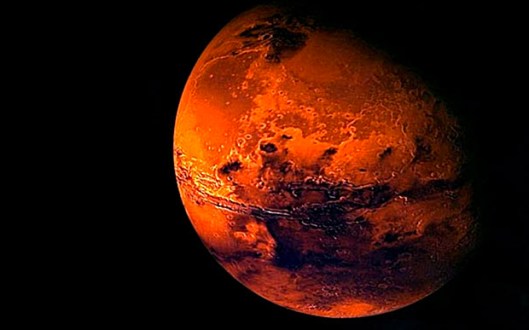
The Romans named the fourth planet from the Sun after Mars: they were not the first to associate the planet with a god of war, which had been traditional ever since the Babylonians. It is speculated that the red colour of Mars brought to mind bloodshed – if so, the ancients were not far wrong, because the iron oxide that gives Mars its distinctive colour is the same thing which makes our blood red.

The planet Mars has captured the human imagination for years, and as soon as we had telescopes able to view the surface of it, we began seeing things. Astronomers thought they could see regular channels on the planet’s surface, which were called canals, and inspired a belief in intelligent life on the planet. Sceptics correctly identified this as an optical illusion caused by using a 19th century telescope which wasn’t good enough – nobody can see the “channels” today using modern instruments.

Astronomers of the 19th and early 20th centuries also thought they might have received radio signals from Mars, and even a mysterious bright light appearing to emanate from the planet was considered to be some sort of message. The idea that there were intelligent Martians, and they wished to contact us, was an idea humans had trouble shaking.

In science fiction, Mars is sometimes a Utopia, and sometimes a source of menace (most notably in H.G. Wells’ War of the Worlds). It is often a place of adventure and exploration, such as in the John Carter stories by Edgar Rice Burroughs. Later on, when it was accepted that Mars was uninhabited, sci-fi focused on the possibility of Mars becoming colonised by Earth, so that the Martian population was actually human.

Mars has been used as an English name since the 18th century. When director Spike Lee chose the name Mars for his character in She’s Gotta Have It, he took it from his own family history – Mars was the name of his great-great-grandfather, a freed slave and successful farmer. Mars was the kind of mythological name often given to slaves in America, but records show both white and black people with the name Mars.

In some cases it may not necessarily have been inspired by the god or the planet. Mars is also an English surname, a variant of Marsh: it’s most famous from Frank Mars who developed the chocolate Mars bar, which is still owned by the Mars family. The singer Bruno Mars (born Peter Hernandez) took his stage name as a symbol of being “different”. The name Mars has been more commonly used in Scandinavia and Central Europe, a variant or contraction of the name Marius.

Despite the ultra-masculine vibe of the god Mars (the symbol for the planet ♂ is the same as the one for male), Mars was sometimes given to girls, right from the start. Perhaps the surname was more influential, although girls are also given Mars-type names, such as Martina and Marcella – Mars even looks as if it might be short for Marsia or Marsha.

Recently two American celebrities have given Mars publicity as a girl’s name. Singer Erykah Badu welcomed a daughter named Mars in 2009, and comedian Blake Anderson in 2014. Two pop culture aids to seeing this as a girl’s name are TV girl detective Veronica Mars, and Sailor Mars from the Sailor Moon anime series (in the show, Sailor Mars is named after the planet and associated with fire and passion, as the planet Mars is in Japanese culture).

This is, and has always been, a rare name. In the US in 2014, 34 boys were given the name Mars, and less than 5 girls (we know there must have been at least one!). In the UK Mars does not show up in the data at all as a baby name.

Mars is an out of this world baby name, but it has millenia of history, taking in a god of protection and a red planet that has loomed in our imagination since time immemorial. Granted, there’s some teasing potential due to the Mars bar, and the fact your child would literally be a Martian, but there could be life in this name yet (in the middle for those worried about the curiosity factor). At least Mars is distinctive and will be easy to recall. Totally.

POLL RESULTS

Mars received an approval rating of 57%. 31% of people thought it was okay, although only 6% actually loved the name.

Cyclone Names for Boys

06 Sunday Mar 2016

Posted by A.O. in Name Themes and Lists

≈ 3 Comments

Tags

Anglo-Saxon names, Arabic names, Biblical names, classic names, cyclone names, Egyptian names, english names, famous namesakes, fictional namesakes, germanic names, hebrew names, Irish names, Latin names, locational names, modern classics, mythological names, name history, name meaning, name popularity, name trends, nicknames, Old English names, pen names, popular names, rare names, Roman names, royal names, saints names, Slavic names, stage names, surname names, underused modern classics, unisex names, vintage names

925357-vance-palmer

Dominic
There was a Cyclone Dominic in 1982 and another in 2009; both were quite severe and did significant damage. Dominic is from the Latin name Dominicus, meaning “of the Lord”, and often translated as “belonging to God”. It began as a specifically Christian name, and there are several saints named Dominic. The most famous is the medieval Spanish priest who founded the Dominican Order; he was named after St Dominic of Silos, who answered the prayer of the second St Dominic’s mother that she might become pregnant. As part of that joking folk etymology that religion is so fond of, the Dominicans are said to be named from the Latin for “dog of God” (Domini canis), as a sign of St Dominic’s dogged faithfulness. Dominic has charted since the 1950s, when it debuted at #236. It reached the Top 100 in the 1990s, and has mostly stayed around the bottom quarter of the Top 100, or fallen just below it. Currently it is #88. This is a sleekly handsome modern classic that’s never been highly popular, and comes with the nicknames Dom, Nic, or Nico.

Iggy
Cyclone Iggy was off the coast of Western Australia in 2012: grave fears were held as its power intensified, but by the time it made landfall it had waned considerably. Iggy is traditionally used as a short form of Ignatius, but rocker Iggy Pop (born James Osterberg) took his stage name from his high school band, The Iguanas. Another musical Iggy is Australian rapper Iggy Azalea (born Amethyst Kelly): her stage name Iggy is from her childhood dog, possibly named after Mr Pop. In the Maximum Ride YA series by James Patterson, Iggy is an extremely handsome blind boy whose real name is James Griffiths. This name might feel like “nickname only” territory, but a few people have Iggy as their full legal name. While Ignatius is elegant, Iggy is in-your-face cyberpunk nuttiness, and will appeal to parents wanting something fun and different.

Marcus
Marcus is on the current list of cyclone names. Marcus is a Roman name believed to be derived from Mars, the Roman god of war, and was one of the most popular names in ancient Rome. Famous Romans with the name include the general Marcus Antonius, otherwise known as Mark Antony; the emperor Marcus Aurelius; Marcus Junius Brutus, usually known to us as Brutus, the assassin of Julius Caesar; and the philosopher Marcus Tullius Cicero. Marcus has been used as an English name since the Middle Ages, but widely used on the Continent and in Latin America as well. It’s currently popular in Scandinavia, as well as Australia and New Zealand. Marcus is a classic name which has been almost continuously on the charts. It was #190 in the 1900s, and fell to nothing during the 1930s. After that it continued growing and made the Top 100 by the 1970s. Popularity dipped, but it was back again in the 1990s, and peaked at #51 in 2003. It is currently #82. A popular classic never higher than the bottom half of the Top 100, Marcus combines historical gravitas with European style.

Miles
Cyclone Miles was off the coast of Queensland in 1977. Miles is the English form of the Germanic name Milo, whose meaning is unclear. It may be from an ancient Germanic word meaning “mild”, but it has been argued that it is related to those Slavic names meaning “dear, gracious”, such as Mila and Milan. From early on, folk etymology connected it to the Latin word miles, meaning soldier – in Roman comedies, a foolish stock character was Miles Gloriosus, meaning “bragging soldier”. The name has been in use since the Middle Ages, introduced by the Normans, and is often thought of as rather aristocratic. A famous namesake is Miles Coverdale, who was the first person to translate the Bible into English in 1535. Miles has charted since the 1950s, when jazz legend Miles Davis gave the name an injection of cool; it debuted at #323. Since then, the name has increased in popularity, but never become popular, so this is an underused modern classic. It’s around the 100s currently. Rising in both the US and UK, this is a hip choice with a smooth sound.

Oswald
Cyclone Oswald hit Queensland and New South Wales in 2013, causing widespread storms and floods. A natural disaster was declared, and due to the severity of the cyclone, the name Oswald has now been retired. Oswald is an Old English name meaning “godly ruler, divine ruler”. There are two English saints named Oswald; Oswald of Northumbria was an Anglo-Saxon king, and the most powerful ruler in Britain during his time. The name Oswald became less common after the Middle Ages, but was revived in the 19th century as part of the Victorian fascination with ancient British names. Oswald was #75 in the 1900s and left the Top 100 in the 1920s. It left the charts in the 1940s and had unfortunate wartime namesakes – Nazi officer Oswald Pohl, who oversaw the concentration camps, and British Fascist, Sir Oswald Moseley, a friend of Adolf Hitler. In fiction, Oswalds are usually villains or comic characters, but Oswald Bastable from the Treasure Seeker series by E. Nesbit has been claimed as a revolutionary hero name in the Nomad of Time Streams works of Michael Moorcock, and the name is sometimes used in sci fi. A bold vintage choice with a steam punk vibe.

Paddy
Cyclone Paddy was near Cocos Island in May 1981, extremely late in the season. Paddy is an Irish nickname for the name Patrick, or its Irish forms Padraig and Padraic. It was once so commonly used that Paddy became a derogatory term for any Irishman. With such strong immigration from Ireland, the name has a long history in Australia with several famous namesakes, with Paddy either short for Patrick, their full name, or a nickname unrelated to their name. Some examples are: Paddy Hannan, the gold prospector who set off the gold rush in Kalgoorlie; Indigenous artist Paddy Bedford; colourful politician Paddy Crick; Aboriginal elder Paddy Roe; and pioneering bushwalker Paddy Pallin, who founded the chain of outdoor equipment stores. Paddy is also occasionally used as a girl’s name, a variant of Patty; an example is Australian author Paddy O’Reilly. Paddy is around the 500s in Australia, and fits in with the trend for nicknames as full name. Great Irish heritage choice with an Australian flavour.

Rusty
Cyclone Rusty hit the coast of northern Western Australia in 2013. Hurricane-force winds and heavy rain caused flooding and significant damage. Due to the severity of the cyclone, the name Rusty has now been retired. Rusty can be a nickname for either the first name or surname Russell, or a nickname given to someone with red or reddish-brown hair. It is not commonly given as a full name, but after Cyclone Rusty there was a reported increase in the number of baby boys named Rusty, so this is one cyclone at least which influenced local name trends. A rough-and-tumble boyish name in the style of Buster and Sunny: not recommended if your surname is Naylor, Bucket or Lidd.

Seth
Seth is on the current list of cyclone names. In the Old Testament, Seth was the third son of Adam and Eve, born after Abel was murdered by Cain. According to the Bible, Seth was the progenitor of the human race as it exists today, as only his descendants survived the Great Flood. The Bible is coy as to how Seth had children for us to be descended from, but the Apocrypha provides the obvious solution by having him marry his sister. Although the Bible tells us nothing more about Seth, according to tradition he was virtuous and wise; he is regarded as a saint in Christianity, and revered as a prophet in Islam. The name doesn’t seem to have been common for Jews, although in the New Testament the High Priest is said to be the son of a Seth. According to the Bible, the name Seth means “appointed”, to suggest that God appointed Seth as a replacement for Abel. Seth is also the Greek form of the Egyptian god Set, deity of storms and chaos, and murderer of his brother Osiris. The name has a strong New Age resonance due to the supposed chanelled messages of a being named Seth, highly influential to later writers. Seth has been used as an English name at least since the 16th century, and became more common during the 18th. Seth has charted since the 1970s, debuting at #539, and joined the Top 100 in the 2000s. It left the Top 100 in 2014, but cannot be far below it. An Old Testament name that women in particular seem to love as both soft and gentle, and dangerously sexy.

Vance
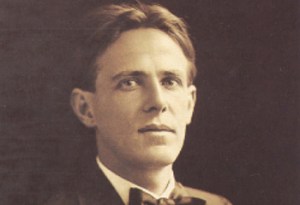
Cyclone Vance hit Western Australia in 1999, bringing gale-force winds and severe storms, and causing significant damage, particularly in Exmouth. Vance is an English surname that comes from the Old English for “fen”, describing someone who lived near a flat wetlands area or marsh. The surname has a particular association with Scotland, and the Scottish Vances believe their name is Norman, from Vaux in France, meaning “valley”. Vance has been used as a personal name since the 18th century, and was strongly connected with Scotland and Ireland. Vance Drummond was a New Zealand-born officer in the RAAF, much decorated for his gallantry in the Vietnam War. The famous writer Vance Palmer was born Edward, with Vance short for his middle name, Vivian. Not only a great contributor to Australian literature, he and his wife Nettie were part of the social movement that promoted Australian egalitarianism. The indie pop singer Vance Joy’s real name is James Keogh – he took his stage name from a minor character in Peter Carey’s novel Bliss. A vintage name ripe for revival with a strong connection to Australian culture.

Zane
Cyclone Zane was off the coast of Queensland in 2013, but by the time it made landfall it had dissipated to almost nothing. The name Zane was popularised by the American western novelist Zane Grey: he was born Pearl Grey (apparently in tribute to Queen Victoria’s mourning dress, which seems a strange way to name a child, especially a boy). Grey used his middle name Zane for his pen name; it was his mother’s maiden name. The Zanes were a famous American pioneering family, and Zane Grey himself was born in Zanesville, Ohio, named after his ancestor, Ebenezer Zane. The Zanes were descended from Devon Quakers, but the name’s origin is a mystery. It has been claimed that the family had either Danish or Italian ancestry, but neither theory has been proven. Sometimes presumed to be a form of John, as Zane is an unusual short form of Giovanni; it can also be a female name, short for Suzannah or Zuzannah. Zane has charted since the 1970s, debuting at #397 – Zane Grey was still a bestseller then, and another namesake for the era was bodybuilder Frank Zane, multiple Mr Olympia winner. It was in the Top 100 during the 2000s, peaking at #83 in 2005, and is probably around the 100s now. Not at all zany, Zane has become a modern standard conflated with the Arabic name Zain or Zayn, meaning “beauty, grace”.

POLL RESULTS

The public’s favourite names were Dominic, Miles and Seth, while their least favourites were Oswald, Paddy and Rusty.

(Photo is of Australian literary powerhouse, Vance Palmer)

Cyclone Names for Girls

28 Sunday Feb 2016

Posted by A.O. in Name Themes and Lists

≈ 4 Comments

Tags

Arabic names, aristocratic names, Biblical names, celebrity baby names, Christmas names, classic names, created names, cyclone names, epithets, European name popularity, famous namesakes, fictional namesakes, French names, germanic names, Greek names, hebrew names, Italian names, literary names, modern classics, mythological names, name history, name meaning, name popularity, name trends, names from television, names of bears, names of mountains, nicknames, retro names, Roman names, royal names, saints names, Scottish names, Spanish names, underused classics

Delilah_Henry_Clive

Summer is cyclone season, and here are ten girls’ names from the official list used to name Australian cyclones. Information on cyclones from the Bureau of Meteorology.

Adele
Cyclone Adele was off the east coast of Australia in 1969. Adele is the Anglicised form of Adèle, the French form of the Germanic name Adela, meaning “noble”, and the basis for familiar English names such as Adelaide, Adeline, and Alice. Adèle has been in use since the Middle Ages, and as with its related names, was a favourite with the nobility; it is still a popular name in France. Adele has been used all over the world, and has recently been placed in the spotlight by the popular British singer. In fact there’s quite a few singers called Adele so it’s a good name for songbirds – there is also an Adele in Johann Strauss II’s operetta Die Fledermaus. Adele was #272 in the 1900s and peaked in the 1940s at #198; it’s never been off the charts, yet never been popular. It’s risen sharply since 2011, when Adele’s second album went to #1, and is probably somewhere in the 100s. Pretty and substantial with a high-profile namesake, there is much to recommend this underused classic, and it might be right for someone like you!

Clara
There have been several cyclones named Clara in the north of Australia. Clara is the feminine form of the Roman name Clarus, meaning “bright, clear, famous”. It was used in ancient Rome, but became well known in the Middle Ages due to St Clare of Assisi, one of the first followers of St Francis of Assisi. She was born Chiara Offreduccio to a noble family, and her Italian name can be translated as Clara or Clare. Clara is familiar throughout the world, and a popular name in Europe. You might think of this as a Christmas name because Clara is the little girl in Tchaikovsky’s ballet The Nutcracker. A more contemporary fictional namesake is Clara Oswald, companion to Dr Who, played by Jenna Coleman; she also has a Christmas connection. Clara was #57 in the 1900s and left the Top 100 the following decade; it was off the charts by the 1950s. It made a comeback in the 1980s, perhaps because of friend Clara in the Heidi movies and TV shows. Since then it has been climbing steadily, and is probably not far outside the Top 100. A stylish retro name rapidly recapturing its former heights.

Cynthia
Cyclone Cynthia hit the Gulf of Carpentaria in 1967, bringing strong winds and heavy rain. Cynthia is a Greek name meaning “from Mount Cynthus”. Mount Cynthus is in the middle of the island of Delos, and according to Greek mythology the twin deities Apollo and Artemis were born on the mountain. Because of this, Cynthia was an epithet of Artemis, goddess of the moon and hunting. In modern times, Mount Cynthus is a popular tourist destination, offering superb views. Cynthia has been used as an English name since around the 16th century, but was better known in literature. Richard Barnfield wrote a series of sonnets to Cynthia, while Ben Jonson wrote a comedy called Cynthia’s Revels, where the goddess Artemis represents Elizabeth I. The name became much more common in the 18th century, with usage concentrated in America. Cynthia has been almost continually on the charts, making #284 in the 1910s and peaking in the 1940s at #133. It may be around the 500s now; I am seeing more of this underused classic. An elegant literary name from the mountain of the moon goddess: its short form Cindy is coming back into fashion, with Thia another possibility.

Delilah
There was a Cyclone Delilah in 1966 and another in 1988. In the Old Testament, Delilah is the lover of Samson; the Bible implies she is a prostitute or courtesan. Delilah was heavily bribed to discover the source of Samson’s supernatural strength, and through nagging/emotional blackmail, eventually brought him down and betrayed him. Unusually, the Bible never punishes Delilah, but her name became synonomous with treachery and feminine wiles. The name Delilah is said to be from the Hebrew for “poor, weak”, perhaps with connotations of “she who makes weak”, as Delilah sapped Samson’s strength. It can also be translated as “flowering or fruitful vine or branch”, which Bible commentators have tended to associate with sexual availability. However, the name is written to connect it with the word for “night” – layela; Bible writers probably wanted to give the name a feeling of dangerous sensuality. The name was in common use by the 18th century, particularly in the American South, so parents weren’t put off by the Bible story. Its use is rapidly growing in the English-speaking world, and is probably around the 100s, thanks to its similarity to popular Lila. Delightfully pretty and wickedly sexy, it’s a bad girl name celebrated in a slew of popular songs.

Elise
There was a Cyclone Elise in 1966 and another in 1986. Elise is a short form of Elisabeth which has been in use as an independent name since at least the 16th century, and is popular in Europe. A favourite musical association is Beethoven’s Für Elise (“For Elise”), not published until many years after the composer’s death. Who Elise was remains a mystery – there are several possibilities of the time known by this name. One of them was a teenage musical prodigy, and it’s nice to think of this piece being dedicated to a young girl. Elise has charted since the 1960s, debuting at #634, and although it has hovered just below the Top 100 a few times, it’s only once been on it: in 2014, when it made #97. This is an underused modern classic that’s been overtaken by more fashionable names such as Eloise and Elsie. Its spelling variants tend to be confused with those for Alice, making it harder for sweet Elise to be noticed in the data. A good choice for those wanting something contemporary but not trendy.

Ines
Ines was a severe cyclone affecting the north coast of Australia in November 1973, bringing heavy rains and gale force winds; so far, this is the earliest in the season a cyclone has ever hit. Ines is based on Inés, the Spanish form of Agnes, originally used in honour of Saint Agnes. It gained a romantic medieval namesake in Inês de Castro, a noblewoman who had a secret relationship with Peter I of Portugal with tragic results – this story of forbidden love has often been turned into operas and ballets. The name Ines has a long history in Spain, Portugal, and Latin America, and spread early to the English-speaking world. It’s popular in many European countries, including in Scandinavia and Eastern Europe, and is most popular in France. This stylish name is being used more often in Australia, where it is known from the daughter of chef Bill Granger. Pronunciations vary, but it’s usually said ee-NEZ or ee-NESS – gentle correction is probably necessary. Sometimes confused with Scottish Innes, but familiarity will make things easier as the number of girls named Ines grows.

Selma
Cyclone Selma hovered around Darwin in December 1974, then changed course and disappeared – a harbinger of rampaging Tracy who would infamously do all the damage later that month. The origin of Selma is unsure. It may be a short form of Anselma, a Germanic name meaning “helmet of God, protection of God”. However, it only came into common use in the 18th century, after the publication of the Ossian poems by James McPherson, where Selma is a royal castle. McPherson created the name from the Scottish Gaelic for “good view”, translated as “beautiful to behold”. Just to confuse things, the name Selima also became known in 18th century Britain, thanks to a mock elegy by Thomas Gray about a cat called Selima who accidentally drowned. It was based on a real life incident: Selima was the pet of Gray’s friend, the writer Horace Walpole. The name – an apparent variant of the Arabic name Salima, meaning “peace” – took off, and Selma may be a variant. Currently popular in Norway and Sweden, this name has gained publicity from actress Selma Blair, and the film Selma, about the Civil Rights marches in Selma, Alabama. Rising in both the US and UK, this would have a real chance if people could forget about Selma Bouvier from The Simpsons.

Vida
Cyclone Vida was off the south west coast of Western Australia in 1975, bringing gale force winds and strong squalls which did about a million dollars worth of damage. The name Vida has several possible origins. It can be a feminine form of the Germanic name Wido, meaning “wood”, or of the Roman name Vitus, meaning “life” (a variant of Vita). In Portuguese and Spanish-speaking countries, it can be understood as a vocabulary name meaning “life”, from the Latin vita. It can also be used as a short form of Davida, a feminine form of David particularly associated with Scotland. In Australia, the name may be known from feminist Vida Goldstein, who campaigned for female suffrage in the late 19th and early 20th century; she was the first woman in the British Empire to stand for election in a national parliament. Her left-wing pacifist views made it almost impossible for her to be elected during World War I, but she was an extremely popular speaker. Vida was #129 in the 1900s, and off the charts by the 1940s. Little seen today, vivacious vintage Vida fits in well with popular names like Olivia and Ava, and seems very usable.

Winnie
Winnie was a severe cyclone that hit the north-west of Australia in 1975, with powerful winds. Winnie is traditionally used as a short form of Winifred, but in practice can be a nickname for anything that sounds similar, such as Wynne, Wilhelmina, Winter, Winsome, Gwendolyn, Guinevere, or Edwina (Appellation Mountain has an article on long forms for Winnie). Jimmy Fallon’s daughter Winnie was named in honour of Lake Winnipesaukee, a favourite holiday spot. A famous male with the name is Winston Churchill, known affectionately by the public as Winnie. Another is Winnie-the-Pooh, from the books by A.A. Milne. Winnie-the-Pooh was a real life teddy, and the first part of his name was after a Canadian bear at London Zoo, named Winnipeg. Of course, Winnie is fabulous as a name all on its own, and has been in common use as an independent name since the 18th century: it was especially associated with Ireland. This sweet and spunky short form is very fashionable, and rising in popularity in both the UK and US.

Zoe
Cyclone Zoe hit the coast at Coolangatta in 1974, causing extensive flooding in southern Queensland and northern New South Wales. Zoe is a Greek name meaning “life”. Early Christians chose the name in allusion to life everlasting, and there are two saints and martyrs named Zoe. The name was also traditional for Byzantine Empresses. Greek-speaking Jews used the name to Hellenise the Hebrew name Chava, which also means “life” (its English form is Eve). Zoe came into use in modern times in the 19th century, and was especially associated with France. Zoe had a flurry of activity in the 1920s, when it reached #305; a famous namesake of this era was silent film star Zoe Palmer. It returned in the 1960s at #499; a possible inspiration is Australian actress Zoe Caldwell, who made several international TV appearances in this decade. It was in the Top 100 by the 1980s, and is currently #18 and stable (it is among the most popular names for Jewish baby girls in Australia, so remains a Jewish favourite). Zoe is popular in Europe and the English-speaking world, and this retro name will appeal to parents wanting something long-familiar, yet still faintly exotic.

POLL RESULTS
People’s favourite names were Clara, Zoe and Elise, while their least favourites were Ines, Vida and Selma.

(Painting is Delilah, by Australian artist Henry Clive, 1948; the model is Broadway beauty Beryl Wallace)

What Name For Alfie’s Brother or Sister That’s Both British and Australian?

06 Saturday Feb 2016

Posted by A.O. in Naming Assistance

≈ 7 Comments

Tags

choosing baby names, fictional namesakes, honouring, name combinations, name trends, nicknames, popular names, sibsets, UK name popularity

image_282794.flagshome-400x300

Samantha is originally from the UK, and is married to an Australian named James. Sammie and James are expecting their second child next month, a brother or sister for their son Alfie. They picked a name for their son which is popular in in the UK but not used as much in Australia, which has worked out well (once James’ family recovered).

Sammie would love another older-style name which sounds familiar to British ears, but isn’t too common in Australia. Sammie loves the names Ted and Reggie – however, they have friends with these names, and don’t fancy seeing them on their son as well. At one point they settled on Jude, but when they shared this with Alfie, he kept saying Judy, which put them off.

James is really keen on Clarence, with the nickname Clarry or Clary, but Sammie doesn’t like it at all. This has become something of a sore point, and James is now being very critical of any name Sammie comes up with. As a result, Clarence is still on their baby name list in order not to antagonise James.

Sammie quite likes the name Digby, but James doesn’t think you can have two sons with their names ending in an EE sound.

The middle name for a boy will be either Leonard or George, which are both family names. Sammie liked the idea of combining them as Lenny George, but James says Lenny is a “nerdy” name in Australia.

Girls names will be much easier. They had picked out the name Elsie if their first child was a girl, but now Alfie and Elsie seem a bit much together. Their favourite is Daisy, then Florence and Maisy. Sammie likes Nellie, Betsy and Nora, while James prefers Georgie and Rosie. The middle name will either be Sylvia or Norma, which are both family names.

(Sammie feels that this baby is a boy and hasn’t been too bothered about girls names, but she thought Alfie was a girl, so wasn’t well prepared with boys names last time).

Sammie and James have a surname which ends in -son, like Richardson, so they don’t want a name ending in N, such as Nathan or Hayden.

* * * * * * * * * * * *

Sammie I feel for you, because you have a natural desire to find a boys name similar to Alfie, and it doesn’t seem difficult to do – except all sorts of blocks keep being placed in your path.

The first thing to get out of the way is that the popular names in Australia and the UK aren’t that different, so looking for a name like Alfie, which is very popular in the UK yet not used that much in Australia, gives you a fairly short list of choices.

Other boys’ names which fit this pattern are Freddie, Finley/Finlay, Theo, Arthur, Harley, Reuben, Kian, Stanley, Jenson, Frankie, Teddy, Louie, Bobby, Elliott/Elliot, Dexter, Ollie, Frederick, Albert, Leon, Ronnie, Rory, Jamie, Ellis, Sonny, and Joey.

James doesn’t like the idea of another name ending in EE, so that eliminates Freddie, Finley/Finlay, Harley, Stanley, Frankie, Teddy, Louie, Bobby, Ollie, Ronnie, Rory, Jamie, Sonny, and Joey.

Some of these names seem like such perfect matches with Alfie that I wonder if James could rethink his policy? Alfie and Freddie, Alfie and Sonny, Alfie and Rory, and Alfie and Stanley seem utterly adorable, and quite manly or laddish as well, rather than cutesy.

Both of you don’t want a name ending in N, which would eliminate Reuben, Kian, Jenson, and Leon.

That leaves you with a choice of Theo, Arthur, Elliott/Elliot, Dexter, Frederick, Albert, and Ellis. Albert and Arthur could leave you with Alby or Artie as nicknames, which seem uncomfortably close to Alfie, while Elliot and Ellis have such a similar sound to Alfie that they might even be confused with it (a bit like the Elsie issue).

You’re now down to Theo, Dexter, and Frederick, all of which seem like perfectly reasonable choices. Theo seems like a good choice for someone who liked Ted, but wasn’t able to use it, and Dexter a fair alternative for someone who liked Digby but had had it vetoed.

I’m pretty sure Frederick would be shortened to Fred or Freddie/Freddy, which I think is a lovely match with Alfie. Then again, both Alfie and Freddie are nicknames for Alfred, so you might feel as if you’d given your sons the same name! If so, you now have a choice of just two names that fit your hoped-for pattern.

The other trouble is that your dear old other half is being a bit difficult. I’m wondering if he was as keen on Alfie’s name as you were when you chose it, especially as you said his family had some trouble adjusting to it. As you didn’t discuss boys names too much last time, thinking Alfie was a girl, was it a rushed decision? Did James feel that his views didn’t get enough of an airing?

I just wonder if some lingering resentment is what’s making him rather unreasonable this time around – and let’s face it, he is being unreasonable. Vetoing all boys names ending with an EE sound is extremely restrictive, and doesn’t make any sense considering that you’ve already agreed upon Daisy and Maisy for girls. I just can’t see any logic to this at all, and Digby would be an awesome match with Alfie (although it might make having a Daisy later seem less easy).

He’s also wrong that Lenny is a nerdy name in Australia – it’s not far outside the Top 100, and is a fashionable name. I know a lot of Australians who consider it an unsophisticated choice though, probably because it’s strongly connected with sport. Some prefer it as a nickname for Lennox or something similar.

On the other hand, his championing of Clarence is slightly odd, as this really does seem quite nerdy, in that it’s a vintage name which hasn’t had a comeback as yet (James is ahead of the curve). I think Clarry is rather cute, and doesn’t seem too strange a match with Alfie, but the fact is that you just don’t like it. I think it might be a bit too vintage Australian for you rather than vintage British, and as a Brit, I wonder if Clary reminds you too much of comedian Julian Clary?

Maybe this is James’ point – that Alfie was a very British-style choice, and he is pushing for a more Australian-style choice this time. If so, this isn’t an unreasonable request; he might just be expressing it in an unreasonable way.

I think the two of you need to have a talk about what you both really want. Last year we had an Australian-born woman married to an American write in to the blog who wanted a name which worked in both Australia and the US. Their first son was named Felix, a name more popular in Australia than the US, but still fashionable and rising there. They ended up naming their second son Sage, which is better known in the US than here, so they got a nice mix-and-match.

Perhaps James would also prefer a situation like that, where Alfie’s brother has more of an Australian vibe to his name. James’ love of Clarence/Clarry makes me wonder how he feels about Clancy, which has a wonderful literary history in Australia, as he is a character from a poem by Banjo Paterson. The name is not unusual here, although not common either.

Even though James says he doesn’t want a name ending in EE, he has suggested the name Clarry as a nickname for Clarence. Not only could Clancy work as a nickname for Clarence, but this suggests that James might be one of those people who prefer having a long form of a name on the birth certificate, and a nickname for everyday use.

This means that you might be able to have a cute boyish name after all – just with a longer name attached for formal use. Again, I think this is something you need to have a chat about.

I also can’t see anything wrong with Jude, and wonder if you were put off too easily by Alfie’s attempts to pronounce it. Is it really that big a deal if Alfie calls him Judy for a short while, or are you worried that it’s an unwanted nickname that will stick? Jude is a name popular and rising in both the UK and Australia, so another name like that might be a choice that works well for you.

Names I would suggest you consider, or re-consider:

Clancy possibly nn for Clarence
Frederick nn Freddie, Freddy or Fred
Theodore nn Theo
Jude
Dexter
Digby
Lewis
Rafferty
Fletcher
Campbell
Lennox nn Lenny
Maxwell
Rex
Tobias nn Toby

As for girls, I think you are pretty well set. Daisy, Florence, and Maisy are all great choices that sound wonderful as a sister for Alfie. I especially like the combination Daisy Sylvia. It would be very useful if you were wrong again, and in line to have a baby girl!

UPDATE: The baby was a boy, and his name is Ted!

POLL RESULTS: The public’s choice for the baby’s name was Clancy for a boy (18%), closely followed by Jude (16%), and Daisy for a girl (44%).

← Older posts
Newer posts →

Enter your email address to follow this blog

Categories

Archives

Recent Comments

A.O.'s avatarwaltzingmorethanmati… on Zarah Zaynab and Wolfgang…
Madelyn's avatarMadelyn on Zarah Zaynab and Wolfgang…
JD's avatardrperegrine on Can Phoebe Complete This …
A.O.'s avatarwaltzingmorethanmati… on Rua and Rhoa
redrover23's avatarredrover23 on Rua and Rhoa

Blogroll

  • Appellation Mountain
  • Baby Name Pondering
  • Babynamelover's Blog
  • British Baby Names
  • Clare's Name News
  • For Real Baby Names
  • Geek Baby Names
  • Name Candy
  • Nameberry
  • Nancy's Baby Names
  • Ren's Baby Name Blog
  • Sancta Nomina
  • Swistle: Baby Names
  • The Art of Naming
  • The Baby Name Wizard
  • The Beauty of Names
  • Tulip By Any Name

RSS Feed

  • RSS - Posts

RSS Posts

  • Celebrity Baby News: Melanie Vallejo and Matt Kingston
  • Names from the TV Show “Cleverman”
  • Can Phoebe Complete This Sibset?
  • Zarah Zaynab and Wolfgang Winter
  • Baby, How Did You Get That Name?
  • Celebrity Baby News: Media Babies
  • Celebrity Baby News: Adelaide Crows Babies
  • Celebrity Baby News: Chris and Rebecca Judd
  • Names at Work: Name News From the World of Business and Employment
  • Celebrity Baby News: Sporting Round Up

Currently Popular

  • Celebrity Baby News: Jacinta Allan and Yorick Piper
  • Celebrity Baby News: Jacinta Allan and Yorick Piper
  • Celebrity Baby News: Josh and Amie Frydenberg
  • The Top 100 Names of the 1940s in New South Wales
  • Rare Boys Names From the 1950s

Tags

celebrity baby names celebrity sibsets english names famous namesakes fictional namesakes honouring locational names middle names name combinations name history name meaning name popularity name trends nicknames popular names saints names sibsets surname names twin sets unisex names

Create a free website or blog at WordPress.com.

Privacy & Cookies: This site uses cookies. By continuing to use this website, you agree to their use.
To find out more, including how to control cookies, see here: Cookie Policy
  • Subscribe Subscribed
    • Waltzing More Than Matilda
    • Join 517 other subscribers
    • Already have a WordPress.com account? Log in now.
    • Waltzing More Than Matilda
    • Subscribe Subscribed
    • Sign up
    • Log in
    • Report this content
    • View site in Reader
    • Manage subscriptions
    • Collapse this bar
 

Loading Comments...