• About
  • Best Baby Names
  • Celebrity Baby Names
  • Celebrity Baby Names – Current
  • Celebrity Baby Names – Past
  • Featured Boys Names
  • Featured Girls Names
  • Featured Unisex Names
  • Links to Name Data
  • Waltzing on the Web

Waltzing More Than Matilda

~ Names with an Australian Bias of Democratic Temper

Waltzing More Than Matilda

Tag Archives: vintage names

Urgent Name Help Needed: A Sister for Bugsy and Jem!

22 Saturday Aug 2015

Posted by A.O. in Naming Assistance

≈ 7 Comments

Tags

choosing baby names, middle names, name combinations, name trends, nicknames, sibsets, vintage names

glencoevintage.345143240_std

Mia first wrote in to the blog a couple of years ago, looking for a sibling name to match their son Bugsy. Mia and Lachlan’s second son arrived in May 2013, and after some discussion, they decided to name him Jem.

Now Mia and Lachlan are expecting a baby girl any minute (she was due yesterday),and still haven’t decided upon a name for her. I thought they would be all ready if they ever had a girl, because Mia had her heart set on the name Margot if Jem had been a girl, but since then one of Mia’s best friends has had a baby girl named Margot, upsetting Mia’s plans.

These are the names on her baby name list:

Adeline
Lou (possibly short for Louella)
Elka
Autumn
Lottie
Astoria (nicknamed Story)
Lux

Besides Margot, other names that have been crossed off are:

Tessa (Lachlan thinks it’s a bit ho-hum)
Matilda (loves it, but it’s so popular ….)
Frankie (just not excited by it)

Middle name would most likely be Dorothy, Clementine, Jean, or Evangeline, depending on which one sounds best with the chosen first name.

Mia and Lachlan aren’t planning on having any more children, so Mia feels as if this name just has to be perfect.

* * * * * * * * * *

Mia, I’m almost as devastated as you that Margot got crossed off your list! I feel like suggesting that you still go with Margot – except that it does seem a bit different because Margot is a currently uncommon but rising name. I expect your friend might feel a bit miffed about it, as opposed to you both having daughters named something popular like Ella or Charlotte.

You did have Maisie on your list for a girl before – is it no longer on the table, as it seems like rather a good alternative to Margot? Or Marigold – that was on your original list too, and it’s gorgeous. Actually I liked Tilda from your original list too …

Thinking about sisters for Bugsy and Jem, it seems to me that both your sons have got quite original names, and it would be nice if their sister had one equally distinctive.

Adeline
This is a beautiful name, and Adeline Dorothy sounds really lovely. However, I should probably warn you that Adeline is much more common than the data suggests due to spelling variants. What with Adelynne, Addalyn, Addelyne, Addilyn, Ada-Lynne and so on, it really isn’t a very rare name. If you use Addie as a nickname, it sounds like all the Maddies, and the name fits in so neatly with Addison, Adelaide, Madison, and Madeline that it almost seems too on trend. Could I interest you in Ada? It’s two syllables like Bugsy, three letters like Jem, and begins and ends in a different sound to both those names, so it seems like a good match without being “matchy”. However, I must confess Ada is very like Ava, so you might think this is too much on trend as well.

Lou
Very cute, and Bugsy, Jem and Lou is quite delightful. I think I do prefer it as a nickname for something like Louella (which is very hip), because it seems a bit insubstantial on its own. Louella Clementine is nice, although Louella Jean is charming. I only hesitate because you already have a name in your family with a strong L-l sound in it, which makes we wonder if you are comfortable with that.

Elka
Great name, which goes well with almost your middles (except Elka Evangeline, which sounds too much). The only thing which makes me hesitate is that when I see it matched with Bugsy, it really makes me notice the BUG and the ELK in their names a lot more.

Autumn
Very pretty and underused in Australia, although it does seem quite modern matched with Bugsy and Jem. I don’t think that’s a problem though. Autumn Dorothy is an attractive combination. This was a hugely popular name when it was covered on the blog, getting one of the highest approval ratings ever – not one person hated the name, while almost 40% loved it. It seems like a name that’s easy to wear.

Lottie
Adorable, with that vintage vibe Bugsy and Jem have. Lottie Jean is nice – both hip and homely. Again, it’s an L name, so think about that carefully.

Astoria
Like Bugsy and Jem, this seems like an American-inspired name that also has a vintage feel, since the Waldorf Astoria Hotel in New York flourished during the 1930s. There’s something about it which makes me inwardly gasp a little, just like Bugsy and Jem, so it does seem like a natural sister to them. It’s a bit daring! I love the nickname Story, which seems like a good match with Bugsy and Jem, and this goes well with most of your middle name options.

Lux
Bright, shiny, glittering, lovely. I like Lux Clementine and Lux Evangeline, which both sound very glamorous to me, and I think it’s a natural match with Bugsy and Jem. Another L name, so do think about it.

Other names you might like:

Thea
Avalon
Winter
Mabel
Magnolia nn Maggie
Mamie
Mimi
Mae

Mia, I remember when Jem was born you originally chose a different name for him, but after he was born, you realised that Jem was the name that belonged to him. I wouldn’t be surprised if the same thing happened with your daughter – it’s hard to decide on a name now, but once you get to meet your baby, the right name may become obvious.

NAME UPDATE: The baby’s name was Tallulah, nicknamed Lou!

POLL RESULTS
The most popular choice for Bugsy and Jem”s sister was Astoria, nicknamed Story, which had 26% of the vote. Lou was the third-most popular choice with 22%, but I think would have got higher with a full name behind it.

(Photo from Lincoln Park Nannies)

What Name For Matilda’s Brother?

08 Saturday Aug 2015

Posted by A.O. in Naming Assistance

≈ 14 Comments

Tags

choosing baby names, classic names, honouring, middle names, modern classics, nicknames, popular names, sibsets, vintage names

AYP56N_1936930b

Kate and Daniel are expecting a baby boy later in the year and feeling slightly stuck with names. They both like vintage-style names, but Kate doesn’t want anything too popular.

These are names that Kate loves and Daniel can tolerate:

Arthur
Theodore
Edward (maybe too common?)
Edmund

Daniel loves the name Xavier, and has vetoed Reuben.

The potential middle names they have picked out are Henry, Arthur, Ambrose, and Adam, which are all family names.

Kate and Daniel already have a daughter called Matilda, and don’t want a name that starts with M, or ends in -a or -er that might clash with hers. The family surname begins with H and ends in T eg Hackett, and the name can’t clash with that either.

They’d like feedback on their name list, and are interested in hearing any suggestions people have for them.

* * * * * * * * *

Kate and Daniel, let’s look at your name list.

ARTHUR
I love that this is a family name you would consider moving from the position to the first name. That makes it seem pretty special, and I think Matilda and Arthur sound great together, while Arthur Henry is a handsome name combination. I’m not sure how a name ending in -ur is different to one ending in -er (I say them pretty much the same way), but this is a family name, and you might consider that trumps any name rules you have.

THEODORE
Another fantastic choice that sounds great with Matilda, and has fashionable nickname options like Theo and Ted. Theodore sounds good with all the middle names you are considering, with Theodore Arthur and Theodore Ambrose particularly attractive.

EDWARD
A handsome classic name that is a nice match with Matilda and sounds good with your chosen middle names – Edward Arthur and Edward Henry appeal to me. It isn’t in the Top 50 nationally, but if you are in the south-eastern states and territory, it will probably seem more popular than that in your region. Also, because Edward has almost never been out of the Top 100, that might make it seem too common overall, since it is a popular name in all age groups. On the other hand, that gives it a “timeless classic” status you might approve of.

EDMUND
This is the only name on your list that actually is a non-popular vintage name, and would be a brilliant alternative to popular Edward, while sharing the nickname Ted with both Edward and Theodore (the fact you chose all three makes me wonder if you are working towards having a Ted?). It is a perfect match with Matilda, and based on what you asked for, this should be an automatic winner.

XAVIER
This breaks quite a few of your “names rules” because it’s a modern classic, it’s popular and becoming more popular, and it ends in -er. But I am fully in favour of breaking your own name rules for a name that you love, and this makes a nice, contemporary-sounding match with Matilda, and has more or less the same popularity as Matilda too. I think this sounds best with the middle name Adam, if you planned to use it.

It seems as if there are names that Kate loves and Daniel can tolerate, while Daniel loves a name that Kate can tolerate. In an ideal world you would both love the same names, but it’s possible that in this case you might have to compromise a bit.

It seems as if compromise might be harder on Daniel, because so far, he only really loves one name. And it doesn’t fit with the “name rules”, which makes me wonder if they are rules you came up with together? I think some more negotiation might be necessary here!

Daniel, is it possible there are other names you could love? Or would you be satisfied if Kate chose the first name (as long as you had full veto powers, of course), and you chose the middle name?

I also wonder what would happen if you had a third child, and it was a boy too – would Xavier be on the table for his name, or even be the natural choice if Daniel didn’t get his choice this time? If so, do you need a name now that might go with Xavier further down the track? You also need to bear in mind that Xavier might be even more popular by the time you have a third child.

In a case like this where there isn’t one name that’s both your favourite, I think you should discuss together what things you want in a name, what’s important to you, and how important it is to you. Then be very businesslike and award each name on your list points for how well it fulfils your wants.

Then once you get down to the 2-3 names which seem to best suit your needs, drop the points system and just think about how much you like the name. Which name make you feel warm inside when you say it? Which one makes you smile? Which one can you imagine yelling out on school sports day? Which one makes you feel proud to introduce your son?

Other names you might like:

Felix (a retro name with Xavier’s X-factor)
Frederick (fashionable classic with low popularity)
George (a steady classic like Edward)
Leo
Sebastian
Tobias
Nathaniel
Joseph (another steady classic)
Gabriel
Alfred (another classic with low popularity, shortens to Alfie)
Winston (vintage, low popularity)
Stanley (another classic with low popularity)

Some of these names are popular, but none more popular than Xavier and Matilda.

Kate and Daniel, you’ve got some great names already, and I’m sure you will be able to agree on a name that works for both of you.

NAME UPDATE: The baby’s name is Theodore!

POLL RESULT: The public’s top choices for the baby’s name were Arthur, at 29%, and Theodore, at 28%.


Famous Name: Winifred

29 Wednesday Jul 2015

Posted by A.O. in Famous Names

≈ 8 Comments

Tags

Anglo-Saxon names, famous namesakes, middle names, name history, name meaning, name popularity, nicknames, pen names, saints names, UK popularity, vintage names, Welsh names

mp_mecca_1

Famous Namesake
Ramadan finished on July 18, and recently we saw a story in the news mentioning converts to Islam. That gave me the idea to cover one of Australia’s early Muslim converts. Her name was Jane Winifred Oaten, but she always went by her middle name.

Winifred came to Australia from London as a child around 1890, her father making a desperate attempt to break the poverty cycle through migration. Life in Australia got off to rough start before she even left, as her mother walked off the ship prior to sailing. Winifred and her father lived in severe hardship trying to wrest a miserable living from a block of land in Queensland infested with prickly pear. At an early age she was sent out to low-paid domestic service as her father succumbed to alcoholism and depression.

When barely 17 Winifred married an itinerant shearer named Charles Steger. It was an unhappy partnership, and she was forced to desert her husband and their four children after he threatened to shoot her. She worked as a barmaid, then married an “Afghan” cameleer named Ali Nuby (although Muslin cameleers were collectively known as Afghans in Australia, Winifred’s husband was actually Indian).

A kind and decent man, Ali was the great love of Winifred’s life, and she took her husband’s religion to become a Muslim; the marriage would not have been legal, as her first husband was still alive. After Ali’s death, she supported herself and their three children by working as a washerwoman in Oodnadatta, South Australia.

Winifred entered an arranged marriage to another Indian cameleer named Karum Bux, and she and her husband made a pilgrimage to Mecca, through India, in 1927. This was to prove a turning point for her. When she returned, she wrote a series of articles for a newspaper called Arabian Days: The Wanderings of Winifred the Washerwoman, under the pen name of Bebe Zatoom.

According to the articles, Winifred the Washerwoman had a most exciting time on the way to Mecca. She met Mahatma Ghandi and King Ibn Sa’ud of Arabia, and in Bombay (Mumbai), she stayed in the palace of the Khalifat, the supreme Muslim body in India, which appointed her their Australasian secretary. Pretty heady stuff for an Oodnadatta washerwoman.

She soon separated from her third husband, and the very next year after her pilgrimage was asked to become governess to the royal family of Afghanistan. By the time she got there, the king had unfortunately been overthrown, but she travelled to the Afghanistan border to find the king, and escort his queen back to Bombay. Once again, on her return she supplied a newspaper with her “reliable first-hand impressions” of these events.

Winifred the Washerwoman was soon turning out weekly serial stories called Star Dust and Soap Bubbles, and another series in a different paper as a man named Sapphire Bill from the Northern Territory. Winifred wrote 14 unpublished novels based on her life in the outback: three of them were later serialised in newspapers without payment.

In her 1969 autobiography, Winifred claimed she was born in China to unknown parents, and had been raised in a convent where she met her husband Ali. The pilgrimage to Mecca was undertaken with Ali, conveniently deleting two husbands from her life story. Winifred kept writing into her nineties, and died at the ripe old age of 98. However, as she had lied about her age, she received a telegram from the queen commemorating her 100th birthday a year before her death.

At a time when women had few choices, and poor uneducated working class women had even less, Winifred managed to lead the life that she wanted through her writing. Living in poverty and drudgery, Winifred’s make believe helped her survive a harsh environment, and it’s little wonder she preferred fantasy and fiction. Her conversion to Islam brought her romance and adventure, giving her an exoticism and glamour that no other washerwoman has ever matched.

Name Information
Winifred is the Anglicised form of the Welsh name Gwenfrewi, meaning “blessed reconciliation”; the name has become known because of a Welsh saint. According to legend, Saint Winifred was the daughter of a Welsh nobleman, while her mother was the sister of Saint Beuno, and related to royalty.

The story goes that as a teenager she was attacked in a fit of drunken lust by a local prince named Caradoc, who began to tear off her clothes. When Winifred fought back, Caradoc became so infuriated that he cut her head off. The head rolled downhill, and where it stopped, a healing spring appeared. Good old Uncle Beuno put her head back on her body, and restored her to life. Seeing Caradoc still lounging around with a “like whatever” attitude, Saint Beuno called on Heaven to punish him, and the ground promptly opened up and swallowed the would-be murderer.

Saint Beuno sat on a particular stone in the pool which had formed around the spring that had opened up from Saint Winifred’s head. Here Saint Beuno made an oath in the name of God that whoever should be in that spot and ask for something three times in the name of Saint Winifred should have their prayer granted, as long as it was good for their soul.

Saint Winifred’s Well is located in the town of Holywell, in the north-east of Wales. It has been known since Roman times, and after Winifred’s supposed decapitation in 660 was a place of pilgrimage. It is called the Lourdes of Wales, as so many remarkable cures have occurred there, and has long been named as one of the Seven Wonders of Wales. It features in the medieval poem Sir Gawain and the Green Knight.

Richard the Lionheart prayed here for the success of his crusade, while Henry V gave thanks at the well for his great victory at Agincourt. James II visited the well with his wife Mary of Modena, after several attempts in producing an heir. Shortly afterwards, Mary became pregnant with James, Prince of Wales. Queen Victoria visited the well as a child.

People of all faiths, or none, are welcome here, whether to pray for help, or to see a place of great historical interest, as it is only site in Britain to be a place of continuous pilgrimage for thirteen centuries.

Although the legend cannot be true, Saint Winifred was a real person who was a nun and abbess. Historical records pay great attention to a prominent scar on her neck, so perhaps Caradoc really did have a go at her. His brother Owain is said to have killed Caradoc in revenge for some hideous crime, and that might be it.

If you are wondering how Gwenfrewi turned into Winifred, when the name became used in England in the 16th century, Gwenfrewi was altered to look like the male name Winfred, which is Anglo-Saxon and means “friend of peace”.

Winifred was #39 in the 1900s, and left the Top 100 in the 1930s. It hasn’t charted since the 1950s. However, this seems like a name which is due for a comeback. It was voted the popular name of the 1900s that blog readers most wanted to be revived, and the short form Winnie is very hip at the moment. I do see an occasional baby named Winifred, and the fashionable Winter must be of help.

International trends suggest that Winifred, although rare, is growing in usage. There were 35 baby girls named Winifred in the UK in 2013, which is only just outside the Top 1000. The numbers of Winifreds are rising briskly in Britain. In the US there were 99 girls named Winifred (about the same number as Cleo, Rosalind and Priscilla), and the numbers are rising there too.

The name Winifred commemorates a saint connected with healing waters and prayers granted. It also recalls one of the outback’s colourful eccentrics who became the heroine of her own adventure story. I think this vintage name is adorable, seeming soft and innocent on a little girl, but mature and intellectual on a grown woman. It deserves serious consideration. Besides Winnie, nicknames include Win or Wynne, Freda, Fred, and Freddie.

POLL RESULTS
Winifred received a decent approval rating of 68%. People saw the name Winifred as strong yet whimsical (18%), a vintage name deserving of a comeback (18%), and hip and different (13%). However, 12% thought it was dated and old-fashioned, and not ready for a comeback (too late!). Only one person thought the name Winifred sounded creepy and evil.

(Picture is of the city of Mecca, where Winifred Steger’s life changed direction)

Suburbs of Adelaide and Hobart Which Could Be Used as Girls Names

19 Sunday Jul 2015

Posted by A.O. in Name Themes and Lists

≈ 2 Comments

Tags

American names, Anglo-Saxon names, aristocratic surnames, Australian Aboriginal names, Biblical names, celebrity baby names, Cornish names, Dutch names, english names, famous namesakes, Finnish names, food names, French names, fruit names, hebrew names, Italian names, Latin names, locational names, name history, name meaning, name popularity, names from songs, names from television, names of ships, names of sporting teams, nature names, nicknames, plant names, popular names, surname names, tree names, unisex names, vintage names

OLYMPUS DIGITAL CAMERA

Beulah
Beulah Park is an affluent suburb of Adelaide, named after a village in Wales. The name Beulah is from a Hebrew word translated as “married (woman)”. In the Old Testament, the prophet Isaiah prophesies that the land of Israel shall be known as Beulah, because it shall be as if “married” to God, to indicate an especially close and loving relationship. Because of this, Beulah was used by John Bunyan and William Blake to mean a mystical place from which Heaven can be seen; it’s also used this way in the hymn Beulah Land. Beulah has been used as an English name since at least the 17th century, and was taken up by the Puritans. It has been much more popular in the United States, and was Top 100 in the late 19th and early 20th centuries; however it hasn’t charted there since the 1950s. Poor Beulah has come to exemplify the “ugly old lady” name, even though it doesn’t sound much different to Bella or Ruby (put the OO sound from Ruby into Bella, and you’ve got Beulah!). Can vintage Beulah ever be pretty again?

Brooklyn
Brooklyn Park is in Adelaide’s western suburbs, and was probably named after the borough of New York City. Brooklyn was settled by the Dutch, and originally called Breukelen, after a town in the Netherlands, whose name means “broken land”. Apparently this is because both the Breukelens were built on marshes, where the land is broken up with little streams, and I have also seen Brooklyn translated as “marshland”. Brooklyn has been used as a personal name since the 19th century, and originated in the United States. It was at first more common as a male name, but today Brooklyn only charts as a girls name in the US. In the UK it is more common for boys, thanks to David Beckham’s son Brooklyn – the name has charted for boys in the UK since 1999, when Brooklyn Beckham was born. In Australia, the name Brooklyn is fairly evenly used for both genders, although not very common for either. An attractive underused modern name suitable for either sex, although international trends suggest it is turning pink again.

Cherry
Cherry Gardens is a semi-rural suburb of Adelaide named for the native cherry trees which once grew there in profusion. The name Cherry can be from the cherry tree, or its delicious red fruit, although I think many people would be reminded of cherry blossom, which is enchantingly pink and lovely. In Australia, cherries are especially connected with the town of Young in New South Wales, which promotes itself as the Cherry Capital of of Australia, and holds a Cherry Festival every year. It also recalls the popular Cherry Ripe, which is Australia’s oldest chocolate bar. Cherry can be given as a nickname for names such as Charity, and can also be from the surname Cherry, which might refer to someone who grew or sold cherries: this probably explains boys given the name Cherry. Cherry has been used as a name since the 17th century (perhaps influenced by the popular poem and song Cherry Ripe), but it only became common in the 19th. It has a 1950s vibe, and seems “ripe” for teasing, but also bright and irrepressibly cheery. It’s a name that makes you smile when you say it aloud.

Eden
Eden Hills is a suburb of Adelaide, and well suits its name, as it in the city’s foot hills, and contains bushland, parks, and a botanic garden. The first landowner in the area was William Cook, who settled here in 1839. He was the master of a vessel called the Eden, and it is believed that’s where the suburb got its name. The name Eden is usually given in reference to the Garden of Eden in the Bible. The name has been translated as if derived from the Akkadian edinnu, meaning “steppe, plain”. It’s now thought to be related to an Aramaic root meaning “fruitful, well-watered” – this fits in better with the biblical description, as the Garden of Eden was said to be irrigated by rivers and filled with fruit trees (of course fruit was to prove a real problem). In Hebrew, the word is understood as meaning “pleasure”, and Eden is recorded in the Old Testament as a personal name. It has been used as an English name since the Middle Ages as a variant or pet form of the Anglo-Saxon Ed- names, such as Eadhun, meaning “rich bear cub” (the source of the aristocratic Eden surname). The biblical meaning came into use around the 16th century, and the name has always been given to both sexes, but is more common as a feminine one. Eden has charted since the 1980s at #757 (the decade of popular TV drama series, Return to Eden – in this case, Eden was the name of an estate in the Northern Territory). It joined the Top 100 in 2011 and is now #68. Although it has only ever charted as a girl’s name, it is quietly but steadily given to boys too, and seems rather distinguished as a male name. A clean attractive name suitable for both sexes.

Fern
Fern Tree is an outer suburb of Hobart, named so because of the Tasmanian Tree Ferns which grow abundantly in the area. It’s a popular place for bushwalking. Ferns are ancient plants which have remained unchanged for more than a hundred million years, and are extremely hardy and easy to grow. Because ferns don’t have flowers or seeds, people didn’t know how they reproduced for a long time (now we know – it’s from spores). This enigma gave it a magical air, and it has long been associated with fairies and spells. Ferns have a special connection with New Zealand, used as an emblem by sporting teams, especially the netball team, the Silver Ferns. Fern has been used as a person’s name since at least the 17th century, but it became quite popular in the 19th century. Not only were plant names very fashionable then, but the Victorians went fern-crazy, and there was a real fad for collecting the plants. This is a vintage nature name which doesn’t seem old-fashioned in the least, but rather off-beat and artistic.

Lenah
Lenah Valley is in the foothills of Mount Wellington in Hobart, and was settled in the 19th century. There are several bushland reserves here, and it is the home of the Lady Franklin Museum, a classical temple built by pioneer Jane Franklin, wife of the explorer John Franklin; it now houses the Art Society of Tasmania. Lenah is the local Aboriginal word for “kangaroo”. It looks like the name Lena, but is said LEN-uh, not LEEN-uh. This would work well cross-culturally, while having a very Australian meaning.

Lutana
Lutana in Hobart’s north was originally built by the Electrolytic Zinc company as housing for its workers. A competition was held to name it in the 1920s, and the name Lutana was selected; it’s the local Aboriginal word for “moon”. A famous namesake is Lutana Spotswood, an Indigenous language worker who gave a eulogy in the Palawa language at the funeral of Tasmanian premier Jim Bacon. Lutana is pronounced loo-TAN-uh. This is quite similar to the familiar Luna in sound and meaning, but is purely Australian and avoids any concern over loony or lunatic. Not only can you use Lulu as a nickname, but I have seen quite a few baby girls lately named Tanna, so the sound must appeal to Australian parents.

Marion
Marion is in Adelaide’s south-west, and was named after a young daughter of James Fisher, the Resident Commissioner in the 1830s, who was responsible for disposing of public land. Miss Fisher’s name was actually Marianne, not Marion, and she lived to be one hundred years old. Marion is a medieval French pet form of the name Marie. During the Middle Ages, one of the most popular type of French folk song revolved around a shepherdess named Marion, and her lover, a knight named Robin. This all sounds very familiar, but strangely enough there doesn’t seem to be any proven link between these songs and the English tales of Robin Hood and Maid Marian. There is also a surname Marion, taken directly from the woman’s name, and this has been quite often been given as a boy’s name – most famously to the actor John Wayne, born Marion Morrison. Perhaps people thought it was the masculine form of Mary. In the US, Marion has charted as a unisex name fairly evenly given to both sexes, but it has only charted as a female name in Australia. Marion was #89 in the 1900s, and peaked in the 1930s at #47. It left the Top 100 in the 1960s, and hasn’t charted since the 1980s. Although this name is dated, there is something rather glamorous about it, thanks to French actress and singer Marion Cotillard. If you’re worried about Margot becoming too popular, why not consider this other French charmer?

Penna
Penna is in the outer suburbs of Hobart, and is sometimes listed as a village or a commuter town. It’s name is most likely from the Cornish surname Penna, meaning “headland”, as it is faces onto a peninsula. Penna as a personal name can be from the Latin word penna, meaning “feather, wing”. This is where our word pen comes from, as we once wrote with feathered quills, but even in English, the word penna means a contour feather on a bird. There’s also the Italian surname Penna, which comes from the Latin pinnus, meaning “pointed”, and refers to someone who lived on a hill. In Finland, Penna can be given to boys as a variant of the name Ben. Penna has been used as a personal name since the 18th century, and when you look through the records, it’s clear that it is a multicultural choice, used all over the world, including Hungary, Italy, Greece, Norway, Persia and Brazil, as well as English-speaking countries. Recently it was chosen by actor Ian Ziering for his daughter, giving this rare name some much needed publicity. The rise of Penelope makes Penna seem more usable.

Rosetta
Rosetta is a small suburb of Hobart thought to be named after Rosetta Cottage. This was built in the early 19th century by John Beresford, who came to Australia as a convict on the First Fleet, and took up land in Tasmania to become a prosperous farmer. Rosetta Cottage later became a private girls’ school, and then the Undine Hotel – it is now a B&B. It seems likely the cottage was named after the Rosetta Stone, a 2nd century BC stone slab discovered in Egypt in 1799 which had the text in Egyptian hieroglyphics, Egyptian script, and ancient Greek. This allowed Egyptian hieroglyphics to be translated for the first time, and even now, Rosetta Stone is used to mean a crucial key in decoding information. The Rosetta Stone is so named because it was found in the Egyptian town of Rosetta. Rosetta, meaning “little rose”, is the western version of the town’s Arabic name Rashid, meaning “guide” – both are corruptions of the Coptic name Trashit, which I think just describes it as a mouth of the Nile. This is a pretty vintage name, very much on trend, which has a wealth of meaning and history behind it. Rosie or Etta could be used as the nickname.

POLL RESULTS
People’s favourite names were Fern, Eden and Lenah, and their least favourite were Lutana, Brooklyn and Beulah.

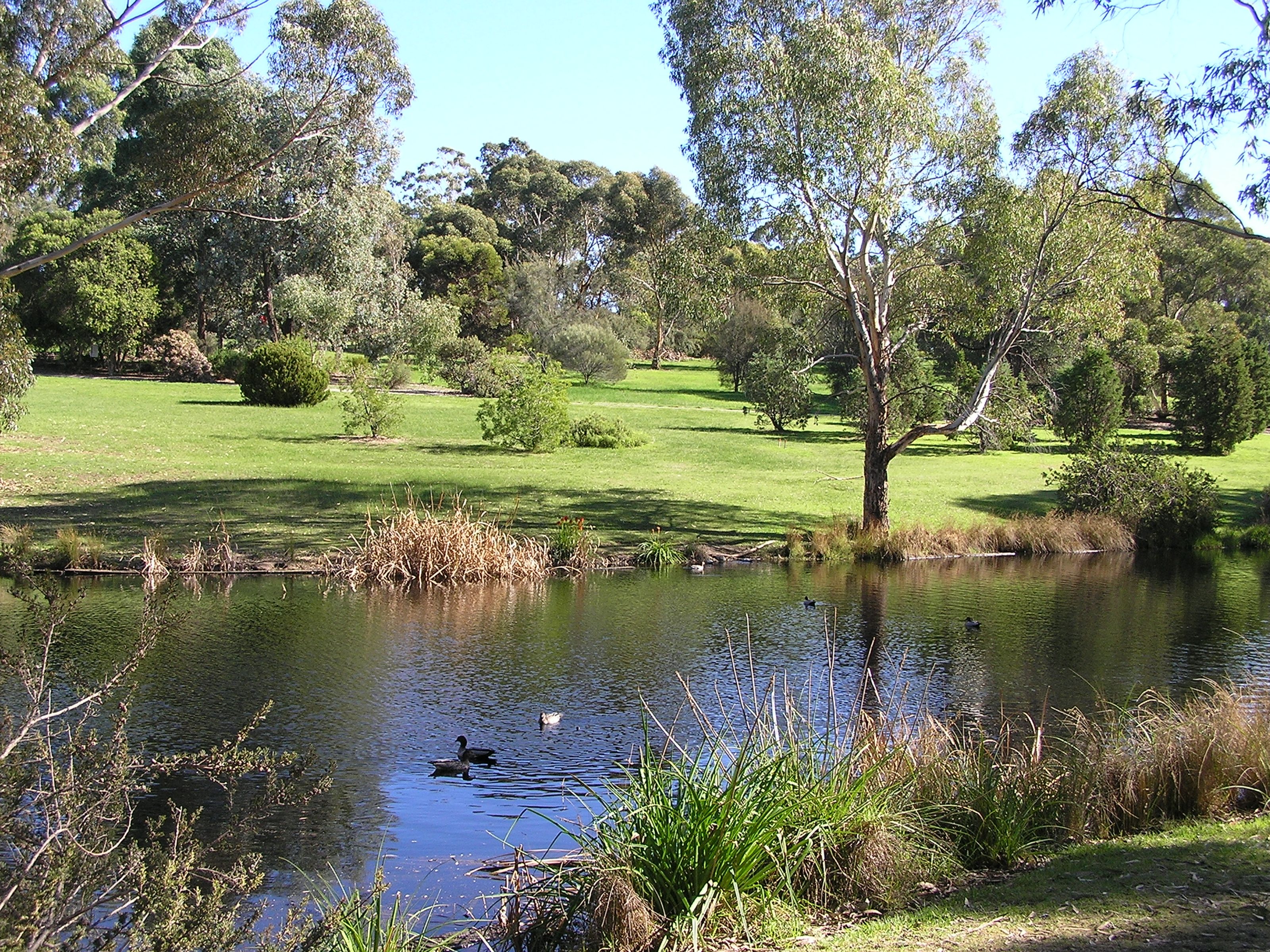
(Photo shows Wittunga Botanic Garden in Eden Hills, Adelaide)

Famous Name: Humphrey

10 Wednesday Jun 2015

Posted by A.O. in Famous Names

≈ Comments Off on Famous Name: Humphrey

Tags

animal names, aristocratic names, Disney names, famous namesakes, fictional bears, fictional namesakes, germanic names, honouring, Irish names, name history, name meaning, names from television, nicknames, Old English names, rare names, royal names, saints names, Shakespearean names, surname names, UK name popularity, US name popularity, vintage names

PH_greenguideJAN2_wide_networking-20140101124709427910-620x349

Famous Namesake
May 24 marked the 50th anniversary of Humphrey B. Bear‘s first television appearance, on the Channel Nine’s children’s program, Here’s Humphrey in 1965. I cannot say it was Humphrey’s birthday, because he is eternally four years old, and can never age.

He was originally named Bear Bear, but feeling that this perhaps lacked some imagination, the makers of the show ran a competition, and he was renamed Humphrey B. Bear, with his middle initial standing for Bear. I’m not sure whether the contest winner had ever heard of Walt Disney’s Humphrey Bear (who debuted in 1950), but the coincidence is remarkable.

In the show, the honey-loving Humphrey lives in a tree-house in the middle of the magic forest, and loves to explore, play, dance, spend time with friends, and use his imagination. Humphrey is prone to accidents and often makes mistakes – as the theme song says, He’s a funny old fellow who gets in all manner of strife. Humphrey never speaks, but has a companion and assistant who serves as narrator.

Here’s Humphrey is one of the most successful programs for preschoolers in Australia, and is second only to Playschool for longevity. It won Logies for Best Children’s Series, and Humphrey himself has won a number of awards, including Citizen of the Year in 1994. He still makes frequent public appearances, including to sick children in hospitals, and to promote road safety.

Humphrey made generations of children smile, but there was an inner sadness to the outwardly happy bear. The first performer to play Humphrey, often considered the best of all time, was a talented actor, dancer and playwright named Edwin Duryea – aptly nicknamed “Teddy”.

Constrained by the anonymity of the role, he came to resent it, and led a lonely life. Teddy died a few years ago, and with no known family, was given a pauper’s funeral (Channel Nine wouldn’t pay to bury the actor who had made Humphrey a star). There are no photos of Edwin as Humphrey, as it is considered sacrilege to dispel the illusion that Humphrey isn’t “real”.

There is no doubt that playing Humphrey could be challenging: the bear suit is very hot, just for a start. That may not be a problem in Humphrey’s future, as discussions are underway to turn Humphrey B. Bear into an animated series – and if it goes ahead, he will have a voice at last!

Name Information
Humphrey is derived from the ancient Germanic name Hunfrid, which probably means “to grant peace”, but is often translated as “peaceful warrior”.

There is a 9th century French saint called St Hunfrid, and because of him the name Humphrey was introduced to England by the Normans, where it quickly overtook the Old English form, Hunfrith. In Ireland, it was used to Anglicise Amhlaoibh, which is the Irish form of Olaf.

The name Humphrey was a common one amongst the Norman aristocracy, and one of the first bearers to come to England was the strikingly named Humphrey with the Beard, who fought at the Battle of Hastings. His nickname came about because it was unusual for Normans to have a beard at that time – the fashion was for a clean-shaven look. Bearded Humphrey was the founder of the noble de Bohun family, and his name became traditional amongst the Bohuns.

One of their line was Humphrey of Lancaster, called the “son, brother, and uncle of kings”. He was the son of King Henry IV by his wife Mary de Bohun, the brother of Henry V, and the uncle of Henry VI. Romantic and chivalrous, he was a successful military strategist and diplomat, and a scholarly patron of the arts. Popular with the public, he was disgraced when his second wife was found guilty of witchcraft (she consulted an astrologer and sought herbal fertility treatment). He appears as a character in Shakespeare’s Henry VI – one of the few historical people to be shown in an almost completely positive light.

A famous namesake of modern times is American film star Humphrey Bogart, an iconic leading man of the 1940s who appeared in such classics as The Maltese Falcon and Casablanca. He usually played a cynical tough-guy character, who would prove in the end to have his heart generally in the right place. A true screen legend, he is often regarded as the greatest Hollywood actor of all time. Humphrey Bogart was named for his mother’s maiden name – he was the son of artist Maud Humphrey.

The name Humphrey is a favourite for all kinds of animals, both in real life and in fiction. One example is the cat Humphrey, who was chief mouser at Number 10 Downing Street for many years, until apparently ousted by the Blairs. Cat Humphrey was named after Sir Humphrey Appleby, the urbanely Machiavellian bureaucrat from Yes, Minister and Yes, Prime Minister. The name has also been given to a real life humpback whale, and a camel on The Simpsons, because the name starts with the word hump.

Although never going out of use, the name Humphrey peaked in the 19th century, and isn’t very common. It has never charted in Australia, and is rarely seen today, although there are many examples in historical records. In England/Wales, Humphrey peaked in the 1860s in the mid-100s; in 2013, 20 baby boys were named Humphrey. In the US, Humphrey peaked in 1893 at #650, leaving the Top 1000 a year or two later. Last year less than 5 babies received the name Humphrey in the US.

Humphrey is a rare vintage name, and one that seems rather cuddly and lovable – which is probably why it’s often been chosen for animals, such as friendly bears! It’s an interesting, upper class, and somehow quite a sweet name, but I’m not sure if Humphrey B. Bear is much help to it. Apart from the familiar song about the “funny old fellow”, there has been a rather mean tendency to poke fun at the iconic bear, and even to make lewd jokes at his expense. With the possibility of Humphrey returning in animated form, will this help give the name more publicity, or make it less appealing?

POLL RESULTS
Humphrey received an approval rating of 32%. People saw the name Humphrey as old-fashioned and comical (19%) and too strongly associated with Humphrey B. Bear (15%), while 18% found the “hump” in the name off-putting. However 8% of people thought it was a vintage charmer.

Boys Names from the British Royal Family

17 Sunday May 2015

Posted by A.O. in Name Themes and Lists

≈ 4 Comments

Tags

animal names, Basque names, bird names, Castilian names, Disney names, ethnonyms, famous namesakes, fictional namesakes, German names, germanic names, honouring, Italian names, Latin names, Maori names, middle names, mythological names, name history, name meaning, name popularity, name trends, Native American names, New Zealand names, nicknames, popular names, retro names, royal names, saints names, Spanish names, surname names, UK name trends, unisex names, vintage names

850145ee0e54efe11041a453f7acdfec

Christian
Christian Mowatt is the younger brother of Zenouska Mowatt, grandson of Princess Alexandra, and great-great-grandson of King George V; born in 1993, he is 51st in line to the throne. Christian is one of the most common names in the British royal family, especially in the middle. Prince Christian of Schleswig-Holstein, a member of the Danish royal family, was the husband of Princess Helena, the daughter of Queen Victoria. Their son was also called Prince Christian, and he was Queen Victoria’s favourite grandson, a British army officer who fell in the Boer War. Christian is from the Latin name Christianus, meaning “follower of Christ”. It has been used as a personal name since the Middle Ages, and was originally more common for girls amongst English-speakers. It became seen as a boy’s name after John Bunyan’s highly popular The Pilgrim’s Progress (1678), where the hero is a man named Christian. Christian has been a traditional name for Danish kings since the 15th century, and Prince Christian of Denmark, the son of Prince Frederik and Princess Mary, is second in line to the Danish throne. Christian was #178 in the 1900s, and disappeared from the charts the following decade. It returned in the 1950s at #280, perhaps inspired by French fashion designer Christian Dior, or Danish fairy tale writer Hans Christian Anderson, both popular at the time. It rose in the 1960s, and reached the Top 100 in 1971. Its progress has been up and down, and it’s currently #85. It’s a retro name that feels like a modern classic, popular for decades without feeling overused.

Columbus
Columbus Taylor is the eldest son of Lady Helen Taylor, a grandson of Prince Edward, Duke of Kent, and a great-great-grandson of King George V; born in 1994, he is 38th in line to the throne. The name Columbus is best known as the surname of Christopher Columbus, the 15th century Italian explorer and navigator under the patronage of the Spanish monarchy. In his efforts to find a safe passage to Asia by sailing west, he initiated the Spanish colonisation of the New World, leading to lasting European contact with the Americas that changed the world forever. The explorer’s Italian name was Cristoforo Colombo; Colombo is the Italian form of the saint’s name Columba, Latin for “dove”, and used by Christians in reference to the Holy Spirit, often symbolised as a dove. A name with Transatlantic appeal, nearly always given in honour of the explorer, and a more eyebrow-raising form of Callum.

Guelph
Guelph is one of the middle names of Leopold Windsor, the son of Nicholas Windsor, who has been featured on the blog as a royal dad. A grandson of Prince Edward, Duke of Kent, and great-great-grandson of King George V, Leopold was born in 2009, and as a Roman Catholic, is not in the line of succession to the throne. The House of Guelph was a European dynasty which played a major role in the politics of medieval Italy, but whose territories moved towards Germany early on, and was eventually succeeded by the Kingdom of Hanover – thus giving strong ties to the British royal family. The current head of the House of Guelph is Ernest August, Prince of Hanover, a descendant of King George II, and husband of Princess Caroline of Monaco. The House of Guelph was founded by Welf IV, Duke of Bavaria, of Italian and German heritage; his name is a Germanic one meaning “young dog”, and thus the equivalent of the English word whelp. A very noble name – perhaps even too aristocratic for most.

Hubert
Hubert was one of the middle names of George Lascelles, the 7th Earl of Harewood, who was the son of Princess Mary, and grandson of King George V, cousin to Elizabeth II. He passed his middle name down to his son, Mark Hubert Lascelles, born 1964, and not in line to the throne due to being born out of wedlock. Hubert is a Germanic name meaning “bright mind”, and became well known because of St Hubert, an 8th century Bishop of Liege. A French nobleman, he became addicted to hunting after his wife died in childbirth, until he had a vision of a crucifix between the antlers of the stag he was pursuing. Even though this legend was taken from the story of St Eustace, St Hubert is honoured as the patron of ethical hunting, having compassion for animals as God’s creatures. Widely venerated during the Middle Ages, St Hubert’s noble ancestry made him a favourite with chivalric and military orders. Hubert has been used in two Disney films – King Hubert is the father of Sleeping Beauty, while in Brave, Hubert is one of Princess Merida’s three brothers. Hubert was #102 in the 1900s, and had left the charts by the 1940s, so this vintage name may appear dated, although it is rising in the UK, and fits in with Hugh and Hugo.

Inigo
Inigo is one of the middle names of Charles Armstrong-Jones, the son of Viscount Linley, grandson of Princess Margaret, and great-grandson of King George VI; Queen Elizabeth II is his great aunt. Born in 1999, he is 19th in line to the throne, and his middle name is in honour of Inigo Jones, a personal hero of his father. Inigo Jones was a 17th century British architect and stage designer, a royal Surveyor-General, and hugely influential. Some of his many works include the Queen’s House in Greenwich, now used to house the art collection of the National Maritime Museum, the Banqueting House in the Palace of Whitehall, now a museum, and the Queen’s Chapel at St James’ Palace. He also designed Covent Garden square, and undertook repair and remodelling of St Paul’s Cathedral. Inigo is a British form of Íñigo, a Castilian form of the Basque name Eneko, translated as “my little love, my little dear one”. It may go back to Roman times, but from the Middle Ages was traditional amongst Spanish royalty and nobility. Pronounced IN-i-go, this was first used as an English name in Cornwall, but became traditional amongst descendants of Inigo Jones. Those descendants in Australia include meteorologist Inigo Owen Jones, and wealthy grazier Arthur Triggs, whose brother was named Inigo. A sweet yet solid choice, Inigo has been given further dash and a famous catchphrase by Inigo Montoya from The Princess Bride.

Maximilian
Maximilian Lascelles is the son of Henry Lascelles, the great-grandson of Princess Mary, and great-great-grandson of King George V; born in 1991, he is 66th in line to the throne. The name Maximilian is from the Roman name Maxmilianus, derived from Maximus, meaning “greatest”. There are a few saints named Maximilian, with the 3rd century martyr St Maximilian of Tebessa regarded as the first conscientious objector, because he believed that as a Christian, he could not serve in the Roman army. He has been a hero to the anti-war movement ever since. Maximilian I was a 15th century Holy Roman Emperor, named for one of the St Maximilians – probably Germanic missionary and martyr Maximilian of Celeia – and the name has been traditional amongst European monarchy ever since (the tradition that his name was a cross between two Roman emperors is just folklore). Maximilian is around the 400s here, but significantly higher in the UK. Handsome and regal, Maximilian sounds very imposing – but shortens to popular, friendly Max.

Otis
Otis Shard is the son of Lady Emily Shard, and the great-great-grandson of King George V; born in 2011, he is not in the line of succession because his mother was born out of wedlock. Otis is a surname derived from an English form of the medieval Germanic name Ode or Odo, an earlier form of the German name Otto. The surname is very well known in the United States, as the Otises are a prominent family influential in early American politics; aviation pioneer Amelia Earhart was one of their members. Famous musical namesakes include Otis Redding, Otis Rush, Otis Span, rapper Otis Jackson Jr, and Otis Williams, from The Temptations, and another musical connection is the song Otis by Kanye West and Jay-Z, sampling Otis Redding. A rising name in the UK, Otis is around the 300s here, and a very fashionable choice.

Tane
Tane Lewis is the brother of Senna Lewis, and great-great-grandson of King George V; born in 2012, he is 30th in line to the throne. As earlier discussed, Tane’s father is New Zealander Gary Lewis, the only Maori to have married into the British royal family, and Tane has a name to honour his heritage. Tane is the god of trees and birds in Maori mythology, the son of the sky father and the earth mother, who clothed his father in the stars and his mother with vegetation. In some legends, he made the first man, and in others he made the first woman, moulding her from soil so she could be his wife. The word tāne means “man” in Maori, and it is pronounced TAH-neh, although I have met boys in New Zealand and Australia called Tane who say their name TAYN. A strong, simple yet evocative name which is a wonderful heritage choice, fitting in with familiar names such as Tanner, Tate, and Talon.

Tewa
Tewa Lascelles is the brother of Tanit Lascelles, a great-grandson of Princess Mary, and great-great-grandson of King George V; born in 1985, he is 58th in line to the throne. Tewa’s mother was Lori Lee, known as “Shadow”, of Native American descent, and his name was chosen to honour his heritage. The Tewa people are from New Mexico, and the name Tewa comes from a Keres word meaning “moccasins”; it is pronounced TAY-wuh, rather like Taylor with a W instead of an L. Tewa Lascelles, an American citizen, was born in New Mexico, and perhaps the name reflects his birthplace as well. Tewa is in a progressive punk band, following in his family’s musical footsteps, as James Lascelles is a keyboardist with an interest in world music, and grandfather George Lascelles devoted most of his career to opera.

Xan
Xan Windsor, Lord Culloden, is the brother of Lady Cosima Windsor, son of the Earl of Ulster, and great-great-grandson of King George V; born in 2007, he is 26th in line to the throne. Xan is named in honour of his father, Major Alex Ulster, and this snappy short form of Alexander seems very versatile. Fresh and futuristic, Xan could belong to either gender, and is of ambiguous cultural background, making it the perfect choice for the modern age.

POLL RESULTS
People’s favourite names were Otis, Christian and Tane, and their least favourite were Columbus, Tewa and Guelph.

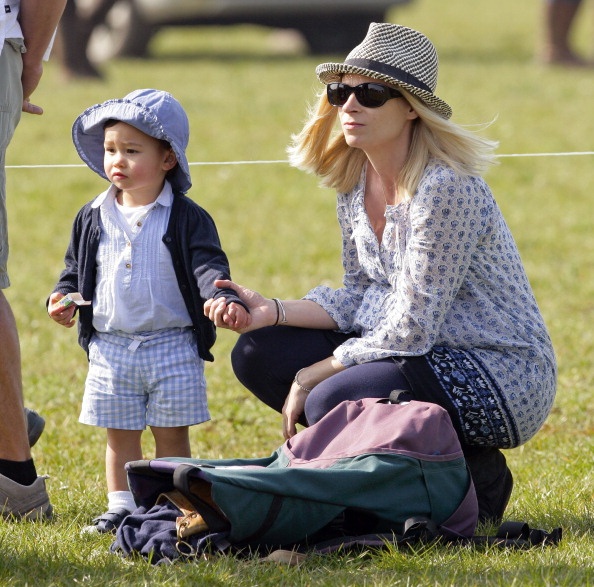
(Picture shows Tane Lewis, accompanied by his mother, Lady Davina Lewis; photo from The Daily Mail)

Famous Names: Birdie and Melody

30 Thursday Apr 2015

Posted by A.O. in Famous Names

≈ 4 Comments

Tags

American slang terms, animal names, birth notices, celebrity sibsets, english names, famous namesakes, fictional namesakes, historical records, middle names, name history, name meaning, name trends, names from television, nature names, nicknames, sporting terminology, surname names, UK name popularity, underused modern classics, US name popularity, vintage names, vocabulary names

3rs7ns2x-1391387260

You do not need to be an ornithologist to see that there is something special about Australian birds, whether you are listening to the extraordinary calls of the lyrebird, seeing bright wrens and colourful fruit-eating pigeons, or enjoying the antics of our clever parrots. In fact, the very specialness of Australian wildlife led the great naturalist Charles Darwin to ponder the possibility of two Creators – one a steady sort of chap, turning out sparrows and bunnies, and the other a total nutter who made things like emus and kangaroos.

For most of the twentieth century, European and North American scientists assumed that birds evolved in the northern hemisphere, and that they had the “normal” birds. Australian birds broke a few of the rules, but they could be comfortably dismissed as second-hand fauna from a lost continent where all kinds of wacky things happened.

As the ABC science program Catalyst explained last month, it is only in recent decades that Australian scientists dared to challenge that orthodoxy. In the 1980s Australian scientists used DNA evidence to show that the world’s 4 500 species of songbirds – like the jays, thrushes, robins, and mockingbirds – were all descended from Australian songbirds. Far from being some crazy breakaway branch on the evolutionary tree, our birds were the originals.

This rocked the science world, which demanded evidence from the fossil record. Nobody had ever bothered to look for any fossils, but once an Australian scientist did, he found the bones of a tiny finch-like bird in Queensland in the 1990s. It was the earliest songbird ever found in the world by a staggering amount – at 54 million years old, it was at least 25 million years earlier than anywhere else.

More DNA evidence revealed that Australia was the ancestral home of the world’s pigeons and parrots as well, meaning that the majority of birds in the world have Australian ancestors, and that Australia was the most important continent for bird evolution. Australian birds did not break the rules of evolution – they made the rules!

For example, Charles Darwin proposed that birdsong evolved so that male birds could attract females with their beautiful voices. That never made sense in Australia, where in most species female birds also sing (and sometimes sing more than males). Before, Australia could be written off as a weird exception to the rule, but now we know that birdsong evolved on a continent where both female and male birds sing, so the old assumption cannot be true.

Birds have helped shape our continent for tens of millions of years, and our land has echoed with their songs, even during the many millions of years that the rest of the globe lay silent. But they have also shaped the entire world by filling it with the most intelligent and melodious of birds. In other words, there is only one Creator – and it’s the nutty southern hemisphere one.

BIRDIE
Birdie (or birdy) is a diminutive of the word bird, nearly always seen as affectionate and child-like; the word dates to the late 18th century. The word was associated with the days of early photography, when photographers would show a little metal bird to their subjects, and tell them to Watch the birdie to keep them focused. In golf terminology, a birdie means a score of one under par, and originated in New Jersey in 1899 – it’s from the American slang bird, referring to something excellent.

Birdie has been used as a personal name since the 19th century, but probably more commonly as a nickname than as a legal name. Mostly given as a name to girls, Birdie can be seen as a pet form of names such as Bertha, Bridget, Barbara, Elizabeth, or almost any name with a strong B sound. On Mad Men, Elizabeth “Betty” Draper was called Birdie by her husband as an affectionate nickname.

On the other hand, it is often given as a true nickname – that is, with no connection to the given name at all. An example is the British singer Birdy, whose real name is Jasmine van den Boegarde – her parents called her Birdy from the time she was a baby, because she opened her mouth to be fed like a little bird. These types of nicknames are not uncommon amongst the British aristocracy.

Birdie was used as a name more often in the United States than other countries, and it was on the US Top 1000 for girls almost continuously from 1880 to 1948, peaking in 1882 at #151, and not leaving the Top 500 until 1927. In 2013, 37 girls were named Birdie in the US, while Birdie has only charted once in the UK since 1996, when 3 baby girls were named Birdie in 2010 (data doesn’t take into account people with Birdie as their nickname).

There are quite a few women named Birdie in Australian historical records, mostly born in the late 19th and early 20th century. It can be found occasionally given to boys in the middle position, where it may come from the surname – the surname has nothing to do with birds, but is a corruption of the oath, Par dieu, French for, “by God”. I have recently seen a baby girl named Birdie in a birth notice, while a blog reader named her daughter Mabel last year, but calls her “Birdie” as her nickname.

Vintage nicknames like Buddy and Buster are back in vogue, and Birdie is a very stylish example of the trend. It manages to be cute, without being overtly flirty or sexy, and has a rather upper class feel. Definitely one to watch!

MELODY
A melody is a sequence of notes which makes a musical phrase or motif – what we might otherwise call a tune. The word is ultimately from the ancient Greek meloidia, meaning “singing, chanting”.

Melody has been used as a girl’s name since at least the 18th century, but became more common in the 19th. The name Melody first charted in Australia in the 1960s, debuting at #543. It is currently around the 200s. In the US, where it has charted since the 1940s, Melody is #171 and rising, while in the UK it is #261, and appears to be rising slightly.

Melody is a popular choice for singers, who either seem to have been inspired by the meaning of their name, or have adopted it as a stage name. American singer-songwriter Melody Gardot took up music as therapy after an accident, Melody Thornton is a member of the Pussycat Dolls, while young Australian country singer Melody Pool’s career is just starting out. Japanese pop singer Melody Ishiwara has sisters named Harmony, Rhythmy and Christine (rather in the style of sisters named Grace, Faith, Hope, and Michelle).

There have been several characters named Melody in recent popular culture, such as the daughter of Ariel and Eric in the sequel to The Little Mermaid, the cute ditzy drummer from Josie and the Pussycats, and Melody Pond, the mysterious time-traveller from Dr Who, who goes by the name River Song.

I’ve noticed that people often dismiss Melody as a “dated” name, because it shares a similar sound to Melanie and Melissa, which both peaked as popular names in the 1970s. However, a look at the data shows that this isn’t correct, and underlines the dangers of judging a less-common name based on how it sounds.

Melody is an underused modern classic which has never been higher than the 200s, and is higher now than it has ever been; overseas data suggests that it may even be rising slowly. It’s pretty and music-themed, fitting in well with the current trend for names such as Aria, Harmony, and Cadence, while still feeling like a traditional choice. It’s well worth considering if you are searching for a lyrical, contemporary name without any baggage that has been overlooked by most others.

POLL RESULTS
The name Birdie received an approval rating of 56%. 36% of people loved the name Birdie, and 22% thought it was a terrible name.

The name Melody received a lower approval rating of 48%. 45% weren’t too keen on the name Melody, and 15% loved it.

Information on songbird evolution from Catalyst’s episode Where Birdsong Began, shown March 10 2015, and based on the book Where Song Began, by Australian biologist Tim Low.

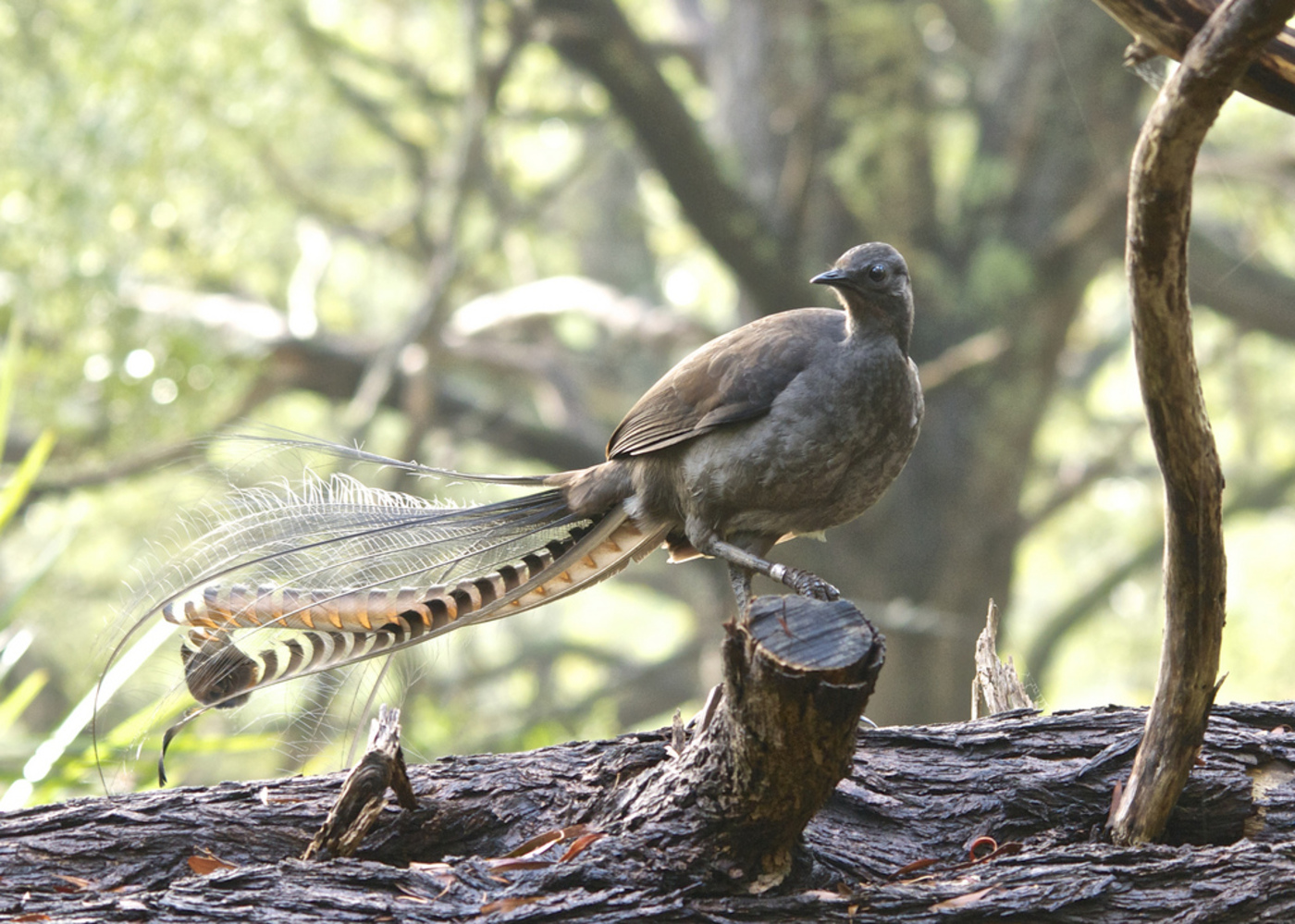
(Photo shows an adult male superb lyrebird, an astounding mimic; both males and females sing, but males are louder and more skilful).

Rare Boys Names from the 1940s

12 Sunday Apr 2015

Posted by A.O. in Name Themes and Lists

≈ 7 Comments

Tags

animal names, aristocratic names, car names, Cornish names, english names, famous namesakes, fictional namesakes, flower names, French names, germanic names, Greek names, honouring, Italian names, locational name, musical names, mythological names, name history, name meaning, names from comics, nature names, nicknames, Old English names, Old Norse names, papal names, plant names, rare names, saints names, scientific names, Scottish names, surname names, twin sets, unisex names, vintage names

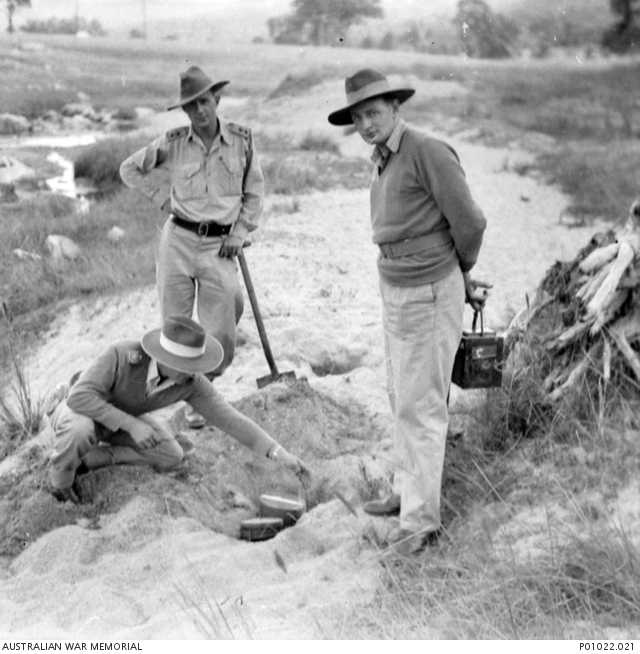
P01022.021

The most popular boys names of the 1940s were John, Peter, Robert, and David, but what were the least popular names? Here are ten names which were only chosen once in any year between 1944 and 1949 in South Australia, making them unique names for their time and place. Still rare, some feel surprisingly contemporary, while one or two have perhaps had their day.

Aston
English surname of multiple origins. It can be from a common place name meaning “east settlement”, to indicate a village to the east of a larger town, although occasionally it seems to be a corruption or variant of Ashton, meaning “settlement near the ash trees”. It can also mean “at the stone”, to indicate someone who lived near a prominent stone. Finally, it can be a contraction of a personal name such as Aethelstan, meaning “noble stone”, and there are examples of men with Aston as a first name in the Middle Ages from this derivation. Sir Aston Cockayne, 1st Baronet, was a 17th century writer who was on the Royalist side during the English Civil War, and a close friend of the future Charles II. The name might remind you of Aston Villa Football Club, in the English Premier League, or Aston Martin luxury cars – both familiar in the 1940s as well. I see the name Aston name sometimes in birth notices, perhaps inspired by Aston Merrygold from English boy band JLS.

Bramwell
English surname from an unknown place name meaning “stream surrounded by broom” – broom is a hardy European shrub with yellow flowers. The name has a strong connection with the Salvation Army, because Bramwell Booth was the second General of the Salvation Army who served during World War I, the eldest son of its founder, William Booth. We know the name was used by Salvationists, because Bramwell Tillsley, a Canadian who was the son of British Salvationists, was the 14th General of the Salvation Army. The Salvation Army has a strong history in South Australia, with the first official Salvation Army corps formed in Adelaide in 1880. Booth was also used as a baby name during the 1940s, with the Salvation Army’s support of the troops being greatly appreciated. Bramwell is an attractive, little-used surname that has the appealing nickname Bram.

Cosmo
Form of the Greek name Kosmas, meaning “order”, and thus the opposite of “chaos”. The Greeks also used the word to mean “the world”, because they believed the world was perfectly put in order. We use the word cosmos to mean “the universe, all of creation”. According to tradition, Saint Cosmas was a skilled doctor; along with his twin brother Damian, he performed many miraculous cures before his martyrdom. The name Cosmo was introduced to Britain by the Scottish peer Alexander Gordon, 2nd Duke of Gordon, when he named his son Cosmo in 1720. Cosmo’s name was in honour of his father’s close friend Cosimo di Medici – Cosimo is the Italian form of Kosmas. The name has always had a rather exotic and aristocratic image, and Scottish associations. There were several famous Cosmos that could have inspired the name in the 1940s, including popular British playwright Cosmo Hamilton, and Archbishop of Canterbury Cosmo Lang. Cosmos is also a type of daisy, whose name comes from the same Greek origin, so with some imagination, the name Cosmo could honour someone named Daisy.

Denzil
Variant of Denzel, a Cornish surname. The name was traditional in the aristocratic Holles family, with one of the earliest and most famous of their number to bear the name Denzil Holles, 1st Baron Holles, a 17th century statesman who is best known for being part of a group who attempted to arrest King Charles I, sparking the Civil War, but also took a leading role in bringing about the Restoration. The Denzel spelling came first, as Denzil Holles’ grandfather was Denzel Holles. These Denzils and Denzels were named in honour of their ancestor John Denzel, who had large estates in Cornwall in the 16th century and was Attorney-General to Elizabeth of York, queen of Henry VII. John Denzel took his surname from the Denzell manor house in St Mawgan, Cornwall, and the meaning of its name is not known for sure, although perhaps from the Celtic for “hill fortress in open view”. A 1940s Australian namesake is Sir Denzil Macarthur-Onslow, a World War II general regarded as a “cracker of a bloke”. Denzil still seems contemporary because of American actor Denzel Washington, and is very usable.

Everard
Derived from the ancient Germanic name Eberhard, often translated as “brave as a wild boar”. The name was introduced by the Normans to Britain, where there was already an Old English form of the name, Eoforheard. A famous namesake is Sir Everard Digby, who was executed for his part in the failed Gunpowder Plot, and another was Everard Calthrop, a railway engineer who helped develop the modern parachute. Although in use since the Middle Ages, modern usage has probably been influenced by the surname, as the Everards are an aristocratic family who have been created baronets in both Ireland and England. Everard Park is a suburb of Adelaide, named after the prominent pioneer Sir Charles Everard, said to have the best orchard in the colony, giving this a strong South Australian feel. Everard is an interesting twist on classic Evan, and the trend for girls’ names starting with Ev- may also be a help.

Garfield
English surname referring to someone living near a triangular field; the word gar means spear in Old English, and a gar field is one that is shaped like the point of a spearhead. The surname is well known in the United States, as their 20th president was James A. Garfield, and his sons also went on to have illustrious public careers – there is a town in Victoria named Garfield in honour of the American president. A namesake from the 1940s was Hollywood  actor John Garfield, while one with Garfield as his first name is Garfield “Gar” Wood, an American inventor, showman, and record-breaking motorboat racer – the first to travel over 100 miles an hour on water. An Australian namesake from this era is Sir Garfield Barwick, a barrister who came to prominence during a 1943 court case involving the Archibald Prize. He later became a Liberal MP, Attorney-General, and Chief Justice of the High Court of Australia. He was the legal advisor to Sir John Kerr during the controversial dismissal of Prime Minister Gough Whitlam (an old enemy of Barwick’s), so he well and truly made history. Garfield would be a charming and unusual vintage name, except for one thing – the obese cartoon cat!

Linus
In Greek mythology, Linus was a Thracian prince who was so musically talented that he was said to have been the son of Apollo, god of music, and Calliope, the muse of epic poetry. According to legend, Linus invented melody and rhythm, and taught music to his brothers Orpheus and Heracles. Unfortunately, Heracles didn’t appreciate the music lessons, and killed Linus with his own lyre after he tried to give Heracles some constructive criticism. Although the meaning of the name is not certain, there was a type of dirge in classical Greece called a linos, and it’s possible that the mythological character was a personification of this song of mourning. The name has a Christian association because Linus is said to have been a Bishop of Rome in the early church, and is listed as the second pope. The name Linus is especially popular in Scandinavia, although many people will connect it to Linus Pauling, the American scientist who won both the Nobel Chemistry Prize and the Nobel Peace Prize, and whose work was aleady known by the 1940s. The name might also remind you of security blanket-hugging philosopher Linus from the Peanuts comics. A sweet, smart name with a mythological musical connection.

Neon
Greek name meaning “new”. It wasn’t an unusual name in ancient Greece, and there are several prominent men named Neon from history. However, in modern times the name is strongly associated with neon lighting – bright electrified glass tubes often used for signs. They are named after neon gas, which is used to give off a bright orange light, but other gases provide different colours. Neon has has the same meaning as the name Neon. Neon lighting was invented in 1910, and was in its heyday between 1920 and 1940, the bright colours suddenly bringing dark streets to life. It’s probably not a coincidence that the name Neon peaked in the 1940s and ’50s, usually given to boys. Neon feel both space age and vintage, and has been used as a comic book hero name, for both a male and female character. As neon is often used in an artistic context today, you might think of this as an arty name, and it’s otherwise bright and energetic.

Revel
A revel is a festive celebration, while to revel is to make merry. The word comes from Old French, and is directly related to the Latin rebello, from which our word (and name) Rebel is derived. This is probably because we think of celebrations as tending to be rather unruly or disorderly, and sometimes they can even get out of hand! This fun-loving word has been used as a personal name since the Middle Ages in both England and France, and was also given as a nickname to people who were known for partying particularly hard. It is from this that the surname derives, and it is especially associated with Yorkshire. A famous Australian namesake is Western Australian Indigenous artist Revel Cooper, whose career began in the 1940s. Although he was just a child then, he was one of a number of children in state care who were given specialised art training, and their artwork exhibited in Perth, New Zealand, India, and Europe. Unlike many of the children, Revel continued his art career into adulthood. Revel is a boisterous medieval boys’ name that still sounds contemporary.

Rollo
Rollo was a powerful 9th century Viking leader who was the founder and first ruler of the area of France now known as Normandy. He was the great-great-great grandfather of William the Conqueror, and through William, is the ancestor of the present day British royal family, as well as all current European monarchs. His name is a Latinised form of the Old Norse name Hrólfr, which in modern times is known as Rolf. It’s a shortened form of Hrodulf, now known as Rudolf, meaning “famous wolf”. Rollo is also a Scottish surname, the Clan Rollo being descended from the Normans, and in particular the nephew of William the Conqueror, Erik Rollo. Because the Lords Rollo is a title in the Scottish peerage, the name gains further aristocratic credentials. Rollo fitted in well with 1940s name trends, when Rolf and Roland were fashionable, and Australian artist Rollo Thompson flourished in this decade. Like Cosmo, it fits in with current trends for boys names ending in -o, and this is a fun yet blue-blooded choice.

POLL RESULTS
People’s favourite names were Linus, Aston and Bramwell, and their least favourite were Neon, Denzil and Garfield.

(Picture shows Denzil Macarthur-Onslow, on the right, supervising a training exercise in Queensland in 1942; photo from the Australian War Memorial)

Rare Girls Names From the 1940s

05 Sunday Apr 2015

Posted by A.O. in Name Themes and Lists

≈ 1 Comment

Tags

animal names, controversial names, created names, Easter names, english names, fictional namesakes, flower names, French names, germanic names, Greek names, honouring, Irish names, Latin names, locational names, middle names, name history, name meaning, name trends, names from films, names from songs, nature names, nicknames, plant names, rare names, Roman names, saints names, Scottish names, Spanish names, surname names, unisex names, vintage names, virtue names, vocabulary words

Dymphna_Cusack,_1947

The most popular girls names of the 1940s were Margaret, Patricia, Judith, and Helen, but what were the least popular names? Here are ten names which were only chosen once in any year between 1944 and 1949 in South Australia, making them unique names for their time and place. They continue to be rare, and some parents will still find them appealing.

Avis
Thought to be a Latinised form of the Germanic name Aveza, most likely a long form or elaboration of the familiar Ava. Introduced to England by the Normans, it was reasonably common in the Middle Ages, and quickly became associated with the Latin word avis, meaning “bird”. Avis Rent a Car was founded in the 1940s by Warren Avis, but did not become big in Australia for some time – it’s now quite difficult to disassociate the name Avis from the rental company, although it’s very much on trend and still seems contemporary and pretty. It was also a good fit in the 1940s, when names such as Avril and Averil were fashionable.

Bunty
An old British term of endearment, dating back to perhaps the 17th century. In Scotland, buntin means “short and plump”, while in Wales, bontin means “the bottom, the rump” (a part of the body usually seen as quite plump). It’s interesting that in both Scottish and English dialect, bunt and bun refer to a rabbit’s tail, which recalls the bottom meaning. You probably remember the nursery rhyme, Bye Baby Bunting, where bunting meant “a plump little child”, and it’s amusing that they have “a rabbit skin to wrap the Baby Bunting in”, given the etymological connection between chubby babies and bunnies’ bottoms. By the 19th century, bunty was a country word for a lamb, because they bunt (or butt) with their heads, giving bunty another adorable baby-related association. The name Bunty was popularised by the Scottish comedy Bunty Pulls the Strings, which was a hit in 1911 in the West End and on Broadway (Bunty was a canny Highland lass). However, even before this, Bunty was used as a nickname, especially by the aristocracy. It was occasionally given to boys, and in Seven Little Australians, young John is called Bunty, because he is prone to be greedy and a bit overweight. In his case, the nickname literally meant “little fatty”, but Bunty can be understood as “cute wee bairn, bonny babe”. This could be a charming vintage-style nickname, and if you’re worried it’s too infantile, Babe and Baby were both used as names in the 1940s!

Cosette
Cosette is one of the main characters in Victor Hugo’s Les Misérables, considered one of the greatest novels of the 19th century. In the novel, Cosette is the daughter of Fantine, a poor girl who must leave her child in the care of some innkeepers, while she works to provide for her. Cosette is badly treated by her guardians, and becomes a Cinderella-like figure, but is rescued by the ex-convict Jean Valjean. They take refuge in a convent, where Cosette develops into a beautiful young girl, and eventually finds her happy ending. Cosette’s real name is Euphrasie (meaning “good cheer”), but her mother’s pet name for her is the one which sticks – Cosette is from the French word chosette, meaning “little thing”. Les Misérables was made into a successful film in 1935, with child star Marilyn Knowlden in the role of the young Cosette; this would have increased interest in the name. Les Misérables was made into an award-winning musical film in 2012, this time with British actress Isabelle Allen playing young Cosette. Her face was used for the publicity posters, and with her arresting blue eyes, this may bring Cosette into the baby name spotlight again.

Dymphna
Anglicised form of the Irish name Damhnait, meaning “fawn”. Saint Dymphna is a 7th century Irish saint with a truly disturbing story, because legend has it that when she was fourteen, her father went mad and developed an unnatural desire for her. She ran away and devoted herself to helping the sick and the poor, but her father discovered her whereabouts, and killed her in a rage. Called the Lily of Eire, Saint Dymphna is the patron of the mentally ill, as well as vctims of incest, and many miraculous cures have been claimed on her behalf. A famous namesake is the author Dymphna Cusack, and another is Dymphna Clark, married to the historian Manning Clark, so the name has strong Australian credentials. Despite this, and the pretty meaning, Saint Dymphna’s tragic life has probably not been a help. Said DIMF-na, Dymphna has a lovely sound though, like a quirkier Daphne.

Jinx
According to superstition, a jinx is something, or someone, who brings bad luck, often without meaning to. The word is American English, first used in the context of baseball, and its origins are obscure. One suggestion is that it comes from the 1887 musical comedy Little Puck, which had a character named Jinks Hoodoo, who is a curse to everyone he meets, as well as to himself. Although Hoodoo is fairly obviously a “bad luck” word, Jinks is just a surname based on the name John, and not too unusual as a first name. Perhaps it was given with the phrase high jinks in mind, meaning “boisterous fun”. After the popular musical comedy, jinks and jinx seem to have rapidly come into use as slang terms to describe an unlucky person or object. Jinx was known as a girl’s name in the 1940s because of Jinx Falkenburg, one of the highest-paid cover-girls of the 1930s and ’40s – an early example of a supermodel. Considered one of the most beautiful and glamorous women of her time, she was also a talented sportswoman and Hollywood actress, and went on to have successful chat shows on radio and TV. Born Eugenia, her mother nicknamed her Jinx in the belief that it would bring her good luck – I’m not sure how that was meant to work, but Jinx did indeed have a fortunate life. Jinx has quite often been used as a name for (mostly female) fictional characters, from L’il Jinx from the Archie comics to Jinx Johnson in the James Bond film, played by Halle Berry. This is a playful modern nickname for the non-superstitious.

Marigold
The flower name marigold is attached to several plants with yellow blooms, but usually refers to the Calendula or pot marigold – although sometimes called English marigold, the plant probably originated in southern Europe, but became widely naturalised elsewhere from an early date. The name seems to have been first used for the wildflower Caltha palustris, also known as marsh marigold and kingcup. Marigold literally means “Mary gold”, and the name came about because the spring wildflower was a favourite in medieval churches at Easter, a tribute to the Virgin Mary. Shakespeare refers to the “golden eyes” of “Marybuds” in his play Cymbeline, and the marsh marigold is one of the UK’s most ancient plants, being an Ice Age survivor. Marigold has been used as a name since the 19th century, when flower names were fashionable, and is a hip underused floral choice which could honour a Mary.

Rilla
Rilla Blythe is the main character in L.M. Montgomery’s Rilla of Ingleside; the daughter of the famous Anne Shirley (later Anne Blythe), she is a carefree teenager who must grow up fast when World War I is declared. Rilla’s full name is Bertha Marilla, with her middle name in honour of Anne’s strict but loving adoptive mother, Marilla Cuthbert. Marilla may be a short form of Amaryllis or an elaboration of Mary, and it’s notable that the name Marilla was used more than once during the 1940s. Perhaps the wartime courage of Rilla Blythe struck a chord during World War II, or maybe the 1939 publication of Anne of Ingleside played a role, where Rilla is said to be sweetest baby of all, and shown as an adorably pretty and plump lisping toddler. Rilla is a trendy name from the wartime era that still seems cute, especially knowing Rilla Blythe was affectionately known as “Rilla, my Rilla”. One for Montgomery fans!

Thais
Thaïs of Athens was a famous Greek hetaera who accompanied Alexander the Great on his campaigns. Hetaera were high status courtesans; educated, influential, and sophisticated women who were paid companions to men – not just in the bedroom, but as stimulating conversationalists and talented musicians and dancers. Thaïs was the lover of Ptolemy I Soter, one of Alexander’s generals, and she is said to have been witty and entertaining company. After Alexander’s death, Ptolemy became the king of Egypt, and Thaïs was his wife, or at least a high ranking concubine, and mother of his children (he had other wives to provide him with heirs to the throne). Saint Thaïs was from 4th century Egypt, a beautiful and wealthy courtesan who repented of her life and converted to Christianity. It is hard not to wonder if her story was influenced by Thaïs of Athens, who also lived in Egypt during the 4th century. The saint inspired a novel by Anataloe France, and an opera by Massenet; as a result, Thaïs is a popular name in France. The Greek name Thaïs means “head band”, referring to the plain cloth bands that women in ancient Greece commonly wore to keep their hair in place. Like the hair covering, this name is both simple and sophisticated, with a fascinating historical namesake, and fits in with Australian name trends. The French pronunciation is rather like tah-EES, while English speakers may prefer TAY-is or ty-EES.

Unity
The word unity means “oneness”, familiar in both religious and political contexts, and used as a virtue name since at least the 17th century. It seems a rather strange choice for the 1940s, because Unity Mitford was an aristocratic English girl who was a rabid supporter of the Nazis and fervent devotee of Adolf Hitler, her close personal friend. When Britain declared war on Germany, Unity tried to commit suicide by shooting herself in the head, but survived, although permanently affected by her brain injuries. She died from an infection caused by the bullet in 1948, a controversial figure to the end. Unity Mitford was the inspiration behind evil Bellatrix Lestrange in the Harry Potter series, and it’s interesting that J.K. Rowling named her eldest daughter after Jessica Mitford, a staunch Communist and Unity’s sister. If you can get over the connection to Unity Mitford, Unity is a rather attractive name, and similar in sound to Una, which still charted in the 1940s.

Valencia
A large port city in Spain, famous for its vibrant culture and delicious cuisine. Founded as a Roman colony in the 2nd century, its name was originally Valentia, meaning “strength, valour”, in recognition of the bravery of former Roman soldiers who settled there. The name is closely related to the familiar Valentine. During the period of Muslim rule, Valencia was nicknamed Medina bu-Tarab, “City of Joy”. The name might remind you of Valencia oranges, grown in California but named after the Spanish city, which had a reputation for very sweet oranges. Valencia has long been used as a personal name in Spanish-speaking countries, but is not common in English-speaking ones. It may have got a boost from the 1926 romantic film Valencia, where the title character is an exotic Spanish dancer, played by Mae Murray. A box office success, its title song was one of the biggest hits of that year. Valencia fitted in with popular names of the 1940s such as Valerie, and still seems rather glamorous.

POLL RESULTS
People’s favourite names were Marigold, Cosette and Rilla, and their least favourite were Unity, Dymphna and Bunty.

(Photo shows Australian author Dymphna Cusack in 1945: her play Red Sky At Morning was one of few produced during the war years, and was made into film in 1944)

Names of Australian Prime Ministers’ Wives

25 Sunday Jan 2015

Posted by A.O. in Name Themes and Lists

≈ 5 Comments

Tags

Anglo-Saxon names, Aramaic names, Biblical names, celebrity baby names, classic names, dated names, Etruscan names, famous namesakes, fictional namesakes, Finnish names, French names, gemstone names, German names, Greek names, hebrew names, Hindi names, honouring, Hungarian names, Indian names, Italian names, middle names, name history, name meaning, name popularity, names from movies, names from songs, nicknames, Old French names, rare names, Roman names, royal names, Russian names, saints names, Scottish names, Shakespearean names, UK name popularity, underused modern classics, unisex names, vintage names

a1200_l96496_tcm13-22475

It is Australia Day tomorrow, and for our patriotic lists, I thought it must be about time to have names of our prime ministers and their spouses. Ladies first!

Antonia
Antonia Watson (nee Dowlan) was the second wife of Chris Watson; she was a 23 year old waitress and he was 58. Antonia is the feminine form of the Roman family name Antonius. The Antonia was a very old family who claimed descent from Anton, a son of Hercules – Anton seems to have been invented, and the name may be Etruscan in origin. The most famous of the Antonii was Marcus Antonius (Mark Antony), made famous by Shakespeare’s play Antony and Cleopatra. Mark Antony’s first wife was his cousin Antonia, and he had three daughters, all named Antonia. The youngest Antonia was famed for her beauty and virtue, and became the mother of the Emperor Claudius, and grandmother of Caligula. There is a Saint Antonia who seems to be Saint Theodora under another name, and the name has been used amongst continental royalty – it was a middle name of Maria Antonia, otherwise known as Marie Antoinette. Antonia has charted since the 1950s, when it debuted at #346, and it peaked in the early 2000s at #279. Currently it is around the 400s, so this elegant name is an underused modern classic.

Bettina
Lady Bettina Gorton (nee Brown) was the wife of John Gorton. Bettina was an American student at the Sorbonne who met John while on holiday in Spain; he was a student at Oxford. After marrying in England, they moved to his family’s farm in Australia, and Bettina supported her husband in his political career. On an official visit to Sarawak, Bettina became interested in Asian languages and culture; she later graduated with honours in Oriental Studies from ANU and worked on the English-Malay dictionary. When John became prime minister, her knowledge of South East Asian languages made her a great asset when travelling overseas, and she established a native garden at The Lodge which is named in her honour. The name Bettina can have two possible origins. If German, it is a pet form of Elisabeth, while if Italian, it is a pet form of Benedetta, the feminine form of Benedetto, the Italian form of Benedict. One of the world’s first supermodels was Simone Bodin, who worked under the professional name “Bettina” in the 1940s and ’50s. The French model gave the name Bettina a little boost in the postwar era, but it’s never been common.

Blanche
(Josephine) Blanche d’Alpuget is the second wife of Bob Hawke; she was named after her great-aunt Blanche d’Alpuget, a pioneering journalist. Blanche lived in South East Asia for several years, and after returning to Australia, began writing about her experiences, winning a number of literary awards for both fiction and non-fiction. She later became Bob Hawke’s biographer: his wife tolerated their open relationship for many years, and after retiring from politics he divorced to marry Blanche. Blanche was originally an Old French nickname meaning “white”, to suggest “pure”. The name became common in the Middle Ages, perhaps because very fair skin was considered beautiful and aristocratic. It was popularised by Blanche of Navarre, who had a French mother; as she became Queen of Castile, the name was traditional in her royal family. A famous namesake is Blanche of Lancaster, the mother of King Henry IV, said to be pretty and fair. Blanche was #125 in the 1900s, and left the charts in the 1940s. This is a vintage name which works well in the middle; it might remind you of The Golden Girls or A Streetcar Named Desire.

Ethel
Ethel Bruce (nee Anderson) was the wife of Stanley Bruce. She and Stanley were a devoted couple, and the first to live at The Lodge. Ethel is a short form of names starting with Ethel-, such as Ethelinde. The Old English word ethel meant “noble”, and it was a common name element in royal and aristocratic names. The Victorians were mad keen on Anglo-Saxon names, and began using Ethel as a name in its own right; usually for girls, but occasionally for boys, as there were plenty of male names starting with Ethel-, such as Ethelred. The name was popularised by two 1850s novel – The Newcombes, by W.M. Thackery and The Daisy Chain by C.M. Yonge. Ethel was #14 in the 1900s, and left the top 100 in the 1940s before dropping off the charts in the 1960s. It recently became a celebrity baby name, when pop singer Lily Allen named her first child Ethel, and would appeal to someone looking for an old-fashioned alernative to the current crop of fashionable E names, such as Esther and Eloise.

Ilma
Ilma Fadden (nee Thornber) was the wife of Arthur Fadden. Ilma was a supportive political wife who campaigned for her husband and accompanied him on official visits overseas. The name Ilma can be a short form of Wilhelmina, as well as a Finnish name meaning “air”; I have also seen it listed as a Hungarian form of Amelia. I suspect that in everyday usage, it was often given as a variant of Elma – a name of obscure origin, possibly sometimes created from other names, such as Elizabeth and Mary. Ilma was #176 in the 1900s, and fell until it left the charts in the 1940s – it was a minor trend of the early twentieth century and almost a twin in popularity of Elma. Now this vintage name seems like an interesting multicultural choice not much different to Isla and Emma.

Jean
Lady Jean Page (nee Thomas) was the second wife of Earle Page, and originally his secretary. Like Joan and Jane, Jean is a medieval form of the Old French name Jehanne, introduced by the Normans, and a popular choice in both England and Scotland during the Middle Ages. In England, Jean was eventually surpassed in popularity by Jane, but continued being used in Scotland. In the 19th century, the name was re-introduced back to England, where it now seemed a Scottish name choice. Jean is also a man’s name, the French form of Old French Jehan, and thus the French equivalent of John. Jean first charted in Australia as a unisex name, peaking in the 1910s and ’20s (in the Top 50 if most of the Jeans were girls). In the 1950s, Jean joined the charts as a specifically feminine name, where it peaked at #140, and left the charts altogether in the 1990s. Never popular in the postwar era, it remains very well used as a middle name.

Margaret
Margaret Whitlam (nee Dovey) was the wife of Gough Whitlam. A former champion swimmer, Margaret was a social worker who seemed the perfect match for her husband, and the couple were deeply in love. Margaret was an outspoken advocate for women’s rights, a regular guest on radio and television, and a columnist for Woman’s Day. She died just two years before her husband, acknowledged as one of Australia’s National Treasures. Margaret is derived from the Greek for “pearl”. The name came into common use because of Saint Margaret of Antioch, a legendary saint who was tortured for her faith. She was supposedly swallowed by Satan in the form of a dragon but escaped unharmed, which made her enormously popular. Margaret has been used by European royalty since medieval times. Queen Margaret of Scotland was an Englishwoman married to Malcolm III canonised as a saint: the name has particularly strong associations with Scotland. Princess Margaret was the younger sister of Queen Elizabeth; her grandfather was a Scottish peer. Margaret is a classic name which has never left the charts. It was #6 in the 1900s, and the #1 name of the 1930s and ’40s. It left the Top 100 in the 1980s, and is currently in the 400s, where it has remained fairly stable for decades. An intelligent, dignified classic with tons of nicknames, including Daisy, Greta, Maggie, Maisie, Margot, Meg, Meta, Peggy, and Rita.

Martha
(Elizabeth) Martha “Pattie” Deakin (nee Browne) was the wife of Alfred Deakin. Alfred was a lifelong spiritualist, and Pattie shared his faith; their marriage was long and happy. Martha is the Latin form of the Aramaic name Marta, meaning “lady, mistress”. In the New Testament, Martha was the sister of Lazarus and Mary of Bethany. Many remember the story when Martha was busy in the kitchen cooking for the disciples, while her sister Mary sat listening to Jesus. Worried and distracted, Martha asked Jesus to rebuke her sister for not helping her, but Jesus said that Mary had chosen the better path (tough advice for those who wear themselves out working for others). Practical and caring, Saint Martha is a role model for those seeking an active helping role in the spiritual life. Martha was #92 in the 1900s, and left the Top 100 the following decade, dropping off the charts briefly in the 1940s, and again in the 1990s. It had a minor comeback in the late 2000s, and is already a Top 100 name in the UK, and climbing. A strong, capable, and attractive name which has never been very popular.

Sonia
Lady Sonia McMahon (nee Hopkins) was the wife of William McMahon. The grand-daughter of one of Australia’s wealthiest men, she was an occupational therapist before her marriage. Glamorous and charming, Sonia made international headlines when she wore a revealing dress to a dinner at the White House, showing more leg than was usual. Sonia is a variant of Sonya, Russian pet form of the name Sophia, from the Greek for “wisdom”; Sonja is another common variant. Sonia is also an Indian name, meaning “golden” in Hindi. The name was popularised in the English speaking world through a 1917 best-selling novel called Sonia: Between Two Worlds by Stephen McKenna. The title character is an upper class English girl with big brown eyes and a face like a Sistine Madonna. Sonia first entered the charts in the 1920s, debuting at #309. It entered the Top 100 in 1967, around the time Sonia McMahon came into the public eye, and peaked in 1971 at #52 – the year she wore “that dress”. Leaving the Top 100 in the 1980s, it hasn’t charted since the early 2000s, having been well and truly taken over by popular Sophia.

Tamara
Tamara “Tamie” Fraser (nee Beggs) is the wife of Malcolm Fraser. Ambivalent about being in the public eye, she proved an excellent political campaigner, and was the first prime ministerial wife to employ her own secretary; Tamie also oversaw extensive renovations in The Lodge. She continues to be active in community affairs. Tamara is the Russian form of Tamar, a Hebrew name meaning “date palm”. The name became better known in the English speaking world because of Russian ballerina Tamara Karsavina, who moved to London as a ballet teacher in the 1930s. Tamara first joined the charts in the 1950s, debuting at #522. Its rise in the 1950s seems to be as a formal option for the name Tammy, which became popular because of a Debbie Reynolds romantic comedy called Tammy and the Bachelor: the song Tammy from the film became a smash hit. Tamara joined the Top 100 in 1975, when Tamie Fraser came into the public eye, and peaked in 1989 at #56, leaving the Top 100 in the early 2000s. Currently it is around the 300s, and shows some signs of a slight recovery.

POLL RESULTS
People’s favourite names were Margaret, Antonia and Martha, and their least favourite were Blanche, Ethel and Ilma.

(Photo shows Sonia McMahon in the entrance hall of The Lodge, 1971)

← Older posts
Newer posts →

Enter your email address to follow this blog

Categories

Archives

Recent Comments

A.O.'s avatarwaltzingmorethanmati… on Zarah Zaynab and Wolfgang…
Madelyn's avatarMadelyn on Zarah Zaynab and Wolfgang…
JD's avatardrperegrine on Can Phoebe Complete This …
A.O.'s avatarwaltzingmorethanmati… on Rua and Rhoa
redrover23's avatarredrover23 on Rua and Rhoa

Blogroll

  • Appellation Mountain
  • Baby Name Pondering
  • Babynamelover's Blog
  • British Baby Names
  • Clare's Name News
  • For Real Baby Names
  • Geek Baby Names
  • Name Candy
  • Nameberry
  • Nancy's Baby Names
  • Ren's Baby Name Blog
  • Sancta Nomina
  • Swistle: Baby Names
  • The Art of Naming
  • The Baby Name Wizard
  • The Beauty of Names
  • Tulip By Any Name

RSS Feed

  • RSS - Posts

RSS Posts

  • Celebrity Baby News: Melanie Vallejo and Matt Kingston
  • Names from the TV Show “Cleverman”
  • Can Phoebe Complete This Sibset?
  • Zarah Zaynab and Wolfgang Winter
  • Baby, How Did You Get That Name?
  • Celebrity Baby News: Media Babies
  • Celebrity Baby News: Adelaide Crows Babies
  • Celebrity Baby News: Chris and Rebecca Judd
  • Names at Work: Name News From the World of Business and Employment
  • Celebrity Baby News: Sporting Round Up

Currently Popular

  • Celebrity Baby News: Jacinta Allan and Yorick Piper
  • Celebrity Baby News: Jacinta Allan and Yorick Piper
  • The Top 100 Names of the 1940s in New South Wales
  • Celebrity Baby News: Craig Thomson and Zoe Arnold
  • Celebrity Baby News: Ed Husic and Bridget Tilley

Tags

celebrity baby names celebrity sibsets english names famous namesakes fictional namesakes honouring locational names middle names name combinations name history name meaning name popularity name trends nicknames popular names saints names sibsets surname names twin sets unisex names

Blog at WordPress.com.

Privacy & Cookies: This site uses cookies. By continuing to use this website, you agree to their use.
To find out more, including how to control cookies, see here: Cookie Policy
  • Subscribe Subscribed
    • Waltzing More Than Matilda
    • Join 517 other subscribers
    • Already have a WordPress.com account? Log in now.
    • Waltzing More Than Matilda
    • Subscribe Subscribed
    • Sign up
    • Log in
    • Report this content
    • View site in Reader
    • Manage subscriptions
    • Collapse this bar
 

Loading Comments...