• About
  • Best Baby Names
  • Celebrity Baby Names
  • Celebrity Baby Names – Current
  • Celebrity Baby Names – Past
  • Featured Boys Names
  • Featured Girls Names
  • Featured Unisex Names
  • Links to Name Data
  • Waltzing on the Web

Waltzing More Than Matilda

~ Names with an Australian Bias of Democratic Temper

Waltzing More Than Matilda

Tag Archives: nature names

The Triplets Waltz In!

28 Saturday Jul 2012

Posted by A.O. in Name Updates

≈ 6 Comments

Tags

colour names, gemstone names, holiday names, name combinations, nature names, plant names, tree names, triplet sets

Back in May, I was contacted by ex-pat Gabbi who was looking for a subtly Australian-inspired name for one of her triplets. I suggested ten different names that I thought might suit her son, and fit in with the names already chosen for his brother and sister.

The triplets were born July 21 at 33 weeks, each weighing around the 5 lb mark (a bit over 2 kg). All the triplets, and Gabbi, are in good health.

The names of the triplets are (drum roll)

JASPER BEAR

CLOVER MARCH

and …………… (wait for it)

ASH MILLER!!!

Ash was one of the names I suggested, and Gabbi liked it because it was a nature-themed name like Jasper and Clover, and also suggested a colour (pale grey), to match the red of a jasper gemstone and green clover. Jasper and Clover are also linked with special days of the year – Jasper with Epiphany (January 6), as Jasper is the English name of one of the three wise men, and clover is a symbol of Saint Patrick’s Day (March 17). Ash is connected with Ash Wednesday, the first day of Lent.

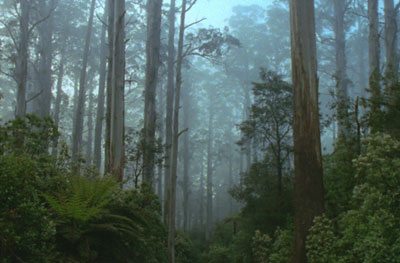
In Australia, the Ash Wednesday bushfires of 1983 became a symbol of the fragility of nature, and demonstrated how the strength of community spirit can rise from ashes. Another Australian connection is the native mountain ash tree (Eucalyptus regnans), which is the tallest tree in Australia, one of the tallest in the world, and is the tallest flowering plant. Specimens can grow to hundreds of feet high.

The middle name, Miller, is one that Gabbi absolutely loved, but was bothered by the Miller Brewing Company in the United States (where she lives). Ironically, since she announced the name, everyone has said that they would never have connected the name to the beer without prompting. However, she and her husband love the name Ash and don’t want to reverse the names.

Both Ash and Miller are names featured on the blog. Ash was one of the Boys Names from Video Games, after Ash Ketchum from Pokémon, and Miller was one of the Names of Sydney Suburbs Which Could Be Used as Boys Names.

Congratulations to Gabbi and her husband, and as they now have nine children, including a new set of triplets, I think they will have their hands full for a while. The triplets have gorgeous names, and I love the name Ash for a boy.

(Photo shows mountain ash trees in the Australian bush; image from the ABC)

Melbourne Suburbs That Could Be Used as Girl’s Names

08 Sunday Jul 2012

Posted by A.O. in Name Themes and Lists

≈ 12 Comments

Tags

astronomical names, Australian Aboriginal names, bird names, Brazilian names, Bunurong names, created names, english names, famous namesakes, Gaelic names, gemstone names, germanic names, Greek names, Irish names, Latin names, literary namesakes, locational names, mythological names, name history, name meaning, name popularity, nature names, Old Norse names, Palawa names, plant names flower names, popular culture, Portuguese names, Scottish names, Spanish names, tree names, unisex names, Visigothic names, vocabulary names

Cardinia

Cardinia is an outer suburb of Melbourne, in the shire of the same name. The name Cardinia is taken from the local Bunurong phrase Kar Din Yarr, meaning “to look towards the rising sun”. I’ve always thought this would make a great girl’s name, with an interesting sound and an inspiring meaning. To me it sounds like a cross between Caroline and Gardenia, and is a native alternative to Dawn and Aurora.

Clematis

Clematis is another outer suburb in the Shire of Cardinia, leading into the Dandenong Ranges. It’s a tiny village dating to the turn of the century, with a few basic amenities. Its fire brigade formed in 1936, takes about 100 emergency calls per year, and has fought many major blazes in Victoria and New South Wales. The suburb is named after the climbing plant, which looks wonderful in the garden and has large, beautiful flowers. The plant’s name is Ancient Greek, and probably referred originally to the periwinkle (the plant we call clematis is from Asia, and related to the buttercup). Clematis is an elegant name filled with Edwardian charm; it’s more unexpected and alluring than Clementine.

Doreen

The name Doreen looks like an elaboration of the name Dora, perhaps influenced by Kathleen, and is said to have been invented by English author Edna Lyall, who published a novel called Doreen in 1894. The Doreen in her story was an Irish singer, and possibly Lyall had heard of the Irish name Dáiríne, which is pronounced daw-REEN-uh, and means “fertile”. Although this outer suburb of Melbourne had been settled since 1844, it was renamed Doreen in 1895, just a year after Lyall’s novel. Perhaps someone was a big fan of the book? Doreen plays a role in Australian literature too, for poet C.J. Dennis wrote a famous verse-novel called Songs of a Sentimental Bloke (1915), in which larrikin Bill meets, courts and marries his sweetheart. This is a girl who works in a pickle factory called Doreen, and she turns Bill from a Melbourne gang-member into a contented husband and father. It’s been made into two movies, a musical, a TV show and a ballet. Doreen was #83 in the 1900s, and peaked in the 1920s at #21, no doubt influenced by the rhymes of C.J. Dennis. It hasn’t charted since the 1970s.

Emerald

Emerald is a town and semi-rural area in the Shire of Cardinia, and its post office first opened in 1899. It’s a popular tourist destination, because it has the Puffing Billy steam train railway which opened in 1900, and enjoyed its heyday in the 1920s. The town also holds a number of festivals through the year. Emeralds have been mined on a small scale in New South Wales and Western Australia; there is a town in Queensland named Emerald; and David Williamson’s play Emerald City is a classic of modern theatre – the title a reference to The Wizard of Oz. Emerald is a name that I’ve seen in occasional use, and the popularity of Ruby is almost certainly making other gemstone names for girls seem more usable. It also has a connection to Ireland, because this country is known as The Emerald Isle. The name is ultimately from the Greek, meaning “green gem”. Perhaps the town got its name because it is set in the forest like a green jewel – although Gembrook is just up the road.

Iona

Iona is a rural area in the Shire of Cardinia; its post office opened in 1898, and it received its current name in 1905. It is named after an island in the Hebrides, off the coast of Scotland. According to tradition, Saint Columba founded a monastery there in the 6th century, and it played a vital role in converting the Picts of Scotland and the Anglo-Saxons of northern England to Celtic Christianity. A renowned centre of learning for four hundred years, Viking raiders plundered it, and the monastery was abandoned. Today it has an ecumenical Christian community, active since the 1930s; they worship in the restored medieval Iona Abbey. The island’s name is thought to come from the Gaelic for “place of yew trees”, but may also be from the Old Norse for “island of the bear cave, island of the animal den”. It is still a popular name in Scotland, and seems like a good alternative to the popular Isla with the fashionable OH sound in it (it’s said ie-OH-na).

Jacana

The suburb of Jacana was originally farmland owned by Duncan Kennedy in the 1840s, and its streets were laid out in 1923 after the land was sold. During the 1950s to 1970s, the land was developed by the government Housing Commission, who built most of the houses. They also re-named some of the early streets, which had been given jocular names such as Emu Parade and Sunset Boulevard. Being developed as a Housing Commission suburb, it is a lower-middle and working-class area with good amenities. The suburb is apparently named after Jacana Avenue, which is in the next suburb of Broadmeadows; other streets nearby also have bird names, such as Ortolan and Dacelo. Jacanas are tropical birds that live on lily lakes in wetlands and found world-wide; in Australia we have the Comb-Crested Jacana. Its name is Brazilian-Portuguese, and pronunciation is very diverse around the globe. The Australian way to pronounce it is juh-KAH-nuh, although the original is more like ZHAH-suh-NUH. I think this is a pretty and unusual bird name that sounds similar to Jacqueline, Jana and Jacinta, but with its own “feel”.

Kallista

Kallista is in the outer suburbs, and the first European inhabitants were loggers in the 1850s; gradually farmers began settling in the area as the forest was cleared. From early on, the government preserved a section of it as state forest, and once the roads were completed, Melburnians began using it for weekenders and holiday homes. During the Depression, many people could not afford the luxury of a second home for holidays, and they were bought up cheaply by those hoping to support themselves by living off the land. The suburb gained its name in 1925, from the Ancient Greek Kalliste, meaning “most beautiful”. In Greek mythology, Callisto or Kallisto was one of the nymphs of Artemis, although Kalliste was one of the epithets of the goddess herself, and the stories of the nymph were probably originally about Artemis. Callisto was seduced by Zeus, and gave birth to a son named Arcas, who became the king of Arcadia. Jealous Hera turned Callisto into a bear, and when a teenaged Arcas was hunting in the woods, he almost shot his own bear-mother. Zeus placed them in the sky as the constellations Ursa Major and Ursa Minor to protect them. A very pretty “star” name.

Olinda

The outer suburb of Olinda began as a logging settlement, but began growing in the early 1900s as land became available for market gardening. It is famous as the home of artist Sir Arthur Streeton, and today is an artsy-craftsy sort of suburb, studded with antique shops and galleries. Olinda is named after Olinda Creek, which has its source in the suburb, and the creek was named after Alice Olinda Hodgkinson, the daughter of Victoria’s acting surveyor-general in 1859. Her unusual middle name is something of a mystery to me – I have seen it defined as a German name meaning “defender of the land”, which became used in Spain thanks to the Visigoths. However in English, this name is said to be derived from the place Olynthus in Greece, meaning “fruit of the wild fig tree”. Olinda’s Adventures was the first novel of a precocious teenage writer in the 17th century called Catherine Trotter. It fits in with other literary names of that period, such as Orinda and Belinda. It sounds like retro Linda, dressed up with the fashionable OH sound, and still seems exotic and poetic.

Sassafras

Sassafras is in the outer suburbs, and lies between Olinda and Kallista. It was opened to farming in the 1890s, and a small township developed. Around the turn of the 20th century, it began to attract tourists, and still caters for them, with boutique stores, cafes serving Devonshire teas, and garden nurseries. Sassafras has very fertile volcanic soil, which makes it ideal for growing plants. Aptly enough, it is named after the sassafras tree, found growing there in profusion. These are not true sassafras, which are native to North America and Asia, but Southern Sassafras, an ancient tree from the southern hemisphere, with several species native to Australia. The one in Victoria is Atherosperma moschatum, and it grows in cool temperate rainforest. An evergreen, it flowers in winter with white petals, and its springy timber is in demand for speciality woodwork. The word sassafras is thought to be a corruption of saxifrage, an unrelated genus of tough alpine plants; their name is from the Latin for “stone breaker”. I have seen this once in a birth notice for a baby girl; it’s an unusual plant name which gives the nicknames Sass and Sassy.

Sunshine

This inner-city suburb has been a township since the late 19th century, and is an important part of our industrial history, because the Sunshine Harvester Works were moved here in 1906 by H.V. McKay, and became the largest manufacturing plant in Australia. It was after this that the suburb was given its present name; it is believed that McKay chose Sunshine for the name of his business after hearing a sermon by visiting American evangelist Rev. Thomas de Witt Talmage. The word sunshine seems to have been frequently used in Talmage’s writings, as a symbol of happiness and God’s blessings. McKay planned Sunshine on Garden City principles, and workers flocked there to live. The manufacturing plant was demolished in the early 1990s, but there is still plenty of industry, and it has attracted many migrants, especially from Malta and Vietnam. Skier Lydia Lassila grew up here, as did singer Bon Scott; Prince Philip lived here briefly. This cheerful, friendly name isn’t just from nature – it’s one connected to our manufacturing history, and also has idealistic Christian roots. Although unisex, the film Little Miss Sunshine helps give it a feminine edge. Sunny makes a cute nickname.

Truganina

This suburb is named after Truganini, considered to be the last “full blood” Palawa (Tasmanian Aborigine). Truganini was a chieftain’s daughter born in 1812 on Bruny Island, described as a vivacious and intelligent woman by contemporary sources. Her mother was killed by whalers, her two sisters were abducted and taken as slaves, her fiance died saving her from being abducted herself. Efforts at conciliation meant that Truganini and the last surviving Palawa people were moved around, including a short time in Melbourne, which is how the suburb received its name. By 1873, Truganini was the last Palawa left, and she died three years later. Her final request, that her ashes be scattered in the D’Entrecasteaux Channel near her island home, was ignored; she was buried in a convict workhouse in Hobart. Two years later, her skeleton was exhumed, and put on display by the Royal Society of Tasmania. In 1976, a century after her death, her last wish was finally fulfilled. Her name is the Palawa word for the tough plant we call grey saltbush (Atriplex cinerea), and can be spelled a number of ways. This could make an interesting heritage choice, although its namesake is a tragic symbol of Indigenous genocide. The correct pronunciation is not known, but Truganina could be said to give the nicknames True and Nina.

(Picture shows the Puffing Billy steam railway in Emerald)

More of Your Questions on Unisex Names Answered

24 Sunday Jun 2012

Posted by A.O. in Your Questions Answered

≈ 7 Comments

Tags

classic names, english names, famous namesakes, Irish names, locational names, mythological names, name meanings, name popularity, nature names, nicknames, Old French names, Old Norse names, sibsets, surname names, The Name Agender, unisex names, US name popularity, vocabulary names

It’s been more than two months since my first foray into answering questions on unisex names, and as I just started a new page for them, it seemed like a good opportunity for another lot. In the interval, the number of questions on this subject has piled up alarmingly, so it’s obviously topic de jour.

As with my first entry on this topic, I consider the origin, meaning, history, namesakes and popularity of a name to determine whether it’s male, female, or unisex.

Keep in mind that by law all names are unisex, and it is purely personal choice and social convention which dictate whether they are given to boys or girls. Unless otherwise specified, popularity of names is based on Australian data.

I: GIRLS OR BOYS?

Flynn as a girl’s name

Flynn is an Irish surname meaning “son of Flann“, so it’s a boy’s name.

Is Chase a unisex name? Are there any girls called Chase?

Technically it’s male, as the surname is an occupational one given to a huntsman, from the Old French for “hunter” (male form). However, you could argue that the name is given directly from the vocabulary word, meaning “to pursue”. I have also seen parents say that on a girl, Chase is short for Chastity. There are most certainly girls named Chase in the world.

Sutton as a girls name

There’s no reason why this surname can’t be used on either a boy or a girl, as it is taken from a common English place name meaning “south settlement”. In Australia, Sutton is a small village in country New South Wales on the Yass River. There is an American actress named Sutton Foster who has appeared in the show, Flight of the Conchords.

Peter as a girl’s name is that Aussie?

No, it’s not. In Australia, Peter is a classic name for boys which has never been off the charts, peaked at #1 in the 1950s and is currently in the 100s. It’s never charted for girls. You may be thinking of the female form, Peta, which was on the charts from the 1930s to the late 2000s. It peaked in the 1970s at #73, the only decade it was in the Top 100. It does seem to be a name from the Southern Hemisphere, as it only seems to have been popular in Australia, New Zealand and South Africa.

Gunner as a girl’s name

Gunner is one of those rare surnames which can be taken as coming from a woman’s name, the Old Norse Gunvor, meaning “female battle warrior”. However, we usually think of it as coming from the occupational name for a soldier who manned the cannons during war. So I think this can be either a girl’s name or a boy’s name.

II: BOYS OR GIRLS?

Can Sky be a guy’s name?

Yes it can. In Greek mythology, Uranus was the god of the sky, seen as male compared to the earth goddess Gaia. So if anything, the sky seems to be masculine in Western culture. Sky can also be be short for Schuyler or Skyler.

Is Addison a boy’s name?

It means “son of Adam”, so yes it is a boy’s name. However, it is currently Top 100 for girls, and doesn’t rank for boys, so it’s much more commonly given to females. We had a celebrity baby boy named Addison this year.

Any dudes named Courtney?

A famous Australian one that springs to mind is singer Courtney Murphy, who was on Season 2 of Australian Idol. Another is the triathlete Courtney Atkinson, and Courtney Johns plays Australian rules football for Essendon.

Stolen boys name – Kelly?

I don’t think it’s possible to “steal” a name from one gender – it’s usually more about the name being rejected or neglected on behalf of its original gender.

However, let’s assume that “gender stealing” actually exists. For a name to be classified as “stolen” from the boys, it would have to be popular as a male name, and then show the name in decline for boys, accompanied by a corresponding rise in the use of the name for girls. That doesn’t seem to be case with Kelly – it has never charted as a male name in Australia, and has charted as a female name since the 1950s.

In the US, which has data going back to the 19th century, Kelly has been on the Top 1000 since 1880, and only stopped charting for boys in 2003. It began charting for girls in the 1940s, but as the name rose for girls during the 1950s, it also continued rising for boys.

Kelly for boys peaked in 1968 when it just scraped into the Top 100, which corresponds to it also hitting a peak for girls at #12. That doesn’t fit the profile of a “stolen” name – that fits the profile of a unisex name. Kelly for girls peaked again in the late 1970s, but by that time Kelly for boys was on the wane.

You could say that was because it was remaining fairly popular as a girl’s name – but that doesn’t explain all those years that both names grew in popularity together. Nor does it explain the many, many decades that Kelly spent as a male name only, free of all feminine interference, without ever gaining any level of significant popularity.

Having said that, Kelly actually is a male name, although usage is now primarily female. So whether it’s “stolen” or not depends on your perspective.

Chelsea can be for boys? Is Chelsea a boy name too? (asked multiple times in various ways)

There’s really nothing especially feminine about the place name Chelsea, which means “chalk wharf” and is the name of a football club, so by meaning and association this name seems unisex, and it has been occasionally given as a male name. In fact, the blogger at The Name Agender is a man named Chelsea, and he has written an article about growing up as a boy named Chelsea, as well as an interesting article on several men and boys named Chelsea, including a celebrity baby from last year.

III. JUST PLAIN CONFUSED

Is there more boys or girls named Taylor?

More girls – Taylor has always been much more popular as a girls name than a boys name in Australia.

Is Edith a unisex name?

No, it’s a woman’s name, and has a history of over a thousand years being given to females. In Australia it has only ever charted as a girl’s name.

Is Bailey a girls or boys name in Australia based on statistics?

Based on Australian statistics, it’s a boy’s name. It has only ever charted for boys, and never for girls.

Mackenzie boy or girl name?

It means “son of Kenneth“, so it’s a boy’s name. However, it has only ever charted as a female name, so it’s much more commonly given to girls.

I named my daughter Riley can I use a unisex name again?

Well of course, nobody is going to stop you. You can name your children exactly as you please, and there is no “One Unisex Name Per Family” law. But if you are asking for an opinion, this is mine:

If your next child is a girl, I would advise choosing another unisex name to match her sister’s, like Cameron or Alex. I’ve noticed girls often tend to get a bit jealous if one sister has a girly name and the other one has a boyish name – or at least it is made an excuse for sisterly jealousies.

However, if your next child is a boy, I would advise choosing a name that is unambiguously male, like Jake or Brendan. This is purely my own preference, but I think a boy should have a name that is more masculine than his sister/s.

Just for practical reasons, if you tell someone, “I have a daughter and a son; their names are Riley and Avery”, the person would be confused as to which one was the girl and which the boy, and it’s considered rude to ask.

Well, those are my opinions: what are yours? Do you prefer Edith for a boy and Peter for a girl? Has Kelly been stolen? How many dudes named Courtney do you know? And what would you name the siblings of a girl called Riley?

(Picture shows Katherine Hepburn in the 1935 movie, Sylvia Scarlett, in which Hepburn must disguise herself as a boy, despite the difficulties involved when it comes to public toilets).

Famous Name: Diamond

06 Wednesday Jun 2012

Posted by A.O. in Famous Names

≈ 11 Comments

Tags

British Baby Names, english names, famous namesakes, fictional namesakes, gemstone names, Greek names, honouring, Mer de Noms, name history, name meaning, nature names, surname names, US name popularity, vocabulary names

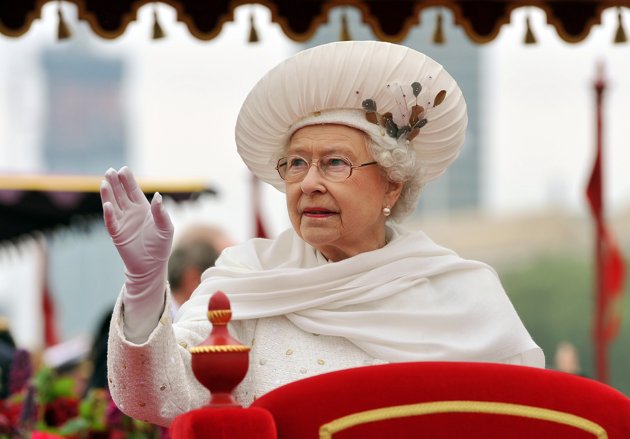
Queen Elizabeth II is only the second monarch since Queen Victoria to reign for sixty years. Last weekend, it was the Queen’s Diamond Jubilee celebration, where the British enjoyed four days of triumphant pageantry, horse-drawn carriages, royal barges, processions, church services, street parties, luncheons, concerts, festivities and general revelry. Naturally the Brits didn’t allow a bit of very British rain to stop the fun.

We also celebrated here, in a more humble and low-key sort of way, and even managed to have wet weather, in a meteorological show of sympathy. We sent a detachment of the New South Wales Mounted Police to represent us at the pageant, and Indigenous performer Gurrumul came on stage for Sing, a song written especially for the Jubilee featuring 200 artists from the Commonwealth; Kylie Minogue and Rolf Harris also performed at the concert (not together).

Australia has another connection to the Queen’s Jubilee: earlier this year, the largest pink diamond ever mined in Australia was found at Rio Tinto’s Argyle mine in the north-west of Western Australia (which is the source of most of the world’s supply of pink diamonds). The diamond is 12.76 carat, and, in honour of the Diamond Jubilee, has been dubbed the Argyle Pink Jubilee diamond. It was cut and polished in Perth, and will be sold later this year; pink diamonds cost about 20 times more than equivalent white diamonds.

The name Diamond is ultimately from the Greek adamas, meaning “unbreakable, invincible” (although the Greeks probably used the word to refer to other gemstones). It is from this that we get the words adamant, meaning “determined, unyielding”, and adamantine, meaning “as hard as diamond”. Diamonds are famous for their hardness, as well as their clarity and fiery white lustre.

It is thought that diamonds were first recognised and mined in India, where they have been used in Hindu religious icons for thousands of years. India remained the only source of diamonds until the 18th century, when they were discovered in Brazil, and today most of the world’s diamonds are cut and polished in India.

Diamonds have been used for jewellery since ancient times, and one of the most famous of their uses is for engagement rings. Medieval Italians called the diamond the “stone of reconciliation”, saying that it would maintain harmony between husband and wife. Diamonds were therefore recommended for betrothal rings, although they could only be afforded by royalty and aristocracy. It was the marketing campaign of De Beers begun in 1938 that sold us the idea that everyone needed to have a diamond engagement ring; such a campaign was necessary because of the large quantities of diamonds being brought in, especially from South Africa.

Mention of Africa brings up a grim factor of the diamond industry: the blood diamonds. In politically unstable countries of central and west Africa, revolutionary groups have taken over control of diamond mines, using the proceeds to fund their operations. Processes are in place to prevent blood diamonds from entering the mainstream market, and although they aren’t perfect, your chance of actually buying a “blood diamond” from a reputable jeweller is probably fairly remote.

However, the ethics of diamond mining are still pretty murky in many areas. Mines in India and South Africa not infrequently use child labour, working conditions can be cruel, and miners and gemstone cutters earn a pittance in relation to the value of the stones they help produce. De Beers have built mines in areas where they have forcefully displaced the indigenous people of the region, so even an “ethical diamond” may not be as ethical as you hoped.

For some reason, the name Diamond seems to get more negative reactions than other gemstone names, like Ruby or Pearl. The very hardness and sparkle which makes real diamonds so valuable, somehow makes the name Diamond appear “cheap” or “rough”. When diamonds symbolise so many positive things – strength, beauty, eternal love – that seems a foolish distinction to make.

Diamond is a gemstone name that works equally well for boys. For a start, the English surname Diamond is specifically masculine, and comes from an Anglo-Saxon personal name Dayman, meaning “man who takes care of livestock”. In Ireland, the surname is based on the personal male name Dermot, while the surname taken directly from the gemstone was adopted by some Jewish families from Eastern and Central Europe.

George McDonald’s enchanting fairy tale At the Back of the North Wind has a little boy named Diamond as its hero, and the movie I Am Sam has Dakota Fanning playing a girl named Lucy Diamond Dawson, her name a direct reference to the Beatle’s song, Lucy in the Sky with Diamonds.

Another connection with diamonds and royalty is a little girl named Diamond Ann Marshall, who was chosen to meet Catherine, Duchess of Cambridge on the royal tour of Canada. Diamond wrote the duchess a nice letter, and when she met her, gave her a big hug. Diamond was a cancer patient at the time, but is now in remission. Diamond’s name was given to her in honour of Princess Diana – I’m guessing Diamond Ann sounded like the name Diana to her parents.

Diamond as a girl’s name has been on the US Top 1000 since 1986, and peaked at #150 in 1999. It’s currently #760 and falling. It may be on the wane in America, but I hope that the Jubilee year inspires a spike of baby Diamonds in Commonwealth countries.

Looking for some more baby names for the Diamond Jubilee? Go check out these blogs from Elea at British baby Names, and Lou at Mer de Noms.

Interesting Names Spotted in Print, on Radio and on TV – Autumn Edition

05 Tuesday Jun 2012

Posted by A.O. in Names Spotted at Home and Abroad

≈ 7 Comments

Tags

animal names, astronomical names, Australian Aboriginal names, Chinese names, Cornish names, created names, english names, famous namesakes, Fijian names, Greek names, honouring, Indian names, Latin names, literary namesakes, locational names, mythological names, name history, name meaning, nature names, popular culture, Scottish names, sibsets, unisex names, vocabulary names, Welsh names

This celebrates the fourth birthday of a little boy who was the first baby born at Saltwater in New South Wales in over a century. The beachside area is the traditional place of the Worimi-Biripi people, and is now in a national park. Dawn Morcombe gained special permission to give birth at this spiritually significant location, and she named her son Yarramundi John Michael Hollis. Yarramundi was a famous Indigenous leader of the colonial era; his son was Colebee, who was featured on the blog last year. His name is said to mean “deep water”. Fantastic story, namesake, and meaning, especially for a baby born at Saltwater!

Debbie Bell from South Australia has had a rough life and been through more than her fair share of heartache. However, after a great deal of physical and emotional suffering, she and her husband Ian were at last able to have a baby through a donated embryo, and named their son Derlerean. I think Debbie and Ian may have created this name themselves. It reminds me of the car, the Delorean.

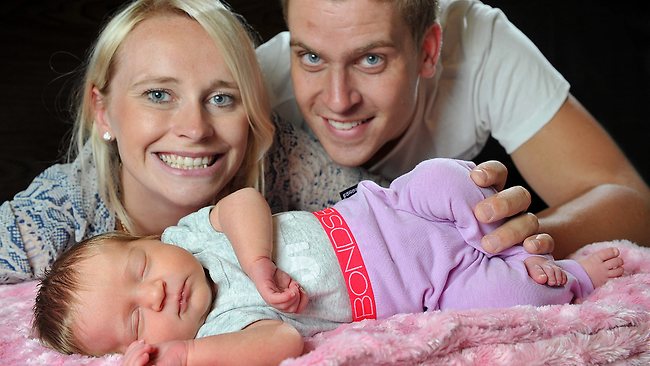
Victorian couple Charlotte Gernandt and Dale Hynes called their first baby Tinkabell Darling [pictured]. Now this sounds like a name straight out of Peter Pan, but Charlotte and Dale say she is not named after the fairy. Um, okay … must be inspired by some other Tinkerbell … She’s called Tinka for short.

Emma Preston was so crippled by endometriosis that she was confined to a wheelchair, and had little hope of ever having a baby. But then Sydney fertility specialist Dr Geoff Reid not only got her out of her wheelchair, he helped her to conceive through embryo transfer. Emma was so grateful, she named her baby after him. No, the baby’s not called Geoff; her name is Reid Louise. Nice gesture and name story.

It’s not often a baby ends up in the paper just because of his name, but this one is quite striking. Kate Anderson and Lance Walshe, from the Yarra Ranges just outside Melbourne, named their son Viper. His name was inspired by Lance’s love of snakes, and the couple wanted an original name that nobody else had. They considered Wolfgang, but rejected it because they thought it might lead to teasing. Viper Walshe doesn’t have a middle name, and if he’d been a girl, his name would have been Ruby Joanne. Kate says his name has met with mixed reactions.

A story from Port Macquarie on the ever-rising prices on electricity bills featured a struggling single mum named Bek Latimore. Bek’s baby girl is named Arizona; although I generally don’t go for American-states-as-names, this one always puts a smile on my face. I’m not sure I can ever imagine using it myself though. Arizona’s older brother is named Nick, which made me think – could Nick be short for Phoenix? Hmm?

This story about a midwifery programme at Canterbury Hospital in Sydney showed a mother with an elegant name: Eglantine Jalicot. Eglantine’s son has an equally stylish name – Lysander. His ancient Greek name means “release of a man”, and belonged to a famous military general of ancient Sparta. Eglantine is another name for the sweetbriar, and is first found as a personal name in Chaucer’s Canterbury Tales.

Two interesting and pretty girls’ names from a story on sleep and babies: Luna and Reya. Luna is of course Latin for “the moon”, and Reya is an Indian name which means (I think) “wealth”.

A story on a new breech birth clinic at Westmead Hospital in Sydney showed mum Mallissa Tulfua with her son Tevita. His name is the Fijian form of David.

A Brisbane columnist covers a naming dilemma from real life when two of her friends cannot agree what to name their baby. Readers are invited to help name their sprog, but as we’re not told what names they’ve come up with already, it seemed a rather futile exercise (although apparently the mother had rejected Luke as “not masculine”, which seemed odd). The columnist notes some of the baby names from her own extended family are Echo, Theo, Roarke, Ziad, Ingrid and Rudi.

Alana Mahadik had a very difficult childbirth with her first son, Avighna. With her second, she opted for hypnobirthing at Caboolture Hospital in Queensland on Anzac Day, and found the whole experience very quick and stress-free. Her new baby son’s name is Rudra, which is an Indian name meaning, aptly enough, “remover of pain”. Avighna’s name means “remover of obstacles”.

A rather adorable little baby girl was sadly abandoned at Canterbury Hospital early this year. The baby has been named Li-Ye, which means “beautiful child” in Chinese. Only a few babies have been abandoned this way in New South Wales in recent years: two others were named Adam and Sunday April. All of these babies were eventually adopted after their birth mothers failed to come forward.

Interesting Names of Adults

An ABC radio podcast on parenting featured a Melbourne child psychologist named Angharad Candlin. This Welsh name meaning “greatly loved” is one I have admired since childhood, yet never before seen on a real person (although I didn’t actually see her, as it was radio).

This travel writer, enjoying the Sicilian sun, has the name Dugald Jellie. There’s quite a few Australians with this Scottish form of Douglas as their name, but Dugald Jellie seemed just a bit more interesting and storybook-character somehow.

The junk mail of one April morning produced a community newsletter about a new medical centre opening in the area. One of the doctors was named Demelza – a Cornish place name from the Poldark books and TV series. I briefly thought about changing doctors just to have a GP named Demelza, but couldn’t face all the paperwork.

I read One Way or Another: The Story of a Girl Who Loved Rock Gods, the memoirs of Gold Coast rock star groupie Nikki McWatters. Eventually she sees the error of her ways, and settles down by sensibly marrying a schoolteacher. Her husband’s name? The very rockstar-sounding Zeus. As well as teaching school, Zeus is a trained opera singer, so she obviously never lost her thing for male vocalists.

Channel 7 have resurrected The Price is Right, which I find keeps the troops quietly occupied while I make dinner. As I stir and chop, I keep an ear out for names: so far I have seen a pair of sisters named Jalila and Janita (late teens to early twenties), a woman named Feda, pronounced like “feeder” (twenties), and a grandmother named Dixie (around sixtyish).

Can You Suggest an Australian-Themed Name for the Third Triplet?

18 Friday May 2012

Posted by A.O. in Naming Assistance

≈ 28 Comments

Tags

angel names, constellation names, famous namesakes, fictional namesakes, Greek names, holiday names, mythological names, name history, name meaning, name popularity, name trends, nature names, nicknames, patriotic names, plant names, Spanish names, surname names, themes for triplets, tree names, triplet sets, unisex names, US name popularity, vocabulary names

Gabbi is an ex-pat Aussie originally from Perth, in Western Australia; she lives in the United States with her husband and six children. The family will be welcoming children 7, 8 and 9 in a few months, because they are expecting fraternal triplets – two boys and a girl.

Now if Gabbi had been having boy-girl twins, there would be no naming problem, because they have already chosen gorgeous names for the girl and one boy baby: Clover and Jasper.

The names fit together perfectly, because both reference the number three (Jasper was one of the three wise men, and clovers usually have three leaves), and both are associated with luck or gifts. They both bring to mind particular colours as well, because jasper stones are red, and clover is of course green; furthermore, they are both connected to special days of the year (Epiphany on January 6, and St Patrick’s Day on March 17).

Gabbi is now very concerned that the third triplet receives a name which has a special meaning of its own: even if it doesn’t fit in exactly with Clover and Jasper, it needs to be meaningful and have its own significance, rather than just being an afterthought. She would love it if the third triplet receive a name which is connected to Australian culture and celebrates Gabbi’s heritage, without being anything too obvious, like Sydney or Jack.

Other name preferences

  • Nothing too popular – one of Gabbi’s sons has a name which became very popular, and she doesn’t want that to happen again. (Gabbi actually stipulated that the name had to be outside the 300s, but I thought that was too strict, especially considering Jasper is in the 200s, so I restricted myself to names outside the Top 250).
  • Nothing too unusual that will really stick out in America – no Bluegum or Gallipoli
  • Nothing too obviously political, he’s not a bumper sticker
  • The family has a long, complicated surname, so the name needs to be simple to spell and pronounce

Names that have already been considered and rejected

  • Alister (dislikes nn Al)
  • Archer (too trendy, dislikes nn Archie)
  • Asher (too popular)
  • Finn (too popular)
  • Flynn (too connected to its namesake, Erroll Flynn)
  • Jonah (too popular)
  • Micah (too popular)
  • Miller (loves the name, but not the beer connection in the US)
  • Sawyer (too popular, too often used as a girl’s name)
  • Sayer (worries it looks “made up”)
  • Zephyr (Gabbi’s husband has vetoed as “too weird”)

The other children in the family tend to have names which are fairly popular in Australia, but underused in the United States. They are quite “cute” sounding, and even if unisex, used far more by one gender than the other.

Although Gabbi is interested to see what names I come up with, she would also love blog-readers to contribute any thoughts or ideas they have.

MY SUGGESTIONS

Felix

I think this goes with Jasper and Clover rather nicely, and is by far my top choice for Triplet Number Three. Felix means “lucky”, and Australia Felix is the name given to lush pastureland; there’s also a Great Australian Novel called Australia Felix, by Henry Handel Richardson (like George Eliot, Henry was a woman). It also reminds me of Felix the Cat, which was an Australian-American creation, and in LA, Felix the Cat is used on a three-sided sign. Although Top 100 in Australia, Felix is only #311 in the US.

Phoenix

A similar sound to Felix, but it references the colour red, which fits with Jasper. In China, the phoenix is a symbol of luck, and has great significance in terms of immortality and resurrection. The Phoenix is one of the constellations of the Southern Hemisphere, and is most visible around Christmas time – I thought this fitted in rather nicely with Jasper’s Christmassy meaning. Although quite popular in Australia, it is only #388 in the United States. However, you may be bothered by the fact that it also charts for girls in America, and possibly Phoenix the city in Arizona is also an issue for you.

Orion

This is another constellation name, one which references the number 3, because Orion is famous for having three stars in his belt, and even the absolute beginner (or a small child) can locate them easily in the night sky. Like the Phoenix, Orion is another constellation which is most visible around Christmas time. The RAAF have a plane called the Orion, while in the USA, it is the name of a ship, and a rocket. Orion seemed like a name from Greek mythology which might be less “weird” than Zephyr. It is #471 in the US.

Finlay

This seemed like an obvious alternative to Flynn and Finn, with a similar sound and origin, yet not even on the Top 1000 in the US. Because Finlay is connected to the colour white, it also seems a nice match with Jasper and Clover. There’s a rather nice connection to Gabbi’s home state as well, because Garfield Finlay was a World War I flying ace who lived in Perth, Western Australia, before the war.

Rafael

Names starting with Raf- are very much on trend in Australia, yet not over-used in the United States. This is the Spanish form of Raphael, the name of a healing archangel, and seems just as special as Jasper and Clover to me. An Australian connection is that Raphael Aimbari was an Ori man who helped Australian soldiers on the Kokoda Campaign during World War II; there is a statue of him in Brisbane. I think Rafe makes a very dashing nickname. Rafael is #274 in the US, but has been stable for some time and isn’t climbing up the way Jasper is. Raphael is #668, but seems harder to spell than Rafael.

Lawson

There are said to be three great Australian poets – Banjo Paterson, C.J. Dennis, and Henry Lawson. Banjo seems too out-there for you, and Dennis is a bit old-fashioned, but Lawson seems like a nice Australian replacement for Sawyer (both surnames, similar vowel-sounds). The surname means “son of Laurence”, and the name Laurence is connected by meaning to the bay tree, a symbol of success. It’s a subtle nature-themed name which again makes me think of a colour. It’s #580 in the US.

Shepherd

Another surname; this one reminds me of the conservation organisation, Sea Shepherd, which operates in Australia and the US. Interestingly, Sea Shepherd has three ships in its main fleet. It is a subtle environmental name, reminding us that we are all guardians of life on earth. At the same time, it’s another “Christmas-themed” name to go with Jasper. This name hasn’t been on the US Top 1000 since the 19th century.

Franklin

Another environmental namesake, because the successful fight against the proposal to dam the Franklin River in the Tasmanian wilderness was a landmark in Australian environmental activism. Aptly, the surname Franklin means “free man”, and the call of the activists was to let the Franklin River run free. This has a wonderful American connection too, because of Benjamin Franklin. It also reminds me of the word frankincense, as brought by the Three Wise Men. The name is #504 in the US, but I somehow feel the nickname Frank isn’t going to appeal to you.

Ash

This is another nature name which references a colour, and seems like a replacement for Asher. In Australia, it reminds me of the Ash Wednesday bushfires, which like the Phoenix, became another symbol of resurrection, of rising from the ashes. It also reminds me of the mountain ash, the tallest of all eucalypt trees, and one of the tallest trees in the world. Ash isn’t on the US Top 1000, but may be too unisex for you. You might consider it for a middle name though.

Talon

This is another nature name which is on trend in Australia, but underused in the United States. The main reason it occurred to me is because an eagle’s claw has three talons which are used to hold prey (the fourth is used for balance). The Wedgetail Eagle is very important in Aboriginal mythology, as Bunjil the Wedgetail Eagle is a creator deity. Of course, the Bald Eagle is the national bird of the United States, making it an important symbol for both countries. Talon is #516 in the US.

Which of these names do you think is the best match with Jasper and Clover? Or maybe you have your own suggestion for Jasper and Clover’s brother. If so, let’s hear it! All ideas are welcome.

NOTE: The triplets’ names are Clover, Jasper and Ash!

Waltzing With … Chrysanthe

13 Sunday May 2012

Posted by A.O. in Waltzing with ...

≈ 1 Comment

Tags

famous namesakes, flower names, French names, Greek names, name combinations, name history, name meaning, nature names, nicknames, plant names, rare names, saints names, unisex names

This blog post was first published on May 13 2012, and revised and re-posted on March 23 2015

Today is Mother’s Day, which is a special day for anyone who is a mother, or has ever had a mother or mother figure to care for them – hopefully that’s all of us.

Celebrations of motherhood are not a new idea; the ancient Greeks and Romans had festivals in honour of the mother goddess Cybele, and the Christian Church commemorates Mothering Sunday on the fourth Sunday in Lent. Although the mother being honoured on this day is the Virgin Mary, traditionally it was a day for people to spend with their own mum, and bring her flowers and cake.

The Mother’s Day we celebrate in May was started in the United States, and came out of the women’s peace movement. In 1868, Ann Jarvis tried to promote a pacifist Mother’s Day, and when she died in 1904, her vision was still just a dream. Ann’s daughter Anna Jarvis was determined to continue her mother’s campaign, and by 1914, US Congress had passed a law proclaiming the second Sunday in May would be called Mother’s Day.

Unfortunately for Anna and all her hard work, she soon became horrified by the commercialisation of Mother’s Day; greeting cards and boxes of chocolates were not at all what she had had in mind. For the rest of her life, she protested against it, and in the process was arrested for disturbing the peace. Anna spent all her savings trying to stop what she had accomplished, and died in poverty in 1948.

The tradition of giving gifts on Mother’s Day was begun in Australia by a Sydney woman named Janet Heyden. In 1924, Mrs Heyden made a visit to someone in a state women’s home, and was saddened to find so many neglected mothers. To cheer them up, she organised schoolchildren to help bring them gifts donated by local businesses.

Janet was also disappointed by the commercialism of her idea, but sensible enough to realise that more good than harm would come of it. She continued visiting lonely mothers and cheering their days until she died in 1960.

Name Information
The traditional flower to give your mum for Mother’s Day in Australia is the chrysanthemum, because it is an autumn flower, suitable for the season, and ends in mum. The flowers originate in China, where they symbolise cleansing and health, and when they were introduced to Europe, they were named chrysanthemums, meaning “golden flower” in Greek. The Ancient Greeks also had this flower name, but they used it to refer to the daisy-like weed we call the corn marigold, which has been brought to Australia and grows wild here too.

Chrysanthos or Chrysanthus is an Ancient Greek name meaning “golden flower”. Saint Chrysanthus was an early Christian martyr, the husband of the supposed Vestal Virgin named Daria who converted to Christianity. That part of the legend can’t be true, but nonetheless Chrysanthus and Daria were very popular saints, and the name was well known. There was a Roman governor in Britain in the 4th century named Chrysanthus, and Chrysanthos has been used in modern Greece.

Chrysanthe is the feminine form of Chrysanthus, and can also be spelled Chrysanthi (the more obviously Greek spelling). The name is pronounced kri-ZAN-thee. Chrysanthe is also the French form of Chrysanthus, so has been used as a male name in French-speaking countries, including French Canada.

Chrysanthe is a rare name, and has mostly been used in Greece, and by those of Greek heritage. It doesn’t show up in the data in either the US or the UK. However I have seen it used in Australia, and not only on people from a Greek background. A famous contemporary namesake is American/Australian composer and violinist Chrysanthe Tan, who is of Greek heritage, and may be giving the name some publicity.

There’s something a little extravagant about Chrysanthe – it’s gilded, artistic and showy. Yet it doesn’t sound much different to the more familiar Christina, Anthea, and Xanthe. It is tied by sound and meaning to the chrysanthemum flower, which makes it an ideal name for a daughter born on, or near, Mother’s Day.The traditional nickname is Chryssa, but you could also use Chrys, Chryssie, Thea, or Zan.

POLL RESULT
Chrysanthe received an approval rating of 65%. Opinions on the name were fairly evenly divided – 25% of people thought it was an okay name, while 18% of people hated it.

Saturday Sibsets: Four Families from Tasmania

12 Saturday May 2012

Posted by A.O. in Sibsets in the News

≈ 2 Comments

Tags

animal names, Arabic names, Australian Aboriginal names, english names, hebrew names, Maori names, nature names, nicknames, polynesian names, sibsets, unisex names, virtue names, vocabulary names

THE CIRCUS TROUPE

Kristy and Mark Sands run the Sands Family Circus. They began performing together in the mid-1990s, and initially planned on having two children, but ended up with a few more than that. All the children naturally learned circus skills, and became part of the act.

Jiemba (15) BOY – means “morning star” in the Wiradjuri language

Tohua (13) BOY – in Maori means “egg”; in Polynesia, a Tohua is a ceremonial meeting place

Spida (11) GIRL

Rain (9) BOY

Ooliki (3) BOY – I don’t know what his name means

Next child (due in July)

THE BABYSLING MUMPRENEUR

Anita Lincolne-Lomax turned her passion for attachment parenting into a business when she founded Babes in Arms several years ago. Babes in Arms sells baby carriers and baby slings throughout Australia and New Zealand, and last year Anita was named 2011 Mumpreneur of the Year by parenting website connect2mums.com.au, and Babes in Arms is a finalist in two categories of this year’s Australian Small Business Champion Awards. Her husband Ralph now works full-time in the company.

Tilli (8)

Jontae (5) – a variant of Jonte, a pet form of Jonathan

Aviya (3) – Hebrew name meaning “my father is Yahweh” (unisex)

Grace (7 months)

THE COOKS WHO COOK

Jo Cook is a chef and market curator, and food is her passion. A member of Slow Food Hobart, she runs Flavour Workshops for children, and volunteers at a primary school to work in their kitchen garden. Next she hopes to link up with the university to inspire a new generation to eat more mindfully and healthily. Of course, at home, the family connects around growing food, cooking meals and enjoying them together around the table.

Nina (10)

Charlie (8)

A FRESH START

Sarra Elradi came to Tasmania from Sudan with her four children to give them a better start in life. She had separated from her husband, and the family spent two years in Egypt, which they describe as “very tough”, because there was no one to help them. When they arrived in Australia, only Sarra’s eldest son could speak English, so they were on a steep learning curve; however they appreciate the education they are receiving and the opportunities that are available to them. Sarra’s daughters are both members of the Glenorchy Young Women’s Multicultural Group.

Elsawi BOY Arabic name meaning “servant of God”

Hanadi (15) GIRL Arabic name meaning “lovely fragrance”

Zeinab (12) GIRL Arabic name meaning “desert flower”

One other child

(Photo and story from The Hobart Mercury, May 11 2012)

Popular Names for Girls

29 Sunday Apr 2012

Posted by A.O. in Name Themes and Lists

≈ 29 Comments

Tags

acronyms, Appellation Mountain, band names, Biblical names, celebrity baby names, created names, english names, Etruscan names, famous namesakes, fictional namesakes, flower names, French names, gemstone names, germanic names, Greek names, Italian names, Latin names, Linda Rosenkrantz, locational names, mythological names, name data, name history, name meaning, name popularity, name trends, Nameberry, nature names, nicknames, Norman names, popular culture, popular names, retro names, royal names, Shakespearean names, ship names, tribal names, vocabulary names

In honour of the name data being released, I thought I’d do lists of the most popular names in Australia for last year. I admit this was something of a last-minute decision, but it seemed like a good opportunity to cover some of the best-loved names.

People often ask how popular names got to be popular. I’m not sure there’s really a good answer to that – clearly people like the sound of them, and they fit in with current trends. Yet there must be many names, equally as nice-sounding and trend-friendly, that lurk around the 200s and don’t seem as if they are going anywhere much.

Although I cannot tell you what events caused these names to become popular, I can tell you some of the events which accompanied their rise. I’m definitely not trying to say that they were the cause of a name’s popularity, just that they coincide with it (and really sometimes it seems more than merely coincidental). Feel free to add other events you can think of, or any theories of your own!

Note: I’ve used data from New South Wales, but it must be broadly accurate for the rest of the nation too.

Lily

Lily seems to have begun as a pet form of Lilian, but must soon have become thought of as a flower name. The lily is sacred to the Virgin Mary, and Jesus urged his followers to “consider the lilies of the field” as a model in trusting Divine Providence. Lily has been almost continuously in the charts, only dropping out during the 1960s. It began rising in the 1980s – a decade when Princess Lily was the main female character in fantasy film Legend, and when Phil Collins and Kevin Costner welcomed daughters named Lily. A Top 100 name in the 1990s, it continued climbing, as Kate Beckinsale welcomed a daughter named Lily, while Johnny Depp named his baby girl Lily-Rose. By the early 2000s, Lily was already a Top 20 name, and during this decade, Lilly was the main character’s best friend in The Princess Diaries movie, Lily Potter was Harry’s mum in the Harry Potter movies, and pop singer Lily Allen released her first hit. Last year Lily was the most popular name for girls, once combined with the spelling Lilly. Delicate and pure, yet with several spunky namesakes, pretty Lily became a favourite.

Ruby

Ruby is named after the precious gemstone, whose name from Latin simply means “red”. Retro Ruby was popular during the 1900s, then dropped out completely during the 1960s and ’70s, despite being a popular name in songs; notably Ruby Tuesday and Ruby Don’t Take Your Love to Town. It began rising in the 1980s, as comedienne Ruby Wax barged her way onto our TV screens, and singer Rod Stewart welcomed a daughter named Ruby. The name climbed steeply during the 1990s, and turned up in more songs: Ruby Soho by Rancid, Thru’ the Eyes of Ruby, by The Smashing Pumpkins, and Ruby Wednesday by Eskimo Joe. By the early 2000s, Ruby was a Top 50 name, and by the late 2000s, it was Top 20. During this decade, the song Ruby was a hit for The Kaiser Chiefs, Renee Zellweger played Ruby in the movie Cold Mountain, and Ruby Buckton was a free spirited teen on popular soap, Home and Away. Charlotte Church, Tobey Maguire, and Harry Kewell all welcomed daughters named Ruby. Last year it was #2 for girls, once combined with the spelling Rubi. Flaunting Ruby sparkles, and is a name worth singing about.

Chloe

Chloe means “young green shoot” in Greek, and was one of the epithets of the earth goddess Demeter. From early on, it was a favoured literary name; Chloe is the heroine of the pastoral romance Daphne and Chloe, by the Ancient Greek writer Longus. The name was also considered suitable for use by the Puritans, because Chloe is an early Christian mentioned in the New Testament. Chloe first appeared on the charts in the 1970s; a decade when an arty French film, re-titled Chloe in the Afternoon, was released to English-speaking audiences. Chloe stormed up the charts and was Top 100 by the 1980s. During this decade, actress Candice Bergen and singer Olivia Newton-John both welcomed daughters named Chloe, and Chloe Jones was one of the characters in long-running soap, A Country Practice. By the 1990s it was Top 20, and Logie-winning actress Kristy Wright played the tragically troubled Chloe Richards on popular soap, Home and Away. Chloe was Top 5 by the early 2000s; it reached #1 in 2006. Fresh and spring-like, Chloe has been recommended at Appellation Mountain, and Linda Rosenkrantz from Nameberry named her daughter Chloe – some serious name-guru approval.

Mia

Mia seems to have become popularly known through actress Mia Farrow, the daughter of Australian film director John Farrow, and Irish actress Maureen O’Sullivan. Mia is short for Ms Farrow’s real name, Maria. Mia first appeared on the charts in the 1960s, after Mia Farrow began her career, but rose in popularity very gradually. An interesting link with another name on the list is that Princess Lily in Legend was played by actress Mia Sara; is it a coincidence that both names began climbing at the same time? It started making significant gains in the 1990s, a decade when Uma Thurman played Mia Wallace in Pulp Fiction. Although not yet Top 100 in the 1990s, by the early 2000s it was already Top 20. In this decade, we met Amelia “Mia” Thermopolis, heroine of The Princess Diaries movie, and Mia Toretto from The Fast and the Furious films. It was chosen as the name for their daughter by actress Bec Cartwright and tennis champion Lleyton Hewitt. Top 10 by the late 2000s, it reached #1 in 2008. Simple and cute, Mia has another Australian connection – it is an acronym for Made in Australia.

Olivia

Olivia is a name invented by William Shakespeare for a character in Twelfth Night. Olivia is a beautiful noble lady in mourning for her brother; through an amusing misunderstanding, she falls in love with a woman named Viola disguised as a man. Through another amusing misunderstanding, she marries Viola’s twin brother Sebastian by mistake, but fortunately he is so much like his sister in looks and personality that she is happy with the outcome. Famous Olivias include actress Olivia de Havilland and Olivia Arias, the widow of Beatle George Harrison. Olivia first appeared on the charts in the 1960s, just as singer Olivia Newton-John began her career, and rose steadily. Her popularity took off in the 1980s (perhaps by coincidence, the era when Ms Newton-John enjoyed her greatest success), and by the 1990s she was already a Top 20 name. During the 1990s, Denzel Washington and Lance Armstrong welcomed daughters named Olivia. In the early 2000s, Mariska Hargitay was playing Olivia Benson on Law and Order: SVU, and by 2005 Olivia had reached #1. Shakespeare had a knack with names, and this one is elegant; I picked it to be the Jessica of our time, and equally resilient.

Isabella

Isabella is a Latinate form of the name Isabel; it was a favourite amongst European royalty from the Middle Ages onwards. Isabella is a stock character in the Italian commedia dell’arte, the flirtatious and alluring female lover that men make fools of themselves over. She is named in honour of the actress, playwright and poet Isabella Andreini, who became famous in the role. Isabella has been on the charts almost continuously, although her last time in the Top 100 was in the 1900s. She dropped out completely during the 1950s, and then again in the 1970s. She made a recovery in the 1980s just as Italian actress Isabella Rosselini became internationally known, and then skyrocketed. Nicole Kidman and Tom Cruise adopted a daughter in the early 1990s and named her Isabella, and the name was comfortably Top 50 for that decade. When Stephenie Meyer’s novel Twilight was published in 2005, its heroine named Isabella “Bella” Swan, Isabella was already #7; Isabella reached #1 in 2009, the year after the Twilight film was released. Ornate and ultra-feminine, it is an Australian royal baby name, as Prince Frederik and Princess Mary of Denmark named their first daughter Isabella.

Charlotte

Charlotte is a French feminine form of Charles; a common name amongst European royalty, it was introduced to Britain in the 17th century by the Hanoverians. The Charlotte was one of the ships of the First Fleet, who reached Australia in 1788. Charlotte has been almost continuously on the charts, only disappearing in the 1950s. She began climbing gradually in the 1960s, a decade when English actress Charlotte Rampling’s film career began. The name grew steeply in the 1980s, a decade in which Charlotte “Charlie” Blackwood, played by Kelly McGillis, is the love interest to Tom Cruise’s Maverick in the movie Top Gun. It made the Top 100 by the 1990s, when actress Sigourney Weaver welcomed a daughter named Charlotte, and when the band Good Charlotte began their career. It was Top 20 in the early 2000s, while we got to know the romantically optimistic Charlotte York in Sex and the City, played by Kristin Davis; by the end of the decade it was Top 10, as as singer Charlotte Church progressed her career from classical to pop. Sophisticated yet sensible, with the option of a tomboy nickname, Charlotte has yet to make #1.

Sophie

Sophie is the French form of Sophia; the name was used in several European royal families. Sophie first entered the charts in the 1950s, and through steady growth, made the Top 100 by the 1980s. It was during this decade that William Styron’s Sophie’s Choice was made into a film; Meryl Streep won an Oscar for her performance as Zofia “Sophie” Zawistowski, the beautiful Polish immigrant with a tragic secret. The same year the film came out, Roald Dahl‘s book, The Big Friendly Giant was published; the heroine is called Sophie, named after Roald Dahl’s grand-daughter (later fashion model Sophie Dahl). During the 1990s Sophie took off, and was a Top 20 name during that decade. It was during the ’90s that the best-selling novel, Sophie’s World, was published, and actress Sophie Lee and singer-actress Sophie Monk both began their careers this decade. At the end of the 1990s, Sophie Rhys-Jones joined the British Royal Family when she married Prince Edward. Sophie was Top 10 by the early 2000s, and many are tipping sweet and simple Sophie to become the #1 name within the next few years.

Sienna

Sienna is the English name for the Italian city of Siena,in Tuscany. As a word, it refers to a type of clay used to make oil paints, and a shade of yellow-brown, after the hue of said clay. The city’s name comes from the Etruscan tribe who originally inhabited the area, the Saina, but the Romans derived it from the Latin for “old” (the same Latin root which gives us the word senile). Sienna first entered the charts in the 1980s, and climbed steeply during the ’90s. I think the name suited the aspirational nature of that era. Italy was very “big”; pizza was becoming a mainstream food, and the adults around me were guzzling Chianti and buying time-shares in Tuscan villas. British model-actress Sienna Miller is not responsible for the name’s popularity, because it had been climbing for some time, but can it be purely coincidental that it first joined the NSW Top 100 in 2002, the year after Ms Miller’s career began? From that point, its climb was so vertiginous that it was Top 10 by 2006. Smooth, modern Sienna seems certain to go higher still.

Ella

Ella is the Norman form of the Germanic name Alia, a short form of names with the element ali, meaning “other”. However, it can also be used as a short form for Eleanor, Ellen, Elizabeth or any name starting with El, and also the many names ending with -ella. It’s hard not to connect this name with jazz great, Ella Fitzgerald. Ella has been on the charts almost continuously, with her last time in the Top 100 in the 1900-10s. She was soon in rare use, although she only disappeared completely during the 1960s. She climbed slowly during the 1980s, and steeply during the 1990s. It was during the ’90s that Ella got a new singing namesake – Ella Hooper from rock band Killing Heidi. Ella was Top 20 by the early 2000s. She received several boosts around this time, for the movie Ella Enchanted was released, a re-telling of the Cinderella story. Warren Beatty, John Travolta, Mark Wahlberg and Ben Stiller all welcomed daughters named Ella, giving the name a distinct celebrity flavour. Top 5 in the second half of last decade, Ella feels as if she may have peaked, and is possibly on her way down again.

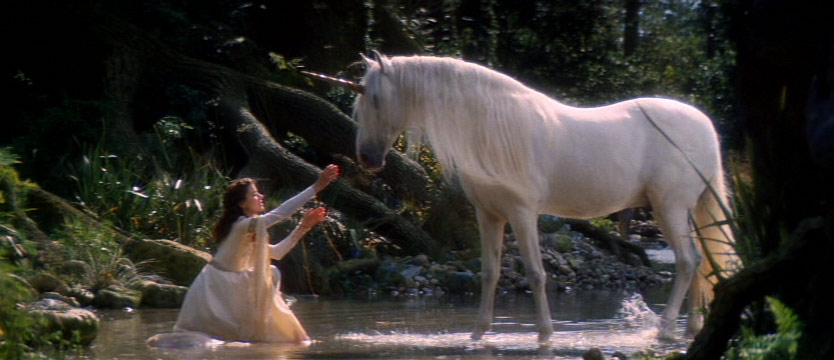
(Picture shows Princess Lily and unicorn, from Ridley Scott’s 1985 cult fantasy film Legend)

Googly Gender-Bending: Your Questions on Unisex Names Answered

15 Sunday Apr 2012

Posted by A.O. in Your Questions Answered

≈ 20 Comments

Tags

blog reviews, classic names, famous namesakes, fictional namesakes, French names, Google, hebrew names, Hungarian names, Italian names, Japanese names, Latin names, Mer de Noms, mythological names, name meaning, name popularity, naming laws, nature names, nicknames, Nook of Names, place names, polynesian names, popular culture, surname names, unisex names

You may be expecting a blog review this week, and I hope you are not too disappointed that one isn’t appearing. The truth is, I feel quite burned out in regard to the reviews, and also think that several name blogs are currently in a state of flux. I hope that if I wait a few months, it will give new blogs a chance to catch up, and abandoned ones a chance to resume.

In the meantime, here I am starting yet another Category – this one, Your Questions Answered. I’ve noticed many interesting questions typed into Google, and although they got sent to my blog, alas, they received no answer here. So this is my chance to make good on their requests.

I thought I’d begin with a few of the many enquiries in regard to unisex names, since it is such a popular topic. I think it is worth mentioning that so far, nobody has Googled, “what is a male name I can steal for my daughter so there are no names left for parents of boys to use” or “how can I give my son a feminine name in order to scar him psychologically”, which is how some people seem to imagine the mental workings of the bestowers of unisex names.

The fact that so many people are so frequently searching suggests that far from using a unisex name in a frivolous way, a lot of thought is going into it. In turn, I’ve tried to put a lot of thought into answering them, steering a steady course between a laissez faire “anything goes” attitude, and a shrill denouncement of anyone daring to suggest that any name at all can be unisex.

In doing so, I’ve considered the origin, meaning, history, namesakes, and popularity of a name, both current and past. I’ve tended to go with the theory that surnames are unisex, unless they have a specifically gendered meaning, or are derived from specifically gendered personal names.

One thing I should make clear is that unlike some other countries, Australia has no naming laws in regard to gender. According to legislation, all names are unisex, and you are quite free to name your daughter Matthew or your son Chloe if you wish.

I’m presuming that when people ask if a name is male, female, or unisex, they are asking the community for their opinions on the subject. Of course, my opinions are just that – opinions. Feel free to leave your own opinions!

Note: Popularity of names based on Australian data.

I: BOYS TO GIRLS?

Henry as a girl’s name

At first glance, the idea of Henry as a girl’s name seems utterly potty. Henry is not only Top 100 for boys, but also a classic boy’s name which has charted for males for over a century, and been accepted as such for more than a thousand years. However, I do remember a Famous Five book where there was a female character named Henry – short for Henrietta.

My Verdict: A boy’s name, unless short for Henrietta

Luca as a girl’s name

Luca can be the Italian form of Luke, but also the Hungarian form of Lucia. In the latter case though, it is pronounced LOO-tsa, rather than LOO-ka. Luka seems to have a reasonable history of use as both a male and female name across a range of different cultures. I’d probably lean towards using Luka for a girl instead.

My Verdict: Both a boy and a girl name, but the two names are pronounced differently

Dylan as a girl’s name

Dylan was a Welsh god, so the name’s origins are masculine. Furthermore, Dylan has charted as a boy’s name since the 1960s, but never for girls. You could use the completely unrelated Irish surname Dillon though, which an English speaker would pronounce the same way anyway.

My Verdict: A boy’s name, sometimes used on girls

can Cadel be a girl’s name

It is a variant of Cadell, which for many centuries has been used and accepted as a male name. However, the explorer Francis Cadell has a few places in South Australia named after him – you could always claim Cadell as a place name. Place names based on surnames based on gendered personal names seem to be something of a grey area.

My Verdict: A boy’s name

can Myles be a girl name

In Greek legend, Myles was most definitely a man, and this name has a long history as a male name. However it’s now being used on girls – perhaps it seems like the “correct” form of Miley?

My Verdict: A boy’s name, currently being used on girls

II: GIRLS TO BOYS?

when can Hazel be a boy name?

I guess whenever you feel like using it as such. Hazel is a nature name and a surname, so seems quite unisex, and in fact does have some history as a male name. Having said that, it’s currently rising in popularity as a girl’s name, and has never charted for boys.

My Verdict: Technically unisex, but usage is almost entirely feminine

Can I call my boy Kaia

I think you can, but nobody seems to agree. Kaia seems unisex to me, but nearly everyone insists that it’s feminine. However, the name Kaya definitely is unisex, and worldwide seems to be used by more men than women. It’s used in so many different countries that it’s practically unicultural as well. I think I’d prefer to go with Kaya, although I don’t see why Kaia can’t be a variant of Kaya.

My Verdict: Your choice!

Noa as a boys name

Although Noa is a female name in Hebrew and Japanese, it’s also a Polynesian male name meaning “freedom”. There was a famous rugby league player from Fiji named Noa Nadruku, who played for Australian teams in the 1990s.

My Verdict: Both a boy and a girl name depending on origin

can Starr be a boy’s name?

Sure it can, it’s a surname as well as a place name. In fact, the surname seems to derive from a masculine first name which may mean “ox”, so if anything it’s more male than female. There’s a comic book hero called Starr the Slayer, a barbarian king. He seems pretty blokey.

My Verdict: Unisex, leaning towards male by history and meaning

is Kelly becoming popular as a boys name

Apparently not. It’s still charting as a girl’s name, although slowly declining, and has never charted as a boy’s name. I have seen some boys named Kelly though; it’s rare as a boy’s name, but not unheard of.

My Verdict: Unisex, but usage is almost entirely feminine

III: CONFUSED ON THE ISSUE

is Stacey more common as a boy or girl name

It isn’t common for either sex – currently it’s not on the charts at all. However, when it did chart, it was only as a female name.

My Verdict: Historically, much more common as a girl’s name

can a man’s name be Ashley or it that just a girls name

It can be used for both sexes. Famous Australian men named Ashley include tennis player Ashley Cooper, and swimmer Ashley Callus. It charts as both a male and female name, although as a female name it is still Top 100, and as a male name it is now in rare use. Historically it has been male for longer, but hit a higher peak of popularity as a female name.

My Verdict: Historically more common for boys, but currently more common for girls

Is Remy a boy name or a girl name

It’s based on the Latin name Remigius, so it’s usually a boy name. However, Kay from Nook of Names pointed out that it could just as easily be based on the female form Remigia. In its country of origin, France, Remy is occasionally used as a female name.

My Verdict: Most often a boy name, but can be used as a girl name

is Jade boy or girl

It’s a unisex name. Famous Australian men named Jade include soccer player Jade North and AFL player Jade Rawlings. Famous Australian women named Jade include swimmer Jade Edmistone and singer Jade McRae. Jade has charted for both sexes, but currently it’s Top 100 for girls, and in rare use for boys.

My Verdict: A name for both boys and girls, but much more common for girls

Is Darcy considered a boy or girl name

Ooh good question. Darcy charted as a unisex name from the 1900s to the 1950s, and then in the 1950s it became a male name only. Currently it generally seems to be rising as a female name and declining as a male name.

My Verdict: Originally unisex, and may be returning to that state

(Picture is of Australian androgynous model Andrej Pejic, who successfully models both male and female clothing)

More Eastertide thanks are due to the unisexily named Lou from Mer de Noms, for reblogging Boys Names of Australian Aboriginal Origin! (If you read that carefully, it’s a poem).

← Older posts
Newer posts →

Enter your email address to follow this blog

Categories

Archives

Recent Comments

A.O.'s avatarwaltzingmorethanmati… on Zarah Zaynab and Wolfgang…
Madelyn's avatarMadelyn on Zarah Zaynab and Wolfgang…
JD's avatardrperegrine on Can Phoebe Complete This …
A.O.'s avatarwaltzingmorethanmati… on Rua and Rhoa
redrover23's avatarredrover23 on Rua and Rhoa

Blogroll

  • Appellation Mountain
  • Baby Name Pondering
  • Babynamelover's Blog
  • British Baby Names
  • Clare's Name News
  • For Real Baby Names
  • Geek Baby Names
  • Name Candy
  • Nameberry
  • Nancy's Baby Names
  • Ren's Baby Name Blog
  • Sancta Nomina
  • Swistle: Baby Names
  • The Art of Naming
  • The Baby Name Wizard
  • The Beauty of Names
  • Tulip By Any Name

RSS Feed

  • RSS - Posts

RSS Posts

  • Celebrity Baby News: Melanie Vallejo and Matt Kingston
  • Names from the TV Show “Cleverman”
  • Can Phoebe Complete This Sibset?
  • Zarah Zaynab and Wolfgang Winter
  • Baby, How Did You Get That Name?
  • Celebrity Baby News: Media Babies
  • Celebrity Baby News: Adelaide Crows Babies
  • Celebrity Baby News: Chris and Rebecca Judd
  • Names at Work: Name News From the World of Business and Employment
  • Celebrity Baby News: Sporting Round Up

Currently Popular

  • Celebrity Baby News: Alisa Camplin and Oliver Warner
  • Rare Boys Names From the 1950s
  • The Top 100 Names of the 1930s in New South Wales
  • Sad Celebrity Baby News (contents may cause distress)
  • The Top 100 Names of the 1940s in New South Wales

Tags

celebrity baby names celebrity sibsets english names famous namesakes fictional namesakes honouring locational names middle names name combinations name history name meaning name popularity name trends nicknames popular names saints names sibsets surname names twin sets unisex names

Blog at WordPress.com.

Privacy & Cookies: This site uses cookies. By continuing to use this website, you agree to their use.
To find out more, including how to control cookies, see here: Cookie Policy
  • Subscribe Subscribed
    • Waltzing More Than Matilda
    • Join 517 other subscribers
    • Already have a WordPress.com account? Log in now.
    • Waltzing More Than Matilda
    • Subscribe Subscribed
    • Sign up
    • Log in
    • Report this content
    • View site in Reader
    • Manage subscriptions
    • Collapse this bar
 

Loading Comments...