• About
  • Best Baby Names
  • Celebrity Baby Names
  • Celebrity Baby Names – Current
  • Celebrity Baby Names – Past
  • Featured Boys Names
  • Featured Girls Names
  • Featured Unisex Names
  • Links to Name Data
  • Waltzing on the Web

Waltzing More Than Matilda

~ Names with an Australian Bias of Democratic Temper

Waltzing More Than Matilda

Tag Archives: Irish names

Names of Fictional Characters for Boys

17 Sunday Nov 2013

Posted by A.O. in Name Themes and Lists

≈ 5 Comments

Tags

American names, American slang terms, berry names, created names, Dutch names, english names, ethnonyms, famous namesakes, fictional namesakes, food names, fruit names, Greek names, Irish names, locational names, name history, name meaning, name popularity, name trends, names from movies, names from television, nature names, nicknames, North American dialect names, Old English names, Old Gaelic names, plant names, rare names, surname names, UK name popularity, unisex names, US name popularity

an_27510937Asterix

Asterix is the hero of the Asterix comic books by René Goscinny and Albert Uderzo. The comic book series follows the adventures of a village of Gauls resisting Roman occupation. They manage to do this through a magic potion brewed by their local druid, which temporarily gives superhuman strength. Asterix is a diminutive warrior of great shrewdness, and because of his cunning and common sense, is usually chosen to lead important missions. Most of the Gauls in the comics have names ending in a suitably Gaulish -ix, echoing famous Gauls from history, such as Vercingetorix. However, each name is also a jokey pun – translations into English have been very clever at maintaining the spirit of the humour. In the case of Asterix, his name is a play on the typographical mark – the word asterisk comes from the Greek for “little star”, and Asterix is the “star” of the comic series. I have seen Asterix on an Australian baby, and this makes a quirky name for your own little star.

Atreyu

Atreyu is a character in the fantasy novel, The Neverending Story, by Michael Ende. In fact, he is the hero of the book which is read by a little boy named Bastian Bux, so he exists in a story within a story. Atreyu is a young warrior who is sent on a great quest to save the land of Fantastica by seeking a cure for the mysterious illness suffered by the land’s empress. He serves as a projection of Bastian’s “inner hero”, and only Atreyu can save Bastian from his own mistakes. In the 1984 movie version, Atreyu is played by Noah Hathaway. Atreyu was orphaned as a baby, and his name means “son of all” in his own (fictional) language, because he was raised by his entire village. It is pronounced ah-TRAY-yoo. Atreyu has strong connections with music, because not only is there a band with the name, but Atreyu himself has been referenced in songs. In the novel’s original German text, his name was Atréju, and this has proven a slightly geekier alternative.

Caspian

Caspian is a character in C.S. Lewis’ children’s fantasy series, The Chronicles of Narnia. As a young boy in Prince Caspian, he had to fight for his throne against his usurping uncle to become king of Narnia, and as a youth in The Voyage of the Dawn Treader, he led a daring expedition to the end of the world. In The Silver Chair, we meet him as a very old man, having reigned wisely and well, but also suffering personal tragedy. In the movies, he was played by Ben Barnes. Because of his great sea voyage, he is known as Caspian the Seafarer. Perhaps because of this connection, Lewis named his character after the Caspian Sea, the world’s largest inland body of water, which is bound by Russia, Azerbaijan, Iran, Turkmenistan, and Kazakhstan. It is named after the Caspi, an ancient people believed to be the same as the Kassites, who were from modern-day Iran. The meaning of their tribal name is unknown. Caspian is a romantic geographic name which sounds rather like Casper with a Latin -ian ending, as in Lucian or Julian.

Dexter

Dexter Morgan is the protagonist of the Dexter series of psychological thrillers by Jeff Lindsay. Dexter works for the police as a forensic blood spatter analyst, but is a serial killer in his spare time. A violent sociopath, he has been carefully trained to satisfy his homicidal urges by only killing murderers, rapists, and other criminals. Dexter is an English occupational surname for someone who dyed cloth, literally “dyer” in Anglo-Saxon. The word was originally specifically feminine, but Dexter has overwhelmingly been used as a male name. Dexter also happens to coincide with the Latin for “right handed”, with connotations of being skilful. Dexter Morgan is certainly dexterous in committing his crimes, while it seems apt the name is connected with dying. The books have inspired a popular television series, with Michael C. Hall in the title role, and since Dexter began airing in 2006, the name Dexter (which was about to slip off the Top 1000) has gone steadily up in popularity in the US; it is currently #362. It may seem strange that a serial killer could save the name, but Dexter Morgan is an oddly sympathetic murderer. Michael C. Hall makes him both likeable and amusing, and (perhaps slightly worryingly) female viewers find the character very attractive. Dexter fits in the surnames-for-boys trend, and has a cool X sound in it. The name Dexter is #218 in Victoria.

Dorian

Dorian Gray is the protagonist of Oscar Wilde’s only novel, The Picture of Dorian Gray. Dorian is an extremely handsome young man, who wishes his portrait could age while his own beauty remain changeless. His narcissistic wish is granted, and he spends his life in debauchery while retaining a youthful and innocent appearance. Meanwhile, Dorian’s hidden portrait bears the mark of his every corruption. The story has often been adapted into film; the most recent is Dorian Gray, with Ben Barnes in the title role. It is usually assumed that Wilde took the name Dorian from the Dorian people of ancient Greece, whose name means “upland, woodland”. The ancient Greeks did have names from this source, such as Dorieus and Doris. However, Dorian is also an Irish surname from O’Deoradhain, meaning “son of Deorain”. Deorain is an Old Gaelic name meaning “exile, wanderer, stranger”. Use of the name predates the novel’s publication, and in Eastern Europe it may be a pet form of Teodor. Dorian is sometimes used for girls. Despite Dorian Gray being an evil character, the name has remained in use, and is #558 in the US, and #549 and rising in the UK.

Heathcliff

Heathcliff is the male lead character in Emily Bronte’s Wuthering Heights, the foster-brother and love interest of Catherine Earnshaw. The novel explores the deep and obsessive love that Cathy and Heathcliff have for each other, and how the thwarting of that love turned Heathcliff into a tortured monster – or perhaps revealed the brute he already was. It’s an eerie tale, but many will think of Heathcliff as the Byronic hero and romantic lover whose passion lived beyond the grave. In film, he has been portrayed by Laurence Olivier, Timothy Dalton, and Ralph Fiennes. Heathcliff is an uncommon English surname meaning “heath on the cliff”; it doesn’t seem to have been used as a personal name before Wuthering Heights, and only rarely since. The name connects Heathcliff to the Yorkshire moors, the natural world outside society where Heathcliff and Cathy can love each other freely. Actor Heath Ledger was named after Heathcliff (and his sister after Catherine!), and as Heath is a fashionable name at present, Heathcliff doesn’t seem too bizarre as a long form, although admittedly a bold choice.

Huckleberry

Huckleberry “Huck” Finn is the protagonist of Mark Twain’s Adventures of Huckleberry Finn, and the best friend of the hero in The Adventures of Tom Sawyer. Huck is the son of the town drunk, a neglected vagabond who lives a carefree existence until he is adopted and “civilised”. He runs away with an escaped slave named Jim, and the two of them travel down the Mississippi River by raft in search of freedom. Huck has been portrayed on film by Mickey Rooney, Ron Howard, Elijah Wood and Jake T. Austin, among others. Huckleberry is North American dialect for the bilberry, although in practice applied to several wild berries. The word has long been part of American slang, usually to suggest something small and insignificant – the perfect name for Huck Finn, a child of little consequence in his town. Later it came to mean “companion, sidekick”. Huckleberry was in occasional use as a personal name prior to the publication of Twain’s novels. This would make a sweet, offbeat name, while Huck is a hip short form.

Rhett

Rhett Butler is the love interest of Scarlett O’Hara in Margaret Mitchell’s Gone With the Wind. A black sheep, he becomes entranced with the spirited Scarlett, and admires her will to survive. Although viewed as a cad by polite Southern society, Rhett is tall, dark, handsome, charming, intelligent, and has a very good understanding of human psychology – especially female – which he utilises to devastating effect. He is the only person who can stand up to Scarlett, and beat her in a battle of wits. In the 1939 movie, the biggest box office smash in history when adjusted for inflation, Rhett is played by Clark Gable. Rhett is a surname which comes from the Dutch de Raedt, meaning “counsel, advice”. Mitchell seems to have chosen the name as an allusion to her first husband, “Red” Upshaw, on whom the character of Rhett Butler is based (with a dash of Rudolf Valentino). Rhett is a sexy bad boy name, not often seen here, although cricketer Rhett Lockyear is one Australian example. In the US, it is #508 and rising.

Rocky

Robert “Rocky” Balboa is the title character in the Rocky movies, played by Sylvester Stallone. Rocky is from the slums of Philadelphia, a grade school drop-out with few skills apart from being able to land punches, so he makes his living as a boxer known as “The Italian Stallion”. Always the underdog, his main weapon (apart from fists like bricks) is a refusal to give up. The movies follow his career through the victories, the losses, the fame, the fortune, the brain damage, and the incredible comeback. Rocky is a humble man with great heart, and although barely literate, possesses a lot of wisdom about life and love. He is named after the boxer Rocky Marciano, whose real name was Rocco. Rocky can be a nickname for similar names, but also signifies incredible strength and toughness. A famous Australian with the name is rugby union champion Rocky Elsom. Rocky is a fun and even cute name, with a namesake that has an important message: it doesn’t matter whether you win or lose, but whether you go the distance.

Sherlock

Sherlock Holmes is the world’s most famous detective, the creation of Arthur Conan Doyle, and the hero of many stories. Known for his use of deductive logic and bewildering array of disguises, he has become an archetype, with his interest in forensic science helping spawn the modern crime genre. The character of Sherlock Holmes was so loved by the public in his own day that Doyle was forced to resurrect him after killing him off, and his popularity continues, with numerous adaptations to stage, radio, film and television – in fact, he is the most prolific character in cinema. Sherlock is an English surname dating to before the Norman Conquest; it comes from the Old English for “shining locks”, referring to someone with fair hair (although dark-haired, brainy Sherlock Holmes does have a “bright head”). Sherlock has been used as a personal name since the 18th century, and early use may have been influenced by Thomas Sherlock, a popular bishop and Christian apologist. Contemporary adaptations of the Sherlock Holmes stories, such as Sherlock, starring Benedict Cumberbatch, and Elementary, starring Johnny Lee Miller, show this character has lost none of his pulling power, although the name is still closely tied to the brilliant detective. Locky would make an appealing short form – more appealing than Shirley, anyway.

POLL RESULT: People’s favourite names were Caspian, Dexter and Rhett, and their least favourite were Asterix, Atreyu, and Rocky.

(Picture shows Benedict Cumberbatch in the title role of the BBC TV series, Sherlock)

Requested Name: Grady

16 Wednesday Oct 2013

Posted by A.O. in Requested Names

≈ 1 Comment

Tags

historical records, Irish names, name history, name meaning, Old Gaelic names, rare names, surname names, unisex names

Cliffs-of-Moher-West-Coast-Co-Clare-small-600x450

Grady is an Anglicised form of the Irish surname O’Grady, from the Old Gaelic O’Gradaigh, or “son of Gradaigh”, with Gradaeigh meaning “the illustrious one”. The O’Gradys are one of Ireland’s noble families, and a recognised Irish clan. The surname is mostly from County Clare and Kilkenny.

I can find Grady in the records from the late 18th century onward, and interestingly, the Gradys who were born in Ireland were all female, while overall the gender balance between male and female at that time was very even. However, the name Grady is overwhelmingly masculine today. In Australian records, Grady is rare as a first name, and mostly given to boys, although not uncommon as a middle name for girls.

Grady does not rank at all in Australia, and never has, although it is in the Top 500 in the United States, and has charted there since the late 19th century. I was a bit surprised to see how rare Grady is here, because it doesn’t sound rare.

It sounds like Brady, Graydon and Grayson, and like traditional Graham. Yet when I think about it, I don’t recall ever meeting a Grady, or seeing a Grady, or even hearing someone mention a Grady, although it wouldn’t have seemed even slightly unusual if I ever had.

It’s one of those handy names that other parents are hardly using, but won’t seem weird to others – and at a time when surname names for boys are booming, and in a country where Irish names are readily accepted, it’s rather strange how little used this name is.

Thank you to Brooke for suggesting the name Grady to be featured on Waltzing More Than Matilda

POLL RESULT: Grady received an approval rating of 62%. People saw the name Grady as cute for a little boy, but handsome and mature on a grown man (22%), strong and masculine (15%), and rare yet familiar-sounding (12%). However, 12% thought it was harsh or ugly-sounding, and a further 12% believed it sounded too trendy, due to its similarity to other names.

(Photo is of the Cliffs of Moher in County Clare)

Brisbane Suburbs That Could Be Used as Boys Names

13 Sunday Oct 2013

Posted by A.O. in Name Themes and Lists

≈ 7 Comments

Tags

aristocratic names, Biblical names, english names, famous namesakes, fictional namesakes, French names, Gaelic names, hebrew names, Irish names, Latin names, locational names, middle names, name history, name meaning, name popularity, names from films, names from television, nicknames, Old English names, Old Norse names, popular names, rare names, Roman names, saints names, Scottish names, surname names, unisex names, US name popularity, Welsh names

857092-121013-wap-hamilton

Augustine

Augustine Heights is a new suburb of Ipswich, and gained its name from St Augustine’s Catholic Church and College. The name Augustine is from the Roman name Augustinus, derived from Augustus, meaning “great, venerable”. Its most famous namesake is the theologian Saint Augustine of Hippo, considered one of the most important Church Fathers. He describes his conversion to Christianity in his Confessions, which has become a classic of Christian literature. The name became popular in England in the Middle Ages because of Saint Augustine of Canterbury, a 6th century founder of the English church known as the Apostle to the English. It is probably because of him that there is an English form of Augustine – the popular Austin. In France, Augustine is a girls name, the feminine form of Augustinus.

Bowen

Bowen Hills is an inner-city suburb of Brisbane. It is named after Sir George Bowen, an Irishman who was the first Governor of Queensland. Tactful and democratic, with a great love of the outdoors, he made himself popular enough to be invited to serve two more years when his term had expired. There are a few places in Queensland named after Sir Bowen, including Bowen Park, a pleasure garden in Bowen Hills. The surname Bowen can be Welsh, meaning “son of Owen“, or it can be Irish, in which case it is an Anglicised form of the Gaelic O’Buadhachain, meaning “son of Buadhach”. The name Buadhach means “victory, triumph”. This name reminds me of the Bowen Technique, an alternative massage treatment developed by Australian Tom Bowen, although Bowen is a knight and dragon-slayer in the movie Dragonheart. Rarely seen here, Bowen is in the Top 1000 and rising for boys in the US. It gives the unisex nickname Bo, and for some reason I see this as a girls name just as much as a boys.

Chandler

Chandler is a semi-rural outer suburb of Brisbane. It is named after Sir John Beals Chandler, a successful businessman with a chain of electrical goods stores, and who owned several radio stations. He was elected to the Queensland Parliament in the 1940s, and Lord Mayor of Brisbane in the 1940s and early ’50s. Chandler is an English occupational surname, which denoted someone who made and sold candles, or someone who was responsible for the wax, soap, candles and lighting in a medieval great house. This name will remind many of Chandler Bing, from popular sit-com, Friends.

Crosby

Mount Crosby is an outer suburb of Brisbane adjoining the state forest. It is named after its dominant natural feature, Mount Crosby. The first settlers to this area were from the village of Crosby-on-Eden, near the Scottish border, and it seems likely that they named their new home after their original one. The surname Crosby is after the place name, a common one in northern England and southern Scotland. The name is of Old Norse origin, and means “settlement by the cross”; as we learned from Cruz, these stone crosses were often used as markers. Famous Crosbys include entertainer Bing Crosby and musician David Crosby. The name has recently begun charting in the US, after drama series Parenthood was shown on television there. The show has a character called Crosby Braverman, played by Dax Shephard, and the name must have resonated, because it went up 69 places last year. Crosby is rare in Australia (I’ve only seen it on a child once), but maybe Parenthood will have an effect here too.

Ebenezer

Ebenezer is a suburb of Ipswich. It had been a preaching place on the Methodist Church circuit since 1863, and by 1882 a church had been built named the Wesleyan Ebenezer Church. It is from this church that the suburb gets its name. In the Old Testament, Eben-Ezer is a place mentioned as the scene of battles between the Israelites and the Philistines; its modern day location is not known, but it is probably in Palestine or Arabic Israel. Eben-Ezer is from the Hebrew for “stone of help”, and it is theorised that a stone dedicated to Yahweh may have been located here to give it its name. Its most famous namesake must be Ebenezer Scrooge from Charles Dicken’s A Christmas Carol, the cold-hearted miser redeemed by three spirits of Christmas. I think the name Ebenezer sounds pretty hip now, and an Old Testament boys name which has been overlooked for too long. Eben and Ben would make good nicknames.

Hamilton

Hamilton is a hilly inner-city suburb of Brisbane on the Brisbane River which was built by convict labour. It soon became known for its upper-class country houses and estates, ornamental shade trees, picturesque location and fine views of the city. Hamilton is associated with “old money”, and has the highest mean income of any suburb in Queensland. It is named after the Hamilton Hotel, built in 1865 by Gustav Hamilton, a wealthy solicitor who owned most of the land in the area. It soon became known as a meeting place for the horse racing world, as the Turf Club is nearby, and is still popular today. Hamilton is an English and Scottish surname after the village of Hamilton in Leicestershire; its name means “crooked hill” in Old English. The aristocratic Hamilton family gained lands in Lanarkshire, Scotland, and gave their name to the town of Hamilton there. The Hamiltons married into the Scottish royal family, and the Duke of Hamilton and Brandon is the highest peer in Scotland. A famous person with the name is Hamilton Hume, an early Australian explorer of New South Wales who was a top-notch bushman and formed friendly relationship with Aboriginal peoples. This is a name with an impressive pedigree.

Logan

The city of Logan is halfway between Brisbane and the Gold Coast. It began as a penal settlement, and farming soon followed; it was developed for housing in the 1960s due to its laissez-faire planning laws. Logan is named after Captain Patrick Logan, the Scottish commandant of the original penal settlement, who had a reputation for being strict to the point of cruelty. He was a great explorer and was killed on one of his expeditions, most likely by Aborigines who had repeatedly told him to get off their land. News of his death was met with wild joy from the convicts. Logan is a Scottish surname; the Clan Logan comes from the “lands of Logan” in Ayrshire, which may be from the Gaelic for “hollow”, or even of Norman origin. In Ireland, it is considered to come from the Gaelic O’Leoghain, meaning “grandson of the warrior”. This name has many namesakes from popular culture, including the dystopian sci-fi film Logan’s Run, where Logan is played by Michael Yorke, and Logan aka Wolverine from the X-Men films, played by Hugh Jackman. Logan has charted since the 1970s (when Logan’s Run first screened), and ranked in the 1980s at #344. It climbed steeply through the 1990s and made the Top 100 by the 2000s. It is currently #38 nationally, #36 in New South Wales, #33 in Victoria, #65 in Queensland, #46 in South Australia, #28 in Western Australia, #17 in Tasmania, and #50 in the Australian Capital Territory.

Sherwood

Sherwood is a suburb on Oxley Creek. Its name comes from a farm which was named after Sherwood Forest in Nottinghamshire, England. A Royal Forest, and remnant of an older and much larger royal hunting forest, it is one of England’s most ancient, having survived since the end of the last Ice Age. It is famous for its association with legendary folk hero Robin Hood, who is supposed to have lived in Sherwood, according to some sources. Sherwood in Brisbane even made its own Sherwood Forest Park, which is now, less romantically, the Sherwood Arboretum. The name Sherwood means “shire wood”. A famous person with the name is American author Sherwood Anderson.

Tennyson

Tennyson is a riverside suburb named in honour of Alfred, Lord Tennyson. Tennyson was Poet Laureate of Great Britain and Ireland during Queen Victoria’s reign, and has the record for length of tenure as a Laureate at 42 years. Revered in his own time, he remains one of the popular English poets. One of his much-loved works is the Idylls of the King, a cycle of blank verse poems inspired by the legends of King Arthur; many of the streets in Tennyson have Arthurian names in compliment of the Idylls. For those amused by these coincidences, the Queensland Tennis Centre is located in Tennyson, and was once the Tennyson Tennis Centre. The English surname Tennyson means “son of Tenney”, with Tenney a pet form of the name Denis. Actor Russell Crowe has a son named Tennyson, after his favourite poet. This is a handsome and unusual name, with a great namesake, and would make an excellent middle name too.

Windsor

Windsor is an inner-city suburb of Brisbane, with many old homes, and containing several heritage-listed sites. It was named Windsor in 1887, most likely after Windsor Castle in Berkshire, England, as it was Queen Victoria’s Golden Jubilee Year. Windsor Castle was built by William the Conqueror, and was originally a fortification to protect the outskirts of London, with strategic views of the River Thames and access to the royal hunting forest of Windsor. Since the rule of Henry I, William’s son, it has been a royal residence, and is the largest inhabited castle and longest-occupied palace in Europe. Today it is a royal palace and weekend retreat for Elizabeth II, and state banquets and official entertainments are often held there – it is also a major tourist attraction. The castle is named after the nearby village of Windsor, once the site of a palace for the Saxon kings. Its name means “winding shores, winch shores” in Old English, because boats were pulled by windlass up the river. Famously, Windsor is the surname of the British royal family: the name was changed from Saxe-Coburg and Gotha by George V in 1917, due to anti-German sentiment during World War I. The final straw was when Germany used the Gotha G. IV aircraft to bomb London – just four months later, the Saxe-Coburg-Gothas had become the Windsors, the name taken from the royal palace. A famous person named Windsor is British actor Windsor Davies, best known as the sergeant on It Ain’t Half Hot Mum. Royal names are all the rage, and you can’t get any more royal than Windsor.

POLL RESULT: People’s favourite names were Tennyson, Augustine, and Windsor, and their least favourite were Sherwood, Hamilton, and Ebenezer.

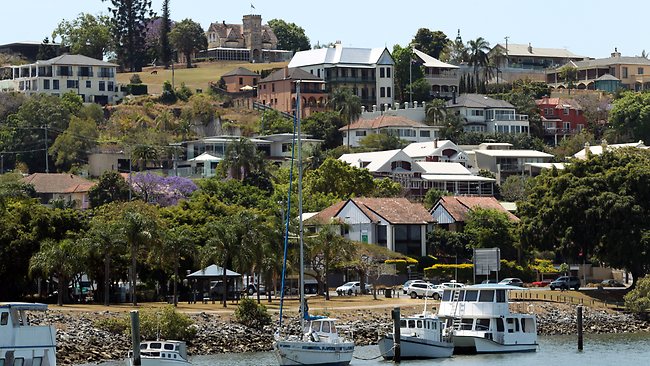
(Photo shows the suburb of Hamilton)

Famous Name: Declan

11 Wednesday Sep 2013

Posted by A.O. in Famous Names

≈ 4 Comments

Tags

Baby Name Pondering, famous namesakes, historical records, Irish name popularity, Irish names, name history, name meaning, name popularity, Old Irish names, popular names, saints names, UK name popularity, US name popularity

5922793578_4acfc9253e_z

September 8 marked the 74th birthday of folk singer Declan Affley, who was born in Wales to parents of Irish descent. He joined the British navy at 16, and travelled to Japan and Australia; he jumped ship in Australia and based himself in Sydney. At a harbourside pub called the Royal George (now The Slip Inn), he discovered the libertarian movement known as the Sydney Push, and joined its folksinging scene.

He became a regular performer in the folk clubs of Sydney and Melbourne, and appeared at folk festivals. He also busked on the streets, and was occasionally censored for singing left-wing political material, but this encouraged rather than deterred him. He was invited to sing some of his political songs on ABC radio, and also appeared in the 1966 award-winning ABC documentary, The Restless Years, presenting Australian history through poems, stories and songs. He also contributed to films, including the 1970 version of Ned Kelly.

Declan regarded himself as a socialist with anarchist leanings, and was an active supporter of the New South Wales Builders Labourers’ Green Bans, Irish hunger strikers, and Aboriginal land rights. He taught music at the Eora Centre in Redfern as his contribution to the advancement of Australian Indigenous people. Irish people are often thought of as having the gift of the gab, and Declan loved to talk for hours about history, music, politics and sport over a beer.

He died unexpectedly at the age of 45 – a very great loss to the folk community. The Declan Affley Memorial Award for excellence in a young performer is awarded each year at the National Folk Festival.

Declan is an Anglicisation of the Irish name Declán or Deaglán; it is usually translated as coming from the Old Irish for “full of goodness”. The name is known because of Saint Declán of Ardmore, a 4th or 5th century Irish bishop credited with the Christianisation of southern Ireland before the arrival of Saint Patrick.

The village of Ardmore in County Waterford is believed to be the oldest Christian settlement in Ireland, and by tradition, Saint Declán built a monastry here. He has been steadily popular in Waterford, with many churches dedicated to him, and each year on his feast day of July 24, devotions are held in his honour. This year, a five-day pilgrimage walk was held in late July, on a 100 km path between Cashel in Tipperary and Ardmore, which Saint Declán is said to have taken.

There is a long tradition of Christians taking new names, or being given new names, to mark their new lives, and in particular many of the Irish saints have created descriptive names. Declan looks to be one of them, for the meaning “filled with goodness” seems to have Christian significance.

I can first find Declan in Irish records from the late 18th century, and they were all born in southern Ireland; in Munster, where Declan is the patron saint, and in Waterford, near his centre of Ardmore. That suggests very strongly that the name was given in honour of the saint, and that it had an element of local pride as well.

Declan was quite a popular name in Ireland during the mid-twentieth century, and as well as Declan Affley, is borne by several musicians. These include Declan de Barra, an Irish-born Australian punk-folk singer, English pop singer Declan Galbraith who covers traditional Irish tunes amongst his own work, Declan Nerney, an Irish country singer, and Declan Sinnot, an Irish folk-rock singer. You may also have heard of Declan MacManus, who performs under the name Elvis Costello.

Declan has charted in Australia since the 1980s, and ranked since the 1990s, when it debuted at #145. It has been Top 100 since the early 2000s, and last year it was in the top ten fastest rising boys names in Australia, when it rose 12 places on the national chart. Currently it is #84 nationally, #74 in Victoria, #60 in Queensland, #50 in Western Australia, #71 in Tasmania and #56 in the Australian Capital Territory.

Unusually for a name in the national Top 100, Declan hasn’t been Top 100 in New South Wales since 2010. We seem to be caught between international trends, with New South Wales following the lead of England/Wales, where Declan has left the Top 100 and is declining in popularity, and Victoria and other states, who appear to be following the United States, where Declan is still rising towards the Top 100. Declan has a similar popularity to us in Scotland, but isn’t Top 100 in either Ireland or Northern Ireland.

If you love the name Declan, you won’t find yourself alone in your preference, but it’s still a good Irish heritage choice. It’s a handsome name, with an attractive, lilting sound to it, and it’s not wildly popular. Brooke from Baby Name Pondering chose it as her favourite boys name in the Victorian Top 100, and tells me that she finds it really charming – great recommendation!

POLL RESULT: Declan received an approval rating of 70%. People saw the name Declan as a good Irish heritage choice (25%), handsome or attractive (23%), and sweet and charming (11%). However, 11% thought the name was too trendy, and destined to be the next Aidan or Liam.

(Photo is of Ardmore in Ireland, where Saint Declan is supposed to have lived and preached)

Celebrity Sibset: Wendy Harmer

17 Saturday Aug 2013

Posted by A.O. in Sibsets in the News

≈ 4 Comments

Tags

baby name advice, celebrity baby names, celebrity sibsets, choosing baby names, classic names, famous namesakes, fictional namesakes, honouring, Irish names, locational names, name popularity, popular names, products with human names, surname names

8487-1_n

Wendy Harmer is a highly successful comedian, who for many years has entertained on stage, television and radio. She was the first woman in Australia to host her own comedy show, The Big Gig, in 1989, and for more than a decade she was co-host of a top-rating breakfast show on 2-Day FM, when she became one of the nation’s highest paid entertainers.

Wendy is a prolific and successful author, having written humour for adults, chick lit novels, teen fiction, kid’s books, two plays, and the libretto for an opera. Her best-selling children’s series, Pearlie the Fairy, has been turned into an animated TV show. She is also editor of The Hoopla, a women’s news and opinion site.

Wendy is married to Brendan Donohoe, and has two children. Her son is named Marley (aged about 15), and her daughter is named Maeve (aged about 13).

Wendy appears to be yet another star of radio with a bee-lined bonnet in regard to baby names, because she has written an article about them for The Hoopla. It’s one of those “names not to call your baby” lists, which I must admit I don’t usually care for, because they don’t seem to really be helpful to parents so much as bullying anyone who happens to have different tastes and opinions from yourself.

Interestingly, Rule Number 2 on the list states that you shouldn’t use a famous person’s surname as your child’s name. Her son is named after Bob Marley. Okaaaay. Number 4 is that you musn’t name all your children with same letter. Mmmmm.

This article is an “update” of an earlier one, where one of the pieces of advice was that the pronunciation of your child’s name should be clear from the way it is spelled. Even now, when the name is quite well-known, some people don’t know how to pronounce Maeve from its spelling, and think that it must be MAY-vee or mah-EEV.

I do notice that so often when parents criticise baby names, the same criticisms could be levelled at their own children’s names. The most obvious example is that rather ghastly woman who said that place names as baby names were lower-class, when her own daughter was named after a country in Asia. I guess we all have mother-blindness about our baby names, and I have been guilty of the same thing myself – it’s an easy trap to fall into, but luckily I didn’t do it on TV or anything.

When we come up with rules on naming babies which we ourselves cannot stick to, it may be a sign that the rules aren’t all that useful. Just a thought!

Wendy doesn’t like her own name, which peaked at #15 in the 1950s, when Wendy was born. Part of her disappointment is that her mother chose the name out of a knitting pattern book, when the layette she was knitting was called the “Wendy”. She imagined that she had been named after Wendy Darling from Peter Pan, so being named after a knitting pattern didn’t seem so special.

Wendy much prefers her father’s choice for her name, which was Claire, the name of her beloved great-aunt. In the 1950s, Claire was #224; it rose steeply in popularity during the 1960s and ’70s, and has been in the Top 100 since the 1980s.

Now I think that’s really useful naming advice taken from real life. It may not be the best idea to choose a baby name peaking in popularity and about to fall and become dated, or select one virtually at random.

A better choice could be a classic which is lower in popularity and about to start rising, to become very popular in the long-term future. And it’s probably preferable to honour a beloved family member than to name your baby after a product – it’s nice to have a name which has some significance.

Think about the name story you are going to pass on to your child – a knitting pattern clearly doesn’t cut it. And sometimes dad knows best.

PS Wendy did manage to give the name Claire to one of her characters, the heroine of her novel, Farewell My Ovaries.

(Picture of Wendy and her family taken some years ago at Uluru; photo from Body + Soul)

Shortened Names for Boys

30 Sunday Jun 2013

Posted by A.O. in Name Themes and Lists

≈ 13 Comments

Tags

African names, Arthurian names, birth notices, celebrity baby names, Chinese names, classic names, English idioms, famous namesakes, fictional namesakes, Finnish names, Frisian names, German names, Greek names, Irish names, Japanese names, Latin names, locational names, name history, name meaning, name popularity, names from movies, names from songs, names from television, nicknames, Old Norse names, polynesian names, popular names, scandinavian names, Shakespearean names, Swahili names, Swedish names, unisex names, US name popularity, vintage names, vocabulary words

mad-max-01-01Alfie

Alfie is a nickname for Alfred. It is most famous from the award-winning (and still emotionally shocking) 1966 movie Alfie, starring Michael Caine as the predatory Alfred “Alfie” Elkins. The theme song was sung by Cilla Black, who objected that Alfie sounded like a “dog name”, and suggested Tarquin instead. As it was too late to remake the entire movie, her views were dismissed. Alfred Elkins was the grandfather of the British “Lad”, and until recently, Alfie was a name we thought of as one that could stay on grandfather. It has been Top 100 in the UK since the late 1990s, one of the old geezer names rehabilitated as cute and cool. The insipid 2004 remake of Alfie, starring handsome Jude Law as the charming Cockney, gave Alfie a new image, and Alfie Allen plays cocky Theon in Game of Thrones (big sis Lily Allen wrote a song about him). Alfie follows on the heels of popular Archie, and is #201 in Victoria.

Bastian

Bastian is a German short form of Sebastian. The name became well known from Bastian Balthazar Bux, the main character in the fantasy novel, The Neverending Story, by Michael Ende. Translated into English in the 1980s, it has been adapted into several films. In the story, Bastian is a lonely, neglected little boy who loves reading; he steals a book called The Neverending Story, and is gradually drawn into a world where make-believe becomes reality. Along the way, he not only has many adventures, but learns valuable lessons about life and love, and manages to rewrite his own story. Although he is the protagonist, he isn’t exactly its hero, which might explain why this name hasn’t taken off. It’s not only handsome, but sounds like the English word bastion – part of a castle’s defence structure, and figuratively, a person who defends a particular position.

Gus

Gus can be used as a short form of Augustus, August, Angus, Fergus, and even the Greek name Kostas, although in practice it often seems to be a nickname based on a person’s surname. The name might remind you of film director Gus Van Sant (who was named after his dad), or astronaut Virgil “Gus” Grissom, the second American in space, or of NRL expert Phil “Gus” Gould. You might think of Gus as a cowboy name, due to Texas Ranger Augustus “Gus” McCrae from Lonesome Dove, or as slightly geeky, due to Burton “Gus” Guster in Psych. The name seems to be often used for fictional animals, such as Walt Disney’s Gus Goose, and the mouse Octavius “Gus” in Cinderella (both these Guses are fat). Gus the Theatre Cat is a character from T.S. Eliot’s Old Possum’s Book of Practical Cats; he is frail and elderly, and his nickname is short for Asparagus. This vintage nickname is now very fashionable, and is #241 in Victoria.

Jonty

Jonty is a nickname for Jonathan, which seems to have originated as a full name in the United States during the 19th century, but is now more common in Britain and some Commonwealth countries. You may know the name from retired South African Test cricketer Jonathan “Jonty” Rhodes. Oddly enough, Jonty does not appear in the US data at all now, so if any babies were named Jonty last year, there were less than five of them. Jonty is #315 for boys in Victoria. Although Jonathan is a boy’s name without a feminine form, girls are sometimes called Jonty too, but not enough to show up in the data.

Kai

Kai is Scandinavian name which may be a Frisian short form of Gerhard, Nikolaus or Cornelius. It could also be a short form of the Frisian name Kaimbe, meaning “warrior”. Another possibility is that it could be short for the Latin name Caius, a variant of Gaius, whose meaning is not known. If so, it would be the Scandinavian equivalent of the English male name Kay, as in Sir Kay, who was the foster-brother of King Arthur. Or it could be a variant of the Frisian male name Kaye, which is said to come from the Old Norse word for “hen, chicken”. Or perhaps it is short for Kajetan, which comes from the Latin name Caietanus, meaning “from the town of Gaeta” (Gaeta is in central Italy). Kai can also be a girl’s name in Scandinavia, and this case it is a variant of Kaj, which is a Swedish pet form of Karin (short for either Katrina or Karolina) – to complicate things, Kaj is also a Finnish form of male Kai. That’s a lot of names Kai can be short for! Kai can be a full name in its own right, because it is also a unisex Polynesian name meaning “ocean”, and Kai has the same meaning in Japanese. Kai is a Chinese boy’s name which means “victory” in Mandarin, and in Swahili, it is a girl’s name meaning “loveable”, but this is pronounced KY-yee, and not the more familiar KY. Kai first joined the charts in the 1970s, debuting at #498. It has climbed steeply and fairly steadily, and is currently #61 nationally, #60 in New South Wales, #78 in Victoria, #64 in Queensland, #35 in Western Australia and #62 in the Australian Capital Territory. This is a fantastic little cross-cultural name which can be used for either sex, although it has only ever charted for boys in Australia.

Liam

Liam is short for Uilliam, the Irish form of William. Famous people named Liam include Irish actor Liam Neeson, actor Liam Hemsworth, brother to Chris, musician Liam Finn, son of Neil, journalist Liam Bartlett, AFL footballer Liam Picken, and Liam Payne from One Direction, credited with much of the name’s international success last year. Liam first charted in the 1950s, and first ranks in the 1960s, when it debuted at #318. I don’t know if this was a factor, but it was in the 1950s that popular Irish folk band the Clancy Brothers began their career, with Liam Clancy their best singer. By the 1980s, Liam was in the Top 100, making #82 for that decade. Liam really took off in the 1990s, when Liam Gallagher kept grabbing headlines for controversial reasons, and was #26 for the decade. Stable for years, it is currently #11 nationally, #13 in New South Wales, #15 in Victoria, #9 in Queensland, #15 in South Australia, #8 in Western Australia, #24 in Tasmania, #14 in the Northern Territory and #8 in the Australian Capital Territory.

Max

Max can be short for Maxmilian, Maximus, Maxwell, Malcolm, or any name starting with Max-. Although we think of Max as a male name, it could also be short for female names such as Maxine or Maximilienne, and just this year Perth businessman Zhenya Tsvetnenko welcomed a daughter named Max Alice. It is perhaps best known from the Mad Max films, where Mel Gibson originally played Max Rockatansky, a vigilante in a dystopian Australian future. One of Australia’s most successful movie franchises, it kick-started a national film industry and created an enduring Australian icon. Max is a classic name in Australia which has never left the charts. It was #188 in the 1900s, and arrived in the Top 100 in the 1930s, before promptly leaving it again the following decade. It reached its lowest point in the 1970s, at #411, and then skyrocketed during the 1980s – this was the period when the Mad Max films were released. Max made the Top 100 in the 1990s. By 2003 it was in the Top 50 at #24, and by 2008 it was in the Top 20, where it has stabilised. It is #16 nationally, #18 in New South Wales, #14 in Victoria, #22 in Queensland, #18 in South Australia, #15 in Western Australia, #4 in Tasmania, and #46 in the Australian Capital Territory.

Ted

Ted can either be short for Theodore, or for Edward and other Ed- names. Teds seem to be very popular in comedy, including Father Ted Crilly from Father Ted, Ted Mosby from How I Met Your Mother, Ted from the Bill and Ted movies, Ted Bullpit in Kingswood Country, and the eponymous bear from the movie Ted. Ted became a celebrity baby name last year, when Leila McKinnon welcomed her son Edmund “Ted” Gyngell, and this year Livinia Nixon called her son Ted as his full name. Ted is #282 in Victoria, so it’s unclear whether Leila started a name trend, or simply joined one. I do see a fair amount of Teds in birth notices though.

Toby

Toby is a medieval contracted form of Tobias; you can see it as either a nickname for Tobias, or the English form of it. The name Toby is one prominent in traditional British popular culture, because of the Toby jug, originally a Staffordshire pottery jug in the shape of a stout seated man, drinking and smoking, dating to the 18th century. There are at least two theories as why it has been given the name Toby. One is that it is after Sir Toby Belch, from William Shakespeare’s Twelfth Night, a suitably jovial and carousing namesake. Another is that after Henry Elwes, a famous drinker from the 18th century who was nicknamed Toby Philpot, after a character in the drinking song, The Brown Jug. Another British Toby is Mr Punch’s dog in Punch and Judy puppet shows, traditionally a bull terrier; often in the past, Toby would be a a real trained dog, not just a puppet. Interestingly, The Brown Jug mentions Toby Philpot as enjoying a drink in “the dog days (of high summer)” – maybe one reason why the puppeteer’s dog was named Toby. Toby has charted since the 1960s, when it debuted at #427, and has been in the Top 100 since 2001. It is #78 nationally, #71 in New South Wales, #94 in Victoria, #85 in Queensland, #50 in Tasmania, and #46 in the Australian Capital Territory.

Xander

Xander is short for Alexander. Xander seems to have become common as a full name in Germany, the Netherlands and Scandinavian before it caught on in the English-speaking world, and as a nickname was used more in Britain than other Anglophone countries. Xander became popularised by the character of Alexander “Xander” Harris in the TV series Buffy the Vampire Slayer, the alter ego of his creator, Joss Whedon. It may not be a coincidence that Whedon attended school in England for a couple of years. Xander is Buffy’s best male friend, and gradually matures from geeky, insecure sidekick into a smart, effective warrior, who makes a place for himself in the “real world” and is quite successful with the ladies. It was only after the show began in the late 1990s that Xander joined the US Top 1000, or charted at all in the UK. Xander is #159 in Victoria.

POLL RESULT: People’s favourite names were Gus, Toby, and Ted, and their least favourite were Bastian, Xander, and Jonty.

(Picture shows a movie poster for Mad Max)


Famous Names: Asher and Hamish

16 Thursday May 2013

Posted by A.O. in Famous Names

≈ 7 Comments

Tags

Assyrian names, Biblical names, famous namesakes, fictional namesakes, hebrew names, Irish names, mythological names, name history, name meaning, name popularity, names from movies, names from television, popular names, Scottish names, Semitic names, tribal names, unisex names

4615398-16x9-512x288Last month the Logie Awards were held to honour those deemed most excellent or most popular in the TV industry (the public votes on the “popular” categories via the TV Week website). The Gold Logie for most popular personality on Australian television overall went to actress Asher Keddie, for her work in popular thirty-something drama Offspring (she also won Most Popular Actress).

Comedian Hamish Blake won the Gold Logie last year, but this year had to be satisfied with Most Popular TV Presenter, for Hamish and Andy’s Euro Gap Year and Hamish and Andy’s Caravan of Courage: Australia vs New Zealand.

We’ve already seen Asher Keddie and Hamish Blake on the blog before – Asher for her award-winning role playing Ita Buttrose, and we covered Hamish’s surname, Blake, a year ago. So this seemed like a good opportunity to cover both their first names.

In the Bible, Asher is one of the sons of Jacob and the founder of one of the twelve tribes of Israel. Because Asher’s mother is said to be one of Jacob’s handmaids, rather than one of his wives, some scholars believe this means the tribe of Asher had non-Israelite origins, of which there is some evidence from outside sources.

The tribe of Asher was believed to be especially blessed, for they were very wealthy, produced an abundance of sons and beautiful daughters, and had a reputation for great wisdom. This fits very well with the Hebrew meaning of Asher given in the Bible: “happy, blessed, fortunate”.

However, meanings of names given in the Old Testament are nearly always just folk etymology, and Asher may be named after Asherah, the Semitic mother goddess; she was worshipped as the consort of Yahweh before the Israelites became monotheistic. Her ancient name may mean “straight, upright”, with reference to trees, or “holy place, shrine”, or perhaps “lady”. It is pronounced uh-SHEER-uh.

Another possibility is that Asher is after the East Semitic god Ashur, which means “the whole of heaven”. He was the major Assyrian deity, and seems to have been a god of the weather – both sunshine and tempests.

An interesting theory put forward is that the tribe of Asher descended from the Uash people, one of the mysterious Peoples of the Sea who were seafaring raiders. As nobody is quite sure where the Uash people came from (they may have been Trojans), I doubt that the meaning of their name is even known.

So quite a range of attractive meanings to choose from, and quite possibly the real meaning is so ancient and mysterious as to be unknowable.

Although usually listed as a boy’s name, in Australia the name Asher is unisex, and in Victoria at least (Asher Keddie’s home state), is given fairly equally to boys and girls (it is #168 for boys and #195 for girls).

Apart from Ms Keddie herself, another reason for its unisex status here is that in an Australian accent, this is said the same way as the girl’s Asha. And if you believe the name Asher is related to Asherah, then it has a feminine meaning.

Hamish is an Anglicised form of Seumas, the Scottish form of James, and obviously based on the Irish form of the name, Séamas. The Scottish pronunciation SHAY-mas is similar to how Hamish is said – HAY-mish. (Hamish shouldn’t remind you of ham any more than James reminds you of jam).

Apart from all the famous Hamishes (on the blog alone we have already had Hamish Blake, Hamish Rosser and Hamish McLachlan) there are several Hamishes in fiction, including Hamish Campbell in Braveheart, and TV detective Hamish Macbeth, played by Robert Carlyle. Another detective connection is that Hamish is the middle name of Dr. John Watson, Sherlock Holmes’ sidekick.

Hamish first charted in Australia in the 1950s, and from the 1980s onwards, rose steadily to make the Top 100 in the early 2000s. It peaked in 2010 at #60, and since then has been on a decline. Currently it is #85 in New South Wales, #58 in Victoria, #77 in Queensland, #28 in Tasmania and #67 in the Australian Capital Territory.

Apart from its obvious Scottish heritage associations, Hamish is often seen as a rather upper class name in Australia. It’s still popular, and outside New South Wales at least, is probably set to have a fairly gentle decline.

POLL RESULT: Hamish received an approval rating of 81%, and Asher a slightly higher approval rating of 83%. This makes Hamish and Asher two of the most highly-rated names of the year.

(Photo is of Asher Keddie with her Logie)

Requested Famous Name: Shaun

08 Wednesday May 2013

Posted by A.O. in Famous Names, Requested Names

≈ Comments Off on Requested Famous Name: Shaun

Tags

famous namesakes, fictional namesakes, historical records, Irish Gaelic words, Irish names, name history, name popularity, Norman-French names

223011-shaun-micallef

Famous Namesake
If you are a fan of comedian Shaun Micallef you must be very happy (at least on Wednesdays), because he is in two TV shows on two different channels on the same night. On the ABC at 8 pm, he hosts his own satirical news programme, Shaun Micallef’s Mad as Hell, and on Channel Ten at 8.30 pm, he co-stars with Kat Stewart in the comedy-crime-mystery series, Mr and Mrs Murder. Unfortunately, your happiness will end soon, as one series wraps up tonight, and the other next week.

Like Rebel Wilson, Shaun is trained in law, although unlike Rebel he actually got to the practising part of it, and worked as a solicitor in insurance. Somehow this failed to keep him entertained, and he did a bit of comedy on the side. Eventually Shaun’s wife got sick of him banging on about how he’d much rather work full-time in comedy; she circled a day on the calendar and told him that he had to quit his job and become a comedian by that date, or shut up about it forever. He opted not to shut up, and went into TV comedy as a writer and performer.

Shaun’s style of comedy is cerebral and surreal in a Pythonesque sort of way, and he seems like a cross between George Clooney and John Cleese, veering an erratic silver-haired path between charm and rudeness. Now that his early audiences have grown up, got mortgages and become TV executives, his style of humour has moved further into the mainstream, and he has won several awards. I think his best work was on the short-lived Micallef Tonight, his absurdist chat show which was unfortunately cancelled on flimsy pretexts.

Shaun is of Irish and Maltese heritage, which explains why he has an Irish first name and a Maltese surname. He went on genealogy show Who Do You Think You Are? in order to learn more about both sides of his ancestry, which was a surprisingly emotional experience for this aloof performer.

Name Information
The name Shaun is a variant of the Irish name Seán. When the Normans conquered England in 1066, they brought the name Jehan or Johan with them, pronounced something like DZUH-an – the DZ is like that in the word adze. In English, this was spelled Jean, and pronounced John.

When the Norman English conquered Ireland a century later, the Irish nobility were replaced by Norman aristocrats, many of whom were named Jehan or the Anglicised John. In Ireland, the name became Seán, said SHAWN, which is closer to the modern French pronunciation of Jean than it is to the English pronunciation of John. Once Anglicised, Seán dropped the accent mark to become Sean, which was further Anglicised to Shawn and Shaun.

Now, some people will object that there is no need to further Anglicise Sean – we all know the proper way to pronounce it, which is SHAWN, and Sean is the only correct English form of Irish Seán. However, it’s not quite that simple.

The little mark over the letter a in the name Seán is called a síneadh fada (or just plain fada), and it indicates that the vowel sound has lengthened into an AW sound, so that the name is pronounced SHAWN. However, in Northern Ireland the name is Séan, with the fada over the e to indicate that it has lengthened into an AY sound, and is pronounced SHAYN.

So when you see an Anglicised Sean, how do you know which way to say it – like Seán, or like Séan? We turn it into two different names, Sean and Shane, for the two different Irish pronunciations.

But this is just a useful convention, for without any fada, Sean would be pronounced neither SHAWN nor SHANE, but more like SHAN (by coincidence, shan is the Irish Gaelic word for “old”). We agree to overlook this, for the sake of convenience, but convenience isn’t exactly correctness.

In fact, depending upon their regional accent, people in Ireland may say Sean as SHAWN, SHAYN, SHON, SHEN or SHAHN, so you can see that we are not being entirely accurate when we insist that Sean is always said SHAWN.

The phonetic spellings Shawn and Shaun make things clear, and both were used in Ireland from around the 18th century, with Shawn the older form. Shaun is much more commonly found in historical records than Shawn, both worldwide and in Australia, although both are far outstripped by Sean.

Sean and Shaun began charting in Australia in the 1950s, when Irish names became fashionable, with Shawn following in the 1960s. Shaun debuted higher in the 1950s at #195, to Sean’s #209. Shawn’s debut was at #203 the following decade.

Sean and Shawn peaked in the 1970s at #44 and #144 respectively, and Shaun in the 1980s at #48. Currently Sean is #145, Shaun is #521, and Shawn #586 in New South South Wales. In Victoria, Sean is #183, Shawn is #639, and Shaun doesn’t rank at all.

Apart from Shaun Micallef, Shaun is a name well used in humour, for Shaun the Sheep is a funny animated kid’s show, and Shaun of the Dead a zombie comedy movie. Meanwhile, skater Shaun White and Australian motorcycle racer Shaun Geronimi help give this name a laid back, sporty feel.

Despite debuting higher and peaking later, Shaun hasn’t had the staying power of Sean, but it’s still a cute Irish boy’s name that won’t seem unusual in a class of Liams and Connors.

Thank you to Sarah for suggesting her son’s name to be featured on the blog.

POLL RESULT: Shaun received a decent approval rating of 70%. People saw Shaun as an Irish name well suited to Australia (21%), relaxed and friendly (14%), and easy to pronounce (14%). However, spelling was an issue, for 12% worried that it might get confused with Sean or Shawn, and a further 12% only liked the name spelled Sean. Only one person thought the name was dated.

(Photo of Shaun Micallef from Adelaide Now)

Will Sadie Always Be a Cleaning Lady?

04 Saturday May 2013

Posted by A.O. in Naming Assistance

≈ 2 Comments

Tags

choosing baby names, famous namesakes, fictional namesakes, flower names, Irish names, middle names, names from songs, nature names, nicknames, plant names, portmanteau names, retro names, sibsets, vintage names, virtue names

vintage-cleaningSamantha and Conall are expecting a baby in a couple of months, and if it’s a boy, he will be named Liam, which is a family name. Girls names are still not settled, as each name they like seems to have a few issues, but the middle name will be Patricia, which honours several relatives. Samantha and Connall have a surname starting with L and ending with R eg Lalor.

Their Short List

  • Sadie – Samantha loves this name to bits, but every time she mentions it to someone they bring up the song, Sadie the Cleaning Lady.
  • Eliza – Samantha also loves this name, but worries that Eliza Lalor doesn’t sound right. They are considering the name Elizabeth (a family name), but calling her Eliza.
  • Niamh – Samantha likes this name a lot, but worries that it is too Irish, and wonders whether spelling and pronunciation will prove troublesome.
  • Annie – Samantha thinks this name sounds almost too sweet.

Other Names That Seem Less Usable

  • Amity, Annabelle, April and Bonnie – Conall doesn’t seem so keen on these
  • Rose – a favourite name which has just been used by a close friend

Samantha would like to know what people think of their name list, and if there are any other names they might like they haven’t considered. The name has to fit their surname, suit the middle name Patricia, and not clash with Liam should they have a boy later. In general, Samantha doesn’t really like most of the girls names in the Australian Top 50.

~ ~ ~ ~ ~ ~ ~ ~

Your Name List

Sadie

Sadie is a very hip name at the moment, and you’re probably slightly ahead of the crowd on this one. If it’s any comfort, your daughter’s peers won’t know of the song, so it’s definitely not playground teasing material.

Eliza

I don’t think Eliza Lalor sounds horrible, but I agree it doesn’t seem quite right.  Elizabeth Lalor is lovely, but if you call her Eliza anyway, I’m not sure it really solves anything. Wouldn’t she still essentially be Eliza Lalor?

Niamh

This is a really gorgeous Irish name, and I don’t think there would be too many problems with spelling and pronunciation, although you probably would need to explain it sometimes. Niamh is reasonably well known and used in Australia – more than it is in Ireland at present, I believe.

Annie

You’re right, Annie is adorably sweet with your surname, although the name Annie is practical and homespun. I really like it, but saying it’s “too sweet” almost seems as if you’re looking for reasons to cross it off.

Other Names You Might Like

Zadie

This is an option to replace Sadie if you really can’t get over the “cleaning lady” association. Zadie had her heyday in the 19th century, and is probably most familiar from the writer Zadie Smith.

Maisie

Has something of the sound of Sadie and the feel of Annie. It’s not as hip as Sadie though.

Elsie

This short form of Elizabeth has a similar retro feel to Sadie and Annie.

Maeve

If you wanted an Irish name with a fashionable V sound but without the spelling/pronunciation issues, Maeve is generally well known now. Of course, that suggests that Niamh will be better understood in time too.

Nora

Has an Irish history, minimal spelling/pronunciation issues, and is hip and retro like Sadie.

Annabeth

This gives you a name that incorporates Elizabeth, but can still have Annie as a nickname. I think it’s pretty, and seems sweet and sophisticated at the same time.

Felicity

This is a virtue name like Amity with the elegance of Annabelle.

Hazel

A pretty nature name like Rose that sounds a bit like Sadie and Eliza. Like Rose, this is rising in popularity.

~ ~ ~ ~ ~ ~ ~ ~

It seems as if Sadie is easily your first choice. With the other three names on your list, the doubts you have about them are your own doubts – with Sadie, I wonder if your mind would already be made up without comments from other people.

It’s okay to change your mind about a name; it’s not cool to have your mind changed for you (except by your partner). Almost any interesting name is going to have some issue attached to it: if you want a controversy-free baby name that nearly everyone approves of, pick a name that’s in the Top 30 and rising.

For what it’s worth, I think Sadie sounds great with your surname, suits the middle name you have chosen, and would make a cute sibset with Liam. I would think long and hard before you allow outside interference to decide what you name your baby.

Good luck Samantha, and let us know what decision you make when the time comes!

UPDATE: Samantha and Conall had a boy named Liam, but later had a girl named Sadie!

POLL RESULTS
95% of respondents were not troubled by the connection between the name Sadie and the song Sadie the Cleaning Lady

47% of people had never heard of the song
25% were reminded of the song by the name Sadie, but didn’t think it was a big deal
18% did know the song, but didn’t immediately connect the name Sadie with it
6% were only reminded a little bit of the song by the name Sadie
5% of people were reminded of the song by the name Sadie, and thought it was a big problem

There was strong support for Samantha to stick with her favourite name, with 29% of readers saying that Sadie was the name the parents should choose.

Boys Names Which Rose in Popularity in 2012

21 Sunday Apr 2013

Posted by A.O. in Name Themes and Lists

≈ 8 Comments

Tags

astrological names, Biblical names, celebrity baby names, Celtic names, Disney names, english names, famous namesakes, fictional namesakes, hebrew names, Hollywood names, honouring, Irish Gaelic names, Irish names, Latin names, locational names, name history, name meaning, name popularity, name trends, names from movies, names from television, nicknames, Old English names, Old Gaelic names, popular names, saints names, Scottish names, soap opera names, unisex names

586419-river-boysThese are the boys’ names which became markedly more popular last year. I think the list lacks the depth of the one for girls, with far less diversity. There is only one classic name for boys, and eight of the names are surnames – six of these ending in N. While the girls’ list shows names which are currently trending, I think a couple of these could be legitimately identified as trendy.

Braxton

Braxton is without doubt 2012’s Name of the Year, joining the national Top 50 from nowhere. It was the #1 fastest-rising name nationally, in New South Wales and South Australia; made the top 5 fastest-rising names in Victoria, Queensland, and Western Australia; and went up in Tasmania and the Australian Capital Territory. Currently it is #31 in Australia, #51 in NSW, #81 in Victoria, #25 in Queensland, #44 in SA, #34 in WA, #65 in Tasmania and #70 in the ACT. Braxton is an English surname of disputed origin. It is a corruption of an English place name; perhaps Branxton in Northumberland, meaning “Branoc’s settlement” (Branoc is a Celtic personal name derived from the word for “raven”). Braxton has been used as a personal name since the late 18th century, and originated in the United States – Carter Braxton was one of the signatories to the American Declaration of Independence. Here it is known from the Braxton brothers on soapie Home and Away; three members of a thuggish surfer gang, and sexually desirable “bad boys” (based on the real-life Bra Boys). The characters were introduced in 2011, and last year Steve Peacocke won a Logie for his role of Darryl “Brax” Braxton. Braxton is new to the charts, although short form Brax had been in the Top 100 before. I wonder if it will keep going, or will parents hit the panic button after its massive surge in popularity?

Jaxon

Jaxon was the #1 fastest-rising name in Victoria and Tasmania, made the top 5 fastest-rising names in New South Wales and South Australia, and increased in popularity in Western Australia and the Australian Capital Territory. Currently it is #37 in Australia, #54 in NSW, #52 in Victoria, #42 in Queensland, #31 in SA, #17 in WA, #33 in Tasmania and #92 in the ACT. Jaxon is a variant of the surname Jackson; although sometimes derided as a “mis-spelled Jackson”, it is a legitimate surname particularly associated with East Anglia, and possibly with the Puritans. Jaxon has been used as a first name since the 17th century, and originated in Norfolk – then an area with a high Puritan population. Jaxon has charted in Australia since the 1990s, and rose steeply to make the Top 100 in 2011. It continues to capitalise on its trendy X, and may even overtake big brother Jackson. It’s interesting that it is most popular in Western Australia, for there is a large construction company in that booming state named Jaxon.

Mason

Mason was the #1 fastest-rising name in Queensland; it increased in popularity nationally, and in every state and territory. Currently it is #15 in Australia, #24 in NSW, #18 in Victoria, #15 in Queensland, #10 in SA, #12 in WA, #8 in Tasmania, #15 in the NT and #28 in the ACT. Mason first charted in the 1980s, and rose steadily to make the Top 100 by the mid-2000s. Mason is an occupational surname for someone who worked as a stonemason. The Mason family settled in Kent, on lands granted to them by William the Conqueror for their part in the Battle of Hastings. Mason has been used as a first name for boys since at least the 16th century, and originated in East Anglia; it possibly had Puritan significance. It’s much more common in the United States, where the distinguished Mason family played a prominent role in American politics. George Mason IV was one of the Founding Fathers of the United States, and an author of the Bill of Rights. Recently it has been often used as a celebrity baby name, boosting and cementing its popularity.

Hunter

Hunter was the #1 fastest-rising name in Western Australia, amongst the top 5 fastest-rising names nationally and in Queensland, and increased in popularity in New South Wales, Victoria, South Australia, Tasmania and the Australian Capital Territory. It is currently #24 in Australia, #35 in NSW, #39 in Victoria, #19 in Queensland, #27 in SA, #22 in WA, #7 in Tasmania and #50 in the ACT. Hunter is a surname based on the English word for a man who hunts professionally, and originated in Scotland. The Clan Hunter were from Normandy and settled in Ayrshire in the 11th century; experts in hunting and fieldcraft, they were invited there by King David I, who had been brought up in a Norman court. Hunter has been used as a personal name since the early 18th century, and seems to have been most popular in the northern counties of England. The Hunter Valley is the area around the city of Newcastle; the Hunter River is named after Governor John Hunter, and as his surname suggests, he was a Scotsman. Hunter has charted in Australia since the 1990s, and made the Top 100 by the late 2000s. It shows no signs of losing steam.

Hudson

Hudson was in the top 5 fastest-rising names nationally, in New South Wales, Victoria and Western Australia, and increased in popularity in South Australia and Tasmania. Currently it is #43 in Australia, #74 in NSW, #50 in Victoria, #45 in Queensland, #36 in SA, #31 in WA, and #67 in Tasmania. Hudson is an English surname which means “son of Hudde”. Hudde can be an old nickname for Hugh or Richard, or it can be derived from the common Old English name Huda; the surname is traditionally associated with Yorkshire. Hudson has been used as a first name since the early 17th century; although these births coincide with English explorer Henry Hudson’s first voyages, it can’t be known whether he inspired them. Hudson was new to the charts last year, having gained massive popularity after pop singer Guy Sebastian welcomed his son in 2012. The inspiration for Hudson Sebastian’s name came from the Hudson River in New York, (named after Henry Hudson), as Guy and his wife Jules love New York City. However, it has an Australian connection as well, because Sir Hudson Fysh, a World War I hero, founded Qantas, so Hudson could be used to honour a family tradition in the aviation industry.

Flynn

Flynn was in the top 5 fastest-rising names in Victoria and South Australia, and increased in popularity nationally, in New South Wales, Western Australia, Tasmania and the Australian Capital Territory. It is currently #41 in Australia, #46 in NSW, #36 in Victoria, #34 in Queensland, #43 in SA, #35 in WA, #22 in Tasmania and #28 in the ACT. Flynn has been in the charts since the 1990s, and after hitting a plateau for a few years, it suddenly shot up into the middle of the Top 100 in 2011, after Miranda Kerr and Orlando Bloom welcomed their son Flynn. Flynn is a common Irish surname which is an Anglicised form of the Old Gaelic Ó Floinn, meaning “son of Flann”. Flann means “red, ruddy” in Irish Gaelic, and is the name of one of the High Kings of Tara. The name is strongly associated with swashbuckling Tasmanian actor Erroll Flynn, known for his success with the ladies. He helped inspire the character of Flynn Rider from the Disney film Tangled. Interestingly, Flynn is most popular in Tasmania.

Archer

Archer was in the top 5 fastest-rising names in South Australia and the Australian Capital Territory; it also increased in popularity in New South Wales, Victoria and Tasmania. Currently it is #92 in NSW, #47 in Victoria, #61 in Queensland, #47 in SA, #47 in Tasmania and #46 in the ACT. The name was new to the Top 100 this year. Archer is an occupational surname denoting a professional bowman, and was brought to England at the time of the Norman Conquest; the Archer family settled in Wiltshire. Archer has been used as a first name since the 17th century, and seemed to be much more common in the southern counties surrounding London. Archer may remind you of legendary bowmen such as Robin Hood and William Tell, or it could remind you of the zodiac sign Sagittarius, called The Archer. In Australia, the Archer River is on the Cape York Peninsula in far north Queensland, and the first horse to win the Melbourne Cup was named Archer. Archer’s popularity is growing partly because it’s a great way to get the popular nickname Archie.

Eli

Eli was in the top 5 fastest-rising names in Australia, and increased in popularity in Western Australia, Tasmania and the Australian Capital Territory. Currently it is #34 in Australia, #53 in NSW, #83 in Victoria, #27 in Queensland, #48 in SA, #38 in WA, #32 in Tasmania and #27 in the ACT. Eli has been in the charts since the 1970s, and reached the Top 100 in the late 2000s; since then it has gliding smoothly upward. Eli is a Hebrew name meaning “ascent”, and in the Old Testament, Eli was a high priest who is regarded as a judge and prophet in Judaism, and the teacher of the prophet Samuel. In Scandinavia, Eli is a girl’s name, used as a short form like Ellie, and pronounced EE-lee. Some Australian namesakes include rally driver Eli Evans, Olympian hockey player Eli Matheson, soccer player Eli Babalj, and kickboxer Eli “Mad Dog” Madigan. At a time when Old Testament boys’ names are slumping, Eli stands out as a Biblical success story, and tended to rise when Elijah did too.

Patrick

Patrick was in the top 5 fastest-rising names in South Australia, and increased in popularity nationally, in New South Wales, Victoria, Western Australia, Tasmania, and the Australian Capital Territory. Currently it is #42 in Australia, #47 in NSW, #34 in Victoria, #53 in Queensland, #35 in SA, #47 in WA, #53 in Tasmania, and #25 in the ACT. In Australia, Patrick is a sturdy classic which has never left the Top 100. It was #36 in the 1900s, and peaked in the 1990s at #34; the lowest it has ever been is #68, in 2009. Patrick is from the Latin name Patricius, meaning “nobleman”, and its fame today is entirely down to one man – Saint Patrick. Saint Patrick was a 5th century Romanised Briton brought up in a Christian family. As a teenager, he was captured and carried off as a slave to Ireland, where he remained for six years. He managed to escape back to Britain, but returned to Ireland as an ordained bishop to undertake missionary work. Called the Apostle of Ireland, he is the major patron saint of Ireland, and such a vital part of Irish identity that his feast day on March 17 is seen as a celebration of Irish culture.

Harrison

Harrison was in the top 5 fastest-rising names in Queensland, and increased in popularity nationally and in South Australia. Currently it is #22 in Australia, #25 in NSW, #26 in Victoria, #16 in Queensland, #13 in SA, #27 in WA, #34 in Tasmania and #40 in the ACT. Harrison has charted since the 1980s, and skyrocketed into the middle of the Top 100 during the 1990s. It peaked at #23 in the early 2000s, then fell before starting to climb again, so it’s now on its second wind. Harrison is a surname meaning “son of Harry”, with Harry itself being a short form of Henry. Harrison has been used as a first name since the 16th century, and over time became greatly more popular in the United States than in Britain. This may be because of the Harrison family of Virginia, who were related to King Edward I. They managed to produce numerous state governors, as well as two presidents – Benjamin Harrison and William Henry Harrison. The popularity of Harrison as a first name is probably due to actor Harrison Ford – the name began charting just after he starred in the first Star Wars movie, and boomed during the Indiana Jones series.

POLL RESULT: People’s favourite names were Flynn, Archer, and Patrick, and their least favourite were Braxton, Mason, and Jaxon.

(Photo shows the Braxton brothers from Home and Away)

← Older posts
Newer posts →

Enter your email address to follow this blog

Categories

Archives

Recent Comments

A.O.'s avatarwaltzingmorethanmati… on Zarah Zaynab and Wolfgang…
Madelyn's avatarMadelyn on Zarah Zaynab and Wolfgang…
JD's avatardrperegrine on Can Phoebe Complete This …
A.O.'s avatarwaltzingmorethanmati… on Rua and Rhoa
redrover23's avatarredrover23 on Rua and Rhoa

Blogroll

  • Appellation Mountain
  • Baby Name Pondering
  • Babynamelover's Blog
  • British Baby Names
  • Clare's Name News
  • For Real Baby Names
  • Geek Baby Names
  • Name Candy
  • Nameberry
  • Nancy's Baby Names
  • Ren's Baby Name Blog
  • Sancta Nomina
  • Swistle: Baby Names
  • The Art of Naming
  • The Baby Name Wizard
  • The Beauty of Names
  • Tulip By Any Name

RSS Feed

  • RSS - Posts

RSS Posts

  • Celebrity Baby News: Melanie Vallejo and Matt Kingston
  • Names from the TV Show “Cleverman”
  • Can Phoebe Complete This Sibset?
  • Zarah Zaynab and Wolfgang Winter
  • Baby, How Did You Get That Name?
  • Celebrity Baby News: Media Babies
  • Celebrity Baby News: Adelaide Crows Babies
  • Celebrity Baby News: Chris and Rebecca Judd
  • Names at Work: Name News From the World of Business and Employment
  • Celebrity Baby News: Sporting Round Up

Currently Popular

  • The Top 100 Names of the 1930s in New South Wales
  • Rare Boys Names From the 1950s
  • Celebrity Baby News: Caroline Craig and Callum Finlayson
  • The Top 100 Names of the 1940s in New South Wales
  • Girls Names From Stars and Constellations

Tags

celebrity baby names celebrity sibsets english names famous namesakes fictional namesakes honouring locational names middle names name combinations name history name meaning name popularity name trends nicknames popular names saints names sibsets surname names twin sets unisex names

Create a free website or blog at WordPress.com.

Privacy & Cookies: This site uses cookies. By continuing to use this website, you agree to their use.
To find out more, including how to control cookies, see here: Cookie Policy
  • Subscribe Subscribed
    • Waltzing More Than Matilda
    • Join 517 other subscribers
    • Already have a WordPress.com account? Log in now.
    • Waltzing More Than Matilda
    • Subscribe Subscribed
    • Sign up
    • Log in
    • Report this content
    • View site in Reader
    • Manage subscriptions
    • Collapse this bar
 

Loading Comments...