• About
  • Best Baby Names
  • Celebrity Baby Names
  • Celebrity Baby Names – Current
  • Celebrity Baby Names – Past
  • Featured Boys Names
  • Featured Girls Names
  • Featured Unisex Names
  • Links to Name Data
  • Waltzing on the Web

Waltzing More Than Matilda

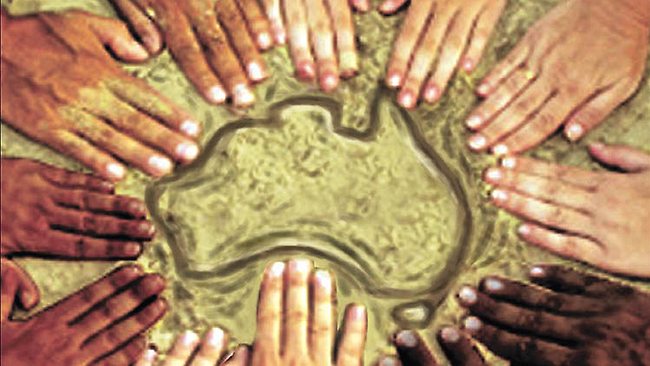
~ Names with an Australian Bias of Democratic Temper

Waltzing More Than Matilda

Tag Archives: French names

Multicultural Men – Boys Names from Around the World from the Bonds Baby Search

04 Wednesday Apr 2012

Posted by A.O. in Baby Contests

≈ 4 Comments

Tags

Afghan names, African names, Albanian names, Arabic names, Armenian names, Chinese names, Dutch names, Ethiopian names, Filipino names, Finnish names, French names, German names, Greek names, hebrew names, Igbo Names, Iranian names, Italian names, Japanese names, Lithuanian names, Macedonian names, Maori names, Persian names, polynesian names, Portuguese names, Russian names, scandinavian names, Spanish names, Swahili names, Swedish names, Turkish names

Aasil (Arabic)

Adnan (Arabic)

Adriano (Italian)

Akil (Arabic)

Alakai (Polynesian)

Aleksandr (Russian)

Amon (Hebrew)

Andre (French etc)

Andrei (Russian)

Anuj (Indian)

Aras (Lithuanian)

Ardem (Armenian)

Bavneet (Indian)

Benito (Italian)

Cihan (Turkish)

Chinedu (Igbo)

Dardan (Albanian)

Didyme (Greek)

Diego (Spanish)

Dimitri (Russian)

Djaali (Arabic)

Domenico (Italian)

El’Amein (Arabic)

Emil (German etc)

Emir (Arabic)

Eshaan (Arabic)

Eyob (Ethiopian)

Fuakava (Polynesian)

Gian (Italian)

Giorgio (Italian)

Giovanni (Italian)

Giuseppe (Italian)

Hamza (Arabic)

Hang (Chinese)

Heemi (Maori)

Henri (French)

Horomona (Maori)

Hussein (Arabic)

Ioannis (Greek)

Ishan (Indian)

Jabari (Swahili)

Jad (Arabic)

Jalal (Arabic)

Jin (Chinese)

Josef (German etc)

Kaan (Turkish)

Kalani (Polynesian)

Kareem (Arabic)

Kelepi (Polynesian)

Keoni (Polynesian)

Khamesa (Arabic)

Khan (Arabic)

Kheez (Arabic)

Khrishwin (Indian)

Kingi (Maori)

Kiva (Hebrew)

Koa (Polynesian)

Koray (Turkish)

Leonardo (Italian)

Levent (Turkish)

Lorenzo (Italian)

Lui (Polynesian)

Malik (Arabic)

Marcello (Italian)

Markell (German)

Massimo (Italian)

Mateo (Polynesian)

Matheos (Greek)

Matias (Finnish et al)

Michelangelo (Italian)

Mikail (Russian)

Mirza (Persian et al)

Nakoa (Polynesian)

Namish (Indian)

Naseem (Arabic)

Navrin (Indian)

Ngarani (Maori)

Niketas (Russian)

Nikita (Russian etc)

Nikolai (Russian etc)

Omar (Arabic)

Panagiotis (Greek)

Panayioti (Greek)

Paolo (Italian)

Pieter (Dutch etc)

Qiyamah (Arabic)

Rastin (Afghan)

Rauna (Polynesian?)

Ren (Japanese)

Riwai (Maori)

Rocco (Italian)

Ronin (Japanese)

Saalih (Arabic)

Sahar (Arabic)

Sahib (Indian)

Sahil (Indian)

Sanchay (Indian)

Sebatian (Filipino)

Shaunak (Indian)

Sobhi (Arabic)

Soltan (Persian)

Souvik (Indian)

Stefan (German etc)

Sulo (Swedish)

Taavi (Finnish)

Tariq (Arabic)

Tirso (Spanish)

Tommaso (Italian)

Toren (Dutch et al)

Trifun (Macedonian)

Vasco (Portuguese)

Vincenzo (Italian)

Walid (Arabic)

Yianni (Greek)

Zamzam (Arabic)

Zaya (Arabic)

Zayd (Arabic)

Zidane (Arabic)

Zied (Arabic)

Boys Names from the Top 100 of the 1900s

01 Sunday Apr 2012

Posted by A.O. in Name Themes and Lists

≈ 12 Comments

Tags

Appellation Mountain, celebrity baby names, classic names, ethnonyms, famous namesakes, fictional namesakes, French names, German names, germanic names, Latin names, locational names, name data, name history, name meaning, name popularity, name trends, nicknames, Norman-French names, Old English names, Old Norse names, popular culture, popular names, Roman names, royal names, Sabine names, saints names, surname names, tribal names

This follows on from Girls Names from the Top 100 of the 1900s. Once again, I’ve tried to get a balance between those names coming back into fashion, and those which haven’t charted for a while; once again, it is based on data from New South Wales. If you are attracted to names like these for boys, you should check out Abby’s two parter at Appellation Mountain – Fetching Names: The Nevilles, as many of her suggestions are very much in tune with this style.

Albert

This is derived from the Germanic name Adalbert, meaning “noble and bright”, which was common amongst German royalty. It was introduced to England by the Normans, where it readily overtook the Old English form, Æðelbeorht. A rare name by the 17th century, it came back in the 19th, as Prince Albert was the name of Queen Victoria’s dearly loved husband, born in Germany. Famous Australians with this name include Albert Matthews, the last Gallipoli veteran to die, in 1997, and popular long-time entertainer, Bert Newton. Albert is a classic name which has never been out of use; it was #12 in the 1900s, and didn’t leave the Top 100 until the 1950s. It’s remained relatively stable for several decades, and is currently in the low 300s. Albert is one of those names which sound slightly “grandpa” while remaining steadily in use. It’s a good reliable choice, and Alby, Bertie and Bert all make cute nicknames.

Aubrey

The Norman-French form of Germanic Alberich, meaning “elf power” or “elf ruler”, which replaced the Old English equivalent, Ælfrīc. The name was used for both sexes during the Middle Ages, especially amongst the aristocracy, but gradually fell out of use. It was revived in the 19th century, possibly influenced by the surname. There have been a few famous men in Australia named Aubrey, including motorcycle racer Aubrey Lawson, and Australian rules footballer, Aubrey Mackenzie. Aubrey was #59 in the 1900s, and left the Top 100 in the 1930s. It hasn’t charted since the 1950s. Aubrey may seem old-fashioned and effete to some people; others may think it sounds feminine, due to the popularity of similar-sounding girls’ name, Audrey. However, this unisex name is certainly in use as a boys’ name, and I have actually seen it on more boys than girls, with parents of girls often preferring specifically feminine spellings such as Aubree or Aubrie. I think it sounds handsome and dashing, and Jack Aubrey from Master and Commander (played by Russell Crowe in the film) even helps give it a nautical air. The usual nickname is Aub or Auby.

Claude

The French form of the Roman family name Claudius. The Claudii interpreted their name as from the Latin claudus, meaning “lame, crippled”, but according to legend, the first of their house was not Roman, but Sabine, and his family name was Clausus or Closus. When he joined the Romans, his name was Latinised. The Claudii were very proud of their Sabine heritage, very powerful, and had a reputation for arrogance and haughtiness. The name Claude became common in France during the Middle Ages due to the 7th century Saint Claude of Besancon, a monk to whom many miracles are ascribed. The name was brought to Britain by the aristocratic Hamilton family of Scotland in the specifically male form Claud; being Scottish they naturally had ties to France. Australian Claude Choules was the last surviving male World War I veteran in the world until his passing last year. Claude was #49 in the 1900s, left the Top 100 in the 1930s, and hasn’t charted since the 1970s. The name still packs a patrician punch, and namesakes such as painter Claude Monet and composer Claude Debussy make it seem quite artistic as well.

Frank

Used as a short form of Francis or Franklin, but is a name in its own right, referring to the Germanic tribe of the Franks. They conquered most of Gaul, which was later named France in their honour. A powerful tribe, they were the ultimate founders of what would later become the Holy Roman Empire, controlling much of Europe. The meaning of their name is disputed; it may mean “javelin” after their weapon of choice (although the weapon might have been named after them, not the other way around). Another theory is that it meant “bold, fierce”; the Romans sometimes addressed or referred to them as “the fierce people”. The English word frank, meaning “free, honest” is named after the Franks, and is not the source of the name. The most well-known Australian called Frank is probably charming comedian Frank Woodley. Frank’s a classic that has never been off the charts; #27 in the 1900s, it didn’t leave the Top 100 until the 1970s. It’s currently having a growth spurt in the low 400s. Brisk, sensible Frank is a worthy choice for someone wanting an old-style replacement for popular Jack. The usual pet form is Franky.

Harold

Derived from the Old English name Hereweald, meaning “army leader”; the Old Norse form Haraldr was also common amongst Scandinavian settlers in England. It was popular amongst the royal houses of Norway and Denmark, and the two kings of England named Harold were of mixed Scandinavian and Anglo-Saxon ancestry. It was Harold II who was defeated and killed at the Battle of Hastings, leading to the Norman Conquest. Not surprisingly, the name died out almost immediately, but was revived by the Victorians. The most famous Australian with this name is former Prime Minister Harold Holt, who disappeared in 1967 at the beach, and is presumed drowned, although many conspiracy theories have existed. Oddly enough, there is a swimming centre named after him. Harold was #13 in the 1900s, peaked in the 1910s, left the Top 100 in the 1940s, and remained in (rare) use until the early 2000s, with a dampener put on it by Mr Holt’s watery demise. Until recently, I would have said Harold made a great way to get the popular nickname Harry – unfortunately, Harry is rapidly falling. It’s got some challenges, but I do like this noble and besieged name.

Reginald

From the Germanic name Raginald, meaning something like “well-advised ruler”. The Normans brought it to Britain in the forms Reinald and Reinold; there were already Old English and Norse forms in use there. Reginald is the Latinised form of all these variants, and is another of those names from the Middle Ages which made a comeback in the Victorian era. There are many well known Australian Reginalds, including popular actor Reg Livermore, and Sir Reginald Ansett, the founder of Ansett Airlines. Reginald was #20 in the 1900s, and left the Top 100 in the 1960s. It hasn’t charted since the 1980s. Reginald may seem very fusty and pompous – then again, that’s exactly what people would have said about Archibald a few years ago, and now it’s quite fashionable as a way to the nickname Archie. I don’t really see what makes Reggie any different from Archie, Alfie or Freddie, which makes Reginald a genuine contender.

Rupert

A German form of Robert, this was introduced to Britain in the 17th century by Prince Rupert of the Rhine, a nephew of King Charles II of England. When still young, he was appointed commander of the Royalist cavalry during the English Civil War; after the Restoration he returned and became a senior naval commander. Prince Rupert was a man of fashion who also was one of the founders of the Royal Society and a patron of the arts – he made the name seem distinctly aristocratic, and perhaps slightly flamboyant. Famous Australians with the name include artist Rupert Bunny and media mogul Sir Rupert Murdoch. Rupert was #97 in the 1900s, and left the Top 100 the following decade; it left the rankings in the 1940s. Very recently, it has entered the charts again, and is currently climbing in the 400s. Rupert seems to be making a comeback – perhaps Rupert Grint from the Harry Potter movies has given it a more likeable, down-to-earth image. It’s certainly handsome, and Ru would make a cute nickname.

Stanley

An English surname meaning “stony meadow”; it comes from the place name Stoneley in Staffordshire. It has quite an aristocratic heritage, for the Stanleys were Earls and Barons, prominent in the Conservative Party, and at times, one of the richest landowning families in Britain. Members of the Stanley family have held high political office, including Prime Minister, been connected to royalty, and generally a force through the pages of British history. Sir Lyulph Stanley was part of this august clan; he was Governor of Victoria and held several other important posts in Australia. Great men called Stanley from our nation include tennis champion Stanley Doust, and legendary cartoonist Stanley Cross; the Stanley Award for cartoonists is named in his honour. A classic which has never left the charts, Stanley was #22 in the 1900s and left the Top 100 in the 1950s. It has remained stable since the 1960s. It’s an oldie but goodie, made to seem quite cool since Dido gave her son this name last year, named after the song Stan, by American rapper Eminen. It seems eminently usable, and sturdy nickname Stan is right on trend.

Vincent

This is from the Roman name Vincentius, derived from the Latin for “to conquer”. Its meaning made it popular amongst early Christians, who no doubt wished to indicate that they were ready to conquer sin, and there are several martyrs of the church with this name. A later saint with this name is the 16th century French priest famous for his works of charity, St Vincent de Paul. Vincent was used in Britain in the Middle Ages, but didn’t become common until the 19th century. Vince Jones is an Australian jazz artist, and Vince Melouney was one of the founding members of Billy Thorpe & The Aztecs, so it’s a very musical name. Handsome and romantic, Vincent is a classic which has never left the charts or been out of the Top 200. It was #47 in the 1900s, and left the Top 100 in the 1950s; the lowest it’s ever been is #179 in the 1970s. It’s usage has been erratic, but generally improving since then, and it’s currently in the mid 100s. Prince Vincent of Denmark, son of Princess Mary, may help it along further. Vin, Vince and Vinnie are all used as nicknames.

William

From the Germanic name Willahelm, meaning something like “willing helmet”, or “strong-minded protection”. William of Gellone was a cousin of Charlemagne, and an 8th century Norman count who defeated an army of Moors and forced them to retreat to Spain; his deeds are immortalised in the epic poem, Chanson de Guillaume (Song of William). In case this didn’t make him famous enough, he founded a monastery, gave it a piece of the True Cross, and became a monk, being declared a saint after his death. This made William a favourite name amongst the Normans, and when a Duke of Normandy called William invaded England in 1066 and was crowned king, it became the most commonly-used name in his kingdom. There have been four kings of England/Britain called William, and if Prince William attains the throne, he will be William V. Australia has had two Prime Ministers named William – Hughes and McMahon. Solid classic William has never left the Top 50; it was the #1 name of the 1900s and is #1 today. This never out fashion name is very versatile, because although William is so dignified, its nicknames Will, Bill and Billy are simple and unpretentious.

(The picture is of a prospector on the gold fields in 1904; image held by Museum Victoria).

Only Natural – Nature Names from the Bonds Baby Search

22 Thursday Mar 2012

Posted by A.O. in Baby Contests

≈ 3 Comments

Tags

animal names, astronomical names, Australian Aboriginal names, colour names, english names, flower names, food names, French names, fruit names, gemstone names, geographic names, nature names, plant names, season names, Thai names, tree names, vocabulary names, weather names

GIRLS

Acacia

Anise

Autumn

Azalea

Berry

Briar

Cedar

Cherry

Clover

Crystal

Cypress

Dahlia

Dawn

Dusty

Ember

Emerald

Honey

Indigo

Ivory

Jacaranda (this South American tree is so popular, it is often assumed to be native)

Jewel

Juniper

Mallee (a native tree; name of Australian Aboriginal origin)

Magenta

Misty

Ocean

Opal

Peaches

Pearl

Pepper

Rain

Raven

Saffron

Sage

Sapphire

Scarlet

Season

Soleil (French word for the sun)

Star

Sunshine

Swai (Thai word for the iridescent shark)

Tigerlily

Tulip

Winter


BOYS

Ash

Aspen

Baye

Bear

Bryne

Clay

Cove

Fin

Flint

Fox

Heath

Jarrah (a very tall and strong native tree; name of Australian Aboriginal origin)

Layke

Onyx

Reed

Reef

River

Rock

Rowan

Rye

Silvan

Sky

Storm

Sunny

Talon

Teal

Tiger

Tyde

Wolf

(Photo of Mother Cummings Peak Track, Tasmania from There’s Nothing Like Australia website).

Famous Name: Beyoncé

21 Saturday Jan 2012

Posted by A.O. in Famous Names

≈ 1 Comment

Tags

American names, celebrity baby names, created names, Creole names, French names, honouring, Louisiana names, popular culture, surname names, UK name popularity, unique names, US name popularity, virtue names

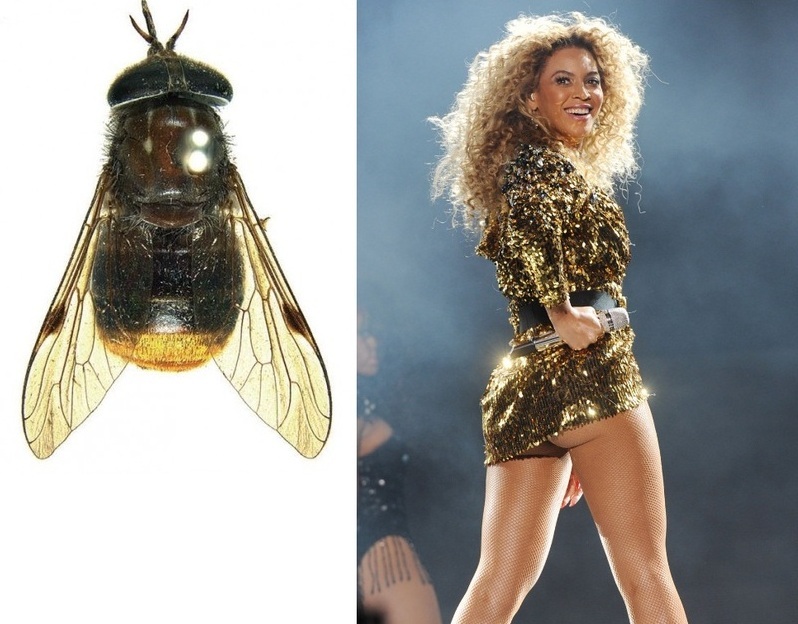
Pop diva Beyoncé has been in the news a lot recently, since the birth of her first child, Blue Ivy Carter. However, her name has hit the headlines for a different reason, after inspiring an Australian taxonomist to name a horse fly after her.

Bryan Lessard, from the CSIRO’s Australian National Insect Collection in Canberra, named the fly Scaptia (Plinthina) beyonceae because it has a prominent golden lower abdomen. To Bryan, who admits to being something of a fan, the unique dense gold hairs on the fly reminded him of Beyoncé’s flashy golden stage outfits.

The rare fly was collected in 1981, the same year Beyoncé was born, from eucalypt forests in the Atherton Tablelands of Queensland.

I’m not sure whether this is the most flattering thing that’s ever happened to Beyoncé, but I love that it shows scientists are just normal people who listen to R&B in their labs while they work, and find themselves as captivated by a gold frock as the next person. And perhaps are human enough to want to see their names in the gossip magazines, and maybe even get a personal response from their idol (she hasn’t made one).

BEYONCE

Beyoncé’s name is as unique as the horse fly, being created especially for her. Her mother Tina’s maiden name is Beyincé, a Creole surname from Louisiana. When she discovered that the Beyincé name was dying out, Tina decided to call her daughter Beyoncé, her own version of the surname. Apparently Tina’s parents were not impressed at first, because “that’s a last name”.

Beyincé is a form of the French surname Boyancé, related to the Old French word for “wood”. It’s an equivalent of English surnames such as Woodward or Forrester.

While the names of celebrities often become popular baby names (think Scarlett and Ashton, for example), Beyoncé’s name remains in very rare use. It belongs so completely to herself, and no other.

DESTINY

Destiny’s Child was the successful girl group of which Beyoncé was a founding member, prior to her embarking on her solo career.

The English word destiny comes from French, and ultimately from the Latin destino, the source of the word destination, meaning “appoint, establish”. It comes from an ancient root meaning “to stand, to place” (also the source of the word obstinate). Destiny is used as a synonym for the word fate, although technically fate is the divine agency or power which brings about the predetermined future events which are our destiny.

Destiny has been used as a girl’s name since the 19th century, and originated in the United States. It has been on the US Top 1000 since 1975, and reached the Top 100 in 1994, leaving it in 2012. It is currently #203.

In the UK, Destiny peaked in 2001 at #211 , and is currently #412. It is also in use in The Netherlands, and is a fairly uncommon name in Australia, although certainly not unknown.

Apart from Destiny’s Child, the name may remind you of Destiny Cyrus, the birth name of actress and singer Miley Cyrus (born just after the name reached the Top 100). It’s a slightly dated virtue name which still has a spiritual or philosophical feel to it, but also suggests the strength to forge your own path in life, to make your own destiny.

POLL RESULTS

Beyoncé gained an approval rating of 15% from the public. Only one person liked the name Beyoncé, while 68% thought it was terrible.

Destiny did rather better, with an approval rating of 32%. However, once again only one person liked the name, and 48% thought it was terrible.


Names of Australian Fashion Designers

13 Sunday Nov 2011

Posted by A.O. in Name Themes and Lists

≈ 19 Comments

Tags

African names, Australian Aboriginal names, Biblical names, created names, Etruscan names, famous namesakes, French names, Gaelic names, Greek names, hebrew names, Korean names, Latin names, literary names, locational names, Maori names, mythological names, name history, name meaning, nicknames, Scottish names, surname names, unisex names, Zulu names

Last week we began our gender re-balancing with the names of some beautiful Australian models. Yet without the clever and creative designers, models would have nothing to wear. Here are ten female fashion designers whose names I found interesting in some way.

Arabella (Ramsay)

Arabella Ramsay grew up on a sheep farm in country Victoria; her family are all very creative, and she was encouraged to become a fashion designer. She did a course in textile design at RMIT, then spent a year in Paris studying fashion before opening her first store in Melbourne in 2006. This year, Arabella welcomed her first child, a daughter named Marlowe. The name Arabella originated in medieval Scotland, and it is thought that it is probably a variant of Annabel, meaning “lovable”. However, it is found in old documents in the forms Orable and Orabella, and from early on seems to have been influenced by the Latin word orabilis (also used as a name in the Middle Ages). This means “invokeable”, in the sense that a saint can be invoked by prayer. Arabella has never been a common name in Australia, despite our love of names from Scotland; I think it has seemed too old-fashioned or perhaps too upper-class. However, with -bella names all the rage, this looks like the perfect time for Arabella to shine.

Camilla (Franks)

Camilla Franks was a theatre actress who loved to design and make her own costumes, and formed her own fashion label in 2004. She is known as the “kaftan queen” because of her signature flowing lines in colourful prints, and hosts her own fashion shows in exotic locations around the world. Camilla sells internationally, and her designs are worn by celebrities such as Kate Hudson, Lily Allen, Beyonce and Oprah. In Roman mythology, Camilla was a virgin warrior queen of the Volscian tribe who was bound to be a votary of the goddess Diana since infancy. It is said that she was so fleet of foot that she could race across a field without bending a blade of grass, and could even run across water without getting her feet wet. We are told by the Romans that she was named Camilla because this is what the Etruscans called all their young priestesses (the male form is Camillus); if so, it seems to be more a title than a personal name. Queen Camilla’s mother’s name was Casmilla, and this seems significant. Once a favourite in literature, it’s best known today as the name of the Duchess of Cornwall. Milla and Millie are so popular at the moment that this may give Camilla more of a chance.

Collette (Dinnigan)

Collette Dinnigan was born in South Africa and moved to New Zealand as a child. After studying fashion design at Wellington Polytechnic, she moved to Sydney and worked for the Australian Broadcasting Corporation’s costume department. She opened her first store in 1992 and exported her fashions to New York, London and Hong Kong; she was the first Australian to launch a ready-to-wear collection in Paris. Her clothing lines sell in major department stores, and many Australian women will have at least one Collette Dinnigan piece in their wardrobes. The Australian government sent a Collette Dinnigan cardigan as their gift to French president Nicolas Sarkozy’s baby daughter, Giulia. Collette is a variant spelling of Colette, a French pet form of the name Nicole. The name Collette is well known as Australia as the stage name of lycra bike shorts-wearing pop singer Collette Roberts, who sang Ring My Bell, as well as the surname of actress Toni Collette. French names are very fashionable at the moment, but I wonder whether Collette is still sounding a bit dated. I think Nicollette might do better, maybe with Collette as the nickname.

Clea (Garrick)

Clea Garrick is originally from the Northern Territory, studied design in Brisbane, then moved to Melbourne where she set up the Limedrop label in 2005 with Nathan Price, who handles the marketing side of things. Limedrop has won a major award, sells around the world, and recently broke into the Tokyo market. Clea is a Greek name meaning “glorious”, and was the name of one of the Delphic oracles, who held the title of Pythia. These priestesses foretold the future at the town of Delphi in a temple dedicated to the god Apollo; it seems that some kind of shamanistic trance was used to foresee the future, and it has been speculated that hallucinogenic gases were involved. We are told by the ancients that these predictions tended to be ambiguously phrased, but usually gave good advice, and that the prophetic process was physically demanding on the Pythia – sometimes to the point where it killed her. We don’t know whether Clea was this priestess’ real name, or a name she adopted. I think Clea has a lot of potential – it’s underused, sounds similar to Claire and Leah, and is perhaps more feminine than its sister Cleo.

Elke (Kramer)

Elke Kramer is a Sydney-based jewellery designer known for her bold, chunky pendants and bracelets. She launched her label in 2004, and has a range of other creative pursuits, including art and illustration. Elke is the feminine form of the Hebrew name Elkanah, which is translated as “God has purchased”, and often interpreted as “belonging to God”, or “in God’s possession”. There are several men named Elkanah in the Old Testament, most notably the husband of Hannah, the father of the prophet Samuel. (Elkanah had another wife called Penninah, meaning “pearl”, but she was mean and jealous, so he didn’t like her as much as Hannah, even though Penninah gave him more children.) Elke is said EL-kuh, and it fits with popular names like Ella and the trend for EL sounds in girl’s names, but may possibly remind people of that large deer, the elk.

Jolet (Ucchino)

Jolet Ucchino is an independent fashion designer from Melbourne who launched her own label in 2008. She is committed to supporting local industry and using high-quality natural fabrics. It has been suggested that Jolet was originally a male name, derived from the French word joli, meaning “attractive”. It’s more common as a surname, but is still used as a personal name by both genders. Jolet Ucchino pronounces her name yo-LET. This is an unusual French name that’s a little like Yolande and a little like Juliet, and a fresh alternative to the name Jolie.

Kirrily (Johnston)

Kirrily Johnston studied at the Melbourne Institute of Textiles, and began her career in 1999 before moving to Sydney. She founded her own label in 2004, and was immediately met by rave reviews. Kirrily Johnston clothes sell in boutiques and department stores in Australia, the USA, UK, Asia and New Zealand, and are worn by stars such as Miranda Kerr, Nicole Kidman, Reese Witherspoon and Diane Kruger. This year Kirrily became a judge on Project Runway Australia. Kirrily is a much liked name here, and seems to be uniquely Australian. The origin is very uncertain. It could be a variant of the Maori name Kiri, which means “fruit skin, bark”, and is well known as the name of opera star Dame Kiri Te Tanawa. Kirri is the Maori word for “wild dog” and the South African word for “stick”, and also looks similar to kirra, an Aboriginal word meaning “leaf”, and Kirribilli, a Sydney suburb meaning “good fishing spot” in the local language. Most likely it came into use because it sounded similar to popular names of the 1960s and 1970s, such as Kylie, Kerry and Kelly. It has helped influence a new generation of soundalike names, such as Kirra-Lee, Keira-Leigh, Kirri-Li and Kyralee, of which you can find many examples given to recent babies and toddlers.

Lorna (Clarkson)

Lorna Jane Clarkson began her career as a dental therapist, but moved into fitness instruction. Finding the existing range of women’s activewear limited, she started making her own line of fashionable gym clothing. In 1990 she opened her own store, and today there are 122 Lorna Jane stores. The name Lorna was created by novelist R.D. Blackmore for his historical romance, Lorna Doone (1869). He may have based it on the Scottish place name Lorne, which is in a region once named Lorna, and is possibly based on the male name Loarn – Loarn mac Eirc was a legendary king who was one of the sons of the first Gael to arrive in Scotland from Ireland. Loarn may be from the Gaelic word latharn, meaning “fox”; perhaps a tribal totem. Lorna Doone is an exciting tale of a long-lost heiress, forbidden marriages, unexpected changes in fortune, and all manner of adventures. It was the favourite novel of Australian bushranger Ned Kelly, and he may even have got the idea of wearing armour from the book, as the outlaw Doone family are said to wear “iron plates on breast and head”. Lorna was an “old grandma” name when I was a little girl, which means another generation has gone by and maybe now it seems more usable. It really doesn’t sound much different to currently popular names such as Laura and Lauren, and has a surprisingly Australian significance.

Thulie (Ellis)

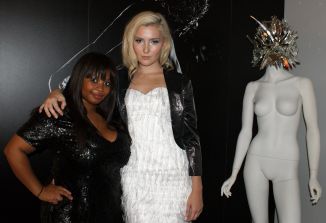
Thulie Ellis is an emerging fashion designer who was born in the Transkei Zulu region of South Africa, raised in New Zealand, and educated in Australia, studying at Sydney’s premier fashion school FBI. She debuted her first collection in 2009 and opened her online store the same year. Thulie is pleased that many of her clients are from the United States, as she has been in love with America since a trip there as a teenager. She hopes to expand further into the US market. Thulie’s name may be a pet form of Nokuthula, a common Zulu name meaning “peace and tranquillity”, although the word Thula (“peace”) is also used as a name, with Thuli or Thulie as the short form. Thulie is pronounced TYOO-lee; the first syllable is said like the word tulle, or the beginning of tulip. Exotic, yet simple, I can imagine many people being drawn to this pretty name.

Yeojin (Bae)

Yeojin Bae was born in Korea, and wanted to be a fashion designer when she was two years old; her grandfather was a designer, and both her parents worked in the industry. With their full support, she attended art school from the age of 4, and became the youngest student at the Whitehouse Institute of Fashion in Melbourne at the age of 14; she graduated when she was 17. She has done internships in New York with Marc Jacobs and Anna Sui, won the 2007 Tiffany and Co Young Designer of the Year Award, and in 2009 was nominated for the Prix de Marie Claire Designer of the Year Award. Her collections sell in major department stores in Australia, the UK, the USA and the UAE. Yeojin’s name means “beautiful treasure” in Korean. Her name is pronounced yo-jhin – at least in an Australian accent. I’ve included a short interview with Yeojin so you can hear her name said aloud.

(Photo of Thulie Ellis with one of her garments at Rosemount Fashion Week from Southern Courier, May 10 2010)

Names of Australian Models

06 Sunday Nov 2011

Posted by A.O. in Name Themes and Lists

≈ 27 Comments

Tags

Cornish names, created names, famous namesakes, fictional namesakes, French names, hebrew names, Indian names, Italian names, Latin names, Maori names, mythological names, name history, name meaning, Native American names, nicknames, Shakespearean names, Tamil names, Welsh names

Because we had two sets of male names for Boys Names from the Australian Football League and Boys Names from the National Rugby League, we need to have two sets of female names to keep the numbers even. As the spring fashion collections are out now, and ladies are getting frocked up for the spring racing season, it seemed a good time of year to feature women’s names from the world of Australian fashion.

Bambi (Northwood-Blyth)

Bambi Northwood-Blyth is a young up and coming model from Melbourne. She became known once her photo started being seen in tabloids partying with her surfer boyfriend who owns a fashion label, and soon became an internationally known “it” girl. At 5 foot 7, Bambi is unusually short for a fashion model, has a very distinctive look with heavy dark eyebrows, and sports tattoos and facial piercings. Bambi is a diminutive of the Italian word bambina, meaning “girl child”; English equivalents of Bambi might be Babe or Lassie. A girl named Bambi (real name Francesca) is the heroine of 1914 novel, Bambi, by Marjorie Benton Cooke. It recounts the romantic adventures of a lively young society girl in New York, and seems an entertaining enough read. However, it’s been overtaken in the public consciousness by a male deer called Bambi, hero of a novel by Felix Salten which was made into an animated Disney movie. Since then, Bambi has taken on connotations of being doe-eyed, long-limbed and generally adorable, like a baby deer. Bambi is usually a nickname or stage name in real life, and this case is no exception: Bambi Northwood-Blyth’s real name is Stephanie.

Cheyenne (Tozzi)

Cheyenne Tozzi was raised in Sydney, and is the type of blonde bikini babe which makes her suitable to be the face of Mambo Goddess and Just Jeans. She’s been hailed as “the next Elle McPherson”, and seems to be dating someone new every time you open a gossip magazine, from Kanye West to Mickey Rourke to Brandon Davis to our own Taj Burrow. Cheyenne is the name of a Native American people from the Great Plains region. Their name is what the Dakota Sioux called them, and means something like “the people of an alien language” (literally, “red-talkers”). One of their most famous members was the chief Black Kettle, who tried to make peace with the American settlers, and was killed by General George Custer. It’s pronounced shy-AN, and seems to be have been first used as a name in 1950s TV western, Cheyenne, about a cowboy called Cheyenne Bodie. It’s now seen as a primarily feminine name, and you should be aware that many Native Americans find using tribal names as personal names culturally insensitive or even offensive.

Demelza (Reveley)

Demelza Reveley is from Wollongong, and won the fourth series of Australia’s Next Top Model. Despite winning the show, judges said she lacked the sophistication to be a top model, and was just young and pretty. She has posed for Cosmopolitan and Vogue, and is currently the face of Sydney’s fashionable Strand Arcade shopping centre. Demelza is the name of a Cornish village said to mean “fort of Maeldaf”. The name Demelza was used for a character in the Winston Graham’s Poldark novels, and it became well known after the novels were turned into a TV series in the 1970s; the part of Demelza Poldark was played by Angharad Rees. Part of the success of the name at the time may be because, in the story, Demelza is told that her name means “thy sweetness”. Demelza Reveley’s parents obviously like unusual names – her sister’s name is Tanith.

Elle (Macpherson)

Elle Macpherson (pictured) was born in Sydney, and first modelled in New York as a teenager to raise money for her law degree (soon abandoned). She became known for her girl next door looks and magnificent figure, which earned her the sobriquet of “The Body”. Elle became part of the generation of supermodels in the 1980s, and went on to control many business interests. Today she is a multimillionaire businesswoman with her own fashion label, and is the face of Revlon cosmetics. She lives in Britain with her two sons. Elle’s name is short for her real name of Eleanor. Elle is the name of the world’s largest fashion magazine, founded in Paris in 1945. At one time, Elle Macpherson appeared in every issue of the magazine for six years in a row, and at the age of 21, married its creative director, Gilles Bensimon. The magazine’s name is the French word for “she”.

Miranda (Kerr)

Miranda Kerr was raised in the country town of Gunnedah in New South Wales before her family moved to Brisbane. She won the 1997 Dolly magazine contest at the age of 13, became a swimwear model, and relocated to New York. She is the first Australian to become a Victoria’s Secret lingerie model. She is married to actor Orlando Bloom, and is the mother of Flynn Christopher Blanchard Copeland Bloom. The name Miranda was created by William Shakespeare for his play, The Tempest; Miranda is the teenage daughter of the duke Prospero, and the two of them have been exiled on a remote island since Miranda was a toddler. Miranda’s name is derived from Latin for “admirable, miraculous” – Prospero is a magician, and perhaps chose a rather magical sounding name for his daughter. Miranda seems to be a popular name in Australia, at least in fiction; there seems to be a lot of Mirandas in films and television shows, including the beautiful schoolgirl Miranda in Picnic at Hanging Rock, based on the novel by Joan Lindsay. As this movie is very mysterious, it adds up to Miranda being a remarkably magical and mystical name.

Myfanwy (Shepherd)

Myfanwy Shepherd is from Cairns; she auditioned for the fourth series of Australia’s Next Top Model, but was rejected, as judges didn’t believe she had what it takes. A few months later, she was on the runways of New York, London, Paris and Milan. Myfanwy is a medieval Welsh name revived in the 19th century. It is often translated as “my fine one” or “my rare one”, but this seems to be an imaginative gloss, as it is more likely from the Welsh for “beloved”. A 14th-century legend tells of Myfanwy Fychan, who was said to be the most beautiful woman in Powys, and vain enough to love nothing more than hearing her appearance praised. She took a fancy to a penniless bard because he could compose poems extolling her loveliness. Fickle as well as vain, she soon dumped him for someone richer and better looking, and the bard was left to wander around sadly composing poetry to his lost love. This rather unpleasant character’s story was turned into a popular song by Joseph Parry in the 19th century. The name is pronounced muh-VAHN-wee, however Australian Myfanwys have a range of pronunciations, including like Tiffany with an M at the front. Like Myfanwy Shepherd, they all seem to use Myf (said MIFF) as the nickname.

Pania (Rose)

Pania Rose is from Perth in Western Australia; she was discovered during a national teen covergirl contest. She’s posed for Marie Claire and Spanish Vogue, and is most famous for her 2006 Sports Illustrated Swimsuit Edition appearance. The name Pania is one from Maori mythology; Pania of the Reef was a beautiful sea maiden. She fell in love with a handsome son of a chieftain, and the pair became secretly married. These mortal-to-sea creature love affairs always seem to go horribly wrong in tales, and this one is no exception. Pania stayed with her husband every night, but during the day she needed to be in the sea in order to survive. Her frustrated husband got tired of not having a wife around during the day, and tried to force her to remain on land against her will. Horrified that he would risk her life, she fled from him into the ocean. There is a statue of Pania on the city of Napier’s Marine Parade that is sometimes compared to that of The Little Mermaid in Copenhagen. The name is said PAH-NEE-AH, and it may mean “polished”.

Tabrett (Bethell)

Tabrett Bethell was born in Sydney, and was a teenage model and cheerleader for the NRL Cronulla Sharks. After this she trained as an actress, has been in several films, and played a key role in the US fantasy TV show, Legend of the Seeker, where she gained a fan following. Tabrett’s unusual name came about because of an argument her parents had about what to name her. Her mother had chosen the name Siobhan, but her father preferred the name Murray. Her dad left the hospital and went for a drive, where he saw a sign for Tabrett Street. He drove back to the hospital, and suggested Tabrett instead, which her mother proved equally enthusiastic about. Tabrett is pronounced with the emphasis on the first syllable, and for many years, Tabrett was told her name was Welsh. I have read that it is derived from the Hebrew word tofe, for the hand drum that is used to praise Yahweh, and is interpreted as meaning “celebration”. Although Tabrett’s surname is Welsh, meaning “son of Ithel”, by coincidence it looks similar to the Hebrew for “house of God”, so there is some odd Welsh-yet-Hebrew/Hebrew-yet-Welsh theme to her name, I think.

Tahnee (Atkinson)

Tahnee Atkinson is from Perth, and is the winner of the fifth series of Australia’s Next Top Model. Tahnee has a curvaceous figure, and her weight was sometimes an issue during the course of the show. As part of her prize, she received a contract with Maybelline and a spread in Harper’s Bazaar, which retained exclusive rights to her for six months. Tahnee is a name that has long been a favourite in Australia; the oldest Tahnee I know is in her late fifties, and the youngest was born last year. The meaning of the name is uncertain, but Australians often fondly believe it to be Aboriginal or Maori in origin. Most likely, it just a variant of Tania; it is pronounced TAH-nee (like tardy with an N in it instead of a D).

Valli (Kemp)

Valli Kemp was born in Kenya to British parents, moved to London when she was seven and to Sydney when she was twelve. She was chosen Miss World Australia in 1970, and seen as the epitome of early ’70s glamour, with bedroom eyes and full lips. After moving to London for the Miss World finals (Grenada won), she became part of the “beautiful people” scene, and appeared in a few films, most notably cult horror flick Dr Phibes Rises Again, opposite Vincent Price. After moving back to Australia in the 1980s, she became a full-time artist and art teacher. The name Valli means “creeping plant” in Tamil, which refers to either a sweet potato or a yam; both of these grow on vines. Valli is a Hindu goddess in the mythology of South India and Sri Lanka. In the stories, a chieftain and his wife prayed for a child, and found a baby girl amongst the vines in the forest; they raised her as their own and she grew up to be princess of her tribe. She became the wife of Lord Murugan, the most loved deity in Sri Lanka – a brave warrior who protects even the most humble.

Ruby Anne Susie Murch: A Daughter for Cathy Freeman and James Murch

25 Sunday Sep 2011

Posted by A.O. in Celebrity Baby Names

≈ 10 Comments

Tags

celebrity baby names, english names, famous namesakes, French names, honouring, name popularity, nicknames, popular names, vocabulary names

Cathy Freeman’s daughter was one of the most anticipated babies to be born this year, because Cathy is not only one of our greatest athletes, but also one of our most loved. Australia has been blessed with more than its fair share of fast runners, but Cathy did more than run fast – she has that charisma that draws people to her, and a smile that can light up, not just a room, but an entire stadium.

Her sporting achievements are well-known and add up to a stellar career. She began running aged five, won her first gold medal at the age of eight in Brisbane, and was encouraged by her family to pursue her dream of becoming an Olympic athlete. She won her first international gold medal for the women’s relay at the Commonwealth Games in Auckland, 1990; this made her not only the first Aboriginal gold medal winner at a Commonwealth Games, but also the youngest, as she was only 16. To commemorate her achievement, she was awarded Young Australian of the Year in 1990. In her acceptance speech, she said that she ran for all Australians, but particularly for Aboriginal Australians, whom she hoped to inspire to reach their own goals.

Cathy’s childhood dream came true in 1992, when she became the first Aboriginal Australian to compete at an Olympics Games, in Barcelona. She won double gold at the 1994 Commonwealth Games, and in 1996 received her first Olympic medal when she won silver in the 400 metres in Atlanta. Three subsequent Grand Prix victories and her taking first place at the 1997 World Track and Field Championships in Athens confirmed her status as world champion over 400 metres. In 1998, she received the Australian of the Year Award for her athletic achievements. To date, she is the only person who has ever been awarded both Young Australian of the Year and Australian of the Year.

The 2000 Olympics in Sydney were expected to be the jewel in her crown, and she was chosen to light the Olympic flame at the opening ceremony. Cathy didn’t disappoint, as she won her first Olympic gold medal for the 400 metres, and after the race, did her victory lap carrying both the Australian and Aboriginal flags as a symbol of national reconciliation. This had to gain the special permission of the International Olympic Committee, because although the Aboriginal flag is officially recognised in Australia, it isn’t a national flag, and isn’t recognised by the IOC. Cathy later explained that the carrying of both flags was the culmination of a promise that she had made to herself when she was 16, and just beginning her international career.

Further honours came her way: she received the Olympic Order, the Arthur Ashe Courage Award, the Laureus Sportswoman of the Year Award, and the Order of Australia Medal all in the same year, 2001. After her retirement, she devoted herself to many charitable causes, most notably the Cathy Freeman Foundation, which encourages indigenous children to stay in school and succeed academically.

Catherine Astrid Salome Freeman had become not just an athlete, not just an Olympian, not just a gold medallist, but also a spokesperson, a community leader, a role model, an icon, an inspiration, a star. Her success was beyond the wildest dreams of the little girl who had won primary school sports day races in Queensland.

A couple of years ago I watched an episode of genealogy show, Who Do You Think You Are?, featuring Cathy Freeman. She already knew that her grandfather, Frank Fisher, was a famous rugby league player from an Aboriginal mission, known for being a fast sprinter and a fierce competitor on the field, but was surprised to find her great-grandfather, Frank Fisher senior, served in World War I as a member of the Light Horse. She discovered that she had both English and Chinese ancestry on her mother’s side, and that her mother’s family had been sent to a Palm Island penal settlement for being too independent. They were to remain there for four generations – a place so strictly controlled that Cathy’s mother Cecelia was not allowed to visit family members for Christmas; this was in 1963.

As Cathy read the documents connected with her family history, she shed tears of rage and frustration on behalf of her ancestors. She said that if she had known all this when she was an athlete, she would have run even faster, and her running would have been fuelled by anger. Cathy has a tattoo on one bicep that reads Cos I’m Free, and she realised that her freedom was a historically recent thing.

Despite her magnificent public success, her private life was filled with drama, turmoil and even scandal. But as Cathy explained in an interview: “I might be a champion athlete but that doesn’t make me a champion person. Why shouldn’t my personal life be just as difficult and troublesome as any other woman’s? God, the mistakes I have made and the tears I’ve shed . . . Apart from a certain God-given talent I firmly believe the reason I achieved so much is that running was my escape from a chaotic personal life. Athletics was my refuge, something I could lose myself in.”

Fortunately, her chaotic love life got a lot happier and more stable when she met fund manager James Murch at a charity ball – a man that Cathy describes as “fantastic, fabulous, sexy, beautiful, gorgeous”, and also her best friend. In April 2009, Cathy and James were married in a Ba’hai wedding ceremony that included traditional indigenous elements. They were very open about wanting children as soon as possible, and said they were willing to adopt if necessary.

Cathy dropped a hint that she might be pregnant in September last year, during a ceremony to mark the tenth anniversary of the Sydney Olympic Games. She made a comment about her memory living on through her “unborn children and their children”. After she was questioned what she meant by that, her thought was, “Oh dear, what have I said?”. Pictures of her looking plumper, and a suddenly cancelled charity run across Sydney Harbour Bridge only fuelled speculation.

The pregnancy was officially announced in February, and it was also revealed that pregnancy had triggered gestational diabetes, which is said to run in Cathy’s family, and which Aboriginal women have a higher risk of getting. She had to inject herself with insulin four times a day, and after always being so fit and healthy, it was hard for her to adjust to the idea of her body failing her. In fact, in photos taken during the last few months of her pregnancy, Cathy looks noticeably tired and unwell, although she was able to continue going to the gym.

Her daughter Ruby Anne Susie was born on July 8, and we are told that the delivery went smoothly and both mother and baby were healthy. On July 11, she posted photos of Ruby on her website, and said on Twitter that she was recovering well and loving being a new mum. By the end of July, she was back at work promoting children’s sport.

Ruby was the #1 name last year in Victoria, where the Murch family live, and Cathy and James may well have picked it simply because they love it. However, this pretty gemstone has historically been often used as a name in the indigenous community, and there are several famous Aboriginal women called Ruby, including singer-songwriter, Ruby Hunter; political activist Ruby Langford Ginibi; and Ruby Hammond, the first Aboriginal woman political candidate in South Australia.

I think the middle name Anne may be in tribute to Cathy’s older sister, Anne-Marie, who was born with severe cerebral palsy and spent most of her life in a home for the disabled. Cathy always said that she had to run so fast because Anne-Marie couldn’t move her hands and feet at all, and that Anne-Marie has been a constant inspiration in her life – not just the wind beneath her wings, but a tornado. Anne-Marie died when Cathy was sixteen. The second middle name, Susie, is after James’ mother, who sadly passed away before she could ever meet Cathy.

I must confess that I admire Cathy Freeman a great deal, and basically I would have loved any name she chose for her daughter. I think Ruby Anne Susie is a bright, smiley, sunshiney name that’s cute as a button and also honours loved ones – two completely biased thumbs up!

(Photo from Cathy’s Freeman’s website)

Boys Names from the National Rugby League

04 Sunday Sep 2011

Posted by A.O. in Name Themes and Lists

≈ 14 Comments

Tags

Arabic names, astronomical names, celebrity baby names, english names, famous namesakes, French names, Gaelic names, germanic names, Hungarian names, Indian names, Irish names, Latin names, locational names, mythological names, name history, name meaning, nicknames, polynesian names, saints names, Sanskrit names, surname names, Tongan names, unisex names, Welsh names

Bodene (Thompson) – Gold Coast Titans

Bodene Thompson was born in New Zealand, and began playing rugby league in high school after his family moved to Australia. He made his début with the Titans in 2009, and last year he played for the New Zealand Maori team against England. His name is something of a mystery to me. It may be a variant of the Germanic surname Boden, taken from the Frisian for “messenger”. On the other hand, I have seen some people using Bodene as a form of the surname Beaudoin, a French form of Baldwin. It’s also hard not to wonder if it’s been chosen as a portmanteau of Beau and Dean – which make the obvious nicknames for this country-sounding name.

Braith (Anasta) – Sydney Roosters

Braith Anasta was born in Sydney, and is of Greek-Australian heritage (his surname was originally Anastasakis). He made his début in 2000, and first played for the Roosters in 2005. He is currently captain of his team. He is eligible to play for Greece internationally, but has done so only once, playing for Australia four times. He has played for New South Wales nine times, and for City six. He won the Dally M Rookie of the Year medal in 2001, the Jack Gibson Medal, and the Supporters Club Player of the Year in 2007, the Players Player of the Year in 2008, and last year won the Dally M Captain of the Year. Braith is a unisex Welsh name meaning “speckled”; however I’m not clear on the Welsh pronunciation. Braith pronounces his name BRAYTH. Braith can also come from the Gaelic word for “British” and the Old Norse for “broad”; both these words appear in various English surnames and place names, such as Braithwaite and Gilbraith, and these are exactly as Anasta’s name is said. Brief and brusque, this seems a name born to command, although it does sound a touch lispy.

Bronx (Goodwin) – St George Illawarra Dragons

Bronx Goodwin was born in the country town of Parkes in New South Wales. He made his début in 2007, and joined the St George Illawarra Dragons last year. He played for the New Zealand Maori side in 2008. The Goodwin family are well known for their involvement in, and success at, rugby league over several generations in the Illawarra region. Bronx’s name is taken from the borough of New York City called The Bronx. It receives its name from the Bronx River, which was named for an early settler from Sweden called Jonas Bronck. His surname is a variant of Brink, from the Low German meaning “edge, slope, waterside grazing land”, and would have been given to someone who lived on the edge of a waterway (rather appropriate for a river). The Bronx is an area known for its cultural diversity, and has a tough image. The name Bronx is blunt and masculine and sounds very sturdy; it has the X at the end which has become such a name trend. Bronx was born many years before Pete Wentz and Ashlee Simpson named their son Bronx Mowgli, so the Goodwins were obviously ahead of their time.

Constantine (Mika) – Newcastle Knights

Constantine Mika is a New Zealander of Samoan descent. He didn’t have any luck at getting into the New Zealand first grade team, so moved to Australia and joined the Knights in 2009. The name Constantine is well known from history due to Constantine the Great, famously the first Roman Emperor to convert to Christianity. Although historians are divided as to just how “Christian” Constantine was, and whether he had a dramatic conversion or not, there is no doubt that his rule was a significant turning point in history. He also moved the capital of the empire from Rome to Byzantium, in the east; the city was renamed Constantinople in his honour (today it is known as Istanbul, in Turkey). Constantine is venerated as a saint in Eastern Orthodoxy and the Eastern rites of the Roman Catholic church. His name is from the Latin for “constant, steadfast”. This is a very rich and indeed, imperial-sounding name, redolent of Byzantine marble and gold. Constantine Mika uses the usual Con as the short form, but Stan would also work well.

Drury (Low) – Canberra Raiders

Drury Low is originally from New Zealand and grew up in Melbourne. He made his début in 2010 with the Canberra Raiders, and was also chosen for the Junior Kiwis (New Zealand’s second national team) the same year. His name is an English surname from an Old French word meaning “love, friendship”; by the 12th century it meant a love token or a sweetheart. Sir William Drury was an English statesman and soldier in the time of Elizabeth I, and his house in London gave its name to the famous street, Drury Lane. It has theatrical associations, for the name of the street is often used to refer to The Theatre Royal, which has been located in Drury Lane since the 17th century; it’s shown popular works from Shakespeare to Monty Python, and currently showcases West End musicals. You may also know this street as the home of The Muffin Man in the nursery rhyme, which was made familiar in the Shrek movies, but also makes an appearance in Jane Austen’s Persuasion. Drury is a small town near Auckland in New Zealand, but I don’t know whether this was the inspiration for Low’s name.

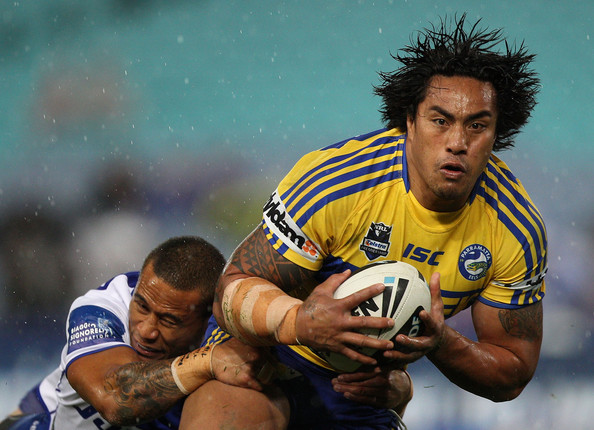
Fuifui (Moimoi) – Parramatta Eels

Fuifui Moimoi was born in Tonga and grew up in New Zealand (pictured). He made his début for Parramatta Eels in 2004, and has proved himself a valuable player. He is eligible to play rugby league for Tonga, Australia, New Zealand, the United States and Samoa, but so far has only played for Tonga and New Zealand. While watching a game recently, I heard the commentator explain that Fuifui’s name means “love love” in the Tongan language (as if to say, doubly loved). Not only is this a fantastic meaning for a name, but Fuifui Moimoi is without doubt the funnest name to say I have ever heard. Fuifui’s name is pronounced FOO-EE FOO-EE MOY MOY; you say it quickly and all the syllables have equal emphasis. It’s a name that you can’t help but smile as you say it. Fuifui goes by Fui in everyday life.

Krisnan (Inu) – New Zealand Warriors

Krisnan Inu was born in Auckland, New Zealand, to Samoan parents, and grew up in the western suburbs of Sydney. He made his debut in 2007, and began playing for the Warriors this season. He also plays for the New Zealand national team. A devout Mormon, he decided to forgo becoming a missionary, believing he can accomplish more for the church as a role model by remaining in the NRL. Krisnan is a variant of the Indian name Krishna, which means “black, dark, dark blue” in Sanskrit. Krishna is a central figure in Hinduism, believed to be the earthly manifestation of the supreme deity, Vishnu. He is said to have written the Hindu scriptures, the Bhagavad Gītā. Krisnan Inu calls himself Kris, and he has an interesting middle name too – Nevada!

Sandor (Earl) – Penrith Panthers

Sandor Earl was raised in the eastern suburbs of Sydney, and attended St Gregory’s College, a famous “nursery” for rugby league, where it is the dominant sport. Sandor made his début in 2009, and went to the Panthers last year, where he was named the club’s top rookie player. In 2010 he was part of the New Zealand Maori team which played against England, and is also reportedly eligible to play for Russia. Off the field, he works part-time as an underwear model. Sandor’s name is a Hungarian form of Alexander, and is pronounced SHAHN-dor. This is a form of the popular Alexander you don’t hear every day; it sounds like an exotic alternative to Xander to me.

Shea (Moylan) – Brisbane Broncos

Shea Moylan just made his début for the Brisbane Broncos this season. Shea is an Anglicised form of the Irish name Seaghdha, said to mean “hawk-like” in Old Gaelic, with connotations of being brave and fierce, and is pronounced SHAY. Although Seaghdha is a masculine name, the Anglicised form must sound slightly feminine to some people, as it is listed as a unisex name. However, I have personally only ever seen this name on boys, with Australian parents usually opting to use feminised creations such as Shaylie or Shayla for girls. I have also witnessed a wide range of variant spellings, including Shae, Shay, Shaye, Sheye and Shai. Although this has been a reasonably well-known name here, I get the impression it’s not being used as much as it was. It’s an attractive name, pleasantly soft, and sounds enough like Shane and Sean to seem familiar to most people.

Tariq Sims – North Queensland Cowboys

Tariq Sims is from Gerringong, in the Illawarra area of New South Wales, and is of part-Fijian descent. He made his début with the North Queensland Cowboys this season; his brothers Ashton and Korbin also play rugby league. Tariq is an Arabic name translated as “he who knocks on the door”, related to the Arabic word for “nightcomer” (in the sense that someone who comes by night will need to knock on the door to wake you up). Tariq is also the name given to the Morning Star, because it comes at the end of the night, but this star (planet) is also used as a metaphor for a great man or chieftain. In the Qur’an, the Morning Star is used to refer to the Prophet Mohammad. Tariq ibn-Ziyad was a military leader who conquered Spain for the Moors; Gibralter is named after him, for it is the Spanish derivation of “mountain of Tariq”. Tariq Sims pronounces his name tuh-REEK. This name has a mysterious meaning with positive associations and interesting namesakes; it’s exotic, but not difficult to spell or say. The Sims were ahead of the curve with Ashton and Korbin – Tariq may be next to become popular.

A very happy Father’s Day to all the dads! Here’s hoping you get spoiled rotten, and may your name suggestions always be taken seriously.

Waltzing With … Mary

07 Sunday Aug 2011

Posted by A.O. in Waltzing with ...

≈ 10 Comments

Tags

Biblical names, classic names, Egyptian names, famous namesakes, fictional namesakes, French names, hebrew names, Irish name popularity, Latin names, name history, name meaning, name popularity, royal names, saints names, UK name popularity, US name popularity

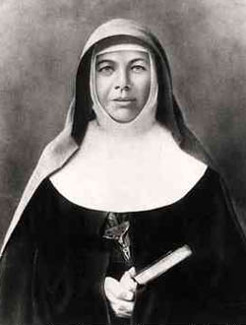
A050199_246x550This blog post was first published on August 7 2011, and revised and updated on August 13 2015.

Famous Namesake
Tomorrow is the solemnity of Saint Mary of the Cross, otherwise known as Saint Mary MacKillop. It’s a special day for Australian Catholics, because Mary MacKillop is the only Australian to have ever been canonised as a saint.

Born in 1842, she was a nun who founded the order of the Sisters of Saint Joseph of the Sacred Heart, as well as several schools and welfare organisations across South Australia, Queensland and New South Wales. She had a special interest in educating the poor, especially in rural areas, but the Josephites also cared for parentless and neglected children, unmarried mothers, women escaping domestic violence, the elderly, and the dying, as well as prisoners and juvenile delinquents. The Josephites did not live in convents, but amongst the community, living as they did, and sharing their hard lives. The brown habits they wore gave them the very Australian nickname, “The Brown Joeys”.

Church politics often caused her stress, including a period of a few months when she was excommunicated for speaking out against child sex abuse within the church. During this time, she lived with a Jewish family and was sheltered by Jesuit priests. There was also an ugly smear campaign against her, including accusations that she was a drunkard. In fact, in an age where pain medication options were limited, she took alcohol on doctor’s orders for severe menstrual pain that left her bedridden for days each month.

Even during her lifetime, Mary MacKillop was regarded as a saint for her holiness and charitable works, and after she died on August 8 1909, people took earth from around her grave as a relic, until her remains were placed in a vault in a memorial chapel in Sydney, paid for by an admiring Presbyterian friend.

In 1925 the long process of having Mary MacKillop declared a saint was begun; she was beatified in 1995, and canonised on October 17 2010. She is the patron saint of Australia, and of the city of Brisbane.

Whatever your beliefs, it’s hard not to admire Mary MacKillop for her altruism and determination. She was greatly beloved by the poor, and accepted by the Aboriginal community as one of themselves. She was a fiery-tempered yet affectionate Scottish redhead with big blue eyes who believed in social justice and equality for all, and whose catchphrase was, “Never see a need without doing something about it”.

Name Information
Mary has long been a favourite for girls, due to it being the name of the mother of Jesus. In fact, there are a confusing number of women named Mary in the New Testament, because it was a name used in the royal family of Judea at the time, and extremely common. Mary is an English translation of the Latin and Greek forms of the Hebrew name Miryam.

The original Miryam was the older sister of Moses and Aaron in the Old Testament. It was she who hid Moses in the bullrushes when he was a baby to save his life, and then watched the Pharaoh’s daughter discover and adopt him. She cleverly suggested to this adoptive mother that she hire Miryam’s mother as a nurse, so that Moses was raised within his own family.

As Miryam was born in Egypt, it’s been suggested that her name comes from the Egyptian word for “love” or “beloved”, or even possibly from the Egyptian name Meritamen, meaning “beloved of Amun” – Amun being the chief god of the Egyptians. So this name, now seen as very Christian, may have ancient pagan roots.

Although Mary is a traditional English name, it didn’t become widely used in Britain until after the Conquest, when the Normans introduced the idea of using names of saints as personal names; before that, they were seen as too holy for an ordinary person to bear. It was introduced in the Latin form Maria and the French form Marie; only as the Middle Ages came to an end did Mary became standard.

The name gained royal credentials, with Mary I the first woman to successfully claim the throne of England, and rule as a king as well as queen – she was known as Bloody Mary for her brutal persecution of Protestants. Several kings had queens named Mary, and Mary, Queen of Scots, was an attractive and romantic figure who earns admiration for the brave manner she faced imprisonment and execution. Queen Mary II, of William and Mary fame, was named after her. Australia has its own royal Mary – Mary, Crown Princess of Denmark, born Mary Donaldson in Hobart.

Mary was the #1 name of the 1900s and 1910s, and remained in the Top 10 until the 1940s. It left the Top 50 in 1971, and the Top 100 in 1995. Since then, it has remained relatively stable, and is apparently not far out of the Top 100. That makes Mary a very safe choice – a classic name still in common and regular use without being popular.

Mary was even more popular in the US, remaining at #1 from the late 19th century to the early 1960s – a really staggering run of hypersuccess. It left the Top 10 in the 1970s, and the Top 50 in the early 2000s, dropping off the Top 100 in 2009. It is currently #120 and stable, a similar popularity to here.

In the UK, Mary was the #1 name from the middle of the 19th century to the 1920s, and remained in the Top 10 until the 1960s. It left the Top 50 during the 1970s, and was out of the Top 100 by the middle of the 1990s. Mary has fallen slightly faster in the UK than here or in the US, and is now #244, although still relatively stable. The only country where Mary is still popular is Ireland, where it is #81 and falling steadily.

Mary is gracious enough to be at ease in every level of society, as suitable for a saint or a princess as it is for a scientist or a politician, a soprano or a photographer, a sportswoman or a pilot. While it’s unlikely that your daughter will ever be a saint or a princess, it’s nice to think that if she does, her name will sound just fine with either title in front of it.

This is a timeless classic which sounds wonderful whatever your age, from wee baby Mary to great-grandma Mary. It’s short and simple without seeming cutesy or insubstantial, and is strong, wholesome, dignified, and completely unpretentious. As Australian author P.L. Travers taught us in Mary Poppins, it’s a name that carries just a hint of magic and mystery, and is practically perfect in every way!

POLL RESULT
Mary received an excellent approval rating of 85%, making it one of the highest-rated names of 2011. 34% of people loved the name Mary, and only 5% hated it.

Bonds Baby Search 2011 – Names from the Shortlist

22 Friday Jul 2011

Posted by A.O. in Baby Contests

≈ 16 Comments

Tags

Arabic names, Celtic names, famous namesakes, French names, Gaelic names, germanic names, Hawaiian names, Irish names, Japanese names, locational names, name combinations, nicknames, Persian names, polynesian names, Roman names, saints names, Sanskrit names, scandinavian names, surname names, Swedish names, unisex names

Girls

Alexandra

Alira

Annabella

Anika

Ava Lily

Brooke

Claire

Daisy

Drisana

Grace

Gwyneth Chloe

Harvey

Ke’ala

Keela

Isabella

Mia

Mikayla

Montanna

Paige

Tully Belle

Boys

Beau

Bodie

Chace Tyler

Charles

Eskander

Isaac

James

Jensen

Jeremiah

Kooper

Leo

Maximus

Mekai

Oliver

Oscar

Remy

Riley

Sandon

Shaun

Taj

Tommy

Tyler

Zachariah/Zakkariah

Not sure (hard to tell on a bub!)

Marley (boy?)

Milan (girl?)

Osh (boy?)

← Older posts
Newer posts →

Enter your email address to follow this blog

Categories

Archives

Recent Comments

A.O.'s avatarwaltzingmorethanmati… on Zarah Zaynab and Wolfgang…
Madelyn's avatarMadelyn on Zarah Zaynab and Wolfgang…
JD's avatardrperegrine on Can Phoebe Complete This …
A.O.'s avatarwaltzingmorethanmati… on Rua and Rhoa
redrover23's avatarredrover23 on Rua and Rhoa

Blogroll

  • Appellation Mountain
  • Baby Name Pondering
  • Babynamelover's Blog
  • British Baby Names
  • Clare's Name News
  • For Real Baby Names
  • Geek Baby Names
  • Name Candy
  • Nameberry
  • Nancy's Baby Names
  • Ren's Baby Name Blog
  • Sancta Nomina
  • Swistle: Baby Names
  • The Art of Naming
  • The Baby Name Wizard
  • The Beauty of Names
  • Tulip By Any Name

RSS Feed

  • RSS - Posts

RSS Posts

  • Celebrity Baby News: Melanie Vallejo and Matt Kingston
  • Names from the TV Show “Cleverman”
  • Can Phoebe Complete This Sibset?
  • Zarah Zaynab and Wolfgang Winter
  • Baby, How Did You Get That Name?
  • Celebrity Baby News: Media Babies
  • Celebrity Baby News: Adelaide Crows Babies
  • Celebrity Baby News: Chris and Rebecca Judd
  • Names at Work: Name News From the World of Business and Employment
  • Celebrity Baby News: Sporting Round Up

Currently Popular

  • Celebrity Baby News: Toby Allen and Darren Weller
  • Girls Names From Native Australian Flowers
  • Girls Names of Australian Aboriginal Origin
  • Celebrity Baby News: Katie Underwood and Darren McCoy
  • Celebrity Baby News: Victoria Samba and Mitch Hoare

Tags

celebrity baby names celebrity sibsets english names famous namesakes fictional namesakes honouring locational names middle names name combinations name history name meaning name popularity name trends nicknames popular names saints names sibsets surname names twin sets unisex names

Create a free website or blog at WordPress.com.

Privacy & Cookies: This site uses cookies. By continuing to use this website, you agree to their use.
To find out more, including how to control cookies, see here: Cookie Policy
  • Subscribe Subscribed
    • Waltzing More Than Matilda
    • Join 517 other subscribers
    • Already have a WordPress.com account? Log in now.
    • Waltzing More Than Matilda
    • Subscribe Subscribed
    • Sign up
    • Log in
    • Report this content
    • View site in Reader
    • Manage subscriptions
    • Collapse this bar
 

Loading Comments...