
• About
  • Best Baby Names
  • Celebrity Baby Names
  • Celebrity Baby Names – Current
  • Celebrity Baby Names – Past
  • Featured Boys Names
  • Featured Girls Names
  • Featured Unisex Names
  • Links to Name Data
  • Waltzing on the Web

Waltzing More Than Matilda

~ Names with an Australian Bias of Democratic Temper

Waltzing More Than Matilda

Tag Archives: birth notices

Name News Round-Up

16 Wednesday Apr 2014

Posted by A.O. in Names in the News

≈ 4 Comments

Tags

aristocratic titles, Australian Aboriginal names, banned names, birth notices, Births Deaths and Marriages, celebrity baby names, celebrity sibsets, choosing baby names, colour names, locational names, name popularity, name trends, names of mountains, nicknames, royal titles, trademarks, triplet sets, Twitter

news

Banned Baby Names

It was reported in The Age last month that the state of Victoria is banning baby names under the Births, Deaths and Marriages Act. This isn’t actually news in the sense of new information – that’s been the situation everywhere in Australia since the mid-1990s, with all states following more or less the same guidelines. It is a reminder that Births Deaths and Marriages has the discretion to reject names that are deemed unsuitable – however, the newspaper report failed to mention that parents can appeal the decision, and appeals have been successful in the past. Names rejected in Victoria included Lord, Princess, Princess Di and Prince (titles), Fireman Sam (trademark), Tit (offensive), and also Glory Hallelujah, New Covernant, Wonderful Beautiful, Anarchy, and Honest Mary, which seem to be Victoria’s idea of unsuitable. Pepper, Jazz, Reef, and Texan Gamble all made the cut however.

The Sunshine Coast Daily reported that “quirky” names were being banned in Victoria. The article said rather smugly that parents were free to choose any name they want in Queensland, whether it be pop culture Khaleesi or traditional Francis Xavier. That seems idiotic, as Khaleesi is allowed in Victoria too – it’s a title, but a fictional one, and not in English – although it’s not as popular as in Queensland. Queensland has the same naming regulations as the rest of Australia, but while the article was smug and silly, there was a grain of truth behind it, because names seem to be very rarely disallowed in Queensland, and it does have a more relaxed naming culture. Moral of the story: if you yearn for a kookier baby name, you are better off moving to Queensland than Victoria.

Radio Audience Help Choose Baby Name

Melbourne’s first baby of 2014 was born at 12.34 am on January 1 at the Royal Women’s Hospital to professional dancers Bessie and George Awad. The Awads couldn’t decide between their three favourite names of Indiana, Marley, and Summer, so they threw it open to listeners of radio station 3AW and its Twitter followers. Indiana was by far the most popular choice of the public, and this was the name they went with. Indiana was also the choice of dad George, who chose it because he thought his baby daughter “looked like a little Pocahontas” (not the most politically correct name story!). Bessie says the name suits Indiana. By the way, don’t you love mum and dad’s names – Bessie and George, adorable.

Baby Name Trends of 2014

Practical Parenting magazine had a slideshow of baby name trends to watch for in 2014, including old fashioned names, boys names for girls, surnames-as-first-names, and literary names. They also gave their predictions of which names would rise this year, and with so many guesses that at least a few of them will be correct.

When Rafael Became Rafferty

Comedian Dave Hughes has been on the blog a couple of times because of his delightfully named children Rafferty, Sadie and Tess – Tess Clementine was even voted the public’s favourite celebrity baby name last year. In an interview this year [story expired] Dave revealed that the first choice for his son’s name was Rafael. Even though this isn’t uncommon in Australia, Dave felt that they weren’t Spanish enough to pull off having a Rafael, so went with Rafferty instead. It’s interesting to wonder what would have happened if they’d gone with Rafael – would they have had two girls named Sadie and Tess? My guess is no: it’s interesting to see how the choice of the first child’s name can influence your other children’s’ names.

An Australian Name in America

A rare set of identical triplets were born in California, named Abby, Laurel and Brindabella – who made their way into the Birth Announcements here. The triplets’ dad is originally from Canberra in the ACT, where the Brindabellas form a mountain range to the west. He spent a lot of time exploring the mountains, and discovering a love of nature – he and his wife were married in the mountains in 2007, when they wed on top of Mount Franklin. Brindabella was named after the mountains of her dad’s home town, and although it sounds unusual next to her sisters, Brin or Bella will excite little excitement. Brindabella either means “two kangaroo rats” in the local language or “water running over rocks” with a European -bella added to mean “beautiful”.

True Blue 

Business Insider reported on websites which allow people to connect for the purposes of co-parenting. They aren’t dating websites, but provide an opportunity for single people who want children to match up so they can start a family together. The story featured Australian man Fabian Blue, who has moved to Nebraska in the United States to be with his co-parent, Dawn Pieke, and they have a one-year-old daughter together named Indigo. While Indigo is a common name in Australia, Indigo Blue has a nice ring to it.

Name Inspired By Royal Visit

The Duke and Duchess of Cambridge have just arrived in Australia, and 60 years ago Queen Elizabeth made her own royal tour. Dorothy Williams remembers the day that the queen came to Bendigo in regional Victoria, because she was in hospital after having given birth to a baby girl. The hospital beds were placed close to the window so that patients could see the queen being driven through the hospital gates. Dorothy named her daughter Pamela after Pamela Mountbatten, the queen’s lady-in-waiting. Lady Pamela is a first cousin of Prince Philip, and was a bridesmaid at his wedding to Queen Elizabeth. In 1954, Pamela was the #12 girls name in Victoria, just one place behind Elizabeth. I wonder how many of the 426 Pamelas were named after Lady Pamela, and how many of the 429 Elizabeths were named for the queen?

They First Met in the Local Birth Notices

I read a lot of birth notices, including from the Port Lincoln Times, so was interested to see this story about Olivia Fairclough. She and her twin sister Belinda were born on October 8 1975, and while researching softball history in the local paper, Olivia happened to come across their original birth notice, published October 16 1975. To her amazement, she saw that her husband’s birth notice was published below it – Martin Sheridan was born on October 9 1975 in Western Australia, but his grandparents in Port Lincoln announced the birth in their home town. He later moved to Port Lincoln, and he and Olivia have been married for five years. Keep a copy of the birth notices for the day your baby’s birth is announced: their future spouse may be in it.
How Can She Choose a Modern Baby Name If He’s Still Living in the ’70s?

05 Saturday Apr 2014

Posted by A.O. in Naming Assistance

≈ 4 Comments

Tags

Biblical names, birth notices, choosing baby names, classic names, middle names, name combinations, popular names, sibsets

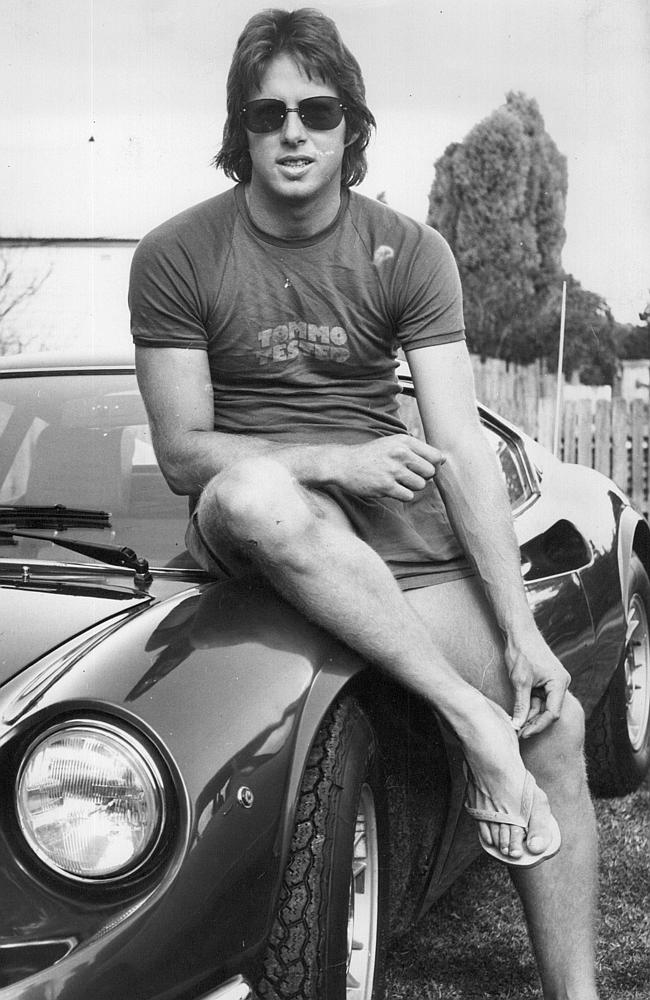
047728-bcabc874-5cb4-11e3-8eb9-1c57f26bd260Fiona and Brent are expecting their fourth child next month. They had no problems choosing names for a baby girl, but have found it more difficult to agree on names for boys.

Fiona and Brent want many of the same things in a name: it must be easy to spell and pronounce, it must be recognisable as a name to everyone, it must have a long history of use, and it must have an established nickname. The trouble is, they don’t always see eye to eye on what those things mean.

Brent only likes names that he is familiar with from people of his own generation – the names of people he went to school with. His choice would be a name like Peter, Ian, Jason, or Nicholas.

Fiona doesn’t want a dated 1970s name for her son, although she would be happy with a classic name that has always been popular. She would like a religious association for the name, but could gain that from the middle name. Her choice would be a name like Owen, Dominic, Patrick, Luke, or Silas.

As a result, Fiona and Brent are left with a very short list of compromise names which are classics, and could belong to someone of any age. So far they have managed to agree on John, David, William, and Patrick.

Sometimes Fiona loves the idea of having a little Johnny, Davey, Billy or Paddy, and feels a compromise is absolutely fine. Other times she worries that these names will sound out of place on a baby born in 2014, and seem a bit old-fashioned next to the Lucases and Olivers who will be his schoolmates. These concerns are significant enough to keep her awake at night.

She wonders if there is any such thing as a classic name which is a safe and reliable choice, and yet still sounds fresh? Or have they picked out good names, and can stop looking for something else?

Fiona and Brent’s other three children have very nice classic names from the Bible. Fiona doesn’t care at all if the name doesn’t fit into a “sibset”, although the names they have already chosen do happen to sound good together.

The middle name will be John, unless they pick John for the first name, and the second middle name will be Francis.

The family surname is an unusual English one that is instantly recognisable as the name of an extremely famous fictional character eg Merlin, Batman. It tends to get good-natured teasing, and although it’s a nice surname with positive associations, they don’t want a first name which will draw further attention to it, or excite more comment.

* * * * * * * * * *

I was so interested to get your e-mail Fiona, because I quite often see women writing in to name forums saying that their partner only likes names from his own generation, and the advice often seems to be to wait until the next baby, because by then he’ll have realised that the popular names of today are Chloe and Mason, not Kylie and Jason. Clearly that doesn’t always work, since you are now up to Baby #4 and Brent hasn’t changed his mind.

If it makes things easier for you, it really isn’t that uncommon for couples to choose baby names from their own era. Many people like “normal” baby names, and for some, normal means the names they grew up with. I read birth notices every week, and you’d be surprised how many families I see where the children’s names could be people I went to school with: Emma, Natalie and Damien, or Penelope and Marcus, or Joshua, Sarah, Michael and Elizabeth.

I think you’ve come up with an excellent compromise in choosing classic names that feel familiar to Brent, yet remain common enough that they haven’t become dated. It probably suits your surname too, because if your surname is unusual yet highly recognisable from another context, a classic name gives it dignity, and even a bit of anonymity.

However, you did ask if there is a way to choose a classic name that feels fresh and modern, and to a certain extent, there is. Last year I wrote an article on classic names, which sorted them into categories, and the first category is Contemporary Classics, which are classics currently at their most popular, so that they feel traditional, yet also up-to-date. Boys names in this category which were reasonably common in the 1970s include:

  • Alexander (#69 in the 1970s)
  • Angus (#139 in the 1970s)
  • Lachlan (#137 in the 1970s)
  • Marcus (#109 in the 1970s)
  • Samuel (#83 in the 1970s)
  • William (#48 in the 1970s)

There are also the Up and Coming Classics, which are currently rising in popularity. Although a classic name can’t exactly sound original, Up and Coming Classics seem quite fresh and stylish. Boys names in this category which were reasonably common in the 1970s include:

  • Frank (#143 in the 1970s)
  • John (#14 in the 1970s)
  • Leon (#141 in the 1970s)
  • Patrick (#65 in the 1970s)

As you can see, three of the four classic names you are considering are actually quite fresh and modern, with William very popular, and John and Patrick rising. And David is still in the Top 100, and fairly stable, so it definitely isn’t dated. I don’t think these will stand out or seem strange in a future classroom.

I know you were a bit iffy about William, and whether it sounded odd with your surname, and I’m going to be the one who tells you: yes it does. Even though it’s a handsome classic, it does draw attention to your surname, in the same way Arthur Merlin or Robin Batman would seem a bit much (even if you called him Artie or Rob). I would cross William off your list.

I think John, Patrick, and David all sound really nice with the middle names you have chosen, and they all sound fine with your surname. Basically, I guess I’m saying you have already done a good job of choosing names for your potential future son, and there’s no need for you to keep looking.

I hope that you can now get a few good nights sleep in before the baby arrives!

Readers, which of the names on Fiona and Brent’s name list do you like best? And do you have any name suggestions for them?

(Photo shows 1970s bowler Jeff Thomson)

NAME UPDATE: The baby’s name is John Patrick Francis!

POLL RESULT: The public’s choice for the baby’s name was Patrick John Francis, with nearly half of respondents voting for this name combination.

Names of Australian Birds for Girls

30 Sunday Mar 2014

Posted by A.O. in Name Themes and Lists

≈ 4 Comments

Tags

Ancient Germanic names, animal names, Australian Aboriginal names, Australian slang terms, bird names, birth notices, brand names, english names, fictional namesakes, germanic names, Greek names, Irish names, Italian names, Latin names, locational names, middle names, mythological names, name history, name meaning, name popularity, nature names, nicknames, retro names, scientific names, unisex names


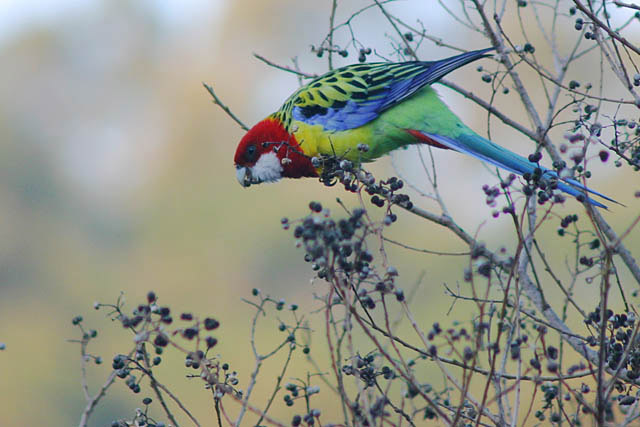
Eastern Rosella #40I seem to have covered several bird names on the blog recently, and that might be because our family was watching light-hearted bird documentary series, Hello Birdy, on the ABC, or maybe just because I love birds. Australia is lucky enough to have a staggering array of birds, many of them colourful, beautiful, intelligent, or unusual, and sadly, often under-appreciated. Here are some names that bring to mind a few of our feathered friends. Click on a likely link, and you will be taken to a YouTube video of each bird – there’s at least one for every entry.

Brahminy
The Brahminy Kite is a bird of prey and scavenger native to Australasia and Asia; in Australia they are found in coastal regions in the north. They are chestnut brown with a white head, breast, and tail tip, and typically nest in trees in mangrove swamps. The name Brahminy is due to their being found in India; it alludes to the Hindu Brahmin priestly caste, and is said BRAH-min-ee. The Brahminy Kite is the official mascot of Jakarta, in Indonesia, and in India is regarded as a representation of Garuda, the sacred bird of the supreme god Vishnu. I would not have considered this as a person’s name if I hadn’t seen a baby girl named Brahminy. It’s a bold choice, and its connection with a sacred bird is fascinating.

Corella
The Corella is a small, white cockatoo with a pink blush to its plumage. They are found from the central deserts to the eastern coastal plains, and are a familiar sight on farms and in cities. In some areas, Corellas have become so numerous they are considered a pest, being particularly destructive to trees and cereal crops. They congregate in large flocks, even up to several thousand, and make a high-pitched screeching noise which is ear-piercing when a flock all calls together, and can be heard for miles. Although they are noisy birds, they are very playful and have the joie de vivre that all parrots are blessed with. They are popular as pets, because they are good talkers, and excellent mimics. The word corella comes from the Wiradjuri language of central New South Wales. Corella has been used as a girl’s name since the 18th century, and is probably part of the Cor- group which is based on the Greek Kore, meaning “maiden”. The bird gives it a uniquely Australian flavour.

Dove
Here’s the dirty little secret about Doves: they’re just pigeons! Not only that, it’s unclear what makes some species of pigeons “doves”, because while we generally call smaller pigeons doves, that isn’t always the case. The confusion arises because the word pigeon is from Latin, and dove from Ancient Germanic, so they are two different words for the same thing (like autumn and fall). Nonetheless, their images are completely different: doves are symbols of peace, while pigeons are seen as disease-ridden pests (in fact, pigeons are no more disease-ridden than any other animal and pose no general health risk). Australia has a number of species identified as doves, and although we often think of doves as modest and grey, the Emerald Dove has striking green colouring, and the many varieties of Fruit Dove are likewise very colourful. There are also introduced species of dove, including those kept as pets. Dove has been used as a first name since the 17th century, and has been far more common for girls; a contemporary example is Disney actress Dove Cameron. Dove not only rhymes with love, but doves are used as symbols of love, since pigeons mate for life; the word dove can mean “sweetheart”. Perhaps because of this, doves were considered sacred to goddesses such as Venus. Another religious connection is that in Christian iconography, the Holy Spirit is often depicted as a dove.

Halcyon
Halcyon is the Latin name for the Tree Kingfishers, a large genus of birds found in Africa, Asia and Australasia, with Australasia having the most species. They are recognisable by their large heads and long pointed bills, and many are brightly coloured, often in iridescent blues and greens. The Laughing Kookaburra is a type of tree kingfisher, an iconic Australian bird with a raucous cackle that seems to epitomise the spirit of the bush. Halcyon is from the Greek for “kingfisher”, and is connected to a character from Greek mythology named Alcyone; the daughter of the winds, she married Ceyx, the son of the morning star. The pair were very much in love, and after Ceyx was lost at sea in a terrible storm, the unhappy Alcyone threw herself into the waves to end her life. The gods took pity on them, and changed both into kingfishers. According to legend, the “halcyon days” of midwinter, when storms cease, was when Alcyone laid her eggs, and her father restrained the winds so that she could do so safely. Because of this, the word halcyon (pronounced HAL-see-uhn) has come to mean “calm, serene, peaceful”, with our halcyon days those happy times we look back on with nostalgia. Halcyon has been used as a girl’s name since the 19th century: pretty and unusual, it gives Hallie as the nickname.

Lalage
Lalage is the scientific name for the Trillers, native to Asia and Australasia; they are small birds, usually coloured black, white and grey. They are called Trillers because during the breeding season, the males make a cheerful, almost continuous, trilling call. Lalage is derived from Greek, and means “to babble, to prattle”, or, in the case of birds, “to chirp”. The name became known from an ode by Roman poet Horace, where he speaks of his love for a young girl, his “sweetly laughing, sweet talking Lalage”. It has been used a few times since as a literary name, most notably in Kipling’s Rimini. Lalage has had occasional use, and in Britain seems to have a fairly upper-class image: contemporary examples are photjournalist Lalage Snow, and fashion designer Lalage Beaumont. In English, this name is usually pronounced LAL-a-gee or LA-la-ghee – just remember it’s three syllables, emphasis on the first, hard g like girl, not soft like germ. This fascinating name fits in with L-L names like Lillian, and as Lalage was a very young courtesan, almost seems like a posh version of Lolita! Lallie, Lollie, and Lala could be nicknames.

Lark
Larks are plain brown birds to look at, but their great beauty is in their voices, for they are famous for their melodious singing. This has made them a favourite subject for poets, such as Percy Bysshe Shelley’s, To a Skylark, and to say someone sings “like a lark” is a great compliment to the range and joyousness of their notes. Traditionally, larks are a symbol for dawn and daybreak, as in “getting up with the lark”, and this has given them religious overtones, for just as dawn is the passage between night and day, it can also be seen as that between heaven and earth. In Renaissance paintings, larks were sometimes used as a symbol of Christ. Although Australia has many birds with lark as part of their name, our only true lark is Horsfield’s Bushlark, widely found in grasslands and open woodlands. It is much smaller than larks in the northern hemisphere, and doesn’t have quite such an impressive voice, although its songs are still rich and varied, and it is a good mimic as well. The Eurasian Skylark which features in Shelley’s verse has been introduced here. Lark has been used as a name since the 18th century, and is historically more common for boys, but is often now thought of as more feminine than masculine. It’s a simple, non-frilly nature name laden with symbolism, and is more often found in the middle.

Maggie
Maggie is the affectionate name for the Australian Magpie. Although they look similar, it isn’t closely related to the European Magpie. Easily recognisable from their black and white plumage, magpies are very familiar in suburban life. Magpies are one of Australia’s favourite songbirds, because they have a complex, melodious warble, and will carol in chorus at dusk and dawn. They can also mimic other birds and animals, including human speech. Bold and sturdy, they are not typically wary of humans, and will happily accept (demand!) free food from us. They become unpopular in spring, as males can be so aggressive during breeding season that they swoop or even attack humans to warn them away. This is when feeding them pays off, as they can tell individual people apart, and won’t scare their buddies. The Magpie was a totem animal for the Indigenous people of the Illawarra, and is an official emblem of South Australia, appearing on the state flag. Magpies is a common name for sporting teams, and the cocky attitude of the Magpie is seen as indicative of the national character. Maggie is also a short form of Margaret. It was #174 in the 1900s, and was off the charts by the 1940s, returning in the 1970s. It has climbed steadily, and is currently in the 100s.

Oriole
Orioles are a large family of birds found throughout the world, which come in a variety of colours. Australian Orioles are green, perfect for blending in with the trees. They are fruit-eating birds, and the Figbird is one of the Orioles, although it doesn’t only eat figs. Orioles and Figbirds are attracted to backyards with small fruit trees and bushes, and which have native trees such as eucalypti and wattle; they are a fairly common sight in suburbia. The word oriole is derived from the Latin for “gold”, because the Eurasian Golden Oriole is a bright yellow. Oriole is related to names like Aurelia and Auriol, which are from the same derivation, and looks a lot like Oriel, which may be seen as a variant of Auriol, but also has Irish and Germanic origins. Oriole seems like a way to retain the golden meaning, while also referencing the bird.

Rainbird
The Rainbird is the colloquial name for the Pacific Koel, a species of migratory cuckoo which arrives here in spring from Papua New Guinea and Indonesia, and is found in north and eastern Australia. It’s called a Rainbird because of the belief that its rather mournful “whooping” call is a harbinger of wet weather. Males call for a mate during their breeding season, which coincides with the spring rains and the summer “wet season”, and are so loud they can be considered a nuisance. Like all cuckoos, Rainbirds lay their eggs in the nests of other species so that they can be raised by the unsuspecting hosts; however, unlike most other cuckoos, the baby Rainbird doesn’t kill the host chicks. Rainbirds are rather goofy-looking birds; the males have glossy black plumage and bright red eyes. I have seen Rainbird used as a girl’s middle name, and think it makes a wonderful name for a spring or summer baby. It would work equally well for boys.

Rosella
Rosellas are colourful parrots which are very familiar in suburbia. I think we might take them for granted, because they really are pretty, with a more pleasing range of calls than most parrots. Rosellas will be attracted to any garden that provides them with water, seeds and fruit, and can become so tame that they will eat out of your hand. This has led them to become common as pets, but in captivity they can become bored and aggressive, so I think it’s nicer to have them as backyard visitors. European settlers first saw Eastern Rosellas at Rose Hill (now called Parramatta), and called them Rosehill Parakeets; this evolved into Rosehillers, and eventually became Rosella. The Sydney suburb of Rozelle is named after them. Rosella is also a popular brand of tomato sauce, which sports an Eastern Rosella as its logo. By coincidence, Rosella is also an Italian name, an elaboration of Rosa, and looks like a combination of popular Rose and Ella.

POLL RESULTS
The public’s favourite names were Lark, Maggie and Rosella, and their least favourite were Brahminy, Oriole and Lalage.

(Photo shows an Eastern Rosella)

Famous Name: Henrietta

05 Wednesday Mar 2014

Posted by A.O. in Famous Names

≈ 6 Comments

Tags

birth notices, famous namesakes, French names, germanic names, honouring, name history, name popularity, name trends, nicknames, royal names, UK name popularity, US name popularity, vintage names

henrietta_dugdale-australian-feminist-suffrageThis Saturday, March 8, marks International Women’s Day. I haven’t covered a name specifically for Women’s Day before, but thought it would be a good opportunity to look at one of Australia’s early feminists.

Henrietta Dugdale was originally from London, and arrived in Melbourne in the early 1850s, becoming a pioneer of the women’s movement in Victoria in 1869, after separating from her second husband. She formed the Victorian Suffrage Society in 1884, and became its president; this was the first Australian organisation to work towards voting equality for women. By this time, women could vote on Norfolk Island, and South Australia had brought in limited female suffrage.

(It should be remembered that male suffrage was only introduced during the 1850s, so women weren’t so far behind, although obviously they didn’t want to be behind at all).

Henrietta was confident, passionate and quick-witted in her quest for an equal society, and believed in the possibility of a Utopian future which could be achieved through the use of reason, and co-operation between the sexes. She fought for female suffrage as an essential step towards female emancipation, and bitterly spoke against the Victorian courts, and their failure to protect women from violent crimes. She noted that women’s anger was compounded by the fact that those who inflicted violence on women had a share in making the laws, while their victims did not.

Henrietta believed that women’s lives could be improved through gaining access to the professions, sensible clothing, birth control, and harsh penalties for sexual assault. She was a proponent of temperance, universal education, a more equal distribution of wealth, and the eight hour day as means towards improving the lives of the working class. A member of the Secular Association, she saw Christianity as an oppressive force in women’s lives, and also opposed monarchy and imperialism.

In her private life, she was a wife, and mother to three sons. She made her own clothes, grew her own vegetables, was a skilled carpenter, and an excellent chess player. She outlived three husbands and was over 90 when she died – a good advertisement for teetotalism and fresh vegetables!

Henrietta was recognised as a pioneer of female suffrage when the Commonwealth gave women the vote in 1902, shortly after Federation. Australia was the second country in the world to grant women equal voting rights, after New Zealand, in 1893; however we were the first in the world to allow women to stand for parliament. Henrietta’s own state of Victoria was the last to grant women the vote, in 1908.

When you look at modern Australian society, there must be much of which Henrietta Dugdale would approve. Women can vote, and be elected to power; they can enter the professions, have access to birth control, and don’t have to wear corsets. Presumably she would give the thumbs up to state school education, Dry July, Family Planning clinics, the fall of the Empire, and the rise of secularism.

However, the fight against violence towards women still has a long way to go. 57% of Australian women have experienced physical or sexual violence. One in three will suffer violence in an intimate relationship. The incidence of sexual violence against women in this country is more than double the global average. In Victoria, domestic violence is the leading contributor of death, injury and illness amongst women aged 15-44. Almost every week, a woman will die at the hands of her spouse or partner.

The Dugdale Trust for Women & Girls in Victoria was set up last year to to reduce violence against women and girls, with women and men working to address the root causes of violence. It is proudly named in honour of Henrietta Dugdale, and I am sure she would applaud this initiative.

Henrietta is a feminine form of the Germanic Henry. Although a traditional name amongst European royalty, the name only became widely used in England after the marriage of Charles I to Henriette-Marie of France, the youngest sister of the future King Louis XIII. In England, her name was Anglicised to Henrietta Maria; the king called her Maria, and the English public thought of her as Queen Mary.

Henriette-Marie wasn’t a popular queen, due to her Frenchness, which included staunch Catholicism, and failure to learn English very well. Nonetheless her name made an impact, and she bestowed it on her daughter Princess Henrietta of England, who married the son of Louis XIII, Phillipe I, Duke of Orleans. Unlike her mother, Henrietta seemed popular in her adopted country, although she died young, possibly from poisoning.

Another (semi) royal Henrietta was the illegitimate daughter of King James II, an ancestor of Diana, Princess of Wales, and her sons William and Henry (Harry). The name Henrietta became commonly used amongst the English nobility, and still has a rather aristocratic air. It isn’t particularly common in English-speaking countries, and has been less popular in Australia than in either the United States, where it left the charts in the 1960s, or in England/Wales, where it has remained fairly stable since the 1990s, and is currently in the 500s.

In New South Wales, Henrietta was #158 in the 1900s, and fell in popularity so that it had left the charts altogether by the 1930s. You could call it a dated name, as it hasn’t charted for more than 80 years, but as it was never popular, I prefer to think of it as a vintage name. In Victoria, there were 7 babies named Henrietta in 2012.

Although Henrietta could never be accused of trendiness, it feels like a great time to give your daughter this name. Vintage and retro names are in style, four-syllable names for girls are popular, and there is a fresh appreciation for names associated with royalty. Princess Mary of Denmark has a daughter whose second name is Henrietta: not named for a queen or princess, but for Mary’s mother, Henrietta Donaldson.

This is a lovely dignified vintage name with a royal history and the attraction of never having become popular. The short form Etta is very fashionable (Henrietta Donaldson’s nickname), Hettie would be adorable, Hennie is sweet, and I have even seen a little girl named Henri in a birth notice.

POLL RESULT
Henrietta received an excellent approval rating of 77%, making it one of the highest-rated names of 2014. People saw the name Henrietta as strong and intelligent (21%), classy and dignified (17%), beautiful and charming (16%), and a vintage name ready for revival (16%). However, 7% of people thought it was ugly and frumpish.

Famous Name: Lincoln

26 Wednesday Feb 2014

Posted by A.O. in Famous Names

≈ 8 Comments

Tags

birth notices, British names, english names, famous namesakes, fictional namesakes, honouring, Latin names, locational names, modern classics, name history, name meaning, name popularity, names from movies, names from television, nicknames, popular names, surname names, UK name popularity, US name popularity

089717-port-lincoln

Today is the 210th anniversary of the naming of Port Lincoln, on the Eyre Peninsula in South Australia, on the shores of Boston Bay, which opens out into the Spencer Gulf. Port Lincoln is a regional city of around 15 000 people, and about 7% of the population are Indigenous, from the Nauo, Barngala, Wirangu, and Mirning peoples.

Two of Port Lincoln’s claims to fame are that it is said to have more millionaires per capita than any other place in Australia, and boasts the title of Seafood Capital of Australia, as it has the largest commercial fishing fleet in the country, which catch tuna and sardines, and a thriving aquaculture industry which farms tuna, yellowtail kingfish, abalone, mussels, oysters, seahorses, and lobsters.

Port Lincoln has produced more than its fair share of athletes and sportspeople, with many AFL footballers originally hailing from Port Lincoln. Netballer Lauren Nourse began her career in Port Lincoln, and Paralympic cyclist Kieran Modra was born there. Weightlifter Dean Lukin, who won gold at the 1984 Olympics, was a tuna fisherman, and upon his retirement returned to manage the family fishing business. Another with a connection to the fish industry is tuna farmer Tony Santic, the owner of Makybe Diva, the only horse to win the Melbourne Cup three times. There is a life-sized bronze statue of Makybe Diva on the town’s foreshore.

The scenic beauty of Port Lincoln attracts many tourists, who come here for yachting, scuba diving, and game fishing. The novel Blue Fin by Colin Thiele is set in Port Lincoln and revolves around the fishing industry; the movie was filmed in nearby Streaky Bay. Some of the scenes from Jaws and Gallipoli were filmed in Port Lincoln, and the reality television show Australian Survivor was filmed nearby.

British naval explorer Matthew Flinders discovered Boston Bay on February 26 1802, and named the body of water Port Lincoln, after his birthplace of Lincoln in England. Lincoln is believed to mean “settlement by the pool” in a blend of the British and Latin languages, with “the pool” referring to Brayford Pool, a natural lake in the city’s centre. The city of Lincoln is twinned with Port Lincoln in South Australia.

The surname Lincoln comes from the city of Lincoln, and the most famous bearer must surely be Abraham Lincoln, the 16th President of the United States. He led his nation through the American Civil War, and his Gettysburg Address became an iconic statement of American belief in the principles of liberty and democracy. His assassination in the final weeks of the Civil War made him a national martyr, and he is consistently ranked as one of the greatest US Presidents – often, the very greatest.

Lincoln has been used as a first name for boys since the 18th century, with most early bearers of the name born in Lincolnshire and surrounding districts. Although Lincoln was used as a name in the United States before Abraham Lincoln, its use soared during the years of the Civil War and just after it, and must often have been given in honour of the president.

A famous Australian with this name is actor Lincoln Lewis, the son of rugby league legend Wally Lewis. He has appeared in several television series, such as Home and Away and Neighbours, and had roles in films such as Tomorrow, When the War Began and After Earth. Lincoln is the brother of sportcaster Mitch Lewis, a celebrity dad on the blog in 2012.

The name Lincoln first charted in Australia in the 1960s, and first ranked in the 1970s, débuting at #207. It remained comfortably in the 200s for decades, then suddenly climbed at a dizzying speed during the latter half of the 2000s, and was in the Top 100 by 2009. The instigator of this surge of popularity was probably US television drama series Prison Break, starring Dominic Purcell as Lincoln Burrows. Dominic moved to Sydney from Britain as a baby, and studied acting at the Western Australian Academy of Performing Arts. He won an Australian Film Institute Award for his role in Prison Break.

Currently Lincoln is #67 nationally, #76 in New South Wales, #66 in Victoria, #40 in Queensland, #38 in Western Australia, #37 in Tasmania, and #66 in the Australian Capital Territory. Lincoln was one of the fastest-rising boys names of 2012 – the same year that the movies Lincoln, and Abraham Lincoln, Vampire Hunter were released. From the data that’s come in so far, Lincoln looks set to continue his ascent as one of the fastest-rising names of 2013.

Lincoln is a handsome, clean-sounding modern classic that may be more Aussie than you expected. It has certainly been warmly embraced in Australia, and is more popular here than in either the US or UK, where it isn’t even in the Top 100 (its similarity in sound to popular Lachlan can’t have hurt). Lincoln’s star is on the rise, and looks set to join the national Top 50 fairly soon: it’s already in my personal Top 50 for 2013.

Linc is the obvious nickname, with an attractive similarity to the word link, suggesting your little Linc could join the family together. I am spotting the short form more and more often in birth notices – perhaps because some parents are becoming reluctant to choose the popular Lincoln.

POLL RESULT
Lincoln received a respectable approval rating of 64%. People saw the name Lincoln as stylish and cool (16%), handsome and distinguished (15%), and strong and masculine (15%). However, 14% thought it was too trendy. Only one person thought the name Lincoln was too popular.

(Photo shows fishing boats in the marina at Port Lincoln)

International Names for Girls

23 Sunday Feb 2014

Posted by A.O. in Name Themes and Lists

≈ 19 Comments

Tags

American names, Arabic names, aristocratic titles, birth notices, brand names, Catalan names, celebrity baby names, Chinese names, created names, english names, Etruscan names, European name popularity, famous namesakes, fictional namesakes, French names, Gaelic names, Greek names, hebrew names, historical records, Hungarian names, International Baby Names for Australian Parents, international naming laws, Latin names, middle names, mythological names, name history, name meaning, name trends, names from movies, names from television, Old Norse names, Persian names, Provencal names, royal names, saints names, scandinavian names, Slavic names, Spanish names, surname names, UK name popularity, unisex names, US name popularity, virtue names, Visigothic names

juno

These are names chosen from my e-book, International Baby Names for Australian Parents – names which are familiar in other countries, but rarely used here. I chose ten that I particularly like, or find interesting, or think very usable. If you haven’t read the book, it gives you an idea as to what’s inside, and if you have read it, it’s a chance for me to provide more information than is possible in a book.

Anais

Identified as a French form of the Persian name Anahita, meaning “pure, immaculate”; Aredvi Sura Anahita is an Indo-Iranian goddess of fertility and wisdom. To get around French naming regulations, it was explained as a Catalan or Provençal form of Anna or Anne. The name is strongly associated with the American writer Anaïs Nin, whose first name was Angela, but always went by her second name. Anaïs was born in France and was of Spanish, Cuban, French and Danish descent. She is principally known as a diarist, where she intimately explored the complexities of her personal life, and as a writer of female erotica. Her name was the inspiration for the Cacharel perfume, Anais Anais, and in Australia we have the children’s clothing label, Aden + Anais. The name is pronounced a-na-EES. Feminine and exotic, Anais is very popular in France and Chile, and charts in the UK.

Bo

This short spunky name has different origins. It is a Chinese name for both boys and girls which means “wave”, as in a wave on water (especially the sea). It is a rare Chinese surname too, and an aristocratic title translated as the equivalent of a Count. It is also a Scandinavian boy’s name derived from the Old Norse name Búi, meaning “to live”. As a girl’s name, its most famous namesake is American actress and sex symbol Bo Derek, born Mary Collins. Ms Derek doesn’t know why she chose the name Bo: it just seemed “grown up” and “unusual” to her. A fictional girl Bo is the nursery rhyme shepherdess Bo Peep – her name comes from a slang term for being in a pillory, presumably because the person “peeped” through the head holes. Radio host Tim Blackwell named his daughter Bo last year, and since then there seems to be a few girl babies with the name in Australian birth notices. To show the gender divide in regard to this name, Bo is rising in the UK charts as a girl’s name, and rising in the US as boy’s name (probably a variant spelling of Beau). In the Netherlands, it charts for both sexes, but is only popular for girls.

Cora

The American author James Fenimore Cooper is credited with the creation of this name, in his 1826 historical novel, The Last of the Mohicans. The novel’s heroine is Cora Munro; dark, intelligent, and serious, she is a distant descendant of African-American slaves who forms a relationship with the son of a Native American chief – the titular “last of the Mohicans”. Her story ends tragically. There are actually many people named Cora in the records prior to the book’s publication, dating back to the late 16th century, but it is difficult to tell if they are abbreviations for longer names, like Cordelia. The name Cora is often theorised to be based on the Greek name Kore, meaning “maiden”; it was the common name of the goddess Persephone. If invented by Cooper, this makes sense, as there are a number of names with this derivation, such as Corinna. However, if its use goes back to the 16th century, it would pre-date the use of these “Kore” names, and may be based on the Latin cor, meaning “heart”. Cora is also used to Anglicise the Gaelic name Coira, meaning “seething pool”. Cora is a Downton Abbey name (the character is American-born), and fits in with the trend for simple, graceful names like Clara and Isla. It charts in both the US and UK, and is popular in Northern Ireland.

Elvira

Spanish form of an unknown Visigothic name whose meaning is much debated. It was traditional amongst medieval Spanish royalty, and became a favourite in fiction. The vengeful scorned lover Elvira of Mozart’s Don Giovanni is just one example of the many characters of this name in operas, plays, novels and films. Another is the title character of Noel Coward’s supernatural comedy Blithe Spirit, a hauntingly beautiful former wife who arrives in the least convenient fashion. Elvira is the name of Donald Duck’s grandmother, and many will remember the campy, cleavage-enhanced Elvira, Mistress of the Dark, played by Cassandra Peterson. A famous person with the name is Elvira Madigan (born Hedvig Jensen), a 19th century Danish circus performer who had a tragic love affair. Her story has been turned into several films and songs. English-speakers can pronounce this romantic name either el-VEER-ah or el-VY-ra (I prefer the first, as the second reminds me of virus), and it fits in with popular names such as Ella and Ava. Elvira charts in The Netherlands and is popular in Sweden.

Hermione

Derived from Hermes, the Greek god of transitions and boundaries, who was the messenger of the gods, and patron of travellers, herdsmen, thieves, public speakers, comedians, writers, poets, athletes, inventors, and merchants. Most scholars understand his name as meaning “stone, roadside shrine, boundary marker” – these were dedicated to Hermes as the god of boundaries and travellers. It may be related to the Greek for “the interpreter” to reflect the god’s role as divine messenger. In Greek myth, Hermione was the daughter of the lovely Helen of Troy, and had relationship troubles of her own involving Trojans. There is a Saint Hermione, an early Christian martyr who was the daughter of Saint Philip, identified as a prophetess in the church. In literature, Hermione is a beautiful queen accused of infidelity in Shakespeare’s play, The Winter’s Tale, and Harry Potter’s best female friend, the book-smart Hermione Granger. An Australian character of this name is Hermione the Modern Girl, the cartoon creation of Kaz Cooke. A famous namesake is British actress Hermione Norriss, from television shows Cold Feet and Wire in the Blood. This elegant name is pronounced her-MY-oh-nee, and charts in the UK.

Ilona

Hungarian name of uncertain meaning. It is usually said to be a form of Helen, although this may be folk etymology. In Magyar folklore, Ilona is the traditional name of the Queen of the Fairies. She is very beautiful, but also mischevious, and at times, dangerous! Archduchess Ilona of Austria was a Hungarian member of the Hapsburgs, one of the great royal houses of Europe; she passed away a few years ago. This pretty name is usually pronounced ih-LOH-na, and has Loni as the obvious nickname. It charts in France.

Juno

The Roman goddess of marriage and childbirth, and the queen of the gods, besides being the patron and protector of the Roman state. She was seen as eternally youthful, filled with forceful vitality, and a fertility figure, yet also warlike. Juno was the sister and wife of the sky god Jupiter, and the divine couple are two of the oldest known Roman gods. Like her husband, Juno had the power to throw thunderbolts, and the couple’s relationship could be stormy at times. The Romans believed that each woman had a protective guardian spirit called a juno, and this was given offerings on the woman’s birthday. The goddess’ name may mean “youth”, with the suggestion of vitality and fertility, but it is also possible that it is related to that of the Etruscan mother goddess Uni, meaning “she who gives”. The Romans connected her name to the waxing and waning of the moon – perhaps with the idea that, like the moon, she constantly renewed herself. The month of June is named in Juno’s honour, and when a woman is described as junoesque, it means she is beautiful, tall and shapely in a stately, imposing way. A famous person with the name is British actress Juno Temple, who has been in The Other Boleyn Girl, and The Dark Kight Rises. The movie Juno, starring Ellen Page, has helped give this name recent exposure, and it fits in with the trend for names ending with O. You may recall that New Zealand name blogger Anna Hamilton has a little girl named Juno. Juno charts in the UK, where it is rising.

Patience

Patience is the ability to endure difficult circumstances, persevering without exhibiting negativity such as irritation or anger, and being able to deal with strain or frustration during long-term difficulties. It is considered one of the highest virtues in several religions, such as Islam, Buddhism and Hinduism, and in Christianity is one of the Seven Heavenly Virtues. Modern psychology sees patience as a sign of self-control and maturity, and it is a secular virtue as well. The word patience is ultimately from the Latin for “suffering”, and it was introduced as a virtue name by the Puritans in the late 16th century. A famous Australian namesake is Patience Hodgson, a member of indie rock band The Grates. Virtue names are back in fashion, and this one seems both admirable and attractive – a name that someone can grow with. Patience charts in the US.

Safiya

Variant of Safiyya, feminine form of the Arabic name Safi, meaning “pure”. The name is important in Islam because Safiyaa bint Huyayy was a Jewish woman captured from a nomadic Arabian tribe at the age of 17 who was chosen by Muhammad for his own. Previously, she had dreamed that the moon fell from the heavens into her lap, and this was interpreted as a miraculous sign she would marry Muhammad. She converted to Islam and became one of the Prophet’s wives, and after his death gained quite a bit of power and influence. Safiya is pronounced sa-FEE-ah, and is an Arabic heritage choice which fits in with current trends, as it is not dissimilar to popular Sophia. It charts in both the UK and France.

Ziva

Slavic name meaning “living, being, existing”. In Slavic mythology, Živa was a goddess of life and fertility who was worshipped throughout what is now Poland, the Czech Republic, Slovakia, Slovenia, and Germany before the coming of Christianity. She was depicted as a beautiful woman, and people prayed to her for good health and long life. She seems to have been connected with the harvest of both fruit and grains, and one story is that she was able to turn herself into a cuckoo bird. Ziva is also a feminine form of the Hebrew name Ziv, meaning “bright, radiant”. In the television drama series NCIS, Ziva David is an Israeli-American agent portrayed by Cote de Pablo. Pronounced ZEE-vah, Ziva fits in with popular names such as Ava and Zoe. It charts in The Netherlands, and the UK, where it is rising, and is popular in Slovenia.

POLL RESULTS
The public’s favourite names were Cora, Juno and Hermione, and their least favourite were Safiya, Patience and Elvira.

(Photo shows Ellen Page as Juno MacGuff in Juno)

What I Know About Australian Names

09 Sunday Feb 2014

Posted by A.O. in Naming Issues

≈ 13 Comments

Tags

Appellation Mountain, Arabic names, Australian Aboriginal names, birth notices, blogging, middle names, name trends, popular names, royal baby names, unisex names, vintage names, Waltzing More Than Matilda

1000posts

This will be my 1000th blog post since I started blogging nearly three years ago in 2011 – something which fills me with a certain amount of awe, coupled with a strong feeling I may have posted too often!

When Abby from Appellation Mountain reached her 1000th blog post in 2010, she decided to share a few of the things she had learned about names as a blogger. I thought about doing that, then realised how embarrassing it would be to admit how little I knew to begin with. And I’ve learned so many things that I’d need another blog with 1000 blog posts to explain all that I’ve learned writing this blog.

So instead I will share a few things I have learned about Australian names.

1. Australia, like other countries, has its own unique name trends

Matilda, Lachlan and Banjo mean more to us than in other countries. Darcy is a boy’s name here, Asher is unisex, and Avery is only for girls. We have a special connection with Talia, but prefer to spell it Tahlia.

Adrian was popular here for much longer than in other countries; Mitchell and Chelsea are still popular here while they have disappeared from the Top 100s of other places; Mervyn and Dulcie were only ever popular in Australia, while Derek and Gillian never became popular here.

Because of our relatively small population size, name trends often show up earlier in Australia than elsewhere, so that names such as Isabella and Jayden were Top 100 here long before anywhere else. Does that mean that current Australian favourites like Amity and Braxton will become popular elsewhere? Only time will tell!

Although Australia’s name trends are heavily influenced by both the UK and US, and sometimes by Europe, only one country can claim to be our baby name twin, and that is New Zealand. It’s seldom acknowledged, but we share more than 70% of our popular names with our Trans-Tasman cousins.

2. Every state and territory is a little different when it comes to names

Queensland is crazy for royal baby names – any name chosen by royalty will invariably rise in popularity this state. New South Wales is the only state with Arabic names in the Top 100 – Muhammad would be in the Top 30 there if all spellings were combined. Tasmanians adore vintage names, Western Australians tend to shun the classics for the contemporary, the Northern Territory has many names of Indigenous significance, and South Australians love a quirky middle name. The ACT has the strictest naming laws, and are therefore the most conservative at choosing baby names. Victorians are the name nerds of Australia – they are deeply interested in name trends, worry about popularity, and are the most likely to announce their baby’s name in the newspapers. I probably couldn’t function (as a blogger) without them.

3. Rural and regional Australians are the best at choosing interesting names

I love name stories and birth notices from country Australia, because they always have the most diverse selection of names, and the most unusual names and colourful name combinations. If it wasn’t for local newspapers, I don’t think I could keep doing the Birth Announcements each week.

4. Australians are patriotic namers

When I first started Waltzing More Than Matilda, I couldn’t help wondering if anyone would be interested in a blog about Australian names, and more importantly, I wasn’t sure if Australians would be interested!

Happily, my doubts have been proven wrong, because every day people come to the blog searching for Indigenous Australian names, names of Australian plants, names of Australian towns and cities, names of famous Australians, and asking for “patriotic Australian names” to use for their son or daughter.

It seems that there are many people at least considering a name with an Australian “flavour” for their children.

5. Australian parents are AWESOME namers!

There’s a vocal, mean-spirited and ignorant group of people who think it’s fun (or funny) to insist that Australians are too stupid or tasteless to be allowed to name their own children. According to this mob, who often seem to work in the media, you only have to read a few birth notices to see that Australian babies are given increasingly bizarre “made up names” with a bewildering range of spellings and punctuation that render them barely comprehensible.

Well, I read birth notices every day, and have done for years, and I can tell you that that is absolute tripe. Most babies are given fairly common names like Emily and Liam, and even less common names are usually traditional like Walter and Patricia, familiar like Axel and Clementine, or are from other cultures, like Malini and Ngemba. Variant spellings are generally low-key and easily coped with, such as Scarlette or Jaxson – out of the thousands of babies’ names I read each year, perhaps four or five have given me real difficulties in understanding them.

Australian parents, let me tell you that you are doing a great job! A brilliant job! An outstanding job at naming your babies! You make reading birth announcements a joy and an adventure!

Whether you chose the name Audrey or Behati. Whether you preferred Thomas or Zephyr. If you picked Felix or Kylen or Huckleberry or Lenny or Percival or Diamond. Opted for Eloise or Mietta or Taiyah or Rafferty or Storm or Xanthe. If your heart told you that the perfect name was Acacia or Digger or Lawson. Or you knew straight away that only Jack or Charlotte or Hamish would do. You all did the right thing, and you all did very well.

You impress and amaze me every day. Thank you.

Interview with Anna from Babynamelover’s Blog

12 Sunday Jan 2014

Posted by A.O. in Blog Reviews

≈ 4 Comments

Tags

baby name blogs, baby name books, Babynamelover's Blog, birth notices, car names, New Zealand name popularity, New Zealand name trends, popular names

DSC_4351

When I first began blogging, I soon found out there was another Anna, from New Zealand, who ran Babynamelover’s Blog. Anna has been blogging since 2009, so she’s an old hand at it, and has a relaxing cool green-themed blog with lots of fun and interesting topics. Here you can find popular names in New Zealand and New Zealand name trends, as well as good data analysis and suggestions for names that could replace ones from the Top 100. There are also lists of hot and old fashioned names for boys and girls, name combinations, name lists galore, and lots of interesting birth notices from New Zealand. Anna also offers help to parents who are unsure about a particular name. For everything on NZ baby names, and lovely names in general, cross the Tasman to see the real names of New Zealand.

What is your name?

Anna Michelle Hamilton.

Have you ever wished you had a different name?

No. I really like my name; I think my parents chose well. I was born at 32 weeks and they didn’t have one picked out so began at the As [in the baby name book]!

When did you first become interested in names?

Not sure how old I was, but perhaps around 10. I was forever reading the Christchurch Weekend Press and copying out the birth notices – my dad thought I was mad and wondered what I was up to. My brother bought me three name books on Trade Me [New Zealand classifieds] for Christmas one year and that’s how my collection of baby name books began – also the inspiration to write my own book.

What inspired you to begin a name blog?

Blogging was a fairly new thing at the time, so that was something I was interested in learning how to do – and baby names are a big passion of mine.

Do you have a favourite blog entry on Babynamelover’s Blog?

I always love it when the top names for NZ are released each year and I can compare them to previous years and other countries, and share that with others. The one blog I am especially proud of though was when I announced the birth of my daughter and shared her name with the world.

How do New Zealand baby names differ from the rest of the world?

I think in general New Zealanders are quite conservative namers, and are particularly swayed by popular choices that are currently hot eg Isla, Mila and Cooper. Most seem to stay within the top 10 which is why these are so common, especially over a period of years – but there are a few surprisingly named babies which I love to hear about. I think we are swayed more by European naming trends than American ones. [Anna O: From an outsider’s perspective, what I most notice about the New Zealand birth notices from Anna’s blog are the lovely Maori names].

Do you have a pet peeve in regard to names?

Only one thing bugs me, and that’s when people add extra letters to names.

What are some of your favourite names?

I guess my style could best be described as uncommon (in New Zealand), quirky, and fun. Some of my favourites include: Astrid, Iris, Thea, Winona and Polly, along with Casper, Gideon, Octavius, Barnaby, and August.

What names do you dislike?

Car names such as Austin, Cooper and Bentley. And very common girls names such as Emily, Charlotte, Amelia, and Lucy.

Are there any names you love, but could never use?

My hubby doesn’t like Astrid or Iris, which I adore. Jethro is too close to my daughters name.

What are your favourite names in the New Zealand Top 100?

Olive (#65) and Jasper (#84).

What are your favourite names that have never been in the NZ Top 100?

Astrid and Jethro.

What is your daughter’s name?

Juno Francesca Hamilton.

If you found out you were pregnant right now, what would be the first names you would think about using?

I am pregnant! Due 27th July 2014. Baby is nicknamed Astro right now – the name will be revealed when they are born. We will consider movie names again though! [Comment from Anna O: Wow, that was unexpected! Congratulations!]

Have you and your husband ever disagreed while choosing baby names together?

My husband and I are lucky we have names we both like – I like a lot that he doesn’t, but I am glad he has a strong opinion. Our daughter’s name we both loved – I didn’t want to compromise on that.

What is something we don’t know about you?

My favourite author is John Green. His characters have the best names!

What advice would you give someone who was choosing a baby name?

Choose one you love, one that you would regret not using.

(Photo of Anna with her daughter supplied by interviewee).

Could These Be The Top 100 Names of the Future?

07 Tuesday Jan 2014

Posted by A.O. in Naming Issues

≈ 3 Comments

Tags

birth notices, name trends, predictions

imagesThese are my picks for names to keep an eye on, based on certain names that kept turning up in birth announcements, but are not yet on the national Top 100.

GIRLS

Would Already Be Top 100 If Combined Spellings Were Counted

  • Alana/Alanna/Alannah – Alana is already Top 100 in Victoria
  • Lexi/Lexie
  • Indi/Indie/Indy
  • Macey/Maci/Macie/Macy
  • Mali/Mahli/Marlee/Marley/Marli/Marlie

On Track to Reach the Top 100

  • Bonnie – maybe as soon as this year, already Top 100 in Victoria
  • Harriet – maybe as soon as this year, already Top 100 in Victoria
  • Billie – maybe as soon as this year, already Top 100 in Victoria
  • April – maybe as soon as next year, only just outside the Top 100
  • Asha – maybe as soon as next year, only just outside the Top 100
  • Pippa – probably within the next couple of years, already Top 100 in some states
  • Elsie – probably within the next couple of years
  • Maggie – perhaps within the next couple of years
  • Florence – perhaps within the next 5 years
  • Freya – perhaps within the next 5 years
  • Kaylee – perhaps within the next 5 years
  • Adeline – perhaps within the next 10 years
  • Georgie – perhaps within the next 10 years
  • Mabel – perhaps within the next 10 years

Possible Future Top 100 Names

  • Anastasia
  • Felicity
  • Maisie
  • Peyton/Payton
  • Darci/Darcie/Darcy
  • Zahlee/Zahli/Zali/Zarli
  • Amity
  • Makenna
  • Everley
  • Indigo

Long Shots

  • Clementine
  • Cleo
  • Emmeline
  • Susannah

BOYS

Would Already Be Top 100 If Combined Spellings Were Counted

  • Louis/Lewis
  • Caden/Cayden/Kaden/Kayden
  • Cobi/Cobie/Coby/Kobi/Kobe/Koby

On Track to Reach the Top 100

  • Spencer – maybe as soon as this year, already Top 100 in Victoria
  • Zane – probably within the next couple of years
  • Vincent – perhaps within the next couple of years
  • Jimmy – perhaps within the next 5 years
  • Theodore – perhaps within the next 5 years

Possible Future Top 100 Names

  • Jude
  • Cruz
  • Ari
  • Axel
  • Jax
  • Xander/Zander
  • Asher
  • Sonny
  • Parker
  • Nash
  • Lenny
  • Kade
  • Alfie
  • Cohen
  • Sidney
  • Maximus

Long Shots

  • Camden
  • Layne

NOTE: The future of boys names is much less predictable, because in a lot of ways parents are more conservative when naming girls. Girls tended to have traditional names with a history that could be tracked, while boys much more likely to have “new” names that have only recently come into common use. On the other hand, when girls were given unusual names, they tended to be much more out there than a boy with an unusual name.

The Waltzing More Than Matilda Top 100 Baby Names of 2013

06 Monday Jan 2014

Posted by A.O. in Name Data

≈ 7 Comments

Tags

birth notices, popular names

You will not seen another Top 100 like this one. It is a list of names I most commonly saw in birth notices and newspaper stories during 2013, and the numbers are not an absolute tally of sightings of each name – which would have brought on a nervous breakdown – but how many times I saw a particular name in a single week. (So for a name to get a tally of 4, I would have seen two examples within the same week, twice in the year).

These non-unique names are definitely weighted in a particular direction, which explains why they won’t look like the national Top 100 for last year. I counted all variant spellings as a single name, so that the many spellings of names like Marley and Kayden were taken into account.

The papers overwhelmingly reflect what people of European descent name their children, so that Muhammad, which is a Top 100 name, was only seen once in an entire year. Most of the names are from the east coast of Australia, with a concentration in Victoria (Victorians seem much more keen on birth notices), and there is a strong representation from rural, regional and outer suburban areas.

Even so, it came as a surprise how different it looked to the official version – names like Amity and Nash were suddenly in the Top 100, while rising names like Rose and Declan don’t make the cut. I suspect all of us have our own Top 100 in our heads, which is why some people are surprised to find Olivia is a popular name, and wonder why Matthew doesn’t rank higher when they see it everywhere.

This is my personal Top 100 – perhaps not statistically valid, but still worth sharing, I think. How does it compare to your own personal Top 100?

GIRLS                                                          BOYS

  1. Charlotte 134
  2. Sophie 95
  3. Amelia 85
  4. Mia 80
  5. Ava 75
  6. Ruby 72
  7. Chloe 70
  8. Lucy 58
  9. Grace 54
  10. Ella 51
  11. Isla 51
  12. Isabel/Isabelle/Isobel 50
  13. Olivia 50
  14. Lily/Lilly 49
  15. Matilda 46
  16. Zoe 45
  17. Scarlett 44
  18. Madison/Maddison 43
  19. Emily 41
  20. Isabella 39
  21. Evie 37
  22. Ivy 34
  23. Georgia 33
  24. Sofia/Sophia 32
  25. Madeleine/Madeline 26
  26. Annabel/Annabelle 25
  27. Sienna 24
  28. Emma 22
  29. Layla 22
  30. Imogen 20
  31. Summer 20
  32. Addison 19
  33. Hannah 19
  34. Lila 19
  35. Eliza 18
  36. Mackenzie 18
  37. Alexis 17
  38. Harper 17
  39. Stella 17
  40. Abby/Abbey/Abbie 16
  41. Charlee/Charli/Charlie 16
  42. Indiana 16
  43. Maya 16
  44. Michaela/Mikayla 15
  45. Milla 14
  46. Alyssa 12
  47. Hayley 12
  48. Indi/Indie/Indy 12
  49. Jessica 12
  50. Tahlia/Talia 12
  51. Willow 12
  52. Eloise 11
  53. Poppy 11
  54. Savannah 11
  55. Abigail 10
  56. Ellie 10
  57. Elsie 10
  58. Macy 10
  59. Taylor/Tayla 10
  60. Zara 10
  61. Aaliyah 9
  62. Audrey 9
  63. Bella 9
  64. Molly 9
  65. Alannah 8
  66. Claire/Clare 8
  67. Evelyn 8
  68. Kaylee 8
  69. Lacey 8
  70. Marley 8
  71. Paige 8
  72. Phoebe 8
  73. Harriet 7
  74. Heidi 7
  75. Lara 7
  76. Peyton 7
  77. Rachel 7
  78. Violet 7
  79. Amber 6
  80. Aria 6
  81. Holly 6
  82. Lola 6
  83. Mila 6
  84. Pippa 6
  85. Bonnie 5
  86. Eden 5
  87. Lauren 5
  88. Makenna 5
  89. Alice 4
  90. Amity 4
  91. April 4
  92. Caitlin 4
  93. Chelsea 4
  94. Darcy 4
  95. Ebony 4
  96. Elise 4
  97. Elizabeth/Elisabeth 4
  98. Everly 4
  99. Georgie 4
  100. Jade 4
  1. Jack 119
  2. William 113
  3. Thomas 101
  4. Oliver 93
  5. Lachlan 87
  6. Noah 84
  7. Cooper 77
  8. Max 71
  9. Jackson/Jaxon 69
  10. James 68
  11. Henry 60
  12. Harrison 54
  13. Harry 54
  14. Ethan 50
  15. Charlie 49
  16. Flynn 47
  17. Oscar 46
  18. Riley 45
  19. Joshua 44
  20. Lucas 44
  21. Mason 43
  22. Benjamin 42
  23. Liam 40
  24. Jacob 37
  25. Isaac 36
  26. Nate 34
  27. Xavier 34
  28. Archie 32
  29. Hunter 31
  30. Samuel 30
  31. Levi 30
  32. Angus 29
  33. Logan 29
  34. Alexander 28
  35. Hudson 28
  36. Patrick 28
  37. Darcy 25
  38. Mitchell 25
  39. Edward 24
  40. Louis/Lewis 24
  41. Archer 23
  42. Hamish 23
  43. Leo 23
  44. Aidan/Aiden 22
  45. Lincoln 21
  46. Chase 19
  47. Luca 19
  48. Zac 19
  49. Beau 18
  50. Braxton 17
  51. Caleb 17
  52. Sebastian 17
  53. Elijah 16
  54. Connor 15
  55. Toby 14
  56. Daniel 13
  57. George 13
  58. Kobe/Koby 13
  59. Ryan 13
  60. Ashton 12
  61. Austin 12
  62. Finn 12
  63. Blake 11
  64. Kai 11
  65. Nicholas 11
  66. Spencer 11
  67. Nash 10
  68. Ryder 10
  69. Tyler 10
  70. Billy 9
  71. Brody/Brodie 9
  72. Hugo 9
  73. Jake 9
  74. Luke 9
  75. Brayden 8
  76. Caden/Kaden/Kayden 8
  77. Charles 8
  78. Dylan 8
  79. Eli 8
  80. Hayden 8
  81. Maxwell 8
  82. Owen 8
  83. Sam 8
  84. Xander/Zander 8
  85. Axel 7
  86. Jesse 7
  87. Joel 7
  88. Rory 7
  89. Callum 6
  90. Cody 6
  91. Hugh 6
  92. Jimmy 6
  93. Marcus 6
  94. Matthew 6
  95. Michael 6
  96. Rhys/Reece 6
  97. Tom 6
  98. Tyson 6
  99. Zane 6
  100. Anthony 5
← Older posts
Newer posts →

Enter your email address to follow this blog

Categories

Archives

Recent Comments

A.O.'s avatarwaltzingmorethanmati… on Zarah Zaynab and Wolfgang…
Madelyn's avatarMadelyn on Zarah Zaynab and Wolfgang…
JD's avatardrperegrine on Can Phoebe Complete This …
A.O.'s avatarwaltzingmorethanmati… on Rua and Rhoa
redrover23's avatarredrover23 on Rua and Rhoa

Blogroll

  • Appellation Mountain
  • Baby Name Pondering
  • Babynamelover's Blog
  • British Baby Names
  • Clare's Name News
  • For Real Baby Names
  • Geek Baby Names
  • Name Candy
  • Nameberry
  • Nancy's Baby Names
  • Ren's Baby Name Blog
  • Sancta Nomina
  • Swistle: Baby Names
  • The Art of Naming
  • The Baby Name Wizard
  • The Beauty of Names
  • Tulip By Any Name

RSS Feed

  • RSS - Posts

RSS Posts

  • Celebrity Baby News: Melanie Vallejo and Matt Kingston
  • Names from the TV Show “Cleverman”
  • Can Phoebe Complete This Sibset?
  • Zarah Zaynab and Wolfgang Winter
  • Baby, How Did You Get That Name?
  • Celebrity Baby News: Media Babies
  • Celebrity Baby News: Adelaide Crows Babies
  • Celebrity Baby News: Chris and Rebecca Judd
  • Names at Work: Name News From the World of Business and Employment
  • Celebrity Baby News: Sporting Round Up

Currently Popular

  • Rare Boys Names From the 1950s
  • The Top 100 Names of the 1930s in New South Wales
  • Celebrity Baby News: Toby Allen and Darren Weller
  • Celebrity Baby News: Jason Morrison and Heidi Tiltins
  • The Top 100 Names of the 1920s in New South Wales

Tags

celebrity baby names celebrity sibsets english names famous namesakes fictional namesakes honouring locational names middle names name combinations name history name meaning name popularity name trends nicknames popular names saints names sibsets surname names twin sets unisex names

Blog at WordPress.com.

Privacy & Cookies: This site uses cookies. By continuing to use this website, you agree to their use.
To find out more, including how to control cookies, see here: Cookie Policy
  • Subscribe Subscribed
    • Waltzing More Than Matilda
    • Join 517 other subscribers
    • Already have a WordPress.com account? Log in now.
    • Waltzing More Than Matilda
    • Subscribe Subscribed
    • Sign up
    • Log in
    • Report this content
    • View site in Reader
    • Manage subscriptions
    • Collapse this bar
 

Loading Comments...