• About
  • Best Baby Names
  • Celebrity Baby Names
  • Celebrity Baby Names – Current
  • Celebrity Baby Names – Past
  • Featured Boys Names
  • Featured Girls Names
  • Featured Unisex Names
  • Links to Name Data
  • Waltzing on the Web

Waltzing More Than Matilda

~ Names with an Australian Bias of Democratic Temper

Waltzing More Than Matilda

Tag Archives: Scottish names

Diminutive Names for Girls

23 Sunday Jun 2013

Posted by A.O. in Name Themes and Lists

≈ 14 Comments

Tags

Australian Aboriginal names, Babyology, birth notices, english names, epithets and titles, famous namesakes, fictional namesakes, French names, German names, historical records, Indian names, locational names, mythological names, name history, name meaning, name popularity, names from songs, names from television, names of animals, names of comics, names of lions, nicknames, popular names, retro names, Scottish names, slang terms, Spanish names, Swedish names, underused names, unisex names, vintage names

6729_1302317773These short days of winter seem like the perfect time to cover names which are diminutives, nicknames, pet names, and short forms of names, but can also be used as full names.

Annika

Annika is a Swedish diminutive of the name Anna, so it’s one of those cases where the pet form of the name is longer than the name itself. The name became well known in the English-speaking world through Astrid Lindgren’s Pippi Longstocking books, because Annika is the little girl who lives next door to Pippi and is one of her friends. There are several variants of the name, such as Anneka and Anika, although while Anneka is said exactly the same way as Annika (AN-ih-ka), Anika is pronounced a-NEE-ka, and is also an Indian name. Annika has charted since the 1970s, and peaked in 2010 at #165; it’s now #196. Although in regular use, it’s never become popular. I think it’s pretty; in fact I wish this had been used as my own nickname!

Elsa

Elsa is a short form of the name Elisabeth. This name reminds me of the 1930s, as there were several prominent Elsas active during those years. One was stylish Italian fashion designer Elsa Schiaparelli, who was Coco Chanel’s greatest rival in pre-war Paris. Another was bohemian actress Elsa Lanchester, who studied under Isadora Duncan and played the “Bride of Frankenstein” on film. American hostess Elsa Maxwell threw lavish parties for the rich, including a scavenger hunt in Paris which disrupted the entire city. In fiction, Elsa is the heroine of Wagner’s opera, Lohengrin, and the pretty and fashionable young mistress in Françoise Sagan’s Bonjour Tristesse. The name may also remind you of Elsa the lioness, from the non-fiction books and movies, Born Free and Living Free. Similar to fashionable Elsie, but with a sophisticated European twist, this name has gained more attention since Chris Hemsworth married lovely Spanish actress Elsa Pataky. Elsa is #297 in Victoria.

Heidi

Heidi is a short form of the name Adelheid, the German form of Adelaide. This name became well known in the English-speaking world due to the best-selling children’s book, Heidi, by Johanna Spyri; the story of a curly-haired young orphan girl growing up in the Swiss Alps with a gruff, hermit-like grandfather. Although it was translated into English in the late 19th century, the name Heidi only became famous after the 1937 movie was released, starring Shirley Temple. Heidi first charts in Australia in the 1940s, and ranks in the 1950s, debuting at #527. The name skyrocketed to peak in the 1970s at #74. Heidi dropped out of the Top 100 in the 1980s and sunk to #213 in the 1990s – the band Killing Heidi probably didn’t help. It climbed again, and was Top 100 in 2010, then fell the next year. Last year it was one of the fastest-rising names for girls, rising to #76 nationally. It is currently #87 in New South Wales, #85 in Victoria, #72 in Queensland, #57 in Tasmania and #55 in the Australian Capital Territory. This is a spunky little name which just won’t give up – it keeps climbing up and down the charts as if they’re the Alps, but like little orphan Heidi, our hearts can’t let it go.

Jinty

Jinty is a Scottish pet form of Janet, a variation of French Jeanette. One prominent person with this name is British historian Dame Janet “Jinty” Nelson. You may also have heard of the Scottish-born Australian artist and designer, Jinty Stockings. There used to be a British girl’s comic called Jinty, much loved by readers for its bizarre storylines which dealt with dystopian futures, school bullies with mind control, mermaid mothers and the like. There is also a steam locomotive named Jinty in The Railway Series on which the kid’s TV show Thomas and Friends is based;  small tank engines were once nicknamed “jinties” by railwaymen. I saw this name in a birth notice a while ago, and was charmed by its jauntiness. Although it’s not a common name in Australia (I found only one woman named Jinty in Australian historical records and that may have been a nickname), there’s something vaguely Australian-sounding about it. Perhaps it’s partly because it sounds like Jindy, the affectionate name for the town of Jindabyne, which comes from an Aboriginal word for “valley”.

Lola

Lola is a short form of the name Dolores, taken from a Spanish title of the Virgin Mary, Maria de los Dolores, meaning “Mary of Sorrows”. The title refers to the Catholic devotion, the Seven Sorrows of Mary, reflecting on sad events during Mary’s life as the mother of Jesus. Despite this serious meaning, Lola is usually thought of a fun and even sexy name, and this can be attributed to Lola Montez. Born Eliza Gilbert in Ireland, she was beautiful and exotic-looking, and billed herself as a “Spanish” dancer. Her routines were considered salacious, and she was even more famous as a courtesan, being the mistress of Ludwig I of Bavaria. Lola toured Australia in 1855 where she enraptured audiences but attracted controversy; her beauty manual is illustrated by Australian cartoonist Kaz Cooke. After Ms Montez, Lola was a bad girl name, inspiring songs about showgirls, girls from bars in SoHo, and girls who get what they want. Lola was #203 in the 1900s, and peaked in the 1930s at #74, leaving the Top 100 the following decade. It was off the charts between the 1960s and 1990s, returning in the 2000s at #393, coinciding with the publication of the Charlie and Lola book/TV series, where the name got a new image as that of a lively little girl. Lola has been Top 100 since 2010, when it debuted at #97. It is currently #75 nationally, #86 in New South Wales, #59 in Victoria, #61 in Tasmania, #92 in Queensland, and #62 in the Australian Capital Territory. Cute yet alluring, it’s hard to resist the charms of this retro name.

Mimi

Mimi is a short form of all the Mary names – Mary, Marie, Maria, Miriam, and so on, although in practice it is used as a nickname for almost any name with an M sound in it. Some famous Mimis include Miriam “Mimi” Macpherson, actress Miriam “Mimi” Rogers, singer Mei “Mimi” Choo, and children’s author Mimi King. Mariah Carey is called Mimi by her family and close friends. Sometimes it is used as a pet form of certain male names; an example of this is Mislav “Mimi” Saric, who plays soccer for the Adelaide Raiders. The most famous fictional person of this name is Mimi from Puccini’s opera, La bohème; Mimi’s real name is Lucia, so Mimi can be used as a generic “cute” nickname. Mimi has an Australian connection, because in the Indigenous folklore of Arnhem Land, the Mimi are a race of spiritual beings who are often referred to as “Australian fairies”. Mimis are extraordinarily long and thin, and live in rock crevices. They taught humans how to hunt, cook and paint, and are usually harmless, but can be mischievous. The name Mimi is pronounced mee-mee, and seems to be rarely chosen as the name on the birth certificate. That seems unfair, when many brief, and perhaps insubstantial, names are highly popular for girls.

Nellie

Nellie is a pet form of Nell, a medieval short form of names such as Helen, Ellen and Eleanor. Australia has had two famous performers with this name. One of them is Dame Helen “Nellie” Melba, the charismatic operatic prima donna who reigned at London’s Covent Garden during its golden age. During her career, she was invited to sing for many of the royal heads of Europe, and was mobbed by fans, just like pop singers are today. The other is Eleanor “Nellie” Stewart, a beautiful singer and actress who made her name playing Nell Gwynn in Sweet Nell of Old Drury; after that she was always known as “Sweet Nell”. She starred in Sweet Nell, one of Australia’s earliest films. Nellie was #31 in the 1900s, and left the Top 100 in the 1930s. It hasn’t charted since the 1950s – coincidentally or not, that was the decade the enduring children’s song Nellie the Elephant was released. This vintage name is now a very hip choice, and I’m sure we will see more of it. It is currently #494 in Victoria.

Pippa

Pippa is a short form of the name Phillipa. It gained fame in 1841 when Robert Browning published his play-poem, Pippa Passes, which has the famous lines, God’s in His heaven/All’s right with the world! The Pippa of the poem is an innocent young silk-winder named Felippa, nicknamed Pippa. Pippa seems to be more readily accepted as a full name in Britain and Australia than elsewhere, and I used to think of it as a “soap opera” name, because there were two Pippas in Home and Away, and actress Pippa Black had a leading role on Neighbours. However, since 2011 we’ve all connected the name to Phillipa “Pippa” Middleton, who became an immediate sensation after appearing at her sister Catherine’s wedding to Prince William. The name is already Top 100 in Victoria, where it is #73, Queensland, where it is #84, and Tasmania, where it is #93. Other states to follow? Probably.

Romy

Romy is a German short form of Rosemarie, although it can also be used as a male name, possibly short for Romeo or Roman. The most famous person with this name is probably German-Austrian actress Rosemarie “Romy” Schneider, who gained fame in France during the 1960s and ’70s. In the 1990s, the name got some publicity with the release of ditzy gal-pal comedy, Romy and Michele’s High School Reunion, with the role of Romy played by Mira Sorvino. The name has been picked up by several celebrities, including cricketer Ed Cowan and his wife Virginia Lette, who welcomed their daughter Romy last year. Suzi Catchpole from Australian website Babyology lists Romy as a name with “swagger and sass” – it’s certainly very hip at the moment, a cool twist on popular Ruby and Rose. The name is pronounced RO-mee, like the first two words in the sentence, Row me to the shore.

Willa

Although Willa can be used as a short form of Wilhelmina and other names, it is actually a full name in its own right (so it’s slightly cheating to include it). It is the English form of the medieval French name Guilla, a feminine form of Guillaume – the French form of William. Famous people named Willa include novelist Wilella “Willa” Cather, New Zealand actress Willa O’Neill, and singer Willa Ford, whose real name is Amanda Modana – her stage name comes from her original surname, Williford. Another Willa is young actress Willa Holland, who has starred in The OC and Gossip Girl TV series. The Alternative Guide to Baby Names lists Willa as an Aboriginal name meaning “wife”, but the author doesn’t say which language it is from; in a language from the Melbourne region, willa means “possum”. There are so many place names here that begin with or contain Willa-, such as Willa-Willa Ridge near Adelaide, and Willa Willyong Creek near Broken Hill, that the name does have a rather Australian feel to it. Willa has been gaining in popularity, not only riding the success of its brother name, William, but providing a hip alternative to popular Willow. It is #468 in Victoria.

POLL RESULT: People’s favourite names were Elsa, Pippa, and Willa, and their least favourite were Heidi, Mimi, and Jinty.

(Picture of silver coin in commemoration of Dame Melba from Perth Mint)

Requested Name: Fia

05 Wednesday Jun 2013

Posted by A.O. in Requested Names

≈ 4 Comments

Tags

famous namesakes, Gaelic names, historical records, Italian names, name history, name meaning, name popularity, nicknames, Old Irish names, Old Irish words, rare names, Samoan names, Scottish names, unisex names

12Dec14-2934

Fia is one of those names whose origin is difficult to ascertain, or which may have multiple origins. This isn’t uncommon with names that are exceptionally short and simple, but it does make it difficult to research, and my findings are going to involve a certain amount of supposition.

The earliest I can find Fia in historical records is around the 18th century, across central and eastern Europe, later moving north to Scandinavia. The most likely explanation is that Fia was used as a short form of a longer name, and, considering names common to all the countries involved, my guess would be that it is short for Sofia (in fact I have seen quite a few Europeans online named Sofia with Fia as their user name).

Fia isn’t often found in the English-speaking world until the late 19th century, and  turns up in the United States amongst immigrants from the aforesaid European countries.

In Australian records, Fia is found very rarely, and associated with both Italian and Samoan immigrants. The Italian is interesting, because the most common explanation of Fia is that it is short for the medieval Italian name Fiammetta, which comes from the Italian word for “fire”. From the records of Italian immigrants to the US, I see Fia used as an abbreviation of Fiorella, meaning “little flower”, although Fia could still be short for Sofia in Italy (it is currently #1 there).

In Samoa, Fia is a common unisex short form of any name beginning or ending with fia. An example is AFL footballer Fia Tootoo, whose entire name is Fiatupu To’oto’o. A Samoan girls name that ends with -fia is Tausa’afia, which means “pleasant, lovable”; Fia can be used as the nickname.

There are two other theories I have read about the origin of Fia that are worth mentioning. One is that it is Scottish Gaelic, and originates from the medieval name Duibhshíth, which has been translated as “black fairy”. The other is that it is short for the medieval Irish name Fiachna, meaning “raven”, or related to fiadh, the Old Irish word for “deer” (originally any game animal).

I don’t find these theories very convincing, mostly because Duibhshíth and Fiachna are male names, and fiadh is also a masculine noun. I wasn’t able to find many women named Fia in Scotland or Ireland in historical records, and the very few I found may have been transcription errors, or abbreviations for longer names, such as Fionnuala. It would be strange for a genuinely Gaelic name to be so absent from Scotland or Ireland.

It would seem that in the English-speaking world, Fia is a modern name, and most likely began as a short form of Sofia. We may have lost touch with its origins due to the vagaries of immigration, and the name’s rarity.

If you are wondering how rare Fia is: there were 28 baby girls named Fia in the United States in 2012, 10 baby girls with the name born in the UK in 2010, and Fia doesn’t show up in Australian data at all. That’s very rare.

Fia is a neat, simple little name which would make a great alternative to popular Sofia and Mia, is a handy nickname for anything from Safiyah to Fiorella to Fiona to Seraphina, and which seems very multicultural. Its dearth of history and namesakes mean that it’s a baggage-free name, with few issues attached, and its rarity ensures that people don’t have a ready image to attach to its bearers.

However, if you are looking for an authentic Gaelic name to honour your Scottish or Irish heritage, I suggest you keep looking. I don’t think this is it.

Thank you to Celia for suggesting the name Fia to be featured on Waltzing More Than Matilda.

POLL RESULT: Fia received an approval rating of 68%. 19% of people thought the name Fia was pretty and unusual, but 15% preferred it as a nickname for a longer name only.

(Photo shows Swedish model Fia Ljungstrom)

Boys Names from the Top 100 of the 1910s

26 Sunday May 2013

Posted by A.O. in Name Themes and Lists

≈ 14 Comments

Tags

aristocratic surnames, aristocratic titles, Arthurian legends, Biblical names, British names, celebrity baby names, Celtic names, classic names, english names, famous namesakes, fictional namesakes, French names, Gaulish names, germanic names, hebrew names, Idylls of the King, King Arthur, Latin names, locational names, Lord Tennyson, name history, name meaning, name popularity, names from movies, nicknames, Norman-French names, Old Norse names, papal names, Roman names, royal names, saints names, Scottish names, surname names, unisex names, Welsh names

awm-ez0007Arthur

Arthur‘s fame comes from the legendary King Arthur, a British hero of the Dark Ages who became much celebrated in medieval romances. The meaning of the name isn’t known; some popular theories derive it from the British for “bear king” or, less convincingly, the Welsh for “bear man”. Another theory is that it is from the Roman surname Artorius, which would make King Arthur a Romanised Briton; this does fit in with some of the earliest versions of the tales. Unfortunately, it isn’t known what Artorius means, so leaves us no wiser. It’s a name we often think of as Victorian, as the 19th century was so keen on reviving medieval names, and Lord Tennyson’s Idylls of the King made the Arthurian legends popular once more. Queen Victoria’s favourite son was named Arthur, and Arthur Wellesley, the Duke of Wellington, and detective writer Arthur Conan Doyle were two other famous Victorian namesakes. Arthur was #6 in the 1900s, and peaked in the 1910s at #5. It didn’t leave the Top 100 until the 1960s, and reached its lowest point in the early 2000s at #334. Since then it has been rising gently, and is currently #216. Handsome and noble, this is a classic which isn’t overused and the nickname Artie is a good alternative to popular Archie.

Clarence

Clarence seems to have started out as a girl’s name, presumably an elaboration of Clare or variant of Clarice. In the 19th century, although given to both sexes, it was much more common as a boy’s name, due to Queen Victoria’s son Leopold, the Earl of Clarence. The title is said to originate from the town of Clare in Suffolk, owned by the first Duke of Clarence, Lionel of Antwerp, in the 14th century. The town’s name was originally Clara, from Roman times – this was either from the Latin for “clear” because of the Chilton Stream which flows through the town, or a Latinisation of a Celtic word, but scholars seem to currently lean towards the first explanation. Clarence was #30 in the 1900s, #42 in the 1910s , and left the Top 100 in the 1940s. It hasn’t charted since the 1960s. Famous as the angel in It’s a Wonderful Life, this might seem like an “old person name”, but actor Clarence Ryan, who has starred in kid’s TV shows Lockie Leonard and Dead Gorgeous, gives us a chance to see the name on a young man. The classic nickname is Clarry, but Ren would be neat.

Ernest

Ernest is a Germanic name meaning “vigour, strife”, only very distantly related to the English word earnest. It was a name used by German royalty and nobility, and introduced to England in the 18th century when the Hanoverians inherited the British throne. Famous men named Ernest include New Zealand-born physicist Ernest Rutherford, British explorer Ernest Shackleton, American author Ernest Hemingway and Australian TV host Ernest “Ernie” Sigley. The name also reminds us of Ernest Worthing, from the Oscar Wilde play, The Importance of Being Earnest. Ernest was #16 in the 1900s, #17 in the 1910s, and left the Top 100 in the 1950s. It hasn’t charted since the 1970s. Ernest seems like one of those granddad names that could easily be used again; it’s strong and appealing, almost sounds like a virtue name, and Ernie makes a cute nickname. In a recent poll on the blog, Ernest was voted the male name from the 1900s that people most wanted to be revived.

Horace

Horace is the name by which the Roman poet Quintus Horatius Flaccus is known in English. He was a member of the Horatii, an ancient noble family of Rome. The family name Horatius is said to go back to a legendary hero named Horatus; the meaning of his name is unknown. The poet Horace used to make puns on his own name and its similarity to the Latin hora, meaning “hour”, and from this exhorting to “seize the day” and make the most of time. The elegant and witty poetry of Horace was a great influence on English literature from the Middle Ages onwards, but to modern eyes his love poetry appears brutally unromantic (he seized the day with an awful lot of people). The name Horace was #45 in the 1900s, #57 in the 1910s, and had left the Top 100 by the 1930s. It hasn’t charted since the 1940s. Unfortunately for the name, Horace always seems to be used for comic characters in fiction, often overweight ones, such as barrister Horace Rumpole of the Bailey and Horace Slughorn from Harry Potter. Indeed, the Roman poet himself was short and rotund, giving this name a portly sound. However, it also seems sturdy and reliable – and you could use Ace as a contemporary nickname.

Joseph

Joseph is a form of the Hebrew name Yosef. In the Old Testament, Joseph was the son of Jacob and his favourite wife Rachel. The meaning of the name appears to be “Yahweh shall add (a son)”, but the Bible makes a pun about Joseph also “taking away” his mother’s shame of being barren – a little mathematical joke. Jacob spoiled Joseph terribly, gave him some fancy duds, and his jealous brothers sold him into slavery after he unwisely shared a dream he had about being way better than them. Through a series of adventures where his dream skills were more appreciated, he became the most powerful man in Egypt after the Pharaoh, and was reunited with his family, who he received with love and forgiveness. In the New Testament, Joseph was the husband of Mary, and the earthly father of Jesus; he is regarded as a saint. Joseph was #17 in the 1900s, and #23 in the 1910s. A sturdy classic which has never left the Top 100, the lowest it’s ever been is #68 during the 1940s. Currently it is #52 in New South Wales. Although last year it fell somewhat, Joseph is an extremely safe choice with Joe as the standard and popular nickname.

Laurence

Laurence is the English form of the Roman surname Laurentius, meaning “from Laurentum”. Laurentum was an ancient city near Rome whose name may mean “laurel tree”. The Romans wore laurel wreaths to symbolise victory, so it’s a very positive meaning. (In France, Laurence is the feminine form of Laurentius). Laurence became well known because of Saint Lawrence, a 3rd century martyr put to death for not handing over the church’s money to the Emperor. According to legend, he was roasted on a gridiron, cheekily saying, “I’m done – turn me over!”. He is one of the most popular saints, and widely venerated. Laurence was #87 in the 1900s and #72 in the 1910s; it peaked in the 1920s at #62, and didn’t leave the Top 100 until the 1960s. Laurence hasn’t charted in New South Wales since 2009, but in Victoria it is #494. This name is sleek and handsome, but presently much more popular in the middle than up front.

Maxwell

Maxwell is a Scottish surname which comes from a place named Maccus Well or Maxwell on the Scottish Borders. The name came about when a Norman lord named Maccus obtained land on the River Tweed, with a salmon pool soon known as Maccus’ Wiel – Maccus’ pool. Maccus is from the Old Norse name Makkr, a form of Magnus, meaning “great”. A grandson of Maccus became chamberlain of Scotland, and through him many branches of the family grew through south-west Scotland. Clan Maxwell was a very powerful Lowland clan who operated as one of the great noble houses of Scotland, holding titles of high esteem. Maxwell has been used as a first name since the 17th century, and in Scotland was sometimes given to girls. Entertainer Jessica Simpson raised eyebrows when she named her daughter Maxwell last year. Maxwell was #118 in the 1900s and #79 in the 1910s. It peaked at #29 in the 1930s, and left the Top 100 in the 1960s. Maxwell hit its lowest point in the 1970s and ’80s, when it plateaued at #318. After that it climbed, and was just outside the Top 100 when it fell to #139 in 2011. The retro nickname Max makes this a very attractive choice.

Percy

Percy is an aristocratic surname used as a first name. William de Percy was a Norman who arrived in England in 1067; he may have lived in England before the Conquest, but been expelled and returned when it was safe. He was granted large tracts of land, and it is from him that the House of Percy descends. The Percys were the most powerful noble family in the north of England during the Middle Ages, and rivals to the Nevilles. Various Percys did all the usual noble things – signed the Magna Carta, took leading roles in wars and battles, governed Virginia. George Percy, Earl Percy, the current heir to the Dukedom of Northumbria, was Pippa Middleton’s housemate, and is close friends with her. The name Percy comes from the manor of Perci-en-Auge in Normandy; it’s derived from the Roman personal name Persius, of unknown meaning, and may be a Latinisation of a Gaulish name. Percy was #41 in the 1900s, #48 in the 1910s and had left the Top 100 by the 1930s. It hasn’t charted since the 1940s. Because Percy can be used as a nickname for Percival or Perseus, it fits in well with the trend for old-fashioned nicknames like Ned or Ollie.

Ronald

Ronald is a Scottish form of Ragnvaldr or Rognvaldr, an Old Norse name meaning something like “well-advised ruler, decisive ruler”. The Gaelic form of the name is Ragnall, and this was Anglicised as either Ranald or Ronald (the Latinised form is Reginald). The Norse name was introduced to Scotland by settlers from Scandinavia, and there were several powerful Norse rulers of northern England and Scotland named Ragnall. Ronald was #34 in the 1900s, #10 in the 1910s, and peaked in the 1920s at #3. It didn’t leave the Top 100 until the 1970s, and only stopped charting in the late 2000s. There are two likeable fictional sidekicks which remind me of this this name – Ron Weasley, red-headed best mate of wizard Harry Potter, and Ron Stoppable, bestie of crime fighter Kim Possible. Both are played for laughs, yet are brave, loyal, and manage to get the girl. I have seen a few babies in birth notices called Ron or Ronnie, but so far I haven’t seen a full-blown Ronald. I suspect the familiar hamburger clown Ronald McDonald might hamper it – the name Ronald took a definite dive after McDonalds became established in Australia.

Victor

Victor is a Roman name meaning “victor” in Latin, which is easy enough to understand. It was a very popular name amongst early Christians, symbolising victory over sin and death. There are several saints named Victor, and three popes with the name – Saint Pope Victor I was the first African pope. Victor was commonly used as a name amongst Continental European nobility and royalty, and in the 19th century received a boost in England due to Queen Victoria. There are quite a few Victors in fiction, but the most widely-known often has his first name forgotten – Victor Frankenstein, the young Swiss scientist who brings a nameless creature to life. Writer Mary Shelley based Frankenstein on her husband Percy Shelley, who used Victor as a pen name and had been a keen science student while at university. Victor was #31 in the 1900s and #38 in the 1910s. It left the Top 100 in the 1960s, and reached its lowest point in the charts in 2009, when it dipped to #478. Currently it is #333. This is a strong, honest-sounding classic which seems rather hip.

POLL RESULT: People’s favourite names were Arthur, Joseph, and Maxwell, and their least favourite were Clarence, Ronald, and Horace.

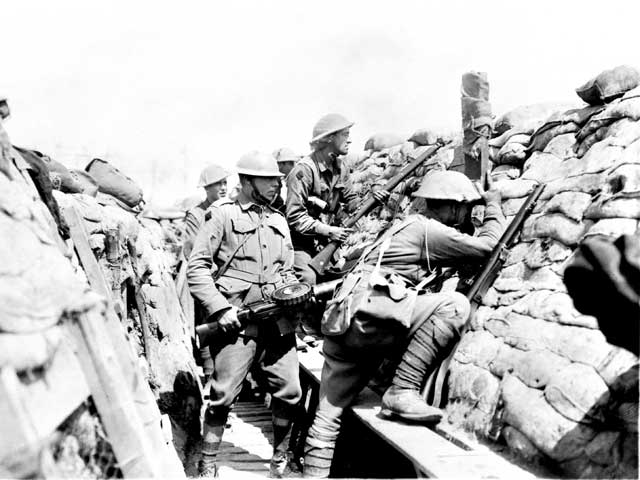
(The photo shows Australian soldiers in the trenches at Bois-Grenier near Armentières on the Western Front, 1916. Image held by the Australian War Memorial)

Famous Names: Asher and Hamish

16 Thursday May 2013

Posted by A.O. in Famous Names

≈ 7 Comments

Tags

Assyrian names, Biblical names, famous namesakes, fictional namesakes, hebrew names, Irish names, mythological names, name history, name meaning, name popularity, names from movies, names from television, popular names, Scottish names, Semitic names, tribal names, unisex names

4615398-16x9-512x288Last month the Logie Awards were held to honour those deemed most excellent or most popular in the TV industry (the public votes on the “popular” categories via the TV Week website). The Gold Logie for most popular personality on Australian television overall went to actress Asher Keddie, for her work in popular thirty-something drama Offspring (she also won Most Popular Actress).

Comedian Hamish Blake won the Gold Logie last year, but this year had to be satisfied with Most Popular TV Presenter, for Hamish and Andy’s Euro Gap Year and Hamish and Andy’s Caravan of Courage: Australia vs New Zealand.

We’ve already seen Asher Keddie and Hamish Blake on the blog before – Asher for her award-winning role playing Ita Buttrose, and we covered Hamish’s surname, Blake, a year ago. So this seemed like a good opportunity to cover both their first names.

In the Bible, Asher is one of the sons of Jacob and the founder of one of the twelve tribes of Israel. Because Asher’s mother is said to be one of Jacob’s handmaids, rather than one of his wives, some scholars believe this means the tribe of Asher had non-Israelite origins, of which there is some evidence from outside sources.

The tribe of Asher was believed to be especially blessed, for they were very wealthy, produced an abundance of sons and beautiful daughters, and had a reputation for great wisdom. This fits very well with the Hebrew meaning of Asher given in the Bible: “happy, blessed, fortunate”.

However, meanings of names given in the Old Testament are nearly always just folk etymology, and Asher may be named after Asherah, the Semitic mother goddess; she was worshipped as the consort of Yahweh before the Israelites became monotheistic. Her ancient name may mean “straight, upright”, with reference to trees, or “holy place, shrine”, or perhaps “lady”. It is pronounced uh-SHEER-uh.

Another possibility is that Asher is after the East Semitic god Ashur, which means “the whole of heaven”. He was the major Assyrian deity, and seems to have been a god of the weather – both sunshine and tempests.

An interesting theory put forward is that the tribe of Asher descended from the Uash people, one of the mysterious Peoples of the Sea who were seafaring raiders. As nobody is quite sure where the Uash people came from (they may have been Trojans), I doubt that the meaning of their name is even known.

So quite a range of attractive meanings to choose from, and quite possibly the real meaning is so ancient and mysterious as to be unknowable.

Although usually listed as a boy’s name, in Australia the name Asher is unisex, and in Victoria at least (Asher Keddie’s home state), is given fairly equally to boys and girls (it is #168 for boys and #195 for girls).

Apart from Ms Keddie herself, another reason for its unisex status here is that in an Australian accent, this is said the same way as the girl’s Asha. And if you believe the name Asher is related to Asherah, then it has a feminine meaning.

Hamish is an Anglicised form of Seumas, the Scottish form of James, and obviously based on the Irish form of the name, Séamas. The Scottish pronunciation SHAY-mas is similar to how Hamish is said – HAY-mish. (Hamish shouldn’t remind you of ham any more than James reminds you of jam).

Apart from all the famous Hamishes (on the blog alone we have already had Hamish Blake, Hamish Rosser and Hamish McLachlan) there are several Hamishes in fiction, including Hamish Campbell in Braveheart, and TV detective Hamish Macbeth, played by Robert Carlyle. Another detective connection is that Hamish is the middle name of Dr. John Watson, Sherlock Holmes’ sidekick.

Hamish first charted in Australia in the 1950s, and from the 1980s onwards, rose steadily to make the Top 100 in the early 2000s. It peaked in 2010 at #60, and since then has been on a decline. Currently it is #85 in New South Wales, #58 in Victoria, #77 in Queensland, #28 in Tasmania and #67 in the Australian Capital Territory.

Apart from its obvious Scottish heritage associations, Hamish is often seen as a rather upper class name in Australia. It’s still popular, and outside New South Wales at least, is probably set to have a fairly gentle decline.

POLL RESULT: Hamish received an approval rating of 81%, and Asher a slightly higher approval rating of 83%. This makes Hamish and Asher two of the most highly-rated names of the year.

(Photo is of Asher Keddie with her Logie)

Boys Names Which Rose in Popularity in 2012

21 Sunday Apr 2013

Posted by A.O. in Name Themes and Lists

≈ 8 Comments

Tags

astrological names, Biblical names, celebrity baby names, Celtic names, Disney names, english names, famous namesakes, fictional namesakes, hebrew names, Hollywood names, honouring, Irish Gaelic names, Irish names, Latin names, locational names, name history, name meaning, name popularity, name trends, names from movies, names from television, nicknames, Old English names, Old Gaelic names, popular names, saints names, Scottish names, soap opera names, unisex names

586419-river-boysThese are the boys’ names which became markedly more popular last year. I think the list lacks the depth of the one for girls, with far less diversity. There is only one classic name for boys, and eight of the names are surnames – six of these ending in N. While the girls’ list shows names which are currently trending, I think a couple of these could be legitimately identified as trendy.

Braxton

Braxton is without doubt 2012’s Name of the Year, joining the national Top 50 from nowhere. It was the #1 fastest-rising name nationally, in New South Wales and South Australia; made the top 5 fastest-rising names in Victoria, Queensland, and Western Australia; and went up in Tasmania and the Australian Capital Territory. Currently it is #31 in Australia, #51 in NSW, #81 in Victoria, #25 in Queensland, #44 in SA, #34 in WA, #65 in Tasmania and #70 in the ACT. Braxton is an English surname of disputed origin. It is a corruption of an English place name; perhaps Branxton in Northumberland, meaning “Branoc’s settlement” (Branoc is a Celtic personal name derived from the word for “raven”). Braxton has been used as a personal name since the late 18th century, and originated in the United States – Carter Braxton was one of the signatories to the American Declaration of Independence. Here it is known from the Braxton brothers on soapie Home and Away; three members of a thuggish surfer gang, and sexually desirable “bad boys” (based on the real-life Bra Boys). The characters were introduced in 2011, and last year Steve Peacocke won a Logie for his role of Darryl “Brax” Braxton. Braxton is new to the charts, although short form Brax had been in the Top 100 before. I wonder if it will keep going, or will parents hit the panic button after its massive surge in popularity?

Jaxon

Jaxon was the #1 fastest-rising name in Victoria and Tasmania, made the top 5 fastest-rising names in New South Wales and South Australia, and increased in popularity in Western Australia and the Australian Capital Territory. Currently it is #37 in Australia, #54 in NSW, #52 in Victoria, #42 in Queensland, #31 in SA, #17 in WA, #33 in Tasmania and #92 in the ACT. Jaxon is a variant of the surname Jackson; although sometimes derided as a “mis-spelled Jackson”, it is a legitimate surname particularly associated with East Anglia, and possibly with the Puritans. Jaxon has been used as a first name since the 17th century, and originated in Norfolk – then an area with a high Puritan population. Jaxon has charted in Australia since the 1990s, and rose steeply to make the Top 100 in 2011. It continues to capitalise on its trendy X, and may even overtake big brother Jackson. It’s interesting that it is most popular in Western Australia, for there is a large construction company in that booming state named Jaxon.

Mason

Mason was the #1 fastest-rising name in Queensland; it increased in popularity nationally, and in every state and territory. Currently it is #15 in Australia, #24 in NSW, #18 in Victoria, #15 in Queensland, #10 in SA, #12 in WA, #8 in Tasmania, #15 in the NT and #28 in the ACT. Mason first charted in the 1980s, and rose steadily to make the Top 100 by the mid-2000s. Mason is an occupational surname for someone who worked as a stonemason. The Mason family settled in Kent, on lands granted to them by William the Conqueror for their part in the Battle of Hastings. Mason has been used as a first name for boys since at least the 16th century, and originated in East Anglia; it possibly had Puritan significance. It’s much more common in the United States, where the distinguished Mason family played a prominent role in American politics. George Mason IV was one of the Founding Fathers of the United States, and an author of the Bill of Rights. Recently it has been often used as a celebrity baby name, boosting and cementing its popularity.

Hunter

Hunter was the #1 fastest-rising name in Western Australia, amongst the top 5 fastest-rising names nationally and in Queensland, and increased in popularity in New South Wales, Victoria, South Australia, Tasmania and the Australian Capital Territory. It is currently #24 in Australia, #35 in NSW, #39 in Victoria, #19 in Queensland, #27 in SA, #22 in WA, #7 in Tasmania and #50 in the ACT. Hunter is a surname based on the English word for a man who hunts professionally, and originated in Scotland. The Clan Hunter were from Normandy and settled in Ayrshire in the 11th century; experts in hunting and fieldcraft, they were invited there by King David I, who had been brought up in a Norman court. Hunter has been used as a personal name since the early 18th century, and seems to have been most popular in the northern counties of England. The Hunter Valley is the area around the city of Newcastle; the Hunter River is named after Governor John Hunter, and as his surname suggests, he was a Scotsman. Hunter has charted in Australia since the 1990s, and made the Top 100 by the late 2000s. It shows no signs of losing steam.

Hudson

Hudson was in the top 5 fastest-rising names nationally, in New South Wales, Victoria and Western Australia, and increased in popularity in South Australia and Tasmania. Currently it is #43 in Australia, #74 in NSW, #50 in Victoria, #45 in Queensland, #36 in SA, #31 in WA, and #67 in Tasmania. Hudson is an English surname which means “son of Hudde”. Hudde can be an old nickname for Hugh or Richard, or it can be derived from the common Old English name Huda; the surname is traditionally associated with Yorkshire. Hudson has been used as a first name since the early 17th century; although these births coincide with English explorer Henry Hudson’s first voyages, it can’t be known whether he inspired them. Hudson was new to the charts last year, having gained massive popularity after pop singer Guy Sebastian welcomed his son in 2012. The inspiration for Hudson Sebastian’s name came from the Hudson River in New York, (named after Henry Hudson), as Guy and his wife Jules love New York City. However, it has an Australian connection as well, because Sir Hudson Fysh, a World War I hero, founded Qantas, so Hudson could be used to honour a family tradition in the aviation industry.

Flynn

Flynn was in the top 5 fastest-rising names in Victoria and South Australia, and increased in popularity nationally, in New South Wales, Western Australia, Tasmania and the Australian Capital Territory. It is currently #41 in Australia, #46 in NSW, #36 in Victoria, #34 in Queensland, #43 in SA, #35 in WA, #22 in Tasmania and #28 in the ACT. Flynn has been in the charts since the 1990s, and after hitting a plateau for a few years, it suddenly shot up into the middle of the Top 100 in 2011, after Miranda Kerr and Orlando Bloom welcomed their son Flynn. Flynn is a common Irish surname which is an Anglicised form of the Old Gaelic Ó Floinn, meaning “son of Flann”. Flann means “red, ruddy” in Irish Gaelic, and is the name of one of the High Kings of Tara. The name is strongly associated with swashbuckling Tasmanian actor Erroll Flynn, known for his success with the ladies. He helped inspire the character of Flynn Rider from the Disney film Tangled. Interestingly, Flynn is most popular in Tasmania.

Archer

Archer was in the top 5 fastest-rising names in South Australia and the Australian Capital Territory; it also increased in popularity in New South Wales, Victoria and Tasmania. Currently it is #92 in NSW, #47 in Victoria, #61 in Queensland, #47 in SA, #47 in Tasmania and #46 in the ACT. The name was new to the Top 100 this year. Archer is an occupational surname denoting a professional bowman, and was brought to England at the time of the Norman Conquest; the Archer family settled in Wiltshire. Archer has been used as a first name since the 17th century, and seemed to be much more common in the southern counties surrounding London. Archer may remind you of legendary bowmen such as Robin Hood and William Tell, or it could remind you of the zodiac sign Sagittarius, called The Archer. In Australia, the Archer River is on the Cape York Peninsula in far north Queensland, and the first horse to win the Melbourne Cup was named Archer. Archer’s popularity is growing partly because it’s a great way to get the popular nickname Archie.

Eli

Eli was in the top 5 fastest-rising names in Australia, and increased in popularity in Western Australia, Tasmania and the Australian Capital Territory. Currently it is #34 in Australia, #53 in NSW, #83 in Victoria, #27 in Queensland, #48 in SA, #38 in WA, #32 in Tasmania and #27 in the ACT. Eli has been in the charts since the 1970s, and reached the Top 100 in the late 2000s; since then it has gliding smoothly upward. Eli is a Hebrew name meaning “ascent”, and in the Old Testament, Eli was a high priest who is regarded as a judge and prophet in Judaism, and the teacher of the prophet Samuel. In Scandinavia, Eli is a girl’s name, used as a short form like Ellie, and pronounced EE-lee. Some Australian namesakes include rally driver Eli Evans, Olympian hockey player Eli Matheson, soccer player Eli Babalj, and kickboxer Eli “Mad Dog” Madigan. At a time when Old Testament boys’ names are slumping, Eli stands out as a Biblical success story, and tended to rise when Elijah did too.

Patrick

Patrick was in the top 5 fastest-rising names in South Australia, and increased in popularity nationally, in New South Wales, Victoria, Western Australia, Tasmania, and the Australian Capital Territory. Currently it is #42 in Australia, #47 in NSW, #34 in Victoria, #53 in Queensland, #35 in SA, #47 in WA, #53 in Tasmania, and #25 in the ACT. In Australia, Patrick is a sturdy classic which has never left the Top 100. It was #36 in the 1900s, and peaked in the 1990s at #34; the lowest it has ever been is #68, in 2009. Patrick is from the Latin name Patricius, meaning “nobleman”, and its fame today is entirely down to one man – Saint Patrick. Saint Patrick was a 5th century Romanised Briton brought up in a Christian family. As a teenager, he was captured and carried off as a slave to Ireland, where he remained for six years. He managed to escape back to Britain, but returned to Ireland as an ordained bishop to undertake missionary work. Called the Apostle of Ireland, he is the major patron saint of Ireland, and such a vital part of Irish identity that his feast day on March 17 is seen as a celebration of Irish culture.

Harrison

Harrison was in the top 5 fastest-rising names in Queensland, and increased in popularity nationally and in South Australia. Currently it is #22 in Australia, #25 in NSW, #26 in Victoria, #16 in Queensland, #13 in SA, #27 in WA, #34 in Tasmania and #40 in the ACT. Harrison has charted since the 1980s, and skyrocketed into the middle of the Top 100 during the 1990s. It peaked at #23 in the early 2000s, then fell before starting to climb again, so it’s now on its second wind. Harrison is a surname meaning “son of Harry”, with Harry itself being a short form of Henry. Harrison has been used as a first name since the 16th century, and over time became greatly more popular in the United States than in Britain. This may be because of the Harrison family of Virginia, who were related to King Edward I. They managed to produce numerous state governors, as well as two presidents – Benjamin Harrison and William Henry Harrison. The popularity of Harrison as a first name is probably due to actor Harrison Ford – the name began charting just after he starred in the first Star Wars movie, and boomed during the Indiana Jones series.

POLL RESULT: People’s favourite names were Flynn, Archer, and Patrick, and their least favourite were Braxton, Mason, and Jaxon.

(Photo shows the Braxton brothers from Home and Away)

Girls Names Which Rose in Popularity in 2012

14 Sunday Apr 2013

Posted by A.O. in Name Themes and Lists

≈ 25 Comments

Tags

celebrity baby names, classic names, english names, epithets, famous namesakes, fictional namesakes, Gaelic names, germanic names, Hollywood names, locational names, mythological names, name history, name meaning, name popularity, name trends, names from television, Native American names, nature names, nicknames, Old French names, Old Norse names, plant names, popular names, retro names, royal names, Scottish names, Slavic names, Spanish names, surname names, Twilight names, unisex names, vocabulary names

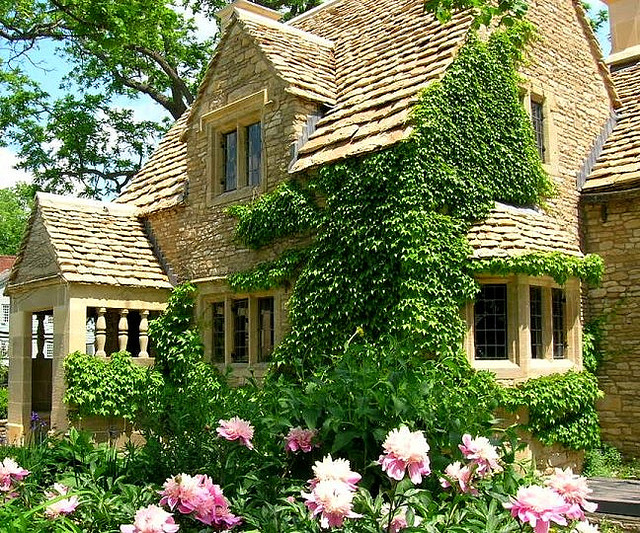
213495458_f0e01eb1bf_z-Cotswold-Cottage-2These names became noticeably more popular in Australia last year. If you are considering using any of them, don’t panic. Most are making solid progress rather than madly storming upward. It would be foolish to reject them based on their current popularity, and silly to fret if you chose one of these names in 2012.

The list indicates the diversity of girls’ names at present, with a mix of classic and modern; places and nature; Hollywood and royalty. There’s something for nearly everyone amongst these popular names.

Ivy

Ivy was the fastest-rising girl’s name both nationally and in Western Australia last year, and made the top 5 fastest-rising names in South Australia, Queensland and the Australian Capital Territory. It became more popular across the board in 2012, and nationally rose 18 places. This is its second time around in the Top 100 – Ivy was #17 in the 1900s, and didn’t leave the Top 100 until the 1940s. It vanished from the charts in the 1970s, but reappeared in the 1990s. Ivy soared during the 2000s, making the Top 100 by the end of that decade. It is currently #22 in Australia, #21 in NSW, #27 in Victoria, #25 in Queensland, #22 in SA, #28 in WA, #44 in Tasmania, and #30 in the ACT. Ivy is named for the plant, and like its namesake, is presently climbing; Beyonce‘s daughter Blue Ivy may have given the name publicity. Chances are we’ll be seeing more of this fresh, pretty retro name, which sounds similar to popular Ava, Eva and Evie.

Savannah

Savannah was in the top 5 fastest-rising names in South Australia, went up 9 places nationally, and increased in popularity in New South Wales, Victoria, Queensland, Western Australia and Tasmania. It is currently #35 in Australia, #38 in NSW, #74 in Victoria, #28 in Queensland, #43 in SA, #35 in WA and #94 in Tasmania. Savannah first charted in the 1990s, and climbed until it reached the Top 100 at the end of the 2000s. Savannah is an alternate spelling of the word savanna, referring to grasslands that have scattered trees, or where the trees are open to the sky; large tracts of northern Australia are savanna. The word comes from the Spanish sabana, derived from the Arawak (Native American) word zabana, which originally meant a treeless grassy plain. Savannah is a place name in the United States, most famously the city in Georgia. The city’s name comes from the Savannah River, which may be derived from the Shawnee people, or from Native American words for “southerner” or “salt”. The city featured in 1990s soap, Savannah, which probably accounts for its début in the charts that decade. While I imagine Savannah originally got its foot in the door because it sounds like Susannah, here it fit in with those other hip names of the ’90s, Ava and Sienna. Like Harper, this is another American South-inspired name, but also a royal one, because the queen’s first great-granddaughter is named Savannah.

Harper

Harper was the fastest-rising name in Tasmania and Victoria, made the top 5 fastest-rising names in South Australia and Western Australia, and became more popular in every state. Currently it is #39 in Australia, #37 in NSW, #29 in Victoria, #36 in Queensland, #44 in SA, #29 in WA, and #31 in Tasmania. Harper began as a surname from the English word for a professional harp player. The surname  originates from the west coast of Scotland, and is especially associated with the Clan Buchanan. The name also has Christian overtones, for heaven is said to be filled with the sound of harp music. Harper has been used as a first name since the 17th century, and was originally given to boys. The fame of (Nelle) Harper Lee, author of To Kill a Mockingbird, gave it a feminine slant. Harper only began charting in 2011, after David and Victoria Beckham welcomed their first daughter. Harper Beckham was named by her brothers after a character in Wizards of Waverley Place (although Victoria Beckham also happened to be working for Harper’s Bazaar at the time). The Beckhams said they wanted a name to honour their time in the United States, and chose this American-style name. Many Australians have followed in their footsteps.

Alice

Alice was the #1 fastest-rising name in South Australia, and has just joined the Top 20 in the Northern Territory, so it has gained popularity in central Australia. Intriguingly, the town of Alice Springs is in the middle of the Australia, offering food for thought. Alice also went up in popularity nationally, in Victoria, and in Tasmania. It is currently #43 in Australia, #49 in NSW, #34 in Victoria, #53 in Queensland, #34 in SA, #49 in WA, #41 in Tasmania, #20 in the NT and #43 in the ACT. Alice is a classic name which has never left the charts. It was #4 in the 1900s, and just missed out on the Top 100 in the 1940s, at #105. It reached its lowest point in the 1960s at #265, then began climbing, reaching the Top 100 for the second time in the 1990s. Since the beginning of the 2000s it has made staid but steady progress up the charts, and become middle name de jour. Alice is from the Old French name Aalis, short for Adelais, which is a short form of the Germanic name Adelheidis, meaning “noble kind” (which Adelaide is based on). Alice became popular in the Middle Ages, and got a boost during the 19th century after Queen Victoria had a Princess Alice. It’s been a favourite in fiction ever since Lewis Carroll penned Alice in Wonderland, and is the name of a main character in the Twilight series. Sensible, yet with a touch of magic, sweet Alice is one to keep your eye on.

Willow

Willow was in the top 5 fastest-rising names in Western Australia, went up  nationally, and increased in popularity in New South Wales, Victoria and the Australian Capital Territory. It is currently #44 in Australia, #43 in NSW, #33 in Victoria, #39 in Queensland, #32 in WA, #73 in Tasmania and #68 in the ACT. Willow first charted in the 1990s, and rose precipitously to make the Top 100 by the late 2000s. Willow is named for the genus of small trees and shrubs which symbolise both wisdom and deep loss. It has been used as a personal name since the 18th century, and was originally given equally to boys and girls. It has only ever charted for girls in Australia, but is still occasionally used for boys. The 1988 fantasy film Willow, which possibly played a role in Willow joining the charts in the ’90s, has a hero named Willow. In 2011, pop singer Pink welcomed a daughter named Willow, and that doesn’t seem to have done this name any harm. Flower names mostly didn’t do well in 2012; Ivy and Willow show that greenery is more appreciated than petals at present.

Mackenzie

Mackenzie made the top 5 fastest-rising lists in New South Wales and Victoria, and increased its popularity in other states and the Australian Capital Territory. Currently it is #46 in Australia, #57 in NSW, #44 in Victoria, #45 in Queensland, #33 in SA, #37 in WA, #45 in Tasmania, and #48 in the ACT. Mackenzie has charted since the 1990s, and zoomed up the charts to make the Top 100 by the early 2000s. It dipped out of the Top 100 in 2009, but was back the next year. Mackenzie is a Scottish surname, an Anglicised form of of the Gaelic Mac Coinnich, meaning “son of Coinneach” (Coinneach is the original form of Kenneth). The Clan Mackenzie is from the Highlands, and of Celtic origin; they trace their clan name back to the pagan god Cernunnos. Mackenzie has been used as a first name since the 18th century in Scotland; it was nearly always given to boys in the beginning, but not exclusively so. Mackenzie first charted in the US as a female name, popularised by actress (Laura) Mackenzie Phillips, who was in American Graffiti. Since then there have been other Mackenzies on our screens; most recently, Mackenzie Foy played Renesmee in Breaking Dawn – Part 2. 

Audrey

Audrey made the national Top 50 last year, and according to my estimate, rose almost as many places as Ivy. However, it’s harder to see where the gains were made than it is with Ivy, although Audrey made significant increases in New South Wales and Victoria, and modest ones in Tasmania and the Australian Capital Territory. Currently it is #50 in Australia, #36 in NSW, #32 in Victoria, #55 in Queensland, #96 in Tasmania and #35 in the ACT. Like Ivy and Alice, Audrey has been Top 100 before. Although it was #156 in the 1900s, it made the Top 100 the following decade, and shot up to peak at #32 in the 1920s. It sank faster than it had risen, and was #197 in the 1940s, reaching its lowest point in the 1980s with a ranking of #0. Since then it has climbed, and reached the Top 100 again at the end of the 2000s. It looks likely to overtake its earlier peak, but Audrey seems to be under the radar at present. This is one of those names which is probably more popular than you think, and has an Australian connection, for the famous Skipping Girl Vinegar neon sign in Melbourne is affectionately known as Little Audrey.

Mila

Mila was the #1 fastest-rising name in the Australian Capital Territory, and grew more popular in New South Wales, Western Australia and Tasmania. It is currently #59 in NSW, #46 in Victoria, #65 in Queensland, #44 in WA, #70 in Tasmania, and #48 in the ACT. Mila only began charting in 2011, so has been extremely successful in a brief space of time. The fame of Hollywood actress Mila Kunis must have had an impact; Mila entered the charts the year after Ms Kunis appeared in Black Swan. Mila is a short form of Slavic names containing the element mil, meaning “gracious, dear”. Mila Kunis’ full name is Milena, which is the feminine form of the Slavic name Milan, meaning something like “dear one”, and often translated as “sweetheart”. Mila sounds similar to other popular names such as Mia and Milla, and at the moment is doing very well.

Freya

Freya is a name just beginning to make an impression, for it joined the Top 100 in Tasmania and the Australian Capital Territory last year, and was in the top 5 fastest-rising names in Tasmania. Both these regions have small population sizes, so you can be forgiven for being a little sceptical; Freya is currently #174 in NSW and #129 in Victoria. Freya is the English spelling of the Old Norse goddess Freyja – her name means “lady”, and was originally an epithet. In Norse mythology, Freyja is a goddess of love, sex, beauty, fertility, sorcery, gold, war and death. Immensely beautiful and clever, she rules over a field in the afterlife. The name Freya has been popular in the UK for several years now, and is well known here due to Tasmanian actress Freya Stafford; it doesn’t seem too far-fetched that we should follow Britain’s lead, but we shall have to wait and see.

Josephine

Josephine just managed to squeeze onto the Top 100 in New South Wales last year. That may not sound impressive, but the amount Josephine climbed was phenomenal – it went up 99 places, far outstripping Ivy’s mere 18. For that reason alone, it deserves a place on this list. Josephine is a solid classic which has never been off the charts, or left the Top 200; on the other hand it has never enjoyed high popularity either. It was #86 for the 1900s, and peaked the following decade at #76. It just failed to reach the Top 100 of the 1940s at #103, and dipped in the 1980s to make #172. Its progress has been up and down, but never too high or low, and it reached its lowest point in the charts in 2011, at #199. It has more than made up for this by getting back to the Top 100 in 2012, where it hasn’t been since the 1930s. Currently it is #100 in NSW and #105 in Tasmania. Josephine has recently made its mark as a royal and celebrity baby name, with Josephine chosen for the daughter of Prince Frederik and Princess Mary of Denmark, and also the grand-daughter of former prime minister Kevin Rudd. Will Josephine continue its ascent? Historically it’s unlikely, for Josephine seems most comfortable in the low to mid 100s, and may very well drop back this year. Stay tuned!

POLL RESULT: People’s favourite names were Alice, Ivy, and Freya, and their least favourite were Harper, Savannah, and Mackenzie.

Sibling Names and Sibsets

24 Sunday Feb 2013

Posted by A.O. in Your Questions Answered

≈ 15 Comments

Tags

Australiana, Biblical names, classic names, english names, fictional namesakes, fictional sibsets, flower names, Google, nature names, nicknames, plant names, popular names, Scottish names, sibsets, vintage names, virtue names

sibling1wide-420x0These are questions on sibling names that people have Googled to reach my blog. I did have fun dreaming up matching sibsets.

OPINIONS ON SIBSETS

Isobel and Bella, names too close [as siblings]?

I think they are, since they are variations of the same name.

Arlo and Ezra [as] sibling names; [do they] go [together]?

They both begin and end with vowels, they both have two syllables, and they are both not-quite-unisex-but-not-quite-not-either. This makes them alike enough to go together without being super matchy, and this is a hip brotherly sibset.

Is Lucy a good sibling name for Arabella?

I think it’s an excellent sibling name. Arabella and Lucy sound very elegant together, like something from an 18th century novel.

Are Lachlan and Callum too similar names [as siblings]?

No, I think they make a nice Scottish sibset of popular names. I can only think that their sister will be Isla.

Olivia and Sophia as siblings

They sound almost too pretty together: actually Olivia and Sophia are the sisters in Oliver Goldsmith’s novel The Vicar of Wakefield. In the book, their names are both chosen from romantic novels that their mother is reading.

Reuben and Isaac as a sibset

Great! They are both Old Testament names that are patiently climbing the popularity charts, and go together really well.

Millie and Elsie – sibling names

I’d say this is a perfect match of cute vintage nicknames rising rapidly in popularity. It might be a little hard to add another sister without breaking the pattern or sending the cute factor through the roof though.

Stanley and Evelyn – sibset

I actually love them as siblings – they are both classic English names that are becoming more fashionable, but don’t sound matchy together. There’s just enough of a clash to seem interesting.

Are Lola and Iona too close girl’s names [as siblings]?

I’m not sure whether they are too close, but to me they are a slight mismatch. Iona seems a bit too serious for cute Lola, and I’d probably anticipate something like Ruby or Zoe to match her. However, these unexpected sibsets can be refreshing.

SIBSET SUGGESTIONS

Siblings for Layla (asked more than once)

Sisters: Evie, Grace, Jasmine, Sophie, Willow, Zara

Brothers: Connor, Fabian, Gabriel, Rylan, Samuel, Tighe

Matchy names to go with Poppy

I don’t think you can get any more matchy than other flower names, such as Daisy and Rose. Floral sibsets including Poppy seem quite popular.

Virtue names to go with Wyatt

Sisters: Amity, Blythe, Ever, Faith, Liberty, Temperance

Brothers: Justice, Lucky, Maverick, Pax, True, Zeal

Brother to Violet

Arthur, Caspian, Dexter, Edward, Henry, Sebastian

Names to go with Henry and Barnaby

General advice: I’d steer clear of another name ending in an -ee sound, or you’ll end up with a sibset that sounds like it’s from a cartoon (check nicknames also). For fun, try a four syllable name like Nathaniel or Octavia so that each name increases by one syllable.

Sisters: Alice, Cordelia, Eleanor, Florence, Jemima, Mabel

Brothers: Casper, Felix, Maxwell, Otis, Rupert, Wilfred

Siblings for Jude [using] popular names

Sisters: Abigail, Eden, Hannah, Lily, Piper, Scarlett

Brothers: Ashton, Elijah, Leo, Oliver, Toby, Zac

Biblical and Australian boy names to go with Matilda

If you want a Biblical name which reminds me strongly of Australia, it would be James, after James Cook. And I think Matilda and James do sound nice together.

Siblings to match Edgar

Sisters: Audrey, Beatrice, Cecilia, Daphne, Harriet, Penelope

Brothers: Albert, Charles, Giles, Hugo, Theodore, Vincent

Baby boy name to match Harper, Flynn and William

Angus, Patrick, or Riley.

Sibling names for Clementine

Sisters: Aurelia, Beatrix, Eloise, Genevieve, Isadora, Lucinda

Brothers: Alistair, Hugo, Jasper, Lysander, Miles, Rafe

Sister to go with sibset Robert and Matthew

I’m thinking another sensible classic, like Catherine, Elizabeth, Josephine, Louisa, Sarah or Victoria.

Do you have your own sibling suggestions for any of these, or can you think of something that would be a better match?

Underused Names for Boys

10 Sunday Feb 2013

Posted by A.O. in Name Themes and Lists

≈ 14 Comments

Tags

Anglo-Saxon names, Arthurian legends, Arthurian names, band names, Biblical names, British names, celebrity baby names, Celtic names, Cornish names, english names, famous namesakes, fictional namesakes, French names, German names, Gothic names, Greek names, hebrew names, Jakob Grimm, Latin names, locational names, mythological names, name history, name meaning, nicknames, Old English names, Old French names, Roman names, royal names, Sabine names, saints names, Scottish names, Shakespearean names, Sir Walter Scott, surname names, unisex names, William Shakespeare

Time-For-Bed-Said-ZebedeeThis follows on from last week’s Underused Names for Girls; to briefly recap, they are names which aren’t common here (used less than six times in the 2012 Victorian data, have never charted in Australia), but still have a history of use in Australia (can be found in historical records).

Alaric

Alaric is from the Gothic name Alareiks, meaning “ruler over all”. Alaric I was the king of the Visigoths who sacked Rome in 410, and his great-grandson, Alaric II, was ruler of the Visigothic kingdom, covering most of Spain and the south of France. Another Alaric was a legendary king of Sweden, skilled in battle and sport, and a masterful horseman. He had a brother Eric, and for some unknown reason, the pair of them killed each other with their horses’ bridles, which seems an awfully strange choice of weapon. The name Alaric is far commoner in fiction than in real life, where it tends to be either chosen for comedies, in the belief that the name Alaric sounds amusingly high-faluting, or science-fiction/fantasy, in the belief that it sounds geekily exotic. In the TV series, The Vampire Diaries, there is a character named Alaric; he says his name uh-LAHR-ik, although most sources say the name is pronounced AL-uh-rik. Powerful and commanding, this is unusual, but sounds similar to familiar names like Alan and Eric.

Blaise

In Arthurian legend, Blaise was the priest who baptised the wizard Merlin, became his tutor and friend, then took the trouble to write down all Merlin’s deeds for posterity. There is a Saint Blaise, who is a saint of healing, as he cures sore throats (the saint was a doctor as well as a bishop). He seems to have been quite popular in England, perhaps because his feast day of February 3 is right after the Celtic festival of Imbolc and the Christian feast of Candlemas, and often marked by bonfires. Blaise sounds like the word blaze, so a pleasing coincidence for fire-lovers. The most famous namesake is Blaise Pascal, the French theologian and philosopher. The meaning could be from either Latin or Greek. If Latin, it means “stuttering, lisping”; if Greek it means “bow-legged”, so either way it’s not flattering. Saint Blaise was Greek, but the Blaise of Arthurian legend is probably meant to be Roman or Romanised, so you can take your pick. It’s a name loved for its sound, namesakes and associations rather than its meaning.

Corin

Corin is a French surname derived from Quirinus; Saint Quirinus was part of a Roman missionary group sent to convert Gaul, and legend has attached to this popular saint all the standard saintly stories, such as killing a dragon and going for a stroll after getting his head chopped off. The original Quirinus was an early Roman god, probably a Sabine war deity. The Sabines had an altar to Quirinus on the Quirinal Hill, one of the Seven Hills of Rome. The Romans considered him to be a deified Romulus, and in the early days he was a major god, although they gradually lost interest in worshipping him. However, even after the fall of Rome, the Quirinal Hill remained a place of power, so that it was chosen as the seat of royalty, and later the residence of the Presidents of the Italian Republic. The name is linked to the name of the Sabine town Cures, and may come from the Sabine word for “spear”. There is a shepherd named Corin in Shakespeare’s As You Like It, and a Prince Corin in C.S. Lewis’ The Horse and His Boy. You can also see this name from another perspective, for in British legend, Corineus was a great warrior and giant-killer who founded Cornwall; his name may be an echo of Cernunnos, the Celtic god, whose name is usually translated as “horn”, or “horned one”. There are several place names in Cornwall apparently derived from Cernunnos (including Cornwall itself), and the name Corin enjoyed early popularity in Cornwall and Devon – so you can see this as a British name just as much as a French one. This packs a double mythological punch, and doesn’t seem much different than names such as Corey or Colin.

Edgar

Edgar is an Old English name meaning “rich spear”. Saint Edgar the Peaceful was a king of England; a Scottish King Edgar was a son of Saint Margaret. The name became rare after the Norman Conquest, but had a revival in the 19th century, after Sir Walter Scott’s historical novel, The Bride of Lammermoor, told the story of tragic lovers Lucy and Edgar – a tale which ends in madness, murder and quicksand. Edgar is also a character in William Shakespeare’s King Lear; disinherited by his father, he wanders the heath disguised as a babbling madman. Noble and clever, he is also enigmatic with a touch of darkness; he enjoys playing the crazy beggar just a little too much. The most famous person named Edgar is probably the American writer, Edgar Allen Poe, said to have been named after Shakespeare’s character. Poe’s works are also quite dark and enigmatic, dealing with topics such as grief, guilt, mystery, murder, madness, doom, death, drugs, and being buried alive. Edgar is related to the other Ed- names, such as Edward and Edwin, but seems more vintage, a bit edgier, and a touch more Gothic. This name might be uncommon, but it’s also traditional and comes with all the usual Ed and Eddie nicknames.

Giles

This is based on the Latin name Aegidius, derived from the Greek for “young goat”. Aegidius was a 7th century hermit from Athens who lived in the south of France with a tame deer; in Old French his name became Gidie, then Gide, and finally Gilles; when the Normans took his name to Britain, it became Giles. A noted miracle worker, Saint Giles was very popular in the Middle Ages, and his name became common; it was also given quietly but steadily to girls (even into the 20th century). Although we often think of Giles as a terribly “English” name, Saint Giles is the patron saint of Edinburgh, and the name Giles is traditional in Scotland; many Gileses in Australian records have Scottish surnames. The English haven’t done this name many favours, as it’s a favourite in English books and TV shows for good-natured upper class twits. However, this doesn’t reflect the reality of the name, or the Australian experience of it, and I think it’s possible to see Giles in quite a different light. I can see Giles as a solid country-style name, a brother to Archie and Will, or slightly hipster, a brother to Hugo and Barnaby. If you crossed Gus with Miles, you might end up with something that looks a little like Giles …

Huxley

Huxley is an English surname. The Huxley family were Normans who came to Britain after the Conquest and settled in Cheshire, taking their name from a village near Chester, which was originally named Holdesieia, and corrupted into Huxley. The original name may be from the Anglo-Saxon for “sloping land”, and Huxley is believed to mean’s “Hucc’s wood”, with Hucc being an Anglo-Saxon nickname meaning “insult, taunt”. Huxley has been used as a personal name since the 18th century, and early examples are from the Cheshire area, suggesting they may have been named directly after the village. The Huxley family have produced an astonishing number of brilliant thinkers, from the biologist T.H. Huxley, supporter of Charles Darwin, to the author Aldous Huxley, who wrote Brave New World. T.H. Huxley came to Australia as a young man, and did such excellent work in natural history that he was made an immediate Fellow of the Royal Society on his return (Mount Huxley in Tasmania is named in his honour). T.H. Huxley’s distant cousin, Sir Leonard Huxley, migrated to Australia in childhood, and became one of our most distinguished physicists. With its fashionable X and intellectual pedigree, this name seems very hip, and comes with the nicknames Huck or Hux.

Jethro

Jethro is translated as “excellence, abundance” in Hebrew, and in the Old Testament, Jethro is the father-in-law of Moses, and a priest (it is never made clear in what religion he was a priest, but by the end he accepted Yahweh as his God). Jethro is revered as a prophet in Islam, and is held in the highest regard by the Druzes. The most famous person with this name is Jethro Tull, an English agricultural pioneer who helped bring about the British Agricultural Revolution which formed the basis of modern farming practices. The rock band Jethro Tull is named after him. You may also remember the dull-witted Jethro Bodine from The Beverly Hillbillies. Jethro is a little bit hick and a whole lot hip – it’s hickster.

Rufus

Rufus started life as a Roman nickname, but afterwards became a family name; it’s from the Latin for “red haired”. There are many famous men with the surname Rufus, including the Stoic philosopher Gaius Musonius Rufus. His views on philosophy were moderate and practical, encouraging all men and women to follow a philosophical life, and giving advice on all manner of topics, including diet (vegetarian, raw) and hairstyles (long, beardy). He was so highly-regarded that when all other philosophers were expelled from Rome by the Emperor Vespasian, Rufus was allowed to stay. There are at least ten saints named Rufus, one of whom is mentioned in the New Testament as a disciple of St. Paul; his father was the man who carried the cross for Jesus on the way to Calvary. There is also the Gaelic saint Mael Ruba, whose name is Anglicised as either Maree or Rufus. King William II of England was nicknamed “Rufus” for his ruddy complexion. Famous people named Rufus include the Canadian-American singer Rufus Wainwright, and the British actor Rufus Sewell; Roger Taylor from Queen has a son named Rufus Tiger. With names ending in -us becoming fashionable, Rufus looks set to become the new Atticus.

Wolfgang

Wolfgang is a German name meaning “wolf path, wolf journey”, and interpreted by folklorist Jakob Grimm as being the name of a hero who follows in the wake of the “wolf of victory”. It has two heavy-duty namesakes: composer Wolfgang Amadeus Mozart, and writer Johann Wolfgang von Goethe; there is also a Saint Wolfgang, one of the patrons of Germany. Eddie Van Halen chose this name for his son. Nearly all Wolfgangs in Australian records have German surnames, and although this would make a striking heritage choice, it could work even if you don’t have a scrap of German ancestry. Wolfgang is one of those names that people seem to either love or loathe, so it attracts some extreme reactions. The usual nicknames are Wolf or Wolfie.

Zebedee

In the New Testament, Zebedee was a fisherman, and the father of the Apostles John and James. He is mentioned as being left behind in the boat when Jesus called the brothers to “become fishers of men”; we never learn whether he was supportive of his sons’ career change, or thought they should have remained fishers of fish. Zebedee’s wife was one of the women present at the crucifixion. The name Zebedee is the Greek form of the Hebrew name Zebadiah, meaning “Yahweh has bestowed”, and nearly always interpreted as “gift of God”. There is an English painter named Zebedee Jones and an English newsreader named Zebedee Soanes; both these Zebedees were born in the 1970s, when the cult children’s show, The Magic Roundabout, was first on television. In the show, Zebedee was a jack-in-the-box who is popularly recalled as ended the show by bouncing down out of nowhere and intoning, “Time for bed, children” (although I’m not sure how often this occurred). With Old Testament names for boys becoming a bit old hat, it could be time to consider some of the more unusual New Testament names. This one is full of zest, and the nickname Zeb is as cowboy cool as Zeke and Jed.

POLL RESULT: People’s favourite names were Huxley, Alaric, and Corin, and their least favourite were Wolfgang, Zebedee, and Giles.

(Picture shows Zebedee from The Magic Roundabout)

Famous Name: Jackson

23 Wednesday Jan 2013

Posted by A.O. in Famous Names

≈ 5 Comments

Tags

ACT name data, english names, famous namesakes, historical records, holiday names, locationa names, name history, name meaning, name popularity, name trends, nicknames, patriotic names, popular names, Scottish names, surname names, Victoria name data

Sydney_Harbour_Bridge_from_the_airOn Saturday January 26 it will be Australia Day, so we are looking forward to the long weekend. In Sydney, there will be many events in and around the harbour, with one of the most popular the Ferrython, where the Sydney ferries race against each other. Chartering a boat to spend Australia Day on the harbour, basking in sunshine under blue skies, must be one of the most perfect ways to spend Australia Day in Sydney.

It’s also very appropriate, because the early history of Sydney is centred on its harbour. The size of Port Jackson, in which Sydney Harbour is located, was one of the main things which convinced the British to set up base in this area. You may recall that Captain Arthur Phillip rated Port Jackson as “the finest harbour in the world”.

I was always taught that Port Jackson was the largest natural harbour in the world, but it turns out that this is a matter of disagreement. In fact, what with the difficulties in deciding what is classed as a harbour, and whether you count size by square kilometres, length of coastline, or water volume, it doesn’t seem possible to declare any natural harbour the largest in the world – although Port Jackson must be one of the world’s largest, at least.

Sydneysiders still firmly believe that Port Jackson is the finest natural harbour in the world, and many that it is the world’s most beautiful – and as beauty is very much in the eye of the beholder, this claim at least is difficult to dispute. I expect other cities feel the same way about their own harbours.

The first known European to come here was James Cook in 1770. Not being of a gushing nature, there is nothing in his ship’s log to indicate that he thought the harbour fine or beautiful, only recording that it “appeared to be a safe anchorage”.

He named it after Sir George Jackson, a fellow Yorkshireman, and Cook’s friend and patron. Jackson later got married and changed his surname to his wife’s, becoming Sir George Duckett. I can’t help but be thankful that this happened after the naming of Port Jackson, as Port Duckett doesn’t have quite the same ring to it – although like the island of Nantucket, it would no doubt be a boon to the authors of limericks.

Jackson is an English and Scottish surname meaning “son of Jack“, which must be one of the most straightforward name meanings. The surname Jackson can be found from the 14th century onwards, and was historically most common in the north of England.

Jackson was first used as a personal name in the early 17th century, and in the United States, may sometimes have been given in honour of the seventh president, Andrew “Stonewall” Jackson – before he was president, he was a national hero for defending New Orleans from the British. He had such a reputation for toughness  that his nickname was “Old Hickory”.

Although there are many examples of men named Jackson in Australian records, the name did not begin charting in Australia until the 1970s – around the time American teen idols, The Jackson 5, became a big hit. Jackson climbed steeply to make the Top 100 by the 1990s, and peaked in the early 2000s at #29. Since then it has gently declined in popularity, and was #40 in NSW for 2011.

Early results from 2012 name data in the ACT and Victoria suggest that Jackson is falling as the variant spelling Jaxon takes off. This spelling (also a legitimate surname), takes advantage of the fashionable X, while suggesting Jax as the nickname, rather than Jack.

While Jackson may not be quite as popular as it once was, this name makes a great one for a boy born on Australia Day, and is much more subtle than last year’s suggestion.

POLL RESULT: Jackson received an approval rating of 62%. More than half of people (56%) said the name Jackson was fine and handsome, although 22% believed it was too popular, and 17% saw it as boring. Nobody preferred the spelling Jaxon, or thought of Jackson as a patriotic name.

2012 Name Trends in the ACT – Boys

07 Monday Jan 2013

Posted by A.O. in Name Data

≈ 7 Comments

Tags

Arabic names, Biblical names, celebrity baby names, famous namesakes, fictional namesakes, Indian names, Italian names, name popularity, name trends, nicknames, popular names, Scottish names, Spanish names, surname names, unisex names

Biggest Movers Up

  1. Archer (51)
  2. Marcus (45)
  3. Andrew (41)
  4. Mason (33)
  5. Jackson (28)
  6. Eli and Kai (26)
  7. Jasper and Leo (23)
  8. Hunter (22)
  9. Nathaniel (18)
  10. Christopher and Henry (16)

To nobody’s surprise, surely, seen-everywhere Archer was the big winner for 2012, and the similar Hunter also did well. Marcus is the name of several Australian sports stars; perhaps Canberrans were paying keen attention to the sports news this year, or maybe they are all Mumford & Sons fans? Celebrity baby name Mason continues to keep up, even as his sister Penelope failed to make the grade. Prince Harry‘s official name, Henry, made number 10 on the list, while his nickname was number 11. From reading the birth notices, I know that there is an obstetrician named Andrew in Canberra; I don’t know if he is responsible for his name’s success though.

Biggest Movers Down

  1. Levi (49)
  2. Hamish (44)
  3. Luca (39)
  4. Caleb (35)
  5. Elliot (31)
  6. Finn and Matthew (30)
  7. Jake (28)
  8. Cameron and Sebastian (23)
  9. Angus and Darcy (21)
  10. Edward and Harrison (20)

In general, Old Testament names for boys had a bit of a fall in 2012, with Levi the worst affected. Scottish favourites Hamish, Angus and Cameron also went down, and Darcy doesn’t seem to be doing well for either girls or boys. Jake, Jacob and Edward waned like an old moon, as did Isabella and her offshoots – make of that what you will!

Most Stable

  • Benjamin (10)
  • Ryan (17)
  • Luke (33)

New to the List

  • Ayden (40)
  • Lewis (40)
  • Louis (62)
  • Braxton (70)
  • Luka (70)
  • Ali (76)
  • Jai (76)
  • Jason (76)
  • Jude (76)
  • Maxwell (76)
  • Muhammad (76)
  • Reuben (76)
  • Ari (92)
  • Aryan (92)
  • Dante (92)
  • David (92)
  • Jaxon (92)
  • Rafael (92)
  • Rohan (92)
  • Spencer (92)
  • Tobias (92)
  • Vincent (92)

With Ari, Aryan and Aria new to the popularity charts, and Archer the fastest-rising, names starting with a piratical AR sound seem in vogue. Jude, Reuben, Tobias and David provided some new blood for Biblical names.

Both Louis and Lewis are new to the charts – a name which seemed generally popular this year. Braxton and Spencer were two surname names I’ve seen much of, and Vincent seemed to be several name bloggers’ pick for the Name Most Likely. We were right in at least one area of the world, anyway! I wonder if the Danish prince helped in this regard?

Jai and Rohan are two Indian names new to the list, Dante and Rafael two from southern Europe, and Ali and Muhammad two Arabic ones, possibly showing some demographic changes in the Territory – although Jai has long been a standard in Australia, and Rafael on trend for ages.

Interestingly, 1970s trendsetter Jason is on the list, and last year Jennifer was on the girl’s list. Apparently if you go beyond Ava and Aiden, you get … more Jennifer and Jason!

Back on the List

  • Hudson (50)
  • Rhys (70)

Gone from the List

  • Aidan (33)
  • Aiden (50)
  • Mitchell (61)
  • Tyson (61)
  • Jett (61)
  • Jonah (61)
  • Alex (75)
  • Hugh (75)
  • Billy (78)
  • John (78)
  • Tom (78)
  • Austin (78)
  • Felix (88)
  • Jesse (88)
  • Seth (88)
  • Anthony (97)
  • Beau (97)

Aidan and Aiden have been replaced by Ayden – Jayden went up, although Hayden went down. Luca went down, but Luka stepped in. Nicknames Alex, Tom and Billy were rejected in favour of their full names. Jonah, John, Jesse and Seth were four Biblical names to disappear altogether. Michael rose, while surname-form Mitchell was out.

← Older posts
Newer posts →

Enter your email address to follow this blog

Categories

Archives

Recent Comments

A.O.'s avatarwaltzingmorethanmati… on Zarah Zaynab and Wolfgang…
Madelyn's avatarMadelyn on Zarah Zaynab and Wolfgang…
JD's avatardrperegrine on Can Phoebe Complete This …
A.O.'s avatarwaltzingmorethanmati… on Rua and Rhoa
redrover23's avatarredrover23 on Rua and Rhoa

Blogroll

  • Appellation Mountain
  • Baby Name Pondering
  • Babynamelover's Blog
  • British Baby Names
  • Clare's Name News
  • For Real Baby Names
  • Geek Baby Names
  • Name Candy
  • Nameberry
  • Nancy's Baby Names
  • Ren's Baby Name Blog
  • Sancta Nomina
  • Swistle: Baby Names
  • The Art of Naming
  • The Baby Name Wizard
  • The Beauty of Names
  • Tulip By Any Name

RSS Feed

  • RSS - Posts

RSS Posts

  • Celebrity Baby News: Melanie Vallejo and Matt Kingston
  • Names from the TV Show “Cleverman”
  • Can Phoebe Complete This Sibset?
  • Zarah Zaynab and Wolfgang Winter
  • Baby, How Did You Get That Name?
  • Celebrity Baby News: Media Babies
  • Celebrity Baby News: Adelaide Crows Babies
  • Celebrity Baby News: Chris and Rebecca Judd
  • Names at Work: Name News From the World of Business and Employment
  • Celebrity Baby News: Sporting Round Up

Currently Popular

  • Celebrity Baby News: Alisa Camplin and Oliver Warner
  • Rare Boys Names From the 1950s
  • Sad Celebrity Baby News (contents may cause distress)
  • Celebrity Baby News: Jacinta Allan and Yorick Piper
  • Celebrity Baby News: Nicki Gemmell and Andrew Sholl

Tags

celebrity baby names celebrity sibsets english names famous namesakes fictional namesakes honouring locational names middle names name combinations name history name meaning name popularity name trends nicknames popular names saints names sibsets surname names twin sets unisex names

Blog at WordPress.com.

Privacy & Cookies: This site uses cookies. By continuing to use this website, you agree to their use.
To find out more, including how to control cookies, see here: Cookie Policy
  • Subscribe Subscribed
    • Waltzing More Than Matilda
    • Join 517 other subscribers
    • Already have a WordPress.com account? Log in now.
    • Waltzing More Than Matilda
    • Subscribe Subscribed
    • Sign up
    • Log in
    • Report this content
    • View site in Reader
    • Manage subscriptions
    • Collapse this bar
 

Loading Comments...