• About
  • Best Baby Names
  • Celebrity Baby Names
  • Celebrity Baby Names – Current
  • Celebrity Baby Names – Past
  • Featured Boys Names
  • Featured Girls Names
  • Featured Unisex Names
  • Links to Name Data
  • Waltzing on the Web

Waltzing More Than Matilda

~ Names with an Australian Bias of Democratic Temper

Waltzing More Than Matilda

Tag Archives: nicknames

Diminutive Names for Girls

23 Sunday Jun 2013

Posted by A.O. in Name Themes and Lists

≈ 14 Comments

Tags

Australian Aboriginal names, Babyology, birth notices, english names, epithets and titles, famous namesakes, fictional namesakes, French names, German names, historical records, Indian names, locational names, mythological names, name history, name meaning, name popularity, names from songs, names from television, names of animals, names of comics, names of lions, nicknames, popular names, retro names, Scottish names, slang terms, Spanish names, Swedish names, underused names, unisex names, vintage names

6729_1302317773These short days of winter seem like the perfect time to cover names which are diminutives, nicknames, pet names, and short forms of names, but can also be used as full names.

Annika

Annika is a Swedish diminutive of the name Anna, so it’s one of those cases where the pet form of the name is longer than the name itself. The name became well known in the English-speaking world through Astrid Lindgren’s Pippi Longstocking books, because Annika is the little girl who lives next door to Pippi and is one of her friends. There are several variants of the name, such as Anneka and Anika, although while Anneka is said exactly the same way as Annika (AN-ih-ka), Anika is pronounced a-NEE-ka, and is also an Indian name. Annika has charted since the 1970s, and peaked in 2010 at #165; it’s now #196. Although in regular use, it’s never become popular. I think it’s pretty; in fact I wish this had been used as my own nickname!

Elsa

Elsa is a short form of the name Elisabeth. This name reminds me of the 1930s, as there were several prominent Elsas active during those years. One was stylish Italian fashion designer Elsa Schiaparelli, who was Coco Chanel’s greatest rival in pre-war Paris. Another was bohemian actress Elsa Lanchester, who studied under Isadora Duncan and played the “Bride of Frankenstein” on film. American hostess Elsa Maxwell threw lavish parties for the rich, including a scavenger hunt in Paris which disrupted the entire city. In fiction, Elsa is the heroine of Wagner’s opera, Lohengrin, and the pretty and fashionable young mistress in Françoise Sagan’s Bonjour Tristesse. The name may also remind you of Elsa the lioness, from the non-fiction books and movies, Born Free and Living Free. Similar to fashionable Elsie, but with a sophisticated European twist, this name has gained more attention since Chris Hemsworth married lovely Spanish actress Elsa Pataky. Elsa is #297 in Victoria.

Heidi

Heidi is a short form of the name Adelheid, the German form of Adelaide. This name became well known in the English-speaking world due to the best-selling children’s book, Heidi, by Johanna Spyri; the story of a curly-haired young orphan girl growing up in the Swiss Alps with a gruff, hermit-like grandfather. Although it was translated into English in the late 19th century, the name Heidi only became famous after the 1937 movie was released, starring Shirley Temple. Heidi first charts in Australia in the 1940s, and ranks in the 1950s, debuting at #527. The name skyrocketed to peak in the 1970s at #74. Heidi dropped out of the Top 100 in the 1980s and sunk to #213 in the 1990s – the band Killing Heidi probably didn’t help. It climbed again, and was Top 100 in 2010, then fell the next year. Last year it was one of the fastest-rising names for girls, rising to #76 nationally. It is currently #87 in New South Wales, #85 in Victoria, #72 in Queensland, #57 in Tasmania and #55 in the Australian Capital Territory. This is a spunky little name which just won’t give up – it keeps climbing up and down the charts as if they’re the Alps, but like little orphan Heidi, our hearts can’t let it go.

Jinty

Jinty is a Scottish pet form of Janet, a variation of French Jeanette. One prominent person with this name is British historian Dame Janet “Jinty” Nelson. You may also have heard of the Scottish-born Australian artist and designer, Jinty Stockings. There used to be a British girl’s comic called Jinty, much loved by readers for its bizarre storylines which dealt with dystopian futures, school bullies with mind control, mermaid mothers and the like. There is also a steam locomotive named Jinty in The Railway Series on which the kid’s TV show Thomas and Friends is based;  small tank engines were once nicknamed “jinties” by railwaymen. I saw this name in a birth notice a while ago, and was charmed by its jauntiness. Although it’s not a common name in Australia (I found only one woman named Jinty in Australian historical records and that may have been a nickname), there’s something vaguely Australian-sounding about it. Perhaps it’s partly because it sounds like Jindy, the affectionate name for the town of Jindabyne, which comes from an Aboriginal word for “valley”.

Lola

Lola is a short form of the name Dolores, taken from a Spanish title of the Virgin Mary, Maria de los Dolores, meaning “Mary of Sorrows”. The title refers to the Catholic devotion, the Seven Sorrows of Mary, reflecting on sad events during Mary’s life as the mother of Jesus. Despite this serious meaning, Lola is usually thought of a fun and even sexy name, and this can be attributed to Lola Montez. Born Eliza Gilbert in Ireland, she was beautiful and exotic-looking, and billed herself as a “Spanish” dancer. Her routines were considered salacious, and she was even more famous as a courtesan, being the mistress of Ludwig I of Bavaria. Lola toured Australia in 1855 where she enraptured audiences but attracted controversy; her beauty manual is illustrated by Australian cartoonist Kaz Cooke. After Ms Montez, Lola was a bad girl name, inspiring songs about showgirls, girls from bars in SoHo, and girls who get what they want. Lola was #203 in the 1900s, and peaked in the 1930s at #74, leaving the Top 100 the following decade. It was off the charts between the 1960s and 1990s, returning in the 2000s at #393, coinciding with the publication of the Charlie and Lola book/TV series, where the name got a new image as that of a lively little girl. Lola has been Top 100 since 2010, when it debuted at #97. It is currently #75 nationally, #86 in New South Wales, #59 in Victoria, #61 in Tasmania, #92 in Queensland, and #62 in the Australian Capital Territory. Cute yet alluring, it’s hard to resist the charms of this retro name.

Mimi

Mimi is a short form of all the Mary names – Mary, Marie, Maria, Miriam, and so on, although in practice it is used as a nickname for almost any name with an M sound in it. Some famous Mimis include Miriam “Mimi” Macpherson, actress Miriam “Mimi” Rogers, singer Mei “Mimi” Choo, and children’s author Mimi King. Mariah Carey is called Mimi by her family and close friends. Sometimes it is used as a pet form of certain male names; an example of this is Mislav “Mimi” Saric, who plays soccer for the Adelaide Raiders. The most famous fictional person of this name is Mimi from Puccini’s opera, La bohème; Mimi’s real name is Lucia, so Mimi can be used as a generic “cute” nickname. Mimi has an Australian connection, because in the Indigenous folklore of Arnhem Land, the Mimi are a race of spiritual beings who are often referred to as “Australian fairies”. Mimis are extraordinarily long and thin, and live in rock crevices. They taught humans how to hunt, cook and paint, and are usually harmless, but can be mischievous. The name Mimi is pronounced mee-mee, and seems to be rarely chosen as the name on the birth certificate. That seems unfair, when many brief, and perhaps insubstantial, names are highly popular for girls.

Nellie

Nellie is a pet form of Nell, a medieval short form of names such as Helen, Ellen and Eleanor. Australia has had two famous performers with this name. One of them is Dame Helen “Nellie” Melba, the charismatic operatic prima donna who reigned at London’s Covent Garden during its golden age. During her career, she was invited to sing for many of the royal heads of Europe, and was mobbed by fans, just like pop singers are today. The other is Eleanor “Nellie” Stewart, a beautiful singer and actress who made her name playing Nell Gwynn in Sweet Nell of Old Drury; after that she was always known as “Sweet Nell”. She starred in Sweet Nell, one of Australia’s earliest films. Nellie was #31 in the 1900s, and left the Top 100 in the 1930s. It hasn’t charted since the 1950s – coincidentally or not, that was the decade the enduring children’s song Nellie the Elephant was released. This vintage name is now a very hip choice, and I’m sure we will see more of it. It is currently #494 in Victoria.

Pippa

Pippa is a short form of the name Phillipa. It gained fame in 1841 when Robert Browning published his play-poem, Pippa Passes, which has the famous lines, God’s in His heaven/All’s right with the world! The Pippa of the poem is an innocent young silk-winder named Felippa, nicknamed Pippa. Pippa seems to be more readily accepted as a full name in Britain and Australia than elsewhere, and I used to think of it as a “soap opera” name, because there were two Pippas in Home and Away, and actress Pippa Black had a leading role on Neighbours. However, since 2011 we’ve all connected the name to Phillipa “Pippa” Middleton, who became an immediate sensation after appearing at her sister Catherine’s wedding to Prince William. The name is already Top 100 in Victoria, where it is #73, Queensland, where it is #84, and Tasmania, where it is #93. Other states to follow? Probably.

Romy

Romy is a German short form of Rosemarie, although it can also be used as a male name, possibly short for Romeo or Roman. The most famous person with this name is probably German-Austrian actress Rosemarie “Romy” Schneider, who gained fame in France during the 1960s and ’70s. In the 1990s, the name got some publicity with the release of ditzy gal-pal comedy, Romy and Michele’s High School Reunion, with the role of Romy played by Mira Sorvino. The name has been picked up by several celebrities, including cricketer Ed Cowan and his wife Virginia Lette, who welcomed their daughter Romy last year. Suzi Catchpole from Australian website Babyology lists Romy as a name with “swagger and sass” – it’s certainly very hip at the moment, a cool twist on popular Ruby and Rose. The name is pronounced RO-mee, like the first two words in the sentence, Row me to the shore.

Willa

Although Willa can be used as a short form of Wilhelmina and other names, it is actually a full name in its own right (so it’s slightly cheating to include it). It is the English form of the medieval French name Guilla, a feminine form of Guillaume – the French form of William. Famous people named Willa include novelist Wilella “Willa” Cather, New Zealand actress Willa O’Neill, and singer Willa Ford, whose real name is Amanda Modana – her stage name comes from her original surname, Williford. Another Willa is young actress Willa Holland, who has starred in The OC and Gossip Girl TV series. The Alternative Guide to Baby Names lists Willa as an Aboriginal name meaning “wife”, but the author doesn’t say which language it is from; in a language from the Melbourne region, willa means “possum”. There are so many place names here that begin with or contain Willa-, such as Willa-Willa Ridge near Adelaide, and Willa Willyong Creek near Broken Hill, that the name does have a rather Australian feel to it. Willa has been gaining in popularity, not only riding the success of its brother name, William, but providing a hip alternative to popular Willow. It is #468 in Victoria.

POLL RESULT: People’s favourite names were Elsa, Pippa, and Willa, and their least favourite were Heidi, Mimi, and Jinty.

(Picture of silver coin in commemoration of Dame Melba from Perth Mint)

Famous Name: Charlotte

19 Wednesday Jun 2013

Posted by A.O. in Famous Names

≈ 9 Comments

Tags

Banjo Paterson, birth notices, Elisabeth Wilborn, famous namesakes, fictional namesakes, food names, French names, germanic names, locational names, name history, name meaning, name popularity, names from movies, names from songs, names from television, names of bands, names of ships, nicknames, popular names, retro names, royal names, The Man from Snowy River, vintage names

Charlotte-Pass-NSW-AustraliaThe Winter Solstice is just a couple of days away, and the weather has been noticeably chillier in most places for about a month. I like lots of things about winter, but find I have to keep reminding myself of them as the weather gets colder. To convince myself it wasn’t so bad, I looked up the coldest temperature ever recorded in Australia, and found it was minus 23.4 degrees Celsius (around minus 10 Fahrenheit), on June 29 1994, at Charlotte Pass in New South Wales. That made today seem more bearable.

Charlotte Pass is in the Snowy Mountains, and nearby Charlotte Pass Village is the highest permanent settlement in Australia at 1760 m (5777 feet). It is in this region you will find the country that Banjo Paterson wrote about in The Man from Snowy River, although you are far more likely to be hurtling down a ski slope than mooning over poetry here, because Charlotte Pass is Australia’s oldest and snowiest ski resort. It can snow at any time of year, and snow may lie on the ground for days, even in the middle of summer. The pass and village are named after Charlotte Adams, who became the first European woman to climb Mount Kosciuszko in 1881.

Charlotte is a feminine form of Charles; I think technically it’s the feminine form of Charlot, a French short form of Charles (it ends in an -oh sound, like Carlo). Charles is derived from a Germanic name meaning “man”, and it is something of a puzzler whether Charlotte should be translated as meaning the same thing, or does a feminine ending on the name turn it into its opposite, so that it now means “woman”? Is a man-ette a woman, I wonder? I’m not so sure (it doesn’t seem at all flattering to women, if so), but I will leave you to figure this gender confusion out for yourselves, dear readers.

Charlotte has been commonly used amongst European royalty; one was Charlotte of Savoy, who married Louis XI of France and was the mother of Charles VIII. The name became popularised in Britain in the 18th century because of Charlotte of Mecklenberg-Strelitz, who married George III, and whose daughter was named Charlotte after her. George III’s son, George IV, had only one legitimate child who was named Charlotte, and she died young, deeply mourned by the British public. Since then, the British royal family hasn’t seemed as keen on this name for its heirs to the throne.

Princess Charlotte Bay in far north Queensland is named after this unfortunate royal, and another Australian connection is that one of the First Fleet ships was named Charlotte. Rebel convict Mary Bryant named her daughter Charlotte after the ship she came here on. The Charlotte was later lost in the Canadian Arctic, and it recently had a fictional resurrection in the adventure film National Treasure, where the first clue to the treasure is found on the Charlotte.

Famous Australians named Charlotte include Charlotte Barton, who wrote the first children’s book to be published in Australia. Charlotte “Lottie” Leal and Charlotte Austin were both community leaders and benefactors, while Charlotte Sargent was a pastry-cook and co-founder of Sargent’s Pies. Charlotte “Lottie” Lyell was Australia’s first film star, and a pioneering film-maker.

Another exciting namesake is Charlotte Badger, a convict regarded as Australia’s first female pirate. She was a member of the notorious crew who commandeered the Venus and took it to New Zealand. The bawdy drinking song, The Good Ship Venus, references this historical event, and also refers to Charlotte … born and bred a harlot. Because of this, it is often surmised that Charlotte Badger is the original “Charlotte the Harlot“. This connection to Charlotte makes some parents uneasy, but I would be chuffed to share my name with an infamous pirate.

Some other musical connections to the name are Perth band Charlotte’s Web, who named themselves after the classic children’s book about the touching friendship between a pig and a spider. Similarly, US band Good Charlotte named themselves after a children’s book about an unlucky little girl named Charlotte, whose positive qualities are not discovered for some time.

Good Charlotte’s Joel Madden is currently living in Australia and a judge on The Voice, so you’ve probably been hearing of them a lot. For some reason, the band name’s always reminds me of the thriller Hush … Hush, Sweet Charlotte, where Bette Davis plays the mentally fragile Charlotte Hollis.

Charlotte was #96 in the 1900s, and left the Top 100 in the 1910s. It disappeared from the charts completely in the 1940s and ’50s; it’s rather surprising that Charlotte isn’t strictly a classic, but rather a retro name in Australia.

In the 1960s, Charlotte made a return at #513, representing just 2 babies named Charlotte per year. The name climbed steeply during the 1980s, and by 1995 was Top 100 at #87. By 1998, Charlotte had made the Top 50 at #37. By 2001 it joined the Top 20 at #17, in 2003 it debuted in the Top 10 at #10, and in 2005 it made the Top 5 at #2. In a decade, it had risen 85 places.

Nationally, Charlotte is #1, and it is #2 in New South Wales, #2 in Victoria, #1 in Queensland, #1 in South Australia, #1 in Western Australia, #2 in Tasmania, #10 in the Northern Territory, and #1 in the Australian Capital Territory. From the birth notices I have seen so far this year, it looks likely to wear the crown again in 2013.

Charlotte is extremely popular, and no wonder. It’s pretty and elegant, yet sounds sensible and professional. It’s been worn by a tragic princess, a snowy mountain climber, a mystery ship, a coral bay, a genius spider, a pie maker, a film star, a deranged Southern belle and a saucy pirate wench.

That’s an impressive diversity of Charlottes, and I haven’t touched upon Charlotte Bronte, Charlotte Church, Charlotte Rampling, Charlotte Perkins Gilman, or the various Charlottes from Sex and the City, McLeod’s Daughters, All Saints, Rugrats or Revenge. I haven’t even mentioned the pudding named Charlotte, which has a fascinating history of its own.

Baby name style queen Elisabeth Wilborn picked Charlotte as her favourite Top 100 name, which is an impressive commendation. She can’t get past the popularity, but maybe you can, because despite its rapid ascent, Charlotte seems like a name that will wear well. The unisex nickname Charlie had a surge of popularity which now seems to be dying down, but vintage Lottie is the current fashionable short form.

POLL RESULT: Charlotte received an approval rating of 69%. 33% of people saw the name Charlotte as elegant and classy, but 23% thought it was much too popular.

(Photo shows the sun rising over Charlotte Pass)

Interview with Elisabeth from You Can’t Call It “It”!

16 Sunday Jun 2013

Posted by A.O. in Blog Reviews

≈ 10 Comments

Tags

Apartment Therapy, Appellation Mountain, Babble, baby name blogs, baby name books, Bravo TV, choosing baby names, Design Mom, Facebook, Linda Rosenkrantz, Making It Lovely, Nameberry, nicknames, Pamela Redmond Satran, Pinterest, popular names, Pregnancy and Newborn Magazine, Pregnant in Heels, The Itsy Factor, Twitter, US name popularity, Wordpress, You Can't Call It "It"!

mothersday

Elisabeth Wilborn is the stylish blogger at long-time favourite amongst name nerds, You Can’t Call it “It”! Elisabeth’s blog is very popular (I bet you’ve been there already!), and I think it’s because she not only has great taste in names, she has a wonderful sense of fun. After years of blogging, Elisabeth has tons of name information to draw upon, all neatly catalogued, and a very lively following who are eager to discuss, debate, suggest, and furiously disagree with each other on the subject of names. This is a blog you will absolutely love if you are passionate about name trends but don’t take yourself too seriously.

What is your name?

Elisabeth Wilborn

Have you ever wished you had a different name?

I used to want to be Olivia, when the name was rarely heard. I thought my parents really missed the boat on Olivia Wilborn, doesn’t that have a nice rhythm? I also tried to go by Libby and Betsy at various points – but they never stuck. It’s funny, because one of the reason my parents chose Elisabeth was because it has so many nicknames.

At what age did you first begin getting interested in names?

From the time I could read I think I was interested in names. They always painted their own portrait to me, and I was astounded, even as a little girl, how certain names seemed to “go together.” Even as a child I could be found in the baby name books section, sandwiched between the preggos. My parents also encouraged a love of language and etymology, which naturally translates to names.

What inspired you to begin a name blog?

After having my first child and doing so much research on names, I felt I could have named a village. I was so overflowing with information at that point, a blog seemed like a natural progression. Abby Sandel’s wonderful Appellation Mountain, which began a few months before YCCII, definitely helped light a fire to create my own space.

You have been successfully blogging for several years now. How have your ideas about names changed during that time?

I just celebrated my fifth blogging anniversary! I can hardly believe it. My tastes have definitely grown to include more genres, and now that my children are school-aged, I’m less likely to come down so harsh on certain names.

You Can’t Call It “It” has its own website now, which looks really stylish. How difficult was it to do that?

Why thank you! Getting off WordPress was a bit of a challenge, and I hired help to transfer data and find hosting. The design I did myself using a template program.

What other blogs do you have, or write for?

I have a child style blog called The Itsy Factor (get it?), which is a little sleepy at the moment. I am also a regular contributor to Apartment Therapy and Nameberry. The blog has been featured online at Babble, Making It Lovely, Design Mom, in print at Pregnancy and Newborn Magazine, and I was even on television as the baby name consultant for Bravo TV’s Pregnant in Heels. I do the Facebook and Twitter thing, and I also have a very active Pinterest following. I’m kind of an addict.

Do you have a favourite blog entry on You Can’t Call It “It”!?

7 Deadly Trends is probably what I’m best known for. It was written in 2008, and I can think of a few that I’d like to add! One of the most fun entries ever was when I asked people their children’s names, and then I would tell them my first instincts about their family, soothsayer style. What shocked all of us is that it was pretty dead-on.

What has been the highlight of your name-blogging career so far?

The people I’ve been able to connect with through blogging. Getting an email from Pamela Redmond Satran out of the blue complimenting me on the blog, and subsequently having lunch and becoming friends with her was pretty cool. She and Linda Rosenkrantz wrote the first books on baby names that really honed in on style, and definitely help shape some perspective for me as a young girl. It was also pretty thrilling to be on television!

Do you have a pet naming peeve?

Tacking unnecessary endings onto a normal name is one of my current annoyances.

What are some of your favourite names?

I love so many! I tend to like underused names with a lot of history – Cecily, Leopold. Things like that.

What names do you dislike, despite your best efforts at being broad minded?

I have an irrational dislike for the etch sound. Gretchen and Fletcher are perfectly respectable names, but all I hear is wretch.

Are there any names you love, but could never use?

Most of my favourites have been vetoed. It’s tragic, really. But the art of naming is also inextricably intertwined with the art of compromise. I feel lucky that I got to use two names that I find exciting and meaningful.

What are your favourite names in the US Top 100?

Charlotte (#19) is a true-love name for me, and one that my other half obsesses over, but my own vanity couldn’t get over its popularity. Sebastian (#64) is also gorgeous, I’m glad to see people pick up on it.

What are your favourite names in the rest of the US Top 1000?

There are so many! People are discovering some great names, and using them. There’s Rosemary (#603), Theodore (#197), Adelaide (#343). Do Australians call their daughters Adelaide? Answer: Yes! Adelaide is #232 in New South Wales and #598 in Victoria.

What is your favourite name that has never charted in the US?

Melisande. Shhh!

What are your children’s names?

Beatrix and Eulalie.

If you found out you were pregnant right now, what would be the first names you would think about using for the baby?

Currently loving Marguerite and Arthur.

Have you and your husband ever disagreed while choosing baby names together? How compatible are your tastes in names?

When haven’t we disagreed? He loves names like Domino and Alabama. I want names that would wear well on a queen.

What is something we don’t know about you?

When I was born, my fourth toe was longer than my middle toe. They look pretty normal now, but I still get teased about it.

What advice would you give to someone who was choosing a baby name?

Envision your 16-year-old asking one day why you chose their name. What will you answer?

(The photo is of Elisabeth with her girls, from You Can’t Call It “It”!)

Requested Name: Genevieve

12 Wednesday Jun 2013

Posted by A.O. in Requested Names

≈ 2 Comments

Tags

Celtic names, famous namesakes, fictional namesakes, French names, Gaulish names, Latinised names, name history, name meaning, name popularity, nicknames, saints names, underused names

T6070702123509

The name Genevieve is in common use because of one woman – Saint Genevieve, one of the patron saints of Paris. Genevieve was born in the 5th century, and embarked on a holy life at an early age, because she was only a little girl when she was consecrated to God. She became a nun while still a teenager, and after the death of her parents, went to live in Paris in a religious community. Genevieve lived an austere and pious life, with frequent visions of heavenly saints and angels, and works of charity.

In 451 Attila and his Huns were sweeping over Gaul, and the inhabitants of Paris prepared to flee in terror. Genevieve encouraged them to trust in God, and urged them to pray, telling them that if they did so, Paris would be spared. Apart from anything else, this was sensible advice, because it restored calm to the city, and of course Paris would have been taken at once if its citizens had evacuated. Attila turned his hordes towards Orléans, leaving Paris untouched. (Fortunately Orléans didn’t come to any major harm, and the Huns were eventually defeated).

Some years later, Paris was taken by the Frankish leader Childeric. During the siege, Genevieve distinguished herself through many acts of self-sacrifice, and because of her diplomatic efforts, Childeric, and his successor, Clovis I, showed unusual clemency towards the citizens of Paris. Clovis I made the city his capital, which was the start of Paris becoming one of the great capital cities of the world.

A hill on the city’s Left Bank where Saint Genevieve prayed is still known as the Montagne Sainte-Geneviève, and on top of it is the Bibliothèque Sainte-Geneviève, the main reference library for students from the nearby Sorbonne, which inherited the writings and collections of a medieval abbey where St Genevieve is said to have been buried. It has been at the heart of French culture and education from the beginning. One of the library’s directors in the 20th century was Geneviève Boisard, so the saint’s name lived on in many ways.

Another famous French namesake is the legendary Genevieve de Brabant, a noblewoman falsely accused of infidelity who lived in a cave with her young son, fed by a helpful deer, until her husband found her after discovering her accuser’s treachery. The story is based on the true story of Marie de Brabant, wife of the Duke of Bavaria, who was suspected of adultery due to a mix-up in the mail, tried, and beheaded in 1256. When it was proved that the verdict had been invalid, the duke had to do penance. The change of name from Marie to Genevieve is almost certainly due to the cult of Saint Genevieve (the deer seems to be borrowed from the legend of Saint Giles).

The meaning of the name Genevieve is obscure. In medieval times the saint’s name was recorded as Genovefa (Latinised as Genoveva), a Gaulish name which may come from the ancient word for “tribe, family”, related to the word for “born”, and thus a distant relative of the word Genesis (which comes from Latin, but from the same ancient roots). Suggestions that Genevieve is a Gaulish form of Guinevere or Jennifer are persistent but most likely fanciful (for a start, Guinevere is already a French form of a name – it doesn’t make much sense a name would two different French forms).

The French spelling of the name is Geneviève, and in English, we remove the accent mark over the name, which also changes the pronunciation to JEN-uh-veev. I won’t attempt to reproduce the French pronunciations, which differ  depending on someone’s accent – a Parisian will say Geneviève differently to a French-speaker from Brussels or Montreal.

Genevieve has charted in Australia since the 1930s, entering the charts at the same time as Jennifer. I suspect that Genevieve was seen as a slightly more exotic version of Jennifer, but while Jennifer went straight into the Top 100 from nowhere, Genevieve debuted at the more modest #306. I think in some ways Genevieve has had the advantage, because while Jennifer peaked in the 1950s and enjoyed a lengthy afterglow of popularity lasting many decades, Genevieve has never been higher than #214. Currently Genevieve is #279 in New South Wales, where it is still out-performed by Jennifer at #260. In Victoria, Genevieve is #179, and Jennifer #206.

Genevieve is an elegant French name, which has remained in constant use here for many decades, without ever becoming popular. It’s pretty and feminine, but not in the least frilly – in fact, it sounds quite intellectual because of its importance to French culture. Its saintly namesake was a woman of brains and courage, and its legendary namesake part of a romantic fairytale which corrects the cruel injustice of real life.

In the past, the most common nicknames for Genevieve were Gen, Genna or Genny (still influenced by Jennifer), but you could also use Ginny, Genie, Gigi, Neve, Eva, Eve, Evie, Viv, Viva or Vivi.

Thank you to Brooke for suggesting the name Genevieve to be featured on Waltzing More Than Matilda

POLL RESULT: Genevieve received an approval rating of 83%, making it one of the most admired names of the year. People saw Genevieve as intelligent and sophisticated (21%), beautiful and romantic (20%), pretty and elegant (18%), and not overused (10%). However, 9% preferred the French spelling and pronunciation of the name. Nobody thought that Genevieve was “too French”.

(The photo shows a view of the Montagne Sainte-Geneviève in Paris, which is
in one of the oldest parts of the city. In the distance you can see the dome of the Panthéon,which was built over a church dedicated to Saint Genevieve, and according to legend, where her relics were kept)

Choosing Between Two Baby Names

09 Sunday Jun 2013

Posted by A.O. in Your Questions Answered

≈ 7 Comments

Tags

Baby Name Genie, choosing baby names, honouring, initials, middle names, name popularity, nicknames, popular names, sibsets, US name popularity

k-bigpicA lot of times, parents end up with two front-runners on their baby name list – both equally good choices, both equally loved. They’re usually fairly similar in style and popularity, which makes it harder to decide.

One of the most common questions used to search for the blog is choosing between two different names, so today I thought we would take one of these questions as an example of different ways you could use to make the choice between names. Not all of them will work for you, but hopefully at least one of them will make sense.

The names I’ve chosen are Sophia nn “Sophie” and Matilda nn “Tilly“, which are only four places apart in the 2012 NSW 100. For the purposes of the exercise, I’ve picked the surname Conway out of the phone book, and we will imagine that the middle name has to be Jane, after grandma. The baby’s siblings are named Audrey and William nn “Will“.

Check how each name sounds with the middle name and surname

Take your names on a road test by trying all possible combinations of each name, including nicknames and initials.

Sophia Jane, Sophia Conway, Sophia Jane Conway, Sophie Conway, S Conway, SJ Conway, SJC

OR

Matilda Jane, Matilda Conway, Matilda Jane Conway, Tilly Conway, M Conway, MJ Conway, MJC

Don’t just write them down on a piece of paper, say them aloud. Put them into sentences. Sophie, please set the table for dinner … Tilly, where were you? I was so worried! This road test from Baby Name Genie is quite good.

Call them out – Sophia, are you ready for school? Matilda Jane Conway, get in here this instant! (The usual advice seems to be to do this in a supermarket or playground, but where I live, this will get you called “the crazy woman who yelled at an imaginary person in the supermarket/playground” for the next forty years. Everyone else must have more open-minded supermarkets, or else they drive to another town to do it or something.)

Does one name appeal more than another when you say it out aloud? Do you prefer the smooth sound of Sophia Conway, or the perky lilt of Tilly Conway? Does Matilda Jane seem “right” to you, in a way that Sophia Jane doesn’t? Do the initials MJ bug you for some indefinable reason?

Check how each name sounds with the siblings

Audrey, William and Sophia

OR

Audrey, William and Matilda

Which one can you best imagine as Audrey and William’s baby sister? Can you see yourself saying, These are my children – Audrey, William and Sophia or My kids are called Audrey, Will and Tilly? Do Will and Tilly sound too much alike to your ears?

Popularity

If you care about popularity even a little (and let’s face it, most of us do), have a quick check of each name’s popularity. Not just how popular it is now, but whether it is becoming more or less popular.

Sophia is still climbing in popularity, while Matilda has begun to descend in the charts, although both names are fairly stable – Sophia rose only 1 place last year, while Matilda didn’t move.

While both names have a similar popularity, Sophia is likely to become more popular, and perhaps even reach #1, as it has in the United States. Matilda is unlikely to overtake its peak of #16, but will probably remain fairly popular for some time.

A lot of parents have a great anxiety about their baby’s name becoming “too popular” and reject names on an upward trajectory, but I think names rising in popularity are nothing to be afraid of. For girls especially, having a rising name seems to correlate with liking their own name a great deal.

In this case, they may not have too many years to have a rising name, as Sophia could peak fairly soon. You may want to take the nickname into account and consider the popularity of Sophie too.

In practice, parents are going to be more concerned about local popularity – if they know ten Matildas and no Sophias in their neighbourhood, Sophia is going to be more attractive to them, no matter what the charts say.

As we don’t have crystal balls or the ability to control other parents’ names choices, I think it’s wisest to educate ourselves about popularity, but not to fret over it.

Wait until the baby is born before deciding

This must be the most common piece of advice handed out to indecisive parents, and with good reason: a lot of the time it seems to work. Many parents seem able to instinctively feel that their baby looks like a particular name, and no other can be considered. They look at their daughter, and know at once she is a Matilda, and not a Sophia, and the question is settled.

It doesn’t work for everyone, or for every baby, so I would consider this a technique you would hope to work, rather than expect it to.

Flip a coin

This is another common piece of advice handed out when you need to make a decision. It’s not as silly as it sounds, because the important part is not whether you get heads or tails, but how the outcome makes you feel. In other words, the coin toss is just a way to gauge your gut reaction. You toss a coin, and you get heads, which means the name is Matilda. Do you feel a pang of loss that it isn’t Sophia? Were you secretly hoping it would be tails? Maybe your gut is telling you something.

Choose a third option

If you get all the way through this and you still can’t decide between Sophia and Matilda, chances are neither name is right. Maybe the perfect name has been staring you in the face the whole time, and you’ve been too distracted obsessing over Sophia and Matilda to notice it. Stop obsessing, and the right name might make itself known to you.

Things to consider

  • It’s fine to ask other people for their opinions, but don’t follow them blindly. Asking too many people may end up confusing you more, so it’s best to limit how many people you ask, and choose them wisely. The best people to talk to are those that ask you questions to help you understand your own feelings better, rather than people who just tell you their own opinions, and those who can share their own experiences, so you can learn what techniques worked for other people.
  • If you are hesitating about a name because of the middle name or the nickname, that’s something that might be easily fixed. For example, if Sophie as a nn for Sophia seems too common, you could always use Fia. If you think Tilly sounds odd next to a brother named Will, maybe Tilda or Matti is more pleasing to you (or you might just choose to be glad you didn’t nickname William “Billy”). If you don’t love Sophia Jane, perhaps you could add another middle and call her Sophia Violet Jane instead. Think about whether a particular issue can be changed to suit you better before you cross it off.
  • Trust your instincts. There’s no right or wrong answer, so go with what feels right to you. A name doesn’t have to tick every box to be the right one.
  • Don’t stress over the decision or over-think it. In the grander scheme of things, it doesn’t make a huge difference whether you pick Sophia or Matilda – they are both nice names. Since there isn’t a wrong choice to make, you might as well relax about it!

Have you ever had to choose between two names which both seemed perfect? How did you make a choice?

Name Update: Bugsy Has a Brother!

08 Saturday Jun 2013

Posted by A.O. in Name Updates

≈ 9 Comments

Tags

choosing baby names, honouring, names from movies, nicknames, sibsets, To Kill a Mockingbird, vintage names

jem finchMia wrote in to the blog a couple of months ago, wondering what kind of name would suit a sibling to her son Bugsy, whose name was chosen by his dad, Lachlan.

Mia wrote in again to say that she was considering the name Marlon for the baby if it was a boy. However, she set her heart on a girl’s name which starts with Mar-, so she abandoned the idea of calling her son Marlon.

Mia and Lachlan’s second son was born on May 22 weighing 5 lb 3oz, and at first the name Thatcher (nicknamed Ted) seemed like the right one for him. But somehow Mia was not 100% convinced that he looked like a Thatcher, and when she talked it over with Lachlan, he confessed he didn’t really love the name.

It took a couple more weeks to make the final decision, but now Mia and Lachlan are absolutely sure of his name, and he is called

JEM RICHMOND,

little brother to Bugsy.

Mia and Lachlan like that it is short and nicknamey, easy to spell, and a regular name that won’t be a hassle, while still being just unusual enough to not stand out next to Bugsy. James is an important name on both sides of the family, so they feel that it is honouring the Jameses, although they didn’t set out to do that. Everyone loves Jem’s name, so it’s been a complete success.

Interestingly, Bugsy is a name from a movie (Bugsy Malone), while Jem is also from a movie (Jem Finch in To Kill a Mockingbird), so they seem a very well-matched pair of brothers. They’re both vintage names, and both quite boyishly cute and casual as well.

Another interesting snippet is that when readers were polled on what kind of name would go best with Bugsy, most respondents picked “A name from the 1920s/30s” – To Kill a Mockingbird is set in the 1930s.

Not only is Jem gorgeous, the rise of hip Atticus and Scout make Jem seem like an undiscovered Mockingbird name – I think people will really “get” Jem, and a couple are going to be kicking themselves they didn’t think of it first.

I love the middle name Richmond too – very sleek and handsome. It made its way onto a name list two years ago – oddly enough, it was published May 22. Spooky!

Congratulations Mia and Lachlan for choosing the perfect name for your son, and putting so much love and thought into the choice. Thanks also for showing people it’s okay to have a change of heart about your baby name, even after the baby is born.

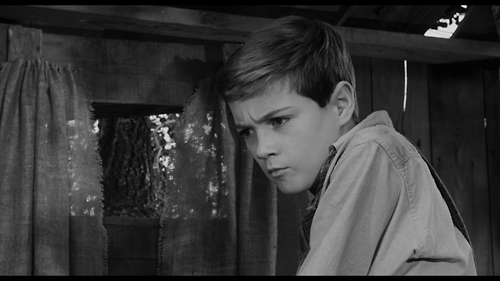
(Photo shows Philip Alford as Jem Finch in To Kill a Mockingbird)

Requested Name: Fia

05 Wednesday Jun 2013

Posted by A.O. in Requested Names

≈ 4 Comments

Tags

famous namesakes, Gaelic names, historical records, Italian names, name history, name meaning, name popularity, nicknames, Old Irish names, Old Irish words, rare names, Samoan names, Scottish names, unisex names

12Dec14-2934

Fia is one of those names whose origin is difficult to ascertain, or which may have multiple origins. This isn’t uncommon with names that are exceptionally short and simple, but it does make it difficult to research, and my findings are going to involve a certain amount of supposition.

The earliest I can find Fia in historical records is around the 18th century, across central and eastern Europe, later moving north to Scandinavia. The most likely explanation is that Fia was used as a short form of a longer name, and, considering names common to all the countries involved, my guess would be that it is short for Sofia (in fact I have seen quite a few Europeans online named Sofia with Fia as their user name).

Fia isn’t often found in the English-speaking world until the late 19th century, and  turns up in the United States amongst immigrants from the aforesaid European countries.

In Australian records, Fia is found very rarely, and associated with both Italian and Samoan immigrants. The Italian is interesting, because the most common explanation of Fia is that it is short for the medieval Italian name Fiammetta, which comes from the Italian word for “fire”. From the records of Italian immigrants to the US, I see Fia used as an abbreviation of Fiorella, meaning “little flower”, although Fia could still be short for Sofia in Italy (it is currently #1 there).

In Samoa, Fia is a common unisex short form of any name beginning or ending with fia. An example is AFL footballer Fia Tootoo, whose entire name is Fiatupu To’oto’o. A Samoan girls name that ends with -fia is Tausa’afia, which means “pleasant, lovable”; Fia can be used as the nickname.

There are two other theories I have read about the origin of Fia that are worth mentioning. One is that it is Scottish Gaelic, and originates from the medieval name Duibhshíth, which has been translated as “black fairy”. The other is that it is short for the medieval Irish name Fiachna, meaning “raven”, or related to fiadh, the Old Irish word for “deer” (originally any game animal).

I don’t find these theories very convincing, mostly because Duibhshíth and Fiachna are male names, and fiadh is also a masculine noun. I wasn’t able to find many women named Fia in Scotland or Ireland in historical records, and the very few I found may have been transcription errors, or abbreviations for longer names, such as Fionnuala. It would be strange for a genuinely Gaelic name to be so absent from Scotland or Ireland.

It would seem that in the English-speaking world, Fia is a modern name, and most likely began as a short form of Sofia. We may have lost touch with its origins due to the vagaries of immigration, and the name’s rarity.

If you are wondering how rare Fia is: there were 28 baby girls named Fia in the United States in 2012, 10 baby girls with the name born in the UK in 2010, and Fia doesn’t show up in Australian data at all. That’s very rare.

Fia is a neat, simple little name which would make a great alternative to popular Sofia and Mia, is a handy nickname for anything from Safiyah to Fiorella to Fiona to Seraphina, and which seems very multicultural. Its dearth of history and namesakes mean that it’s a baggage-free name, with few issues attached, and its rarity ensures that people don’t have a ready image to attach to its bearers.

However, if you are looking for an authentic Gaelic name to honour your Scottish or Irish heritage, I suggest you keep looking. I don’t think this is it.

Thank you to Celia for suggesting the name Fia to be featured on Waltzing More Than Matilda.

POLL RESULT: Fia received an approval rating of 68%. 19% of people thought the name Fia was pretty and unusual, but 15% preferred it as a nickname for a longer name only.

(Photo shows Swedish model Fia Ljungstrom)

Famous Name: Ruby

29 Wednesday May 2013

Posted by A.O. in Famous Names

≈ 7 Comments

Tags

english names, famous namesakes, fictional namesakes, gemstone names, Latin names, locational names, name history, name meaning, name popularity, names from television, nature names, nicknames, Norman-French names, Old Norse names, popular names, retro names, stage names, surname names, unisex names

6da7f547404dd4d8481fbb78ea9b6745Yesterday was the birthday of Ruby Payne-Scott, who was born 101 years ago in 1912, and a pioneer in radio physics and radio astronomy, as well as an advocate for women’s rights. Her extraordinary scientific mind became obvious early in life, when she entered the University of Sydney aged just 16, where she graduated with double first-class honours in mathematics and physics, and won the mathematics prize, as well as gaining a scholarship in physics. She was the third female graduate in physics at the university.

The Depression wasn’t a good time to be job-searching, but Ruby found work at the Cancer Research Institute where she completed her masters thesis on radiation. After a brief stint of teaching, she applied to Australian Wireless Amalgamated, a huge company that ran all the wireless services, and was the first woman they hired in a research capacity. AWA weren’t keen on hiring women at all, even as cleaners or typists, but they took Ruby on as librarian; she was soon a full-time research physicist.

During World War II, she was one of a group of young engineers from AWA hired by the government to conduct research on a secret new defensive weapons system – radar. She came into close contact with group leader Joseph Pawsey, and both became fascinated with reports of extra-terrestrial radio signals; they conducted the first experiment in radio astronomy in the southern hemisphere in 1944. After the war, she was one of a team at the CSIR (later the CSIRO) formed to survey “cosmic static” from astronomical objects. As a result, Australia became a global leader in radio astronomy, with Ruby the first female radio astronomer in the world.

Ruby was feisty and self-confident, very outspoken about her political views, which were that women should be equal to men, and scientific research should be independent. This got her labelled a communist, and “loud and unstable”, but she continued to press for equal treatment.

One thing she kept quiet was that she had married a telephone mechanic named Bill Hall in 1944, because until 1966, married women were expected to resign from the public service, and could not be employed on a permanent basis. When news of her marriage got out in 1950, she was reduced to temporary status and lost her pension and other benefits. She was forced to resign in 1951 when she became pregnant with her first child, and with no maternity leave or childcare, her brilliant career ended at the age of 39.

By the standards of her day, Ruby had it all. A highly-paid and rewarding scientific career, outside interests which included bushwalking and home renovation, a happy marriage, two children (who grew up to be a renowned mathematician and a distinguished artist), and, when her children were older, a return to teaching, where she was greatly admired by students who had no idea of her earlier achievements.

In her honour, the CSIRO initiated the Payne-Scott Awards to support researchers who need to take time off after the birth of a child. She was a bright star in her field, and because of Ruby and women like her, it’s possible to want equal pay, and the choice to work and have a family without being called a loud, unstable communist.

Ruby is a precious gemstone which is a variety of the mineral corundum, and comes in a range of red colours (when corundum is blue, it is called Sapphire). Its name comes from ruber, the Latin for “red”, and the most valuable rubies have the deepest red colour with a hint of blue. For centuries the main source of rubies was Myanmar (Burma), and today most rubies are either from Burma or Thailand. Rubies have always been especially valued in Asia, where they are seen as bringing good fortune.

Ruby has been used as a girl’s name since at least the 17th century, but was used as a pet form of Reuben since the Middle Ages. When Ruby was established as a girl’s name, it was sometimes given to boys, perhaps after the surname, which can come from the town of Roubaix in Normandy; its name means “stream on the plain”. Another possibility for the surname is that it is from the town of Roby in Lancashire, meaning “settlement by the boundary marker” in Old Norse. Ruby became popular for girls in the 19th century, when other gemstone names were fashionable.

Ruby was #21 in the 1900s, and had left the Top 100 by the 1930s. It disappeared from the charts between the 1950s and the 1970s, but came back in the 1980s at #548. One of the 1980s-born Rubys is model and TV host Ruby Rose, born Ruby Rose Lagenheim.

Ruby zoomed up the charts at such a dizzying speed that by 1996 it was already in the Top 100, debuting at #75. By 1998 it was in the Top 50 at #44, and by 2003 it was #20. Ruby made her Top 10 début in 2010, at #2, and last year she was #1. According to this article, Ruby is particularly popular on the Central Coast and in Newcastle.

Currently Ruby is #1 in New South Wales, #3 in Victoria, #3 in Queensland, #2 in South Australia, #3 in Western Australia, #1 in Tasmania, #4 in the Northern Territory and #2 in the Australian Capital Territory. Nationally Ruby is #2.

When a new baby was added to the Rafter family on popular family drama, Packed to the Rafters, she was named Ruby, and one of the babies portraying the character is also named Ruby. In fiction and real life, Ruby is big news.

Last year, Ruby was the name most commonly searched for to reach my blog, and no wonder people love it, because it’s a warm, vibrant name that is womanly yet spunky. However, it’s certainly had some detractors along the road to massive popularity.

It’s been called an old lady name, a hooker name, a trashy name … but the one that irritates me the most is when people refer to Ruby as a “dumb girl” name. I even saw one online pundit prophesy that your daughter would not get a degree if she was named Ruby!

Ruby Scott-Payne is proof that you can be named Ruby, and get as many degrees as you want. A Ruby can be brainy, bright, brilliant, strong, smart, sassy … and she can reach for the stars.

More information on Ruby Payne-Scott can be gained by reading her in-depth biography – Under the Radar: The First Woman in Radio Astronomy, Ruby Payne-Scott by William Miller Goss and Richard X. McGee

POLL RESULT: Ruby received an approval rating of 66%. People saw the name Ruby as cute and spunky (25%), but also thought it was too popular (20%). Nobody thought the name Ruby sounded like a “stripper name”.

(Picture is a detail from a poster featuring Ruby Payne-Scott designed by Amy Blue; by clicking on this link, you can “appreciate” the picture, or “like” it on Facebook etc)

Boys Names from the Top 100 of the 1910s

26 Sunday May 2013

Posted by A.O. in Name Themes and Lists

≈ 14 Comments

Tags

aristocratic surnames, aristocratic titles, Arthurian legends, Biblical names, British names, celebrity baby names, Celtic names, classic names, english names, famous namesakes, fictional namesakes, French names, Gaulish names, germanic names, hebrew names, Idylls of the King, King Arthur, Latin names, locational names, Lord Tennyson, name history, name meaning, name popularity, names from movies, nicknames, Norman-French names, Old Norse names, papal names, Roman names, royal names, saints names, Scottish names, surname names, unisex names, Welsh names

awm-ez0007Arthur

Arthur‘s fame comes from the legendary King Arthur, a British hero of the Dark Ages who became much celebrated in medieval romances. The meaning of the name isn’t known; some popular theories derive it from the British for “bear king” or, less convincingly, the Welsh for “bear man”. Another theory is that it is from the Roman surname Artorius, which would make King Arthur a Romanised Briton; this does fit in with some of the earliest versions of the tales. Unfortunately, it isn’t known what Artorius means, so leaves us no wiser. It’s a name we often think of as Victorian, as the 19th century was so keen on reviving medieval names, and Lord Tennyson’s Idylls of the King made the Arthurian legends popular once more. Queen Victoria’s favourite son was named Arthur, and Arthur Wellesley, the Duke of Wellington, and detective writer Arthur Conan Doyle were two other famous Victorian namesakes. Arthur was #6 in the 1900s, and peaked in the 1910s at #5. It didn’t leave the Top 100 until the 1960s, and reached its lowest point in the early 2000s at #334. Since then it has been rising gently, and is currently #216. Handsome and noble, this is a classic which isn’t overused and the nickname Artie is a good alternative to popular Archie.

Clarence

Clarence seems to have started out as a girl’s name, presumably an elaboration of Clare or variant of Clarice. In the 19th century, although given to both sexes, it was much more common as a boy’s name, due to Queen Victoria’s son Leopold, the Earl of Clarence. The title is said to originate from the town of Clare in Suffolk, owned by the first Duke of Clarence, Lionel of Antwerp, in the 14th century. The town’s name was originally Clara, from Roman times – this was either from the Latin for “clear” because of the Chilton Stream which flows through the town, or a Latinisation of a Celtic word, but scholars seem to currently lean towards the first explanation. Clarence was #30 in the 1900s, #42 in the 1910s , and left the Top 100 in the 1940s. It hasn’t charted since the 1960s. Famous as the angel in It’s a Wonderful Life, this might seem like an “old person name”, but actor Clarence Ryan, who has starred in kid’s TV shows Lockie Leonard and Dead Gorgeous, gives us a chance to see the name on a young man. The classic nickname is Clarry, but Ren would be neat.

Ernest

Ernest is a Germanic name meaning “vigour, strife”, only very distantly related to the English word earnest. It was a name used by German royalty and nobility, and introduced to England in the 18th century when the Hanoverians inherited the British throne. Famous men named Ernest include New Zealand-born physicist Ernest Rutherford, British explorer Ernest Shackleton, American author Ernest Hemingway and Australian TV host Ernest “Ernie” Sigley. The name also reminds us of Ernest Worthing, from the Oscar Wilde play, The Importance of Being Earnest. Ernest was #16 in the 1900s, #17 in the 1910s, and left the Top 100 in the 1950s. It hasn’t charted since the 1970s. Ernest seems like one of those granddad names that could easily be used again; it’s strong and appealing, almost sounds like a virtue name, and Ernie makes a cute nickname. In a recent poll on the blog, Ernest was voted the male name from the 1900s that people most wanted to be revived.

Horace

Horace is the name by which the Roman poet Quintus Horatius Flaccus is known in English. He was a member of the Horatii, an ancient noble family of Rome. The family name Horatius is said to go back to a legendary hero named Horatus; the meaning of his name is unknown. The poet Horace used to make puns on his own name and its similarity to the Latin hora, meaning “hour”, and from this exhorting to “seize the day” and make the most of time. The elegant and witty poetry of Horace was a great influence on English literature from the Middle Ages onwards, but to modern eyes his love poetry appears brutally unromantic (he seized the day with an awful lot of people). The name Horace was #45 in the 1900s, #57 in the 1910s, and had left the Top 100 by the 1930s. It hasn’t charted since the 1940s. Unfortunately for the name, Horace always seems to be used for comic characters in fiction, often overweight ones, such as barrister Horace Rumpole of the Bailey and Horace Slughorn from Harry Potter. Indeed, the Roman poet himself was short and rotund, giving this name a portly sound. However, it also seems sturdy and reliable – and you could use Ace as a contemporary nickname.

Joseph

Joseph is a form of the Hebrew name Yosef. In the Old Testament, Joseph was the son of Jacob and his favourite wife Rachel. The meaning of the name appears to be “Yahweh shall add (a son)”, but the Bible makes a pun about Joseph also “taking away” his mother’s shame of being barren – a little mathematical joke. Jacob spoiled Joseph terribly, gave him some fancy duds, and his jealous brothers sold him into slavery after he unwisely shared a dream he had about being way better than them. Through a series of adventures where his dream skills were more appreciated, he became the most powerful man in Egypt after the Pharaoh, and was reunited with his family, who he received with love and forgiveness. In the New Testament, Joseph was the husband of Mary, and the earthly father of Jesus; he is regarded as a saint. Joseph was #17 in the 1900s, and #23 in the 1910s. A sturdy classic which has never left the Top 100, the lowest it’s ever been is #68 during the 1940s. Currently it is #52 in New South Wales. Although last year it fell somewhat, Joseph is an extremely safe choice with Joe as the standard and popular nickname.

Laurence

Laurence is the English form of the Roman surname Laurentius, meaning “from Laurentum”. Laurentum was an ancient city near Rome whose name may mean “laurel tree”. The Romans wore laurel wreaths to symbolise victory, so it’s a very positive meaning. (In France, Laurence is the feminine form of Laurentius). Laurence became well known because of Saint Lawrence, a 3rd century martyr put to death for not handing over the church’s money to the Emperor. According to legend, he was roasted on a gridiron, cheekily saying, “I’m done – turn me over!”. He is one of the most popular saints, and widely venerated. Laurence was #87 in the 1900s and #72 in the 1910s; it peaked in the 1920s at #62, and didn’t leave the Top 100 until the 1960s. Laurence hasn’t charted in New South Wales since 2009, but in Victoria it is #494. This name is sleek and handsome, but presently much more popular in the middle than up front.

Maxwell

Maxwell is a Scottish surname which comes from a place named Maccus Well or Maxwell on the Scottish Borders. The name came about when a Norman lord named Maccus obtained land on the River Tweed, with a salmon pool soon known as Maccus’ Wiel – Maccus’ pool. Maccus is from the Old Norse name Makkr, a form of Magnus, meaning “great”. A grandson of Maccus became chamberlain of Scotland, and through him many branches of the family grew through south-west Scotland. Clan Maxwell was a very powerful Lowland clan who operated as one of the great noble houses of Scotland, holding titles of high esteem. Maxwell has been used as a first name since the 17th century, and in Scotland was sometimes given to girls. Entertainer Jessica Simpson raised eyebrows when she named her daughter Maxwell last year. Maxwell was #118 in the 1900s and #79 in the 1910s. It peaked at #29 in the 1930s, and left the Top 100 in the 1960s. Maxwell hit its lowest point in the 1970s and ’80s, when it plateaued at #318. After that it climbed, and was just outside the Top 100 when it fell to #139 in 2011. The retro nickname Max makes this a very attractive choice.

Percy

Percy is an aristocratic surname used as a first name. William de Percy was a Norman who arrived in England in 1067; he may have lived in England before the Conquest, but been expelled and returned when it was safe. He was granted large tracts of land, and it is from him that the House of Percy descends. The Percys were the most powerful noble family in the north of England during the Middle Ages, and rivals to the Nevilles. Various Percys did all the usual noble things – signed the Magna Carta, took leading roles in wars and battles, governed Virginia. George Percy, Earl Percy, the current heir to the Dukedom of Northumbria, was Pippa Middleton’s housemate, and is close friends with her. The name Percy comes from the manor of Perci-en-Auge in Normandy; it’s derived from the Roman personal name Persius, of unknown meaning, and may be a Latinisation of a Gaulish name. Percy was #41 in the 1900s, #48 in the 1910s and had left the Top 100 by the 1930s. It hasn’t charted since the 1940s. Because Percy can be used as a nickname for Percival or Perseus, it fits in well with the trend for old-fashioned nicknames like Ned or Ollie.

Ronald

Ronald is a Scottish form of Ragnvaldr or Rognvaldr, an Old Norse name meaning something like “well-advised ruler, decisive ruler”. The Gaelic form of the name is Ragnall, and this was Anglicised as either Ranald or Ronald (the Latinised form is Reginald). The Norse name was introduced to Scotland by settlers from Scandinavia, and there were several powerful Norse rulers of northern England and Scotland named Ragnall. Ronald was #34 in the 1900s, #10 in the 1910s, and peaked in the 1920s at #3. It didn’t leave the Top 100 until the 1970s, and only stopped charting in the late 2000s. There are two likeable fictional sidekicks which remind me of this this name – Ron Weasley, red-headed best mate of wizard Harry Potter, and Ron Stoppable, bestie of crime fighter Kim Possible. Both are played for laughs, yet are brave, loyal, and manage to get the girl. I have seen a few babies in birth notices called Ron or Ronnie, but so far I haven’t seen a full-blown Ronald. I suspect the familiar hamburger clown Ronald McDonald might hamper it – the name Ronald took a definite dive after McDonalds became established in Australia.

Victor

Victor is a Roman name meaning “victor” in Latin, which is easy enough to understand. It was a very popular name amongst early Christians, symbolising victory over sin and death. There are several saints named Victor, and three popes with the name – Saint Pope Victor I was the first African pope. Victor was commonly used as a name amongst Continental European nobility and royalty, and in the 19th century received a boost in England due to Queen Victoria. There are quite a few Victors in fiction, but the most widely-known often has his first name forgotten – Victor Frankenstein, the young Swiss scientist who brings a nameless creature to life. Writer Mary Shelley based Frankenstein on her husband Percy Shelley, who used Victor as a pen name and had been a keen science student while at university. Victor was #31 in the 1900s and #38 in the 1910s. It left the Top 100 in the 1960s, and reached its lowest point in the charts in 2009, when it dipped to #478. Currently it is #333. This is a strong, honest-sounding classic which seems rather hip.

POLL RESULT: People’s favourite names were Arthur, Joseph, and Maxwell, and their least favourite were Clarence, Ronald, and Horace.

(The photo shows Australian soldiers in the trenches at Bois-Grenier near Armentières on the Western Front, 1916. Image held by the Australian War Memorial)

Girls Names from the Top 100 of the 1910s

19 Sunday May 2013

Posted by A.O. in Name Themes and Lists

≈ 18 Comments

Tags

Arthurian names, Astrophel and Stella, band names, classic names, created names, Disney names, Doctor Who, english names, famous namesakes, fictional namesakes, French words, germanic names, Greek names, hebrew names, Hollywood names, honouring, Idylls of the King, Italian names, Latin names, Little Women, locational names, Lord Tennyson, mythological names, name history, name meaning, name popularity, name trends, names from comics, names from movies, names from television, nicknames, Old French names, popular names, retro names, royal names, Russian names, saints names, Sanskrit names, scandinavian names, Shakespearean names, Sir Philip Sydney, Spanish names, unisex names, vintage names, Welsh names, William Shakespeare

P04233.001Amy

Amy is the English form of the Old French name Amée, meaning “beloved”; it’s a form of the Latin name Amata. It was in use in the Middle Ages, and revived in the 19th century. Amy was #32 in the 1900s, and by the following decade had sunk to #58, leaving the Top 100 in the 1920s. Amy disappeared from the charts between 1940 and 1960, but soared in popularity to make the Top 100 in the 1970s, and peaked in the 1980s at #8; by the 1990s it had only dropped one place. Amy had a very gentle decline, and left the Top 100 in 2011, but last year rallied and made #89, showing that there is life in this name yet. No wonder Amy has remained such a favourite – it’s a simple, unpretentious name with a nice meaning, and possesses appealing fictional namesakes from Little Women‘s Amy March to Doctor Who‘s Amelia “Amy” Pond.

Enid

Enid is a Welsh name meaning “soul”. In medieval Welsh legend, Enid is the wife of Geraint, a warrior king who is one of King Arthur’s men. Due to a silly misunderstanding, Geraint believes Enid has been unfaithful, and drags her off on a dangerous journey where she is not allowed to speak to him. Sensible Enid ignores this request, as she often has to warn him of approaching danger. Somehow this road trip from hell doesn’t put Enid off her husband, and in the end the two lovebirds are reconciled. Lord Tennyson turned the legend into two poems for his Idylls of the King, which brought the name to the attention of literature-loving Victorians. Enid was #64 in the 1900s, #49 for the 1910s, and peaked in the 1920s at #40. It left the Top 100 in the 1940s, and hasn’t charted since the 1950s. The most famous Australian Enid is Dame Enid Lyons, the first woman elected to the House of Representatives. Strong yet sweet, and sounding like an anagram of Eden, this is a clunky old-style name which deserves revival.

Gertrude

Gertrude is a Germanic name meaning “spear of strength”. It was used amongst medieval German nobility and royalty, and Saint Gertrude was one of the great mystics of the 13th century. The name probably didn’t become well known in Britain until the 15th century, due to immigration from the Netherlands. Shakespeare used it for the Danish queen in Hamlet, giving it a stamp of approval as an English name. The name seems to have been more common in Australia amongst Catholics, due to its saintly namesake. Gertrude was #54 in the 1900s, #87 in the 1910s, and had left the Top 100 by the 1920s. It hasn’t charted since the 1930s – a very steep decline. However, I feel that this dignified name could have a slight revival, and would make a very hip and cutting-edge choice. The nicknames Gertie and Trudy seem cute and usable.

Helen

Helen is a name of Greek derivation whose meaning has been much debated. Often translated as “light”, “torch” or “the shining one”, the name may be related to a Sanskrit name meaning “swift”. The name is forever connected to its original namesake, Helen of Troy, a woman of staggering beauty. In Greek mythology, Helen was the daughter of Zeus, who came to her mother Leda in the guise of a swan, so that Helen was born from an egg. Married to King Menelaus of Sparta, she was carried off by Prince Paris of Troy, sparking the Trojan War to avenge her abduction, causing no end of trouble for all involved. Famous Helens include singer Helen Reddy, novelist Helen Garner, and opera star Dame Helen “Nellie” Melba. Helen has never left the charts; #77 in the 1900s, it was #71 in the 1910s and peaked in the 1940s at #4. A long-time favourite, it didn’t leave the Top 100 until the 1980s. It reached its lowest point in 2009 at #554, and since then has taken a slight upward turn, making #355 in 2011. With names such as Eleanor and Elena gaining rapidly in popularity, and retro nicknames Nell and Nellie becoming fashionable, classic Helen looks like it has plenty of room for growth.

Joan

Joan is the English form of the Old French name Johanne, a feminine form of Johannes, which is the Latin form of the Greek name Ioannes, from the Hebrew name Yehochanan, meaning “Yahweh is gracious”. The English form of Johannes is John, and Joan is also a Spanish form of John. Joan was introduced to Britain by the Normans, and it was used amongst royalty and the nobility during the Middle Ages. Later it became less common, and had a revival in the 19th century. It is well known from Saint Joan of Arc, the visionary military leader, whose French name is Jeanne d’Arc. Famous Joans include Joan Lindsay, who wrote Picnic at Hanging Rock and opera star Dame Joan Sutherland. Joan was #152 for the 1900s, shot up to make #28 for the 1910s, and peaked in the 1920s at #2. It didn’t leave the Top 100 until the 1960s, and hasn’t been on the charts since the 1970s. For many years, Joan’s image was stout and sensible, but since Mad Men came to our TV screens, Joan Holloway has given it a stylish and sassy edge.

Mavis

Mavis is an English dialect word meaning “song thrush”; it is related to the French word mauvis and appears in literature as a poetic word for the bird. The word was in rare use as a girl’s name, but massively popularised by its use in Marie Corelli’s 1895 novel, The Sorrows of Satan. Although panned by the critics, it is considered the world’s first best-seller. Mavis was #85 in the 1900s, #16 by the 1910s, and peaked in the 1920s at #14. It left the Top 100 in the 1940s, and hasn’t charted since the 1950s. Mavis seems to have been a real Australian favourite, because it was more popular here than in Britain, and much more popular than in the US. In the 1960s, pioneering TV series, The Mavis Bramston Show, set the tone for Australian sketch comedy (a “Mavis Bramston” was theatre slang for an actress who was a pain in the backside). Australian band The Mavis’s were named after a cat. Mavis was a fresh, pretty name in the 1910s, and I think it can be again. It sounds very much like Maeve, and its associations with spring time and bird song are lovely.

Minnie

Minnie can be used as a short form of many different names – Mary, Amelia, Wilhelmina, Minerva, Hermione, or anything similar – and has long been used as an independent name. Famous fictional Minnies include Disney sweetheart Minnie Mouse, the Beano‘s tomboyish Minnie the Minx, and Cab Calloway’s jazzy Minnie the Moocher. These lively vintage creations make Minnie seem appealing, mischievous and off-beat; you can’t imagine a Minnie being tame or dull. Minnie was #56 in the 1900s, and by the 1910s was #100; it hasn’t ranked since the 1940s. With other vintage nicknames like Millie in vogue, piquant Minnie seems more than ready for a comeback.

Olga

Olga is the Russian form of the Scandinavian name Helga, meaning “holy, blessed”. Saint Olga was a 10th century Russian saint and princess, and the first Russian ruler to convert to Christianity. She didn’t convert until she was quite elderly, and before that she was a fierce ruler and brutal military leader. The name Olga was used by the Russian imperial family, and Mount Olga in the Northern Territory is named after Queen Olga of Württemberg, a daughter of Nicholas I of Russia. Olga was #88 in the 1900s, and peaked in the 1910s at #60. It left the Top 100 in the 1930s, and last charted in the 1980s. I am not sure why Olga became such a trend in this decade; I can only think it had something to do with the Russian Imperial Family, who would have often been in the news during World War I, and who were overthrown in 1917. Today we might connect the name to actress Olga Kurylenko, who played Bond girl Camille in Quantum of Solace and recently appeared in Oblivion. On Nancy’s Baby Names, people debated whether Olga was a “horrid” name; although some find it ugly, others could find it clunky and hip. This would be a bold choice which still seems exotic.

Stella

Stella is the Latin for “star”, and it was created as a name by 16th century poet Sir Philip Sydney in his sonnet sequence Astrophel and Stella. It is believed that Stella was inspired by real-life noblewoman Lady Penelope Rich, so endowed with dark-eyed, golden-haired beauty that it was practically mandatory for the poets of the day to fall in love with her (or pretend to), and dash off poems in her honour. Apparently unmoved by their literary efforts, she instead chose as her lover a handsome, wealthy and ruthless baron. Perhaps Sydney saw Lady Rich like a distant star – beautiful, glittering, cold, and unattainable. Stella wouldn’t have seemed too crazy as a name, because the Old French name Estelle is based on the Latin stella, and had been in use since the Middle Ages, and the Virgin Mary had for centuries been known as Stella Maris (“Star of the Sea”). Stella is a classic name in Australia. It was #48 in the 1900s, and #70 in the 1910s; by the 1920s it had left the Top 100. It reached its lowest point in the 1980s at #563, and since then has mostly climbed, reaching the Top 100 in the late 2000s. It is currently #52 in New South Wales, and still rising. You can understand why parents continue to use this pretty, star-like name, which fits in with the trend for -ella names.

Veronica

Veronica is a Latin form of the Greek name Berenice, which means “bringing victory”; the spelling was altered to make it seem as if it was based on the Latin phrase vera icon, meaning “true icon”. Saint Veronica is a legendary saint who is said to have been so moved to pity when she saw Jesus on his way to Calvary that she wiped his face with her veil. By a miracle, the image of his face was impressed upon it, and this cloth could then be used to heal the sick, or even bring the dead back to life. This legend, which comes from the Eastern church, was very popular in the Middle Ages, and several of these veils were venerated as holy relics until their cult was suppressed. Veronica was first used as a girl’s name in Italy, and spread from there. In Australia, Veronica was #63 for the 1900s and #69 for the 1910s; it didn’t leave the Top 100 until the 1950s. It has never stopped charting, and is currently at its lowest point yet – #356. Veronica has something of a glamorous image. Hollywood femme fatale Veronica Lake lent her name to Veronica Lodge from the Archie comics, with the comics themselves suggesting that “a Veronica” was a stunning high-maintenance girl. This was picked up by 1980s mean girls cult flick Heathers, with Winona Ryder as Veronica, and Australian girl band The Veronicas called themselves after Ryder’s character. This is an underused classic which seems sophisticated, with dark undertones.

POLL RESULT: People’s favourite names were Stella, Helen, and Minnie, and their least favourite were Gertrude, Joan, and Olga.  

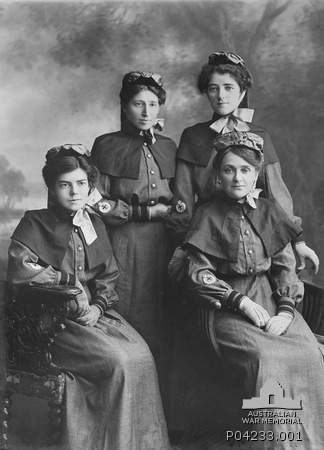
(Photo is of Australian World War I nurses; standing at the back on the right is Sister Constance Keys, who was mentioned in the post on Gallipoli. These nurses received military decorations for their heroism, and all made it back to Australia at the end of the war)

← Older posts
Newer posts →

Enter your email address to follow this blog

Categories

Archives

Recent Comments

A.O.'s avatarwaltzingmorethanmati… on Zarah Zaynab and Wolfgang…
Madelyn's avatarMadelyn on Zarah Zaynab and Wolfgang…
JD's avatardrperegrine on Can Phoebe Complete This …
A.O.'s avatarwaltzingmorethanmati… on Rua and Rhoa
redrover23's avatarredrover23 on Rua and Rhoa

Blogroll

  • Appellation Mountain
  • Baby Name Pondering
  • Babynamelover's Blog
  • British Baby Names
  • Clare's Name News
  • For Real Baby Names
  • Geek Baby Names
  • Name Candy
  • Nameberry
  • Nancy's Baby Names
  • Ren's Baby Name Blog
  • Sancta Nomina
  • Swistle: Baby Names
  • The Art of Naming
  • The Baby Name Wizard
  • The Beauty of Names
  • Tulip By Any Name

RSS Feed

  • RSS - Posts

RSS Posts

  • Celebrity Baby News: Melanie Vallejo and Matt Kingston
  • Names from the TV Show “Cleverman”
  • Can Phoebe Complete This Sibset?
  • Zarah Zaynab and Wolfgang Winter
  • Baby, How Did You Get That Name?
  • Celebrity Baby News: Media Babies
  • Celebrity Baby News: Adelaide Crows Babies
  • Celebrity Baby News: Chris and Rebecca Judd
  • Names at Work: Name News From the World of Business and Employment
  • Celebrity Baby News: Sporting Round Up

Currently Popular

  • Rare Boys Names From the 1950s
  • Celebrity Baby News: Toby Allen and Darren Weller
  • Girls Names of Australian Aboriginal Origin
  • The Top 100 Names of the 1920s in New South Wales
  • Celebrity Baby News: Queensland Babies

Tags

celebrity baby names celebrity sibsets english names famous namesakes fictional namesakes honouring locational names middle names name combinations name history name meaning name popularity name trends nicknames popular names saints names sibsets surname names twin sets unisex names

Blog at WordPress.com.

Privacy & Cookies: This site uses cookies. By continuing to use this website, you agree to their use.
To find out more, including how to control cookies, see here: Cookie Policy
  • Subscribe Subscribed
    • Waltzing More Than Matilda
    • Join 517 other subscribers
    • Already have a WordPress.com account? Log in now.
    • Waltzing More Than Matilda
    • Subscribe Subscribed
    • Sign up
    • Log in
    • Report this content
    • View site in Reader
    • Manage subscriptions
    • Collapse this bar
 

Loading Comments...