• About
  • Best Baby Names
  • Celebrity Baby Names
  • Celebrity Baby Names – Current
  • Celebrity Baby Names – Past
  • Featured Boys Names
  • Featured Girls Names
  • Featured Unisex Names
  • Links to Name Data
  • Waltzing on the Web

Waltzing More Than Matilda

~ Names with an Australian Bias of Democratic Temper

Waltzing More Than Matilda

Tag Archives: name trends

Famous Name: Jason

18 Wednesday Sep 2013

Posted by A.O. in Famous Names

≈ 3 Comments

Tags

Beyond Jennifer & Jason, Biblical names, famous namesakes, fictional namesakes, Greek names, hebrew names, historical records, honouring, Linda Rosenkrantz, mythological names, name history, name meaning, name popularity, name trends, names from movies, names from television, Pamela Redmond Satran, royal names, saints names, US name popularity

51WNMTYA9qL

A federal election was held on September 7, and we have had a change of government. Votes are still being counted, so the election isn’t over, and we may have some names from it when the process is complete.

However, in a much more frivolous political poll held in August, Cleo magazine rated the male politicians on their sex appeal, and decided that Labor MP Jason Clare, described as the “Rob Lowe of Australian politics”, was the winner. I can’t help thinking if a men’s magazine had rated female politicians like this it would be considered very wrong.

Jason Clare represents the seat of Blaxland in western Sydney, which he won in 2007, and until recently was the Federal Home Affairs Minister. Jason grew up in the western suburbs, made dux of his class, and completed a law degree while pursuing an interest in politics. While Labor lost the election with a significant swing against it, Jason managed to increase his hold over the electorate by 6%.

To show that he is not vain about his appearance, Jason modestly joked that his wife’s preference in the Cleo poll was for the runner-up, Stephen Smith. Hello ladies – he’s a smart, handsome law graduate and his wife doesn’t appreciate him! (is the message I think we’re meant to be receiving there).

Jason is from the Greek name Iason, derived from the Greek for “to heal”. Iaso was the Greek goddess of recuperation from illness, so you could see Jason as a masculine form of her name. Although Jason is often translated as “healer” or even “physician”, to me the meaning of the name is more about the body’s natural ability to heal itself.

The name is best known from the mythological prince of Thessaly, who led a hand-picked crew of heroes on the good ship Argo, in quest of the Golden Fleece, with the aid of the goddess Hera. Jason and the Argonauts had a series of adventures, in which they didn’t behave very nobly for much of the time, then arrived in Colchis, which today is in Georgia, on the Black Sea.

The Golden Fleece was owned by King Aeetes, and to obtain it, the king gave Jason three tasks which seemed impossible to perform. Hera arranged for Aeetes’ daughter Medea to fall in love with Jason, and as she was a great sorceress, she was able to use her knowledge of magic to help him succeed, after he promised her that they would get married.

Jason and Medea then fled with the Fleece and sailed away on the Argo, because King Aeetes knew that Jason could only have completed the tasks by cheating, and wanted his property back. He pursued them until Medea came up with the horrible plan to kill her own brother and throw him into the sea, piece by piece, to distract her father.

Medea’s interest in dismembering family members continued when she and Jason returned to Greece, and she arranged for his Uncle Pelias to get chopped up into soup. Pelias had tried to drown Jason as a baby, then sent him off on the dangerous Golden Fleece quest hoping he’d die, so she had her reasons. With her penchant for murdering relatives, you’d think that Jason would have been blissfully happy with Medea, but instead he betrayed her love by becoming engaged to another woman.

When Medea tried to point out that all Jason’s luck in life was because of her, and he was being very ungrateful, he replied, “Babe, you’re the one who got lucky when the gods made you fall in love with me”. Medea wasn’t the type to take this treatment lying down, and she promptly burned her rival to death before murdering the children she and Jason had had together. Although Jason was ungallant, Medea’s tendency to see her own flesh and blood as collateral damage is disturbing.

Because Jason had broken his vow to love Medea forever, the goddess Hera abandoned him, and he wound up lonely and miserable. He was killed when the Argo, now old and rotting, broke and fell on top of him while he was asleep – a suitably ironic finish.

A king of Thessaly named Jason was a contemporary of Alexander the Great‘s father. A successful and ambitious general, it is thought that he must have been at least one of the inspirations of the great Alexander himself. It seems very likely he was named after the Thessalian hero.

There is a Jason in the New Testament, one of the Seventy Disciples of Christ, who ran a “safe house” for Christians in Thessalonica, and was once arrested for it. Saint Paul appointed him bishop of Tarsus, and he is known as Saint Jason. Unusually for an early Christian saint, Jason lived to a ripe old age. The Jewish historian Josephus tells us that Hellenised Jews used the name Jason to replace Yeshua (Joshua or Jesus), and this may apply to Saint Jason too.

Being Biblical, Jason was acceptable for use as a Christian name, and can be found in the records from at least the 16th century. The name Jason became very popular in the 1970s, and it looks as if this was due to the original Jason, because the movie Jason and the Argonauts came out in 1963 (it cut out most of the revolting parts). A special effects tour de force, it’s a cult classic, and according to Tom Hanks, the greatest film ever made. It must have made a huge impression.

Jason was already rising in popularity at the time of the film’s release, but soon zoomed up the charts to make the US Top 100 three years later. It was Top 10 in the US for all of the 1970s, which coincides with popular TV series, The Waltons, having a Jason. Even in the late 1980s, when Jason was #27, Pamela Redmond Satran and Linda Rosenkrantz were urging parents to “go beyond Jennifer and Jason”. Despite their book’s success, Jason has still not left the Top 100 in the United States, so American parents only partially heeded their call.

Jason has charted in Australia since the 1950s, when it was #290 for the decade. By the 1960s it had climbed phenomenally to make the Top 50, at #43 for the decade. It peaked in the 1970s (when Jason Clare was born) at #3, was still #18 in the 1980s, and #35 in the 1990s. Did nobody feel like going beyond Jason? It finally left the Top 100 in the mid-2000s, and is currently #133 and stable – not popular any more, but by no means plummeting into obscurity.

Jason has been a real 1960s success story, and continues to influence popular names for boys, because parents are still attracted to similar names, such as Mason, Jacob, Jayden, Jackson, Jasper and Jordan. In fact, Jason is staging a comeback under the short form Jace – already Top 100 in the United States, and no doubt rising here too.

It turns out we’re not ready to go beyond Jason yet – at least, not very far.

POLL RESULT: Jason received an approval rating of 38%. People saw the name Jason as a “dad name” (30%), and common and boring (20%). However, 12% saw it as a “nice guy” name, and 10% thought it attractive. Nobody thought the name Jason was sexy.
Popular Here, There and Everywhere: International Name Trends

17 Tuesday Sep 2013

Posted by A.O. in Name Data

≈ 9 Comments

Tags

name popularity, name trends, popular names, UK name popularity, UK name trends, US name popularity, US name trends

The Most International Popular Names

These names are all within ten places of each other on the Top 100s of Australia, England/Wales, and the United States, and should be equally familiar in all countries.

Boys

Ethan, James, Joshua, William

Girls

Ava, Ella, Emily, Isabella, Layla, Mia, Olivia

James and Olivia are the most international popular names, being no more than 2 places apart between any two countries.

You Saw it Here First

These are names which are already popular in Australia, but still rising toward the Top 100 in England/Wales and the United States.

Boys

Archer, Beau, Braxton, Jasper

Girls

Mila, Olive

Archer and Olive are the Australian popular names furthest ahead of international trends.

(The freshest names from the UK are Theodore and Elsie, and the freshest trends from the US are Jeremiah and Josiah – no popular American girls names were ahead of the trends).

Never Gonna Give You Up

These are names which have already left the Top 100 in the UK and US, but still remain popular in Australia.

Boys

Ashton, Hayden, Marcus, Mitchell, Patrick

Girls

Chelsea, Jade

Mitchell and Chelsea are the Australian popular names most behind international trends.

(The stalest names in the UK are Kyle and Bethany, while in the US, Gavin and Kylie are furthest past their used-by date).

Australia was the furthest ahead of international trends, and the USA most behind international trends – surely an indication of our different population sizes.

The Least International Popular Names

These names are common in one country, but rarely used in the others.

Most Australian Name: Darcy for a boy – it is considered feminine in the UK and US

Most British Name: Mackenzie for a boy – it is considered feminine in Australia and the US

Most American Names: Easton (boy) and Genesis (girl)

Famous Names: Aria and Delta

14 Wednesday Aug 2013

Posted by A.O. in Famous Names

≈ 8 Comments

Tags

alphanumeric names, celebrity baby names, english names, famous namesakes, fictional namesakes, geographical names, Greek names, historical records, Italian names, locational names, musical names, musical terms, name popularity, name trends, names from songs, names from television, nature names, nicknames, saints names, vocabulary names

thumbThe Australian music industry celebrated an important birthday a month ago, because July 10 this year marked thirty years since the Australian Recording Industry Association (ARIA) began collating sales information from music stores. The ARIA charts developed from the Kent Music Report, and the first Australian charts began in the 1960s, collated by Go-Set magazine, the music “bible” of its time which later spawned Australian Rolling Stone, and whose weekly music columnist Ian “Molly” Meldrum would go on to host seminal music show Countdown.

The first single to top the ARIA charts way back in 1983 was Total Eclipse of the Heart by Bonnie Tyler, the first #1 album was Michael Jackson’s Thriller, and the most consistently popular performer over the many years of her career has been Madonna. However, Kylie Minogue equalled Madonna for the most #1 singles (10), and was equal second with the Black Eyed Peas for most weeks (30) spent at #1 in the singles charts.

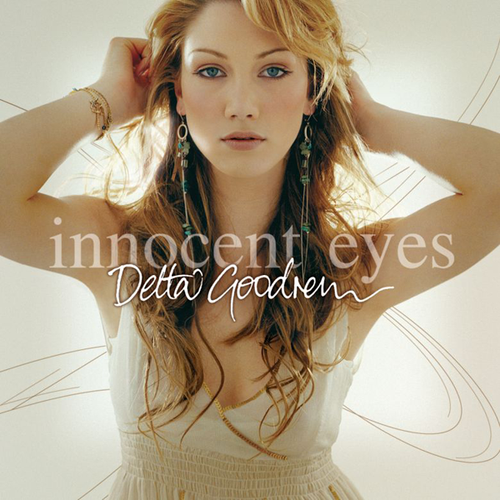
Pop singer Delta Goodrem’s debut album, Innocent Eyes, spent longer at #1 than any other Australian album at 29 weeks, and she is the first ever music artist to have five #1 singles from a debut album. Innocent Eyes went on to be the best-selling album of the 2000s. Delta played aspiring singer Nina Tucker on soapie Neighbours, where she sang Born to Try, scoring Delta her first #1 spot on the ARIA charts. She has won ten ARIA Awards, and all her albums have gone to #1, making her one of Australia’s best-selling female artists. Delta is currently a judge, coach and mentor on The Voice.

In music, an aria is a vocal piece performed by a singer, usually as part of a larger work. We often connect arias to opera, although they can be part of classical concert music too, and usually think of them as very beautiful and elaborate pieces of music that only an expert singer can do justice to.

Some famous arias are Ave Maria, O Sole Mio, La Donne e Mobile from Rigoletto, and Nessun Dorma from Turandot (if you think you don’t know them, click on the links to listen, and you’ll probably find that you have heard them before). In Italian, aria means “air”, and is from the Latin word for “atmosphere”.

As a girl’s name, Aria is usually said to be a modern English name. It’s hard to track it through historical records, as any Arias you find could easily be a misprint for Maria, so while there are hundreds of Arias in Australian records, with both English and Italian surnames, your guess is as good as mine whether they were really named Aria.

There is a Saint Aria, an obscure early Christian who was martyred in Rome, but her name seems to have been short for Ariadne.

Aria catapulted into the national Top 100 last year, debuting at #83, the second-highest rising name for girls in Australia, and possibly the highest, if we had access to all the data. The name has been popularised by the character of Aria Montgomery, from the Pretty Little Liars books and TV series, and young singer and actress Aria Wallace; it’s also been boosted by its similarity to other fashionable names, like Arya, Arianna, Ariel, Allira and Allegra. Musician Ash Grunwald welcomed a daughter named Aria earlier this year.

Delta is the fourth letter of the Greek alphabet; it’s based on a letter in several Semitic alphabets which is supposed to represent a door. The Greek letter is shaped like a triangle when capitalised, and it is for this reason that the landmass at the mouth of river became known as a “delta”. If you want to get geographically technical, it is wave-dominated deltas which tend to have this triangular form; the most obvious example is that of the River Nile, and it is the Nile Delta which was first given the name, and is the “original” delta.

The Mississippi Delta region is the area which lies between the Mississippi and Yazoo Rivers, and includes parts of the states of Tennessee, Mississippi and Arkansas. Here’s another geographical technicality – the Mississippi Delta isn’t actually a delta – it’s an alluvial plain. The Mississippi River Delta is 300 miles to the south, in Louisiana, where the river meets the Gulf of Mexico. Just in case you have, in this short space of time, due to my scintillating prose style, become obsessed with river deltas, the Mississippi River has a bird-foot delta, where long finger-like projections reach out into the sea, and isn’t actually delta-shaped in the least.

The Mississippi Delta (the region, not the actual river delta in Louisiana – gosh I hope all this geography isn’t getting too confusing) is associated with the very beginning of several genres of popular music, such as Delta blues and rock and roll. You can no doubt get yourself into some very stimulating arguments over whether Delta blues is significantly different to any other kind of blues, or just how rock and roll got started anyway, but the Mississippi Delta would be crazy not to cash in with tons of music festivals, and they’re not, so they do.

Rita Coolidge is an American singer who inspired the song Delta Lady, by her one-time boyfriend, singer-songwriter Leon Russell. I always assumed that the name came about because Ms Coolidge is from the Mississippi Delta, but – more geographical technicalities – she’s from Macon county in Tennessee, which isn’t in the Delta region. So we may be talking poetic license here rather than geographical technicalities, although from the song’s lyrics, Russell seems to be using delta as a metaphor for ladyparts (as in the erotica collection, Delta of Venus, by Anais Nin).

(Just as an aside, the faded southern belle of unsound mind in the song Delta Dawn, which became Helen Reddy’s first #1 hit, was from Brownsville in Tennessee, which prides itself on being the “heart of the Tennessee Delta”. Dawn was a real Delta Lady.)

It was the song Delta Lady which inspired Delta Goodrem’s parents to name their daughter Delta, so that is one possible source of the name, but you could see it as a geographic name, a nature name or an alphanumeric name as well. You can also see it as a musical name, because a major 7th chord is sometimes called a Delta Chord.

There are many, many women named Delta in Australian historical records, dating back to the 19th century, and it is currently #412 in Victoria.

So here’s two pretty, modern-sounding musical names for girls, both with an Australian focus. Cross-cultural Aria is much more on trend that Delta, and consequently more popular, yet Delta has a more solid history of use as a personal name. Which one do you like better?

POLL RESULTS: Aria received an approval rating of 78%, and Delta of 33%.

https://www.youtube.com/watch?v=TOz6Mt2t084

Girls Names of Australian Aboriginal Origin – Part 2

28 Sunday Jul 2013

Posted by A.O. in Name Themes and Lists

≈ 16 Comments

Tags

animal names, astronomical names, Australian Aboriginal names, baby name books, bird names, birth notices, famous namesakes, fictional namesakes, flower names, Greek names, hebrew names, historical records, Italian names, Japanese names, locational names, mythological names, name history, name meaning, name popularity, name trends, names from books, names from fairy tales, names from movies, names from television, names of businesses, names of horses, names of ships, nature names, nicknames, plant names, Polish names, popular names, Romanian names, Slavic names, unisex names, varieties of fruit

OLYMPUS DIGITAL CAMERA

My first lists of names from Aboriginal languages are the most popular articles on the blog, so it seemed time for another selection. These names are all ones which have been used as personal names in Australia. I have done my best to elucidate meaning and history as much as possible.

Alinta

Alinta means “flame” in one of the traditional languages of South Australia; it was published in a dictionary by the Royal Society of South Australia in 1891. The name was popularised in 1981 when it was featured in the award-winning mini-series Women of the Sun. Each episode portrayed fictionalised accounts of lives of Aboriginal women in Australian society through history, and the first was Alinta: The Flame. It shows first contact between an Aboriginal tribe and Europeans, when early settlers encounter a tribe while searching for grazing land. The tribe’s culture is threatened by the newcomers, and the tribe is wiped out. The only survivors are a woman named Alinta and her child; Alinta vows that her daughter will “carry the torch” for her culture. There are several businesses in Australia named Alinta, most notably a Western Australian energy company, one of the largest in Australia, and named with the Aboriginal meaning in mind. There is also an Australian-bred variety of strawberry called Alinta. It’s not a very unusual name here, and there are several young actresses with the name. Alinta is also used as a name in Romania, where it means “caress”.

Arika

Arika is a name from the Waka Waka people of south-east Queensland, meaning “blue water lily”. There are several species of blue water lily native to Queensland, and they are used as bush food, for all parts of the plant are edible. In Aboriginal mythology, water lilies are a gift from the Rainbow Serpent, and sometimes in Indigenous astronomy, small stars were seen as water lily bulbs. In the novel Book of Dreams by Traci Harding, the meaning of the name is translated, and it says that in the past, Aboriginal women named Arika were given the name Lily by white people – which suggests that Arika might be a good name to honour a great-grandma Lily. Australians named Arika include Indigenous artist Arika Waulu Onus, and Arika Errington, who works in Aboriginal health, and contacted the blog to tell us about her name. I saw several children and teens named Arika online, mostly from Queensland, so it seems as if this name could be today’s Nerida. Arika sounds a bit like Erica, and is an angram of the Japanese name Akira, while having a similar meaning to Lotus. Possible nicknames that occur to me are Ari and Riki.

Jedda

Jedda (1955) was the first Australian film in colour, the last film of famous director Charles Chauvel, and the first film to star two Aboriginal actors in leading roles. In the movie, Jedda is an Aboriginal girl raised from infancy by a white woman after her mother died giving birth to her. Although she is curious about her own culture, her adoptive mother forbids her from learning anything about it, with tragic consequences. The film was nominated for the main prize at Cannes, and was a commercial success in Australia. In the movie, the name Jedda means “little wild goose” – a forerunner of the chase she will engender. I am not sure if the meaning was invented for the film, or drew on local knowledge; Jedda certainly exists as an Aboriginal name in historical records before 1955. An Aboriginal lady told me that she understood the name Jedda (which was her daughter’s name) as “little child”, but she didn’t say what language that was from. This is reasonably well used as a girl’s name, being similar to Jenna and Jetta – but I have seen it on a boy, because it shortens to Jed, and is also a plant name, because jedda (Jedda multicaulis) is a native shrub.

Kalina

Kalina means “love” in the extinct Wemba-Wemba language of north-west Victoria and south-west New South Wales. It has often been used as a place name, street name, a name for businesses and organisations, and sometimes as a girl’s name in Australia, but I’m not sure whether it was used as a personal name by the Wemba-Wemba people. It is also a literary name, because Kalina is one of the brumbies in the Australian classic children’s series, The Silver Brumby, by Elyne Mitchell – although in this case, Kalina is a white stallion, and his name is understood to mean (in horse language) “marvellous beauty of frost on snow”. Kalina is also a Slavic name which means “cranberry bush”; in Romania it means “rowan tree”, and in Poland it means “virburnum bush”. This is a pretty cross-cultural name which has several attractive meanings, and seems very easy to wear, being similar to Karina, Katrina and Kalista.

Leumeah

Leumeah is an outer southern suburb of Sydney, in the Macarthur region. It was settled by John Warby, a convict explorer who was transported here in 1792. In 1802, Warby was given the job of protecting cattle roaming free south-west of Sydney. Here he befriended the Tharawal people who lived in the area, and learned some of their language. In 1816 he was granted land on which to build a house, barn and stables; the barn and stables are still standing – one of them is a restaurant and the other a motel. (Just to confuse things, the stables is called The Barn Restaurant). Warby named his farm Leumeah, which means “here I rest” in the Tharawal language, and this became the name of the suburb. It is pronounced LOO-mee-uh. I have seen one or two girls given this name, and it seems like an especially happy name for an Australian, as it came about from a rare case of friendship between Aborigines and European settlers. The sound of it is quite on trend, and Lulu could be a nickname.

Marlee

Marlee is a small town in mid-northern New South Wales, whose name means “elder tree” in the local Biripi language. Native Elderberry or Yellow Elderberry is Sambucus australasica; its berries are bush food and they are sweeter than the variety from the northern hemisphere. Marlee is a popular name for houses and streets, suggesting leafy abundance, and it is not uncommon as a girl’s name here. Marlee also means “swan” in the Nyungar language of Western Australia, so it has a nice meaning in two languages. It is a rare week when I don’t see a baby named Marli, Marlie, Mahli or Mali in the birth notices, and Marlee fits in perfectly – in fact there was a Marlee in this week’s birth announcements. You could see these names as attempts to “feminise” Marley, but they could just as easily be short forms of Marlene, Mahlia or Malia. Marlee seems like a great way to join this trend with a specifically Australian meaning.

Narelle

Queen Narelle was the wife of King Merriman (or Umbarra), an important elder of the Yuin people in the latter part of the 19th century. The Yuin people are the traditional owners of the South Coast region of New South Wales, in the Bermagui area. Aboriginal people traditionally did not have kings or chiefs, and the title of “king” was given to certain elders by white people as a (misguided) mark of respect. There is a famous photo of Queen Narelle’s well-attended funeral taken around 1895, which shows black and white people mourning for her together, so it does seem as if Narelle and Merriman were able to form a bridge between cultures, or that relations in the 19th century could be harmonious. You may see Narelle translated as “woman from the sea” in baby name books, but in fact the meaning isn’t known; it is pronounced nuh-REL. Narelle first charted in Australia in the 1920s at #362, and reached the Top 100 in the 1940s. It peaked in the 1950s at #50, and was out of the Top 100 in the 1970s. It hasn’t ranked since the 1980s or charted since the 1990s. The name took a dive in the late 1970s, when it featured on highly popular comedy series The Naked Vicar Show. Narelle was a slightly dim-witted, mildly tarty woman – hence the plummeting popularity of the name, which immediately lost all cachet. However, Narelle is actually a pretty name, and the TV show has long been off the air. It even fits in with the trend for -ell names for girls, and could have fashionable Nell or Nellie as the nickname. Names from the 1950s are predicted to make a comeback: could Narelle be one of them?

Nyah

Nyah is a small town in Victoria on the banks of the Murray River, pronounced NY-ah. It began as a utopian socialist community in the late 19th century, but as utopian socialism went out of fashion, it lost the necessary government support, and it isn’t now any more utopian or socialist than the next country town. Its name means “this bend (of the river)” in the local Boorung language – the bend of the Murray River at Nyah was an important boundary marker for the Boorung people. The region around Nyah has several Indigenous sacred sites, and in the surrounding state forests, anthropologists have discovered many interesting artefacts of Aboriginal culture. I know of someone with this name, and it seems attractive and simple, similar in sound to popular names like Maya, while also a place name important to Indigenous heritage.

Talia

Talia is a small town on the Eyre Peninsula in South Australia whose name means “near water” in one of the local languages – appropriately enough for a town by the sea. It may be from Wirangu, or one of its closely related languages. Talia has charted in Australia since the 1970s, which seems to follow its inclusion in Aboriginal Words and Place Names by Alexander Wyclif Reed (1965). It first ranked in the 1980s at #483, and hit its peak in 2009, when it joined the New South Wales Top 100 at #91. Since then it has rapidly declined, and is now #222. The variant spelling of Tahlia has been much more successful, which has been in the Top 100 since the 1990s, peaked in 2009 at #36, and is now #78. Tahlia may be more than an attempt to make clear the Australian pronunciation of Talia – it may also be to differentiate it from international names, because Talia is known as a girl’s name in several other cultures. Talia is a variant of the modern Hebrew name Talya, meaning “dew of God”, and the Italian form of the Greek name Thalia, meaning “blooming”. It can also be used as a short form of Natalia. Talia was the name of the princess in an Italian folk tale on which Sleeping Beauty was based. This is a pretty cross-cultural name with a specifically Australian meaning, and although it is less popular than Tahlia, that may make it more attractive to some parents.

Yindi

Yindi was the name of a ship, one of four that the Australian government presented to the navy of the Philippines as a gift in 1958. Each of them were given Aboriginal names taken from The Australian Language by Sidney J. Baker (1945). The first ship was the Yindi, whose name is translated as “sun”; in most Aboriginal cultures, the sun is female. Yindi also means “to descend” in the Yindjibarndi language of Western Australia, and the name may remind you of the Australian band Yothu Yindi, which means “child and mother” in the Yolngu language of the Northern Territory. I saw a baby girl named Yindi in a birth notice last year, and it struck me as a really stylish choice, which stands out from the crowd and has a sunny meaning.

POLL RESULT: People’s favourite names were Talia, Alinta, and Kalina, and their least favourite were Leumeah, Jedda, and Narelle.

(Photo shows Nymphaea gigantea – a species of blue water lily native to south-east Queensland; © Raimond Spekking / CC-BY-SA-4.0 (via Wikimedia Commons)

Waltzing with … Layla

07 Sunday Jul 2013

Posted by A.O. in Waltzing with ...

≈ 3 Comments

Tags

Arabic names, fictional namesakes, name combinations, name history, name meaning, name popularity, name trends, names from songs, popular names, sibsets

Layla-And-Other-Assorted-Love-Songs-Remastered-Super-Deluxe-Edition-CD3-coverThis Tuesday is the start of Ramadan, the ninth month of the Islamic calendar, and considered the holiest of the year. During Ramadan, Muslims are expected to fast during daylight hours, and abstain from smoking and sexual relations between sunrise and sunset. They are also encouraged to donate to charity or do volunteer work, and to read the Qur’an.

Muslim history in Australia predates 1788, for traders and fishermen from Indonesia are believed to have had contact with Indigenous Australians hundreds of years before European settlement, leaving their mark in language, culture and even genetics on the peoples of northern Australia.

However, Muslim emigration is usually dated from the mid-19th century, when Central Asians were brought here to work as camel-drivers in the desert – they were known as Afghans, although they were mostly from India. The train from Adelaide to Darwin is called The Ghan in their memory, and the first mosque was built in 1861 in South Australia for the “Afghan” community.

Immigration from Muslim countries increased during the 1970s, and today about 1.5 million Australians identify as Muslim, or 2.2% of the population. It is an ethnically, culturally and linguistically diverse religious group, with Lebanese-Australian Muslims the largest group within it (although most Lebanese-Australians are Christian). Around half of Muslims in Australia live in Sydney.

The most blessed night during Ramadan is Laylat al-Qadr, which can be translated as Night of Destiny (August 3 this year). It commemorates the night when Muslims believe Allah revealed the Qur’an to the prophet Muhammad, and it is a night to pray for blessings and salvation.

Layla means “night” in Arabic. It is sometimes interpreted by Arabic writers as “one who works by night”, with connotations of matters which are kept hidden or secret. Others see it as a name describing a dark beauty, or suitable for someone born during the hours of night – or even for a girl born on Laylat al-Qadr.

The name Layla is prominent in Arabic literature because of a medieval love story (supposedly based on real events) whose title can be roughly translated as Crazy for Layla. According to the legend, Qays and Layla were from the same Arabian tribe, and fell in love. The smitten Qays began obsessively composing poems in his sweetheart’s honour, to the point where he gained a reputation as being not quite right in the head. As a result, he acquired the moniker Majnun (“madman”).

When Majnun asked for Layla’s hand in marriage, her father refused, because he didn’t want a poetry-mad nutter as a son-in-law, and married her off to someone more stable. Poor lovesick Majnun began wandering alone in the desert, and could occasionally be sighted muttering poems to himself or writing what was presumed to be more poetry in the sand with a stick. Layla became ill and eventually died; some said she had died of a broken heart. Majnun was found dead in the wilderness in 688, near Layla’s grave. His last poems were carved on a rock near Layla’s final resting place.

The story is best known from the work of the 12th century Persian poet Nizami Ganjavi, who adapted it into a long narrative poem called Leyli o Majnun (“Layla and the Madman”). Nizami Gangavi’s poem is considered a literary masterpiece, and brings the story vividly to life. In his version, the lovers fell for each other while still in school, and were not permitted to marry because of a feud between their families – very much like Romeo and Juliet.

The romance was extremely popular, and mystics used it to illustrate spiritual truths, so that Majnun became a symbol not only for poets and lovers, but also for those seeking higher truths. Layla and Manjun are often referenced in literature, and the story has gained wide appeal in India, where it has inspired many films.

The story of Layla gained a new audience in 1970, when Eric Clapton’s song Layla was released. Based on his infatuation with model Pattie Boyd, then married to George Harrison, it uses the story of Layla and Majnun to illustrate madly despairing unrequited love. Another song from the same album, I Am Yours, quotes directly from Nizami Gunjavi. Unlike Layla and Majnun, Eric and Pattie did later wed, but the marriage didn’t last.

Layla has charted since the 1980s, when it debuted at #752. It was #353 for the 1990s, and #147 for the early 2000s. Layla entered the Top 100 in 2004, when it got to #98, and made the Top 50 in 2009, at #47. Currently it is #38 nationally, #28 in New South Wales, #42 in Victoria, #32 in Queensland, #32 in South Australia, #24 in Western Australia, #36 in Tasmania, and #35 in the Australian Capital Territory.

Layla has zoomed up the charts to become established as a popular girls name. Apart from its musical heritage, it fits in with the trend for girls name with an AY sound in them, such as Ava, Hayley and Kayla, and also with the L-L trend, such as that found in Lily, Lila and Lola. That means a Layla may be the only one in her class, but the other girls around her could have similar-sounding names.

Layla is pretty and simple with a nice meaning and a very romantic history, and it works well cross-culturally too. It’s popular, but its position has stabilised, so it’s not rocketing upwards any longer. If you have fallen deeply in love with the name Layla, then I don’t think anyone will think you are crazy for choosing it.

Name Combinations for Layla

Layla Carys, Layla Elise, Layla Jade, Layla Peri, Layla Scarlett, Layla Zoe

Brothers for Layla

Fabian, Jett, Ryder, Skandar, Tariq, Xavier

Sisters for Layla

Aaliyah, Evie, Jasmine, Sophie, Willow, Zara

Note: Middle names and sibling names partially based on real life examples

POLL RESULT: Layla received an approval rating of 94%, making it the highest-rated featured girls name of 2013. 34% of people liked it, and nobody hated it.

(Picture is of the cover of the album, Layla and Other Assorted Love Songs, by Derek and the Dominoes)

Girls Names from the Top 100 of the 1910s

19 Sunday May 2013

Posted by A.O. in Name Themes and Lists

≈ 18 Comments

Tags

Arthurian names, Astrophel and Stella, band names, classic names, created names, Disney names, Doctor Who, english names, famous namesakes, fictional namesakes, French words, germanic names, Greek names, hebrew names, Hollywood names, honouring, Idylls of the King, Italian names, Latin names, Little Women, locational names, Lord Tennyson, mythological names, name history, name meaning, name popularity, name trends, names from comics, names from movies, names from television, nicknames, Old French names, popular names, retro names, royal names, Russian names, saints names, Sanskrit names, scandinavian names, Shakespearean names, Sir Philip Sydney, Spanish names, unisex names, vintage names, Welsh names, William Shakespeare

P04233.001Amy

Amy is the English form of the Old French name Amée, meaning “beloved”; it’s a form of the Latin name Amata. It was in use in the Middle Ages, and revived in the 19th century. Amy was #32 in the 1900s, and by the following decade had sunk to #58, leaving the Top 100 in the 1920s. Amy disappeared from the charts between 1940 and 1960, but soared in popularity to make the Top 100 in the 1970s, and peaked in the 1980s at #8; by the 1990s it had only dropped one place. Amy had a very gentle decline, and left the Top 100 in 2011, but last year rallied and made #89, showing that there is life in this name yet. No wonder Amy has remained such a favourite – it’s a simple, unpretentious name with a nice meaning, and possesses appealing fictional namesakes from Little Women‘s Amy March to Doctor Who‘s Amelia “Amy” Pond.

Enid

Enid is a Welsh name meaning “soul”. In medieval Welsh legend, Enid is the wife of Geraint, a warrior king who is one of King Arthur’s men. Due to a silly misunderstanding, Geraint believes Enid has been unfaithful, and drags her off on a dangerous journey where she is not allowed to speak to him. Sensible Enid ignores this request, as she often has to warn him of approaching danger. Somehow this road trip from hell doesn’t put Enid off her husband, and in the end the two lovebirds are reconciled. Lord Tennyson turned the legend into two poems for his Idylls of the King, which brought the name to the attention of literature-loving Victorians. Enid was #64 in the 1900s, #49 for the 1910s, and peaked in the 1920s at #40. It left the Top 100 in the 1940s, and hasn’t charted since the 1950s. The most famous Australian Enid is Dame Enid Lyons, the first woman elected to the House of Representatives. Strong yet sweet, and sounding like an anagram of Eden, this is a clunky old-style name which deserves revival.

Gertrude

Gertrude is a Germanic name meaning “spear of strength”. It was used amongst medieval German nobility and royalty, and Saint Gertrude was one of the great mystics of the 13th century. The name probably didn’t become well known in Britain until the 15th century, due to immigration from the Netherlands. Shakespeare used it for the Danish queen in Hamlet, giving it a stamp of approval as an English name. The name seems to have been more common in Australia amongst Catholics, due to its saintly namesake. Gertrude was #54 in the 1900s, #87 in the 1910s, and had left the Top 100 by the 1920s. It hasn’t charted since the 1930s – a very steep decline. However, I feel that this dignified name could have a slight revival, and would make a very hip and cutting-edge choice. The nicknames Gertie and Trudy seem cute and usable.

Helen

Helen is a name of Greek derivation whose meaning has been much debated. Often translated as “light”, “torch” or “the shining one”, the name may be related to a Sanskrit name meaning “swift”. The name is forever connected to its original namesake, Helen of Troy, a woman of staggering beauty. In Greek mythology, Helen was the daughter of Zeus, who came to her mother Leda in the guise of a swan, so that Helen was born from an egg. Married to King Menelaus of Sparta, she was carried off by Prince Paris of Troy, sparking the Trojan War to avenge her abduction, causing no end of trouble for all involved. Famous Helens include singer Helen Reddy, novelist Helen Garner, and opera star Dame Helen “Nellie” Melba. Helen has never left the charts; #77 in the 1900s, it was #71 in the 1910s and peaked in the 1940s at #4. A long-time favourite, it didn’t leave the Top 100 until the 1980s. It reached its lowest point in 2009 at #554, and since then has taken a slight upward turn, making #355 in 2011. With names such as Eleanor and Elena gaining rapidly in popularity, and retro nicknames Nell and Nellie becoming fashionable, classic Helen looks like it has plenty of room for growth.

Joan

Joan is the English form of the Old French name Johanne, a feminine form of Johannes, which is the Latin form of the Greek name Ioannes, from the Hebrew name Yehochanan, meaning “Yahweh is gracious”. The English form of Johannes is John, and Joan is also a Spanish form of John. Joan was introduced to Britain by the Normans, and it was used amongst royalty and the nobility during the Middle Ages. Later it became less common, and had a revival in the 19th century. It is well known from Saint Joan of Arc, the visionary military leader, whose French name is Jeanne d’Arc. Famous Joans include Joan Lindsay, who wrote Picnic at Hanging Rock and opera star Dame Joan Sutherland. Joan was #152 for the 1900s, shot up to make #28 for the 1910s, and peaked in the 1920s at #2. It didn’t leave the Top 100 until the 1960s, and hasn’t been on the charts since the 1970s. For many years, Joan’s image was stout and sensible, but since Mad Men came to our TV screens, Joan Holloway has given it a stylish and sassy edge.

Mavis

Mavis is an English dialect word meaning “song thrush”; it is related to the French word mauvis and appears in literature as a poetic word for the bird. The word was in rare use as a girl’s name, but massively popularised by its use in Marie Corelli’s 1895 novel, The Sorrows of Satan. Although panned by the critics, it is considered the world’s first best-seller. Mavis was #85 in the 1900s, #16 by the 1910s, and peaked in the 1920s at #14. It left the Top 100 in the 1940s, and hasn’t charted since the 1950s. Mavis seems to have been a real Australian favourite, because it was more popular here than in Britain, and much more popular than in the US. In the 1960s, pioneering TV series, The Mavis Bramston Show, set the tone for Australian sketch comedy (a “Mavis Bramston” was theatre slang for an actress who was a pain in the backside). Australian band The Mavis’s were named after a cat. Mavis was a fresh, pretty name in the 1910s, and I think it can be again. It sounds very much like Maeve, and its associations with spring time and bird song are lovely.

Minnie

Minnie can be used as a short form of many different names – Mary, Amelia, Wilhelmina, Minerva, Hermione, or anything similar – and has long been used as an independent name. Famous fictional Minnies include Disney sweetheart Minnie Mouse, the Beano‘s tomboyish Minnie the Minx, and Cab Calloway’s jazzy Minnie the Moocher. These lively vintage creations make Minnie seem appealing, mischievous and off-beat; you can’t imagine a Minnie being tame or dull. Minnie was #56 in the 1900s, and by the 1910s was #100; it hasn’t ranked since the 1940s. With other vintage nicknames like Millie in vogue, piquant Minnie seems more than ready for a comeback.

Olga

Olga is the Russian form of the Scandinavian name Helga, meaning “holy, blessed”. Saint Olga was a 10th century Russian saint and princess, and the first Russian ruler to convert to Christianity. She didn’t convert until she was quite elderly, and before that she was a fierce ruler and brutal military leader. The name Olga was used by the Russian imperial family, and Mount Olga in the Northern Territory is named after Queen Olga of Württemberg, a daughter of Nicholas I of Russia. Olga was #88 in the 1900s, and peaked in the 1910s at #60. It left the Top 100 in the 1930s, and last charted in the 1980s. I am not sure why Olga became such a trend in this decade; I can only think it had something to do with the Russian Imperial Family, who would have often been in the news during World War I, and who were overthrown in 1917. Today we might connect the name to actress Olga Kurylenko, who played Bond girl Camille in Quantum of Solace and recently appeared in Oblivion. On Nancy’s Baby Names, people debated whether Olga was a “horrid” name; although some find it ugly, others could find it clunky and hip. This would be a bold choice which still seems exotic.

Stella

Stella is the Latin for “star”, and it was created as a name by 16th century poet Sir Philip Sydney in his sonnet sequence Astrophel and Stella. It is believed that Stella was inspired by real-life noblewoman Lady Penelope Rich, so endowed with dark-eyed, golden-haired beauty that it was practically mandatory for the poets of the day to fall in love with her (or pretend to), and dash off poems in her honour. Apparently unmoved by their literary efforts, she instead chose as her lover a handsome, wealthy and ruthless baron. Perhaps Sydney saw Lady Rich like a distant star – beautiful, glittering, cold, and unattainable. Stella wouldn’t have seemed too crazy as a name, because the Old French name Estelle is based on the Latin stella, and had been in use since the Middle Ages, and the Virgin Mary had for centuries been known as Stella Maris (“Star of the Sea”). Stella is a classic name in Australia. It was #48 in the 1900s, and #70 in the 1910s; by the 1920s it had left the Top 100. It reached its lowest point in the 1980s at #563, and since then has mostly climbed, reaching the Top 100 in the late 2000s. It is currently #52 in New South Wales, and still rising. You can understand why parents continue to use this pretty, star-like name, which fits in with the trend for -ella names.

Veronica

Veronica is a Latin form of the Greek name Berenice, which means “bringing victory”; the spelling was altered to make it seem as if it was based on the Latin phrase vera icon, meaning “true icon”. Saint Veronica is a legendary saint who is said to have been so moved to pity when she saw Jesus on his way to Calvary that she wiped his face with her veil. By a miracle, the image of his face was impressed upon it, and this cloth could then be used to heal the sick, or even bring the dead back to life. This legend, which comes from the Eastern church, was very popular in the Middle Ages, and several of these veils were venerated as holy relics until their cult was suppressed. Veronica was first used as a girl’s name in Italy, and spread from there. In Australia, Veronica was #63 for the 1900s and #69 for the 1910s; it didn’t leave the Top 100 until the 1950s. It has never stopped charting, and is currently at its lowest point yet – #356. Veronica has something of a glamorous image. Hollywood femme fatale Veronica Lake lent her name to Veronica Lodge from the Archie comics, with the comics themselves suggesting that “a Veronica” was a stunning high-maintenance girl. This was picked up by 1980s mean girls cult flick Heathers, with Winona Ryder as Veronica, and Australian girl band The Veronicas called themselves after Ryder’s character. This is an underused classic which seems sophisticated, with dark undertones.

POLL RESULT: People’s favourite names were Stella, Helen, and Minnie, and their least favourite were Gertrude, Joan, and Olga.  

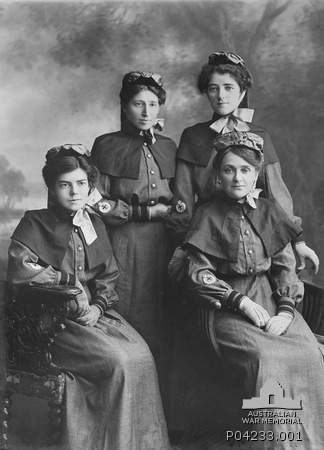
(Photo is of Australian World War I nurses; standing at the back on the right is Sister Constance Keys, who was mentioned in the post on Gallipoli. These nurses received military decorations for their heroism, and all made it back to Australia at the end of the war)

Name News Round-Up

30 Tuesday Apr 2013

Posted by A.O. in Names in the News

≈ 2 Comments

Tags

classic names, McCrindle Research, middle names, name data, name image, name popularity, name stealing, name trends, popular names, rare baby names, urban legends

NewsThere seems to be a bit of a theme in the name stories I’ve been reading lately, which taps into a struggle to identify whether a name is “normal” or “unusual”.

Hooray for Normal Names

Every time the popular baby names are released, there is always a collective sigh of relief in the media that finally, normal names are back in style again. This strikes me as asinine, because popular names, by their very nature, are always normal. As most parents choose a name from the Top 100, then by definition Top 100 names are “normal” – common, usual, standard, typical, expected.

Apart from the classics, many of our “normal” names weren’t always so normal. Jayden would have been an extremely unusual choice in the 1940s, and Sienna almost unheard of in the 1900s. Meanwhile, Edna is rarely seen today, but in the 1910s it was the #3 name. No doubt some of our current popular names will be curiosities in one hundred years, while some bizarre name choices of today will have become popular. Yet normal names will always be in fashion.

Urban Name Legends

This journalist claims to know a paediatric nurse who tells her all manner of odd baby names. Abcd is plausible enough, and probably not as a weird as she imagines it is. I can believe in Kevin Ice-T quite easily – a mix of classic name up front, quirky name in the middle, which we’ve seen a fair bit of in birth notices. At Eeyore, I’m beginning to feel slightly dubious (I wonder if they misunderstood a name from another culture, such as Ayor. Or Aurore).

Another one she has heard is a baby just named , as in, a comma. Although she says this isn’t a lie, we know it is because that’s not legal in Australia. Same with Cuntley, which would also not be permitted under Australian law, as it contains an obscenity.

A-a (said Adasha) is interesting, because the urban myth is actually that the name is La-a (Ladasha). I’m not sure whether is this some new variation, or if she simply misheard it. It’s amazing how many people say they “know” someone who has met or heard of a La-a, yet these vast numbers never show up in the official data. It’s also interesting that when journalists had access to every single birth registered in Australia and got snarky about them, they did not mention seeing one La-a – a pretty glaring omission if it existed.

It’s a low point for journalism, but even the media will pass on these idiotic myths, giving them greater credibility for the credulous. Let’s just say I will believe in a La-a when I see one, and I will only tell you about it when I have at least some documented evidence to pass on.

Names with Variant Spellings … Too Risky?

When McCrindle released their version of the Australian Top 100, it came with a warning. Mark McCrindle said that if you chose a variant spelling such as Jaxon or Tayla, you risked being seen as unsophisticated, and that you may even harm your child’s career prospects.

This reminded me that when I was a teenager, the advice was that anyone with a tattoo would never get a job – at least, not a “good” job. Today I get served by people with tattoos at most businesses I go to, and my boss (working in a professional-level government position) has a tattoo. It’s hard to predict the future when you assume it will be much like the present.

If variant spellings continue being popular, then they will become so common as to be readily accepted. A future prime minister called Jaxon or Tayla seems just as likely as one called Lucas or Charlotte – after all, perhaps many people would have been surprised in 1950 to be told the Prime Minister of 2010 would be called Julia.

Not So Unusual

When the Daily Mercury in Mackay asked parents to write in to their Facebook page with their children’s unusual names, they received 68 responses. The “unusual” names were ones such as Axl, Caprice, Jakobi, Hudson, Kyan, Denham and Naraya. Although these don’t seem too out there (Typhoon was intriguing), the parents had plenty of people telling them their name choices were unusual. Which makes them unusual enough to suit them.

When most people say they want an unusual name, they don’t want to call their child Faceplant Extractia or Mining-Boom Jazzhands – they just want something that their friends and family haven’t thought of yet. You can’t help wondering what happens when someone else in their community decides on the name Caprice or Axl though … which brings me to the next story.

Stolen Dreams

This article describes the sense of betrayal experienced by Lisa, when her ex-boyfriend Adam married someone else – and had the exact same wedding that Lisa had once dreamed of. Cruelly, Adam and Mrs Adam had also decided on matching Tiffany rings, cocktails at sunset, and a honeymoon in Bora Bora.

Lisa was convinced this was all done as a mockery of her own nuptial dreams, and believed that Adam and his bride had “stolen” her wedding.

Clinical psychologist Amanda Symboluk (whose name must be made up, it’s so perfect for a psychologist) says that Lisa is probably “reading too much into it”, and advises that she (and others in her predicament) shouldn’t “take things personally”.

This reminded me a lot of “baby name stealing” – much as we fondly believe we have chosen a unique name, like Lisa’s dream wedding, it may be more generic than we think. Just as honeymooners tend to gravitate towards Bora Bora rather than Uppsala, parents are more likely to pick the name Scarlett Rose than Lucretia Zixi.

So if you are perturbed to find that someone has already taken that special name you had always dreamed of using, whether it be Odin, Penelope, Dashiell or Juniper, take the advice of Dr. Symboluk – don’t read too much into it, and don’t take it personally.

Girls Name Trends for 2012 – Australia

27 Saturday Apr 2013

Posted by A.O. in Name Data

≈ Comments Off on Girls Name Trends for 2012 – Australia

Tags

name popularity, name trends, popular names

Biggest Movers Up

  1. Rose +19
  2. Aria +18 at least
  3. Harper +18
  4. Mila/Milla +16
  5. Heidi +15
  6. Audrey +14
  7. Ivy +13
  8. Mackenzie +13
  9. Evelyn, Phoebe and Willow +12

Also Up

Amelia, Amy, Annabelle, Charlotte, Ebony, Elise, Eloise, Emily, Eve, Gabriella, Josephine, Kayla, Lacey, Lauren, Layla, Mariam, Olive, Skye, Victoria, Violet

Up Slightly

Alice, Ava, Caitlin, Elizabeth, Emma, Evie, Isla, Madison/Maddison, Matilda, Olivia, Piper, Poppy, Savannah, Scarlett, Sophia/Sofia and Sophie, Stella

Biggest Movers Down

  1. Abby/Abbey/Abbie -21 at least
  2. Amber -20
  3. Lillian -17
  4. Alana -16 at least
  5. Maya -14
  6. Samantha -14
  7. Tahlia -14
  8. Amelie -13
  9. Ellie -13
  10. Holly -12

Also Down

Aaliyah, Addison, Alyssa, Ashley, Charlie/Charli/Charlee, Chelsea, Eden, Erin, Georgia, Hayley, Imogen, Isabella, Leah, Madeline and Madeleine, Mia, Mikayla/Makayla, Molly, Natalie, Sienna, Stephanie, Summer, Taylor/Tayla/Taylah

Down Slightly

Abigail, Alexandra and Alexis, Angelina, Bella, Claire, Eliza, Ella, Eva, Indiana/Indianna,Isabel/Isabelle, Jade, Jasmine, Jessica, Lily/Lilly, Lola, Lucy, Paige, Sarah, Zoe

No Change in Position

  • Ruby #2
  • Grace #14
  • Hannah #21
  • Zara #31
  • Lara #72
  • Anna #74

New or Returned to the Top 100

  • Aria #83
  • Olive #90
  • Skye #92
  • Josephine #93
  • Mariam #94
  • Elise #96
  • Ebony #97
  • Lacey #98
  • Lauren #99

Gone from the Top 100

  • Abby/Abbey/Abbie #80
  • Alana #85
  • Erin #90
  • Madeline #92
  • Taylor/Tayla/Taylah#95
  • Natalie #96
  • Ashley #99
  • Stephanie #100

Boys Name Trends for 2012 – Australia

27 Saturday Apr 2013

Posted by A.O. in Name Data

≈ Comments Off on Boys Name Trends for 2012 – Australia

Tags

name popularity, name trends, popular names

Biggest Movers Up

  1. Braxton +60 at least
  2. Hudson +42
  3. Kai +40 at least
  4. Archer +29
  5. Lincoln +19
  6. Leo +14
  7. Declan +12
  8. Hugo +11
  9. Dylan +10
  10. Flynn +10

Also Up

Adam, Ali, Archie, Beau, Christopher, Darcy, Dominic, Hunter, Isaac, Marcus, Mason, Muhammad, Nicholas, Patrick, Toby

Up Slightly

Alexander, Angus, Anthony, Daniel, Elijah, Harrison, Henry, Jack, James, John, Levi, Luca, Nathan, Noah, Oscar, Owen, Ryan, Sebastian, Thomas

Biggest Movers Down

  1. Andrew -29
  2. Jett -28
  3. Ashton -20
  4. Callum -18
  5. Ryder -17
  6. Hamish -16
  7. Joseph -15
  8. Bailey -13
  9. David -13
  10. Caleb -12

Also Down

Aaron, Aidan/Aiden, Benjamin, Cameron, Charles, Connor, Edward, Eli, Finn, Hayden, Jayden, Jordan, Lachlan, Luke, Matthew, Michael, Nate, Riley, Seth,Tyler, Zachary and Zac

Down Slightly

Alex, Austin, Charlie, Chase, Cooper, Ethan, Gabriel, George, Harry, Jacob and Jake, Jesse, Joshua, Lucas, Max, Mitchell, Oliver, Samuel, William, Xavier

No Change in Position

  • Liam #12
  • Blake #36
  • Logan #38
  • Jasper #77
  • Christian #83
  • Jonathan #99

New or Returned to the Top 100

  • Braxton #41
  • Kai #61
  • Christopher #93
  • Ali #97
  • Muhammad #100

Gone from the Top 100

  • Jett #73
  • Seth #92
  • Aaron #98

Cannot be included

Jackson/Jaxon – last year they were two names, now they are one

Boys Names Which Rose in Popularity in 2012

21 Sunday Apr 2013

Posted by A.O. in Name Themes and Lists

≈ 8 Comments

Tags

astrological names, Biblical names, celebrity baby names, Celtic names, Disney names, english names, famous namesakes, fictional namesakes, hebrew names, Hollywood names, honouring, Irish Gaelic names, Irish names, Latin names, locational names, name history, name meaning, name popularity, name trends, names from movies, names from television, nicknames, Old English names, Old Gaelic names, popular names, saints names, Scottish names, soap opera names, unisex names

586419-river-boysThese are the boys’ names which became markedly more popular last year. I think the list lacks the depth of the one for girls, with far less diversity. There is only one classic name for boys, and eight of the names are surnames – six of these ending in N. While the girls’ list shows names which are currently trending, I think a couple of these could be legitimately identified as trendy.

Braxton

Braxton is without doubt 2012’s Name of the Year, joining the national Top 50 from nowhere. It was the #1 fastest-rising name nationally, in New South Wales and South Australia; made the top 5 fastest-rising names in Victoria, Queensland, and Western Australia; and went up in Tasmania and the Australian Capital Territory. Currently it is #31 in Australia, #51 in NSW, #81 in Victoria, #25 in Queensland, #44 in SA, #34 in WA, #65 in Tasmania and #70 in the ACT. Braxton is an English surname of disputed origin. It is a corruption of an English place name; perhaps Branxton in Northumberland, meaning “Branoc’s settlement” (Branoc is a Celtic personal name derived from the word for “raven”). Braxton has been used as a personal name since the late 18th century, and originated in the United States – Carter Braxton was one of the signatories to the American Declaration of Independence. Here it is known from the Braxton brothers on soapie Home and Away; three members of a thuggish surfer gang, and sexually desirable “bad boys” (based on the real-life Bra Boys). The characters were introduced in 2011, and last year Steve Peacocke won a Logie for his role of Darryl “Brax” Braxton. Braxton is new to the charts, although short form Brax had been in the Top 100 before. I wonder if it will keep going, or will parents hit the panic button after its massive surge in popularity?

Jaxon

Jaxon was the #1 fastest-rising name in Victoria and Tasmania, made the top 5 fastest-rising names in New South Wales and South Australia, and increased in popularity in Western Australia and the Australian Capital Territory. Currently it is #37 in Australia, #54 in NSW, #52 in Victoria, #42 in Queensland, #31 in SA, #17 in WA, #33 in Tasmania and #92 in the ACT. Jaxon is a variant of the surname Jackson; although sometimes derided as a “mis-spelled Jackson”, it is a legitimate surname particularly associated with East Anglia, and possibly with the Puritans. Jaxon has been used as a first name since the 17th century, and originated in Norfolk – then an area with a high Puritan population. Jaxon has charted in Australia since the 1990s, and rose steeply to make the Top 100 in 2011. It continues to capitalise on its trendy X, and may even overtake big brother Jackson. It’s interesting that it is most popular in Western Australia, for there is a large construction company in that booming state named Jaxon.

Mason

Mason was the #1 fastest-rising name in Queensland; it increased in popularity nationally, and in every state and territory. Currently it is #15 in Australia, #24 in NSW, #18 in Victoria, #15 in Queensland, #10 in SA, #12 in WA, #8 in Tasmania, #15 in the NT and #28 in the ACT. Mason first charted in the 1980s, and rose steadily to make the Top 100 by the mid-2000s. Mason is an occupational surname for someone who worked as a stonemason. The Mason family settled in Kent, on lands granted to them by William the Conqueror for their part in the Battle of Hastings. Mason has been used as a first name for boys since at least the 16th century, and originated in East Anglia; it possibly had Puritan significance. It’s much more common in the United States, where the distinguished Mason family played a prominent role in American politics. George Mason IV was one of the Founding Fathers of the United States, and an author of the Bill of Rights. Recently it has been often used as a celebrity baby name, boosting and cementing its popularity.

Hunter

Hunter was the #1 fastest-rising name in Western Australia, amongst the top 5 fastest-rising names nationally and in Queensland, and increased in popularity in New South Wales, Victoria, South Australia, Tasmania and the Australian Capital Territory. It is currently #24 in Australia, #35 in NSW, #39 in Victoria, #19 in Queensland, #27 in SA, #22 in WA, #7 in Tasmania and #50 in the ACT. Hunter is a surname based on the English word for a man who hunts professionally, and originated in Scotland. The Clan Hunter were from Normandy and settled in Ayrshire in the 11th century; experts in hunting and fieldcraft, they were invited there by King David I, who had been brought up in a Norman court. Hunter has been used as a personal name since the early 18th century, and seems to have been most popular in the northern counties of England. The Hunter Valley is the area around the city of Newcastle; the Hunter River is named after Governor John Hunter, and as his surname suggests, he was a Scotsman. Hunter has charted in Australia since the 1990s, and made the Top 100 by the late 2000s. It shows no signs of losing steam.

Hudson

Hudson was in the top 5 fastest-rising names nationally, in New South Wales, Victoria and Western Australia, and increased in popularity in South Australia and Tasmania. Currently it is #43 in Australia, #74 in NSW, #50 in Victoria, #45 in Queensland, #36 in SA, #31 in WA, and #67 in Tasmania. Hudson is an English surname which means “son of Hudde”. Hudde can be an old nickname for Hugh or Richard, or it can be derived from the common Old English name Huda; the surname is traditionally associated with Yorkshire. Hudson has been used as a first name since the early 17th century; although these births coincide with English explorer Henry Hudson’s first voyages, it can’t be known whether he inspired them. Hudson was new to the charts last year, having gained massive popularity after pop singer Guy Sebastian welcomed his son in 2012. The inspiration for Hudson Sebastian’s name came from the Hudson River in New York, (named after Henry Hudson), as Guy and his wife Jules love New York City. However, it has an Australian connection as well, because Sir Hudson Fysh, a World War I hero, founded Qantas, so Hudson could be used to honour a family tradition in the aviation industry.

Flynn

Flynn was in the top 5 fastest-rising names in Victoria and South Australia, and increased in popularity nationally, in New South Wales, Western Australia, Tasmania and the Australian Capital Territory. It is currently #41 in Australia, #46 in NSW, #36 in Victoria, #34 in Queensland, #43 in SA, #35 in WA, #22 in Tasmania and #28 in the ACT. Flynn has been in the charts since the 1990s, and after hitting a plateau for a few years, it suddenly shot up into the middle of the Top 100 in 2011, after Miranda Kerr and Orlando Bloom welcomed their son Flynn. Flynn is a common Irish surname which is an Anglicised form of the Old Gaelic Ó Floinn, meaning “son of Flann”. Flann means “red, ruddy” in Irish Gaelic, and is the name of one of the High Kings of Tara. The name is strongly associated with swashbuckling Tasmanian actor Erroll Flynn, known for his success with the ladies. He helped inspire the character of Flynn Rider from the Disney film Tangled. Interestingly, Flynn is most popular in Tasmania.

Archer

Archer was in the top 5 fastest-rising names in South Australia and the Australian Capital Territory; it also increased in popularity in New South Wales, Victoria and Tasmania. Currently it is #92 in NSW, #47 in Victoria, #61 in Queensland, #47 in SA, #47 in Tasmania and #46 in the ACT. The name was new to the Top 100 this year. Archer is an occupational surname denoting a professional bowman, and was brought to England at the time of the Norman Conquest; the Archer family settled in Wiltshire. Archer has been used as a first name since the 17th century, and seemed to be much more common in the southern counties surrounding London. Archer may remind you of legendary bowmen such as Robin Hood and William Tell, or it could remind you of the zodiac sign Sagittarius, called The Archer. In Australia, the Archer River is on the Cape York Peninsula in far north Queensland, and the first horse to win the Melbourne Cup was named Archer. Archer’s popularity is growing partly because it’s a great way to get the popular nickname Archie.

Eli

Eli was in the top 5 fastest-rising names in Australia, and increased in popularity in Western Australia, Tasmania and the Australian Capital Territory. Currently it is #34 in Australia, #53 in NSW, #83 in Victoria, #27 in Queensland, #48 in SA, #38 in WA, #32 in Tasmania and #27 in the ACT. Eli has been in the charts since the 1970s, and reached the Top 100 in the late 2000s; since then it has gliding smoothly upward. Eli is a Hebrew name meaning “ascent”, and in the Old Testament, Eli was a high priest who is regarded as a judge and prophet in Judaism, and the teacher of the prophet Samuel. In Scandinavia, Eli is a girl’s name, used as a short form like Ellie, and pronounced EE-lee. Some Australian namesakes include rally driver Eli Evans, Olympian hockey player Eli Matheson, soccer player Eli Babalj, and kickboxer Eli “Mad Dog” Madigan. At a time when Old Testament boys’ names are slumping, Eli stands out as a Biblical success story, and tended to rise when Elijah did too.

Patrick

Patrick was in the top 5 fastest-rising names in South Australia, and increased in popularity nationally, in New South Wales, Victoria, Western Australia, Tasmania, and the Australian Capital Territory. Currently it is #42 in Australia, #47 in NSW, #34 in Victoria, #53 in Queensland, #35 in SA, #47 in WA, #53 in Tasmania, and #25 in the ACT. In Australia, Patrick is a sturdy classic which has never left the Top 100. It was #36 in the 1900s, and peaked in the 1990s at #34; the lowest it has ever been is #68, in 2009. Patrick is from the Latin name Patricius, meaning “nobleman”, and its fame today is entirely down to one man – Saint Patrick. Saint Patrick was a 5th century Romanised Briton brought up in a Christian family. As a teenager, he was captured and carried off as a slave to Ireland, where he remained for six years. He managed to escape back to Britain, but returned to Ireland as an ordained bishop to undertake missionary work. Called the Apostle of Ireland, he is the major patron saint of Ireland, and such a vital part of Irish identity that his feast day on March 17 is seen as a celebration of Irish culture.

Harrison

Harrison was in the top 5 fastest-rising names in Queensland, and increased in popularity nationally and in South Australia. Currently it is #22 in Australia, #25 in NSW, #26 in Victoria, #16 in Queensland, #13 in SA, #27 in WA, #34 in Tasmania and #40 in the ACT. Harrison has charted since the 1980s, and skyrocketed into the middle of the Top 100 during the 1990s. It peaked at #23 in the early 2000s, then fell before starting to climb again, so it’s now on its second wind. Harrison is a surname meaning “son of Harry”, with Harry itself being a short form of Henry. Harrison has been used as a first name since the 16th century, and over time became greatly more popular in the United States than in Britain. This may be because of the Harrison family of Virginia, who were related to King Edward I. They managed to produce numerous state governors, as well as two presidents – Benjamin Harrison and William Henry Harrison. The popularity of Harrison as a first name is probably due to actor Harrison Ford – the name began charting just after he starred in the first Star Wars movie, and boomed during the Indiana Jones series.

POLL RESULT: People’s favourite names were Flynn, Archer, and Patrick, and their least favourite were Braxton, Mason, and Jaxon.

(Photo shows the Braxton brothers from Home and Away)

← Older posts
Newer posts →

Enter your email address to follow this blog

Categories

Archives

Recent Comments

A.O.'s avatarwaltzingmorethanmati… on Zarah Zaynab and Wolfgang…
Madelyn's avatarMadelyn on Zarah Zaynab and Wolfgang…
JD's avatardrperegrine on Can Phoebe Complete This …
A.O.'s avatarwaltzingmorethanmati… on Rua and Rhoa
redrover23's avatarredrover23 on Rua and Rhoa

Blogroll

  • Appellation Mountain
  • Baby Name Pondering
  • Babynamelover's Blog
  • British Baby Names
  • Clare's Name News
  • For Real Baby Names
  • Geek Baby Names
  • Name Candy
  • Nameberry
  • Nancy's Baby Names
  • Ren's Baby Name Blog
  • Sancta Nomina
  • Swistle: Baby Names
  • The Art of Naming
  • The Baby Name Wizard
  • The Beauty of Names
  • Tulip By Any Name

RSS Feed

  • RSS - Posts

RSS Posts

  • Celebrity Baby News: Melanie Vallejo and Matt Kingston
  • Names from the TV Show “Cleverman”
  • Can Phoebe Complete This Sibset?
  • Zarah Zaynab and Wolfgang Winter
  • Baby, How Did You Get That Name?
  • Celebrity Baby News: Media Babies
  • Celebrity Baby News: Adelaide Crows Babies
  • Celebrity Baby News: Chris and Rebecca Judd
  • Names at Work: Name News From the World of Business and Employment
  • Celebrity Baby News: Sporting Round Up

Currently Popular

  • Rare Boys Names From the 1950s
  • Celebrity Baby News: Jason Morrison and Heidi Tiltins
  • The Top 100 Names of the 1940s in New South Wales
  • The Top 100 Names of the 1900s in New South Wales
  • Arlo Robert Galafassi: A Son for Toni Collette and Dave Galafassi, a Brother for Sage Florence

Tags

celebrity baby names celebrity sibsets english names famous namesakes fictional namesakes honouring locational names middle names name combinations name history name meaning name popularity name trends nicknames popular names saints names sibsets surname names twin sets unisex names

Create a free website or blog at WordPress.com.

Privacy & Cookies: This site uses cookies. By continuing to use this website, you agree to their use.
To find out more, including how to control cookies, see here: Cookie Policy
  • Subscribe Subscribed
    • Waltzing More Than Matilda
    • Join 517 other subscribers
    • Already have a WordPress.com account? Log in now.
    • Waltzing More Than Matilda
    • Subscribe Subscribed
    • Sign up
    • Log in
    • Report this content
    • View site in Reader
    • Manage subscriptions
    • Collapse this bar
 

Loading Comments...