Celebrity Baby News: My Kitchen Rules Babies

Tags

,

my_kitchen_rules_dan_steph_baby

Two sets of former contestants from Channel Seven’s cooking game show, My Kitchen Rules, have recently welcomed new babies.

Dan and Steph Mulheron welcomed their daughter Emmy Mae in April [pictured]. Dan and Steph, from Hervey Bay in Queensland, won series 4 in 2013, taking home the $250 000 prize. The popular couple went on the show having already spent their savings on several failed IVF attempts, and the prize money helped give them another chance, falling pregnant after just one round of treatment. The Mulherons, who earned the title of the “sausage kings” for their snagger skills, have also opened their own cafe and written a cookbook together.

Annie and Jason Chesworth welcomed their son Theodore, known as “Teddy“, on March 5. Annie and Jason, from New South Wales, were contestants on series 5 in 2014. Affectionately known as “Mr and Mrs Cheese”, the aptly named Chesworths help run a handmade cheese factory and cafe in Muswellbrook in the Hunter Valley, owned by Jason’s dairy farmer parents.

Name Update: It’s a … Boy!

Tags

, , ,

138-216-large

Emma wrote in the blog last year because she and her husband Matt were expecting a baby, and were considering the name Lillia if they had a girl.

They welcomed their baby last November, and he was a boy, so his name isn’t Lillia, but

ARTHUR GENKI.

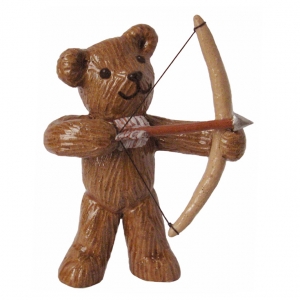
Arthur is a name that Emma loves, and she is also fascinated by the meaning of “bear man”, as there were many bear references around at the time. The middle name (said with a hard G as in Gilbert, not like Jen) honours his father’s Japanese heritage, and baby Arthur helped to choose it himself before he was born – any time the word gen was mentioned, he would give a little kick! Matt chose the ki part.

In Japanese, you can choose the meaning of a name yourself depending on which kanji (characters) you decide on. In this case, gen means “bowstring” (for archery), while ki means “season”. The reference to bows and arrows was chosen because Emma’s family heritage is Scottish, and her ancestors were famed as skilled archers. Maybe Arthur instinctively knew he was descended from a line of great bowmen!

Congratulations to Emma and Matt on the birth of their son, and what a wonderful name story that honours both parents’ heritage so beautifully.

(Photo of bear with bow and arrows from Bridget’s Bears)


Girls Names from the British Royal Family

Tags

, , , , , , , , , , , , , , , , , , , , , , , , , , , , , ,

1893042-embijoutee

I hope everyone had a very happy Mother’s Day! It’s expected that the new princess will increase the current trend for baby names inspired by royal traditions, so here are some names for girls from the House of Windsor. I’ve focused particularly on the names of some of the younger royals.

Alexandra
Alexandra is one of the most common girls’ names in the British royal family. It was introduced to it by Queen Alexandra, the wife of King Edward VII. A Danish royal, she was extremely popular with the British public, and much admired as a setter of fashion. After her, the name became a favourite to pass down, including to Queen Alexandra’s granddaughter, Lady Alexandra Duff, and her great-granddaughter, Princess Alexandra, the queen’s cousin; Alexandra is one of the queen’s middle names. Alexandra is the feminine form of Alexander, and unlike many other feminisations of masculine names, Alexandra seems to have come first. It was an epithet of the Greek goddess Hera in her role as protector, and can be understood as “she who saves warriors”. St Alexandra was a legendary martyr, and the name is traditional amongst European royalty. Alexandra was #239 in the 1900s, and dropped off the charts in the 1910s and ’20s. Returning in the 1930s, its popularity jumped in the 1950s, and it was Top 100 by the early 1970s. It peaked in 1995 at #14, and is currently #75. A dignified classic with a host of nickname options, including popular Lexi.

Cosima
Lady Cosima Windsor is the daughter of the Earl of Ulster, and a great-granddaughter of King George V; born in 2010, she is 27th in line to the throne. Cosima is the feminine form of the Cosimo, the Italian form of Greek Cosmas, meaning “order” (related to the British name Cosmo). A famous musical namesake is Cosima Wagner, the daughter of Franz Liszt and wife of Richard Wagner. British socialite Countess Cosima von Bülow Pavoncelli has given the name a very fashionable air, and the name has been chosen for their daughters by celebrities Nigella Lawson, Sofia Coppola, and Claudia Schiffer. You may also remember young actress Cosima Littlewood, who played Adele in the mini-series Jane Eyre, while Australians will be reminded of Cosima De Vito, singer and Australian Idol contestant. Elegant and sophisticated, Cosima is an upper-class choice that works well multiculturally.

Eloise
Eloise Taylor is the eldest daughter of Lady Helen Taylor, a granddaughter of Prince Edward, Duke of Kent, and great-granddaughter of King George V; born in 2003, she is 39th in line to the throne. Eloise is the English form of Éloïse, from the Old French Héloïse. It’s thought to be from the Germanic Helewidis, from name elements meaning “healthy, whole”, and “wood, forest”. The name became famous because of Héloïse, a brilliant medieval scholar and feminist, famous for her scandalous affair and secret marriage to her distinguished teacher, Pierre Abélard, who was castrated in punishment. Their tragic romance has captured people’s imaginations for centuries, and it is a tradition for lovers and the lovelorn to leave letters on their reputed grave in Paris. Eloise entered the charts in the 1970s, making #498. It was the same decade that 8-year-old Eloise Worledge was abducted from her home in Melbourne, with the case still unsolved. Eloise rose steeply in the 1990s, when the song Eloise featured at Eurovision, and joined the Top 100 in 2011. One of the fastest risers of 2013, this pretty, stylish name is currently #71 and still rising. I picked this name to be in the Top 10 by 2028.

Imogen
Imogen Lascelles is a daughter of Mark Lascelles, and a great-great-granddaughter of George V; born in 1998, she is not in line to the throne as her father was born out of wedlock. Imogen is a name created by William Shakespeare for his romance Cymbeline: in the play, Imogen is a princess of ancient Britain, and a virtuous wife who is falsely accused of infidelity. The name is a variation of Innogen, which comes from the Old Irish Ingen, meaning “maiden, daughter”; Innogen was a legendary British queen. Modern scholars consider that the substitution of Imogen for Innogen was a misprint, especially as Shakespeare already used the name Innogen in Much Ado About Nothing, so this would be a rare example of a name created from a printing error. Imogen first entered the charts in the 1970s, debuting at #724 for the decade, perhaps inspired by sexy English pin-up and actress Imogen Hassall. The name Imogen rose steeply during the 1990s, and entered the Top 100 in 2001. Currently Imogen is #34 and stable, and was one of the fastest-rising names in New South Wales for 2013. Chic and British with a superior literary heritage – not too shabby for a “made up” name!

Isla
Isla Phillips is the daughter of Mark Phillips, a granddaughter of Princess Anne, and great-granddaughter of Queen Elizabeth; born in 2012, she is 15th in line to the throne. Isla is a Scottish name taken from an archaic spelling of the island of Islay in the Hebrides, which is said IE-luh, not IZ-lay. The island’s name is of unknown origin and meaning. Islay began as a male name in the 18th century, and Isla gradually became seen as a specifically feminine spelling of the name which overtook the male form in the 19th century (Islay is more commonly given to girls now too). Isla first entered in the charts in the 1990s, debuting at #891 for the decade – propelled there by actress Isla Fisher, who was then in popular soap opera Home and Away. The name zoomed up the charts during the 2000s when Fisher became a gossip mag staple as aspiring Hollywood actress and partner of British comedian Sacha Baron Cohen. Isla entered the Top 100 in 2008 at #74 and is currently #13 and rising. I picked this name to be in the Top 5 by 2028.

Ophelia
Ophelia is one of the middle names of Lady Gabriella Windsor, a writer known professionally as Ella Windsor. She is the sister of Lord Frederick Windsor, who has been featured on the blog as a royal dad. Lady Gabriella is the daughter of Prince Michael of Kent, and a great-granddaughter of King George V; born in 1981, she is 45th in line to the throne. Ophelia is well known as the title character’s tragic love interest in William Shakespeare’s Hamlet. Shakespeare did not create the name, but took it from the Italian form Ofelia in Jacopo Sannazaro’s 1504 pastoral romance, Arcadia – Sannazaro was a huge influence on 16th century literature. The name Ophelia looks to be taken from the ancient Greek ophelus, meaning “help”, to suggest “assistant”. Sannazaro may have invented the name, but there are examples of men in ancient Greece with male forms of the name, such as Ophelion, so it seems plausible that the ancient Greeks could have used Ophelia as a female name. Beautiful and elaborate, Ophelia is rising in the UK, and this seems like a very hip alternative to popular Olivia.

Senna
Senna Lewis is the daughter of Lady Davina Lewis; she has received quite a bit of press in the Antipodes, because her father is a New Zealander, the first Maori to marry into the British royal family. Senna is a granddaughter of Prince Richard, Duke of Gloucester, and a great-great-granddaughter of King George V; born in 2010, she is 29th in line to the throne. Senna can be a variant of the Arabic name Sana, meaning “brilliance, radiance, splendour”; it is one of the five daily prayers in Islam. It can also be a nature name after the flowering senna plants, whose name has the same Arabic source and meaning. There are numerous varieties of senna, some of which are grown as ornamental trees and shrubs, but widely familiar as a herbal laxative. The name Senna was used for a minor character in the Twilight series, sparking recent interest in the name, but the name had been used several times previously in science-fiction and fantasy. It’s also associated with the Brazilian Formula 1 champion, Ayrton Senna, often considered the best of all time. Similar to popular Sienna, this unusual botanical name has potential.

Sophia
Sophia is one of the middle names of Lady Amelia Windsor, a daughter of George Windsor, granddaughter of Prince Edward, Duke of Kent, and great-great-granddaughter of King George V; born in 1995, she is 36th in line to the throne. Sophia of Hanover was the heiress to the throne of Great Britain, and mother of King George I, and only her descendants can be in the line of succession. It was a very popular name amongst Hanoverian royalty. Sophia is from the Greek for “wisdom”, a cardinal virtue of Greek philosophy that was taken up by Christian theologians, who have seen Holy Wisdom as a divine energy, and in Orthodox Christianity especially, the second person in the Trinity. In Christian legend, St Sophia was a martyr who had daughters named Faith, Hope, and Love – personifications of the chief Christian virtues. Sophia was #181 in the 1900s, and dropped off the charts in the 1930s and ’40s. It came back in the 1950s, the same decade Sophia Loren became an international film star, at #414. It charged up the charts in the 1980s and joined the Top 100 in 1997. Currently it is #16 and rising; when combined with the variant Sofia (climbing faster than Sophia), it is in the Top Ten at #7. Lovely and gracious with a wonderful meaning and history, expect Sophia to keep climbing.

Tanit
Tanit Lascelles is a daughter of James Lascelles, and a great-granddaughter of King George V; born in 1981, she is not in the line of succession because she was born out of wedlock. Tanit is the name of a Punic and Phoenician goddess who was the chief deity of ancient Carthage, the equivalent of the goddess Astarte. She was a goddess of the sun, moon and stars, a goddess of war and civic protector, a mother goddess, patron of sailors, good luck figure, and fertility symbol. The meaning of her name is disputed – one theory is that it comes from the word for lament, and should be translated as “she who weeps”, perhaps to indicate that she mourns for a dying god, such as Adonis. Others translate her name as “serpent lady”, linking her with Tannin, the dragon-like sea monster of Near Eastern mythology (sometimes called Leviathan), and believe her name is one of the titles of Asherah, from the Bible. Pronounced TAN-it, this is an exotic and unusual name that fits in with Australian name trends.

Zenouska
Zenouska Mowatt is the daughter of Marina Ogilvy, a granddaughter of Princess Alexandra, and great-great-granddaughter of King George V. Born in 1990, she works for a luxury gifts company, and is 52nd in line to the throne. Zenouska is a name her parents created from putting sounds together – she uses Zen as a nickname, and it seems plausible that the inspiration was the Buddhist school of Zen. However, it sounds like a genuine Russian nickname, in the style of Anouska, and seems very suitable for someone of Russian heritage. Zenouska Mowatt is a great-granddaughter of Princess Marina of Greece and Denmark, who was a granddaughter of Tsar Alexander II of Russia. It just shows that a “made up” name can sometimes work very well.

POLL RESULTS
People’s favourite names were Eloise, Imogen and Isla, and their least favourite were Senna, Tanit, and Zenouska.

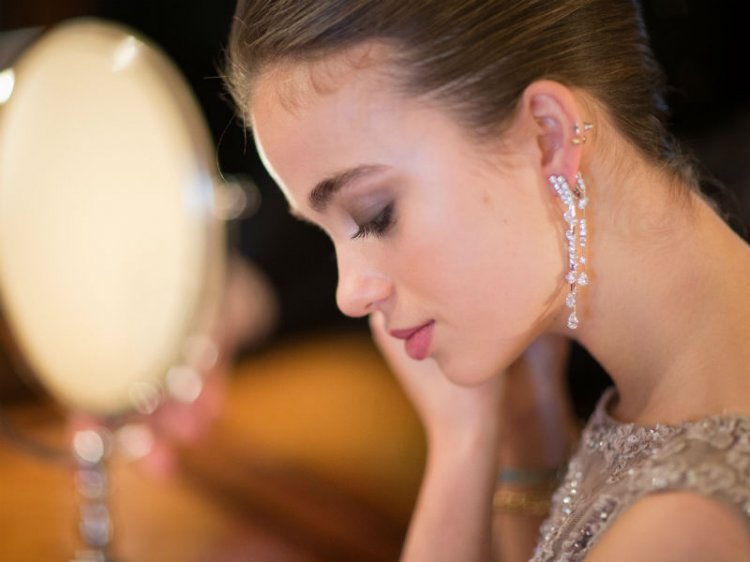
(Picture shows Lady Amelia Sophia Theodora Mary Margaret Windsor, who made her début into society in Paris, 2013; photo from Le Journal des Femmes)
Is Grace Too Short, or Too Popular?

Tags

, , , , , , , , ,

original_kids-rule-height-chart-mid-oak

Kristel and David were told they couldn’t have children, but just as they gave up trying, they discovered they were expecting a baby girl, who will arrive in a few months. They are still a bit in shock, but naturally overjoyed.

There is only one name they have both agreed on – Grace. As soon as they found out the baby’s sex, Dave began calling her Gracie. As well as both of them liking the name Grace, it seems appropriate, since their daughter feels like something of a “miracle baby”.

However, Kristel is worried that the name Grace is too popular, and hates the thought that their daughter might have to share her name with four other girls named Grace in all her classes at school. She has suggested other names to Dave, such as Amelia, Elisa, and Stella, but he doesn’t care for them. Dave quite likes the name Estelle though.

Kristel believes this might very well be their only child, and she wants her daughter to have a suitable, traditional, classic, feminine name that she will hopefully like and feel proud of.

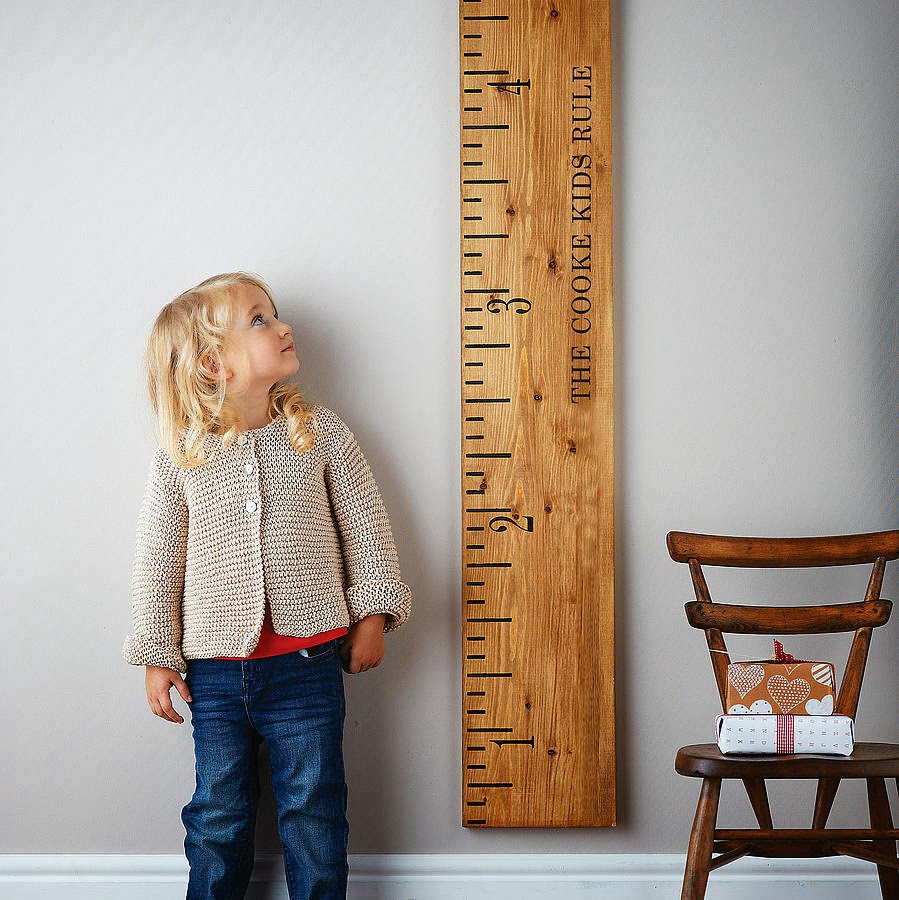
Another issue is that Kristel and Dave have a one syllable surname that sounds similar to a vocabulary word, such as Cooke, and people have told them that because of this, they need a longer first name to balance their short surname.

The middle name they have picked out is Audrey, a family name which the baby will share with three other generations. However, Kristel is open to suggestions.

~ ~ ~ ~ ~ ~ ~ ~ ~ ~

Kristel and David, congratulations on your wonderful and very unexpected news! After years of waiting, of course you want your baby to have the perfect name, and it’s natural to feel that this is your one chance to get it right.

My instinct is that you have got it right, because I immediately connected the name to your situation, with Grace implying a divine gift or blessing, related to the word grateful. The Greek goddesses known as the Graces were also connected with fertility, giving it another level of meaning.

Furthermore, Grace seems to tick all your boxes very neatly, because it’s a classic, traditional, and feminine name. Blog readers are in agreement that Grace is a beautiful timeless classic, simple yet sophisticated, suitable for all ages, and intelligent and professional, so it seems eminently suitable. I think Grace Audrey is a very attractive name combination as well, and love the idea of using a family name that has been passed down for several generations.

But what about its popularity? Grace is in the Top Ten if you look at names without combining spellings, and is #12 on the combined spellings list. That represents just a little over 1200 babies called Grace born in Australia during 2014 (about 0.8% of baby girls). There are around 7000 schools in Australia which accept primary school students, so statistically that isn’t even one Grace per Year 1 class. More good news is that Grace’s popularity has been stable for more than a decade, making it a safe, if popular, choice.

I can’t guarantee that your daughter will be the only Grace in her class, but I would be astounded if there were five girls called Grace. In the case of name-sharing in a classroom (or sports team etc), a nickname is often a help, so should it happen, Gracie could perhaps come to the rescue.

Is Grace too short? I haven’t been strongly persuaded by the argument that a short surname needs a longer name to balance it. Looking at famous women named Grace, singers Grace Jones, Grace Slick (born Grace Wing), and Grace Knight sound perfectly fine to me. In fact Grace Jones was born Beverly Jones, and she chose to use her “too short” middle name Grace instead.

Two short names together do sound quite strong and punchy, and I think there may be a touch of sexism involved, as people seem to be most keen that girls with a short surname be given a longer name. I wonder if you were having a boy instead, and were considering the name Miles, would you be given the same advice, or would Miles Cooke sound okay? If your daughter feels that Grace Cooke is too abrupt for her, she has the option to go by Gracie Cooke if she prefers – and I guess she could always go by her middle name if she wanted to.

In a case where they were worried about name length and popularity, some parents might choose to use Gracie as the name on the birth certificate, but is that the right choice for you? Because you say that you want a traditional classic name, that seems to point more towards Grace than cute Gracie. I get the feeling that you would prefer your daughter had a name like Grace, and kept Gracie as a nickname only.

Whether a name is too short or too popular is a matter of personal choice, and you and Dave are the only people who can answer these questions. But it feels as if you have really settled on Grace already. It’s the only name you agree on, and Dave seems to have begun getting emotionally attached to the name, already thinking of his daughter as little Gracie. I imagine it might be quite a wrench for him to think of her as anything else.

Although I can’t promise that your daughter will love her name, there is nothing wrong with the name Grace, and lots of things that are right. And I can’t imagine anyone not feeling proud to learn the special meaning of their name, and touched to know that their father was already calling them by their pet name before they were even born.

As you say, this is most likely your only child, and I would hate to see you compromise on another longer, less popular name together, such as Estella, and then regret it later. Deep in your hearts, do you already know that her name is Grace?

UPDATE: The baby’s name is Grace!

POLL RESULTS
96% of respondents didn’t think that Grace was too popular to use. 46% of people said not to even think about popularity once you’ve found the right name, 35% thought Grace was a little bit too popular, but still usable for someone who loved it, and 15% flat out said it wasn’t too popular. Only 4% of people thought Top 10 Grace was too popular to even consider.

93% of respondents didn’t think that Grace was too short matched with a one-syllable surname. 69% of people thought it sounded good, while 24% thought it seemed okay. 4% thought it did seem a bit odd, but not enough to worry about, while only 1% (one person) thought it sounded ridiculous. 2% of people weren’t sure.

Remi Lyndon and Noah Cove

Tags

, ,

hallett-cove-foreshore-gal

Twins
Demelza Grace “Demi” and Willow Anna (Jett)

Girls
Alexandra Mary Elizabeth
Amy Rose Sanda (Oliver, Eli, Isaac)
Annabelle Joan (Charlotte, Henry)
Clara Annie (Jude)
Esther Catarina May (Orla)
Kate Millie (Beth, Sam, Ben)
Lucy Matilda
Millah Faye (Baelen)
Neave Ruby
Remi Lyndon (Taya)
Rosie Margaret (Isla)
Sara Darcy (Edwin)
Sophie Kathleen Juliana (Josh)
Stella Pamela
Stevie Lee Barbara (Josie)
Tahli Willow (Isla, Zaya)
Tegan Jean (Ethan, Jaxon)
Temperance Poppy Rosalie (Grace, Jack)
Veena (Hilla, Sella)
Zoe Kaye (Ryan)

Boys
Arie Jack (Kipp, Jimmy)
Benjamin Robert Tumbas (Matthew)
Brock James (Bella)
Christian Laurence (Chloe)
Ezekiel Ian
Finn Karl
Gabriel Wilford Maduro (Sebastian, Alessandro)
Henry Walter (Samantha)
Jakob Jinfu
John Ross (Liesel)
Noah Cove (Airlie, Balin)
Orlando Giuseppe (Massimo, Alexia, Sabrina)
Peter Michael “Petros” (Stavros, Danielle)
Richard “Richie” (Esperanza, Allegra)
Rory Gerrit
Stanley Alexander (Kalliope)
Tarkyn Steele (Connor, Zaydah)
Timothy Kevin
Uriah Jacob
William Eugenius (Abigail)

(Photo shows Hallett Cove Conservation Park, near Adelaide in South Australia)

Famous Name: Cinderella

Tags

, , , , , , , , , , , , , , , , , , , , , ,

Cinderella-2015__38

With a brand new baby girl in the British royal family, there’s a very princessy atmosphere at the moment. Looking back at my recent blog entries, I think I must have tuned into this vibe in some spooky sort of way, because this year I have already covered the names of three fairytale princesses who have featured in Disney films – Rapunzel, Aurora, and Melody.

While everyone’s in a princess-themed mood, I thought I’d cover one more, since we went to see the recent Disney film Cinderella in the school holidays a couple of weeks ago. It starred Australian film star Cate Blanchett as the elegantly wicked stepmother, Lady Tremaine, and Lily James in the title role. It’s a faithful old-school rendering of the fairytale, the 1950s animated version brought to life.

The story of Cinderella has deep roots, because an ancient Greek story tells of a Greco-Egyptian slave girl named Rhodopis (“rosy cheeks”). While she was bathing, an eagle snatched one of her sandals, flew to the city of Memphis, and dropped it into the lap of the king. The king, impressed by the beautiful shape of the sandal and the strangeness of the occurrence, sent his men in all directions to find the sandal’s owner, and when she had been located, Rhodopis was brought to the city to become his queen. This is the oldest known version of the Cinderella tale.

Rhodopis was a real person, a beautiful Thracian courtesan from the 6th century BC who was a fellow slave to the fable teller Aesop. Later she was taken to Egypt and freed for an enormous sum by the brother of the poet Sappho, who had fallen in love with her. Alas for romance, Sappho wrote a poem accusing Rhodopis of stealing from her brother – she calls her Doricha, which might have been her real name, and Rhodopis her professional name.

There are parallels to the Cinderella story in several cultures, where a good, hard-working girl is oppressed by her stepmother and at least one step-sister or half-sister. In China she is Ye Xian (“leaf edge”), in Indonesia and Malaysia she is Bawang Putih (“garlic”), in Vietnam she is Tam (“broken rice”), and in Korea she is Kongji (“sweet wisdom”). It is also reminiscent of the legend of the British queen Cordelia, and her horrible sisters.

The earliest of the modern European Cinderella stories comes from Giambattista Basile in 1684, set in Naples. The heroine is a princess named Zezolla, whose governess persuades her to murder her hated stepmother and beg her father to make the governess step-mama instead. All seems well until the governess sends for her hitherto-unknown six daughters from her previous marriage, who force Zezolla to work as their kitchen slave. Familiar touches are a fairy benefactress, and a lost slipper which brings about marriage to the king.

The stepsisters rename Zezolla as Gatta Cenerentola, with Gatta meaning “cat” to indicate she is as lowly as an animal, while Cenerentola means “little ashes” to describe her dirty, stained appearance (you could loosely translate it as Little Ash-cat). The name Zezolla may be from the common Italian place name Zolla, meaning “mound of earth”; in support of my theory, several of the stepsisters have names based on Italian places.

When Charles Perrault adapted the story into French in 1697, he dropped the cat part and translated Cenerentola as Cendrillon, as this can also be understood as “little ashes”. (Cendrillon is the younger stepsister’s name for the heroine; the older and meaner one calls her Culcendron, meaning “ash bum”, as she was forced to sit in the ashes and get a dirty bottom).

Perrault added a fairy godmother, pumpkin, and glass slippers to the story, but the biggest change he made was to Cendrillon’s personality. While Zezolla was a cunning murderess, Cendrillon was humble, patient, and sweet-tempered, so the happy ending seems like a reward for her virtue. Perrault’s fairytale is seen as the classic Cinderella story, and was the basis for the 1950 Disney film.

The Brothers Grimm adapted the story into German in 1812, naming the heroine Aschenputtel. It’s difficult to translate, but can be understood as “ash slut, ash wench”. In this darker story, the father joins in the abuse, and doesn’t acknowledge Aschenputtel as his own daughter, but rather his first wife’s child from her previous marriage, so she has a stepfather and stepmother both! The stepsisters are punished with blindness and mutiliation, rather than the forgiveness bestowed upon them in other versions.

It is striking that the heroine’s real name is never given, except in the Italian version, where it seems to be a bit of a joke. Modern adaptations of the story often say that her name is Ella (in the 2015 film it’s short for Eleanor), and Cinderella can therefore be understood as “Ella of the cinders”. Only in the 1950 Disney film is Cinderella the heroine’s actual name, chosen by her parents.

Perrault’s Cendrillon was first translated into English in 1729 by Robert Samber, and immediately became a classic. Cendrillon was Anglicised to Cinderilla, and changed to Cinderella in subsequent editions. Cinderella looks like a reasonably faithful English version of Cendrillon, but the meaning changes subtly during the translation process, as it now looks as if it means “little cinders” rather than “little ashes”.

This makes the name rather more attractive, because cinders are solid, rather than dusty like ashes, and do not have the same connotations of humiliation (“sackcloth and ashes”). Ashes symbolise death, but cinders are the embers of a fire, smouldering hot coals suggesting love and life waiting to be rekindled. I’ve often heard people suggest Ember as a girl’s name with beautiful symbolism, so Cinderella cannot be said to have a bad meaning.

Cinderella has been used as a personal name since the 18th century, and was most common overall in the 19th century. It has been most popular in the United States, and currently there are more than a thousand adults in the US named Cinderella. It peaked in the US in 1951 at 23 baby girls, the year after the Disney film was released. I have found quite a few women named Cinderella in Australian records, and remarkably, nearly always as a first name, not in the middle.

Cinderella is a rare name, closely connected to the fairytale, and given wide public recognition by the Disney films. Although Cinderella is a sweet character who combines a kind heart with great resilience, and has all her dreams come true, the name and story are troubling in many ways. Cinderella was abused and victimised by her family, and her name is one created by bullies to further humiliate and degrade her.

However, it would be a rather fun middle name, and even as a first name is easily shortened to Cindy, Indie, or Ella. And remember what the Disney song said: Cinderella, you’re as lovely as your name!

POLL RESULTS
Cinderella received an approval rating of 28%. 33% of people thought the name Cinderella was tacky and ridiculous, while 28% believed it would lead to teasing and jokes. However, 9% of people thought that nicknames such as Ella made the name seem more usable. 4% of people were bothered that in the story, the name Cinderella was given to be hurtful and humiliating.

Royal Baby News: Prince William and Catherine, Duchess of Cambridge

Tags

, , ,

Catherine, Duchess of Cambridge and Prince William, Duke of Cambridge, leave St Mary's hospital

Prince William, the Duke of Cambridge, and his wife Catherine, the Duchess of Cambridge, welcomed their second child on May 2, and have named their daughter Charlotte Elizabeth Diana, Princess of Cambridge, a sister for Prince George, aged nearly 2.

Princess Charlotte was born at 8.34 am, weighing 8lb 3oz (3.7 kg) in the Lindo Wing of St. Mary’s Hospital in London – the same hospital where her brother Prince George, her father Prince William, and her uncle Prince Harry were born. Her birth was celebrated by the illuminating of landmarks such as Tower Bridge in pink, and gun salutes at the Tower of London. She is fourth in line to the throne.

Princess Charlotte is the first princess to be born into the British royal family in 25 years – the last one was Princess Eugenie of York, the daughter of Prince Andrew. The last Princess of Cambridge was born 182 years ago, and that was Mary, Duchess of Teck; her brother was also called George.

Charlotte has been chosen before as a name in the royal family – the last Princess Charlotte was born in 1819. The name is believed to be a nod to the princess’ grandfather, Prince Charles. Charlotte is also the middle name of Catherine’s sister Pippa, so could be honouring the princess’ mother’s side of the family as well. The names Charles and Charlotte are traditional ones in the Spencer family too, and in fact Princess Diana’s brother Charles Spencer, the 9th Earl, has a young daughter named Charlotte Diana, so like Prince George’s three names, Princess Charlotte shares her name with a Spencer cousin.

Elizabeth is another traditional royal name, given in honour of the princess’ great-grandmother, Queen Elizabeth II. It is also Catherine’s middle name, and her mother Carole’s middle name as well, so can be seen as honouring the princess’ mother and maternal grandmother at the same time. Prince George has one of his father’s middle names, Louis, as one of his middle names, so it makes perfect sense for Charlotte to share her middle name with her mother.

Diana is in honour of William’s mother Princess Diana, the princess’ paternal grandmother; Diana is a traditional name in the Spencer family. This middle name came as no surprise, because when the royal couple were touring Australia, Prince William explained in an interview they planned to use Diana as a middle name for Prince George, should he have been a girl.

Most Common Baby Names From Birth Notices in the Sydney Morning Herald and The Age (Melbourne) in 2014

Tags

, ,

Elea from British Baby Names publishes the most popular first and middle names from birth announcements in The Telegraph, to show what the upper crust are naming their babies. We don’t have a “posh” newspaper, but the Herald and the Age probably have the most middle class and upper middle class birth notices. It does seem to have a certain cachet, as it’s not uncommon for parents to put an official notice in one of these papers, and another one in their local or regional paper.

GIRLS FIRST NAMES

  1. Annabel/Annabelle 4
  2. Isabelle 4
  3. Amelie 3
  4. Charlotte 3
  5. Chloe 3
  6. Emily 3
  7. Grace 3
  8. Harriet 3
  9. Sophia/Sofia 3
  10. Alice 2
  11. Arabella 2
  12. Camilla 2
  13. Eleanor 2
  14. Georgia 2
  15. Isla 2
  16. Lucinda 2
  17. Olivia 2
  18. Phillipa 2
  19. Saskia 2
  20. Scarlett 2
  21. Sophie 2
BOYS FIRST NAMES

  1. Angus 5
  2. Edward 5
  3. Harry 5
  4. William 5
  5. Henry 4
  6. Samuel 4
  7. Alexander 2
  8. Benjamin 2
  9. Frederick 2
  10. George 2
  11. Hamish 2
  12. Harrison 2
  13. Jack 2
  14. James 2
  15. Oscar 2
  16. Patrick 2
  17. Thomas 2
  18. Tobias 2
GIRLS MIDDLE NAMES

  1. Grace 7
  2. Rose 6
  3. May/Mae 4
  4. Anne 3
  5. Catherine/Kathryn 3
  6. Elizabeth 3
  7. Emily 3
  8. Florence 3
  9. Victoria 3
  10. Alexandra 2
  11. Annabel/Annabelle 2
  12. Clementine 2
  13. Daisy 2
  14. Kate 2
  15. Louise 2
BOYS MIDDLE NAMES

  1. James 8
  2. William 7
  3. John 6
  4. Benjamin 5
  5. Edward 5
  6. Alastair/Alistair 2
  7. Christopher 2
  8. Daniel 2
  9. David 2
  10. Henry 2
  11. Jack 2
  12. Louis 2
  13. Oliver 2
  14. Patrick 2
  15. Peter 2
  16. Robert 2

The Top 50 Baby Names in Australia for 2014 from Kidspot

Tags

,

GIRLS

  1. Olivia (1795)
  2. Charlotte (1672)
  3. Mia (1551)
  4. Ava (1487)
  5. Amelia (449)
  6. Emily (1394)
  7. Sophie (1348)
  8. Chloe (1340)
  9. Ruby (1282)
  10. Grace (1212)
  11. Ella (1185)
  12. Isabella (1177)
  13. Isla (1066)
  14. Sienna (943)
  15. Zoe (941)
  16. Sophia (908)
  17. Scarlett (873)
  18. Lily (870)
  19. Matilda (864)
  20. Ivy (863)
  21. Evie (836)
  22. Harper (794)
  23. Lucy (792)
  24. Emma (781)
  25. Hannah (755)
  26. Zara (703)
  27. Willow (681)
  28. Abigail (668)
  29. Georgia (664)
  30. Isabelle (619)
  31. Layla (619)
  32. Evelyn (611)
  33. Eva (603)
  34. Imogen (556)
  35. Annabelle (546)
  36. Jasmine (541)
  37. Maddison (524)
  38. Alexis (501)
  39. Aria (479)
  40. Savannah (479)
  41. Mila (455)
  42. Alice (449)
  43. Sofia (449)
  44. Audrey (447)
  45. Madison (440)
  46. Ellie (430)
  47. Violet (430)
  48. Poppy (428)
  49. Summer (428)
  50. Stella (425)
BOYS

  1. Oliver (2188)
  2. William (1958)
  3. Jack (1840)
  4. Noah (1667)
  5. Thomas (1446)
  6. Lucas (1401)
  7. James (1400)
  8. Ethan (1257)
  9. Alexander (1198)
  10. Liam (1188)
  11. Lachlan (1186)
  12. Harrison (1158)
  13. Mason (1139)
  14. Samuel (1104)
  15. Max (1083)
  16. Cooper (1054)
  17. Charlie (1045)
  18. Jacob (1041)
  19. Henry (1037)
  20. Hunter (992)
  21. Joshua (988)
  22. Isaac (963)
  23. Benjamin (939)
  24. Xavier (906)
  25. Oscar (884)
  26. Harry (874)
  27. Levi (867)
  28. Ryan (815)
  29. Jackson (798)
  30. Elijah (792)
  31. Hudson (786)
  32. Leo (783)
  33. Daniel (763)
  34. Archie (755)
  35. Riley (745)
  36. Logan (735)
  37. Sebastian (714)
  38. Jayden (704)
  39. Jaxon (666)
  40. Patrick (664)
  41. Archer (650)
  42. Tyler (642)
  43. George (640)
  44. Nate (625)
  45. Flynn (619)
  46. Blake (600)
  47. Aiden (562)
  48. Edward (550)
  49. Lincoln (549)
  50. Eli (520)

The Australian Top 100 Baby Names for 2014 (combined spellings)

Tags

, ,

GIRLS

  1. Olivia (1796)
  2. Charlotte (1673)
  3. Mia (1551)
  4. Ava (1488)
  5. Amelia (1450)
  6. Emily (1395)
  7. Sophia/Sofia (1357)
  8. Sophie (1349)
  9. Chloe (1341)
  10. Ruby (1283)
  11. Lily/Lilly (1252)
  12. Grace (1213)
  13. Ella (1185)
  14. Isabella (1177)
  15. Isla (1066)
  16. Madison/Maddison (964)
  17. Sienna (943)
  18. Zoe (942)
  19. Scarlett (873)
  20. Matilda (864)
  21. Ivy (863)
  22. Isabel/Isabelle (845)
  23. Evie (836)
  24. Harper (794)
  25. Lucy (792)
  26. Emma (781)
  27. Hannah (755)
  28. Zara (703)
  29. Willow (681)
  30. Abigail (668)
  31. Georgia (664)
  32. Layla (619)
  33. Evelyn (611)
  34. Eva (595)
  35. Imogen (556)
  36. Jasmine (541)
  37. Annabelle (537)
  38. Mila/Milla (528)
  39. Alexis (501)
  40. Savannah (479)
  41. Aria (470)
  42. Alice (449)
  43. Audrey (440)
  44. Ellie (430)
  45. Violet (430)
  46. Stella (425)
  47. Summer (420)
  48. Poppy (419)
  49. Jessica (418)
  50. Madeleine/Madeline (417)
  51. Maya (410)
  52. Holly (392)
  53. Elizabeth (391)
  54. Sarah (379)
  55. Addison (358)
  56. Mackenzie (355)
  57. Bella (323)
  58. Anna (317)
  59. Phoebe (311)
  60. Indiana (306)
  61. Paige (306)
  62. Alyssa (298)
  63. Lola (298)
  64. Chelsea (286)
  65. Elsie (283)
  66. Piper (281)
  67. Rose (268)
  68. Eden (256)
  69. Hayley (251)
  70. Claire (245)
  71. Eloise (241)
  72. Molly (236)
  73. Ariana (234)
  74. Charlie (230)
  75. Alexandra (222)
  76. Olive (209)
  77. Ayla (191)
  78. Frankie (188)
  79. Penelope (182)
  80. Victoria (182)
  81. Eliza (159)
  82. Lara (159)
  83. Aaliyah (151)
  84. Eleanor (151)
  85. Emilia (151)
  86. Lillian (149)
  87. Harriet (141)
  88. Hazel (141)
  89. Heidi (131)
  90. Lexi (130)
  91. Jade (128)
  92. Indie (125)
  93. Pippa (116)
  94. Peyton (111)
  95. Amelie (110)
  96. Amber (97)
  97. Elise (81)
  98. Sadie (77)
  99. Natalie (71)
  100. Lacey (65)
BOYS

  1. Oliver (2189)
  2. William (1959)
  3. Jack (1841)
  4. Noah (1668)
  5. Jackson/Jaxon/Jaxson (1536)
  6. Thomas (1447)
  7. Lucas (1402)
  8. James (1401)
  9. Alexander/Alex (1349)
  10. Ethan (1257)
  11. Liam (1188)
  12. Lachlan (1187)
  13. Harrison (1158)
  14. Mason (1139)
  15. Samuel (1104)
  16. Max (1083)
  17. Cooper (1055)
  18. Charlie (1045)
  19. Jacob (1041)
  20. Henry (1038)
  21. Hunter (992)
  22. Joshua (988)
  23. Isaac (963)
  24. Benjamin (939)
  25. Xavier (906)
  26. Oscar (884)
  27. Harry (874)
  28. Levi (867)
  29. Ryan (815)
  30. Elijah (792)
  31. Hudson (786)
  32. Leo (783)
  33. Daniel (763)
  34. Archie (755)
  35. Riley (745)
  36. Logan (735)
  37. Sebastian (714)
  38. Jayden (704)
  39. Patrick (664)
  40. Archer (650)
  41. Tyler (642)
  42. George (640)
  43. Nate (625)
  44. Flynn (619)
  45. Blake (600)
  46. Aiden (554)
  47. Edward (550)
  48. Lincoln (549)
  49. Eli (520)
  50. Michael (510)
  51. Matthew (497)
  52. Jake (489)
  53. Dylan (481)
  54. Jordan (480)
  55. Zachary (480)
  56. Chase (478)
  57. Luke (466)
  58. Kai (461)
  59. Luca (453)
  60. Connor (447)
  61. Austin (440)
  62. Finn (437)
  63. Hugo (432)
  64. Joseph (401)
  65. Ashton (394)
  66. Hayden (394)
  67. Caleb (392)
  68. Nicholas (388)
  69. Angus (371)
  70. Ryder (324)
  71. Louis (316)
  72. Hamish (302)
  73. Nathan (298)
  74. Jasper (294)
  75. Toby (293)
  76. Bailey (291)
  77. Braxton (284)
  78. Owen (284)
  79. Adam (279)
  80. Beau (263)
  81. Charles (263)
  82. Marcus (242)
  83. Mitchell (226)
  84. Harvey (220)
  85. Christian (217)
  86. Gabriel (216)
  87. Ali (214)
  88. Dominic (213)
  89. Felix (213)
  90. Muhammad (204)
  91. David (196)
  92. Aaron (193)
  93. John (186)
  94. Phoenix (182)
  95. Anthony (180)
  96. Theodore (179)
  97. Maxwell (173)
  98. Carter (156)
  99. Fletcher (155)
  100. Nathaniel (151)

GIRLS

Biggest Risers
Hazel (+63), Eleanor (+31), Ariana (+27)

Biggest Fallers
Chelsea and Amelie (-15), Mackenzie and Eliza (-14)

New
Frankie, Eleanor, Emilia, Hazel, Lexi, Elise, Sadie, Natalie, Lacey

Gone
Samantha, Eve, Daisy, Nevaeh, Skye, Indigo, Caitlin, Leah, Mikayla

BOYS

Biggest Risers
Maxwell (+43), Fletcher (+26), Harvey (+20)

Biggest Fallers
Braxton (-31), Mitchell (-22), Nathaniel (-21)

New
Harvey, Gabriel, Muhammad, Phoenix, Theodore, Maxwell, Carter, Fletcher

Gone
Jesse, Seth, Parker, Darcy, Jett, Lewis, Jonathan

Information from Baby Names Australia 2015 by McCrindle Research; click the link to view the full report (number of babies given each name in brackets).