• About
  • Best Baby Names
  • Celebrity Baby Names
  • Celebrity Baby Names – Current
  • Celebrity Baby Names – Past
  • Featured Boys Names
  • Featured Girls Names
  • Featured Unisex Names
  • Links to Name Data
  • Waltzing on the Web

Waltzing More Than Matilda

~ Names with an Australian Bias of Democratic Temper

Waltzing More Than Matilda

Tag Archives: Australian Aboriginal names

Only Natural – Nature Names from the Bonds Baby Search

22 Thursday Mar 2012

Posted by A.O. in Baby Contests

≈ 3 Comments

Tags

animal names, astronomical names, Australian Aboriginal names, colour names, english names, flower names, food names, French names, fruit names, gemstone names, geographic names, nature names, plant names, season names, Thai names, tree names, vocabulary names, weather names

GIRLS

Acacia

Anise

Autumn

Azalea

Berry

Briar

Cedar

Cherry

Clover

Crystal

Cypress

Dahlia

Dawn

Dusty

Ember

Emerald

Honey

Indigo

Ivory

Jacaranda (this South American tree is so popular, it is often assumed to be native)

Jewel

Juniper

Mallee (a native tree; name of Australian Aboriginal origin)

Magenta

Misty

Ocean

Opal

Peaches

Pearl

Pepper

Rain

Raven

Saffron

Sage

Sapphire

Scarlet

Season

Soleil (French word for the sun)

Star

Sunshine

Swai (Thai word for the iridescent shark)

Tigerlily

Tulip

Winter


BOYS

Ash

Aspen

Baye

Bear

Bryne

Clay

Cove

Fin

Flint

Fox

Heath

Jarrah (a very tall and strong native tree; name of Australian Aboriginal origin)

Layke

Onyx

Reed

Reef

River

Rock

Rowan

Rye

Silvan

Sky

Storm

Sunny

Talon

Teal

Tiger

Tyde

Wolf

(Photo of Mother Cummings Peak Track, Tasmania from There’s Nothing Like Australia website).

Famous Name: Kylie

07 Wednesday Mar 2012

Posted by A.O. in Famous Names

≈ 12 Comments

Tags

Australian Aboriginal names, famous namesakes, fictional namesakes, Irish names, name history, name meaning, name popularity, name trends

Last weekend was the annual Sydney Mardi Gras Gay and Lesbian Street Parade, which for several years now has been held on the first Saturday in March. The parade is the culmination of a gay and lesbian festival, and combines political protest with a celebration of gay cultures and lifestyles, then ends with one enormous shindig that proves nobody can party like Sydney.

Recently-out Magda Szubanski was in attendance, looking pleased and slightly nervous, and the guest of honour at the post-parade Mardi Gras Party was pop diva Kylie Minogue, who last appeared at Mardi Gras fourteen years ago. Kylie waived her $16 000 appearance fee and performed for free.

Kylie began her career as a child actor, failed to join the Young Talent Time cast, as her sister Dannii did, then shot to fame playing teenage mechanic Charlene Edna Mitchell on soap opera Neighbours. Her wedding to Scott Robinson, played by Jason Donovan, attracted 20 million viewers in the UK. This was enough to take her to Britain to begin her career as a pop singer.

At first she was treated scornfully by the critics, and disdainfully labelled “the singing budgie” for being small and chirpy. However, she has become one of the British pop industry’s great survivors – constantly re-inventing her image to become a sex symbol, and from early on appreciatively embraced by the gay community as one of their icons.

She has overcome breast cancer, and at the age of 43, is regarded as Britain’s most powerful celebrity, and been named one of the 100 Hottest Women of All Time. She currently lives in London’s once fashionable Chelsea.

According to baby name books, the name Kylie means “boomerang” in an Aboriginal language, and if you are prepared to dig a little deeper, we are told that the word kylie comes from the Nyungar language from south-west Western Australia, and there are place names ending with -kylee to indicate that (for example, that a river is shaped like a boomerang).

However, a rival theory is that kylie refers not to a boomerang, but to the hunting stick, which isn’t curved and doesn’t come back, being used to bring down prey. I have certainly seen these hunting sticks being identified as kylies in texts over a century old, so this idea is hardly a new one.

Unfortunately for both these theories, when I consulted a Nyungar dictionary, the word kylie isn’t in it. A boomerang is called a kirli (KEER-lee), and a throwing stick is called a dowak. It would seem that kylie was a non-Indigenous slight corruption of the word kirli, which is very similar to the word for boomerang in the Walpiri language of Central Australia – karli.

I’m not sure how settlers confused dowak for kylie though; perhaps they misunderstood what the Aborigines were telling them, or lacked the cultural context to see that a boomerang and a throwing stick were two different tools.

It’s easier to understand why Australians of British descent latched onto it as a personal name in the 1950s and ’60s. It fit in so well with the trend for similar-sounding names of Irish origin, such as Kerry and Kelly that were also growing in popularity – a trend that is still going strong, as names such as Keeley, Keira, Kirra and Kirrily attest. Kylie just had that familiar “Australian sound”. It also seems to have increased the popularity of the male name Kyle.

The name Kylie first hit the charts in the 1950s, was Top 100 by the 1960s when Kylie Minogue was born, and peaked in the 1970s as the #2 name of that decade. By the 1990s it had left the Top 100, and in the last year or two has left the charts altogether.

The plummeting popularity of the name Kylie in the 1990s must surely owe something to comedienne Mary-Anne Fahey’s iconic character Kylie Mole from The Comedy Company sketch show. This befreckled, hoydenish schoolgirl, stuck in the permanent bad mood of adolescence, not only popularised the word bogan, but her second-best friend Rebecca appeared with her on the show, played by Kylie Minogue. Although she struck a chord with us youngsters, she gave the name Kylie a certain image that parents probably didn’t wish to bestow upon their daughters.

Boys Names of Australian Aboriginal Origin

26 Sunday Feb 2012

Posted by A.O. in Name Themes and Lists

≈ 18 Comments

Tags

Australian Aboriginal names, Buddhist names, famous namesakes, fictional namesakes, Indian names, Indonesian names, Japanese names, Korean names, locational names, Maori names, name history, name meanings, Native American names, New Zealand names, nicknames, Quechuan names, Samoan names, scandinavian names, scientific names, seasonal names, Slavic names, South American names, Spanish names, surname names, unisex names

This follows on from last week’s list, Girls Names of Aboriginal Origin. It was more challenging to find boys’ names, because many, if not most, Aboriginal words end in a vowel, and easily conform to we think of a “feminine sounding” name. They are similar to names in Hebrew, Arabic, and in the Indian languages in that regard, and even now you will find people who insist that Ezra must be a female name, because it ends in -a.

These are not traditional or tribal Aboriginal names for men, but rather words from Aboriginal languages that I thought could be used as names by people from any culture. Some of them coincide with words or names from other languages, as I thought people may be interested to know that a word from their own heritage has a distinct Australian meaning as well.

Dural

Dural is a pleasant semi-rural suburb of Sydney, and its meaning has been in some dispute. It is said that dural was a word from the Dharug language, meaning “gully, valley”, and this information came from a traditional owner of the land in the 19th century. It was also said to mean “burning logs”, from the word dooral dooral, but this belief only dates from the 1940s, and is taken from the Wiradjuri language. As the Wiradjuri people are from central New South Wales, the local meaning is claimed to be the correct one. Translations of this name as “hollow tree” or “burned out tree” in baby name books can be safely discarded as invention. I think Dural seems very usable as a personal name, and I considered it for Sydney Suburbs That Could Be Used as Boy’s Names. It sounds like familiar names such as Darrell, and sturdily similar to the word endure.

Jarli

This word means “barn owl” in the Jiwarli language of northern Western Australia. As in many other societies, several Australian Aboriginal cultures saw owls as symbols of wisdom, mystery, secrets and sacred knowledge; messengers from one world to another, and companions of the medicine men. The owl features in several myths and legends, and is sometimes depicted in Aboriginal art. This name seems familiar to us, because Jarli is also a Scandinavian boy’s name based on the word for “earl”, and I have seen one or two boys with this name. I like the sound and the meaning of this name, and it is similar to another Jiwarli word: jali, meaning “friend”.

Kaiya

This word from a Queensland language refers to a spear with two barbs, and is pronounced KY-uh. It has been used in the Latin name for a species of caddisfly – Chimarra kaiya – who is so called because of its distinctive barb-like projections. In the Kaurna language of South Australia, the similar sounding kaya means “spear”, although in Nyungar it means “hello; yes”. This is always listed as a girl’s name in baby name books, but the name Kai makes this name look masculine to me. I don’t see how the sound of it is any more “girly” than, say, Hezekiah. The meaning does not seem feminine either. I would say it is a unisex name, and suitable for a boy.

Kuparr

This means “red earth, burnt earth” in the Ngiyampaa language of New South Wales. It refers to the ochre used for making body paint for the Coroborees; the sacred ceremonies of Indigenous Australians involving ritual, dance and music. Red ochre is also used in other Aboriginal forms. Kuparr was the basis for the name of the mining town Cobar, and because copper was mined there, it has also been suggested that it may have been the local way of translating the word copper. Most likely the similarity between the words is a coincidence though. The attraction of this name is that it sounds a bit like Cooper. If you like the sound of Cooper but think it seems a bit boring or surnamey, Kuparr might be for you.

Miro

Miro (MEE-roh) is a Nyungar word for a type of spear thrower which propels the aim of the gidgee; a fearsome qaurtz-tipped spear about 8 feet long. Miro exists as a name or word in several other languages. It’s a Slavic name which is short for Miroslav, meaning “glorious peace”. In Japanese, it’s short for Miroku, a Japanese form of Maitreya, the fifth (future) incarnation of the Buddha. In New Zealand, it’s the name for a species of conifer tree. In Korea, it means “maze”. It’s also the surname of Spanish artist, Joan Miró i Ferrà (Joan was a man) – his surname was short for Ramiro, the Spanish form of a Germanic name meaning “famous counsel”. It’s very multicultural, and none of the meanings that I’ve seen are negative. I think it’s attractive. We had a baby boy in a recent birth announcement named Finn Joseph Miro, so it’s considered usable in Australia.

Monti

This is one of the Aboriginal names for the Black-necked Stork, which is found across the tropical north of Australia, and is the only stork species native to Australia. I have not been able to track down which language it is from, except that it’s not from the Northern Territory, where this bird is called a jabiru. It’s therefore either from Queensland or northern New South Wales, as the only other places where this bird exists. It’s listed as one of the Indigenous names by museums, so I feel fairly confident it’s authentic. The stork is mentioned in several Aboriginal legends, one of them an extremely touching love story. The attraction of this name is that it sounds exactly like the fashionable name Monty, but has its own significance.

Tarka

This means “eggshell” in the Kaurna language of South Australia. I thought of it because I have seen the name Tarka used in the birth announcements from the London Telegraph. It has a number of meanings in other contexts. There is a well-loved English children’s book called Tarka the Otter, so famous that it has given its name to a railway line and a bike path in the West Country. It was made into a film in the 1970s. In the book, Tarka’s name was meant to suggest the barking sound that an otter makes. In India, tarka is a word for seasoning added to a meal, and in Quechuan, a tarka is a type of flute played by the Indigenous people of the Andes. Tarka Cordell was a British musician who died in tragic circumstances a few years ago; I’m not sure where his name was taken from, or whether he is the inspiration for British children having Tarka as one of their names. This is the second name with the meaning of “eggshells” I have suggested; the other was Keid. Because eggshells appear so fragile, and yet are surprisingly strong under compression, I find this meaning very evocative.

Tau

Means “evening, dusk, twilight” in the Kaurna language of South Australia, and is said to rhyme with the word cow. In Maori, it can mean a number of different things, including “sweetheart”, “song, chant”, “string”, or “ridge”. In one of the Indigenous languages of Indonesia, it means “man”. In Samoan, it can mean “anchor” or “war”. It’s known to many people in the context of the Tau Cross, a symbol of life which was used by the Egyptians, and became important in a number of different religions and spiritual paths, including Christianity. I have met men named Tau, but I’m not sure which meaning was associated with their names. I think Tau fits in very well with other popular names for boys, such as Ty, Tai and Taj, and would be readily accepted.

Warragul

Warragul, pronounced WOHR-uh-guhl, is a town in the West Gippsland region of rural Victoria, the birthplace of legendary Aboriginal boxer Lionel Rose. Its name is said to come from a local word, warrigal, meaning either “wild” or “wild dog”, referring to the dingo. The dingo is Australia’s largest predator on land, and its ancestor is thought to have been introduced to Australia by seafarers from south east Asia thousands of years ago, when dogs were less domesticated and more closely related to wolves. Dingoes play a major role in Aboriginal myths and legends; in stories they are often guardians of humans who can warn them of the supernatural or evil spirits. There are also myths of dingo-people shapeshifters, or “were-dingoes”, and often the dingo in legends is a rebel or trickster figure. In everyday life, dingoes were tamed and kept in Aboriginal camps as guard dogs. They were treated with great affection, given names, slept with their human companions, and were even breastfed. At least sometimes they were buried alongside humans. I saw someone in a parenting forum say they had already used Warragul as a baby name.

Warrin

Warrin meant “winter, cold and frosty season” in one the language spoken around the Sydney region when Europeans first arrived. However, there are a number of similar words used throughout Indigenous languages. Warran or Warrung was the original name for the place we call Sydney Cove, and by extension, Sydney itself; it is said to mean “the other side [of the harbour]”. In the Brisbane area, Warun was a place name in the suburb now called Redcliffe; it may have meant “neck”. There are historical records of a man from south-west Queensland named Warun, so it was used as a personal name. In the Melbourne area, warun meant “eel” in the local language, a fish prized as a valuable food source; there is a suburb of Geelong named Warun Ponds. I have also seen the word warun translated to mean “diving ducks” in the Northern Territory. Baby name books translate Warun as meaning “sky”, but I don’t know which language they are deriving it from. From this I deduce that the English name Warren is the most “indigenous sounding” of our names, and perhaps it deserves a closer look.

(The photo is of young actor Brandon Walters, who starred in Baz Luhrman’s film, Australia).

Girls Names of Australian Aboriginal Origin

19 Sunday Feb 2012

Posted by A.O. in Name Themes and Lists

≈ 52 Comments

Tags

Australian Aboriginal names, famous namesakes, fictional namesakes, locational names, name history, name meaning

It is not difficult to find little lists of Aboriginal words that can be used as personal names, accompanied by their purported meanings; what is harder is to ascertain their origins. Even reliable baby name books are content to say that such-and-such a name comes from “an Aboriginal language”, without specifying which one. Often it seems that no-one knows: as languages became extinct, certain words and phrases were recorded for posterity, without any knowledge of which peoples the words were spoken by, and perhaps even without an understanding that there were different Indigenous peoples.

Historian Watkin Tench, a British officer who arrived on the First Fleet, noted that many Aboriginal names and words sounded pleasing and even familiar to the ears of English speakers, and recorded that the chaplain’s wife was so taken with the name of an Aboriginal woman she met named Milba that she christened her own baby, born in the new colony, Milba Maria Johnson.

It’s therefore not a new phenomenon for non-indigenous people to use words from Aboriginal languages as personal names, although some people may find the idea inappropriate or disrespectful. I’ve chosen names very conservatively, tending to pick out ones that are already in common use as personal names, as place names, or as business and organisation names.

You should also be aware that a word from one language may mean something completely different in another part of the country, so you may believe your child’s name means “desert flower”, but someone who speaks a different language may tell you that it means “swamp” or “elbow”. Hopefully it won’t be anything worse than those.

Names from Aboriginal languages tend to be easy for us to spell and pronounce. Because Aboriginal languages were not written down, they are now spelled exactly as they sound. The emphasis is placed very much as it is in familiar names, so that Kalinda is kuh-LIN-da, just like Amanda or Samantha. That could very well be due to European influence; I’m not sure.

This is my first Name List done under my resolution to rely on failed Google searches for blog entry ideas. “Aboriginal baby names” has been Googled many times to get to my blog, but I never felt that I knew enough about the subject to devote a blog entry to it. I still don’t know enough, but I now realise that waiting until I do know enough may mean never doing it at all.

Allira

This name is a corruption of the word allirea meaning “clear crystal quartz” and comes from the languages from around the Melbourne area of Victoria. There are extensive quartz supplies in the area around Melbourne, and Aborigines would have mined them for spear and knife edges. Quartz crystal was also used in rain-making ceremonies, and was both practical and spiritual in nature. However, in the language of the Arrernte people from Alice Springs, Allira means “niece”, and there is a character from legend with this name. Allira is not infrequently used as a brand name, which may be one reason why so many spelling variants exist for it: Alira, Allyra, Aleera, Aleerah, and so on. Another is probably to make the pronunciation clearer – uh-LEER-uh. Allira is commonly used as a girl’s name in Australia. Prominent people called Allira include glamour model Allira Cohrs, and surf Ironwoman Allira Richardson.

Bindi

Bindi is said to mean “little girl” in an Aboriginal dialect, and that is how it seems to be understood by Indigenous people, although I cannot discover what dialect it is from. Famous people with the name include Bindi Irwin, the daughter of conservationist Steve Irwin, and Aboriginal artist Bindi Cole. In the Nyungar language from the area around Perth in Western Australia, bindi bindi means “butterfly”, and I can imagine using just one of the bindis to make a name. There was a West Australian Aboriginal activist in the early twentieth century called Daisy Bindi, and her surname was taken from a nickname given to her by her husband. Something that usually crops up in relation to this name is that bindi, or bindii, is also the name of different types of noxious weed. These have nasty prickles that get stuck in your feet, and I presume it means “horrible spiky things” in some Indigenous language. These are an introduced species though, so the name of the plant only dates to the mid 19th century. Bindi isn’t an unusual name for girls to have in Australia.

Lowanna

In the Gumbaynggir language from mid-north New South Wales, this means “girl”. There is a village near Coffs Harbour called Lowanna. In one of the dialects from Tasmania, it meant “woman”. I have seen Indigenous people translate it as “beauty” or “beautiful woman”, but do not know which languages they are drawing upon. There was a school story for girls from the 1920s about a rich, worldly girl called Lowanna Laurenson who ends up working in films in America, and this may have brought the name to people’s attention. It’s a popular name for businesses and organisations, and is also a type of strawberry. A prominent person with this name is Lowanna Gibson, a figure skater from an Indigenous background, but I’ve seen quite a few Aboriginal girls and women with this name.

Kalinda

According to Australian Aboriginal Words and Place Names and Their Meanings by Sydney J. Endacott (1955), this word means, “See!”, as if someone is exclaiming at something they have espied and wish to draw other’s attention to it. Endacott’s little book is a pamphlet which lists all the words and their meanings, but doesn’t give any further information about them or their origins. Baby name books gloss it as “a lookout”, and some add with a touch of imagination, “a lookout over the sea”. It’s commonly used as a place name and organisation name, and is popular as a name for houses which have a nice view. A prominent person with this name is Kalinda Griffiths, who last year won the Northern Territory Young Australian of the Year Award. Kalinda is of part-Aboriginal heritage, and is carrying out research in Indigenous health. There’s also a left-wing writer called Kalinda Ashton.

Kirra

Kirra Beach is the name of a seaside suburb on the Gold Coast in Queensland, and kirra is said to mean either “leaf” or “boomerang” in a local language. According to The Australian Race by Edward M. Curr, kirra means “white cockatoo”; this is another book which gives lists of words and meanings, with no indication of which language or origin they are from. In the Murri language of southern Queensland, kirra means “to live”. This is a well used name in Australia, because it fits in so well with popular name such as Keira; Kirra-Lee is a common double name, and you can see how this fits in with Kirrily. Prominent people named Kirra include artist Kirra Jamison, and photographer Kirra Prendergast (both are from Byron Bay).

Maya

Maya (MY-uh) means “house, home” in the Jiwarli language of Western Australia’s Kimberley region. However, there are a number of similar words in other languages to denote some kind of hut or shelter, including maya or mia in Nyungar, and mya, mai, and mimi amongst the peoples of Victoria around Melbourne (often duplicated into maya-maya, mia-mia etc). It may help to explain why the names Maya and Mia are so popular in Australia – they have a native sound to our ears.

Merindah

This word means “beautiful”, and seems to be from one of the languages around the Sydney area, although I’m not sure which one. Apart from being used as a girl’s name, it is often used as a place name or name for businesses and houses as well. It sounds very similar to the name Miranda. It’s common to spell it Mirinda; however in the Kaurna language from the Adelaide area of South Australia, mirinda means “leech”. Prominent people named Merindah include Merindah Donnelly, who was nominated for NSW Young Australian of the Year for her work promoting social justice for Indigenous people, and photographer Merindah Bernoth.

Merri

Merri Creek is in southern Victoria and joins the Yarra River, which flows through the city of Melbourne. The point where the creek and river meet was traditionally an important meeting place for the Wurundjeri people, and it is thought to be where an important treaty between Indigenous Australians and Europeans took place. Unfortunately, this creek was very badly treated, and became heavily polluted, but efforts are now being made to turn things around, with some promising results. Its name comes from the local phrase merri merri, “very rocky”; the doubling of a word is usually an intensifier in Indigenous languages. Although the meaning is not particularly feminine, it sounds similar to the name Mary, and of course exactly like the English word merry. If you like the sound of Merry, but worry it seems too light and frivolous, Merri gives it a little more oomph. The pollution aspect I admit is not appealing, but things are changing, and it is a testament to the resilience of nature. Merri is a surprisingly tough little name.

Rianna

This means “small caterpillar” in a Tasmanian dialect. Caterpillars are important in the mythology of some Aboriginal cultures, because they are the precursor to the butterfly, which is seen as a soul of the departed. I haven’t been able to find out if they were especially important to the Tasmanians, but they may very well have been used as a food source. I haven’t seen anyone use Rianna in this way, but it seems to me an attractive name with a rather sweet meaning that isn’t too cutesy or pretty-pretty.

Tarni

Tarni-warra is an onomatopoeic word to describe the sound of the surf in the Kaurna language of South Australia. Tarni is therefore taken to mean “surf, wave, breaker”, and is often assumed to be one of the influences upon the name Tahnee. I can’t confirm that, but Tarni Warra is a common name for houses on or near the beach, and Tarni is used as a place and business name as well as a personal name. Prominent people named Tarni include ice hockey player Tarni Loreggian, and Tarni Carter who sings with rock band Radio Flyer, but it’s not difficult to find Australian women and girls with this name. It does not seem to be heavily used by Indigenous people.

Famous Names: Barack

19 Saturday Nov 2011

Posted by A.O. in Famous Names

≈ 11 Comments

Tags

African names, Arabic names, Australian Aboriginal names, famous namesakes, hebrew names, name history, name meaning, name popularity, names of horses, rare names, surname names, Swahili names, UK name popularity, US name popularity


3675434-3x2-940x627

This blog post was first published on November 19 2011, and substantially rewritten and re-posted on November 19 2015.

Famous Namesake
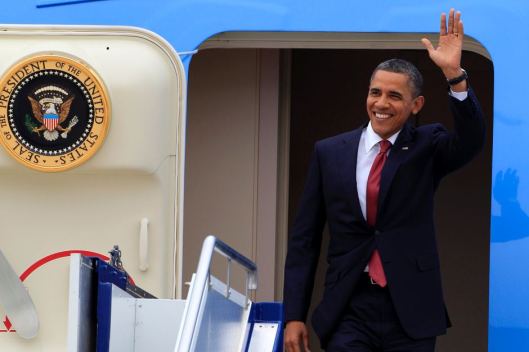
This year is the sixtieth anniversary of the ANZUS Treaty, the military alliance which binds Australia to the United States. Partly to commemorate this occasion, the President of the United States, Mr Barack Obama, made a brief two-day stopover trip to Australia on his way to Bali. He is the fifth American president to visit Australia since Lyndon Johnson arrived in 1966.

Spending two days in Canberra and Darwin, capital cities of our two Territories, he made an address to Parliament, laid a wreath on the Tomb of the Unknown Soldier and paid his respects to the 89 US sailors who perished aboard the USS Peary after being bombed by the Japanese in Darwin Harbour in 1942. It was also announced that a US military base would be stationed in Darwin.

Handsome and charismatic, with a constant friendly smile, the President could not help but make himself popular. Mr Obama has the charm and good manners that we tend to think of as very American, and he made lots of pleasant jokes about Australian slang and the Australian accent, while expressing his fondness for the nation and its people (and no fondness at all for Vegemite, which is an acquired taste).

While in Canberra, he made a visit to a high school and hugged an excited young girl. “He’s so kind … and warm,” she exclaimed. That’s how Barack Obama came across – kind, warm, genuine, funny, and very charming.

Note: President Obama made another visit to Australia in 2014, when he attended the G-20 summit in Brisbane. He gave a speech to students at the University of Queensland, which received thunderous applause from a young audience unused to hearing political leaders talk about climate change and gender equality.

Name Information
Barack is a Swahili variant of the Arabic word barak meaning “blessed”. The name comes from a Semitic root meaning “to kneel down”, with connotations of someone receiving a benediction while on bended knee. In Islam, the related term barakah (“blessing”) means a continuous spiritual presence and revelation providing a flow of blessings and grace to those close to God, such as saints and holy people.

The name is sometimes confused with the Hebrew name Barak, meaning “shining, lightning”. In the Old Testament, Barak was a military commander. In Arabic the equivalent word for “lightning” is buraq – you can see it in the name Al-Buraq, the mystical horse who took the prophet Muhammad on his Night Journey to the heavens on a journey between Jerusalem and Mecca and back.

The Hebrew equivalent of Barack is Baruch, meaning “blessed”. It is related to the Hebrew word berakhah, meaning “benediction, blessing”. In Judaism, berakhah is a blessing or thanksgiving given before enjoying or performing certain acts; for example, before eating: it acknowledges God as the source of all blessings. Baruch can be Latinised as the name Benedict, which is why the Dutch philosopher Baruch Spinoza, who was Jewish, is often known to us as Benedict Spinoza.

As both Arabic and Hebrew are Semitic languages, it is easy to see how such confusion arises over similar or even identical-looking names.

By coincidence, Barak is also an Australian name. The famous Aboriginal spokesman William Barak (sometimes known as King Billy) took his surname from his tribal name of Beruk, meaning “white grub in gum tree”.

President Obama was named after his father, Barack Obama Sr, who was a senior economist in the Kenyan government during the 1960s. Mr Obama Sr was raised in a Muslim family, but was converted to Christianity at the age of six while attending a missionary school.

Apparently his original name was Baraka (from the Islamic term for spiritual blessings and grace), but he changed his name to Barack to avoid the overtly religious connotations of his name. I’m not sure how valid a conversion is in such a young child (it sounds almost coerced), but in any case it didn’t take, and Mr Obama became an atheist. His son did become a Christian, however.

The name Barack has never charted in the United States. Last year 11 babies were named Barack, a number which has decreased since 69 being born in 2009 – the year that Barack Obama Jr became President of the United States. In the year before President Obama’s presidential campaign, just 5 babies were named Barack.

Barack can only be found in British data between 2008 and 2010, peaking in 2009 at 17 births. I haven’t found any Baracks in Australian data, but based on international trends, it may have had a small spike in 2009.

Barack must be the most interesting of the American presidents’ names, and has at least busted the myth that you need a “presidential-style” name to become president of the United States (something like Ulysses or Grover, I presume).

One of its biggest issues as a baby name must be that it is so closely tied to the current US president, and may feel like a “one person name” – especially considering the name’s unique family history.

It could also be confused with similar names, and the pronunciation is something of an issue: although I understand it as buh-RAHK, I have heard it said it in a variety of ways by overseas commentators, including Burrock and Barrack. However, this is a strong handsome name with a nice meaning that will certainly stand out from the crowd.

NAME POLL RESULTS: Barack received an approval rating of 60%. 25% of people thought it was too closely tied to the American president, making it a one person name. However, 14% saw it as strong and commanding, and a further 14% thought it was a name unusual enough to stand out from the crowd. Only one person thought it was too rare, while 3% of people were put off the name because of President Obama.

(Picture shows President Obama arriving in Canberra in 2011; photo from the ABC)

Names of Australian Fashion Designers

13 Sunday Nov 2011

Posted by A.O. in Name Themes and Lists

≈ 19 Comments

Tags

African names, Australian Aboriginal names, Biblical names, created names, Etruscan names, famous namesakes, French names, Gaelic names, Greek names, hebrew names, Korean names, Latin names, literary names, locational names, Maori names, mythological names, name history, name meaning, nicknames, Scottish names, surname names, unisex names, Zulu names

Last week we began our gender re-balancing with the names of some beautiful Australian models. Yet without the clever and creative designers, models would have nothing to wear. Here are ten female fashion designers whose names I found interesting in some way.

Arabella (Ramsay)

Arabella Ramsay grew up on a sheep farm in country Victoria; her family are all very creative, and she was encouraged to become a fashion designer. She did a course in textile design at RMIT, then spent a year in Paris studying fashion before opening her first store in Melbourne in 2006. This year, Arabella welcomed her first child, a daughter named Marlowe. The name Arabella originated in medieval Scotland, and it is thought that it is probably a variant of Annabel, meaning “lovable”. However, it is found in old documents in the forms Orable and Orabella, and from early on seems to have been influenced by the Latin word orabilis (also used as a name in the Middle Ages). This means “invokeable”, in the sense that a saint can be invoked by prayer. Arabella has never been a common name in Australia, despite our love of names from Scotland; I think it has seemed too old-fashioned or perhaps too upper-class. However, with -bella names all the rage, this looks like the perfect time for Arabella to shine.

Camilla (Franks)

Camilla Franks was a theatre actress who loved to design and make her own costumes, and formed her own fashion label in 2004. She is known as the “kaftan queen” because of her signature flowing lines in colourful prints, and hosts her own fashion shows in exotic locations around the world. Camilla sells internationally, and her designs are worn by celebrities such as Kate Hudson, Lily Allen, Beyonce and Oprah. In Roman mythology, Camilla was a virgin warrior queen of the Volscian tribe who was bound to be a votary of the goddess Diana since infancy. It is said that she was so fleet of foot that she could race across a field without bending a blade of grass, and could even run across water without getting her feet wet. We are told by the Romans that she was named Camilla because this is what the Etruscans called all their young priestesses (the male form is Camillus); if so, it seems to be more a title than a personal name. Queen Camilla’s mother’s name was Casmilla, and this seems significant. Once a favourite in literature, it’s best known today as the name of the Duchess of Cornwall. Milla and Millie are so popular at the moment that this may give Camilla more of a chance.

Collette (Dinnigan)

Collette Dinnigan was born in South Africa and moved to New Zealand as a child. After studying fashion design at Wellington Polytechnic, she moved to Sydney and worked for the Australian Broadcasting Corporation’s costume department. She opened her first store in 1992 and exported her fashions to New York, London and Hong Kong; she was the first Australian to launch a ready-to-wear collection in Paris. Her clothing lines sell in major department stores, and many Australian women will have at least one Collette Dinnigan piece in their wardrobes. The Australian government sent a Collette Dinnigan cardigan as their gift to French president Nicolas Sarkozy’s baby daughter, Giulia. Collette is a variant spelling of Colette, a French pet form of the name Nicole. The name Collette is well known as Australia as the stage name of lycra bike shorts-wearing pop singer Collette Roberts, who sang Ring My Bell, as well as the surname of actress Toni Collette. French names are very fashionable at the moment, but I wonder whether Collette is still sounding a bit dated. I think Nicollette might do better, maybe with Collette as the nickname.

Clea (Garrick)

Clea Garrick is originally from the Northern Territory, studied design in Brisbane, then moved to Melbourne where she set up the Limedrop label in 2005 with Nathan Price, who handles the marketing side of things. Limedrop has won a major award, sells around the world, and recently broke into the Tokyo market. Clea is a Greek name meaning “glorious”, and was the name of one of the Delphic oracles, who held the title of Pythia. These priestesses foretold the future at the town of Delphi in a temple dedicated to the god Apollo; it seems that some kind of shamanistic trance was used to foresee the future, and it has been speculated that hallucinogenic gases were involved. We are told by the ancients that these predictions tended to be ambiguously phrased, but usually gave good advice, and that the prophetic process was physically demanding on the Pythia – sometimes to the point where it killed her. We don’t know whether Clea was this priestess’ real name, or a name she adopted. I think Clea has a lot of potential – it’s underused, sounds similar to Claire and Leah, and is perhaps more feminine than its sister Cleo.

Elke (Kramer)

Elke Kramer is a Sydney-based jewellery designer known for her bold, chunky pendants and bracelets. She launched her label in 2004, and has a range of other creative pursuits, including art and illustration. Elke is the feminine form of the Hebrew name Elkanah, which is translated as “God has purchased”, and often interpreted as “belonging to God”, or “in God’s possession”. There are several men named Elkanah in the Old Testament, most notably the husband of Hannah, the father of the prophet Samuel. (Elkanah had another wife called Penninah, meaning “pearl”, but she was mean and jealous, so he didn’t like her as much as Hannah, even though Penninah gave him more children.) Elke is said EL-kuh, and it fits with popular names like Ella and the trend for EL sounds in girl’s names, but may possibly remind people of that large deer, the elk.

Jolet (Ucchino)

Jolet Ucchino is an independent fashion designer from Melbourne who launched her own label in 2008. She is committed to supporting local industry and using high-quality natural fabrics. It has been suggested that Jolet was originally a male name, derived from the French word joli, meaning “attractive”. It’s more common as a surname, but is still used as a personal name by both genders. Jolet Ucchino pronounces her name yo-LET. This is an unusual French name that’s a little like Yolande and a little like Juliet, and a fresh alternative to the name Jolie.

Kirrily (Johnston)

Kirrily Johnston studied at the Melbourne Institute of Textiles, and began her career in 1999 before moving to Sydney. She founded her own label in 2004, and was immediately met by rave reviews. Kirrily Johnston clothes sell in boutiques and department stores in Australia, the USA, UK, Asia and New Zealand, and are worn by stars such as Miranda Kerr, Nicole Kidman, Reese Witherspoon and Diane Kruger. This year Kirrily became a judge on Project Runway Australia. Kirrily is a much liked name here, and seems to be uniquely Australian. The origin is very uncertain. It could be a variant of the Maori name Kiri, which means “fruit skin, bark”, and is well known as the name of opera star Dame Kiri Te Tanawa. Kirri is the Maori word for “wild dog” and the South African word for “stick”, and also looks similar to kirra, an Aboriginal word meaning “leaf”, and Kirribilli, a Sydney suburb meaning “good fishing spot” in the local language. Most likely it came into use because it sounded similar to popular names of the 1960s and 1970s, such as Kylie, Kerry and Kelly. It has helped influence a new generation of soundalike names, such as Kirra-Lee, Keira-Leigh, Kirri-Li and Kyralee, of which you can find many examples given to recent babies and toddlers.

Lorna (Clarkson)

Lorna Jane Clarkson began her career as a dental therapist, but moved into fitness instruction. Finding the existing range of women’s activewear limited, she started making her own line of fashionable gym clothing. In 1990 she opened her own store, and today there are 122 Lorna Jane stores. The name Lorna was created by novelist R.D. Blackmore for his historical romance, Lorna Doone (1869). He may have based it on the Scottish place name Lorne, which is in a region once named Lorna, and is possibly based on the male name Loarn – Loarn mac Eirc was a legendary king who was one of the sons of the first Gael to arrive in Scotland from Ireland. Loarn may be from the Gaelic word latharn, meaning “fox”; perhaps a tribal totem. Lorna Doone is an exciting tale of a long-lost heiress, forbidden marriages, unexpected changes in fortune, and all manner of adventures. It was the favourite novel of Australian bushranger Ned Kelly, and he may even have got the idea of wearing armour from the book, as the outlaw Doone family are said to wear “iron plates on breast and head”. Lorna was an “old grandma” name when I was a little girl, which means another generation has gone by and maybe now it seems more usable. It really doesn’t sound much different to currently popular names such as Laura and Lauren, and has a surprisingly Australian significance.

Thulie (Ellis)

Thulie Ellis is an emerging fashion designer who was born in the Transkei Zulu region of South Africa, raised in New Zealand, and educated in Australia, studying at Sydney’s premier fashion school FBI. She debuted her first collection in 2009 and opened her online store the same year. Thulie is pleased that many of her clients are from the United States, as she has been in love with America since a trip there as a teenager. She hopes to expand further into the US market. Thulie’s name may be a pet form of Nokuthula, a common Zulu name meaning “peace and tranquillity”, although the word Thula (“peace”) is also used as a name, with Thuli or Thulie as the short form. Thulie is pronounced TYOO-lee; the first syllable is said like the word tulle, or the beginning of tulip. Exotic, yet simple, I can imagine many people being drawn to this pretty name.

Yeojin (Bae)

Yeojin Bae was born in Korea, and wanted to be a fashion designer when she was two years old; her grandfather was a designer, and both her parents worked in the industry. With their full support, she attended art school from the age of 4, and became the youngest student at the Whitehouse Institute of Fashion in Melbourne at the age of 14; she graduated when she was 17. She has done internships in New York with Marc Jacobs and Anna Sui, won the 2007 Tiffany and Co Young Designer of the Year Award, and in 2009 was nominated for the Prix de Marie Claire Designer of the Year Award. Her collections sell in major department stores in Australia, the UK, the USA and the UAE. Yeojin’s name means “beautiful treasure” in Korean. Her name is pronounced yo-jhin – at least in an Australian accent. I’ve included a short interview with Yeojin so you can hear her name said aloud.

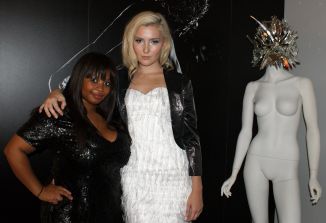
(Photo of Thulie Ellis with one of her garments at Rosemount Fashion Week from Southern Courier, May 10 2010)

Unique Boys Names from Tasmania, 2010

09 Sunday Oct 2011

Posted by A.O. in Name Themes and Lists

≈ 12 Comments

Tags

astronomical names, Australian Aboriginal names, celebrity baby names, created names, Danish names, famous namesakes, fictional namesakes, German names, Greek names, hebrew names, Irish names, Latin names, Maori names, mythological names, name history, name meaning, nature names, Old English names, place names, popular culture, saints names, surname names, Tibetan names, unique names, vocabulary names

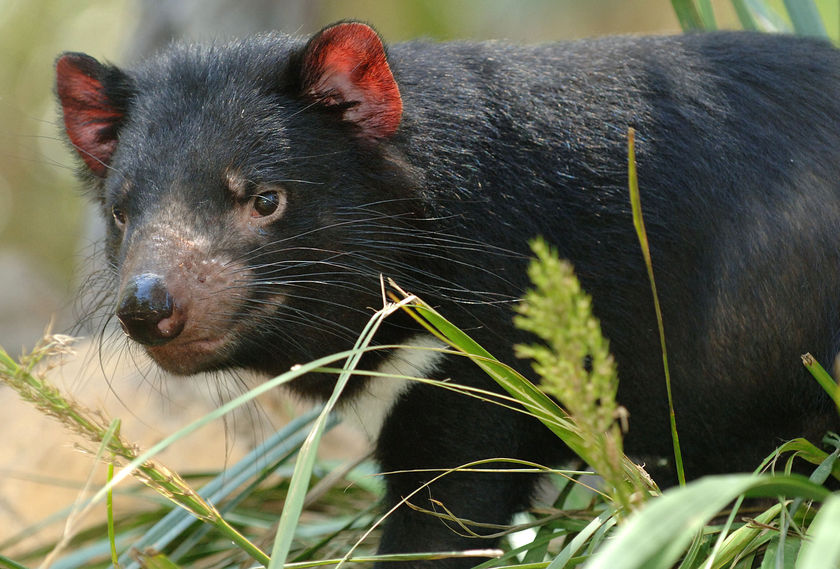
This follows on the previous list, Unique Girls Names from Tasmania, 2010. Please read the notes attached to that to see how names were chosen. Although there were fewer unique names for boys, they were much more likely to be genuine names, and not just variant spellings of common names. Whether you like these names or not, it’s nice to know that not everyone calls their children by names from the Top 100. There’s a lot of variety out there once you start looking. (If you are unsure what the animal in the photo is, it is a Tasmanian devil). 

Ambrose

This is the English form of a Latin name derived from the Greek, meaning “immortal”. It is connected linguistically to ambrosia, the food or drink of the gods in mythology, and is said to not only taste delicious, but to have a delightful aroma. In fact, it has been argued that ambrosia means “fragrant”, rather than “immortal”. If ambrosia had any basis in reality, it may be describing a honey product, although another theory is that it refers to the hallucinogenic mushroom, Amanita muscaria. The most famous namesake is probably Saint Ambrose of Milan, a 4th century Doctor of the Church who converted Saint Augustine. Interestingly, according to legend, bees swarmed on Ambrose’s face as a baby, leaving behind a drop of honey; this does seem to link the saint with the mythical ambrosia. An old-fashioned name, this fits in with the antique name revival, and the S/Z-ending for boys names. The meaning, and its associations with divine sweetness, is also hard to resist.

Other Latin names: Adrian, Augustus, Cassius, Ignatius, Maxmilian, Roman, Rufus, Silas, Sylvester

Anakin

This is the name of a Jedi knight in the Star Wars movies, father of Luke and Leia Skywalker, who crossed over to the Dark Side, and went on to become the heavy-breathing evil villain known as Darth Vader. Annikkin Starkiller was the name that George Lucas has originally chosen for Luke Skywalker, and when there was a major plot change and Darth Vader became Luke’s dad, a slight change of spelling meant that Darthy could have Luke’s old name. It’s sometimes claimed that George Lucas took Anakin’s name from his friend, Brtish film director Ken Annakin, but Lucas denies this. Although it’s tempting to give this name all number of foreboding meanings, we should remember it was originally planned as the hero’s name. It wasn’t clear in the beginning what kind of person the protagonist was going to be, and in one version it was an old man, and in another, a woman, so the name predates the character and the plot. Most likely, George Lucas just made it up.

Other sci-fi names: Auron, Draven, Grayson, Jango, Lex, Navi, Neo, Obi, Quillam

Bon

This is the name of the Scottish-born Australian rock musician, Bon Scott, who was the lyricist and lead singer for AC/DC, until his death in 1980, aged 34. AC/DC dedicated their next album, Back in Black, to him, which is the best-selling rock album of all time. Bon Scott is regarded as one of the greatest lead vocalists, has been inducted posthumously into the Rock and Roll Hall of Fame, and been honoured in both his home town of Fremantle, Western Australia, and his birthplace of Kirriemuir, Scotland. Bon was born Ronald Belford Scott, and his nickname was given to him in primary school. As there was already a classmate called Ronald, and as Scott had recently emigrated from “Bonnie Scotland”, he was dubbed Bon. The Scottish word bonnie means “beautiful, fair, fine”, and is taken from the French word bon, meaning “good”. Not only honouring a rock legend, this name seems similar to Beau in meaning and origin.

Other celebrity names: Cadel, Cassidy, Denzel, Dre, Elvis, Hammond, Joaquin, Keanu, Leland, Maddox, Makaveli, Orlando, Otis, Sylvain, Tander, Tex, Ziggie Other Scottish names: Dougal, Jock

Clancy

This is from an Irish surname meaning “son of Flannchadh”, with Flannchadh being a Gaelic name meaning “red warrior”. The name is well known in Australia, because of the poem Clancy of The Overflow, by Banjo Paterson; The Overflow is the name of a station where Clancy, a drover, works. It’s based on the true story of Paterson, a lawyer, sending a letter to Thomas Gerald Clancy of The Overflow, and imagining Clancy’s enviable life in the bush, under the “glory of the everlasting stars”. The reply that he received to his letter – “Clancy’s gone to Queensland droving and we don’t know where he are” – delighted Paterson, and was included in the poem. Clancy also appears briefly in The Man from Snowy River, and when that poem was made into a movie, the role of Clancy was played by Jack Thompson. Clancy of the Overflow is a romanticised image of bush life as dreamed of by the city dweller, and probably seems a patriotic choice as a name.

Other Irish names: Fionbharr, Niall, Rafferty, Ronan, Sullivan

Diesel

This is the name for the fuel used in diesel engines, which are named after their inventor, French-born Rudolf Diesel. His German surname is said to be based on a short form of either Matthias or Dietrich. As it sounds quite tough and butch, and has connotations of being able to keep going like a mechanical engine, it’s been a popular nickname or assumed name, for celebrities such as American actor Vin Diesel, Australian rock singer Diesel, American basketball player Shaquille “The Diesel” O’Neill, and AFL player Greg “Diesel” Williams. Diesel is also a popular name for dogs, and with “dog names” for boys in style, Diesel seems very usable. US Olympian softabller, Jennie Finch, called her second son Diesel Dean Daigle, so now it’s a celebrity baby name as well.

Other vocabulary names: Ace, Buddy, Gray, Spike Other car-related names: Holden, Jag

Esmond

An Old English name meaning “gracious protection”, this fell out of use after the Norman Conquest, and became best known as a surname. Thackery’s History of Henry Esmond is a historical novel set in the time of Queen Anne, where the hero spends the whole book in love with his foster-sister and cousin, but marries his foster-mother instead (also his cousin). This surname is part of Australian history, because James Esmond was an Irish-Australian who was one of the first people to find gold during the Victorian goldrush. He was also politically prominent in the miner’s organisation, and commanded a section of miners in the Eureka Stockade rebellion. It’s tempting to wonder if baby Esmond is a descendant of James, or whether the name was chosen in honour of this famous rebel.

Other Old English names: Bede, Edgar, Edwin, Winston

Iluka

This is a small coastal town on the Clarence River in New South Wales, and its name is derived from an Aboriginal word meaning “by the sea”. It is pronounced eye-LOO-ka. Iluka is a popular tourist destination, blessed with beaches and rainforest, and people who live in the chilly southern parts of Australia may enjoy spending their winters here. Maybe the parents of Iluka spent a happy holiday in the town? It’s easy to see the appeal of it as a name, because it is so similiar to the popular Luka, but has a distinctive Australian meaning.

Other place names: Carlisle, Clyde, Griffith, Hamilton, Maitland, Memphis, Meredith, Nelson, Preston, Ripley, Weston, Wilson, Windsor Other Aboriginal names: Wirra

Manuka

This is the name of a small tree or shrub native to New Zealand and south-east Australia – including, of course, Tasmania. It’s scientific name is Leptospermum scoparium, and it’s also called tea tree (not the same tea tree that tea tree oil is made from). The name manuka is Maori, and comes from history, where one of the sea-going canoes that brought the Maoris to New Zealand is said to have been called Mānuka. It’s pronounced mahn-OO-ka. Manuka honey is not only delicious, but recently it’s been discovered to have powerful antibacterial properties, and you can now buy medical-grade manuka honey to apply to wounds. There is a town in Tasmania near Hobart called Tea Tree, which may be named after this useful plant.

Other nature names: Aspen, Brae, Nullah, Reef, Stone, Sunny, Tiger Other Polynesian names: Loti, Kalani, Tavita

Namkha

Meaning “sky, heaven” in Tibetan, a namkha is a yarn or thread cross used in Buddhism as a sacred weaving, used in ritual or placed on an altar. “Thread” is the literal translation of the word tantra, and the threads of the mankha symbolise the warp and weft of time and space. A famous bearer is Tibetan Buddhist teacher, Rigdzin Namkha Gyatso Rinpoche.

Other Asian names: Anshuman, Arjuna, Ba, Dravid, Khan, Omita, Yang, Yasir, Zusong

Shem

One of Noah’s sons in the Old Testament, Shem is Hebrew for “name”. It can refer to someone’s fame and reputation, and also to their essential nature and being. While Noah is one of the most popular boy’s names, the names of his sons, Shem, Ham and Japeth, have had only occasional use. This may be because from early on, these three men were seen as the progenitors of the various races (as that vague and inaccurate word was understood at the time). Different writers have claimed Shem as the source of either the “Semitic” peoples, all Europeans, Germans, Greeks, Persians, or Indians; some texts even say that God made Shem brown skinned, Japeth fair skinned and Ham dark skinned. These ideas on race and ethnicity now look rather embarrassing, or even offensive; at the very least, we know them to be scientifically wrong. In the Bible, Shem is said to be an ancestor of Abram, who founded the Abrahamic religions. The name is pronounced SHAYM, and although uncommon, sounds not unlike familiar names such as Sean, Sheamus and Shane.

Other Biblical names: Abel, Amos, Elihu, Gideon, Hezekiah, Jairus, Jotham, Matthias, Raphael, Simeon

Soren

This is an anglicised form of the Danish name Søren, which is a form of the Roman name family Severinus, derived from the personal name Severus, meaning “stern” in Latin. Certain Harry Potter fans may see this as a way of using the name of grim Potions Master, Professor Snape, without actually calling their son Severus. The name has been used several times in recent popular culture; most notably the vampire Soren in the Underworld films. In the Charlie and Lola books and TV series, Soren Lorensen is little Lola’s imaginary friend. If these namesakes seem a bit lightweight, Søren Kierkegaard was a 19th century philosopher and theologian who has been enormously influential in shaping our ideas of the self and subjectivity. It’s pronounced SOH-ren.

Other Scandinavian names: Anders, Thor

Titan

According to Greek mythology, the Titans were a race of gods that ruled in the legendary Golden Age. They were the Elder Gods who were overthrown by the Olympians; this myth of a “war in heaven”, where one group of gods replaces another, exists in many cultures across Europe and the Middle East. The meaning of their name is uncertain, but is often intepreteted as “to stretch”; the Greek poet Hesiod refers to them as “the Stretchers”, because they stretched out their power. Other scholars believe it comes from the Greek for “white earth, white clay, gypsum”; they believe that this white dust was used in ancient shamanistic rituals, and it is from these almost-forgotten rites that the myth of the Titans grew. The name has been given to a moon of Saturn, and inspired the name of the element, titanium. The Titans, often imagined as gigantic figures, are part of popular culture, and you may find Titans in comic books, science fiction movies, and video games, as well as sports teams – including the Gold Coast Titans. Although the name may seem too big for a little boy, it sounds similar to names such as Tate, Tyrone and Titus.

Other Greek names: Constandinos, Eugene, Leonidas, Orion

Unique Girls Names from Tasmania, 2010

02 Sunday Oct 2011

Posted by A.O. in Name Themes and Lists

≈ 18 Comments

Tags

astronomical names, Australian Aboriginal names, english names, famous namesakes, fictional namesakes, Flemish names, Greek names, Irish names, Latin names, locational names, musical names, mythological names, name history, name meaning, name popularity, nature names, Nook of Names, Old Norse names, popular culture, royal names, Sanskrit names, surname names, unique names, virtue names, vocabulary names

Many parents say that they are looking for a “unique” name, but what they mean by that seems to differ from person to person. Some say it’s a name you don’t see every day; others define it as any name not in the Top 100; and still others refuse to say what it means to them, but will “know it when they see it”. According to the dictionary, “unique” means that only one person possesses it, and names of which the world holds but one example are few and far between. However, names do not have to be particularly strange or rare to be unique in a certain context. For example, the name Savannah is unique within the British royal family. Here are some names from baby girls born in Tasmania last year; in each case, only one child was given these names. For their state, and in the year they were born, these girls possess unique names. I usually do ten names per list, but this time there was so much choice I did twelve; I’ve also listed other unique names from the same state and year that are similar in some way to the main entry.

Bird

Not only referring to our feathered friends, a “bird” is English slang for a woman, although in the 19th century it was slang for a man, which makes it seem unisex. Another slang term is to “give someone the bird”, meaning to raise the middle finger in an obscene gesture; this has been a favoured way of insulting others since the time of the Ancient Greeks, at least. Being a bird-lover, I find this name simple and homely, and it does remind me of birdsong.

Other nature names: Acacia, Autumn, Clover, Fern, Honey, Maple, Misty, Opal, Pearl, Rosemary, Sage, Storm

Capri

This is the name of an island off the coast off Naples, famous for its stunning natural beauty. Inhabited since prehistoric times, it was a pleasure resort during the days of the Roman Empire, but the first modern tourist didn’t arrive until the 17th century. It was a popular place for artists and writers in the 19th century, and also a haven for gay men and women who formed a community where they could feel more open. A popular 1930s romantic song was The Isle of Capri, which was covered by The Gaylords, aptly enough. Capri pants were all in the rage in the 1950s as cool beachwear suitable for this resort island. No doubt the Ford Capri was also meant to suggest insouciant summer fun. The name of the island may mean either “wild boar” (from Greek) or “goats” (from Latin); there’s even a tiny possibility it means “rocky” (from Etruscan). But clearly it’s the history and associations of the name that are more important than the meaning. It’s a name that spells beauty, romance, art, fashion and freedom.

Other place names: Arizona, Baltimore, Bethany, Cheyenne, Florence, Ireland, Israel, Italia, London, Olympia, Petra, Sierra

Faithful

The virtue name Faith is familiar, but the adjective Faithful is one new to me as a name for a real person. Faithful is a (male) character in John Bunyan’s classic work, The Pilgrim’s Progress. He’s a friend of the protagonist who is executed as a martyr. He is meant to be represent those Christians who remain faithful to their beliefs, even should that lead to death. The Latin for “I am faithful” is Fido, traditionally given to dogs – apparently after Abraham Lincoln gave this name to his canine companion. As a child, I read the YA novel, Cinnamon and Nutmeg, by Anne de Roo, about a young girl growing up on a farm. The heroine wrote a story for school called “Old Faithful” about the touching death of her beloved dog. Unfortunately, she spelled “Faithful” as Fatful, and the teacher read her story mockingly to the class, with every “faithful” replaced by fatful, so that the children screamed with laughter at the tale of her dog dying. As a youngster, this struck me as the epitome of cruelty, and today makes me hope that nobody mis-spells little Faithful’s name.

Other adjective name: Innocent

Fritha

This is an Old Norse name often translated as “love, peace”, but more accurately it refers to the harmonious social order which leads to peace. It was a rare name during the Viking era, and only seems to have become commonly used in Scandinavia after the coming of Christianity – which suggests that it was connected to Christian ideals of peace and brotherhood. Fritha is a main character in the novella, The Snow Goose, by American author Paul Gallico; a sentimental tale of friendship blooming against the backdrop of World War II which was very popular in England. There was a British actress called Fritha Goodey who you may have caught a glimpse of in the movie About a Boy, starring Hugh Grant. Sadly, she died a few years ago in tragic circumstances while still quite young. There’s also a musician, Fritha Jenkins, who played with UK pagan heavy metal band, Skyclad. Because of these associations, Fritha seems like a very “English” name, despite its origins, and also quite artsy.

Other Scandinavian name: Inka

Halle

This is famous for being the name of gorgeous award-winning Hollywood actress, Halle Berry. Ms Berry’s birth name was Maria Halle Berry, but legally switched around to Halle Maria Berry when she was five. Her parents chose the name Halle from Halle Brother’s department store, a local landmark at that time in her home town of Cleveland, Ohio. Founded in the 19th century by Samuel and Salmon Halle, it became an upmarket emporium, but was liquidated in the 1980s. The brothers’ surname is originally Flemish, and is after the village of Halle in Belgium. Of Old Norse origin, Halle means “manorial hall”, and is the equivalent of the English surname Hall. Pronounced HAL-ee, it sounds the same as the girl’s name Hallie, a short form of Harriet.

Other celebrity names: Angelina, Gwyneth, Jolie, Shakira

Justice

This can either be seen as an occupational surname meaning “judge”, or an English vocabulary word. Some people see this name as a Christian virtue name, referring to God’s righteousness; others connect it with social justice; others see it as simply describing the person as fair-minded and honourable. I remember Kay at Nook of Names got rather alarmed at Australian naming laws and thought the name Justice wouldn’t be permitted here, so I wanted to reassure her that it definitely is, even though not a common name.

Other virtue names: Constance, Honor, Prudence, Temperance, Verity

Namaha

This is a Sanskrit word which is an element of sacred Vedic mantras. It means “to surrender with love”, and literally, “to bow (in a gesture of homage and respect)”. It is a negation of one’s ego, and an affirmation of the greater Self becoming one with the Cosmic Soul. It is pronounced nah-ma-hah, with unstressed syllables.

Other Asian names: Jaya, Megumi, Mika, Nilu, Palpasa, Sakura

Nerida

This Australian Aboriginal name means “waterlily”, and features in a legend from Victoria. Nerida and Berwain are two young lovers, about to marry. Wahwee, the spirit of thunder who lives in the mud pool where the couple meet to gather mussels, develops an overpowering desire for Nerida. Because she will not give herself to him, he transforms her into a waterlily, and her lover Berwain into rushes. A superstition is that if you pick a waterlily, you must also pick the rushes growing nearby so that Nerida and Berwain never be divided in death. The waterlily is used as a food source by Aborigines as a traditional bush food; the roots can be roasted, and the stem and seeds eaten raw. Nerida was used as a female name by Aborigines, and also by Europeans, who may have been charmed by the fact it is so similar to Nereida, the name of a nymph in Greek mythology (the scientific name for waterlily is Nymphaea, another pleasing coincidence). Pronounced NEHR-uh-duh, it’s a bit old-fashioned now, but clearly still in use.

Pallas

The epithet of the Greek goddess Athena, this may mean “maiden”. The original Pallas was the daughter of sea-god Triton, and foster-sister to Athena. During a friendly fight between the two goddesses, Athena received divine protection from her father Zeus, but she mortally wounded Pallas. Out of her deep sadness, she created the palladium, a statue made in the likeness of Pallas, which was given to the city of Troy to act as its protector and guardian. This sacred statue was stolen by the Greeks during the Trojan War, otherwise they could never have conquered it. Some stories say that the palladium became the property of Rome, and there are rumours that it was transferred to Constantinople. Pallas is also one of the largest asteroids, and the name of one of the Moon’s craters. Sailor Pallas is a character in the Sailor Moon manga who is named after the asteroid as well the Greek goddess, so it is an astronomical name and one from popular culture.

Other classical names: Athena, Camilla, Cassandra, Lucia, Melanie, Melissa, Octavia, Olympia, Penelope, Sylvia, Valentine, Veronica, Xanthe, Zephyr

Saoirse

This modern Irish name means “freedom”, and came into use in Northern Ireland during the 1920s as a Republican political slogan. Depending on your accent, you can pronounce it SEER-sha, SAIR-sha or SOR-sha, with SEER-sha being the Northern Irish way of saying it, and therefore (some would argue) the “correct” one. Although spelling and pronunciation may be an issue for some, the name sounds enough like names such as Sasha and Sarah to not seem out of place. Its recent use probably owes a lot to young actress Saoirse Ronan, who has impressed critics with her sensitive performances in movies such as Atonement and The Lovely Bones. Saoirse Ronan pronounces her name SUR-sha, just to confuse things further. I suspect the political and religious implications of this name have not been considered much outside Ireland.

Other Irish and British names: Arwen, Ciara, Cordelia, Fiona, Maeve, Sabrina, Shona, Sian, Una

Satanica

This is the Latinised feminine form of the word “satanic”, which can either literally mean giving veneration to Satan, or more generally, suggestive of being diabolical in nature. Satan is from the Hebrew, meaning “the adversary, the opposer, the obstructor”, and in the Hebrew portion of the Bible, Satan is an agent of God whose thankless task it is to tempt humankind and then accuse it before Heaven. In Christianity, he is seen as the Devil, the personification of all evil. Satanica is often used in black metal music as a title, and there is band with this name. There is also a manga series called La Satanica, so it can be seen as a name from popular culture. Satanica cannot help but be controversial as a baby name, and I think it is a heavy burden to place on a child; this name even made me feel depressed just thinking about it, which almost never happens.

Other Latinate names: Amanda, Clementine, Felicia, Mirabella

Tango

This is a dance which arose in the working class neighbourhoods of Buenos Aires, Argentina, in the mid-19th century. It is claimed that the tango is a mixture of South American popular dances influenced by the African community, and by European immigrants. Although the word tango could be Spanish in origin, it may very well come from Nigeria, where temgu means “to dance” in the Ibibio language. The tango arrived in Paris early in the twentieth century, and soon spread to other world capitals, where it was thought to be shockingly intimate (as nearly all new dances seem to be thought). Another tango reference is the scandalously erotic film, Last Tango in Paris, starring Marlon Brando. Even though tango, as a dance form, is dark and sensual, the name Tango isn’t – it sounds chipper and bouncy, and I’m sure has been given as a name to more animals than humans.

Other musical names: Allegra, Aria, Melody Other verb names: Cherish, Treasure Other O-enders: Indigo, Marlo

NOTE: I didn’t count variant spellings of more common names as unique, and I also disqualified double names, as well as names that had also been given to boys.

Girls Names That Only Chart in Australia

24 Sunday Jul 2011

Posted by A.O. in Name Themes and Lists

≈ 29 Comments

Tags

African names, Arabic names, Australian Aboriginal names, celebrity baby names, colour names, created names, english names, famous namesakes, fictional namesakes, Greek names, hebrew names, holiday names, Indian names, Irish names, Latin names, locational names, Mer de Noms, mythological names, name data, name history, name meaning, name popularity, nature names, nicknames, plant names, popular culture, popular names, saints names, Sanskrit names, surname names, Swahili names, unisex names, vocabulary names

Recently, Lou at Mer de Noms has had a couple of articles on names that are in the UK Top 150, but fail to make the US Top 500. It’s an interesting look at differences in name popularity between the two countries. I thought about doing the same thing from an Australian perspective, but found the list became too long for my purposes. So I made my conditions a bit tighter – these are names that are on a Top 100 list in Australia, but don’t make the Top 100 in any other country, and aren’t on the US Top 1000.

Asha

Asha has two different origins and meanings. It can be seen as an Indian name from the Sanskrit for “hope, wish, desire”, or an East African name from the Swahili word for “life”. Either way it has a beautiful meaning, and both Indian and Swahili names are becoming fashionable in Australia. It fits in well with other popular Ash- names, such as Ashley, Ash, Asher and Ashton. There’s an attractive TV presenter in Australia called Asha Kuerten (pictured), which has probably helped it gain momentum here. Asha is currently #89 in Victoria, #77 in South Australia, and #68 in the ACT. It’s never been higher than #794 on the US Top 1000 (in 1989), and hasn’t charted there since 2003.

Bridie

This is a pet form of the Irish name Brighid or its anglicised form, Bridget, which means “exalted one”. In Irish mythology, Brighid was the goddess of fire, poetry and wisdom. There was a 5th century Irish saint called Brigid, who is the patron saint of Ireland, and whose feast day on February 1 coincides with the pagan festival of Imbolc (possibly this day was sacred to the goddess of the same name). As around 30% of Australians claim Irish heritage, the name Bridie isn’t too unusual here, and there are several well-known women with this name, including Bridie Carter, a popular soap actress. Bridie is #70 in Tasmania, which has a particularly strong Irish community. It doesn’t chart in any other country.

Ebony

This is from the English word for the valuable black wood which comes from the ebony tree; different species are native to India, Sri Lanka, Indonesia, Mauritius, and West Africa. Although Ebony is often said to be used mostly by African-Americans in the United States, in Australia it is not connected to a person’s skin tone and is just seen as another colour name, like Ruby, Jade or Amber, or a plant name, like Rose or Holly. The exoticism of this name seems to have possessed a strange fascination for Australian parents, and it has been a Top 100 name since the early 1980s. Perhaps popular songs from that decade, such as Ebony Eyes and Ebony and Ivory, helped give it a boost. It’s #63 in South Australia and #55 in Tasmania. In the United States, Ebony got as high as #132 in 1982, and hasn’t been on the Top 1000 since 2005.

Indiana

The name of an American state, it means “land of the Indians”, because of the high Native American population in the area at the beginning of the 19th century (unfortunately, not to last). Indiana was used as a girl’s name (at least in fiction) before the American state was founded: Fanny Burney’s 1795 classic novel, Camilla, features a beautiful but shallow character called Indiana Lynmere. Possibly the name was intended as an elaboration of India, then part of the British Empire. French author George Sand also gave a character this name in her first novel, Indiana (1832). In this book, Indiana is a beautiful, romantic Creole from Reunion, of part-Indian descent. Here, there is a young TV actress called Indiana Rose Evans, and early this year, former NRL player Glenn Hall had a daughter named Indiana Maree. This name has only been Top 100 since last year, and it’s #98 in Victoria. Indiana has not been on the US Top 1000 since the late 19th century.

Jorja

The name Georgia, also an American state name (the state is named after King George II), is more popular in Australia than anywhere else in the world, hovering around the #20 mark on most lists, and Top 100 since the early 1980s. The phonetic spelling Jorja has also proved popular here. It’s currently #88 in Tasmania. Jorja has only been on the US Top 1000 once, in 2006, when it was at #976.

Lucinda

This is an elaboration of the Latin name Lucia, meaning “light”. Always a rather literary name, it was created by Miguel de Cervantes for his 1605 novel, Don Quixote for a character in a farcical romantic subplot. The 17th century Spanish poet Lope de Vega wrote love sonnets to a woman he called “Lucinda” to protect her identity. In more recent fiction, Lucinda is the rather silly fairy godmother in the children’s novel Ella Enchanted, later made into a movie. Australian novelist Peter Carey’s Oscar and Lucinda won the 1988 Booker Prize, and was made into a film directed by Gillian Anderson. Another Australian connection is that Lucinda is the name of a small coastal town in Queensland. As Lucy is so popular, Lucinda seems like a pretty alternative which will allow Lucy/Lucie as a nickname. It was chosen for the name of lifesaver and reality TV star Dean Gladstone’s daughter Lucinda May. It’s # 67 in Tasmania. Lucinda hasn’t been on the US Top 1000 since 1987, and peaked in 1881 at #153.

Tahlia

The name Talia can come from a range of origins. It’s a variant of the Hebrew name Talya, which means “dew from God”; it’s the Italian form of Greek Thalia, which means “to blossom” (Thalia was one of the nine Muses); and it can also be a short form of Natalia, a Latin name which means “Christmas Day”. However, In Australia, Talia is often taken as coming from an Aboriginal word meaning “near water”. Talia has become hugely popular in many parts of Australia; it has a certain patriotic flavour, and is pleasingly multicultural, suiting a variety of backgrounds. Yet it is not found consistently on the Top 100 because it has so many variant spellings. Tahlia is the most common of these variants, and is beginning to overtake Talia because it makes the favoured pronunciation more clear. It’s #47 in New South Wales, #41 in Victoria, #39 in South Australia, #35 in Western Australia, #84 in Tasmania, and #52 in the ACT. Tahlia has never charted in any other country.

Tayla

A specifically feminine form of the popular unisex name Taylor, this may have been coined in imitation of Kayla and related names. However, I can’t help thinking it’s taking off in Australia partly because it looks similar to Talia and Tahlia. It’s #68 in South Australia, #40 in Western Australia, and #94 in Tasmania. Tayla has only been on the US Top 1000 twice – in 1998 and 2006, and was never higher than #924.

Zahra

This is an Arabic name usually translated as “radiance”. The meaning is gorgeous, and Arabic names are becoming increasingly fashionable here with our growing Islamic population. However, almost certainly the reason for its popularity in Australia is due to its similarity to the name Zara. Zara has been used in Britain since the 18th century, where it is the English form of the French name Zaïre, created by the author Voltaire in 1732 for his hugely successful play of the same name, and possibly based on the name Zahra. The drama was soon translated as Zara: A Tragedy, and proved a big hit with English audiences too, being staged well into the 19th century. For some reason, Zara has been a favourite in Australia for over a century, and there are several famous women from Australian history called Zara, including the glamorous wife of former Prime Minister Harold Holt. Zara is more popular in Australia than in any other country, and Zahra is rising on the basis of its success. It’s #82 in the ACT. Zahra has never charted in the United States.

Also Qualifying

Bronte and Lara, which were covered on earlier Name Lists – Bronte in Sydney Suburbs That Can Be Used as Girls Names, and Lara in Girls Names from Video Games. Bronte is #68 in Tasmania. Lara is #43 in New South Wales, #80 in Victoria, #79 in Tasmania and #52 in the ACT. Neither has ever charted in another country.

Close But No Cigar

These names don’t make the top 1000 in the United States, but do chart in countries besides Australia

Freya – #19 in Scotland, #21 in England/Wales, #68 in Ireland, #70 in N. Ireland

Harriet – #89 in England/Wales

Imogen – #32 in England/Wales, #77 in Scotland

Maisie – #34 in England/Wales, #36 in Scotland

Milla – #48 in Norway

Poppy – #22 in England/Wales, #47 in Scotland, #60 in N. Ireland

NOTE

There are some serious statistical issues facing anyone doing comparisons between countries. Australia doesn’t produce a national Top 100, states and territories have different population sizes, not all states and territories provide their Top 100, and one has refused to divulge any of its name data. Countries don’t all release their popularity charts for the year at the same time, so we are still waiting for the ones from England/Wales, for example, and I had to use the one for 2009. I used popularity charts from Behind the Name, and sometimes they are slow in updating their data as well. Not only that, but there is no data available for many countries.

So rather than getting into a mathematical tangle, this is only intended to be of general interest and show a few broad trends.

The Baby Who Came with a Song

05 Tuesday Jul 2011

Posted by A.O. in Babies in the News

≈ 6 Comments

Tags

Australian Aboriginal names, locational names, unisex names

It was Territory Day on July 1, which celebrates the day that the Northern Territory commenced self-government in 1978. This year, the centenary of the territory’s foundation, the Northern Territory government and Music NT offered a $10 000 prize to the person who wrote the best Territory Anthem.

The winner was musician and music teacher Stephanie Harrison, from Alice Springs. Stephanie was in the early stages of labour on June 29 when she was told that her song, Stand As One, had won the contest our of 120 entries. And 48 hours later she and her partner Jack Batty had something else to celebrate – the birth of their son Tanami Batty.

Stephanie says that the song “came out of nowhere”, and that “I just couldn’t get the bloody song out of my head”.

The prize money means that she can stay home with Tanami without financial worries, and will also be used to fund some family road trips.

Her song was performed by the Darwin Symphony Orchestra and Darwin Chorale at Parliament House as part of the Territory Day celebrations.

Tanami is named after the Tanami Desert in the Northern Territory. It is pronounced tan-uh-my.

Although it’s rare, this isn’t the first time I have seen Tanami used as a name, but it’s the first time I have seen it on a boy. It seems like a brilliant name for a baby born on, or near, Territory Day.

← Older posts
Newer posts →

Enter your email address to follow this blog

Categories

Archives

Recent Comments

A.O.'s avatarwaltzingmorethanmati… on Zarah Zaynab and Wolfgang…
Madelyn's avatarMadelyn on Zarah Zaynab and Wolfgang…
JD's avatardrperegrine on Can Phoebe Complete This …
A.O.'s avatarwaltzingmorethanmati… on Rua and Rhoa
redrover23's avatarredrover23 on Rua and Rhoa

Blogroll

  • Appellation Mountain
  • Baby Name Pondering
  • Babynamelover's Blog
  • British Baby Names
  • Clare's Name News
  • For Real Baby Names
  • Geek Baby Names
  • Name Candy
  • Nameberry
  • Nancy's Baby Names
  • Ren's Baby Name Blog
  • Sancta Nomina
  • Swistle: Baby Names
  • The Art of Naming
  • The Baby Name Wizard
  • The Beauty of Names
  • Tulip By Any Name

RSS Feed

  • RSS - Posts

RSS Posts

  • Celebrity Baby News: Melanie Vallejo and Matt Kingston
  • Names from the TV Show “Cleverman”
  • Can Phoebe Complete This Sibset?
  • Zarah Zaynab and Wolfgang Winter
  • Baby, How Did You Get That Name?
  • Celebrity Baby News: Media Babies
  • Celebrity Baby News: Adelaide Crows Babies
  • Celebrity Baby News: Chris and Rebecca Judd
  • Names at Work: Name News From the World of Business and Employment
  • Celebrity Baby News: Sporting Round Up

Currently Popular

  • The Top 100 Names of the 1930s in New South Wales
  • Rare Boys Names From the 1950s
  • Celebrity Baby News: Caroline Craig and Callum Finlayson
  • The Top 100 Names of the 1940s in New South Wales
  • Girls Names From Stars and Constellations

Tags

celebrity baby names celebrity sibsets english names famous namesakes fictional namesakes honouring locational names middle names name combinations name history name meaning name popularity name trends nicknames popular names saints names sibsets surname names twin sets unisex names

Create a free website or blog at WordPress.com.

Privacy & Cookies: This site uses cookies. By continuing to use this website, you agree to their use.
To find out more, including how to control cookies, see here: Cookie Policy
  • Subscribe Subscribed
    • Waltzing More Than Matilda
    • Join 517 other subscribers
    • Already have a WordPress.com account? Log in now.
    • Waltzing More Than Matilda
    • Subscribe Subscribed
    • Sign up
    • Log in
    • Report this content
    • View site in Reader
    • Manage subscriptions
    • Collapse this bar
 

Loading Comments...