• About
  • Best Baby Names
  • Celebrity Baby Names
  • Celebrity Baby Names – Current
  • Celebrity Baby Names – Past
  • Featured Boys Names
  • Featured Girls Names
  • Featured Unisex Names
  • Links to Name Data
  • Waltzing on the Web

Waltzing More Than Matilda

~ Names with an Australian Bias of Democratic Temper

Waltzing More Than Matilda

Tag Archives: popular names

The Top 100 Boys Names in Victoria for 2012

12 Saturday Jan 2013

Posted by A.O. in Name Data

≈ 2 Comments

Tags

name popularity, popular names

  1. Jack
  2. William
  3. Oliver
  4. Ethan
  5. Thomas
  6. Noah
  7. James
  8. Lucas
  9. Alexander
  10. Joshua
  11. Cooper
  12. Lachlan
  13. Xavier
  14. Max
  15. Liam
  16. Samuel
  17. Oscar
  18. Mason
  19. Charlie
  20. Benajmin
  21. Jacob
  22. Harry
  23. Henry
  24. Ryan
  25. Riley
  26. Harrison
  27. Isaac
  28. Levi
  29. Daniel
  30. Archie
  31. Tyler
  32. Sebastian
  33. Logan
  34. Patrick
  35. Jackson
  36. Flynn
  37. Blake
  38. Jayden
  39. Hunter
  40. Matthew
  41. Angus
  42. Edward
  43. Dylan
  44. Luke
  45. Zachary
  46. Nicholas
  47. Archer
  48. Aiden
  49. Jake
  50. Hudson
  51. Michael
  52. Jaxon
  53. Mitchell
  54. Ryder
  55. Leo
  56. Nathan
  57. Jordan
  58. Hamish
  59. Hayden
  60. Finn
  61. Elijah
  62. Luca
  63. Marcus
  64. Connor
  65. Jasper
  66. Joseph
  67. Adam
  68. Nate
  69. George
  70. Owen
  71. Harvey
  72. Christian
  73. Chase
  74. Declan
  75. Bailey
  76. Charles
  77. Caleb
  78. Kai
  79. Hugo
  80. Austin
  81. Braxton
  82. Alex
  83. Eli
  84. Jett
  85. Ashton
  86. Tyson
  87. Zac
  88. Anthony
  89. Aidan
  90. Spencer
  91. Seth
  92. Louis
  93. Lincoln
  94. Toby
  95. Darcy
  96. Felix
  97. Aaron
  98. Beau
  99. Christopher
  100. Gabriel

The Top 100 Girls Names in Victoria for 2012

12 Saturday Jan 2013

Posted by A.O. in Name Data

≈ Comments Off on The Top 100 Girls Names in Victoria for 2012

Tags

name popularity, popular names

  1. Olivia
  2. Charlotte
  3. Ruby
  4. Chloe
  5. Mia
  6. Emily
  7. Ava
  8. Amelia
  9. Sophie
  10. Zoe
  11. Sienna
  12. Isabella
  13. Ella
  14. Lily
  15. Grace
  16. Matilda
  17. Scarlett
  18. Isla
  19. Emma
  20. Hannah
  21. Evie
  22. Eva
  23. Isabelle
  24. Sophia
  25. Lucy
  26. Zara
  27. Ivy
  28. Jasmine
  29. Harper
  30. Jessica
  31. Madison
  32. Audrey
  33. Willow
  34. Alice
  35. Milla
  36. Georgia
  37. Abigail
  38. Maddison
  39. Sarah
  40. Stella
  41. Maya
  42. Layla
  43. Alexis
  44. Mackenzie
  45. Summer
  46. Mila
  47. Chelsea
  48. Imogen
  49. Elizabeth
  50. Lilly
  51. Poppy
  52. Eliza
  53. Bella
  54. Alexandra
  55. Paige
  56. Molly
  57. Eve
  58. Violet
  59. Lola
  60. Holly
  61. Hayley
  62. Annabelle
  63. Victoria
  64. Madeleine
  65. Addison
  66. Claire
  67. Anna
  68. Alyssa
  69. Tahlia
  70. Phoebe
  71. Ellie
  72. Rose
  73. Pippa
  74. Savannah
  75. Piper
  76. Isabel
  77. Sofia
  78. Indiana
  79. Evelyn
  80. Ebony
  81. Charli
  82. Madeline
  83. Gemma
  84. Eden
  85. Heidi
  86. Charlie
  87. Lara
  88. Kayla
  89. Amy
  90. Sara
  91. Natalie
  92. Leah
  93. Stephanie
  94. Olive
  95. Kiara
  96. Jade
  97. Billie
  98. Amber
  99. Millie
  100. Bonnie

2012 Name Trends in the ACT – Boys

07 Monday Jan 2013

Posted by A.O. in Name Data

≈ 7 Comments

Tags

Arabic names, Biblical names, celebrity baby names, famous namesakes, fictional namesakes, Indian names, Italian names, name popularity, name trends, nicknames, popular names, Scottish names, Spanish names, surname names, unisex names

Biggest Movers Up

  1. Archer (51)
  2. Marcus (45)
  3. Andrew (41)
  4. Mason (33)
  5. Jackson (28)
  6. Eli and Kai (26)
  7. Jasper and Leo (23)
  8. Hunter (22)
  9. Nathaniel (18)
  10. Christopher and Henry (16)

To nobody’s surprise, surely, seen-everywhere Archer was the big winner for 2012, and the similar Hunter also did well. Marcus is the name of several Australian sports stars; perhaps Canberrans were paying keen attention to the sports news this year, or maybe they are all Mumford & Sons fans? Celebrity baby name Mason continues to keep up, even as his sister Penelope failed to make the grade. Prince Harry‘s official name, Henry, made number 10 on the list, while his nickname was number 11. From reading the birth notices, I know that there is an obstetrician named Andrew in Canberra; I don’t know if he is responsible for his name’s success though.

Biggest Movers Down

  1. Levi (49)
  2. Hamish (44)
  3. Luca (39)
  4. Caleb (35)
  5. Elliot (31)
  6. Finn and Matthew (30)
  7. Jake (28)
  8. Cameron and Sebastian (23)
  9. Angus and Darcy (21)
  10. Edward and Harrison (20)

In general, Old Testament names for boys had a bit of a fall in 2012, with Levi the worst affected. Scottish favourites Hamish, Angus and Cameron also went down, and Darcy doesn’t seem to be doing well for either girls or boys. Jake, Jacob and Edward waned like an old moon, as did Isabella and her offshoots – make of that what you will!

Most Stable

  • Benjamin (10)
  • Ryan (17)
  • Luke (33)

New to the List

  • Ayden (40)
  • Lewis (40)
  • Louis (62)
  • Braxton (70)
  • Luka (70)
  • Ali (76)
  • Jai (76)
  • Jason (76)
  • Jude (76)
  • Maxwell (76)
  • Muhammad (76)
  • Reuben (76)
  • Ari (92)
  • Aryan (92)
  • Dante (92)
  • David (92)
  • Jaxon (92)
  • Rafael (92)
  • Rohan (92)
  • Spencer (92)
  • Tobias (92)
  • Vincent (92)

With Ari, Aryan and Aria new to the popularity charts, and Archer the fastest-rising, names starting with a piratical AR sound seem in vogue. Jude, Reuben, Tobias and David provided some new blood for Biblical names.

Both Louis and Lewis are new to the charts – a name which seemed generally popular this year. Braxton and Spencer were two surname names I’ve seen much of, and Vincent seemed to be several name bloggers’ pick for the Name Most Likely. We were right in at least one area of the world, anyway! I wonder if the Danish prince helped in this regard?

Jai and Rohan are two Indian names new to the list, Dante and Rafael two from southern Europe, and Ali and Muhammad two Arabic ones, possibly showing some demographic changes in the Territory – although Jai has long been a standard in Australia, and Rafael on trend for ages.

Interestingly, 1970s trendsetter Jason is on the list, and last year Jennifer was on the girl’s list. Apparently if you go beyond Ava and Aiden, you get … more Jennifer and Jason!

Back on the List

  • Hudson (50)
  • Rhys (70)

Gone from the List

  • Aidan (33)
  • Aiden (50)
  • Mitchell (61)
  • Tyson (61)
  • Jett (61)
  • Jonah (61)
  • Alex (75)
  • Hugh (75)
  • Billy (78)
  • John (78)
  • Tom (78)
  • Austin (78)
  • Felix (88)
  • Jesse (88)
  • Seth (88)
  • Anthony (97)
  • Beau (97)

Aidan and Aiden have been replaced by Ayden – Jayden went up, although Hayden went down. Luca went down, but Luka stepped in. Nicknames Alex, Tom and Billy were rejected in favour of their full names. Jonah, John, Jesse and Seth were four Biblical names to disappear altogether. Michael rose, while surname-form Mitchell was out.

2012 Name Trends in the ACT – Girls

07 Monday Jan 2013

Posted by A.O. in Name Data

≈ 6 Comments

Tags

celebrity baby names, famous namesakes, meteorological names, name popularity, name trends, Nameberry, popular culture, popular names, retro names, royal names, unisex names, vintage names

The tiny population size of the Australian Capital Territory provides two bonuses for those waiting to see the popular names – not only are they the first to get their name data out, but the full list of names is effectively the complete name data, showing all names which were used at least five times.

Biggest Movers Up

  1. Lara +57
  2. Mila +53 at least
  3. Phoebe +53 at least
  4. Ivy +52
  5. Alexis +51
  6. Elsie +46 at least
  7. Felicity +46 at least
  8. Heidi +46 at least
  9. Eleanor +43
  10. Evie +43

Also Up

Alexa, Alisha, Annabelle, April, Aria, Ayla, Bianca, Brooklyn, Catherine, Charlotte, Eliza and Isobel, Ellen and Elena, Esther, Holly, Isla, Jasmine, Laura, Lilah, Lola, Lacey, Lily and Lilly and Liliana, Lucinda, Freya, Amaya and Maya, Mia, Mackenzie, Molly, Madeleine, Matilda, Nina, Olive, Paige, Poppy, Rose, Ruby, Saskia, Scarlett, Willow, Zara, Zoe

Up Slightly

Audrey, Charlie, Emma, Grace, Layla, Lucy, Maddison

Socialite Lara Bingle’s reality TV programme, Being Lara Bingle, was panned by the critics and didn’t rate particularly well, but Lara has soared 57 places up the charts in Canberra. Parents who chose it are not necessarily Bingle fans, but at the very least are fans of her name (rhyming Zara also made significant gains). Sound-alikes Ivy and Evie also went up.

Biggest Movers Down

  1. Erin -72 at least
  2. Madison -68
  3. Savannah -67 at least
  4. Violet -67 at least
  5. Annabel -55
  6. Stella -50
  7. Maeve -49 at least
  8. Mikayla -49 at least
  9. Emilia, Gabriella, Gabrielle, Harper, Leila, Lillian and Madeline -41 at least

Also Down

Aaliyah, Abigail and Abby, Addison, Alice, Amber, Amelie, Anna, Beatrix, Caitlin, Chelsea, Claire, Darcy, Eloise, Harriet, Hayley, Elizabeth and Isabel and Isabelle and Isabella, Ella, Evelyn, Georgia, Jennifer, Kayla, Leah, Miranda, Olivia, Penelope, Samantha, Sarah, Skye, Stephanie, Taylor

Down Slightly

Alexandra, Amy, Ellie, Emily, Eva, Hannah, Imogen, Sienna, Sofia and Sophia

Annabelle is up, but Annabel down; meanwhile both Isabel and Isabelle suffered. Isabella also went down slightly. Only Annabelle was the belle of the ball. Yes, spelling matters. As an another example, Madison plummeted 68 places, while Maddison rose slightly.

No Change in Position

  • Sophie #3
  • Amelia #5
  • Chloe #6
  • Ava #11
  • Jessica #23
  • Bella #77
  • Jade #77

New to the List 

  • Mila #48
  • Elsie #55
  • Felicity #55
  • Heidi #55
  • Aria #62
  • Lola #62
  • Lacey #68
  • Nina #68
  • Alisha #77
  • Ayla #77
  • Brooklyn #77
  • Elena #77
  • Lilah #77
  • Olive #77
  • Saskia #77
  • Amaya #95
  • Catherine #95
  • Ellen #95
  • Esther #95
  • Freya #95
  • Liliana #95

More signs that L names are still doing well: Lola, Lilah, Lacey and Liliana have joined the charts. With Eleanor jumping 43 places, Ellen and Elena made their debut.

Felicity, like Eleanor and Ivy, was listed on Nameberry as one of its popular names chosen by Nameberries in 2012; maybe there are some Canberraberries out there?

Vintage favourites Esther, Elsie and Olive joined the list, as did modern choices like Mila and Brooklyn. Fashionable Freya and Saskia made their mark, perhaps with help from Australian actresses Freya Stafford and Saskia Burmeister.

Two name choices new to the list that seemed very 2012: Catherine, the name of the Duchess of the Cambridge (much in the news), and Nina, as the weather phenomenon La Niña came to an end this year, after three years of cooler and wetter conditions.

Back on the List

  • Phoebe (48)
  • April (77)
  • Bianca (77)
  • Poppy (77)

Gone from the list

  • Erin #35
  • Savannah #40
  • Violet #40
  • Maeve #58
  • Mikayla #58
  • Emilia #66
  • Gabriella #66
  • Gabrielle #66
  • Harper #66
  • Leila #66
  • Lillian #66
  • Madeline #66
  • Abby #77
  • Miranda #77
  • Penelope #77
  • Skye #77
  • Taylor #77
  • Aaliyah #92
  • Beatrix #92
  • Darcy #92
  • Jennifer #92
  • Kayla #92
  • Leah #92

Lillian and Leila made way for Liliana (new) and Layla (rising); Madeline was rejected in favour of Madeleine. Harper and Penelope were two celebrity baby names which didn’t resonate with Canberrans. Darcy as a girl’s name was apparently a flash in the pan rather than a harbinger of unisex things to come, and Savannah was dumped in favour of her sister Isla, who rose in the rankings.

The Top 106 Boys Names in the Australian Capital Territory for 2012

07 Monday Jan 2013

Posted by A.O. in Name Data

≈ Comments Off on The Top 106 Boys Names in the Australian Capital Territory for 2012

Tags

name popularity, popular names

1 Jack

2 Oliver

3 William

4 Lachlan

5 James

6 Thomas

7 Ethan

7 Liam

9 Samuel

10 Benjamin

10 Henry

12 Noah

13 Lucas

14 Cooper

15 Joshua

16 Harry

17 Alexander

17 Charlie

17 Ryan

20 Blake

20 Riley

22 Daniel

22 Isaac

22 Oscar

25 Patrick

25 Zachary

27 Eli

28 Flynn

28 Mason

30 Jasper

30 Leo

30 Xavier

33 Jackson

33 Joseph

33 Luke

33 Marcus

37 Andrew

37 Jacob

37 Nicholas

40 Ayden

40 Charles

40 Harrison

40 Jayden

40 Lewis

40 Tyler

46 Archer

46 Connor

46 Max

46 Toby

50 Dylan

50 George

50 Hayden

50 Hudson

50 Logan

50 Matthew

56 Declan

56 Hunter

56 Michael

56 Nathan

56 Owen

56 Sebastian

62 Angus

62 Archie

62 Christopher

62 Kai

62 Louis

67 Hamish

67 Jake

67 Levi

70 Braxton

70 Edward

70 Luka

70 Nate

70 Nathaniel

70 Rhys

76 Adam

76 Ali

76 Ashton

76 Caleb

76 Cameron

76 Elijah

76 Finn

76 Gabriel

76 Hugo

76 Jai

76 Jason

76 Jordan

76 Jude

76 Maxwell

76 Muhammad

76 Reuben

92 Ari

92 Aryan

92 Bailey

92 Dante

92 Darcy

92 David

92 Elliot

92 Jaxon

92 Luca

92 Rafael

92 Rohan

92 Spencer

92 Tobias

92 Vincent

106 Aaron

Source: ACT Births, Deaths and Marriages

The Top 106 Girls Names in the Australian Capital Territory for 2012

07 Monday Jan 2013

Posted by A.O. in Name Data

≈ Comments Off on The Top 106 Girls Names in the Australian Capital Territory for 2012

Tags

name popularity, popular names

1 Charlotte

2 Ruby

3 Emily

3 Sophie

5 Amelia

6 Chloe

7 Grace

7 Mia

7 Zoe

10 Lily

11 Ava

11 Ella

11 Matilda

14 Isabella

14 Lucy

16 Olivia

17 Sienna

18 Hannah

19 Emma

20 Jasmine

20 Zara

22 Isla

23 Eleanor

23 Evie

23 Jessica

26 Abigail

26 Alexis

26 Scarlett

26 Sophia

30 Eva

30 Georgia

30 Imogen

30 Ivy

30 Lilly

35 Annabelle

35 Audrey

35 Evelyn

35 Lara

35 Layla

35 Maddison

35 Maya

35 Molly

43 Alice

43 Claire

43 Elizabeth

43 Ellie

43 Sofia

48 Anna

48 Chelsea

48 Holly

48 Mackenzie

48 Mila

48 Phoebe

48 Sarah

55 Alexandra

55 Charlie

55 Elsie

55 Felicity

55 Heidi

55 Isabelle

55 Madeleine

62 Aria

62 Eliza

62 Harriet

62 Laura

62 Lola

62 Rose

68 Addison

68 Amber

68 Amelie

68 Hayley

68 Isobel

68 Lacey

68 Nina

68 Paige

68 Willow

77 Alisha

77 April

77 Ayla

77 Bella

77 Bianca

77 Brooklyn

77 Caitlin

77 Elena

77 Eloise

77 Isabel

77 Jade

77 Lilah

77 Olive

77 Poppy

77 Samantha

77 Saskia

77 Stella

77 Stephanie

95 Alexa

95 Amaya

95 Amy

95 Annabel

95 Catherine

95 Ellen

95 Esther

95 Eve

95 Freya

95 Liliana

95 Lucinda

95 Madison

Source: ACT Births, Deaths and Marriages

This or That?

16 Sunday Dec 2012

Posted by A.O. in Your Questions Answered

≈ 11 Comments

Tags

Biblical names, celebrity baby names, choosing baby names, classic names, Eleanor Nickerson, faux-Celtic names, Irish names, name combinations, name popularity, nicknames, popular names, retro names, scandinavian names, Scottish names, surname names, unisex names, vocabulary words

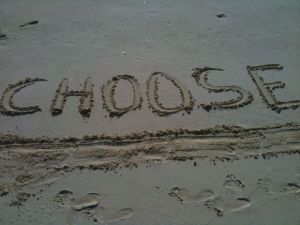
l_2048_1536_55BA4ECF-57A0-4861-954A-D5C549924414After considering all the possible baby names, and a few impossible ones just for good measure, sometimes you end up with two or three names that you love equally, and just can’t choose between them.

Many people searched the Internet to discover which of their final options would make the better choice, and somehow stumbled upon this blog.

I decided to answer their questions, and found that quite often the name that seemed “better” wasn’t the name I liked best, or that I would choose.

Perhaps that is the lesson to be learnt here – not to look for the name which ticks the most boxes, or which fulfils more of your preferences, but the one which satisfies your heart the most.

When there is no right or wrong answer, how do you decide between the last two names on your list?

Adele or Adeline?

Classic Adele is the safer choice, and retro Adeline the more daring choice. I think I would be tempted to go with Adeline.

Riley or Caleb?

I would go for the Biblical name, as having more history behind it, and say Caleb.

Ryan or Dylan?

You ask which one sounds as if it is in a higher socio-economic group. To me, both seem fairly average or “normal”, and I don’t think I could pick one over another.

Rocco or Frankie?

Rocco – it’s rapidly increasing in popularity while still underused. Frankie is more fashionable as a feminine name now (if that bothers you).

Chloe or Lily?

Both are extremely popular, but I would say Chloe is the safer choice, as it has been Top 100 since the 1980s and only just peaked. Chloe also has a classical background, and is popular with all classes. Despite that, I prefer Lily.

Lillian or Clara?

I’d go with Clara, simply because it isn’t in the Top 100 yet and Lillian is.

Clara or Kayla?

Definitely Clara – Kayla doesn’t have the history behind her that Clara does, and is on her way out.

Clara or Zara?

I think I’m going to have to back Clara again, just to be consistent.

Zara or Allegra?

I love Allegra, but I have to admit she’s a risky choice, since she does seem to be getting quite trendy as a celebrity baby name. My heart says Allegra, but my head says Zara.

Charlie or Jack?

I’d go with Jack if you want a classic name that is definitely masculine, and is a short form that has been long established as a full name. Charlie is very cute though.

James or Hamish?

James is the safer choice, being a classic that’s never left the Top 20. Hamish is a bit riskier, but if you want something obviously Scottish, then Hamish is your boy.

Hunter or Archer?

I prefer Archer, because you get Archie as a nickname. If you hate nicknames, then Hunter is probably more appropriate.

Evalyn or Aveline?

You ask which one sounds “lovelier”; in my opinion, it is Aveline. However, I think Evelyn is lovelier than Aveline. Can I interest you in Evelyn?

Emmie or Emma?

You ask which one sounds “softer”; to me, Emma sounds softer.

Indie or Milla?

Even though Milla is Top 100 and Indie doesn’t chart, I’m going to say Milla. This is because if all the spelling variants were combined, I think Indie would be Top 100 as well. To me, Milla seems more distinctive.

Amelia or Matilda?

These are both safe choices, although if popularity bothers you, you should know that Amelia is probably heading for the #1 spot, which she already holds in the UK.

Annie or Matilda?

If you want something less popular, yet which has been stable for many years, then pick Annie. If you would prefer a non-nickname choice, then go with Matilda.

Josephine, Violet or Mathilda?

Josephine is the safest choice, and Mathilda seems trendiest because Scandinavian-type names are coming into fashion. I think Violet is the prettiest. You could use all three, because Josephine Violet Mathilda is really nice as a name combination.

Josephine or Audrey?

Both classic names, but Josephine is more stable, and isn’t in the Top 100. I find Audrey really adorable though, so I’m going to go against the sensible advice and say Audrey. If you’re feeling sensible, pick Josephine.

Elsie or Josie?

Definitely Elsie – it’s fashionable, increasing steadily in popularity, and Eleanor Nickerson tips it to become the next Evie in the UK.

Luella or Eloise?

Eloise is the more stylish and safer choice, but Luella is sweeter.

Eloise or Matilda?

I think Eloise is the clear winner here, because it’s still at the bottom of the Top 100, and seems more up-and-coming.

Matilda or Helen?

Classic Helen has been stable for decades, and peaked in the 1940s, suggesting she may be due for a comeback in about ten years or so. I’d be inclined to be brave and choose Helen.

Max or Darcy?

Max is by far the safer choice, as Darcy is losing popularity as other surname names take its place. I think I like Darcy better though.

Max Archie or Max Oscar?

When I hear “Max Oscar“, I immediately visualise a gigantic Academy Award statue, so I prefer Max Archie.

Oscar or Lucas?

Oscar – Lucas is just about to hit its peak.

Finn or Lewis?

Lewis if you want a classic name that’s less popular, Finn if you’re looking for an Irish heritage choice.

Kallan or Flynn?

Flynn – I don’t like it when names randomly start with a K instead of a C.

Taj or Kyan?

Taj. I’ve noticed faux-Celtic names like Kyan tend to have a short shelf life and date quickly.

Keira or Kirra?

Oh, go for the Australian choice and pick Kirra – be patriotic.

Sibella or Imogen?

Sibella, although much less popular, seems more trendy, and may get lost amongst the other Bella names, so I would pick Imogen.

Maisie or Matilda?

I love Maisie, she’s so sweet and charming, and seems much fresher than Matilda, so that would be my preference.

Matilda or Lilah?

Matilda – I don’t like that spelling of Lila, which makes no sense to me.

Jett or Jet?

Tough call. I think I might be tempted to go with vocabulary word Jet, which seems more fashion-forward.

Jai or Jye?

Jai – it seems more like a real name.

Jett, Levi or Jai?

Levi. Probably because it stands out pitted against two names starting with J.

Is the Name Macalla of Indigenous Origin?

15 Saturday Dec 2012

Posted by A.O. in Naming Assistance

≈ 2 Comments

Tags

Australian Aboriginal names, baby name websites, Chunes of Broome, Google, Hawaiian names, Karajarri words, Mervyn Mulardy, meteorological names, name meaning, name popularity, National LIbrary of Australia, nature names, polynesian names, popular names

image_previewA reader named Beni wrote in some time ago to ask if I could verify that the name Macalla was from an Australian Aboriginal language, and had the meaning “full moon”.

If you do a quick Google search, this interpretation does pop up on a few baby name sites, but they do not explain which language it is from. They also offer Mikayla or Makayla as being “derived” from this name, when we know that is not the case at all, so it starts to look rather unconvincing.

Even before searching these dubious baby name sites, I was already suspicious, because there is no letter c in the orthography of Australian Indigenous languages – a hard c sound, such as in the word carrot, is always shown as a k.

Feeling unsure of where to look next, I replaced the c with a k and tried searching for Makalla instead. In the National Library records, I found an album by a Western Australian musician and performer named Mervyn Mulardy; it was called Yatangal, and one of the tracks was Makalla.

I wrote to a music store named Chunes of Broome, and a helpful staff member named Andrew gave me Mr Mulardy’s phone number so that I could ask him about the song title.

Mr Mulardy was kind enough to take time out of his recording schedule to talk to me, and he explained that makalla is a word from the Karajarri language of the Kimberley, in Western Australia’s north-west. It describes the long grey clouds which roll in across the sky like waves, and which bring rain.

I don’t feel at all confident in reproducing Mr Mulardy’s pronunciation (especially as heard over the phone), but it sounded rather like MAHK-uh-lah, and the l in the word almost seemed to be a soft r sound.

I asked if Makalla is ever used as a name, and Mr Mulardy said he hadn’t heard of it being used so, but thought it very well could have been. I asked if it would cause any offence or be culturally inappropriate for non-Karajarri or non-Indigenous people to use Makalla as a name. Mr Mulardy seemed to think for a moment, and then said he didn’t believe so – in fact, he thought it would make a very good name.

As far as Macalla being an Indigenous name, that’s all I was able to find, and as you see, nothing about a full moon.

There is a Hawaiian girl’s name Makala, and this can be translated as “set free” or “myrtle” (depending upon pronunciation) – although other sources suggest that it can be used as a Hawaiian feminine form of Michael, which seems to bring us back to Mikayla again.

Another baby name site simply says that Macalla is a spelling variant of Mikayla, and this seems like the most likely explanation to me.

When it comes to spelling variants of common and popular names, baby name websites sometimes seek to make them seem more like “real names” with their own etymologies, origins and histories, and this can sometimes lead to overly imaginative interpretations of re-spelled names.

So Beni, I’m afraid I wasn’t able to verify that Macalla is an authentic Indigenous name, or even a genuine name in its own right.

But there are similar words and names that you could use, such as Makala and Makalla, and of course there is always Michaela, which could very well be the true source.

It’s interesting that while Mikayla is a Top 100 name, Michaela is only in the 400s, so the original (and some would say, the “correct”) spelling of the name actually makes a less common and more distinguished alternative.

If anyone has further information or insights on the name Macalla, please feel free to send them in to the blog. And which name would you prefer to use – Macalla, Makalla, Makala, Mikayla, Makayla or Michaela?

Much gratitude to Andrew at Chunes of Broome and Mervyn Mulardy for all their help.

(Photo shows a full moon over Lake Mungo)

Names of Australian Male Olympic Swimmers

02 Sunday Dec 2012

Posted by A.O. in Name Themes and Lists

≈ 19 Comments

Tags

American names, animal names, Arthurian legends, Arthurian names, bird names, Celtic names, created names, english names, famous namesakes, fictional namesakes, French names, Gaelic names, Gone With The Wind, holiday names, Idylls of the King, Irish names, Italian names, locational names, Lord Tennyson, middle names, modern names, mythological names, name history, name meaning, name popularity, nature names, nicknames, Old French names, Old Provencal names, plant names, popular culture, popular names, saints names, Scottish names, Shakespearean names, soap opera names, surname names, unisex names, vocabulary names, Welsh names, William Shakespeare

kpAshley (Callus)

Ashley Callus won gold in 2000 and bronze in 2008. Ashley is an English surname from a common place name meaning “ash tree clearing”. It’s been used as a personal name since the 17th century, and was originally given to boys. It only became popular in Australia after the release of the 1939 movie Gone with the Wind, with the character of Ashley Wilkes (actually George Wilkes – Ashley is his middle name). Played by Leslie Howard, Ashley is a true Southern gentleman, and the one man Scarlett cannot get. The name Ashley first charted in the 1940s, and by the 1950s was #160; it made the Top 100 for the 1970s, and peaked in the 1980s at #62. It was during the 1980s that Ashley became a unisex name, making an impressive female debut at #55 – higher than the peak for boys. Coincidentally or not, it was in 1982 that the popular character Ashley Abbott joined soapie The Young and the Restless, first portrayed by Eileen Davidson. Ashley peaked for girls in the 1990s at #33, and although it left the Top 100 in 2009, it rose again and is now #93. As a boy’s name, Ashley left the Top 100 in the 1990s, and no longer ranked by 2010. However, last year Ashley increased for boys as well as girls, reaching #466. The usual nicknames is Ash.

Francis (Gailey)

Francis “Frank” Gailey won three silvers and a bronze at the 1904 Olympics. Born in Australia, Frank emigrated to the United States, and his medals are credited to the US. However, as he was an Australian citizen when he won them, we claim them toward our own medal count. This doesn’t seem to be accepted internationally. Francis is the English form of the Italian name Francesco. This began life as a nickname, because the 12th century Giovanni di Bernardone was known as Francesco, “the Frenchman”. This may have been because his father was on business in France when he was born, or because the young Giovanni quickly became fluent in French. While still a young man, Francesco began to turn away from the pleasures available to him as the son of a wealthy man, and to live a life of poverty and simplicity. Known as Saint Francis of Assisi, he is the patron saint of Italy, and also the environment. Many stories about him reflect on his deep love for animals, and his sense of kinship with all life. Francis charts as a unisex name from 1900, but by the 1950s was male-only, and in the Top 100. It left the Top 100 the following decade and remained stable for decades before falling out of use in 2010. However, last year Francis was back in the charts at #388.

Garrick (Agnew)

Sir Robert David Garrick Agnew, always known by the second of his middle names, attended the 1948 and 1952 Olympics. A graduate of Harvard, Sir Garrick became a very wealthy businessman, and also a champion fisherman. He died of a heart attack after going swimming in a pool. Garrick is an English surname which is the Anglicisation of two slightly different French surnames of Old Provencal origin. Garric means “kermes oak tree”, a small evergreen oak; Garrique means “grove of kermes oaks” – both names denoted someone who lived near such trees. The surname was introduced to Britain in the 17th century by French Huguenots, Protestants who fled persecution in France. The great 18th century English actor David Garrick was from a Huguenot family; his grandfather changed the name from Garric. Garrick has been used as a personal name since the 18th century, and first appears amongst British Huguenot families. It’s been reasonably well used in Australasia, and I think it still sounds rather distinguished and gentlemanly.

Jayden (Hadler)

Jayden Hadler is a young swimmer who attended his first Olympics this year. Jayden is a modern name of uncertain origin. It’s first found in the United States in the 19th century, and turns up around the same time as other J-D-N names then in vogue, including Jadin. Jadin is a French occupational surname for someone who made bowls, derived from the French word for bowl, jatte, and it’s hard not to wonder if Jayden began as a variant of this name, influenced by Jay, a surname after the bird, whose name means “joyful, lively”. Jaidan, Jadan and Jaden were also in use around this time – some of the variants we see today date back over a century. Jayden became popular in Australia earlier than other countries, and first charts in the 1970s. You can see that it fit perfectly with popular or fashionable names of that era such as Jason, Hayden and Aidan. By the 1980s it was #307, then zoomed up the charts to make #47 for the 1990s. It peaked in 2003 at #14, and by 2010 had fallen to #28. Last year it rose again to #21, and could be considered a modern classic. The question is – is Jayden from the 1970s “the same name” as Jayden from the 19th century?

Kieren (Perkins)

Kieren Perkins was considered one of the world’s best long-distance swimmers, specialising in the 1500 metre freestyle. He won gold and silver at the 1992 Olympics, gold in 1996, and silver in 2000. Since retiring from swimming, he has gained success in the media and the corporate world. Kieren is an Anglicised form of the Irish name Ciarán, a diminutive of the name Ciar, meaning “black, dark”. There are six Irish saints called Ciarán, the eldest of which is known as the first Irish-born saint. Although an educated man of noble birth, according to tradition he was a hermit, who lived like a wild man dressed in skins. Many legends describe him as having a love for and power over wild animals. Kieren is pronounced KEE-ren. Kieren has never charted in Australia, with parents preferring the variant Kieran, currently #240.

Leith (Brodie)

Leith Brodie won two bronzes at the 2008 Olympics. Leith is the port area in the city of Edinburgh; its name comes from the Gaelic word lìte, meaning “wet”. This makes sense when you realise that Leith is at the mouth of a river. Leith has played an important role in Scottish history and been the scene of many battles, as well as a major industrial centre. Leith is an aristocratic surname; the Leith family are of Scottish origin, and descend from William Leith, who was Lord Provost of Aberdeen in the 14th century. Leith has been reasonably well-used in Australia, and from the available records, seems to have been used almost equally on males and females. For boys, it probably seemed like a cross between Lee and Keith, and for girls, maybe a cross between Lee and Beth. This name still seems a bit “mum and dad” to me, but maybe it’s ready for an early retro-revival.

Moss (Christie)

Maurice “Moss” Christie won silver at the 1924 Olympics. Moss can be a nickname for names such as Moses, Mostyn or Maurice, or it can be from the surname. The surname Moss has several possible sources. As an Irish name, it is usually translated as “son of the follower of Saint Munnu”. Munnu was the nickname of Saint Fintán of Taghmon; his nickname means “teacher”. As an English surname, Moss can mean “swamp, peat bog”, given to someone who lived near one, or it can be taken from the name Moses. Although many of these sources are male, the swamp one is obviously unisex, and you could also see Moss as a nature name, directly after the soft springy green plant. This could be used on both boys and girls.

Noel (Ryan)

Noel Ryan was an international swimming champion who attended the 1932 Olympic Games. Noel is another word for Christmas which was introduced by the Normans and comes from the Old French. Ultimately it is from Latin, meaning “birth”, referring to the birth of Jesus Christ. It’s been used for both boys and girls in England since the Middle Ages, originally given to those who were born at Christmas time. Later on, it may have been influenced by the surname, which could be from the personal name, given as a nickname to someone born at Christmas, or to someone who played an important role in Yuletide celebrations. In Australia, Noel has only ever charted as a male name. It was #76 for the 1900s, and peaked in the 1930s at #21. It was out of the Top 100 by the 1970s, and hasn’t charted since the 1990s. This is another 1930s name I would like to see make a comeback, and think it works equally well for girls.

Percival (Oliver)

Percival “Percy” Oliver won thirteen Australian freestyle and backstroke titles, and attended the 1936 Olympics. After retiring from swimming, he became a teacher and was responsible for the administration of the Education Department’s swimming programme. He died last year aged 92. In Arthurian legend, Percival is one of King Arthur’s knights, and connected to the quest for the Holy Grail. In the romance Perceval by Chretien de Troyes, Perceval meets the crippled Fisher King in a mysterious castle, and sees a grail (in this poem, a wide deep dish with a communion wafer which feeds the king), but does not understood its importance. Brought up not to chatter too much, Perceval fails to ask the question that would have healed the king, and once he realises the mistake he’s made, vows to find the castle again and complete the quest. At this point, Chretien abandons his poem, and it was left to other writers to finish the story. In doing so, the role of Percival became much diminished. The name Perceval seems to have been created by Chretien de Troyes from the Old French meaning “pierce valley”. What he was trying to get across I have little idea. This is another Arthurian name which was revived by the Victorians due to Tennyson’s Idylls of the King, which depicts Sir Percival as a spiritual knight better suited to holy quests than the average warrior. Percival was #77 in the 1900s, and left the Top 100 by the 1920s; it hasn’t charted since the 1950s. This is a vintage name which seems very usable, especially with its cute nickname Percy.

Regan (Harrison)

Regan Harrison won silver at the 2000 Olympics. Regan (pronounced REE-guhn) is an Anglicised form of the Irish surname O’Riagain or O’Raogain, meaning “son of Riagain”. Riagain is a Gaelic name of uncertain meaning; one suggestion is that it comes from the Gaelic word for “impulsive, angry”; another that it means “little king”. There was a medieval Irish prince called Riagain; he may have given his name to the town of Ballyregan in Northern Ireland. Regan is also found as a female name in Shakespeare’s King Lear, where Regan is the middle of the king’s three daughters. She is a vile creature full of false flattery, who throws her elderly father out of her home in the middle of a storm. To nobody’s disappointment, she is poisoned by her older sister, who is even more horrible. This revolting namesake doesn’t seem to have put parents off using the name for their daughters. The meaning of it is unknown; Shakespeare got the story and characters from earlier British legends, and Regan is presumed to be Celtic. A popular notion is that (female) Regan is derived from the name of the Celtic goddess Rigantona, who we also know as Welsh Rhiannon. It makes the name slightly more appealing, but I can’t confirm if it’s true or not. Rigantona means “great queen”.

(Photo is of Kieren Perkins after winning gold at the Atlanta Olympics, becoming the only Australian since Dawn Fraser to successfully defend an individual Olympic championship)

Names of Australian Female Olympic Swimmers

25 Sunday Nov 2012

Posted by A.O. in Name Themes and Lists

≈ 11 Comments

Tags

Babylonian names, Biblical names, classic names, english names, famous namesakes, fictional namesakes, flower names, French names, hebrew names, Hollywood names, Latin names, locational names, mythological names, name meaning, name popularity, names in songs, Old English names, Old Norse names, popular names, portmanteau names, Portuguese names, Roman names, royal names, Russian names, Sabine names, scandinavian names, screen names, Spanish names, Sumerian names, surname names, The Canterbury Tales, time of day names, unisex names, vocabulary names

During the winter, I compiled lists of names from Olympic medalists, and perhaps you noticed that no swimmers were included. That’s because swimmers are such a big part of our team, and historically the big medal winners, so that they really needed lists all to themselves. Now that it’s hot again, maybe they will inspire you to hit the pool!

Alva (Colquohuon)

Alva Colquhuon won silver at the 1960 Olympics. Alva is the feminine form of the Scandinavian name Alf, from the Old Norse for “elf”. Alva is also a male name, a variant of the Hebrew name Alvah, meaning “his highness”. As a male name, it is best known as the middle name of American inventor Thomas Alva Edison. Today it almost seems like a cross between Ava and Alba.

Brittany (Elmslie)

Brittany Elmslie is a young swimmer who attended her first Olympics this year, where she won a gold and two silvers. Brittany is the name of a region in north-west France, which in French is known as Bretagne. It was once known as Little Britain in order to distinguish it from Great Britain, hence its name. The Breton language is Celtic, related to Welsh and Cornish, and the history of the land and its people is intimately connected to Great Britain. Even today, Brittany retains its own identity and culture within France. Brittany has been used as an English girl’s name since the late 18th century – perhaps originally because Brittany was known for its resistance to the French Revolution. The name first entered the charts in the 1970s, making #245 by the 1980s. It peaked in the 1990s at #31, then sharply dropped, leaving the Top 100 in the early 2000s. It hasn’t charted at all since 2009 (the year actress Brittany Murphy died), and this is a good example of a name which reaches popularity very quickly, then becomes just as rapidly dated.

Dawn (Fraser)

Dawn Fraser is one of our most famous swimmers, who has received many honours; she is considered the greatest sprint swimmer of all time. She won two golds and a silver at the 1956 Olympics, a gold and two silvers in 1960, and a gold and a silver at the 1964 Games, setting two world records and two Olympic records. She is well known for her blunt speech and larrikin character, and one of the ferries on Sydney Harbour is named after her. Dawn is the period just before sunrise, where there is pale sunlight, but the sun itself is still below the horizon. The word comes from the Old English for “to become day”. The name is found from the 16th century onwards, and must at least sometimes have been given to girls born at daybreak. Dawn first entered the Australian charts in the 1910s, reaching #103 for the 1920s. It peaked in the 1930s at #32, and left the Top 100 in the 1950s. It hasn’t ranked since the 1980s, and the 1970s song Delta Dawn, about a crazy middle-aged woman, probably didn’t do its image any good – although covering it gave Australian singer Helen Reddy her first #1 hit. I wonder whether it might be time for a revival of this 1930s name? Apart from the fragile beauty of dawn, the word is filled with hope and optimism, and a sense of renewal.

Emily (Seebohm)

Emily Seebohm has been a champion swimmer since 14 and is now 20. She won gold at the 2008 Olympics, and a gold and two silvers at the London Games. Emily is the English form of the Roman name Aemilia, the female form of the family name Aemilius. The Aemilii were one of the noblest and most ancient patrician houses of Rome, and were probably of Sabine origin. They interpreted their name as meaning “persuasive”, and others derived it from Latin aemulus, meaning “rival”, but most likely these are both false etymologies. The English form is first found in Chaucer’s Canterbury Tales; he adapted it from a character named Emilia in a poem by Giovanni Boccaccio, where two men are rivals for the affections of the same woman. Although in use from early on, it didn’t become popular until the Hanoverians came to the throne in the 18th century, as Princess Amelia, daughter of George II, was called Emily by her family. Emily was #36 for the 1900s, but fell until it had left the Top 100 by the 1930s. It reached its lowest point in the 1950s at #455, then climbed steeply; it skyrocketed to make #26 for the 1980s. Emily peaked at #1 in 1998, and remained there for most of the early 2000s. Currently this pretty classic is #12.

Hayley (Lewis)

Hayley Lewis was at her peak during the 1990s, when she won many medals internationally, but although she attended three Olympics, only won silver and bronze at the 1992 Games. Hayley is now the host of Channel Ten’s weight-loss show, The Biggest Loser. Hayley is an English surname from a common English place name meaning “hay clearing” in Old English; the surname dates from the 13th century and is especially associated with Yorkshire. It’s been used as a personal name for both boys and girls since the early 18th century, but only became popular in the 20th century, and only as a girl’s name. This was because of English actress Hayley Mills, who was the most popular child star of the 1960s, and made several Disney films as a teenager. Hayley first entered in the charts in the 1960s, when Mills began her career, debuting at #489. It climbed steeply during the 1970s, and was Top 100 by the 1980s. Hayley peaked in 2005 at #21, and is currently #50. It dropped just one place in 2011, and looks set to maintain a graceful decline that could see it in the Top 100 for several more years.

Jacinta (van Lint)

Jacinta van Lint won silver at the 2000 Olympics. Jacinta is the feminine form of the name Jacinto, a Spanish/Portuguese name meaning “hyacinth”. The Spanish pronunciation is something like ha-SEEN-tah, but in English we say it juh-SIN-tah. It is best known as the name of Blessed Jacinta Marto, who was one of the three children of Fátima in Portugal, who reported witnessing visions of an angel and the Virgin Mary in 1916-17. Jacinta has been rather a favourite in Australasia, first entering the charts in the 1950s, and climbing until it peaked at #101 for the early 2000s. It fell to #197 in 2009, and since then has picked up slightly, to make #189 last year. The fact that it entered the charts in the 1950s makes me wonder if use of the name was originally inspired by the 1952 Hollywood movie, The Miracle of Our Lady of Fatima, which starred Sherry Jackson as Jacinta (the name had the English pronunciation in the film). It’s a pretty name which has had steady use without ever becoming highly popular in New South Wales – although more common in Victoria.

Lisbeth (Trickett)

Lisbeth “Libby” Trickett won gold and bronze at the 2004 Olympics, two golds, a silver and a bronze in 2008 while setting a world record, and gold at the London Games this year. Lisbeth is a variant spelling of Lisbet, a Scandinavian short form of Elisabeth. The name has recently become well-known due to Lisbeth Salander, the antiheroine of Swedish author Stieg Larsson’s crime thriller Millennium series. The first novel, The Girl with the Dragon Tattoo, was turned into a Hollywood movie last year, with Rooney Mara as Lisbeth. Lisbeth Salander is a disturbed computer hacker with a punk-Goth style, and a victim who refuses to lie down, but instead turns vigilante. It’s definitely given sweet Lisbeth a far more dangerous and edgy image.

Marilyn (Wilson)

Marilyn Wilson won silver at the 1960 Olympics. Marilyn is a portmanteau name combining Mary and Lynn. It can be found from the late 18th century, and seems to have sprung up in several countries almost simultaneously, so that an origin for the name isn’t obvious. Its most famous namesake is Hollywood sex symbol Marilyn Monroe, and thanks to Elton John’s Candle in the Wind, nearly everyone knows her birth name was Norma Jeane. The name Marilyn was chosen for her by a studio executive because she reminded him of Broadway beauty Marilyn Miller (oddly enough, Marilyn later married writer Arthur Miller). Marilyn Miller was born Mary, and combined her name with her mother’s middle name to create her stage name. Marilyn first entered the charts in the 1920s, when Marilyn Miller began her career, and by the 1930s was #146. It skyrocketed to make the Top 100 in the 1940s, and peaked in the 1950s, the era in which Monroe enjoyed her greatest success, at #44. It then plummeted into the 200s during the 1960s after Monroe’s death, and hasn’t ranked at all since the 1980s. This is a dated name, yet still possesses some of the lustre of its two glamorous namesakes.

Nadine (Neumann)

Nadine Neumann had to battle against the odds, first recovering from chronic fatigue syndrome as a teenager, then breaking her neck before she could attend the 1992 Olympics. She made it to the 1996 Games, but failed to win a medal. After retiring, Nadine became an educator and writer. Nadine is the French form of the Russian name Nadia, a short form of Nadezdha, meaning “hope”. The French pronunciation is na-DEEN, but in Australia we usually say it nay-DEEN. Its most famous namesake is South African novelist and political activist Nadine Gordimer, who won the Nobel Prize for Literature in 1991. In the 1960s, the name got its own popular song when Chuck Berry released Nadine, describing his object of desire as moving “like a wayward summer breeze”. Nadine first charted in the 1950s, the decade that Nadine Gordimer published her first novel; it debuted at #535. The name peaked in the 1970s at #145, and by 2009 no longer charted at all. However, Nadine recently made a minor comeback, reaching #573 last year. Irish singer Nadine Coyle, from pop group Girls Aloud, may have been a help; her first solo album was released at the end of 2010.

Sarah (Ryan)

Sarah Ryan won silver at the 1996 Olympics, silver in 2000 and gold in 2004. In the Bible, Sarah was the wife of the prophet Abraham, and a woman of surpassing beauty; she is honoured in Judaism, Christianity and Islam. She was barren until extreme old age, when God blessed her and Abraham with a son named Isaac. Her name was originally Sarai (said suh-RYE), but when she and Abraham made their covenant with God, her name was changed to Sarah. As both names have the same meaning (“woman of high rank, female ruler of the court”, translated as “princess”), it is unclear what the purpose of the change was. It’s possible the ah sound in Sarah suggested the name of Yahweh more closely, as if to demonstrate she was now a woman of the Lord, not of the world. In fact, Sarah is the only prophetess in the Bible who is spoken to directly by God. Although Sarah is a Hebrew name, its origins are Babylonian, and some scholars identify the Biblical Sarah with the goddess Ishtar. This vaguely fits with the Old Testament story, which says Abraham and his wife were originally pagans from Sumeria. Sarah was #43 in the 1900s, but had left the Top 100 by the 1920s, and reached its lowest point in the 1940s at #284. By the 1960s it was Top 100 again, and peaked in the 1980s at the #1 name. Currently it is #31, and remains a lovely classic.

(Picture is of Dawn Fraser at the 1956 Olympics in Melbourne; photo from Wikimedia Commons)

← Older posts
Newer posts →

Enter your email address to follow this blog

Categories

Archives

Recent Comments

A.O.'s avatarwaltzingmorethanmati… on Zarah Zaynab and Wolfgang…
Madelyn's avatarMadelyn on Zarah Zaynab and Wolfgang…
JD's avatardrperegrine on Can Phoebe Complete This …
A.O.'s avatarwaltzingmorethanmati… on Rua and Rhoa
redrover23's avatarredrover23 on Rua and Rhoa

Blogroll

  • Appellation Mountain
  • Baby Name Pondering
  • Babynamelover's Blog
  • British Baby Names
  • Clare's Name News
  • For Real Baby Names
  • Geek Baby Names
  • Name Candy
  • Nameberry
  • Nancy's Baby Names
  • Ren's Baby Name Blog
  • Sancta Nomina
  • Swistle: Baby Names
  • The Art of Naming
  • The Baby Name Wizard
  • The Beauty of Names
  • Tulip By Any Name

RSS Feed

  • RSS - Posts

RSS Posts

  • Celebrity Baby News: Melanie Vallejo and Matt Kingston
  • Names from the TV Show “Cleverman”
  • Can Phoebe Complete This Sibset?
  • Zarah Zaynab and Wolfgang Winter
  • Baby, How Did You Get That Name?
  • Celebrity Baby News: Media Babies
  • Celebrity Baby News: Adelaide Crows Babies
  • Celebrity Baby News: Chris and Rebecca Judd
  • Names at Work: Name News From the World of Business and Employment
  • Celebrity Baby News: Sporting Round Up

Currently Popular

  • Rare Boys Names From the 1950s
  • Celebrity Baby News: Toby Allen and Darren Weller
  • Celebrity Baby News: Bernard Fanning and Andrea Moreno
  • Celebrity Baby News: Ed Husic and Bridget Tilley
  • Why Your Child Will Hate Their Name

Tags

celebrity baby names celebrity sibsets english names famous namesakes fictional namesakes honouring locational names middle names name combinations name history name meaning name popularity name trends nicknames popular names saints names sibsets surname names twin sets unisex names

Create a free website or blog at WordPress.com.

Privacy & Cookies: This site uses cookies. By continuing to use this website, you agree to their use.
To find out more, including how to control cookies, see here: Cookie Policy
  • Subscribe Subscribed
    • Waltzing More Than Matilda
    • Join 517 other subscribers
    • Already have a WordPress.com account? Log in now.
    • Waltzing More Than Matilda
    • Subscribe Subscribed
    • Sign up
    • Log in
    • Report this content
    • View site in Reader
    • Manage subscriptions
    • Collapse this bar
 

Loading Comments...