• About
  • Best Baby Names
  • Celebrity Baby Names
  • Celebrity Baby Names – Current
  • Celebrity Baby Names – Past
  • Featured Boys Names
  • Featured Girls Names
  • Featured Unisex Names
  • Links to Name Data
  • Waltzing on the Web

Waltzing More Than Matilda

~ Names with an Australian Bias of Democratic Temper

Waltzing More Than Matilda

Tag Archives: plant names

Names of Fictional Characters for Boys

17 Sunday Nov 2013

Posted by A.O. in Name Themes and Lists

≈ 5 Comments

Tags

American names, American slang terms, berry names, created names, Dutch names, english names, ethnonyms, famous namesakes, fictional namesakes, food names, fruit names, Greek names, Irish names, locational names, name history, name meaning, name popularity, name trends, names from movies, names from television, nature names, nicknames, North American dialect names, Old English names, Old Gaelic names, plant names, rare names, surname names, UK name popularity, unisex names, US name popularity

an_27510937Asterix

Asterix is the hero of the Asterix comic books by René Goscinny and Albert Uderzo. The comic book series follows the adventures of a village of Gauls resisting Roman occupation. They manage to do this through a magic potion brewed by their local druid, which temporarily gives superhuman strength. Asterix is a diminutive warrior of great shrewdness, and because of his cunning and common sense, is usually chosen to lead important missions. Most of the Gauls in the comics have names ending in a suitably Gaulish -ix, echoing famous Gauls from history, such as Vercingetorix. However, each name is also a jokey pun – translations into English have been very clever at maintaining the spirit of the humour. In the case of Asterix, his name is a play on the typographical mark – the word asterisk comes from the Greek for “little star”, and Asterix is the “star” of the comic series. I have seen Asterix on an Australian baby, and this makes a quirky name for your own little star.

Atreyu

Atreyu is a character in the fantasy novel, The Neverending Story, by Michael Ende. In fact, he is the hero of the book which is read by a little boy named Bastian Bux, so he exists in a story within a story. Atreyu is a young warrior who is sent on a great quest to save the land of Fantastica by seeking a cure for the mysterious illness suffered by the land’s empress. He serves as a projection of Bastian’s “inner hero”, and only Atreyu can save Bastian from his own mistakes. In the 1984 movie version, Atreyu is played by Noah Hathaway. Atreyu was orphaned as a baby, and his name means “son of all” in his own (fictional) language, because he was raised by his entire village. It is pronounced ah-TRAY-yoo. Atreyu has strong connections with music, because not only is there a band with the name, but Atreyu himself has been referenced in songs. In the novel’s original German text, his name was Atréju, and this has proven a slightly geekier alternative.

Caspian

Caspian is a character in C.S. Lewis’ children’s fantasy series, The Chronicles of Narnia. As a young boy in Prince Caspian, he had to fight for his throne against his usurping uncle to become king of Narnia, and as a youth in The Voyage of the Dawn Treader, he led a daring expedition to the end of the world. In The Silver Chair, we meet him as a very old man, having reigned wisely and well, but also suffering personal tragedy. In the movies, he was played by Ben Barnes. Because of his great sea voyage, he is known as Caspian the Seafarer. Perhaps because of this connection, Lewis named his character after the Caspian Sea, the world’s largest inland body of water, which is bound by Russia, Azerbaijan, Iran, Turkmenistan, and Kazakhstan. It is named after the Caspi, an ancient people believed to be the same as the Kassites, who were from modern-day Iran. The meaning of their tribal name is unknown. Caspian is a romantic geographic name which sounds rather like Casper with a Latin -ian ending, as in Lucian or Julian.

Dexter

Dexter Morgan is the protagonist of the Dexter series of psychological thrillers by Jeff Lindsay. Dexter works for the police as a forensic blood spatter analyst, but is a serial killer in his spare time. A violent sociopath, he has been carefully trained to satisfy his homicidal urges by only killing murderers, rapists, and other criminals. Dexter is an English occupational surname for someone who dyed cloth, literally “dyer” in Anglo-Saxon. The word was originally specifically feminine, but Dexter has overwhelmingly been used as a male name. Dexter also happens to coincide with the Latin for “right handed”, with connotations of being skilful. Dexter Morgan is certainly dexterous in committing his crimes, while it seems apt the name is connected with dying. The books have inspired a popular television series, with Michael C. Hall in the title role, and since Dexter began airing in 2006, the name Dexter (which was about to slip off the Top 1000) has gone steadily up in popularity in the US; it is currently #362. It may seem strange that a serial killer could save the name, but Dexter Morgan is an oddly sympathetic murderer. Michael C. Hall makes him both likeable and amusing, and (perhaps slightly worryingly) female viewers find the character very attractive. Dexter fits in the surnames-for-boys trend, and has a cool X sound in it. The name Dexter is #218 in Victoria.

Dorian

Dorian Gray is the protagonist of Oscar Wilde’s only novel, The Picture of Dorian Gray. Dorian is an extremely handsome young man, who wishes his portrait could age while his own beauty remain changeless. His narcissistic wish is granted, and he spends his life in debauchery while retaining a youthful and innocent appearance. Meanwhile, Dorian’s hidden portrait bears the mark of his every corruption. The story has often been adapted into film; the most recent is Dorian Gray, with Ben Barnes in the title role. It is usually assumed that Wilde took the name Dorian from the Dorian people of ancient Greece, whose name means “upland, woodland”. The ancient Greeks did have names from this source, such as Dorieus and Doris. However, Dorian is also an Irish surname from O’Deoradhain, meaning “son of Deorain”. Deorain is an Old Gaelic name meaning “exile, wanderer, stranger”. Use of the name predates the novel’s publication, and in Eastern Europe it may be a pet form of Teodor. Dorian is sometimes used for girls. Despite Dorian Gray being an evil character, the name has remained in use, and is #558 in the US, and #549 and rising in the UK.

Heathcliff

Heathcliff is the male lead character in Emily Bronte’s Wuthering Heights, the foster-brother and love interest of Catherine Earnshaw. The novel explores the deep and obsessive love that Cathy and Heathcliff have for each other, and how the thwarting of that love turned Heathcliff into a tortured monster – or perhaps revealed the brute he already was. It’s an eerie tale, but many will think of Heathcliff as the Byronic hero and romantic lover whose passion lived beyond the grave. In film, he has been portrayed by Laurence Olivier, Timothy Dalton, and Ralph Fiennes. Heathcliff is an uncommon English surname meaning “heath on the cliff”; it doesn’t seem to have been used as a personal name before Wuthering Heights, and only rarely since. The name connects Heathcliff to the Yorkshire moors, the natural world outside society where Heathcliff and Cathy can love each other freely. Actor Heath Ledger was named after Heathcliff (and his sister after Catherine!), and as Heath is a fashionable name at present, Heathcliff doesn’t seem too bizarre as a long form, although admittedly a bold choice.

Huckleberry

Huckleberry “Huck” Finn is the protagonist of Mark Twain’s Adventures of Huckleberry Finn, and the best friend of the hero in The Adventures of Tom Sawyer. Huck is the son of the town drunk, a neglected vagabond who lives a carefree existence until he is adopted and “civilised”. He runs away with an escaped slave named Jim, and the two of them travel down the Mississippi River by raft in search of freedom. Huck has been portrayed on film by Mickey Rooney, Ron Howard, Elijah Wood and Jake T. Austin, among others. Huckleberry is North American dialect for the bilberry, although in practice applied to several wild berries. The word has long been part of American slang, usually to suggest something small and insignificant – the perfect name for Huck Finn, a child of little consequence in his town. Later it came to mean “companion, sidekick”. Huckleberry was in occasional use as a personal name prior to the publication of Twain’s novels. This would make a sweet, offbeat name, while Huck is a hip short form.

Rhett

Rhett Butler is the love interest of Scarlett O’Hara in Margaret Mitchell’s Gone With the Wind. A black sheep, he becomes entranced with the spirited Scarlett, and admires her will to survive. Although viewed as a cad by polite Southern society, Rhett is tall, dark, handsome, charming, intelligent, and has a very good understanding of human psychology – especially female – which he utilises to devastating effect. He is the only person who can stand up to Scarlett, and beat her in a battle of wits. In the 1939 movie, the biggest box office smash in history when adjusted for inflation, Rhett is played by Clark Gable. Rhett is a surname which comes from the Dutch de Raedt, meaning “counsel, advice”. Mitchell seems to have chosen the name as an allusion to her first husband, “Red” Upshaw, on whom the character of Rhett Butler is based (with a dash of Rudolf Valentino). Rhett is a sexy bad boy name, not often seen here, although cricketer Rhett Lockyear is one Australian example. In the US, it is #508 and rising.

Rocky

Robert “Rocky” Balboa is the title character in the Rocky movies, played by Sylvester Stallone. Rocky is from the slums of Philadelphia, a grade school drop-out with few skills apart from being able to land punches, so he makes his living as a boxer known as “The Italian Stallion”. Always the underdog, his main weapon (apart from fists like bricks) is a refusal to give up. The movies follow his career through the victories, the losses, the fame, the fortune, the brain damage, and the incredible comeback. Rocky is a humble man with great heart, and although barely literate, possesses a lot of wisdom about life and love. He is named after the boxer Rocky Marciano, whose real name was Rocco. Rocky can be a nickname for similar names, but also signifies incredible strength and toughness. A famous Australian with the name is rugby union champion Rocky Elsom. Rocky is a fun and even cute name, with a namesake that has an important message: it doesn’t matter whether you win or lose, but whether you go the distance.

Sherlock

Sherlock Holmes is the world’s most famous detective, the creation of Arthur Conan Doyle, and the hero of many stories. Known for his use of deductive logic and bewildering array of disguises, he has become an archetype, with his interest in forensic science helping spawn the modern crime genre. The character of Sherlock Holmes was so loved by the public in his own day that Doyle was forced to resurrect him after killing him off, and his popularity continues, with numerous adaptations to stage, radio, film and television – in fact, he is the most prolific character in cinema. Sherlock is an English surname dating to before the Norman Conquest; it comes from the Old English for “shining locks”, referring to someone with fair hair (although dark-haired, brainy Sherlock Holmes does have a “bright head”). Sherlock has been used as a personal name since the 18th century, and early use may have been influenced by Thomas Sherlock, a popular bishop and Christian apologist. Contemporary adaptations of the Sherlock Holmes stories, such as Sherlock, starring Benedict Cumberbatch, and Elementary, starring Johnny Lee Miller, show this character has lost none of his pulling power, although the name is still closely tied to the brilliant detective. Locky would make an appealing short form – more appealing than Shirley, anyway.

POLL RESULT: People’s favourite names were Caspian, Dexter and Rhett, and their least favourite were Asterix, Atreyu, and Rocky.

(Picture shows Benedict Cumberbatch in the title role of the BBC TV series, Sherlock)

Famous Name: Thorn

25 Wednesday Sep 2013

Posted by A.O. in Famous Names

≈ 3 Comments

Tags

botanical names, craft names, english names, famous namesakes, historical records, name history, name meaning, names of runes, nature names, Old Norse words, plant names, rare names, surname names, unisex names, vocabulary names

4978915726_62d35a67eb_o

October 2 will be the 96th birthday of Rosaleen Norton. She was originally from New Zealand, born into a middle-class English family; the Norton family emigrated to Sydney when Rosaleen was eight. She was an unconventional child who disliked other children and all authority figures, including her mother; she slept in a tent in the garden, and preferred the company of her many pets, which included a spider named Horatius. Later in life, she claimed that she had been born a witch, and bore physical proofs of this, including pointed ears and blue markings on her left knee.

From early in life, her favourite time was the night, and while still very young, she began to experience strange fantasies of mystical ghouls and spirits. She liked to draw, and the pictures she drew were inspired by her nightly fantasies. This got her into trouble, because teachers and classmates alike were disturbed by her drawings of demons and vampires, and when she was 14, she was expelled from her private Church of England girl’s school in the belief that she was a corrupting influence. It was not the last time she was to be condemned for her art.

Rosaleen went to art college, where her talent for drawing was more appreciated, and gained work here and there as a writer and illustrator. She lived at the Ship and Mermaid Inn in The Rocks, a run-down pub that attracted artistic types – Joseph Conrad and Jack London both stayed there while visiting Sydney (not together, I presume). It was here that she began reading books on Greek mythology, psychology, magic, occultism, demonology, and the Quabalah.

Rosaleen began experimenting with self-hypnosis and automatic writing as techniques to heighten her artistic perception; these methods were popular with surrealist artists like Salvador Dali and Andrew Breton. During her experiments, she received visions of supernatural figures, and from her occult studies, believed she had not merely accessed her subconscious, but an “astral plane”. She came to see the spiritual entities as having an independent reality of their own, and was able to communicate with them.

Rosaleen turned her symbolic visions into art, but attempts to exhibit or publish her work led to court cases where she was charged with obscenity, and attempting to corrupt public morals. It turned out the adult world still thought like the headmistress of a girl’s school. Rosaleen defended her work as pagan archetypes based on Greek mythology, but even when she won her case, the result was that the exhibition was cancelled, or the book censored. If you think Australia was peculiarly backward in the 1950s, her treatment was even more severe in America, where her book was banned entirely, and copies burned.

Already a notorious figure, Rosaleen settled in King’s Cross, the red light district of Sydney, which attracted many bohemians, artists, writers and poets. She became well known in the area and some of her artwork was displayed in local cafes. Curious visitors came to see the “Witch of King Cross”, who had decorated her house with occult murals, and put up a placard on the door which read: Welcome to the house of ghosts, goblins, werewolves, vampires, witches, wizards and poltergeists.

The police had her arrested for “vagrancy”, which in those days could be used against anyone not in steady employment, and a mentally ill homeless woman claimed that her life had fallen apart after taking part in a Satanic “black mass” with Rosaleen. Being a pagan, Rosaleen didn’t believe in Satan, and eventually the woman admitted she had made the whole thing up. However the tabloids went crazy and she was accused in their pages of doing everything from drinking blood to animal sacrifice – a practice she found abhorrent, for she had a very strong bond with animals.

Rosaleen had her own style of pantheistic witchcraft, based on worshipping Pan as the embodiment of natural forces, and rituals inspired by the works of Aleister Crowley. She was a practitioner of sex magic, and due to a couple of high-profile court cases where this led to further charges of obscenity by her coven, there is a public record of her religious beliefs and practices, given by herself, which make for fascinating reading for the student of comparative religion. You get the distinct impression that the courts were just slightly more interested in the sexual aspects of her magic rituals than strictly necessary.

Interestingly, Rosaleen herself said that her style of magic, called The Goat Fold Path, was not of her own devising, but what she thought was an old Welsh tradition which had existed in inner Sydney from the city’s earliest days, brought here by convicts. There is no way of proving or disproving this, but if correct, it means that European pagans have been in Australia from the beginning, along with Christians, Jews, and atheists.

Rosaleen estimated that she was in personal contact with hundreds of witches, which means that even in the socially repressive 1940s and ’50s, witchcraft was alive and well in Australia before the arrival of contemporary Wicca in the late 1960s. Witchcraft was illegal in Australia until 1971; one of the few religions to be banned in Australia. On the 2011 census, about 32 000 Australians identified themselves as Neopagan, and of those, over 8 000 identified their religion as either Wicca or Witchcraft.

Rosaleen Norton’s craft name was Thorn, perhaps a counterpoint to the Rose suggested by her birth name. The sharp name suited her, because she found spiritual energy in a dark approach to her religion, apparent in her artwork. By no means was she a “fluffy bunny” witch, and was keen on hexing people, and selling curses. She asserted the need to explore the dark parts of her psyche, and embrace them, rather than denying their power.

I think that by taking the name Thorn, she was indicating a willingness to face the pain of life unflinchingly. Even while dying from colon cancer, she said to a friend: I came into the world bravely; I’ll go out bravely.

Thorn is a nature nature which is seldom used, but one which I find very strong and attractive. In botany, a thorn is a branch or stem which ends in a sharp point; their function seems to be to protect a plant from being eaten, and also to provide shade or insulation. The English word thorn may be from an ancient root meaning “stiff”.

In Genesis, thorns are said to be one of Adam and Eve’s punishments, with the earth producing thorns and thistles in order to make food gathering more difficult, and generally ruin their day. In the New Testament, Christ was forced to wear a crown of thorns as a mocking punishment, seemingly a parody of the crown worn by the Roman emperor. In Christian tradition a crown of thorns is a symbol of great humility.

Thorn or thorn tree is also one of the many names by which hawthorn is known (see May). Hawthorn bushes are often used as hedging plants, so that their spiny thorns may protect livestock. The English surname Thorn probably denoted someone who lived near a prominent hawthorn.

Thorn is also a rune letter; despite the way it sounds, it is from the Old Norse for “giants”. However, the Anglo-Saxons do seem to have connected it to thorns, and it is often seen as a rune of warning or even misfortune, although others say that the power it represents can serve as protection – if you dare to grasp the thorn.

In the records, most people named Thorn are male, but I can imagine a girl named Thorn as well – the flipside of Rose (although strictly speaking roses don’t have thorns but prickles). I only found a couple of people named Thorn in Australian records, and they were both male, but as a middle name it was well used by both sexes.

The many associations of this name are double-edged, and some may think of pain and punishment, while others reminded of its protection and power. After all, from a plant’s point of view, thorns are healthy and necessary. It’s a glass half-full situation. Do you weep because roses have thorns, or rejoice that thorn bushes are laden with flowers?

POLL RESULT: Thorn received an approval rating of 44%. 20% of people couldn’t see the name Thorn on a real person, while 16% were reminded of the word prick, or the phrase thorn in my side. However, 15% thought it was an attractive and original nature name, and 11% saw it as strong and protective.

(Photo of thorn from Flickr)

Girls Names of Australian Aboriginal Origin – Part 2

28 Sunday Jul 2013

Posted by A.O. in Name Themes and Lists

≈ 16 Comments

Tags

animal names, astronomical names, Australian Aboriginal names, baby name books, bird names, birth notices, famous namesakes, fictional namesakes, flower names, Greek names, hebrew names, historical records, Italian names, Japanese names, locational names, mythological names, name history, name meaning, name popularity, name trends, names from books, names from fairy tales, names from movies, names from television, names of businesses, names of horses, names of ships, nature names, nicknames, plant names, Polish names, popular names, Romanian names, Slavic names, unisex names, varieties of fruit

OLYMPUS DIGITAL CAMERA

My first lists of names from Aboriginal languages are the most popular articles on the blog, so it seemed time for another selection. These names are all ones which have been used as personal names in Australia. I have done my best to elucidate meaning and history as much as possible.

Alinta

Alinta means “flame” in one of the traditional languages of South Australia; it was published in a dictionary by the Royal Society of South Australia in 1891. The name was popularised in 1981 when it was featured in the award-winning mini-series Women of the Sun. Each episode portrayed fictionalised accounts of lives of Aboriginal women in Australian society through history, and the first was Alinta: The Flame. It shows first contact between an Aboriginal tribe and Europeans, when early settlers encounter a tribe while searching for grazing land. The tribe’s culture is threatened by the newcomers, and the tribe is wiped out. The only survivors are a woman named Alinta and her child; Alinta vows that her daughter will “carry the torch” for her culture. There are several businesses in Australia named Alinta, most notably a Western Australian energy company, one of the largest in Australia, and named with the Aboriginal meaning in mind. There is also an Australian-bred variety of strawberry called Alinta. It’s not a very unusual name here, and there are several young actresses with the name. Alinta is also used as a name in Romania, where it means “caress”.

Arika

Arika is a name from the Waka Waka people of south-east Queensland, meaning “blue water lily”. There are several species of blue water lily native to Queensland, and they are used as bush food, for all parts of the plant are edible. In Aboriginal mythology, water lilies are a gift from the Rainbow Serpent, and sometimes in Indigenous astronomy, small stars were seen as water lily bulbs. In the novel Book of Dreams by Traci Harding, the meaning of the name is translated, and it says that in the past, Aboriginal women named Arika were given the name Lily by white people – which suggests that Arika might be a good name to honour a great-grandma Lily. Australians named Arika include Indigenous artist Arika Waulu Onus, and Arika Errington, who works in Aboriginal health, and contacted the blog to tell us about her name. I saw several children and teens named Arika online, mostly from Queensland, so it seems as if this name could be today’s Nerida. Arika sounds a bit like Erica, and is an angram of the Japanese name Akira, while having a similar meaning to Lotus. Possible nicknames that occur to me are Ari and Riki.

Jedda

Jedda (1955) was the first Australian film in colour, the last film of famous director Charles Chauvel, and the first film to star two Aboriginal actors in leading roles. In the movie, Jedda is an Aboriginal girl raised from infancy by a white woman after her mother died giving birth to her. Although she is curious about her own culture, her adoptive mother forbids her from learning anything about it, with tragic consequences. The film was nominated for the main prize at Cannes, and was a commercial success in Australia. In the movie, the name Jedda means “little wild goose” – a forerunner of the chase she will engender. I am not sure if the meaning was invented for the film, or drew on local knowledge; Jedda certainly exists as an Aboriginal name in historical records before 1955. An Aboriginal lady told me that she understood the name Jedda (which was her daughter’s name) as “little child”, but she didn’t say what language that was from. This is reasonably well used as a girl’s name, being similar to Jenna and Jetta – but I have seen it on a boy, because it shortens to Jed, and is also a plant name, because jedda (Jedda multicaulis) is a native shrub.

Kalina

Kalina means “love” in the extinct Wemba-Wemba language of north-west Victoria and south-west New South Wales. It has often been used as a place name, street name, a name for businesses and organisations, and sometimes as a girl’s name in Australia, but I’m not sure whether it was used as a personal name by the Wemba-Wemba people. It is also a literary name, because Kalina is one of the brumbies in the Australian classic children’s series, The Silver Brumby, by Elyne Mitchell – although in this case, Kalina is a white stallion, and his name is understood to mean (in horse language) “marvellous beauty of frost on snow”. Kalina is also a Slavic name which means “cranberry bush”; in Romania it means “rowan tree”, and in Poland it means “virburnum bush”. This is a pretty cross-cultural name which has several attractive meanings, and seems very easy to wear, being similar to Karina, Katrina and Kalista.

Leumeah

Leumeah is an outer southern suburb of Sydney, in the Macarthur region. It was settled by John Warby, a convict explorer who was transported here in 1792. In 1802, Warby was given the job of protecting cattle roaming free south-west of Sydney. Here he befriended the Tharawal people who lived in the area, and learned some of their language. In 1816 he was granted land on which to build a house, barn and stables; the barn and stables are still standing – one of them is a restaurant and the other a motel. (Just to confuse things, the stables is called The Barn Restaurant). Warby named his farm Leumeah, which means “here I rest” in the Tharawal language, and this became the name of the suburb. It is pronounced LOO-mee-uh. I have seen one or two girls given this name, and it seems like an especially happy name for an Australian, as it came about from a rare case of friendship between Aborigines and European settlers. The sound of it is quite on trend, and Lulu could be a nickname.

Marlee

Marlee is a small town in mid-northern New South Wales, whose name means “elder tree” in the local Biripi language. Native Elderberry or Yellow Elderberry is Sambucus australasica; its berries are bush food and they are sweeter than the variety from the northern hemisphere. Marlee is a popular name for houses and streets, suggesting leafy abundance, and it is not uncommon as a girl’s name here. Marlee also means “swan” in the Nyungar language of Western Australia, so it has a nice meaning in two languages. It is a rare week when I don’t see a baby named Marli, Marlie, Mahli or Mali in the birth notices, and Marlee fits in perfectly – in fact there was a Marlee in this week’s birth announcements. You could see these names as attempts to “feminise” Marley, but they could just as easily be short forms of Marlene, Mahlia or Malia. Marlee seems like a great way to join this trend with a specifically Australian meaning.

Narelle

Queen Narelle was the wife of King Merriman (or Umbarra), an important elder of the Yuin people in the latter part of the 19th century. The Yuin people are the traditional owners of the South Coast region of New South Wales, in the Bermagui area. Aboriginal people traditionally did not have kings or chiefs, and the title of “king” was given to certain elders by white people as a (misguided) mark of respect. There is a famous photo of Queen Narelle’s well-attended funeral taken around 1895, which shows black and white people mourning for her together, so it does seem as if Narelle and Merriman were able to form a bridge between cultures, or that relations in the 19th century could be harmonious. You may see Narelle translated as “woman from the sea” in baby name books, but in fact the meaning isn’t known; it is pronounced nuh-REL. Narelle first charted in Australia in the 1920s at #362, and reached the Top 100 in the 1940s. It peaked in the 1950s at #50, and was out of the Top 100 in the 1970s. It hasn’t ranked since the 1980s or charted since the 1990s. The name took a dive in the late 1970s, when it featured on highly popular comedy series The Naked Vicar Show. Narelle was a slightly dim-witted, mildly tarty woman – hence the plummeting popularity of the name, which immediately lost all cachet. However, Narelle is actually a pretty name, and the TV show has long been off the air. It even fits in with the trend for -ell names for girls, and could have fashionable Nell or Nellie as the nickname. Names from the 1950s are predicted to make a comeback: could Narelle be one of them?

Nyah

Nyah is a small town in Victoria on the banks of the Murray River, pronounced NY-ah. It began as a utopian socialist community in the late 19th century, but as utopian socialism went out of fashion, it lost the necessary government support, and it isn’t now any more utopian or socialist than the next country town. Its name means “this bend (of the river)” in the local Boorung language – the bend of the Murray River at Nyah was an important boundary marker for the Boorung people. The region around Nyah has several Indigenous sacred sites, and in the surrounding state forests, anthropologists have discovered many interesting artefacts of Aboriginal culture. I know of someone with this name, and it seems attractive and simple, similar in sound to popular names like Maya, while also a place name important to Indigenous heritage.

Talia

Talia is a small town on the Eyre Peninsula in South Australia whose name means “near water” in one of the local languages – appropriately enough for a town by the sea. It may be from Wirangu, or one of its closely related languages. Talia has charted in Australia since the 1970s, which seems to follow its inclusion in Aboriginal Words and Place Names by Alexander Wyclif Reed (1965). It first ranked in the 1980s at #483, and hit its peak in 2009, when it joined the New South Wales Top 100 at #91. Since then it has rapidly declined, and is now #222. The variant spelling of Tahlia has been much more successful, which has been in the Top 100 since the 1990s, peaked in 2009 at #36, and is now #78. Tahlia may be more than an attempt to make clear the Australian pronunciation of Talia – it may also be to differentiate it from international names, because Talia is known as a girl’s name in several other cultures. Talia is a variant of the modern Hebrew name Talya, meaning “dew of God”, and the Italian form of the Greek name Thalia, meaning “blooming”. It can also be used as a short form of Natalia. Talia was the name of the princess in an Italian folk tale on which Sleeping Beauty was based. This is a pretty cross-cultural name with a specifically Australian meaning, and although it is less popular than Tahlia, that may make it more attractive to some parents.

Yindi

Yindi was the name of a ship, one of four that the Australian government presented to the navy of the Philippines as a gift in 1958. Each of them were given Aboriginal names taken from The Australian Language by Sidney J. Baker (1945). The first ship was the Yindi, whose name is translated as “sun”; in most Aboriginal cultures, the sun is female. Yindi also means “to descend” in the Yindjibarndi language of Western Australia, and the name may remind you of the Australian band Yothu Yindi, which means “child and mother” in the Yolngu language of the Northern Territory. I saw a baby girl named Yindi in a birth notice last year, and it struck me as a really stylish choice, which stands out from the crowd and has a sunny meaning.

POLL RESULT: People’s favourite names were Talia, Alinta, and Kalina, and their least favourite were Leumeah, Jedda, and Narelle.

(Photo shows Nymphaea gigantea – a species of blue water lily native to south-east Queensland; © Raimond Spekking / CC-BY-SA-4.0 (via Wikimedia Commons)

A Quick Guide to Swistle: Baby Names

21 Sunday Jul 2013

Posted by A.O. in Blog Reviews

≈ 2 Comments

Tags

baby name books, BlogHer, Blogspot, choosing baby names, Disney Baby, Facebook, food names, honouring, Laura Wattenberg, middle names, Milk and Cookies, name popularity, Nameberry, naming issues, nature names, nicknames, pen names, plant names, popular names, Pregnancy and Newborn Magazine, sibsets, Swistle, Swistle: Baby Names, The Baby Name Wizard, Twitter, US name popularity

ntfield2

Swistle’s Name

Kristen is the insightful blogger behind Swistle: Baby Names, but she writes under the whimsical name Swistle, with her avatar labelled as Swistle, of Thistleville. I’m not sure what she intended by the pen name, but it reminds me of a wind whistling through a field of thistles – someone with a mind which is cool, sharp and practical.

Who is Swistle?

Swistle is the doyenne of personalised baby name advice columnists. From reading her blogs, the impression I get of Swistle is that she is a person with exacting standards, but realistic expectations. Which I think is the perfect mindset for a baby name advice blogger.

The Premise of the Blog

People write in with their baby name dilemmas, and Swistle answers them. Along the way, interesting naming issues come up for discussion, such as whether babies choose their own names, or what happens when all the names you like are really popular, or how to stop someone from using a nickname for your baby that you hate, or why isn’t Parsley a name. But plenty of people just want to know the correct pronunciation of a name they are considering, wonder which spelling of a name would be best, or seek to make their sibset sound harmonious, or at least not terrible.

Getting Involved

You are free to weigh in with your own opinions by leaving a comment, and if you don’t feel you have anything new to add, you can often participate in public polls.

Updates

When the parents eventually have their baby, they write back and tell us all what name they chose, and sometimes include a photo of their new bub so we can see how well the name suits them. (At this point, you may find that the parents have ignored every piece of advice given to them, and gone with the name they wanted to use all along, even though nobody liked it, and tried to persuade them not to use it).

Getting Help From Swistle

You need to email her with your problem – Swistle provides information on how best to get your letter selected, because not every letter can be published. She says she only answers questions from US parents, but if you aren’t from the USA, you may be able to get your letter published on general naming topics. I have seen one Australian get their letter published.

Swistle’s Favourite Baby Name Book

The Baby Name Wizard by Laura Wattenberg. She also keeps a close eye on the US popularity charts.

How Long Has Swistle Been Blogging?

She began Swistle: Baby Names in February 2008, but she had been blogging since 2006 on a personal level. She was on Blogspot until earlier this year, when she moved onto her own website (a process which involved much wailing and gnashing of teeth, apparently).

Swistle’s Other Blogs

Swistle, which is a personal/parenting blog, and Milk and Cookies, which is a shopping blog.

Swistle on Social Media

You can connect with her through the Facebook page for the baby names blog, and through Twitter, but this is a personal account and not primarily for baby names.

Other Places That Swistle Has Written About Names

Nameberry, BlogHer and Pregnancy & Newborn magazine. She has also been recommended on Disney Baby’s Best Blogs for Baby Name Inspiration.

Swistle’s Children

She has five children, including a pair of twins. On her blog, she uses as their aliases Robert, William, twins Elizabeth and Edward, and Henry. However, she explains on BlogHer that their names are actually closer in style to Ian, Keegan, Clarissa, James, and Caleb.

Baby Name Advice from Swistle

She has prepared a “cheat sheet” for expectant parents, to help them start their baby name quest the right way. Here’s the low down:

  • Make a list
  • Consider people, places and fictional characters you may want to honour
  • Check the popularity rankings
  • Even on your first baby, think ahead to future sibling names
  • See the middle name as a place to have fun and seek compromise
  • Be reassured that everything will work out

The best advice I think that Swistle has ever offered on her blog is that there are NO RULES when it comes to choosing baby names. So many people limit their choice of baby name according to what they think they “should” pick, that they end up eliminating all their favourite names, or find that there are no names left that they like.

(Picture shows a field of Nodding Thistles)

Finding Baby Names to Match Your Surname

05 Sunday May 2013

Posted by A.O. in Your Questions Answered

≈ 18 Comments

Tags

birth notices, birth registries, Charles Dickens, choosing baby names, classic names, colour names, Enid Blyton, flower names, Google, middle names, modern classics, nature names, nicknames, plant names, popular names, rare names, retro names, surname names, surnames, tree names, vintage names

wordlesqThis is a question frequently Googled: how to match baby names with your surname. After reading birth notices every week for more than a year, I’ve seen thousands of names, and often thought how nicely, or how awkwardly, their first and last names matched, so I feel reasonably well-qualified to share my views.

Although there’s many ways to approach this, I decided the best place to start is to work out what kind of surname you have, and then go on from there.

The Common Surname

If your surname is one of the most common, you have quite a bit of choice, since almost any type of first name will match it. Yearning for something slightly unusual? Amarantha Gray sounds just fine. Want something classic for a seamless match? George Anderson is perfect. Love contemporary popular names? Paige Hamilton is for you. Charmed by vintage style? Maybe you will like Harold Price.

Should you go down the common first name + common last name route, remember to whack in a rare middle name somewhere. This isn’t just so your child doesn’t end up with something that looks like the placeholder name on credit card brochures – it’s to help with identification. Otherwise Thomas James Martin could be in for a lifetime of proving who he is.

The Rare Yet Regular-Sounding Surname

There are some British surnames which sound ordinary but are extremely rare – even unique. The identity issue with these names is that it can be hard to maintain privacy, especially when matched with a rare first name. My preference for a rare surname is a first name which is normal-sounding, and neither obscure nor super common. As rare surnames are often of great antiquity, I like old-fashioned and retro names to match them, and family trees can be a great source of inspiration.

The Long Surname

For reasons of practicality, lengthy surnames tend to go best with shorter first names, if only so they can fit on government forms. Sure, you can always ask for extra paper, but do you really trust bureaucrats not to lose half your application? Extremely long names can even be rejected by Births, Deaths and Marriages.

The Short Surname

The general advice is that if you have a one-syllable surname, you need a longer first name to balance it. This seems to be thought especially necessary for girls, who apparently need something elegant and flowing in order to offset their petite surname.

I don’t think that’s obligatory, as I can’t see a problem with being called Jack Black, Claire Holt, Glenn Ford, Grace Wong, Charles Wood or Rose Byrne (yep these are all famous people). Two short names together can seem blunt, punchy and memorable, so if that’s your style, then go for it. If you want something longer, then that’s excellent too.

The Heavy, Ponderous Surname

If your surname is quite stodgy or cumbersome, like Trenchard or Blenkinsopp, don’t attempt to balance it with something fluffy, or double the problem by adding an equally heavy first name. Seek to soften the sound, rather than lighten it. I think these surnames go well with something plain, classic and elegant, when they can end up sounding very dignified.

The Cute Surname

With a surname that’s on the whimsical side, such as Pook or Dingle, a rare, eccentric, or very cute name can wind up sounding like something out of Charles Dickens or Enid Blyton. Be careful with alliteration or assonance, because Rupert Pook or Dorothy Dingle is hitting the Whimsy-o-Meter a little hard. Modern classics and popular names can act as ballast with these surnames.

The Surname Which is Commonly Known as a First Name

I think if you have a surname which is well known as a first name, you should avoid first names which were originally surnames. Cooper Henry seems certain to get his name muddled on a regular basis.

The Difficult to Spell or Pronounce Surname

There are two schools of thought on this one. One states that if your surname always needs to be spelled out, then the first name should be something very plain and simple so only one name needs explanation. The other says that since the person is going to be spelling their name out anyway, they might as well cover two names as one. As someone with a married surname that needs spelling out, I lean towards the first theory, as I’m glad of a simple first name in these situations.

The Common Surname with a Variant Spelling

Following this line of thought, if you are a Smyth or a Johnstone, I would avoid a first name that has multiple accepted ways of spelling it, such as Isobel or Kayden. Pick something that is nearly always spelled one way, such as Alice or William.

The Surname Which is Also a Word

Many English surnames are also words, and you have to be careful that you don’t accidentally turn your child’s name into a sentence or a description. Olive Carter is a job title, Isabella Plum a question which can only be answered with No, and Daisy Knight seems like an oxymoron.

If your surname is Woods, Forrest, Bush, Orchard, Garden or Gardener, that rules out flower and tree names. Body part names like Head, Neck and Legg can’t have colour names in front of them. We’ve all heard about Lee King and Joe King – but Milla King doesn’t sound too good either. Check the nickname as well, as there must be many parents who brought home a Robert Banks from the hospital, only to realise their mistake later.

Having Fun with a Word Surname (Enter At Your Child’s Risk)

Some people with word-name surnames are tempted to do something playful with it. Sometimes this can be cute but cheesy, as with Ruby Swann or Isla Fairweather. Other times it sounds lame, like Sonny Day or Will Power. Skye Light is just silly, and Honey Pye slightly cruel.

Before you turn your child’s name into a permanent joke, think carefully before going with Penny Lane, Forrest Greene, Strawberry Fields, or River Jordan. To be honest though, I think most people with these kind of names actually love them (or come to love them). Just make sure it’s a fun joke name, not a bad joke name – Mary Christmas is nicer than Candy Kane, Rusty Carr or Rainbow Trout.

The Surname Which Sounds Like a Word

Some surnames aren’t words, but they sound like words, and especially once said aloud, can fulfil the same function. For example, Clementine Daley sounds like a method of obtaining more Vitamin C. There is no connection between the surname Hoare and the word whore, and when I meet someone named Hoare, I don’t think of the word whore. Unless their name is Scarlett. And what were Misty Hyman‘s parents thinking?

The Problematic Surname

I’m not going to sugarcoat it, some surnames are going to attract attention, no matter what name is in front of them. Apart from making sure you aren’t falling into any of the usual “word name traps” (such as Adam Bastard, Blake Death or Mae Freak), I think if you have one of these slightly difficult surnames, you should choose something inconspicuous for the first name. James Glasscock is probably easier to live with than the more flamboyant Aloysius Glasscock.

The Non-Anglo Surname

Some people believe that if you have an Italian surname (for example), only an Italian first name sounds right with it. Others say that if you live in an English-speaking country but have a non-English name, your child’s first name needs to be English so they can fit in more easily.

I don’t really agree with either of these notions, as I think both can work, depending on what suits you. I think I have seen almost every combination of names by ethnic origin, and I’ve never once though, Oh no, Finnish and Fijian don’t go together, or You can’t have a Chinese surname with a Spanish first name! Your surname, no matter what country it originates from, doesn’t have to lock you into a box.

If you’ve read through this and realised that your surname is neither very common nor very rare, of moderate length, neither ponderous nor whimsical, not commonly used as a first name, easy to spell and pronounce, not a vocabulary word or otherwise problematic, and not from a different cultural background … well, you shouldn’t really have any major problems!

Will Sadie Always Be a Cleaning Lady?

04 Saturday May 2013

Posted by A.O. in Naming Assistance

≈ 2 Comments

Tags

choosing baby names, famous namesakes, fictional namesakes, flower names, Irish names, middle names, names from songs, nature names, nicknames, plant names, portmanteau names, retro names, sibsets, vintage names, virtue names

vintage-cleaningSamantha and Conall are expecting a baby in a couple of months, and if it’s a boy, he will be named Liam, which is a family name. Girls names are still not settled, as each name they like seems to have a few issues, but the middle name will be Patricia, which honours several relatives. Samantha and Connall have a surname starting with L and ending with R eg Lalor.

Their Short List

  • Sadie – Samantha loves this name to bits, but every time she mentions it to someone they bring up the song, Sadie the Cleaning Lady.
  • Eliza – Samantha also loves this name, but worries that Eliza Lalor doesn’t sound right. They are considering the name Elizabeth (a family name), but calling her Eliza.
  • Niamh – Samantha likes this name a lot, but worries that it is too Irish, and wonders whether spelling and pronunciation will prove troublesome.
  • Annie – Samantha thinks this name sounds almost too sweet.

Other Names That Seem Less Usable

  • Amity, Annabelle, April and Bonnie – Conall doesn’t seem so keen on these
  • Rose – a favourite name which has just been used by a close friend

Samantha would like to know what people think of their name list, and if there are any other names they might like they haven’t considered. The name has to fit their surname, suit the middle name Patricia, and not clash with Liam should they have a boy later. In general, Samantha doesn’t really like most of the girls names in the Australian Top 50.

~ ~ ~ ~ ~ ~ ~ ~

Your Name List

Sadie

Sadie is a very hip name at the moment, and you’re probably slightly ahead of the crowd on this one. If it’s any comfort, your daughter’s peers won’t know of the song, so it’s definitely not playground teasing material.

Eliza

I don’t think Eliza Lalor sounds horrible, but I agree it doesn’t seem quite right.  Elizabeth Lalor is lovely, but if you call her Eliza anyway, I’m not sure it really solves anything. Wouldn’t she still essentially be Eliza Lalor?

Niamh

This is a really gorgeous Irish name, and I don’t think there would be too many problems with spelling and pronunciation, although you probably would need to explain it sometimes. Niamh is reasonably well known and used in Australia – more than it is in Ireland at present, I believe.

Annie

You’re right, Annie is adorably sweet with your surname, although the name Annie is practical and homespun. I really like it, but saying it’s “too sweet” almost seems as if you’re looking for reasons to cross it off.

Other Names You Might Like

Zadie

This is an option to replace Sadie if you really can’t get over the “cleaning lady” association. Zadie had her heyday in the 19th century, and is probably most familiar from the writer Zadie Smith.

Maisie

Has something of the sound of Sadie and the feel of Annie. It’s not as hip as Sadie though.

Elsie

This short form of Elizabeth has a similar retro feel to Sadie and Annie.

Maeve

If you wanted an Irish name with a fashionable V sound but without the spelling/pronunciation issues, Maeve is generally well known now. Of course, that suggests that Niamh will be better understood in time too.

Nora

Has an Irish history, minimal spelling/pronunciation issues, and is hip and retro like Sadie.

Annabeth

This gives you a name that incorporates Elizabeth, but can still have Annie as a nickname. I think it’s pretty, and seems sweet and sophisticated at the same time.

Felicity

This is a virtue name like Amity with the elegance of Annabelle.

Hazel

A pretty nature name like Rose that sounds a bit like Sadie and Eliza. Like Rose, this is rising in popularity.

~ ~ ~ ~ ~ ~ ~ ~

It seems as if Sadie is easily your first choice. With the other three names on your list, the doubts you have about them are your own doubts – with Sadie, I wonder if your mind would already be made up without comments from other people.

It’s okay to change your mind about a name; it’s not cool to have your mind changed for you (except by your partner). Almost any interesting name is going to have some issue attached to it: if you want a controversy-free baby name that nearly everyone approves of, pick a name that’s in the Top 30 and rising.

For what it’s worth, I think Sadie sounds great with your surname, suits the middle name you have chosen, and would make a cute sibset with Liam. I would think long and hard before you allow outside interference to decide what you name your baby.

Good luck Samantha, and let us know what decision you make when the time comes!

UPDATE: Samantha and Conall had a boy named Liam, but later had a girl named Sadie!

POLL RESULTS
95% of respondents were not troubled by the connection between the name Sadie and the song Sadie the Cleaning Lady

47% of people had never heard of the song
25% were reminded of the song by the name Sadie, but didn’t think it was a big deal
18% did know the song, but didn’t immediately connect the name Sadie with it
6% were only reminded a little bit of the song by the name Sadie
5% of people were reminded of the song by the name Sadie, and thought it was a big problem

There was strong support for Samantha to stick with her favourite name, with 29% of readers saying that Sadie was the name the parents should choose.

Celebrity Sibset: Pete Evans

29 Monday Apr 2013

Posted by A.O. in Sibsets in the News

≈ 1 Comment

Tags

birth notice, Bonds Baby Search, celebrity baby names, celebrity sibsets, food names, nature names, plant names, spice names

indexThis year’s series of My Kitchen Rules came to an end last night, so I thought it would be a good opportunity to take a look at the children of the show’s co-host and judge, Pete Evans.

Pete was one of the founders of the famous Hugos Restaurant Group, which over the years won more than thirty awards, including Best Pizza in the World at the American Pizza Challenge in New York City.

Recently, he has stepped away from the restaurants because of his media commitments; he has hosted several cooking shows on television, and hosted Channel Seven cooking contest My Kitchen Rules since 2010. He has also published a line of cook books.

Pete has two daughters with his ex-partner, former competitive ski-er Astrid Ellinger:

Chilli (aged 8)

and

Indii (aged 6)

The story behind Chilli’s name is that she was born not too long after Apple Martin, daughter of Gwyneth Paltrow and Chris Martin. Apparently Pete and Astrid were very impressed with Apple’s food-related name, and felt that they also needed a unique food name for their child. After running through a list of foods-that-could-also-be-names (eg Cinnamon, Saffron), they went with Chilli because it sounded “fiery”.

Late last year, I saw a baby girl named Chilli in a birth notice, and there was also a baby entered in the 2012 Bonds Baby Search with Chilli as her middle name, so Pete and Astrid may have inspired other parents with their spicy name choice.

Waltzing with … May

28 Sunday Apr 2013

Posted by A.O. in Waltzing with ...

≈ 11 Comments

Tags

anagram names, birth notices, double names, famous namesakes, flower names, middle names, month names, mythological names, name combinations, name popularity, nature names, nicknames, plant names, popular names, retro names, sibsets

eucalyptus-flower-bookIt will be May very soon, and whenever that month comes around, it reminds me of one of my favourite Australian authors from childhood – May Gibbs. Born in England, May grew up in Western Australia, and it was while riding her pony around the bush as a little girl that she began writing stories and drawing pictures based on the native flora.

After going to art school, she became a professional illustrator in the early twentieth century, and was most famed for her “gumnut babies” – plump little cherubs scantily dressed in gumnuts, gumblossom and gumleaves. She even produced postcards of the gumnut babies to support the war effort during WW I, and her house was called Nutcote.

Later she wrote stories to accompany her enchanting drawings, the best-known being the Snugglepot and Cuddlepie series. Adults are charmed by the stories’ sense of fun, but for small children, they are filled with adventure and excitement, and can even be frightening, due to the villains of the story, the wicked Banksia Men. Without being sickly or sentimental, the subtle message of the stories is always that we must care for each other, and for the world around us.

After growing up with May Gibbs’ picture books, it is impossible to walk through the Australian bush and not see it differently; she gave us our own fairy tales and our own mythology of nature. And because many eucalyptus trees flower in autumn (not to mention some banksia species), you can see “gumnut babies” and “banksia men” for yourself in May.

The name May appears to have begun life as a short form of names such as Mary and Margaret, but very soon was associated with the fifth month of the year.

The month of May is generally said to be named by the Romans in honour of the goddess Maia, whose name may mean “greater”. She probably didn’t have a connection to the Greek goddess Maia originally, but the two goddesses became gradually merged into one. Maia was a mother goddess, an earth goddess, and encouraged growth and abundance. May is in the spring in the northern hemisphere, so readily suggests the idea of fecundity.

The poet Ovid said that the month was named for the ancestors, also connected to the word for “greater”; I’m not sure if this was his own idea or one in wide circulation in his day. On the first of May, the Romans sacrificed both to the goddess Maia and to the ancestor spirits who were guardians of the city.

The first of May has quite a history as a day of celebration. In Ireland, it is the Celtic festival of Beltane, which marks the beginning of the summer; this is observed by Neo-Pagans around the world. Related to this is May Day, a European celebration of spring and fertility which often involves dancing around a phallic Maypole decorated in blooms, and choosing a Queen of the May, as if still honouring a spring goddess. In Catholic tradition, the month of May is sacred to the Virgin Mary and the flowering of her spirituality; a continuation of the devotion to floral mother figures.

Another floral connection is the word mayflower, which can refer to several different flowering species, but traditionally is the hawthorn, also known as may, mayblossom, may tree or may thorn. The hawthorn is one of the flowers associated with Beltane, and in Ireland you can make wishes on the maytree during this festival. It is also said that they are inhabited by fairies, especially if you see a lone hawthorn bush out in the wild. To bring us back full circle, hawthorn was sacred to the goddess Maia.

The name May was at its highest popularity in the 1900s, when it was #41 for the decade, and had left the Top 100 by the 1930s. It left the charts entirely between the 1960s and 1980s, but has remained in modest use since the 1990s. Currently it is #557 (11 births) in New South Wales and #489 (10 births) in Victoria.

I should have said in modest use as a first name, because May gets a real workout in the middle position. You can’t read through a few pages of birth notices without seeing name combinations such as Charlotte May, Emma May, Harper May, Pippa May and Zara May – not to mention double names like Gracie-May, Ella-May and Lily-May.

You might say that other names are similarly popular in the middle, such as Elizabeth, Grace and Rose – and Alice is quickly joining their ranks. However, all these names are in the Top 100 and either rising or stable, so they are clearly not being neglected as first names.

Poor May lies in the doldrums, with parents preferring Maya and Mia. Even May’s big sister Mary and anagram twin Amy are much more popular, and April is far more common as a name than the following month.

Yet there is something so simple and sweet about May; it sounds old-fashioned without being the least bit musty. If you would like an underused retro name which still seems fresh and youthful, why not consider rescuing May from the middle, and putting her front, rather than centre?

Name Combinations for May

May Amelia, May Elizabeth, May Kathleen, May Luella, May Sophia, May Victoria

Brothers for May

Charlie, George, Harry, Samuel, Tobias, William

Sisters for May

Alice, Clara, Lillian, Nettie, Rose, Sadie

POLL RESULT: May received an approval rating of 93% – just 1% behind the highest-rated girls name, Layla. 37% of people liked the name May, and 35% loved it.

Celebrity Baby News: Poppy Montgomery and Shawn Sanford

27 Saturday Apr 2013

Posted by A.O. in Celebrity Baby News

≈ Comments Off on Celebrity Baby News: Poppy Montgomery and Shawn Sanford

Tags

celebrity baby names, celebrity sibsets, flower names, honouring, nature names, plant names

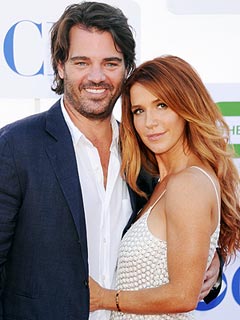
poppy-montgomery-240x320Hollywood actress Poppy Montgomery, and her partner, Microsoft executive Shawn Sanford, welcomed their daughter Violet Grace Devereux on April 22. Violet Sanford was born at 7.57 am, weighed 3 kg (6lb 12oz), and measured 49.5 cm long. She joins big brother Jackson, aged 5, who is from Poppy’s previous relationship to actor Adam Kaufman.

Violet’s floral name continues a family tradition, for Poppy and her sisters are named after flowers too. Poppy’s family was covered as a celebrity sibset last year, and Poppy’s own name featured on the blog for Remembrance Day.

Girls Names Which Rose in Popularity in 2012

14 Sunday Apr 2013

Posted by A.O. in Name Themes and Lists

≈ 25 Comments

Tags

celebrity baby names, classic names, english names, epithets, famous namesakes, fictional namesakes, Gaelic names, germanic names, Hollywood names, locational names, mythological names, name history, name meaning, name popularity, name trends, names from television, Native American names, nature names, nicknames, Old French names, Old Norse names, plant names, popular names, retro names, royal names, Scottish names, Slavic names, Spanish names, surname names, Twilight names, unisex names, vocabulary names

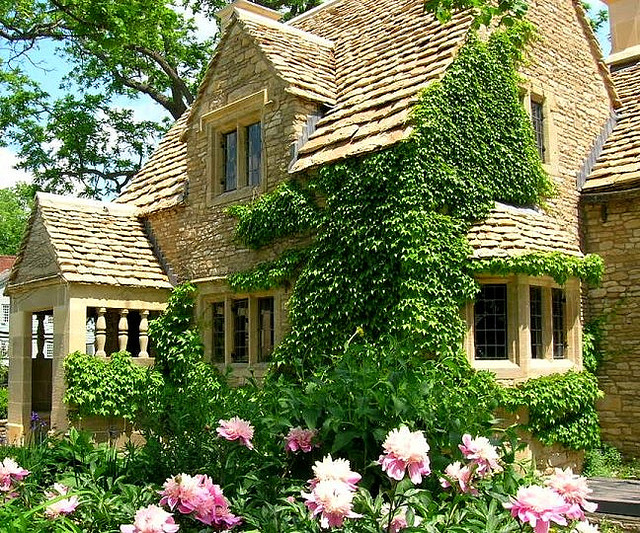
213495458_f0e01eb1bf_z-Cotswold-Cottage-2These names became noticeably more popular in Australia last year. If you are considering using any of them, don’t panic. Most are making solid progress rather than madly storming upward. It would be foolish to reject them based on their current popularity, and silly to fret if you chose one of these names in 2012.

The list indicates the diversity of girls’ names at present, with a mix of classic and modern; places and nature; Hollywood and royalty. There’s something for nearly everyone amongst these popular names.

Ivy

Ivy was the fastest-rising girl’s name both nationally and in Western Australia last year, and made the top 5 fastest-rising names in South Australia, Queensland and the Australian Capital Territory. It became more popular across the board in 2012, and nationally rose 18 places. This is its second time around in the Top 100 – Ivy was #17 in the 1900s, and didn’t leave the Top 100 until the 1940s. It vanished from the charts in the 1970s, but reappeared in the 1990s. Ivy soared during the 2000s, making the Top 100 by the end of that decade. It is currently #22 in Australia, #21 in NSW, #27 in Victoria, #25 in Queensland, #22 in SA, #28 in WA, #44 in Tasmania, and #30 in the ACT. Ivy is named for the plant, and like its namesake, is presently climbing; Beyonce‘s daughter Blue Ivy may have given the name publicity. Chances are we’ll be seeing more of this fresh, pretty retro name, which sounds similar to popular Ava, Eva and Evie.

Savannah

Savannah was in the top 5 fastest-rising names in South Australia, went up 9 places nationally, and increased in popularity in New South Wales, Victoria, Queensland, Western Australia and Tasmania. It is currently #35 in Australia, #38 in NSW, #74 in Victoria, #28 in Queensland, #43 in SA, #35 in WA and #94 in Tasmania. Savannah first charted in the 1990s, and climbed until it reached the Top 100 at the end of the 2000s. Savannah is an alternate spelling of the word savanna, referring to grasslands that have scattered trees, or where the trees are open to the sky; large tracts of northern Australia are savanna. The word comes from the Spanish sabana, derived from the Arawak (Native American) word zabana, which originally meant a treeless grassy plain. Savannah is a place name in the United States, most famously the city in Georgia. The city’s name comes from the Savannah River, which may be derived from the Shawnee people, or from Native American words for “southerner” or “salt”. The city featured in 1990s soap, Savannah, which probably accounts for its début in the charts that decade. While I imagine Savannah originally got its foot in the door because it sounds like Susannah, here it fit in with those other hip names of the ’90s, Ava and Sienna. Like Harper, this is another American South-inspired name, but also a royal one, because the queen’s first great-granddaughter is named Savannah.

Harper

Harper was the fastest-rising name in Tasmania and Victoria, made the top 5 fastest-rising names in South Australia and Western Australia, and became more popular in every state. Currently it is #39 in Australia, #37 in NSW, #29 in Victoria, #36 in Queensland, #44 in SA, #29 in WA, and #31 in Tasmania. Harper began as a surname from the English word for a professional harp player. The surname  originates from the west coast of Scotland, and is especially associated with the Clan Buchanan. The name also has Christian overtones, for heaven is said to be filled with the sound of harp music. Harper has been used as a first name since the 17th century, and was originally given to boys. The fame of (Nelle) Harper Lee, author of To Kill a Mockingbird, gave it a feminine slant. Harper only began charting in 2011, after David and Victoria Beckham welcomed their first daughter. Harper Beckham was named by her brothers after a character in Wizards of Waverley Place (although Victoria Beckham also happened to be working for Harper’s Bazaar at the time). The Beckhams said they wanted a name to honour their time in the United States, and chose this American-style name. Many Australians have followed in their footsteps.

Alice

Alice was the #1 fastest-rising name in South Australia, and has just joined the Top 20 in the Northern Territory, so it has gained popularity in central Australia. Intriguingly, the town of Alice Springs is in the middle of the Australia, offering food for thought. Alice also went up in popularity nationally, in Victoria, and in Tasmania. It is currently #43 in Australia, #49 in NSW, #34 in Victoria, #53 in Queensland, #34 in SA, #49 in WA, #41 in Tasmania, #20 in the NT and #43 in the ACT. Alice is a classic name which has never left the charts. It was #4 in the 1900s, and just missed out on the Top 100 in the 1940s, at #105. It reached its lowest point in the 1960s at #265, then began climbing, reaching the Top 100 for the second time in the 1990s. Since the beginning of the 2000s it has made staid but steady progress up the charts, and become middle name de jour. Alice is from the Old French name Aalis, short for Adelais, which is a short form of the Germanic name Adelheidis, meaning “noble kind” (which Adelaide is based on). Alice became popular in the Middle Ages, and got a boost during the 19th century after Queen Victoria had a Princess Alice. It’s been a favourite in fiction ever since Lewis Carroll penned Alice in Wonderland, and is the name of a main character in the Twilight series. Sensible, yet with a touch of magic, sweet Alice is one to keep your eye on.

Willow

Willow was in the top 5 fastest-rising names in Western Australia, went up  nationally, and increased in popularity in New South Wales, Victoria and the Australian Capital Territory. It is currently #44 in Australia, #43 in NSW, #33 in Victoria, #39 in Queensland, #32 in WA, #73 in Tasmania and #68 in the ACT. Willow first charted in the 1990s, and rose precipitously to make the Top 100 by the late 2000s. Willow is named for the genus of small trees and shrubs which symbolise both wisdom and deep loss. It has been used as a personal name since the 18th century, and was originally given equally to boys and girls. It has only ever charted for girls in Australia, but is still occasionally used for boys. The 1988 fantasy film Willow, which possibly played a role in Willow joining the charts in the ’90s, has a hero named Willow. In 2011, pop singer Pink welcomed a daughter named Willow, and that doesn’t seem to have done this name any harm. Flower names mostly didn’t do well in 2012; Ivy and Willow show that greenery is more appreciated than petals at present.

Mackenzie

Mackenzie made the top 5 fastest-rising lists in New South Wales and Victoria, and increased its popularity in other states and the Australian Capital Territory. Currently it is #46 in Australia, #57 in NSW, #44 in Victoria, #45 in Queensland, #33 in SA, #37 in WA, #45 in Tasmania, and #48 in the ACT. Mackenzie has charted since the 1990s, and zoomed up the charts to make the Top 100 by the early 2000s. It dipped out of the Top 100 in 2009, but was back the next year. Mackenzie is a Scottish surname, an Anglicised form of of the Gaelic Mac Coinnich, meaning “son of Coinneach” (Coinneach is the original form of Kenneth). The Clan Mackenzie is from the Highlands, and of Celtic origin; they trace their clan name back to the pagan god Cernunnos. Mackenzie has been used as a first name since the 18th century in Scotland; it was nearly always given to boys in the beginning, but not exclusively so. Mackenzie first charted in the US as a female name, popularised by actress (Laura) Mackenzie Phillips, who was in American Graffiti. Since then there have been other Mackenzies on our screens; most recently, Mackenzie Foy played Renesmee in Breaking Dawn – Part 2. 

Audrey

Audrey made the national Top 50 last year, and according to my estimate, rose almost as many places as Ivy. However, it’s harder to see where the gains were made than it is with Ivy, although Audrey made significant increases in New South Wales and Victoria, and modest ones in Tasmania and the Australian Capital Territory. Currently it is #50 in Australia, #36 in NSW, #32 in Victoria, #55 in Queensland, #96 in Tasmania and #35 in the ACT. Like Ivy and Alice, Audrey has been Top 100 before. Although it was #156 in the 1900s, it made the Top 100 the following decade, and shot up to peak at #32 in the 1920s. It sank faster than it had risen, and was #197 in the 1940s, reaching its lowest point in the 1980s with a ranking of #0. Since then it has climbed, and reached the Top 100 again at the end of the 2000s. It looks likely to overtake its earlier peak, but Audrey seems to be under the radar at present. This is one of those names which is probably more popular than you think, and has an Australian connection, for the famous Skipping Girl Vinegar neon sign in Melbourne is affectionately known as Little Audrey.

Mila

Mila was the #1 fastest-rising name in the Australian Capital Territory, and grew more popular in New South Wales, Western Australia and Tasmania. It is currently #59 in NSW, #46 in Victoria, #65 in Queensland, #44 in WA, #70 in Tasmania, and #48 in the ACT. Mila only began charting in 2011, so has been extremely successful in a brief space of time. The fame of Hollywood actress Mila Kunis must have had an impact; Mila entered the charts the year after Ms Kunis appeared in Black Swan. Mila is a short form of Slavic names containing the element mil, meaning “gracious, dear”. Mila Kunis’ full name is Milena, which is the feminine form of the Slavic name Milan, meaning something like “dear one”, and often translated as “sweetheart”. Mila sounds similar to other popular names such as Mia and Milla, and at the moment is doing very well.

Freya

Freya is a name just beginning to make an impression, for it joined the Top 100 in Tasmania and the Australian Capital Territory last year, and was in the top 5 fastest-rising names in Tasmania. Both these regions have small population sizes, so you can be forgiven for being a little sceptical; Freya is currently #174 in NSW and #129 in Victoria. Freya is the English spelling of the Old Norse goddess Freyja – her name means “lady”, and was originally an epithet. In Norse mythology, Freyja is a goddess of love, sex, beauty, fertility, sorcery, gold, war and death. Immensely beautiful and clever, she rules over a field in the afterlife. The name Freya has been popular in the UK for several years now, and is well known here due to Tasmanian actress Freya Stafford; it doesn’t seem too far-fetched that we should follow Britain’s lead, but we shall have to wait and see.

Josephine

Josephine just managed to squeeze onto the Top 100 in New South Wales last year. That may not sound impressive, but the amount Josephine climbed was phenomenal – it went up 99 places, far outstripping Ivy’s mere 18. For that reason alone, it deserves a place on this list. Josephine is a solid classic which has never been off the charts, or left the Top 200; on the other hand it has never enjoyed high popularity either. It was #86 for the 1900s, and peaked the following decade at #76. It just failed to reach the Top 100 of the 1940s at #103, and dipped in the 1980s to make #172. Its progress has been up and down, but never too high or low, and it reached its lowest point in the charts in 2011, at #199. It has more than made up for this by getting back to the Top 100 in 2012, where it hasn’t been since the 1930s. Currently it is #100 in NSW and #105 in Tasmania. Josephine has recently made its mark as a royal and celebrity baby name, with Josephine chosen for the daughter of Prince Frederik and Princess Mary of Denmark, and also the grand-daughter of former prime minister Kevin Rudd. Will Josephine continue its ascent? Historically it’s unlikely, for Josephine seems most comfortable in the low to mid 100s, and may very well drop back this year. Stay tuned!

POLL RESULT: People’s favourite names were Alice, Ivy, and Freya, and their least favourite were Harper, Savannah, and Mackenzie.

← Older posts
Newer posts →

Enter your email address to follow this blog

Categories

Archives

Recent Comments

A.O.'s avatarwaltzingmorethanmati… on Zarah Zaynab and Wolfgang…
Madelyn's avatarMadelyn on Zarah Zaynab and Wolfgang…
JD's avatardrperegrine on Can Phoebe Complete This …
A.O.'s avatarwaltzingmorethanmati… on Rua and Rhoa
redrover23's avatarredrover23 on Rua and Rhoa

Blogroll

  • Appellation Mountain
  • Baby Name Pondering
  • Babynamelover's Blog
  • British Baby Names
  • Clare's Name News
  • For Real Baby Names
  • Geek Baby Names
  • Name Candy
  • Nameberry
  • Nancy's Baby Names
  • Ren's Baby Name Blog
  • Sancta Nomina
  • Swistle: Baby Names
  • The Art of Naming
  • The Baby Name Wizard
  • The Beauty of Names
  • Tulip By Any Name

RSS Feed

  • RSS - Posts

RSS Posts

  • Celebrity Baby News: Melanie Vallejo and Matt Kingston
  • Names from the TV Show “Cleverman”
  • Can Phoebe Complete This Sibset?
  • Zarah Zaynab and Wolfgang Winter
  • Baby, How Did You Get That Name?
  • Celebrity Baby News: Media Babies
  • Celebrity Baby News: Adelaide Crows Babies
  • Celebrity Baby News: Chris and Rebecca Judd
  • Names at Work: Name News From the World of Business and Employment
  • Celebrity Baby News: Sporting Round Up

Currently Popular

  • The Top 100 Names of the 1930s in New South Wales
  • Rare Boys Names From the 1950s
  • Celebrity Baby News: Caroline Craig and Callum Finlayson
  • The Top 100 Names of the 1940s in New South Wales
  • Celebrity Baby News: Nick Vujicic and Kanae Miyahara

Tags

celebrity baby names celebrity sibsets english names famous namesakes fictional namesakes honouring locational names middle names name combinations name history name meaning name popularity name trends nicknames popular names saints names sibsets surname names twin sets unisex names

Blog at WordPress.com.

Privacy & Cookies: This site uses cookies. By continuing to use this website, you agree to their use.
To find out more, including how to control cookies, see here: Cookie Policy
  • Subscribe Subscribed
    • Waltzing More Than Matilda
    • Join 517 other subscribers
    • Already have a WordPress.com account? Log in now.
    • Waltzing More Than Matilda
    • Subscribe Subscribed
    • Sign up
    • Log in
    • Report this content
    • View site in Reader
    • Manage subscriptions
    • Collapse this bar
 

Loading Comments...