• About
  • Best Baby Names
  • Celebrity Baby Names
  • Celebrity Baby Names – Current
  • Celebrity Baby Names – Past
  • Featured Boys Names
  • Featured Girls Names
  • Featured Unisex Names
  • Links to Name Data
  • Waltzing on the Web

Waltzing More Than Matilda

~ Names with an Australian Bias of Democratic Temper

Waltzing More Than Matilda

Tag Archives: name trends

Famous Names: Bronwyn and Dolores

05 Wednesday Aug 2015

Posted by A.O. in Famous Names

≈ 5 Comments

Tags

controversial names, dated names, famous namesakes, fictional namesakes, Harry Potter names, Marian titles, modern names, name history, name meaning, name popularity, name trends, names from films, nicknames, Spanish names, UK name popularity, US name popularity, Welsh names
BronwynBishopDolores

Famous Namesake
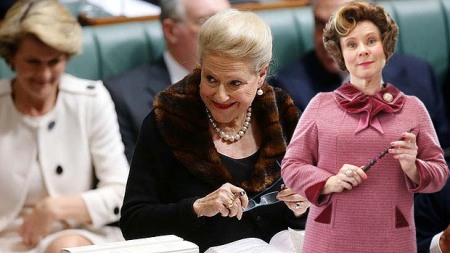
Bronwyn Bishop resigned as Speaker of the House two days ago, after a furore over her use of travel allowances. Usually when someone is caught out abusing the system they quickly hand in their notice and quietly slip away before too many questions can be raised. However Ms Bishop refused to admit she had done anything wrong and resisted all pressure to resign for three weeks, which meant we had plenty of time to hear about her extravagant travel expenses.

They included a $6000 private flight from Sydney to Nowra for a Liberal party fundraiser, and more than $1000 on a limo so she could attend a theatre premiere in her home city. There was also the $600 return flight to attend colleague Sophie Mirabella’s wedding in Albury, and $130 000 spent on overseas travel to Europe and Asia, including $1000 a day on private limos.

The one that really left people gobsmacked was a $5000 chartered helicopter to take her from Melbourne to a Liberal party fundraiser in Geelong and back – a trip which takes only about an hour each way by road. Referred to as Choppergate, this was the scandal that brought Ms Bishop down. She wasn’t a first-timer at this: in the 1980s she once hired a helicopter at taxpayer’s expense to transport her from a fete to a dog show.

Ironically, back in the 1990s Bronwyn Bishop rose to fame as the face of public accountability when she was on the Senate estimates and joint public accounts committee. This sounds dull and usually was – an assessment of government departments and where they spent their appropriations. Under Bishop, committee meetings became virtual show trials where senior public servants were routinely interrogated, hectored, and taunted for their spending habits.

When Bronwyn Bishop was appointed Speaker in 2013, the Opposition described her as Dolores Umbridge, after the infamous headmistress from the Harry Potter series. This didn’t refer to a penchant for hair ribbons or interest in fluffy kittens, but indicated a fear she was to be a corrupt tool of government. This turned out to be not unfounded, for in her term of office Ms Bishop showed considerable bias, ejecting 393 Opposition members from the house, but only 7 of her own party.

Bronwyn Bishop was appointed to the role of Speaker by the Prime Minister, who describes her as a close personal friend, and himself as her ideological love child. This has turned out to be yet another damaging captain’s call, and no doubt the next Speaker will be the choice of his party.

It’s been a spectacular fall from grace for the longest-serving woman in Parliament, who once boasted she would be a future Prime Minister. Now the Prime Minister admits her parliamentary career is at an end.

BRONWYN
Bronwyn is a variant of Bronwen, a modern Welsh name meaning “white breasted, fair breasted”. The meaning is possibly less important than the fact it is very similar to the medieval Welsh name Branwen, meaning “fair raven”; in Welsh legend, Branwen was the sister of Brân the Blessed. Both Bronwen and Bronwyn have been used since the 19th century.

There is a popular notion that Bronwyn is the masculine form of Bronwen, since in Welsh the suffix -wyn is usually attached to masculine names. In fact, you can get into some quite nasty arguments about it on baby name forums, with angry people telling you that you have ignorantly given your daughter Bronwyn a specifically male name.

However if you look at the records, Bronwyn was always used as a girl’s name in Wales right from the start, with the -wyn spelling just a variant, not an indication of gender. Interestingly, the few examples of men named Bronwyn I found, dating from the 20th century, were all from outside Wales. I suspect their parents read up on the Welsh language and “corrected” Bronwyn from feminine to masculine, possibly being a bit too clever in the process and giving their sons a traditionally female name.

While Bronwen was originally by far the more common spelling in the 19th century, Bronwyn overtook it in the 20th. It was popularised by the 1941 film How Green Was My Valley, with Anna Lee in the role of Bronwyn, the narrator’s sister-in-law that he loves. The film is based on the 1939 novel by author Richard Llewellyn, and is set in a Welsh mining village. In the book the sister-in-law’s name is Bronwen, and I’m not sure why Hollywood decided to spell her name with a Y. Perhaps they thought it looked more feminine.

The name Bronwyn first joined the charts in the 1940s, coinciding with the release of the film; it made its debut at #143. (Bronwyn Bishop was born in 1942, the year after the film came out). By the 1950s it had joined the Top 100 and peaked in 1964 at #53. It left the Top 100 in 1980, and hasn’t charted since the late 2000s.

For some reason, Bronwyn has only been popular in Australia: it doesn’t seem to have ever been a Top 100 name in the UK, and has never even charted in the US. In 2013, there were 23 baby girls named Bronwyn in England/Wales, and last year there were 49 baby girls named Bronwyn in the US. Numbers of Bronwyns seem fairly stable in both countries.

Bronwen has never charted in Australia. In the UK in 2013 Bronwens and Bronwyns were roughly equal (21 babies named Bronwen), while in the US there were 6 Bronwens, a lot less popular than Bronwyn.

Although Bronwyn is now a dated name, the sound of it seems to have led to the popularity of similar-sounding Bronte, which joined the Top 100 just as Bronwyn slipped off the charts. Perhaps even the rise of Bonnie owe something to Bronwyn, since a common nickname for Bronwyn is Bronnie.

DOLORES
Dolores is a Spanish name meaning “pain, sorrow”. It is taken from one of the titles of the Virgin Mary, Nuestra Senora de Dolores, or Our Lady of Sorrows. The title refers to the Seven Sorrows of Mary, which are seven sad events in Mary’s life connected with her son Jesus. They begin with his Presentation in the Temple, and the prophecies made about him, and end with his body being placed in the tomb.

The feast day for Our Lady of Sorrows began in the Middle Ages, and was originally the third Sunday after Easter; today it is September 15. It’s possible that the name Dolores was first given to girls born around this feast day, although I can’t find any evidence for this.

The feast was rarely celebrated until the 16th century, and by the 17th century Dolores had become a common name in Spanish-speaking countries, although occasionally also used by Catholics in other countries. It came into common use in the English-speaking world in the 19th century, and was a particular favourite with Irish Catholics.

Dolores has never charted in Australia. In the United States, Dolores joined the Top 100 during the 1920s, the era when Mexican actress Dolores del Rio flourished as a Hollywood star. The first Latin American actress to become famous internationally, Dolores was exquisite, elegant, and gracious.

The name left the US Top 100 in the 1940s, after Dolores de Rio was accused of Communism during the McCarthy era, and continued her career in her homeland. The name left the charts in the 1980s, after Dolores del Rio’s death, but Dolores is still remembered as one of the classic Hollywood beauties, and a great lady.

During Ms del Rio’s heyday this name must have been exotic and glamorous, but now seems dated and frumpy. The evil Dolores Umbridge from Harry Potter has not helped its image: her name was chosen because it sounds similar to the English word dolorous, which can be understood as “causing pain or grief” (it has the same Latin source as the name Dolores). However, Lola is a popular pet form of Dolores, and I can see Lolita, Dolly and Lolly becoming fashionable in the future.

Two names connected with Hollywood beauties which have fallen from favour, but are probably more influential on current trends that we give them credit for. Which one will score higher, I wonder?

POLL RESULTS
Bronwyn received an approval rating of 44%. 39% of people weren’t keen on the name Bronwyn, while 18% loved it.

Dolores received an even lower approval rating of 28%. 40% of people weren’t keen on the name Dolores, while 10% loved it.

(Photo from the ABC website)
Wintery Name News: From Frozen to Ice

25 Saturday Jul 2015

Posted by A.O. in Names in the News

≈ 5 Comments

Tags

Arabic names, changing names, choosing baby names, cultural issues, Disney names, drug names, name trends, names from movies, Victoria name data

1437346320047

Baby It’s Cold
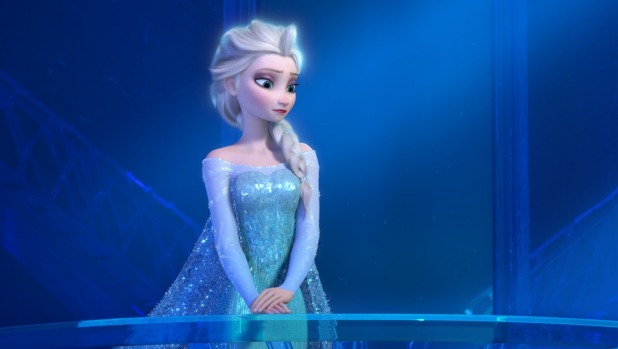
It’s official – the name Elsa has become more popular since the movie Frozen came out in late 2013. In Victoria, the number of babies named Elsa doubled in the year following the film’s release, from 19 babies named Elsa in 2013 to 38 in 2014. However, the numbers were increasing even before the film, with 11 in 2011 and 22 in 2012, so it seems as if the movie was jumping on a trend (or else pre-publicity for the movie doubled numbers too). So far in 2015, there have been 6 babies named Elsa.

The article goes on to say that the number of babies named Anna has held steady in Victoria. Anna has returned to the Top 100 in Tasmania and was one of Queensland’s biggest risers in 2014, going up 19 places, and also in Victoria, where it went up 25 places. So although overall numbers haven’t changed much, the name Anna had a definite boost in the rankings after the film, which is significant for a name that peaked in the 1980s, and which you would expect to be on a slow decline.

The Victorian birth registry cannot reveal how many babies have been named Kristoff, Olaf or Sven, because if less than 5 babies have a name, the information must remain confidential.

Naming Babies in the Lebanese Community
Journalist Antoinette Latouff had an entertaining article at the start of the year on being pregnant with her second child as part of the Lebanese community. Bad bits: lots of pressure to have a boy (Antoinette was pregnant with another girl), tons of interference. Good bits: oceans of love, support, and practical help.

It’s the norm for grandparents to expect to name the baby (one mother-in-law just started calling the pregnant belly John), while in some cases the eldest son is expected to name his children after his parents – which might mean Osama is your child’s default name. Antoinette says sometimes it can be a challenge finding a name which sounds good with your exotic surname, and name sharing is very common in extended families.

The Trouble with Amelia
Yusuf Omar, a Muslim poet from Somalia, wrote about when he and his wife Khadijo were expecting a baby girl. On the advice of a young Western-educated Somali friend, they considered the name Amelia, as being beautiful, easy to pronounce, and fitting in well with Australian society. Unfortunately, the older generation amongst the Somali-Australian community felt hurt and betrayed by their choice: it was especially shocking as Muslim poets are supposed to be cultural custodians.

They were told that the name Amelia was “non-Muslim”, but Yusuf protested that there is no such thing as a “Muslim name”, and that names are neutral. He came to realise there is no such thing as a culturally neutral name, especially after meeting a Mohammad who goes by Moe in order to find employment.

He also notes the number of converts to Islam who change their names, even though this isn’t called for by Islamic teaching. The prophet Muhammad never asked that his followers change their names, unless the meaning of it was offensive to Muslim belief. In fact Muhammad himself kept his original name, which was a traditional pagan name. Yusuf notes that whenever someone changes their name they risk obliterating their own history and culture.

In the end, Yusuf and his wife named their daughter Eemaann, meaning “faith”, on the advice of his mother-in-law. However, the young people call her Amelia.

Legal and Illegal Name Changes in the News
Dorothy Barnett was recently sentenced to prison in the US after kidnapping her baby daughter Savanna from her home in South Carolina in 1994, and eventually bringing her up in Australia. Savanna Todd, now aged 21, grew up believing her name was Samantha Geldenhuys, and that another man was her father. It’s been a very high-profile case of changing a child’s name by illegal means, but Savanna still goes by Samantha, and has been supportive of her mother. She says that a name change does not change who you are, even though this is a case where a name change did indeed obliterate her history and culture. Dorothy’s most common alias was Alexandra or Alexandria.

Gable Tostee, who was accused of murdering Warriena Wright after a Tinder date, and in an unrelated matter gaoled for traffic offences, has changed his name to the more generic Eric Thomas. Police are baffled as to why someone would change their name while legal proceedings are still underway, rather than at their completion in order to start a new life. However, they stress there is nothing illegal or sinister about it.

Choosing a Baby Name on Struggle Street
Did you watch the confronting series Struggle Street on SBS? Before it had even appeared on television it was condemned as exploitative “poverty porn“, but by the time the first episode aired, it had been hailed as a powerful, poignant, complex, thought-provoking insight into the lives of those affected by terrible hardship.

Probably one of the most difficult things to watch was young mother Billie Jo Wilkie, who had a horrific start to life herself, giving birth at home with the aid of illegal drugs, and the assistance of her mother Carlene, who was also on drugs.

At one point, they discussed possible baby names and liked the idea of the name Crystal – after crystal meth. This shows context is everything, because Crystal is a perfectly nice, normal name, but what an appalling reason to choose it.

I don’t know what name they eventually chose, but Billie Jo’s child, her third, was taken into care soon after birth. And in what seems to be something of a pattern for this Name News, Billie Jo shortly afterwards ended up in a women’s prison, on remand for traffic offences.

POLL RESULTS
Nearly everyone (91%) thought that Elsa would keep becoming more popular. 54% thought it would probably become more popular, while 37% were absolutely sure that it would. 9% thought it probably wouldn’t become more popular, and nobody was definite that it wouldn’t.

Uncommon Boys Names from the Birth Announcements of 2011-12

21 Sunday Jun 2015

Posted by A.O. in Name Themes and Lists, Requested Names

≈ 4 Comments

Tags

aliases, aristocratic surnames, Australian slang terms, Biblical names, english names, epithets and titles, famous namesakes, fictional namesakes, food names, fruit names, germanic names, hebrew names, honouring, imperial titles, Irish names, Italian names, Latin names, locational names, mythological names, name history, name meanings, name popularity, name trends, names from movies, names of bands, Old Norse names, plant names, Polish names, rare names, royal names, saints names, Scottish names, Slavic names, surname names, unisex names, US name popularity, US name trends, weaponry terms

Billy-Slater-5941649Augustus
The Emperor Augustus was the founder of the Roman Empire and its first emperor; the month of August was named after him. His reign initiated the Pax Romana, a relatively conflict-free period which lasted for more than two centuries. Born Gaius Octavius, he was granted the title of Imperator Caesar Divi Filius Augustus, meaning “Military Commander and Caesar, the Son of God, the Venerable”, with the Augustus part meaning “venerable”, from the Latin augeo, meaning “increase, growth, honour”. Before it became an imperial title, Augustus was an epithet used to signal something that was sacred, and the title was adopted by the Holy Roman Emperors in the Middle Ages. Augustus has been a favourite name amongst European royalty, and traditionally used by the Hanoverians in the British monarchy. Hazel has shot into the Top 100 since The Fault in Our Stars, and I wonder if it could also boost regal Augustus, as this is the name of Hazel’s love interest? The name is already rising in the US, so maybe. Gus is a popular short form, although I have seen a lot of interest in Augie because of the Australian rock band Augie March, named for a character in a Saul Bellow novel.

Brasco
Scottish surname referring to someone from the village of Brisco in Cumbria, once part of the Strathclyde kingdom of Scotland. The place name comes from the Old Norse for “wood of the Britons”. Also an extremely rare Italian surname which is probably from the Germanic brakia, meaning “struggle”, used as a nickname. The name is well known because of the undercover alias Donnie Brasco used by FBI agent Joseph Pistone during the 1970s: his autobiography inspired the movie Donnie Brasco, with Johnny Depp in the title role. It has an unfortunate meaning in Australia, as brasco is slang for “toilet”, from the manufacturer Brass Co. Brasco is an extremely cool-sounding name, and as for the toilet association – better tell everyone to just forget about it!

Casimir
Latinised form of the Polish name Kazimierz, from the Slavic for “to destroy fame”, referring to someone who annihilates their opponent in battle so completely that they lose all honour. Four medieval rulers of Poland have been named Casimir, and St Casimir, the son of Casimir IV, is the patron saint of Poland and Lithuania. Kazimierz is a reasonably popular name in Poland, but Casimir is rare around the world, even in countries with high immigration from Poland. However, this is a handsome heritage choice, not so different from fashionable Casper and hip Caspian, with Caz as the obvious nickname, although Cass and even Cash seem possible.

Fintan
Irish name thought to mean “white fire”. In Irish mythology, Fintan mac Bóchra was a seer who accompanied Noah’s granddaughter to Ireland before the Great Flood. When the floodwaters hit, his family were all drowned, but Fintan managed to survive under the sea in the form of a salmon for a year; he also lived as an eagle and a hawk before returning to human form. He lived for more than 5000 years after the Deluge, becoming the repository of all wisdom. Once Christianity arrived in Ireland, Fintan decided to leave the world of mortals with a magical hawk who was born at the same time as he. There are a staggering 74 Irish saints named Fintan, which shows what a common name it must have been, and it is still in regular use in Ireland. The popular boy’s name Finn, and all the similar names, such as Finlay and Finnian, make this seem on trend.

Gage
English surname which can be related to the word gauge, meaning “measure”, and would have started as an occupational surname for someone who checked weights and measures. It can also be an occupational surname for a moneylender, as gage meant “pledge” – that which the person would put up as surety against the money loaned (as when objects are pawned). Its related to the words wage and mortgage, and also to the word engage: when you get engaged to someone, you make a pledge to them. Gage is an aristocratic surname; Sir William Gage first introduced the plum-like greengage into England in the 18th century, which is where its English name comes from. Gage has been used as a personal name since the 18th century, originating in the west country. It first joined the US charts in 1989, the same year that Stephen King’s Pet Sematary was made into a horror film; the protagonist’s toddler son is named Gage, played by Miko Hughes (from Full House). Although Gage takes on a particularly macabre role in the story, the cuteness of little blond Miko must have had an effect. Still in fairly common use in the US, Gage is a rare name in Australia and the UK – its similarity to the word gauge, used in the context of guns, makes this an on-trend weaponry name.

Loki
In Norse mythology, Loki is a mysterious figure, sometimes depicted as a trickster or god of deceit. Other times he is a troublemaker, or commits outright evil. Although said to be one of the giant folk, he is sometimes numbered amongst the gods, and seems to have been on friendly terms with them at some point. However, after many acts of mischief and malice, they punished him by having him bound by the entrails of one of his sons, with a serpent dripping venom on him, making him writhe in pain, which causes earthquakes. It is foretold that at the end of the world, he will slip free from his bonds and fight against the gods on the side of the giants, and be slain. Fittingly for such an enigmatic character, the meaning of Loki isn’t known. However, he is also called Lopt, meaning “air”, suggesting he was associated with that element. In Scandinavian folklore, the phenomenon where the air shimmers on a hot day is said to be caused by Loki. The name has been used more often since the Marvel comics world was brought to life on film, with Loki as a super-villain played by Tom Hiddleston. Hiddleston portrays a complex, vulnerable, intelligent character whose charisma and style has won him legions of fans. Not only a cute-sounding mischievous name, Loki is quite similar to popular names like Luca and Lachlan, so it doesn’t seem strange.

Nazareth
Biblical place name; in the New Testament it is described as the home town of Jesus and his family. It’s also a title, because Jesus is often called Jesus of Nazareth. In early times, Christians were called Nazarenes (“people of Nazareth”) by non-Christians, and the modern Jewish word for Christians is notzrim, while in the Quran Christians are known as naṣārā – all coming from the name Nazareth. Archaeologists think that Nazareth would have been a small, insignificant village at the time of Jesus; today it is a city in northern Israel with most of its citizens Arabs, both Muslim and Christian. A place of Christian pilgrimage, it also has several sites of Islamic significance. The meaning of the city’s name is uncertain – it may come from the Hebrew for “branch”, or “watch, guard, keep”, implying it was originally on a hill, or protected in a secluded spot. Nazareth has been used as a personal name since at least the 16th century, and is of Puritan origin. Originally used mostly for girls, overall it has been given fairly evenly to both sexes, and has never been very common. An unusual Biblical name which is overtly Christian.

Roland
Derived from the Germanic name Hruodland, translated as “famous land”, or perhaps “fame of his country”. Roland was an 8th century Frankish military leader under Charlemagne, responsible for defending France against the Bretons. It is recorded that he was killed at the Battle of Roncevaux Pass in northern Spain by a group of rebel Basques. He became a major figure in medieval legend, and his death an epic tale of a Christian hero slain in battle against Muslims (the real Roland was killed by Christians, although Charlemagne was engaged in a war against Islamic forces in Spain). The 11th century La Chanson de Roland (The Song of Roland) describes Roland fighting a rearguard action against thousands of Muslims with a magical sword given to Charlemagne by an angel. Against the sensible advice of his best friend Oliver, Roland proudly refuses to call for reinforcements until it is too late, then dies a martyr’s death before angels take his soul to Paradise. In an English fairy tale based on a Scottish ballad, Childe Rowland is a prince who rescues his sister from the Dark Tower of the King of Elfland; the story is mentioned in Shakespeare’s King Lear. It helped inspire the poem Childe Roland to the Dark Tower Came by Robert Browning, and in turn this informed Stephen King’s fantasy series, The Dark Tower, with Roland Deschain as the flawed hero. Roland was #107 in the 1900s and continued falling until it left the charts altogether in the 1990s. This is a traditional underused name which is heroic and noble.

Slater
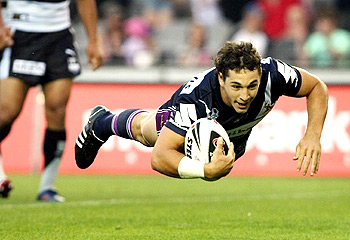
English surname referring to someone who worked with slate, especially in laying slate roof tiles. The surname comes from Derbyshire, and although it is of Norman-French origin, possibly existed before the Conquest. It has been used as a personal name since the 17th century, and from the beginning was associated with Derbyshire and the Midlands, which has a long history as a centre for slate quarrying. An unfortunate association in Australia is that slater is another word for a wood louse. The surname has several sporting namesakes, including former cricketer and media personality Michael Slater, rugby league star Billy Slater, and American surfing champion Kelly Slater. That probably helps explain use of the name Slater at present, and it seems like a tougher, edgier version of Tyler.

Willoughby
English surname after a village in Lincolnshire, meaning “homestead by the willows, settlement by the willows”. Willoughby’s main claim to fame is that it was the birthplace of John Smith, who was one of the leaders of the Virginia Colony in early colonial America, and connected with the Native American girl known as Pocahontas. Willoughby is an aristocratic surname connected with several baronies; the family trace their lineage to a Norman knight who was granted land in Lincolnshire by William the Conqueror. Since the 17th century, the Barony of Willoughby de Eresby has been associated with the office of the Lord Great Chamberlain, who has charge of the royal apartments and hall at Westminster Palace, and plays a major role at coronations: the current baroness was one of the maids of honour at Queen Elizabeth’s coronation. Willoughby is also a suburb of Sydney on the Lower North Shore, first settled as farmland under Captain Arthur Phillip. Some people believe Surveyor-General Sir Thomas Mitchell chose the suburb’s name in honour of Sir James Willoughby Gordon, whom he had served under during the Peninsular War. In use as a personal name since the 17th century, Willoughby is a hip boy’s name which seems like a spin on popular William, while also boosted by looking like a masculine form of Willow. Will is the obvious nickname.

Thank you to Leah for suggesting the name Willoughby be featured on Waltzing More Than Matilda.

POLL RESULTS
People’s favourite names were Augustus, Willoughby and Fintan, and their least favourite were Nazareth, Brasco and Slater.

(Photo of Billy Slater from the Herald Sun)

Popular Names in Regional Australia for 2014

07 Sunday Jun 2015

Posted by A.O. in Naming Issues

≈ Comments Off on Popular Names in Regional Australia for 2014

Tags

Bonds Baby Search, middle names, name trends, popular names, rare names

Nimbin-bus

The #1 names in Australia last year were Olivia and Oliver – the first time two names beginning with O have been #1, and the most similar pair of names at #1 since Michael and Michelle in the 1970s.

However, that doesn’t mean they were necessarily the #1 name in every region, so here’s a round up of the most popular names around Australia, as reported by regional newspapers.

NATIONAL

The most popular names of babies and children taking part in the Bonds Baby Search competition were Ruby and Oliver; Olivia was #5 for girls. Other popular names were Noah, Cooper, and Jack for boys, and Charlotte, Ava, and Mia for girls.

NEW SOUTH WALES

In Lismore, the most popular names were Mia and Noah. Oliver was #3 for boys, but Olivia was not in the Top 10 for girls. Other popular names were Willow, Isabella and Sophie for girls, and Mason, Charlie, and William for boys.

In Forbes, the most popular names were Mason, William, and Jack – if you include variant spellings, Mason came out on top. For girls, the most popular names were Isla, Airlie, Hallie, and Layla – and Ruby, if you include variant spellings. There was one Oliver born in the town, but no Olivias.

In the Shoalhaven district, which includes the city of Nowra, the most popular names were Georgia and Isaac. Other popular names were Summer and Mia for girls, and Flynn for boys.

QUEENSLAND

In Ipswich, the most popular names were Olivia and Cooper; Oliver was #2 for boys. Other popular names were Isabella, Ruby, and Charlotte for girls, and Jack, Liam, and William for boys.

In Mackay, the most popular names were Mia and Oliver; Olivia was #6 for girls. Other popular names were Ruby, Charlotte, and Emily for girls, and Jaxon, Connor, and William for boys.

In the Wide Bay area, which includes the cities of Bundaberg and Gympie, the most popular names were Charlotte and Hunter; Olivia and Oliver were both #4. Other popular names were Amelia, Mia, and Chloe for girls, and Cooper, Thomas, and Lachlan for boys.

At Warwick Hospital, a midwife noted a lot of Masons, Logans, and Jacksons. She has noticed a push towards traditional names like Edward and George, but overall there is a lot of variety.

At Sunshine Coast Private Hospital in Buderim, the most popular baby name was Harry – for one week at least. Five baby boys were welcomed in a single week, and they were all given the name Harry.

VICTORIA

In Ballarat, the most popular names were Ruby and Jack; Olivia and Oliver were both #4. Other popular names were Charlotte and Henry. Unique names from local birth notices included Lowanna, Ginger, Spencer, Ecco, Romi, Taylen, and Minti for girls, and Huon, Lennox, Rocco, Tahvo, Tyce, Tiger, Oaklan, and Brax for boys.

In the area around Warnambool, the most popular names were Sophie and Harry; Oliver was #3 for boys. Other popular names were Alexis for girls and Jack for boys. The paper noted a trend for girls names to start with L, such as Lilly and Layla, and boys names to start with H, such as Hugo and Harley. Unique names for the area included Michaeleen and Budi for girls, and Fox, Xander, and Tilba for boys.

In the Wimmera region, which includes the city of Horsham, the most popular names were Edie/Eadie, Indi or Indigo, and Jack or Jackson. Matilda was the next most popular name (most popular overall if not including variants), and Olivia and Oliver were both popular. Unique names for the year were Boh, Letty, and Sari for girls, and Reginald, Hendrix, Macklin, and Korbyn for boys.

At St John of God Hospital in Geelong, the most popular names were Adele and Noah. Other popular names were Zarah and Evie for girls, and Finn and Harry for boys.

SOUTH AUSTRALIA

In Whyalla, the most popular names in birth notices were Isla and Jarrod; Lucas was also a popular boy’s name. The most popular middle names were Rose for girls, and James for boys. The newspaper also noted some of the year’s unique names, including Bohdi, Floredre, La’Tarnya, Isaiah, Titan, and Loki.

WESTERN AUSTRALIA

In the City of Cockburn in Perth, the most popular names were Georgia and Ryan. Other popular names were Emily and Finn.

TASMANIA

Olivia was the most popular name on the south-west coast, which includes the cities of Burnie and Devonport, with Sophie and Charlotte also popular choices.

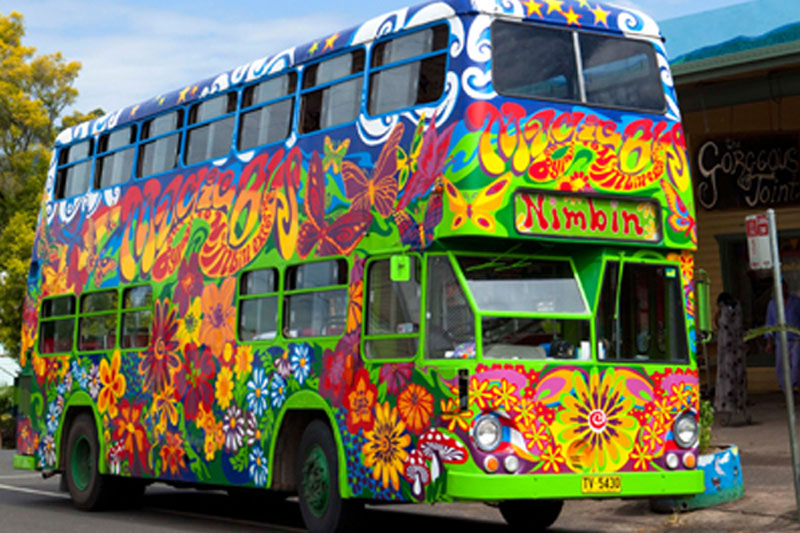
(Photo shows the Nimbin bus in Lismore)

The Fastest Rising Top 100 Names of 2014

31 Sunday May 2015

Posted by A.O. in Naming Issues

≈ 1 Comment

Tags

birth notices, classic names, famous namesakes, fictional namesakes, name trends, names from films, New Zealand name popularity, nicknames, popular names, retro names, royal names, US name popularity

beautiful-garden-sepia-print3

GIRLS

Hazel
Hazel just joined the national Top 100 as its fastest-rising name, going up 63 places to make #88: the last time it was a Top 100 name was in the 1940s. Hazel was also new to the Top 100 in New South Wales, Victoria, and Tasmania, and one of the Apple Isle’s fastest-rising names. The catalyst for Hazel’s debut in the Top 100 is last year’s teenage tearjerker, The Fault in Our Stars, based on the novel by John Green, and with Shailene Woodley in the role of Hazel. A fashionable retro name with a cool Z sound, chosen by several celebrities, Hazel was due for popularity. Just outside the US Top 100, it’s aready in the Top 50 in New Zealand.

Aria
Aria has been on the Top 100 since 2012, and in 2013 was the #1 fastest-rising name nationally. Last year Aria was the #1 fastest-rising name in New South Wales and Western Australia, and also rose significantly in Victoria and South Australia. I saw many more baby girls named Aria in birth notices too, so this pretty name is still going strong.

Ariana
Hard on Aria’s heels is Ariana, which just squeaked into the national Top 100 in 2013. Last year it was the #1 fastest-rising name in Tasmania, and rose 27 places to become one of the fastest-rising names nationally. It was also one of the fastest-rising names in New South Wales and Queensland. The major influence on the popularity of this name is American pop singer Ariana Grande, who has a couple of Australian connections: she dated Jai Brooks from The Janoskians in 2013/14, and her 2014 song Problem featured Iggy Azalea: it was Grande’s first Top Ten hit in Australia. Not only a multicultural choice, Ariana benefits from looking like an elaboration of Aria (it isn’t though).

Eleanor
Eleanor was new to the national Top 100 last year, and one of the fastest-rising names, as it went up 31 places to debut at #84: a classic never off the charts, Eleanor has not been in the Top 100 since the 1900s. It was also one of the fastest-rising names in New South Wales and Queensland. This is in line with international trends, as Eleanor joined the US Top 100 last year, and has been Top 100 in the UK for decades. Elegant Eleanor fits in with the trend for El- names for girls, and can be shortened to Elle, Ella, Ellie, Nell, Nellie, and Nora, among others. Such a lot of popular and fashionable nicknames!

Evelyn
Evelyn has been on the national Top 100 since 2011, and is a classic name which was last on the Top 100 in the 1940s. One of the fastest-rising names of 2013, Evelyn continues its ascent, as last year it was a fast-rising name in New South Wales, Queensland, and Western Australia. I saw an increase of Evelyns in birth notices during 2014.

BOYS

Maxwell
Maxwell was new to the Top 100 last year, and was the #1 fastest-rising name nationally, going up 43 places to debut at #97. It was also one of the fastest-rising names in Victoria and the Australian Capital Territory. Maxwell is a classic name never off the charts, and was last in the Top 100 during the 1950s. Fitting in with the trend for boys’names that shorten to Max, Maxwell is rising in the both US and UK, but has not yet become popular in either. Because of the Victorian connection, I wonder if the retirement of Nick Maxwell, captain of Collingwood, had any effect.

Fletcher
Fletcher joined the Top 100 last year, and went up 26 spots to make #99. It also joined the Top 100 in Victoria, Queensland, and the Australian Capital Territory, having already been Top 100 in Tasmania for some time. Although Fletcher was not a fast-rising name in any particular state or territory, that’s because it is so new on the charts that there is no data yet for that to show up. Fletcher has been rising in the charts since the 1990s, and has been a Top 100 name in New Zealand since 2010: it is still quite a way off becoming popular in either the US or UK, so this is a Trans Tasman trend.

Harvey
Harvey debuted on the Top 100 last year, rising 20 places to reach #84; this made it one of the fastest-rising names nationally, and it also rose significantly in Victoria and the Australian Capital Territory – which seem to have a strong influence on the Top 100 for boys’names this year! A retro name which charted from the 1900s to the 1950s, rejoining the charts in the 1990s, Harvey has never been on the Top 100 before. It’s been a popular name in the UK since the late 1990s, so it’s in line with British trends. The death of veteran journalist Peter Harvey in 2013 may have been on influence on its rise.

George
George is a solid classic which has never been out of the Top 100, but last year it joined the Top 50 for the first time since the 1970s. After the birth of Prince George, the name George became one of the fastest-rising names of 2013, and its upwards progress continues. One of the fastest-rising names in New South Wales and Victoria, I saw many more Georges in birth notices, especially from rural and regional areas.

Nate
Nathaniel was one of the fastest-rising names of 2013, and last year more parents opted to go straight for the short form, Nate, which was one of the fastest-rising names in both New South Wales and Victoria. Nate has been in the charts since the early 2000s, and is only popular in Australia, although it once made the bottom of the Top 100 in New Zealand, and is rising in the UK.

NOTE: A quick reminder that the fastest-rising names of 2013 were Aria, Evelyn, Penelope, Samantha and Lola for girls, and Louis, Hudson, Nathaniel, George and Lincoln for boys.

I have chosen those names which increased in popularity in the most number of states and territories, making their popularity widest across the board in Australia. For the positions of each name in individual states and territories, please refer to the Name Data category for more information.

POLL RESULTS
People’s favourite fastest rising names were Hazel, gaining 38% of the vote, and Maxwell, gaining 27% of the vote (George was close behind on 26%). The least favourite were Ariana (7%), and a tie between Harvey and Nate (15%).

Boys Names from the British Royal Family

17 Sunday May 2015

Posted by A.O. in Name Themes and Lists

≈ 4 Comments

Tags

animal names, Basque names, bird names, Castilian names, Disney names, ethnonyms, famous namesakes, fictional namesakes, German names, germanic names, honouring, Italian names, Latin names, Maori names, middle names, mythological names, name history, name meaning, name popularity, name trends, Native American names, New Zealand names, nicknames, popular names, retro names, royal names, saints names, Spanish names, surname names, UK name trends, unisex names, vintage names

850145ee0e54efe11041a453f7acdfec

Christian
Christian Mowatt is the younger brother of Zenouska Mowatt, grandson of Princess Alexandra, and great-great-grandson of King George V; born in 1993, he is 51st in line to the throne. Christian is one of the most common names in the British royal family, especially in the middle. Prince Christian of Schleswig-Holstein, a member of the Danish royal family, was the husband of Princess Helena, the daughter of Queen Victoria. Their son was also called Prince Christian, and he was Queen Victoria’s favourite grandson, a British army officer who fell in the Boer War. Christian is from the Latin name Christianus, meaning “follower of Christ”. It has been used as a personal name since the Middle Ages, and was originally more common for girls amongst English-speakers. It became seen as a boy’s name after John Bunyan’s highly popular The Pilgrim’s Progress (1678), where the hero is a man named Christian. Christian has been a traditional name for Danish kings since the 15th century, and Prince Christian of Denmark, the son of Prince Frederik and Princess Mary, is second in line to the Danish throne. Christian was #178 in the 1900s, and disappeared from the charts the following decade. It returned in the 1950s at #280, perhaps inspired by French fashion designer Christian Dior, or Danish fairy tale writer Hans Christian Anderson, both popular at the time. It rose in the 1960s, and reached the Top 100 in 1971. Its progress has been up and down, and it’s currently #85. It’s a retro name that feels like a modern classic, popular for decades without feeling overused.

Columbus
Columbus Taylor is the eldest son of Lady Helen Taylor, a grandson of Prince Edward, Duke of Kent, and a great-great-grandson of King George V; born in 1994, he is 38th in line to the throne. The name Columbus is best known as the surname of Christopher Columbus, the 15th century Italian explorer and navigator under the patronage of the Spanish monarchy. In his efforts to find a safe passage to Asia by sailing west, he initiated the Spanish colonisation of the New World, leading to lasting European contact with the Americas that changed the world forever. The explorer’s Italian name was Cristoforo Colombo; Colombo is the Italian form of the saint’s name Columba, Latin for “dove”, and used by Christians in reference to the Holy Spirit, often symbolised as a dove. A name with Transatlantic appeal, nearly always given in honour of the explorer, and a more eyebrow-raising form of Callum.

Guelph
Guelph is one of the middle names of Leopold Windsor, the son of Nicholas Windsor, who has been featured on the blog as a royal dad. A grandson of Prince Edward, Duke of Kent, and great-great-grandson of King George V, Leopold was born in 2009, and as a Roman Catholic, is not in the line of succession to the throne. The House of Guelph was a European dynasty which played a major role in the politics of medieval Italy, but whose territories moved towards Germany early on, and was eventually succeeded by the Kingdom of Hanover – thus giving strong ties to the British royal family. The current head of the House of Guelph is Ernest August, Prince of Hanover, a descendant of King George II, and husband of Princess Caroline of Monaco. The House of Guelph was founded by Welf IV, Duke of Bavaria, of Italian and German heritage; his name is a Germanic one meaning “young dog”, and thus the equivalent of the English word whelp. A very noble name – perhaps even too aristocratic for most.

Hubert
Hubert was one of the middle names of George Lascelles, the 7th Earl of Harewood, who was the son of Princess Mary, and grandson of King George V, cousin to Elizabeth II. He passed his middle name down to his son, Mark Hubert Lascelles, born 1964, and not in line to the throne due to being born out of wedlock. Hubert is a Germanic name meaning “bright mind”, and became well known because of St Hubert, an 8th century Bishop of Liege. A French nobleman, he became addicted to hunting after his wife died in childbirth, until he had a vision of a crucifix between the antlers of the stag he was pursuing. Even though this legend was taken from the story of St Eustace, St Hubert is honoured as the patron of ethical hunting, having compassion for animals as God’s creatures. Widely venerated during the Middle Ages, St Hubert’s noble ancestry made him a favourite with chivalric and military orders. Hubert has been used in two Disney films – King Hubert is the father of Sleeping Beauty, while in Brave, Hubert is one of Princess Merida’s three brothers. Hubert was #102 in the 1900s, and had left the charts by the 1940s, so this vintage name may appear dated, although it is rising in the UK, and fits in with Hugh and Hugo.

Inigo
Inigo is one of the middle names of Charles Armstrong-Jones, the son of Viscount Linley, grandson of Princess Margaret, and great-grandson of King George VI; Queen Elizabeth II is his great aunt. Born in 1999, he is 19th in line to the throne, and his middle name is in honour of Inigo Jones, a personal hero of his father. Inigo Jones was a 17th century British architect and stage designer, a royal Surveyor-General, and hugely influential. Some of his many works include the Queen’s House in Greenwich, now used to house the art collection of the National Maritime Museum, the Banqueting House in the Palace of Whitehall, now a museum, and the Queen’s Chapel at St James’ Palace. He also designed Covent Garden square, and undertook repair and remodelling of St Paul’s Cathedral. Inigo is a British form of Íñigo, a Castilian form of the Basque name Eneko, translated as “my little love, my little dear one”. It may go back to Roman times, but from the Middle Ages was traditional amongst Spanish royalty and nobility. Pronounced IN-i-go, this was first used as an English name in Cornwall, but became traditional amongst descendants of Inigo Jones. Those descendants in Australia include meteorologist Inigo Owen Jones, and wealthy grazier Arthur Triggs, whose brother was named Inigo. A sweet yet solid choice, Inigo has been given further dash and a famous catchphrase by Inigo Montoya from The Princess Bride.

Maximilian
Maximilian Lascelles is the son of Henry Lascelles, the great-grandson of Princess Mary, and great-great-grandson of King George V; born in 1991, he is 66th in line to the throne. The name Maximilian is from the Roman name Maxmilianus, derived from Maximus, meaning “greatest”. There are a few saints named Maximilian, with the 3rd century martyr St Maximilian of Tebessa regarded as the first conscientious objector, because he believed that as a Christian, he could not serve in the Roman army. He has been a hero to the anti-war movement ever since. Maximilian I was a 15th century Holy Roman Emperor, named for one of the St Maximilians – probably Germanic missionary and martyr Maximilian of Celeia – and the name has been traditional amongst European monarchy ever since (the tradition that his name was a cross between two Roman emperors is just folklore). Maximilian is around the 400s here, but significantly higher in the UK. Handsome and regal, Maximilian sounds very imposing – but shortens to popular, friendly Max.

Otis
Otis Shard is the son of Lady Emily Shard, and the great-great-grandson of King George V; born in 2011, he is not in the line of succession because his mother was born out of wedlock. Otis is a surname derived from an English form of the medieval Germanic name Ode or Odo, an earlier form of the German name Otto. The surname is very well known in the United States, as the Otises are a prominent family influential in early American politics; aviation pioneer Amelia Earhart was one of their members. Famous musical namesakes include Otis Redding, Otis Rush, Otis Span, rapper Otis Jackson Jr, and Otis Williams, from The Temptations, and another musical connection is the song Otis by Kanye West and Jay-Z, sampling Otis Redding. A rising name in the UK, Otis is around the 300s here, and a very fashionable choice.

Tane
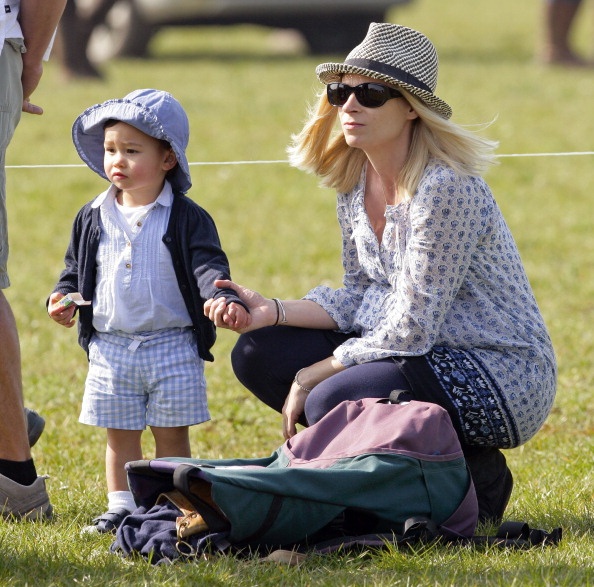
Tane Lewis is the brother of Senna Lewis, and great-great-grandson of King George V; born in 2012, he is 30th in line to the throne. As earlier discussed, Tane’s father is New Zealander Gary Lewis, the only Maori to have married into the British royal family, and Tane has a name to honour his heritage. Tane is the god of trees and birds in Maori mythology, the son of the sky father and the earth mother, who clothed his father in the stars and his mother with vegetation. In some legends, he made the first man, and in others he made the first woman, moulding her from soil so she could be his wife. The word tāne means “man” in Maori, and it is pronounced TAH-neh, although I have met boys in New Zealand and Australia called Tane who say their name TAYN. A strong, simple yet evocative name which is a wonderful heritage choice, fitting in with familiar names such as Tanner, Tate, and Talon.

Tewa
Tewa Lascelles is the brother of Tanit Lascelles, a great-grandson of Princess Mary, and great-great-grandson of King George V; born in 1985, he is 58th in line to the throne. Tewa’s mother was Lori Lee, known as “Shadow”, of Native American descent, and his name was chosen to honour his heritage. The Tewa people are from New Mexico, and the name Tewa comes from a Keres word meaning “moccasins”; it is pronounced TAY-wuh, rather like Taylor with a W instead of an L. Tewa Lascelles, an American citizen, was born in New Mexico, and perhaps the name reflects his birthplace as well. Tewa is in a progressive punk band, following in his family’s musical footsteps, as James Lascelles is a keyboardist with an interest in world music, and grandfather George Lascelles devoted most of his career to opera.

Xan
Xan Windsor, Lord Culloden, is the brother of Lady Cosima Windsor, son of the Earl of Ulster, and great-great-grandson of King George V; born in 2007, he is 26th in line to the throne. Xan is named in honour of his father, Major Alex Ulster, and this snappy short form of Alexander seems very versatile. Fresh and futuristic, Xan could belong to either gender, and is of ambiguous cultural background, making it the perfect choice for the modern age.

POLL RESULTS
People’s favourite names were Otis, Christian and Tane, and their least favourite were Columbus, Tewa and Guelph.

(Picture shows Tane Lewis, accompanied by his mother, Lady Davina Lewis; photo from The Daily Mail)

The Australian Top 100 Baby Names for 2014 (combined spellings)

03 Sunday May 2015

Posted by A.O. in Name Data

≈ 1 Comment

Tags

McCrindle Research, name trends, popular names

GIRLS

  1. Olivia (1796)
  2. Charlotte (1673)
  3. Mia (1551)
  4. Ava (1488)
  5. Amelia (1450)
  6. Emily (1395)
  7. Sophia/Sofia (1357)
  8. Sophie (1349)
  9. Chloe (1341)
  10. Ruby (1283)
  11. Lily/Lilly (1252)
  12. Grace (1213)
  13. Ella (1185)
  14. Isabella (1177)
  15. Isla (1066)
  16. Madison/Maddison (964)
  17. Sienna (943)
  18. Zoe (942)
  19. Scarlett (873)
  20. Matilda (864)
  21. Ivy (863)
  22. Isabel/Isabelle (845)
  23. Evie (836)
  24. Harper (794)
  25. Lucy (792)
  26. Emma (781)
  27. Hannah (755)
  28. Zara (703)
  29. Willow (681)
  30. Abigail (668)
  31. Georgia (664)
  32. Layla (619)
  33. Evelyn (611)
  34. Eva (595)
  35. Imogen (556)
  36. Jasmine (541)
  37. Annabelle (537)
  38. Mila/Milla (528)
  39. Alexis (501)
  40. Savannah (479)
  41. Aria (470)
  42. Alice (449)
  43. Audrey (440)
  44. Ellie (430)
  45. Violet (430)
  46. Stella (425)
  47. Summer (420)
  48. Poppy (419)
  49. Jessica (418)
  50. Madeleine/Madeline (417)
  51. Maya (410)
  52. Holly (392)
  53. Elizabeth (391)
  54. Sarah (379)
  55. Addison (358)
  56. Mackenzie (355)
  57. Bella (323)
  58. Anna (317)
  59. Phoebe (311)
  60. Indiana (306)
  61. Paige (306)
  62. Alyssa (298)
  63. Lola (298)
  64. Chelsea (286)
  65. Elsie (283)
  66. Piper (281)
  67. Rose (268)
  68. Eden (256)
  69. Hayley (251)
  70. Claire (245)
  71. Eloise (241)
  72. Molly (236)
  73. Ariana (234)
  74. Charlie (230)
  75. Alexandra (222)
  76. Olive (209)
  77. Ayla (191)
  78. Frankie (188)
  79. Penelope (182)
  80. Victoria (182)
  81. Eliza (159)
  82. Lara (159)
  83. Aaliyah (151)
  84. Eleanor (151)
  85. Emilia (151)
  86. Lillian (149)
  87. Harriet (141)
  88. Hazel (141)
  89. Heidi (131)
  90. Lexi (130)
  91. Jade (128)
  92. Indie (125)
  93. Pippa (116)
  94. Peyton (111)
  95. Amelie (110)
  96. Amber (97)
  97. Elise (81)
  98. Sadie (77)
  99. Natalie (71)
  100. Lacey (65)
BOYS

  1. Oliver (2189)
  2. William (1959)
  3. Jack (1841)
  4. Noah (1668)
  5. Jackson/Jaxon/Jaxson (1536)
  6. Thomas (1447)
  7. Lucas (1402)
  8. James (1401)
  9. Alexander/Alex (1349)
  10. Ethan (1257)
  11. Liam (1188)
  12. Lachlan (1187)
  13. Harrison (1158)
  14. Mason (1139)
  15. Samuel (1104)
  16. Max (1083)
  17. Cooper (1055)
  18. Charlie (1045)
  19. Jacob (1041)
  20. Henry (1038)
  21. Hunter (992)
  22. Joshua (988)
  23. Isaac (963)
  24. Benjamin (939)
  25. Xavier (906)
  26. Oscar (884)
  27. Harry (874)
  28. Levi (867)
  29. Ryan (815)
  30. Elijah (792)
  31. Hudson (786)
  32. Leo (783)
  33. Daniel (763)
  34. Archie (755)
  35. Riley (745)
  36. Logan (735)
  37. Sebastian (714)
  38. Jayden (704)
  39. Patrick (664)
  40. Archer (650)
  41. Tyler (642)
  42. George (640)
  43. Nate (625)
  44. Flynn (619)
  45. Blake (600)
  46. Aiden (554)
  47. Edward (550)
  48. Lincoln (549)
  49. Eli (520)
  50. Michael (510)
  51. Matthew (497)
  52. Jake (489)
  53. Dylan (481)
  54. Jordan (480)
  55. Zachary (480)
  56. Chase (478)
  57. Luke (466)
  58. Kai (461)
  59. Luca (453)
  60. Connor (447)
  61. Austin (440)
  62. Finn (437)
  63. Hugo (432)
  64. Joseph (401)
  65. Ashton (394)
  66. Hayden (394)
  67. Caleb (392)
  68. Nicholas (388)
  69. Angus (371)
  70. Ryder (324)
  71. Louis (316)
  72. Hamish (302)
  73. Nathan (298)
  74. Jasper (294)
  75. Toby (293)
  76. Bailey (291)
  77. Braxton (284)
  78. Owen (284)
  79. Adam (279)
  80. Beau (263)
  81. Charles (263)
  82. Marcus (242)
  83. Mitchell (226)
  84. Harvey (220)
  85. Christian (217)
  86. Gabriel (216)
  87. Ali (214)
  88. Dominic (213)
  89. Felix (213)
  90. Muhammad (204)
  91. David (196)
  92. Aaron (193)
  93. John (186)
  94. Phoenix (182)
  95. Anthony (180)
  96. Theodore (179)
  97. Maxwell (173)
  98. Carter (156)
  99. Fletcher (155)
  100. Nathaniel (151)

GIRLS

Biggest Risers
Hazel (+63), Eleanor (+31), Ariana (+27)

Biggest Fallers
Chelsea and Amelie (-15), Mackenzie and Eliza (-14)

New
Frankie, Eleanor, Emilia, Hazel, Lexi, Elise, Sadie, Natalie, Lacey

Gone
Samantha, Eve, Daisy, Nevaeh, Skye, Indigo, Caitlin, Leah, Mikayla

BOYS

Biggest Risers
Maxwell (+43), Fletcher (+26), Harvey (+20)

Biggest Fallers
Braxton (-31), Mitchell (-22), Nathaniel (-21)

New
Harvey, Gabriel, Muhammad, Phoenix, Theodore, Maxwell, Carter, Fletcher

Gone
Jesse, Seth, Parker, Darcy, Jett, Lewis, Jonathan

Information from Baby Names Australia 2015 by McCrindle Research; click the link to view the full report (number of babies given each name in brackets).

Famous Names: Birdie and Melody

30 Thursday Apr 2015

Posted by A.O. in Famous Names

≈ 4 Comments

Tags

American slang terms, animal names, birth notices, celebrity sibsets, english names, famous namesakes, fictional namesakes, historical records, middle names, name history, name meaning, name trends, names from television, nature names, nicknames, sporting terminology, surname names, UK name popularity, underused modern classics, US name popularity, vintage names, vocabulary names

3rs7ns2x-1391387260

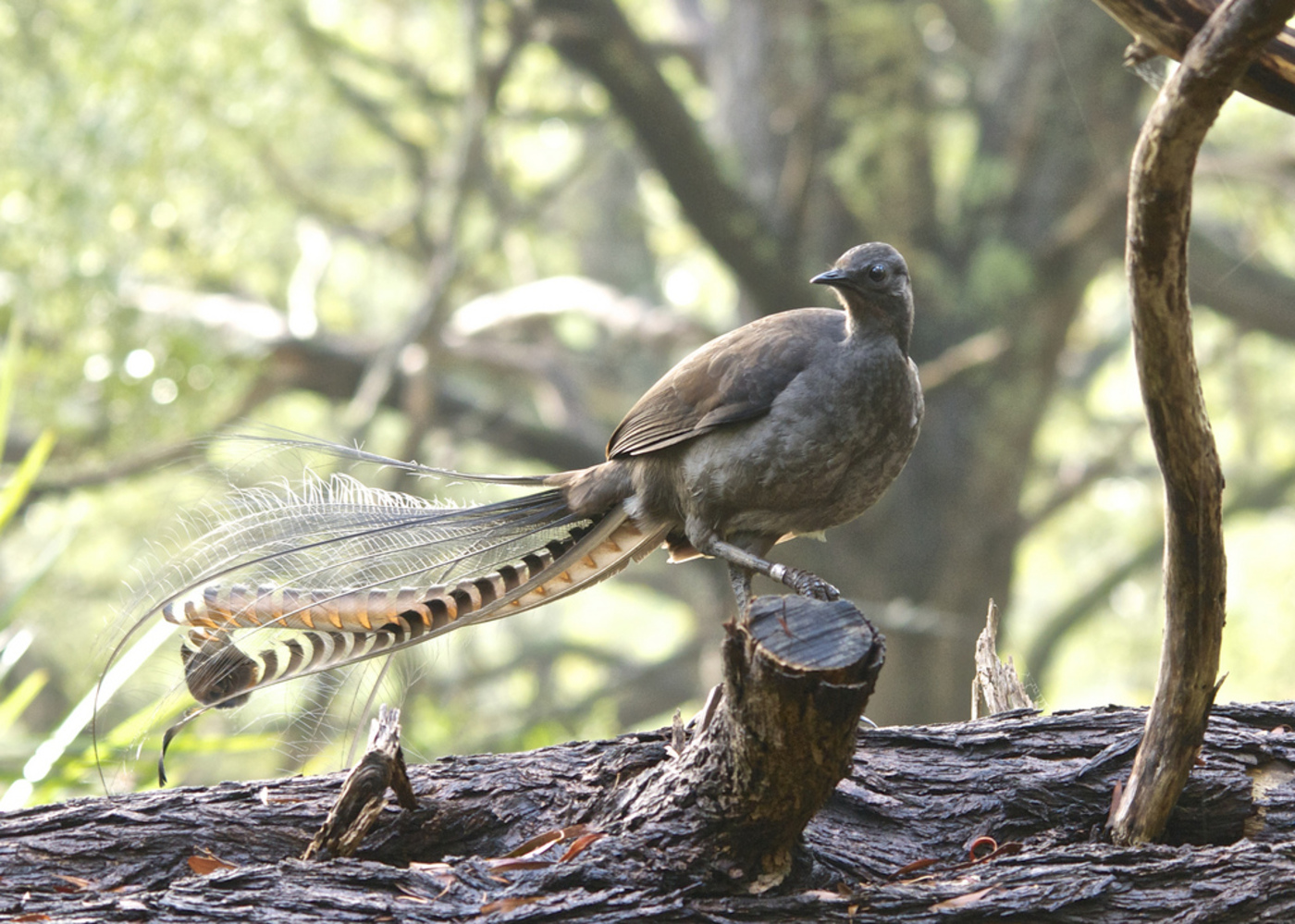
You do not need to be an ornithologist to see that there is something special about Australian birds, whether you are listening to the extraordinary calls of the lyrebird, seeing bright wrens and colourful fruit-eating pigeons, or enjoying the antics of our clever parrots. In fact, the very specialness of Australian wildlife led the great naturalist Charles Darwin to ponder the possibility of two Creators – one a steady sort of chap, turning out sparrows and bunnies, and the other a total nutter who made things like emus and kangaroos.

For most of the twentieth century, European and North American scientists assumed that birds evolved in the northern hemisphere, and that they had the “normal” birds. Australian birds broke a few of the rules, but they could be comfortably dismissed as second-hand fauna from a lost continent where all kinds of wacky things happened.

As the ABC science program Catalyst explained last month, it is only in recent decades that Australian scientists dared to challenge that orthodoxy. In the 1980s Australian scientists used DNA evidence to show that the world’s 4 500 species of songbirds – like the jays, thrushes, robins, and mockingbirds – were all descended from Australian songbirds. Far from being some crazy breakaway branch on the evolutionary tree, our birds were the originals.

This rocked the science world, which demanded evidence from the fossil record. Nobody had ever bothered to look for any fossils, but once an Australian scientist did, he found the bones of a tiny finch-like bird in Queensland in the 1990s. It was the earliest songbird ever found in the world by a staggering amount – at 54 million years old, it was at least 25 million years earlier than anywhere else.

More DNA evidence revealed that Australia was the ancestral home of the world’s pigeons and parrots as well, meaning that the majority of birds in the world have Australian ancestors, and that Australia was the most important continent for bird evolution. Australian birds did not break the rules of evolution – they made the rules!

For example, Charles Darwin proposed that birdsong evolved so that male birds could attract females with their beautiful voices. That never made sense in Australia, where in most species female birds also sing (and sometimes sing more than males). Before, Australia could be written off as a weird exception to the rule, but now we know that birdsong evolved on a continent where both female and male birds sing, so the old assumption cannot be true.

Birds have helped shape our continent for tens of millions of years, and our land has echoed with their songs, even during the many millions of years that the rest of the globe lay silent. But they have also shaped the entire world by filling it with the most intelligent and melodious of birds. In other words, there is only one Creator – and it’s the nutty southern hemisphere one.

BIRDIE
Birdie (or birdy) is a diminutive of the word bird, nearly always seen as affectionate and child-like; the word dates to the late 18th century. The word was associated with the days of early photography, when photographers would show a little metal bird to their subjects, and tell them to Watch the birdie to keep them focused. In golf terminology, a birdie means a score of one under par, and originated in New Jersey in 1899 – it’s from the American slang bird, referring to something excellent.

Birdie has been used as a personal name since the 19th century, but probably more commonly as a nickname than as a legal name. Mostly given as a name to girls, Birdie can be seen as a pet form of names such as Bertha, Bridget, Barbara, Elizabeth, or almost any name with a strong B sound. On Mad Men, Elizabeth “Betty” Draper was called Birdie by her husband as an affectionate nickname.

On the other hand, it is often given as a true nickname – that is, with no connection to the given name at all. An example is the British singer Birdy, whose real name is Jasmine van den Boegarde – her parents called her Birdy from the time she was a baby, because she opened her mouth to be fed like a little bird. These types of nicknames are not uncommon amongst the British aristocracy.

Birdie was used as a name more often in the United States than other countries, and it was on the US Top 1000 for girls almost continuously from 1880 to 1948, peaking in 1882 at #151, and not leaving the Top 500 until 1927. In 2013, 37 girls were named Birdie in the US, while Birdie has only charted once in the UK since 1996, when 3 baby girls were named Birdie in 2010 (data doesn’t take into account people with Birdie as their nickname).

There are quite a few women named Birdie in Australian historical records, mostly born in the late 19th and early 20th century. It can be found occasionally given to boys in the middle position, where it may come from the surname – the surname has nothing to do with birds, but is a corruption of the oath, Par dieu, French for, “by God”. I have recently seen a baby girl named Birdie in a birth notice, while a blog reader named her daughter Mabel last year, but calls her “Birdie” as her nickname.

Vintage nicknames like Buddy and Buster are back in vogue, and Birdie is a very stylish example of the trend. It manages to be cute, without being overtly flirty or sexy, and has a rather upper class feel. Definitely one to watch!

MELODY
A melody is a sequence of notes which makes a musical phrase or motif – what we might otherwise call a tune. The word is ultimately from the ancient Greek meloidia, meaning “singing, chanting”.

Melody has been used as a girl’s name since at least the 18th century, but became more common in the 19th. The name Melody first charted in Australia in the 1960s, debuting at #543. It is currently around the 200s. In the US, where it has charted since the 1940s, Melody is #171 and rising, while in the UK it is #261, and appears to be rising slightly.

Melody is a popular choice for singers, who either seem to have been inspired by the meaning of their name, or have adopted it as a stage name. American singer-songwriter Melody Gardot took up music as therapy after an accident, Melody Thornton is a member of the Pussycat Dolls, while young Australian country singer Melody Pool’s career is just starting out. Japanese pop singer Melody Ishiwara has sisters named Harmony, Rhythmy and Christine (rather in the style of sisters named Grace, Faith, Hope, and Michelle).

There have been several characters named Melody in recent popular culture, such as the daughter of Ariel and Eric in the sequel to The Little Mermaid, the cute ditzy drummer from Josie and the Pussycats, and Melody Pond, the mysterious time-traveller from Dr Who, who goes by the name River Song.

I’ve noticed that people often dismiss Melody as a “dated” name, because it shares a similar sound to Melanie and Melissa, which both peaked as popular names in the 1970s. However, a look at the data shows that this isn’t correct, and underlines the dangers of judging a less-common name based on how it sounds.

Melody is an underused modern classic which has never been higher than the 200s, and is higher now than it has ever been; overseas data suggests that it may even be rising slowly. It’s pretty and music-themed, fitting in well with the current trend for names such as Aria, Harmony, and Cadence, while still feeling like a traditional choice. It’s well worth considering if you are searching for a lyrical, contemporary name without any baggage that has been overlooked by most others.

POLL RESULTS
The name Birdie received an approval rating of 56%. 36% of people loved the name Birdie, and 22% thought it was a terrible name.

The name Melody received a lower approval rating of 48%. 45% weren’t too keen on the name Melody, and 15% loved it.

Information on songbird evolution from Catalyst’s episode Where Birdsong Began, shown March 10 2015, and based on the book Where Song Began, by Australian biologist Tim Low.

(Photo shows an adult male superb lyrebird, an astounding mimic; both males and females sing, but males are louder and more skilful).

The Top 100 Baby Names in New South Wales for 2014

26 Sunday Apr 2015

Posted by A.O. in Name Data

≈ 3 Comments

Tags

name trends, popular names

GIRLS

  1. Olivia
  2. Mia
  3. Charlotte
  4. Amelia
  5. Ava
  6. Emily
  7. Chloe
  8. Ruby
  9. Isabella
  10. Sophie
  11. Grace
  12. Ella
  13. Isla
  14. Sophia
  15. Zoe
  16. Sienna
  17. Ivy
  18. Evie
  19. Scarlett
  20. Emma
  21. Lily
  22. Matilda
  23. Hannah
  24. Harper
  25. Zara
  26. Georgia
  27. Lucy
  28. Layla
  29. Abigail
  30. Annabelle
  31. Evelyn
  32. Eva
  33. Isabelle
  34. Jasmine
  35. Willow
  36. Sofia
  37. Audrey
  38. Maddison
  39. Imogen
  40. Jessica
  41. Aria
  42. Mila
  43. Maya
  44. Sarah
  45. Savannah
  46. Alexis
  47. Alice
  48. Stella
  49. Violet
  50. Poppy
  51. Elizabeth
  52. Ellie
  53. Chelsea
  54. Summer
  55. Anna
  56. Claire
  57. Bella
  58. Madison
  59. Victoria
  60. Phoebe
  61. Eloise
  62. Lola
  63. Piper
  64. Indiana
  65. Addison
  66. Holly
  67. Alyssa
  68. Lilly
  69. Eden
  70. Lara
  71. Madeleine
  72. Rose
  73. Ariana
  74. Aaliyah
  75. Paige
  76. Isabel
  77. Lillian
  78. Alexandra
  79. Hayley
  80. Elise
  81. Emilia
  82. Eleanor
  83. Olive
  84. Molly
  85. Eliza
  86. Madeline
  87. Lexi
  88. Penelope
  89. Hazel
  90. Amelie
  91. Harriet
  92. Mackenzie
  93. Jade
  94. Natalie
  95. Elsie
  96. Ayla
  97. Charlie
  98. Indie
  99. Frankie
  100. Samantha
BOYS

  1. Oliver
  2. William
  3. Noah
  4. Jack
  5. James
  6. Lucas
  7. Thomas
  8. Alexander
  9. Ethan
  10. Liam
  11. Max
  12. Jacob
  13. Cooper
  14. Isaac
  15. Lachlan
  16. Harrison
  17. Joshua
  18. Samuel
  19. Benjamin
  20. Mason
  21. Henry
  22. Charlie
  23. Ryan
  24. Jayden
  25. Daniel
  26. Oscar
  27. Harry
  28. Hunter
  29. Leo
  30. Xavier
  31. Elijah
  32. Sebastian
  33. Archie
  34. George
  35. Jackson
  36. Levi
  37. Logan
  38. Aiden
  39. Nicholas
  40. Flynn
  41. Riley
  42. Tyler
  43. Hugo
  44. Matthew
  45. Hudson
  46. Michael
  47. Edward
  48. Zachary
  49. Adam
  50. Joseph
  51. Patrick
  52. Dylan
  53. Nate
  54. Jake
  55. Jaxon
  56. Luke
  57. Kai
  58. Luca
  59. Archer
  60. Ashton
  61. Beau
  62. Jordan
  63. Eli
  64. Connor
  65. Marcus
  66. Ali
  67. Austin
  68. Finn
  69. Gabriel
  70. Lincoln
  71. Christian
  72. Jasper
  73. Nathan
  74. Blake
  75. Chase
  76. Braxton
  77. Louis
  78. Angus
  79. Dominic
  80. Muhammad
  81. Toby
  82. Hayden
  83. Caleb
  84. Bailey
  85. Hamish
  86. Felix
  87. Charles
  88. Anthony
  89. Owen
  90. Aaron
  91. Ryder
  92. David
  93. John
  94. Christopher
  95. Jesse
  96. Phoenix
  97. Darcy
  98. Jonathan
  99. Omar
  100. Maxwell

GIRLS

Biggest Risers
Aria (+25), Maya (+22), Elise (+21 at least), Eleanor (+19 at least), Ariana (+17 at least), Madeline (+17 at least), Lexi (+14 at least), Piper (+14), (Evelyn +13), Harriet (+12 at least)

Biggest Fallers
Mackenzie (-44), Caitlin (-23 at least), Mikayla (-19 at least), Samantha (-17), Eliza, Elsie, Lara and Madison (-16), Gabriella (-12 at least), Lilly (-11)

New
Elise, Eleanor, Madeline, Lexi, Hazel, Natalie, Charlie, Frankie

Gone
Caitlin, Mikayla, Gabriella, Skye, Leah, Daisy, Zahra

BOYS

Biggest Risers
Gabriel (+29), Jordan (+21), George (+20), Nate (+19), Hamish (+16 at least), Jasper (+15), Bailey, Dylan and Hugo (+13), Kai (+12)

Biggest Fallers
Braxton (-25), Christian (-19), Nathaniel (-17 at least), Jonathan (-18), Chase and Hayden (-15), Nathan (-14), Mitchell (-13 at least), Anthony and Caleb (-12)

New
Hamish, Phoenix, Omar, Maxwell

Gone
Nathaniel, Mitchell, Alex

Rare Girls Names From the 1940s

05 Sunday Apr 2015

Posted by A.O. in Name Themes and Lists

≈ 1 Comment

Tags

animal names, controversial names, created names, Easter names, english names, fictional namesakes, flower names, French names, germanic names, Greek names, honouring, Irish names, Latin names, locational names, middle names, name history, name meaning, name trends, names from films, names from songs, nature names, nicknames, plant names, rare names, Roman names, saints names, Scottish names, Spanish names, surname names, unisex names, vintage names, virtue names, vocabulary words

Dymphna_Cusack,_1947

The most popular girls names of the 1940s were Margaret, Patricia, Judith, and Helen, but what were the least popular names? Here are ten names which were only chosen once in any year between 1944 and 1949 in South Australia, making them unique names for their time and place. They continue to be rare, and some parents will still find them appealing.

Avis
Thought to be a Latinised form of the Germanic name Aveza, most likely a long form or elaboration of the familiar Ava. Introduced to England by the Normans, it was reasonably common in the Middle Ages, and quickly became associated with the Latin word avis, meaning “bird”. Avis Rent a Car was founded in the 1940s by Warren Avis, but did not become big in Australia for some time – it’s now quite difficult to disassociate the name Avis from the rental company, although it’s very much on trend and still seems contemporary and pretty. It was also a good fit in the 1940s, when names such as Avril and Averil were fashionable.

Bunty
An old British term of endearment, dating back to perhaps the 17th century. In Scotland, buntin means “short and plump”, while in Wales, bontin means “the bottom, the rump” (a part of the body usually seen as quite plump). It’s interesting that in both Scottish and English dialect, bunt and bun refer to a rabbit’s tail, which recalls the bottom meaning. You probably remember the nursery rhyme, Bye Baby Bunting, where bunting meant “a plump little child”, and it’s amusing that they have “a rabbit skin to wrap the Baby Bunting in”, given the etymological connection between chubby babies and bunnies’ bottoms. By the 19th century, bunty was a country word for a lamb, because they bunt (or butt) with their heads, giving bunty another adorable baby-related association. The name Bunty was popularised by the Scottish comedy Bunty Pulls the Strings, which was a hit in 1911 in the West End and on Broadway (Bunty was a canny Highland lass). However, even before this, Bunty was used as a nickname, especially by the aristocracy. It was occasionally given to boys, and in Seven Little Australians, young John is called Bunty, because he is prone to be greedy and a bit overweight. In his case, the nickname literally meant “little fatty”, but Bunty can be understood as “cute wee bairn, bonny babe”. This could be a charming vintage-style nickname, and if you’re worried it’s too infantile, Babe and Baby were both used as names in the 1940s!

Cosette
Cosette is one of the main characters in Victor Hugo’s Les Misérables, considered one of the greatest novels of the 19th century. In the novel, Cosette is the daughter of Fantine, a poor girl who must leave her child in the care of some innkeepers, while she works to provide for her. Cosette is badly treated by her guardians, and becomes a Cinderella-like figure, but is rescued by the ex-convict Jean Valjean. They take refuge in a convent, where Cosette develops into a beautiful young girl, and eventually finds her happy ending. Cosette’s real name is Euphrasie (meaning “good cheer”), but her mother’s pet name for her is the one which sticks – Cosette is from the French word chosette, meaning “little thing”. Les Misérables was made into a successful film in 1935, with child star Marilyn Knowlden in the role of the young Cosette; this would have increased interest in the name. Les Misérables was made into an award-winning musical film in 2012, this time with British actress Isabelle Allen playing young Cosette. Her face was used for the publicity posters, and with her arresting blue eyes, this may bring Cosette into the baby name spotlight again.

Dymphna
Anglicised form of the Irish name Damhnait, meaning “fawn”. Saint Dymphna is a 7th century Irish saint with a truly disturbing story, because legend has it that when she was fourteen, her father went mad and developed an unnatural desire for her. She ran away and devoted herself to helping the sick and the poor, but her father discovered her whereabouts, and killed her in a rage. Called the Lily of Eire, Saint Dymphna is the patron of the mentally ill, as well as vctims of incest, and many miraculous cures have been claimed on her behalf. A famous namesake is the author Dymphna Cusack, and another is Dymphna Clark, married to the historian Manning Clark, so the name has strong Australian credentials. Despite this, and the pretty meaning, Saint Dymphna’s tragic life has probably not been a help. Said DIMF-na, Dymphna has a lovely sound though, like a quirkier Daphne.

Jinx
According to superstition, a jinx is something, or someone, who brings bad luck, often without meaning to. The word is American English, first used in the context of baseball, and its origins are obscure. One suggestion is that it comes from the 1887 musical comedy Little Puck, which had a character named Jinks Hoodoo, who is a curse to everyone he meets, as well as to himself. Although Hoodoo is fairly obviously a “bad luck” word, Jinks is just a surname based on the name John, and not too unusual as a first name. Perhaps it was given with the phrase high jinks in mind, meaning “boisterous fun”. After the popular musical comedy, jinks and jinx seem to have rapidly come into use as slang terms to describe an unlucky person or object. Jinx was known as a girl’s name in the 1940s because of Jinx Falkenburg, one of the highest-paid cover-girls of the 1930s and ’40s – an early example of a supermodel. Considered one of the most beautiful and glamorous women of her time, she was also a talented sportswoman and Hollywood actress, and went on to have successful chat shows on radio and TV. Born Eugenia, her mother nicknamed her Jinx in the belief that it would bring her good luck – I’m not sure how that was meant to work, but Jinx did indeed have a fortunate life. Jinx has quite often been used as a name for (mostly female) fictional characters, from L’il Jinx from the Archie comics to Jinx Johnson in the James Bond film, played by Halle Berry. This is a playful modern nickname for the non-superstitious.

Marigold
The flower name marigold is attached to several plants with yellow blooms, but usually refers to the Calendula or pot marigold – although sometimes called English marigold, the plant probably originated in southern Europe, but became widely naturalised elsewhere from an early date. The name seems to have been first used for the wildflower Caltha palustris, also known as marsh marigold and kingcup. Marigold literally means “Mary gold”, and the name came about because the spring wildflower was a favourite in medieval churches at Easter, a tribute to the Virgin Mary. Shakespeare refers to the “golden eyes” of “Marybuds” in his play Cymbeline, and the marsh marigold is one of the UK’s most ancient plants, being an Ice Age survivor. Marigold has been used as a name since the 19th century, when flower names were fashionable, and is a hip underused floral choice which could honour a Mary.

Rilla
Rilla Blythe is the main character in L.M. Montgomery’s Rilla of Ingleside; the daughter of the famous Anne Shirley (later Anne Blythe), she is a carefree teenager who must grow up fast when World War I is declared. Rilla’s full name is Bertha Marilla, with her middle name in honour of Anne’s strict but loving adoptive mother, Marilla Cuthbert. Marilla may be a short form of Amaryllis or an elaboration of Mary, and it’s notable that the name Marilla was used more than once during the 1940s. Perhaps the wartime courage of Rilla Blythe struck a chord during World War II, or maybe the 1939 publication of Anne of Ingleside played a role, where Rilla is said to be sweetest baby of all, and shown as an adorably pretty and plump lisping toddler. Rilla is a trendy name from the wartime era that still seems cute, especially knowing Rilla Blythe was affectionately known as “Rilla, my Rilla”. One for Montgomery fans!

Thais
Thaïs of Athens was a famous Greek hetaera who accompanied Alexander the Great on his campaigns. Hetaera were high status courtesans; educated, influential, and sophisticated women who were paid companions to men – not just in the bedroom, but as stimulating conversationalists and talented musicians and dancers. Thaïs was the lover of Ptolemy I Soter, one of Alexander’s generals, and she is said to have been witty and entertaining company. After Alexander’s death, Ptolemy became the king of Egypt, and Thaïs was his wife, or at least a high ranking concubine, and mother of his children (he had other wives to provide him with heirs to the throne). Saint Thaïs was from 4th century Egypt, a beautiful and wealthy courtesan who repented of her life and converted to Christianity. It is hard not to wonder if her story was influenced by Thaïs of Athens, who also lived in Egypt during the 4th century. The saint inspired a novel by Anataloe France, and an opera by Massenet; as a result, Thaïs is a popular name in France. The Greek name Thaïs means “head band”, referring to the plain cloth bands that women in ancient Greece commonly wore to keep their hair in place. Like the hair covering, this name is both simple and sophisticated, with a fascinating historical namesake, and fits in with Australian name trends. The French pronunciation is rather like tah-EES, while English speakers may prefer TAY-is or ty-EES.

Unity
The word unity means “oneness”, familiar in both religious and political contexts, and used as a virtue name since at least the 17th century. It seems a rather strange choice for the 1940s, because Unity Mitford was an aristocratic English girl who was a rabid supporter of the Nazis and fervent devotee of Adolf Hitler, her close personal friend. When Britain declared war on Germany, Unity tried to commit suicide by shooting herself in the head, but survived, although permanently affected by her brain injuries. She died from an infection caused by the bullet in 1948, a controversial figure to the end. Unity Mitford was the inspiration behind evil Bellatrix Lestrange in the Harry Potter series, and it’s interesting that J.K. Rowling named her eldest daughter after Jessica Mitford, a staunch Communist and Unity’s sister. If you can get over the connection to Unity Mitford, Unity is a rather attractive name, and similar in sound to Una, which still charted in the 1940s.

Valencia
A large port city in Spain, famous for its vibrant culture and delicious cuisine. Founded as a Roman colony in the 2nd century, its name was originally Valentia, meaning “strength, valour”, in recognition of the bravery of former Roman soldiers who settled there. The name is closely related to the familiar Valentine. During the period of Muslim rule, Valencia was nicknamed Medina bu-Tarab, “City of Joy”. The name might remind you of Valencia oranges, grown in California but named after the Spanish city, which had a reputation for very sweet oranges. Valencia has long been used as a personal name in Spanish-speaking countries, but is not common in English-speaking ones. It may have got a boost from the 1926 romantic film Valencia, where the title character is an exotic Spanish dancer, played by Mae Murray. A box office success, its title song was one of the biggest hits of that year. Valencia fitted in with popular names of the 1940s such as Valerie, and still seems rather glamorous.

POLL RESULTS
People’s favourite names were Marigold, Cosette and Rilla, and their least favourite were Unity, Dymphna and Bunty.

(Photo shows Australian author Dymphna Cusack in 1945: her play Red Sky At Morning was one of few produced during the war years, and was made into film in 1944)

← Older posts
Newer posts →

Enter your email address to follow this blog

Categories

Archives

Recent Comments

A.O.'s avatarwaltzingmorethanmati… on Zarah Zaynab and Wolfgang…
Madelyn's avatarMadelyn on Zarah Zaynab and Wolfgang…
JD's avatardrperegrine on Can Phoebe Complete This …
A.O.'s avatarwaltzingmorethanmati… on Rua and Rhoa
redrover23's avatarredrover23 on Rua and Rhoa

Blogroll

  • Appellation Mountain
  • Baby Name Pondering
  • Babynamelover's Blog
  • British Baby Names
  • Clare's Name News
  • For Real Baby Names
  • Geek Baby Names
  • Name Candy
  • Nameberry
  • Nancy's Baby Names
  • Ren's Baby Name Blog
  • Sancta Nomina
  • Swistle: Baby Names
  • The Art of Naming
  • The Baby Name Wizard
  • The Beauty of Names
  • Tulip By Any Name

RSS Feed

  • RSS - Posts

RSS Posts

  • Celebrity Baby News: Melanie Vallejo and Matt Kingston
  • Names from the TV Show “Cleverman”
  • Can Phoebe Complete This Sibset?
  • Zarah Zaynab and Wolfgang Winter
  • Baby, How Did You Get That Name?
  • Celebrity Baby News: Media Babies
  • Celebrity Baby News: Adelaide Crows Babies
  • Celebrity Baby News: Chris and Rebecca Judd
  • Names at Work: Name News From the World of Business and Employment
  • Celebrity Baby News: Sporting Round Up

Currently Popular

  • Rare Boys Names From the 1950s
  • Celebrity Baby News: Ross Stevenson and Sarah Fallshaw
  • The Top 100 Names of the 1920s in New South Wales
  • Arlo Robert Galafassi: A Son for Toni Collette and Dave Galafassi, a Brother for Sage Florence
  • The Top 100 Names of the 1940s in New South Wales

Tags

celebrity baby names celebrity sibsets english names famous namesakes fictional namesakes honouring locational names middle names name combinations name history name meaning name popularity name trends nicknames popular names saints names sibsets surname names twin sets unisex names

Blog at WordPress.com.

Privacy & Cookies: This site uses cookies. By continuing to use this website, you agree to their use.
To find out more, including how to control cookies, see here: Cookie Policy
  • Subscribe Subscribed
    • Waltzing More Than Matilda
    • Join 517 other subscribers
    • Already have a WordPress.com account? Log in now.
    • Waltzing More Than Matilda
    • Subscribe Subscribed
    • Sign up
    • Log in
    • Report this content
    • View site in Reader
    • Manage subscriptions
    • Collapse this bar
 

Loading Comments...