• About
  • Best Baby Names
  • Celebrity Baby Names
  • Celebrity Baby Names – Current
  • Celebrity Baby Names – Past
  • Featured Boys Names
  • Featured Girls Names
  • Featured Unisex Names
  • Links to Name Data
  • Waltzing on the Web

Waltzing More Than Matilda

~ Names with an Australian Bias of Democratic Temper

Waltzing More Than Matilda

Tag Archives: honouring

Name Update: By the Luck of the Irish

01 Monday Jun 2015

Posted by A.O. in Name Updates

≈ 2 Comments

Tags

choosing baby names, honouring, Irish names, middle names, Nameberry, nicknames, sibsets

images

Imogen and Charles were expecting their second child, and although they had already picked a boy’s name, were having trouble deciding on a girl’s name. As it happened, they had a boy on August 30 last year, and were able to use the name they had chosen. Imogen wanted to share it, because it’s a name they were very excited about, and his name is

FITZPATRICK SCOTT “PADDY”,

little brother to Allegra.

The couple wanted an Irish name to honour Charles’ ancestry, and it had to be a strong name that wasn’t too common. Imogen came across the name Fitzpatrick on Nameberry a few years ago, and it fit the bill perfectly, while the middle name honours a family connection. Fitzpatrick’s nickname is very Irish, and Imogen can even imagine him being called Fitzy when he gets older. If Fitzpatrick had been a girl, his name would have been either Margot or Greta.

Congratulations on the birth of your son Imogen and Charles – what a handsome and even noble name, perfectly chosen to honour his Irish ancestry, and with a handy nickname for everyday use.

Famous Name: Diana

20 Wednesday May 2015

Posted by A.O. in Famous Names

≈ Comments Off on Famous Name: Diana

Tags

aristocratic names, Biblical names, European name popularity, famous namesakes, honouring, Latin names, modern classics, mythological names, name history, name meaning, name popularity, rare names, Roman names, royal names, Shakespearean names, UK name popularity, US name popularity

168

Famous Namesake
The birth of Princess Charlotte Elizabeth Diana has many people wondering if Charlotte can get to #1 – it would be an easy feat in Australia, as its just been deposed by Olivia, and could regain its throne by going up just one spot in the rankings. It feels as if I am already seeing more Charlottes in birth notices, so who knows!

The princess’ name also invites the question of whether her middle name, Diana, may become more popular as either a first or a middle name. It is well known that the name Diana honours Princess Charlotte’s grandmother Diana, Princess of Wales – Lady Diana Spencer before her marriage, and dubbed “Lady Di” by the press.

Famous for her beauty and charisma, Diana gained respect for her charity work, and sympathy for her unhappy marriage and divorce. Her life, lived under intense scrutiny, ended shockingly in a car crash, leading to an outpouring of public grief. Years later, her memory is still fresh, and she continues to be a subject of fascination for the media.

Diana’s name is a traditional one in the Spencer family, and she was named after a distant 18th century ancestor, who was also Lady Diana Spencer. Tall, fair, charismatic, and attractive, it was hoped this earlier Lady Diana would marry the Prince of Wales, Frederick, the son of King George II. These plans came to naught, and she married a future Duke of Bedford instead.

The parallels between these two namesakes are striking: both grew up at the stately home of Althorp, both socialised with the royal family, both were intended brides of a Prince of Wales, and both unexpectedly died young – the earlier Lady Diana of TB at 25.

Another Lady Diana Spencer born in the 18th century was known as Lady Di, and a Lady of the Bedchamber to Queen Charlotte. A talented artist, she was most famous for the unhappiness of her first marriage, which was marked by infidelity, and ended in divorce. Days later, she married again, to a celebrated wit who was a great-grandson of King Charles II. It was out of the frying pan and into the fire, as her second husband was evil-tempered, a drug fiend, and extremely filthy in his habits. He died begging her pardon for the life of misery he had given her.

While Princess Charlotte’s first two names connect her equally to her royal and commoner families, her third name is a link to her famous grandmother, not just a style icon and People’s Princess, but a beloved mother still deeply missed by her sons. It’s also a connection to her aristocratic Spencer line. Diana has already been used as a middle name twice to honour Diana, Princess of Wales – for Princess Charlotte, and for Diana’s niece, Charlotte Diana Spencer – and perhaps there will be more family namesakes in the future.

Name Information
In Roman mythology, Diana is the goddess of the hunt, having power over wild animals. Associated with countryside and woodlands, oak groves are sacred to her. She is a goddess of the moon, the twin sister of the sun god Apollo. Diana is also a goddess of women, childbirth and midwifery, although a maiden goddess. She is the Roman equivalent of Artemis.

On the one hand, Diana is inaccessible like the chill light of the moon, ever virgin, dwelling far away on sacred mountains, deep in the woods. On the other, she bestowed divine authority onto kings, with her own priest taking the role of King of the Grove. Women worshipped her when they wished to become pregnant, and during pregnancy, as they prayed to her for an easy delivery. Thus this seemingly cold distant goddess helped the survival of humanity.

Diana was one of the most widely worshipped and ancient of the Roman gods, pre-dating the city, and originating amongst the Latin tribes of the Alban Hills. She was the especial patron of the lower classes, with slaves being able to claim asylum in her temples. Diana is portrayed as young and beautiful, often dressed for the hunt in a short tunic and boots, carrying her bows and arrows, and accompanied by a deer or hunting dogs.

The name Diana is believed to come from the Latin dius, meaning “sky”, from an ancient root meaning “bright sky, daylight”. Related to it are the Latin words deus, meaning “god”, die, meaning “day, daylight”, and diurnal, meaning “day time”. The name is usually translated as “divine, deity”.

The goddess Diana is mentioned in the New Testament, because of Ephesus in present-day Turkey, the location of The Temple of Diana. It was one of the Seven Wonders of the Ancient World, and the man who compiled the list considered the Temple of Diana to be the greatest of them all, outstripping the pyramids of Egypt and the hanging gardens of Babylon in its beauty and brilliance.

In the Acts of the Apostles, the Ephesian craftsmen who earned their living making shrines of the goddess felt their livelihoods threatened by St Paul’s preaching of Christianity, and organised a spirited protest march, shouting the catchy slogan, Great is Diana of the Ephesians! In the short term, the situation by was smoothed over by a city bureaucrat.

In the long term, Christianity didn’t do the worship of Diana any favours, although when the Temple of Diana was eventually destroyed, it was by pagan Goths, not Christians. However, worship of the goddess Diana is alive and well, and still practised in various strains of modern Wicca and witchcraft.

Diana has been a favourite in the arts for centuries, featured in many paintings and sculptures. Referenced numerous times in Shakespeare, she actually appears in both Pericles and All’s Well That Ends Well. Neither has her fame diminished. Her myth was the basis for Wonder Woman, and she is a character in the Sailor Moon series, as well as featuring in several video games.

Diana has been used as an English name since at least the 16th century. It has been something of a favourite amongst the English aristocracy, with a famous example being Lady Diana Cooper (nee Manners). Beautiful, witty, and glamorous, her parents hoped that she would one day marry the Prince of Wales (later Edward VIII) – what is it with Dianas being matched up with Princes of Wales? Instead she married a future ambassador to France. Lady Diana had a glittering career as a socialite, writer, and actress, and was often referenced in Jazz Age literature.

The name Diana first charted in the 1910s, debuting at #301; this was the decade when Lady Diana Cooper first came to prominence as a member a group of aristocrats and intellectuals, and coincides with the publication of Anne of Green Gables, where Diana Barry is Anne’s pretty and loyal best friend. It rose steadily, and joined the Top 100 in the 1930s, peaking the following decade at #59 – the time when Lady Diana Cooper became a celebrated hostess in postwar France.

The name remained stable through the 1950s and ’60s, under the influence of sexy British actresses, Diana Dors and Diana Rigg, but left the Top 100 in the 1970s, and continued falling – Diana, Princess of Wales, did not halt its downward progress. The name had a slight boost in 2009, the year after Diana’s inquest found there was no evidence of foul play in her death, but hasn’t charted since 2011.

Diana is still only #297 in the US, although falling, while in the UK it is #358, and rose in 2013. A popular name in Spain and Poland, it is most popular in Hungary, at #75.

Diana is a beautiful, elegant name, with a history that is divine, noble, and even royal. It seems to have become prematurely dated in Australia, as the name remains in use in other countries, and is popular in Europe. I wonder if the name has become too firmly attached to Diana, Princess of Wales, with her luminous fame and life tragically cut short. Will the baby princess help give Diana a boost, or will it merely underline it as a name reserved for Diana’s family?

POLL RESULTS
Diana received a decent approval rating of 60%. 19% of people thought the name Diana was beautiful and elegant, but 15% believed it was too strongly associated with Diana, Princess of Wales. Nobody thought the name Diana was ugly and frumpy.

Boys Names from the British Royal Family

17 Sunday May 2015

Posted by A.O. in Name Themes and Lists

≈ 4 Comments

Tags

animal names, Basque names, bird names, Castilian names, Disney names, ethnonyms, famous namesakes, fictional namesakes, German names, germanic names, honouring, Italian names, Latin names, Maori names, middle names, mythological names, name history, name meaning, name popularity, name trends, Native American names, New Zealand names, nicknames, popular names, retro names, royal names, saints names, Spanish names, surname names, UK name trends, unisex names, vintage names

850145ee0e54efe11041a453f7acdfec

Christian
Christian Mowatt is the younger brother of Zenouska Mowatt, grandson of Princess Alexandra, and great-great-grandson of King George V; born in 1993, he is 51st in line to the throne. Christian is one of the most common names in the British royal family, especially in the middle. Prince Christian of Schleswig-Holstein, a member of the Danish royal family, was the husband of Princess Helena, the daughter of Queen Victoria. Their son was also called Prince Christian, and he was Queen Victoria’s favourite grandson, a British army officer who fell in the Boer War. Christian is from the Latin name Christianus, meaning “follower of Christ”. It has been used as a personal name since the Middle Ages, and was originally more common for girls amongst English-speakers. It became seen as a boy’s name after John Bunyan’s highly popular The Pilgrim’s Progress (1678), where the hero is a man named Christian. Christian has been a traditional name for Danish kings since the 15th century, and Prince Christian of Denmark, the son of Prince Frederik and Princess Mary, is second in line to the Danish throne. Christian was #178 in the 1900s, and disappeared from the charts the following decade. It returned in the 1950s at #280, perhaps inspired by French fashion designer Christian Dior, or Danish fairy tale writer Hans Christian Anderson, both popular at the time. It rose in the 1960s, and reached the Top 100 in 1971. Its progress has been up and down, and it’s currently #85. It’s a retro name that feels like a modern classic, popular for decades without feeling overused.

Columbus
Columbus Taylor is the eldest son of Lady Helen Taylor, a grandson of Prince Edward, Duke of Kent, and a great-great-grandson of King George V; born in 1994, he is 38th in line to the throne. The name Columbus is best known as the surname of Christopher Columbus, the 15th century Italian explorer and navigator under the patronage of the Spanish monarchy. In his efforts to find a safe passage to Asia by sailing west, he initiated the Spanish colonisation of the New World, leading to lasting European contact with the Americas that changed the world forever. The explorer’s Italian name was Cristoforo Colombo; Colombo is the Italian form of the saint’s name Columba, Latin for “dove”, and used by Christians in reference to the Holy Spirit, often symbolised as a dove. A name with Transatlantic appeal, nearly always given in honour of the explorer, and a more eyebrow-raising form of Callum.

Guelph
Guelph is one of the middle names of Leopold Windsor, the son of Nicholas Windsor, who has been featured on the blog as a royal dad. A grandson of Prince Edward, Duke of Kent, and great-great-grandson of King George V, Leopold was born in 2009, and as a Roman Catholic, is not in the line of succession to the throne. The House of Guelph was a European dynasty which played a major role in the politics of medieval Italy, but whose territories moved towards Germany early on, and was eventually succeeded by the Kingdom of Hanover – thus giving strong ties to the British royal family. The current head of the House of Guelph is Ernest August, Prince of Hanover, a descendant of King George II, and husband of Princess Caroline of Monaco. The House of Guelph was founded by Welf IV, Duke of Bavaria, of Italian and German heritage; his name is a Germanic one meaning “young dog”, and thus the equivalent of the English word whelp. A very noble name – perhaps even too aristocratic for most.

Hubert
Hubert was one of the middle names of George Lascelles, the 7th Earl of Harewood, who was the son of Princess Mary, and grandson of King George V, cousin to Elizabeth II. He passed his middle name down to his son, Mark Hubert Lascelles, born 1964, and not in line to the throne due to being born out of wedlock. Hubert is a Germanic name meaning “bright mind”, and became well known because of St Hubert, an 8th century Bishop of Liege. A French nobleman, he became addicted to hunting after his wife died in childbirth, until he had a vision of a crucifix between the antlers of the stag he was pursuing. Even though this legend was taken from the story of St Eustace, St Hubert is honoured as the patron of ethical hunting, having compassion for animals as God’s creatures. Widely venerated during the Middle Ages, St Hubert’s noble ancestry made him a favourite with chivalric and military orders. Hubert has been used in two Disney films – King Hubert is the father of Sleeping Beauty, while in Brave, Hubert is one of Princess Merida’s three brothers. Hubert was #102 in the 1900s, and had left the charts by the 1940s, so this vintage name may appear dated, although it is rising in the UK, and fits in with Hugh and Hugo.

Inigo
Inigo is one of the middle names of Charles Armstrong-Jones, the son of Viscount Linley, grandson of Princess Margaret, and great-grandson of King George VI; Queen Elizabeth II is his great aunt. Born in 1999, he is 19th in line to the throne, and his middle name is in honour of Inigo Jones, a personal hero of his father. Inigo Jones was a 17th century British architect and stage designer, a royal Surveyor-General, and hugely influential. Some of his many works include the Queen’s House in Greenwich, now used to house the art collection of the National Maritime Museum, the Banqueting House in the Palace of Whitehall, now a museum, and the Queen’s Chapel at St James’ Palace. He also designed Covent Garden square, and undertook repair and remodelling of St Paul’s Cathedral. Inigo is a British form of Íñigo, a Castilian form of the Basque name Eneko, translated as “my little love, my little dear one”. It may go back to Roman times, but from the Middle Ages was traditional amongst Spanish royalty and nobility. Pronounced IN-i-go, this was first used as an English name in Cornwall, but became traditional amongst descendants of Inigo Jones. Those descendants in Australia include meteorologist Inigo Owen Jones, and wealthy grazier Arthur Triggs, whose brother was named Inigo. A sweet yet solid choice, Inigo has been given further dash and a famous catchphrase by Inigo Montoya from The Princess Bride.

Maximilian
Maximilian Lascelles is the son of Henry Lascelles, the great-grandson of Princess Mary, and great-great-grandson of King George V; born in 1991, he is 66th in line to the throne. The name Maximilian is from the Roman name Maxmilianus, derived from Maximus, meaning “greatest”. There are a few saints named Maximilian, with the 3rd century martyr St Maximilian of Tebessa regarded as the first conscientious objector, because he believed that as a Christian, he could not serve in the Roman army. He has been a hero to the anti-war movement ever since. Maximilian I was a 15th century Holy Roman Emperor, named for one of the St Maximilians – probably Germanic missionary and martyr Maximilian of Celeia – and the name has been traditional amongst European monarchy ever since (the tradition that his name was a cross between two Roman emperors is just folklore). Maximilian is around the 400s here, but significantly higher in the UK. Handsome and regal, Maximilian sounds very imposing – but shortens to popular, friendly Max.

Otis
Otis Shard is the son of Lady Emily Shard, and the great-great-grandson of King George V; born in 2011, he is not in the line of succession because his mother was born out of wedlock. Otis is a surname derived from an English form of the medieval Germanic name Ode or Odo, an earlier form of the German name Otto. The surname is very well known in the United States, as the Otises are a prominent family influential in early American politics; aviation pioneer Amelia Earhart was one of their members. Famous musical namesakes include Otis Redding, Otis Rush, Otis Span, rapper Otis Jackson Jr, and Otis Williams, from The Temptations, and another musical connection is the song Otis by Kanye West and Jay-Z, sampling Otis Redding. A rising name in the UK, Otis is around the 300s here, and a very fashionable choice.

Tane
Tane Lewis is the brother of Senna Lewis, and great-great-grandson of King George V; born in 2012, he is 30th in line to the throne. As earlier discussed, Tane’s father is New Zealander Gary Lewis, the only Maori to have married into the British royal family, and Tane has a name to honour his heritage. Tane is the god of trees and birds in Maori mythology, the son of the sky father and the earth mother, who clothed his father in the stars and his mother with vegetation. In some legends, he made the first man, and in others he made the first woman, moulding her from soil so she could be his wife. The word tāne means “man” in Maori, and it is pronounced TAH-neh, although I have met boys in New Zealand and Australia called Tane who say their name TAYN. A strong, simple yet evocative name which is a wonderful heritage choice, fitting in with familiar names such as Tanner, Tate, and Talon.

Tewa
Tewa Lascelles is the brother of Tanit Lascelles, a great-grandson of Princess Mary, and great-great-grandson of King George V; born in 1985, he is 58th in line to the throne. Tewa’s mother was Lori Lee, known as “Shadow”, of Native American descent, and his name was chosen to honour his heritage. The Tewa people are from New Mexico, and the name Tewa comes from a Keres word meaning “moccasins”; it is pronounced TAY-wuh, rather like Taylor with a W instead of an L. Tewa Lascelles, an American citizen, was born in New Mexico, and perhaps the name reflects his birthplace as well. Tewa is in a progressive punk band, following in his family’s musical footsteps, as James Lascelles is a keyboardist with an interest in world music, and grandfather George Lascelles devoted most of his career to opera.

Xan
Xan Windsor, Lord Culloden, is the brother of Lady Cosima Windsor, son of the Earl of Ulster, and great-great-grandson of King George V; born in 2007, he is 26th in line to the throne. Xan is named in honour of his father, Major Alex Ulster, and this snappy short form of Alexander seems very versatile. Fresh and futuristic, Xan could belong to either gender, and is of ambiguous cultural background, making it the perfect choice for the modern age.

POLL RESULTS
People’s favourite names were Otis, Christian and Tane, and their least favourite were Columbus, Tewa and Guelph.

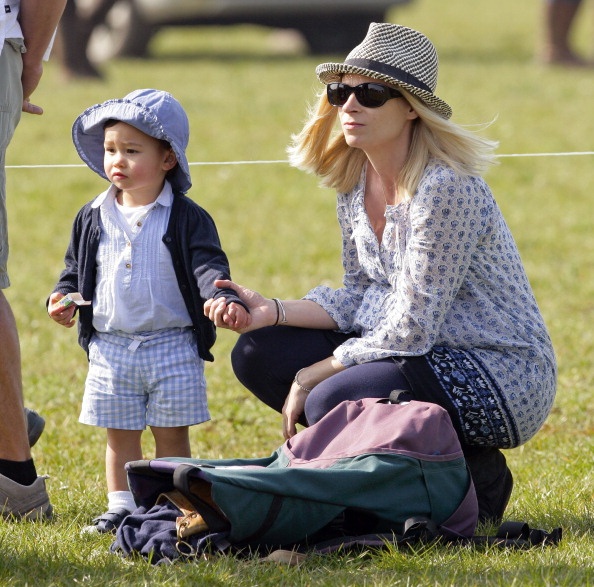
(Picture shows Tane Lewis, accompanied by his mother, Lady Davina Lewis; photo from The Daily Mail)

Name Update: It’s a … Boy!

11 Monday May 2015

Posted by A.O. in Name Updates

≈ 1 Comment

Tags

choosing baby names, honouring, Japanese names, name meaning

138-216-large

Emma wrote in the blog last year because she and her husband Matt were expecting a baby, and were considering the name Lillia if they had a girl.

They welcomed their baby last November, and he was a boy, so his name isn’t Lillia, but

ARTHUR GENKI.

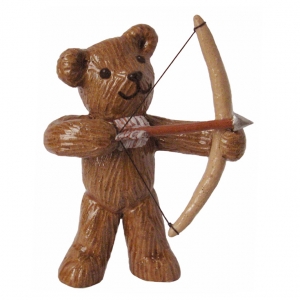
Arthur is a name that Emma loves, and she is also fascinated by the meaning of “bear man”, as there were many bear references around at the time. The middle name (said with a hard G as in Gilbert, not like Jen) honours his father’s Japanese heritage, and baby Arthur helped to choose it himself before he was born – any time the word gen was mentioned, he would give a little kick! Matt chose the ki part.

In Japanese, you can choose the meaning of a name yourself depending on which kanji (characters) you decide on. In this case, gen means “bowstring” (for archery), while ki means “season”. The reference to bows and arrows was chosen because Emma’s family heritage is Scottish, and her ancestors were famed as skilled archers. Maybe Arthur instinctively knew he was descended from a line of great bowmen!

Congratulations to Emma and Matt on the birth of their son, and what a wonderful name story that honours both parents’ heritage so beautifully.

(Photo of bear with bow and arrows from Bridget’s Bears)


Girls Names from the British Royal Family

10 Sunday May 2015

Posted by A.O. in Name Themes and Lists

≈ 1 Comment

Tags

Arabic names, British names, celebrity baby names, classic names, created names, epithets and titles, famous namesakes, fictional namesakes, French names, germanic names, Greek names, honouring, Italian names, locational names, middle names, mythological names, name history, name meaning, name popularity, names from songs, nature names, nicknames, Old Irish names, plant names, popular names, royal names, saints names, Scottish names, Shakespearean names, UK name trends, virtue names

1893042-embijoutee

I hope everyone had a very happy Mother’s Day! It’s expected that the new princess will increase the current trend for baby names inspired by royal traditions, so here are some names for girls from the House of Windsor. I’ve focused particularly on the names of some of the younger royals.

Alexandra
Alexandra is one of the most common girls’ names in the British royal family. It was introduced to it by Queen Alexandra, the wife of King Edward VII. A Danish royal, she was extremely popular with the British public, and much admired as a setter of fashion. After her, the name became a favourite to pass down, including to Queen Alexandra’s granddaughter, Lady Alexandra Duff, and her great-granddaughter, Princess Alexandra, the queen’s cousin; Alexandra is one of the queen’s middle names. Alexandra is the feminine form of Alexander, and unlike many other feminisations of masculine names, Alexandra seems to have come first. It was an epithet of the Greek goddess Hera in her role as protector, and can be understood as “she who saves warriors”. St Alexandra was a legendary martyr, and the name is traditional amongst European royalty. Alexandra was #239 in the 1900s, and dropped off the charts in the 1910s and ’20s. Returning in the 1930s, its popularity jumped in the 1950s, and it was Top 100 by the early 1970s. It peaked in 1995 at #14, and is currently #75. A dignified classic with a host of nickname options, including popular Lexi.

Cosima
Lady Cosima Windsor is the daughter of the Earl of Ulster, and a great-granddaughter of King George V; born in 2010, she is 27th in line to the throne. Cosima is the feminine form of the Cosimo, the Italian form of Greek Cosmas, meaning “order” (related to the British name Cosmo). A famous musical namesake is Cosima Wagner, the daughter of Franz Liszt and wife of Richard Wagner. British socialite Countess Cosima von Bülow Pavoncelli has given the name a very fashionable air, and the name has been chosen for their daughters by celebrities Nigella Lawson, Sofia Coppola, and Claudia Schiffer. You may also remember young actress Cosima Littlewood, who played Adele in the mini-series Jane Eyre, while Australians will be reminded of Cosima De Vito, singer and Australian Idol contestant. Elegant and sophisticated, Cosima is an upper-class choice that works well multiculturally.

Eloise
Eloise Taylor is the eldest daughter of Lady Helen Taylor, a granddaughter of Prince Edward, Duke of Kent, and great-granddaughter of King George V; born in 2003, she is 39th in line to the throne. Eloise is the English form of Éloïse, from the Old French Héloïse. It’s thought to be from the Germanic Helewidis, from name elements meaning “healthy, whole”, and “wood, forest”. The name became famous because of Héloïse, a brilliant medieval scholar and feminist, famous for her scandalous affair and secret marriage to her distinguished teacher, Pierre Abélard, who was castrated in punishment. Their tragic romance has captured people’s imaginations for centuries, and it is a tradition for lovers and the lovelorn to leave letters on their reputed grave in Paris. Eloise entered the charts in the 1970s, making #498. It was the same decade that 8-year-old Eloise Worledge was abducted from her home in Melbourne, with the case still unsolved. Eloise rose steeply in the 1990s, when the song Eloise featured at Eurovision, and joined the Top 100 in 2011. One of the fastest risers of 2013, this pretty, stylish name is currently #71 and still rising. I picked this name to be in the Top 10 by 2028.

Imogen
Imogen Lascelles is a daughter of Mark Lascelles, and a great-great-granddaughter of George V; born in 1998, she is not in line to the throne as her father was born out of wedlock. Imogen is a name created by William Shakespeare for his romance Cymbeline: in the play, Imogen is a princess of ancient Britain, and a virtuous wife who is falsely accused of infidelity. The name is a variation of Innogen, which comes from the Old Irish Ingen, meaning “maiden, daughter”; Innogen was a legendary British queen. Modern scholars consider that the substitution of Imogen for Innogen was a misprint, especially as Shakespeare already used the name Innogen in Much Ado About Nothing, so this would be a rare example of a name created from a printing error. Imogen first entered the charts in the 1970s, debuting at #724 for the decade, perhaps inspired by sexy English pin-up and actress Imogen Hassall. The name Imogen rose steeply during the 1990s, and entered the Top 100 in 2001. Currently Imogen is #34 and stable, and was one of the fastest-rising names in New South Wales for 2013. Chic and British with a superior literary heritage – not too shabby for a “made up” name!

Isla
Isla Phillips is the daughter of Mark Phillips, a granddaughter of Princess Anne, and great-granddaughter of Queen Elizabeth; born in 2012, she is 15th in line to the throne. Isla is a Scottish name taken from an archaic spelling of the island of Islay in the Hebrides, which is said IE-luh, not IZ-lay. The island’s name is of unknown origin and meaning. Islay began as a male name in the 18th century, and Isla gradually became seen as a specifically feminine spelling of the name which overtook the male form in the 19th century (Islay is more commonly given to girls now too). Isla first entered in the charts in the 1990s, debuting at #891 for the decade – propelled there by actress Isla Fisher, who was then in popular soap opera Home and Away. The name zoomed up the charts during the 2000s when Fisher became a gossip mag staple as aspiring Hollywood actress and partner of British comedian Sacha Baron Cohen. Isla entered the Top 100 in 2008 at #74 and is currently #13 and rising. I picked this name to be in the Top 5 by 2028.

Ophelia
Ophelia is one of the middle names of Lady Gabriella Windsor, a writer known professionally as Ella Windsor. She is the sister of Lord Frederick Windsor, who has been featured on the blog as a royal dad. Lady Gabriella is the daughter of Prince Michael of Kent, and a great-granddaughter of King George V; born in 1981, she is 45th in line to the throne. Ophelia is well known as the title character’s tragic love interest in William Shakespeare’s Hamlet. Shakespeare did not create the name, but took it from the Italian form Ofelia in Jacopo Sannazaro’s 1504 pastoral romance, Arcadia – Sannazaro was a huge influence on 16th century literature. The name Ophelia looks to be taken from the ancient Greek ophelus, meaning “help”, to suggest “assistant”. Sannazaro may have invented the name, but there are examples of men in ancient Greece with male forms of the name, such as Ophelion, so it seems plausible that the ancient Greeks could have used Ophelia as a female name. Beautiful and elaborate, Ophelia is rising in the UK, and this seems like a very hip alternative to popular Olivia.

Senna
Senna Lewis is the daughter of Lady Davina Lewis; she has received quite a bit of press in the Antipodes, because her father is a New Zealander, the first Maori to marry into the British royal family. Senna is a granddaughter of Prince Richard, Duke of Gloucester, and a great-great-granddaughter of King George V; born in 2010, she is 29th in line to the throne. Senna can be a variant of the Arabic name Sana, meaning “brilliance, radiance, splendour”; it is one of the five daily prayers in Islam. It can also be a nature name after the flowering senna plants, whose name has the same Arabic source and meaning. There are numerous varieties of senna, some of which are grown as ornamental trees and shrubs, but widely familiar as a herbal laxative. The name Senna was used for a minor character in the Twilight series, sparking recent interest in the name, but the name had been used several times previously in science-fiction and fantasy. It’s also associated with the Brazilian Formula 1 champion, Ayrton Senna, often considered the best of all time. Similar to popular Sienna, this unusual botanical name has potential.

Sophia
Sophia is one of the middle names of Lady Amelia Windsor, a daughter of George Windsor, granddaughter of Prince Edward, Duke of Kent, and great-great-granddaughter of King George V; born in 1995, she is 36th in line to the throne. Sophia of Hanover was the heiress to the throne of Great Britain, and mother of King George I, and only her descendants can be in the line of succession. It was a very popular name amongst Hanoverian royalty. Sophia is from the Greek for “wisdom”, a cardinal virtue of Greek philosophy that was taken up by Christian theologians, who have seen Holy Wisdom as a divine energy, and in Orthodox Christianity especially, the second person in the Trinity. In Christian legend, St Sophia was a martyr who had daughters named Faith, Hope, and Love – personifications of the chief Christian virtues. Sophia was #181 in the 1900s, and dropped off the charts in the 1930s and ’40s. It came back in the 1950s, the same decade Sophia Loren became an international film star, at #414. It charged up the charts in the 1980s and joined the Top 100 in 1997. Currently it is #16 and rising; when combined with the variant Sofia (climbing faster than Sophia), it is in the Top Ten at #7. Lovely and gracious with a wonderful meaning and history, expect Sophia to keep climbing.

Tanit
Tanit Lascelles is a daughter of James Lascelles, and a great-granddaughter of King George V; born in 1981, she is not in the line of succession because she was born out of wedlock. Tanit is the name of a Punic and Phoenician goddess who was the chief deity of ancient Carthage, the equivalent of the goddess Astarte. She was a goddess of the sun, moon and stars, a goddess of war and civic protector, a mother goddess, patron of sailors, good luck figure, and fertility symbol. The meaning of her name is disputed – one theory is that it comes from the word for lament, and should be translated as “she who weeps”, perhaps to indicate that she mourns for a dying god, such as Adonis. Others translate her name as “serpent lady”, linking her with Tannin, the dragon-like sea monster of Near Eastern mythology (sometimes called Leviathan), and believe her name is one of the titles of Asherah, from the Bible. Pronounced TAN-it, this is an exotic and unusual name that fits in with Australian name trends.

Zenouska
Zenouska Mowatt is the daughter of Marina Ogilvy, a granddaughter of Princess Alexandra, and great-great-granddaughter of King George V. Born in 1990, she works for a luxury gifts company, and is 52nd in line to the throne. Zenouska is a name her parents created from putting sounds together – she uses Zen as a nickname, and it seems plausible that the inspiration was the Buddhist school of Zen. However, it sounds like a genuine Russian nickname, in the style of Anouska, and seems very suitable for someone of Russian heritage. Zenouska Mowatt is a great-granddaughter of Princess Marina of Greece and Denmark, who was a granddaughter of Tsar Alexander II of Russia. It just shows that a “made up” name can sometimes work very well.

POLL RESULTS
People’s favourite names were Eloise, Imogen and Isla, and their least favourite were Senna, Tanit, and Zenouska.

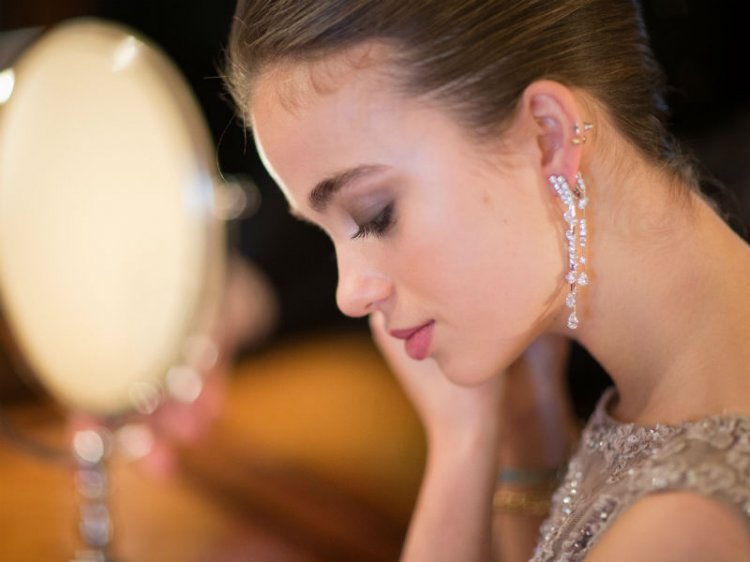
(Picture shows Lady Amelia Sophia Theodora Mary Margaret Windsor, who made her début into society in Paris, 2013; photo from Le Journal des Femmes)

Is Grace Too Short, or Too Popular?

09 Saturday May 2015

Posted by A.O. in Naming Assistance

≈ 8 Comments

Tags

choosing baby names, classic names, famous namesakes, honouring, matching, middle names, name combinations, name popularity, nicknames, popular names

original_kids-rule-height-chart-mid-oak

Kristel and David were told they couldn’t have children, but just as they gave up trying, they discovered they were expecting a baby girl, who will arrive in a few months. They are still a bit in shock, but naturally overjoyed.

There is only one name they have both agreed on – Grace. As soon as they found out the baby’s sex, Dave began calling her Gracie. As well as both of them liking the name Grace, it seems appropriate, since their daughter feels like something of a “miracle baby”.

However, Kristel is worried that the name Grace is too popular, and hates the thought that their daughter might have to share her name with four other girls named Grace in all her classes at school. She has suggested other names to Dave, such as Amelia, Elisa, and Stella, but he doesn’t care for them. Dave quite likes the name Estelle though.

Kristel believes this might very well be their only child, and she wants her daughter to have a suitable, traditional, classic, feminine name that she will hopefully like and feel proud of.

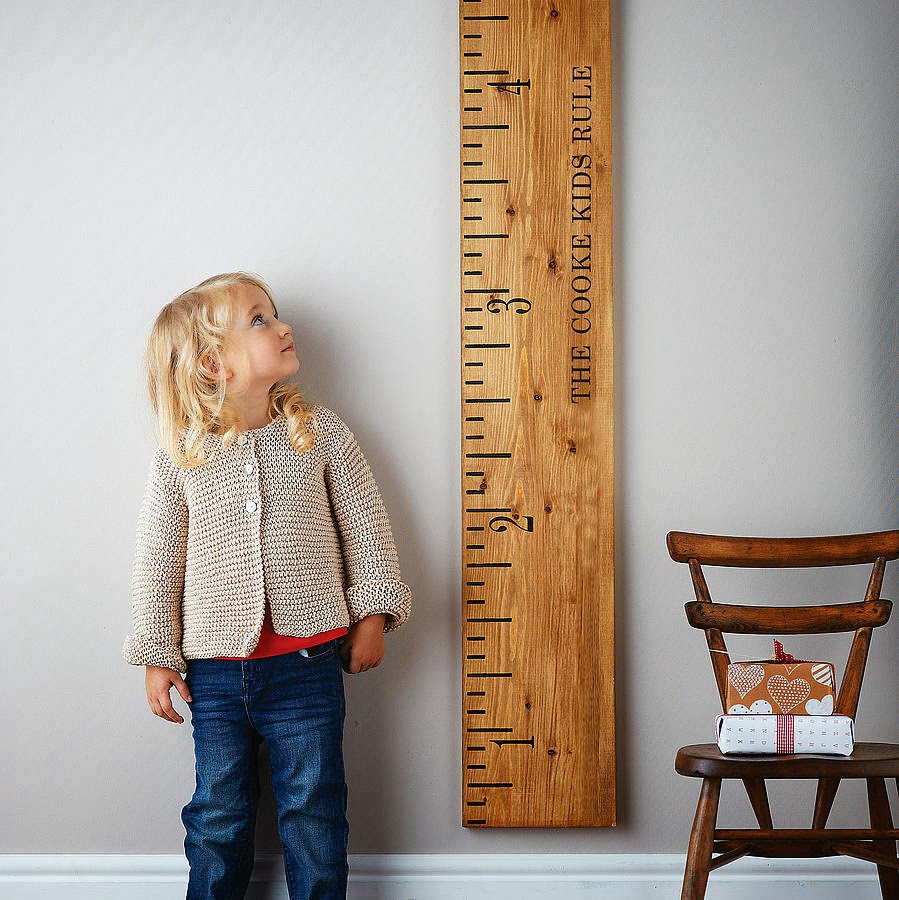
Another issue is that Kristel and Dave have a one syllable surname that sounds similar to a vocabulary word, such as Cooke, and people have told them that because of this, they need a longer first name to balance their short surname.

The middle name they have picked out is Audrey, a family name which the baby will share with three other generations. However, Kristel is open to suggestions.

~ ~ ~ ~ ~ ~ ~ ~ ~ ~

Kristel and David, congratulations on your wonderful and very unexpected news! After years of waiting, of course you want your baby to have the perfect name, and it’s natural to feel that this is your one chance to get it right.

My instinct is that you have got it right, because I immediately connected the name to your situation, with Grace implying a divine gift or blessing, related to the word grateful. The Greek goddesses known as the Graces were also connected with fertility, giving it another level of meaning.

Furthermore, Grace seems to tick all your boxes very neatly, because it’s a classic, traditional, and feminine name. Blog readers are in agreement that Grace is a beautiful timeless classic, simple yet sophisticated, suitable for all ages, and intelligent and professional, so it seems eminently suitable. I think Grace Audrey is a very attractive name combination as well, and love the idea of using a family name that has been passed down for several generations.

But what about its popularity? Grace is in the Top Ten if you look at names without combining spellings, and is #12 on the combined spellings list. That represents just a little over 1200 babies called Grace born in Australia during 2014 (about 0.8% of baby girls). There are around 7000 schools in Australia which accept primary school students, so statistically that isn’t even one Grace per Year 1 class. More good news is that Grace’s popularity has been stable for more than a decade, making it a safe, if popular, choice.

I can’t guarantee that your daughter will be the only Grace in her class, but I would be astounded if there were five girls called Grace. In the case of name-sharing in a classroom (or sports team etc), a nickname is often a help, so should it happen, Gracie could perhaps come to the rescue.

Is Grace too short? I haven’t been strongly persuaded by the argument that a short surname needs a longer name to balance it. Looking at famous women named Grace, singers Grace Jones, Grace Slick (born Grace Wing), and Grace Knight sound perfectly fine to me. In fact Grace Jones was born Beverly Jones, and she chose to use her “too short” middle name Grace instead.

Two short names together do sound quite strong and punchy, and I think there may be a touch of sexism involved, as people seem to be most keen that girls with a short surname be given a longer name. I wonder if you were having a boy instead, and were considering the name Miles, would you be given the same advice, or would Miles Cooke sound okay? If your daughter feels that Grace Cooke is too abrupt for her, she has the option to go by Gracie Cooke if she prefers – and I guess she could always go by her middle name if she wanted to.

In a case where they were worried about name length and popularity, some parents might choose to use Gracie as the name on the birth certificate, but is that the right choice for you? Because you say that you want a traditional classic name, that seems to point more towards Grace than cute Gracie. I get the feeling that you would prefer your daughter had a name like Grace, and kept Gracie as a nickname only.

Whether a name is too short or too popular is a matter of personal choice, and you and Dave are the only people who can answer these questions. But it feels as if you have really settled on Grace already. It’s the only name you agree on, and Dave seems to have begun getting emotionally attached to the name, already thinking of his daughter as little Gracie. I imagine it might be quite a wrench for him to think of her as anything else.

Although I can’t promise that your daughter will love her name, there is nothing wrong with the name Grace, and lots of things that are right. And I can’t imagine anyone not feeling proud to learn the special meaning of their name, and touched to know that their father was already calling them by their pet name before they were even born.

As you say, this is most likely your only child, and I would hate to see you compromise on another longer, less popular name together, such as Estella, and then regret it later. Deep in your hearts, do you already know that her name is Grace?

UPDATE: The baby’s name is Grace!

POLL RESULTS
96% of respondents didn’t think that Grace was too popular to use. 46% of people said not to even think about popularity once you’ve found the right name, 35% thought Grace was a little bit too popular, but still usable for someone who loved it, and 15% flat out said it wasn’t too popular. Only 4% of people thought Top 10 Grace was too popular to even consider.

93% of respondents didn’t think that Grace was too short matched with a one-syllable surname. 69% of people thought it sounded good, while 24% thought it seemed okay. 4% thought it did seem a bit odd, but not enough to worry about, while only 1% (one person) thought it sounded ridiculous. 2% of people weren’t sure.

Royal Baby News: Prince William and Catherine, Duchess of Cambridge

05 Tuesday May 2015

Posted by A.O. in Celebrity Baby News

≈ 6 Comments

Tags

honouring, middle names, royal baby names, royal names

Catherine, Duchess of Cambridge and Prince William, Duke of Cambridge, leave St Mary's hospital

Prince William, the Duke of Cambridge, and his wife Catherine, the Duchess of Cambridge, welcomed their second child on May 2, and have named their daughter Charlotte Elizabeth Diana, Princess of Cambridge, a sister for Prince George, aged nearly 2.

Princess Charlotte was born at 8.34 am, weighing 8lb 3oz (3.7 kg) in the Lindo Wing of St. Mary’s Hospital in London – the same hospital where her brother Prince George, her father Prince William, and her uncle Prince Harry were born. Her birth was celebrated by the illuminating of landmarks such as Tower Bridge in pink, and gun salutes at the Tower of London. She is fourth in line to the throne.

Princess Charlotte is the first princess to be born into the British royal family in 25 years – the last one was Princess Eugenie of York, the daughter of Prince Andrew. The last Princess of Cambridge was born 182 years ago, and that was Mary, Duchess of Teck; her brother was also called George.

Charlotte has been chosen before as a name in the royal family – the last Princess Charlotte was born in 1819. The name is believed to be a nod to the princess’ grandfather, Prince Charles. Charlotte is also the middle name of Catherine’s sister Pippa, so could be honouring the princess’ mother’s side of the family as well. The names Charles and Charlotte are traditional ones in the Spencer family too, and in fact Princess Diana’s brother Charles Spencer, the 9th Earl, has a young daughter named Charlotte Diana, so like Prince George’s three names, Princess Charlotte shares her name with a Spencer cousin.

Elizabeth is another traditional royal name, given in honour of the princess’ great-grandmother, Queen Elizabeth II. It is also Catherine’s middle name, and her mother Carole’s middle name as well, so can be seen as honouring the princess’ mother and maternal grandmother at the same time. Prince George has one of his father’s middle names, Louis, as one of his middle names, so it makes perfect sense for Charlotte to share her middle name with her mother.

Diana is in honour of William’s mother Princess Diana, the princess’ paternal grandmother; Diana is a traditional name in the Spencer family. This middle name came as no surprise, because when the royal couple were touring Australia, Prince William explained in an interview they planned to use Diana as a middle name for Prince George, should he have been a girl.

Celebrity Baby News: Sporting Babies

28 Tuesday Apr 2015

Posted by A.O. in Celebrity Baby News

≈ Comments Off on Celebrity Baby News: Sporting Babies

Tags

celebrity baby names, celebrity sibsets, honouring

034467-911aa0c4-dc0e-11e4-83cb-8ae0ee9bf5e7

AFL footballer Josh Kennedy, and his Colombian born wife Ana, recently welcomed their first child, and named their son Emilio John. Josh began his career with Hawthorn in 2008, and has been with the Sydney Swans since 2010. Josh is the son of John Kennedy Jr, who played for Hawthorn for 12 years, and the grandson of John Kennedy Sr, who played for Hawthorn in the 1950s, and had a distinguished coaching career; he is an inductee of the Australian Football Hall of Fame, and Sport Australia Hall of Fame. Emilio’s middle name seems to be in honour of these men.

Boxer Daniel Geale, and his wife Sheena, welcomed their fourth child on March 31 and named their daughter Harper [pictured]. If Harper had been a boy, her name would have been Emmett, but Daniel and Sheena weren’t completely sure about the name. Harper joins big brother Bailey, and big sisters Ariyelle and Lilyarna. Daniel has represented Australia at the Olympics, won gold at the Commonwealth Games, and is a three-time middle-weight world champion. Daniel is a descendant of Tasmania’s Palawa people, and Sheena is also of Indigenous descent.

Harness racing trainer Emma Stewart, and her partner Clayton Tonkin, welcomed their first child on March 8 and named their daughter Willow Ava. Emma and Clayton have been together for 11 years, and are extremely successful trainers at an elite level.

Celebrity Baby News: NRL Babies

21 Tuesday Apr 2015

Posted by A.O. in Celebrity Baby News

≈ Comments Off on Celebrity Baby News: NRL Babies

Tags

celebrity baby names, celebrity sibsets, honouring, twin sets

633057-2d0bcd50-e64b-11e4-9321-13d21702e16c

Jason Clark, and his wife Lauren, welcomed their daughter Andi on April 15, a sister for Milla [pictured]. Jason has been playing for the South Sydney Rabbitohs since 2009, and is an ambassador for the government’s Australian Apprenticeships scheme as a qualified carpenter.

George Rose, and his partner Shana Barney, recently welcomed their first child, and have named their son George after his father. It’s a family tradition, because George Rose senior is George Rose III, sharing his name with both his dad and grandfather. This season, George aptly signed with the St George Illawarra Dragons, and he joins team mate Mike Cooper in naming his son George. George has also been chosen for the Indigenous All Stars and an Indigenous Dreamtime team which played the New Zealand Maoris at the 2008 World Cup, as well as the Prime Ministers XIII. Shana is an Indigenous Australian model.

Brett Morris, and his partner Kate Milliken, recently welcomed their daughter Ellie, a sister for Emily, aged 3 and a half; Emily’s birth was featured on the blog. Brett plays for the Canterbury-Bankstown Bulldogs, alongside his twin brother Josh.

Sam Thaiday, and his wife Rachel, recently welcomed their daughter Elsie, a sister for Gracie, aged 2; Gracie’s birth was featured on the blog. Sam plays for the Brisbane Broncos.

(George, Ellie, and Elsie’s births were announced on various sporting programs on TV).

Waltzing With … Rosemary

19 Sunday Apr 2015

Posted by A.O. in Waltzing with ...

≈ 2 Comments

Tags

Anzac Day names, celebrity baby names, Christmas names, famous namesakes, food names, holiday names, honouring, modern classics, name history, name meaning, name popularity, names from movies, names of herbs, nature names, plant names, portmanteau names, UK name popularity, US name popularity

gallipoli-rosemary-jim-molan

It will be Anzac Day this weekend, the centenary of the first Anzac landing at Gallipoli on April 25 1915. As well as services all over Australia and New Zealand, there will also be Anzac Day ceremonies in Turkey, and at Villers-Brettoneux in northern France.

The rosemary plant has long been connected with Anzac Day ceremonies, and it is traditional to wear a sprig in your coat lapel, pinned to your breast, or held in place by war medals. They are often sold by Legacy and the RSL. It is not known when this tradition first started, but it may date back to the very first Anzac Day commemoration in 1916.

According to the ancient Greeks, who drew on the work of Arabic physicians, rosemary improved the memory (students would wear it in their hair during exams), so it became associated with remembrance. Rosemary was thrown into graves or sprigs worn by mourners as a sign the departed person would never be forgotten (and to ward off the smell), and it’s famously referenced in Ophelia’s speech in Shakepeare’s Hamlet, where she says, “There’s rosemary, that’s for remembrance”.

Interestingly, rosemary’s connection with memory is more than mere superstition, because modern science has found that inhaling rosemary oil does significantly enhance memory, and that even small doses of rosemary improve cognitive function in the elderly.

While the connection with rosemary and remembrance for the dead is one that goes back thousands of years, it takes on a particular significance for Anzac Day, because rosemary grows wild on the Gallipoli Peninsula. The scent of rosemary, whether it is pinned to your clothes, planted in a garden as a memorial, or sprinkled over a traditional Anzac Day lamb roast, is the perfect mark of remembrance and commemoration.

Lest we forget.

Name Information
Rosemary can be seen as a combination of the names Rose and Mary, or as a reference to the aromatic herb. The plant rosemary has nothing to do with roses, because its name comes from the Latin ros marinus, meaning “dew of the sea”. This is because it grows naturally in dry coastal Mediterranean climates.

According to legend, Aphrodite was draped in rosemary as she rose from the sea foam. Perhaps because of this, and the association with everlasting memory and fidelity, rosemary was associated with love in the Middle Ages, and it was traditional for brides to wear rosemary wreaths, and for guests to wear a sprig of rosemary at a wedding – even now it’s said that a bit of rosemary in the wedding bouquet brings the bride good luck.

There are many love superstitions involving rosemary in folklore, including the charming one that a newly married couple should plant a rosemary branch in their garden together: if the branch takes root and flourishes, it is a good omen for their wedded life.

There are Christian legends about rosemary too. One tells how the flowers of the rosemary plant were originally white; the Virgin Mary spread her blue cloak on the bush while she rested, and when she removed it, the flowers had miraculously turned blue as a reward for their humble service. Another legend says that she placed the linen from the baby Jesus to dry on the bush, and ever after the plant carried a fresh aroma, while a legend from Spain says that the Virgin Mary sheltered beneath a rosemary plant during the escape to Egypt. It is sometimes called Mary’s rose because of these stories.

Rosemary was one of the plants associated with Christmas. Being an evergreen plant, it was suitable for winter time decorations, and rosemary has a habit of being able to flower even in cold weather. Christmas hot wines and ales were sometimes flavoured with rosemary, which was considered salubrious as well as festive. Rosemary was also a popular New Year’s gift in times past.

Whether it was because of the connection to the Virgin Mary, or because rosemary has such a strong, healthy odour, it was also seen as a protective plant: according to folklore, by planting rosemary in the garden you were safe from witches, although in Sicily they say fairies will live in rosemary. It is said that rosemary will not grow in the garden of an evil person.

With such strong connections to female power, the superstition developed that if rosemary thrived in a garden, it was a sign that the wife of the house was the boss! As rosemary is hardy and easy to grow, you would need to be a very bad gardener for your rosemary to do poorly, but my husband still likes to teasingly point out our healthy rosemary plants as a sign of who rules the home. He’s only joking, but in the past, some men would rip the rosemary from the kitchen garden in an effort to control their wives.

Rosemary’s history is connected to royalty, because according to tradition, it was introduced to England in the 14th century by Joan of Valois, Countess of Hainault. She sent cuttings of it to her daughter, Queen Phillipa, the wife of Edward III, along with instructions on how to grow it, and information on its many benefits. Rosemary was probably brought by the Romans many centuries before, but Queen Phillipa may have re-introduced it, or at least given it a solid royal seal of approval.

Although Rosemary was used as a personal name as early as the 17th century, it didn’t become common until the 19th, when flower and plant names were fashionable. It seems to have been a particular favourite with Catholic families, no doubt in reference to the Virgin Mary.

Famous Rosemarys include Princess Rosemary of Salm-Salm, cabaret singer Rosemary Clooney, actress Rosemary Harris, and children’s author Rosemary Sutcliffe. Famous Australian Rosemarys include poet Rosemary Dobson, gardener Rosemary “Bea” Bligh, human rights activist Rosemary Gillespie, director Rosemary Blight (The Sapphires), nutritionist Rosemary Stanton, and paralympian Rosemary Little.

Rosemary first entered the charts in the 1920s, when it debuted at #220 – it may have been a celebrity baby name, for the tragic Rose Marie, called “Rosemary”, had recently been born to prominent Boston businessman Joseph P. Kennedy. By the following decade it was already in the Top 100. It peaked in the 1950s at #60, when Rosemary Clooney’s career began, and left the Top 100 by the 1970s (it went down rapidly after horror movie Rosemary’s Baby, and real life horror story Rosemary West).

After this, it sunk in popularity until the late 2000s, when it recovered slightly, and is now around the 400s. At present, it appears to be fairly stable. In the US, Rosemary has been almost continually in the Top 1000, and is now in the 500s and rising, while in the UK it has been steadily falling, and is now in the 700s.

Rosemary is a modern classic with a vintage vibe, and US data suggests it may become one of the 1950s names which becomes fashionable in the future. You may think of it as a name to honour a Rose and a Mary simultaneously, or even as a name suitable for a baby girl born around Anzac Day.

It doesn’t really have a sweet old-fashioned feel, for the herb rosemary gives it a tang. Its connection to weddings and Christmas helps it feel festive, while its association with mourning and funerals adds depth.

Rosemary is strong, clear-minded, clean, and healthy – as fresh as a sea breeze, as lusty as a goddess rising from the waves, as pretty as a bride, as practical as a housewife, as dignified as a queen, as dear as memory, and as solemn as the grave made sweet by her scent.

POLL RESULT
Rosemary received an excellent approval rating of 89%, making it one of the highest-rated names of 2015. 37% of people thought the name Rosemary was okay, and only 3% hated it.

(Photo of rosemary at Anzac Cove from Friends of Gallipoli)

← Older posts
Newer posts →

Enter your email address to follow this blog

Categories

Archives

Recent Comments

A.O.'s avatarwaltzingmorethanmati… on Zarah Zaynab and Wolfgang…
Madelyn's avatarMadelyn on Zarah Zaynab and Wolfgang…
JD's avatardrperegrine on Can Phoebe Complete This …
A.O.'s avatarwaltzingmorethanmati… on Rua and Rhoa
redrover23's avatarredrover23 on Rua and Rhoa

Blogroll

  • Appellation Mountain
  • Baby Name Pondering
  • Babynamelover's Blog
  • British Baby Names
  • Clare's Name News
  • For Real Baby Names
  • Geek Baby Names
  • Name Candy
  • Nameberry
  • Nancy's Baby Names
  • Ren's Baby Name Blog
  • Sancta Nomina
  • Swistle: Baby Names
  • The Art of Naming
  • The Baby Name Wizard
  • The Beauty of Names
  • Tulip By Any Name

RSS Feed

  • RSS - Posts

RSS Posts

  • Celebrity Baby News: Melanie Vallejo and Matt Kingston
  • Names from the TV Show “Cleverman”
  • Can Phoebe Complete This Sibset?
  • Zarah Zaynab and Wolfgang Winter
  • Baby, How Did You Get That Name?
  • Celebrity Baby News: Media Babies
  • Celebrity Baby News: Adelaide Crows Babies
  • Celebrity Baby News: Chris and Rebecca Judd
  • Names at Work: Name News From the World of Business and Employment
  • Celebrity Baby News: Sporting Round Up

Currently Popular

  • Girls Names From Native Australian Flowers
  • Girls Names of Australian Aboriginal Origin
  • Celebrity Baby News: Victoria Samba and Mitch Hoare
  • Celebrity Baby News: Katie Underwood and Darren McCoy
  • Flynn Christopher Bloom: A Son for Miranda Kerr and Orlando Bloom

Tags

celebrity baby names celebrity sibsets english names famous namesakes fictional namesakes honouring locational names middle names name combinations name history name meaning name popularity name trends nicknames popular names saints names sibsets surname names twin sets unisex names

Blog at WordPress.com.

Privacy & Cookies: This site uses cookies. By continuing to use this website, you agree to their use.
To find out more, including how to control cookies, see here: Cookie Policy
  • Subscribe Subscribed
    • Waltzing More Than Matilda
    • Join 517 other subscribers
    • Already have a WordPress.com account? Log in now.
    • Waltzing More Than Matilda
    • Subscribe Subscribed
    • Sign up
    • Log in
    • Report this content
    • View site in Reader
    • Manage subscriptions
    • Collapse this bar
 

Loading Comments...