• About
  • Best Baby Names
  • Celebrity Baby Names
  • Celebrity Baby Names – Current
  • Celebrity Baby Names – Past
  • Featured Boys Names
  • Featured Girls Names
  • Featured Unisex Names
  • Links to Name Data
  • Waltzing on the Web

Waltzing More Than Matilda

~ Names with an Australian Bias of Democratic Temper

Waltzing More Than Matilda

Tag Archives: Biblical names

Famous Name: Jessica

14 Wednesday May 2014

Posted by A.O. in Famous Names

≈ 2 Comments

Tags

Biblical names, created names, english names, fictional namesakes, hebrew names, Italianate names, modern classics, name history, name meaning, name popularity, nicknames, popular names, Shakespearean names

788699-2f9579b0-d709-11e3-95ae-9151c7cd2575

The final of this year’s Eurovision Song Contest took place on May 10, with Austria’s Conchita Wurst winning with the Bondesque power ballad Rise Like a Phoenix – the first time Austria has won since 1966.

Australia has a peculiar fascination with and affection for Eurovision, which began with Swedish band ABBA, who won in 1974 with Waterloo, as we were the first country outside Sweden to really appreciate them. European migration to Australia also played a big role, as did the gay community, and there is something about the kitschy campiness of Eurovision which appeals to the Australian sense of humour. Either way, it’s time to get yourself to Eurovision party dressed as a Swiss yodeller, eat spanakopita, and play overly ironic drinking games.

Not content with this vicarious enjoyment, for many years now Australia has been demanding to take part in Eurovision as well – hopefully as contestants, but failing that, maybe some sort of guest hosting gig. Australia being in Eurovision isn’t a practical idea: we’re not members of the European Broadcasting Union but only Associate Members, and we’re thousands of miles away in a completely different time zone. Nonetheless, we haven’t given up hope.

Sick of our constant nagging, host country Denmark, probably feeling some sense of obligation since Crown Princess Mary is from Australia, gave us a chance to perform an interval act as a tribute to our love of Eurovision. So we sent pop star Jessica Mauboy (who starred in The Sapphires) over to sing her anthem Sea of Flags to millions of viewers – she did a great job, and sent ratings for Eurovision in Australia soaring. Jessica has sung for Oprah and President Barack Obama, but Eurovision was a thrill on a whole other level, and she is using this as an opportunity to launch a European tour.

Jessica is a name created by William Shakespeare for his play, The Merchant of Venice. In the play, Jessica is the daughter of the Jewish moneylender Shylock, who demands a pound of flesh from his rival Antonio, who has insulted and spat upon him. Jessica, who describes life with her father as hell, falls in love with Antonio’s friend Lorenzo and becomes a Christian, further enraging Shylock.

It is thought that Shakespeare based the name on Iscah, meaning “foresight”. In the Bible, Iscah is a niece of the prophet Abraham who is mentioned only briefly in the book of Genesis. In Shakespeare’s time, the name would have been written Jescha, and pronounced like Jesca. As Jessica is a Jewish girl from Venice, Shakespare might have been trying to make her name look like an Italian form of a Hebrew name.

The Merchant of Venice was written around 1596, and by 1600 had been performed many times. Yet the name Jessica only appears in the records in the mid-18th century, when The Merchant of Venice had become a popular stage play. It also post-dates the Jews’ return to England in the 17th century, after being banished during the Middle Ages (Shakespeare’s play about a vengeful Jewish moneylender was written in an England without a Jewish community). One of the reasons why Jessica probably seemed like a usable English name is because Jessie was already a pet form of Jane and Jean.

Jessica first ranked in the 1960s at #437. Why the 1960s? My guess is because Jennifer had peaked in the 1950s at #1 in Victoria and #2 in New South Wales, and by the 1960s had only fallen one place in each state. The raging success of Jennifer paved the way for Jessica the successor.

Jessica joined the Top 100 in 1976 at #97, and by 1979 was in the Top 50, at #34. By 1981 it was in the Top 20 at #18, and by 1982 had joined the Top 10 at #7. The following year it was Top 5, at #3, and by 1984 was the #1 name; a position it maintained until 1998.

Jessica is currently #35 nationally (410 babies named Jessica in 2013), #40 in New South Wales, #39 in Victoria, #41 in Queensland, #24 in Western Australia, #92 in Tasmania, and #39 in the Australian Capital Territory. In mainland Australia, Jessica is on a slow descent, and still a Top 50 name.

Jessica is now in its fifth decade of popularity, and still in the top half of the Top 100 – if its staying power mirrors Jennifer, it would have another thirty years of popularity left. You can understand why, because Jessica is a pretty modern classic whose literary origins help make it seem traditional rather than trendy. After all these years, Jessica cannot be seen as a fresh or original choice, but it is still a very good one.

POLL RESULT
Jessica received an approval rating of 35%. People thought the name Jessica was too common and boring (19%), and already seeming dated (16%). However, 12% saw it as a pretty or beautiful modern classic.

(Photo shows Jessica performing at Eurovision)


Interview with Kelli from NameFreak!

27 Sunday Apr 2014

Posted by A.O. in Blog Reviews

≈ 4 Comments

Tags

baby name blogs, Biblical names, British Baby Names, choosing baby names, classic names, Facebook, fictional namesakes, guilty pleasure names, Instagram, Kelli Brady, name combinations, NameFreak!, Pinterest, popular names, sibsets, Twilight names, Twitter, UK birth notices, US name popularity

namefreak

Kelli Brady is the analytical blogger at NameFreak!, which is a true name nerd’s blog – and of course I mean that in the most complimentary sense possible! There is tons of analysis of American name trends on the blog; I can tell Kelli loves sleuthing through the US data, and is a dedicated list-maker. Kelli has had several name polls on her blog, and for the past couple of years has run Name Madness play offs, where she chooses a wide variety of names on a particular theme, and gets the public to choose their favourite by vote. If you are fascinated by names, but also like to have fun with them, you will love NameFreak!

What is your name?

Kelli Joyce Brady (Brady is a pen name).

How did you become interested in names?

It started when I was maybe seven or eight years old. I remember being obsessed with the names of my friends and my Cabbage Patch Kids, as well as constantly making name lists. The name Samantha was a favourite of mine when I was young because I thought Samantha Joyce (Sammy Jo) would make an awesome name for my future daughter. It’s so fun to know that while her first name changed many times over the years, my daughter’s middle name was never under debate.

What inspired you to begin a name blog?

I started NameFreak! back in 2008 when I was pregnant with my son. I wanted a way to express my passion for names without the limitations of short Facebook status messages. I really only shared the blog with my immediate friends, so it stayed small, and once my son was born, the blog unfortunately fell by the wayside. After I moved to Thailand in 2012, I found myself with a lot of free time. The calling to blog again hit me strongly and I’m so glad it did! I discovered the name blogging community and am now able to share my name passion with a lot more readers!

Do you have a favourite post on NameFreak!?

I love to combine my passions. Being a baseball fan, I love my baseball-inspired name posts. Another passion of mine is Jane Austen, and so the analyses of her novels’ heroes and heroines names are also a favourite. Most of my posts require quite a bit of research, which is another love of mine. My favourite research-oriented post is the study I did on the names of Little Women.

Are there are any other ways to follow you online? 

Facebook, Twitter, Instagram and Pinterest. I do not post on Instagram very often, but I love that the naming community has joined the picture universe. I see so much potential there.

What are some of your favourite names?

I love the classics and am so excited when I hear of a baby Edith or George. I drool over the baby name announcements from Britain. I love biblical names as well. I think it’s safe to I say have favourites in almost every category.

What names do you dislike?

I’m not a huge fan of alternative spellings. There are exceptions however … I mean, my name is Kelli and I think it fits me a lot better than Kelly.

Are there any names you love, but could never use?

My guilty pleasure names come from my love of books/movies/baseball. Eowyn is one of my all time favourites. I also love Esme, but would probably avoid it due to the Twilight craze. And how cute would a little girl named Austen be? For boys, I am smitten with Catcher and Brooks.

What are your favourite names in the US Top 100?

Girls: Anna (#35) and Molly (#90)

Boys: Sebastian (#64) and Oliver (#73)

What are your favourite names in the rest of the US Top 1000?

Girls: Paige (#105) and Jane (#340)

Boys: Simon (#255) and Asa (#562)

What are your favourite names that have never charted in the US?

Tamsin (never charted), Elinor (hasn’t charted since 1953), and Linus (hasn’t charted since 1940).

What are your children’s names?

Rachel Joyce and Simon Brent. I explain how we chose their names here.

If you found out you were pregnant right now, what names might you be considering?

I would fight for Tamsin, but would probably lose. I have brought up Jane early on with both of my pregnancies, but have been shot down by my husband each time. Other names would be Josephine, Paige and Anna for girls, and Linus, Asa, James, and Oliver for boys.

What is something we don’t know about you? 

I have not been able to blog as much lately because I am working on a book! It’s basically my biggest research project ever and taking a lot of time to finish, but I hope to have it out as an e-book this summer. Here is something not name-related as well … After growing up without a desire to ever leave the United States, my current count of countries visited is 26. I’ve definitely caught the travel bug!

What advice would you give someone who was choosing a baby name? 

My naming philosophy is simple. Go with what you love, no matter what other people think. Your child will “make” the name. But there definitely needs to be some regard on the part of the parent. Consider this … after the gift of life, your child’s name is the first gift you give them, and one that they carry forever. What a huge, but fun, responsibility! Embrace it!

Names of Australian Birds for Boys

06 Sunday Apr 2014

Posted by A.O. in Name Themes and Lists

≈ 7 Comments

Tags

animal names, astronomical names, Biblical names, bird names, colour names, english names, fictional namesakes, German names, Greek names, historical records, Irish names, Latin names, modern classics, mythological names, name history, name meaning, name popularity, names of rivers, nature names, nicknames, Roman names, saints names, scientific names, Scottish names, surname names, unisex names

Wedge-tailed-Eagle

Aquil
Aquila is the scientific name for eagles; large, powerful raptors found all over the world which are often used as symbols of kingship and empire. The eagle was the bird sacred to Zeus, and it is recognised as a Christian symbol of strong, enduring spirituality. Australia’s best known eagle is the Wedge-tailed Eagle, one of the largest birds of prey in the world. Easily recognised by its size and diamond-shaped tail, Wedge-tails can weigh up to almost 13 kg (28 lb), and wingspans have measured more than 250 cm (over 9 feet). Fierce defenders of their territory, Wedge-tails have been known to attack small aircraft. The Wedge-tail Eagle is an emblem of the Northern Territory Parks and Wildlife Service, the New South Wales Police Force, the Northern Territory Correctional Services, La Trobe University, and the Royal Australian Air Force. Aquila is a Latin name meaning “eagle”; it was fairly common amongst the Romans, and was also the name of the Roman military standard. Aquila is mentioned as one of the early Christians in the New Testament, and he is regarded as a saint. I have seen Aquil a few times as a boy’s name, perhaps because Aquila might be misunderstood as feminine, and it can be said uh-KWIL or uh-KEEL. It’s a strong, masculine name after a noble bird.

Callum
Columba is the scientific name for pigeons and doves; the word comes from the Greek for “dive, swim”, because pigeons make a swimming motion in the air as they fly. Australia has many native pigeons, but only one of them belongs to the Columba genus, and that is the White-Headed Pigeon. There are several saints named Columba, most notably the Irish missionary credited with spreading Christianity in Scotland. Columba is a Latinisation of his Irish name Colm Cille, meaning “dove of the church”. In Scotland, his name became Calum, and the variant Callum is a common name. Callum first charted in Australia in the 1960s, and first ranked in the 1970s at #467. It soared to make the Top 100 in the 1990s and peaked in the early 2000s at #56; it has just left the Top 100. However, it is a handsome modern classic with a lovely meaning, and is one of the softer boy’s names.

Cygnus
Cygnus is the scientific name for swans; large, graceful water birds which often feature in myth and legend. Helen of Troy was born from a swan’s egg after her mother was seduced by Zeus in the disguise of a swan, while the sun god Apollo drove a chariot drawn by swans. Irish and Australian Aboriginal legends both tell of people transformed into swans, and Hans Christian Anderson wrote about an “ugly duckling” who discovered he was really a beautiful swan. Swans are seen as holy in Norse mythology, and in Hinduism are revered as sacred. It was a belief in classical literature that the swan would sing beautifully upon death (hence the phrase “swan song” to mean a final performance), and the poet Juvenal sarcastically said that a good woman was as rare as a black swan. Of course, in Australia, black swans are not rare at all, although that doesn’t mean good women are more common here. The black swan is the state emblem of Western Australia, and Perth’s river is named the Swan in its honour. There are several characters from Greek mythology named Cygnus, many of which were turned into swans: one was a musician who was placed among the stars as the constellation Cygnus. This is an unusual bird name that sounds a little like Sidney and Silas, and as swans are symbols of love and fidelity, has attractive associations.

Finch
There are many small Australian birds named finches, although they are unrelated to the finches of the northern hemisphere. One of the most common is the Zebra Finch, found across the continent in drier areas; they live in large flocks, mostly in grasslands. Zebra Finches are grey with black and white stripes, hence their name, and males can be distinguished by a chestnut patch on their cheek. Male Zebra Finches are loud, boisterous singers, with each male having a unique song, which he learns from his father, and then gives it his own variation, so that there are recognisable similarities between the songs of bloodlines. Their singing is used as part of courtship, and the uniqueness of their songs has made them a popular subject for scientific research. Their singing also makes Zebra Finches popular as pets. Finch has been used as a boy’s name since the 16th century, and the surname has probably been of significant help. Current use may be inspired by Atticus Finch from To Kill a Mockingbird, a worthy namesake.

Jaeger
The Skuas are a group of sea birds resembling large, dark gulls. They are strong, agile fliers, and aggressive in defending their nests. The American term for the three smaller species of Skua is Jaeger, which is a German word meaning “hunter”. In Australia, we seem to use the American term rather than the British Skua. Jaegers hail from the Arctic and tundra, but come to the southern hemisphere during the northern winter, when their homelands are covered in snow and ice. It’s quite exciting to see one, if only because they have travelled such a vast distance to be here. The Jaeger is pronounced YAY-ger in English, although the German word is said more like YEH-ger. However, Jaeger is a common surname too, and many people pronounce it JAY-ger (quite a few people say the bird the same way). Not only is the English form of Jaeger, Hunter, a popular name for boys, but when said JAY-ger, it doesn’t sound too different from Jagger. Although deciding on pronunciation could be an issue, this is an interesting choice that isn’t as unusual as it might first appear.

Kestrel
The Kestrel is a small, slender bird of prey which is found in many parts of the world. The Australian Kestrel, also called the Nankeen Kestrel, is amongst the smallest of the falcons, and one of the rare raptors which can hover over its prey. Kestrels are found all over Australia, and are in the top ten of the most common Australian birds; its adaptability to a wide variety of environments is the key to its continued success. Kestrel has been used as a personal name since the 19th century, and the earliest record I can find for it is from Australia, used as a man’s middle name. It has been used fairly equally for both sexes, and because kestrels are quite dainty falcons, seems just as good for a girl as for a boy.

Peregrine
The Peregrine Falcon is a bird of prey found all over the world; it is the most widespread raptor, and one of the most widely found bird species. It is faster than any other creature on the planet when it is diving towards its prey, reaching speeds of over 320 km (200 miles) per hour. Peregrines have been used as hunting birds for thousands of years, and during the Middle Ages, was considered the bird most appropriate for a prince to hunt with. The Peregrine Falcon can be found all over Australia, although it isn’t common, and it often nests on cliffs – it will even nest on high buildings in cities. The name Peregrine comes from the Latin for “to wander, to travel”, perhaps because Peregrines can travel widely, or because their nests are difficult to find. Peregrine is also the English form of the Latin name Peregrinus, meaning “wanderer, traveller”. There have been several saints named Peregrine, who no doubt chose the name because it can be understood as “pilgrim”. This is an aristocratic boy’s name that has the charming Perry as its short form.

Philemon
Philemon is the scientific name for the Friarbirds, which are native to Australasia. The most conspicuous of them is the Noisy Friarbird, which as its name suggests, can kick up a heck of a racket. Noisy Friarbirds are not considered beautiful, being dull brownish-grey with a bald black head, a little horn on its bill, and bright red eyes. They are often considered to be pests because of their constant cackling, and voracious love of fruit. Yet I love their comical ugliness and gregarious chatter. I even enjoy sharing our fruit with them, because they prefer the old fruit rotting on the ground, on which they become hilariously tipsy: it’s always a party with the Friarbirds. Philemon is a Greek name which means “loving, affectionate”, and in a fable by the Roman poet Ovid, Philemon was a old man of Ancient Greece. He and his wife Baucis showed great hospitality to the gods, despite their poverty, and as reward, were granted their dearest wish, which was to die together. When they did, they were transformed into two trees, which intertwined in a show of affection. There are two saints named Philemon, one of whom was a church leader in the New Testament. With Philomena and Phillipa hip names for girls, why not Philemon for a boy?

Robin
Australasian Robins look slightly similar to, but are not closely related to the European Robin, or to the American Robin (which is a thrush). Some Robins have a red or pink breast, like their northern hemisphere namesakes, while others are yellow, grey, or white-breasted. They are fairly common in suburbia, and charming because of their small size and bright colouring. Many are inquisitive and confident around humans, and will become quite tame. Robin was originally used as a pet form of Robert, and given to boys: it is well known because of the English folk hero Robin Hood, Batman’s sidekick, Robin the Boy Wonder, and Winnie-the-Pooh’s friend, Christopher Robin. It can be given to both sexes after the bird. Robin charted as a unisex name in Australia from the 1920s to the 1970s without reaching the Top 100 for either sex, but was markedly more popular for boys. It peaked for both sexes in the 1950s. Although it stopped charting for girls in the 1980s, it only left the charts for boys in the late 2000s. I have seen a few baby boys named Robin in recent birth notices, and this is a traditional, yet somewhat whimsical, name.

Teal
Teal are ducks found in several different areas in the world. There are two species of Teal native to Australia, and they can be found in wetlands, freshwater lakes, and marshes. Teal is also a blue-green colour, named after the Eurasian Teal which has this greenish colour around its eyes. Teal has been used as a personal name since the 18th century, and has been used for males and females in almost equal numbers. It was originally much more common for boys (I noted an Australian named Teal Wang on the blog, but don’t know whether it was a man or a woman). Ducks are charming and lovable birds, and teal is a beautiful colour – I think this is a nice, simple name for either sex.

POLL RESULTS
The public’s favourite names were Callum, Peregrine and Robin, and their least favourite were Aquil, Cygnus and Philemon.

(Photo shows a Wedge-tail Eagle in flight)

How Can She Choose a Modern Baby Name If He’s Still Living in the ’70s?

05 Saturday Apr 2014

Posted by A.O. in Naming Assistance

≈ 4 Comments

Tags

Biblical names, birth notices, choosing baby names, classic names, middle names, name combinations, popular names, sibsets

047728-bcabc874-5cb4-11e3-8eb9-1c57f26bd260Fiona and Brent are expecting their fourth child next month. They had no problems choosing names for a baby girl, but have found it more difficult to agree on names for boys.

Fiona and Brent want many of the same things in a name: it must be easy to spell and pronounce, it must be recognisable as a name to everyone, it must have a long history of use, and it must have an established nickname. The trouble is, they don’t always see eye to eye on what those things mean.

Brent only likes names that he is familiar with from people of his own generation – the names of people he went to school with. His choice would be a name like Peter, Ian, Jason, or Nicholas.

Fiona doesn’t want a dated 1970s name for her son, although she would be happy with a classic name that has always been popular. She would like a religious association for the name, but could gain that from the middle name. Her choice would be a name like Owen, Dominic, Patrick, Luke, or Silas.

As a result, Fiona and Brent are left with a very short list of compromise names which are classics, and could belong to someone of any age. So far they have managed to agree on John, David, William, and Patrick.

Sometimes Fiona loves the idea of having a little Johnny, Davey, Billy or Paddy, and feels a compromise is absolutely fine. Other times she worries that these names will sound out of place on a baby born in 2014, and seem a bit old-fashioned next to the Lucases and Olivers who will be his schoolmates. These concerns are significant enough to keep her awake at night.

She wonders if there is any such thing as a classic name which is a safe and reliable choice, and yet still sounds fresh? Or have they picked out good names, and can stop looking for something else?

Fiona and Brent’s other three children have very nice classic names from the Bible. Fiona doesn’t care at all if the name doesn’t fit into a “sibset”, although the names they have already chosen do happen to sound good together.

The middle name will be John, unless they pick John for the first name, and the second middle name will be Francis.

The family surname is an unusual English one that is instantly recognisable as the name of an extremely famous fictional character eg Merlin, Batman. It tends to get good-natured teasing, and although it’s a nice surname with positive associations, they don’t want a first name which will draw further attention to it, or excite more comment.

* * * * * * * * * *

I was so interested to get your e-mail Fiona, because I quite often see women writing in to name forums saying that their partner only likes names from his own generation, and the advice often seems to be to wait until the next baby, because by then he’ll have realised that the popular names of today are Chloe and Mason, not Kylie and Jason. Clearly that doesn’t always work, since you are now up to Baby #4 and Brent hasn’t changed his mind.

If it makes things easier for you, it really isn’t that uncommon for couples to choose baby names from their own era. Many people like “normal” baby names, and for some, normal means the names they grew up with. I read birth notices every week, and you’d be surprised how many families I see where the children’s names could be people I went to school with: Emma, Natalie and Damien, or Penelope and Marcus, or Joshua, Sarah, Michael and Elizabeth.

I think you’ve come up with an excellent compromise in choosing classic names that feel familiar to Brent, yet remain common enough that they haven’t become dated. It probably suits your surname too, because if your surname is unusual yet highly recognisable from another context, a classic name gives it dignity, and even a bit of anonymity.

However, you did ask if there is a way to choose a classic name that feels fresh and modern, and to a certain extent, there is. Last year I wrote an article on classic names, which sorted them into categories, and the first category is Contemporary Classics, which are classics currently at their most popular, so that they feel traditional, yet also up-to-date. Boys names in this category which were reasonably common in the 1970s include:

  • Alexander (#69 in the 1970s)
  • Angus (#139 in the 1970s)
  • Lachlan (#137 in the 1970s)
  • Marcus (#109 in the 1970s)
  • Samuel (#83 in the 1970s)
  • William (#48 in the 1970s)

There are also the Up and Coming Classics, which are currently rising in popularity. Although a classic name can’t exactly sound original, Up and Coming Classics seem quite fresh and stylish. Boys names in this category which were reasonably common in the 1970s include:

  • Frank (#143 in the 1970s)
  • John (#14 in the 1970s)
  • Leon (#141 in the 1970s)
  • Patrick (#65 in the 1970s)

As you can see, three of the four classic names you are considering are actually quite fresh and modern, with William very popular, and John and Patrick rising. And David is still in the Top 100, and fairly stable, so it definitely isn’t dated. I don’t think these will stand out or seem strange in a future classroom.

I know you were a bit iffy about William, and whether it sounded odd with your surname, and I’m going to be the one who tells you: yes it does. Even though it’s a handsome classic, it does draw attention to your surname, in the same way Arthur Merlin or Robin Batman would seem a bit much (even if you called him Artie or Rob). I would cross William off your list.

I think John, Patrick, and David all sound really nice with the middle names you have chosen, and they all sound fine with your surname. Basically, I guess I’m saying you have already done a good job of choosing names for your potential future son, and there’s no need for you to keep looking.

I hope that you can now get a few good nights sleep in before the baby arrives!

Readers, which of the names on Fiona and Brent’s name list do you like best? And do you have any name suggestions for them?

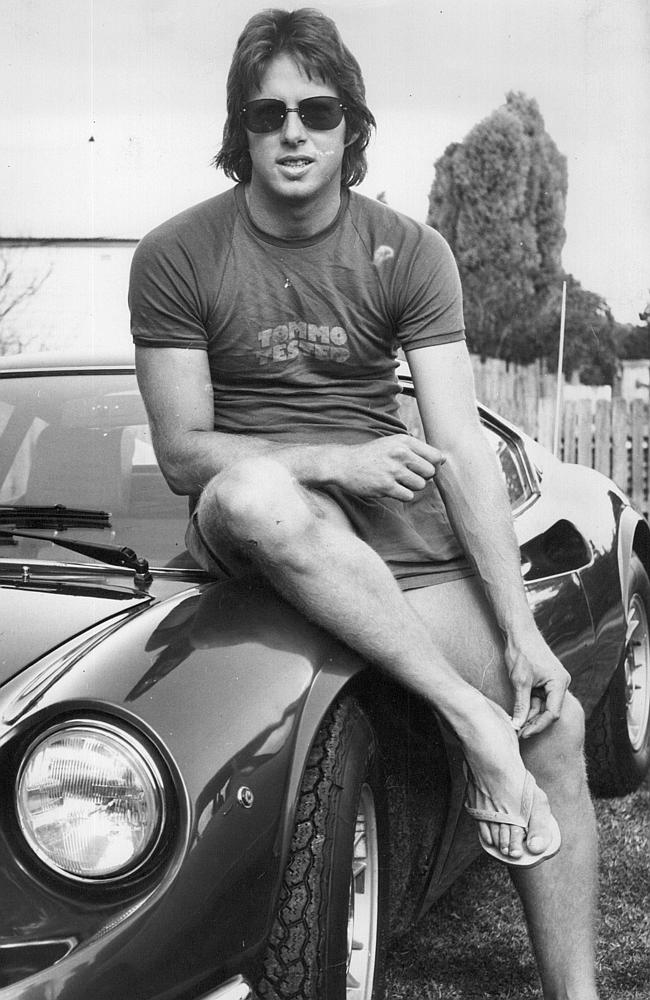
(Photo shows 1970s bowler Jeff Thomson)

NAME UPDATE: The baby’s name is John Patrick Francis!

POLL RESULT: The public’s choice for the baby’s name was Patrick John Francis, with nearly half of respondents voting for this name combination.

Requested Name: Eva

02 Wednesday Apr 2014

Posted by A.O. in Requested Names

≈ 9 Comments

Tags

Biblical names, classic names, European name popularity, famous namesakes, fictional namesakes, hebrew names, historical events, honouring, Irish names, Latinate names, name history, name meaning, name popularity, name trends, names of aeroplanes, New Zealand name popularity, nicknames, popular names, saints names, UK name popularity


Front1Eva is the Latinate form of Eve, a Hebrew name translated as “breath, life”. Eve is famous as the first woman in the Bible, and the companion of the first man, Adam. She shared Adam’s fate of being cast out of the Garden of Eden, and is regarded in the Bible as the mother of all humanity. Apart from the biblical figure, there is also a saint named Blessed Eva of Liege, a medieval holy recluse.

Eva is the most usual form of the name Eve in many countries around the world, and in Ireland and Scotland, can be used to Anglicise the Irish name Aoife, meaning “beauty”. In Australia, Eva has historically been often used by European immigrants, particularly amongst Catholics and Jews. This gives it considerable scope as a potential heritage choice.

Amongst English-speakers, the name received a boost of popularity in the 19th century after the publication of Harriet Beecher Stowe’s 1852 anti-slavery novel, Uncle Tom’s Cabin. In the book, Evangeline St. Clare, or “Little Eva” is an angelic little girl who inspires love in even the most heart-hardened, and in her final throes, converts all the slaves to Christianity with some locks of her hair. It is the pure goodness of Little Eva which changes the lives of all around her.

Uncle Tom’s Cabin created a wave of pro-slavery novels to combat its views, and one of them was Little Eva: the Flower of the South, in 1853. Quick to cash in on the Little Eva phenomenon, it features yet another angelic little girl called Little Eva, equally loving and lacking in prejudice – only in this book, Eva is so kind-hearted that when the slaves are set free, they elect to remain with her of their own free will. This idealistic dream of voluntary slavery never came to pass on a large scale.

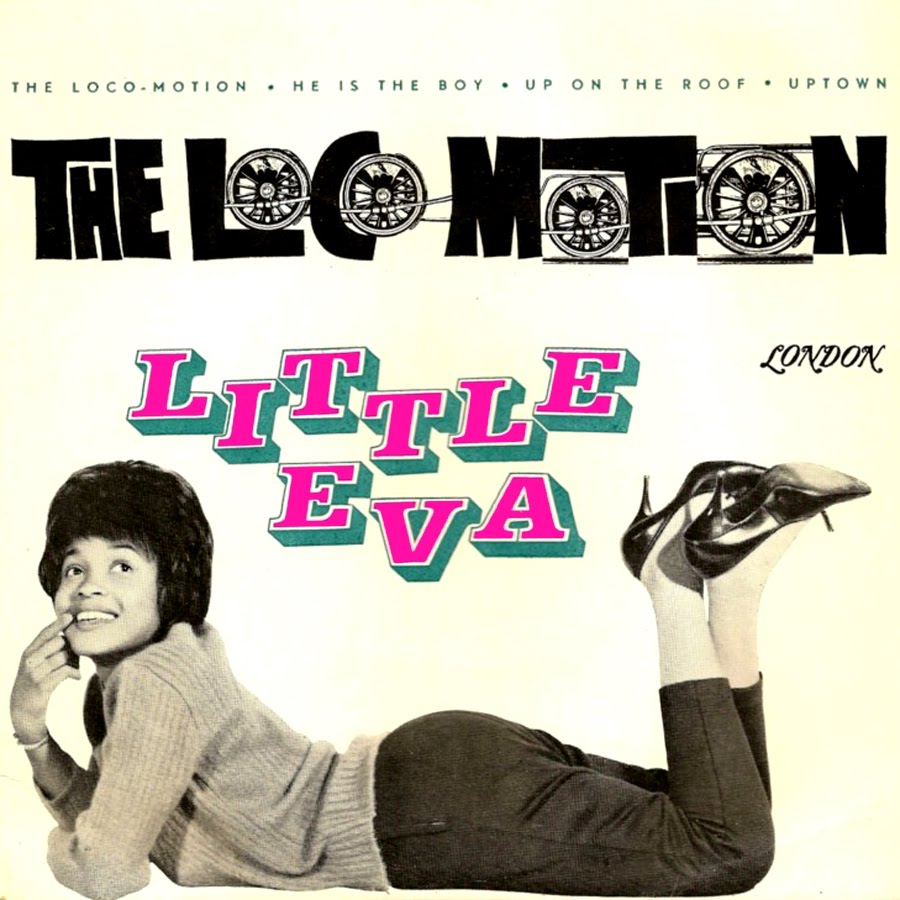
A real life Little Eva was the 1960s pop singer, born Eva Narcissus Boyd. She didn’t receive her moniker from either of these literary characters, but was called Little Eva by her family to distinguish her from her aunt, also named Eva. Little Eva is most famous for singing The Locomotion, later covered by Australian pop star Kylie Minogue. Little Eva apparently wasn’t too impressed by Kylie’s version.

Another Australian connection to Little Eva comes from World War II, when an American Air Force plane named the Little Eva got lost and crashed after a bombing mission in an isolated region of the Gulf of Carpentaria in Queensland. What happened to the survivors of the crash, and their desperate struggle against the dangers of the Australian outback, was made into a documentary called Aeroplane Dance, and is being developed into a feature film scheduled for release this year.

Eva is a classic name in Australia which has never left the charts. It was #37 in the 1900s, sinking until it left the Top 100 in the 1930s. It reached its lowest point in the 1980s at #425, then rose steeply during the 1990s to make the Top 100 for the late 2000s. Currently it is #24 nationally, #26 in New South Wales, #30 in Victoria, #31 in Queensland, #66 in Tasmania, and #27 in the Australian Capital Territory.

Eva is a very international name, being popular in all English-speaking countries, and all over Europe, including Eastern Europe and Scandinavia. It is most popular in Slovenia, at #2, and its popularity in Britain and New Zealand is almost identical to that in Australia.

Eva’s position in the Top 100 is stable, and it is now at its highest level of popularity ever. This makes it a Contemporary Classic – a traditional classic name which manages to feel modern and up-to-date. Because it is still rising, albeit gradually, it is also an Up and Coming Classic, so that it still seems rather fresh and stylish.

This all helps to make Eva an attractive choice. Furthermore, it fits in with the trend for short names ending in -a, such as Isla and Ella, and the V names, such as Ava, Ivy, Evie and Evelyn. This means that while Eva doesn’t stand out amongst its peers, neither does it sound particularly distinctive.

However, for those who care about such things, Eva has the advantage of being a classic, unlike Isla, Ella, Ava, Ivy and Evie, and also began rising before them, so that it cannot be accused of being a copycat. Eva is closest to the name Evelyn, which is also a classic that began rising in the 1990s – although Evelyn has yet to reach the popularity it enjoyed in the 1900s.

Eva is a beautiful classic name that is feminine without being frilly. Eva sounds intelligent as well as pretty, and it’s a name which ages well. It is easy to spell and pronounce, and is popular without being either extremely common or faddish. That makes it a baby name which might tick a lot of boxes on many people’s lists. The usual nicknames are Eve or Evie, but it is so short and simple that it doesn’t really need a nickname.

POLL RESULT
Eva received an excellent approval rating of 83%, making it one of the highest-rated names of 2014. People saw the name Eva as a stylish classic (23%), feminine yet not frilly (19%), beautiful or pretty (18%), and easy to spell and pronounce (17%). However, 6% thought it was too popular. Nobody thought the name Eva sounded too much like the word evil.

Thank you to Brooke for suggesting the name Eva be featured on Waltzing More Than Matilda

Interview with Alexia Mae at Baby Names from the Bible

23 Sunday Mar 2014

Posted by A.O. in Blog Reviews

≈ 10 Comments

Tags

Anne of Green Gables, baby name blogs, baby name books, Baby Names from the Bible, Biblical names, choosing baby names, Clare's Name News, controversial names, fictional namesakes, honouring, Instagram, pen names, popular names, rare names, US name popularity, YouTube

Interview-PhotoAlexia Mae is the warm and enthusiastic blogger behind Baby Names from the Bible, devoted to all the great names in the Good Book, whether familiar or unusual. I usually allow blog readers to decide which blogger is interviewed, but last month Alexia Mae was kind enough to invite me to be interviewed at Baby Names from the Bible, so this is a return visit – although she would have been chosen next time anyway. Alexia Mae passed her 100th post a month ago, so let’s hope there are many more.

What is your name?

Alexia Mae. I’m the “Dear Abby” of baby names, as Alexia Mae is my pen name.

Have you ever wished you had a different name?

My real one? Oh, yes. It’s not too common a name; it’s only ever made it to #30. But the spelling of it is unique, which catapults it outside the Top 1000 for all time. Add a filler family middle, and the annoyance of people misunderstanding my name, and I begged to be called Alexia as a kid. Fast forward to me needing a pen name … Bob’s your uncle, I had one. Mae is in honour of my grandma. Now that I’m an adult I appreciate my given name more. I was almost a Kasia, which I would have loved, too.

How did you become interested in names?

I blame my name craziness on Shane, my kindergarten crush. He was the ruddy-haired Irish kid with the leather necklace, the dude everyone wanted to be friends with. In a classroom of boring names from the ’80s, Shane stuck out. I suddenly became very aware of people’s names.

When I was thirteen, my mom got pregnant. My brother Aaron and I were close in age, but now I was way older for this new brother, and boy, was I ready to help name the kid! Shot down, but kept on trying. Their choice? Another A name, Andrew. A perfect recipe for my mom to never get our names right. But, after stealing (I mean permanently borrowing) a name book my mom picked up, I came down with full blown name-nuttiness. It’s been downhill ever since.

How did you become interested in biblical names?

That first baby name book I got my hands on happened to be about biblical names. And it was literally four pieces of paper. (Maybe that’s why my parents never got out of the As.) It was small. But it had a big impact. To see the meaning of names, and to be able to go to the Bible and see them used, just blew me away. It was my own “sawdust trail moment” for names. They have proved themselves to be real gems, and have a power in their age and timelessness.

Do you have a favourite baby name book?

The Holy Bible 😉 My email inbox is also swarmed with name people I’m subscribed to, and I rely on Clare’s Scoop for everything else. (That gal needs an award.) [WMTM: She got one! She has a gold ribbon saying her page is one of the most highly-recommended in the Society topic on Scoop].

What inspired you to begin a name blog?

My husband Josiah and I both love the idea of using biblical names for our children. When I was first married I searched for biblical baby name books, and couldn’t find any. Zilch. Zip. Nada. Not even the one that I originally had. Then I began to think about that original name book, and thought it was awfully small compared to the actual Bible. I mean, the Book of Numbers wouldn’t even fit in there, and it’s practically nothing but names.

I kept asking myself, if I can’t find them, who else will? Why is no one celebrating the biblical names I know must exist? So I began logging the names I was coming across for my own use, and I really wanted to share them … and Baby Names from the Bible was born.

Do you have a favourite blog entry on Baby Names from the Bible?

The post that I’m the most proud of is one I wrote a couple of years ago, Why Name Your Baby a Biblical Name? I take a moment to stand on my soap box and talk about why people, even those who aren’t religious, should take another look at baby names from the Bible. Forget about Zerubbabel. How about Junia? Rissah? Ardon? There are names galore for anyone thirsty for a good name.

Are there any other ways to stay in touch with you online?

I’m @NamesDaily on Instagram, and I post names every day, both biblical and not. Instagram has been an amazing experience. I have a growing following of over 2000 people. I’m getting the opportunity first hand to see names that knock your socks off, and some, that well, just don’t. I’m also on YouTube.

Do you have a pet peeve in regard to names?

Yhess. Yoonique namez. If I have to read it more than once to get what name you’re actually trying to say, I’ve got to stand up and get a cup of coffee. It literally makes my skin crawl. Jaycein? I am somebody who has zero adrenaline tolerance for awkwardness in any way, so I have to get up and walk it off. True stuff.

In the name community, I feel sometimes it’s like Eskimos marketing ice to fellow Eskimos who live in the same igloo. I want to find ways to branch out and actually talk to parents who have never even owned a baby name book. I think that’s why I love being on Instagram so much, because it’s exactly that. I enjoy so many people in the baby name community, but I want to find ways to branch out, too. (We need an annual name conference.)

What are some of your favourite names?

Boys: Judah and Josiah, of course. Abel.

Girls: Juniper. Ellowyn. Cassia. Maewyn. I really love Naphtali for a girl, but can’t bring myself to use it because no one would be able to pronounce it or spell it. It’s like Natalie with an F. I’m drawn to biblical names, but I enjoy other names, too.

What names do you dislike?

Delilah. I see the appeal, but I would never use it. The same with Jezebel. That one makes my skin crawl when I hear someone nonchalantly talking about using it. Whether you believe in the Bible or not, the connotation still exists. Jezebel was a murderer, and it would be like naming your child Hitler. I just don’t think you should do it.

What are your favourite names in the US Top 100?

Girls: Biblical – Leah (#33). Other – Harper (#24) and Lillian (#25)

Boys: Biblical – Josiah (#79). Other – Landon (#34)

What are your favourite names in the rest of the US Top 1000?

Margaret (#178) and Judah (#273)

What are your favourite names that don’t currently chart?

Blythe (never charted) and Clive (hasn’t charted since 1935)

What is your son’s name?

Judah David. Our story of Judah’s name is a fun and interesting one, and you can read about it at So There’s This Name ….

If you found out you were pregnant right now, what names would you be considering?

I would be trying to convince Josiah to like Blythe Salomae. We have boys names we like, but like we did with Judah, we’re not telling anyone.

What is something we don’t know about you that you would like to share?

I love the Anne of Green Gables series and have read them probably too much. Tell me Lucy Maud Montgomery wasn’t a name nut. Ludovic Speed? Gilbert ❤ Is this why I love the name Blythe? I will never tell.

What advice would you give someone choosing a baby name?

If you can’t use the one you love, use it anyway. Never, ever settle. Unless it’s Jezebel or Kidneigh Bean, and then I’d say maybe keep looking. Valuable life lessons also apply to names. You are giving your babies the first impression they will have on people. Give them something that makes them proud. Something that makes you proud. And like weak coffee, name regret stinks. I’ll brew down some Starbucks, and you can come over and we can talk more about names!

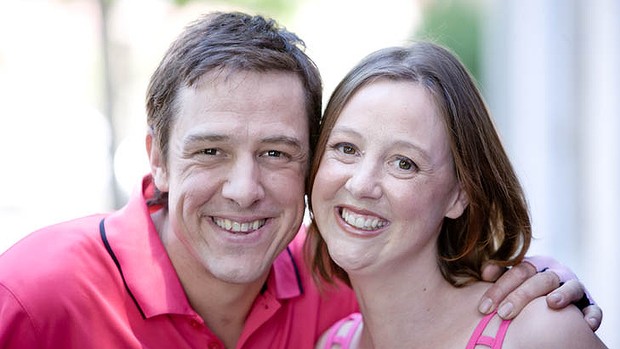
(Picture shows Alexia Mae with her son Judah; photo supplied by Baby Names from the Bible)

Famous Name: Samuel

12 Wednesday Mar 2014

Posted by A.O. in Famous Names

≈ 2 Comments

Tags

Biblical names, celebrity sibsets, classic names, english names, famous namesakes, hebrew names, name history, name meaning, name popularity, names of personifications, nicknames, popular names, saints names, sibsets

wide-LYS13-310-620x349

Last month, on Valentine’s Day, actor Samuel Johnson broke a world record by riding a unicycle more than 15 000 km on a zig-zagging route across Australia for 364 days. How did it all start? His sister Constance set him the toughest challenge she could think of. It started as a joke, and turned into a promise.

You see, Sam’s beloved sister Connie has cancer. She has fought it three times in her life, beginning from the age of 11, but now she is dying, and doesn’t have much time left. So Samuel promised he would raise a million dollars towards breast cancer, with his unicycle challenge dubbed Love Your Sister.

So far he has raised almost 1.5 million dollars for breast cancer research through the Garvan Institute, and plans to work full time for the charity. Even better, Connie’s cancer is stable, and her oncology team are surprised and very pleased with how well her treatment is going. They say there is a good chance she still has a year left, maybe more.

The reason I chose to cover this story, apart from the chance to record a key moment in unicycling history, and because I had been looking for an opportunity to feature the name Samuel, is because of the wonderful sibsets involved. Connie has two small boys named Willoughby “Wib” and Hamilton. Samuel’s two sisters are Constance and Hilde.

Samuel is a character from the Bible whose story starts before he is even conceived. His mother Hannah was barren, and prayed for a baby in the doorway of a religious shrine, vowing that if her prayer was answered, she would dedicate the child to God. A priest of the shrine named Eli heard her, and offered a blessing, suggesting that her prayer would be answered. Hannah gave birth to a son that she named Samuel; in fulfilment of her promise, she gave Samuel to Eli once the child was weaned (about the age of three).

Eli brought Samuel up to work in the shrine, where he proved a devoted and highly intelligent assistant. While still a child, Samuel woke up in the night to hear a voice calling his name. Thinking it was Eli calling him, he went to ask him what he wanted. After this happened a few times, Eli realised that it was God calling Samuel, and instructed him in how to respond, so he could hear the word of God.

God’s first message turned out to be a piece of unwelcome news for Samuel’s mentor Eli, because it was foretold that both his sons, who were corrupt priests, would come to a bad end. During Samuel’s youth, the Israelites were defeated by the Philistines, who took control of the land and ransacked the shrine. During the conflict, both of Eli’s sons were killed, and the old man, now blind and about ninety, died of shock when he heard the report.

Samuel became publicly recognised as a great prophet and seer, and after twenty years of oppression, he organised the Israelites into an army and led them in battle against the Philistines. There was a decisive victory for the Israelites, and for many years afterwards there was peace in the land. Samuel became a judge of the Israelites, and all went well for ten years, until the people demanded a king to rule over them instead. Samuel (after warning everyone what a terrible idea having a king was) anointed both Saul and David as the first and second kings of Israel.

Samuel was the last judge and the first prophet of the Hebrews, and the founder of a kingdom. He is revered in Judaism, Christianity, and Islam, and regarded as a saint in the Catholic and Orthodox faiths.

Samuel is the English form of the Hebrew name Shemu’el. The Bible tells us that the name Samuel means “asked of God”, which Hannah chose to indicate that Samuel was an answer to her prayer. However, this is not correct, and is rather the meaning of the name Saul. It would seem that the names of the first prophet and first king have got confused, and perhaps even their narratives have too.

Samuel can be translated as either “heard by God”, or “hearer of God” – the first one to suggest that Hannah’s prayers were heard and answered by God; the last one to signify his role as prophet. It can also be understood as “son of God”, which makes sense as Samuel was raised from early childhood in God’s shrine.

Although in some use in Britain in the late Middle Ages, Samuel became far more common after the Protestant Reformation. Famous English Samuels include lexicographer Dr Samuel Johnson, satirical poet Samuel Butler, and diarist Samuel Pepys. Samuel was one of the very earliest English names to travel to the American colonies, and famous American Samuels include Samuel Adams, one of the founding fathers of the United States, Samuel Morse, the inventor of Morse code, and Samuel Langhorne Clemens, otherwise known as the beloved author Mark Twain. The United States itself even became personified as a Samuel – Uncle Sam.

Samuel is a classic name which has never left the charts. It was #46 for the 1900s, and dropped out of the Top 100 during the 1930s. It reached its lowest level in the 1960s at #164, but was back in the Top 100 by the 1970s. It was #14 for the 1990s, and since then has remained extremely stable, hovering around that position.

Currently it is #12 nationally, #20 in New South Wales, #15 in Victoria, #12 in Queensland, #18 in Western Australia, #11 in Tasmania, #16 in the Northern Territory, and #14 in the Australian Capital Territory. It is of similar popularity in the UK and the US, and is a Top 100 name in many countries, making this a very international name.

Samuel is a handsome name which has strength, but also softness. A timeless classic, it is currently at its historic height of popularity, and has been stable for decades, making it a very safe choice. It is so commonly used around the world that it has no particular image attached to it. That means that when it comes to picturing a Samuel, he could be any age, of any appearance, and be anything; an athlete, writer, doctor, traveller, builder, or prime minister. The short form Sam is commonly used as a full name for boys, and is currently only just outside the Top 100.

POLL RESULT
Samuel received an outstanding approval rating of 88%, making it one of the highest-rated names of 2014, and the highest-rated boys name of the year. People saw the name Samuel as handsome and classic (27%), strong yet gentle (17%), ageing well (16%), a “nice guy” name (15%), and suiting a variety of people (13%). However, 6% thought it was too common and boring. Nobody thought that the name Samuel wasn’t masculine enough.

International Names for Boys

02 Sunday Mar 2014

Posted by A.O. in Name Themes and Lists

≈ 1 Comment

Tags

animal names, Aramaic names, Biblical names, Catalan names, english names, European name popularity, famous namesakes, fictional namesakes, germanic names, hebrew names, Indian names, initial names, Latin names, mythological names, name history, name meaning, Norman-French names, Old Norse names, Persian names, pseudonyms, royal names, saints names, Sanskrit names, screen names, surname names, Swedish names, UK name popularity, unisex names, US name popularity, Welsh names

castaway1

These are names chosen from my e-book, International Baby Names for Australian Parents – names which are familiar in other countries, but rarely used here. I chose ten that I particularly like, or find interesting, or think very usable. If you haven’t read the book, it gives you an idea as to what’s inside, and if you have read it, it’s a chance for me to provide more information than is possible in a book.

Ajay

Indian boys name meaning “he who cannot be defeated” in Sanskrit; also commonly used as a short form of longer Indian names beginning with Ajay-. It is pronounced uh-JAY. Ajay is also an English modern name (presumably) based on the initials AJ, and said ay-jay. It can be used for either sex, and a female example is media personality Ajay Rochester (born Leigh Towler). Initial names are growing in popularity, and this is also an Indian heritage choice which fits in with current trends (although it may present some minor pronunciation issues). The name Ajay charts in the UK for boys.

Barnaby

Medieval English form of Barnabas, which is derived from Aramaic. Saint Barnabas was one of the earliest Christian followers in Jerusalem, and the New Testament tells us he was one of the Seventy Apostles of Christ, and a companion of Saint Paul. According to tradition, Barnabas was martyred in Cyprus, and is claimed as the founder of the Cypriot Orthodox Church. The Bible explains that his birth name was Joseph (or Joses, the Greek form), but the Apostles gave him the name Barnabas, which may mean “son of the prophet”. However, in the New Testament, it says his name means “son of encouragement” – early Christians saw a link between prophecy and encouragement. The name is pronounced BAHR-nuh-bee. There are several Barnabys in fiction, most notably Barnaby Rudge, in Charles Dickens novel of the same name. Fictional characters named Barnaby tend to be cute, simple, absent-minded, or comical (Barnaby Rudge is a village idiot). Two famous Australians with this name are former AFL footballer Barnaby French, and National Party politician Barnaby Joyce. This name manages to be both hip and cuddly, and it charts in the UK, where it is rising.

Conrad

Germanic name meaning “bold counsel”. The 10th century Conrad I is recognised as the first ruler who can be called a King of Germany, although he never claimed that title. Related to every other subsequent monarch of Germany, it is little wonder his name became traditional amongst medieval German royalty and nobility. There are several saints named Conrad, with the first one Conrad of Constance, a bishop from the same powerful family as Conrad I. A story is told that he once drank some communion wine at mass after a spider had fallen in it; at that time, spiders were believed to be fatally poisonous, but Conrad drank the wine as a sign of faith. With our current knowledge, his survival no longer seems particularly miraculous. Conrad is the protagonist of The Corsair by Lord Byron, probably the most Byronic of all Byron’s heroes. An outlaw pirate fighting a chivalrous battle against mankind, he is a man of mystery, leading a life of adventure and passion. Because of the cult of Saint Conrad of Constance, the name was used in England during medieval times, and has been revived since the 19th century. Strong and intelligent, it charts in both the UK and the US.

Darius

From the Greek form of the Persian name Dārayavahush, meaning “holding firmly onto goodness”. It was traditional amongst kings of the Persian Achaemenid Empire, and Darius I was also known as Darius the Great, ruling the empire at the height of its power, and often remembered for his defeat by the Greeks at the Battle of Marathon. He is mentioned several times in the Old Testament, so you can see this as a Biblical name as well. Darius III was the last king of the Achaemenid Empire, being defeated by Alexander the Great. Musical Dariuses include French composer Darius Milhaud, British singer Darius Campbell, and Darius Rucker from American band Hootie & the Blowfish. A famous Australian with this name NRL footballer Darius Boyd, who plays for the Newcastle Knights. There are attractive fictional Dariuses in the The Hunger Games trilogy, and the House of Night vampire series. You can pronounce this elegant name DAR-ree-us, DAH-ree-uhs, or duh-RY-us, and it charts in both the US and the UK.

Gideon

Hebrew name meaning “hewer (of wood”) or “feller (of trees)”; often translated as “woodsman”, but other times more freely as “warrior, destroyer”, with the thought that the hewing and felling could be against enemies. In the Old Testament, Gideon was a hero who is listed amongst the Judges of the Hebrews. Born into humble circumstances, Gideon doesn’t seem to have had much confidence in himself, and when God chose him to free his people from oppression, Gideon asked for proof of God’s will through three miracles. Once convinced that God had really chosen him, Gideon led an army of Israelites against the oppressing Midianites. Contrary to standard military tactics, God commanded Gideon to send away most of his army, because it was so large that victory was virtually assured. Instead, he went in to battle with just three hundred men, so that when they won, they were certain it was accomplished through God’s power. Gideon is considered a saint in the Roman Catholic and Eastern Orthodox faiths, and the name came into use in Britain through the Puritans. Gideons International is the evangelical organisation which distributes free Bibles; you’ve probably found one in your hotel room at some point. Gideon is a stylish Biblical name; usually pronounced GID-ee-uhn, it charts in the US, where it is rising, and in the UK.

Iestyn

Welsh form of Justin, from the Latin name Justinus, derived from Justus, meaning “just”. All of these names were borne by numerous saints. Iestyn ap Gwrgant was the last ruler of the Welsh kingdom of Morgannwg, in South Wales, before it was taken over by the Normans. His coat of arms forms the modern flag of Glamorgan, and part of the flag of Cardiff. Saint Iestyn was a Welsh hermit who flourished in either the 6th or 7th century, and is said to have been of royal blood. He founded two churches in north Wales. Pronounced YEST-in, this is a positive-sounding name which could honour someone named Justin, or be an appealing Welsh heritage choice. Iestyn charts in the UK.

Orson

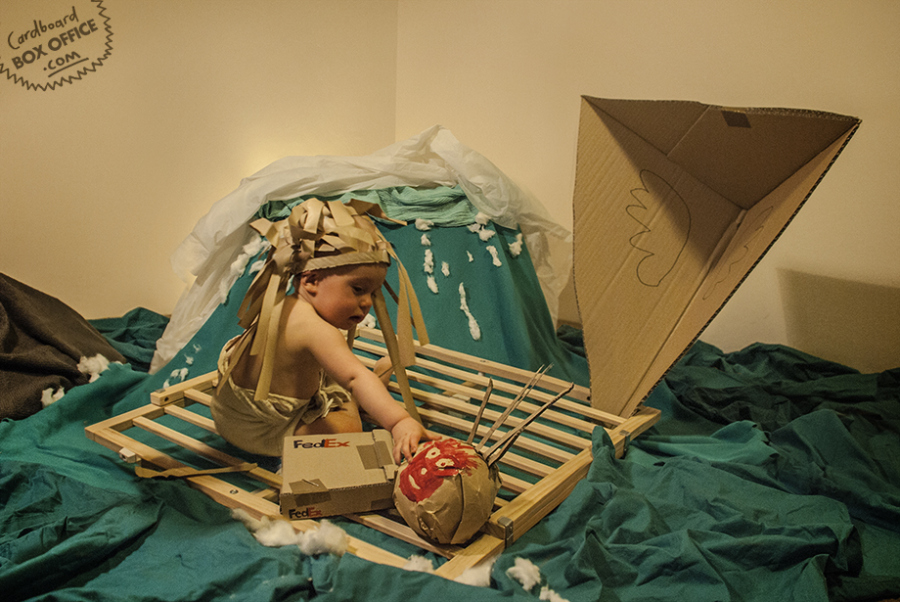
English surname which was originally a nickname, from the Norman French for “bear cub”. In the medieval romance Valentine and Orson, Orson is a wild man raised by bears, and twin brother to the knight Valentine, brought up in a royal French court. Originally, the “wild brother” didn’t have a name, and it seems to be an English innovation to give him a name to reflect his ursine upbringing. Orson has been used as a boy’s name since at least the 17th century, and has historically been more common in the United States. There are several famous men named Orson, including the American actor and director Orson Welles, who directed Citizen Kane and the notorious War of the Worlds radio broadcast – his first name was George, and he went by his middle name. Others include American television actor Orson Bean (real name Dallas Burrows), who lived in Australia during the 1970s, and American sci-fi author Orson Scott Card, who wrote Ender’s Game. You may also have heard of Internet sensation Orson Mackie, an Australian baby who stars in familiar movie scenes created by his parents from cardboard boxes. This masculine name is warm, snuggly, yet strong. It charts in the UK, where it is rising.

Roc

Catalan form of Rocco. Roc Brazilianos was a notorious 17th century Dutch pirate who operated from Jamaica. A cruel and debauched buccaneer, he raised terror on the high seas for many years before mysteriously disappearing with his ship and crew. His real name is not known for sure, but historians think he may have been Gerrit Gerritszoon, who moved to Dutch-controlled Brazil with his parents. Rather less spectacularly, a famous Australian with the name is visionary entrepreneur Roc Kirby, who founded Village Roadshow cinemas, and supported the Australian film renaissance. In his case, Roc is short for Roscoe. A roc is also a gigantic mythological bird which appears in Arabian fairy tales, and is well known to anyone who has read the One Thousand and One Nights. Pronounced like the word rock, this is a cool bad-boy choice which can also be seen as a nature name. It is popular in Catalonia, where it is rising.

Sixten

Swedish name which comes from the Old Norse Sigsteinn, meaning “victory stone”. Sixten Ehrling was one of Sweden’s most famous conductors, known for his difficult, yet witty, personality, and Sixten Sason was a super stylish Swedish designer who created the smooth lines of the Saab in the 1960s. Another famous namesake is the Swedish street artist Sixten, who at one time lived and worked in Melbourne. This is a smart-sounding Swedish heritage choice which provides few problems with pronunciation, as it’s said much as it looks. It is popular in Sweden, where it is rising.

Titus

Roman name of unknown meaning. According to tradition, the name was introduced to Rome by Titus Tatius, the Sabine king who attacked Rome, but later made peace with the legendary Roman king Romulus, the city’s founder. There were three Roman Emperors named Titus, and the Roman historian Livy’s full name was Titus Livius. Saint Titus is mentioned in the New Testament as a companion of Saint Paul. As you can probably tell from all these name bearers, Titus was an extremely common name in ancient times, and used by all social classes. The name gained an unpleasant reputation from Titus Oates, the perjurer who falsely claimed that Catholics were plotting to assassinate King Charles II; more honourable associations are Sir Titus Salt, the manufacturer and philanthropist, and Titus Brandsma, the Catholic priest (now a saint) who spoke out against Nazi ideology and died in a concentration camp. A contemporary namesake is American television actor Titus Welliver, from Sons of Anarchy and The Good Wife. Titus Andronicus is Shakespeare’s first tragedy, one of his most violent and gory plays. Titus charts in the US, where it is rising.

POLL RESULTS
The public’s favourite names were Gideon, Orson and Conrad, and their least favourite were Ajay, Sixten and Roc.

(Photo shows Orson Mackie depicting a scene from the movie Cast Away, on the blog Cardboard Box Office).


Famous Name: Adam

29 Wednesday Jan 2014

Posted by A.O. in Famous Names

≈ 4 Comments

Tags

Akkadian names, Arabic names, Assyrian names, Babylonian names, Biblical names, hebrew names, Irish names, modern classics, name history, name meaning, name popularity, popular names, royal names, Scottish names, Semitic names

14Goodes2501_Hero

On Australia Day, the Australian of the Year for 2014 was announced, and it was AFL footballer Adam Goodes, who plays for the Sydney Swans.

Adam is a distinguished player who has experienced a great deal of success in his field, and is very active in the Sydney Indigenous community, providing leadership and guidance to troubled Indigenous youth, including those in youth detention. He has also started an Indigenous football academy, and he and his cousin Michael O’Loughlin founded the Goodes O’Loughlin Foundation which focuses on education, employment and healthy life choices. Adam plans to use his profile as Australian of the Year to help raise awareness of the push for constitutional recognition of Indigenous Australians.

Adam is well known to almost everyone, even those with no religious background, as the first human mentioned in the Bible. He was created by God out of earth, and placed in the paradisical Garden of Eden with his companion Eve. However, they were expelled from the Garden after disobeying God’s commands, and went on to become founders of the human race. Adam is also seen as the first human in Islam, which regards Adam as a prophet, and the first Muslim.

In Hebrew, āḏām is the word for “human”, and the creation story in Genesis uses this word for “mankind”, “humanity”, “a man”, and the person named Adam, in an ambiguous and complex play of meaning. The word comes from a Semitic root meaning “red, fair, handsome”, and is also the masculine form of the Hebrew word adamah, meaning “ground, earth”, related both to the word for “red”, and the word for “blood”. In Arabic, Adam means “made from the earth”.

Putting this all together, the impression one gets from the name is that Adam is a signifier for all men, and all humans, a handsome man created from the red earth, the colour suggesting that of life-giving blood (the clay become flesh), and perhaps even implying that his skin tone was meant to be a coppery, reddish-brown – which seems reasonable given the story’s Middle Eastern origins.

Genesis emphasises Adam’s connection to the earth, for God set Adam to work on the land, to get his hands dirty, scratched by thorns in order to eat and survive. God’s curse was From dust you were made and to dust you will return, meaning that humans were condemned to mortality (still echoed in the funeral service, ashes to ashes, dust to dust). Adam is separated from nature by his humanity, yet inextricably part of nature and still tied to the earth and his earthy instincts – a succinct précis of the human condition.

The first historical person named Adam we know of is an Assyrian king named Adamu, who lived more than 4000 years ago (it is probably worth mentioning that the Babylonian creation story, many centuries older than Genesis, has the same main features, and there the first man is named Lullu, meaning “man, human being”; when the Assyrians copied the story, they called the first man Adami, possibly from the Akkadian for “to make”).

The name Adam came into common use in Britain in the Middle Ages, and became more popular after the Protestant Reformation. It has particularly strong ties to Scotland, perhaps because it was used to Anglicise the Irish name Áedán (an older form of Aidan), traditional amongst the royal houses and nobility of medieval Scotland.

Although in rare use early in the twentieth century, Adam only began charting in Australia in the 1940s. It raced up the charts during the 1950s to make #51 for the 1960s. It peaked in the 1980s at #10, and is still in the Top 100. It is #66 nationally, #55 in New South Wales, #57 in Victoria, #99 in Queensland, #44 in Western Australia, #84 in Tasmania, and #60 in the Australian Capital Territory.

Adam is a modern classic, yet it is an ancient name – the oldest name in the Book! Brief, strong and primal, it is earth and blood, flesh and bone, birth and death, innocence and guilt: the most human of all names, with its hands buried in the soil and its soul yearning for paradise. Adam is all man and all men; we are all Adam and the children of Adam; and yet Adam is still too archetypal to ever become an Everyman name.

It will always remind us of the first man in one of the oldest stories we know. A man whose descendants have continued to live and die and toil and survive – and remember paradise.

POLL RESULT
Adam received an approval rating of 64%. 30% of people saw it as strong and handsome, but 14% thought it was too common.

True Blue Names for Boys

26 Sunday Jan 2014

Posted by A.O. in Name Themes and Lists

≈ 10 Comments

Tags

animal names, Arabic names, Australian idioms, Biblical names, celebrity baby names, colour names, english names, fabric names, famous namesakes, fictional namesakes, fish names, geographic names, Greek names, hebrew names, historical records, metal names, modern classic names, mythological names, name history, name meaning, name popularity, names from movies, names from television, nature names, popular names, Roman names, surname names, tree names, unisex names, vocabulary names

016

Happy Australia Day! Here are ten names for boys which are associated with the colour blue, in honour of the saying, a true blue Aussie.

Bay

A bay is a scoop in the shoreline, much prized for providing safe anchorage and opportunities for fishing. Having a long coastline, Australia has many bays, including the Great Australian Bight which forms the southern edge of the continent, and Botany Bay in Sydney – there is even a Blue Bay on the Central Coast of New South Wales. Although bay also describes the colour of a horse’s coat (coppery brown with black markings), and bay tree is another word for a laurel bush, I tend to think of the name Bay as being influenced more by the geographic term, at least in Australia. Bay can also be from the surname – the first English people with the surname Bay took their name from baille, an enclosed courtyard as part of a Norman castle’s fortifications. Although Bay can be used for both sexes, I have only ever seen it on boys, perhaps because it sounds as if could be short for Bailey.

Blue

Blue is a colour of the spectrum, and a primary colour. Because it is the colour of the sky, it has often been seen as representing heaven and divinity. It has been connected to the “blue collar” working class, but also with the wealthy, and “blue blooded” nobility. Blue is a popular colour for uniforms, and the navy, air force, and police traditionally wear blue. Blue can also mean “sad, melancholy”; hence blues music, which arose out of suffering. The Australian flag and Eureka flag are both blue, blue heelers are tough, loyal Australian cattle dogs, and it is an Australian irony that a red-headed man is called Blue or Bluey – some say because of the redhead’s reputation for temper, as a blue is Australian slang for a fight. Since World War II, blue has been seen as the colour for boys (with pink for girls), giving the name Blue a boyish feel – although celebrity baby Blue Carter shows it works well for girls too.

Dean

The Blue Mountains are to the west of Sydney, part of the Great Dividing Range down the eastern side of Australia. Their name comes from the blue-grey haze which can be seen when the mountains are viewed from a distance, believed to be caused by the diffusion of eucalyptus oils from the trees. One of the most prominent is the Mountain Blue Gum (Eucalptus deanei), a tall forest tree. Its scientific name comes from Henry Deane, an Australian engineer who first collected specimens in the late 19th century. The English surname Dean or Deane comes from dene, meaning “valley” – the Mountain Blue Gum grows in sheltered valleys. Dean has been used as a boys name since the 17th century, and seems to have been initially most popular amongst non-Anglican Protestants. Dean first ranked in Australia in the 1950s, probably because of Hollywood star James Dean; it debuted at #134. By the following decade it had reached the Top 50, and peaked in the 1970s at #34. It didn’t leave the Top 100 until the early 2000s, and since then has gently declined into the mid-100s. It has recently got some exposure via Dean Winchester from the television show Supernatural, played by Jensen Ackles; the character is named after Dean Moriarty, from Jack Kerouac’s On the Road. A simple, clean modern classic, this still has a touch of Hollywood.

Drake

Drake has been used as a boys name since the late 16th history in honour of the heroic sea captain, Sir Francis Drake – the first babies with this name were born around the time of Sir Francis’ death. His surname is from the Old English nickname Draca, meaning “dragon, serpent, sea serpent”, coming from the Latin draco. The word goes back to an ancient root meaning “to see” – perhaps suggesting that dragons had a mesmerising gaze. In European mythology, dragons are serpentine rather than lizard-like, so the word drake covers a range of creatures. The name would have been given to someone who was very bold and fierce, for dragons were generally viewed as evil. They were often shown guarding a hoard of treasure with avaricious ferocity. In the post-Christian era, they became associated with Satan, but in modern fantasy stories, dragons nearly always seem to be noble and friendly. Although dragons are cool, this name reminds me of the watery Rainbow Serpent of Indigenous cultures, depicted as a blue serpent on Sydney’s coat of arms.

Levi

Levi Strauss was the German-American businessman who founded the first company to manufacture blue denim jeans, which gain their colour from indigo dye. Originally sturdy workwear for labourers, jeans became iconic fashion items, and are now essential clothing for almost everyone. In the Old Testament, Levi was the son of Jacob and Leah, and the founder of the Tribe of Levi. The Levites became the priestly caste of the Hebrews – perhaps the most famous members of the Tribe of Levi are Moses, and his siblings Aaron and Miriam. The name Levi is traditionally understood as “he will join”, because Jacob joined with Leah to produce Levi, but Biblical scholars believe it simply means “priest”, and comes from Arabic. Levi has charted in Australia since the 1970s – this was the decade that Levi jeans were first manufactured in Australia, and the brand name probably had more impact than the Biblical figure. Levi was #243 for the 1980s, and climbed steeply to make the Top 100 by the early 2000s, where it remains stable. It is #26 nationally, #31 in New South Wales, #30 in Victoria, #24 in Queensland, #40 in South Australia, #22 in Western Australia, #23 in Tasmania, #13 in the Northern Territory, and #53 in the Australian Capital Territory.

Marlin

Blue marlin are one of the world’s largest fish, blue-black with a silvery white underside, and an elongated upper jaw. They can reach more than 500 kg in weight, and have few predators, apart from humans. Because of their size, power, and elusiveness, they are considered to be one of the most highly prized targets for sports fishing. Found in many oceans of the world, blue marlin have been captured as far south as Tasmania. However, the greatest numbers have been caught off the Gold Coast in Queensland, and the largest ones in Bateman’s Bay, on the south coast of New South Wales. Blue marlin are considered be a threatened species, due to overfishing, and most anglers in Australia use the tag and release method. If you would like to use Marlin as a boy’s name, it doesn’t seem too different from Marlon in sound. The word marlin is short for marlinspike fish, as a marlinspike is a pointed tool used by sailors to separate strands of rope; it comes from the Dutch for “fasten, secure”. Like to use this as a girl’s name? What about Makaira, the Latin name for marlin?

Ocean

Australia is entirely surrounded by ocean, and more than 80% of our population live near the sea. 71% of the planet is covered by ocean, which holds most of Earth’s water. Integral to life on the planet, it is believed that life first arose in its waters. It is not known where all the water on our planet came from, but it must have played a major role in cooling it and making it possible for anything to live here. It still continues to moderate our climate and weather patterns, so we can keep living here. From space, Earth appears to be a marbled blue colour, earning it the moniker The Blue Planet. The word ocean comes from Oceanus, which the ancient Greeks and Romans believed was an enormous river encircling the world. In Greek mythology, this world-ocean was personified as a Titan, depicted as a large, muscular man with a long beard and horns, having a serpent for his lower body. He is the father of the ocean nymphs, and all the rivers, fountains and lakes of the world. Despite these masculine origins, the name Ocean is given to both boys and girls.

River

Although it has around a hundred of them, Australia cannot be said to be a land of great rivers – river beds are often dry, and even our largest rivers tend to be on the thin side. Of course, this means that every single one of them is especially precious. It seems slightly cheating to include them on a list of Blue Names, as every river I have seen here was brown or green in colour. However, rivers are marked in blue on maps, and if you saw one from a distance with a quantity of blue sky reflected in it, from the right angle it would probably look blue-ish. The word river is Anglo-Norman, from the Latin for “riverbank, shore”; it is ultimately from an ancient root meaning “scratch, tear, cut”. River has been used as a first name since the 17th century, and from the beginning seems to have been used with the geographic term in mind, since people named River Banks and River Jordan turn up quite early in the records. The name is unisex, but historically much more common for boys – in Australia, it seems to be more than twice as common for boys as for girls.

Steel

Steel is an alloy of iron and carbon. Steel production began on an experimental basis in Australia in the 19th century, but didn’t really get going until World War I, when BHP opened the first steelworks in Newcastle. Its boom years were after World War II, but since the 1980s our steel production has decreased significantly due to global competition. During its heyday, steelworks provided mass employment and were a source of great pride for workers; it was from the steelworkers that the modern working class emerged. Blue steel is steel that has been given a dark finish, in order to increase toughness. Although we often connect blue steel with guns and other weapons, it is used in many useful capacities, such as on the steel-capped toes of work boots. It gives its name to a colour – steel blue, a shade of blue-grey. Last year I saw several boys named Steel or Steele in birth notices, after the release of the Superman movie, Man of Steel.

Suede

Suede is a soft napped leather, popular for making accessories such as shoes and handbags. It was originally used for women’s gloves, and the word comes from the French gants de Suède, meaning “gloves from Sweden”, since this is where the gloves were imported from. Suede features in the Carl Perkins song, Blue Suede Shoes, considered one of the first rockabilly records, and the first million-selling country song to hit the R&B charts. Perkins wrote the song based on a suggestion from Johnny Cash, and a real life encounter with a man who didn’t want anyone stepping on his blue suede shoes. It was soon afterwards recorded by Elvis Presley, who made it a hit all over again, and the song has gone on to become a rock and roll classic. I have met a little boy named Suede, and once I got used to it, found it rather cool and rockabilly. Suede was named in honour of the song, as his parents are Elvis fans. They probably attended the recent Elvis Presley Festival in Parkes.

POLL RESULTS
The public’s favourite names were Levi, River and Bay, and their least favourite were Ocean, Steel and Suede.
← Older posts
Newer posts →

Enter your email address to follow this blog

Categories

Archives

Recent Comments

A.O.'s avatarwaltzingmorethanmati… on Zarah Zaynab and Wolfgang…
Madelyn's avatarMadelyn on Zarah Zaynab and Wolfgang…
JD's avatardrperegrine on Can Phoebe Complete This …
A.O.'s avatarwaltzingmorethanmati… on Rua and Rhoa
redrover23's avatarredrover23 on Rua and Rhoa

Blogroll

  • Appellation Mountain
  • Baby Name Pondering
  • Babynamelover's Blog
  • British Baby Names
  • Clare's Name News
  • For Real Baby Names
  • Geek Baby Names
  • Name Candy
  • Nameberry
  • Nancy's Baby Names
  • Ren's Baby Name Blog
  • Sancta Nomina
  • Swistle: Baby Names
  • The Art of Naming
  • The Baby Name Wizard
  • The Beauty of Names
  • Tulip By Any Name

RSS Feed

  • RSS - Posts

RSS Posts

  • Celebrity Baby News: Melanie Vallejo and Matt Kingston
  • Names from the TV Show “Cleverman”
  • Can Phoebe Complete This Sibset?
  • Zarah Zaynab and Wolfgang Winter
  • Baby, How Did You Get That Name?
  • Celebrity Baby News: Media Babies
  • Celebrity Baby News: Adelaide Crows Babies
  • Celebrity Baby News: Chris and Rebecca Judd
  • Names at Work: Name News From the World of Business and Employment
  • Celebrity Baby News: Sporting Round Up

Currently Popular

  • Celebrity Baby News: Alisa Camplin and Oliver Warner
  • Rare Boys Names From the 1950s
  • Sad Celebrity Baby News (contents may cause distress)
  • Celebrity Baby News: Jacinta Allan and Yorick Piper
  • Celebrity Baby News: Nicki Gemmell and Andrew Sholl

Tags

celebrity baby names celebrity sibsets english names famous namesakes fictional namesakes honouring locational names middle names name combinations name history name meaning name popularity name trends nicknames popular names saints names sibsets surname names twin sets unisex names

Blog at WordPress.com.

Privacy & Cookies: This site uses cookies. By continuing to use this website, you agree to their use.
To find out more, including how to control cookies, see here: Cookie Policy
  • Subscribe Subscribed
    • Waltzing More Than Matilda
    • Join 517 other subscribers
    • Already have a WordPress.com account? Log in now.
    • Waltzing More Than Matilda
    • Subscribe Subscribed
    • Sign up
    • Log in
    • Report this content
    • View site in Reader
    • Manage subscriptions
    • Collapse this bar
 

Loading Comments...