• About
  • Best Baby Names
  • Celebrity Baby Names
  • Celebrity Baby Names – Current
  • Celebrity Baby Names – Past
  • Featured Boys Names
  • Featured Girls Names
  • Featured Unisex Names
  • Links to Name Data
  • Waltzing on the Web

Waltzing More Than Matilda

~ Names with an Australian Bias of Democratic Temper

Waltzing More Than Matilda

Tag Archives: name popularity

Requested Famous Name: Naomi

27 Wednesday Feb 2013

Posted by A.O. in Famous Names, Requested Names

≈ 3 Comments

Tags

Biblical names, classic names, famous namesakes, hebrew names, Japanese names, name history, name meaning, name popularity, unisex names
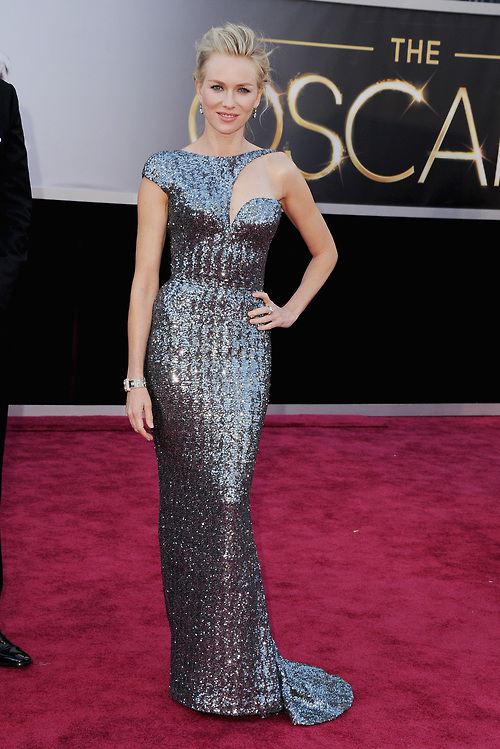
85th Annual Academy Awards - Arrivals

Name in the News
The 85th Academy Awards ceremony was held on February 24, and as with every year at this time, there was intense speculation in the Australian media as to whether any Australians would manage to win an Oscar.

One who was under consideration was actress Naomi Watts, who was born in England and came to Australia as a teenager, where she attended high school in Sydney (Nicole Kidman was one of her classmates). Her first acting jobs were in Australia, gaining experience in film and television. In the 1990s she moved to Los Angeles to continue her career; her big break came when she was chosen as the star of Mulholland Drive.

This year, she was nominated for the Academy Award for Best Actress, for her role of Maria Bennett in The Impossible. She lost to Jennifer Lawrence, but has won several other awards for the film, as well as being judged one of the best-dressed on the red carpet at the Oscars.

Name Information
Naomi is a Hebrew name interpreted as “pleasant, agreeable, sweet”. In the Old Testament, Naomi is a central character in The Book of Ruth, and despite the lovely meaning of her name, things went so wretchedly for her that she told others to call her Mara, meaning “bitterness”.

Because of a famine in Judea, Naomi and her family travelled to the land of Moab, where her husband and both her sons died, leaving her alone with her daughters-in-law Orpah and Ruth. Although her daughters-in-law were foreigners and pagans, they did not desert Naomi, and when she told them she was going back to her own people at Bethlehem, both girls offered to accompany her.

Naomi managed to convince Orpah that she should return to her family and her own customs, but Ruth famously says:

Entreat me not to leave thee, or to return from following after thee: for whither thou goest, I will go; and where thou lodgest, I will lodge: thy people shall be my people, and thy God my God: Where thou diest, will I die, and there will I be buried: the LORD do so to me, and more also, if ought but death part thee and me.

Naomi must have been a pretty wonderful mother-in-law to have evoked such love and loyalty. As mother-in-laws tend to get a bad rap, she really stands out as something special.

When Naomi returned to Bethlehem with Ruth (the famine was over by then), both of them were destitute, and poverty and misery had changed Naomi’s appearance so much that she was barely recognisable; no wonder that she felt she had been treated bitterly and deserved a bitter name.

However, she made lemonade from the lemons life had given her. She arranged for one of her husband’s relatives to marry Ruth, and after the happy couple had a child, she became the little boy’s nanny, caring for him as devotedly as if he had been her own son. I hope the rest of her life was as pleasant as her name.

Naomi is a Japanese name too, most frequently translated as “honest and beautiful” or “beautiful above all”. It is said differently to the Hebrew name, for while we generally pronounce Naomi as nay-OH-mee, the Japanese name is said something like NOW-mee. Although it is a unisex name, it seems to be much more common as a female name in Japan. You will often see Naomi suggested as a cross-cultural baby name for couples where one person is Japanese and the other from an English-speaking country.

Naomi is a classic girl’s name in Australia which has never left the charts. In rare use in the 1900s, it reached the Top 100 in the 1970s, and peaked in the 1980s at #67. It left the Top 100 in the early 2000s, and since then has been up and down the popularity charts in the 100s – most recently up, when it reached #152 in 2011.

As Naomi peaked in the 1970s and ’80s, it would be easy to dismiss it as a “mum” name. However, it never reached the Top 50, and is still in the 100s; it hasn’t been lower than the 100s since the 1950s. I think it manages to avoid being dated by never becoming highly popular, nor uncommon, so it seems very usable. I feel as if this name could belong to someone of almost any age group.

Despite being a familiar name, Naomi still seems slightly unusual, even exotic. It doesn’t sound like other Old Testament girls’ names which have reached the Top 100, like Deborah, Sarah, Rachel, Rebecca or Hannah. These seem solid and homely, perhaps to some ears, even stodgy. If you had never heard the name Naomi before, I wonder if you would guess it to be a name from the Bible? I might have picked it as Polynesian or Native American, if I didn’t know otherwise.

Naomi is a classic name with a distinctive sound and even a distinctive narrative, for the Old Testament Naomi has a Bible story quite unlike other Biblical heroines. I think this is a great choice of baby name for someone who wants something slightly different, yet not at all obscure.

Thank you to Brooke for suggesting Naomi as a featured name.

POLL RESULT
Naomi received an excellent approval rating of 84%, making it one of the best-liked names of the year. The name Naomi was seen as beautiful and distinctive (24%), still suitable as a baby name (17%), a good cross-cultural choice (15%), having an inspiring Bible story (15%), and a pretty classic (13%). However, 9% were put off by the fact that the name is “I moan” backwards. Nobody thought the Bible story of Naomi was depressing.

(Picture shows Naomi Watts at the 2013 Oscars)

Famous Name: Miriam

06 Wednesday Feb 2013

Posted by A.O. in Famous Names

≈ 10 Comments

Tags

Ancient Egyptian names, Biblical names, classic names, famous namesakes, hebrew names, mythological names, name history, name meaning, name popularity, names in songs, nicknames, underused classics

4485672-3x2-940x627On Australia Day this year, more than 17 000 people from 145 countries took the pledge and became Australian citizens. Prime Minister Julia Gillard, presiding over a ceremony in Canberra, told the crowd that the first citizenship ceremony was in 1949, and since then more than 4 million people had sworn loyalty to Australia. In fact, Ms Gillard was one of them – she was born in Wales and moved to South Australia as a child.

Amongst the 17 000-odd people becoming Australian citizens was British-born actress, Miriam Margolyes. Miriam has long been a mainstay in film, television and theatre, delighting audiences in such favourites as Blackadder, Little Dorrit, Babe, the Harry Potter films (she played Professor Sprout), and Wicked. A massive Charles Dickens tragic, Miriam has taken her one-woman show, Dickens’ Women, all over the world.

Miriam apparently got a bit of a crush on Australia when she was only a child, and kept on meeting wonderful Australian people, until at last, in 1968, she met her Australian partner Heather, which cemented the deal for good and all. She bought a house in the southern highlands of New South Wales around the time she was in Babe, and for many years now has been based in Australia.

Miriam promised that she hasn’t become Australian just for the beach and barbies, she wants to make a contribution to Australian society. Although she loves her country, she plans to use her democratic right to protest and speak out against things that need to change, and also wants to learn more about disadvantaged Australians. In other words, she will be a fantastic Aussie citizen.

Miriam is the original name on which the familiar Mary is based. In the Old Testament, Miriam is the older sister of Moses, and it is she who came up with the clever plan to save her baby brother’s life. Because Pharoah had decreed that newborn Hebrew boys were to be killed, she took Moses and hid him by the side of a river. She secretly watched as Pharoah’s daughter found and adopted him, then suggested that the princess use Miriam’s mother as a wet nurse, so that Moses was cared for in his infancy by his own family.

The Old Testament depicts Miriam as a strong, outspoken woman, and a leader amongst the Hebrews. One of the oldest parts of the Bible tells how she led the women in triumphant song and dance after the crossing of the Red Sea, the female chorus echoing the men, who were led by Moses. She was a prophetess, with the Bible implying that God spoke to her through dreams; the Bible speaks of the prophets Moses, Aaron and Miriam as if all three of them played vital roles in the Hebrews’ escape from Egypt.

According to Jewish tradition, the Hebrews were blessed by a well which followed them through the desert due to Miriam’s righteousness. When she died and was buried (in present-day Syria), God caused a spring of abundant fresh water to open up for the people. The spring was called Meribah, which means “quarrelling”, as everyone was grumpy from thirst. This story is very similar to another where the Hebrews were suffering from severe water shortage, only to find a well filled with bitter water. Moses turned the brackish water sweet with a particular tree, but the well was still called Marah – “bitterness”.

These two stories probably help to explain two suggested Hebrew etymologies for the name Miriam – “rebellious”, and “bitterness”. These are generally thought to be unpleasant meanings for a girl’s name, but as you can see, the stories were positive ones, although they don’t actually have anything to do with Miriam. In fact, it’s unlikely that Miriam’s name was Hebrew at all – she was born and raised in Egypt, and it is believed that both her brothers’ names were of Egyptian origin.

Miriam may be derived from the Ancient Egyptian word for “love” or “beloved”, or it could be a form of the Ancient Egyptian name Meritamen which means “beloved of Amun” – Amun was the chief god of the Ancient Egyptians, and his name means “hidden”. For this reason you will sometimes see Miriam and Mary translated as “beloved by God”, even though it doesn’t mean the God of the Abrahamic religions.

Miriam has never disappeared from the charts, but never been in the Top 100. It was #133 in the 1900s, which is the highest point it ever reached; its current rank of #458 is the lowest it has ever reached. After climbing steeply in 2009, the name Miriam fell dramatically in 2011 – although in real terms, that equates to just ten fewer babies called Miriam than there were in 2009.

I think the name Miriam has much to recommend it. It’s an underused classic, which means it’s familiar to everyone, yet rarely encountered. It is feminine, strong, sounds quite intellectual, and suits any age. In Jewish tradition Miriam was associated with water, and I do think Miriam has a liquid feel to it – cool and deep. It has a range of possible nicknames, including Mim, Mimi, Mima, Minnie, Mirri, Mirra, Mira, Mia, Mitzi and Remi.

Even a murderous Norah Jones sang that Miriam was “such a pretty name“. When your most vengeful enemy admits you’ve got a nice name, that takes some beating.

POLL RESULT: Miriam received an astounding 91% approval rating, making it one of the highest-rated names of the year. Miriam was praised for being strong and intelligent (45%), pretty and feminine (23%), having great nickname options (15%), and a desirable level of popularity (8%). However, 8% thought the name was too old-fashioned. Nobody thought that the name Miriam was “too Jewish”.

(Photo shows Miriam Margolyes receiving her citizenship certificate from Prime Minister Gillard)

She’s Having Last Minute Doubts About Their Baby Name

02 Saturday Feb 2013

Posted by A.O. in Naming Assistance

≈ 4 Comments

Tags

choosing baby names, classic names, famous namesakes, fictional namesakes, honouring, name popularity, nicknames, popular culture, popular names, Twilight names

Just before deadlineSarah and Rupert are expecting a baby girl, due in only a few days. They always agreed that their first daughter would be named Isabella, which is a traditional name in Sarah’s family. However, as time went on, the name Isabella became extremely popular, and also associated with the Twilight phenomenon, so Sarah grew less enthusiastic about using it.

Sarah’s solution was to use the name Isabel, which is traditional on the other side of her family. She and Rupert like its simplicity, and they plan to use another family name in the middle position.

However, with just a few days to go, Sarah is wondering if they have chosen the right name for their daughter. Although Isabel is towards the bottom of the Top 100, if you add up all the Isabellas and Isabelles, that makes quite a few girls called Issy or Bel. Sarah wonders if the name Isabel is really distinctive enough.

Sarah likes names in the style of Sibella, Arabella and Violet; Rupert prefers names like Molly, Ebony and Lila. As such, they haven’t really agreed on many names. The only other names Sarah and Rupert have agreed on are Camilla and Clementine. The Duchess of Cornwall puts Sarah off using Camilla, and for some indefinable reason, she can’t quite commit to Clementine.

Sarah wonders whether a personal meaning or family association is more important than popularity, and whether they should just stop discussing it and go with Isabel. She wants something classic and unique, yet can’t quite find it … and if she started meeting lots and lots of little Isabels she wouldn’t be happy about it.

Sarah has a very popular name, and it never bothered her, and Rupert loves his unusual name, so they know that children can be content with their name whether its common or rare. Sarah and Rupert have a nice solid one-syllable surname, such as Mack or Holt.

Sarah’s sisters, who have children already, tell her that once the baby arrives, she won’t give a thought to any of these worries, but right now they feel like genuine concerns!

~ ~ ~ ~ ~ ~

The last few days before a baby arrives can be quite frustrating, and there’s so many “What ifs …?” involved. Some of us worry that the car will break down and we won’t be able to get to the hospital; some of us worry that we’ve packed completely useless things in our little bag; and some of us worry that we’ve picked the wrong baby name. I expect all these little worries are a coping mechanism to keep our minds off the really big worries that we could be having instead!

I think that you might just be having last-minute jitters. Like someone getting nervous before their wedding, you may be slightly anxious about committing to the name Isabel for life. You wonder if you’ve made the right choice – what if things don’t work out the way you hoped? And could there be a better name out there that you haven’t thought of yet?

The good news is that you are in a much better position than someone having doubts about their wedding. Unlike a wedding, you get to have the baby first and then decide if the name seems right. You don’t have to make any commitment until the baby arrives, and you get a good long time to make your mind up after the birth. Most importantly, the name Isabel won’t be heartbroken if you decide to go with another name instead.

At this stage, I believe it’s too late to be actively searching for, and arguing about, a different baby name. I think Isabel [Middle Name] [Surname] is a really delightful combination: one that’s a nice balance between pretty and feminine, and neat and sensible, and could belong to a wide variety of girls. It doesn’t sound like a name that someone has to live up to, or pull off, or get used to. To me it seems like a name that isn’t boring, but would be easy to live with.

Let’s take a good look at Isabel:

  • Isabel is a name both you and Rupert like You’ve only managed to agree on three girl’s names in the past nine months, so let’s face it – your chances of finding another name you both like in the next couple of days aren’t that high.
  • You haven’t come up with anything better The only other names you could use just don’t seem quite right. It’s not impossible you’ll change your mind once the baby is born, but for now they don’t seem like viable options.
  • Isabel fits both your requirements You like pretty, feminine names for girls like Arabella and Violet; Rupert prefers simple fuss-free names like Molly and Lila. Isabel seems like a perfect fit – as elegant as Arabella, with the clean lines of Lila.
  • Isabel honours your family heritage Isabel is a name from one side of your family, while also providing a distant nod to the Isabellas on the other side. As you don’t want to use Isabella any more (and it doesn’t seem possible to have both), Isabel appears to be a great solution to your dilemma.
  • Isabel is a classic that has never been common There is no such thing as a name which is both classic and unique, so I’m not surprised you haven’t managed to find one! The closest you could get would be an underused classic – one that has never left the charts, but never been popular. Isabel fits reasonably well, because it’s a classic, but never got any higher in popularity than the bottom quarter of the Top 100.
  • Isabel is falling in popularity That makes the chances of you running into lots of little Isabels in the future less likely. And as you can’t control what other parents name their children anyway, I wouldn’t give it another thought.
  • Popularity isn’t that big a deal anyway I do think that personal meaning and family associations are more important than popularity. You’ve eliminated Isabella for being too well known, which is fair enough, and Isabel seems like an excellent replacement. You know from having a popular name yourself that it doesn’t necessarily cause a child any problems – and your name is much more popular than Isabel.
  • If Isabel is not distinctive enough, what is? If you look at names for girls, there are certain family resemblances between them. Once a certain sound becomes popular, you tend to see it in other names too. I think you’d have trouble choosing something which sounded nothing like any other baby name being used – and still like it.
  • Isabel does not have to be an Issy or a Bel You could make her name distinctive by giving her a different nickname. There are old-fashioned nicknames for Isabel such as Isa, Ibby or Tibby, and more unexpected choices like Sabel, Tizzy, Whizz, Zibby or Zsa Zsa. Or you could not use any nickname at all.

My advice would be not to think any more about the name. Wait until the baby is born and then see how you feel about calling her Isabel. Once you have a baby to hold in your arms, it all becomes a lot more real. I truly believe that if Isabel is not the right name for your daughter, the perfect name will come to you by the time she arrives.

NAME UPDATE: The baby’s name is Isabel!

POLL RESULT: Most respondents thought Sarah should stick with the name Isabel, with 60% giving this as their answer. Another 33% thought that Sarah should wait until the baby’s birth before deciding. The rest thought that Sarah should keep looking for another baby name, or consider their suggestions.

Famous Name: Greta

30 Wednesday Jan 2013

Posted by A.O. in Famous Names

≈ 4 Comments

Tags

famous namesakes, German names, Hungarian name popularity, Italian name popularity, Latinate names, literary names, locational names, name popularity, nicknames, Old Norse names, Sir Walter Scott, Swedish name popularity, UK name popularity, US name popularity

11/11/2011 NEWS: Greta. Ned Kelly Burial.On January 20 this year, the story of bushranger Ned Kelly reached a conclusion, with his dying wish fulfilled, and his remains buried in the cemetery at Greta, in Victoria’s north-east. As a convicted murderer, Kelly was denied burial in consecrated ground after his execution in November 1880. His headless body was dumped in a pit and covered in lime.

A Requiem Mass was held at St Patrick’s in Wangaratta the preceding Friday; there are about 450 descendants of Ned Kelly, and many of them attended the church. During the homily, Monsignor John White said that some people had written to object to Ned Kelly receiving a public liturgy, but that the service was not to make judgement, but to bring closure. The service ended with In the Sweet By-and-By, the hymn Kelly is said to have sung in his cell the night before he was hanged.

Under a marquee, Ned Kelly was privately buried next to the unmarked gravesite of his mother Ellen; his brother Dan, and Steve Hart, one of his gang-members, also lie in unmarked graves in Greta cemetery. Ned’s coffin was adorned with a wreath of native Australian flowers and the green sash he was awarded in his youth for saving a boy from drowning. The coffin was buried deep, and surrounded by concrete to prevent looting. There are also five mounds of earth instead of one, to deter grave robbers.

The district of Greta is deep in “Kelly country“, the region of rural Victoria where Ned Kelly was born, grew up, and fought. His famous last stand at Glenrowan was less than 10 miles from Greta. Many of the Kelly family still live in the area, and the Ned Kelly legend remains compelling, with almost every local having their own Kelly-related tale to tell.

The district is thought to be named after the River Greta in Cumbria, England, part of the background to Rokeby, a poem by Sir Walter Scott which was popular at the time. The river’s name is Old Norse, and means “rocky river”. It is pronounced GREE-ta.

This is somewhat embarrassing to admit, but for a long time I thought the girl’s name Greta was also said GREE-ta. I knew it was short for the German name Margareta, and assumed it was said to rhyme with Rita, which is short for the Latinate name Margarita (both names of course are relatives of the name Margaret).

I was in my early twenties before I met someone named Greta, and discovered the name is (as I’m sure you all know) said GRET-uh. As the Greta I met happened to be in the public eye, the fact that I was ignorant how her name was pronounced seemed even more embarrassing.

One of the most famous women with this name was the Swedish-born Hollywood star Greta Garbo, famed for her austere beauty and luminous screen presence. Mysterious and reclusive, she shunned publicity and lived a very private life. Here we also know the Italian-born Australian actress Greta Scacchi, who grew up in Perth, but has lived and worked in England for many years – although she visits Australia from time to time.

As you see, this is a name at home in several countries, and Greta is a Top 100 name in Sweden, Hungary and Italy. In the United States it is #684 and fairly stable, and in the UK it is #586 and climbing.

In Australia, Greta was in rare use in the 1900s, and has enjoyed a very uneven career. The highest it ever got was #206 in the 1930s (at the apex of Ms Garbo’s success), and it disappeared altogether in the 1950s and 1960s. It has also hit lesser peaks in the 1910s, the 1970s and the 1990s. The name hasn’t charted since 2009 – but given the way it has jumped up and down the charts, you can expect to see it again before too long (but not too much of it).

In other words, this is a name with plenty of history in Australia, but not tons of use, and has never come anywhere close to being popular. As such, it retains something of the mystique that Greta Garbo radiated – cool, reserved, exclusive; a name selected by discerning parents. Make no mistake, Greta is a very hip choice.

Greta is the cosseted darling of name nerds, who believe it to be beautiful, dignified and sadly neglected by those who fail to appreciate her (these are the same name nerds who would drop Greta like a hot potato if masses of parents actually took their advice and called their daughters Greta, so it became Top Ten. Then Greta would be “Such a nice name – but simply ruined by everyone using it”).

So here’s another embarrassing admission. I’m not a huge fan of the name Greta, which to me has a rather harsh sound, reminding me of words such as grim, grisly, groan, gritty, grizzle, gross, grotty, granite, grumpy, grouch, grate, grasp, growl, grovel, grubby, gruff, gruesome, grumble, grump, grunt and regret. Somehow it never seems to remind me of graceful, gratitude, greetings, grand, great, groovy and egret! Which is manifestly unfair.

Perhaps if I could play psychoanalyst to myself, I might theorise that the real reason I don’t care for Greta is that it is inextricably linked in my subconscious to the embarrassment of not knowing how to pronounce a celebrity’s name when meeting them – and that even the Greta I met being very beautiful and extremely charming could not wipe out my feelings of shame. Indeed, perhaps that made them worse.

In other words, don’t pay any attention to my opinions about this name. It’s not Greta, it’s me.

POLL RESULT: Greta received a very creditable 76% approval rating. The name Greta was seen as beautiful and dignified (32%), and cool and European (18%), although 16% thought it was frumpy and harsh. 8% thought the name Greta was neglected and needed to be used more, while 6% noted that if it was used more, it would no longer be hip. A besotted 3% insisted they would still use Greta even if it was the #1 name. Only one person preferred the pronunciation GREE-ta.

(Picture shows Greta cemetery in Victoria)

Baby Names from Victoria Used Less Than 10 Times in 2012

27 Sunday Jan 2013

Posted by A.O. in Name Data

≈ 5 Comments

Tags

name popularity, name popularity - Victoria, nicknames, rare names, unisex names

More fun with the Victorian data – all those names which were used more than 5 times, but less than 10 times last year. Looking for a rare name? You just might find it here.

I did not include variant spellings of more popular names, names where the variant spellings added up to more than 9 uses, or unisex names where the numbers of boys and girls together added up to more than 9.

I did include short forms and elaborations of more popular names, and forms of more popular names from different countries/languages.

Used 9 Times

Girls

  • Agnes
  • Amna
  • Ananya
  • Anaya
  • Astrid
  • Autumn
  • Cadence
  • Camilla
  • Elif
  • Ellen
  • Josie
  • Lisa
  • Marina
  • Martha
  • Melissa
  • Mira
  • Salma
  • Sapphire
  • Sylvie
  • Tina

Boys

  • Aarush
  • Ansh
  • Cassius
  • Darby
  • Dhruv
  • Edison
  • Francesco
  • Frank
  • Harris
  • Hector
  • Jace
  • Joe
  • Jordy
  • Kane
  • Maddox
  • Mahmoud
  • Massimo
  • Monty
  • Nikhil
  • Paddy
  • Samarth
  • Sid
  • Silas
  • Solomon
  • Taylan
  • Tony
  • Troy
  • Vince
  • Walter

Used 8 Times

Girls

  • Aadya
  • Alkali
  • Amity
  • Angelique
  • Ariella
  • Brylee
  • Carly
  • Cassandra
  • Cassidy
  • Demi
  • Jiya
  • Kalani
  • Kelsey
  • Kyla
  • Libby
  • Louisa
  • Luciana
  • Mannat
  • Mariana
  • Myla
  • Nancy
  • Ngoc
  • Paris
  • Rihanna
  • Ruth
  • Sahar
  • Shiloh
  • Tasneem
  • Wendy
  • Zol

Boys

  • Abraham
  • Aleksandar
  • Alessio
  • Amos
  • Ash
  • Carlos
  • Cash
  • Chance
  • Colby
  • Cole
  • Cristiano
  • Dimitri
  • Drake
  • Duke
  • Dusty
  • Francis
  • Gavin
  • Hao
  • Imran
  • Jeremiah
  • Jim
  • Johan
  • Jovan
  • Landon
  • Long
  • Marcel
  • Maxim
  • Nelson
  • Nixon
  • Oakley
  • Raiden
  • Shane
  • Stanley
  • Tanner
  • Trent
  • Veer
  • Willem
  • Wilson
  • Yahya

Used 7 Times

Girls

  • Adelaide
  • Aditi
  • Anita
  • Ann
  • Aubrey
  • Beatrice
  • Casey
  • Elektra
  • Esme
  • Estella
  • Hafsa
  • Henrietta
  • Jenny
  • Joyce
  • Judy
  • Kavya
  • Kyra
  • Linda
  • Malak
  • Marissa
  • Mercy
  • Montana
  • Noor
  • Saffron
  • Sahara
  • Samira
  • Sharni
  • Tanya
  • Vienna

Boys

  • Aditya
  • Alessandro
  • Archibald
  • Caelan
  • Daksha
  • Darren
  • Denzel
  • Emre
  • Fabian
  • Gilbert
  • Giuseppe
  • Hendrix
  • Jamal
  • Jedidiah
  • Jun
  • Karim
  • Kelvin
  • Lakyn
  • Lennon
  • Lucian
  • Marlon
  • Milton
  • Neel
  • Rayan
  • Royce
  • Scott
  • Steve
  • Taha

Used 6 Times

Girls

  • Katerina
  • Kiana
  • Kitty
  • Krishna
  • Kyah
  • Liv
  • Mahi
  • Margot
  • Meadow
  • Melinda
  • Meredith
  • Nadine
  • Nia
  • Nikki
  • Portia
  • Rani
  • Rania
  • Rhea
  • Rosa
  • Sandra
  • Saoirse
  • Serene
  • Shreya
  • Sneha
  • Stacey
  • Sumaya
  • Susan
  • Tamika
  • Tanisha
  • Thu
  • Vera

Boys

  • Jarrah
  • Jonas
  • Julius
  • Keanu
  • Kenny
  • Knox
  • Koda
  • Luis
  • Magnus
  • Mahdi
  • Memphis
  • Mikail
  • Milan
  • Murray
  • Musa
  • Neil
  • Novak
  • Odin
  • Quade
  • Rehan
  • Reyansh
  • Saad
  • Santiago
  • Shaurya
  • Siddharth
  • Steele
  • Stirling
  • Talon
  • Tarkyn
  • Tex
  • Tim
  • Wade

The Top 25 Names of 1901

24 Thursday Jan 2013

Posted by A.O. in Name Data

≈ 1 Comment

Tags

classic names, historical data, name popularity, name trends, popular names, Powerhouse Museum

With all the name data that is coming out in the papers, there nearly always seems to be a conclusion that old-fashioned names are back in style. So I thought it would be interesting to look at the Top 25 baby names from the year of Federation, and see how many of these old-fashioned names are back in style 110 years later – or perhaps never went out of style.

The information on Australian baby names from 1901 is from the Powerhouse Museum, and their current positions are for NSW, also supplied by the Powerhouse Museum.

GIRLS

  1. Dorothy (last charted in 1970s)
  2. Jean (last charted in 1980s)
  3. Mary (never left charts, currently #101 and rising)
  4. Winifred (last charted in 1950s)
  5. Marjorie (last charted in 1960s)
  6. Doris (last charted in 1960s)
  7. Kathleen (last charted in late 2000s)
  8. Bridget (never left charts, currently #416 and falling)
  9. Elizabeth (never left Top 100, currently #44 and stable)
  10. Eileen (last charted in early 2000s)
  11. Lilian (left charts during 1960s, currently #363 and rising)
  12. Daisy (left charts in 1940s, 1960s and 1970s, currently #134 and rising)
  13. Vera (left charts in 1980s, returned in 2011 at #626)
  14. Margaret (left charts in 2010, returned in 2011 at #428)
  15. Edna (last charted in 1950s)
  16. Gladys (last charted in 1950s)
  17. Florence (left charts in 1960s-1980s, early 2000s, currently #284 and rising)
  18. Doreen (last charted in 1960s)
  19. Violet (left charts 1960s-1990s, currently #72 and rising)
  20. May (left charts 1960s-1980s, currently #557 and fell in 2011)
  21. Joyce (left charts 1980s-early 2000s, returned in 2011 at #636)
  22. Phyllis (last charted in 1960s)
  23. Erica (charted almost continuously, currently #359 and rising)
  24. Olive (left charts 1960s-early 2000s, currently #136 and rising)
  25. Ivy (left charts 1970s-1990s, currently #32 and stable)
  • 14 names are currently in the charts
  • 3 names never left the charts
  • 1 name never left the Top 100
  • 3 names are currently Top 100
  • Of the 14 names currently in the charts, 12 of them are either rising or stable

BOYS

  1. John (never left Top 100, currently #77 and rising)
  2. William (never left Top 50, currently #1)
  3. George (never left Top 100, currently #57 and rising)
  4. James (never left Top 20, currently #11 and stable)
  5. Ronald (last charted early 2000s)
  6. Robert (never left charts, currently #107 and rising)
  7. Kenneth (left charts in 2010, returned in 2011 at #409)
  8. Frederick (never left charts, currently #212 and stable)
  9. Thomas (never left Top 100, currently #8 and falling)
  10. Keith (last charted in late 2000s)
  11. Eric (never left charts, currently #126 and rising)
  12. Alfred (never left charts, currently #541 and stable)
  13. Arthur (never left charts, currently #219 and rising)
  14. Charles (never left charts, currently #73 and rising)
  15. Leslie (last charted in 1990s)
  16. Dennis (left charts in 2009 and 2011)
  17. Joseph (never left Top 100, currently #43 and stable)
  18. Alan (never left charts, currently #354 and stable)
  19. Stanley (left charts 2010, returned in 2011 at #317)
  20. Ernest (last charted in 1970s)
  21. Harold (last charted in 1990s)
  22. Norman (last charted in 1980s)
  23. Reginald (last charted in 1970s)
  24. David (never left Top 100, currently #78 and rising)
  25. Francis (left charts in 2010, returned 2011 at #388)
  • 17 names are currently in the charts
  • 14 names never left the charts
  • 7 names never left the Top 100
  • 2 names never left the Top 50
  • 1 name never left the Top 20
  • 8 names currently in the Top 100
  • 4 names currently in the Top 50
  • 3 names currently in the Top 25
  • 2 names currently in the Top 10
  • Of the 17 names currently in the charts, 16 of them are either rising or stable

As you can see, when we say we adore the old-fashioned names, we’re being a bit selective, because Gladys and Ernest haven’t had much love for decades. And Edna peaked a century ago, so when does the alleged “100 year rule” kick in for her, I wonder?

On the other hand, about half of the girls names and more than two-thirds of the boys names are still in the charts, or have returned to the charts. Interestingly, nearly all of the names from 1901 which are currently in the charts are either rising or stable, so for those names which did manage to make it, they are doing pretty well for themselves.

POLL RESULTS: The dated names people most wanted revived were Winifred, Dorothy and Ernest, while not a single person voted to bring back Doreen or Dennis. 2% of respondents didn’t want any of the dated names brought back.


Famous Name: Jackson

23 Wednesday Jan 2013

Posted by A.O. in Famous Names

≈ 5 Comments

Tags

ACT name data, english names, famous namesakes, historical records, holiday names, locationa names, name history, name meaning, name popularity, name trends, nicknames, patriotic names, popular names, Scottish names, surname names, Victoria name data

Sydney_Harbour_Bridge_from_the_airOn Saturday January 26 it will be Australia Day, so we are looking forward to the long weekend. In Sydney, there will be many events in and around the harbour, with one of the most popular the Ferrython, where the Sydney ferries race against each other. Chartering a boat to spend Australia Day on the harbour, basking in sunshine under blue skies, must be one of the most perfect ways to spend Australia Day in Sydney.

It’s also very appropriate, because the early history of Sydney is centred on its harbour. The size of Port Jackson, in which Sydney Harbour is located, was one of the main things which convinced the British to set up base in this area. You may recall that Captain Arthur Phillip rated Port Jackson as “the finest harbour in the world”.

I was always taught that Port Jackson was the largest natural harbour in the world, but it turns out that this is a matter of disagreement. In fact, what with the difficulties in deciding what is classed as a harbour, and whether you count size by square kilometres, length of coastline, or water volume, it doesn’t seem possible to declare any natural harbour the largest in the world – although Port Jackson must be one of the world’s largest, at least.

Sydneysiders still firmly believe that Port Jackson is the finest natural harbour in the world, and many that it is the world’s most beautiful – and as beauty is very much in the eye of the beholder, this claim at least is difficult to dispute. I expect other cities feel the same way about their own harbours.

The first known European to come here was James Cook in 1770. Not being of a gushing nature, there is nothing in his ship’s log to indicate that he thought the harbour fine or beautiful, only recording that it “appeared to be a safe anchorage”.

He named it after Sir George Jackson, a fellow Yorkshireman, and Cook’s friend and patron. Jackson later got married and changed his surname to his wife’s, becoming Sir George Duckett. I can’t help but be thankful that this happened after the naming of Port Jackson, as Port Duckett doesn’t have quite the same ring to it – although like the island of Nantucket, it would no doubt be a boon to the authors of limericks.

Jackson is an English and Scottish surname meaning “son of Jack“, which must be one of the most straightforward name meanings. The surname Jackson can be found from the 14th century onwards, and was historically most common in the north of England.

Jackson was first used as a personal name in the early 17th century, and in the United States, may sometimes have been given in honour of the seventh president, Andrew “Stonewall” Jackson – before he was president, he was a national hero for defending New Orleans from the British. He had such a reputation for toughness  that his nickname was “Old Hickory”.

Although there are many examples of men named Jackson in Australian records, the name did not begin charting in Australia until the 1970s – around the time American teen idols, The Jackson 5, became a big hit. Jackson climbed steeply to make the Top 100 by the 1990s, and peaked in the early 2000s at #29. Since then it has gently declined in popularity, and was #40 in NSW for 2011.

Early results from 2012 name data in the ACT and Victoria suggest that Jackson is falling as the variant spelling Jaxon takes off. This spelling (also a legitimate surname), takes advantage of the fashionable X, while suggesting Jax as the nickname, rather than Jack.

While Jackson may not be quite as popular as it once was, this name makes a great one for a boy born on Australia Day, and is much more subtle than last year’s suggestion.

POLL RESULT: Jackson received an approval rating of 62%. More than half of people (56%) said the name Jackson was fine and handsome, although 22% believed it was too popular, and 17% saw it as boring. Nobody preferred the spelling Jaxon, or thought of Jackson as a patriotic name.

How Unisex is a Unisex Name?

20 Sunday Jan 2013

Posted by A.O. in Naming Issues

≈ 15 Comments

Tags

name data, name popularity, name popularity - Victoria, name trends, popular names, unisex names

boy_girl_symbolsI intimated that we’d probably do a couple of things with the complete 2012 name data from Victoria, now that it’s been released, and something I thought might be interesting would be to look at the unisex names in the data, and see whether they were used more often for girls or boys, or evenly for both.

Unisex Names More Popular for Girls

  1. Addison – 76 girls, 7 boys
  2. Ashley – 31 girls, 13 boys
  3. Eden – 65 girls, 7 boys
  4. Harper – 144 girls, 25 boys
  5. Sasha – 30 girls, 6 boys
  • There are only five names used by both sexes that are significantly more popular for girls.
  • Some parents chose names for their sons which had a reasonable history of being established as feminine by usage, and which are gaining rapidly in popularity for girls, such as Addison and Eden.
  • Ashley is the only one of these names which has a reasonable history of usage by both sexes.
  • The most feminine unisex name is Harper, which has the biggest gap between the sexes.

Unisex Names More Popular for Boys

  1. Alex – 89 boys, 9 girls
  2. Bailey – 93 boys, 15 girls
  3. Casey – 16 boys, 7 girls
  4. Charlie – 264 boys, 63 girls
  5. Darcy – 78 boys, 10 girls
  6. Hunter – 156 boys, 8 girls
  7. Jamie – 31 boys, 6 girls
  8. Jordan – 120 boys, 13 girls
  9. Phoenix – 48 boys, 14 girls
  10. Riley – 217 boys, 9 girls
  11. River – 21 boys, 9 girls
  • There are more than twice as many names used by both sexes that are significantly more popular for boys.
  • Casey, Charlie, Darcy, Jamie and Jordan have a reasonable history of usage as unisex names.
  • Most of these “more boyish” names, even if still popular, are falling in popularity for boys; Charlie and Hunter are the ones who buck this trend, and are still increasing in male popularity.
  • The most masculine unisex name is Riley, which has the biggest gap between the sexes – a much bigger gap than between the boys and girls called Harper.
  • Some parents will choose a name for their child which is Top 100 for the opposite sex (such as Harper or Bailey), so name popularity isn’t always a factor in whether a name is considered a “boy” name, or a “girl” name.

Unisex Names Given Fairly Evenly to Girls and Boys

  1. Ariel – 12 boys, 11 girls
  2. Asher – 35 boys, 26 girls
  3. Blair – 15 boys, 12 girls
  4. Brooklyn – 17 girls, 15 boys
  5. Emerson – 14 girls, 8 boys
  6. Frankie – 12 boys, 9 girls,
  7. Morgan – 13 boys, 11 girls
  8. Quinn – 30 boys, 24 girls
  9. Remi – 11 boys, 7 girls
  10. Remy – 19 girls, 14 boys
  11. Taylor – 31 girls, 20 boys
  12. Tully – 10 girls, 8 boys
  13. Yi – 10 boys, 8 girls
  14. Zi – 7 girls, 7 boys
  • These 14 names could be considered “truly unisex”, in that they are used by both sexes in roughly equal numbers.
  • None of the names are popular, which makes me wonder if once a name gains a high level of use, it will tend to skew towards one sex rather than another.
  • The most unisex name is the Chinese name Zi, with the same number of boys and girls possessing it.

Theoretically Unisex Names Overwhelmingly Used by Girls

  1. Alexis – 112 girls, 5 or less boys
  2. Allie – 12 girls, 5 or less boys
  3. Allison – 12 girls, 5 or less boys
  4. Ally – 11 girls, 5 or less boys
  5. Angel – 21 girls, 5 or less boys
  6. Arya – 19 girls, 5 or less boys
  7. Aubrey – 7 girls, 5 or less boys
  8. Avery – 11 girls, 5 or less boys
  9. Bonnie – 52 girls, 5 or less boys
  10. Brooke – 24 girls, 5 or less boys
  11. Cassidy – 8 girls, 5 or less boys
  12. Chelsea – 104 girls, 5 or less boys
  13. Chelsey – 12 girls, 5 or less boys
  14. Clare – 18 girls, 5 or less boys
  15. Cleo – 34 girls, 5 or less boys
  16. Clover – 12 girls, 5 or less boys
  17. Coco – 23 girls, 5 or less boys
  18. Courtney – 12 girls, 5 or less boys
  19. Crystal – 15 girls, 5 or less boys
  20. Dakota – 25 girls, 5 or less boys
  21. Dana – 12 girls, 5 or less boys
  22. Ebony – 66 girls, 5 or less boys
  23. Elisha – 9 girls, 5 or less boys
  24. Erin – 31 girls, 5 or less boys
  25. Esme – 7 girls, 5 or less boys
  26. Evelyn – 68 girls, 5 or less boys
  27. Florence – 26 girls, 5 or less boys
  28. Gigi – 12 girls, 5 or less boys
  29. Ginger – 8 girls, 5 or less boys
  30. Harlow – 18 girls, 5 or less boys
  31. Indiana – 68 girls, 5 or less boys
  32. Indie – 29 girls, 5 or less boys
  33. Indigo – 36 girls, 5 or less boys
  34. Indy – 21 girls, 5 or less boys
  35. Iris – 20 girls, 5 or less boys
  36. Jade – 53 girls, 5 or less boys
  37. Jessie – 14 girls, 5 or less boys
  38. Joyce – 7 girls, 5 or less boys
  39. Kalani – 8 girls, 5 or less boys
  40. Kelly – 14 girls, 5 or less boys
  41. Kelsey – 8 girls, 5 or less boys
  42. Koa – 11 girls, 5 or less boys
  43. London – 11 girls, 5 or less boys
  44. Madison – 134 girls, 5 or less boys
  45. Maria – 26 girls, 5 or less boys
  46. Marley – 40 girls, 5 or less boys
  47. Mary – 42 girls, 5 or less boys
  48. Mika – 11 girls, 5 or less boys
  49. Miley – 22 girls, 5 or less boys
  50. Mischa – 11 girls, 5 or less boys
  51. Nicola – 13 girls, 5 or less boys
  52. Nikita – 27 girls, 5 or less boys
  53. Nikki – 6 girls, 5 or less boys
  54. Noor – 7 girls, 5 or less boys
  55. Olive – 53 girls, 5 or less boys
  56. Paige – 85 girls, 5 or less boys
  57. Paris – 8 girls, 5 or less boys
  58. Payton – 7 girls, 5 or less boys
  59. Pearl – 21 girls, 5 or less boys
  60. Peyton – 24 girls, 5 or less boys
  61. Piper – 68 girls, 5 or less boys
  62. Reese – 7 girls, 5 or less boys
  63. Ruby – 419 girls, 5 or less boys
  64. Sage – 13 girls, 5 or less boys
  65. Scarlet – 6 girls, 5 or less boys
  66. Scarlett – 256 girls, 5 or less boys
  67. Shelby – 19 girls, 5 or less boys
  68. Shiloh – 8 girls, 5 or less boys
  69. Skye – 43 girls, 5 or less boys
  70. Stacey – 6 girls, 5 or less boys
  71. Stevie – 16 girls, 5 or less boys
  72. Sydney – 8 girls, 5 or less boys
  73. Teagan – 13 girls, 5 or less boys
  74. Tegan – 9 girls, 5 or less boys
  75. Tia – 23 girls, 5 or less boys
  76. Vivian – 19 girls, 5 or less boys
  77. Wendy – 8 girls, 5 or less boys
  78. Willow – 129 girls, 5 or less boys
  79. Winter – 22 girls, 5 or less boys

The most feminine unisex name is Ruby, which is #3 for girls and in very rare use for boys (quite possibly, no boys at all). Ruby does have some usage as an Australian male name in the 19th century.

Theoretically Unisex Names Only Used by Boys

  1. Adrian – 37 boys, 5 or less girls
  2. Aiden – 144 boys, 5 or less girls
  3. Ali – 65 or less boys, 5 or less girls
  4. Arlo – 28 boys, 5 or less girls
  5. Ash – 8 boys, 5 or less girls
  6. Beau – 75 boys, 5 or less girls
  7. Blake – 163 boys, 5 or less girls
  8. Bodhi – 19 boys, 5 or less girls
  9. Brodie – 55 or less boys, 5 or less girls
  10. Brody – 35 boys, 5 or less girls
  11. Cameron – 53 boys, 5 or less girls
  12. Campbell – 35 boys, 5 or less girls
  13. Chance – 8 boys, 5 or less girls
  14. Chase – 94 boys, 5 or less girls
  15. Chris – 18 boys, 5 or less girls
  16. Clancy – 13 boys, 5 or less girls
  17. Coby – 17 boys, 5 or less girls
  18. Cody – 48 boys, 5 or less girls
  19. Colby – 8 boys, 5 or less girls
  20. Cooper – 248 boys, 5 or less girls
  21. Dallas – 13 boys, 5 or less girls
  22. Dion – 12 boys, 5 or less girls
  23. Dusty – 8 boys, 5 or less girls
  24. Dylan – 146 boys, 5 or less girls
  25. Elliot – 41 boys, 5 or less girls
  26. Elliott – 24 boys, 5 or less girls
  27. Evan – 50 boys, 5 or less girls
  28. Ezra – 13 boys, 5 or less girls
  29. Finlay – 18 boys, 5 or less girls
  30. Finley – 23 boys, 5 or less girls
  31. Francis – 8 boys, 5 or less girls
  32. Harley – 53 boys, 5 or less girls
  33. Hayden – 119 boys, 5 or less girls
  34. James – 381 boys, 5 or less girls
  35. Jay – 18 boys, 5 or less girls
  36. Jesse – 65 boys, 5 or less girls
  37. Joey – 10 boys, 5 or less girls
  38. Jonty – 15 boys, 5 or less girls
  39. Jude – 60 boys, 5 or less girls
  40. Julian – 70 boys, 5 or less girls
  41. Kai – 89 boys, 5 or less girls
  42. Koby – 51 boys, 5 or less girls
  43. Kody – 10 boys, 5 or less girls
  44. Logan – 178 boys, 5 or less girls
  45. Luca – 113 boys, 5 or less girls
  46. Luka – 53 boys, 5 or less girls
  47. Mason – 266 boys, 5 or less girls
  48. Max – 283 boys, 5 or less girls
  49. Maxwell – 49 boys, 5 or less girls
  50. Memphis – 6 boys, 5 or less girls
  51. Micah – 32 boys, 5 or less girls
  52. Milan – 6 boys, 5 or less girls
  53. Miller – 21 boys, 5 or less girls
  54. Musa – 6 boys, 5 or less girls
  55. Myles – 16 boys, 5 or less girls
  56. Noah – 409 boys, 5 or less girls
  57. Oakley – 8 boys, 5 or less girls
  58. Parker – 31 boys, 5 or less girls
  59. Rafferty – 17 boys, 5 or less girls
  60. Reece – 17 boys, 5 or less girls
  61. Reed – 7 boys, 5 or less girls
  62. Reid – 9 boys, 5 or less girls
  63. Reilly – 6 boys, 5 or less girls
  64. Rory – 36 boys, 5 or less girls
  65. Rowan – 12 boys, 5 or less girls
  66. Ryan – 228 boys, 5 or less girls
  67. Sam – 66 boys, 5 or less girls
  68. Saxon – 26 boys, 5 or less girls
  69. Shane – 8 boys, 5 or less girls
  70. Sean – 32 boys, 5 or less girls
  71. Sidney – 7 boys, 5 or less girls
  72. Sunny – 12 boys, 5 or less girls
  73. Toby – 78 boys, 5 or less girls
  74. Tristan – 38 boys, 5 or less girls
  75. Troy – 9 boys, 5 or less girls
  76. Zion – 15 or less boys, 5 or less girls

The most masculine unisex name is Noah, which is #6 for boys, and very rare for girls (perhaps not used at all). Noah can also be a Hebrew name for girls, from a completely different derivation than the male name Noah. I was not able to find any women named Noah in Australian records, but this might be because the high volume of male ones obscured them.

So … how unisex is a unisex name? Disappointingly, the answer seems to be “not very”. Most unisex names are in fact used much more by one sex over another, and those that are given fairly equally to both boys and girls do not have a high level of use.

I see no reason why a boy cannot be called Sage, or a girl Memphis, but even these obviously unisex names are skewed either female or male in the data.

Some people worry that girls are “taking all the boys names“, which will lead to some kind of naming cataclysm of epic proportions. Others look forward to an era when parents feel free to choose whatever name they like, unconstrained by gender.

So far, there is little evidence of either this fear or hope coming into being. Although we all seem to know a boy named Jade or a girl named Arlo, their numbers are too insignificant to show up in the data.

Their Rare Baby Name Isn’t Rare Enough!

19 Saturday Jan 2013

Posted by A.O. in Naming Assistance

≈ 7 Comments

Tags

choosing baby names, classic names, famous namesakes, locational names, name popularity, names of magazines, nicknames, patriotic names, rare names, sibsets, surname names, US name popularity

gulgong-35961Elise and Alex are expecting their third child, and had already decided that if it was a boy, his name would be Digby. Digby is a rare name; unfortunately, it has been used often enough amongst Elise and Alex’s circle that they no longer feel as enthusiastic about using it.

They are now looking for a new boy’s name, and would ideally like something which is uncommon without being particularly unusual, and would sound at home in a country community. They like surname names for boys, and don’t mind if the name they choose becomes popular later, just as long as it isn’t popular now.

They would like it to match with their son’s name, Law$on, and as their daughter’s name also starts with L, they don’t want another name starting with that letter. Elise and Alex’s surname starts with M and ends in S eg Matthews.

Names on their short list so far:

  • Banjo
  • Baxter
  • Fred

Names they’ve crossed off or can’t use for some reason:

Abraham, Angus/Gus, Benjamin/Ben, Cameron, Charles/Charlie, Elliot, Eustie, Fletcher, George, Guy, Hamish, Henry/Harry, Hugo, Jack, Jed, Luke, Remington, Samuel/Sam, Sawyer, Spencer, Stirling, Sullivan, Thomas/Tom, Wilbur, Wilhelm, William/Will, Winston

~ ~ ~ ~ ~ ~ ~ ~ ~ ~

I felt quite distraught on first reading your e-mail, because Digby is one of my favourite names too, and it’s so uncommon that it doesn’t seem fair that it’s become overly used in your corner of the world. Unfortunately, there’s no guarantee that choosing a name not on the Top 100, or even not ranked at all, ever, means you will be the only parents who like it. Underused doesn’t mean unused.

I grew up in a small town, so I understand why you want a name that nobody else is currently using. When you live in a small community, you see each so often on a daily basis that it almost feels like you’re one big family. Nobody really wants 8 Uncle Jacks and 13 cousins named Mia – not to mention all your brothers being named Sam.

You’ve already discovered that rare names can prove disconcertingly popular in pockets – the good news is that quite common names may be almost unheard of in your community. When I was born, my name was in the Top 50, and yet I was the only one, of any age, called Anna in our little town, or in all the towns surrounding us. It was only when I went to the city for holidays that I met other Annas – it just didn’t seem to be used in my region.

If you are concerned about too many other people choosing the same name, I wouldn’t worry too much about the overall popularity charts, but more about what’s popular and unpopular on a local level. Keep an eye on birth notices in your local paper, and also watch out for regional popularity lists (I have been putting these on Twitter as they come out).

The perfect name is probably one which your friends and neighbours think sounds “a bit different” the first time they hear it, but are used to within two days, and in two weeks time, are starting to really like it. That means you might want to consider a few names that you think sound a bit different at first!

It’s also a good idea to have several names on your list, in case someone else uses one you’ve picked out while you’re still pregnant. Luckily, you have plenty of time left to thoroughly explore your options.

YOUR SHORT LIST

Banjo

This is such a cool name, but for me, Banjo and Law$on are a little too much as brothers. Also, if your daughter’s name isn’t super-Aussie, I wonder if she might be a little left out of the theme?

Baxter

I think Baxter is a definite keeper. It’s got that perfect balance of being uncommon, yet sounding completely normal, and the nickname Bax fits in with familiar names like Max and Jax.

Fred

You’ve absolutely got me over a barrel on this one, because Fred is my dad’s name. To me Fred sounds kind and funny and sweet, just like my dad. Yes, I’m very biased. But being non-biased, I do think Fred sounds brilliant with your surname.

SUGGESTIONS

Archie

To me, Archie is very much like Digby – it’s cute and boyish, yet also sounds grown-up and dignified. Unfortunately, Archie is popular, increasing in popularity, and seems to be used more in the country than the city. However, I’m suggesting it because I love the way this sounds with your surname – it seems really happy and I just can’t help smiling when I hear it.

Arthur “Artie”

Arthur is one of those useful classic names which have been stable for decades (a “normal name”), yet also underused (“uncommon”). It’s very slowly increasing in popularity, but in no way trendy. The nickname Artie makes it seem like a replacement for Archie, for people worried about popularity. This is another name I think suits your surname

Dexter

Dexter is really similar in sound to Baxter, and has a similar level of popularity. I like this better with your surname, but I think Baxter makes a better sibset with your son’s name.

Huxley

Huxley reminds me both of Baxter and Digby – I feel as if someone who likes both these names might appreciate Huxley. And like Banjo, it has an Australian connection, because the naturalist T.H. Huxley travelled to Australia, which is where his scientific career began (he has a mountain named after him here). Huxley’s descendant Sir Leonard Huxley became a famous Australian physicist. You get the nickname Huck from Huxley, which somehow seems to tie in with Sawyer.

Beckett

Beckett is another name which reminds me of Baxter. It does have an Australian literary connection, because Beckett’s Budget was a famous men’s magazine of the 1920s and ’30s which combined hard journalism with saucy pictures (tame by today’s standards). Not quite as idealistic as Banjo, I admit!

Jasper

Jasper is another name which reminds me, in sound, of Baxter, yet somehow also has a little of Digby’s image. It might seem mad to consider this when it’s a Top 100 name, but when I thought about it, I couldn’t recall often seeing this name in birth announcements from rural areas. Could this be one of those names which are popular overall, but underused where you live?

Camden

I really like the sound of this surname, which as a place name, has played an important role in Australia’s colonial history. You’ve crossed Cameron off your list, so I wondered if Camden might appeal instead? This name, growing in popularity in the US, is extremely rare in Australia.

Theodore “Ted”

Like Arthur, Theodore is a classic, but rapidly growing in popularity, while still not a common name. I mostly thought of it because Ted is very much like Fred, and to me it sounds “country” but also quite patrician – Ted is  the gentleman farmer, while Fred is his trusty right-hand-man!

My favourites from your list are Baxter and Fred, and from my suggestions, I feel as if Huxley fits your criteria better than any other.

If you still feel unsure about your name list in 6-8 weeks time, write in to the blog again, and we’ll take another look at it. In the meantime, happy name hunting!

UPDATE: Elise and Alex decided to stick with Digby.

POLL RESULTS: The most popular choices for a new baby name were Fred, Archie, Arthur and Beckett, which each got around 10% of the vote.

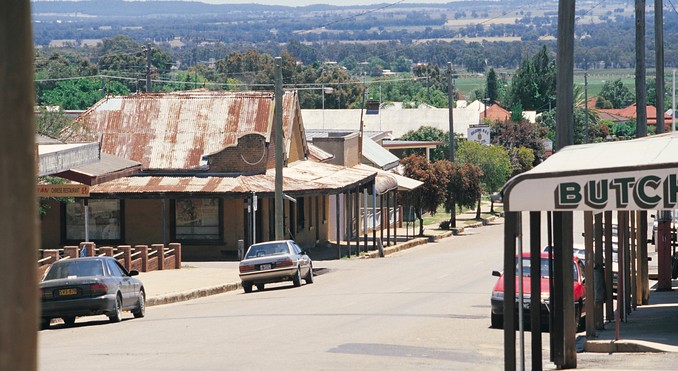
(Photo is of Gulgong in New South Wales, the childhood home of Henry Lawson; in no way is this meant to identify where Elise and Alex live)

Famous Name: Rose

16 Wednesday Jan 2013

Posted by A.O. in Famous Names

≈ 14 Comments

Tags

classic names, English idioms, english names, flower names, French name popularity, French names, germanic names, Latin names, middle names, mythological names, name history, name meaning, name popularity, nature names, Norman names, plant names, popular names, Scottish name popularity, UK name popularity, vocabulary names

Gift_white_rosesThis Friday will be The Day of the Roses, which sounds lovely, but has a tragic meaning. January 18 this year marks the 36th anniversary of the Granville train  disaster, when a crowded train was derailed in a suburb of western Sydney, and hit the supports of a railway bridge. The bridge collapsed onto the train carriages, crushing the passengers inside. 83 people were killed, and more than 200 injured; it was then Australia’s worst peace time disaster, and is still the worst rail accident in Australian history.

The Granville Memorial Trust was established to commemorate the victims and to campaign for improvements to rail safety. Since the disaster, there has been a substantial increase in money spent maintaining the railways, and standards have improved. Each year on the anniversary of the crash, the Trust organises a memorial service, in which a bell rings 83 times, and 83 roses are thrown onto the railway tracks – one for each of the victims.

Rose is not the simple flower name it at first appears, for it began life as the Germanic name Hrodohaidis or Hrodheid, meaning “bright kind, famous kind” (kind in the sense of type, sort). It was the Normans who introduced it to Britain in the forms Roes, Rohais, Roheis and Rohese. The name Rohese was a fairly common one amongst the Norman nobility in England after the Conquest.

The form Rose began to be used by the early 1200s – even this early it was already being associated with the flower, whose name is French, derived from the Latin rosa. It goes back to an ancient word meaning “sweetbriar” (a wild rose also known as the eglantine rose).

Roses are tens of millions of years old, and have been grown in gardens for thousands of years – perhaps first in China, although they were grown in Persia, Babylon and ancient Egypt as well. The flower was sacred to the goddess Isis, and later the Greeks and Romans identified it with Aphrodite or Venus, so that it became seen as a blossom of beauty and eternal love – which is one reason why you are more likely to receive roses on Valentine’s Day than daisies or sweetpeas.

In medieval Christianity, roses became associated with the Virgin Mary, were carefully cultivated by monks, and in both Christian and Islamic mysticism, the rose can be a symbol of divine love. The rose is the national flower of England and the floral emblem of the United States; the red rose is the symbol of socialism; the white rose of peaceful resistance. The Romans used it as a symbol of secrecy, and to alchemists it meant balance and unity.

This ancient flower speaks to our hearts on so many different levels, and the rose has a richness of beauty we cannot help but admire. Yet it is mysterious too, and its thorns urge us to keep our distance, even while its loveliness attracts. Roses are by no means vain beauties, because they can be used to make perfumes, skin care products and medicines; rose hips can be made into jams, syrups and teas (in fact I am drinking a cup of it as I write). Rose petals are also edible.

We often think of Rose as being a quintessentially English name, and a beautiful Englishwoman is even called an “English rose”. Yet the name is also French, and Rose is Top 100 in France, as well as in England/Wales and Scotland.

In Australia, Rose is a classic which has always charted. It was #55 in 1900, and gradually fell until it left the Top 100 in the 1930s. It reached its lowest point in the 1970s, at #287, and after that began a stately rise, with its sharpest increase in the late 2000s. By 2008 it was near the bottom of the Top 100, and each year has continued to steadily gain. In 2011 it was #66 in New South Wales, and in Victoria and the ACT it has proved to be one of the names with the most growth during 2012. Rose is also extremely popular as a middle name.

Rose is an overwhelmingly feminine name, yet isn’t frilly. It’s both sensual and sensible, possessing the ripeness of a mature woman rather than a frivolous girl. It’s a short name, yet doesn’t seem abrupt or harsh but rather, soft and velvety as one of its own petals. Despite being an English word, there are many international variants of Rose, and it is easily understood in other countries. It is a name from fairy tale, reminding us of Briar Rose, the sleeping beauty, and Rose-Red, the vivid sister of fair Snow-White – and yet it also has a practical and wholesome appeal.

Increasing numbers of parents are choosing the name Rose for their daughters. In The Little Prince, the prince, who is in love with the only rose on his planet, cries in dismay when he comes to Earth and sees dozens of rose bushes; he has given his heart to something special, and found it commonplace. But a wise fox teaches him that his rose is unique, because it is the only one that he loves. There may be a garden of Roses in the world, but only one Rose who blooms there will be the one in your heart.

POLL RESULT: Rose received an approval rating of 86%, making it one of the most highly esteemed names of the year. The name Rose was judged to be beautiful and feminine (54%) and pretty and wholesome (21%), although 7% thought it was better left in the middle position. Nobody thought that the name Rose was boring.

← Older posts
Newer posts →

Enter your email address to follow this blog

Categories

Archives

Recent Comments

A.O.'s avatarwaltzingmorethanmati… on Zarah Zaynab and Wolfgang…
Madelyn's avatarMadelyn on Zarah Zaynab and Wolfgang…
JD's avatardrperegrine on Can Phoebe Complete This …
A.O.'s avatarwaltzingmorethanmati… on Rua and Rhoa
redrover23's avatarredrover23 on Rua and Rhoa

Blogroll

  • Appellation Mountain
  • Baby Name Pondering
  • Babynamelover's Blog
  • British Baby Names
  • Clare's Name News
  • For Real Baby Names
  • Geek Baby Names
  • Name Candy
  • Nameberry
  • Nancy's Baby Names
  • Ren's Baby Name Blog
  • Sancta Nomina
  • Swistle: Baby Names
  • The Art of Naming
  • The Baby Name Wizard
  • The Beauty of Names
  • Tulip By Any Name

RSS Feed

  • RSS - Posts

RSS Posts

  • Celebrity Baby News: Melanie Vallejo and Matt Kingston
  • Names from the TV Show “Cleverman”
  • Can Phoebe Complete This Sibset?
  • Zarah Zaynab and Wolfgang Winter
  • Baby, How Did You Get That Name?
  • Celebrity Baby News: Media Babies
  • Celebrity Baby News: Adelaide Crows Babies
  • Celebrity Baby News: Chris and Rebecca Judd
  • Names at Work: Name News From the World of Business and Employment
  • Celebrity Baby News: Sporting Round Up

Currently Popular

  • Celebrity Baby News: Toby Allen and Darren Weller
  • Girls Names of Australian Aboriginal Origin
  • Girls Names From Native Australian Flowers
  • Rare Boys Names From the 1950s
  • The Top 100 Names of the 1930s in New South Wales

Tags

celebrity baby names celebrity sibsets english names famous namesakes fictional namesakes honouring locational names middle names name combinations name history name meaning name popularity name trends nicknames popular names saints names sibsets surname names twin sets unisex names

Create a free website or blog at WordPress.com.

Privacy & Cookies: This site uses cookies. By continuing to use this website, you agree to their use.
To find out more, including how to control cookies, see here: Cookie Policy
  • Subscribe Subscribed
    • Waltzing More Than Matilda
    • Join 517 other subscribers
    • Already have a WordPress.com account? Log in now.
    • Waltzing More Than Matilda
    • Subscribe Subscribed
    • Sign up
    • Log in
    • Report this content
    • View site in Reader
    • Manage subscriptions
    • Collapse this bar
 

Loading Comments...