Famous Name: Milo

Tags

, , , , , , , , , , , , ,

10432144_888450784521840_5322624102103057321_n

Famous Namesake
The formula for Milo was changed recently, leading to an outpouring of complaints to the company – but only in New Zealand. Apparently they’ve had the vanilla removed, and this doesn’t affect Australia, as we didn’t have any vanilla to start with. I knew that Milo was sold all over the world (it’s very big in Malaysia, I’ve heard), but didn’t realise that every country gets their own formulation of Milo.

Milo is a cocoa powder and malt drink sold in a bright green tin. It was created by Australian inventor Thomas Mayne and launched at the 1934 Royal Easter Show, in an attempt to improve the diets of Australian children. Rich in carbohydrates and an easy way to add calories, Milo has a host of vitamins added to it – a boon to Depression-era parents worried about their malnourished tots.

Even though our diets are no longer very deficient in calories, carbohydrates and vitamins, Milo is still popular, and marketed as a nutritious energy drink. You can also buy Milo chocolate bars and Milo breakfast cereal, rather less convincingly flogged to parents as a healthy option that will fill your kids with the sort of powerful energy needed to win sporting events sponsored by Milo.

Milo has an appealing crunchy texture which Thomas Mayne tried very hard to eradicate, until he discovered that people liked it. Instead of dissolving completely in milk, Milo will sit on top, forming a crust that can be eaten – in Australia, chocolate milkshakes are already crunchy …. You can use Milo to cook with (Milo banana bread is pretty good), although a favourite way to enjoy Milo is sprinkled on top of vanilla ice cream.

Milo is named after Milo of Croton, an ancient Greek wrestling champion who won six times at the Olympic Games, and numerous other titles. His hometown of Croton, in Sicily, was famous for producing great athletes. A legend in his own lifetime, he was said to be of superhuman strength, and likened to the demigod Hercules – he supposedly took part in a great military victory dressed in a lion-skin.

Just as Milo of Croton was a sporting hero who performed mighty feats of endurance, so too are you supposed to become strong and athletic by drinking Milo. However, its real strength is as a cultural icon that generations of us have grown up drinking. Rather than shuffling into slippers and becoming a nostalgic comfort food, 81-year-old Milo continues to pull on its running shoes and go and go and go!

Name Information
The ancient Greek name Milo, as held by Milo of Croton, and the inspiration for the chocolate drink, is believed to be from milou, a pre-Hellenic word for “sheep”. Could you get a name meaning more appropriate for an Australian or New Zealand child, as sheep farming has been so important to both countries? In modern Greek, Milo means “apple”, and you will sometimes see the name translated that way.

Even if you haven’t heard of Milo of Croton, you must surely have heard of the Venus de Milo, the 2nd century marble statue of Aphrodite which was found on the island of Milos (also called Milo and Melos) in the 19th century. It is now in the Louvre in Paris, admired as the height of feminine grace and beauty, although without any arms.

There are many folk tales as to how the Greek island received its name. One is that it was named after Milos, the son of a river god, who colonised the island under the direction of the goddess Aphrodite. He was so handsome that three goddesses vied for his affection, and he was eventually rewarded with the apple that Paris of Troy awarded to Aphrodite as the most beautiful of all. Another is that he was a handsome young man who was a close friend of the god Adonis: when Adonis died, he hung himself on an apple tree in despair. These both sound like the modern “apple” meaning has influenced the stories.

Another has a feminine source for the name, telling of a Cretan maiden named Melis who threw herself into the sea to escape an unwanted lover. She drowned, but the waves carried her to the island of Milos, where she was worshipped as a nymph. Her name comes from the ancient Greek for “bee”, the source of Melissa: bee goddesses were worshipped on Crete.

Despite these romantic etymologies offered for the island, sheep were a vital part of the island’s economy even in prehistoric times, and a ram was the island’s symbol, used on coins. It is far more likely that the island was named after these important animals. It is unclear to me if people named Milo were named after the island, but given the apparent antiquity of its name, it doesn’t seem implausible.

Milo is also a Germanic name, of uncertain meaning. It may come from an ancient Germanic root meaning “mild, gentle”, or is possibly even related to those Slavic names formed from the root milu, meaning “grace, favour”, or “dear”. The name was introduced to England by the Normans in the form Miles, which was Latinised back to Milo – although a person documented as Milo would presumably have been known as Miles in everyday life.

Milo is #311 and rising in the US, and #159 and rising in the UK. Also rising in France and the Netherlands, it is a popular name in Sweden at #58.

The name Milo is rare in Australia because of the chocolate-flavoured drink, even though there’s nothing negative about the drink Milo, and Coco is a hip name which sounds exactly like cocoa. A straw poll I conducted suggested that many people still connect it with the classic children’s movie, Milo and Otis – not only was that a long time ago now, but Otis is in reasonable use, and very fashionable!

Milo is a boy’s name that sounds rather cute, but has a powerfully masculine namesake, suggesting it could work well on both a little boy and a grown man. I think it makes a hip choice, and suspect that if it wasn’t for the drink in the familiar green tin, it would be rising in line with international trends. Anyone worried about the drink might prefer to give it a more European pronunciation – MEE-lo.

POLL RESULTS
Milo received a decent approval rating of 66%. 24% of people thought Milo was hip and cool, and 21% saw it as a name that was adorable on a little boy and handsome on a grown man. However, 15% believed it was too closely associated with the chocolate drink and associated products. Only one person thought it was strong and sexy, only one thought it was nerdy, and just one thought it didn’t seem masculine enough for a boy’s name.

(Photo from Milo’s Facebook page)
Uncommon Girls Names from the Birth Announcements of 2011-12

Tags

, , , , , , , , , , , , , , , , , , , , , , , , , , , , , , , , , , ,

satine (1)

Althea
Variant of the ancient Greek name Althaea, perhaps derived from the Greek word althos, meaning “healing”. In mythology, Althaea was a queen with a son named Melager. When Melager was a baby, the Three Fates turned up, rather like the fairy godmothers in a certain tale. One said he would be noble, the second that he would be brave, but the third did the usual grumpy godmother routine, and said his life would last only as long as a certain piece of wood burning on the fire. Althaea immediately took the wood and blew it out, burying it secretly so that none should ever find it again. When Melager was grown into the brave and noble prince predicted by The Fates, he got into a quarrel while hunting, and killed his uncles. When Althaea discovered Melager had murdered her brothers, she took revenge by setting fire to the piece of wood, so that her son died. Afterwards she committed suicide. This isn’t the happiest name story ever, but the poet Richard Lovelace wrote To Althea, From Prison while imprisoned for a political protest. The famous poem is very romantic, and the name Althea has been used since the 17th century because of it, while never being very common. One attraction of this literary name is the potential to use fashionable Thea as a nickname.

Carys
Modern Welsh name derived from caru, meaning “to love”, and given the common -ys ending found in Welsh names, such as Gladys and Glenys. It has been in use since the early 20th century, and is currently #328 in England/Wales, although falling in popularity. The name gained interest as a celebrity baby name, when Welsh-born actress Catherine Zeta Jones chose it for her daughter. It is meant to be pronounced KAH-ris, but the few people called Carys I know in Australia all say their name to rhyme with Paris, and this pronunciation is even used in Wales sometimes (kuh-REES is really pushing it though). Leaving aside possible pronunciation pitfalls, this is a modern name that is feminine without being frilly.

Isolde
In medieval romance, Isolde the Fair is a stunningly beautiful golden-haired Irish princess with a gift for healing, who is married off to King Mark of Cornwall. Due to a mix-up with a love potion, Isolde falls passionately in love with Tristan, her husband’s nephew and adopted son, with tragic consequences. Tristan actually ends up married to a different Isolde, a Breton princess called Isolde of the White Hands, who he weds for the curious reason that she has the same name as his true love. Their marriage is never consummated, and fed up and jealous, Isolde of the White Hands eventually takes her revenge. The stories originally had nothing to do with Arthurian legends, but became part of them. Adapted by Gottfried von Strassberg in the 12th century, Isolde is a German translation of Iseult, used in French versions of the tale. The Welsh form of the name is Esyllt, and although there are many arguments over the name’s meaning, the most convincing theory is that it is from the Celtic for “she who is gazed upon”, to suggest an overwhelming beauty. The name Isolde has been used since the Middle Ages due to the Tristan and Isolde legend, without ever becoming common: the composer Richard Wagner, who wrote the opera Tristan and Isolde, had an illegitimate daughter named Isolde. A romantic literary name fit for a fairytale princess, you can say Isolde almost any way you like, but common pronunciations would be i-SOL-duh or i-ZOL-duh.

Jamilla
Variant of the Arabic name Jamila, the feminine form of Jamil, meaning “beautiful”. The name became better known in the English-speaking world in 1944 through the romantic fantasy film Kismet, starring Marlene Dietrich as Lady Jamilla, a captive queen who falls in love with a rascally beggar. Set in an Arabian Nightsy type world, at one point, Dietrich does an erotic dance with her legs painted gold, so the name got a rather sexy image. Jamilla works well cross-culturally, and is easy to explain to people, as it is said like Camilla with a J. The popular short form Milla is an added attraction.

Lowenna
Modern Cornish name meaning “joy”, used since the early 20th century, and in rare but fairly steady use in England/Wales. The name is something of a favourite in fiction, even being chosen for historical novels set in Cornwall hundreds of years ago, when it is unlikely the name was in use. Lowenna can be found in the US in the 19th century, where it may be a variant of Louanna, or other names based on Louisa. It was used in the stage version of Rip Van Winkle, written in 1859 (Lowenna is Rip’s daughter; in the original story, his daughter was called Judith). A drawcard is that the name is very similar to the Indigenous name Lowanna, meaning “girl, woman”, giving this name a rather Australian feel.

Lux
Latin for “light”. Lux was used as a male name in medieval Germany, as a short form of Lukas, or a corruption of the German nickname Luchs, meaning “lynx” – this is the origin of the Lux surname. Lux began to be used as an English name by the 17th century, when it was used for girls: in general, English-speakers have preferred it as a female name, although it has been used as a male name too, particularly in North America, which has a history of high immigration from central Europe. The name may be used in a Christian sense, as Fiat lux means “Let there be light”, a famous quote from Genesis to show the beginnings of creation, or even a specifically Catholic context as Lux Aeterna (“eternal light”) is used in Latin prayers to refer to heaven. However, the meaning of light is positive to almost everyone, and the name also has a science-fiction feel to it, because lux is a scientific measurement of luminosity (there is a video game character named Lux, Lady of Luminosity). The name has had publicity from the film The Virgin Suicides, with Kristen Dunst as Lux Lisbon, and from the daughter of One Direction’s stylist – once known in the press as Baby Lux, and almost a celebrity in her own right. A short, cool, luxurious-sounding name that also works well in the middle.

Posy
Can be used as a short form of other names, or with the meaning “a small bouquet of flowers” in mind. The word posy comes from poesy, meaning “poetry”, and has been used to mean a bunch of flowers since the late 16th century – a slightly earlier definition of the word was a motto inscribed inside a ring. Posy has been used as a personal name since the 18th century, and although it sounds very dainty and feminine, it has quite often been given to boys. The reason is because Posy is also a surname, after the town of Pusey in Oxfordshire, meaning “pea island”. Although the name Posy has never been very common, there are a few Posys in fiction to give it some publicity. Posy Fossil is one of the main characters in Noel Streatfeild’s Ballet Shoes, a brilliant young dancer filled with ambition. More recently, Posy Hawthorne is a sweet little sister in The Hunger Games, and in the romantic comedy About Time, Posy Lake is the protagonist’s eldest daughter. Although Posy began as a short form of Josephine, you could use it for a wide variety of names, including Sophia and Penelope – British cartoonist Posy Simmonds, from The Guardian, is named Rosemary.

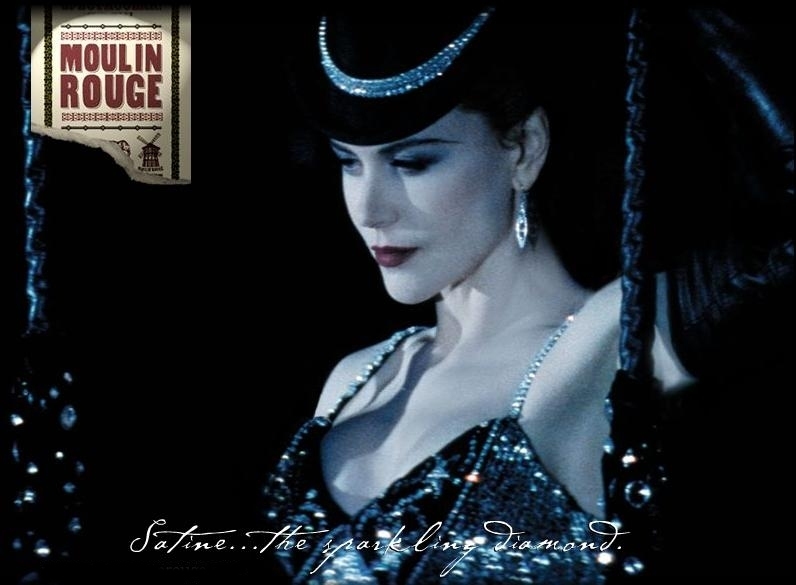
Satine
In the 2001 movie Moulin Rouge!, Nicole Kidman plays the role of Satine, a Parisian cabaret star and courtesan who has never known love until she falls for a poor English writer. Satine, which is presumably a professional or stage name, is French for satin, the familiar glossy fabric – its name comes from the Chinese city of Quanzhou (once a major shipping port for silk), which was called by the Arabic name of Zayton during the Middle Ages. Zayton is the Arabic word for “olive”, to symbolise peace, perhaps due to the mix of cultures living and working in the city. This makes Satin or Satine a possible honour name for Olive, weirdly enough. Satine has been used as a name since the 19th century, and although it is not a traditional French name, it has sometimes been used as a baby name in France since the film came out. A soft, exotic-sounding name with an Australian connection.

Shiseido
The name of a highly successful Japanese cosmetics company, and one of the oldest in the world, being founded in 1872. The company’s name is taken from the classic Chinese text, the I Ching (Book of Changes), and can be translated as “How wonderful is the virtue of the earth, from which all things are born!”. The company believes that this embodies its resolve to create new products that will enhance clients’ well being, and also helps to promote an image which is healthy and environmentally sound. Although there are many brand names used as personal names (such as Chanel and Armani), and some existing personal names used for brands (such as Mercedes and Nike), I have only ever seen one baby given the name Shiseido. That makes it very unusual, but it’s rather attractive, and has a lovely, carefully-crafted meaning. Pronounced shi-SAY-doh, you could use Sadie as a short form, although the baby I saw had Sass as her nickname.

Sorcha
Gaelic name meaning “brightness, radiance”. It can be found in medieval Irish documents, so it has a long history. In Ireland it is sometimes Anglicised as Sarah, because of the similar sound, while in Scotland it is more often Anglicised as Clara, which has the same meaning. The Irish actress Sorcha Cusack, who came to prominence in the 1970s as Jane Eyre, and is still on TV now as the housekeeper in Father Brown, has given it publicity in recent decades, and the name isn’t uncommon in Ireland. The correct pronunciation is SAWR-kuh or SAWR-i-kuh, but in practice a wide variety of pronunciations is tolerated in Ireland and Scotland, including SAWR-sha, which is probably easier for English-speakers, and sounds like familiar Sasha (although liable to be confused with another Irish name, Saoirse). An unusual yet very usable name.

POLL RESULTS
People’s favourite names were Carys, Isolde and Posy, and their least favourite were Lowenna, Jamilla and Shiseido.

(Picture shows Nicole Kidman as Satine in Moulin Rouge!)

Famous Name: Humphrey

Tags

, , , , , , , , , , , , , , , , , , , , ,

PH_greenguideJAN2_wide_networking-20140101124709427910-620x349

Famous Namesake
May 24 marked the 50th anniversary of Humphrey B. Bear‘s first television appearance, on the Channel Nine’s children’s program, Here’s Humphrey in 1965. I cannot say it was Humphrey’s birthday, because he is eternally four years old, and can never age.

He was originally named Bear Bear, but feeling that this perhaps lacked some imagination, the makers of the show ran a competition, and he was renamed Humphrey B. Bear, with his middle initial standing for Bear. I’m not sure whether the contest winner had ever heard of Walt Disney’s Humphrey Bear (who debuted in 1950), but the coincidence is remarkable.

In the show, the honey-loving Humphrey lives in a tree-house in the middle of the magic forest, and loves to explore, play, dance, spend time with friends, and use his imagination. Humphrey is prone to accidents and often makes mistakes – as the theme song says, He’s a funny old fellow who gets in all manner of strife. Humphrey never speaks, but has a companion and assistant who serves as narrator.

Here’s Humphrey is one of the most successful programs for preschoolers in Australia, and is second only to Playschool for longevity. It won Logies for Best Children’s Series, and Humphrey himself has won a number of awards, including Citizen of the Year in 1994. He still makes frequent public appearances, including to sick children in hospitals, and to promote road safety.

Humphrey made generations of children smile, but there was an inner sadness to the outwardly happy bear. The first performer to play Humphrey, often considered the best of all time, was a talented actor, dancer and playwright named Edwin Duryea – aptly nicknamed “Teddy”.

Constrained by the anonymity of the role, he came to resent it, and led a lonely life. Teddy died a few years ago, and with no known family, was given a pauper’s funeral (Channel Nine wouldn’t pay to bury the actor who had made Humphrey a star). There are no photos of Edwin as Humphrey, as it is considered sacrilege to dispel the illusion that Humphrey isn’t “real”.

There is no doubt that playing Humphrey could be challenging: the bear suit is very hot, just for a start. That may not be a problem in Humphrey’s future, as discussions are underway to turn Humphrey B. Bear into an animated series – and if it goes ahead, he will have a voice at last!

Name Information
Humphrey is derived from the ancient Germanic name Hunfrid, which probably means “to grant peace”, but is often translated as “peaceful warrior”.

There is a 9th century French saint called St Hunfrid, and because of him the name Humphrey was introduced to England by the Normans, where it quickly overtook the Old English form, Hunfrith. In Ireland, it was used to Anglicise Amhlaoibh, which is the Irish form of Olaf.

The name Humphrey was a common one amongst the Norman aristocracy, and one of the first bearers to come to England was the strikingly named Humphrey with the Beard, who fought at the Battle of Hastings. His nickname came about because it was unusual for Normans to have a beard at that time – the fashion was for a clean-shaven look. Bearded Humphrey was the founder of the noble de Bohun family, and his name became traditional amongst the Bohuns.

One of their line was Humphrey of Lancaster, called the “son, brother, and uncle of kings”. He was the son of King Henry IV by his wife Mary de Bohun, the brother of Henry V, and the uncle of Henry VI. Romantic and chivalrous, he was a successful military strategist and diplomat, and a scholarly patron of the arts. Popular with the public, he was disgraced when his second wife was found guilty of witchcraft (she consulted an astrologer and sought herbal fertility treatment). He appears as a character in Shakespeare’s Henry VI – one of the few historical people to be shown in an almost completely positive light.

A famous namesake of modern times is American film star Humphrey Bogart, an iconic leading man of the 1940s who appeared in such classics as The Maltese Falcon and Casablanca. He usually played a cynical tough-guy character, who would prove in the end to have his heart generally in the right place. A true screen legend, he is often regarded as the greatest Hollywood actor of all time. Humphrey Bogart was named for his mother’s maiden name – he was the son of artist Maud Humphrey.

The name Humphrey is a favourite for all kinds of animals, both in real life and in fiction. One example is the cat Humphrey, who was chief mouser at Number 10 Downing Street for many years, until apparently ousted by the Blairs. Cat Humphrey was named after Sir Humphrey Appleby, the urbanely Machiavellian bureaucrat from Yes, Minister and Yes, Prime Minister. The name has also been given to a real life humpback whale, and a camel on The Simpsons, because the name starts with the word hump.

Although never going out of use, the name Humphrey peaked in the 19th century, and isn’t very common. It has never charted in Australia, and is rarely seen today, although there are many examples in historical records. In England/Wales, Humphrey peaked in the 1860s in the mid-100s; in 2013, 20 baby boys were named Humphrey. In the US, Humphrey peaked in 1893 at #650, leaving the Top 1000 a year or two later. Last year less than 5 babies received the name Humphrey in the US.

Humphrey is a rare vintage name, and one that seems rather cuddly and lovable – which is probably why it’s often been chosen for animals, such as friendly bears! It’s an interesting, upper class, and somehow quite a sweet name, but I’m not sure if Humphrey B. Bear is much help to it. Apart from the familiar song about the “funny old fellow”, there has been a rather mean tendency to poke fun at the iconic bear, and even to make lewd jokes at his expense. With the possibility of Humphrey returning in animated form, will this help give the name more publicity, or make it less appealing?

POLL RESULTS
Humphrey received an approval rating of 32%. People saw the name Humphrey as old-fashioned and comical (19%) and too strongly associated with Humphrey B. Bear (15%), while 18% found the “hump” in the name off-putting. However 8% of people thought it was a vintage charmer.

Popular Names in Regional Australia for 2014

Tags

, , , ,

Nimbin-bus

The #1 names in Australia last year were Olivia and Oliver – the first time two names beginning with O have been #1, and the most similar pair of names at #1 since Michael and Michelle in the 1970s.

However, that doesn’t mean they were necessarily the #1 name in every region, so here’s a round up of the most popular names around Australia, as reported by regional newspapers.

NATIONAL

The most popular names of babies and children taking part in the Bonds Baby Search competition were Ruby and Oliver; Olivia was #5 for girls. Other popular names were Noah, Cooper, and Jack for boys, and Charlotte, Ava, and Mia for girls.

NEW SOUTH WALES

In Lismore, the most popular names were Mia and Noah. Oliver was #3 for boys, but Olivia was not in the Top 10 for girls. Other popular names were Willow, Isabella and Sophie for girls, and Mason, Charlie, and William for boys.

In Forbes, the most popular names were Mason, William, and Jack – if you include variant spellings, Mason came out on top. For girls, the most popular names were Isla, Airlie, Hallie, and Layla – and Ruby, if you include variant spellings. There was one Oliver born in the town, but no Olivias.

In the Shoalhaven district, which includes the city of Nowra, the most popular names were Georgia and Isaac. Other popular names were Summer and Mia for girls, and Flynn for boys.

QUEENSLAND

In Ipswich, the most popular names were Olivia and Cooper; Oliver was #2 for boys. Other popular names were Isabella, Ruby, and Charlotte for girls, and Jack, Liam, and William for boys.

In Mackay, the most popular names were Mia and Oliver; Olivia was #6 for girls. Other popular names were Ruby, Charlotte, and Emily for girls, and Jaxon, Connor, and William for boys.

In the Wide Bay area, which includes the cities of Bundaberg and Gympie, the most popular names were Charlotte and Hunter; Olivia and Oliver were both #4. Other popular names were Amelia, Mia, and Chloe for girls, and Cooper, Thomas, and Lachlan for boys.

At Warwick Hospital, a midwife noted a lot of Masons, Logans, and Jacksons. She has noticed a push towards traditional names like Edward and George, but overall there is a lot of variety.

At Sunshine Coast Private Hospital in Buderim, the most popular baby name was Harry – for one week at least. Five baby boys were welcomed in a single week, and they were all given the name Harry.

VICTORIA

In Ballarat, the most popular names were Ruby and Jack; Olivia and Oliver were both #4. Other popular names were Charlotte and Henry. Unique names from local birth notices included Lowanna, Ginger, Spencer, Ecco, Romi, Taylen, and Minti for girls, and Huon, Lennox, Rocco, Tahvo, Tyce, Tiger, Oaklan, and Brax for boys.

In the area around Warnambool, the most popular names were Sophie and Harry; Oliver was #3 for boys. Other popular names were Alexis for girls and Jack for boys. The paper noted a trend for girls names to start with L, such as Lilly and Layla, and boys names to start with H, such as Hugo and Harley. Unique names for the area included Michaeleen and Budi for girls, and Fox, Xander, and Tilba for boys.

In the Wimmera region, which includes the city of Horsham, the most popular names were Edie/Eadie, Indi or Indigo, and Jack or Jackson. Matilda was the next most popular name (most popular overall if not including variants), and Olivia and Oliver were both popular. Unique names for the year were Boh, Letty, and Sari for girls, and Reginald, Hendrix, Macklin, and Korbyn for boys.

At St John of God Hospital in Geelong, the most popular names were Adele and Noah. Other popular names were Zarah and Evie for girls, and Finn and Harry for boys.

SOUTH AUSTRALIA

In Whyalla, the most popular names in birth notices were Isla and Jarrod; Lucas was also a popular boy’s name. The most popular middle names were Rose for girls, and James for boys. The newspaper also noted some of the year’s unique names, including Bohdi, Floredre, La’Tarnya, Isaiah, Titan, and Loki.

WESTERN AUSTRALIA

In the City of Cockburn in Perth, the most popular names were Georgia and Ryan. Other popular names were Emily and Finn.

TASMANIA

Olivia was the most popular name on the south-west coast, which includes the cities of Burnie and Devonport, with Sophie and Charlotte also popular choices.

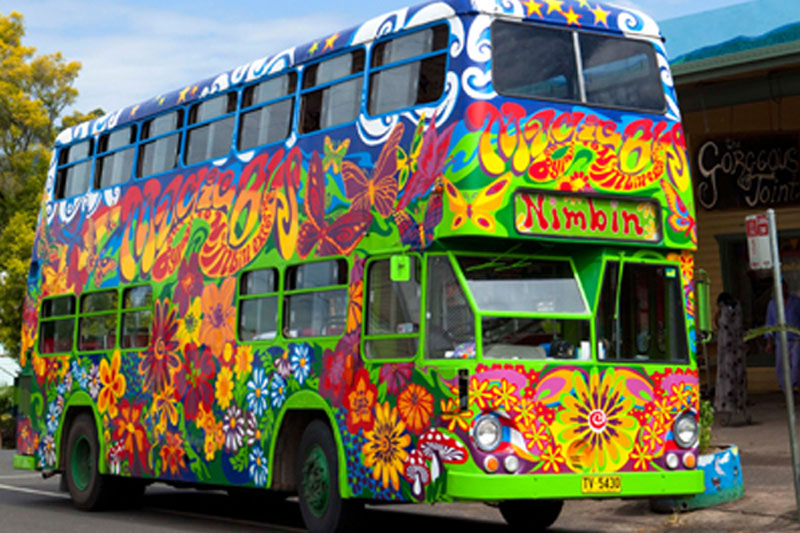
(Photo shows the Nimbin bus in Lismore)

Name Update: A Pearl of a Girl

Tags

,

69efcf7d499d8ba80fdec50772ab569e

Kathleen and Michael wrote in to the blog when they were expecting their third child: with two sons already, they were stuck for boys’ names.

As is becoming quite a pattern lately, they had a girl instead, and her name is

PEARL JUNE,

little sister to Alfie and Ned.

Congratulations to Kathleen and Michael on the birth of their daughter – Pearl June is one of the sweetest names I have heard, and makes a delightful addition to Alfie and Ned. If Pearl had been a boy, her name would have been Otis Arthur.

Hendrix Aaron and Rafael Zeppelin

Tags

, ,

1000w

Twins
Kaydence Vyetah Gilmore and Elexiah Rose Franley (Jahzara, Zaharli, Matayah, Shervena, Tekyra)
Quinn Irene and Ivy Susan

Girls
Alexana
Anissa Joy (Tait)
Charlotte Victoria
Claudia Jade
Darcy Alice
Eve Therese
Georgia Bronwyn
Harper Frankie
Imogen Claire
Jaime Mae (Kayla, Tyson, Chloe)
Jayda Elizabeth (Slater, Braithe, Tait)
Lucienne
Maggie Iris
Maisy Lola (Audrey, Patrick)
Marlie Hermione
Miette Joyce (Violet)
Olivia Mary Madeleine
Sienna Jennette (Olivia)
Stella Eliza (Max, Gwendolyn)
Susanah Peta (Louis, Ariana)
Tess Delva (Alexis, Mali)
Tiahn Rose
Waverley Lucy (Hamish)
Willow Aurora
Zara Helen

Boys
Aari Frederick Raymond
Albert James Aeneas (Edward, George)
Arlo Nile (Imogen, Heidi)
Atticus Miller (Noah)
Bohdi Bernard
Charles Johnson “Charlie”
Cody Reginald
Egon Kesey
Finley Roy
Francis Timothy
Hendrix Aaron
Hewit Zane “Hugh”(Bella, Sarah)
Jude Ashley (Tyson, Jai)
Kai Jozsef
Lachlan Gregory (Jack)
Landon Spencer (Larissa)
Leroy Brodie
Magnus Howard
Matthew Herbert (Cameron, Brodie)
Mitchell Anatol
Noah Adam (Samuel, Abigail, Ezra)
Rafael Zeppelin
Sid Ray (Ace, Sonny)
Sullivan Jay (Nathaniel, Elliot)
Tjaegan Wilson (Zarlea, Tahkesha)

Thank you to Brooke at Baby Name Pondering for her contributions from the Herald Sun.

(Photo from ViaStyle)

Name News – Name Stories Edition

Tags

, , , , , , , , , , , , ,


894442-3f7723a6-e3f6-11e4-a3c3-bea7019da5adLin Zhang and her husband Cheng-Hung Tsai met each other in Darwin, and bought their first house there. The house was on Charlotte Street, so they named their daughter Charlotte. They loved the old-fashioned feel of the name, and liked the idea of a link between the first house and the first baby. Charlotte was the most popular girl’s name in the Northern Territory the year Charlotte Tsai was born, and it’s a nice reminder that even the #1 name can have a good story behind it.

A baby boy born in Cairns was delivered at home with the help of paramedics named Jeremy Lawrance and Alex May [pictured]. His parents Kurt Caulton and Georgina Saltmere had a very easy decision to make choosing a baby name – his name is Jeremy Alexander after the paramedics who were there to bring him into the world.

Sydney barrister Julie Taylor was 19 weeks pregnant when she was taken hostage in the siege at the Lindt Cafe last December. Although she managed to escape minutes before police stormed into the building, her best friend Katrina Dawson lost her life during the exchange of gunfire. Julie’s daughter was born last month, and she is named Emily Katrina in honour of Ms Dawson.

Journalist Josephine Cafagna had a rotten time in 2014, losing five loved ones. But there was a beautiful ending to the year, when she welcomed a grandnephew named Alessio Luke, the first person of the new generation born in their family. Josephine’s mum, now a great-grandmother, showed Alessio’s parents a piece of paper where she’d written down her three favourite names for the expected baby. Being a good grandmother and not wanting to impose, she kept her thoughts to herself, but one of the names was Elisio, which she found in the Bible (it’s the Italian form of Elisha). The middle name Luke is after an uncle who died as a teenager in a terrible accident, and is still deeply missed.

Earlier this year I wrote about New South Wales tightening up their birth registry legislation after a couple of tragic events involving newborn babies. One of them was a baby girl whose remains were found buried on Maroubra Beach in Sydney’s eastern suburbs, and her parents never located. Maroubra local Bill Green, and his wife Filomena d’Alessandro, read that the baby girl would receive a destitute burial, and were determined that not happen. They officially “adopted” the baby, and arranged a memorial service in her honour, giving her the name Lily Grace. Every year there will be a ceremony for Lily, and children like her, who have died without a known family.

This year is the centenary of Anzac, and it will also be the 100th birthday of Anzac Dowker in November. Her mother Elizabeth had six children, with Anzac being the second-last born, and she was having trouble thinking of names for the baby. The man at the registry office suggested Anzac as a name they might like, so she was named Bessie Anzac. However, she didn’t like her first name, and has always gone by her middle name, Anzac. Anzac is very proud of her patriotic name.

Names from The Best Gift of Life

Yolanda Lionheart “Yoli“: Parents Lena and Carlo picked Yolanda because it is a Spanish name; they met in Spain, and Yolanda was conceived there. The middle name came about because when Yolanda was a newborn, she made squeaky little roaring noises like a lion cub. It’s a name that melts Lena’s heart every time she says it, but unfortunately the name didn’t get approval from the grandparents. Yolanda has a big sister named Francesca.

Ace: Ace’s dad is named Radley, nicknamed “Rad”, and mum Jess felt sure that someone named Rad needed a son named Ace! Luckily Rad agreed.

Narayan: Narayan’s dad James belongs to the Hare Krishna movement, and he is named in honour of his father’s personal guru. Narayan is a Sanskrit name for Vishnu (God), meaning “the essence of all”. Narayan’s mum is named Krystal.

Sisters Taleah and Emmi-Belle: Mum Nikki had picked out the names Sofia and Daisy for her daughters, but dad Chris insisted that they were Taleah and Emmi-Belle. Dad won both times, and luckily Nikki agrees he made the right decisions.

Henley Violet: Mum Emma had her heart set on a flower name, because floristry and gardening is something she loved sharing with her mother. The names Dahlia, Rose and Ivy were all considered, but didn’t seem right. So it was decided the middle name would be a flower instead. Dad Tim had fallen in love with the name Henley after watching a movie (maybe Now You See Me, with Isla Fisher in the role of Henley Reeves), and started calling his daughter Henley before she was even born. Emma was worried about the possibility of “Hen” as the nickname, but she now often calls her daughter “little Hen”.

Shayla Tigerlily: Mum Tegan was going to be called Shayden if she was a boy, and had always wanted to call her son Shayden. She had a girl instead, but considers Shayla a feminine form of Shayden. Tigerlily was chosen as a middle name because Tegan loves nature and flowers.

Theodore Luca: Dad Oliver liked the name Ted and mum Charlotte loved the name Theodore, so the name worked for both of them. They like that it means “God’s gift”, and they believe that Luca means “light”.

Name Update: By the Luck of the Irish

Tags

, , , , , ,

images

Imogen and Charles were expecting their second child, and although they had already picked a boy’s name, were having trouble deciding on a girl’s name. As it happened, they had a boy on August 30 last year, and were able to use the name they had chosen. Imogen wanted to share it, because it’s a name they were very excited about, and his name is

FITZPATRICK SCOTT “PADDY”,

little brother to Allegra.

The couple wanted an Irish name to honour Charles’ ancestry, and it had to be a strong name that wasn’t too common. Imogen came across the name Fitzpatrick on Nameberry a few years ago, and it fit the bill perfectly, while the middle name honours a family connection. Fitzpatrick’s nickname is very Irish, and Imogen can even imagine him being called Fitzy when he gets older. If Fitzpatrick had been a girl, his name would have been either Margot or Greta.

Congratulations on the birth of your son Imogen and Charles – what a handsome and even noble name, perfectly chosen to honour his Irish ancestry, and with a handy nickname for everyday use.

The Fastest Rising Top 100 Names of 2014

Tags

, , , , , , , , , , ,

beautiful-garden-sepia-print3

GIRLS

Hazel
Hazel just joined the national Top 100 as its fastest-rising name, going up 63 places to make #88: the last time it was a Top 100 name was in the 1940s. Hazel was also new to the Top 100 in New South Wales, Victoria, and Tasmania, and one of the Apple Isle’s fastest-rising names. The catalyst for Hazel’s debut in the Top 100 is last year’s teenage tearjerker, The Fault in Our Stars, based on the novel by John Green, and with Shailene Woodley in the role of Hazel. A fashionable retro name with a cool Z sound, chosen by several celebrities, Hazel was due for popularity. Just outside the US Top 100, it’s aready in the Top 50 in New Zealand.

Aria
Aria has been on the Top 100 since 2012, and in 2013 was the #1 fastest-rising name nationally. Last year Aria was the #1 fastest-rising name in New South Wales and Western Australia, and also rose significantly in Victoria and South Australia. I saw many more baby girls named Aria in birth notices too, so this pretty name is still going strong.

Ariana
Hard on Aria’s heels is Ariana, which just squeaked into the national Top 100 in 2013. Last year it was the #1 fastest-rising name in Tasmania, and rose 27 places to become one of the fastest-rising names nationally. It was also one of the fastest-rising names in New South Wales and Queensland. The major influence on the popularity of this name is American pop singer Ariana Grande, who has a couple of Australian connections: she dated Jai Brooks from The Janoskians in 2013/14, and her 2014 song Problem featured Iggy Azalea: it was Grande’s first Top Ten hit in Australia. Not only a multicultural choice, Ariana benefits from looking like an elaboration of Aria (it isn’t though).

Eleanor
Eleanor was new to the national Top 100 last year, and one of the fastest-rising names, as it went up 31 places to debut at #84: a classic never off the charts, Eleanor has not been in the Top 100 since the 1900s. It was also one of the fastest-rising names in New South Wales and Queensland. This is in line with international trends, as Eleanor joined the US Top 100 last year, and has been Top 100 in the UK for decades. Elegant Eleanor fits in with the trend for El- names for girls, and can be shortened to Elle, Ella, Ellie, Nell, Nellie, and Nora, among others. Such a lot of popular and fashionable nicknames!

Evelyn
Evelyn has been on the national Top 100 since 2011, and is a classic name which was last on the Top 100 in the 1940s. One of the fastest-rising names of 2013, Evelyn continues its ascent, as last year it was a fast-rising name in New South Wales, Queensland, and Western Australia. I saw an increase of Evelyns in birth notices during 2014.

BOYS

Maxwell
Maxwell was new to the Top 100 last year, and was the #1 fastest-rising name nationally, going up 43 places to debut at #97. It was also one of the fastest-rising names in Victoria and the Australian Capital Territory. Maxwell is a classic name never off the charts, and was last in the Top 100 during the 1950s. Fitting in with the trend for boys’names that shorten to Max, Maxwell is rising in the both US and UK, but has not yet become popular in either. Because of the Victorian connection, I wonder if the retirement of Nick Maxwell, captain of Collingwood, had any effect.

Fletcher
Fletcher joined the Top 100 last year, and went up 26 spots to make #99. It also joined the Top 100 in Victoria, Queensland, and the Australian Capital Territory, having already been Top 100 in Tasmania for some time. Although Fletcher was not a fast-rising name in any particular state or territory, that’s because it is so new on the charts that there is no data yet for that to show up. Fletcher has been rising in the charts since the 1990s, and has been a Top 100 name in New Zealand since 2010: it is still quite a way off becoming popular in either the US or UK, so this is a Trans Tasman trend.

Harvey
Harvey debuted on the Top 100 last year, rising 20 places to reach #84; this made it one of the fastest-rising names nationally, and it also rose significantly in Victoria and the Australian Capital Territory – which seem to have a strong influence on the Top 100 for boys’names this year! A retro name which charted from the 1900s to the 1950s, rejoining the charts in the 1990s, Harvey has never been on the Top 100 before. It’s been a popular name in the UK since the late 1990s, so it’s in line with British trends. The death of veteran journalist Peter Harvey in 2013 may have been on influence on its rise.

George
George is a solid classic which has never been out of the Top 100, but last year it joined the Top 50 for the first time since the 1970s. After the birth of Prince George, the name George became one of the fastest-rising names of 2013, and its upwards progress continues. One of the fastest-rising names in New South Wales and Victoria, I saw many more Georges in birth notices, especially from rural and regional areas.

Nate
Nathaniel was one of the fastest-rising names of 2013, and last year more parents opted to go straight for the short form, Nate, which was one of the fastest-rising names in both New South Wales and Victoria. Nate has been in the charts since the early 2000s, and is only popular in Australia, although it once made the bottom of the Top 100 in New Zealand, and is rising in the UK.

NOTE: A quick reminder that the fastest-rising names of 2013 were Aria, Evelyn, Penelope, Samantha and Lola for girls, and Louis, Hudson, Nathaniel, George and Lincoln for boys.

I have chosen those names which increased in popularity in the most number of states and territories, making their popularity widest across the board in Australia. For the positions of each name in individual states and territories, please refer to the Name Data category for more information.

POLL RESULTS
People’s favourite fastest rising names were Hazel, gaining 38% of the vote, and Maxwell, gaining 27% of the vote (George was close behind on 26%). The least favourite were Ariana (7%), and a tie between Harvey and Nate (15%).

Celebrity Baby News: Celebrity Baby Round Up

Tags

,

362343-watson-family-pic-twitter

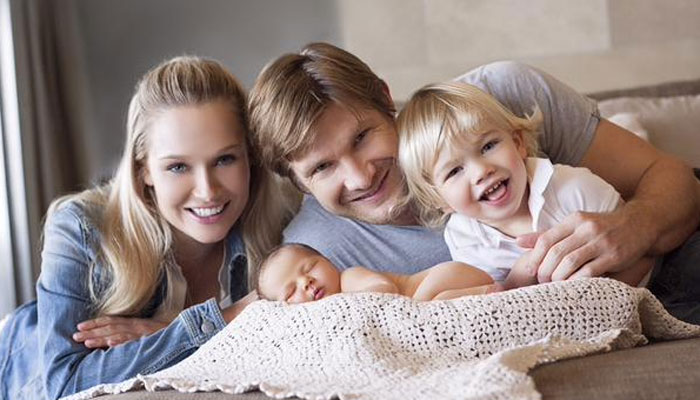
Cricketer Shane Watson, and his wife, former sports presenter Lee Furlong, welcomed their daughter Matilda Victoria on May 23 [pictured]. She is a sister for their son Will, aged 2; Will’s birth was featured on the blog. Shane had been playing cricket in the West Indies, but just made it home in time for the birth of his daughter.

Reality TV contestants Chris and Jenna Susetio recently welcomed their son Leezak Joshua. Chris and Jenna were the runners up on Channel Nine’s renovation contest, The Block: Glasshouse last year.

Australian rules footballer Jake Stringer, and his wife Abby, welcomed their daughter Milla around nine months ago. Jake has been playing for the Western Bulldogs since 2013.