• About
  • Best Baby Names
  • Celebrity Baby Names
  • Celebrity Baby Names – Current
  • Celebrity Baby Names – Past
  • Featured Boys Names
  • Featured Girls Names
  • Featured Unisex Names
  • Links to Name Data
  • Waltzing on the Web

Waltzing More Than Matilda

~ Names with an Australian Bias of Democratic Temper

Waltzing More Than Matilda

Tag Archives: UK name popularity

Popular Australian Names and Their England/Wales Chart Position

05 Thursday Sep 2013

Posted by A.O. in Name Data

≈ 6 Comments

Tags

name popularity, popular names, UK name popularity

The flipside to the previous article. To me this is the strongest evidence that our names are more British than American, because very few of our popular names are rare in the UK. Names like Hamish and Tahlia may not be at all popular in England and Wales, but they do chart, and they are at least familiar in Britain.

GIRLS

Already left the Top 100

  • #87 Aaliyah – #125 (last on Top 100 in 2003)
  • #78 Alexandra – #116 (last on Top 100 in 2010)
  • #31 Chelsea – #326 (last on Top 100 in 2004)
  • #61 Claire – #825 (last on Top 100 in 1996)
  • #96 Elise – #146 (last on Top 100 in 2004)
  • #86 Eloise – #110 (last on Top 100 in 2006)
  • #82 Eve – #134 (last on Top 100 in 2009)
  • #49 Hayley – #414 (last on Top 100 in 1997)
  • #69 Jade – #302 (last on Top 100 in 2004)
  • #72 Lara – #155 (last on Top 100 in 2006)
  • #99 Lauren – #103 (last on Top 100 in 2011)
  • #66 Madeleine – #148 (last on Top 100 in 2007)
  • #89 Samantha – #289 (last on Top 100 in 2003)
  • #81 Victoria – #106 (last on Top 100 in 2007)

Still Rising Toward the Top 100

  • #55 Addison – #556, slightly higher for boys but not climbing as fast
  • #83 Aria – #294
  • #39 Harper – #284
  • #64 Indiana – #679
  • #? Mila – #160
  • #? Milla – #654
  • #90 Olive – #260
  • #65 Piper – #414
  • #35 Savannah – #136

Possibly Rising Toward the Top 100

  • #39 Alexis – #101
  • #62 Alyssa – #161
  • #93 Josephine – #235
  • #100 Lillian – #349
  • #94 Mariam – #183
  • #77 Tahlia – #614

Falling Without Reaching the Top 100

  • #95 Angelina – #379
  • #50 Audrey – #499
  • #52 Charlie – #331
  • #97 Ebony – #211
  • #73 Eden – #150
  • #88 Gabriella – #120
  • #80 Kayla – #135
  • #70 Mikayla – #738
  • #42 Stella – #364

In Rare Use

  • #46 Mackenzie – 22 births, only charts for boys

BOYS

Already left the Top 100

  • #96 Andrew – #153 (last on Top 100 in 2007)
  • #87 Anthony – #142 (last on Top 100 in 2003)
  • #80 Ashton – #111 (last on Top 100 in 2011)
  • #81 Austin – #108 (last on Top 100 in 2009)
  • #83 Christian – #220 (last on Top 100 in 1998)
  • #93 Christopher – #112 (last on Top 100 in 2009)
  • #84 Declan – #175 (last on Top 100 in 2004)
  • #88 Dominic – #116 (last on Top 100 in 2007)
  • #52 Hayden – #102 (last on Top 100 in 2011)
  • #28 Jackson – #113 (last on Top 100 in 2011)
  • #98 John – #104 (last on Top 100 in 2011)
  • #99 Jonathan – #170 (last on Top 100 in 2005)
  • #60 Jordan – #210 (last on Top 100 in 2004)
  • #73 Marcus – #167 (last on Top 100 in 2003)
  • #45 Mitchell – #290 (last on Top 100 in 2001)
  • #48 Nicholas – #149 (last on Top 100 in 2004)
  • #42 Patrick – #127 (last on Top 100 in 2005)

Still Rising Toward the Top 100

  • #62 Archer – #484
  • #58 Beau – #172
  • #31 Braxton – #569
  • #59 Chase – #218
  • #7 Cooper – #211
  • #34 Eli – #145
  • #41 Flynn – #146
  • #43 Hudson – #277
  • #24 Hunter – #238
  • #77 Jasper – #129
  • #37 Jaxon – #192
  • #56 Nate – #411
  • #86 Ryder – #654

Possibly Rising Toward the Top 100

  • #97 Ali – #139
  • #72 Hamish – #450
  • #10 Lachlan – #492
  • #67 Lincoln – #263
  • #20 Xavier – #163

Falling Without Reaching the Top 100

  • #57 Angus – #408
  • #65 Finn – #131
  • #91 Jesse – #198
  • #26 Levi – #151
  • #90 Zac – #136

In Rare Use

  • #85 Darcy – 27 births, only charts for girls
Popular Names in England/Wales and Their Australian Chart Position

05 Thursday Sep 2013

Posted by A.O. in Name Data

≈ 1 Comment

Tags

name popularity, popular names, rare names, UK name popularity

As a follow up to the article on shared popular names, this shows where Top 100 names in England/Wales that aren’t popular here appear on our own charts, if they appear at all.

GIRLS

Already Left the Top 100

  • #73 Bethany – #160 in NSW, #196 in Vic (last on Top 100 in early 2000s)
  • #59 Brooke – #142 in NSW, #212 in Vic (last on Top 100 in late 2000s)
  • #36 Erin – ? in NSW, #160 in Vic (last on Top 100 in late 2011)
  • #79 Julia – #211 in NSW, #153 in Vic (last on Top 100 in early 2000s)
  • #66 Katie – #143 in NSW, #181 in Vic (last on Top 100 in 2009)
  • #92 Keira – #126 in NSW, #115 in Vic (last on Top 100 in 2009)
  • #94 Maria – #145 in NSW, #200 in Vic (last on Top 100 in 1980s)
  • #41 Megan – #273 in NSW, #262 in Vic (last on Top 100 in early 2000s)
  • #99 Sara – #144 in NSW, still Top 100 in Vic – #92 (last on NSW Top 100 in 2009)

Still Rising Toward the Top 100

  • #70 Elsie – #155 in NSW, #134 in Vic
  • #73 Faith – #125 in NSW, #146 in Vic
  • #34 Florence – #284 in NSW, #199 in Vic
  • #90 Francesca – #245 in NSW, #224 in Vic
  • #67 Harriet – #198 in NSW, already Top 100 in Vic (#97)
  • #26 Millie – #114 in NSW, already Top 100 in Vic (#99)

Possibly Rising Toward the Top 100

  • #87 Aisha – #194 in Vic
  • #22 Daisy – #134 in NSW, #108 in Vic
  • #63 Eleanor – #164 in NSW, #109 in Vic
  • #56 Emilia – #170 in NSW, #110 in Vic
  • #65 Esme – #613 in Vic
  • #19 Freya – #174 in NSW, #129 in Vic
  • #52 Gracie – #165 in Vic
  • #54 Hollie – #370 in Vic
  • #98 Isobel – #186 in NSW, #166 in Vic
  • #46 Lexi – #107 in Vic
  • #96 Lydia – #282 in NSW, #227 in Vic
  • #30 Maisie – #383 in NSW, #253 in Vic
  • #77 Martha – #533 in Vic
  • #81 Maryam – #284 in Vic
  • #84 Niamh – #263 in Vic
  • #92 Tilly – #136 in Vic

Falling Without Reaching Top 100

  • #84 Mollie – #567 in NSW, #538 in Vic
  • #48 Rosie – #319 in NSW, #183 in Vic

In Rare Use

  • #89 Darcey – unranked

BOYS

Already Left the Top 100

  • #69 Aaron – ? in NSW, still on Top 100 in Vic – #97 (last on NSW Top 100 in 2011)
  • #94 Kyle – #309 in NSW, #256 in Vic (last on Top 100 in early 2000s)
  • #84 Rhys – #120 in NSW, #121 in Vic (last on Top 100 in 2009)
  • #96 Robert – #107 in NSW, #182 in Vic (last on Top 100 in early 2000s)
  • #91 Seth – #111 in NSW, still on Top 100 in Vic – #89 (last on Top 100 in 2009)

Still Rising Toward the Top 100

  • #52 Arthur – #219 in NSW, #163 in Vic
  • #46 Harley – #117 in NSW, #118 in Vic
  • #71 Jude – #111 in Vic
  • #81 Louis – #113 in NSW, already on Top 100 in Vic (#88)
  • #43 Lewis – #116 in NSW, #112 in Vic
  • #60 Mohammad – #150 in NSW, #213 in Vic
  • #68 Reuben – #158 in NSW, #178 in Vic
  • #97 Theodore – #186 in NSW, #155 in Vic

Possibly Rising Toward the Top 100

  • #7 Alfie – #201 in Vic
  • #57 Bobby – #378 in Vic
  • #70 Dexter – #218 in Vic
  • #95 Elliott – #224 in Vic
  • #83 Finlay – #273 in Vic
  • #34 Finley – #231 in Vic
  • #66 Frankie – #405 in Vic
  • #87 Frederick – #212 in NSW, #172 in Vic
  • #64 Jamie – #186 in Vic
  • #54 Jenson – #233 in Vic
  • #92 Kayden – #194 in Vic
  • #89 Kian – #416 in Vic
  • #72 Leon – #118 in NSW, #144 in Vic
  • #79 Louie – #418 in Vic
  • #26 Mohammed – #147 in NSW, #210 in Vic
  • #73 Ollie – #329 in Vic
  • #99 Rory – #159 in NSW, #167 in Vic
  • #90 Sonny – #156 in Vic
  • #74 Stanley – #317 in NSW, #555 in Vic
  • #44 Theo – #333 in Vic
  • #55 Tommy – #334 in Vic

Falling Without Reaching the Top 100

  • #75 Elliot – #181 in NSW, #145 in Vic
  • #86 Evan – #130 in NSW, #127 in Vic
  • #48 Harvey – #169 in NSW, in Top 100 in Vic (#73)
  • #93 Taylor – #251 in NSW, #259 in Vic (more popular for girls)

In Rare Use

  • #100 Ellis – unranked
  • #38 Freddie – unranked

Famous Names: Muhammad

04 Wednesday Sep 2013

Posted by A.O. in Famous Names

≈ 4 Comments

Tags

Arabic names, celebrity baby names, famous namesakes, name data, name discrimination, name history, name meaning, name popularity, name studies, NSW name popularity, popular names, saints names, UK name popularity, US name popularity

PMUZ058

The name Muhammad joined the national Top 100 last year, which was also its first time in the New South Wales Top 100. However, data from the NSW Registry of Births, Deaths and Marriages shows that, if you combine all the variant spellings, Muhammad has been in the Top 25 of the state since 2010, giving it a similar level of popularity to Xavier, Jayden, Mason and Charlie.

This trend looks likely to continue, with 161 baby boys named Muhammad, Mohamed, Muhammed or Mohammed already born in the state this year between January and August.

Muslin leader and community spokesperson, Keysar Trad, who has a son named Muhammad, believes that these statistics are a sign that Australian Muslims are becoming more confident in giving their children Islamic names.

He thinks that they show a greater acceptance of Muslim names in the wider community, and a healthier connection with their religion amongst Muslims.

Mr Trad says that religious names not only allow an expression of devotion to God, but allow parents to reclaim an aspect of their culture.

By choosing the name of a significant religious figure, they hope that their child will share in the good qualities of that name, and perhaps be inspired to learn more about it when they get older.

“You think that one day, maybe they will read up on the significance on the name,” he said.

The prophet Muhammad’s full name was Abū al-Qāsim Muḥammad ibn ʿAbd Allāh ibn ʿAbd al-Muṭṭalib ibn Hāshim, and he was a 6th century leader from Mecca in Arabia who unified his country under Islam.

According to his own testimony, at the age of 40, he began receiving revelations from God through the archangel Gabriel, and a few years later began preaching these revelations. He proclaimed that “God is One”, and that complete surrender to Him was the only acceptable path to God – the word Islam itself means “surrender”. Muhammad declared himself a prophet, and a messenger sent by God.

The revelations which Muhammad reported receiving until his death in his early 60s form the Quran, which is the basis of the Muslim religion, and regarded by Muslims as the Word of God.

The name Muhammad means “praised, praiseworthy” in Arabic, and it is a very popular name amongst Muslims. It has a variety of transliterations and spellings because of the different languages used in the Islamic world.

It is believed that Muhammad, counting all variant spellings, is the most common personal name in the world, with an estimated 150 million men and boys bearing the name. It is the most common boys name in England/Wales, and in the United States, if all the spelling variants were combined, Muhammad would be in the Top 200 and rising, with a similar popularity to Silas, Maddox, Weston and Greyson.

There is a popular theory that names which are too “ethnic” sounding should be avoided lest they lead to discrimination, and you can find studies which show that in many cases, it can be harder to get a job interview if the name on your resume looks “foreign” (although this Australian study showed it depended where you lived and what kind of “ethnic” your name was).

Kayser Trad acknowledged that there have been cases where people with an obviously Muslim name had trouble getting a job, but he doesn’t believe the answer is to “go into hiding”, or change your name to Charlie Edwards to get an interview.

It also occurs to me that this theory assumes that all businesses are owned and all industries are controlled by people from an Anglo background, and that all people in charge of such businesses would prefer not to employ non-Anglo people. That just isn’t true.

I watched the daily business report on television yesterday, and noted that of the half dozen spokespeople from major businesses interviewed, four of them had ethnic names, including two with Arabic names. Furthermore, many businesses are owned by people from non-Anglo heritages, and having a Muslim name may prove an advantage in some areas.

Businesses in areas with a strong migrant community could prefer to hire people from a similar background for greater rapport with and understanding of their customer base, and your name shouldn’t be any disadvantage in the public and non-profit sector – about 25% of the workforce, and in some areas, up to 80% of the workforce.

Muhammad joining the Top 100 is a watershed in Australian society, but it should also be remembered that the majority of names on the boys Top 100 are of Jewish or Christian origin, with many names of pagan origin only coming into popular use through saints, such as George and Aidan, and even surname names developing because of saints, such as Mitchell and Jackson.

If you are interested how names of other religious figures fare in New South Wales, during the 2000s more than one baby each year, but less than six, were named Jesus or Moses, and in the same period most years saw about 7-11 babies named Abraham. By July this year, 10 babies named Krishna had been born. Hmm, this could be another growth area …

POLL RESULT: Muhammad received an approval rating of 49%. 27% of people thought the name Muhammad connected its bearer to his culture, and as a result, 24% believed the name was only suitable for Muslims. 14% saw the name as “too Muslim”.   

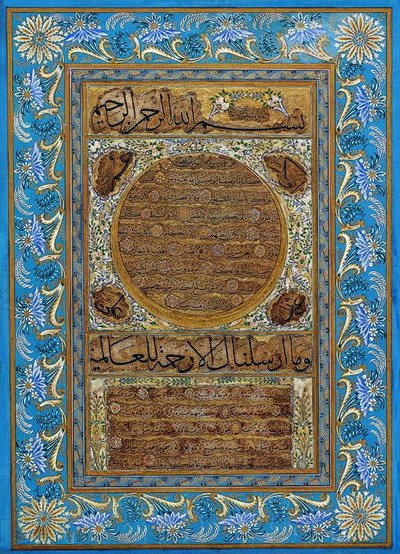
(The picture shows a 17th century Ottoman calligraphy panel by Hafiz Osman, describing the physical appearance of the prophet Muhammad; it is not permitted to show images of Muhammad in Islam)

Popular Here and There: Comparing the Shared Top 100 Names of England/Wales and Australia

03 Tuesday Sep 2013

Posted by A.O. in Name Data

≈ 5 Comments

Tags

name popularity, popular names, UK name popularity, US name popularity

In May I compared the popular names Australia shares with the US, and now that the data for England/Wales has come out, I’m going to do the same with them. I think it’s interesting to see not only see how we compare with England/Wales, but to compare our results with the earlier ones for the United States. I used the Top 100 charts drawn up by Elea at British Baby Names.

BOYS

Similar Level of Popularity (within 10 places of each other)

Alexander, Ethan, Henry, Isaac, Jack, Jacob, Jake, James, Jayden, Joshua, Kai, Logan, Luke, Matthew, Max, Michael, Nathan, Oliver, Owen, Riley, Sebastian, Thomas, Tyler, William

More Popular in Australia (11-40 places higher)

Aiden, Bailey, Benjamin, Blake, Caleb, Connor, Elijah, Harrison, Hugo, Liam, Lucas, Mason, Noah, Ryan, Samuel

Much More Popular in Australia (more than 40 places higher)

No results

More Popular in England/Wales (11-40 places higher)

Adam, Aidan, Alex, Archie, Cameron, Charles, Charlie, Daniel, David, Dylan, Edward, Gabriel, Harry, Leo, Luca, Oscar, Toby, Zachary

Much More Popular in England/Wales (more than 40 places higher)

Callum, George, Joseph, Muhammad

GIRLS

Similar Level of Popularity (within 10 places of each other)

Amelia, Amy, Anna, Ava, Bella, Eliza, Elizabeth, Ella, Emily, Eva, Evelyn, Grace, Heidi, Imogen, Isabella, Isla, Jasmine, Layla, Lilly, Lily, Lucy, Maya, Mia, Olivia, Ruby, Scarlett, Skye, Sophia, Sophie

More Popular in Australia (11-40 places higher)

Abigail, Annabelle, Caitlin, Charlotte, Chloe, Emma, Georgia, Hannah, Matilda, Paige, Rose, Sienna, Summer, Violet, Willow, Zara

Much More Popular in Australia (more than 40 places higher)

Ivy, Maddison, Madison, Sarah, Zoe

More Popular in England/Wales (11-40 places higher)

Alice, Amber, Amelie, Ellie, Evie, Holly, Isabel, Isabelle, Jessica, Leah, Molly, Phoebe, Sofia

Much More Popular in England/Wales (more than 40 places higher)

Lacey, Lola, Poppy

Australia shares 62 boys names with the US, and 61 with England/Wales, which is pretty even. But we share 13 boys names of very similar popularity with the US, and 24 with England/Wales. You can see how hard it is to decide whether our boys names are more “American” or more “English”! Interestingly, we shared more boys names with Wales than with England, so perhaps our boys names are more “Welsh” than anything else.

Australia shares 54 girls names with the US, with 19 of those at a similar level of popularity, and 67 girls names with England/Wales, with 29 of them at a similar level of popularity – in several cases, they had exactly the same popularity ranking. This is a much more clear-cut situation – our girls names are significantly closer to those in England/Wales than to the United States.

Waltzing with … Fletcher

02 Sunday Jun 2013

Posted by A.O. in Waltzing with ...

≈ 6 Comments

Tags

english names, Errol Flynn, famous namesakes, name combinations, name history, name meaning, name popularity, Old French names, popular names, sibsets, surname names, UK name popularity, US name popularity

Bounty-paintingBounty Day is on June 8th, and this year the festivities will be held on the 10th because it’s a weekend. Bounty Day is a major holiday on Norfolk Island, and celebrates the day that the descendants of the mutineers on the Bounty arrived on the island. The mutiny on the Bounty in 1789 is a tale which has often been told in books, movies, songs and TV shows, yet continues to be a subject of debate, with the relationship between Captain William Bligh and head mutineer Fletcher Christian at its centre.

There has been a tendency to portray Captain Bligh as a cruel tyrant who flogged his men into mutiny, but records show that his rule was generally mild and enlightened. For whatever reason, he and his master’s mate, Fletcher Christian, failed to get along. During the voyage, the ship’s crew enjoyed a lengthy stay on Tahiti, and its relaxed lifestyle seem to have made a return to naval discipline appear intolerable to the men; Bligh’s acid tongue, quick temper and insulting manner probably didn’t help.

Fletcher led the mutiny against Bligh while the ship was near Tonga, and took control of the Bounty, while Bligh and his loyalists were set afloat. The mutineers spent time in Tahiti, where Fletcher married Maimiti, the daughter of a local chief. From there, they kidnapped several of the locals and took them to Pitcairn Island, at that time uninhabited and incorrectly mapped. Once there, they sunk and burned the Bounty so that nobody could leave.

Perhaps they thought they had found an island paradise, but Pitcairn Island became plagued by murder, rape, slavery, alcoholism and insurrection. During one conflict, Fletcher Christian was reportedly killed, leaving behind his pregnant wife and their sons, Thursday October and Charles; his daughter Mary Ann was born after his death. Thursday and Charles are the ancestors of almost everyone with the surname Christian on Pitcairn and Norfolk Island, and the Christians are one of Norfolk Islands first families.

Norfolk Island was once a penal colony, and after the convicts had been repatriated to Tasmania, it was resettled in 1856 by people from Pitcairn Island, whose population (the descendants of mutineers and their Tahitian wives) had grown too large for it. Norfolk Island became part of the Commonwealth of Australia in 1901.

[If you have been worried about Captain Bligh all this time – don’t be. That capable seaman navigated his way to Timor across 3618 nautical miles of sea in 47 days, and made his way back to England, where he reported the mutiny to the Admiralty. Later he was appointed Governor of New South Wales, where he must have rubbed people up the wrong way again, as the Rum Rebellion saw him arrested and imprisoned by the rebels. Once all that mess had been sorted out, he was promoted].

Fletcher is an English surname which is an occupational name for an arrowsmith, someone who makes arrows. The word is derived from the Old French fleche, meaning “arrow”. It takes a great deal of skill to make arrows correctly, and during medieval times, the role of the fletcher became highly respected and well-paid.

The Fletchers trace their descent from Jean de la Fleche, a Norman noble who was granted lands in Yorkshire by William the Conqueror. Jean’s descendant, Sir Bernard Fletcher, moved to Scotland, where he was granted lands by King David I. The Fletchers forged strong relationships with the Campbells, the Stewarts and the McGregors; one of the Fletchers is said to have saved the life of Rob Roy McGregor when he was wounded. The Fletcher line continued their involvement in arrowsmithing for royalty and the nobility for several centuries.

The most famous Australian with the first name Fletcher is probably Sir (David) Fletcher Jones, the son of a Cornish miner who started his own highly successful menswear business in the 1920s. Fletcher Jones is credited with transforming men’s fashion in Australia, which gives this name a conservative, yet stylish, feel.

Fletcher began charting in New South Wales in the 1990s, when it debuted at #365. It peaked in 2009 at #156, and is currently stable at #178. Fletcher is #152 in Victoria, and is significantly more popular in Tasmania, where it is in the Top 100 at #56.

Given the connection between the islands of Pitcairn, Norfolk and Tasmania, it seems apt that Fletcher Christian’s forename should be most popular there. Another Tasmanian connection to the name is that Errol Flynn’s first film role was playing Fletcher Christian in In the Wake of the Bounty.

The name Fletcher is more popular in Australia than elsewhere – in the US, Fletcher is #790 and rising, and in the UK it is #253 and rising.

As surnames for boys become ever more popular, Fletcher is another which seems as if it has plenty of room for growth. The flipside to Archer, it connects us to an enigmatic adventurer who founded an island dynasty, and continues to haunt our imaginations.

POLL RESULT: Fletcher received an approval rating of 88%. 32% of people liked it, and 28% loved it.

Famous Name: Chelsea

22 Wednesday May 2013

Posted by A.O. in Famous Names

≈ 4 Comments

Tags

American names, celebrity baby names, english names, locational names, military events, modern classics, name history, name meaning, name popularity, names from songs, Old English names, popular names, UK name popularity, unisex names, US name popularity

article-2327391-19E40B7A000005DC-627_964x610Australian horticultural team, Flemings, have made history by taking out the top prize at the prestigious Chelsea Flower Show this year. It is the first time anyone from Australia has ever won Best in Show.

The winning garden is a landscape showing a gorge with giant boulders, ferns, wildflowers, and a billabong fed by a series of waterfalls. Overlooking it is a studio in the shape of a giant waratah flower, and the accompanying soundtrack is a chorus of Australian frogs. The garden promotes sustainability by collecting rainwater run-off and being powered by solar panels.

The judges were unanimous in voting for Flemings’ Trailfinders Australian Garden, designed by Phillip Johnson, and it was praised for its lush greenery, exuberant spirit and environmental message. Flemings will go out on a high, as this is their last year at Chelsea.

2013 is the centenary year of the Royal Horticultural Society Chelsea Flower Show (although the Society have been holding spring flower shows since the 1830s). More than a hundred thousand people visit the Chelsea Flower Show each year, with many chances of celebrity-spotting, and royal-spotting, as the royal family are patrons of the Show.

Chelsea is a district of West London which began as a Saxon village some miles from the town of London. The name of the area is from the Old English for “chalk wharf”, indicating a landing place for boats on the River Thames, and suggesting that it was used for the shipment of chalk.

The Manor of Chelsea is first mentioned in the Domesday Book as being a gift to the Abbot of Westminster during Anglo-Saxon times. King Henry VIII acquired the manor, and two of his wives lived at the manor house, as well as his daughter Elizabeth, destined to be Queen Elizabeth I. By the 17th century, it was a popular locale for the ultra-wealthy, and called “a village of palaces”, but still rural in nature, serving London as a market garden until the 19th century.

Chelsea gained a bohemian reputation in the 19th century, when it was an artist’s colony for painters such as Dante Gabriel Rossetti and poets such as Leigh Hunt. The area around around Cheyne Walk was the heart of the Pre-Raphaelite movement. Right into the first decades of the twentieth century, it was a place for radicals, artists, poets and bohemians.

Oscar Wilde began his career living in an artistic boarding house in Chelsea and feminist activist Sylvia Pankhurst had a house on Cheyne Walk. The occult Order of the Golden Dawn had members active in the area, including Pamela Colman Smith, who painted the designs for the Rider-Waite tarot cards.

However, it was the era of Swinging London in the 1960s and 1970s that really put Chelsea in the public consciousness as a cool place to be. This was centred around the King’s Road, where you could find groovy psychedelic fashion boutiques that catered to super-slim model Twiggy and the Rolling Stones.

The Chelsea Drugstore was a hip hangout that combined a pharmacy with a record store and a soda fountain; it features in the lyrics of Rolling Stones hit, You Can’t Always Get What You Want. In the 1970s, Vivienne Westwood and Malcolm McLaren ran their boutique SEX, which became a focal point for the punk movement; habitués of the store were formed by McLaren into punk band The Sex Pistols.

The hipness of Chelsea rapidly faded. Today it is inhabited by more investment bankers than avant-garde painters, you’re more likely to shop at The Gap in the King’s Road than a crazy boutique, and The Chelsea Drugstore has been replaced by a McDonalds.

Chelsea is first found as a personal name in the United States during the late 18th century, and was given equally to boys and girls. There is a city near Boston named Chelsea (named after the place in London), and the Battle of Chelsea Creek was fought here in 1775 during the American Revolution. American forces made one of their first captures of a British ship, which was a great boost to their morale. Perhaps Chelsea was originally given as a name in honour of this battle.

During the 19th century, Chelsea was much more commonly given to boys and in the first half of the 20th century, numbers of boys and girls named Chelsea became more even. It was in the 1960s, at the height of (London) Chelsea’s chicness, that the pendulum swung and Chelsea became overwhelmingly feminine.

In 1969, Chelsea made the US charts, debuting at #707. This was the same year that Joni Mitchell released Chelsea Morning – this time inspired by Chelsea in New York City, also named after Chelsea in London.

The song describes Mitchell’s room in Chelsea, with light filtering through a stained glass mobile. As the song has the phrase Wake up pretty baby in it, it probably helped cement Chelsea as feminine, although the name had been heading there anyway. Bill and Hillary Clinton named their daughter Chelsea after Mitchell’s song.

Chelsea first charted in Australia in the 1970s, debuting at #337. By the 1990s it was in the Top 100, where it remains to this day. Chelsea peaked in 2009 at #26, and since then has been gradually declining. Currently it is #34 in New South Wales, #47 in Victoria, #29 in Queensland, #42 in South Australia, #33 in Western Australia, #42 in Tasmania and #48 in the Australian Capital Territory, so it has yet to move out of the Top 50 in any state.

Australians have had an enduring affection for Chelsea unmatched by any other country, for it left the US Top 100 in 1999, and the UK Top 100 in 2005. (In both countries, it quickly fell, and is now around the #200 mark).

I’m not sure why, but for some reason, Chelsea seems to suit Australian conditions. Perhaps the -sea on the end subconsciously reminds us of the beach? There is a Chelsea in Australia too – a seaside suburb of Melbourne which does happen to have a beach.

Like the district of London, the name Chelsea has moved firmly into the mainstream and become a modern classic. It’s a simple, friendly and unpretentious choice which isn’t frilly or fussy.

POLL RESULT: Chelsea received an approval rating of 41%. People saw Chelsea as downmarket (21%), but also pretty or cute (15%). 13% of people could not shake the association with Chelsea Football Club and/or Chelsea buns. Only one person thought Chelsea could still be used as a boys name.

(Picture shows the winning garden at the Chelsea Flower Show; photo from The Daily Mail)

Your Questions Answered: How Popular is That Name?

31 Sunday Mar 2013

Posted by A.O. in Your Questions Answered

≈ Comments Off on Your Questions Answered: How Popular is That Name?

Tags

classic names, Google, name data, name popularity, name trends, popular names, UK name popularity, US name popularity

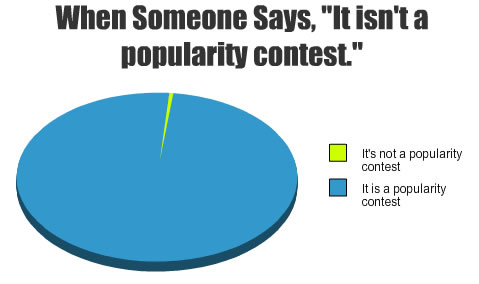
seo-popularity-contestWith all the state and territory data out before Easter, this seems the perfect time to cover those questions people have asked about name popularity.

In a way, it’s a bit pointless, because all the data is out, and these questions can be answered by accessing information on the blog under Links to Name Data, or under the category archive for Name Data.

However, I did think it might be interesting for others to know what names people were most concerned about. In some cases, they could indicate names that are on the rise.

I couldn’t answer all the questions Googled to reach the blog, but I gave precedence to those searched for multiple times, those asking about Australian data, and those asking specific questions.

GIRLS NAMES

How many baby girls were named Bonnie in 2012, and in which age group is the name Bonnie most popular?

There were 54 babies named Bonnie born in Victoria, and 10 in Tasmania, and those are the only states who have data on that name available so far (there were 117 in New South Wales in 2011). Bonnie has never been more popular than it is now, so it is most popular on babies and small children.

Is the name Darcey going up the charts, and is it more popular in the UK?

Darcey doesn’t rank, and there is no evidence of it going up the charts. It is #126 in England/Wales for girls, so I’d say it is more popular there.

Is the name Eva too popular?

It hard to say whether a name is “too popular” – some people think any name that shows up on the data at all is too popular, while other people think the #1 name isn’t too popular to use. Eva is a classic name, in the Top 30 and rising in most states and territories, which makes it fairly popular. It’s really up to you what’s “too popular”.

How popular is the name Fiona in Australia?

It’s not as popular now as it was in the 1970s, when it hit its peak. At the moment it’s #424 in New South Wales, and #337 in Victoria.

Popularity of name Florence in Australia?

It’s #284 in New South Wales and rising, and #199 in Victoria.

Is Hazel a common name, and is it becoming popular?

It’s not common, but on the other hand it’s not rare either. It is currently #264 and rising in popularity in New South Wales, and it is only just outside the Top 100 in Victoria.

Popularity of the name Iris in Australia

It is #317 in New South Wales and #252 in Victoria.

Popularity of name Mary in Australia

It is just outside the Top 100 in New South Wales, and has been there since the 1990s. It’s much the same in Victoria – #116.

Popularity of the baby name Millicent in Australia

It is #572 and falling in New South Wales, and #383 in Victoria.

Is the name Olive popular in Australia, and how popular is it?

It has recently joined the Top 100 in some states, but in some areas it fell in popularity last year, so it’s hard to say right now how popular it will get. It is #99 in New South Wales, #94 in Victoria, and #92 in Tasmania.

When was the name Stacey popular?

In the 1970s and 1980s, and it was most popular in the 1980s.

Popularity of name Zara in Australia for 2012

It is #27 in New South Wales, #26 in Victoria, #43 in Queensland, #24 in South Australia, #32 in Western Australia, #49 in Tasmania and #20 in the Australian Capital Territory.

BOYS NAMES

Popularity of name Banjo in Australia

It is #376 in Victoria, which is the only state to have data available for that name.

Is the name Callum becoming popular in the United States?

I wouldn’t say so. It is in the 800s and apparently stable. Compared to Australia, the United Kingdom and Ireland, where it’s a Top 100 name, it doesn’t seem popular to me at all there.

Is Darcy popular as a boy’s name in Australia, and how popular is it?

Darcy has a significant history as a boy’s name in Australia, and it has been in the Top 100 since the early 2000s. However, it has been falling for a while now, and may not be Top 100 for much longer. It is #100 in New South Wales, #95 in Victoria, #91 in Queensland, #76 in Tasmania, and #92 in the Australian Capital Territory

Declan name popularity Australia

It is just outside the Top 100 in New South Wales, and falling in popularity. It is #74 in Victoria, #60 in Queensland, #50 in Tasmania, #50 in Western Australia, and #56 in the Australian Capital Territory.

Ezra name popularity Australia

It is #347 in Victoria, and that’s the only state with data on the name available.

Is the baby name Flynn becoming popular, and how many boys have the name Flynn in Victoria?

I’d say it is already popular, as it in the Top 100 and rising in almost every state and territory. 389 boys named Flynn were born in Victoria between 2010 and 2012, and there were almost a thousand born in the 2000s, so there are quite a few little Flynns out there.

Is Hamish a common name in Australia?

Yes – it began charting in the 1950s, rose sharply in the 1980s and was Top 100 by the 1990s. It’s still in the Top 100, but falling in popularity.

Popularity of name Jake in Tasmania

It is currently #41.

Jasper name popularity

It’s #91 in New South Wales, #65 in Victoria, #82 in Queensland, #51 in Tasmania, and #30 in the Australian Capital Territory.

Popularity of Jed as a boy’s name in NSW

It is #214 and falling.

Popularity of the name Nash in Australia

It is #177 in Victoria, which is the only state to have data available on that name.

How common is the name Taj in Australia?

It’s certainly not uncommon, having charted here since the 1980s. However, it’s never been in the Top 50 except in Western Australia, and in several states it’s never been in the Top 100.

Italian Names for Boys

17 Sunday Mar 2013

Posted by A.O. in Name Themes and Lists

≈ 15 Comments

Tags

Austrian name popularity, Belgian name popularity, birth notices, celebrity baby names, Chilean name popularity, Dutch name popularity, english names, ethnonyms, famous namesakes, fictional namesakes, French name popularity, germanic names, Greek names, Hungarian name popularity, Hungarian names, Italian name popularity, Italian names, Latin names, locational names, mythological names, name history, name meaning, name popularity, nicknames, Orlando Furioso, Portuguese names, Roman names, saints names, Scottish name popularity, Shakespearean names, Spanish name popularity, Spanish names, surname names, The Divine Comedy, theological names, tribal names, UK name popularity, unisex names, William Shakespeare

romeo_and_juliet_01Angelo

Angelo is the Italian form of the Latin name Angelus, meaning “angel”. The Angelus is a Christian devotion, which traditionally involves praying three times a day, accompanied by the the ringing of church bells. It was common during the Middle Ages, so the name can be seen as after the prayer as much as after the heavenly creature. Angels are mentioned in the Old Testament as spiritual beings who bring communications from God; the word angel is derived from the Greek for “messenger”. Angels play a much bigger role in the New Testament, where they make several important announcements, including the birth and resurrection of Christ. A famous Italian named Angelo was Father Angelo Secchi, a 19th century astronomer and one of the first scientists to state that the sun is a star. Cricket fans know the name well from Angelo Matthews, the Sri Lankan captain. The name is rarely used in Australia, where angel-type names for boys aren’t common – even though angels are traditionally masculine. However, singer Adele welcomed a baby boy last year, rumoured to be named Angelo, and this may be a help. The Italian and English pronunciation are very similar – AHN-jel-oh and AN-jel-oh.

Dante

Dante is a short form of Durante, the Italian form of the Latin name Durans, meaning “enduring”. Its most famous namesake is undoubtedly medieval Italian poet, Dante degli Alighieri, nearly always known by his first name only. His Divine Comedy is considered the greatest work of Italian literature, and in Italy he is known as il Poeto (“the Poet”), just as Shakespeare is called The Bard in England. He is famous for his adoration of Beatrice, a girl he knew only slightly and who died in her twenties; he plays an important role in the literature of “courtly love”. Dante is a name which seems to be gaining more use in recent years, perhaps because of the number of fictional characters named Dante on TV and in video games. I see this handsome name quite a bit in birth notices, and have met a number of small boys named Dante, from a variety of backgrounds. The Italian pronunciation is DAHN-tay, and this is commonly used in Australia, but I have heard it said DAN-tay as well.

Eduardo

Eduardo is the Italian form of the English name Edward. The name is used in Spanish and Portuguese-speaking countries as well, where it is much more popular than in Italy – it is a Top 100 name in Spain and Chile. Famous Italians include actor, playwright and screenwriter Eduardo De Filippo; songwriter Eduardo di Capua, who composed the famous song O Sole Mio; and quantum physicist and cyberneticist Eduardo Caianiello (all these Eduardos were from Naples). The name is pronounced ed-WARD-oh, with the ward part rhyming with hard rather than horde. Last year, Australian soccer player Vince Grella welcomed a son named Eduardo, and so far it’s the only celebrity baby boy’s name which has been rated as “perfect” by blog readers.

Lorenzo

Lorenzo is the Italian form of the Roman name Laurentius, which means “from Laurentum”; Laurentum was an ancient city in Italy, south of Rome, and its name probably comes from the laurel, or bay tree. Laurel wreaths were used by the Romans as a symbol of victory. The English form of the name is Laurence. One of the most famous Italian namesakes is Lorenzo de Medici, known as Lorenzo the Magnificent. A Florentine ruler during the Renaissance, he was famed for presiding over Florence’s Golden Age, and for being a great patron of the arts. Lorenzo’s grandson also bore his name; he is best known for being the ruler to whom Machiavelli dedicated his practical political handbook, The Prince. Lorenzo has been in the Top 5 in Italy for several years, and is currently #4; it’s also Top 100 in France. The Italian pronunciation is loh-REN-tso, and in English it’s pretty much the same except we say the final syllable -zo. Reality TV star Snooki, from Jersey Shore, welcomed a baby boy named Lorenzo last year. Possible nicknames include Enzo, Ren, Renzo and Zo.

Luca

Luca is the Italian equivalent of the name Luke, derived from the Greek name Loukas, meaning “from Lucania”. Lucania was an ancient district of southern Italy, and the name comes from the tribe of the Lucani who inhabited the area. One theory is that the tribe’s name comes from the Greek word for “wolf”; another that it means “sacred wood” in Latin. A famous Italian with this name is medieval sculptor Luca della Robbia; another is Fra Luca de Pacioli, a mathematician and Franciscan friar who worked with Leonardo da Vinci. You may also know the name from Luca Cordero di Montezemolo who is chairman of Ferrari. Luca is incredibly popular internationally: it is #12 in Italy, and also makes the Top 100 in the UK, Scotland, Austria, Belgium, the Netherlands and France. It has charted in Australia since the 1980s, and joined the Top 100 in the late 2000s; currently it is #79. You will sometimes see Luca described as a unisex name, and that’s because it is also the Hungarian form of Lucia, and is #10 for girls in Hungary. However, the two names are pronounced differently – the Italian boy’s name is said LOO-kah, while the Hungarian girl’s name is said LOO-tsah.

Massimo

Massimo is the Italian form of Maximus, a Roman family name derived from the Latin for “greatest”. There is a very old and noble Roman family named Massimo, and they claim to be descended from the Maximi family of ancient Rome, including the famous general Fabius Maximus. This cannot be proven, as the family history only goes back about a thousand years, but what’s on the record is impressive enough. Extremely rich and influential, great patrons of the arts, they have produced numerous cardinals, ambassadors, politicians and military leaders, and have married into some of the most important royal houses of Europe, so that the family now bears a princely title. Massimo is one of the most common Italian boy’s names I see in birth notices, with Massi the usual nickname. It is pronounced mahs-SEE-mo.

Orlando

Orlando is the Italian form of Roland, a Germanic name meaning “famous land” or perhaps “fame of his country”. According to history, Roland was a Frankish military commander in Charlemagne’s army, responsible for defending France against the Bretons; he died in a skirmish against the Basques after Charlemagne was defeated in a battle against Islamic forces. His death must have captured people’s imaginations, because while history says very little about Roland, legend says much. His life became an epic drama about a great nobleman of royal blood who dies in battle, defending his land and faith from Muslims. Just in case this seemed a bit tame, legend gave him a magic sword and threw in a giant, and the story was a massive medieval minstrel-sung hit all across western Europe. In Italy, he not only appears in Dante’s Divine Comedy, but starred in a whole line of epics as Orlando. The most famous of these is Orlando Furioso (it basically means Crazy Orlando) by Ludovico Ariosto. As the title suggests, Orlando goes doolally from unrequited love of a pagan princess and gallops around the world in a frenzy. There’s wizards and hippogriffs and sea monsters and a trip to the moon involved, and the story was hugely influential in European literature. We know this name well from actor Orlando Bloom, married to Miranda Kerr, and since their wedding I see this attractive name regularly in birth notices. The Italian pronunciation is or-LAHN-do, and the English or-LAND-oh.

Rocco

Saint Rocco is an Italian saint who was born a nobleman but came to Rome on a pilgrimage. Turning up while the city was suffering from a plague, he spent his time tending the sick. When he succumbed himself, he was banished from populated areas, but miraculously provided with water, and a dog who brought him food and licked his wounds, which cured him. Returning home, he was thrown into prison as a spy and died, refusing to reveal his noble identity. However, he was recognised by a cross-shaped birthmark, and canonised as a saint by popular acclaim. When the Black Death swept through Europe, it was said that this plague could be averted by praying to Saint Rocco, and when a town was apparently spared in this manner, his popularity went through the roof. Although his cult had begun in northern Italy, it soon spread across Europe; in France his name became Roch, in Spain Roque, and in England, Rock. You’d be forgiven for thinking Rocco had something to do with rocks, but it’s an ancient Germanic name meaning “rest”, and pronounced ROK-ko. Even though the Black Death isn’t such a worry any more, Saint Rocco is still popular as a healer of the sick and patron of dogs. Rocco has charted in Australia since the 1940s, hitting a peak in the 1960s at #193. Since the early 2000s, when Madonna welcomed her son Rocco, it has been climbing steeply and is currently #228. Expect to hear more of this cute yet macho name in the future.

Romeo

Romeo is the Italian form of the Latin name Romaeus, meaning “pilgrim to Rome”. When we hear the name Romeo, we think of the young and ardent lover from William Shakespeare’s Romeo and Juliet, whose pubescent romance goes so tragically wrong. Shakespeare’s plot wasn’t original – he based it on retellings of 16th century Italian romances, and in turn, these used the story of Pyramus and Thisbe from Roman mythology as inspiration. However, one of the Italian authors, Luigi Da Porto, fell for an enchanting young woman at a ball and she returned his feelings; things never got off the ground because their families were feuding. By the time he had the chance to write about Romeus and Giulietta in Verona, the object of his desire had been married off to someone else. His version of the story, including the principals’ names, proved enduring – perhaps because it had the personal touches of someone who has loved and lost. Romeo is such an ultra-romantic name that it’s used as an epithet for any male lover. David and Victoria Beckham welcomed their son Romeo in 2002, giving this name some star appeal as well. We say it RO-mee-oh, but we know the Italian pronunciation of ro-MAY-oh from the car manufacture, Alfa Romeo.

Valentino

Valentino is the Italian form of the Latin name name Valentinus, the saint of lovers, also called Valentine. It got an extra helping of Latin Loverboyishess from Italian actor Rudolph Valentino, a seductive sex symbol and star of the silent screen. He made women swoon, and men snipe at his annoying amount of attractiveness. The gals screamed with desire during his movies; the guys stormed out in disgust and threw hissy fits. We know the name well from Italian motorcycle racer and MotoGP World Champion, Valentino Rossi, giving this name quite a sporty image as well. I don’t know if it’s because of Rossi, but I do see the name Valentino quite often in birth notices, where it seems to be especially popular in the middle position.

POLL RESULT: People’s favourite names were Luca, Rocco, and Massimo, and their least favourite were Orlando, Valentino, and Eduardo.

(Picture shows scene from Baz Luhrman’s Romeo + Juliet)

Famous Name: Greta

30 Wednesday Jan 2013

Posted by A.O. in Famous Names

≈ 4 Comments

Tags

famous namesakes, German names, Hungarian name popularity, Italian name popularity, Latinate names, literary names, locational names, name popularity, nicknames, Old Norse names, Sir Walter Scott, Swedish name popularity, UK name popularity, US name popularity

11/11/2011 NEWS: Greta. Ned Kelly Burial.On January 20 this year, the story of bushranger Ned Kelly reached a conclusion, with his dying wish fulfilled, and his remains buried in the cemetery at Greta, in Victoria’s north-east. As a convicted murderer, Kelly was denied burial in consecrated ground after his execution in November 1880. His headless body was dumped in a pit and covered in lime.

A Requiem Mass was held at St Patrick’s in Wangaratta the preceding Friday; there are about 450 descendants of Ned Kelly, and many of them attended the church. During the homily, Monsignor John White said that some people had written to object to Ned Kelly receiving a public liturgy, but that the service was not to make judgement, but to bring closure. The service ended with In the Sweet By-and-By, the hymn Kelly is said to have sung in his cell the night before he was hanged.

Under a marquee, Ned Kelly was privately buried next to the unmarked gravesite of his mother Ellen; his brother Dan, and Steve Hart, one of his gang-members, also lie in unmarked graves in Greta cemetery. Ned’s coffin was adorned with a wreath of native Australian flowers and the green sash he was awarded in his youth for saving a boy from drowning. The coffin was buried deep, and surrounded by concrete to prevent looting. There are also five mounds of earth instead of one, to deter grave robbers.

The district of Greta is deep in “Kelly country“, the region of rural Victoria where Ned Kelly was born, grew up, and fought. His famous last stand at Glenrowan was less than 10 miles from Greta. Many of the Kelly family still live in the area, and the Ned Kelly legend remains compelling, with almost every local having their own Kelly-related tale to tell.

The district is thought to be named after the River Greta in Cumbria, England, part of the background to Rokeby, a poem by Sir Walter Scott which was popular at the time. The river’s name is Old Norse, and means “rocky river”. It is pronounced GREE-ta.

This is somewhat embarrassing to admit, but for a long time I thought the girl’s name Greta was also said GREE-ta. I knew it was short for the German name Margareta, and assumed it was said to rhyme with Rita, which is short for the Latinate name Margarita (both names of course are relatives of the name Margaret).

I was in my early twenties before I met someone named Greta, and discovered the name is (as I’m sure you all know) said GRET-uh. As the Greta I met happened to be in the public eye, the fact that I was ignorant how her name was pronounced seemed even more embarrassing.

One of the most famous women with this name was the Swedish-born Hollywood star Greta Garbo, famed for her austere beauty and luminous screen presence. Mysterious and reclusive, she shunned publicity and lived a very private life. Here we also know the Italian-born Australian actress Greta Scacchi, who grew up in Perth, but has lived and worked in England for many years – although she visits Australia from time to time.

As you see, this is a name at home in several countries, and Greta is a Top 100 name in Sweden, Hungary and Italy. In the United States it is #684 and fairly stable, and in the UK it is #586 and climbing.

In Australia, Greta was in rare use in the 1900s, and has enjoyed a very uneven career. The highest it ever got was #206 in the 1930s (at the apex of Ms Garbo’s success), and it disappeared altogether in the 1950s and 1960s. It has also hit lesser peaks in the 1910s, the 1970s and the 1990s. The name hasn’t charted since 2009 – but given the way it has jumped up and down the charts, you can expect to see it again before too long (but not too much of it).

In other words, this is a name with plenty of history in Australia, but not tons of use, and has never come anywhere close to being popular. As such, it retains something of the mystique that Greta Garbo radiated – cool, reserved, exclusive; a name selected by discerning parents. Make no mistake, Greta is a very hip choice.

Greta is the cosseted darling of name nerds, who believe it to be beautiful, dignified and sadly neglected by those who fail to appreciate her (these are the same name nerds who would drop Greta like a hot potato if masses of parents actually took their advice and called their daughters Greta, so it became Top Ten. Then Greta would be “Such a nice name – but simply ruined by everyone using it”).

So here’s another embarrassing admission. I’m not a huge fan of the name Greta, which to me has a rather harsh sound, reminding me of words such as grim, grisly, groan, gritty, grizzle, gross, grotty, granite, grumpy, grouch, grate, grasp, growl, grovel, grubby, gruff, gruesome, grumble, grump, grunt and regret. Somehow it never seems to remind me of graceful, gratitude, greetings, grand, great, groovy and egret! Which is manifestly unfair.

Perhaps if I could play psychoanalyst to myself, I might theorise that the real reason I don’t care for Greta is that it is inextricably linked in my subconscious to the embarrassment of not knowing how to pronounce a celebrity’s name when meeting them – and that even the Greta I met being very beautiful and extremely charming could not wipe out my feelings of shame. Indeed, perhaps that made them worse.

In other words, don’t pay any attention to my opinions about this name. It’s not Greta, it’s me.

POLL RESULT: Greta received a very creditable 76% approval rating. The name Greta was seen as beautiful and dignified (32%), and cool and European (18%), although 16% thought it was frumpy and harsh. 8% thought the name Greta was neglected and needed to be used more, while 6% noted that if it was used more, it would no longer be hip. A besotted 3% insisted they would still use Greta even if it was the #1 name. Only one person preferred the pronunciation GREE-ta.

(Picture shows Greta cemetery in Victoria)

Famous Name: Rose

16 Wednesday Jan 2013

Posted by A.O. in Famous Names

≈ 14 Comments

Tags

classic names, English idioms, english names, flower names, French name popularity, French names, germanic names, Latin names, middle names, mythological names, name history, name meaning, name popularity, nature names, Norman names, plant names, popular names, Scottish name popularity, UK name popularity, vocabulary names

Gift_white_rosesThis Friday will be The Day of the Roses, which sounds lovely, but has a tragic meaning. January 18 this year marks the 36th anniversary of the Granville train  disaster, when a crowded train was derailed in a suburb of western Sydney, and hit the supports of a railway bridge. The bridge collapsed onto the train carriages, crushing the passengers inside. 83 people were killed, and more than 200 injured; it was then Australia’s worst peace time disaster, and is still the worst rail accident in Australian history.

The Granville Memorial Trust was established to commemorate the victims and to campaign for improvements to rail safety. Since the disaster, there has been a substantial increase in money spent maintaining the railways, and standards have improved. Each year on the anniversary of the crash, the Trust organises a memorial service, in which a bell rings 83 times, and 83 roses are thrown onto the railway tracks – one for each of the victims.

Rose is not the simple flower name it at first appears, for it began life as the Germanic name Hrodohaidis or Hrodheid, meaning “bright kind, famous kind” (kind in the sense of type, sort). It was the Normans who introduced it to Britain in the forms Roes, Rohais, Roheis and Rohese. The name Rohese was a fairly common one amongst the Norman nobility in England after the Conquest.

The form Rose began to be used by the early 1200s – even this early it was already being associated with the flower, whose name is French, derived from the Latin rosa. It goes back to an ancient word meaning “sweetbriar” (a wild rose also known as the eglantine rose).

Roses are tens of millions of years old, and have been grown in gardens for thousands of years – perhaps first in China, although they were grown in Persia, Babylon and ancient Egypt as well. The flower was sacred to the goddess Isis, and later the Greeks and Romans identified it with Aphrodite or Venus, so that it became seen as a blossom of beauty and eternal love – which is one reason why you are more likely to receive roses on Valentine’s Day than daisies or sweetpeas.

In medieval Christianity, roses became associated with the Virgin Mary, were carefully cultivated by monks, and in both Christian and Islamic mysticism, the rose can be a symbol of divine love. The rose is the national flower of England and the floral emblem of the United States; the red rose is the symbol of socialism; the white rose of peaceful resistance. The Romans used it as a symbol of secrecy, and to alchemists it meant balance and unity.

This ancient flower speaks to our hearts on so many different levels, and the rose has a richness of beauty we cannot help but admire. Yet it is mysterious too, and its thorns urge us to keep our distance, even while its loveliness attracts. Roses are by no means vain beauties, because they can be used to make perfumes, skin care products and medicines; rose hips can be made into jams, syrups and teas (in fact I am drinking a cup of it as I write). Rose petals are also edible.

We often think of Rose as being a quintessentially English name, and a beautiful Englishwoman is even called an “English rose”. Yet the name is also French, and Rose is Top 100 in France, as well as in England/Wales and Scotland.

In Australia, Rose is a classic which has always charted. It was #55 in 1900, and gradually fell until it left the Top 100 in the 1930s. It reached its lowest point in the 1970s, at #287, and after that began a stately rise, with its sharpest increase in the late 2000s. By 2008 it was near the bottom of the Top 100, and each year has continued to steadily gain. In 2011 it was #66 in New South Wales, and in Victoria and the ACT it has proved to be one of the names with the most growth during 2012. Rose is also extremely popular as a middle name.

Rose is an overwhelmingly feminine name, yet isn’t frilly. It’s both sensual and sensible, possessing the ripeness of a mature woman rather than a frivolous girl. It’s a short name, yet doesn’t seem abrupt or harsh but rather, soft and velvety as one of its own petals. Despite being an English word, there are many international variants of Rose, and it is easily understood in other countries. It is a name from fairy tale, reminding us of Briar Rose, the sleeping beauty, and Rose-Red, the vivid sister of fair Snow-White – and yet it also has a practical and wholesome appeal.

Increasing numbers of parents are choosing the name Rose for their daughters. In The Little Prince, the prince, who is in love with the only rose on his planet, cries in dismay when he comes to Earth and sees dozens of rose bushes; he has given his heart to something special, and found it commonplace. But a wise fox teaches him that his rose is unique, because it is the only one that he loves. There may be a garden of Roses in the world, but only one Rose who blooms there will be the one in your heart.

POLL RESULT: Rose received an approval rating of 86%, making it one of the most highly esteemed names of the year. The name Rose was judged to be beautiful and feminine (54%) and pretty and wholesome (21%), although 7% thought it was better left in the middle position. Nobody thought that the name Rose was boring.

← Older posts
Newer posts →

Enter your email address to follow this blog

Categories

Archives

Recent Comments

A.O.'s avatarwaltzingmorethanmati… on Zarah Zaynab and Wolfgang…
Madelyn's avatarMadelyn on Zarah Zaynab and Wolfgang…
JD's avatardrperegrine on Can Phoebe Complete This …
A.O.'s avatarwaltzingmorethanmati… on Rua and Rhoa
redrover23's avatarredrover23 on Rua and Rhoa

Blogroll

  • Appellation Mountain
  • Baby Name Pondering
  • Babynamelover's Blog
  • British Baby Names
  • Clare's Name News
  • For Real Baby Names
  • Geek Baby Names
  • Name Candy
  • Nameberry
  • Nancy's Baby Names
  • Ren's Baby Name Blog
  • Sancta Nomina
  • Swistle: Baby Names
  • The Art of Naming
  • The Baby Name Wizard
  • The Beauty of Names
  • Tulip By Any Name

RSS Feed

  • RSS - Posts

RSS Posts

  • Celebrity Baby News: Melanie Vallejo and Matt Kingston
  • Names from the TV Show “Cleverman”
  • Can Phoebe Complete This Sibset?
  • Zarah Zaynab and Wolfgang Winter
  • Baby, How Did You Get That Name?
  • Celebrity Baby News: Media Babies
  • Celebrity Baby News: Adelaide Crows Babies
  • Celebrity Baby News: Chris and Rebecca Judd
  • Names at Work: Name News From the World of Business and Employment
  • Celebrity Baby News: Sporting Round Up

Currently Popular

  • The Top 100 Names of the 1940s in New South Wales
  • Rare Boys Names From the 1950s
  • Celebrity Baby News: Jacinta Allan and Yorick Piper
  • The Top 100 Names of the 1930s in New South Wales
  • Celebrity Baby News: Jason Morrison and Heidi Tiltins

Tags

celebrity baby names celebrity sibsets english names famous namesakes fictional namesakes honouring locational names middle names name combinations name history name meaning name popularity name trends nicknames popular names saints names sibsets surname names twin sets unisex names

Create a free website or blog at WordPress.com.

Privacy & Cookies: This site uses cookies. By continuing to use this website, you agree to their use.
To find out more, including how to control cookies, see here: Cookie Policy
  • Subscribe Subscribed
    • Waltzing More Than Matilda
    • Join 517 other subscribers
    • Already have a WordPress.com account? Log in now.
    • Waltzing More Than Matilda
    • Subscribe Subscribed
    • Sign up
    • Log in
    • Report this content
    • View site in Reader
    • Manage subscriptions
    • Collapse this bar
 

Loading Comments...