• About
  • Best Baby Names
  • Celebrity Baby Names
  • Celebrity Baby Names – Current
  • Celebrity Baby Names – Past
  • Featured Boys Names
  • Featured Girls Names
  • Featured Unisex Names
  • Links to Name Data
  • Waltzing on the Web

Waltzing More Than Matilda

~ Names with an Australian Bias of Democratic Temper

Waltzing More Than Matilda

Tag Archives: surname names

Popular Names for Boys

06 Sunday May 2012

Posted by A.O. in Name Themes and Lists

≈ 23 Comments

Tags

Aramaic names, band names, Biblical names, car names, celebrity baby names, classic names, english names, famous namesakes, fictional namesakes, French names, germanic names, Greek names, hebrew names, honouring, Latin names, locational names, name history, name meaning, name popularity, nicknames, Old Norse names, popular culture, popular names, royal names, saints names, Scottish names, surname names
Follows on from Popular Names for Girls.

William

William is a solidly classic name which has never left the Top 50. It was the #1 name of the 1900s, and gradually decreased in popularity, hitting its lowest point during the 1970s, at #48. However, its fortunes were soon to recover, because in 1982, heir to the British throne Prince Philip, and his then wife, Diana, Princess of Wales, welcomed their first child and eldest son, William Arthur Philip Louis. Prince William was named after his father’s cousin and personal hero, Prince William of Gloucester, who died in an air crash ten years earlier. Prince William made his first visit to Australia as a baby, and this was an immediate help to the name’s popularity. By the time Prince William began university in 2001, the name was already in the NSW Top 10. It reached #1 in 2009, the year after Catherine Middleton began accompanying Prince William to official functions, and there it has remained. In 2011, Prince William made a much-appreciated visit to flood-affected areas of Australia, and shortly afterwards treated the world to a slap-up royal wedding. It’s likely this princely name will remain at the top for at least another year.

Jack

Jack is a classic name which has never left the charts. Top 100 during the 1900s-30s, it sunk to its lowest point in the 1970s, at #269. However, so rapid was its growth that it joined the Top 100 again during the 1980s – the same decade that pop singer John Farnham released his Whispering Jack album. Whispering Jack went to #1, and is the highest-selling album ever in Australia, having gone platinum 24 times over. By the 1990s, Jack was already Top 10, a decade when Leonardo di Caprio played water-logged lover Jack Dawson in the romantic movie Titanic, and teen heartthrob Daniel Amalam played bad boy Jack Wilson in soapie Home and Away. By the start of the 2000s, Jack was #2. It made #1 by 2004, the year that the TV show LOST began, with its hero Dr. Jack Shephard, and the year after Johnny Depp played Captain Jack Sparrow in the first Pirates of the Caribbean film. Jack remained in first place until 2008, the year that AC/DC released their single Big Jack. Jack the Lad may have had his day, but won’t be going anywhere fast, and is still the #1 name in some states.

Ethan

Ethan is a name from Hebrew which means “solid, enduring”. In the Old Testament, Ethan is said to have been a very wise man who wrote Psalm 89. Ethan first entered the charts in the 1970s, and took off during the 1980s, as film-maker Ethan Coen began his career, working in tandem with his brother Joel. At the end of the 1980s, actor Ethan Hawke got his big break in Dead Poets’ Society. By the 1990s, Ethan was a Top 100 name, and it was in this decade that Tom Cruise first played Ethan Hunt, the hero of the Mission Impossible films, Ethan Philips joined the cast of TV show Star Trek, and Ethan Rayne was introduced as a character on Buffy the Vampire Slayer. It was also during the 1990s that surfing champ Wendy Botha welcomed a son named Ethan. In 2006, Ethan joined the Top 10 – the year after the Ethan Group, an Australian IT company, won the BRW Fast 100. Singer Dannii Minogue, Kylie’s sister, welcomed a son named Ethan in 2010, and that probably won’t hurt the chances of this strong yet gentle-sounding name going higher still.

Oliver

Oliver is the English form of French name Olivier, but it’s unclear whether it’s the Norman form of Germanic Alfher, meaning “elf warrior”, or Old Norse Aleifr, meaning “ancestor’s descendant” (related to Olaf). The spelling was altered to make it seem as if the name came from the Latin oliva, meaning “olive tree”. A classic which has never left the charts, Oliver was Top 100 in the 1900s, but then sank into rare use. It recovered during the 1970s, the decade after the release of Oliver!, the musical based on Dickens’ novel, Oliver Twist. In this decade, actress Goldie Hawn welcomed a son named Oliver. The name gained ground during the 1980s, and was Top 100 during the 1990s. Late in the ’90s, the first Harry Potter book was published, featuring Harry’s Quidditch captain, Oliver Wood. In the 2000s, the books were turned into films, with Oliver Phelps playing the role of George Weasley. By 2006, the debut of TV show Hannah Montana, where Oliver Oken is the best guy-friend of the heroine, it was Top 20, and by 2008 it was Top 10. By 2010 it was Top 5; Oliver may go higher if you want some more.

Lucas

Lucas is the Latin form of Greek Loukas, on which English Luke is based. Lucas first entered the charts in the 1950s. There was noticeable growth during the 1970s, the decade that George Lucas made the first Star Wars movie, and then it remained stable for several decades in the very low 100s. However, in the 2000s it made the Top 100, and at this point it fairly raced up the charts. A possible help to the name was the television drama series, One Tree Hill, in which Chad Michael Murray plays the main protagonist, Lucas Scott. This brooding, blue-eyed, sporty yet bookish hero proved something of a hit with the female demographic. Meanwhile, Lucas Holden on Australian soap Home and Away was also a literary teenager, who ended up having a controversially steamy scene with his onscreen girlfriend. By 2006, the year that soccer star Lucas Neill played for Australia in the World Cup, it was in the Top 50. By 2007 it was Top 20, and by 2010 it was Top 10. The 2000s were kind to Lucas, and at this point, lucky Lucas seems almost certain to go to #1.

Noah

Noah is derived from the Hebrew name Noach, meaning “rest, comfort”. Noah is well known from the Old Testament story, where he builds an ark which saves his family and the animals of all species to survive the Great Flood, sent by God as a one-off punishment to wicked humanity. The name Noah entered the charts in the 1980s, the decade when Noah Hathaway gave an award-winning performance as boy-warrior Atreyu, in the fantasy film, The Neverending Story. Also in the 1980s, Australian actor Noah Taylor made his film debut as the main character in the critically acclaimed The Year My Voice Broke. Noah climbed steadily, then suddenly shot up during the 1990s, the decade that Boris Becker welcomed a son named Noah, so that it was in the Top 50 by the 2000s. Noah joined the Top 20 in 20005, the year after Ryan Gosling played the young version of Noah Calhoun, the devoted lover from romantic film, The Notebook. In 2006, Noah was in the Top 10. However, Noah has remained reasonably stable, with no signs of moving significantly up or down, and we must wait to see whether it sinks or swims.

Lachlan

Lachlan is a Scottish name which began as a nickname for someone from Norway. In Scotland, Norway was known as the “the land of the lochs”, or Lochlann. Lachlan Macquarie was born in the Hebrides, and became Governor of New South Wales in 1809. To the British government of the time, Australia was a penal colony for offloading the dregs of their society; convicts must be treated cruelly, former convicts exploited, and little money spent. The government fretted as Macquarie pardoned convicts, employed freed convicts in important positions, put up beautiful Georgian buildings, and spent lavishly on public works. Eventually the British booted him, but for giving us a future and sticking up for us, he is considered the father of our nation. Lachlan has been almost continuously in the charts, only dropping out in the 1930s, but was in rare use until it began rising in the 1960s. In 1971, media magnate Rupert Murdoch chose this name for his eldest son, and the name rose significantly. It was Top 100 by the 1980s, Top 20 by the 1990s, and Top 5 by the early 2000s. The position of this patriotic favourite has been stable for more than a decade.

Cooper

Cooper is an English surname which means “barrel-maker”. One of the most famous rivers in Australia is Cooper Creek, where doomed explorers Burke and Wills met their end, and Australian racing car driver Jack Brabham drove for the Cooper Car Company. Cooper first entered the charts in the 1980s, and made good ground during the 1990s, a decade when Bill Murray and Hugh Hefner both welcomed sons named Cooper. By the 2001, the name was in the Top 50, and then it soared. It got some serious sporting muscle as Quade Cooper joined the national men’s rugby union team, the Wallabies, and Cooper Cronk joined the national rugby league team. Cronk was also part of the Melbourne Storm team which won five Premierships or Minor Premierships within four years. Originally from Brisbane, he plays for the Queensland state side, which insists on winning the State of Origin series every year. Handsome, athletic and an extremely talented player, Mr Cronk seems like a big part of the reason the name Cooper is #1 in Queensland. Cooper made the Top 10 in 2007, and the Top 5 the following year, but now seems to be falling without reaching the top spot.

Thomas

Thomas is from an Aramaic word meaning “twin”, and in the New Testament, Saint Thomas was one of the Twelve Apostles. Thomas was his nickname; his real name was Judas. Presumably he was the twin of someone in the Biblical stories, or just a lookalike or kindred soul, but frustratingly, the Bible neglects to explain whose “twin” he was. People who like logical explanations for things often cite Thomas as their favourite Apostle, because when he heard that Jesus had been resurrected, he refused to believe it until he could see and touch Jesus for himself – hence the phrase, Doubting Thomas for a sceptical person. Thomas is a classic which has never left the Top 100. In the Top 5 of the 1900s, it gradually declined, and reached its lowest point in the 1970s, at #68. It climbed smoothly through the 1980s, the decade that saw Tom Cruise and Tom Hanks become stars. By the 1990s, it was in the Top 5, and maintained position in the 2000s as Tom Felton played Draco in the Harry Potter films, making many a teen girl switch to Team Slytherin. However, it may be very gradually going down now.

James

James is the Latinised form of Jacob, and must be one of the most successful names from the New Testament. The name of two of the apostles, this doubly saintly name is also a royal one in Britain, where there have been seven Scottish kings called James. The King James Version of the Bible was commissioned by King James I of England (James VI of Scotland), giving it yet another tie to this sacred book. In Australia, the most famous James is Captain James Cook, the explorer who discovered our continent. A classic which has never left the Top 20, James reached its lowest point in the 1960s and ’70s at #19. Recovery was so swift that it was Top 10 in the 1980s, and Top 5 in the 1990s. Since the 1970s, there have been many Jameses in the public eye, real and fictional. Actors James Woods, James Spader, James Marsters, and James Phelps; singers James Blundell, James Morrison and James Blunt (not to mention the band James); Captain James Kirk from Star Trek; and the inimitable James Bond. James is the name of Harry Potter’s father – his mum’s name Lily is also Top 10. Cool James is falling again, at glacial speed.

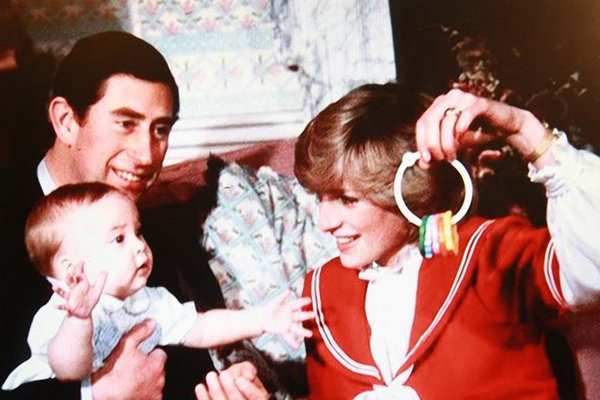
(Picture shows Prince William as a baby with his parents, Prince Philip and Diana, Princess of Wales; image from Royal Wedding)
Baby Name Dilemma: They Love a Name That Nobody Else Does

24 Tuesday Apr 2012

Posted by A.O. in Naming Assistance

≈ 23 Comments

Tags

Australian Aboriginal names, Bonds Baby Search, honouring, Indian names, locational names, Macquarie Aboriginal Words, middle names, name advice, name history, name meaning, nicknames, slang terms, surname names, unisex names

I recently received an e-mail from a father-to-be and blog-reader named Gabriel; technically I’m still on holiday, but this was urgent enough to bring me back early!

Gabriel and his wife Theresa are expecting a baby boy in only two weeks; unfortunately, the name they have picked out has met with a cool reception from family and friends.

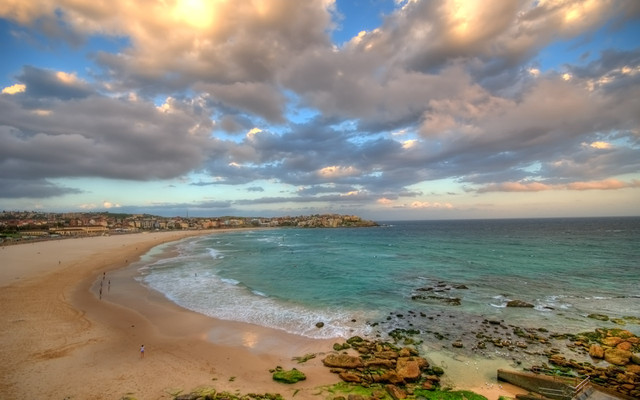
The couple first met on Bondi Beach, and, like many Australians living near the coast, are strongly drawn to the ocean, which is cleansing and refreshing, and for a city-dweller especially, washes away the fatigue that comes from modern life. They want a name with a meaning connected to the beach and the sea. They are also very keen to use an Aboriginal Australian word for a name, feeling that this is a perfect way to honour their homeland.

They immediately fell in love with the idea of using Daku as a name. This is a name given to boys meaning “sand”, and apparently it is from one of the languages of north-west Western Australia. Not only did they love the sound of it, but the meaning seemed ideal. Not only did they meet and fall in love at the beach, but sand itself conveys the power of water, which gradually over millions of years wears down great rocks and boulders into fine grains. It therefore holds connotations of patience and persistence – qualities which they hope their son will learn to possess.

When they shared their choice with family and friends, others saw the name quite differently, and thought it was a choice which would lead to teasing. Basically their objections amounted to this:

  • Daku might be okay for a boy growing up in a hippie commune, but isn’t suitable for one growing up in a big city
  • It sounds like the phrase “dack you” – which in Australian slang, means that you are pulling someone’s pants down in a playful or spiteful manner
  • Daku is an Indian girl’s name, which could cause confusion further down the line
  • In Portuguese, daku is supposedly some sort of unsavoury slang (or maybe sounds similar to it)

Their families would much prefer a name which is clearly European and Christian – something along the lines of John, Paul, Daniel, or Xavier.

Gabriel and Theresa now have a dilemma on their hands: do they ignore everything their families and friends say and follow their hearts, or do they choose another name which will cause less controversy? With only a couple of weeks to go, they are starting to get a little stressed over it.

*********************************************************

Everyone has a particular bias in a debate, and I should declare mine straight away. I believe that it is the parents who get to choose their child’s name, not extended family, relatives, friends, or well-wishers.

I believe that loved ones have a perfect right to their own opinion, they have the right to (politely) make suggestions and share their concerns before the birth, and they have the right to be listened to respectfully. However, the final decision must lie with the parents.

Now you could take your story onto any name forum, and you will be able to find at least a dozen people who will advise you to just tell your family to butt out, shut up, and mind their own business in no uncertain terms, then move interstate so you don’t have to deal with them ever again. It’s easy advice to give, but I’m not sure it’s necessarily the best advice to follow.

For a start, obviously you love your family and don’t want to alienate them or cause a big family drama just as a baby is about to born and you need support more than ever. Second, occasionally the objections that family and friends offer have some validity, or make some sense. If you were planning to name your child Freddie Hoff or Penelope Ophelia Overton, a friendly hint might help you realise the mistake you were about to make. At the very least, they give you a taste of how others might see that name, and what response it could get. It’s better to have that information in advance.

As far as I can see, these are the choices the two of you have before you:

1. Go ahead with your original plan, and name your son Daku

Pros: You son will receive a name that you both love, and love hearing – moreover, a name which is a constant reminder of your love for each other. That’s incredibly special. You will have a wonderful story to share with your son when he asks, “Mum and dad, why did you call me Daku?” Maybe one day you can take him to Bondi and show him where his own unique life story and name story began, and when he hits a difficulty in life, perhaps you can show him the sand on the beach that he’s named after, and explain how it could only be made through the sea patiently grinding it down day after day, and never giving up.

Cons: Your family may not be happy with the choice you have made, or feel slighted that their dire warnings were not heeded. However, you have listened to everything they said and taken it on board, and you have also chosen his middle name, Rudolf, after Theresa’s father. You have pretty much already done your family duty. It’s not uncommon for family members to become reconciled or at least used to a “strange” name once they see it on their adorable grandson or nephew, and they may come up with their own pet name for him anyway.

I do feel that your family and friends have gone straight to the “worst case scenario” for the name, and some of their ideas are probably a little silly. I think Sydney is cosmopolitan enough to cope with the name Daku, and the slang issues seem a bit overboard to me.

“Dack you” is pretty dated slang now (although boys do seem to hang onto old slang more than girls), and in any case, most names sound a bit like something else. I find it hard to believe your son will suffer horribly because of his name, although naturally I can’t guarantee he will never be teased because of it. I must say that the name didn’t remind me of the phrase dack you.

The Portuguese slang term isn’t one I was able to find a reference to online, so doesn’t seem to be in general circulation. Unless you are planning to ship him to Portugal at some point, or you associate with many Portuguese people, perhaps this isn’t the big problem you fear.

Although Daku is a girl’s name in India, it’s a word and name used all over the world in many different cultures and in different contexts. In Japan it means “embrace, hug”; in Fiji it can mean “cousin”, and is also a place name; in Malay it means “I, me, myself”; in Hindi it can mean “bandit, pirate”; in Swahili it is related to the word “grasp, seize”; in ancient Sumerian it meant “executed”. It’s also a word in an invented language in the game World of Warcraft (no idea what it means).

When a word has this many meanings, it’s hard to get too worried if one or two are less pleasant than others. As well as a girl’s name, Daku is also a surname used all over the world, by people from a variety of ethnic backgrounds.

Realistically, what you will face with the name Daku is people not being sure how to spell it or stumbling over the pronunciation. When your son is very small, people may be unsure whether he’s a girl or a boy. People will say, “What an unusual name! Where does it come from?”.

I’m pretty sure once you explain it’s an Australian Aboriginal name meaning “sand”, 90% of people will just go, “Oh right then”. 10% will be interested enough to ask for more information (Most likely, “Do you have any Aboriginal heritage?” or “Why did you choose it?”). I do feel once they know the origin and meaning, most criticism they may have offered will be quashed.

I know that parents who have chosen unusual names find that although they do sometimes get some aggressive or rude comments, they also find many people who say, “Oh that’s a fantastic name”, “It’s so different”, “What a great meaning” and so on. It does tend to stick in people’s memories. You don’t usually get this kind of attention and enthusiasm if your child’s name is Daniel or John.

2. Please your family by choosing a standard European-style name

Pros: Your son will have a name that blends right in with everyone else’s. People will know how to say it and spell it. He won’t be questioned about his background or his name. His name will be in a style which fits in with his family and community.

I’d love to be able to say that your family will appreciate your sacrifice forever and shower you with praise and devotion, but they probably won’t. They may secretly despise you for giving in; they may resent you for resisting them until the last minute; they may figure that if you caved in on such a big issue, you will always cave in on smaller ones; some of them may still dislike the name you choose. They may forget all about the disagreements during the pregnancy, and in ten years will assume his name was always going to be Paul. If you try to remind them what a sacrifice you made, they may roll their eyes about the “big fuss” you keep making about it.

Cons: He will miss out on hearing that wonderful name story. When he asks, “Why did you name me Xavier?” you will say, “We did have another name picked out, but ended up going with something your grandma liked. The name we chose was meant to inspire you to always be persistent; ironically, we didn’t persist with the idea”.

3: Pick another name that is similar to Daku, but causes less family friction

You did say that if your son had been a girl, he would have been named Iluka, an Aboriginal word and place name said to mean “by the sea”.

You may not have realised this, but in Australia Iluka is generally accepted as a male name. It’s usually listed as a boy’s name in baby name books (although giving it to a girl would be fine). Because it sounds like the popular boy’s name Luca, it’s often taken as a native elaboration of that name, and is given the nicknames Luke or Lukey.

Iluka has a similar sound, origin and meaning to Daku, but it might be something your family could accept more readily, as it sounds like popular names Luca, Lucas and Luke, and has the same nicknames as them.

If you were worried about using a name you were reserving for a future sister, there are many, many pretty sea-oriented names for girls from Aboriginal languages.

If you were feeling very bold, you could give either a son or a daughter the name Bondi, which means “the sound of water breaking over rocks”. It’s one I saw given to a baby girl in the Bonds Baby Search, but seems unisex to me, and rare enough to be up for grabs by either gender.

The word used in the Sydney area for beach sand was marrang, and I’m afraid that’s all the beach-related Aboriginal words which sound like masculine names I can think of. I suggest that you buy a copy of Macquarie Aboriginal Words, which would make a useful reference tool.

I can’t make the choice for you, that is your privilege. I hope you at least feel a bit less stressed seeing your choices laid out in print with some possible outcomes attached.

Once your little boy arrives and is safely settled in, please please please let us know what you chose, and how it’s gone down with everyone on a real baby!

(Image of Bondi Beach from Beach Wiki)

Googly Gender-Bending: Your Questions on Unisex Names Answered

15 Sunday Apr 2012

Posted by A.O. in Your Questions Answered

≈ 20 Comments

Tags

blog reviews, classic names, famous namesakes, fictional namesakes, French names, Google, hebrew names, Hungarian names, Italian names, Japanese names, Latin names, Mer de Noms, mythological names, name meaning, name popularity, naming laws, nature names, nicknames, Nook of Names, place names, polynesian names, popular culture, surname names, unisex names

You may be expecting a blog review this week, and I hope you are not too disappointed that one isn’t appearing. The truth is, I feel quite burned out in regard to the reviews, and also think that several name blogs are currently in a state of flux. I hope that if I wait a few months, it will give new blogs a chance to catch up, and abandoned ones a chance to resume.

In the meantime, here I am starting yet another Category – this one, Your Questions Answered. I’ve noticed many interesting questions typed into Google, and although they got sent to my blog, alas, they received no answer here. So this is my chance to make good on their requests.

I thought I’d begin with a few of the many enquiries in regard to unisex names, since it is such a popular topic. I think it is worth mentioning that so far, nobody has Googled, “what is a male name I can steal for my daughter so there are no names left for parents of boys to use” or “how can I give my son a feminine name in order to scar him psychologically”, which is how some people seem to imagine the mental workings of the bestowers of unisex names.

The fact that so many people are so frequently searching suggests that far from using a unisex name in a frivolous way, a lot of thought is going into it. In turn, I’ve tried to put a lot of thought into answering them, steering a steady course between a laissez faire “anything goes” attitude, and a shrill denouncement of anyone daring to suggest that any name at all can be unisex.

In doing so, I’ve considered the origin, meaning, history, namesakes, and popularity of a name, both current and past. I’ve tended to go with the theory that surnames are unisex, unless they have a specifically gendered meaning, or are derived from specifically gendered personal names.

One thing I should make clear is that unlike some other countries, Australia has no naming laws in regard to gender. According to legislation, all names are unisex, and you are quite free to name your daughter Matthew or your son Chloe if you wish.

I’m presuming that when people ask if a name is male, female, or unisex, they are asking the community for their opinions on the subject. Of course, my opinions are just that – opinions. Feel free to leave your own opinions!

Note: Popularity of names based on Australian data.

I: BOYS TO GIRLS?

Henry as a girl’s name

At first glance, the idea of Henry as a girl’s name seems utterly potty. Henry is not only Top 100 for boys, but also a classic boy’s name which has charted for males for over a century, and been accepted as such for more than a thousand years. However, I do remember a Famous Five book where there was a female character named Henry – short for Henrietta.

My Verdict: A boy’s name, unless short for Henrietta

Luca as a girl’s name

Luca can be the Italian form of Luke, but also the Hungarian form of Lucia. In the latter case though, it is pronounced LOO-tsa, rather than LOO-ka. Luka seems to have a reasonable history of use as both a male and female name across a range of different cultures. I’d probably lean towards using Luka for a girl instead.

My Verdict: Both a boy and a girl name, but the two names are pronounced differently

Dylan as a girl’s name

Dylan was a Welsh god, so the name’s origins are masculine. Furthermore, Dylan has charted as a boy’s name since the 1960s, but never for girls. You could use the completely unrelated Irish surname Dillon though, which an English speaker would pronounce the same way anyway.

My Verdict: A boy’s name, sometimes used on girls

can Cadel be a girl’s name

It is a variant of Cadell, which for many centuries has been used and accepted as a male name. However, the explorer Francis Cadell has a few places in South Australia named after him – you could always claim Cadell as a place name. Place names based on surnames based on gendered personal names seem to be something of a grey area.

My Verdict: A boy’s name

can Myles be a girl name

In Greek legend, Myles was most definitely a man, and this name has a long history as a male name. However it’s now being used on girls – perhaps it seems like the “correct” form of Miley?

My Verdict: A boy’s name, currently being used on girls

II: GIRLS TO BOYS?

when can Hazel be a boy name?

I guess whenever you feel like using it as such. Hazel is a nature name and a surname, so seems quite unisex, and in fact does have some history as a male name. Having said that, it’s currently rising in popularity as a girl’s name, and has never charted for boys.

My Verdict: Technically unisex, but usage is almost entirely feminine

Can I call my boy Kaia

I think you can, but nobody seems to agree. Kaia seems unisex to me, but nearly everyone insists that it’s feminine. However, the name Kaya definitely is unisex, and worldwide seems to be used by more men than women. It’s used in so many different countries that it’s practically unicultural as well. I think I’d prefer to go with Kaya, although I don’t see why Kaia can’t be a variant of Kaya.

My Verdict: Your choice!

Noa as a boys name

Although Noa is a female name in Hebrew and Japanese, it’s also a Polynesian male name meaning “freedom”. There was a famous rugby league player from Fiji named Noa Nadruku, who played for Australian teams in the 1990s.

My Verdict: Both a boy and a girl name depending on origin

can Starr be a boy’s name?

Sure it can, it’s a surname as well as a place name. In fact, the surname seems to derive from a masculine first name which may mean “ox”, so if anything it’s more male than female. There’s a comic book hero called Starr the Slayer, a barbarian king. He seems pretty blokey.

My Verdict: Unisex, leaning towards male by history and meaning

is Kelly becoming popular as a boys name

Apparently not. It’s still charting as a girl’s name, although slowly declining, and has never charted as a boy’s name. I have seen some boys named Kelly though; it’s rare as a boy’s name, but not unheard of.

My Verdict: Unisex, but usage is almost entirely feminine

III: CONFUSED ON THE ISSUE

is Stacey more common as a boy or girl name

It isn’t common for either sex – currently it’s not on the charts at all. However, when it did chart, it was only as a female name.

My Verdict: Historically, much more common as a girl’s name

can a man’s name be Ashley or it that just a girls name

It can be used for both sexes. Famous Australian men named Ashley include tennis player Ashley Cooper, and swimmer Ashley Callus. It charts as both a male and female name, although as a female name it is still Top 100, and as a male name it is now in rare use. Historically it has been male for longer, but hit a higher peak of popularity as a female name.

My Verdict: Historically more common for boys, but currently more common for girls

Is Remy a boy name or a girl name

It’s based on the Latin name Remigius, so it’s usually a boy name. However, Kay from Nook of Names pointed out that it could just as easily be based on the female form Remigia. In its country of origin, France, Remy is occasionally used as a female name.

My Verdict: Most often a boy name, but can be used as a girl name

is Jade boy or girl

It’s a unisex name. Famous Australian men named Jade include soccer player Jade North and AFL player Jade Rawlings. Famous Australian women named Jade include swimmer Jade Edmistone and singer Jade McRae. Jade has charted for both sexes, but currently it’s Top 100 for girls, and in rare use for boys.

My Verdict: A name for both boys and girls, but much more common for girls

Is Darcy considered a boy or girl name

Ooh good question. Darcy charted as a unisex name from the 1900s to the 1950s, and then in the 1950s it became a male name only. Currently it generally seems to be rising as a female name and declining as a male name.

My Verdict: Originally unisex, and may be returning to that state

(Picture is of Australian androgynous model Andrej Pejic, who successfully models both male and female clothing)

More Eastertide thanks are due to the unisexily named Lou from Mer de Noms, for reblogging Boys Names of Australian Aboriginal Origin! (If you read that carefully, it’s a poem).

Boys Names from the Top 100 of the 1900s

01 Sunday Apr 2012

Posted by A.O. in Name Themes and Lists

≈ 12 Comments

Tags

Appellation Mountain, celebrity baby names, classic names, ethnonyms, famous namesakes, fictional namesakes, French names, German names, germanic names, Latin names, locational names, name data, name history, name meaning, name popularity, name trends, nicknames, Norman-French names, Old English names, Old Norse names, popular culture, popular names, Roman names, royal names, Sabine names, saints names, surname names, tribal names

This follows on from Girls Names from the Top 100 of the 1900s. Once again, I’ve tried to get a balance between those names coming back into fashion, and those which haven’t charted for a while; once again, it is based on data from New South Wales. If you are attracted to names like these for boys, you should check out Abby’s two parter at Appellation Mountain – Fetching Names: The Nevilles, as many of her suggestions are very much in tune with this style.

Albert

This is derived from the Germanic name Adalbert, meaning “noble and bright”, which was common amongst German royalty. It was introduced to England by the Normans, where it readily overtook the Old English form, Æðelbeorht. A rare name by the 17th century, it came back in the 19th, as Prince Albert was the name of Queen Victoria’s dearly loved husband, born in Germany. Famous Australians with this name include Albert Matthews, the last Gallipoli veteran to die, in 1997, and popular long-time entertainer, Bert Newton. Albert is a classic name which has never been out of use; it was #12 in the 1900s, and didn’t leave the Top 100 until the 1950s. It’s remained relatively stable for several decades, and is currently in the low 300s. Albert is one of those names which sound slightly “grandpa” while remaining steadily in use. It’s a good reliable choice, and Alby, Bertie and Bert all make cute nicknames.

Aubrey

The Norman-French form of Germanic Alberich, meaning “elf power” or “elf ruler”, which replaced the Old English equivalent, Ælfrīc. The name was used for both sexes during the Middle Ages, especially amongst the aristocracy, but gradually fell out of use. It was revived in the 19th century, possibly influenced by the surname. There have been a few famous men in Australia named Aubrey, including motorcycle racer Aubrey Lawson, and Australian rules footballer, Aubrey Mackenzie. Aubrey was #59 in the 1900s, and left the Top 100 in the 1930s. It hasn’t charted since the 1950s. Aubrey may seem old-fashioned and effete to some people; others may think it sounds feminine, due to the popularity of similar-sounding girls’ name, Audrey. However, this unisex name is certainly in use as a boys’ name, and I have actually seen it on more boys than girls, with parents of girls often preferring specifically feminine spellings such as Aubree or Aubrie. I think it sounds handsome and dashing, and Jack Aubrey from Master and Commander (played by Russell Crowe in the film) even helps give it a nautical air. The usual nickname is Aub or Auby.

Claude

The French form of the Roman family name Claudius. The Claudii interpreted their name as from the Latin claudus, meaning “lame, crippled”, but according to legend, the first of their house was not Roman, but Sabine, and his family name was Clausus or Closus. When he joined the Romans, his name was Latinised. The Claudii were very proud of their Sabine heritage, very powerful, and had a reputation for arrogance and haughtiness. The name Claude became common in France during the Middle Ages due to the 7th century Saint Claude of Besancon, a monk to whom many miracles are ascribed. The name was brought to Britain by the aristocratic Hamilton family of Scotland in the specifically male form Claud; being Scottish they naturally had ties to France. Australian Claude Choules was the last surviving male World War I veteran in the world until his passing last year. Claude was #49 in the 1900s, left the Top 100 in the 1930s, and hasn’t charted since the 1970s. The name still packs a patrician punch, and namesakes such as painter Claude Monet and composer Claude Debussy make it seem quite artistic as well.

Frank

Used as a short form of Francis or Franklin, but is a name in its own right, referring to the Germanic tribe of the Franks. They conquered most of Gaul, which was later named France in their honour. A powerful tribe, they were the ultimate founders of what would later become the Holy Roman Empire, controlling much of Europe. The meaning of their name is disputed; it may mean “javelin” after their weapon of choice (although the weapon might have been named after them, not the other way around). Another theory is that it meant “bold, fierce”; the Romans sometimes addressed or referred to them as “the fierce people”. The English word frank, meaning “free, honest” is named after the Franks, and is not the source of the name. The most well-known Australian called Frank is probably charming comedian Frank Woodley. Frank’s a classic that has never been off the charts; #27 in the 1900s, it didn’t leave the Top 100 until the 1970s. It’s currently having a growth spurt in the low 400s. Brisk, sensible Frank is a worthy choice for someone wanting an old-style replacement for popular Jack. The usual pet form is Franky.

Harold

Derived from the Old English name Hereweald, meaning “army leader”; the Old Norse form Haraldr was also common amongst Scandinavian settlers in England. It was popular amongst the royal houses of Norway and Denmark, and the two kings of England named Harold were of mixed Scandinavian and Anglo-Saxon ancestry. It was Harold II who was defeated and killed at the Battle of Hastings, leading to the Norman Conquest. Not surprisingly, the name died out almost immediately, but was revived by the Victorians. The most famous Australian with this name is former Prime Minister Harold Holt, who disappeared in 1967 at the beach, and is presumed drowned, although many conspiracy theories have existed. Oddly enough, there is a swimming centre named after him. Harold was #13 in the 1900s, peaked in the 1910s, left the Top 100 in the 1940s, and remained in (rare) use until the early 2000s, with a dampener put on it by Mr Holt’s watery demise. Until recently, I would have said Harold made a great way to get the popular nickname Harry – unfortunately, Harry is rapidly falling. It’s got some challenges, but I do like this noble and besieged name.

Reginald

From the Germanic name Raginald, meaning something like “well-advised ruler”. The Normans brought it to Britain in the forms Reinald and Reinold; there were already Old English and Norse forms in use there. Reginald is the Latinised form of all these variants, and is another of those names from the Middle Ages which made a comeback in the Victorian era. There are many well known Australian Reginalds, including popular actor Reg Livermore, and Sir Reginald Ansett, the founder of Ansett Airlines. Reginald was #20 in the 1900s, and left the Top 100 in the 1960s. It hasn’t charted since the 1980s. Reginald may seem very fusty and pompous – then again, that’s exactly what people would have said about Archibald a few years ago, and now it’s quite fashionable as a way to the nickname Archie. I don’t really see what makes Reggie any different from Archie, Alfie or Freddie, which makes Reginald a genuine contender.

Rupert

A German form of Robert, this was introduced to Britain in the 17th century by Prince Rupert of the Rhine, a nephew of King Charles II of England. When still young, he was appointed commander of the Royalist cavalry during the English Civil War; after the Restoration he returned and became a senior naval commander. Prince Rupert was a man of fashion who also was one of the founders of the Royal Society and a patron of the arts – he made the name seem distinctly aristocratic, and perhaps slightly flamboyant. Famous Australians with the name include artist Rupert Bunny and media mogul Sir Rupert Murdoch. Rupert was #97 in the 1900s, and left the Top 100 the following decade; it left the rankings in the 1940s. Very recently, it has entered the charts again, and is currently climbing in the 400s. Rupert seems to be making a comeback – perhaps Rupert Grint from the Harry Potter movies has given it a more likeable, down-to-earth image. It’s certainly handsome, and Ru would make a cute nickname.

Stanley

An English surname meaning “stony meadow”; it comes from the place name Stoneley in Staffordshire. It has quite an aristocratic heritage, for the Stanleys were Earls and Barons, prominent in the Conservative Party, and at times, one of the richest landowning families in Britain. Members of the Stanley family have held high political office, including Prime Minister, been connected to royalty, and generally a force through the pages of British history. Sir Lyulph Stanley was part of this august clan; he was Governor of Victoria and held several other important posts in Australia. Great men called Stanley from our nation include tennis champion Stanley Doust, and legendary cartoonist Stanley Cross; the Stanley Award for cartoonists is named in his honour. A classic which has never left the charts, Stanley was #22 in the 1900s and left the Top 100 in the 1950s. It has remained stable since the 1960s. It’s an oldie but goodie, made to seem quite cool since Dido gave her son this name last year, named after the song Stan, by American rapper Eminen. It seems eminently usable, and sturdy nickname Stan is right on trend.

Vincent

This is from the Roman name Vincentius, derived from the Latin for “to conquer”. Its meaning made it popular amongst early Christians, who no doubt wished to indicate that they were ready to conquer sin, and there are several martyrs of the church with this name. A later saint with this name is the 16th century French priest famous for his works of charity, St Vincent de Paul. Vincent was used in Britain in the Middle Ages, but didn’t become common until the 19th century. Vince Jones is an Australian jazz artist, and Vince Melouney was one of the founding members of Billy Thorpe & The Aztecs, so it’s a very musical name. Handsome and romantic, Vincent is a classic which has never left the charts or been out of the Top 200. It was #47 in the 1900s, and left the Top 100 in the 1950s; the lowest it’s ever been is #179 in the 1970s. It’s usage has been erratic, but generally improving since then, and it’s currently in the mid 100s. Prince Vincent of Denmark, son of Princess Mary, may help it along further. Vin, Vince and Vinnie are all used as nicknames.

William

From the Germanic name Willahelm, meaning something like “willing helmet”, or “strong-minded protection”. William of Gellone was a cousin of Charlemagne, and an 8th century Norman count who defeated an army of Moors and forced them to retreat to Spain; his deeds are immortalised in the epic poem, Chanson de Guillaume (Song of William). In case this didn’t make him famous enough, he founded a monastery, gave it a piece of the True Cross, and became a monk, being declared a saint after his death. This made William a favourite name amongst the Normans, and when a Duke of Normandy called William invaded England in 1066 and was crowned king, it became the most commonly-used name in his kingdom. There have been four kings of England/Britain called William, and if Prince William attains the throne, he will be William V. Australia has had two Prime Ministers named William – Hughes and McMahon. Solid classic William has never left the Top 50; it was the #1 name of the 1900s and is #1 today. This never out fashion name is very versatile, because although William is so dignified, its nicknames Will, Bill and Billy are simple and unpretentious.

(The picture is of a prospector on the gold fields in 1904; image held by Museum Victoria).

Saturday Celebrity Sibset: The Passing of a Legend – Jim Stynes

31 Saturday Mar 2012

Posted by A.O. in Sibsets in the News

≈ 1 Comment

Tags

celebrity baby names, celebrity sibsets, Gaelic names, honouring, Irish names, nicknames, surname names

This is a sibset which has been in the news recently for sad reasons, because their father Jim Stynes passed from cancer on March 20, aged 45.

James or Jim was born in Dublin to Brian and Teresa, one of six siblings. His grandfather Joe was an All-Ireland Gaelic footballer with Dublin in the 1920s, and Jim followed in his footsteps, becoming a successful Gaelic footballer while still a teenager. His younger brothers Brian and David were also footballers.

Jim Stynes emigrated to Australia at the age of 18 to play Australian rules football. He played 264 games with the Melbourne Football Club, including a league record of 244 consecutive games, and was the only non Australian-born AFL player to win the prestigious Brownlow Medal. He was inducted into the Australian Football Hall of Fame in 1991.

When his football career ended, Jim chose to put his energy into charity, setting up a foundation to help young people, and authored self-help books for children. He sat on several government advisory boards to do with youth issues, and also became President of the Melbourne Football Club; his fundraising efforts brought the club out of debt.

He won the Australian Sports Medal, the Centenary Medal, and was named Victorian of the Year in 2003. He was awarded the Medal of the Order of Australia, named Melburnian of the Year in 2010, and was awarded an honorary doctorate by the Australian Catholic University in recognition of his social work.

He was honoured with a state funeral on March 27; the service was shown on screen in Federation Square since there were thousands of fans who couldn’t fit into the church. Jim’s life was short, but he packed an enormous amount into it.

Jim’s wife was Samantha “Sam” Ludbey-Stynes, who was originally a schoolteacher. After Jim’s cancer diagnosis in 2009, the family went on a strict anti-cancer diet, and Sam is currently the Managing Director of Non-Fiction Foods, which produces Jimbo Super Muesli, to a recipe Jim created himself.

Jim and Sam have a daughter and a son:

Matisse (aged 10)

Tiernan (aged 7)

Matisse is still a fashionable girl’s name, and Tiernan is a Gaelic surname meaning “lord, master” – a nod to Jim’s Irish origins.

At his funeral, Jim’s family thanked Australia for giving Jim so many opportunities he wouldn’t have received in Ireland, but as often happens, Jim gave us much more in return.

Chanel and DeLuna – Surnames as Girls Names from the Bonds Baby Search

29 Thursday Mar 2012

Posted by A.O. in Baby Contests

≈ Comments Off on Chanel and DeLuna – Surnames as Girls Names from the Bonds Baby Search

Tags

famous namesakes, fictional namesakes, surname names

Armani (fashion designer)

Cartia

Chanel (fashion designer)

Cooper

DeLuna (singer)

Dior (fashion designer)

Dolce (fashion designer)

Halle

Halsey

Innes

Jamieson

Keagan

Keeley

Kelsey

Mailey

Meliz

Monet (artist)

Nailey

Ohara (fictional heroine?)

Presley (rock icon)

Schyler

Shelby (car manufacturer)

Vellesca

Nelson and Mandela: Surnames as Names for Boys from the Bonds Baby Search

29 Thursday Mar 2012

Posted by A.O. in Baby Contests

≈ 4 Comments

Tags

famous namesakes, surname names

Some surnames given to boys, and where applicable, possible famous namesakes.

Banks

Baxter

Bentley (car manufacturer)

Bowie (pop star)

Brodyn

Brando (Hollywood actor)

Bryson (author)

Callan

Carter

Clancy (character in a classic poem)

Colby

Colton

Corby

Dashiell

Deakin (former prime minister)

Deegan

Finnegan

Fischer

Forbes

Grady

Grayson

Halen (references rock stars Van Halen)

Hendrix (rock star)

Henson (puppet maker)

Holden (car manufacturer)

Hudson (explorer and navigator)

Hurley (actress)

Jagger (rock star)

Jovi (rock star)

Kaiver

Keelan

Kelston

Knox

Kynan

Laker

Landon

Latrell

Lawson (national poet)

Leighton

Lennon (rock-pop icon)

Locke

Madden (pop-punk stars)

Maddox

Mandela (inspiring civil rights leader)

Mannix (TV detective)

Marley (reggae star)

Maxwell

Murphy

Nelson (inspiring naval hero, also the first name of Mr Mandela)

Nixon (less-than-inspiring former US president)

Oakley

Parker (real-life name of Spiderman)

Paxton

Preston

Quade

Rafferty

Reid

Ripley (Believe it or Not!)

Riston

Rowland

Ryker

Sagan (astronomer and cosmologist)

Seeley

Slater (NRL star)

Tanner

Tennyson (Poet Laureate)

Torbin

Toretto (surname of Vin Diesel’s character in The Fast and the Furious)

Tyrelle

Vanderlai (strangely similar to George Costanza’s alias in Seinfeld)

Vaughan

Wilson

Winton (novelist)

Yarran (AFL footballer)

Famous Names: Sebastian and Jenson

21 Wednesday Mar 2012

Posted by A.O. in Famous Names

≈ 8 Comments

Tags

Disney names, english names, fictional namesakes, Google, honouring, Latin names Greek names, locational names, Mer de Noms, name history, name meaning, name popularity, nicknames, popular names, pseudonyms, royal names, saints names, Shakespearean names, surname names, UK popularity

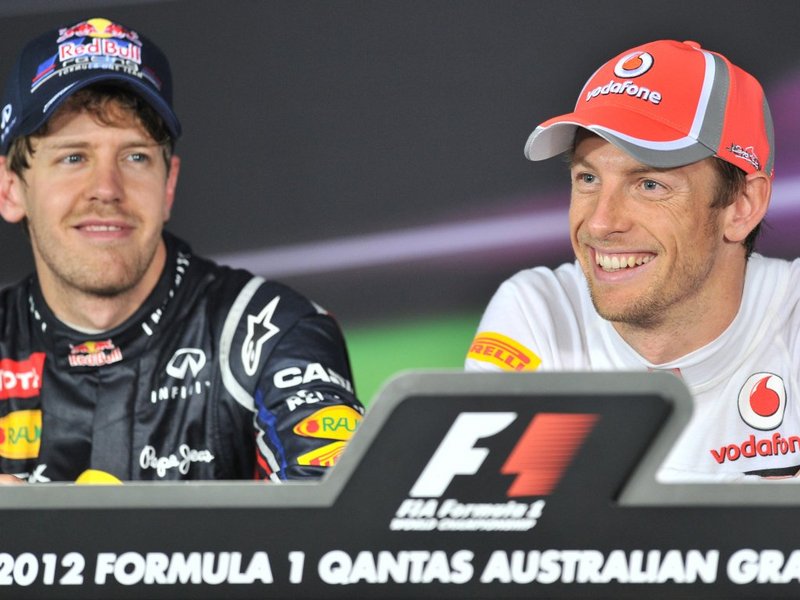
The Australian Grand Prix was held in Melbourne on the weekend, and before the event there was plenty of buzz in the media around German Sebastian Vettel, and British Jenson Button. These glamorous visitors from Europe always get a lot of attention, for both are handsome and charming; Vettel amusing and slightly mysterious, Button affable and quietly confident. In the end, Button opened the F1 season with a victory, winning comfortably against Vettel with a 2.2 second margin. It is his third Australian Grand Prix victory. (Picture has Vettel on the left in black).

I thought we’d take a look at the names of both these Formula One champions, because Sebastian and Jenson are Googled often to reach my blog, and so far I haven’t added any requested boys names to the Featured Names list, while I’ve been quite conscientious about adding the girls.

Sebastian is from the Latin name Sebastianus, which means “from Sebaste”. There were several places called Sebaste, because it is the Greek form of Augusta, named in honour of the Emperor Augustus. His adopted name meant “great, majestic, venerable”. There are towns in modern-day Turkey and Palestine with this name (or a version of it), still with ancient Roman ruins which can be visited.

The name became well known because of Saint Sebastian, a 3rd century Roman soldier originally from southern France. Skilled at converting people, according to legend he was shot through with arrows, yet did not die, so had to be martyred twice. He became popular in the Middle Ages because he was said to protect people from the plague, and also began to be depicted as a beautiful, semi-nude young man. (In early pictures, he looks like an ordinary bearded fully-clothed saint).

The name was popular amongst Continental royalty and nobility, and still retains a slightly upper-class image. Sebastian is Viola’s twin brother in Shakespeare’s gender-switching romantic comedy, Twelfth Night. Lord Sebastian Flyte is one of the main characters in Evelyn Waugh’s novel, Brideshead Revisited; beautiful and rather fey, the TV series and film makes it clear Sebastian is homosexual, although this is left ambiguous in the novel. Indeed, Saint Sebastian himself is considered a gay icon (for pretty flimsy reasons), and the name was a code for homosexuality; Oscar Wilde’s pseudonym was Sebastian Melmoth. So far, so androgynous.

However, the name got a watery overhaul when the name Sebastian was given to a Jamaican lobster in the Disney film, The Little Mermaid. Sebastian is a court composer, and a good friend and adviser to Ariel, the mermaid of the title. A Rastafarian who can lay down a reggae beat, he has given the name a new level of cool. The choice of his name seems like a deliberate reference to another famous composer: Johann Sebastian Bach. Incidentally, Sebastian is the lobster’s surname – his first name is Horatio (maybe after the American composer, Horatio Parker).

Sebastian first entered the charts in the 1960s and began steadily climbing, to become Top 100 by the 2000s. At #38 it still seems to be gaining in popularity – an elegant name that belongs to many people’s favourite Disney character.

Jenson is a lot more straightforward. It’s a surname which is basically a form of Johnson, being based on the name Jens, a short form of Johannes. According to Lou at Mer de Noms (rather a Jenson Button fan), the name Jenson has edged itself into the UK Top 100, and its growing popularity can be attributed almost solely to Mr Button himself. As to how he got his name, he was named after a family friend, Erling Jensen (father of F1 driver Steven Jensen). The spelling was altered so that it didn’t reference Jensen Motors, who made British sports cars until the 1970s.

It’s an attractive name, and one I think we’d be using in spades if Jenson Button was Australian. As it is, it’s one many parents are at least putting on their lists, although my personal feeling is that Jensen is slightly more popular, thanks to handsome American actor Jensen Ackles, from Supernatural. As I’ve said before, with female Jennifer become less popular, it gives male names starting with Jen- more of a chance.

When I try to decide which name I like best, Sebastian or Jenson, I find myself in private debate. If I take the side of Sebastian, it seems more sophisticated than Jenson, complex and multi-syllabled, romantic and princely. On the other hand, if I take the side of Jenson, it seems more laddish and chipper, down-to-earth and unpretentious, with oodles of cheeky British charm.

So I am content to say these are both very nice names, and I won’t force them to compete against each other in some Baby Name Grand Prix. When it comes to nicknames for them, I think of Seb and Bastian, and Jens and Sonny, respectively.

Famous Name: Roald

14 Wednesday Mar 2012

Posted by A.O. in Famous Names

≈ 6 Comments

Tags

famous namesakes, locational names, nicknames, Nook of Names, Norwegian names, Old Norse names, surname names, Viking names

March 7 this year marked the centenary of an important event in history. One hundred years ago on this date, Norwegian explorer Roald Amundsen sailed into Hobart, having led the expedition which first reached the geographic South Pole, on December 14 1911.

You would think that such an achievement would be greeted with parades and brass bands as they disembarked, and the men of the expedition would be celebrating with wine, women and song. However, Amundsen and his crew behaved very mysteriously. The men remained on board their ship, the Fram, while Amundsen posed as an ordinary sailor, and booked himself into Hadley’s Hotel, where they gave him a crummy room and treated him like a tramp.

Roald Amundsen sent coded telegrams of his feat to his brother and the King of Norway, but had to maintain his silence. Under the terms of several media deals he had made, he couldn’t go public until the contracted newspapers in London, Paris, Berlin and Oslo had published their exclusive stories.

On March 10 he broke his silence, and the Hobart media learned to their chagrin that the biggest story in the world had been right under their noses, and they’d been pipped at the post by the European papers. The hotel suddenly couldn’t do enough for their guest.

Tasmania has always had a special relationship with Antarctica, being the last port of call before you reach the frozen wastes, and Hobart was a pivotal part of the great age of Antarctic exploration. Today it is a base for Australian and French supply ships, and the Institute of Marine and Antarctic Research is currently under construction on the city’s waterfront.

To celebrate Amundsen’s centennial, last weekend the city of Hobart re-enacted the historic moment that the Norwegian explorer sent that vital telegram, ending with the unveiling of a commemorative plaque at the General Post Office from whence the telegram was first sent. There was also a Huskies Picnic, with husky displays, and other Amundsen-related fun.

Roald is the modern form of the Old Norse name Hróðvaldr or Hróaldr, meaning “famous ruler”. These Viking names seem to turn up in the historical records fairly frequently, and a nobleman named Hróaldr is said to have been one of the first Norse settlers in Iceland. According to Kay at Nook of Names, it is one of the possible origins for the English surname Rowett, and it is also behind the English surname Rolston. Roald is a place name in Norway.

This name is quite familiar to most people because of the author Roald Dahl, who was born in Wales to Norwegian parents, and named after the polar explorer, Roald Amundsen. Although Roald Dahl wrote adult fiction, he is best known and loved for his children’s books, which have become modern classics.

Titles such as Charlie and the Chocolate Factory, Matilda, The Witches, James and the Giant Peach, and Fantastic Mr Fox have been enjoyed by children as both books and movies. There are very few children who are not delighted by the dark comedy of Mr Dahl’s storytelling; some of them may be heartened to learn that Roald Dahl was only an average student at school, and considered an atrocious writer.

I think this name sounds very strong and even heroic (Roald Dahl himself was a World War II fighter ace). The pronunciation is a slight issue, because the Norwegian way to say it is ROO-all, but the English way is ROE-ald. Either way, there is a danger of it becoming slurred into the word rule or rolled. You get a very Australian nickname, Roo, from the Norwegian pronunciation.

Whether you would like to honour a polar explorer, a popular author, Norwegian heritage, Viking ancestry, or a connection with Antarctic research, Roald seems an excellent and unusual choice.

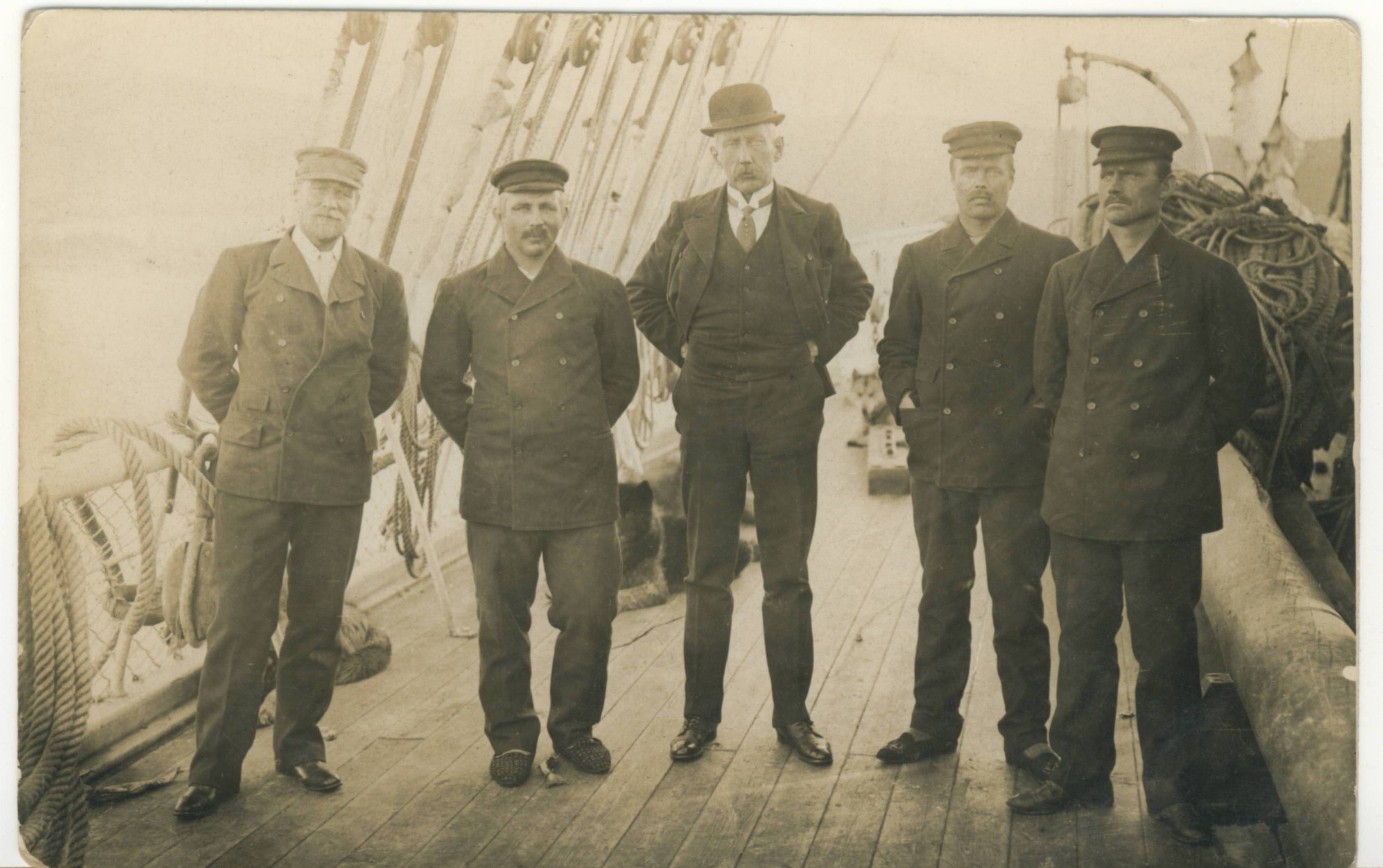
(The photo is of Amundsen with his crew on board the Fram; he is the one in the middle wearing a bowler hat. The photo is held by the Nasjonalbiblioteket in Oslo).

Ruby and Oliver – #1 in Tasmania

13 Tuesday Mar 2012

Posted by A.O. in Name Data

≈ Comments Off on Ruby and Oliver – #1 in Tasmania

Tags

celebrity baby names, celebrity names, classic names, Irish names, name popularity, name trends, nicknames, popular names, royal baby names, Scottish names, surname names

I’ve been waiting for the top boy and girls to repeat for a state, and at last they have – Tasmania shares its #1 boy and girl names with South Australia.

On the girls’ Top 10 20, Ruby continues to sparkle at #1, and in fact has increased her lead. In 2010, she was used eight more times than the #2 name; last year there were almost twice as many babies named Ruby as the next name down.

The name that increased the most in popularity was Ava, rising ten places from #13 to #3. Amelia and Olivia were not far behind, and Zoe and Sophie made modest rises.

The name falling the most was Mia, going down from #5 to #10; surprising when you think how well she did in other states. Other names decreasing in popularity were Ella, Isabella, Bella, Holly and Chloe.

Grace, Charlotte, Matilda, Emily, Lily, Isabelle and Evie were stable, and Lucy and Imogen didn’t change position.

New to the Top 20 were Stella, Layla, Lilly, Sophia, Hannah, Isla, Sienna, Phoebe and Ellie. Departed were Hayley, Molly, Georgia, Maddison and Paige.

On the boys’ Top 20, Oliver joined Ruby by remaining the #1 name for another year.

Henry went up the most, increasing his position nine places from #17 to #8. Also rising were Samuel, Ethan, Lucas and Xavier.

Tyler plummeted twelve places from #7 to #19, and Harry, Max, Lachlan, James, Charlie, Jack, Thomas and Riley also had significant losses.

Jacob, Cooper, Alexander, Angus, Archie and Oscar remained stable, while William, Noah and Connor didn’t change their position.

I based names’ position on their overall number of uses, as there were so many names sharing position. One of the anomalies of this system is that although there were no new names in the boys’ Top 20, it lost twenty-two names: Joshua, Liam, Logan, Benjamin, Isaac, Ryan, Bailey, Jackson, Mitchell, Hamish, Blake, Jordan, Sebastian, Hunter, Lincoln, Jake, Aiden, Jesse, Zachary, Harrison, Eli and Daniel.

A smaller population obviously leads to much greater volatility, and probably a few rather odd results.

Tasmania definitely has its own style of naming, with more cosy older-style names such as Olive, Esther, Eleanor, Florence, Elsie, Maggie and Meg on the full girls’ list, and a dizzying array of spelling variants. Incidentally, I note that Halle, which was a unique name in 2010, was used six times in 2011 – enough to get it onto the Top 100.

On the boys’ list, surname names seem more prevalent than usual, as well as Scottish and Irish names like Campbell and Rory, and short forms like Tom and Billy. Classic Robert can also be found on the Tasmanian Top 100. The number of babies named Flynn went from 9 to 15, putting it into the Top 100, while Tasmanians seemed immune to the charms of Harper and Savannah.

You can see the spreadsheet with exact numbers of each name at the Links to Name Data page.


← Older posts
Newer posts →

Enter your email address to follow this blog

Categories

Archives

Recent Comments

A.O.'s avatarwaltzingmorethanmati… on Zarah Zaynab and Wolfgang…
Madelyn's avatarMadelyn on Zarah Zaynab and Wolfgang…
JD's avatardrperegrine on Can Phoebe Complete This …
A.O.'s avatarwaltzingmorethanmati… on Rua and Rhoa
redrover23's avatarredrover23 on Rua and Rhoa

Blogroll

  • Appellation Mountain
  • Baby Name Pondering
  • Babynamelover's Blog
  • British Baby Names
  • Clare's Name News
  • For Real Baby Names
  • Geek Baby Names
  • Name Candy
  • Nameberry
  • Nancy's Baby Names
  • Ren's Baby Name Blog
  • Sancta Nomina
  • Swistle: Baby Names
  • The Art of Naming
  • The Baby Name Wizard
  • The Beauty of Names
  • Tulip By Any Name

RSS Feed

  • RSS - Posts

RSS Posts

  • Celebrity Baby News: Melanie Vallejo and Matt Kingston
  • Names from the TV Show “Cleverman”
  • Can Phoebe Complete This Sibset?
  • Zarah Zaynab and Wolfgang Winter
  • Baby, How Did You Get That Name?
  • Celebrity Baby News: Media Babies
  • Celebrity Baby News: Adelaide Crows Babies
  • Celebrity Baby News: Chris and Rebecca Judd
  • Names at Work: Name News From the World of Business and Employment
  • Celebrity Baby News: Sporting Round Up

Currently Popular

  • Girls Names From Stars and Constellations
  • Celebrity Baby News: Ross Stevenson and Sarah Fallshaw
  • The Top 100 Names of the 1900s in New South Wales
  • Girls Names of Australian Aboriginal Origin
  • The Top 100 Names of the 1930s in New South Wales

Tags

celebrity baby names celebrity sibsets english names famous namesakes fictional namesakes honouring locational names middle names name combinations name history name meaning name popularity name trends nicknames popular names saints names sibsets surname names twin sets unisex names

Blog at WordPress.com.

Privacy & Cookies: This site uses cookies. By continuing to use this website, you agree to their use.
To find out more, including how to control cookies, see here: Cookie Policy
  • Subscribe Subscribed
    • Waltzing More Than Matilda
    • Join 517 other subscribers
    • Already have a WordPress.com account? Log in now.
    • Waltzing More Than Matilda
    • Subscribe Subscribed
    • Sign up
    • Log in
    • Report this content
    • View site in Reader
    • Manage subscriptions
    • Collapse this bar
 

Loading Comments...