• About
  • Best Baby Names
  • Celebrity Baby Names
  • Celebrity Baby Names – Current
  • Celebrity Baby Names – Past
  • Featured Boys Names
  • Featured Girls Names
  • Featured Unisex Names
  • Links to Name Data
  • Waltzing on the Web

Waltzing More Than Matilda

~ Names with an Australian Bias of Democratic Temper

Waltzing More Than Matilda

Tag Archives: nicknames

Waltzing with …. Candelaria

02 Sunday Feb 2014

Posted by A.O. in Waltzing with ...

≈ 5 Comments

Tags

Canarian names, Marian titles, name history, name meaning, name trends, nicknames, Spanish names

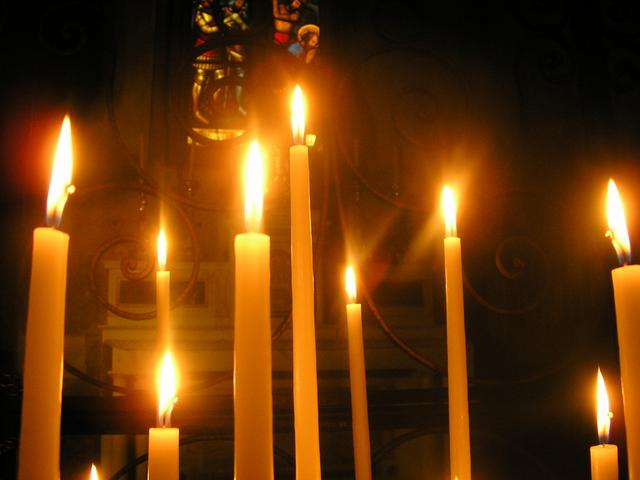
Candlemas

Today is the Feast of Candlemas, which commemorates the presentation of Jesus at the Temple and the Purification of Mary. Traditionally, there is a blessing of the candles to be used by the church that year, followed by a procession around the church with the congregation holding lighted candles, singing hymns of praise. People can also ask for a blessing on their own personal candles.

The feast follows the story given in the Gospel of Luke, where Mary and Joseph took the infant Jesus to the Temple in Jerusalem 40 days after his birth for Mary’s ritual purification after childbirth, and the redemption of a first-born son, according to the Law of Moses. Luke notes that Mary and Joseph sacrificed a pair of pigeons or doves, which was the option offered to the poor – wealthy people sacrificed a lamb.

While in the Temple, the Holy Family encountered an elderly pair of prophets named Simeon and Anna, who prayed for Jesus, prophesying that he would redeem Israel and bring enlightenment to the world. This is significant as the first public recognition of Jesus as a future religious leader, and his first entry into a house of religion.

We know that the Presentation of Jesus at the Temple has been celebrated by the Christian church since at least the 4th century, but its connection with candles only seems to have begun in the Middle Ages. As candles don’t play any role in the Gospel story, one might suspect that the custom began because in Europe, early February marks the midpoint of winter, when it starts to become noticeably lighter. Because Jesus was prophesied to be a “light … to the Gentiles”, there was a natural link between celebrating the return of the sun’s light with the “light of the world”.

Candlemas has many secular traditions associated with it, especially ones connected with agriculture; as the half-way point of winter, Candlemas was a handy reference point. Farmers were meant to have half their winter grain stores left by Candlemas, and it was the date that poultry was supposed to begin laying. It was also the traditional day to bring cattle in from the hay meadows so that the land could be prepared for another crop.

Weather lore is also a Candlemas tradition. In Britain, a saying is: If Candlemas Day is clear and bright, winter will take another flight. If Candlemas bring cloud or rain, winter is gone and will not come again. In the United States, they have the German tradition of Groundhog Day on Candlemas, when folklore says groundhogs will only come out of their burrow if it is cloudy, meaning that spring is on its way; if it is sunny, the groundhog will retreat back into the burrow for six more snoozy weeks of hibernation. In France, they think the opposite is true: a cloudy Candlemas means forty more days of winter, and in Italy, Candlemas is supposed to be the last cold day of the season.

In Australia, we cannot share in these wintry traditions, and as Candlemas often falls during the bushfire season of total fire bans, it would be foolhardy, not to mention illegal, to be messing around with lighted candles at this time. However, Candlemas is also supposed to mark of the end of the Christmas season, and this probably works better in Australia than Europe now, because it is around this time of the year that the Christmas holidays end.

There is a name especially associated with this festival. Candelaria is a Spanish name meaning “Candlemas”, which can be given in honour of the day. It can also be seen as a reference to Our Lady of Candelaria, one of the titles of the Virgin Mary. The Virgin of Candelaria is especially venerated in the Canary Islands, and we learned about this mysterious figure when we covered the name Chaxiraxi late last year. Her feast day is August 15, but she has another on February 2, linking her to Candlemas.

Candelaria is a rather gorgeous Spanish girl’s name, another of the many names which reference light, and in this case, a promise of approaching spring (or in Australia, the promise of cooler weather, which can’t come soon enough for my liking).

Candelaria may seem extravagant to some, and others may worry that the word “candle” is too obvious within it, but it could be used as a middle name if it seems too spectacular as a first name. I think it would be a marvellous name for anyone born around this time of year, and may be especially attractive to those with Spanish or Canarian heritage. The nickname Candy seems dated, but Aria would be smack bang on trend.

POLL RESULT
Candelaria received an approval rating of 42%. 32% of people hated the name, while only 7% loved it.

Celebrity Baby News: Tim and Michelle Ross

28 Tuesday Jan 2014

Posted by A.O. in Celebrity Baby News

≈ 4 Comments

Tags

celebrity baby names, celebrity sibsets, name trends, nicknames, vintage names

606499-tim-ross

KIIS FM radio star Tim “Rosso” Ross, and his wife Michelle, welcomed their second child on Australia Day and have named their son Bobby Arrow. Bobby Ross has a big brother named Bugsy, aged 2. Bugsy’s birth was announced on the blog.

You may remember a reader wrote in to the blog to find a baby name that would go well as a brother to their son Bugsy, and also decided on a vintage short form to match it. Arrow may be the logical next step from Archer and Fletcher, and seems like a name with a lot of potential.

(Photo shows Tim, Michelle and Bugsy)

True Blue Names for Girls

19 Sunday Jan 2014

Posted by A.O. in Name Themes and Lists

≈ 6 Comments

Tags

animal names, Australian idioms, Biblical names, bird names, celebrity baby names, colour names, english names, fictional namesakes, flower names, French names, gemstone names, German names, Greek names, middle names, modern classic names, name history, name meaning, name popularity, name trends, names from movies, nature names, nicknames, Norman-French names, Persian names, plant names, popular names, surname names, unisex names

bluewren-male

It will be Australia Day in a week’s time, and rather than cover just one name, I am suggesting names with a “blue” theme, in honour of Australia, where the phrase “true blue” has taken on its own patriotic meaning.

Azura

The name Azura is an elaboration of the colour name Azure. Azure is an intense light blue, the colour of a clear sky on a hot summer’s day. In the patriotic Song of Australia, the lyrics describe how all about is azure bright, and the bird called the azure kingfisher is native to Australia. The English word azure comes from French azur, and is taken from the blue mineral lapis lazuli – lapis means “stone” in Latin, while lazuli is from lāžaward: the Persian name for the mineral, derived from Lazhward, a place where it was mined. According to Jewish tradition, Azura was one of the daughters of Adam and Eve, and the wife of her brother Seth. Azura is a popular name in science fiction and fantasy, most notably in Skyrim, where Azura is the Lady of Twilight who rules over the realm of Moonshadow. Last year, NRL star Anthony Minichiello, and designer Terry Biviano, welcomed their daughter Azura. This is pretty and exotic while still similar to names like Arya and Zara.

Bluebell

The bluebell is a type of hyacinth; a spring bulb which grows wild in the woodlands of Europe and is also a popular garden plant. Its name comes from its violet-blue colour, and mass of bell-like petals. Several other unrelated flowers around the world are named bluebell, and in Australia we have the Royal Bluebell (Wahlenbergia gloriosa). This deep violet wildflower grows abundantly in the Australian Alps, and is the floral emblem of the Australian Capital Territory. Summer flowering, it is hardy and easily grown in the garden; however, it is protected in the wild, and cannot be picked or collected. Bluebell came into use as a girls name during the 19th century, along with other flower names, but doesn’t have a Victorian vintage vibe – it seems hip and funky. I have seen this a few times as a middle name, but would love to see it boldly upfront.

Delphine

Delphine is the French form of Delphina, which can be understood as meaning “from Delphi”. However, the name reminds me of dolphins, whose scientific family name is Delphinidae, from the Greek delphus, meaning “womb”, to indicate that although they look fish-like, as mammals, they bear live young. The Greek town of Delphi, the home of the famous Delphic Oracle in ancient times, is also said to mean “womb”, as it was meant to be the navel of the earth goddess Gaia. The grey-blue colouring of the dolphin suggested this name to me, and there are several species of dolphin which live in, or migrate to, the waters surrounding Australia. Since ancient times, people have been fascinated by dolphins, and there are many stories of wild dolphins rescuing people, helping surfers and swimmers in trouble, or even protecting humans from shark attacks. Their high intelligence and playful behaviour make them appealing companions, and there are several places in Australia where you can swim with and interact with wild dolphins. Delphine is a pretty dolphin-related name for anyone who loves these free-spirited sea creatures, and has Dell and Fifi as potential nicknames.

Indigo

Indigo is one of the seven colours of the rainbow, a dark shade of blue. It was Sir Isaac Newton who introduced indigo as one of the colours of the spectrum, because in the mid-17th century, when he began his work with prisms, the East India Company had begun importing indigo dye to Britain, where it was used to colour clothing a deep blue. Indigo dye comes from the plant Indigofera tinctoria, native to tropical Asia, and the word indigo comes from the Greek, meaning “Indian dye”. Indigo is a rather controversial colour, because Sir Isaac Newton decided there had to be seven colours to match the seven notes of a scale and seven days of the week, and scientists question whether indigo is really a colour of the spectrum, or just the point where blue deepens. Even more confusingly, Sir Isaac Newton seems to have used the word indigo to mean the colour we call blue. Indigo has strong New Age associations, because it is seen as a particularly spiritual colour connected to psychic power. Indigo is a rather trendy girls name in Australia, a favourite choice of celebrities; rising with other Ind- names, it is #137 in Victoria.

Jasmine

I would not have considered this for a list of Blue Names, except that while writing it, Australian actress Cate Blanchett won a Golden Globe for her role in the film Blue Jasmine. There are about twelve species of jasmine native to Australia; these climbing vines come from tropical and subtropical areas of Queensland and northern New South Wales. The flowers are delicate and white, and have a sweet, intoxicating scent; they are both fragile and strong. The word jasmine comes from the Latinised Persian yasamen, meaning “gift from God” – there really is something quite heavenly about jasmine. The name Jasmine is a modern classic which has charted here since the 1960s, and soared during the 1970s to make the Top 100 for the 1980s. It peaked in the early 2000s at #14, and is still stable in the Top 100. It is #36 nationally, #33 in New South Wales, #28 in Victoria, #41 in Queensland, #31 in South Australia, #24 in Western Australia, #59 in Tasmania, #15 in the Northern Territory and #20 in the Australian Capital Territory.

Sailor

This name occurred to me because the Royal Australian Navy winter uniform is dark blue (and the summer uniform has dark blue trim); Sailor could be used as a name to honour a family naval tradition. Sailor has been used as a first name since at least the 19th century, and was used for both sexes, although more common for boys. It received greater recognition in the 1990s, when American model Christie Brinkley gave the name to her daughter, and since then has been overwhelmingly seen as a girls name – perhaps partly because it fits in so well with the trend for names such as Kayla, Layla and Tayla. Weatherman Grant Denyer named his daughter Sailor in 2011, his wife Cheryl a fan of the name ever since Christie Brinkley’s choice. The name Sailor probably came originally from the occupational surname, in which case it can be from the German seiler, and mean “ropemaker”, or English, where it means “dancer, acrobat”, from the Norman French sailleor, meaning “dancer, leaper”. The German origin seems to be more common, and as sailors once worked with ropes, still seems to fit as a sailing name.

Sapphira

A Greek name meaning “sapphire”, which simply means “blue stone”. However, it is likely that the ancient Greeks were referring to lapis lazuli when they used the word – it comes from the Hebrew sappir, meaning “lapis lazuli”. In the New Testament, Sapphira was an early Christian who, along with her husband, was struck dead for concealing money from the church and lying about it. It’s hard not to think that they were executed, although the Biblical account is vague on the details. It’s one of the creepier and more troubling parts of the Bible, and doesn’t really show the early church in a good light. A more pleasant connection is the intelligent and loyal blue dragon named Saphira in Christopher Paolini’s Inheritance series of fantasy novels. Crime novelist Tara Moss chose the name Sapphira for her baby daughter in 2011, apparently because she had blue eyes. Sapphira is an exceptionally beautiful and elegant name which can also reference the sapphire mining trade in Australia.

Sky

The atmosphere as it appears from Earth; the word comes from the Norse word for “cloud” (you can see our ancestors came from a place where skies tended to be cloudy!). On a clear day the sky appears blue because air scatters blue sunlight more than it scatters red. Because of this, we give as a truism that the sky is blue, even though it appears in a range of colours depending on the conditions, and there is a colour named sky blue because of that. Blue skies are symbolic of happiness and good times ahead, and blue skying is to think creatively – to think that the sky is the limit, to reach for the sky. Although there are blue skies all over the world, in Australia the strong sunlight and lack of cloudiness mean we see a lot of blue sky, and intensely blue skies – the patriotic song Awake! Awake, Australia! mentions our “bright blue skies”. Sky is a unisex name which has never charted in Australia, but its similarity to Skye and Skyla will make it seem feminine here.

True

An English word which can be understood as meaning “genuine, trusty, faithful”, ultimately from an ancient root meaning “steady, firm”. A common saying in Australia is to describe someone as a true blue Aussie, as featured in the John Williamson song, True Blue. The phrase true blue goes back to medieval times, when the colour blue symbolised faith and constancy. Although theories abound as why this was so, the most likely explanation is that it’s from the blue-dyed cloth produced in the town of Coventry, famous for not fading with washing, and thus remaining “true”. Later on, the phrase became associated with the Presybterian Church, and later still, the Tory Party, and their “true blue supporters”. In Australia, far from “true blue” having these conservative associations, in the 19th century it was used to describe those working class men who remained true to their labour principles, and was thus a left-wing term. Gradually, true blue came to mean anyone loyal to Australia and its values. True can be used as a name for either sex; on a girl, it seems as if it could be short for Trudy and similar names.

Wren

Australian wrens are similar in appearance, but unrelated to the wrens of Europe and the Americas. In some species, such as the Superb Fairywren and Splendid Fairywren, the breeding male has a very distinctive and beautiful blue plumage in contrast to the grey-brown tones of the females and juniors. In other species and subspecies, both males and females are bright blue, or have blue patches. Because they are tiny, pretty, and have an attractive range of birdsongs, we love it when fairywrens visit our gardens. Seeing a group of colourful wrens flutter through the bushes is the closest thing to having fairies in the garden that most people will experience. Another charming fairywren fact is that the male will present brightly coloured flower petals when courting a female, which to human eyes looks like bringing a bouquet of flowers. Wren has been used as a first name since the 17th century, and from the beginning was unisex, given roughly equally to both sexes, and possibly influenced by the surname, which comes directly from the bird. Today it is usually thought of a girls name, and although I can see it on a boy, the fairywren seems to render it more feminine than masculine. Elsewhere Wren might seem a humble choice as a name, while here I think it’s much brighter and more cheerful.

POLL RESULTS
The public’s favourite names were Wren, Indigo and Delphine, and their least favourite were Sailor, True and Sky.
The 2013 Matilda Awards

16 Thursday Jan 2014

Posted by A.O. in Blog News

≈ 4 Comments

Tags

Arabic names, Biblical names, celebrity baby names, celebrity sibsets, classic names, German names, germanic names, Irish names, name combinations, nicknames, popular names, rare names, royal names, sibsets, surname names, twin sets, underused classics

165256Welcome to the Matilda Awards, where we discover which names featured on the blog proved most popular with the public during 2013.

Waltzing With … Category

The most popular names featured in the Waltzing With … Category were LAYLA, which scored a 94% approval rating, and SULLIVAN, which scored a 96% approval rating – not just the highest-rated name for the category, but the highest-rated for the whole year.

Layla is an Arabic name with a romantic history, both in Muslim literature and popular culture; it is comfortably established in the Top 50. Sullivan is an Irish surname used as a first name; it was #306 in Victoria for 2012, and is rising in both the US and UK.

Layla and Sullivan did well not because they were deeply loved by the public, but because so few people hated them – in fact not a single respondent said they disliked the name Sullivan.

Famous Names Category

The most popular names featured in the Famous Names Category were MIRIAM, which scored an approval rating of 91%, and HENRY, which scored an approval rating of 95%.

Miriam is an ancient Biblical name, the name of one of the strongest and most interesting Old Testament heroines; it is an underused classic which has never left the charts yet never reached the Top 100. Henry is an English name of Germanic origin, long known as a royal name (and was featured as the name of a visiting prince); it is a popular classic which is gently rising in the Top 50.

Miriam was praised for being both strong and intelligent, and pretty and feminine; people also noted its many nickname options. Almost nobody disliked the name Henry.

Name Themes and Lists Category

The most popular names which were featured in the Names Themes and Lists Category were ALICE and AUGUST. Alice won convincingly, and also managed to win the original poll, while August received almost twice as many votes as its nearest opponent.

Alice is an English name of Germanic origin which has been used by royalty and aristocracy; it is currently rising in the Top 50, and was one of the fastest-rising names of 2012. August is a German short form of Augustus which featured as a rare royal name from history; it does not chart in Australia, but is currently rising in the US and UK.

Celebrity Babies

The most popular names for celebrity twins were HARVEY AND ROXANNE WELLER ALLEN, the son and daughter of singer Toby Allen and actor Darren Weller. They were the only celebrity twin names to be judged “adorable” by a majority of people – quite an achievement as there were an unusually high number of celebrity twins last year.

The most popular celebrity baby girl name was TESS CLEMENTINE HUGHES, the daughter of comedian and broadcaster Dave Hughes, and journalist Holly Ife. She was picked as favourite by 20% of respondents, who loved her hip name. Tess has a big sister named Sadie, and a big brother named Rafferty – what a cool sibset.

The most popular celebrity baby boy name was SEBASTIAN TANDER, the son of champion racing drivers Leanne and Garth Tander. He was picked as favourite by 30% of respondents, who found his smooth, stylish name appealing. Sebastian has a big sister named Scarlett – a sleek modern sibset.

From the Baby Name Round-Ups, the winning baby names were FREYA ROSE GOWER and SAMUEL ELLIOT. Freya is the daughter of NRL player Craig Gower, and model Amanda Flynn, and the name Freya has recently become a favoured choice for sporting celebrities. Samuel is the son of national women’s team cricketer Sarah Elliot, and cricket coach Rob Elliot.

Birth Announcements

The most popular names for multiples were MAGNOLIA MARY AND HENRY JOSEPH, who had a narrow win. Readers of Waltzing More Than Matilda are a broad-minded lot, and don’t believe Mary and Joseph are “too matchy” for twins. Or maybe they couldn’t resist voting for Henry once more.

In the girls name section, ETTA JUNE had a very comfortable win. Vintage, hip and extremely cute, Etta fits in with popular names such as Ella.

In the boys name section, JUDE WINTER absolutely trounced the opposition, gaining a massive 40% of the vote. This is a very stylish name combination, with Winter working just as well on a boy as it does on girls. Etta and Jude came from the same set of birth announcements in July – both their middle names seem inspired by the winter season, and both have a JOO sound in their names. Magnolia and Henry came from another set of July birth announcements – a victory for midwinter babies!

The most popular names in a sibset were ELSIE, NED, TILLY AND GUS, which just scraped through by a couple of votes. A very charming vintage short form sibset, these sisters and brothers were featured the day after Anzac Day.

What type of names did people like? Quite a variety, but royal names, vintage names, classic names, short form names, popular and rising names seem like the big winners.

Famous Names: Mitchell and Mervyn

08 Wednesday Jan 2014

Posted by A.O. in Famous Names

≈ 8 Comments

Tags

english names, famous namesakes, historical records, Irish names, locational names, modern classic names, name history, name meaning, name popularity, nicknames, popular names, Scottish names, surname names, Welsh names

Mitchell Johnson Media Session

It is a glorious summer: beautiful weather, cloudless blue skies, golden sunshine, and best of all – victory in that ancient international cricketing rivalry, the Ashes. Having lost to England during the northern summer of 2013, Australia was itching to get revenge back on home soil, and we did.

For whatever reason, England failed to perform in Australia and had already lost the Ashes 3-0 by Christmas. The series finished 5-0 to Australia, only the third time in history such a whitewash has been achieved, and England lost all 10 wickets in every innings of the Test series – the first time either side has forfeited 100 wickets in Ashes history. Little wonder we celebrated wildly at the Fan Day at the Opera House yesterday, having taken down the team which was ranked #1 in the world and were favourites to win.

Mitchell Johnson was awarded Man of the Series, the fast bowler having taken 37 wickets – the most in an Ashes series in Australia since the late 1970s. Even more remarkably, this was a comeback with a vengeance, because not so long ago, Mitchell was battling injury, his self-confidence destroyed by the jeering of England’s fan base, the Barmy Army (a jingle about Mitchell Johnson is still their most popular song, and I use the word “song” extremely loosely).

Quite apart from his Barmy Army-silencing performance (and I use the word “silencing” with great poetic licence), Mitchell’s value during the Ashes was as a psychological weapon, because he seemed to strike fear into the English batsman. His secret? Maybe it was his training, the confidence brought about by fatherhood, or a pep talk by a war hero, but nearly everyone was convinced it was his moustache. No, seriously.

Mitchell grew a moustache for Movember to raise money for men’s health, but was urged not to shave it off at the end of the month by selector Mervyn “Merv” Hughes, who sports an impressive moustache himself. A public campaign and $10 000 donation from Gillette convinced Mitchell to keep the mo, and it seemed to work.

I was following the Ashes on the BBC, and was interested to see how much that moustache affected the English: it was the “menacing mo”, “the terrifying tash”, “the malicious moustache”, “the fearsome face-fuzz”, or the “horrid horseshoe”, and Mitchell became the “pantomime villain”. Add one moustache, and suddenly this shy, quiet man had become a bowling nightmare to the English.

Unfortunately, Mitchell says the magic mo must go for now, but confirms he will be growing it back when we take on South Africa later in the summer. I just hope it hasn’t lost its mystique by then.

Mitchell is an English surname of several origins. It is said that the first people with this surname came from Mitcham in Surrey (now in the outer suburbs of London), with Mitcham meaning “big town, large settlement”. Mitchell can also be derived from the male name Michel, a Middle English nickname for a large person, meaning “big”. The Normans had the name Michel, but in their case it was a form of the name Michael.

The surname Mitchell must have moved north during the medieval period, as it became particularly associated with Scotland. The Gaelic form of the name is based on the name Michael. In Ireland, Mitchell is used to Anglicise the Irish surname Ó Maoilmhichil, from the clan name Uí Mhaoilmhichil, meaning “devotees of the Archangel Michael”.

The surname Mitchell is one very well known in Australia, for Sir Thomas Livingstone Mitchell was a 19th explorer of Australia. Originally from Scotland, he joined the British army, where he distinguished himself during the Napoleonic Wars, then became a surveyor in New South Wales. He explored New South Wales, Victoria and Queensland, and published two books which included close and sympathetic observations of the Aboriginal people he encountered.

He is also remembered for the invention of the boomerang propeller, and being the last man in Australia to challenge anyone to a duel (both marksmen missed, so nobody was hurt). Many things are named after him, including the town of Mitchell and the Mitchell River in Queensland, the Mitchell Highway between Queensland and New South Wales, and Major Mitchell’s Cockatoo, a very beautiful bird with soft pink and grey markings, much admired by Sir Thomas Mitchell.

Mitchell has been used as a boys name since at least the 16th century, and turns up early in Scotland. There are many men named Mitchell in Australian records, and lots of them emigrated from Scotland or have Scottish surnames.

The name Mitchell has charted in Australia since the 1940s. It climbed gently until the 1980s (the decade when Mitchell Johnson was born), when it suddenly shot into the Top 25 from virtually nowhere. It peaked in the 1990s at #12, and is still stable in the Top 100. Currently it is #45 nationally, #77 in New South Wales, #53 in Victoria, #51 in Queensland, #41 in South Australia, #37 in Western Australia, and #91 in Tasmania.

Australia is the only country in the world where the name Mitchell is still in the Top 100, and with the success of Mitchell Johnson, I don’t see it going anywhere soon. It’s an Australian modern classic with a lot of history, and a name we hold dear.

Mervyn is derived from the Welsh name Merfyn, of uncertain meaning. It is sometimes said to be a variation of the Welsh name Myrddin (“sea fortress”), from whence we get Merlin, but it may mean “big”, and is often translated as meaning something along the lines of “famous to the marrow”. There was a medieval Welsh king named Merfyn.

The name Mervyn was #66 in Australia in the 1900s, and peaked in the 1920s at #44 before declining and leaving the Top 100 in the 1950s. It hasn’t charted since the 1970s. It may be dated, but it is a uniquely Australian name, because in no other country (not even Wales) did it ever become popular.

Two names more Australian than you might have thought – but which one do you prefer?

POLL RESULTS
Mitchell received a respectable approval rating of 68%, while people were less enthusiastic about Mervyn, with an approval rating of 22% – not one person loved the name Mervyn.


Waltzing with … Barton

29 Sunday Dec 2013

Posted by A.O. in Waltzing with ...

≈ 4 Comments

Tags

english names, honouring, name combinations, name history, name meaning, names of Prime Ministers, nicknames, sibsets, surname names

centennial_park

Soon it will be New Year’s Day – the first day of 2014, with a whole calendar of days ahead to fill. Australians have something else to celebrate: the 113th anniversary of the Federation of Australia, which took place on January 1 1901.

Federation was the process by which the six British colonies of New South Wales, Victoria, Queensland, Tasmania, South Australia, and Western Australia were united as one nation – the Commonwealth of Australia. Unfortunately, we don’t celebrate this momentous occasion, having stayed up late New Year’s Eve, and we already have a public holiday anyway, so instead Australia Day is our national holiday.

The movement towards Federation began in the late 19th century, when enough people had been born in Australian to identify as “Australian” rather than British (even though they were still British subjects). Nationalism was celebrated in songs and poetry, with Banjo Paterson one of the poets who led the way, and technology had improved enough that people could travel and communicate across the country.

Despite this, it was hard to get everyone interested in being federated, as there were so many issues to resolve. At one time, it was thought New Zealand and Fiji might want to join, but for some reason they didn’t (New Zealand showed interest, took a raincheck and never called us back). Smaller colonies were convinced that big ones like New South Wales and Victoria would end up running the show, while the labour movement worried that it might distract everyone from industrial reform.

There was also the problem of what model we were to follow in federating the colonies. The United States had managed to unify their colonies – but they did so through a bloody revolution, and becoming a republic. Canada seemed a promising candidate, but it was thought to be too highly centralised, which brought out the paranoia of smaller colonies all over again. Switzerland was another possibility, but it had pretty much followed the American model anyway.

In the end, the United States was the obvious model, and we did a bit of a mix-and-match – using the US Constitution as a guide, while retaining the Westminster system, and passing on the revolution and the republic. Like the United States, Australia leaves a few big things in the hands of the federal government, while allowing the states the freedom to handle a whole raft of smaller things. We both have a Lower House and a Senate, and the most obviously American thing of all – our colonies became states, not provinces or cantons or counties or regions or departments.

One of the early supporters of Federation was a New South Wales lawyer and politician named Edmund Barton (Toby to his friends since childhood, for reasons I have been unable to ascertain). Barton had early on shown political promise when he umpired a cricket match between England and New South Wales which turned ugly, resulting in international cricket’s first riot (Banjo Paterson was amongst the rioters who invaded the pitch). Barton showed presence of mind in defusing the situation, and it is thought this helped him first become elected to the Legislative Assembly.

Barton was leader of the federal movement in New South Wales, and addressed nearly 300 meetings in both city and country, helped draft the Constitution, travelled to London to explain the federation bill to the British Government, and campaigned for federalism when the issue went to referendum. It was a total no-brainer to practically everyone that when a caretaker Prime Minister was appointed, it should be Barton, the leading federalist of the oldest state.

However it wasn’t quite so clear-cut to the first Governor-General, Lord Hopetoun, who asked the Premier of New South Wales, Sir William Lyne, to become the first Prime Minister. He doesn’t seem to have asked anyone’s opinion or gauged the public mood, and everybody had a fit, because Sir William had been the main opponent of federalism until he suddenly changed sides at the last minute once he realised that federation was definitely happening. Hopetoun blindly followed the protocol used by Canada, and it was such a disastrous decision that it has gone down in history as The Hopetoun Blunder.

After some rather tense negotiating, Lyne handed back his commission and Hopetoun swore Edmund Barton in as Australia’s first Prime Minister in Centennial Park, Sydney, on New Year’s Day 1901, and all his ministry as well – which included Sir William Lyne as Minister for Home Affairs.

One of the first tasks was to organise the first general election, which took place on March 29-30, and was different to today’s elections – voting was voluntary (about 60% voted), the first-past-the-post system was used, and every state had its own laws, so in some places women and Aborigines were allowed to vote, and in others they weren’t. No party won outright, but Barton’s Protectionist Party was able to govern with the support of the Labor Party, and it was felt that the nation’s first election had gone extremely well.

I remember some years ago (I think for the Centenary of Federation), there was a television advertisement which noted that many Australians didn’t know who their first prime minister was, although most knew that George Washington was the first president of the United States. Rather than decrying this failure in our education, the advertisement tried to make it seem like a good thing – apparently the lack of war made our first prime minister’s name forgettable.

Which is nonsense: plenty of other countries gained their first leaders without bloodshed, and I’m sure they know who they were. The Australian citizenship test used to ask who the first prime minister was, but this is no longer required. Feeble. (The US citizenship test still asks who the first US president was). No excuses – all Australians should know Edmund Barton was our first PM.

Barton is an English surname which comes from places named Barton in Lancashire, Staffordshire, Yorkshire and Kent, meaning “barley farm” in Old English. The one in Lancashire seems to be the earliest source of the surname. Barley was one of the first grains ever domesticated, and a staple food for peasants during medieval times. In fact, the word barn means “barley house”.

You may recall that A.B. “Banjo” Paterson, national poet and cricket rioter, was related to Edmund Barton through his mother, who was born Rose Barton. Paterson’s initials stood for Andrew Barton, and as his father was named Andrew, he went by his middle name, being known as Barty to his friends. The name Barton would be a good way to honour not only our first prime minister, but our favourite poet as well. You could use the Simpsonian Bart as the nickname, but I favour Paterson’s choice of Barty, which fits in with popular choices like Archie.

Name Combinations for Barton

Barton Aloysius, Barton Earle, Barton George, Barton Oswald, Barton Ramsay, Barton Thomas

Brothers for Barton

Arthur, Griffith, Reid, Stanley, Theodore, Winston

Sisters for Barton

Adelaide, Eliza, Ivy, Lucinda, Nell, Pearl

Note: Middle names and sibling names taken from names related to the Federation of Australia, and the lives of the early Prime Ministers

POLL RESULT: Barton received an approval rating of 53%. 29% of people thought it was a good name, but nobody loved it.

(Photo shows crowds filling Centennial Park in Sydney for the Federation Day celebrations of 1901)

Name Update: They Completely Changed Their Minds

28 Saturday Dec 2013

Posted by A.O. in Name Updates

≈ 5 Comments

Tags

choosing baby names, dog names, name combinations, nicknames, surname names, zodiac names

sag1

Louise and Ross planned on naming their first child Barnaby, but were worried that their pet dog Barney would clash with this, or make it seem ridiculous. Louise wrote in to ask for people’s opinions, and also to see whether they liked their second choice for a name, Jasper, any better.

When they went to the hospital, they were quite convinced that their baby’s name was either going to be Barnaby or Jasper – they even considered Barnaby Jasper or Jasper Barnaby as options. However, once their little boy was born, something happened – they both knew that neither of those names was right for him! They looked into his eyes, and he didn’t seem like a Jasper or a Barnaby at all.

Louise explains: We both love Barnaby and like Jasper, but as it turned out, we didn’t love or like those names for our son. They were perfect on paper, and would be lovely for someone else, but not for our baby.

They started their whole name search again from scratch, but this time it seemed much easier, because it was a practical exercise, rather than a theoretical one. Suddenly all kinds of names they had earlier rejected seemed possible.

Within two days of leaving hospital they had decided on a name, and their son is

ARCHER LENNOX.

The name Archer suggested itself because their son’s zodiac sign is Sagittarius, and Lennox is a family surname which gives Lenny as a “back up” name if needed. Louise and Ross are big believers in Plans B!

They have had mostly positive feedback from friends and family, who have nearly all immediately dubbed the baby “Archie“. Louise and Ross are completely happy with the choice they made, although things didn’t work out exactly as they expected.

Congratulations to Louise and Ross on their first child, who has a handsome name even if it did come as a bit of a surprise!

Remember that it’s a great idea to take a little list of possible names to the birth of your child, but you’re not obligated to stick with any of the names after the baby is born. It’s just a list, not a contract, and you are completely free to change your minds.

Have you written into the blog with a name dilemma and then changed your minds once the baby was born? We don’t mind a bit if you ignored our opinions, or went in a completely different direction – we just want to know that you’re happy with the name you eventually chose. Send us your name updates! 

Name Update: Nameless No Longer

26 Thursday Dec 2013

Posted by A.O. in Name Updates

≈ 4 Comments

Tags

celebrity baby names, choosing baby names, fictional namesakes, honouring, middle names, name combinations, nicknames, sibsets

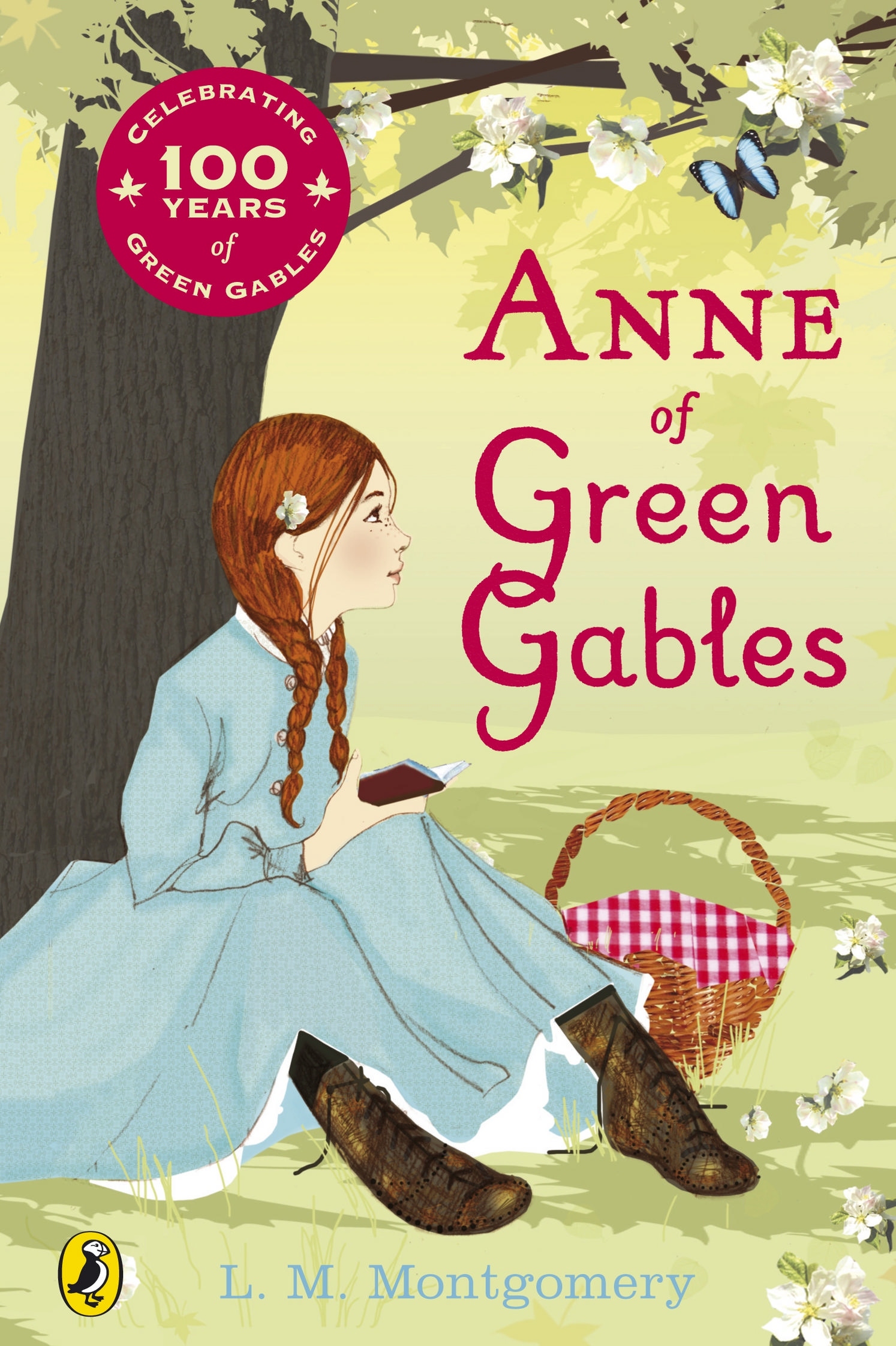
AnneGreenGables27

Nina wrote in to the blog because she and her husband Hamish had a six-week-old baby daughter who still didn’t have a name, and the date for registration was growing closer each day.

Nina had her heart set on Annie, but at the last minute Hamish said he wanted the baby to be named Sarah, after his mother. The longer it took them to resolve their differences, the more other people felt they could offer their own opinions on the matter, which made the decision seem even more complicated.

After the couple compromised by agreeing on the name Anne, Nina wrote in again to ask for help on choosing a middle name.

Just before Christmas, Nina posted off the registration forms for their child’s name, so they got in before the deadline with about a week to spare, and their daughter’s name is

ANNE ELIZABETH KATE “ANNIE”,

baby sister to Edie and Alistair “Mac”.

Anne is the middle name of Hamish’s mum, so they found a way to honour his mother and still get to the nickname Annie. Nina is pleased, because she loved the Anne of Green Gables books as a child (as well as the musical Annie).

Nina chose the middle name Elizabeth because so many people suggested that they name the baby “what she looks like”, and Nina thinks her youngest daughter looks most like an Elizabeth – a name they had also considered. If Anne ends up going by her middle name and being a Betsy, Nina won’t mind that at all.

Kate is a family name that had also been on their list, and was the middle name she favoured for a baby Annie.

Nina says she wasn’t brave enough to use as many middle names as Clive Palmer – and there wasn’t enough space on the form anyway!

They have had mixed reactions from family and friends, with most people saying they should have just gone with Annie as the official name. However, Nina loves her baby’s name and thinks it is perfect for her.

At the moment, it is not entirely sure whether Anne will be called Annie or not. Mac hasn’t been able to pronounce the name Annie yet, and sometimes calls his little sister Peg. Nina still just calls her Baby. However, Nina recently discovered that Annie was the middle name of her great-grandmother, so maybe it is fate that she be an Annie in the future!

Congratulations to Nina and Hamish on their new daughter! I think Anne Elizabeth Kate is a lovely simple, unpretentious classic name that is perfectly familiar, but these days, not common at all.

Remember that you have sixty days to name a baby, so don’t be afraid to take longer to find the perfect name if you need to. You will get there in the end, even if it doesn’t feel like it at times.

The People’s Choice of Boys Names

22 Sunday Dec 2013

Posted by A.O. in Name Themes and Lists

≈ 9 Comments

Tags

African names, Akkadian names, Albanian names, Arabic names, Armenian names, celebrity baby names, Christmas names, english names, epithets and titles, famous namesakes, fictional namesakes, Finnish names, French names, Greek names, Hawaiian names, hebrew names, Indian names, Irish names, Kurdish names, Latin names, Maori names, mythological names, name history, name meaning, name popularity, name trends, nicknames, Old Norse names, polynesian names, saints names, scandinavian names, Semitic names, Slavic names, surname names, unisex names

3 kings

A selection of boys names that have been searched for several times to reach the blog. I chose names from different backgrounds that aren’t on the Top 100.

Ari

This little name has several origins. It is a Hebrew name meaning “lion”, an Armenian name meaning “brave”, a Scandinavian name from Old Norse, meaning “eagle”, an Albanian name meaning “bear”, a Maori name meaning “clear, visible”, or an Indian name meaning either “sun-like” or “free from sin”. It is also a Finnish form of Aaron and Adrian, a Kurdish short form of the name Arian, meaning “Aryan”, and is commonly used as a short form of any name begining with Ari-, such as Aristotle. There have been quite a few characters named Ari in popular culture, starting way back in the 1950s, with Ari Ben Canaan as the hero of Leon Uris’ novel Exodus, about the founding of the state of Israel; based on Israeli military leader Moshe Dayan, in the movie he was played by Paul Newman. This simple multicultural name is rising like other Ar- names such as Archer, Arlo and Arthur, and is #135 in Victoria.

Balthazar

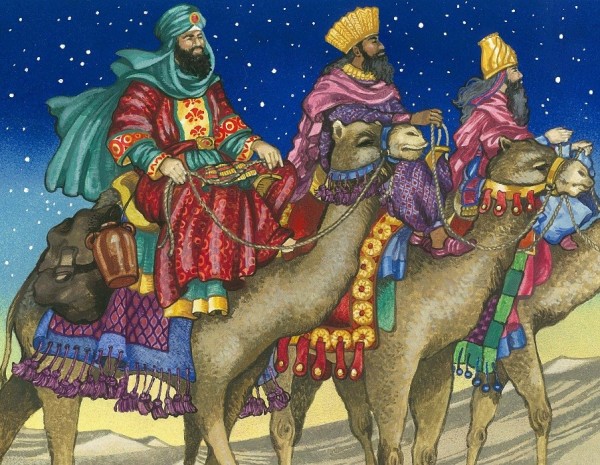
Variant of Belshazzar, the Hebrew form of the Akkadian name Bel-sarra-usur, meaning “Ba’al protect the king”. Ba’al is a Semitic title for any god, meaning “lord, master”, and in the Old Testament, the early Hebrews used the term to apply to the God of Israel. Later the term became seen as a heretical one, with a clear divide drawn between the Hebrew Yahweh and the Phoenician Ba’al. In Christian legend, Balthazar is the name given to one of the Magi – the three wise men who followed a mysterious star to visit the baby Jesus, bringing him gifts. The story appears in the New Testament, but no name (or even number) is ascribed to the Magi in the Bible. According to some traditions, Balthazar was an Arabian or Ethiopian scholar who brought the gift of frankincense to symbolise Christ’s role as a high priest. He is usually depicted as middle-aged and dark-skinned. One story is that Balthazar later converted to Christianity and was ordained a bishop; like the other Magi, he is regarded as a saint. Usually pronounced BAL-ta-zar in Australia, this is a seriously cool Christmas name.

Dragan

Slavic name meaning “precious, dear one”. It is usually pronounced DRAH-gahn, although I have heard people give it the same pronunciation as the word dragon. This reminds me that there is a sympathetic character named Dragan in the novel, Girl With a Dragon Tattoo; in the American film version, he is played by Croatian actor Goran Višnjić. Dragan Roganović is the real name of award-winning Serbian-Australian DJ Dirty South, and unfortunately the name has had a bit of bad publicity in Australia due to accused Serbian-Australian war criminal Dragan Vasiljković “Captain Dragan”, currently imprisoned in Australia awaiting extradition to Croatia. Despite this, Dragan is an attractive heritage choice with a very sweet meaning.

Kalani

Unisex Hawaiian name meaning “the sky, the heavens”. It’s a name often connected with surfing, because of Hawaiian surfers Kalani Robb, Kalani Chapman, Kalani Vierra and Kalani David, and young Australian surfer Kalani Ball. Mark Gasnier, former NRL player for the St George Illawarra Dragons, welcomed a son named Kalani two years ago. These are all guys, but surfer Kalani Miller, girlfriend of Kelly Slater, is a reminder that it’s a girl’s name as well – in fact, Kalani seems more common as a girl’s name in Australia, making #570 for girls in Victoria and not ranking as a boy’s name. Then again, Victoria is not famous for its surf culture – in northern New South Wales or Queensland, boys named Kalani may be more common. It’s a great name for either sex.

Leander

Greek name meaning “lion man”, featured in the tragic tale of Hero and Leander. Hero was a priestess of Aphrodite who lived in a tower in Sestos, on the European side of the Dardanelles, while her lover Leander was from Abydos, on the other side of the strait. Leander swam across the Hellespont every night to be with Hero, while she lit a lantern at the top of her tower to guide his way. Their love affair lasted all through the summer nights, but winter weather proved an obstacle to swimming. Desperate to be with his sweetheart, Leander braved the icy waters and was drowned during a storm, while the savage winds blew out Hero’s lantern. The distraught Hero plunged from her tower into the waves to join him in his watery grave. The story has inspired many writers, including Ovid, John Donne, Christopher Marlowe, and John Keats. Lord Byron recreated the swim by crossing from Sestos to Abydos, a distance of just over 1 km, which he turned into a poem; although he did it in May, according to his poem it was still difficult and he ended up with a chill. Leander was obviously made of sterner stuff. This is a handsome and romantic name with a very masculine meaning.

Mandela

The surname of inspirational world leader Nelson Mandela, his surname the name of his grandfather, the son of a king. Mandela was a lawyer and prominent campaigner against the apartheid government when he was arrested and sentenced to life imprisonment for crimes against the state. He served more than 27 years, released in 1990 after an international campaign had lobbied the South African government on his behalf. He joined negotiations to abolish apartheid and establish multiracial elections, becoming South Africa’s first black president. Deeply loved in his own country, where he was called Tata, or “father””, he was a respected figure on the world stage. He received more than 250 awards and honours during his lifetime, including the Nobel Peace Prize; he was appointed Honorary Companion of the Order of Australia in 1999. His passing this month at the age of 95 after a long illness has only highlighted the global reverence he attained. This is a worthy namesake whose name I have seen given to a boy – a name that Africa has given to the world.

Oisin

Anglicised form of Oisín, an Irish name translated as”young deer”. In Irish mythology, Oisín was a warrior and the greatest poet in Ireland. He was the son of the hero Fionn mac Cumhaill, and a woman named Sadbh, who had been turned into a deer by a malevolant druid. Fionn caught Sadbh as a deer, and she turned back into a human; all was well until the druid caught up with her and made her a deer while she was still pregnant. Sadhbh returned to the wild, and gave birth to Oisín while in deer form – hence his name. Eventually Fionn got to meet his son, and Oisín joined dad’s band of warriors. Oisín’s most famous adventure is when he fell in love with a fairy queen named Niamh, who took him to live in the Land of Youth. Although he thought he only lived with her for three years, three centuries passed in Ireland during his absence. Acording to some tales, Oisín lived long enough to meet Saint Patrick and tell him of his exploits. Oisín, or Ossian, is the narrator of the famous poem series by Scottish author James Macpherson, who made the Gaelic myths so popular in the 18th century. Pronounced OSH-een or USH-een, this a popular name in Ireland and would be well-received in Australia.

Remy

Anglicised form of Rémy, French form of the Latin name Remigius, meaning “oarsmen”. Saint Remigius was a 5th century Gallo-Roman bishop, a highly-educated man of noble blood. According to tradition, he converted and baptised Clovis, the King of the Franks. Clovis was baptised on Christmas Eve; such was his status that 3000 Franks were baptised that day with him. Because of this story, Saint Remigius is credited with France becoming a Christian country, and there are numerous places named Saint-Rémy his honour, as well as Saint-Rémy being a French surname. The name can also be spelled Rémi, and in France the second one is more popular. In Australia, both Remy and Remi are unisex, and roughly even for both sexes (Remy – 19 girls and 14 boys in Victoria; Remi – 11 boys and 7 girls). Although some get upset about Remy and Remi being used for girls, the names could just as easily be short forms of Remigia – the feminine form of Remigius. In Australia, they are usually pronounced RAY-mee or REH-mee.

Wyatt

English surname derived from the personal name Wyot, the medieval form of the Old English name Wigheard, meaning “brave in battle”. The Wyatt family were a prominent one in Britain; the Tudor poet Thomas Wyatt was one of their number. Sir Francis Wyatt was another, and he became Governor of Virginia, so the surname became well known in the United States as well. As a first name, Wyatt is famous because of Western lawman Wyatt Earp, who was Deputy Marshal of Tombstone in Arizona, and is known for the Gunfight at the O.K. Corall, in which three outlaw cowboys were killed. Wyatt was never injured in a gunfight, adding to his mystique, and after his death he gained legendary status as the toughest and deadliest gunman in the West. The name had a boost from popular culture through the television series Charmed, where Wyatt Halliwell was the son born to Piper and her White-Lighter husband Leo; the baby was named from his father’s earthly surname, and seems like a play on the word white, in the sense of “good, angelic”. Wyatt is #252 in Victoria.

Zayd

Arabic name meaning “abundance, growth, increase”. This name is important in Islam, because Zayd ibn Harithah was from an Arabian tribe, and after being abducted, sold into slavery while only a young boy. He was eventually sold to one of the wives of the Prophet Muhammad, and when she married, she gave Zayd to Muhammad as a wedding present. The Prophet became very fond of Zayd, even calling him “the beloved”. One day Zayd’s grieving family managed to track him down, and Muhammad asked him to choose his fate; Zayd told his family he did not want to leave his owner. Zayd’s family accepted his choice, and Muhammad legally adopted him as a son, making him a free man. After Muhammad received his divine revelations from the angel Gabriel, Zayd was one of the first converts to Islam, the only one of Muhammad’s companions who are mentioned by name in the Qur’an, and the first Muslim to be killed fighting for Islam on foreign soil. The name can also be spelled Zaid, and elaborated as Zayden or Zaiden – which fits right in with the -ayden trend. Zayd is #650 in Victoria, while Zaid is #648.

POLL RESULT: People’s favourite names were Ari, Leander and Remy, and their least favourite were Dragan, Kalani and Mandela.

(Picture shows the Magi travelling to see the infant Jesus)

Urgent Name Help Needed: Their New Baby Has No Name

16 Monday Dec 2013

Posted by A.O. in Naming Assistance

≈ 11 Comments

Tags

birth registries, choosing baby names, honouring, name popularity, nicknames, Scottish names, sibsets

152911349818323320DGWrSn6tc

Nina and Hamish welcomed a daughter six weeks ago. They love her dearly, and she is a constant delight to them. However, they still haven’t chosen a name for her, and the registration date is getting alarmingly close.

Nina picked out four names she liked for the baby – Annie, Meg, Peggy, and Georgie. She assumed that when the time came, Hamish would choose one of these names from her list, and that would be the baby’s name. However, while they were actually at the hospital, Hamish brought up for the first time that he would like the baby to be called Sarah after his mother (who always goes by Sally). Nina isn’t keen on the name Sarah.

They have been too busy with a new baby to have the time to sit down together and properly discuss the name, and because it is taking so long to decide, friends and relatives are weighing in with their own opinions, which is slowing the process down further.

Nina and Hamish already have a daughter named Edie, whose name was chosen by Hamish, and a son named Alistair, called “Mac” – Nina chose his name, but Hamish chose the nickname which they use every day.

Nina’s Requirements in a Girl’s Name

  • Cannot be a unisex name, because their surname is a popular name for boys
  • Must be obviously a girl’s name – sometimes Edie’s name is mistakenly read as Eddie
  • Must be short
  • Must be spelled in a conventional way
  • Must be easy to pronounce – especially in regard to the letter R, so no Audrey or Flora for example
  • The name on the birth certificate should be the name that they call her – Nina doesn’t want another Alistair-but-called-Mac situation
  • No name that will be an easy target for teasing

Hamish’s Requirements in a Girl’s Name

  • Would prefer that it be a Scottish name
  • Doesn’t want a name that is highly common or popular
  • Can’t start with the letter E as he doesn’t want two daughters with the same initials
  • Prefers a name that can be shortened into a nickname, for shouting on the sporting field

Names They Have Already Considered

  • Isla – Hamish doesn’t like the silent S, and it doesn’t have a nickname
  • Anna – Doesn’t pass the “shout from the sidelines” test
  • Elizabeth nn Betsy
  • Emma
  • Margaret nn Meg/Peg/Pegs/Peggy – Hamish said he would call her Maggie, but Nina doesn’t want a Mac and a Maggie
  • Rose
  • Tilly
  • Daisy (family name)
  • Martha (family name) – Nina doesn’t like the nickname Marty
  • Helen (family name) – Nina likes the nickname Nell/Nellie, but a friend called Kelly told her to avoid anything rhyming with “smelly”, “belly”, or “jelly” because of the teasing
  • Lydia nn Liddy/Diddy – Nina went off this after she learned Saint Lydia is the patron saint of sexually transmitted diseases; the name also rhymes with chlamydia
  • Annabel
  • Billie – too unisex
  • Kate (family name)
  • Jane (family name)
  • Nancy (family name) – Nina’s mother said this is a word to describe an effeminate man, but it doesn’t put Nina off
  • Kenzy – Hamish absolutely loves this name, but Nina thinks Mac and Kenzy are ridiculous as siblings (just discussing why this name couldn’t be used took up two weeks!)

Nina is rather enjoying the protracted name-choosing experience, but no matter how many names she considers, she keeps coming back to just one name she loves – Annie. She now feels that when Hamish eventually agrees to a name, she will be very disappointed unless he agrees to Annie.

~ ~ ~ ~ ~ ~ ~ ~ ~ ~

It sounds as if you’ve been having a lot of fun naming your third child, but registration is due very soon, and although you can get extensions, they’re intended for people who’ve been trapped by floodwater or in a coma. Unless you come up with a name quickly, you will have to pay a fine, and possibly face some annoying extra bureaucratic paperwork.

I think it’s time to put away the name books and name lists, and politely let friends and relatives know that they’ve been great, but their assistance is no longer required. In short, it’s time to stop faffing about and actually pick a name.

The good news is, it sounds as if you’ve already chosen a name – Annie. This appears to be the name you love above all others, fits all your requirements, and in fact, any other name would be a disappointment to you. It sounds as if you went with something else, you would experience serious name regret, and possibly even have to change the name later.

Hamish has already got to choose the names Edie and Mac for your first two children, so I really think it is time that you got your turn picking out a name you really love.

Luckily, Annie fits most of Hamish’s requirements too:

  • Annie is commonly used in Scotland, and there is even a famous Scottish ballad called Annie Laurie
  • Annie isn’t common; it’s only #203 in your state (25 babies named Annie last year)
  • It doesn’t start with E
  • It doesn’t shorten particularly well, but I think Hamish would be able to cope

I think that you need to stop having, “What will we name the baby?” discussions, and start a “I want to name our daughter Annie” conversation. You need to find time so you and Hamish can talk, and explain to him that this may be the last daughter you will ever have, and you really have your heart set on the name Annie. It may not have occurred to Hamish that he’s got to pick all the childrens’ names so far, and that it really would be fair for you to have your turn (yes, you picked Alistair, but that hardly counts when Hamish’s choice of name is what you actually call him).

If you love the name Annie, I would be prepared to dig in and fight for it. I think if you are persistent, and keep explaining how well Annie works for your family (Edie, Mac and Annie sound great together), how much you love it, and how miserable you will be if another name is chosen, Hamish is quite likely to eventually agree with your choice. He hasn’t really come up with a viable alternative to Annie, and there’s nothing about it that he has objected to. Then it’s just a matter of getting to the registration office and putting it down on the dotted line.

Nina, I have never been more interested to know what a couple will decide to name their baby. We absolutely must know what your choice is, whether you end up picking Annie, Sarah, or something else entirely – and whether you get to the registration office in time!

Readers, have you ever persuaded a reluctant partner to accept your favourite baby name? Have you got any tips for Nina?

NAME UPDATE: The baby’s name was Anne!

← Older posts
Newer posts →

Enter your email address to follow this blog

Categories

Archives

Recent Comments

A.O.'s avatarwaltzingmorethanmati… on Zarah Zaynab and Wolfgang…
Madelyn's avatarMadelyn on Zarah Zaynab and Wolfgang…
JD's avatardrperegrine on Can Phoebe Complete This …
A.O.'s avatarwaltzingmorethanmati… on Rua and Rhoa
redrover23's avatarredrover23 on Rua and Rhoa

Blogroll

  • Appellation Mountain
  • Baby Name Pondering
  • Babynamelover's Blog
  • British Baby Names
  • Clare's Name News
  • For Real Baby Names
  • Geek Baby Names
  • Name Candy
  • Nameberry
  • Nancy's Baby Names
  • Ren's Baby Name Blog
  • Sancta Nomina
  • Swistle: Baby Names
  • The Art of Naming
  • The Baby Name Wizard
  • The Beauty of Names
  • Tulip By Any Name

RSS Feed

  • RSS - Posts

RSS Posts

  • Celebrity Baby News: Melanie Vallejo and Matt Kingston
  • Names from the TV Show “Cleverman”
  • Can Phoebe Complete This Sibset?
  • Zarah Zaynab and Wolfgang Winter
  • Baby, How Did You Get That Name?
  • Celebrity Baby News: Media Babies
  • Celebrity Baby News: Adelaide Crows Babies
  • Celebrity Baby News: Chris and Rebecca Judd
  • Names at Work: Name News From the World of Business and Employment
  • Celebrity Baby News: Sporting Round Up

Currently Popular

  • Celebrity Baby News: Toby Allen and Darren Weller
  • Girls Names of Australian Aboriginal Origin
  • The Top 100 Names of the 1920s in New South Wales
  • Rare Boys Names From the 1950s
  • Celebrity Baby News: Livinia Nixon and Alistair Jack

Tags

celebrity baby names celebrity sibsets english names famous namesakes fictional namesakes honouring locational names middle names name combinations name history name meaning name popularity name trends nicknames popular names saints names sibsets surname names twin sets unisex names

Create a free website or blog at WordPress.com.

Privacy & Cookies: This site uses cookies. By continuing to use this website, you agree to their use.
To find out more, including how to control cookies, see here: Cookie Policy
  • Subscribe Subscribed
    • Waltzing More Than Matilda
    • Join 517 other subscribers
    • Already have a WordPress.com account? Log in now.
    • Waltzing More Than Matilda
    • Subscribe Subscribed
    • Sign up
    • Log in
    • Report this content
    • View site in Reader
    • Manage subscriptions
    • Collapse this bar
 

Loading Comments...