• About
  • Best Baby Names
  • Celebrity Baby Names
  • Celebrity Baby Names – Current
  • Celebrity Baby Names – Past
  • Featured Boys Names
  • Featured Girls Names
  • Featured Unisex Names
  • Links to Name Data
  • Waltzing on the Web

Waltzing More Than Matilda

~ Names with an Australian Bias of Democratic Temper

Waltzing More Than Matilda

Tag Archives: name trends

The People’s Choice of Boys Names

22 Sunday Dec 2013

Posted by A.O. in Name Themes and Lists

≈ 9 Comments

Tags

African names, Akkadian names, Albanian names, Arabic names, Armenian names, celebrity baby names, Christmas names, english names, epithets and titles, famous namesakes, fictional namesakes, Finnish names, French names, Greek names, Hawaiian names, hebrew names, Indian names, Irish names, Kurdish names, Latin names, Maori names, mythological names, name history, name meaning, name popularity, name trends, nicknames, Old Norse names, polynesian names, saints names, scandinavian names, Semitic names, Slavic names, surname names, unisex names
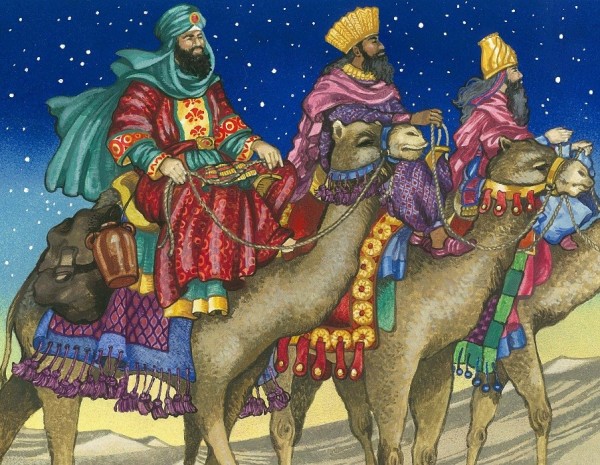
3 kings

A selection of boys names that have been searched for several times to reach the blog. I chose names from different backgrounds that aren’t on the Top 100.

Ari

This little name has several origins. It is a Hebrew name meaning “lion”, an Armenian name meaning “brave”, a Scandinavian name from Old Norse, meaning “eagle”, an Albanian name meaning “bear”, a Maori name meaning “clear, visible”, or an Indian name meaning either “sun-like” or “free from sin”. It is also a Finnish form of Aaron and Adrian, a Kurdish short form of the name Arian, meaning “Aryan”, and is commonly used as a short form of any name begining with Ari-, such as Aristotle. There have been quite a few characters named Ari in popular culture, starting way back in the 1950s, with Ari Ben Canaan as the hero of Leon Uris’ novel Exodus, about the founding of the state of Israel; based on Israeli military leader Moshe Dayan, in the movie he was played by Paul Newman. This simple multicultural name is rising like other Ar- names such as Archer, Arlo and Arthur, and is #135 in Victoria.

Balthazar

Variant of Belshazzar, the Hebrew form of the Akkadian name Bel-sarra-usur, meaning “Ba’al protect the king”. Ba’al is a Semitic title for any god, meaning “lord, master”, and in the Old Testament, the early Hebrews used the term to apply to the God of Israel. Later the term became seen as a heretical one, with a clear divide drawn between the Hebrew Yahweh and the Phoenician Ba’al. In Christian legend, Balthazar is the name given to one of the Magi – the three wise men who followed a mysterious star to visit the baby Jesus, bringing him gifts. The story appears in the New Testament, but no name (or even number) is ascribed to the Magi in the Bible. According to some traditions, Balthazar was an Arabian or Ethiopian scholar who brought the gift of frankincense to symbolise Christ’s role as a high priest. He is usually depicted as middle-aged and dark-skinned. One story is that Balthazar later converted to Christianity and was ordained a bishop; like the other Magi, he is regarded as a saint. Usually pronounced BAL-ta-zar in Australia, this is a seriously cool Christmas name.

Dragan

Slavic name meaning “precious, dear one”. It is usually pronounced DRAH-gahn, although I have heard people give it the same pronunciation as the word dragon. This reminds me that there is a sympathetic character named Dragan in the novel, Girl With a Dragon Tattoo; in the American film version, he is played by Croatian actor Goran Višnjić. Dragan Roganović is the real name of award-winning Serbian-Australian DJ Dirty South, and unfortunately the name has had a bit of bad publicity in Australia due to accused Serbian-Australian war criminal Dragan Vasiljković “Captain Dragan”, currently imprisoned in Australia awaiting extradition to Croatia. Despite this, Dragan is an attractive heritage choice with a very sweet meaning.

Kalani

Unisex Hawaiian name meaning “the sky, the heavens”. It’s a name often connected with surfing, because of Hawaiian surfers Kalani Robb, Kalani Chapman, Kalani Vierra and Kalani David, and young Australian surfer Kalani Ball. Mark Gasnier, former NRL player for the St George Illawarra Dragons, welcomed a son named Kalani two years ago. These are all guys, but surfer Kalani Miller, girlfriend of Kelly Slater, is a reminder that it’s a girl’s name as well – in fact, Kalani seems more common as a girl’s name in Australia, making #570 for girls in Victoria and not ranking as a boy’s name. Then again, Victoria is not famous for its surf culture – in northern New South Wales or Queensland, boys named Kalani may be more common. It’s a great name for either sex.

Leander

Greek name meaning “lion man”, featured in the tragic tale of Hero and Leander. Hero was a priestess of Aphrodite who lived in a tower in Sestos, on the European side of the Dardanelles, while her lover Leander was from Abydos, on the other side of the strait. Leander swam across the Hellespont every night to be with Hero, while she lit a lantern at the top of her tower to guide his way. Their love affair lasted all through the summer nights, but winter weather proved an obstacle to swimming. Desperate to be with his sweetheart, Leander braved the icy waters and was drowned during a storm, while the savage winds blew out Hero’s lantern. The distraught Hero plunged from her tower into the waves to join him in his watery grave. The story has inspired many writers, including Ovid, John Donne, Christopher Marlowe, and John Keats. Lord Byron recreated the swim by crossing from Sestos to Abydos, a distance of just over 1 km, which he turned into a poem; although he did it in May, according to his poem it was still difficult and he ended up with a chill. Leander was obviously made of sterner stuff. This is a handsome and romantic name with a very masculine meaning.

Mandela

The surname of inspirational world leader Nelson Mandela, his surname the name of his grandfather, the son of a king. Mandela was a lawyer and prominent campaigner against the apartheid government when he was arrested and sentenced to life imprisonment for crimes against the state. He served more than 27 years, released in 1990 after an international campaign had lobbied the South African government on his behalf. He joined negotiations to abolish apartheid and establish multiracial elections, becoming South Africa’s first black president. Deeply loved in his own country, where he was called Tata, or “father””, he was a respected figure on the world stage. He received more than 250 awards and honours during his lifetime, including the Nobel Peace Prize; he was appointed Honorary Companion of the Order of Australia in 1999. His passing this month at the age of 95 after a long illness has only highlighted the global reverence he attained. This is a worthy namesake whose name I have seen given to a boy – a name that Africa has given to the world.

Oisin

Anglicised form of Oisín, an Irish name translated as”young deer”. In Irish mythology, Oisín was a warrior and the greatest poet in Ireland. He was the son of the hero Fionn mac Cumhaill, and a woman named Sadbh, who had been turned into a deer by a malevolant druid. Fionn caught Sadbh as a deer, and she turned back into a human; all was well until the druid caught up with her and made her a deer while she was still pregnant. Sadhbh returned to the wild, and gave birth to Oisín while in deer form – hence his name. Eventually Fionn got to meet his son, and Oisín joined dad’s band of warriors. Oisín’s most famous adventure is when he fell in love with a fairy queen named Niamh, who took him to live in the Land of Youth. Although he thought he only lived with her for three years, three centuries passed in Ireland during his absence. Acording to some tales, Oisín lived long enough to meet Saint Patrick and tell him of his exploits. Oisín, or Ossian, is the narrator of the famous poem series by Scottish author James Macpherson, who made the Gaelic myths so popular in the 18th century. Pronounced OSH-een or USH-een, this a popular name in Ireland and would be well-received in Australia.

Remy

Anglicised form of Rémy, French form of the Latin name Remigius, meaning “oarsmen”. Saint Remigius was a 5th century Gallo-Roman bishop, a highly-educated man of noble blood. According to tradition, he converted and baptised Clovis, the King of the Franks. Clovis was baptised on Christmas Eve; such was his status that 3000 Franks were baptised that day with him. Because of this story, Saint Remigius is credited with France becoming a Christian country, and there are numerous places named Saint-Rémy his honour, as well as Saint-Rémy being a French surname. The name can also be spelled Rémi, and in France the second one is more popular. In Australia, both Remy and Remi are unisex, and roughly even for both sexes (Remy – 19 girls and 14 boys in Victoria; Remi – 11 boys and 7 girls). Although some get upset about Remy and Remi being used for girls, the names could just as easily be short forms of Remigia – the feminine form of Remigius. In Australia, they are usually pronounced RAY-mee or REH-mee.

Wyatt

English surname derived from the personal name Wyot, the medieval form of the Old English name Wigheard, meaning “brave in battle”. The Wyatt family were a prominent one in Britain; the Tudor poet Thomas Wyatt was one of their number. Sir Francis Wyatt was another, and he became Governor of Virginia, so the surname became well known in the United States as well. As a first name, Wyatt is famous because of Western lawman Wyatt Earp, who was Deputy Marshal of Tombstone in Arizona, and is known for the Gunfight at the O.K. Corall, in which three outlaw cowboys were killed. Wyatt was never injured in a gunfight, adding to his mystique, and after his death he gained legendary status as the toughest and deadliest gunman in the West. The name had a boost from popular culture through the television series Charmed, where Wyatt Halliwell was the son born to Piper and her White-Lighter husband Leo; the baby was named from his father’s earthly surname, and seems like a play on the word white, in the sense of “good, angelic”. Wyatt is #252 in Victoria.

Zayd

Arabic name meaning “abundance, growth, increase”. This name is important in Islam, because Zayd ibn Harithah was from an Arabian tribe, and after being abducted, sold into slavery while only a young boy. He was eventually sold to one of the wives of the Prophet Muhammad, and when she married, she gave Zayd to Muhammad as a wedding present. The Prophet became very fond of Zayd, even calling him “the beloved”. One day Zayd’s grieving family managed to track him down, and Muhammad asked him to choose his fate; Zayd told his family he did not want to leave his owner. Zayd’s family accepted his choice, and Muhammad legally adopted him as a son, making him a free man. After Muhammad received his divine revelations from the angel Gabriel, Zayd was one of the first converts to Islam, the only one of Muhammad’s companions who are mentioned by name in the Qur’an, and the first Muslim to be killed fighting for Islam on foreign soil. The name can also be spelled Zaid, and elaborated as Zayden or Zaiden – which fits right in with the -ayden trend. Zayd is #650 in Victoria, while Zaid is #648.

POLL RESULT: People’s favourite names were Ari, Leander and Remy, and their least favourite were Dragan, Kalani and Mandela.

(Picture shows the Magi travelling to see the infant Jesus)

Name News Round Up

17 Tuesday Dec 2013

Posted by A.O. in Names in the News

≈ 4 Comments

Tags

Baby Center Australia, birth data, birth registries, celebrity names, choosing baby names, fictional namesakes, French names, Kidspot, middle names, name meaning, name trends, names from television, naming laws, popular names, rare names, Starts at Sixty

News

Baby Center Australia has released its most popular names for 2013, with Oliver and Charlotte taking the #1 positions. Names with a strong V featured prominently, including Ava, Evie and Ivy, and X, with Jaxon and Jaxson included along with Jackson. Less common names from the site: Blue, Chevy, Blip and Daxx.

Meanwhile, News Limited looked at data from birth registries all over Australia to see how popular culture is affecting name choices. Some names from Game of Thrones, Breaking Bad, Dexter, Downton Abbey, Mad Men, NCIS, How I Met Your Mother, and The Big Bang Theory are up, or appearing for the first time. There’s some rubbery figures, with whole groups of names being counted together, and even quite common names like Abby and Catelyn being counted as “pop culture”. Numbers are statistically significant, but overall very low, so no need to panic in regard to popularity. Most interesting factoid: Dexter peaked in 2010 at 67 births, so the chances of this name hitting the Top 100 are slipping away. Also the fairly ridiculous assertion that “popular culture” names will put your child in hospital … Health Department, please release a health warning on names!

Sabrina Rogers-Anderson from Kidspot is French Canadian by origin, and wanted a French middle name for her daughter, so she and her husband chose Fée – French for “fairy”, and pronounced FAY. Unfortunately, when they went to register the baby’s name in New South Wales, they were told that all accents and diacritical marks were forbidden. Rather than name their baby Arabella Fee, they changed the spelling and went with Fae. However, Sabrina believes that the rule is culturally insensitive, as it disallows valid names and spellings from other countries.

Rebel Wylie from Kidspot is expecting baby number three, a boy, and finds that all is not going well in choosing the name. In her tongue-in-cheek article, she claims her husband Andy is not playing fair in the baby name discussions, because he rejects every name she comes up with, but never suggests anything himself. After moaning about it to her girlfriends, it turns out The Sisterhood believes that the mother gets automatic naming rights as the one bonus of an otherwise miserable pregnancy. Rebel enthusiastically becomes a supporter of this theory, and chooses the name herself. She says Andy only gets a say-so if he can come up with something (she likes) better. A lot of angry comments from people who didn’t find it funny, but some interesting ones too.

Starts at Sixty website looked at the top baby names of 1950, with Jennifer and Peter leading the pack. The author of the article opines that in the past, parents were much more interested in tradition and the meanings of names, and chose accordingly, while today parents choose names from favourite places, TV stars, and brand names. I’m not convinced that parents don’t care about name meaning today – I get so many search terms from people looking for a name with a particular meaning. Lots of interesting comments from the 60+ crowd on how their names were chosen – including a Julie who had her name picked out of a hat (meaning and tradition?!) There were also plenty named after film stars, showing that celebrity name inspiration is no new phenomenon.

The Logan Reporter mourns the days when Sally, Jane, David and Brian were popular names. Newsflash from Logan – the 1960s are over. They’re still coping with the time-lag, including some problems with multicultural Australia. Oh dear.

Review of The Baby Name Wizard

08 Sunday Dec 2013

Posted by A.O. in Blog Reviews

≈ 1 Comment

Tags

baby name blogs, baby name books, Biblical names, celebrity baby names, celebrity names, Hispanic names, Laura Wattenberg, name trends, Nameberry, rare names, Swistle, The Baby Name Wizard, UK name trends, US name trends

BabyNameWizardLogo

Laura Wattenberg is the author of The Baby Name Wizard: A Magical Method for Finding the Perfect Name for Your Baby, first published in 2005. If you recall, this is Swistle’s favourite baby naming book, which is a very high recommendation. The Baby Name Wizard is described as a “field guide to American baby names”, in that it doesn’t give definitions or histories of names, but provides lists of names by style, has a popularity graph, and also makes sibset suggestions.

The Baby Name Wizard website was started in 2004 – I guess to promote the book, and create a place where its readers could discuss names.

There is a weekly blog entry from Laura, where she discusses name trends and often does some interesting things with name data and statistics. For example, last month she looked at the name Cressida, and concluded that it already seemed dated, because of the SS sound in the middle, shared with Vanessa and Melissa. Earlier she examined which were the most American and most British names of 2012, noting that the British Alfie and Archie were cuter than the American Landon and Gavin, while American girls Harper and Addison were more androgynous than the British Imogen and Florence.

This seems like a good moment to mention that The Baby Name Wizard is very much about American name trends, and American perceptions of names. For example, she categorises Jenson (a fast-rising name in Britain thanks to Jenson Button), as a “semi-androgynous name”. Yep, Jenson is apparently half-ready to hand over to the girls. Or maybe all-ready to hand over to half of the girls? Or maybe just the Jen half of it is androgynous? (I confess to not really knowing what a semi-androgynous name is).

Another rather glaring example that I hope will suitably rile up my Australian readers is one of Laura’s early blog entries, where she very sensibly defended the celebrity baby name Apple, and pointed out that other celebrities had much sillier baby names … among them, Rachel Griffiths, who had chosen the name Banjo for her child. Pause for patriotic display of righteous indignation.

The entries on statistics are probably my favourites, but I also love her name myth examination and debunking, such as looking at the massive popularity of celebrity name Shirley in the 1930s, how Biblical names are in steep decline, where the name Bree came from, and how there aren’t really twins named Lemonjello and Orangejello.

The Baby Name Wizard is essential for anyone even slightly interested in name trends – and most of these are international trends. Learn about trends such as the “Biblical-sounding” names, the “raindrop names“, and the “huggable names“. But also listen to Laura’s sage baby naming advice not to be a slave to trends. This might sound slightly contradictory, but you have to identify trends in order to not follow them.

The Baby Name Wizard got a forum last year so you can ask questions about baby names, including taking part in baby name games and asking about character names. You will get helpful advice for your naming dilemmas, given with candour but not meanness. In my opinion, the forum was very much needed, as people were using the blog comments to ask for baby name help. (Some still haven’t got the memo).

There are other cool tools as well. The Name Voyager is an excellent popularity graph of names in the United States, which has been copied by England/Wales and New South Wales. There is also a Namipedia to look for more information on a particular name, and a Name Finder to help you find names that suit your requirements. I’ve had a go using this, and found it brings up quite a few names that didn’t fit my requirements.

For example, I asked it to exclude anything very unusual, and it suggested Lovely – a name which has never ranked in the US. It was also quite insistent about me using Hispanic boys’ names, for some reason. However, it did offer some good names too, although I felt that if it was up to the Name Finder, my next child’s name would be either Vorgell or Lorenzo. Lots of fun if you don’t take it too seriously.

You can also sign up and pay for the Expert Name Tools, which are reasonably priced. As these are based on American popularity rankings and perceptions, I really don’t think these are worth it for Australians, except for interest, or if you are doing name research (or moving to America).

The Baby Name Wizard and Nameberry are both websites set up by the authors of baby name books, and I’m guessing most name enthusiasts would belong to both sites, even if they prefer one over the other. It would be insulting to compare them, except to say that they are different enough that you can follow and enjoy both of them, and never feel that you are covering the same ground.

Choosing Boy Names That Won’t Become Girl Names

01 Sunday Dec 2013

Posted by A.O. in Your Questions Answered

≈ 9 Comments

Tags

choosing baby names, classic names, famous namesakes, gender-specific names, masculine names, name popularity, name trends, popular names, rare names, surname names, unisex names

tie

boys names that can’t be used for girls

That was the search term someone used to reach the blog some time ago, and ever since I have been wondering how to answer it.

There is no name that can’t be used for girls in Australia, as we don’t have any naming laws in regard to gender. It might be rare to meet a woman named Jeffrey or Andrew, but there’s no prohibition against it.

However, I do think it’s possible to choose a name for your son that is unlikely to be used for many girls. In other words, you can pick out a name which is seen as masculine rather than unisex, and which has a low probability of becoming seen as unisex, or even feminine, in the future.

1. Choose a Classic Name

Classic boys names have the advantage of possessing a long, yet recent, history of being used primarily for boys, which tends to put a masculine stamp on them. When I looked at classic names in Australia, I found that only two of them went from unisex to gender-specific – and both went to the boys (the names were Darcy and Francis).

There are lots of classic names, and they come in all styles, and are at all levels of popularity, so there’s quite a range to choose from. A classic boys name such as William, Arthur, Vincent, Duncan, Leonard, or Frederick would be an extremely safe choice for someone worried about their son’s name being chosen for girls.

2. Choose a Popular Name

When I looked at unisex names from the 2012 Victorian data, it became apparent that names are only truly unisex (used for roughly equal numbers of boys and girls) when they are at a low level of popularity. Once a name becomes popular, it only seems to do so for one gender or another – there are few names which reach the Top 100 for both sexes at once, and when they do, it’s a situation which doesn’t seem to last long.

Therefore, a popular name seems like a safe choice when picking a name to ensure that it has already been chosen for one specific gender over another. And the more popular it is, the safer a choice it probably is, because names that have switched from boy to girl in popularity haven’t peaked any higher than #60 for boys, and most of them didn’t even peak in the Top 100.

So if you’re a bit worried, pick something in the Top 100, like Declan or Hugo, and if you’re very worried, pick a Top 50 name, like Oscar or Sebastian.

3. Choose a Rare Name

A boys name seems to need a reasonable level of familiarity in order to become acceptable for use on girls: at this point, it starts to seem “cute” or “spunky” on a girl. Choosing a male name that is little used even for boys seems like a reasonable insurance policy against it becoming used by girls. So perhaps a name like Benedict or Wolfgang might seem like a good choice.

4. Choose a Name Strongly Associated with a Very Famous Man

Elvis is technically a unisex name, and in the 1920s and ’30s, it was almost entirely used for girls in Australia. But once Elvis Presley appeared on the scene in the 1950s, Elvis was a boy’s name. Other names associated with famous men include Aristotle, Banjo, Barack, Butch, Hannibal, Leonardo, Moses, Muhammad, Napoleon, and Winston.

Just make sure that the man has a high level of recognition, so that most adults would recognise him by his first name alone. If you have to explain who he was, then he’s not famous enough to ensure his name stays masculine.

And surnames don’t count – think of all the girls named Presley or Cassidy!

5. Buy a Time Machine ….

… so you can visit the future and make sure that nobody has used the name for a highly successful character in popular culture, or it doesn’t belong to a hugely famous actress who goes on to win Academy Awards for the next sixty years.

Yes, I’m joking. You can’t predict with any certainty what the future will bring (so why fret about it?). However, I do think if you choose one of the previous four options, you will have done a fair bit towards future-proofing your son’s name.

It’s not likely anyone will write a blockbuster about a spunky heroine named Leonardo, or that there will be a gorgeous movie actress named William, but even if those things happen, it’s even less likely that those names would be picked for baby girls by the general populace.

So there you go. Four simple steps you can take to make it less likely that anyone will use your son’s name for their daughter.

However, I sense many of you do not like this advice very much. You don’t want a classic name, you don’t want a name in the Top 50, you don’t want a name that’s hardly ever seen, and you definitely don’t want a name tied to someone mega famous.

Like a vast bulk of parents, what you really want is one of those fashionable boys names that are familiar but not popular. Something that seems fresh and new, yet so on trend that it blends in seamlessly with all the other kids in the playground.

However, by choosing something fresh and new, you are by definition taking a risk. You risk Axel  becoming popular, Arlo becoming stale and boring, and Ari becoming more common for girls.

Now I could go on to give further advice, such as to avoid surnames (what if Harland is the next Harper?), or anything which can be shortened to a girly nickname (what if all the Maddoxes become Maddies?), or anything ending in -lee (what if Finley becomes the new Ashley?), or anything which sounds even vaguely like a girl’s name (is Ezra too similar to Eliza?).

But I’m not going to, because

a) it sounds crazy paranoid

b) it would be foolish to avoid using your favourite name based on something which might happen in the future

c) risks make life exciting, colourful and worth living

and

d) I would prefer that femininity isn’t seen as something which taints a name so that males can no longer use it.

If you want a name used almost entirely for boys, that is likely to stay that way for a long while, then you have good options.

But I hope that we can also embrace risk and change and diversity, and live in a more accepting world that doesn’t divide us so sharply into pink or blue – a world where we all have more name choices, rather than less.

Names of Fictional Characters for Boys

17 Sunday Nov 2013

Posted by A.O. in Name Themes and Lists

≈ 5 Comments

Tags

American names, American slang terms, berry names, created names, Dutch names, english names, ethnonyms, famous namesakes, fictional namesakes, food names, fruit names, Greek names, Irish names, locational names, name history, name meaning, name popularity, name trends, names from movies, names from television, nature names, nicknames, North American dialect names, Old English names, Old Gaelic names, plant names, rare names, surname names, UK name popularity, unisex names, US name popularity

an_27510937Asterix

Asterix is the hero of the Asterix comic books by René Goscinny and Albert Uderzo. The comic book series follows the adventures of a village of Gauls resisting Roman occupation. They manage to do this through a magic potion brewed by their local druid, which temporarily gives superhuman strength. Asterix is a diminutive warrior of great shrewdness, and because of his cunning and common sense, is usually chosen to lead important missions. Most of the Gauls in the comics have names ending in a suitably Gaulish -ix, echoing famous Gauls from history, such as Vercingetorix. However, each name is also a jokey pun – translations into English have been very clever at maintaining the spirit of the humour. In the case of Asterix, his name is a play on the typographical mark – the word asterisk comes from the Greek for “little star”, and Asterix is the “star” of the comic series. I have seen Asterix on an Australian baby, and this makes a quirky name for your own little star.

Atreyu

Atreyu is a character in the fantasy novel, The Neverending Story, by Michael Ende. In fact, he is the hero of the book which is read by a little boy named Bastian Bux, so he exists in a story within a story. Atreyu is a young warrior who is sent on a great quest to save the land of Fantastica by seeking a cure for the mysterious illness suffered by the land’s empress. He serves as a projection of Bastian’s “inner hero”, and only Atreyu can save Bastian from his own mistakes. In the 1984 movie version, Atreyu is played by Noah Hathaway. Atreyu was orphaned as a baby, and his name means “son of all” in his own (fictional) language, because he was raised by his entire village. It is pronounced ah-TRAY-yoo. Atreyu has strong connections with music, because not only is there a band with the name, but Atreyu himself has been referenced in songs. In the novel’s original German text, his name was Atréju, and this has proven a slightly geekier alternative.

Caspian

Caspian is a character in C.S. Lewis’ children’s fantasy series, The Chronicles of Narnia. As a young boy in Prince Caspian, he had to fight for his throne against his usurping uncle to become king of Narnia, and as a youth in The Voyage of the Dawn Treader, he led a daring expedition to the end of the world. In The Silver Chair, we meet him as a very old man, having reigned wisely and well, but also suffering personal tragedy. In the movies, he was played by Ben Barnes. Because of his great sea voyage, he is known as Caspian the Seafarer. Perhaps because of this connection, Lewis named his character after the Caspian Sea, the world’s largest inland body of water, which is bound by Russia, Azerbaijan, Iran, Turkmenistan, and Kazakhstan. It is named after the Caspi, an ancient people believed to be the same as the Kassites, who were from modern-day Iran. The meaning of their tribal name is unknown. Caspian is a romantic geographic name which sounds rather like Casper with a Latin -ian ending, as in Lucian or Julian.

Dexter

Dexter Morgan is the protagonist of the Dexter series of psychological thrillers by Jeff Lindsay. Dexter works for the police as a forensic blood spatter analyst, but is a serial killer in his spare time. A violent sociopath, he has been carefully trained to satisfy his homicidal urges by only killing murderers, rapists, and other criminals. Dexter is an English occupational surname for someone who dyed cloth, literally “dyer” in Anglo-Saxon. The word was originally specifically feminine, but Dexter has overwhelmingly been used as a male name. Dexter also happens to coincide with the Latin for “right handed”, with connotations of being skilful. Dexter Morgan is certainly dexterous in committing his crimes, while it seems apt the name is connected with dying. The books have inspired a popular television series, with Michael C. Hall in the title role, and since Dexter began airing in 2006, the name Dexter (which was about to slip off the Top 1000) has gone steadily up in popularity in the US; it is currently #362. It may seem strange that a serial killer could save the name, but Dexter Morgan is an oddly sympathetic murderer. Michael C. Hall makes him both likeable and amusing, and (perhaps slightly worryingly) female viewers find the character very attractive. Dexter fits in the surnames-for-boys trend, and has a cool X sound in it. The name Dexter is #218 in Victoria.

Dorian

Dorian Gray is the protagonist of Oscar Wilde’s only novel, The Picture of Dorian Gray. Dorian is an extremely handsome young man, who wishes his portrait could age while his own beauty remain changeless. His narcissistic wish is granted, and he spends his life in debauchery while retaining a youthful and innocent appearance. Meanwhile, Dorian’s hidden portrait bears the mark of his every corruption. The story has often been adapted into film; the most recent is Dorian Gray, with Ben Barnes in the title role. It is usually assumed that Wilde took the name Dorian from the Dorian people of ancient Greece, whose name means “upland, woodland”. The ancient Greeks did have names from this source, such as Dorieus and Doris. However, Dorian is also an Irish surname from O’Deoradhain, meaning “son of Deorain”. Deorain is an Old Gaelic name meaning “exile, wanderer, stranger”. Use of the name predates the novel’s publication, and in Eastern Europe it may be a pet form of Teodor. Dorian is sometimes used for girls. Despite Dorian Gray being an evil character, the name has remained in use, and is #558 in the US, and #549 and rising in the UK.

Heathcliff

Heathcliff is the male lead character in Emily Bronte’s Wuthering Heights, the foster-brother and love interest of Catherine Earnshaw. The novel explores the deep and obsessive love that Cathy and Heathcliff have for each other, and how the thwarting of that love turned Heathcliff into a tortured monster – or perhaps revealed the brute he already was. It’s an eerie tale, but many will think of Heathcliff as the Byronic hero and romantic lover whose passion lived beyond the grave. In film, he has been portrayed by Laurence Olivier, Timothy Dalton, and Ralph Fiennes. Heathcliff is an uncommon English surname meaning “heath on the cliff”; it doesn’t seem to have been used as a personal name before Wuthering Heights, and only rarely since. The name connects Heathcliff to the Yorkshire moors, the natural world outside society where Heathcliff and Cathy can love each other freely. Actor Heath Ledger was named after Heathcliff (and his sister after Catherine!), and as Heath is a fashionable name at present, Heathcliff doesn’t seem too bizarre as a long form, although admittedly a bold choice.

Huckleberry

Huckleberry “Huck” Finn is the protagonist of Mark Twain’s Adventures of Huckleberry Finn, and the best friend of the hero in The Adventures of Tom Sawyer. Huck is the son of the town drunk, a neglected vagabond who lives a carefree existence until he is adopted and “civilised”. He runs away with an escaped slave named Jim, and the two of them travel down the Mississippi River by raft in search of freedom. Huck has been portrayed on film by Mickey Rooney, Ron Howard, Elijah Wood and Jake T. Austin, among others. Huckleberry is North American dialect for the bilberry, although in practice applied to several wild berries. The word has long been part of American slang, usually to suggest something small and insignificant – the perfect name for Huck Finn, a child of little consequence in his town. Later it came to mean “companion, sidekick”. Huckleberry was in occasional use as a personal name prior to the publication of Twain’s novels. This would make a sweet, offbeat name, while Huck is a hip short form.

Rhett

Rhett Butler is the love interest of Scarlett O’Hara in Margaret Mitchell’s Gone With the Wind. A black sheep, he becomes entranced with the spirited Scarlett, and admires her will to survive. Although viewed as a cad by polite Southern society, Rhett is tall, dark, handsome, charming, intelligent, and has a very good understanding of human psychology – especially female – which he utilises to devastating effect. He is the only person who can stand up to Scarlett, and beat her in a battle of wits. In the 1939 movie, the biggest box office smash in history when adjusted for inflation, Rhett is played by Clark Gable. Rhett is a surname which comes from the Dutch de Raedt, meaning “counsel, advice”. Mitchell seems to have chosen the name as an allusion to her first husband, “Red” Upshaw, on whom the character of Rhett Butler is based (with a dash of Rudolf Valentino). Rhett is a sexy bad boy name, not often seen here, although cricketer Rhett Lockyear is one Australian example. In the US, it is #508 and rising.

Rocky

Robert “Rocky” Balboa is the title character in the Rocky movies, played by Sylvester Stallone. Rocky is from the slums of Philadelphia, a grade school drop-out with few skills apart from being able to land punches, so he makes his living as a boxer known as “The Italian Stallion”. Always the underdog, his main weapon (apart from fists like bricks) is a refusal to give up. The movies follow his career through the victories, the losses, the fame, the fortune, the brain damage, and the incredible comeback. Rocky is a humble man with great heart, and although barely literate, possesses a lot of wisdom about life and love. He is named after the boxer Rocky Marciano, whose real name was Rocco. Rocky can be a nickname for similar names, but also signifies incredible strength and toughness. A famous Australian with the name is rugby union champion Rocky Elsom. Rocky is a fun and even cute name, with a namesake that has an important message: it doesn’t matter whether you win or lose, but whether you go the distance.

Sherlock

Sherlock Holmes is the world’s most famous detective, the creation of Arthur Conan Doyle, and the hero of many stories. Known for his use of deductive logic and bewildering array of disguises, he has become an archetype, with his interest in forensic science helping spawn the modern crime genre. The character of Sherlock Holmes was so loved by the public in his own day that Doyle was forced to resurrect him after killing him off, and his popularity continues, with numerous adaptations to stage, radio, film and television – in fact, he is the most prolific character in cinema. Sherlock is an English surname dating to before the Norman Conquest; it comes from the Old English for “shining locks”, referring to someone with fair hair (although dark-haired, brainy Sherlock Holmes does have a “bright head”). Sherlock has been used as a personal name since the 18th century, and early use may have been influenced by Thomas Sherlock, a popular bishop and Christian apologist. Contemporary adaptations of the Sherlock Holmes stories, such as Sherlock, starring Benedict Cumberbatch, and Elementary, starring Johnny Lee Miller, show this character has lost none of his pulling power, although the name is still closely tied to the brilliant detective. Locky would make an appealing short form – more appealing than Shirley, anyway.

POLL RESULT: People’s favourite names were Caspian, Dexter and Rhett, and their least favourite were Asterix, Atreyu, and Rocky.

(Picture shows Benedict Cumberbatch in the title role of the BBC TV series, Sherlock)

Famous Names: Indi and Mirabella

13 Wednesday Nov 2013

Posted by A.O. in Famous Names

≈ 4 Comments

Tags

Australian Aboriginal names, celebrity baby names, english names, famous namesakes, Italian names, Latin names, Latinate names, Linda Rosenkrantz, locational names, name trends, Nameberry, names of businesses, names of electorates, nicknames, popular names, unisex names

murray_river

The 44th Parliament of Australia opened yesterday at 10.40 am, with the swearing in of new MPs. When I covered a name from the election back in September, I hinted that there might be more political names coming up when all the votes had been counted. Now more than two months later, after an extraordinary vote-counting process which seems to have been more than usually disorganised, all results seem to have been declared, and we can go ahead with some names from politics.

One of the electorates which political pundits were keeping a close eye on was Indi. The division of Indi is in north-eastern Victoria, and its northern border is the Murray River, while in the south-east it is bordered by the Australian Alps. Its largest settlement is the city of Wodonga, on the border between Victoria and New South Wales. Although one of the largest electorates in Victoria, much of it lies within the Alpine National Park and is uninhabited.

Indi has existed continuously since Federation, being one of the original 75 electorates formed in 1900, and for almost all of its history has voted conservative. The last time Labor won here was in 1928, and that was because the conservative candidate rather carelessly forgot to nominate. The first person to represent Indi was Sir Isaac Isaacs, who went on to become Attorney-General, Chief Justice of the High Court, and the first Australian-born Governor-General.

The name Indi is taken from a local Indigenous name for the Murray River. Names starting with Ind- are very trendy in Australian, such Indiana, India, Indigo, Indie and Indy, and Indi seems like a great way to follow this trend with a specifically Australian meaning. It could be used for either sex, although many people feel an -i ending seems “feminine” eg Toni is for girls, Tony for boys.

Traditionally, Indi has been represented by what has been described as the “rural gentry”, but this changed in 2001 when former Melbourne barrister Sophie Panopulous (later Sophie Mirabella) won the seat with a primary vote of 40%. She was dubbed “Uptown Girl” by those who didn’t relish the thought of a young, female, Greek-Australian city lawyer representing their rural seat; however she had no trouble gaining pre-selection for the seat from the Liberal Party, and easily defeated her opponents.

Sophie continued to win elections in the safe Liberal seat, however some residents felt that she was taking them for granted. They formed a grassroots movement, Voice for Indi, to find an Independent candidate to run against Sophie Mirabella, and eventually Cathy McGowan accepted.

Cathy had been a staffer for Indi’s Liberal MP in the 1970s and ’80s, a regional councillor for the Victorian Farmer’s Federation, and President of Australian Women in Agriculture. She has a Masters in Applied Science in Agricultural and Rural Development, and received an Order of Australia for raising awareness of women’s issues in regional, rural and remote areas. Cathy lives in Indigo Valley, where she was born and raised, and works as a farmer and rural consultant.

The contest in Indi was extremely close, and counting of votes went on for eleven days, but on September 18, Sophie Mirabella conceded defeat and Cathy McGowan claimed victory by 431 votes, giving her a swing of 9.2% and a slender majority of 0.2% – the first time an Independent has won in rural Victoria since World War II, and the first Independent to ever win Indi. I believe this was the narrowest win in the lower house for this year’s election, and Sophie Mirabella was the only Liberal incumbent to lose her seat.

I can’t help feeling rather tickled that an Independent from Indigo Valley won the seat of Indi. Amazingly, nobody thought to use this as a headline, which would have been rather fetching.

An important message from the Voice for Indi election campaign is that a sitting MP should never take a safe seat for granted in the long term. The good news is that if you are stuck with a lacklustre MP in your electorate, you may be able to get rid of them with the right candidate, a well-orchestrated campaign, and grassroots support. Yay, people power!

Although she didn’t manage to make herself very popular in politics, Sophie Mirabella has a fantastic surname.

Mirabella is an Italian name which is the Latinate form of the English name Mirabel, from the Latin for “wonderful”. In the Middle Ages, Mirabel was a unisex name, but is now considered feminine, while Mirabella is specifically feminine (the male form is Mirabello – Mirabello Cavalori was an Italian painter during the Renaissance).

Beautiful, elaborate and right on trend, Mirabella would be a great choice for someone who loves Miranda and Isabella, but worries they seem too common. This has been chosen as a name for his daughter by Canadian rock singer Bryan Adams, and it’s a long-time favourite of Linda Rosenkrantz from Nameberry – that’s a very high recommendation! You could use hip Mira or popular Bella as the short form.

One other issue is that Mirabella is the name of an Australian company which makes electric light-bulbs, but when you think about it, light is a positive association. Unfortunately, I fear that the widely-loathed Mrs Mirabella may have done this pretty name more harm than a few light globes ever could.

POLL RESULTS: Indi received an approval rating of 60%, while Mirabella enjoyed more success with a rating of 75%.

(Photo shows the Murray River near Wondoga, from where the Division of Indi receives its name)

Famous Name: Hugo

06 Wednesday Nov 2013

Posted by A.O. in Famous Names

≈ 3 Comments

Tags

classic names, European name popularity, famous nameksakes, germanic names, Latinised names, name history, name meaning, name popularity, name trends, UK name popularity, US name popularity

Hugo_Throssell

It will be Remembrance Day next Monday, so we are going to look at the name of another First World War hero.

Hugo Vivian Hope Throssell was from the country town of Northam in Western Australian, the son of former Western Australian premier George Throssell, who had also been Mayor of Northam, and the town’s first official citizen. George was prominent in local business and conservative politics, and was known as “the Lion of Northam”.

Hugo was sent to an elite boy’s boarding school in Adelaide, where he was captain of the football team, and a champion athlete and boxer. After leaving school, Hugo became a jackaroo on cattle stations in the north, then he and his older brother Frank Erick Cottrell (“Ric”) bought a farm together in the wheat belt. The brothers had a close bond, and were later described as “David and Jonathan” in their devotion to each other.

When war broke out in 1914, Hugo and Ric joined the 10th Light Horse Regiment, and Hugo was commissioned as a second lieutenant. Hugo arrived at Gallipoli in August 1915, just before the assault on the Nek, which he called “that FOOL charge”. Within minutes, 9 officers and 73 men from his regiment were killed.

Hugo was eager to avenge the 10th Light Horse, and on August 29, the regiment were brought into action to take a trench full of Turkish troops near the summit of Hill 60. The surrounds became a slaughterhouse, with the bodies of the dead piling up so quickly there was no time to bury them.

A fierce bomb fight began, described by Hugo as a sort of gruesome tennis match – it was one of the most intensive bomb fights of the Australians at Gallipoli. During the night, more than 3000 bombs were thrown, with the Western Australians picking up bombs thrown at them and hurling them back.

At one point, Hugo was in sole command of the regiment, and was wounded twice, continuing to yell encouragement to the men with his face covered in blood. For his bravery and inspirational leadership, Hugo received the Victoria Cross; it was the first VC a Western Australian had won during the war.

Promoted to captain, Hugo joined his regiment in Egypt, where he was wounded in April 1917 at the second battle of Gaza. It was here that his brother was killed; the night Ric disappeared, Hugo crawled across the battlefield under enemy fire, searching in vain for his brother amongst the dead and dying, whistling for him with the signal they had used since they were boys. Hugo took part in the final offensives in Palestine, and led the 10th Light Horse guard of honour at the fall of Jerusalem.

Soon after the war’s end, Hugo married an idealistic young Australian writer named Katherine Susannah Prichard, who he had met while in London for medical treatment, and settled on a farm near Perth. Already an award-winning novelist when she married Hugo, Katherine’s career continued to flourish. In 1920, Katherine became a founding member of the Communist Party of Australia, with Hugo joining her as a speaker to support the unemployed and striking workers.

Hugo’s experience of war had made him a pacifist and a socialist, but his views on the futility of war outraged many, especially coming from a war hero, and the son of a conservative political figure. His political opinions damaged his chances of employment during the Depression, and he fell into serious debt. At one point he pawned his VC just so he could take his son to the movies.

Believing that he could provide better for his family if he left them a war service pension, he shot himself in 1933, and was buried with full military honours. His wife, who had been on tour in the former Soviet Union at the time, suffered another unbearable anguish on top of losing her husband. She would never know if Hugo had read the manuscript of her unfinished novel, Intimate Strangers, in which an unwanted husband kills himself (Katherine changed the ending to the novel before publication).

Friends blamed Hugo’s depression on an attack of meningitis he had suffered in the trenches of Gallipoli which almost killed him. Depression and disordered thinking can be an after-effect of meningitis, and Hugo had undoubtedly been under severe post-traumatic stress since his arrival at Gallipoli. The tragedy of his war was that it damaged him psychologically to the point where he felt he could not continue.

In 1954 a memorial was built to Hugo outside his home, and a ward at Hollywood Private Hospital in Perth is named after him. In 1983 his son Ric Throssell gave his Victoria Cross to the People for Nuclear Disarmament. The Returned Servicemen’s League bought the medal and presented it to the Australian War Memorial in Canberra, where it is on display in the Hall of Valour.

Hugo is the Latinised form of the Germanic name Hugh, meaning “mind, heart, spirit”, which was introduced to Britain by the Normans. In medieval times, the name Hugo would have been commonly used in Latin documents, but the person would have been called Hugh in everyday life.

Another famous Australian with this name is actor Hugo Weaving, who has been in several Hollywood blockbusters, as well as many Australian films. The name Hugo has been in the charts since the 1970s, and began ranking in the 1980s at #421 – the same decade that Hugo Weaving’s screen career began, in the 1984 cricketing miniseries Bodyline.

During the 1990s, when Hugo Weaving gained international attention for Priscilla, Queen of the Desert, Hugo was #248, and by the early 2000s, when Hugo Weaving was starring in The Matrix series as Agent Smith, and The Lord of the Rings as Elrond, it was #143. In the mid to late 2000s, when Hugo Weaving was providing the voice of the villainous Megatron in The Transformers, it had risen to #117.

The name Hugo made the NSW Top 100 in 2009, debuting at #93, and last year was one of the biggest risers for boys nationally, going up eleven places. Currently it is #76 nationally, #67 in New South Wales, #79 in Victoria, #83 in Queensland, #79 in Tasmania, and #76 in the Australian Capital Territory. Hugo went up 10 places in Victoria and 23 places in New South Wales, so it is making significant gains. Based on its current trajectory of popularity, I have picked it to be a Top Ten name by 2028.

Hugo is more popular here than in either the US or the UK, where it is not yet in the Top 100. However, it is extremely popular in Europe, and is a Top Ten name in France, Spain and Sweden, so we are following the lead of European countries rather than English-speaking ones.

This is a handsome name with a touch of European sophistication, and a fashionable OOH sound as well as a trendy O ending. It doesn’t really surprise me that Hugo is rising through the rankings while steady classic Hugh continues to plod along in the mid-100s, where it’s been since the 1980s. Hugo is more stylish and fits in better with current trends. If you love the name Hugo, you certainly won’t be alone!

POLL RESULT: Hugo received an approval rating of 80%, making it one of the most well-liked names of the year. People saw the name Hugo as handsome or attractive (27%), stylish and sophisticated (19%), hip and cool (15%), and cute and quirky (15%). However, 8% preferred classic Hugh, and 5% gloomily prognosticated that Hugo would soon be too popular. Only one person thought it was already too popular.

(Photo of Hugo Throssell from the State Library of Western Australia)

Names Spotted at Home and Abroad: Winter Edition

02 Wednesday Oct 2013

Posted by A.O. in Names Spotted at Home and Abroad

≈ 6 Comments

Tags

Anglo-Saxon names, birth notices, english names, family history, famous namesakes, fictional namesakes, honouring, locational names, middle names, mythological names, name image, name meanings, name trends, Nameberry, Near Eastern names, retro names, surname names, twin sets

084532-baby-couture

A new trend at the moment is for a baby’s christening gown to be modelled on its mother’s wedding dress (hands up anyone who thinks it’s weird for a baby to wear a wedding dress). Mum Annie [pictured] loved her pink tulle and silk wedding dress so much that it seemed the obvious choice for a mini-me christening gown for her seven-month old daughter – and at $1200 a pop, dress designers are happy to replicate their creations in teeny-tiny mode. I know people are interested in what names the wealthy and fashionable choose for their children, and Annie’s daughter is named Pierra – which looks like a feminine form of Pierre, although it also looks like Sierra with a P.

I featured Sassafras on the blog as a girls name last year, but admit to feeling a bit doubtful at the time because I’d only ever seen the name used once – in a birth notice four or five years ago. Was it too out there to suggest as a baby name? Then after seeing a Sass Winnie in a birth announcement in August, regular commenter Sophia said that she knew a little girl named Sassafras, nn Sass. I idly asked an interstate friend over the phone if she knew a Sassafras (not thinking she would) – answer: yes, there’s a Sassafras at her son’s primary school. Now I see a toddler named Sassafras in the local paper from Bellingen on the mid-north coast of New South Wales. If nothing else, my mind has been eased about including Sassafras. It’s clearly less daring, and a lot less rare, than I thought.

A baby boy from Queensland was born very unexpectedly while his mother was taking a nap. He was born in July, on the night of the NRL State of Origin decider between Queensland and New South Wales, just as his father had left for the game. He was named Benji, after his dad’s favourite NRL player, Benji Marshall, from the Wests Tigers, who has recently changed codes and countries and gone to rugby union in New Zealand. I have noticed a lot of baby boys named Benji in the past year or so, and wonder how many of them were named after Benji Marshall – and if the numbers will dry up now that he has gone.

This website has photos of twins from around the world. WARNING: MAJOR CUTENESS ALERT! Name nerd theory states that twin names must not be “matchy”, but here’s proof tons of parents think the matchier the better. Here we have Zoe and Chloe, Jaqi and Jaqari, Xander and Xavier, Evan and Ivan, Jake and Jimi, Ruby and Rose, Jack and Daniel. I did like Reef and Eden, and Gwendoline and Jasper.

This mother of a gorgeous baby boy has the name Oriana, a medieval literary name which may mean “sunrise” or “gold”, or possibly something else. The name might remind you of the famous cruise liners, or more recently, the Bratz doll. It’s certainly a stunning name which seems very usable, with Ariana and Aurelia so fashionable at present. Oriana has a heartbreaking struggle ahead of her, so we wish a speedy recovery to her son Luca.

A story on postnatal depression, and how worryingly few people take it seriously enough, interviewed a mum, now recovered from her PND, named Cybele. Cybele is a Phrygian mother goddess whose ancient Near Eastern name possibly means “mountain”, to suggest “born from stone, born from the earth”. It is said SIB-uh-lee. I think that’s a gorgeous name, and with Sybilla so trendy, seems like a great choice for parents who want something a bit different.

Lavington Fisher of South Australia recently passed his 100th birthday, and looks absolutely amazing for his age. Lavington is a surname from place names in England meaning “Lafa’s people”; the Anglo-Saxon name Lafa may be understood as “survivor, treasure, heirloom, remnant”. Lavington is a good name for someone who has lived for more than a century! There is a place in New South Wales called Lavington, named after the English towns. It reminds me of both lavender, and lamington cakes.

The Great Australian Bake Off on Channel Nine included a contestant in her twenties named Bliss. I’ve noticed quite a few people on name forums who love the idea of Bliss, but worry that it won’t seem “name-like” enough. Having seen Bliss on a real person, I can assure them it doesn’t seem much different to Joy as a name. The trouble is that to me Bliss always seemed like a very flakey name, and the real life Bliss was actually quite ditzy and flakey, so it was rather annoying to have my name prejudice confirmed so readily.

The winner of the show was named Nancy, and I was delighted to see this name on an intelligent, attractive engineering student. I featured this name on the blog, and was pleased how well Nancy works as a young person’s name (apart from on girl detective Nancy Drew, who must be getting on a bit by now). It’s such a smart, spunky name.

Abby from Appellation Mountain did a Nameberry post about some interesting names from her family history. Most of the names from my family tree aren’t too exciting. However, when I looked way, way, way, way back, I did find a Hercules in the 17th century, a great-uncle many times over. Now I wouldn’t name a son Hercules, but it could be usable as a middle name. The thing is, is a connection from the 17th century, not even a direct ancestor, too much of a stretch as a “family name”? At what point does a name from your family tree cease to become a family name (considering that all people are related to each other at some point)?

I was chatting to some friends about the surge in popularity for retro names from the 1900s to the 1930s, such as Olive, Hazel and Florence. The general consensus was that they were over it – it’s been done to death, and so, so boring. They thought to have an interesting retro name now, you had to turn to the 1940s and ’50s – something like Linda or Valerie would seem much more hip. What staggered me is that Olive has only has just started to become popular, while Hazel and Florence aren’t even in the Top 100 yet! Yet they are already “boring”. At this rate, we will have revisited all the name trends of the 20th century by the next decade.

Interview with Ebony from Babynameobsessed

29 Sunday Sep 2013

Posted by A.O. in Blog Reviews

≈ 7 Comments

Tags

baby name books, Babynameobsessed, created names, Facebook, name trends, Nameberry, names from books, names from popular culture, nicknames, rare names

downloadToday we are looking at another Australian blogger; Ebony is still in high school, and has been working on Babynameobsessed for over a year. She covers names from popular culture, names from literature, has birth notices from Western Australia (her home state), puts a spotlight on featured names, recalls names from her childhood, and considers coming name trends.

She also makes baby name predictions that sometimes turn out to be spookily accurate: she wondered back in June if Buttercup would make a great middle name, and Friday’s Birth Announcements did indeed feature a baby girl named Eve Buttercup. So for a glimpse into the future of baby names, visit Babynameobsessed (and be honest, you’re feeling a bit jealous now that you didn’t have a name blog when you were thirteen, aren’t you?)

What is your name?

Ebony Anne Smith.

Have you ever wished you had a different name?

When I found out the meaning [black], aged five, I wanted to become the exotic Yasmine or Zoe-Yasmine. For years I imagined myself with another name, though now I can’t see myself as a Yasmine or a Zoe. I do love my name, just not the racist and stripper tones my name has in America. I actually prefer my nickname that I have been called since I was little –  Ebs – to my actual name, but otherwise I am very happy as an Ebony.

How old were you when you first got interested in names?

I was around six or seven. I found a name book that had one page of boys names and one page of girls names, and I made lists of names in a notebook, which sadly I have lost. I remember liking the name Murdoch (!!!) and of course Yasmine. I think it could have been inspired by my hatred of my name as a little girl, and I’ve just stayed in love with names.

What inspired you to begin a name blog?

I was bored one day and decided I might as well make a name blog. I never expected to keep it up for a year, and for it to get as many views as it has.  Not a very interesting story but I would be lying if I said something else.

Do your family and friends know that you are interested in names, and that you have a blog?

My mum and dad and my siblings know, as do my friends. I annoy them so much with my name obsessions.

Do you have a web presence in the baby name world? 

I’m on Nameberry as ebenezer.scrouge and am thinking of starting a Facebook page, but I’m not too sure yet.

Do you have a favourite blog post on babynameobsessed?

I love the “names from my childhood” posts, and the “baby name rant” posts.

Where do you get ideas for your blog posts from?

Life and daydreams pretty much. I tend to get distracted easily and sometimes names get into my daydreams. As for life, I mean pop culture and name sightings.

What differences, if any, do you see between your naming style and older name nerds? Do you think “teenberries” have their own style/s of naming?

Teenagers seem to be more in touch with name trends, and realise that it is a lot rarer than adults seem to think to share your name with someone in a class – and most the time, if they do, name trends have nothing to do with it. With style, I don’t think so; the names that are popular today seem to be accessible to everyone.

What do you think will be the name trends of the future?

Nicknames as full names, especially in Australia, and I can see hyphenated names crossing over [from the UK] as well.

Do you have any pet naming peeves?

Old lady names (Agnes and Agatha and Beatrice), over the top names (Rosamund and Persephone), and creative spellings, especially those of Georgia.

What are some of your favourite names? 

Girls: Isobel, Matilda, Eloise, Alice, Eleanor, and Amelia

Boys: Eamon, Tiago, Cooper, Jack, Jago, Flynn, Archer, Lincoln, and Asher

What names do you dislike?

Lachlan: Overused and it just annoys me.

Jayden: It’s not a very nice name.

Jessica and Sarah: Overused for my generation.

Renesmee: It isn’t a name – its a half-human, half-vampire baby MADE UP for the book [Stephenie Meyer’s Breaking Dawn].

Are there any names you love, but could never use? 

Alice: My mum finds it an old lady name.

Ottilie: My family will think of it as a trying-too-hard Matilda.

Wilhelmina and Eulalia: Too old lady, and my family hates them.

Guilty pleasures are Artemis for either gender, Jamesina, Illyria nn Lily, and Eilidh.

What are your favourite names in the Australian Top 100?

Girls: Matilda (#21) and Eloise (#86) Boys: Jack (#1) and Cooper (#7)

What are your favourite names that have never charted in Australia?

Eulalia and Tiago.

Do you have names picked out for your future children?

Isobel Jamesie Rose and Eamon James Harold. I also have decided that Anne and Grace need to be in a future child’s name.

What is something we don’t know about you?

I am highly clumsy and manage to fall up stairs, and in Coles [supermarket]. And a random fact is my family is of Scottish and English ancestry, and the Smith side is actually Scottish. I often wish I had a more Scottish last name.

What advice would you give to someone who was choosing a name for their baby?

Imagine the name on a baby and an adult. Sure, Honey or Pixie might be cute now, but I’m fourteen and would hate to be named Pixie.

(Photo of Ebony from her blog; used with permission)

Old Names Are New … And New Names Are Old News

26 Thursday Sep 2013

Posted by A.O. in Names in the News

≈ 5 Comments

Tags

Arabic names, created names, famous namesakes, fictional namesakes, French names, Latin names, locational names, name data, name trends, Polish names, retro names, Roman names, saints names, Spanish names, spellcheck software, Stars Wars, surname names, titles, Twitter, UK trends, US trends, vocabulary names

Old Fashioned Names

When it comes to baby names, the newspapers generally run with one of two stories. Either they tell us that “normal” baby names are “back in fashion” (what a relief!), or else they give us dire warnings of “bizarre” baby names which are definitely the sign of the apocalypse, or can at least make us feel all smug and superior for five minutes.

It’s not often they run with both these at once, but in a journalistic triumph, they brought forth two opposing baby name stories within two days of each other. I’m not sure whether they didn’t bother co-ordinating, or hoped nobody would notice the obvious incongruity.

The Daily Telegraph told us that in the future, baby names will no longer be odd hyphenations or spelling variants, because when they looked through the New South Wales data, most of the names popular during the 1940s and ’50s, which had almost disappeared by the early 2000s, have had a resurgence in the past decade.

Henry has almost tripled from 106 in 2002, to 276 in 2012; Evelyn is up from 17 to 112; and Matilda has skyrocketed from 68 to 265. Of the twenty traditional names they chose to look at, only Samuel and Beatrice had suffered a slight decline.

This trend, we are told, reflects a desire for individuality, substance, and “a bit of class”. It has been spearheaded by the young royals, William and Catherine, although they weren’t even engaged at the turn of the century, so I’m not sure how they managed to influence an entire decade of baby names.

Furthermore, we can be assured this signals a return to conservative values, discipline being back in vogue, school uniforms, and clearly defined gender roles (which apparently means girls wearing pink and boys wearing blue).

Generation X parents get the gong for doing their research and picking out good solid names that you can yell from the soccer match sidelines without embarrassment, and which will, it seems, affect their children’s entire destinies and even give them a good Twitter handle. Goodness. Who would thought calling your kid Mabel was so significant?

Meanwhile, over the border, the Courier Mail interviewed an anonymous schoolteacher from Logan (love the old anonymous schoolteacher as a source – can’t be proved they exist, can’t be proved they don’t), and she says names have become increasingly bizarre over the past 20 years, and now spellcheck software can’t even recognise them. I find most names aren’t recognised by spellcheck – where is this spellcheck software which can recognise all the names in the world?

Then comes a long list of names of children who we are told are enrolled at Logan schools, and are meant to be horrified by.

One of them is Romaine – a French name, the feminine of Roman. Another is Cassius, a Roman name and also a saints’s name; it’s gaining in popularity in both the US and the UK. I say thumbs up to Romaine and Cassius’ parents! Felicitas is another Roman saint’s name, with the meaning “fortunate” in Latin. How does a schoolteacher not recognise these as names? That to me is the scary part.

There are names from other cultures, such as Alareal, a Spanish surname derived from the word for “royal”; Jadzia, a Polish form of Hedwig; Santiana, a Spanish surname which means “St. Anna”; Thiery, a French form of Theodoric. Qaira is Arabic, and Zenen is Spanish, but I don’t know anything more than that.

There’s quite a few vocabulary names, including Beautiful, Bravado, Brilliance, Cherish, De Ja Vu, Freedom, Gorgeous, Heritage, Miracle, Precious, Sapphire, Styles, and Twinkle. A spellchecker will recognise them, and they’re all words with positive meanings. When you think of it, most names start out as vocabulary words anyway.

There’s two titles as names: Caesar and Marquis. I’m mentioning these since it’s said Australians can’t use titles as names, but clearly we can in some cases.

There’s real place names: Australasia, which is patriotic; Avantika, the ancient name for a city in India; Jetiis, a village in Indonesia. And a fictional place name: Ataria, an island in Star Wars.

There’s names of celebrities, such as Beyonce, and Kahu, which is a tribute to Brisbane Broncos NRL star Jordan Kahu, and Kovee, after the musician.

There’s Caylis, who is one of the Neopets, Darian, derived from Darius, Hawke, a surname, and Jezzer, a short form of Jeremy.

There’s some variant spellings, such as Bayleigh, Emmerson, Izack, Kaelani, Khaileb, Khynan, and Psalmz, which I don’t find too outrageous.

There’s some “tweaking” of names such as Leilesha, Mikaiah, Shaylani, Tanyce and Taylay, which don’t offend me. I notice there is a Congresswoman in the US named Tanyce, so it doesn’t seem to impede your progress in life.

There’s some names I don’t recognise, although that doesn’t necessarily make them “bad” names, and I can see that they are in use elsewhere: Kalaize, Millieka, Narvasha, and Shizia.

Finally, we end with Sambo, which I agree seems a bit unfortunate, but does have a number of origins, and L-Car, pronounced Ledashcar (although wouldn’t it be Eldashcar???). Anyway I have already made my views known on this subject, and won’t repeat them here.

So there you go – either names are becoming more and more conservative, or they are becoming ever more strange and confusing. You can decide for yourself which one is correct, if either is.

POLL RESULTS
29% believed that names were not becoming either more conservative or more bizarre, but were staying much the same
24% thought that names were becoming both more conservative, and more bizarre
20% thought they were becoming more conservative for the middle classes, but more diverse for the lower classes
12% didn’t know, and felt confused
7% felt that names were in fact all becoming more bizarre across the board
The remaining 8% (representing three people) chose options where they were the only person to have that opinion

← Older posts
Newer posts →

Enter your email address to follow this blog

Categories

Archives

Recent Comments

A.O.'s avatarwaltzingmorethanmati… on Zarah Zaynab and Wolfgang…
Madelyn's avatarMadelyn on Zarah Zaynab and Wolfgang…
JD's avatardrperegrine on Can Phoebe Complete This …
A.O.'s avatarwaltzingmorethanmati… on Rua and Rhoa
redrover23's avatarredrover23 on Rua and Rhoa

Blogroll

  • Appellation Mountain
  • Baby Name Pondering
  • Babynamelover's Blog
  • British Baby Names
  • Clare's Name News
  • For Real Baby Names
  • Geek Baby Names
  • Name Candy
  • Nameberry
  • Nancy's Baby Names
  • Ren's Baby Name Blog
  • Sancta Nomina
  • Swistle: Baby Names
  • The Art of Naming
  • The Baby Name Wizard
  • The Beauty of Names
  • Tulip By Any Name

RSS Feed

  • RSS - Posts

RSS Posts

  • Celebrity Baby News: Melanie Vallejo and Matt Kingston
  • Names from the TV Show “Cleverman”
  • Can Phoebe Complete This Sibset?
  • Zarah Zaynab and Wolfgang Winter
  • Baby, How Did You Get That Name?
  • Celebrity Baby News: Media Babies
  • Celebrity Baby News: Adelaide Crows Babies
  • Celebrity Baby News: Chris and Rebecca Judd
  • Names at Work: Name News From the World of Business and Employment
  • Celebrity Baby News: Sporting Round Up

Currently Popular

  • Rare Boys Names From the 1950s
  • The Top 100 Names of the 1940s in New South Wales
  • Celebrity Baby News: Jason Morrison and Heidi Tiltins
  • The Top 100 Names of the 1900s in New South Wales
  • The Top 100 Names of the 1930s in New South Wales

Tags

celebrity baby names celebrity sibsets english names famous namesakes fictional namesakes honouring locational names middle names name combinations name history name meaning name popularity name trends nicknames popular names saints names sibsets surname names twin sets unisex names

Blog at WordPress.com.

Privacy & Cookies: This site uses cookies. By continuing to use this website, you agree to their use.
To find out more, including how to control cookies, see here: Cookie Policy
  • Subscribe Subscribed
    • Waltzing More Than Matilda
    • Join 517 other subscribers
    • Already have a WordPress.com account? Log in now.
    • Waltzing More Than Matilda
    • Subscribe Subscribed
    • Sign up
    • Log in
    • Report this content
    • View site in Reader
    • Manage subscriptions
    • Collapse this bar
 

Loading Comments...