• About
  • Best Baby Names
  • Celebrity Baby Names
  • Celebrity Baby Names – Current
  • Celebrity Baby Names – Past
  • Featured Boys Names
  • Featured Girls Names
  • Featured Unisex Names
  • Links to Name Data
  • Waltzing on the Web

Waltzing More Than Matilda

~ Names with an Australian Bias of Democratic Temper

Waltzing More Than Matilda

Tag Archives: middle names

Names of Australian Male Olympic Swimmers

02 Sunday Dec 2012

Posted by A.O. in Name Themes and Lists

≈ 19 Comments

Tags

American names, animal names, Arthurian legends, Arthurian names, bird names, Celtic names, created names, english names, famous namesakes, fictional namesakes, French names, Gaelic names, Gone With The Wind, holiday names, Idylls of the King, Irish names, Italian names, locational names, Lord Tennyson, middle names, modern names, mythological names, name history, name meaning, name popularity, nature names, nicknames, Old French names, Old Provencal names, plant names, popular culture, popular names, saints names, Scottish names, Shakespearean names, soap opera names, surname names, unisex names, vocabulary names, Welsh names, William Shakespeare

kpAshley (Callus)

Ashley Callus won gold in 2000 and bronze in 2008. Ashley is an English surname from a common place name meaning “ash tree clearing”. It’s been used as a personal name since the 17th century, and was originally given to boys. It only became popular in Australia after the release of the 1939 movie Gone with the Wind, with the character of Ashley Wilkes (actually George Wilkes – Ashley is his middle name). Played by Leslie Howard, Ashley is a true Southern gentleman, and the one man Scarlett cannot get. The name Ashley first charted in the 1940s, and by the 1950s was #160; it made the Top 100 for the 1970s, and peaked in the 1980s at #62. It was during the 1980s that Ashley became a unisex name, making an impressive female debut at #55 – higher than the peak for boys. Coincidentally or not, it was in 1982 that the popular character Ashley Abbott joined soapie The Young and the Restless, first portrayed by Eileen Davidson. Ashley peaked for girls in the 1990s at #33, and although it left the Top 100 in 2009, it rose again and is now #93. As a boy’s name, Ashley left the Top 100 in the 1990s, and no longer ranked by 2010. However, last year Ashley increased for boys as well as girls, reaching #466. The usual nicknames is Ash.

Francis (Gailey)

Francis “Frank” Gailey won three silvers and a bronze at the 1904 Olympics. Born in Australia, Frank emigrated to the United States, and his medals are credited to the US. However, as he was an Australian citizen when he won them, we claim them toward our own medal count. This doesn’t seem to be accepted internationally. Francis is the English form of the Italian name Francesco. This began life as a nickname, because the 12th century Giovanni di Bernardone was known as Francesco, “the Frenchman”. This may have been because his father was on business in France when he was born, or because the young Giovanni quickly became fluent in French. While still a young man, Francesco began to turn away from the pleasures available to him as the son of a wealthy man, and to live a life of poverty and simplicity. Known as Saint Francis of Assisi, he is the patron saint of Italy, and also the environment. Many stories about him reflect on his deep love for animals, and his sense of kinship with all life. Francis charts as a unisex name from 1900, but by the 1950s was male-only, and in the Top 100. It left the Top 100 the following decade and remained stable for decades before falling out of use in 2010. However, last year Francis was back in the charts at #388.

Garrick (Agnew)

Sir Robert David Garrick Agnew, always known by the second of his middle names, attended the 1948 and 1952 Olympics. A graduate of Harvard, Sir Garrick became a very wealthy businessman, and also a champion fisherman. He died of a heart attack after going swimming in a pool. Garrick is an English surname which is the Anglicisation of two slightly different French surnames of Old Provencal origin. Garric means “kermes oak tree”, a small evergreen oak; Garrique means “grove of kermes oaks” – both names denoted someone who lived near such trees. The surname was introduced to Britain in the 17th century by French Huguenots, Protestants who fled persecution in France. The great 18th century English actor David Garrick was from a Huguenot family; his grandfather changed the name from Garric. Garrick has been used as a personal name since the 18th century, and first appears amongst British Huguenot families. It’s been reasonably well used in Australasia, and I think it still sounds rather distinguished and gentlemanly.

Jayden (Hadler)

Jayden Hadler is a young swimmer who attended his first Olympics this year. Jayden is a modern name of uncertain origin. It’s first found in the United States in the 19th century, and turns up around the same time as other J-D-N names then in vogue, including Jadin. Jadin is a French occupational surname for someone who made bowls, derived from the French word for bowl, jatte, and it’s hard not to wonder if Jayden began as a variant of this name, influenced by Jay, a surname after the bird, whose name means “joyful, lively”. Jaidan, Jadan and Jaden were also in use around this time – some of the variants we see today date back over a century. Jayden became popular in Australia earlier than other countries, and first charts in the 1970s. You can see that it fit perfectly with popular or fashionable names of that era such as Jason, Hayden and Aidan. By the 1980s it was #307, then zoomed up the charts to make #47 for the 1990s. It peaked in 2003 at #14, and by 2010 had fallen to #28. Last year it rose again to #21, and could be considered a modern classic. The question is – is Jayden from the 1970s “the same name” as Jayden from the 19th century?

Kieren (Perkins)

Kieren Perkins was considered one of the world’s best long-distance swimmers, specialising in the 1500 metre freestyle. He won gold and silver at the 1992 Olympics, gold in 1996, and silver in 2000. Since retiring from swimming, he has gained success in the media and the corporate world. Kieren is an Anglicised form of the Irish name Ciarán, a diminutive of the name Ciar, meaning “black, dark”. There are six Irish saints called Ciarán, the eldest of which is known as the first Irish-born saint. Although an educated man of noble birth, according to tradition he was a hermit, who lived like a wild man dressed in skins. Many legends describe him as having a love for and power over wild animals. Kieren is pronounced KEE-ren. Kieren has never charted in Australia, with parents preferring the variant Kieran, currently #240.

Leith (Brodie)

Leith Brodie won two bronzes at the 2008 Olympics. Leith is the port area in the city of Edinburgh; its name comes from the Gaelic word lìte, meaning “wet”. This makes sense when you realise that Leith is at the mouth of a river. Leith has played an important role in Scottish history and been the scene of many battles, as well as a major industrial centre. Leith is an aristocratic surname; the Leith family are of Scottish origin, and descend from William Leith, who was Lord Provost of Aberdeen in the 14th century. Leith has been reasonably well-used in Australia, and from the available records, seems to have been used almost equally on males and females. For boys, it probably seemed like a cross between Lee and Keith, and for girls, maybe a cross between Lee and Beth. This name still seems a bit “mum and dad” to me, but maybe it’s ready for an early retro-revival.

Moss (Christie)

Maurice “Moss” Christie won silver at the 1924 Olympics. Moss can be a nickname for names such as Moses, Mostyn or Maurice, or it can be from the surname. The surname Moss has several possible sources. As an Irish name, it is usually translated as “son of the follower of Saint Munnu”. Munnu was the nickname of Saint Fintán of Taghmon; his nickname means “teacher”. As an English surname, Moss can mean “swamp, peat bog”, given to someone who lived near one, or it can be taken from the name Moses. Although many of these sources are male, the swamp one is obviously unisex, and you could also see Moss as a nature name, directly after the soft springy green plant. This could be used on both boys and girls.

Noel (Ryan)

Noel Ryan was an international swimming champion who attended the 1932 Olympic Games. Noel is another word for Christmas which was introduced by the Normans and comes from the Old French. Ultimately it is from Latin, meaning “birth”, referring to the birth of Jesus Christ. It’s been used for both boys and girls in England since the Middle Ages, originally given to those who were born at Christmas time. Later on, it may have been influenced by the surname, which could be from the personal name, given as a nickname to someone born at Christmas, or to someone who played an important role in Yuletide celebrations. In Australia, Noel has only ever charted as a male name. It was #76 for the 1900s, and peaked in the 1930s at #21. It was out of the Top 100 by the 1970s, and hasn’t charted since the 1990s. This is another 1930s name I would like to see make a comeback, and think it works equally well for girls.

Percival (Oliver)

Percival “Percy” Oliver won thirteen Australian freestyle and backstroke titles, and attended the 1936 Olympics. After retiring from swimming, he became a teacher and was responsible for the administration of the Education Department’s swimming programme. He died last year aged 92. In Arthurian legend, Percival is one of King Arthur’s knights, and connected to the quest for the Holy Grail. In the romance Perceval by Chretien de Troyes, Perceval meets the crippled Fisher King in a mysterious castle, and sees a grail (in this poem, a wide deep dish with a communion wafer which feeds the king), but does not understood its importance. Brought up not to chatter too much, Perceval fails to ask the question that would have healed the king, and once he realises the mistake he’s made, vows to find the castle again and complete the quest. At this point, Chretien abandons his poem, and it was left to other writers to finish the story. In doing so, the role of Percival became much diminished. The name Perceval seems to have been created by Chretien de Troyes from the Old French meaning “pierce valley”. What he was trying to get across I have little idea. This is another Arthurian name which was revived by the Victorians due to Tennyson’s Idylls of the King, which depicts Sir Percival as a spiritual knight better suited to holy quests than the average warrior. Percival was #77 in the 1900s, and left the Top 100 by the 1920s; it hasn’t charted since the 1950s. This is a vintage name which seems very usable, especially with its cute nickname Percy.

Regan (Harrison)

Regan Harrison won silver at the 2000 Olympics. Regan (pronounced REE-guhn) is an Anglicised form of the Irish surname O’Riagain or O’Raogain, meaning “son of Riagain”. Riagain is a Gaelic name of uncertain meaning; one suggestion is that it comes from the Gaelic word for “impulsive, angry”; another that it means “little king”. There was a medieval Irish prince called Riagain; he may have given his name to the town of Ballyregan in Northern Ireland. Regan is also found as a female name in Shakespeare’s King Lear, where Regan is the middle of the king’s three daughters. She is a vile creature full of false flattery, who throws her elderly father out of her home in the middle of a storm. To nobody’s disappointment, she is poisoned by her older sister, who is even more horrible. This revolting namesake doesn’t seem to have put parents off using the name for their daughters. The meaning of it is unknown; Shakespeare got the story and characters from earlier British legends, and Regan is presumed to be Celtic. A popular notion is that (female) Regan is derived from the name of the Celtic goddess Rigantona, who we also know as Welsh Rhiannon. It makes the name slightly more appealing, but I can’t confirm if it’s true or not. Rigantona means “great queen”.

(Photo is of Kieren Perkins after winning gold at the Atlanta Olympics, becoming the only Australian since Dawn Fraser to successfully defend an individual Olympic championship)

Is Cressida a Girl Name or a Car Name?

03 Saturday Nov 2012

Posted by A.O. in Naming Assistance

≈ 25 Comments

Tags

birth notices, car names, choosing baby names, French names, Latinate names, middle names, name meaning, name popularity, nicknames, popular culture, Scottish names, sibsets, vintage names

Emily and David are expecting a baby girl in three weeks, and still haven’t settled on a name for her. They’ve thought of lots of nice names they could use, but each one seems to have its drawbacks, and they keep crossing names off their list and changing their minds. So far, they don’t really love one name more than another; none of them seem to jump out and say, “I’m the one – stop looking!”.

When they chose their first child’s name, it was much easier. David suggested the name Clementine, Emily loved it too, and straight away it seemed perfect and they never considered anything else. This time it’s been quite different, and they’ve found the process more worrisome.

At the moment they have on their list:

  • Cressida – Emily is slightly bothered by the car called the Toyota Cressida
  • Ottilie – concerned about spelling and pronunciation issues
  • Josephine – like it a lot, but doesn’t seem very exciting
  • Isadora – worried about references to Dora the Explorer, or that she’ll be yet another Izzy in a sea of Isabellas and Isabels
  • Mathilda – David loves Mathilde, but Emily thinks it’s too French and won’t be pronounced correctly; also aware of the popularity of Matilda, which isn’t a problem if it’s the right name
  • Francesca – loved it for ages, but a friend has just used it

Their name style is for names that have been forgotten by most people, a bit quirky, and with a vintage feel. They would like a name that is interesting and offbeat, but not “made up”. They seem to be leaning towards three-syllable names ending with -a, and Emily loves names that have a European/French vibe to them but don’t sound out of place in an English-speaking country.

David and Emily have a typically Scottish surname, such as Baxter, Cameron or Ramsay.

~ ~ ~ ~ ~ ~ ~ ~ ~ ~ ~

Emily and David, I know you probably feel slightly desperate, with your baby due in only a few weeks, and still no name picked for her. However, I think you’re actually doing really great. You know what your name style is, and you have very compatible tastes in names. You’ve already drawn up a list of lovely names, and if your daughter was born tomorrow, you could probably use any of them for her.

I think you had such a dream run choosing the name for your first child that your expectations are slightly unrealistic. Sometimes the perfect name drops into your lap from the heavens, but you can’t expect that to happen every time. Finding little niggling things wrong with the names you like best is completely normal.

I’d stop trying to find the perfect name that ticks absolutely every box and has no flaws of any kind, and concentrate on finding one that you both like, and that you can imagine saying every day for the rest of your lives. A name that your daughter can grow into and grow up with, and a name that fits into your family and lifestyle. It doesn’t have to be “perfect” – it just needs to work for you.

Let’s have a look at your name list:

Cressida

I’m extremely biased, as this is one of my favourite names and has been for many years. I love the upper-class eccentric feel of the name, and the crisp sound of the first syllable. The meaning of the name – “golden” – is also beautiful.

I know you’re a bit worried about the Toyota Cressida, but they stopped making them 20 years ago, which seems like ancient history to me. The Cressida isn’t a famous or classic car, and I haven’t heard it mentioned for decades (I actually forgot this car even existed) . In Australia, the car isn’t said the same way as the name either – it’s pronounced kreh-SEE-dah, whereas the girl’s name is KREHS-ih-dah (in the US, they say the car name “correctly”). On the one hand, that makes the human name distinct from the car; on the other hand, some people may try to say your daughter’s name like the car, and would need gentle correction.

The fact that you feel a bit excited about this name is a good sign, and the way it breaks one of your “rules” is also encouraging. You didn’t want another name starting with C, so the fact you are still seriously considering it means you must be very interested. I would definitely keep this one on your list for now.

Ottilie

I love the idea of this name, but like you, I’d be concerned about the pronunciation. I’ve listened to it being said by people from around the world on forvo, and it seems to be said quite differently in each country. The only English-speaking nation to contribute is the USA, and they seem to have two pronunciations – OTT-uh-lee, and aw-TIL-ee-uh. I actually don’t know how to pronounce this name correctly, and I’m unclear as to whether there even is a correct way to say it. I’ve tried saying all the pronunciations in my standard Australian accent, and I’m not impressed with the results. I think you’d have to be really certain you knew how it was going to be said, prepared to educate people on it, and to be forgiving if they mangled it. If this doesn’t daunt you, then you obviously love the name dearly, and should keep it on your list.

Josephine

This is a great name, and a classic which has never gained high levels of popularity. However, I dislike it as a sister match to Clementine, as to me the endings of the names are too similar.

Isadora

I think this name is gorgeous, and would make a lovely match with Clementine, and with your surname. I don’t think she would be “yet another Izzy”, as most girls called Isabella go by Bella as their nickname. I think you are worrying way too much about Dora the Explorer – Dora the Explorer is a positive character! She’s smart, kind, friendly and helpful. I would definitely keep this one your list, and give it serious consideration.

Mathilda

I sympathise with David – he’s right, Clementine and Mathilde are a great match. On the other hand, you’re right about the French pronunciation. Mathilda seems like a good compromise, and I think it’s worth keeping this one on your list too.

Francesca

The fact that your friend has used the name, and you still have it on your list, shows that you have quite an attachment to it. Understandable – it’s a lovely name, and like Clementine, is fashionable without being popular. Whether you use it or not depends on how you and your friend feel about sharing your childrens’ names; whether you think that seems cute and fun and a wonderful bond between you, or whether it would cause problems in your relationship. It probably depends a lot on what kind of a friendship you have, and maybe even how often you see each other. If both of you are happy to share, then I’d keep it on your list.

You asked for more name ideas: I feel as if you have already thought of everything by now, having already crossed off a long list of possible names. However, here’s some more:

Aurelia

Like Cressida, this name means “golden”, and is a nice match with Clementine. To me it seems European, vintage and quirky. I’ve seen a few people in birth notices choose Aurelia as a middle name, so I can tell that parents like it, but haven’t quite the confidence yet to use it as a first name. I’d like to see it move out of the middle name spot.

Elodie

You considered Eloise at one point; I thought this seemed an alternative to that. It’s pretty, French, and like Clementine is fashionable and underused at present.

Lilias

You might think this is a bit corny, but I couldn’t resist matching your Scottish surname with a Scottish name. Lilith was on your reject list, and this has a very similar sound. As a clementine is a type of mandarin, Clementine and Lilias is a sweet “fruit and flower” sibset.

Miranda

This is a Latinate name like Clementine, and I think Clementine and Miranda make a pretty and romantic sibset. Miranda is a name which is currently gaining in popularity while not being heavily used yet, and I think it would meet with widespread approval.

Rosamund or Rosamond

You already rejected Rosalie and Rosalind, so I thought I’d try you with another Rose name. It’s European, aristocratic and slightly off-beat, and Clementine and Rosamund make an elegant sibset.

Sylvia or Silvia

To me, this has a similar feel to many names on your reject list. It’s European and vintage, and definitely isn’t heavily used. I like the woodsy meaning, and the silvery sound of the name. Like Clementine, it’s not a nature name, but it somehow feels like one.

Readers, when you hear the name Cressida, do you think “girl” or “car”? Which names on Emily and David’s list do you like best, or which names would you recommend to them?

NOTE: The baby’s name was Isadora Mathilde!

Name Update: Master Jack Waltzes In!

29 Monday Oct 2012

Posted by A.O. in Name Updates

≈ 2 Comments

Tags

honouring, middle names, sibsets

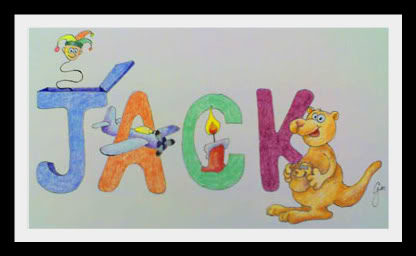
Anya and Tom were looking for a short vintage name to match with their daughter Isla, and they recently welcomed their son

JACK

The name Jack was one that big sis had picked for the baby, and she is tickled pink that she got to choose her brother’s name.

They weren’t sure what to do about a middle name, and in the end they put Anya’s surname in the middle position. It’s a very unusual (non-Anglo) name, and it sounds really amazing as a match for Jack.

Congratulations to Anya and Tom on the birth of their son – Jack is a perfect fit with Isla, and just slots in nicely with all the family names.

Can You Suggest Any Vintage Baby Names for This Couple?

29 Saturday Sep 2012

Posted by A.O. in Naming Assistance

≈ 11 Comments

Tags

choosing baby names, classic names, flower names, middle names, nature names, nicknames, plant names, popular names, retro names, sibsets, The Baby Name Wizard, vintage names

Anya and Tom are expecting their second child in about three or four weeks, and although they have dutifully compiled a little list of names for each gender, they don’t have strong feelings about any of the names, which is making it hard for them to decide.

Girls List

  • Elsie
  • Belle
  • Lily
  • Rose
  • Anya likes the names Pearl and Mabel
  • Tom likes the name Josie

Boys List

  • Stanley
  • Reggie
  • Jack
  • Anya likes Monty, Billy and Eddie
  • They have also considered Albie, Archie and Alfie

Anya and Tom’s Preferences

  • Vintage names
  • Nicknames, and names that can be shortened to a nickname
  • Short names
  • Not too fussed about popularity, and would prefer a popular name to something obscure
  • Something which is a good match with their daughter, who is named Is**la

Anya and Tom would love suggestions of other names that fit their naming style, and their surname begins with E and ends with S eg Eadens. They don’t mind alliterative names, such as Elsie Eadens. They are also looking for middle names.

~~~~~~~~~~~~~~~~~

Congratulations, Anya and Tom – you’re well-prepared, second-time-around parents-to-be who have done all their homework! You’ve drawn up your name lists, you know what you like, yet you are open to thinking of new names. Best of all, you have a positive, relaxed attitude to finding a baby name, and willing to have some fun in the process.

It sounds like you’ve already received some criticism for your name choices, and although I’m sure you handled it diplomatically, you do need to be able to make your decision without being swayed by others (including me!).

Because none of the names you’ve picked seems to have won your heart, I think it’s a good idea to keep looking, but don’t think that a name you don’t “love” should be crossed off. Sometimes we find the perfect name right away, but it takes a while for us to get emotionally attached to it. It’s amazing how many parents will end up going with a name they didn’t warm up to at first.

Even though you only have a few weeks to go, you don’t need to choose the name right now. I’d suggest that you finalise your name lists, and keep all your options open until after the birth. Once your new son or daughter is born, don’t be afraid to follow your heart, because chances are the right name will come to you intuitively if you’re patient and don’t try to force it.

(Middle names: I’ve written a short guide to middle names that might interest you).

GIRLS NAMES

It’s interesting you’re looking for a vintage name to match your daughter’s, because your little girl has quite a modern name, in that it’s only become popular quite recently. Because of that, I’d suggest that you might want to go with a classic or retro name that’s already popular or gaining rapidly in popularity.

Elsie and Lily are quite similar in sound to your daughter’s name – Elsie also has a vowel-L-S-vowel pattern, while three of Lily’s letters can be found in I’s name, and they both end in vowels. That makes me wonder if you would like a sister-name match that sounds a lot like your daughter’s? I actually think you and your daughter have quite similar names, so another one like that could make a “family set”. I notice you seem to like girl’s names with a strong L sound in them, so I’ve tried to find names that fit that pattern.

Rose and Belle are both really pretty, feminine names. I think classic Rose is my favourite of your names under consideration – sounds lovely with your surname, makes a good sibling match, and has a nice level of popularity. The Baby Name Wizard actually has Belle listed as a sister for Is**la! The two names together make me think of Belle Isle, a popular place name; they seem to make the phrase beautiful island. If you don’t end up using them, either name could become a middle name.

Suggestions

  • Alice (sweet popular classic name, sounds similar to Elsie)
  • Violet (elegant popular vintage flower name, same long I sound as her sister)
  • Millie (vintage name rising rapidly in popularity, similar to Mabel and Lily)
  • Molly (popular vintage name, similar to Mabel and Lily)
  • Daisy (cute vintage flower name as an alternative to Lily and Rose)
  • Tilly/Tillie (nickname alternative to Lily)
  • Eva or Eve (pretty popular names that bring the nickname Evie, similar to Elsie)
  • Lola (everything you asked for, but may seem too similar as a sibling name match)

BOYS NAMES

You seem to have considered quite a few boy’s names that got rejected, although I’m not sure if Albie/Alfie/Archie has been eliminated or is still in the running. Stanley and Jack are both classics, while Reggie is just coming in to fashion as a fresh alternative to Archie. I’m finding it hard to pick a front-runner, as they are all subtly different and have their points to offer.

Stanley has never gone out of use, and yet isn’t popular, although he is on the rise and pretty hip; while Jack and Reggie are laddish, Stanley nn Stan is sturdy and manly. Reggie is cute, and makes quite a daring choice – he seems like he has the potential to become the new Archie. Perennial favourite Jack never goes out of fashion, even though his popularity is currently slipping. I think Jack probably sounds best with your surname and as a brother to your little girl, but as you well know, he will be one of many Jacks (not that there’s anything wrong with that). I might be leaning slightly towards Stanley, but I think any of these names would make a fine choice.

Suggestions

  • Will (a softer alternative to Billy; I think it would sound nice with his sister)
  • Fred or Freddie (a cute but more surname-friendly alternative to Eddie)
  • Percy (seems similar to Reggie)
  • Gus (very hip old-style nicknamey name)
  • Lenny (similar to both Stanley and Reggie, becoming very fashionable)
  • Rex (short, strong vintage name; similar to both Reggie and Jack)
  • Kit (similar to Jack, but with a touch of the west)
  • Barnaby nn “Barney” (seems similar in feel to Monty)

NOTE: The baby’s name was Jack!

A Quick Guide to Choosing Middle Names

29 Saturday Sep 2012

Posted by A.O. in Naming Issues

≈ 11 Comments

Tags

choosing baby names, honouring, middle names, nature names, unisex names, virtue names

Sometimes you easily choose the perfect baby name, but then get stuck on the middle name. This is especially the case if you don’t have any particular middle name ideas in mind, and feel that almost anything would do. If anything will do, that’s an awful lot of names to consider! Here’s a quick run through your major options:

Reuse and Recycle

If you made a list of baby names, after you’ve made your choice, you could choose one of the other names you loved but now can’t use as the middle name. This only works if you had different-sounding names on your list: if you were deciding between Kayla and Kaylee, or Tom and John, this option is probably not for you.

Genealogy

If you’re passionate about your family history, you may want to use names and surnames from generations ago, or the town/region that your ancestors came from.

Family and Friends

This is one of the most common middle name choices – using the name of someone important in your life as your child’s middle name. For beloved relatives who passed on before your child was born, it’s a lovely way to give your son or daughter a connection to them. You can also use your own name (including a mother’s maiden name) as a child’s middle name.

Cultural Heritage

If you identify with a particular culture, you may want a name that reflects that. You may not want to call your child Dmitrios or Sumi as their first name, but in the middle might be the perfect way to let them know their roots while still blending in.

Heroes

Is there someone you admire or who has been an inspiration in your life? Their name or surname could make a meaningful middle name. Be aware that if it’s someone very famous, your child may not necessarily welcome being identified with this person for life, so think carefully. Your hero may not be a person – one of my friends is a practitioner of Raja Yoga, and her son’s middle name is Raja.

Personal Associations

Recently we saw Brandi welcome her twin girls. One of her daughters has a middle name which means “blackberry” in Spanish, as this fruit has a very special meaning to Brandi and her husband. I think something like this is a great choice, because it’s a beautiful name story to share, and is private enough that other people won’t be able guess at what’s behind it.

Good Old Standards

These are those oft-used middle names, such as Anne, Elizabeth, Grace, Jane, Marie, May or Rose for girls, or Charles, James, John or Michael for boys. Although it’s fashionable to bag these out as “filler” names, let’s face it, they get used so much because they work so well. If you have absolutely no idea what middle name to use, these can be very useful, although they probably work best if they are also a family name or have some personal meaning to you. They’re also good for toning down an unusual first name.

Cool New Middles

There’s a new generation of “filler” names, often nature names like Bay, Bee, Frost, Lark, Plum, Snow, Star, Winter, Wren or virtue names like Love, Pax, True, and so on. Just as handy as the old standards, in that they go with a wide range of names, and many can be used for both genders. As with the old standards, I think these work best if they have some personal meaning to you.

Daring and Unusual

You might be too timid or commonsensical to use an unusual name for your child, but deep down you really love the idea of using something out of the ordinary – like Angel, Awesome, Cinderella, Danger, Hummingbird, Loveday, Magic, Miracle, Neo, Pirate, Sparkle, Tulip,or Rainbow. I feel that when it comes to the middle name position, almost anything goes, and you can really set your imagination free. These would be great for jazzing up a common or highly popular first name – there are many girls called Ava Rose, but not so many called Ava Sunshine.

Initialise It

If you have thought and thought until your brain hurts, and absolutely NO middle name comes to mind, you can always just use an initial, or two initials. Another solution is to spell the initials out, such as Fabian Cee Tee. Think about it carefully though – nobody wants to be named Jessie Pee or Jayden BJ. Make sure it doesn’t end up being an unwanted acronym, like BC or TV, and you may also want to check it’s not being used by a rapper, if only to avoid being asked, “Did you name him after the rapper?”.

Let Someone Help

Still stuck? Ask someone else to choose the name for you. Maybe your mum, or your pastor, or the baby’s older sibling, or put up a poll on Facebook. Everyone, even total strangers, will be flattered to be asked for their opinion. If they pick something awful, you’re not obligated to go with it, but it could get awkward if you reject their suggestion, so choose your helper carefully.

No Middle Name

Not an option. Okay, technically it is an option, since there is no legal obligation to provide one. But come on. Try harder.

NOTE: This isn’t a guide to choosing the perfect middle name, it’s just to get a middle name on the birth certificate, for parents who’ve been so busy choosing a name that the thought of choosing a second name is too overwhelming.

Famous Name: Jobe

26 Wednesday Sep 2012

Posted by A.O. in Famous Names

≈ 2 Comments

Tags

Biblical names, birth notices, english names, English words, famous namesakes, French words, middle names, name history, name meaning, nicknames, sibsets, surname names

On Monday evening, the Australian Football League held its presentation night, with the highest honour, the Brownlow Medal for the fairest and best player, going to Jobe Watson of Essendon. Jobe comes from a footballing family, with his father being the great Tim Watson, who played for Essendon for many years, and is now a popular media personality. He was Victorian Father of the Year in 1993. Jobe’s uncle Larry also played for Essendon, and unfortunately his cousin Jake was a promising young player until he unexpectedly died during a game. Football was the family business, Essendon the family firm.

Jobe was drafted to Essendon in 2002 under the father-son rule, which allows preferential recruiting access to sons of senior players. He was considered a bit chubby, too slow, and a poor kicker; his woes were compounded by a succession of injuries. It looked as if he was always to remain in the shadow of his famous father, until both his coach and his dad handed him the blunt advice that he had to step up to prove himself. After that, things turned around, and in 2009 he was named the club’s fairest and best and became team captain. 2012 was an outstanding season for Jobe, who not only won the Brownlow, but also the Lou Richards medal for most valuable player.

While rewards can come easily for those blessed with natural talent, others have to work at it, and it makes success all the sweeter when it is won. Now if only Jobe Watson’s struggling team could do better, as they didn’t even make the top eight for this season.

Jobe is an English surname, with a number of possible origins. The most obvious one is that it is based on the personal name Job. As Job was given rather a bad time in the Bible, it is theorised that that the surname could be based on an Old French nickname based on the name meaning “sad wretch”, given to someone who was especially unlucky (or perhaps made too much of his misfortunes). Another theory is that because one of Job’s many trials was being cursed with boils, that it was a nickname given to someone with boils or skin disfigurations. I would have thought that if this was the case, the surname would be a lot more common than it is!

Apart from the Biblical namesake, it could also be an occupational surname with the same meaning as Cooper, because a jobbe was a four-gallon jug. Oddly enough, it strikes me that Jobe and Cooper would sound quite good together as brothers. Further insulting theories are that it could have been a nickname for a heavy drinker, or for someone fat and round, like a big jug. Finally, it could be an occupational surname for someone who made jubes or jupes – a jupe was a loose woollen jacket or tunic for men. The word comes from the Spanish, and ultimately from Arabic.

You might wonder whatever happened to jupes: it is the basis for the word jumper, originally a loose woollen smock worn by labouring men, and standard garb for Australian miners during the Gold Rush era. We now use the word for a wool pullover, while in the United States it retained its old meaning of a woollen smock or pinafore dress, which became women and children’s clothing. Men’s tailored jackets still have jupe panels in them, while in France, the word for apron or skirt is jupe. So one way or another, most of us are still wearing jupes!

The Jobe surname, if not originating in these places, seems to have been prevalent from early on in the West Country areas of Cornwall and Devon, and in Sussex. Today, it is most common in the Tyneside area of England in the far north, but with plenty of Jobes still in Cornwall. Many Jobes who emigrated to Australia seem to be either from Cornwall or Northumberland, although it’s not a common surname.

I have been seeing quite a few baby boys in birth notices called Jobe lately, and the Brownlow Medal will probably give it some more publicity. Actually there’s a footballer in another code with the name, because Jobe Wheelhouse is a soccer player who is the captain of the Newcastle Jets.

Both Jobes are footballers, midfielders, team captains, and have a surname starting with W; interestingly, both have had injury problems, and turned their careers around, because Jobe Wheelhouse was likewise rated poorly in the beginning, but is now a very impressive player. It almost seems to echo the Biblical story rather spookily, as poor old Job was put through the wringer, but carried on like a trouper, and rewarded lavishly in the end.

I think this is quite an attractive name; it’s not flashy, but seems solid, honest, and hard-working. I actually like the sound of the name Job, but the miserable meaning of the name (“persecuted”), worrying story attached to the Biblical character, and  fact that it looks exactly like the word job (with sexual and scatological references) would definitely put me off using it.

Jobe seems to be a way of getting the same sound, while having a subtly different feel, and a range of possible meanings of which you are free to ignore the insulting ones. It’s an alternative to the popular Jacob, or to nickname Joe, and would also make a good middle name.

The People’s Choice of Boy’s Names

23 Sunday Sep 2012

Posted by A.O. in Name Themes and Lists

≈ 15 Comments

Tags

African-American names, alphanumeric names, American slang, anagram names, Anglo-Saxon names, animal names, aristocratic names, Australian Aboriginal names, Australian slang terms, banned names, bird names, birth notices, Bonds Baby Search, celebrity baby names, computer hacker names, controversial names, created names, english names, famous namesakes, germanic names, Google, Greek names, historical records, Indian names, J.R.R. Tolkien, locational names, Maori names, meteorological names, middle names, mythological names, name history, name meaning, nature names, nicknames, Old English names, Old Norse, polynesian names, popular culture, royal names, saints names, scandinavian names, slang terms, Spanish dialect words, surname names, tree names, unisex names, US name popularity, vintage names, vocabulary words, Welsh names

Adolf

A form of the Germanic name Adalwolf, meaning “noble wolf”. The Old English form is Æthelwulf, and there are a few famous men of this name in English history, most notably the father of Alfred the Great. The name was often used amongst the royal houses of northern Europe, and the Latinised form Adolphus turns up in the monarchy of the United Kingdom. There is a saint called Adolf of Osnabrück, a 9th century German monk. Up until the mid-twentieth century, the name was common in central and northern Europe, and can be found in Australia due to immigration from Germany and Scandinavia. The reason this name has been included is because barely a day goes by without someone Googling: “Is it legal to call your child Adolf?”, to which I can say, yes, it is legal here, and you can find quite a few Australians in the records with this name – including ones born during and shortly after World War II. I have met a man named Adolf (born around the early 1960s), and I believe he was named after his grandfather. The other chestnut is, “Is it legal to call your child Adolf Hitler in Australia?” to which I reply, Why would you want to do that? Seriously, why? As the name Ned Kelly is banned because he is considered too wicked, I’m pretty sure Adolf Hitler would also be illegal here.

Buster

This spunky name has more history than you might think. In England, it was first used in the middle position; Buster is a variant of the surname Bustard, after the bird. In 18th century America, it seems to have been more common for African-Americans, and may have started as a pet name in the sense of “breaker”. Later it took on the meaning of “unusual, prodigious, amazing”. Buster is used to address males in the same way as pal or fella (“Now listen up, buster”). This comes from the Spanish dialect busté, meaning “you”. It’s gone on to have negative connotations. One of the most famous men with this name is actor Joseph “Buster” Keaton, who started his career in vaudeville as a small child. He claimed to have received his nickname as a toddler from Harry Houdini, after falling down a flight of stairs unhurt. Houdini allegedly remarked, “That was a real buster!”, meaning “a fall with the potential to cause injury”. So Keaton’s name indicated he was tough enough to take a tumble. Buster Brown was a cartoon strip boy who was an angelic-looking blond prankster. In Australian slang, come a buster means to fall or fail by misfortune, while buster is a term for a strong wind – especially the Southerly Buster. This is a name Sydneysiders give to the abrupt cool change that sometimes blows in from the south during the warmer months. Vintage name Buster has recently become rather an Australian favourite for boys, although in the novel, The Shiralee, by D’arcy Niland, Buster is a little girl.

Chester

Chester is a city in Cheshire, England, founded by the Romans as a fortress in 79; its size has led some historians to speculate that the Romans intended it to be the capital, rather than London. Its current name comes from the Old English Ceaster, meaning “Roman fort”, and its early history was very military, with wars seemingly constant. Even King Arthur is supposed to have won a major battle here, and it was the last city to fall to the Normans during the Conquest. Today it’s a thriving modern city which still tries to preserve its historic buildings. Chester has been used as a personal name since the 16th century, probably after the surname, although early births in Cheshire suggest they may have been named directly for the city itself. Although it’s been a popular name in the US in its time, and only left the Top 1000 in the mid-1990s, for some reason it never caught on in a big way here. I was surprised to see it on a baby in the Bonds Baby Search Competition this year. For some reason, this baby name is often Googled, although the slang term chester is an impediment to its use.

Digby

An English surname from a place name meaning “settlement by the ditch”, derived from a combination of Old English and Old Norse. The name seems to have been first given in honour of the aristocratic Digby family, Anglo-Irish peers whose family seat in Coleshill, Warwickshire was granted to them by Henry VII. It is from the town of Coleshill that the personal name originates in the 17th century. One of the most famous of this clan was Sir Kenelm Digby, a Catholic philosopher considered a great eccentric for his exuberant personality and fascination with science, which extended to studying alchemy, astrology and magic (not considered incompatible with science then); he was the first person to note the importance of oxygen to plants. A man of action as well as thought, he became a privateer, and killed a man in a duel; he also wrote several cookbooks, invented the modern wine bottle and managed to fit in a secret romance to a famous beauty which led to their marriage. A true all-rounder. This name regularly appears in birth notices here, especially from Victoria, and may be encouraged by comedienne Cal Wilson, who welcomed a son named Digby a few years ago. People seem to either loathe this name or find it irresistibly cute; I must confess to being in the second category.

Elfyn

This is the Welsh form of the Old English name Ælfwine, meaning “elf friend”; it went out of use after the Norman Conquest. J.R.R. Tolkien liked to think of the name as meaning “friend of the elves”, and invented two fictional characters with this name who formed close bonds with elves. Modern forms include Alvin and Elvin, both taken from the surname form of the name. There are several famous people in Wales with Elfyn as either their first name or surname, including young rally driver Elfyn Evans and poet Menna Elfyn. For reasons I cannot explain, it is Googled several times a week.

Jharal

Jharal Yow Yeh is an NRL star who plays for the Brisbane Broncos. An Aboriginal Australian from the Margany people of Queensland, he also has Torres Straits Islander, Vanuatuan and Chinese heritage. Now aged 22, he has been playing for the Broncos since 2009, for the Indigenous All-Stars since 2010, and for both the Queensland state team, the Maroons, and the Australian national side, the Kangaroos, since last year. Early this season he sustained a serious leg injury, and is still recovering. People Google Jharal’s name all the time, asking for its meaning, and often querying whether it’s of Indigenous origin. In fact, his name was created for him by his grandmother. His mother couldn’t decide what to call him, so she asked nana Iris to name him. Iris cleverly arranged the letters of all the strongest men in her family into a name, and came up with Jharal. It is taken from the initials of James, Harold, Anthony, Reece, Arthur and Linc. The name is pronounced JHUH-rahl, and Iris says that most people think it is an Indian name. In fact, by coincidence, a jharal is a mountain goat from India. Names created for celebrities often seem too unique for others to use, but I have seen Jharal a few times in birth notices recently. Looking for a nickname? Jharal is known to his family as Joe.

Koa

This unisex name has several different origins. There is a Hawaiian male name Koa meaning “strong, brave, fearless”, and it’s also the name of a Hawaiian tree, the Acacia koa. The wood was traditionally used to make dug-out canoes and certain types of surfboards. In Maori, the word koa means “happiness”. In the Kaurna language of South Australia, the word koa means “crow”, and the Koa people come from south-east Queensland, so it’s also a tribal name. There has been a sudden proliferation of this name in Australian birth notices, and that might be because Tom Dumont from No Doubt welcomed a son named Koa last year. However, I am beginning to see far more girls named Koa in birth notices than boys. This may be because of model and actress Koa Whelan, a contestant on this year’s dating show, Please Marry My Boy. I think this works equally well for boys and girls, although the first meaning is male only.

Neo

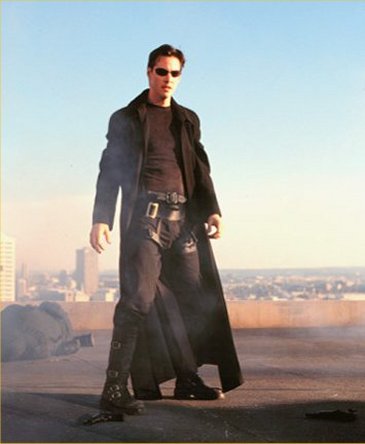
This is from an Ancient Greek prefix meaning “new, young, fresh”. It turns up in words such as neonatal, meaning “pertaining to the newborn”, or neologism, meaning “a freshly coined word”. The name has become well-known since 1999 because Neo is the protagonist of the cyberpunk Matrix film series. In the films, the character’s name is Thomas Anderson, and Neo is his computer hacker identity (Anderson does have the letters N, E and O in it). Neo is also an anagram of One, and the films seek to discover whether Neo is “The One”, a Messiah-like figure who will be able to rescue humanity. The films have become cult classics, and intermingle a range of philosophical and spiritual ideals from the East and the West – it’s even spawned its own religion, Matrixism. From the amount of times that people have Googled neo baby name or neo for a boy, there are quite a few parents considering using this name. Neo fits right in with current trends, and doesn’t sound any stranger than Leo. It is very strongly associated with the film character though. However, Australians have a solid history of gaining name inspiration from the movies, and most of The Matrix series was filmed in Sydney, giving it an Australian connection.

Rune

A Scandinavian name derived from Old Norse meaning “secret”. The runes are the letters of the runic alphabets, which were used to write different Germanic languages, dating from at least the first or second century AD. Runic inscriptions seem to have been for magical and divinatory use, and perhaps their knowledge was restricted to an elite in early times. According to Norse mythology, the runes were originally stolen from the god Odin. They are part of English history, because the Anglo-Saxons had their own runic alphabet. If you have read The Hobbit, you will have seen Anglo-Saxon runes used on a dwarven map; Tolkien later invented his own runic alphabet which appears in The Lord of the Rings. Rune stones are  used for divination today, often in a similar way to tarot cards. The name isn’t unusual in Scandinavia, and you may know the name from the Polish speedway rider Rune Holta, born in Norway. I think this is a simple, attractive name with layers of history and meaning.

Zephyr

A zephyr is a light, warm wind. It comes from the name Zephyrus, who was the Greek god of the west wind – the gentlest of breezes, which served as a harbinger of spring. He married both Iris, the goddess of the rainbow, and Chloris, the goddess of flowers – who is also seen as a deity of spring (and named Flora by the Romans). Children may know the name as that of a bat in the Silverwing book series, and, in the form Zephir, as the monkey in the Babar the Elephant stories. Grown ups may be reminded of The Zephyr Song by the Red Hot Chilli Peppers. If you take the name as derived directly from the god, then it is male, but if you accept it as a nature name and vocabulary name, it is unisex. It only seems to be Googled to my blog as a male name however. Pronounced ZEF-uhr, this name is unsual but not outrageous; it seems like a breezy alternative to popular Z names like Zachary, Zeke or Zane. The obvious nickname is Zeff or Zeffy.

(Picture shows actor Keanu Reeves in his role of Neo from The Matrix; Sydney skyline in background)

Names Spotted at Home and Abroad (Winter Edition)

04 Tuesday Sep 2012

Posted by A.O. in Names Spotted at Home and Abroad

≈ 4 Comments

Tags

aristocratic names, Armenian names, band names, cartoon names, created names, english names, famous namesakes, fictional namesakes, Fijian names, French names, Greek names, hebrew names, honouring, Indian namaes, Japanese names, Latin names, locational name, middle names, modern names, mythological names, name history, name meaning, nicknames, Norman names, Norman-French names, polynesian names, popular culture, saints names, Sanskrit names, sibsets, Spanish names, stage names, surname names, Tibetan names

International Names

Kalden Edwards (Qld) – son of Korinna and Doug, brother of Indigo. Kalden is a traditional Tibetan name meaning “from the Golden Age”, and there are several men of this name from Tibetan history.

Savvas Stergos (NT) – son of Afrodite, brother to Maria, Irene and Michael. The Greek name Savvas is from the Hebrew for “old man” (I’m guessing intended as a title of respect), and there are several saints bearing this name.

Vaishvi Jani (NSW) – daughter of Monalisa. Vaishvi is an Indian name connected to the worship of the goddess Parvati and the god Vishnu. Interestingly, we had a baby called Monalisa mentioned this year, and now we have an adult one.

Xevi Campisi (Qld) – son of Rene Flanagan and Zac Campisi. His name is a common Spanish pet form of Xavier.

Surnames as-First Names

Abbeney Manning (Qld) – daughter of Luise. As far as I know, this aristocratic Norman surname is another form of Albany, based on French place names such as Aubigne, meaning “Albinius’ town”, with the Latin name Albinius meaning “white”. It was used by sci-fi writer Ursula Le Guin as a place name in her fictional universe depicted in The Hainish Cycle. Although historically more often male, today it does sound like an ornate version of Abby.

Kasabian Sentance (NSW) – son of Jodi. Kasabian are a British rock band; the band’s name is from Linda Kasabian, a member of the Charles Manson cult, famous as his getaway driver. She did not participate in any violence, was the star witness for the prosecution, and expressed great remorse for her part in the group’s crimes. Her married surname is a common Armenian one, meaning, “butcher”.

Vaokakala Nevaeh Mara Tere-Vave (NSW) – daughter of Glory Mara Tere and Tevita Vave. Her name is a Fijian surname, but I don’t know what it means. I had never seen Nevaeh on a real person before, but wasn’t surprised to see it used in the Pacific Islander community, as not only does it have strong Christian associations, but the pronunciation (nuh-VAY-uh) is vaguely Polynesian-sounding.

Wiley Huber (NSW) – son of Nicole and Tim. This English surname is from a common place name meaning “willow wood”. It’s the stage name of English rapper Richard Cowie; he took it from a cartoon character named Wiley Kat. It reminds me of the cartoon critter Wile E. Coyote.

Middle Names

I saw a number of babies with intriguing middle names in the papers over the winter.

Archie Elvis Lincard (Qld) – son of Gemma Hall and Chris Lincard.

Austin Kelly Beadle (Qld) – son of Leah and David. Austin’s middle name is in honour of his aunt – one of the handy things about unisex names is their versatility. His first name is after his American-born father’s cousin.

Jake Tiger Gow (Qld) – son of Wendi Leggatt and Bede Gow.

Lily Pepper Van Veen (NSW) – daughter of Xan and Adam [pictured]

Sabine Mirah Thiedeman (Qld) – daughter of Leanne and Nick. Her middle name is a form of the Arabic Amira, meaning “princess, female ruler”.

Adult Names

There was a story in the paper about a construction worker who was awarded more than $100 000 damages named Ark Tribe. His lawyer was named Stephen Dolphin.

The family has rebelled against the slightly brain-sapping entertainment of The Price is Right, and have opted for a noisy educational TV show before dinner instead. I think they became suspicious I had it on to do some clandestine name-spotting (I blame educational shows for making them brainy enough to figure this out!).

So no more names from TPIR – the only one I can remember is a forty-ish lady named Blondie who was indeed blonde-ish. Was this her legal name, or a nickname? I have no idea, as the host did not ask her. It seemed a bit of an odd name to give a child (it reminds me of Blondie Bumstead from the newspaper cartoons). On the other hand, it seemed a slightly odd nickname to retain into middle age as well (although Mrs Bumstead managed to pull it off, at least).

Names Seen in Real Life

We went to the speedway a few times over the winter – my fashion tip is to wear every jumper, jacket and coat you possess, and then cover yourself in gloves, hats and scarves until no skin is in contact with the icy air.

The speedway is the place to go if you want to hear some hardcore-type boys names – over the winter, I heard the names Ajax, Axel, Blade, Cruz, Diesel, Harlem, Hendrix, Hunter, Jagger, Jett, Nash, Taj, Tosh and Zayd. I remember someone saying on Twitter that you mostly hear boy’s names in public places, as they are the ones getting called or yelled at by anxious or petulant mamas, and it’s so true. The only girl I can remember getting yelled at the same place was a non-harmonious Harmony.

Two tots entered in a local kids photo contest were called Sai (boy) and Leto (girl). Sai is a Japanese name that can be translated as “genius”, and Leto was the mother of Apollo and Artemis in Greek mythology. Her name may mean “the hidden one”, or more prosaically, “woman, wife”.

Names of Babies Born to People I Know or Know Of:

Girls: Aoife, Beatrix, Cynthia, Jemima, Tallulah

Boys: Julian and Miles (twins), Emmett, Ronan

Famous Names: Ned Kelly

29 Wednesday Aug 2012

Posted by A.O. in Famous Names

≈ 12 Comments

Tags

African names, African-American names, American names, Anglo-Saxon names, Australian idioms, banned names, birth announcements, British Baby Names, Cornish names, English name trends, english names, famous namesakes, folk etymology, Google, Irish names, locational names, middle names, name history, name meaning, name popularity, nicknames, popular culture, Scottish slang, surname names, unisex names, US name popularity

On August 2 this year, it was reported that the descendants of notorious bushranger Edward “Ned” Kelly were about to receive his remains, 132 years after he was hanged for murder. At that time, the bodies of executed prisoners were buried in unmarked graves in Melbourne Gaol, and Kelly was one of them. In 1929, he and several others were re-buried in Pentridge Prison during renovations to Melbourne Gaol, and last year scientists were able to identify Ned Kelly’s skeleton from a group of twenty-four at Pentridge, by comparing his DNA to that of living members of the Kelly family. The Kellys can now give Ned a private burial.

Ned Kelly was the son of an Irish convict, and gained notoriety as a horse thief and cattle rustler before being convicted of bank robbing and murder. He was hanged on November 11 1880. He looms large in the Australian imagination, and is widely seen as a folk hero, and a symbol of Irish-Australian resistance against the ruling classes and police corruption. There is in the Ned Kelly legend a particular type of Australian masculinity which is admired: physically powerful, ballsy, defiant, daring, anti-authority, and an under-dog. The phrase, As game as Ned Kelly, is the ultimate praise for bravery, and his legend has spawned countless folk stories and ballads – not to mention a few films.

The name Ned is a pet form of names starting with Ed-, such as Edward and Edmund. It has been used as a nickname since at least the 14th century, and as an independent name since the 17th century. One theory is that it began life as a contraction of the affectionate “mine Ed“, which became understood as “my Ned”. Although this can’t be verified (and Elea at British Baby Names remains slightly sceptical), the story does add a layer of sweetness to the name.

It is among the first names that crossed the pond, because a baby named Ned was born in the English colony of Virginia, so it became a British and American name almost simultaneously. It has often appeared in American popular culture, such as Ned Flanders on The Simpsons and Ned Dorsey from 1990s sit-com Ned and Stacey. All-American girl detective Nancy Drew even had a boyfriend named Ned Nickerson. (Ned and Nancy! Adorable!). Ned was on the US Top 1000 until the mid-1970s.

Like Kevin in England and Bevan in Australia, it’s a name with a bad rep elsewhere, because in Scotland ned is slang for a hooligan or petty criminal. Given our own history with the name, this seems unlikely to put Australian parents off. Here solid unpretentious Ned will always be associated with folk hero Ned Kelly, but as it’s currently fashionable as an upper-class name in England, this makes it seem quite chic as well.

Kelly is an Anglicisation of the Irish surname Ó Ceallaigh, meaning “son of Ceallach”. Ceallach is often interpreted as meaning “bright headed”, but it may mean “church-going”, as the Irish word for church is ceall. It can also be seen as an Anglicisation of Ó Cadhla, meaning “son of Cadhla”, with the male name Cadhla meaning “attractive, graceful”.

Outside Ireland, the surname Kelly can be from place names in Scotland (in this case, probably from the Anglo-Saxon meaning “calf hill”) and in Devon, the latter derived from the Cornish word for “grove”. However, it is much more common as an Irish surname.

Kelly has been used as a first name since at least the late 17th century, and is another name which seems to have been used in Britain and America almost at the same time. It appears to have quickly become far more common in America as an Irish heritage name.

Although the name was first given to boys, in a relatively brief space of time the name seems to have been accepted as unisex, with roughly even numbers of males and females named Kelly in colonial America. Quite a few of the early American Kellys arrived directly from Ireland itself, and these were just as likely to be female, if not more so.

I don’t know why, but the name seems to have been commonly given to the sons and daughters of Christianised black African indentured servants in early colonial America. I would be fascinated to know the reason for this, and wonder if there is an African name Keli that seemed familiar to both cultures. Or perhaps working alongside Irish indentured servants gave them a fondness for the name.

Kelly first shows up on the US Top 1000 in 1880 as a male name, and first appears there for females in 1944. It grew in popularity for both sexes, but really took off as a girl’s name in the 1950s with the fame of glamorous Hollywood actress Grace Kelly (of Irish background). After she became Princess Grace of Monaco, the name simply bounded up the popularity charts.

Kelly peaked for both boys and girls in the late 1960s, but then lost ground as a boy’s name, while maintaining a female presence; it even managed to peak again for girls in the 1970s. Kelly hasn’t ranked as a boy’s name in the US for ten years, while it is now #335 for girls, and falling.

In Australia, the history of the name is much shorter, and it only ever charted for girls. It first appears in the charts in the 1950s at #560 (about one Kelly per year). By the following decade, it was already in the Top 100, and peaked in the 1970s at #13. It left the Top 100 in the early 2000s, and last year just ten baby girls named Kelly were born in New South Wales, giving it a ranking of #641.

Amongst the most common Google searches used to reach my blog are those enquiring about using Kelly as a boy’s name, and many of these are from Australia. With Kelly becoming rare as a name for girls, and the fame of American world surfing champion Kelly Slater (of Irish background) lifting its profile internationally as a male name, this seems the perfect time for Kelly to step up and gain more use for boys in Australia.

I hope that these assiduous Googlers are giving serious thought to choosing Kelly as their son’s name. I scan the birth notices for Kelly, and this year I have only seen it used as a middle name for boys. However, Kelly Slater himself uses his middle name (his first name is Robert), so these babies do have the choice to go by the name Kelly when they get older.

NOTE: Although you are free to call your child Ned, or Kelly, it is, bizarrely, forbidden in New South Wales to name a baby Ned Kelly. This makes Ned Kelly one of Australia’s rare illegal names.

(The picture is from Sidney Nolan’s series of paintings of Ned Kelly in his armour 1946-47. These images are some of the most iconic and recognisable of Australian artworks. Taken from ABC News).

She Says Clara, He Says Zara: Can You Help This Couple Resolve Their Baby Naming Differences?

18 Saturday Aug 2012

Posted by A.O. in Naming Assistance

≈ 8 Comments

Tags

choosing baby names, classic names, compromising on baby names, honouring, middle names, modern classics, name combinations, name popularity, nicknames, popular names, portmanteau names, retro names, sibsets

Kate and her husband Steve are expecting their second child in late January next year. Although it may seem they have plenty of time, they are currently at a stalemate when agreeing upon names for a baby of either sex.

They had these naming issues with their first child as well. They continued discussing and arguing over it for eight months of Kate’s pregnancy, and chose their daughter’s name while actually in the hospital. Feeling pressured by family expectations that they choose a name immediately, and with her husband refusing to back down, Kate agreed to Steve’s choice, which was Madeline – a name that he loved, and would consider nothing else. The middle name was a family one from Kate’s mother’s side given to all first-born daughters.

Although Kate is fond of her daughter’s name, it was not her first choice, and this time she really wants the baby’s name to be something that she loves. Steve is willing to let her choose whatever name she likes – providing that he doesn’t hate it. The problem is, Steve seems to hate most of Kate’s favourite names. She is getting frustrated that he seems to be vetoing almost every name she suggests, while not making many suggestions of his own.

Names for Girls Considered

  • Kate’s favourite names for girls are Clementine, Olive, Ivy, Mabel, May, Nell, Lillian, Clara, Maeve, Dorothy, and Eloise. Steve detests all of these, but least dislikes May and Eloise.
  • Steve has expressed a preference for Kayla, Eleni, Lani, or Zara. Kate dislikes these names, with the exception of Zara, which she can just tolerate.
  • Neither of them has a preference for a middle name, and they don’t really mind what it is.

Names for Boys Considered

  • Kate’s favourite names for boys are Henry, Flynn, Hugo, Sullivan, Oscar and Archie. Steve hates the name Henry, and doesn’t mind Sullivan or Archie, but isn’t thrilled about them either.
  • Steve hasn’t made any serious suggestions for boy’s names, but has mentioned Lachlan and Noah. Kate doesn’t dislike either name, but does feel that Top 10 is a bit too popular to consider.
  • They both like the names Jack and William – alas, everybody else seems to as well! If only Jack or William were Top 50 rather than Top 5, these would be their choices.
  • The middle name will be either John or Timothy, which both honour much loved family members. They will go with whatever middle name fits best with the name they eventually choose.

Kate and Steve’s surname begins with H and ends with -er.

~~~~~~~~~~~~~~~~~~~~~~~~~~

Kate, if it’s any consolation to you, your baby name problems are ones that many couples share. The most common complaint I hear from women is that they suggest name after name, and their other half rejects all of them, yet doesn’t seem to contribute many ideas of his own.

I think the situation with your daughter’s name isn’t that unusual either – while women often seem to have at least a dozen “favourite names”, if men have any at all, it’s often only one. With just one egg in their basket, they can be prepared to fight for it, and in this case, it seems as if Steve did fight for his favourite, and prevailed.

I think it’s lovely for a little girl to have a name chosen by her daddy, and her middle name is from your side of the family, so her name connects her to both of you. You can take heart that despite all your disagreements, you actually did a good job together, which means you’ll probably do a good job again. It was generous of you to agree to your husband’s choice on the very first baby – I’m not certain most wives would have done that.

It seems obvious that since Steve picked the first name, it’s only fair that it should be your turn to pick the second. Yet to be equally fair, Steve picked a name that you may not have loved, but are fond of – he didn’t force you to accept a name that you hated. And that’s the sticking point. Steve didn’t have to compromise on the name that he loved, but you may have to. Or else Steve will have to compromise this time around, which is something for you to negotiate together.

Another thing you might want to consider is that it can be harder choosing the second name, because you already have a child, and may want a name that goes well with hers. I know some people aren’t bothered by sibsets going together, so if you are one of them, just ignore this bit.

If you want a name that doesn’t clash with Madeline, or seem too matchy, there’s probably already a couple of names on both your lists that could be crossed off. I love the name Clementine, but I think it’s too matchy with Madeline because they almost rhyme, while to me, Eleni and Madeline is a style clash.

It seems it would be easier for you both to compromise on a girl’s name, since Steve has already picked his one favourite name, and should be more flexible this time around.

Possible Compromises

  • Since the girl’s middle name spot is vacant, you choose the name, and Steve picks the middle name. Dorothy Lani may sound a slightly odd combination, but big deal, you’d have a baby name chosen by both of you.
  • You use the two names of yours that Steve hates least, and call the baby Eloise May.
  • You use two names from each of your lists you least dislike, and call her Eloise Zara.
  • You combine the sounds of names from your list with ones from Steve’s list to make names that sound similar to both. For example: Olive + Kayla = Livia. Eleni + Clementine = Elaine. Dorothy + Zara = Daria. Lani + Eloise = Louise. And so on.
  • You choose a name that you like, but only if Steve is able to make a nickname from it that he likes eg Eloise nn Lulu, Olive nn Liv.

With boy’s names, it almost seems as if you are getting close to the right name. Steve has only completely vetoed Henry, and you’ve actually agreed on several names, only to be put off by the popularity. I think it’s just a matter of finding names in a similar style you both like, that aren’t in the Top 10. Or you may decide that a Top 10 name isn’t so bad after all – William has never left the Top 50 in 111 years, so it’s more of a perennial favourite than a trendy popular .

Once you’ve got a little list of possible names together, see which ones sound best with Madeline, with the chosen middle names, and with your surname. Out of what you’ve got so far, my pick would be Archie John.

If it was up to me, I’d say Eloise May for a girl, and Archie John for boy (or else William). But you didn’t write to me so I’d pick your baby name, you wrote to me for suggestions of names that I think both you and Steve might like. So here goes:

GIRLS

What I noticed you and Steve had in common was you both tended to like quite popular names, or names coming (back) into popularity. You also both preferred girl’s names that were recognisably feminine, but not particularly frilly. I tried to think of names that fit these criteria, and also seemed to make a nice match with Madeline’s name, while not sounding too awful with your surname. I also tried to pick names that were easy to make contemporary-sounding nicknames from, in case the nickname pleased more than the name itself.

It’s hard to find a perfect compromise between retro names and modern ones, so I concentrated on names that have never gone out of fashion, ones that are coming back into fashion, and modern classics. There’s a couple of wildcards thrown in, just on the off-chance!

  • Audrey
  • Cassandra
  • Cecily
  • Claudia
  • Daphne
  • Eleanor
  • Eloise (the one on your list your husband least hated, and goes best with Madeline)
  • Emmeline
  • Evelyn
  • Florence
  • Genevieve
  • Isobel
  • Josephine
  • Leila
  • Louisa
  • Lucia
  • Natalie
  • Penelope
  • Rosalie
  • Rose
  • Saskia
  • Sophia
  • Susannah
  • Victoria
  • Violet

BOYS

It felt like boys names were one you would have an easier time agreeding with, as you each identified certain groups of names that you either liked, or could live with.

Timeless classics, like Jack and William

  • Charles
  • Edward
  • George
  • James
  • Nicholas

Retro names like Archie

  • Austin
  • Felix
  • Frederick
  • Leo
  • Rex

Scottish names like Lachlan

  • Angus
  • Callum
  • Duncan
  • Lennox
  • Logan

Irish surnames like Sullivan

  • Cassidy
  • Quinn
  • Rafferty
  • Rowan
  • Tully

Simple Old Testament names like Noah

  • Abel
  • Ezra
  • Jude
  • Micah
  • Reuben

Homework for Kate and Steve:

I’d be very surprised if you read through this and said, Oh yes of course, Genevieve for a girl and Felix for a boy, that’s perfect. These lists are just for window-shopping, and for trying out names, so you can identify and narrow down what you both like and dislike. Don’t make a decision just yet, it’s far too early. Give yourselves more time to think things through, and keep trying out names. When the time’s right, I’m sure the perfect one will fit into place.

If you still feel stuck in early November, please write in again with your new improved name lists, and we’ll have another go. And whatever happens, don’t let yourselves be railroaded into a decision at the hospital again – you’ve got 60 days after the birth to pick a name, and there’s nothing wrong with taking the baby home with you before naming it. Absolutely no need to rush or panic!

Readers, what do you think is a fair system for Kate and Steve to compromise on choosing a baby name? And what names would you suggest to them?

NOTE: The baby’s name is Lewis John!

← Older posts
Newer posts →

Enter your email address to follow this blog

Categories

Archives

Recent Comments

A.O.'s avatarwaltzingmorethanmati… on Zarah Zaynab and Wolfgang…
Madelyn's avatarMadelyn on Zarah Zaynab and Wolfgang…
JD's avatardrperegrine on Can Phoebe Complete This …
A.O.'s avatarwaltzingmorethanmati… on Rua and Rhoa
redrover23's avatarredrover23 on Rua and Rhoa

Blogroll

  • Appellation Mountain
  • Baby Name Pondering
  • Babynamelover's Blog
  • British Baby Names
  • Clare's Name News
  • For Real Baby Names
  • Geek Baby Names
  • Name Candy
  • Nameberry
  • Nancy's Baby Names
  • Ren's Baby Name Blog
  • Sancta Nomina
  • Swistle: Baby Names
  • The Art of Naming
  • The Baby Name Wizard
  • The Beauty of Names
  • Tulip By Any Name

RSS Feed

  • RSS - Posts

RSS Posts

  • Celebrity Baby News: Melanie Vallejo and Matt Kingston
  • Names from the TV Show “Cleverman”
  • Can Phoebe Complete This Sibset?
  • Zarah Zaynab and Wolfgang Winter
  • Baby, How Did You Get That Name?
  • Celebrity Baby News: Media Babies
  • Celebrity Baby News: Adelaide Crows Babies
  • Celebrity Baby News: Chris and Rebecca Judd
  • Names at Work: Name News From the World of Business and Employment
  • Celebrity Baby News: Sporting Round Up

Currently Popular

  • The Top 100 Names of the 1930s in New South Wales
  • The Top 100 Names of the 1940s in New South Wales
  • Rare Boys Names From the 1950s
  • Girls Names From Stars and Constellations
  • Celebrity Baby News: Alisa Camplin and Oliver Warner

Tags

celebrity baby names celebrity sibsets english names famous namesakes fictional namesakes honouring locational names middle names name combinations name history name meaning name popularity name trends nicknames popular names saints names sibsets surname names twin sets unisex names

Blog at WordPress.com.

Privacy & Cookies: This site uses cookies. By continuing to use this website, you agree to their use.
To find out more, including how to control cookies, see here: Cookie Policy
  • Subscribe Subscribed
    • Waltzing More Than Matilda
    • Join 517 other subscribers
    • Already have a WordPress.com account? Log in now.
    • Waltzing More Than Matilda
    • Subscribe Subscribed
    • Sign up
    • Log in
    • Report this content
    • View site in Reader
    • Manage subscriptions
    • Collapse this bar
 

Loading Comments...