• About
  • Best Baby Names
  • Celebrity Baby Names
  • Celebrity Baby Names – Current
  • Celebrity Baby Names – Past
  • Featured Boys Names
  • Featured Girls Names
  • Featured Unisex Names
  • Links to Name Data
  • Waltzing on the Web

Waltzing More Than Matilda

~ Names with an Australian Bias of Democratic Temper

Waltzing More Than Matilda

Tag Archives: gemstone names

Famous Name: Diamond

06 Wednesday Jun 2012

Posted by A.O. in Famous Names

≈ 11 Comments

Tags

British Baby Names, english names, famous namesakes, fictional namesakes, gemstone names, Greek names, honouring, Mer de Noms, name history, name meaning, nature names, surname names, US name popularity, vocabulary names

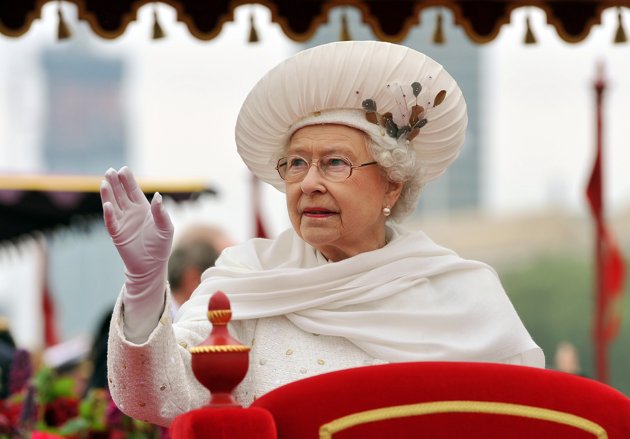
Queen Elizabeth II is only the second monarch since Queen Victoria to reign for sixty years. Last weekend, it was the Queen’s Diamond Jubilee celebration, where the British enjoyed four days of triumphant pageantry, horse-drawn carriages, royal barges, processions, church services, street parties, luncheons, concerts, festivities and general revelry. Naturally the Brits didn’t allow a bit of very British rain to stop the fun.

We also celebrated here, in a more humble and low-key sort of way, and even managed to have wet weather, in a meteorological show of sympathy. We sent a detachment of the New South Wales Mounted Police to represent us at the pageant, and Indigenous performer Gurrumul came on stage for Sing, a song written especially for the Jubilee featuring 200 artists from the Commonwealth; Kylie Minogue and Rolf Harris also performed at the concert (not together).

Australia has another connection to the Queen’s Jubilee: earlier this year, the largest pink diamond ever mined in Australia was found at Rio Tinto’s Argyle mine in the north-west of Western Australia (which is the source of most of the world’s supply of pink diamonds). The diamond is 12.76 carat, and, in honour of the Diamond Jubilee, has been dubbed the Argyle Pink Jubilee diamond. It was cut and polished in Perth, and will be sold later this year; pink diamonds cost about 20 times more than equivalent white diamonds.

The name Diamond is ultimately from the Greek adamas, meaning “unbreakable, invincible” (although the Greeks probably used the word to refer to other gemstones). It is from this that we get the words adamant, meaning “determined, unyielding”, and adamantine, meaning “as hard as diamond”. Diamonds are famous for their hardness, as well as their clarity and fiery white lustre.

It is thought that diamonds were first recognised and mined in India, where they have been used in Hindu religious icons for thousands of years. India remained the only source of diamonds until the 18th century, when they were discovered in Brazil, and today most of the world’s diamonds are cut and polished in India.

Diamonds have been used for jewellery since ancient times, and one of the most famous of their uses is for engagement rings. Medieval Italians called the diamond the “stone of reconciliation”, saying that it would maintain harmony between husband and wife. Diamonds were therefore recommended for betrothal rings, although they could only be afforded by royalty and aristocracy. It was the marketing campaign of De Beers begun in 1938 that sold us the idea that everyone needed to have a diamond engagement ring; such a campaign was necessary because of the large quantities of diamonds being brought in, especially from South Africa.

Mention of Africa brings up a grim factor of the diamond industry: the blood diamonds. In politically unstable countries of central and west Africa, revolutionary groups have taken over control of diamond mines, using the proceeds to fund their operations. Processes are in place to prevent blood diamonds from entering the mainstream market, and although they aren’t perfect, your chance of actually buying a “blood diamond” from a reputable jeweller is probably fairly remote.

However, the ethics of diamond mining are still pretty murky in many areas. Mines in India and South Africa not infrequently use child labour, working conditions can be cruel, and miners and gemstone cutters earn a pittance in relation to the value of the stones they help produce. De Beers have built mines in areas where they have forcefully displaced the indigenous people of the region, so even an “ethical diamond” may not be as ethical as you hoped.

For some reason, the name Diamond seems to get more negative reactions than other gemstone names, like Ruby or Pearl. The very hardness and sparkle which makes real diamonds so valuable, somehow makes the name Diamond appear “cheap” or “rough”. When diamonds symbolise so many positive things – strength, beauty, eternal love – that seems a foolish distinction to make.

Diamond is a gemstone name that works equally well for boys. For a start, the English surname Diamond is specifically masculine, and comes from an Anglo-Saxon personal name Dayman, meaning “man who takes care of livestock”. In Ireland, the surname is based on the personal male name Dermot, while the surname taken directly from the gemstone was adopted by some Jewish families from Eastern and Central Europe.

George McDonald’s enchanting fairy tale At the Back of the North Wind has a little boy named Diamond as its hero, and the movie I Am Sam has Dakota Fanning playing a girl named Lucy Diamond Dawson, her name a direct reference to the Beatle’s song, Lucy in the Sky with Diamonds.

Another connection with diamonds and royalty is a little girl named Diamond Ann Marshall, who was chosen to meet Catherine, Duchess of Cambridge on the royal tour of Canada. Diamond wrote the duchess a nice letter, and when she met her, gave her a big hug. Diamond was a cancer patient at the time, but is now in remission. Diamond’s name was given to her in honour of Princess Diana – I’m guessing Diamond Ann sounded like the name Diana to her parents.

Diamond as a girl’s name has been on the US Top 1000 since 1986, and peaked at #150 in 1999. It’s currently #760 and falling. It may be on the wane in America, but I hope that the Jubilee year inspires a spike of baby Diamonds in Commonwealth countries.

Looking for some more baby names for the Diamond Jubilee? Go check out these blogs from Elea at British baby Names, and Lou at Mer de Noms.

Popular Names for Girls

29 Sunday Apr 2012

Posted by A.O. in Name Themes and Lists

≈ 29 Comments

Tags

acronyms, Appellation Mountain, band names, Biblical names, celebrity baby names, created names, english names, Etruscan names, famous namesakes, fictional namesakes, flower names, French names, gemstone names, germanic names, Greek names, Italian names, Latin names, Linda Rosenkrantz, locational names, mythological names, name data, name history, name meaning, name popularity, name trends, Nameberry, nature names, nicknames, Norman names, popular culture, popular names, retro names, royal names, Shakespearean names, ship names, tribal names, vocabulary names

In honour of the name data being released, I thought I’d do lists of the most popular names in Australia for last year. I admit this was something of a last-minute decision, but it seemed like a good opportunity to cover some of the best-loved names.

People often ask how popular names got to be popular. I’m not sure there’s really a good answer to that – clearly people like the sound of them, and they fit in with current trends. Yet there must be many names, equally as nice-sounding and trend-friendly, that lurk around the 200s and don’t seem as if they are going anywhere much.

Although I cannot tell you what events caused these names to become popular, I can tell you some of the events which accompanied their rise. I’m definitely not trying to say that they were the cause of a name’s popularity, just that they coincide with it (and really sometimes it seems more than merely coincidental). Feel free to add other events you can think of, or any theories of your own!

Note: I’ve used data from New South Wales, but it must be broadly accurate for the rest of the nation too.

Lily

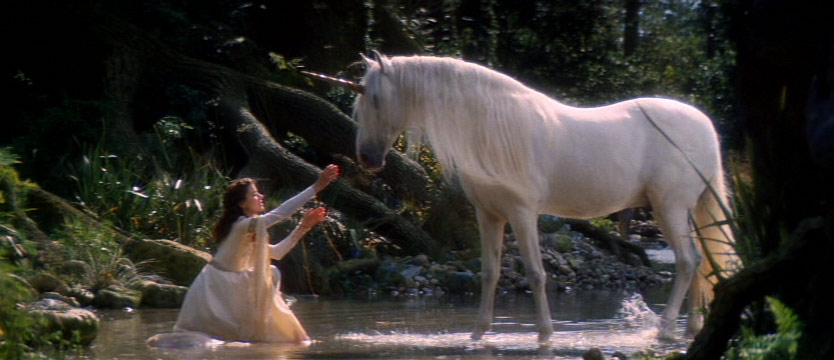
Lily seems to have begun as a pet form of Lilian, but must soon have become thought of as a flower name. The lily is sacred to the Virgin Mary, and Jesus urged his followers to “consider the lilies of the field” as a model in trusting Divine Providence. Lily has been almost continuously in the charts, only dropping out during the 1960s. It began rising in the 1980s – a decade when Princess Lily was the main female character in fantasy film Legend, and when Phil Collins and Kevin Costner welcomed daughters named Lily. A Top 100 name in the 1990s, it continued climbing, as Kate Beckinsale welcomed a daughter named Lily, while Johnny Depp named his baby girl Lily-Rose. By the early 2000s, Lily was already a Top 20 name, and during this decade, Lilly was the main character’s best friend in The Princess Diaries movie, Lily Potter was Harry’s mum in the Harry Potter movies, and pop singer Lily Allen released her first hit. Last year Lily was the most popular name for girls, once combined with the spelling Lilly. Delicate and pure, yet with several spunky namesakes, pretty Lily became a favourite.

Ruby

Ruby is named after the precious gemstone, whose name from Latin simply means “red”. Retro Ruby was popular during the 1900s, then dropped out completely during the 1960s and ’70s, despite being a popular name in songs; notably Ruby Tuesday and Ruby Don’t Take Your Love to Town. It began rising in the 1980s, as comedienne Ruby Wax barged her way onto our TV screens, and singer Rod Stewart welcomed a daughter named Ruby. The name climbed steeply during the 1990s, and turned up in more songs: Ruby Soho by Rancid, Thru’ the Eyes of Ruby, by The Smashing Pumpkins, and Ruby Wednesday by Eskimo Joe. By the early 2000s, Ruby was a Top 50 name, and by the late 2000s, it was Top 20. During this decade, the song Ruby was a hit for The Kaiser Chiefs, Renee Zellweger played Ruby in the movie Cold Mountain, and Ruby Buckton was a free spirited teen on popular soap, Home and Away. Charlotte Church, Tobey Maguire, and Harry Kewell all welcomed daughters named Ruby. Last year it was #2 for girls, once combined with the spelling Rubi. Flaunting Ruby sparkles, and is a name worth singing about.

Chloe

Chloe means “young green shoot” in Greek, and was one of the epithets of the earth goddess Demeter. From early on, it was a favoured literary name; Chloe is the heroine of the pastoral romance Daphne and Chloe, by the Ancient Greek writer Longus. The name was also considered suitable for use by the Puritans, because Chloe is an early Christian mentioned in the New Testament. Chloe first appeared on the charts in the 1970s; a decade when an arty French film, re-titled Chloe in the Afternoon, was released to English-speaking audiences. Chloe stormed up the charts and was Top 100 by the 1980s. During this decade, actress Candice Bergen and singer Olivia Newton-John both welcomed daughters named Chloe, and Chloe Jones was one of the characters in long-running soap, A Country Practice. By the 1990s it was Top 20, and Logie-winning actress Kristy Wright played the tragically troubled Chloe Richards on popular soap, Home and Away. Chloe was Top 5 by the early 2000s; it reached #1 in 2006. Fresh and spring-like, Chloe has been recommended at Appellation Mountain, and Linda Rosenkrantz from Nameberry named her daughter Chloe – some serious name-guru approval.

Mia

Mia seems to have become popularly known through actress Mia Farrow, the daughter of Australian film director John Farrow, and Irish actress Maureen O’Sullivan. Mia is short for Ms Farrow’s real name, Maria. Mia first appeared on the charts in the 1960s, after Mia Farrow began her career, but rose in popularity very gradually. An interesting link with another name on the list is that Princess Lily in Legend was played by actress Mia Sara; is it a coincidence that both names began climbing at the same time? It started making significant gains in the 1990s, a decade when Uma Thurman played Mia Wallace in Pulp Fiction. Although not yet Top 100 in the 1990s, by the early 2000s it was already Top 20. In this decade, we met Amelia “Mia” Thermopolis, heroine of The Princess Diaries movie, and Mia Toretto from The Fast and the Furious films. It was chosen as the name for their daughter by actress Bec Cartwright and tennis champion Lleyton Hewitt. Top 10 by the late 2000s, it reached #1 in 2008. Simple and cute, Mia has another Australian connection – it is an acronym for Made in Australia.

Olivia

Olivia is a name invented by William Shakespeare for a character in Twelfth Night. Olivia is a beautiful noble lady in mourning for her brother; through an amusing misunderstanding, she falls in love with a woman named Viola disguised as a man. Through another amusing misunderstanding, she marries Viola’s twin brother Sebastian by mistake, but fortunately he is so much like his sister in looks and personality that she is happy with the outcome. Famous Olivias include actress Olivia de Havilland and Olivia Arias, the widow of Beatle George Harrison. Olivia first appeared on the charts in the 1960s, just as singer Olivia Newton-John began her career, and rose steadily. Her popularity took off in the 1980s (perhaps by coincidence, the era when Ms Newton-John enjoyed her greatest success), and by the 1990s she was already a Top 20 name. During the 1990s, Denzel Washington and Lance Armstrong welcomed daughters named Olivia. In the early 2000s, Mariska Hargitay was playing Olivia Benson on Law and Order: SVU, and by 2005 Olivia had reached #1. Shakespeare had a knack with names, and this one is elegant; I picked it to be the Jessica of our time, and equally resilient.

Isabella

Isabella is a Latinate form of the name Isabel; it was a favourite amongst European royalty from the Middle Ages onwards. Isabella is a stock character in the Italian commedia dell’arte, the flirtatious and alluring female lover that men make fools of themselves over. She is named in honour of the actress, playwright and poet Isabella Andreini, who became famous in the role. Isabella has been on the charts almost continuously, although her last time in the Top 100 was in the 1900s. She dropped out completely during the 1950s, and then again in the 1970s. She made a recovery in the 1980s just as Italian actress Isabella Rosselini became internationally known, and then skyrocketed. Nicole Kidman and Tom Cruise adopted a daughter in the early 1990s and named her Isabella, and the name was comfortably Top 50 for that decade. When Stephenie Meyer’s novel Twilight was published in 2005, its heroine named Isabella “Bella” Swan, Isabella was already #7; Isabella reached #1 in 2009, the year after the Twilight film was released. Ornate and ultra-feminine, it is an Australian royal baby name, as Prince Frederik and Princess Mary of Denmark named their first daughter Isabella.

Charlotte

Charlotte is a French feminine form of Charles; a common name amongst European royalty, it was introduced to Britain in the 17th century by the Hanoverians. The Charlotte was one of the ships of the First Fleet, who reached Australia in 1788. Charlotte has been almost continuously on the charts, only disappearing in the 1950s. She began climbing gradually in the 1960s, a decade when English actress Charlotte Rampling’s film career began. The name grew steeply in the 1980s, a decade in which Charlotte “Charlie” Blackwood, played by Kelly McGillis, is the love interest to Tom Cruise’s Maverick in the movie Top Gun. It made the Top 100 by the 1990s, when actress Sigourney Weaver welcomed a daughter named Charlotte, and when the band Good Charlotte began their career. It was Top 20 in the early 2000s, while we got to know the romantically optimistic Charlotte York in Sex and the City, played by Kristin Davis; by the end of the decade it was Top 10, as as singer Charlotte Church progressed her career from classical to pop. Sophisticated yet sensible, with the option of a tomboy nickname, Charlotte has yet to make #1.

Sophie

Sophie is the French form of Sophia; the name was used in several European royal families. Sophie first entered the charts in the 1950s, and through steady growth, made the Top 100 by the 1980s. It was during this decade that William Styron’s Sophie’s Choice was made into a film; Meryl Streep won an Oscar for her performance as Zofia “Sophie” Zawistowski, the beautiful Polish immigrant with a tragic secret. The same year the film came out, Roald Dahl‘s book, The Big Friendly Giant was published; the heroine is called Sophie, named after Roald Dahl’s grand-daughter (later fashion model Sophie Dahl). During the 1990s Sophie took off, and was a Top 20 name during that decade. It was during the ’90s that the best-selling novel, Sophie’s World, was published, and actress Sophie Lee and singer-actress Sophie Monk both began their careers this decade. At the end of the 1990s, Sophie Rhys-Jones joined the British Royal Family when she married Prince Edward. Sophie was Top 10 by the early 2000s, and many are tipping sweet and simple Sophie to become the #1 name within the next few years.

Sienna

Sienna is the English name for the Italian city of Siena,in Tuscany. As a word, it refers to a type of clay used to make oil paints, and a shade of yellow-brown, after the hue of said clay. The city’s name comes from the Etruscan tribe who originally inhabited the area, the Saina, but the Romans derived it from the Latin for “old” (the same Latin root which gives us the word senile). Sienna first entered the charts in the 1980s, and climbed steeply during the ’90s. I think the name suited the aspirational nature of that era. Italy was very “big”; pizza was becoming a mainstream food, and the adults around me were guzzling Chianti and buying time-shares in Tuscan villas. British model-actress Sienna Miller is not responsible for the name’s popularity, because it had been climbing for some time, but can it be purely coincidental that it first joined the NSW Top 100 in 2002, the year after Ms Miller’s career began? From that point, its climb was so vertiginous that it was Top 10 by 2006. Smooth, modern Sienna seems certain to go higher still.

Ella

Ella is the Norman form of the Germanic name Alia, a short form of names with the element ali, meaning “other”. However, it can also be used as a short form for Eleanor, Ellen, Elizabeth or any name starting with El, and also the many names ending with -ella. It’s hard not to connect this name with jazz great, Ella Fitzgerald. Ella has been on the charts almost continuously, with her last time in the Top 100 in the 1900-10s. She was soon in rare use, although she only disappeared completely during the 1960s. She climbed slowly during the 1980s, and steeply during the 1990s. It was during the ’90s that Ella got a new singing namesake – Ella Hooper from rock band Killing Heidi. Ella was Top 20 by the early 2000s. She received several boosts around this time, for the movie Ella Enchanted was released, a re-telling of the Cinderella story. Warren Beatty, John Travolta, Mark Wahlberg and Ben Stiller all welcomed daughters named Ella, giving the name a distinct celebrity flavour. Top 5 in the second half of last decade, Ella feels as if she may have peaked, and is possibly on her way down again.

(Picture shows Princess Lily and unicorn, from Ridley Scott’s 1985 cult fantasy film Legend)

Girls Names From the Top 100 of the 1900s

25 Sunday Mar 2012

Posted by A.O. in Name Themes and Lists

≈ 18 Comments

Tags

Anglo-Saxon names, Arabic names, classic names, famous namesakes, fictional namesakes, flower names, gemstone names, germanic names, Google, honouring, Italian names, K.M. Sheard, Latin names, locational names, mythological names, name data, name history, name meaning, name popularity, name trends, nature names, nicknames, Old English names, Old French names, Old Norse names, plant names, popular names, retro names, royal names, saints names, Shakespearean names, Victorian names

There have been many Googled requests for names from the 1900s, so this is my selection of ten girls names that were Top 100 in the 1900s which I think are usable today. I’ve tried to get a balance between names which are currently rising in popularity, and those which haven’t charted for many decades. All the data comes from New South Wales – the only state which has made public its data kept since Federation.

Amelia

A variant of Amalia, the Latinised form of Germanic Amala, a pet form of any name beginning with Amal-, and meaning “work”. This was one of the many names introduced to Britain by the Hanoverians; part of its easy acceptance was that it was considered a variant of the unrelated Emilia, and indeed Princess Amelia of Hanover was called Emily in everyday life. In the 1900s, Amelia was #95, and it had left the Top 100 by the following decade. It has been on the rankings almost continuously, dropping out in the 1940s and ’50s. Rejoining in the the 1960s, it grew steadily in popularity, until it was in the Top 100 by the 1990s. It’s currently stable at #10. Famous Australians named Amelia include Amelia Best, who was one of the first women elected to the Tasmanian House of Assembly, and opera singer Amelia Farrugia. Amelia was under-appreciated for many years, but is now extremely popular, with a host of nicknames such as Amy, Melia, Millie, Mia and Lia. Pretty and unpretentious, it has a ready-to-wear quality that makes it a handy choice.

Bessie

A short form of the name Elizabeth, in use since the 16th century. The name Bessie was #78 in the 1900s, and grew in popularity during the 1910s. It took a nosedive in the 1920s, left the Top 100, and hasn’t been in the rankings since the 1940s. Famous Australians named Bessie include portrait painter Bessie Davidson, who was celebrated in France in the pre-war era, and Bessie Guthrie, a designer of the 1920s who was an ardent feminist and early proponent of solar energy and ecological balance. She founded the Viking publishing house, and in later life was a crusader for the rights of abused children, before finally, in old age, being able to join a movement of feminist political protest she had waited all her life for. Bessie is such a sweet yet spunky name for a girl, and one I saw recently mentioned as having been given to a baby in 2011. I think it’s one which is ready to shed its “old lady” image and be used once more.

Edith

Based on the Old English name Eadgyð, meaning “rich war”, this was popular amongst Anglo-Saxon royalty; Saint Edith was the illegitimate daughter of King Edgar the Peaceful, and Edith of Wessex was the wife of King Edward the Confessor. Unlike many Anglo-Saxon names, it remained in use after the Norman Conquest, and didn’t fall out of favour until the 16th century. It was revived in the 19th century by the Victorians. The most famous Australian with this name was Edith Cowan, the social campaigner and first woman elected to parliament; she was part of the group which helped give women the vote in 1899 (her picture is now on the $50 note). The name Edith was #16 in the 1900s, and remained Top 100 until the 1940s, leaving the rankings in the 1970s. Very recently, it has had a revival, and is now increasing in popularity in the 500s. Strong, patriotic, and still aristocratic-sounding, it’s fast becoming a fashionable favourite. The short form Edie seems to be even more popular.

Ida

This name was introduced to England by the Normans; it may come from the Old Norse word for “work”, or be related to the Norse goddess of youth, Iðunn. Folklorist Jakob Grimm theorised that her name may come from idis, a divine female being in Germanic mythology, meaning “respected woman”. Ida died out in the Middle Ages, but was revived in the 19th century. This may have been partly inspired by Alfred, Lord Tennyson’s poem on female education, The Princess, where the heroine is named Ida. Gilbert and Sullivan parodied the poem in their operetta, Princess Ida. Tennyson probably took the name from Mount Ida; there is one in Crete and one near ancient Troy, and both were sacred to the Mother Goddess Rhea or Cybele. According to K.M. Sheard, the name is from the Greek for “woodland”. Ida was #42 in the 1900s and fell rapidly, leaving the Top 100 in the 1920s. It hasn’t been on the charts since the 1950s. Ida Standley was a pioneering schoolteacher in Central Australia. Ida is similar to popular names such as Ivy, Eva and Ava; it can also be used as a form of the Irish name Ita.

Leila

This variant of the Arabic name Layla was introduced to English-speakers by Lord Byron, who used it in his poems The Giaour and Don Juan. In Don Juan, Leila is a little Turkish girl rescued and adopted by the hero; in The Giaour, Leila is a member of a Turkish harem who falls in love with a non-Muslim, and is punished for adultery by being sent to a watery grave (vampires also get a mention). As such, it seems exotic, romantic, Gothic, and literary. Leila was barely Top 100 in the 1900s at #99, but has remained in continuous use, although very rare in the 1950s and ’60s. It’s never managed to join the Top 100 since, but has been climbing sharply since the 1990s, and is currently only just outside it in the very low 100s. Famous Leilas include Leila Hayes, who was in soap opera Sons and Daughters, and Leila Mackinnon, Channel 9 journalist. Leila fits perfectly with current related favourites Layla and Lila, and I wouldn’t be surprised if it was back in the Top 100 soon. Pronunciations vary, and as far as I’m aware, LAY-luh, LY-la and LEE-la are all considered correct.

Louisa

A Latinate feminine form of Louis, this was another name introduced to Britain in the 18th century by the Hanoverian royal family. The most famous woman named Louisa from Australian history is undoubtedly Louisa Lawson, the mother of national poet, Henry Lawson. A poet and publisher in her own right, Louisa was also a leading feminist who was called The Mother of Suffrage in New South Wales, and helped bring women in her state the vote. It is generally believed that she is the prototype for all the kind, capable, and hard-working country women who appear in Henry Lawson’s stories. Louisa manages to be a classic, remaining constantly on the charts, while being underused, for it has not been Top 100 since the 1900s, when it was #79. It’s currently around the #500 mark. You really can’t go wrong with Louisa – it’s never been in vogue, yet never been out of style either, so it doesn’t sound old-fashioned. It’s pretty and sensible, and honours one of Australia’s heroines. Nicknames can range from brisk Lou, to cutesy Lulu, and anything in between.

Maud

This is another form of Matilda. The Old Germanic Mahtild became Maheud in Old French, and Anglicised as Maud. Matilda was thus the Latin and written form of the name, while Maud was the way the name was said aloud. For example, Matilda of England, the first female ruler of the English kingdom (her reign was brief), was known as Maud in everyday life. Although the name may remind you of the word maudlin, that is actually from the name Madeline (its original pronunciation). Maud became rare at the end of the Middle Ages, but was another old name which Alfred, Lord Tennyson helped revive, due to his tragic and enigmatic love poem, Maud. Maud McCarthy was a nurse who served with distinction during the Boer War and World War I, receiving several medals. Maud was #94 in the 1900s, and slipped off the Top 100 the following decade. It hasn’t charted since the 1930s. It’s a genuine antique, and if you are determined on Maddie as a pet name, Maud would make a far more distinguished “proper name” than Madison.

Myrtle

Myrtles are graceful, fragrant flowering evergreen bushes, which in ancient times were sacred to Aphrodite or Venus, the goddess of love. Perhaps because of this, they are traditionally included in wedding bouquets; they are always used at weddings amongst the British royal family, a custom began by Queen Victoria. Myrtle has been used as a name since the 19th century, when other flower and plant names became the fashion. A famous person with this name is Myrtle White, who wrote books describing her life on a remote outback station. Myrtle was #47 in the 1900s, and had left the Top 100 by the 1930s. It hasn’t charted since the 1950s. I added Myrtle to the list, not only because we have myrtle species native to Australia, but because Baz Luhrman’s remake of The Great Gatsby will be released soon. There is a character named Myrtle in it, and this may give the name a new image than that of Moaning Myrtle from the Harry Potter books and films.

Pearl

Pearls are produced by molluscs such as oysters and mussels; they are essentially calcium carbonate or limestone in crystalline form. Ones occurring naturally in the wild are very rare, so that they are considered extremely valuable gemstones. Pearl became used as a name in the 19th century, when other gemstone names became fashionable. It probably also had religious connotations, because pearls are mentioned in the Bible, and Jesus compares the Kingdom of Heaven to “a pearl of great price”. Australia still has a significant pearling industry in Broome, Western Australia. A famous Australian with this name is Pearl Gibbs, an Aboriginal leader and activist who focused on women’s and children’s rights. Pearl was #87 in the 1900s, and left the Top 100 the following decade. It did not chart in the 1960s and ’70s, but staged a comeback in the 1980s, and has been climbing precipitously in recent years. It’s currently in the mid 200s, and this name from the sea still has plenty of lustre. It’s similar to the more popular Ruby, but seems more delicate and lady-like.

Sylvia

A variant of the Latin Silvia, meaning “of the woods”. The mother of the legendary Romulus and Remus was called Rhea Silvia (Rhea of the woods), because it was supposedly in the woods that she was seduced by the god Mars. Saint Silvia was the mother of Pope Gregory the Great, famous for her great piety; according to her portrait made during her lifetime, she was beautiful with large blue eyes. A common name in Italy, Silvia was introduced to England by Shakespeare, in his play The Two Gentlemen of Verona. Famous Australians with this name include Sylvia Harper, a tennis champion of the 1920s, and Sylvia Breamer, who was a Hollywood actress from the silent film era. Sylvia is a classic which has never left the charts. It was #58 in the 1900s, and didn’t leave the Top 100 until the 1950s. It hit its lowest point in the early 2000s, and is currently gently rising in the 500s. It’s lovely seeing this pretty name gaining in use; it almost seems like a nature name, because of its woodsy meaning and silvery bell-like sound.

(Photo used is of a bride in 1906; image is held by Culture Victoria)

Only Natural – Nature Names from the Bonds Baby Search

22 Thursday Mar 2012

Posted by A.O. in Baby Contests

≈ 3 Comments

Tags

animal names, astronomical names, Australian Aboriginal names, colour names, english names, flower names, food names, French names, fruit names, gemstone names, geographic names, nature names, plant names, season names, Thai names, tree names, vocabulary names, weather names

GIRLS

Acacia

Anise

Autumn

Azalea

Berry

Briar

Cedar

Cherry

Clover

Crystal

Cypress

Dahlia

Dawn

Dusty

Ember

Emerald

Honey

Indigo

Ivory

Jacaranda (this South American tree is so popular, it is often assumed to be native)

Jewel

Juniper

Mallee (a native tree; name of Australian Aboriginal origin)

Magenta

Misty

Ocean

Opal

Peaches

Pearl

Pepper

Rain

Raven

Saffron

Sage

Sapphire

Scarlet

Season

Soleil (French word for the sun)

Star

Sunshine

Swai (Thai word for the iridescent shark)

Tigerlily

Tulip

Winter


BOYS

Ash

Aspen

Baye

Bear

Bryne

Clay

Cove

Fin

Flint

Fox

Heath

Jarrah (a very tall and strong native tree; name of Australian Aboriginal origin)

Layke

Onyx

Reed

Reef

River

Rock

Rowan

Rye

Silvan

Sky

Storm

Sunny

Talon

Teal

Tiger

Tyde

Wolf

(Photo of Mother Cummings Peak Track, Tasmania from There’s Nothing Like Australia website).

Boys Names from Stars and Constellations

18 Sunday Dec 2011

Posted by A.O. in Name Themes and Lists

≈ 21 Comments

Tags

Akkadian names, Arabic names, astronomical names, Chinese names, colour names, english names, fictional namesakes, gemstone names, Greek names, Latin names, locational names, mythological names, name history, name meaning, popular culture, popular names, surname names, unisex names, vocabulary names

It is only a few days until the Christmas holidays, or the holidays have already begun. Although the stars seem more crisp and vivid in winter, and some constellations of spring and autumn are spectacular, it is summer I connect with star-gazing. The warm nights and long lazy Christmas holidays seem to go with lying in your backyard looking upwards, or watching the night sky glittering above you on camping trips. Little wonder that the stars of summer are often the first we learn to identify, and the first we yearn towards as we gaze into infinitude.

This is the companion list to Girls Names from Stars and Constellations, and should be read in conjunction with it. Need a super quick guide to the southern skies? Go here! The picture used is a Christmas card created by Thomas Le, a refugee from Vietnam. He donated this artwork to help other migrants, and it is on show at the Museum of Victoria.

Altair

Altair is the common name for Alpha Aquila, the brightest star in the constellation Aquila (“The Eagle”), and one of the brightest overall. Altair is a translation of the Arabic for “the flying eagle”, and the identification of the star with an eagle goes back to the Babylonians and Sumerians, who called Altair “The Eagle Star”. The Kulin people of central Victoria also saw the star as an eagle; it is Bunjil, their creator, who was blown into the sky by a great wind and became a star. Other peoples of southern Australia saw Altair as a hunter; it is his Boomerang thrown across the sky which became the constellation in which Gemma can be found. This cool star name can either be said al-TAH-yir, or al-TARE, and is also on the list Boys Names from Video Games. You can see Altair from Australia in winter and spring, and it’s in the north of the Milky Way.

Asterion

Asterion is the common name for Beta Canes Venatici, the second-brightest star in the constellation Canes Ventatici. This constellation began as the club of the constellation Boötes (“The Herdsman, The Ploughman”). However, due to a number of errors in translation from Greek to Arabic to Latin, “club” became “dogs”. Having invented these dogs, astronomers had a good squint and decided that the constellation looked like two greyhounds. It’s never explained why a herdsman would have hunting dogs rather than herding dogs. Astronomers named one star Chara (“dear”) and the other Asterion (“starry”) – then they swapped the names around to create further confusion. In Greek mythology, Asterion was the personal name of the Minotaur, a bull-headed monster who was the product of an unnatural coupling between a queen of Crete and a bull. It’s a flamboyant name, but it is actually a star name with a starry meaning; it’s said as-TEH-ri-on. Canes Ventatici is visible in the autumn from Australia, but its stars are not bright or easy to see.

Atlas

Atlas is the common name for 27 Tauri, a triple-star system in the constellation Taurus and part of the Pleiades cluster. As well as the Seven Sisters, which include Maia, the Pleiades cluster contains their parents, Atlas and Pleione. Atlas was one of the Titans, and after warring against the Olympians, he was sentenced to hold up the heavens on his shoulders (before this, the Sky and the Earth, parents of the Titans, were free to lie together in a lingering embrace, so Atlas is basically being used as a birth control device for deities). He has come to be a symbol of superhuman strength and stoic endurance. The name is so ancient that its meaning is very uncertain, but it may mean “endure”, “support”, or “sea”. Atlas has given his name to the Atlas Mountains in North Africa, and the Atlantic Ocean, as well as the word for a book filled with maps. The name is starting to have a mild vogue here. You will be able to see Atlas in the Pleiades during summer in Australia.

Garnet

The star Mu Cephei is commonly known as Herschel’s Garnet Star, because when astronomer William Herschel described it, he wrote that it was “a very fine deep garnet colour”. Indeed it is, being a red supergiant that is one of the largest in the Milky Way. It’s in the constellation Cepheus, which represents Andromeda’s father. Without doubt he is the dullest creature in the whole Andromeda drama, but I guess since they put the sea monster in the sky, it would have seemed rude to leave him out. You may recall that the aliens in TV comedy 3rd Rock From The Sun came from a planet in a galaxy on the Cepheus border. Unfortunately, Cepheus is only visible in the northern hemisphere, so we cannot see the Garnet Star from here. The colour garnet is named for the red gemstone; its name is said to be derived from the (also red) pomegranate fruit which means “seeded apple”. It’s a unisex name, but historically better known as masculine in Australia.

Keid

Keid is a common name for Omicron2 Eridani, or 40 Eridani, a triple star system in the constellation Eridanus consisting of two red dwarfs and a white dwarf. Eridanus represents a great river, and is meant to be the water pouring from the jar of the Water Bearer, the constellation Aquarius. In ancient times, it was said to be the path of souls. Eridanus can be easily seen from Australia; it is virtually overhead during the summer months. You can see one of the red dwarf stars in Keid with the naked eye; however the other two stars can only be viewed through a telescope. In the TV series Star Trek, 40 Eridani is the location of the planet Vulcan, home of Mr Spock. Eridanus is also a system of planets in the video game Halo, so it’s got sci-fi credentials galore. Keid is from the Arabic word for “eggshells”, and can be pronounced KYED or KEED. I prefer KEED, but KYED sounds like popular Kai (maybe too much, as people will no doubt confuse the two names).

Kio

Kio (KEE-oh) is the ancient Chinese name for Spica, the common name for Alpha Virginis, a blue giant binary star and the brightest in the constellation Virgo. While Spica means “ear of wheat” in Latin, Kio comes from the Chinese for “horn, spike”, as it was seen as “the horn of Jupiter”. Spica was the star used to discover the precession of the equinoxes, and the constellation Virgo contains the spring equinox point (autumn equinox in the northern hemisphere). The constellation has represented a goddess holding sheaves of grain from the earliest beginnings of astronomy in Babylonia. Not only is Kio one of those perky three-letter names that appeal to many people, but the Chinese saw Spica as a “lucky star” – what could be more positive than being named after a lucky star? The constellation Virgo can be seen throughout autumn and winter in Australia, and the very brightness of Spica makes it easy to find.

Leo

Leo is a familiar constellation, because it is one of those in the zodiac. It’s already in the list Boys Names From the Top 100 of the 1930s, however I think it is worth revisiting from an astronomical viewpoint. The constellation’s name means “lion”, and seems to have been pictured as a lion by many ancient civilisations. I’m not sure if there was a single original Lion in mythology, but the Babylonians had many leonine protective gods, and a winged lion was the symbol for the city of Babylon. The Ancient Greeks identified it with the Nemean lion, a monstrous beast, both fierce and cunning, which was killed by Heracles as the first of his twelve labours. Its hide was impervious to attack, so Heracles wore it as his armour. The constellation Leo is truly majestic, and contains many bright stars. The chief of these is Regulus, also called The King Star, and The Heart of the Lion. Leo can be seen for most of the year, but is easiest to view in late summer to early autumn from Australia.

Nash

Nash is a common name for Gamma Sagitarrii, an orange giant binary star in the constellation Sagittarius. Sagittarius depicts a centaur, said to represent the wise teacher and healer Chiron. The Milky Way is at its densest in Sagittarius, as this is where the centre of the galaxy lies, so it contains many star clusters and nebulae. In Australia this impressive constellation is easy to find, and we also get the best view of it, being able to see the Milky Way so much more clearly. Look in the west part of the sky in the early evening, halfway between the horizon and the point directly overhead. Its brightest stars form a recognisable shape which is called The Teapot; Nash is the spout of this teapot. Sagittarius is most visible in the middle of winter, and bright enough that you can see it even if there is a moon. The name Nash is from the Arabic for “arrowhead”, for this star is the tip of the archer’s arrow, which points toward the star Antares, in Scorpius. It’s also a surname derived from the word for “ash tree”.

Orion

Orion is a constellation representing a character from Greek mythology. This gigantic hunter seems to be a bawdy folk hero – larger than life and twice as natural. It is lusty Orion who pursued the Pleiades, so that Zeus had to turn them to stars for their protection. One version of his ending is that Orion boasted of being able to kill any animal on Earth, and so the Earth goddess, in her displeasure, created the Scorpion to sting him to death. Both Orion and the Scorpion were placed in the sky as constellations. Orion contains many brilliant stars, such as Betelgeuse, Rigel and Bellatrix, and even the astronomical novice can locate the three stars forming Orion’s Belt; I was taught these were The Three Sisters (a South African name). Orion is clearly visible in the summer from Australia, and because it is positioned differently in the southern hemisphere, we sometimes call this constellation The Saucepan. The name Orion is from the Akkadian for “heaven’s light”.

Perseus

Perseus is a constellation representing a character from Greek mythology; he was a hero, the son of Zeus and a mortal princess. Perseus led an extremely exciting life, part fairytale, part soap opera, but he is probably best known for killing the Gorgon Medusa, a woman who had snakes on her head, and thus had a permanent bad hair day of epic proportions. Perseus had nifty flying sandals to zip around on, although much later people liked to imagine him riding the flying horse Pegasus (this never actually happened in the legends). Perseus rescued and married Princess Andromeda, and the constellation has his hand reaching up to Andromeda’s foot, to show the moment of deliverance. The star Algol in Perseus is called The Demon Star, and represents the head of Medusa. We can see the constellation in late spring and summer from Australia, and the meaning of Perseus is not certain; it may mean “to destroy”. Percy is the obvious nickname, and the one used in the novel series Percy Jackson and the Olympians by Rick Riordan.

Phoenix

Phoenix is a minor constellation in the southern sky named after the mythical bird. The Phoenix can be found in the mythologies of many lands, from Egypt to China to Russia, and is famous for being able to renew itself in fire, which made it a popular symbol of resurrection in Christianity. Its name is from the Greek for “crimson”. Phoenix has become a popular name lately; it’s unisex, but used more for boys. It’s hard not to connect it to The Order of the Phoenix in the Harry Potter books; Fawkes the phoenix is the loyal pet of Albus Dumbledore. A phoenix is also a major character in the children’s book The Phoenix and the Carpet by Edith Nesbit. The constellation Phoenix can be seen from Australia during the summer, however it is faint and only possesses two stars bright enough to be seen with the naked eye.

Sirius

Sirius is the common name for Alpha Canis Majoris, a binary star which is the brightest in the constellation Canis Major (“Great Dog”), and the brightest in the sky, being almost twice as bright as Canopus, the second-brightest. Canis Major is seen as one of the dogs following the hunter Orion, with Sirius representing its doggy nose. However, Sirius was considered to be a dog in his own right, and is called The Dog Star. In the northern hemisphere, Sirius rises in summer, and so the very hottest time of year is called “the dog days”. Although Sirius rises in the winter here, we don’t call the coldest time of year the dog days, although strictly speaking, we should! In July, you can see Sirius both evening and morning. Almost every culture in the world has connected Sirius with dogs or wolves, but the Boorong people of Victoria saw it as part of a constellation representing the Wedge-Tailed Eagle – one of the most important of the spirit elders. The Sirius was also the flagship for the First Fleet to Australia, giving it another Australian connection. Its name comes from the Greek for “burning, scorching”.

Hazel, What’s With the Retro Name?

11 Monday Jul 2011

Posted by A.O. in Guest Bloggers

≈ 13 Comments

Tags

celebrity baby names, colour names, famous namesakes, fictional namesakes, gemstone names, Hazel Edwards, plant names, retro names, vocabulary names

Best known for There’s a Hippopotamus on Our Roof Eating Cake, which was recently translated into Chinese, Hazel Edwards writes across media, for adults and children. Pocket Bonfire Production’s Hippo film premiered at St Kilda Film festival for the 30th anniversary, and is screening internationally at Edinburgh Film Festival and beyond. As ambassador, Hazel is involved with the 2012 National Year of Reading, and the Victorian Premier’s Reading Challenge.Hazel has two grandsons, for whom she writes stories each birthday. Her latest books include ‘Sir Edward ‘Weary Dunlop’ (Aussie Heroes series) and ‘f2m:the boy within.

(This was first written in 2004/05 and read on ABC Radio LifeMatters)

My name is Hazel.

Until now, I’ve been in a fairly select name grouping. Ex-PM’s wife Hazel Hawke and I have been a minority with the name Hazel. But there are a couple of other authors called Hazel Edwards; one writes Mills & Boon romance novels, and another is an English historian. There’s also a Hazel Edwards’ gravestone image on Google. And I’ve been “dead” a couple of times.

To quote from news of actor Julia Roberts’ twins being called Hazel and Phinnaeus:

“…Hazel is retro by at least a couple of generations. The world stopped having Hazels around the time it stopped having Berthas and Gladyses and Mildreds. The last time Hazel was heard from was 1961, when Shirley Booth played a busybody maid of that name in a sitcom of that name, based on a cartoon strip of that name. Phinnaeus is even more retro, as in Old Testament retro, and more obscure than such OT running mates as Methuselah and Obadiah.

But that’s probably the point. Celebrity baby names these days are very … different. We say this not to pass judgment, but to point out one more way celebrities are not like the rest of us….”

I’ve never thought of myself as retro nor a celebrity. I was named after my mother who was Hazel Grace, but known as Grace. My father suggested they use one of her names for their only daughter, so I became Hazel. That was lucky because I’m NOT graceful but neither was my mother. Names are not always accurate.

As a children’s author, I’m conscious of names for my characters, and tend to choose either symbolic ones, or those which are common with the age group and that they can pronounce. Ironically, Grace is the most popular girls’ name with the under-fives. My Hand Me Down Hippo character called Mini was illustrated by Mini Goss, who has a young daughter called Hazel, so that’s another coincidence and a “young” Hazel.

My neighbour alerted me to the Happy Hazel Society which meets annually at Hervey Bay, and these Hazels are mainly in their 70s, married to Rons, and sing I’m a Happy Hazel to the tune of I’m a Little Teapot. I don’t fit that group either, nor the shortened version Haze which sounds like a fog.

My husband Garnet is named after an uncle, and his name is a semi precious stone. Recently I spoke with a dentist mother of five daughters who had named each after a stone, and intended giving the appropriate jewel on each daughter’s 21st birthday. Garnet was one of her daughters. Opal, Ruby, Emerald and Topaz were the others. Being given hazelnuts on a significant birthday doesn’t have quite the same flair.

Also it was pointed out that Garnet and Hazel were both colours, a fact which had escaped us for decades.

I’ve always loved the name Quentin, but my husband doesn’t agree, so my character “Bad Luck Quentin” scored that one. It was a trade-off so our daughter would NOT be called Brunhilda after Wagner’s opera. But our son gained the real middle name Quest.

While I was a guest on ABC National talkback on the ‘Hazel’ issue of names, a caller rang with the following anecdote.

At the christening, the Irish priest asked the parents for the baby’s name.

“Hazel,” they said.

The priest’s reply was, “With 365 saints names available for each day of the year, you have to call your daughter after a nut?”

P.S.

    • In the newspaper babies’ names of 2005, Hazel was very popular and grouped with other colours like Ruby and Scarlet. I didn’t anticipate that.
    • In 2007, my mature aged College of Advanced Education students “exies” gave me a “Hazelnuts Roast” which was a satirical afternoon of fun, the name taken from an earlier student publication, A Bunch of Hazelnuts. We drank hazelnut coffee.

My view is that you should ‘lease’ your parent- given name until 21, and then be allowed to trade it in for your own choice. But after 21, that would be your label for life. But I do have a shared pseudonym, A.K. Aye, for crime writing.

Hazel Edwards

Email: hazel@hazeledwards.com

Website: www.hazeledwards.com

Girls Names from Songs

06 Sunday Mar 2011

Posted by A.O. in Name Themes and Lists

≈ 39 Comments

Tags

American names, aristocratic names, Australian slang terms, British name trends, created names, famous namesakes, fictional namesakes, food names, French names, fruit names, gemstone names, germanic names, Hawaiian names, hebrew names, Latin names, name history, name meaning, name trends, names from films, names from songs, nature names, nicknames, Old Norse names, patriotic names, plant names, polynesian names, popular names, retro names, royal names, saints names, scandinavian names, Turkish names, UK name popularity, unisex names, vintage names, Yiddish slang


This list was first published on March 6 2011, and substantially revised and updated on March 12 2015.

Astrid
Goodbye (Astrid Goodbye) was a 1979 single for popular rock band Cold Chisel, written as an energetic set finisher. Songwriter Don Walker didn’t know anyone named Astrid, and thinks he probably heard of the name because of Bill Wyman’s partner, Astrid Lundstrom. Astrid is the modern form of Ástríðr, an Old Norse name which can be translated as “beloved of God”, or more freely as “divine beauty”. A traditional name amongst Scandinavian royalty since medieval times, it was the name of Canute the Great’s sister, giving it a slender English connection. It became well known in the English-speaking world because of popular Swedish children’s novelist Astrid Lindgren, the author of the Pippi Longstocking books, and has received fresh attention from Astrid Hofferson in the film How to Train Your Dragon. The name is often understood as being related to the word “star”, because it sounds like the Greek aster, which was exploited in a Dr Who special where Kylie Minogue played star-loving Astrid Peth. This attractive name is currently around the 500s.

Ayla
Ayla was a 1987 single for New Wave duo Flash and the Pan, comprised of music industry powerhouses and ex-Easybeats, Harry Vanda and George Young. The name Ayla has several possible origins. It can be a variant of the Hebrew name Elah, meaning “terebinth tree”, pronounced eh-LAH, or a Turkish name meaning “halo of light around the moon”, and often translated as “moonlight”. In Turkey, it is pronounced to sound like the name Isla. The name Ayla was also used for a beautiful, inventive, and spiritually gifted palaeolithic superwoman in the popular Earth Children  novel series by Jean M. Auel. In the books, Ayla is a Neanderthal attempt at the character’s real name, which isn’t given, but much longer; it is said like Kayla without the K. The name Ayla first joined the US Top 1000 in 1987, a year after Auel’s Clan of the Cave Bear was made into a film, starring Daryl Hannah. Despite being a flop, it seems to have catapulted Ayla to #593, and to have helped inspire the Flash and the Pan song. In Australia, Ayla joined the Top 100 in 2013, fitting in with popular names like Layla and Ava.

Clementine
Col Joye’s 1959 #1 hit single (Rockin’ Rollin’) Clementine is a hip retelling of the folk ballad, My Darling Clementine. In this version, the miner’s daughter Clementine is a jeep-driving “real down chick” who meets up with a “cat from the city” in a jumping joint where she hops, bops, and “digs that crazy rhythm”. Clementine is a French form of Clementina, the feminine form of Clement, from the Latin name Clemens, meaning “merciful, gentle”. Clement is a saint’s name, so Clementine would originally have been given with this in mind, and the name dates to the Middle Ages. It has a rather aristocratic image, with several French princesses named Clémentine, and Sir Winston Churchill’s wife was also called Clementine. A clementine is a small citrus fruit, but that isn’t an issue in Australia, where they are nearly always sold as mandarins. Clementine was quite a popular name in Australia in the 19th century, but has never been in the charts since Federation. There has been renewed interest in the name recently, with the quirky Clementine children’s book series by Sara Pennypacker, Clementine the moral compass in The Walking Dead video game, and free spirit Clementine in the film, Eternal Sunshine of the Spotless Mind. Expect to see more of this elegant vintage name in the future.

Evie
Stevie Wright is the former lead singer of legendary 1960s rock band The Easybeats. Australia’s first international pop star, he was the first forced to deal with the pressures of being famous and beautiful at a very young age, and the first to blaze, burn out, and come crashing down in spectacular fashion. Evie is his 1974 rock ballad of young love and new life blossoming, blooming, and then going appallingly wrong, and is the only 11-minute song to become a #1 hit. Evie is a pet form of Eve, or a short form of names like Evelyn. It’s been used as an independent name since the 18th century in America, and may have a Dutch influence. Evie first joined the charts in the early 2000s, after the song was covered by one-off supergroup The Wrights in 2004. It climbed so steeply that it was in the Top 100 by the late 2000s, and was #22 in 2013. It’s even more popular in the UK, so you can see this as part of the British nicknamey trend, as much as a tribute to an Australian classic.

Georgy
The Seekers were a folk group, and the first Australian band to achieve major success in the UK and US. Georgy Girl was the title song to the 1966 British movie of the same name, a Swinging Sixties coming-of-age tale about a naïve, frumpy young girl and her unconventional love affairs. The song went to #1 in Australia, and was The Seekers’ highest-charting single in the US, where it got to #2 and was used to advertise mineral water. Georgy can be used as a pet form of either the male name George, or the female names Georgia, Georgette, or Georgiana – the “Georgy Girl”in the song is named Georgina. Although Georgy has a long history of use for both sexes, it is far less common that the variant Georgie, which has charted for girls since the 1990s and is rising steeply in the 200s.

Leilani
Leilani, released 1982, was the début single by quirky rock group Le Hoodoo Gurus (later Hoodoo Gurus). The song’s narrative is loosely based on the plot of 1951 B-grade movie Bird of Paradise, and combines an exotic South Pacific setting with an oddly suburban mindset, and a fun faux-Polynesian chorus filled with Australian place names. Leilani is a Hawaiian name meaning “heavenly garland of flowers”, but often understood as “heavenly child”, pronounced lay-LAH-nee. It fits in with the trend for L-l names, such as Lillian, and is currently around the 300s. A very pretty Polynesian heritage choice which has the fashionable nickname Lani.

Matilda
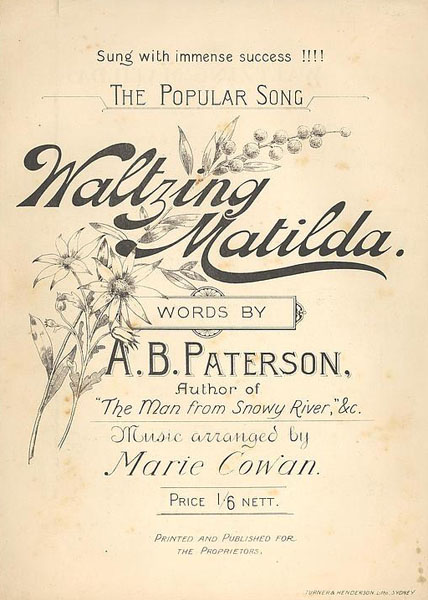
Waltzing Matilda was written by Banjo Paterson in 1895. The Matilda in the song isn’t a dancing girl, but is what swagmen called the bundle that they carried; to “waltz Matilda” is to walk while carrying a bundle. It is said that the swagman in the song was a real person called Samuel Hoffmeister who was involved in the Shearer’s Strike of that year, so it’s a political protest song (unintentionally). Waltzing Matilda is our unofficial national song and the lyrics are written on every Australian passport. Matilda is a Germanic name meaning “mighty in battle”. A traditional name amongst European royalty, it was literally brought over with the Conqueror to England, as it was the name of William I’s wife, the mother of William II and Henry I. Her grand-daughter was named after her, and she was married to a Holy Roman Emperor, so was the Empress Matilda. She tried to claim the throne of England as her father’s heir, but was never crowned queen, being named Lady of the English – her son instead became King Henry II. Saint Matilda was a medieval German queen whose son became a Holy Roman Emperor; she is the patron saint of large families. Matilda was #144 in the 1900s, and disappeared from the charts in the 1930s. It made a comeback in the 1980s, after Matilda the Kangaroo was chosen as the mascot for the 1982 Commonwealth Games, held in Brisbane and won by Australia. Matilda joined the Top 100 in the early 2000s, peaked in 2009 at #16, and by 2013 had only fallen to #18. A patriotic retro name choice that is extremely stable in the charts.

Rosie
Founded by the brothers of one of the Easybeats, AC/DC is Australia’s most successful rock band, and one of the most successful world-wide. Whole Lotta Rosie is their cheeky 1978 single, allegedly based on Bon Scott’s real life encounter with an obese Tasmanian woman. Rosie is a pet form of Rose which has a long history as an independent name; it can be used as a short form of any Rose- name, such as Rosalie, Rosamund, Rosetta, or Rosemary. Rosie was #229 in the 1900s, and left the charts in the 1930s. It made a come-back in the 1980s, reaching #749 and climbing steeply. It was in the mid-100s in Victoria in 2012. A sweet, fresh-faced retro name that is already Top 100 in Britain.

Ruby
Ruby Wednesday is an early song by rock band Eskimo Joe, released in 1999. A whimsical re-take on the Rolling Stones’ Ruby Tuesday, it made the Triple J Hottest 100 the year it came out. Ruby is a precious gemstone, whose name comes from the Latin for “red”. It’s been used as a girl’s name since the 17th century, but became popular in the 19th, when gemstone names became fashionable. Ruby was #21 in the 1900s, and had left the Top 100 by the 1930s. It disappeared from the charts in the 1950s, but came back in the 1980s at #548. It reached the Top 100 in 1996, peaked at #1 in 2012, and and by 2013 was #2. A spunky retro choice which has already reached maximum popularity, and is therefore expected to gradually fall.

Sadie
Sadie (The Cleaning Lady) was a 1967 novelty song and the first solo single for pop idol Johnny Farnham; it hit #1 and was the biggest-selling single by an Australian artist in the 1960s. Sadie is a pet form of Sarah, which seems to have originated in 18th century America. The name gained an especially Jewish image in 19th century England, where in Yiddish slang, a Sadie was a low status Jewish girl, sometimes with connotations of prostitution. It’s interesting how often Sadie is linked with that profession, such as Sadie Thompson in the W. Somerset Maughan’s Rain, while The Beatles’ Sadie adds another “sexy” image to the name. Sadie was #145 in the 1900s, and left the charts in the 1940s. It returned in the late 2000s at #566, and in Victoria is in the mid-100s, a similar popularity to that in the UK, while it is already a Top 100 name in the US. This sassy retro name looks set to go places.

POLL RESULTS
People’s favourite names were Evie, Matilda, and Clementine, and their least favourite were Ayla, Leilani, and Georgy.

Newer posts →

Enter your email address to follow this blog

Categories

Archives

Recent Comments

A.O.'s avatarwaltzingmorethanmati… on Zarah Zaynab and Wolfgang…
Madelyn's avatarMadelyn on Zarah Zaynab and Wolfgang…
JD's avatardrperegrine on Can Phoebe Complete This …
A.O.'s avatarwaltzingmorethanmati… on Rua and Rhoa
redrover23's avatarredrover23 on Rua and Rhoa

Blogroll

  • Appellation Mountain
  • Baby Name Pondering
  • Babynamelover's Blog
  • British Baby Names
  • Clare's Name News
  • For Real Baby Names
  • Geek Baby Names
  • Name Candy
  • Nameberry
  • Nancy's Baby Names
  • Ren's Baby Name Blog
  • Sancta Nomina
  • Swistle: Baby Names
  • The Art of Naming
  • The Baby Name Wizard
  • The Beauty of Names
  • Tulip By Any Name

RSS Feed

  • RSS - Posts

RSS Posts

  • Celebrity Baby News: Melanie Vallejo and Matt Kingston
  • Names from the TV Show “Cleverman”
  • Can Phoebe Complete This Sibset?
  • Zarah Zaynab and Wolfgang Winter
  • Baby, How Did You Get That Name?
  • Celebrity Baby News: Media Babies
  • Celebrity Baby News: Adelaide Crows Babies
  • Celebrity Baby News: Chris and Rebecca Judd
  • Names at Work: Name News From the World of Business and Employment
  • Celebrity Baby News: Sporting Round Up

Currently Popular

  • Celebrity Baby News: Alisa Camplin and Oliver Warner
  • Rare Boys Names From the 1950s
  • Sad Celebrity Baby News (contents may cause distress)
  • Kai Erik Lassila: A Son for Lydia and Lauri Lassila
  • Celebrity Baby News: Jacinta Allan and Yorick Piper

Tags

celebrity baby names celebrity sibsets english names famous namesakes fictional namesakes honouring locational names middle names name combinations name history name meaning name popularity name trends nicknames popular names saints names sibsets surname names twin sets unisex names

Create a free website or blog at WordPress.com.

Privacy & Cookies: This site uses cookies. By continuing to use this website, you agree to their use.
To find out more, including how to control cookies, see here: Cookie Policy
  • Subscribe Subscribed
    • Waltzing More Than Matilda
    • Join 517 other subscribers
    • Already have a WordPress.com account? Log in now.
    • Waltzing More Than Matilda
    • Subscribe Subscribed
    • Sign up
    • Log in
    • Report this content
    • View site in Reader
    • Manage subscriptions
    • Collapse this bar
 

Loading Comments...