• About
  • Best Baby Names
  • Celebrity Baby Names
  • Celebrity Baby Names – Current
  • Celebrity Baby Names – Past
  • Featured Boys Names
  • Featured Girls Names
  • Featured Unisex Names
  • Links to Name Data
  • Waltzing on the Web

Waltzing More Than Matilda

~ Names with an Australian Bias of Democratic Temper

Waltzing More Than Matilda

Tag Archives: flower names

Famous Names: Narcissus and Echo

27 Wednesday Nov 2013

Posted by A.O. in Famous Names

≈ 6 Comments

Tags

car names, english names, famous namesakes, fictional namesakes, flower names, Greek names, locational names, Metamorpheses, mythological names, name history, name meaning, nature names, Ovid, plant names, saints names, unisex names, vocabulary names

EchoandnarcissusAs you probably know, a selfie is a photo that someone has taken of themselves, usually with a phone or webcam, for the purpose of being uploaded to social media. Last week, the Oxford English Dictionary named selfie as the Word of the Year for 2013, noting that use of the word has increased by 17 000% in the past 12 months.

Research from the OED has shown that the word selfie is of Australian origin, with the first recorded use of it in an ABC Online forum in 2002. A user named Hopey posted a photo of his bottom lip, which had been injured when he fell over while drunk, apologising for the photo’s poor quality, as it was only “a selfie”.

Judy Pearsall from the OED explains: “In early examples, the word was often spelled with a -y, but the -ie form is more common today and has become the accepted spelling. The use of the diminutive -ie suffix is notable, as it helps to turn an essentially narcissistic enterprise into something rather more endearing. Australian English has something of a penchant for -ie words –barbie for barbecue, firie for firefighter, tinnie for a can of beer – so this helps to support the evidence for selfie having originated in Australia.”

To celebrate this Australian word being so warmly embraced by the rest of the world, there were just two names that came to mind, suggested by Judy’s appraisal of a selfie as “essentially narcissistic”, and because a photograph is a visual echo of its subject.

In Greek mythology, Narcissus was a stunningly handsome young hunter, the son of a river-god and a nymph. Many admired him, but he proudly spurned them all, even driving his suitors to suicide – Narcissus is said to have cruelly placed a sword in the hands of one despairing fellow, with the obvious suggestion of what he was to do with it.

The best known version of his story is given by the Roman poet Ovid in his Metamorpheses. He tells of a talkative mountain nymph named Echo, whose chattering tongue annoyed the goddess Juno one too many times.

Echo had a habit of waylaying Juno with one of her long-winded stories while Juno’s hubby Jupiter enjoyed himself with some nymph or other, giving the nymph plenty of time to escape Juno’s wrath. Juno cursed Echo’s voice, so that she could never speak until someone else did, and when they did, Echo could only repeat what they said, or even just the last few words of their speech.

The luckless Echo happened to see Narcissus wandering in the woods, and fell madly in love with his beauty. She longed to eloquently tell him of her passion, but could only repeat his own phrases back to him, which just annoyed Narcissus. She embraced him, and he angrily told her to get her hands off – he would rather die than be caressed by such a thing.

The rejected Echo was so ashamed and unhappy that she ran into the mountains and hid herself in the wilderness, until she wasted away with unrequited passion. Only her voice was left, which you can still hear in the hills sometimes – a voice which repeats your own phrases back to you, called an echo.

Meanwhile the gorgeous Narcissus continued to reject many nymphs and youths, always in the nastiest way possible, until one of his victims lifted their hands to heaven and implored the gods that one day Narcissus might fall in love, and his love be denied, so that he could know the pain of rejection in his turn. The prayer was answered by Nemesis, the goddess of divine retribution, who punishes arrogance.

One day, hot and tired from hunting in the heat of midday, Narcissus stopped by a pool in the forest to get a drink. Seeing his own reflection in the pool, he became entranced by its beauty – those starry eyes! Those flowing golden locks! That ivory skin and rose-leaf complexion! Those sweet pouting lips! Yep, the vain Narcissus had fallen head over heels at last – with his own image.

He tried to embrace the stranger in the water, and to kiss him, but although the reflection seemed as eager as he, smiling whenever he did, and offering his lips in return, Narcissus just ended up with his face in the pool, wet and ridiculous. Tortured by his love, he longed to die, and wasted away by the pool, consumed by hopeless desire for himself.

The nymph Echo, now a mere disembodied voice, still loved Narcissus, even as his beauty withered away with neglect. She watched over him, and pitied him in his plight, managing to whisper a sad “Farewell!” to him as Narcissus died and said goodbye to his reflection. Death brought him no relief, for in the afterlife he continued to miserably roam, gazing at his reflection in the underworld River Styx.

When Narcissus’ grieving sisters came to collect him for his funeral, they found his body had disappeared, and in its place was a beautiful narcissus flower, its drooping head still looking into the pool at its own reflection. Narcissus is a genus of spring bulbs native to the woodlands of Europe, West Asia and North Africa. Coming in a range of colours from white through the yellows to dark orange, we call some varieties daffodil or jonquil.

The meaning of Narcissus is not known – the Greeks understood it as meaning “I grow numb”, as if it was related to the words narcotic and narcolepsy. However, this isn’t accepted by scholars, who believe it is more likely an attempt to understand a word originally from another language, most likely one from the Near East. Although legend says the flower’s name came from the mythological character, it is almost certainly the other way around, with Narcissus named after the flower.

The name Narcissus wasn’t uncommon in ancient Greece. Narcissus was a wrestler who assassinated the Emperor Commodus, and is one of the inspirations for the movie Gladiator starring Russell Crowe, while another Narcissus was the slave of the Emperor Claudius, became his personal secretary, and had a lot of influence over him. There are several saints named Narcissus – Narcissus of Athens is mentioned in the New Testament as one of the Seventy Disciples of Christ, and an assistant to Saint Andrew.

In modern times, men named Narcissus were more likely named after one of the saints than the mythological character. However, Narcissus is actually far more common as a female name, because of the flower. One of its many issues is that it has given rise to the term narcissism, to describe inflated self-regard – although some degree of narcissism is probably normal and healthy, when it goes overboard it is seen as a psychological disorder.

The word Echo is from the Greek and means “sound”. Just as with Narcissus, the mythological nymph is named after the word, and not the other way around. There is a Marvel superheroine named Echo (she’s deaf), and Echo is the lead character in the television drama series, Dollhouse. An Australian connection is Echo Point in the Blue Mountains, a wonderful place to hear echoes. Because an echo is a vocabulary word as well as a character, it has sometimes been given as a name to boys, and OH- ending names are fashionable for both sexes. One of the issues with the name Echo is that there is a car called the Toyota Echo.

Can you imagine ever using one of these names from Greek mythology?

POLL RESULT: Narcissus received an approval rating of 13%, making it the lowest-rated boys name of the year, and the lowest-rated name overall. Echo did much better, with an approval rating of 58%.

(Picture shows the 1903 painting Echo and Narcissus by John William Waterhouse, illustrating the story by Ovid )

Upper Class Baby Names

18 Sunday Aug 2013

Posted by A.O. in Your Questions Answered

≈ 17 Comments

Tags

Anglo-Saxon names, birth registries, classic names, dog names, famous namesakes, fictional namesakes, flower names, Google, Greek names, hyphenated names, Latin names, Latinate names, middle names, name image, nature names, nicknames, popular names, rare names, retro names, royal baby names, royal names, Scottish names, surname names, underused classics, unisex names, vintage names

aristocrats-600x525

Class, baby names, and judgement thereof seems to be a topic under discussion everywhere at the moment. BRW magazine told us how to name our babies like a rich person, Wendy Harmer set high, perhaps unattainable standards for baby names, an American blogger told us how names are done in Old Blighty’s class system, and a random Devonian reality television contestant decided nobody’s baby names were good enough, not even hers. Perhaps the royal baby is the catalyst for all this reflection – he didn’t escape the scrutiny either; the reality TV contestant decided he had a “dog name”.

And then I checked my search engine stats this week, and found that someone had Googled what baby names do upper class australians use.

Strictly speaking, Australia doesn’t have an upper class, because we don’t have a hereditary aristocracy. It’s usual to consider the richest people of a country the de facto upper class, but when we talk of someone being “upper class”, it has connotations of more than mere possession of a large disposable income. Some of the richest families in Australia are from traditionally working class or middle class backgrounds – they’re just regular people with vast fortunes.

While Australia does have a class system, it’s a flattened-out one, with fewer social divisions, and a large middle ground. Class is more fluid and less structured here than some other places. Of course, that doesn’t mean we are free of all status markers and snobbery – including name snobbery.

So if we don’t have an upper class, do we have upper class baby names? I don’t think so, because any particular name is used by a wider variety of people than you might suppose. Although in our imaginations, poor people have children named Jaidyn and Tayylah, and rich people send Agatha and Lucius off to St Barnaby’s or the Kindergarten of Higher Consciousness, in real life it is a lot less stereotypical.

When you register your baby name, the registry doesn’t ask for your family tree or your bank balance. They won’t ever say, Look, I think Peregrine is out of your price range. Might I suggest something more affordable, like Cooper? All names are equal, because they cost the same amount to register. No matter how humble your circumstances, you can give your baby any name you want – elegant, serious, trendy, sassy, bold, or eye-raising.

And because all names are equal, they won’t make any difference to your own social position, or to your child’s. A poverty-stricken family won’t receive an invitation to join the Yacht Club just because their daughter is named Agatha, and a Jaidyn born into wealth will have just as privileged a life as if his name had been Lucius, and will be just as welcome at St Barnaby’s.

Although some people fret that their baby’s name needs to sound like a doctor, a judge, a professor, or a prime minister for them to succeed, in real life surgeons are named Kellee, chief justices are named Wayne, academics are named Tiffany and Brandy, and prime ministers are named Kevin. Not only does your name not indicate where you came from, it doesn’t indicate where you are going either.

However, it’s fair to say that some names have an upper class image. I don’t think Australia is significantly different from other English-speaking countries when it comes to what names may be perceived as upper class.

Names Which May Be Seen as Upper Class

Please note: This is by no means an exhaustive list, just a few ideas as to what I think sounds “upper class”, what others may perceive as upper class, or that I have noticed upper-middle class people choosing. I am not recommending these styles of name, or suggesting you use them.

  • Classic English-style names eg Thomas and Lucy
  • Anglo-Saxon type names eg Alfred and Edith
  • Names from European royalty eg Leopold and Adelaide
  • Latin and Latinate names eg Rufus and Aurelia; Hugo and Miranda
  • Classical names eg Leander and Hermione
  • Retro names eg Arthur and Florence
  • So old-fashioned that they’re hip eg Reginald and Gertrude
  • Vintage-style nicknames as full names eg Monty and Lottie
  • Names that have remained in use while never becoming popular eg Theodore and Susannah
  • Uncommon Scottish-style names for boys eg Cormac and Fergus
  • Uncommon flower names for girls eg Dahlia and Saffron
  • Historical surname names for boys eg Forbes and Monash
  • Whimsical names eg Huckleberry and Tuppence (while putting the whimsical name in the middle is the prudently middle class thing to do)
  • Fashionable “arty” names eg Ziggy and Coco (strike me as more aspirational middle class for some reason)
  • Literary names eg Caspian and Evangeline (these definitely seem middle class, as the middle class is keenest on reading)

How Middle to Upper-Middle Class Australian People Tend to Judge Names

Please note: I am not suggesting you follow any of this advice. It is for information only.

  • They like names that are spelled the more commonly accepted way. People are really fussy about this for some reason, and even slight changes to a name can bring on eye-rolling.
  • Any name that looks or sounds recently “made up” is frowned upon (although it’s fine if it was created a long time ago and therefore has a history behind it).
  • If a name has several variations, the simpler one is usually considered more upper class than the more elaborate eg Isabel rather than Isabella, Alice rather than Alicia, Sophie rather than Sophia.
  • Classic and retro names are usually considered more upper class than modern classics. However, Sophia is a classic name and Sophie is a modern classic, yet Sophie is more upper class than Sophia – so this does have exceptions, or can be overwritten by another rule.
  • Hyphenated names for girls, like Emma-Rose or Ruby-Lee, are often viewed with suspicion. This could be because “double” names are elaborations by their very nature.
  • Masculine or unisex names on girls are generally considered downmarket, while a unisex or feminine-sounding name on a boy often has quite a bit of cachet. So Mackenzie on a girl = thumbs down, Mackenzie on a boy = thumbs up.
  • It is fashionable to show pride in your cultural heritage, so Lorenzo, Agnieszka, Tevita, Silka and Johannes can be more stylish than Laurence, Agnes, David, Cecilia and John.
  • Conversely, many people seem to think that using names from a culture that you don’t have any immediate tie to looks distasteful. I think it’s silly, but it seems to be a widespread idea.
  • One or two middle names are fine, but once you reach three or more middle names (and you’re not royalty), you are considered to have gone beyond the bounds of good taste. It’s a little arbitrary, but it does seem to be the rule.

Names Not Obviously One Class or Another

  • Many names that have been highly popular for a length of time – by their nature, popular names are “of the people”; it’s easier for a name to remain very popular if many groups of people use them. Names like Charlotte, William, Chloe and Lachlan could belong to almost anyone, and do.
  • Hickster names – those that are fashionable-sounding yet slightly countrified, like Mayella and Elroy. Even after reading the birth notices carefully, looking for clues as to which kind of families choose these names, I still don’t know.
  • Uncommon nature names – names like Leaf or Snow are hard to place, I think. I have seen these names on children from absolutely everywhere on the social spectrum.
  • Extremely rare or obscure but genuine names – due to the fact they are almost never heard of, they don’t have any social context to put them into. You may only meet one Harmon in your whole life – so how can you generalise about the name?

What names do you think have an upper class image? And do you think there is any such thing as an upper class name? 

Girls Names of Australian Aboriginal Origin – Part 2

28 Sunday Jul 2013

Posted by A.O. in Name Themes and Lists

≈ 16 Comments

Tags

animal names, astronomical names, Australian Aboriginal names, baby name books, bird names, birth notices, famous namesakes, fictional namesakes, flower names, Greek names, hebrew names, historical records, Italian names, Japanese names, locational names, mythological names, name history, name meaning, name popularity, name trends, names from books, names from fairy tales, names from movies, names from television, names of businesses, names of horses, names of ships, nature names, nicknames, plant names, Polish names, popular names, Romanian names, Slavic names, unisex names, varieties of fruit

OLYMPUS DIGITAL CAMERA

My first lists of names from Aboriginal languages are the most popular articles on the blog, so it seemed time for another selection. These names are all ones which have been used as personal names in Australia. I have done my best to elucidate meaning and history as much as possible.

Alinta

Alinta means “flame” in one of the traditional languages of South Australia; it was published in a dictionary by the Royal Society of South Australia in 1891. The name was popularised in 1981 when it was featured in the award-winning mini-series Women of the Sun. Each episode portrayed fictionalised accounts of lives of Aboriginal women in Australian society through history, and the first was Alinta: The Flame. It shows first contact between an Aboriginal tribe and Europeans, when early settlers encounter a tribe while searching for grazing land. The tribe’s culture is threatened by the newcomers, and the tribe is wiped out. The only survivors are a woman named Alinta and her child; Alinta vows that her daughter will “carry the torch” for her culture. There are several businesses in Australia named Alinta, most notably a Western Australian energy company, one of the largest in Australia, and named with the Aboriginal meaning in mind. There is also an Australian-bred variety of strawberry called Alinta. It’s not a very unusual name here, and there are several young actresses with the name. Alinta is also used as a name in Romania, where it means “caress”.

Arika

Arika is a name from the Waka Waka people of south-east Queensland, meaning “blue water lily”. There are several species of blue water lily native to Queensland, and they are used as bush food, for all parts of the plant are edible. In Aboriginal mythology, water lilies are a gift from the Rainbow Serpent, and sometimes in Indigenous astronomy, small stars were seen as water lily bulbs. In the novel Book of Dreams by Traci Harding, the meaning of the name is translated, and it says that in the past, Aboriginal women named Arika were given the name Lily by white people – which suggests that Arika might be a good name to honour a great-grandma Lily. Australians named Arika include Indigenous artist Arika Waulu Onus, and Arika Errington, who works in Aboriginal health, and contacted the blog to tell us about her name. I saw several children and teens named Arika online, mostly from Queensland, so it seems as if this name could be today’s Nerida. Arika sounds a bit like Erica, and is an angram of the Japanese name Akira, while having a similar meaning to Lotus. Possible nicknames that occur to me are Ari and Riki.

Jedda

Jedda (1955) was the first Australian film in colour, the last film of famous director Charles Chauvel, and the first film to star two Aboriginal actors in leading roles. In the movie, Jedda is an Aboriginal girl raised from infancy by a white woman after her mother died giving birth to her. Although she is curious about her own culture, her adoptive mother forbids her from learning anything about it, with tragic consequences. The film was nominated for the main prize at Cannes, and was a commercial success in Australia. In the movie, the name Jedda means “little wild goose” – a forerunner of the chase she will engender. I am not sure if the meaning was invented for the film, or drew on local knowledge; Jedda certainly exists as an Aboriginal name in historical records before 1955. An Aboriginal lady told me that she understood the name Jedda (which was her daughter’s name) as “little child”, but she didn’t say what language that was from. This is reasonably well used as a girl’s name, being similar to Jenna and Jetta – but I have seen it on a boy, because it shortens to Jed, and is also a plant name, because jedda (Jedda multicaulis) is a native shrub.

Kalina

Kalina means “love” in the extinct Wemba-Wemba language of north-west Victoria and south-west New South Wales. It has often been used as a place name, street name, a name for businesses and organisations, and sometimes as a girl’s name in Australia, but I’m not sure whether it was used as a personal name by the Wemba-Wemba people. It is also a literary name, because Kalina is one of the brumbies in the Australian classic children’s series, The Silver Brumby, by Elyne Mitchell – although in this case, Kalina is a white stallion, and his name is understood to mean (in horse language) “marvellous beauty of frost on snow”. Kalina is also a Slavic name which means “cranberry bush”; in Romania it means “rowan tree”, and in Poland it means “virburnum bush”. This is a pretty cross-cultural name which has several attractive meanings, and seems very easy to wear, being similar to Karina, Katrina and Kalista.

Leumeah

Leumeah is an outer southern suburb of Sydney, in the Macarthur region. It was settled by John Warby, a convict explorer who was transported here in 1792. In 1802, Warby was given the job of protecting cattle roaming free south-west of Sydney. Here he befriended the Tharawal people who lived in the area, and learned some of their language. In 1816 he was granted land on which to build a house, barn and stables; the barn and stables are still standing – one of them is a restaurant and the other a motel. (Just to confuse things, the stables is called The Barn Restaurant). Warby named his farm Leumeah, which means “here I rest” in the Tharawal language, and this became the name of the suburb. It is pronounced LOO-mee-uh. I have seen one or two girls given this name, and it seems like an especially happy name for an Australian, as it came about from a rare case of friendship between Aborigines and European settlers. The sound of it is quite on trend, and Lulu could be a nickname.

Marlee

Marlee is a small town in mid-northern New South Wales, whose name means “elder tree” in the local Biripi language. Native Elderberry or Yellow Elderberry is Sambucus australasica; its berries are bush food and they are sweeter than the variety from the northern hemisphere. Marlee is a popular name for houses and streets, suggesting leafy abundance, and it is not uncommon as a girl’s name here. Marlee also means “swan” in the Nyungar language of Western Australia, so it has a nice meaning in two languages. It is a rare week when I don’t see a baby named Marli, Marlie, Mahli or Mali in the birth notices, and Marlee fits in perfectly – in fact there was a Marlee in this week’s birth announcements. You could see these names as attempts to “feminise” Marley, but they could just as easily be short forms of Marlene, Mahlia or Malia. Marlee seems like a great way to join this trend with a specifically Australian meaning.

Narelle

Queen Narelle was the wife of King Merriman (or Umbarra), an important elder of the Yuin people in the latter part of the 19th century. The Yuin people are the traditional owners of the South Coast region of New South Wales, in the Bermagui area. Aboriginal people traditionally did not have kings or chiefs, and the title of “king” was given to certain elders by white people as a (misguided) mark of respect. There is a famous photo of Queen Narelle’s well-attended funeral taken around 1895, which shows black and white people mourning for her together, so it does seem as if Narelle and Merriman were able to form a bridge between cultures, or that relations in the 19th century could be harmonious. You may see Narelle translated as “woman from the sea” in baby name books, but in fact the meaning isn’t known; it is pronounced nuh-REL. Narelle first charted in Australia in the 1920s at #362, and reached the Top 100 in the 1940s. It peaked in the 1950s at #50, and was out of the Top 100 in the 1970s. It hasn’t ranked since the 1980s or charted since the 1990s. The name took a dive in the late 1970s, when it featured on highly popular comedy series The Naked Vicar Show. Narelle was a slightly dim-witted, mildly tarty woman – hence the plummeting popularity of the name, which immediately lost all cachet. However, Narelle is actually a pretty name, and the TV show has long been off the air. It even fits in with the trend for -ell names for girls, and could have fashionable Nell or Nellie as the nickname. Names from the 1950s are predicted to make a comeback: could Narelle be one of them?

Nyah

Nyah is a small town in Victoria on the banks of the Murray River, pronounced NY-ah. It began as a utopian socialist community in the late 19th century, but as utopian socialism went out of fashion, it lost the necessary government support, and it isn’t now any more utopian or socialist than the next country town. Its name means “this bend (of the river)” in the local Boorung language – the bend of the Murray River at Nyah was an important boundary marker for the Boorung people. The region around Nyah has several Indigenous sacred sites, and in the surrounding state forests, anthropologists have discovered many interesting artefacts of Aboriginal culture. I know of someone with this name, and it seems attractive and simple, similar in sound to popular names like Maya, while also a place name important to Indigenous heritage.

Talia

Talia is a small town on the Eyre Peninsula in South Australia whose name means “near water” in one of the local languages – appropriately enough for a town by the sea. It may be from Wirangu, or one of its closely related languages. Talia has charted in Australia since the 1970s, which seems to follow its inclusion in Aboriginal Words and Place Names by Alexander Wyclif Reed (1965). It first ranked in the 1980s at #483, and hit its peak in 2009, when it joined the New South Wales Top 100 at #91. Since then it has rapidly declined, and is now #222. The variant spelling of Tahlia has been much more successful, which has been in the Top 100 since the 1990s, peaked in 2009 at #36, and is now #78. Tahlia may be more than an attempt to make clear the Australian pronunciation of Talia – it may also be to differentiate it from international names, because Talia is known as a girl’s name in several other cultures. Talia is a variant of the modern Hebrew name Talya, meaning “dew of God”, and the Italian form of the Greek name Thalia, meaning “blooming”. It can also be used as a short form of Natalia. Talia was the name of the princess in an Italian folk tale on which Sleeping Beauty was based. This is a pretty cross-cultural name with a specifically Australian meaning, and although it is less popular than Tahlia, that may make it more attractive to some parents.

Yindi

Yindi was the name of a ship, one of four that the Australian government presented to the navy of the Philippines as a gift in 1958. Each of them were given Aboriginal names taken from The Australian Language by Sidney J. Baker (1945). The first ship was the Yindi, whose name is translated as “sun”; in most Aboriginal cultures, the sun is female. Yindi also means “to descend” in the Yindjibarndi language of Western Australia, and the name may remind you of the Australian band Yothu Yindi, which means “child and mother” in the Yolngu language of the Northern Territory. I saw a baby girl named Yindi in a birth notice last year, and it struck me as a really stylish choice, which stands out from the crowd and has a sunny meaning.

POLL RESULT: People’s favourite names were Talia, Alinta, and Kalina, and their least favourite were Leumeah, Jedda, and Narelle.

(Photo shows Nymphaea gigantea – a species of blue water lily native to south-east Queensland; © Raimond Spekking / CC-BY-SA-4.0 (via Wikimedia Commons)

Requested Name: Susannah

24 Wednesday Jul 2013

Posted by A.O. in Requested Names

≈ 8 Comments

Tags

Biblical names, flower names, Greek names, hebrew names, honouring, name history, name meaning, name popularity, nicknames, underused names

Susanna_merleSusannah is a variant of Susanna, which is from the Greek form of the Hebrew name Shoshannah, meaning “lily”. It may be related to the Egyptian word for “lotus”, and in modern Hebrew it is also understood as “rose”. There is a lot of debate as to which lily the Old Testament means when it says shoshannah – most likely it is the water lily, but others believe it is the flower we call the Madonna lily.

The story of Susanna appears in the Old Testament. According to the story, Susanna was a beautiful Hebrew wife of Babylon, married to a rich man. One day she was secretly watched while bathing in her garden by two lecherous old men. The peeping toms then confronted her, and told her that unless she gave herself to them, they would tell everyone that she has been meeting a young man in her garden.

Despite the two men being elders and judges, Susanna refused to give in to their blackmail, and was soon arrested, to be executed for adultery. At that point, a youth named Daniel sprang forward, and demanded that Susanna receive a fair trial. Intuitively aware the men were lying, Daniel cross-examined the two men separately and found a flaw in their witness testimony – one man claimed that Susanna was meeting her lover under a small tree, while the other said it was a large oak.

Susanna was acquitted, and the two old men put to death in her place for bearing false witness. Although it was a happy result for Susanna, the point of the story is to extol the intelligence and justice of Daniel, the future prophet, who from that moment forth is seen as something out of the ordinary.

In the Bible used by Catholics, Susanna’s story is one of the chapters in The Book of Daniel, but Protestants give it its own (very short) book. They don’t accept it as genuine Bible history, because it doesn’t appear in any Hebrew texts – it was originally written in Greek. However, they leave it in because it’s a nice story; Martin Luther described it as “beautiful religious fiction”. You could even see it as Biblical fan fiction.

There is a Susanna in the New Testament as well, who is mentioned in Luke. She was one of a group of women who were disciples of Jesus, and supported his ministry from their own funds, remaining faithful through his arrest and execution. These women were called The Myrrhbearers, because it was they who prepared Jesus’ body for burial and who bore witness of his empty tomb; they are regarded as apostles to the Apostles.

The name Susanna or Susannah has been used since medieval times, in honour of the Susanna from the Old Testament, but only became common after the Protestant Reformation, probably with the New Testament Susanna in mind. It has many variants, including Susan, Susana, Susanne, Suzanne and Suzette, and is used in many countries in different forms.

Susannah has appeared only sporadically in the charts in Australia, and has never been popular. The highest it’s ever been is #218 in the 1900s, and it also had a resurgence in the 1970s at #389, and in 2009 at #521. Currently it doesn’t chart at all.

Compare that to Susan, which has been almost continually on the charts, and was the #1 name of the 1950s. The 1950s was also the peak for Suzanne, while Susanne peaked in the Top 100 of the 1940s, and Susanna in the 1960s at #376. The other Su- names can all be dated to a particular decade, while Susannah isn’t tied to one specific era.

Susannah commemorates a beautiful Biblical heroine who preferred death to sullying her virtue, and whose story had a happy ending. Despite its pure lily-like meaning, to me it seems a cheerful, sunshiney name – it makes me think of bright yellow daisies more than pale lilies. Susannah is one of those names which seems bright and bubbly for a little girl, but smart and professional for a grown woman.

The fact that it is so familiar (and even similar to popular Savannah), yet so underused, must make it an attractive prospect for parents who are searching for a name which is different, but not too different; a name which has a history, but doesn’t sound dated. It could honour a Susan or a Suzanne, and its nicknames include Sue, Susie, Sukie, Sanna, Sunny, Annie, Zannah and Zuzu.

Thank you to Jamie for suggesting the name Susannah to be featured on Waltzing More Than Matilda

POLL RESULT: Susannah received a highly creditable approval rating of 79%. People saw the name Susannah as sweet and wholesome (21%), familiar yet underused (21%), beautiful or pretty (18%), and a happy, sunshiney name (14%). However, 6% thought it was plain and boring. Only one person thought the name would get confused with Savannah.

(Painting shown is Susanna at Her Bath by Hugues Merle, 19th century)

Finding Baby Names to Match Your Surname

05 Sunday May 2013

Posted by A.O. in Your Questions Answered

≈ 18 Comments

Tags

birth notices, birth registries, Charles Dickens, choosing baby names, classic names, colour names, Enid Blyton, flower names, Google, middle names, modern classics, nature names, nicknames, plant names, popular names, rare names, retro names, surname names, surnames, tree names, vintage names

wordlesqThis is a question frequently Googled: how to match baby names with your surname. After reading birth notices every week for more than a year, I’ve seen thousands of names, and often thought how nicely, or how awkwardly, their first and last names matched, so I feel reasonably well-qualified to share my views.

Although there’s many ways to approach this, I decided the best place to start is to work out what kind of surname you have, and then go on from there.

The Common Surname

If your surname is one of the most common, you have quite a bit of choice, since almost any type of first name will match it. Yearning for something slightly unusual? Amarantha Gray sounds just fine. Want something classic for a seamless match? George Anderson is perfect. Love contemporary popular names? Paige Hamilton is for you. Charmed by vintage style? Maybe you will like Harold Price.

Should you go down the common first name + common last name route, remember to whack in a rare middle name somewhere. This isn’t just so your child doesn’t end up with something that looks like the placeholder name on credit card brochures – it’s to help with identification. Otherwise Thomas James Martin could be in for a lifetime of proving who he is.

The Rare Yet Regular-Sounding Surname

There are some British surnames which sound ordinary but are extremely rare – even unique. The identity issue with these names is that it can be hard to maintain privacy, especially when matched with a rare first name. My preference for a rare surname is a first name which is normal-sounding, and neither obscure nor super common. As rare surnames are often of great antiquity, I like old-fashioned and retro names to match them, and family trees can be a great source of inspiration.

The Long Surname

For reasons of practicality, lengthy surnames tend to go best with shorter first names, if only so they can fit on government forms. Sure, you can always ask for extra paper, but do you really trust bureaucrats not to lose half your application? Extremely long names can even be rejected by Births, Deaths and Marriages.

The Short Surname

The general advice is that if you have a one-syllable surname, you need a longer first name to balance it. This seems to be thought especially necessary for girls, who apparently need something elegant and flowing in order to offset their petite surname.

I don’t think that’s obligatory, as I can’t see a problem with being called Jack Black, Claire Holt, Glenn Ford, Grace Wong, Charles Wood or Rose Byrne (yep these are all famous people). Two short names together can seem blunt, punchy and memorable, so if that’s your style, then go for it. If you want something longer, then that’s excellent too.

The Heavy, Ponderous Surname

If your surname is quite stodgy or cumbersome, like Trenchard or Blenkinsopp, don’t attempt to balance it with something fluffy, or double the problem by adding an equally heavy first name. Seek to soften the sound, rather than lighten it. I think these surnames go well with something plain, classic and elegant, when they can end up sounding very dignified.

The Cute Surname

With a surname that’s on the whimsical side, such as Pook or Dingle, a rare, eccentric, or very cute name can wind up sounding like something out of Charles Dickens or Enid Blyton. Be careful with alliteration or assonance, because Rupert Pook or Dorothy Dingle is hitting the Whimsy-o-Meter a little hard. Modern classics and popular names can act as ballast with these surnames.

The Surname Which is Commonly Known as a First Name

I think if you have a surname which is well known as a first name, you should avoid first names which were originally surnames. Cooper Henry seems certain to get his name muddled on a regular basis.

The Difficult to Spell or Pronounce Surname

There are two schools of thought on this one. One states that if your surname always needs to be spelled out, then the first name should be something very plain and simple so only one name needs explanation. The other says that since the person is going to be spelling their name out anyway, they might as well cover two names as one. As someone with a married surname that needs spelling out, I lean towards the first theory, as I’m glad of a simple first name in these situations.

The Common Surname with a Variant Spelling

Following this line of thought, if you are a Smyth or a Johnstone, I would avoid a first name that has multiple accepted ways of spelling it, such as Isobel or Kayden. Pick something that is nearly always spelled one way, such as Alice or William.

The Surname Which is Also a Word

Many English surnames are also words, and you have to be careful that you don’t accidentally turn your child’s name into a sentence or a description. Olive Carter is a job title, Isabella Plum a question which can only be answered with No, and Daisy Knight seems like an oxymoron.

If your surname is Woods, Forrest, Bush, Orchard, Garden or Gardener, that rules out flower and tree names. Body part names like Head, Neck and Legg can’t have colour names in front of them. We’ve all heard about Lee King and Joe King – but Milla King doesn’t sound too good either. Check the nickname as well, as there must be many parents who brought home a Robert Banks from the hospital, only to realise their mistake later.

Having Fun with a Word Surname (Enter At Your Child’s Risk)

Some people with word-name surnames are tempted to do something playful with it. Sometimes this can be cute but cheesy, as with Ruby Swann or Isla Fairweather. Other times it sounds lame, like Sonny Day or Will Power. Skye Light is just silly, and Honey Pye slightly cruel.

Before you turn your child’s name into a permanent joke, think carefully before going with Penny Lane, Forrest Greene, Strawberry Fields, or River Jordan. To be honest though, I think most people with these kind of names actually love them (or come to love them). Just make sure it’s a fun joke name, not a bad joke name – Mary Christmas is nicer than Candy Kane, Rusty Carr or Rainbow Trout.

The Surname Which Sounds Like a Word

Some surnames aren’t words, but they sound like words, and especially once said aloud, can fulfil the same function. For example, Clementine Daley sounds like a method of obtaining more Vitamin C. There is no connection between the surname Hoare and the word whore, and when I meet someone named Hoare, I don’t think of the word whore. Unless their name is Scarlett. And what were Misty Hyman‘s parents thinking?

The Problematic Surname

I’m not going to sugarcoat it, some surnames are going to attract attention, no matter what name is in front of them. Apart from making sure you aren’t falling into any of the usual “word name traps” (such as Adam Bastard, Blake Death or Mae Freak), I think if you have one of these slightly difficult surnames, you should choose something inconspicuous for the first name. James Glasscock is probably easier to live with than the more flamboyant Aloysius Glasscock.

The Non-Anglo Surname

Some people believe that if you have an Italian surname (for example), only an Italian first name sounds right with it. Others say that if you live in an English-speaking country but have a non-English name, your child’s first name needs to be English so they can fit in more easily.

I don’t really agree with either of these notions, as I think both can work, depending on what suits you. I think I have seen almost every combination of names by ethnic origin, and I’ve never once though, Oh no, Finnish and Fijian don’t go together, or You can’t have a Chinese surname with a Spanish first name! Your surname, no matter what country it originates from, doesn’t have to lock you into a box.

If you’ve read through this and realised that your surname is neither very common nor very rare, of moderate length, neither ponderous nor whimsical, not commonly used as a first name, easy to spell and pronounce, not a vocabulary word or otherwise problematic, and not from a different cultural background … well, you shouldn’t really have any major problems!

Will Sadie Always Be a Cleaning Lady?

04 Saturday May 2013

Posted by A.O. in Naming Assistance

≈ 2 Comments

Tags

choosing baby names, famous namesakes, fictional namesakes, flower names, Irish names, middle names, names from songs, nature names, nicknames, plant names, portmanteau names, retro names, sibsets, vintage names, virtue names

vintage-cleaningSamantha and Conall are expecting a baby in a couple of months, and if it’s a boy, he will be named Liam, which is a family name. Girls names are still not settled, as each name they like seems to have a few issues, but the middle name will be Patricia, which honours several relatives. Samantha and Connall have a surname starting with L and ending with R eg Lalor.

Their Short List

  • Sadie – Samantha loves this name to bits, but every time she mentions it to someone they bring up the song, Sadie the Cleaning Lady.
  • Eliza – Samantha also loves this name, but worries that Eliza Lalor doesn’t sound right. They are considering the name Elizabeth (a family name), but calling her Eliza.
  • Niamh – Samantha likes this name a lot, but worries that it is too Irish, and wonders whether spelling and pronunciation will prove troublesome.
  • Annie – Samantha thinks this name sounds almost too sweet.

Other Names That Seem Less Usable

  • Amity, Annabelle, April and Bonnie – Conall doesn’t seem so keen on these
  • Rose – a favourite name which has just been used by a close friend

Samantha would like to know what people think of their name list, and if there are any other names they might like they haven’t considered. The name has to fit their surname, suit the middle name Patricia, and not clash with Liam should they have a boy later. In general, Samantha doesn’t really like most of the girls names in the Australian Top 50.

~ ~ ~ ~ ~ ~ ~ ~

Your Name List

Sadie

Sadie is a very hip name at the moment, and you’re probably slightly ahead of the crowd on this one. If it’s any comfort, your daughter’s peers won’t know of the song, so it’s definitely not playground teasing material.

Eliza

I don’t think Eliza Lalor sounds horrible, but I agree it doesn’t seem quite right.  Elizabeth Lalor is lovely, but if you call her Eliza anyway, I’m not sure it really solves anything. Wouldn’t she still essentially be Eliza Lalor?

Niamh

This is a really gorgeous Irish name, and I don’t think there would be too many problems with spelling and pronunciation, although you probably would need to explain it sometimes. Niamh is reasonably well known and used in Australia – more than it is in Ireland at present, I believe.

Annie

You’re right, Annie is adorably sweet with your surname, although the name Annie is practical and homespun. I really like it, but saying it’s “too sweet” almost seems as if you’re looking for reasons to cross it off.

Other Names You Might Like

Zadie

This is an option to replace Sadie if you really can’t get over the “cleaning lady” association. Zadie had her heyday in the 19th century, and is probably most familiar from the writer Zadie Smith.

Maisie

Has something of the sound of Sadie and the feel of Annie. It’s not as hip as Sadie though.

Elsie

This short form of Elizabeth has a similar retro feel to Sadie and Annie.

Maeve

If you wanted an Irish name with a fashionable V sound but without the spelling/pronunciation issues, Maeve is generally well known now. Of course, that suggests that Niamh will be better understood in time too.

Nora

Has an Irish history, minimal spelling/pronunciation issues, and is hip and retro like Sadie.

Annabeth

This gives you a name that incorporates Elizabeth, but can still have Annie as a nickname. I think it’s pretty, and seems sweet and sophisticated at the same time.

Felicity

This is a virtue name like Amity with the elegance of Annabelle.

Hazel

A pretty nature name like Rose that sounds a bit like Sadie and Eliza. Like Rose, this is rising in popularity.

~ ~ ~ ~ ~ ~ ~ ~

It seems as if Sadie is easily your first choice. With the other three names on your list, the doubts you have about them are your own doubts – with Sadie, I wonder if your mind would already be made up without comments from other people.

It’s okay to change your mind about a name; it’s not cool to have your mind changed for you (except by your partner). Almost any interesting name is going to have some issue attached to it: if you want a controversy-free baby name that nearly everyone approves of, pick a name that’s in the Top 30 and rising.

For what it’s worth, I think Sadie sounds great with your surname, suits the middle name you have chosen, and would make a cute sibset with Liam. I would think long and hard before you allow outside interference to decide what you name your baby.

Good luck Samantha, and let us know what decision you make when the time comes!

UPDATE: Samantha and Conall had a boy named Liam, but later had a girl named Sadie!

POLL RESULTS
95% of respondents were not troubled by the connection between the name Sadie and the song Sadie the Cleaning Lady

47% of people had never heard of the song
25% were reminded of the song by the name Sadie, but didn’t think it was a big deal
18% did know the song, but didn’t immediately connect the name Sadie with it
6% were only reminded a little bit of the song by the name Sadie
5% of people were reminded of the song by the name Sadie, and thought it was a big problem

There was strong support for Samantha to stick with her favourite name, with 29% of readers saying that Sadie was the name the parents should choose.

Waltzing with … May

28 Sunday Apr 2013

Posted by A.O. in Waltzing with ...

≈ 11 Comments

Tags

anagram names, birth notices, double names, famous namesakes, flower names, middle names, month names, mythological names, name combinations, name popularity, nature names, nicknames, plant names, popular names, retro names, sibsets

eucalyptus-flower-bookIt will be May very soon, and whenever that month comes around, it reminds me of one of my favourite Australian authors from childhood – May Gibbs. Born in England, May grew up in Western Australia, and it was while riding her pony around the bush as a little girl that she began writing stories and drawing pictures based on the native flora.

After going to art school, she became a professional illustrator in the early twentieth century, and was most famed for her “gumnut babies” – plump little cherubs scantily dressed in gumnuts, gumblossom and gumleaves. She even produced postcards of the gumnut babies to support the war effort during WW I, and her house was called Nutcote.

Later she wrote stories to accompany her enchanting drawings, the best-known being the Snugglepot and Cuddlepie series. Adults are charmed by the stories’ sense of fun, but for small children, they are filled with adventure and excitement, and can even be frightening, due to the villains of the story, the wicked Banksia Men. Without being sickly or sentimental, the subtle message of the stories is always that we must care for each other, and for the world around us.

After growing up with May Gibbs’ picture books, it is impossible to walk through the Australian bush and not see it differently; she gave us our own fairy tales and our own mythology of nature. And because many eucalyptus trees flower in autumn (not to mention some banksia species), you can see “gumnut babies” and “banksia men” for yourself in May.

The name May appears to have begun life as a short form of names such as Mary and Margaret, but very soon was associated with the fifth month of the year.

The month of May is generally said to be named by the Romans in honour of the goddess Maia, whose name may mean “greater”. She probably didn’t have a connection to the Greek goddess Maia originally, but the two goddesses became gradually merged into one. Maia was a mother goddess, an earth goddess, and encouraged growth and abundance. May is in the spring in the northern hemisphere, so readily suggests the idea of fecundity.

The poet Ovid said that the month was named for the ancestors, also connected to the word for “greater”; I’m not sure if this was his own idea or one in wide circulation in his day. On the first of May, the Romans sacrificed both to the goddess Maia and to the ancestor spirits who were guardians of the city.

The first of May has quite a history as a day of celebration. In Ireland, it is the Celtic festival of Beltane, which marks the beginning of the summer; this is observed by Neo-Pagans around the world. Related to this is May Day, a European celebration of spring and fertility which often involves dancing around a phallic Maypole decorated in blooms, and choosing a Queen of the May, as if still honouring a spring goddess. In Catholic tradition, the month of May is sacred to the Virgin Mary and the flowering of her spirituality; a continuation of the devotion to floral mother figures.

Another floral connection is the word mayflower, which can refer to several different flowering species, but traditionally is the hawthorn, also known as may, mayblossom, may tree or may thorn. The hawthorn is one of the flowers associated with Beltane, and in Ireland you can make wishes on the maytree during this festival. It is also said that they are inhabited by fairies, especially if you see a lone hawthorn bush out in the wild. To bring us back full circle, hawthorn was sacred to the goddess Maia.

The name May was at its highest popularity in the 1900s, when it was #41 for the decade, and had left the Top 100 by the 1930s. It left the charts entirely between the 1960s and 1980s, but has remained in modest use since the 1990s. Currently it is #557 (11 births) in New South Wales and #489 (10 births) in Victoria.

I should have said in modest use as a first name, because May gets a real workout in the middle position. You can’t read through a few pages of birth notices without seeing name combinations such as Charlotte May, Emma May, Harper May, Pippa May and Zara May – not to mention double names like Gracie-May, Ella-May and Lily-May.

You might say that other names are similarly popular in the middle, such as Elizabeth, Grace and Rose – and Alice is quickly joining their ranks. However, all these names are in the Top 100 and either rising or stable, so they are clearly not being neglected as first names.

Poor May lies in the doldrums, with parents preferring Maya and Mia. Even May’s big sister Mary and anagram twin Amy are much more popular, and April is far more common as a name than the following month.

Yet there is something so simple and sweet about May; it sounds old-fashioned without being the least bit musty. If you would like an underused retro name which still seems fresh and youthful, why not consider rescuing May from the middle, and putting her front, rather than centre?

Name Combinations for May

May Amelia, May Elizabeth, May Kathleen, May Luella, May Sophia, May Victoria

Brothers for May

Charlie, George, Harry, Samuel, Tobias, William

Sisters for May

Alice, Clara, Lillian, Nettie, Rose, Sadie

POLL RESULT: May received an approval rating of 93% – just 1% behind the highest-rated girls name, Layla. 37% of people liked the name May, and 35% loved it.

Celebrity Baby News: Poppy Montgomery and Shawn Sanford

27 Saturday Apr 2013

Posted by A.O. in Celebrity Baby News

≈ Comments Off on Celebrity Baby News: Poppy Montgomery and Shawn Sanford

Tags

celebrity baby names, celebrity sibsets, flower names, honouring, nature names, plant names

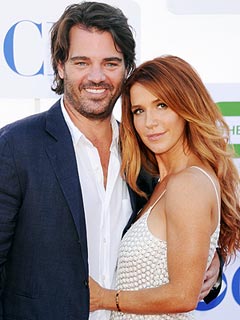
poppy-montgomery-240x320Hollywood actress Poppy Montgomery, and her partner, Microsoft executive Shawn Sanford, welcomed their daughter Violet Grace Devereux on April 22. Violet Sanford was born at 7.57 am, weighed 3 kg (6lb 12oz), and measured 49.5 cm long. She joins big brother Jackson, aged 5, who is from Poppy’s previous relationship to actor Adam Kaufman.

Violet’s floral name continues a family tradition, for Poppy and her sisters are named after flowers too. Poppy’s family was covered as a celebrity sibset last year, and Poppy’s own name featured on the blog for Remembrance Day.

Names Spotted at Home and Abroad (Summer Edition)

25 Monday Mar 2013

Posted by A.O. in Names Spotted at Home and Abroad

≈ 3 Comments

Tags

animal names, Australian Aboriginal names, changing names, culinary names, english names, ethnonyms, famous namesakes, fictional namesakes, fish names, floral emblems, flower names, food names, French names, German names, honouring, initials, Japanese names, Latin names, locational names, makes of cars, name combinations, name meaning, names of horses, names of spices, names of weapons, Native American names, nature names, nicknames, Persian names, plant names, rare names, rose varities, sibsets, surname names, types of boats, unisex names, vocabulary names

297602-baby-namesThe first baby born in Wollongong for 2013 was Rumi Vassilakoglou; he is named after the medieval mystical Persian poet, whose moniker means “from Rome” (this name for him is not used in Muslim countries, by the way). Rumi’s mum is named Leila, and his younger sibling is Mahli.

Your baby disappearing is every parent’s worst nightmare, but little Minowa Worthington’s story ended happily. Minowa is the name of a Japanese town, and a Japanese surname, but baby name books tell me it also Native American for “one with a moving voice”. They don’t say which language it is from, but I have seen Native Americans online with Minowa as their surname.

A Gold Coast baby born in the Queensland floods was named Sabre Smith. Although his name can be after the sword, putting it in the same genre as Blade or Steel, a sabre is also a class of racing boats – which seems apt for a baby born surrounded by water.

Another water baby is Dwight Anderson, who was born in the bath. I was a tiny bit surprised to see such an old-fashioned name in use … much more surprised to see that Dwight is a girl. Dwight’s sister is named Billie-Jo.

Allegra Bluebelle from Canberra, born in the city’s centenary year, has a middle name after its floral emblem, the royal bluebell. A little girl born on the city’s birthday seven years ago has the same initials as the Australian Capital Territory – Aisha Caitlyn Truselsen. A fisherman has a daughter named Makaira Indica, which is the scientific name for the black marlin (this isn’t connected to Canberra, so not sure why they mentioned it, but there you go).

The Hallett family changed their name by deed poll to Holden, in honour of the make of car. Not content with that, they have given their children Holden-related names too. Their son is named Toree, after the Torana, and his little sister is named Elcee – after the LC generation of Toranas.

An article about “unique” names quoted brothers named Mac and Fonzii. I have no idea why Mac is supposed to be unique, but Fonzii does seem slightly out of the ordinary. He’s not named about Fonzie from Happy Days, which reminds me of the baby named Tinkabell not named after the fairy. Other unusual names of real babies mentioned were Dragon, Justus, Porch, Ever, Notorious, Cash, Lychee and Bandit.

Another article on the same subject, with much the same information, featured a baby boy named Ace Bear Johnson, which strikes me as both cute and sporty (Ace’s sister is named Esmee). There was also a baby girl named Annecy Belle Easton [pictured], named after a French town that her parents fell in love with after they stayed there. She is called Annie for short, and Annecy’s mum also has the name of a French town – Nancy. Article also mentions real babies named Batman, Blaze and Charisma.

Darwin schoolteacher Wendy Green named her racehorse Rogan Josh, after the Indian spice mix, which she saw at the supermarket. She claims that in Tennant Creek, she was asked to baptise a baby, which she did using champagne, and named the baby Rogan Josh as well. You may take this story with as many grains of salt as you wish – but Rogan Josh really isn’t too bad a name. It literally means “boiling oil” in Persian.

Friday’s birth notices included a new baby named Passion Brinessa Ajayla Quinatee Martin, who is the 12th child in her family. The rest of the family are Samantha Jayne (18), twins Shantelle Victoria and Stephanie Catherine (15), Jenaya Lee (11), Shania Kay (10), Brandon Bradley (7), Brandi Shyla Molly Robyn (6), Cruz Richard (5), Clayton Adam Logan (4) and Diammond Sparckle Zedekeyah Lilly Ann (3). Mum is named Brinessa, which is a variety of rose, and quite an unusual name too. She admits she did find it difficult to come up with original names, and turned to an iPhone application for inspiration.

Names of Adults

Lyra Benbow is a primary schoolteacher in the Melbourne suburb of Digger’s Rest who is just about to spend her Easter break doing volunteer work in Uganda. Is anyone else just loving her name? It sounds like something out of a fantasy novel.

Another awesome name from the papers: Eugenie Pepper, who runs a children’s fashion business named Plum. I feel like ringing her number to hear if she answers, “Hello, this is Pepper of Plum”.

Last year, Cressida Moneypenny attended the Anzac Day commemorations in Turkey. Originally from the Gold Coast, Ms Moneypenny was drawn to her name’s spiritual home, and moved to London. Ian Fleming never gave his Miss Moneypenny a name, but I feel sure it should have been Cressida …

The Melbourne Comedy Festival will feature eight comedians named Dave. Why so many funny guys named Dave? Dave O’Neil was a David until he started in comedy – then he became Dave, which seemed more man of the people. Dave Hughes also began as a David, but said he couldn’t make it stick – people just expect a comedian of a certain age to be a Dave, apparently. All the Daves agreed they had been stuck with an uncool name – while a David can be hip or sexy, a Dave is always daggy.

Names From Real Life

A pair of sisters named Ilse and Matine, which I thought went together really well without being in the least matchy. Ilse is a German nickname for Elizabeth, while Matine is based on the French word for “morning”.

Another cute sibset, this time a little hippyish – Lotus, Jewel and Sunny (two girls and a boy). They are names which just make you smile.

Someone I know told me they have a new niece named Berrilee, which is the name of a suburb of Sydney (and one I missed!). It is derived from an Aboriginal word meaning perhaps “mouth” or “food”, and far from being a modern innovation, baby Berrilee is named after an ancestor.

A name I saw on a class list at the start of the school year – Phonique. It’s French for “phonic”, as pertaining to sound, and is used by a (male) DJ in Europe. To me it almost seems like a portmanteau of phony and unique …. and quite technological.

In spring it was Aryan … here’s another name I saw some people find controversial – Gypsy. This is a name more common in Australia than it is in the UK and other European countries, which have significant populations of Romanis or Travellers (who sometimes refer to themselves as gypsies). Romanis are not in fact from Egypt, which is what Gypsy literally means – their origins are from the Indian subcontinent.

Names of Babies Born to People I Know or Know Of:

Girls: Florence, Harriet, Lola, Marina

Boys: Arlo, Gus, Huxley

2012 Name Trends in Western Australia – Girls

09 Saturday Mar 2013

Posted by A.O. in Name Data

≈ Comments Off on 2012 Name Trends in Western Australia – Girls

Tags

Biblical names, classic names, flower names, name trends, nature names, nicknames, plant names, popular names

Biggest Movers Up

  1. Ivy +23 at least
  2. Willow +19 at least
  3. Leah + 16 at least
  4. Evelyn +15 at least
  5. Harper +15
  6. Annabelle +13 at least
  7. Elizabeth +13
  8. Poppy +12
  9. Layla +10
  10. Sarah +10

This is another state where celebrity baby name Harper continued rising. While flower names were mostly down in Victoria, plant names are booming in the west, with Ivy and Willow the two biggest risers, and Poppy making creditable ground. Biblical classics also did well, with Leah, Elizabeth and Sarah increasing in popularity. Note the love of L and V sounds, such as in Layla and Evelyn.

Also Up

Caitlin, Mackenzie, Milla and Mila, Isabel/Isabelle, Alexis, Chelsea, Indiana and Indi, Violet, Zara, Skye, Anna, Kayla, Sophia/Sofia and Sophie, Alyssa, Imogen, Madison and Madeleine, Rose, Savannah, Scarlett, Aria, Charlotte, Olivia, Holly, Maya, Paige, Phoebe, Amelia and Amelie, Emily

No Change in Position

  • Ruby #3
  • Grace #11
  • Jasmine #24
  • Georgia #27
  • Mikayla #41

Biggest Movers Down

  1. Amber -14 at least
  2. Hayley -14
  3. Isabella -10
  4. Summer -10
  5. Evie -9
  6. Mia -9
  7. Molly -9
  8. Lucy -8
  9. Tahlia -7 at least
  10. Abigail -7

Also Down

Alice, Sienna, Stella, Ella, Ellie, Emma, Jessica, Hannah, Lily/Lilly, Amy, Bella, Jade, Eva, Isla, Addison, Maddison, Matilda, Zoe, Ava, Chloe

Once again we are left to ponder the strange workings of name popularity. Isabelle and Isabel are up, but Isabella and Bella are down. Flower names are up – except for Lily and Lilly. Evelyn and Ivy are up, while Ava, Eva and Evie are down. Milla and Mila are up, Mia and Molly are down. Elizabeth is up, while nicknames Ella and Ellie are down. Alyssa is up and Alice is down. Anna is up, but don’t add any Hs because Hannah is down.

New or Returned to the List

  • Ivy #28
  • Willow #32
  • Leah #35
  • Evelyn #36
  • Annabelle #38
  • Caitlin #42
  • Milla #42
  • Isabel #42
  • Mila #44
  • Violet #44
  • Skye #45
  • Anna #46
  • Rose #47
  • Indi #48
  • Aria #48
  • Amelie #49
  • Phoebe #49
  • Madeleine #50

Gone From the List

  • Amber #37
  • Tahlia #44
  • Amy #48
  • Ellie #50
← Older posts
Newer posts →

Enter your email address to follow this blog

Categories

Archives

Recent Comments

A.O.'s avatarwaltzingmorethanmati… on Zarah Zaynab and Wolfgang…
Madelyn's avatarMadelyn on Zarah Zaynab and Wolfgang…
JD's avatardrperegrine on Can Phoebe Complete This …
A.O.'s avatarwaltzingmorethanmati… on Rua and Rhoa
redrover23's avatarredrover23 on Rua and Rhoa

Blogroll

  • Appellation Mountain
  • Baby Name Pondering
  • Babynamelover's Blog
  • British Baby Names
  • Clare's Name News
  • For Real Baby Names
  • Geek Baby Names
  • Name Candy
  • Nameberry
  • Nancy's Baby Names
  • Ren's Baby Name Blog
  • Sancta Nomina
  • Swistle: Baby Names
  • The Art of Naming
  • The Baby Name Wizard
  • The Beauty of Names
  • Tulip By Any Name

RSS Feed

  • RSS - Posts

RSS Posts

  • Celebrity Baby News: Melanie Vallejo and Matt Kingston
  • Names from the TV Show “Cleverman”
  • Can Phoebe Complete This Sibset?
  • Zarah Zaynab and Wolfgang Winter
  • Baby, How Did You Get That Name?
  • Celebrity Baby News: Media Babies
  • Celebrity Baby News: Adelaide Crows Babies
  • Celebrity Baby News: Chris and Rebecca Judd
  • Names at Work: Name News From the World of Business and Employment
  • Celebrity Baby News: Sporting Round Up

Currently Popular

  • Rare Boys Names From the 1950s
  • Celebrity Baby News: Toby Allen and Darren Weller
  • The Top 100 Names of the 1900s in New South Wales
  • Girls Names of Australian Aboriginal Origin
  • Celebrity Baby News: Jason Morrison and Heidi Tiltins

Tags

celebrity baby names celebrity sibsets english names famous namesakes fictional namesakes honouring locational names middle names name combinations name history name meaning name popularity name trends nicknames popular names saints names sibsets surname names twin sets unisex names

Blog at WordPress.com.

Privacy & Cookies: This site uses cookies. By continuing to use this website, you agree to their use.
To find out more, including how to control cookies, see here: Cookie Policy
  • Subscribe Subscribed
    • Waltzing More Than Matilda
    • Join 517 other subscribers
    • Already have a WordPress.com account? Log in now.
    • Waltzing More Than Matilda
    • Subscribe Subscribed
    • Sign up
    • Log in
    • Report this content
    • View site in Reader
    • Manage subscriptions
    • Collapse this bar
 

Loading Comments...