• About
  • Best Baby Names
  • Celebrity Baby Names
  • Celebrity Baby Names – Current
  • Celebrity Baby Names – Past
  • Featured Boys Names
  • Featured Girls Names
  • Featured Unisex Names
  • Links to Name Data
  • Waltzing on the Web

Waltzing More Than Matilda

~ Names with an Australian Bias of Democratic Temper

Waltzing More Than Matilda

Tag Archives: fictional namesakes

Waltzing With … Billy

08 Sunday Apr 2012

Posted by A.O. in Waltzing with ...

≈ 5 Comments

Tags

Easter names, english names, famous namesakes, fictional namesakes, Irish name popularity, name history, name meaning, name popularity, nicknames, rhyming slang, slang terms, UK name popularity, unisex names, US name popularity, vocabulary words

This article was first published on April 8 2012, and revised and re-posted on March 9 2016.

Fictional Namesake
The blog entry for Pasco looked at a religious side to Easter, so this one will be about a secular aspect of the holiday.

One of the most popular symbols of the season is the Easter Bunny; this was an old German custom, and originally a hare rather than a rabbit (which is why the word bunny is used, to cover both creatures). Hares and rabbits are famous for being prolific breeders, so they make obvious fertility symbols for a festival which occurs in the northern spring and celebrates new life.

However in Australia, this prolificness of the rabbit has made it an invasive pest and an environmental disaster. Rabbits first arrived on the First Fleet and were bred for food in hutches, but don’t seem to have become a problem in mainland Australia until 1859.

In this fateful year, some bright spark named Thomas Austin thought it would be utterly spiffing to release 24 English rabbits onto his country property in Victoria so that he could continue the rabbit hunting lifestyle he had enjoyed in England. Austin opined the rabbits would do little harm, and might provide a touch of “home”.

Austin released both wild grey rabbits and domestic rabbits; the two varieties intermingled to become an extremely hardy and resilient Super Rabbit. Even then it might not have been such a mess, except that all the landowners living around Austin got in on this new fad, and released stacks of rabbits onto their own farms.

Within a decade, there were so many rabbits that 2 million could be killed each year without making the slightest difference to their numbers. By Federation in 1901, they were already holding a Royal Commission to see how the “rabbit problem” could be brought under control.

Rabbits are thought to be the most significant factor in loss of native species. They kill young trees, compete with native animals for resources, and cause horrific soil erosion which takes centuries to recover. They cost the agricultural sector millions of dollars in damages each year.

During the 1980s and ’90s, the environmental movement in Australia made a stand by using a new Easter symbol – the Easter Bilby. Bilbies (pictured) are cute native marsupials with a long muzzle and long ears, and they are an endangered species. The Foundation for a Rabbit-Free Australia used the Easter Bilby to educate people about the damage that feral rabbits do to our delicate ecology.

Haigh’s Chocolates got on board by stopping making chocolate bunnies, and making the very first chocolate bilbies. Darrell Lea also make chocolate bilbies, with part of the profits going to the Save the Bilby Fund. You can buy cheap chocolate bilbies from supermarkets as well, but it’s probably a toss-up whether any of the money you spend will go towards helping real bilbies.

The campaign has been successful, because thirty years ago there was no such thing as a chocolate bilby, and now they are an established part of Easter. Schools and school holiday programs often use the Easter Bilby for egg hunts and other activities, as an opportunity to teach kids about the environment as they play games and munch chocolate. Buying a bilby instead of a bunny feels patriotic and environmentally responsible.

There have been many picture books about the Easter Bilby, but the first one, and the first mention of the Easter Bilby, was Billy the Aussie Easter Bilby, by Queensland children’s author Rose-Marie Dusting, in 1979. Rose-Marie’s first version of the story was written in 1968, when she was only nine years old. Most likely, Rose-Marie chose the name Billy because it sounds like the word bilby.

Name Information
Billy is a pet form of Bill, which is short for William; it has been used an an independent name since the 18th century. People often ask how Bill became short for William (which doesn’t start with a B), but nobody seems to know for sure. It is presumed to be part of that medieval initial letter swapping which saw Richard become Dick, and Robert become Bob.

Billy is also a vocabulary word which has a particular resonance in Australia – a billy is a cooking pot used to boil water on a campfire. It’s thought that the word billycan comes from the large cans used to transport bully beef (corned beef) on ships sent to Australia or during exploration in the outback.

It’s a word which reminds us of the outback and our history, and even now some older Australians will say they are going to put the billy on for tea, when they just mean the kettle. Billy Tea is a brand of strong tea which has been sold since the late 19th century, and many arcane methods are suggested for making the perfect brew of tea over a campfire. You can read of billies in the poems of Henry Lawson and Banjo Paterson, the most famous reference being the jolly swagman in Waltzing Matilda, who sang as he watched and waited ’til his billy boiled.

A billy lid is not just a lid for a billy, but also affectionate rhyming slang for “kid” (child). There’s also the Puffing Billy steam train network near Melbourne, a major tourist attraction, and billy buttons, a type of native daisy.

One of the most famous Australian men who went by the name was Billy Blue, the first Australian convict to become a celebrity. Described in the records as a “Jamaican Negro”, Billy claimed to be a freed slave with some Native American heritage who had fought with the British during the War of Independence. When convicted, he was living in London, and had stolen sugar to use in his chocolate-making business.

In Australia, he became popular with the government and the public for his whimsical personality and witty banter. When he completed his sentence, he became a ferryman, and was granted 80 acres of land in the North Sydney area – Blues Point and William Street are two of several local landmarks named after him.

Other namesakes include Billy the Native, a bushranger who passed into folklore as “the traveller’s friend”; Billy Lynch, an Aboriginal community leader in the Katoomba area with hundreds of proud descendants; Billy Sing, a Chinese-Australian soldier who served with distinction in the Gallipoli Campaign; Billy Thorpe, rock singer from the 1960s and 70s; Billy Elliot, the jockey who rode Phar Lap to victory seven times; and NRL star Billy Slater.

Billy entered the Australian charts in the 1970s at #427, and began climbing steeply. It hasn’t reached the national Top 100, but is often seen around the bottom of popularity charts in certain states, and would not be far off. William is a very popular name, and it is possible that some of those Williams also go by Billy.

In the US (home of Billy the Kid and fictional sailor Billy Budd), Billy has been almost continually on the charts, and was a Top 100 name from the early 1920s until the end of the 1970s, peaking in the 1930s at #20. After that very impressive run, it has been on the decline and is now #794. It also charted as a girl’s name (a variant of Billie) from the 1920s until the 1940s, peaking in 1930 at #527.

In the UK (home of Billy Idol and fictional schoolboy Billy Bunter), Billy was a Top 100 name in the 1990s; it left the Top 100 in 2009 and is currently #122, and has been occasionally used for girls. Billy is still a popular name in Ireland. In Australia, Billy has never had a long run of popularity as in other English-speaking countries, so feels a bit fresher here.

Billly is an environmentally-friendly Easter creation; a name from history; a name from poetry; a name from the landscape; the name of a host of colourful Australian characters. Billy is a name which says, “I’m coming at you world, ready or not!” He’s a true blue wild colonial boy who is cute as a button, and sweet as a chocolate bilby.

POLL RESULTS
Billy received an approval rating of 78%, making it one of the highest-rated names of 2012. 42% of people thought the name Billy was okay, while 11% hated it.
Iridessa and Bambam: Created Names from the Bonds Baby Search

03 Tuesday Apr 2012

Posted by A.O. in Baby Contests

≈ 7 Comments

Tags

Australian Aboriginal names, car names, created names, famous namesakes, fictional namesakes, Indian names, Latin names, popular culture, Shakespearean names

Obviously all names are created at some point, but these are ones whose origins  seem easier to spot than most, or which were created for a specific purpose, or for a person who later became famous.

GIRLS

Alinta (an Aboriginal name meaning “fire”, used by a power company as their name)

Chevelle (a make of car)

Chevi (from Chevy, a make of car)

Cordelia (seems to have been created by Shakespeare for King Lear, from older sources)

Evangeline (said to have been created by Longfellow in his poem of the same name, from Greek)

Haidee (created by Byron in his poem Don Juan, probably from Greek)

Iridessa (one of the Disney Fairies in the Tinkberbell films; based on the word iridescent?)

Jovie (a character from the movie Elf; based on the word jovial?)

Juliet (created by Shakespeare for Romeo and Juliet; an Anglicisation of Giulietta)

Katara (a character from Avatar: The Last Airbender TV show; the word for an Indian dagger)

Lorna (created by R.D. Blackmore for his novel Lorna Doone; perhaps from a Scottish place name)

Lyra (created by Philip Pullman for the His Dark Materials series, from the constellation)

Miranda (created by Shakespeare for The Tempest, from Latin)

Mahalia (singer Mahala Jackson put an i in her name to become Mahalia Jackson)

Mavis (created by Marie Corelli for The Sorrows of Satan; old name for a song thrush)

Miakoda (touted as a Native American name, but actually from an obscure 1970s sci-fi novel)

Miette (often used in French cinema and from The Sleeping Ballet ballet; means “crumb, morsel”)

Miley (nickname of actress Destiny Cyrus, based on the word smiley)

Nessa (an angelic character mentioned in Tolkien’s The Lord of the Rings)

Perdita (created by Shakespeare for The Winter’s Tale, from Latin)

Pollyanna (perhaps created by Eleanor H. Portman for her novel of the same name)

Scout (nickname of Jean Finch, the narrator of Harper Lee’s To Kill a Mockingbird)

Shara (a place name in Robert Jordan’s Wheel of Time fantasy series).

Solara (a make of car)

Talaara (a character from World of Warcraft role-playing game)

Talitha (taken from an Aramaic phrase in the New Testament, meaning “little girl)

Tandia (seemingly created by Bryce Courtenay for his novel of the same name; an African surname)

Vanessa (created by Jonathan Swift for his poem Cadmus and Vanessa, based on a friend’s name)

Zali (ski-er Zali’s Steggall’s name seems to be a created name, possibly from a Slavic place name)


BOYS

Arda (the name given to Earth in Tolkien’s fantasy world)

Aslan (the name of the Christ-like Lion in C.S. Lewis’s Chronicles of Narnia series)

Atreju (original German name for Atreyu from The Neverending Story)

Bam (nickname of skateboarder Brandon Margera, from the onomatopoeic word)

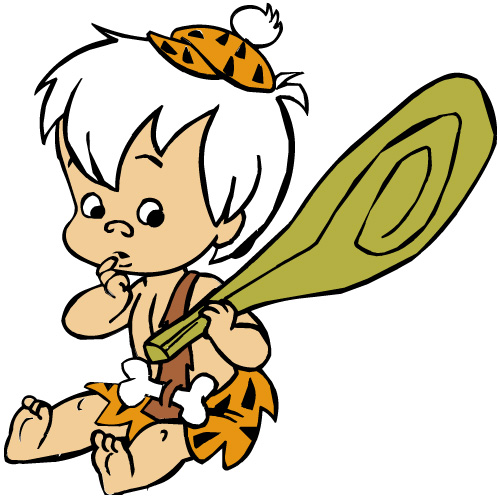
Bambam (a character from The Flintstones cartoon; onomatopoeic)

Caeulum (the Latin word for “sky, heavens”)

Che (nickname of revolutionary Ernesto Guevara; slang for “mate, buddy, pal”)

Dorian (used as a name by Oscar Wilde for The Portrait of Dorian Gray, from Greek)

Dre (nickname of radio personality André “Doctor Dré” Brown, short for his first name)

Jaylen (based on Jalen; basketballer Jalen Rose’s name is James + Leonard)

Jharral (based on Jharal; NRL player Jharal Yow Yeh’s name is the initials of the men in his family)

Kailo (from a Proto-Indian-European word meaning “whole, healthy”)

Keanu (seemingly created by the parents of actor Keanu Reeves)

Neo (main character from The Matrix movies, Latin for “new”)

Reiv (character from the Fire Emblem video games)

Rohan (a place name in Tolkien’s fantasy world)

Sonova (a combination of the Latin words for sound and new)

Stryder (Strider is the alias of Aragorn in Tolkien’s The Lord of the Rings)

Thorion (character from the comic book Thorion of the New Asgods)

Tynnan (a species in the Star Wars franchise)

Harper-Chaos and Kobie-Lebron: Double Names for Boys from the Bonds Baby Search

02 Monday Apr 2012

Posted by A.O. in Baby Contests

≈ 4 Comments

Tags

double names, famous namesakes, fictional namesakes, initial names

Allan-Jackson

Benjamin-James

B-Jay

Ceejae

CJ

Corey.Lamar

Dante-Beau

DJ

Dylan-Julius

Giancarlo

Harper-Chaos

Isaac-Cael

Jade-Te Tane

Jaedee

JD

Jesse-James

Jet-Li

Jethro-Shekel

Jett-Jonathan “JJ”

Jor-Ell

Josiah-Hamiora

KC

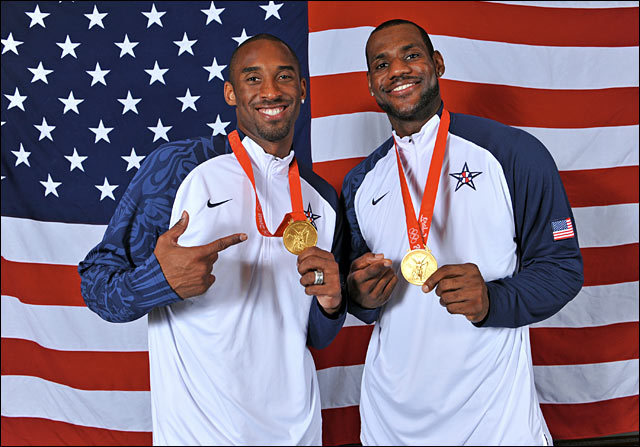
Kobie-Lebron

Ko-Dai

Kodah-Cruz

Koopah-Leigh

Levi-Joel

Levi-Jose

Micheal-James

Mitchel-William

MJ

Peejay

Quentin-Riley

R-Jay

RJ

Ryder-Leigh

S-Jay

Teejay

T-Jay

Tyler-Jai

Tyler-Jay

Vaa-Greg

Xavier-Alexis

William-Storm


Boys Names from the Top 100 of the 1900s

01 Sunday Apr 2012

Posted by A.O. in Name Themes and Lists

≈ 12 Comments

Tags

Appellation Mountain, celebrity baby names, classic names, ethnonyms, famous namesakes, fictional namesakes, French names, German names, germanic names, Latin names, locational names, name data, name history, name meaning, name popularity, name trends, nicknames, Norman-French names, Old English names, Old Norse names, popular culture, popular names, Roman names, royal names, Sabine names, saints names, surname names, tribal names

This follows on from Girls Names from the Top 100 of the 1900s. Once again, I’ve tried to get a balance between those names coming back into fashion, and those which haven’t charted for a while; once again, it is based on data from New South Wales. If you are attracted to names like these for boys, you should check out Abby’s two parter at Appellation Mountain – Fetching Names: The Nevilles, as many of her suggestions are very much in tune with this style.

Albert

This is derived from the Germanic name Adalbert, meaning “noble and bright”, which was common amongst German royalty. It was introduced to England by the Normans, where it readily overtook the Old English form, Æðelbeorht. A rare name by the 17th century, it came back in the 19th, as Prince Albert was the name of Queen Victoria’s dearly loved husband, born in Germany. Famous Australians with this name include Albert Matthews, the last Gallipoli veteran to die, in 1997, and popular long-time entertainer, Bert Newton. Albert is a classic name which has never been out of use; it was #12 in the 1900s, and didn’t leave the Top 100 until the 1950s. It’s remained relatively stable for several decades, and is currently in the low 300s. Albert is one of those names which sound slightly “grandpa” while remaining steadily in use. It’s a good reliable choice, and Alby, Bertie and Bert all make cute nicknames.

Aubrey

The Norman-French form of Germanic Alberich, meaning “elf power” or “elf ruler”, which replaced the Old English equivalent, Ælfrīc. The name was used for both sexes during the Middle Ages, especially amongst the aristocracy, but gradually fell out of use. It was revived in the 19th century, possibly influenced by the surname. There have been a few famous men in Australia named Aubrey, including motorcycle racer Aubrey Lawson, and Australian rules footballer, Aubrey Mackenzie. Aubrey was #59 in the 1900s, and left the Top 100 in the 1930s. It hasn’t charted since the 1950s. Aubrey may seem old-fashioned and effete to some people; others may think it sounds feminine, due to the popularity of similar-sounding girls’ name, Audrey. However, this unisex name is certainly in use as a boys’ name, and I have actually seen it on more boys than girls, with parents of girls often preferring specifically feminine spellings such as Aubree or Aubrie. I think it sounds handsome and dashing, and Jack Aubrey from Master and Commander (played by Russell Crowe in the film) even helps give it a nautical air. The usual nickname is Aub or Auby.

Claude

The French form of the Roman family name Claudius. The Claudii interpreted their name as from the Latin claudus, meaning “lame, crippled”, but according to legend, the first of their house was not Roman, but Sabine, and his family name was Clausus or Closus. When he joined the Romans, his name was Latinised. The Claudii were very proud of their Sabine heritage, very powerful, and had a reputation for arrogance and haughtiness. The name Claude became common in France during the Middle Ages due to the 7th century Saint Claude of Besancon, a monk to whom many miracles are ascribed. The name was brought to Britain by the aristocratic Hamilton family of Scotland in the specifically male form Claud; being Scottish they naturally had ties to France. Australian Claude Choules was the last surviving male World War I veteran in the world until his passing last year. Claude was #49 in the 1900s, left the Top 100 in the 1930s, and hasn’t charted since the 1970s. The name still packs a patrician punch, and namesakes such as painter Claude Monet and composer Claude Debussy make it seem quite artistic as well.

Frank

Used as a short form of Francis or Franklin, but is a name in its own right, referring to the Germanic tribe of the Franks. They conquered most of Gaul, which was later named France in their honour. A powerful tribe, they were the ultimate founders of what would later become the Holy Roman Empire, controlling much of Europe. The meaning of their name is disputed; it may mean “javelin” after their weapon of choice (although the weapon might have been named after them, not the other way around). Another theory is that it meant “bold, fierce”; the Romans sometimes addressed or referred to them as “the fierce people”. The English word frank, meaning “free, honest” is named after the Franks, and is not the source of the name. The most well-known Australian called Frank is probably charming comedian Frank Woodley. Frank’s a classic that has never been off the charts; #27 in the 1900s, it didn’t leave the Top 100 until the 1970s. It’s currently having a growth spurt in the low 400s. Brisk, sensible Frank is a worthy choice for someone wanting an old-style replacement for popular Jack. The usual pet form is Franky.

Harold

Derived from the Old English name Hereweald, meaning “army leader”; the Old Norse form Haraldr was also common amongst Scandinavian settlers in England. It was popular amongst the royal houses of Norway and Denmark, and the two kings of England named Harold were of mixed Scandinavian and Anglo-Saxon ancestry. It was Harold II who was defeated and killed at the Battle of Hastings, leading to the Norman Conquest. Not surprisingly, the name died out almost immediately, but was revived by the Victorians. The most famous Australian with this name is former Prime Minister Harold Holt, who disappeared in 1967 at the beach, and is presumed drowned, although many conspiracy theories have existed. Oddly enough, there is a swimming centre named after him. Harold was #13 in the 1900s, peaked in the 1910s, left the Top 100 in the 1940s, and remained in (rare) use until the early 2000s, with a dampener put on it by Mr Holt’s watery demise. Until recently, I would have said Harold made a great way to get the popular nickname Harry – unfortunately, Harry is rapidly falling. It’s got some challenges, but I do like this noble and besieged name.

Reginald

From the Germanic name Raginald, meaning something like “well-advised ruler”. The Normans brought it to Britain in the forms Reinald and Reinold; there were already Old English and Norse forms in use there. Reginald is the Latinised form of all these variants, and is another of those names from the Middle Ages which made a comeback in the Victorian era. There are many well known Australian Reginalds, including popular actor Reg Livermore, and Sir Reginald Ansett, the founder of Ansett Airlines. Reginald was #20 in the 1900s, and left the Top 100 in the 1960s. It hasn’t charted since the 1980s. Reginald may seem very fusty and pompous – then again, that’s exactly what people would have said about Archibald a few years ago, and now it’s quite fashionable as a way to the nickname Archie. I don’t really see what makes Reggie any different from Archie, Alfie or Freddie, which makes Reginald a genuine contender.

Rupert

A German form of Robert, this was introduced to Britain in the 17th century by Prince Rupert of the Rhine, a nephew of King Charles II of England. When still young, he was appointed commander of the Royalist cavalry during the English Civil War; after the Restoration he returned and became a senior naval commander. Prince Rupert was a man of fashion who also was one of the founders of the Royal Society and a patron of the arts – he made the name seem distinctly aristocratic, and perhaps slightly flamboyant. Famous Australians with the name include artist Rupert Bunny and media mogul Sir Rupert Murdoch. Rupert was #97 in the 1900s, and left the Top 100 the following decade; it left the rankings in the 1940s. Very recently, it has entered the charts again, and is currently climbing in the 400s. Rupert seems to be making a comeback – perhaps Rupert Grint from the Harry Potter movies has given it a more likeable, down-to-earth image. It’s certainly handsome, and Ru would make a cute nickname.

Stanley

An English surname meaning “stony meadow”; it comes from the place name Stoneley in Staffordshire. It has quite an aristocratic heritage, for the Stanleys were Earls and Barons, prominent in the Conservative Party, and at times, one of the richest landowning families in Britain. Members of the Stanley family have held high political office, including Prime Minister, been connected to royalty, and generally a force through the pages of British history. Sir Lyulph Stanley was part of this august clan; he was Governor of Victoria and held several other important posts in Australia. Great men called Stanley from our nation include tennis champion Stanley Doust, and legendary cartoonist Stanley Cross; the Stanley Award for cartoonists is named in his honour. A classic which has never left the charts, Stanley was #22 in the 1900s and left the Top 100 in the 1950s. It has remained stable since the 1960s. It’s an oldie but goodie, made to seem quite cool since Dido gave her son this name last year, named after the song Stan, by American rapper Eminen. It seems eminently usable, and sturdy nickname Stan is right on trend.

Vincent

This is from the Roman name Vincentius, derived from the Latin for “to conquer”. Its meaning made it popular amongst early Christians, who no doubt wished to indicate that they were ready to conquer sin, and there are several martyrs of the church with this name. A later saint with this name is the 16th century French priest famous for his works of charity, St Vincent de Paul. Vincent was used in Britain in the Middle Ages, but didn’t become common until the 19th century. Vince Jones is an Australian jazz artist, and Vince Melouney was one of the founding members of Billy Thorpe & The Aztecs, so it’s a very musical name. Handsome and romantic, Vincent is a classic which has never left the charts or been out of the Top 200. It was #47 in the 1900s, and left the Top 100 in the 1950s; the lowest it’s ever been is #179 in the 1970s. It’s usage has been erratic, but generally improving since then, and it’s currently in the mid 100s. Prince Vincent of Denmark, son of Princess Mary, may help it along further. Vin, Vince and Vinnie are all used as nicknames.

William

From the Germanic name Willahelm, meaning something like “willing helmet”, or “strong-minded protection”. William of Gellone was a cousin of Charlemagne, and an 8th century Norman count who defeated an army of Moors and forced them to retreat to Spain; his deeds are immortalised in the epic poem, Chanson de Guillaume (Song of William). In case this didn’t make him famous enough, he founded a monastery, gave it a piece of the True Cross, and became a monk, being declared a saint after his death. This made William a favourite name amongst the Normans, and when a Duke of Normandy called William invaded England in 1066 and was crowned king, it became the most commonly-used name in his kingdom. There have been four kings of England/Britain called William, and if Prince William attains the throne, he will be William V. Australia has had two Prime Ministers named William – Hughes and McMahon. Solid classic William has never left the Top 50; it was the #1 name of the 1900s and is #1 today. This never out fashion name is very versatile, because although William is so dignified, its nicknames Will, Bill and Billy are simple and unpretentious.

(The picture is of a prospector on the gold fields in 1904; image held by Museum Victoria).

Chanel and DeLuna – Surnames as Girls Names from the Bonds Baby Search

29 Thursday Mar 2012

Posted by A.O. in Baby Contests

≈ Comments Off on Chanel and DeLuna – Surnames as Girls Names from the Bonds Baby Search

Tags

famous namesakes, fictional namesakes, surname names

Armani (fashion designer)

Cartia

Chanel (fashion designer)

Cooper

DeLuna (singer)

Dior (fashion designer)

Dolce (fashion designer)

Halle

Halsey

Innes

Jamieson

Keagan

Keeley

Kelsey

Mailey

Meliz

Monet (artist)

Nailey

Ohara (fictional heroine?)

Presley (rock icon)

Schyler

Shelby (car manufacturer)

Vellesca

Girls Names From the Top 100 of the 1900s

25 Sunday Mar 2012

Posted by A.O. in Name Themes and Lists

≈ 18 Comments

Tags

Anglo-Saxon names, Arabic names, classic names, famous namesakes, fictional namesakes, flower names, gemstone names, germanic names, Google, honouring, Italian names, K.M. Sheard, Latin names, locational names, mythological names, name data, name history, name meaning, name popularity, name trends, nature names, nicknames, Old English names, Old French names, Old Norse names, plant names, popular names, retro names, royal names, saints names, Shakespearean names, Victorian names

There have been many Googled requests for names from the 1900s, so this is my selection of ten girls names that were Top 100 in the 1900s which I think are usable today. I’ve tried to get a balance between names which are currently rising in popularity, and those which haven’t charted for many decades. All the data comes from New South Wales – the only state which has made public its data kept since Federation.

Amelia

A variant of Amalia, the Latinised form of Germanic Amala, a pet form of any name beginning with Amal-, and meaning “work”. This was one of the many names introduced to Britain by the Hanoverians; part of its easy acceptance was that it was considered a variant of the unrelated Emilia, and indeed Princess Amelia of Hanover was called Emily in everyday life. In the 1900s, Amelia was #95, and it had left the Top 100 by the following decade. It has been on the rankings almost continuously, dropping out in the 1940s and ’50s. Rejoining in the the 1960s, it grew steadily in popularity, until it was in the Top 100 by the 1990s. It’s currently stable at #10. Famous Australians named Amelia include Amelia Best, who was one of the first women elected to the Tasmanian House of Assembly, and opera singer Amelia Farrugia. Amelia was under-appreciated for many years, but is now extremely popular, with a host of nicknames such as Amy, Melia, Millie, Mia and Lia. Pretty and unpretentious, it has a ready-to-wear quality that makes it a handy choice.

Bessie

A short form of the name Elizabeth, in use since the 16th century. The name Bessie was #78 in the 1900s, and grew in popularity during the 1910s. It took a nosedive in the 1920s, left the Top 100, and hasn’t been in the rankings since the 1940s. Famous Australians named Bessie include portrait painter Bessie Davidson, who was celebrated in France in the pre-war era, and Bessie Guthrie, a designer of the 1920s who was an ardent feminist and early proponent of solar energy and ecological balance. She founded the Viking publishing house, and in later life was a crusader for the rights of abused children, before finally, in old age, being able to join a movement of feminist political protest she had waited all her life for. Bessie is such a sweet yet spunky name for a girl, and one I saw recently mentioned as having been given to a baby in 2011. I think it’s one which is ready to shed its “old lady” image and be used once more.

Edith

Based on the Old English name Eadgyð, meaning “rich war”, this was popular amongst Anglo-Saxon royalty; Saint Edith was the illegitimate daughter of King Edgar the Peaceful, and Edith of Wessex was the wife of King Edward the Confessor. Unlike many Anglo-Saxon names, it remained in use after the Norman Conquest, and didn’t fall out of favour until the 16th century. It was revived in the 19th century by the Victorians. The most famous Australian with this name was Edith Cowan, the social campaigner and first woman elected to parliament; she was part of the group which helped give women the vote in 1899 (her picture is now on the $50 note). The name Edith was #16 in the 1900s, and remained Top 100 until the 1940s, leaving the rankings in the 1970s. Very recently, it has had a revival, and is now increasing in popularity in the 500s. Strong, patriotic, and still aristocratic-sounding, it’s fast becoming a fashionable favourite. The short form Edie seems to be even more popular.

Ida

This name was introduced to England by the Normans; it may come from the Old Norse word for “work”, or be related to the Norse goddess of youth, Iðunn. Folklorist Jakob Grimm theorised that her name may come from idis, a divine female being in Germanic mythology, meaning “respected woman”. Ida died out in the Middle Ages, but was revived in the 19th century. This may have been partly inspired by Alfred, Lord Tennyson’s poem on female education, The Princess, where the heroine is named Ida. Gilbert and Sullivan parodied the poem in their operetta, Princess Ida. Tennyson probably took the name from Mount Ida; there is one in Crete and one near ancient Troy, and both were sacred to the Mother Goddess Rhea or Cybele. According to K.M. Sheard, the name is from the Greek for “woodland”. Ida was #42 in the 1900s and fell rapidly, leaving the Top 100 in the 1920s. It hasn’t been on the charts since the 1950s. Ida Standley was a pioneering schoolteacher in Central Australia. Ida is similar to popular names such as Ivy, Eva and Ava; it can also be used as a form of the Irish name Ita.

Leila

This variant of the Arabic name Layla was introduced to English-speakers by Lord Byron, who used it in his poems The Giaour and Don Juan. In Don Juan, Leila is a little Turkish girl rescued and adopted by the hero; in The Giaour, Leila is a member of a Turkish harem who falls in love with a non-Muslim, and is punished for adultery by being sent to a watery grave (vampires also get a mention). As such, it seems exotic, romantic, Gothic, and literary. Leila was barely Top 100 in the 1900s at #99, but has remained in continuous use, although very rare in the 1950s and ’60s. It’s never managed to join the Top 100 since, but has been climbing sharply since the 1990s, and is currently only just outside it in the very low 100s. Famous Leilas include Leila Hayes, who was in soap opera Sons and Daughters, and Leila Mackinnon, Channel 9 journalist. Leila fits perfectly with current related favourites Layla and Lila, and I wouldn’t be surprised if it was back in the Top 100 soon. Pronunciations vary, and as far as I’m aware, LAY-luh, LY-la and LEE-la are all considered correct.

Louisa

A Latinate feminine form of Louis, this was another name introduced to Britain in the 18th century by the Hanoverian royal family. The most famous woman named Louisa from Australian history is undoubtedly Louisa Lawson, the mother of national poet, Henry Lawson. A poet and publisher in her own right, Louisa was also a leading feminist who was called The Mother of Suffrage in New South Wales, and helped bring women in her state the vote. It is generally believed that she is the prototype for all the kind, capable, and hard-working country women who appear in Henry Lawson’s stories. Louisa manages to be a classic, remaining constantly on the charts, while being underused, for it has not been Top 100 since the 1900s, when it was #79. It’s currently around the #500 mark. You really can’t go wrong with Louisa – it’s never been in vogue, yet never been out of style either, so it doesn’t sound old-fashioned. It’s pretty and sensible, and honours one of Australia’s heroines. Nicknames can range from brisk Lou, to cutesy Lulu, and anything in between.

Maud

This is another form of Matilda. The Old Germanic Mahtild became Maheud in Old French, and Anglicised as Maud. Matilda was thus the Latin and written form of the name, while Maud was the way the name was said aloud. For example, Matilda of England, the first female ruler of the English kingdom (her reign was brief), was known as Maud in everyday life. Although the name may remind you of the word maudlin, that is actually from the name Madeline (its original pronunciation). Maud became rare at the end of the Middle Ages, but was another old name which Alfred, Lord Tennyson helped revive, due to his tragic and enigmatic love poem, Maud. Maud McCarthy was a nurse who served with distinction during the Boer War and World War I, receiving several medals. Maud was #94 in the 1900s, and slipped off the Top 100 the following decade. It hasn’t charted since the 1930s. It’s a genuine antique, and if you are determined on Maddie as a pet name, Maud would make a far more distinguished “proper name” than Madison.

Myrtle

Myrtles are graceful, fragrant flowering evergreen bushes, which in ancient times were sacred to Aphrodite or Venus, the goddess of love. Perhaps because of this, they are traditionally included in wedding bouquets; they are always used at weddings amongst the British royal family, a custom began by Queen Victoria. Myrtle has been used as a name since the 19th century, when other flower and plant names became the fashion. A famous person with this name is Myrtle White, who wrote books describing her life on a remote outback station. Myrtle was #47 in the 1900s, and had left the Top 100 by the 1930s. It hasn’t charted since the 1950s. I added Myrtle to the list, not only because we have myrtle species native to Australia, but because Baz Luhrman’s remake of The Great Gatsby will be released soon. There is a character named Myrtle in it, and this may give the name a new image than that of Moaning Myrtle from the Harry Potter books and films.

Pearl

Pearls are produced by molluscs such as oysters and mussels; they are essentially calcium carbonate or limestone in crystalline form. Ones occurring naturally in the wild are very rare, so that they are considered extremely valuable gemstones. Pearl became used as a name in the 19th century, when other gemstone names became fashionable. It probably also had religious connotations, because pearls are mentioned in the Bible, and Jesus compares the Kingdom of Heaven to “a pearl of great price”. Australia still has a significant pearling industry in Broome, Western Australia. A famous Australian with this name is Pearl Gibbs, an Aboriginal leader and activist who focused on women’s and children’s rights. Pearl was #87 in the 1900s, and left the Top 100 the following decade. It did not chart in the 1960s and ’70s, but staged a comeback in the 1980s, and has been climbing precipitously in recent years. It’s currently in the mid 200s, and this name from the sea still has plenty of lustre. It’s similar to the more popular Ruby, but seems more delicate and lady-like.

Sylvia

A variant of the Latin Silvia, meaning “of the woods”. The mother of the legendary Romulus and Remus was called Rhea Silvia (Rhea of the woods), because it was supposedly in the woods that she was seduced by the god Mars. Saint Silvia was the mother of Pope Gregory the Great, famous for her great piety; according to her portrait made during her lifetime, she was beautiful with large blue eyes. A common name in Italy, Silvia was introduced to England by Shakespeare, in his play The Two Gentlemen of Verona. Famous Australians with this name include Sylvia Harper, a tennis champion of the 1920s, and Sylvia Breamer, who was a Hollywood actress from the silent film era. Sylvia is a classic which has never left the charts. It was #58 in the 1900s, and didn’t leave the Top 100 until the 1950s. It hit its lowest point in the early 2000s, and is currently gently rising in the 500s. It’s lovely seeing this pretty name gaining in use; it almost seems like a nature name, because of its woodsy meaning and silvery bell-like sound.

(Photo used is of a bride in 1906; image is held by Culture Victoria)

Famous Names: Sebastian and Jenson

21 Wednesday Mar 2012

Posted by A.O. in Famous Names

≈ 8 Comments

Tags

Disney names, english names, fictional namesakes, Google, honouring, Latin names Greek names, locational names, Mer de Noms, name history, name meaning, name popularity, nicknames, popular names, pseudonyms, royal names, saints names, Shakespearean names, surname names, UK popularity

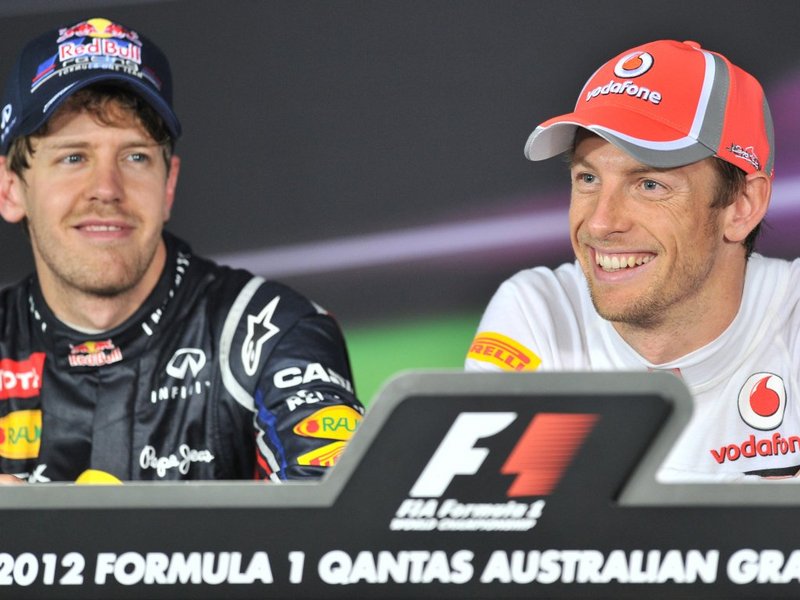
The Australian Grand Prix was held in Melbourne on the weekend, and before the event there was plenty of buzz in the media around German Sebastian Vettel, and British Jenson Button. These glamorous visitors from Europe always get a lot of attention, for both are handsome and charming; Vettel amusing and slightly mysterious, Button affable and quietly confident. In the end, Button opened the F1 season with a victory, winning comfortably against Vettel with a 2.2 second margin. It is his third Australian Grand Prix victory. (Picture has Vettel on the left in black).

I thought we’d take a look at the names of both these Formula One champions, because Sebastian and Jenson are Googled often to reach my blog, and so far I haven’t added any requested boys names to the Featured Names list, while I’ve been quite conscientious about adding the girls.

Sebastian is from the Latin name Sebastianus, which means “from Sebaste”. There were several places called Sebaste, because it is the Greek form of Augusta, named in honour of the Emperor Augustus. His adopted name meant “great, majestic, venerable”. There are towns in modern-day Turkey and Palestine with this name (or a version of it), still with ancient Roman ruins which can be visited.

The name became well known because of Saint Sebastian, a 3rd century Roman soldier originally from southern France. Skilled at converting people, according to legend he was shot through with arrows, yet did not die, so had to be martyred twice. He became popular in the Middle Ages because he was said to protect people from the plague, and also began to be depicted as a beautiful, semi-nude young man. (In early pictures, he looks like an ordinary bearded fully-clothed saint).

The name was popular amongst Continental royalty and nobility, and still retains a slightly upper-class image. Sebastian is Viola’s twin brother in Shakespeare’s gender-switching romantic comedy, Twelfth Night. Lord Sebastian Flyte is one of the main characters in Evelyn Waugh’s novel, Brideshead Revisited; beautiful and rather fey, the TV series and film makes it clear Sebastian is homosexual, although this is left ambiguous in the novel. Indeed, Saint Sebastian himself is considered a gay icon (for pretty flimsy reasons), and the name was a code for homosexuality; Oscar Wilde’s pseudonym was Sebastian Melmoth. So far, so androgynous.

However, the name got a watery overhaul when the name Sebastian was given to a Jamaican lobster in the Disney film, The Little Mermaid. Sebastian is a court composer, and a good friend and adviser to Ariel, the mermaid of the title. A Rastafarian who can lay down a reggae beat, he has given the name a new level of cool. The choice of his name seems like a deliberate reference to another famous composer: Johann Sebastian Bach. Incidentally, Sebastian is the lobster’s surname – his first name is Horatio (maybe after the American composer, Horatio Parker).

Sebastian first entered the charts in the 1960s and began steadily climbing, to become Top 100 by the 2000s. At #38 it still seems to be gaining in popularity – an elegant name that belongs to many people’s favourite Disney character.

Jenson is a lot more straightforward. It’s a surname which is basically a form of Johnson, being based on the name Jens, a short form of Johannes. According to Lou at Mer de Noms (rather a Jenson Button fan), the name Jenson has edged itself into the UK Top 100, and its growing popularity can be attributed almost solely to Mr Button himself. As to how he got his name, he was named after a family friend, Erling Jensen (father of F1 driver Steven Jensen). The spelling was altered so that it didn’t reference Jensen Motors, who made British sports cars until the 1970s.

It’s an attractive name, and one I think we’d be using in spades if Jenson Button was Australian. As it is, it’s one many parents are at least putting on their lists, although my personal feeling is that Jensen is slightly more popular, thanks to handsome American actor Jensen Ackles, from Supernatural. As I’ve said before, with female Jennifer become less popular, it gives male names starting with Jen- more of a chance.

When I try to decide which name I like best, Sebastian or Jenson, I find myself in private debate. If I take the side of Sebastian, it seems more sophisticated than Jenson, complex and multi-syllabled, romantic and princely. On the other hand, if I take the side of Jenson, it seems more laddish and chipper, down-to-earth and unpretentious, with oodles of cheeky British charm.

So I am content to say these are both very nice names, and I won’t force them to compete against each other in some Baby Name Grand Prix. When it comes to nicknames for them, I think of Seb and Bastian, and Jens and Sonny, respectively.

Saturday Sibset: The Family From the Emerald Isle

17 Saturday Mar 2012

Posted by A.O. in Sibsets in the News

≈ 5 Comments

Tags

classic names, fictional namesakes, Gaelic names, Irish names, locational names, mythological names, name history, name meaning, popular names, popularity in Ireland, saints names, sibsets

It’s Saint Patrick’s Day today, so of course this week’s sibset is from Ireland. The Hoban family moved to Australia in 2005 from the town of Wicklow, south of Dublin.

After selling their family business, Mr and Mrs Hoban wanted to show their four sons the world, so they went to Adelaide as temporary residents, where Mrs Hoban got a job as a nurse. However, life in Adelaide must have been good to them, because they decided to make it their permanent home.

They wanted to become citizens in 2007, but missed the cut-off by three days, after the law changed so that residents had to be living here for four years instead of two. Their fourth anniversary came up in October 2011, but they decided to delay just a bit further so that they could become citizens on Australia Day this year.

Mr Hoban says that leaving behind their friends, family and jobs was a “huge deal”, but now every time they leave Adelaide and come back, he is so happy he could “kiss the ground”. The youngest Hoban children have spent more than half their lives in Australia, and it means more to them than their country of birth.

Australia has a great fondness for Irish names, so we’ll have a look at the Hobans and see whether they have names already familiar here.

Kevin: Kevin is the father of the family, and as we well know, his name is considered a classic here, and still used fairly often. Luckily he didn’t migrate to Germany or one of the many other nations who don’t view Kevin kindly.

Tona: Tona is Kevin’s wife, and her name is usually taken to be a pet form of the name Antonia. However, there is a Scandinavian name Tona, meaning “fresh thunder”. Although Wicklow is said to have been settled by Vikings, the first one is probably more likely. It’s very similar to names such as Toni and Tonia.

Darragh (20): There are two possible sources for this name, pronounced DAH-rah, although in an Australian accent, I suspect it comes out as DARR-uh. One is that it’s a variant of the name Dara, which means “oak tree”. It is the same source as the name of the city of Derry or Londonderry in Northern Ireland. Oak trees were sacred in Celtic mythology, and there was a sixth century Saint MacDara (son of Dara), who was one of those reclusive island-dwelling hermit saints who flourished in Ireland. He has given his name to the tiny islet off the coast of Connemara on which he sequestered himself. Darragh can also be an Anglicised form of the name Dáire, meaning both “fruitful, fertile, rutting” and “tumult, rage, violence”. There are many kings and heroes of Irish legend with this name, and they may all go back ultimately to a god of the Otherworld. Despite its ancient origins, Darragh came into general use in Ireland fairly recently, so most of us wouldn’t have heard of it yet, although it is currently #16 in Ireland. However, it’s a wonderful name, extremely masculine, and one which I think Australians could easily embrace. It sounds comfortingly like that Aussie standard, Darren, and has also been Latinised as Darius.

Ryan (18): This name is very popular in both Ireland and Australia, although more popular in its country of origin, being #6 at present, while it’s #57 in South Australia.

Cian (14): This means “ancient” in Gaelic, and is pronounced KEE-an or KEEN. It’s another name from Irish legend, and is also recorded as the name of a Welsh poet. Cian is #14 in Ireland, and although it isn’t as popular here, it’s fairly well known and in use. There are also several variants and derivatives used, such as Kian, Keene, Keane, Keenan and so on.

Evin (12): This is the Anglicised form of the Gaelic name Éimhín, which may mean “swift”. There is a sixth century Saint Éimhín, who was from Munster, but a monk at an abbey in County Wexford. He is said to have written a biography of Saint Patrick, which makes it a great name for St Patrick’s Day. Evin is rare in both Ireland and Australia, although the name can also be Anglicised to its soundalike, Evan, and this name is #27 in Ireland and #95 in South Australia. Evin also has his dad’s name, minus the K – perhaps deliberate?

So out of six genuine Irish names, one is a classic, one is popular, one is in use, and the other three have a familiar sound to them and seem very usable.

Famous Name: Kylie

07 Wednesday Mar 2012

Posted by A.O. in Famous Names

≈ 12 Comments

Tags

Australian Aboriginal names, famous namesakes, fictional namesakes, Irish names, name history, name meaning, name popularity, name trends

Last weekend was the annual Sydney Mardi Gras Gay and Lesbian Street Parade, which for several years now has been held on the first Saturday in March. The parade is the culmination of a gay and lesbian festival, and combines political protest with a celebration of gay cultures and lifestyles, then ends with one enormous shindig that proves nobody can party like Sydney.

Recently-out Magda Szubanski was in attendance, looking pleased and slightly nervous, and the guest of honour at the post-parade Mardi Gras Party was pop diva Kylie Minogue, who last appeared at Mardi Gras fourteen years ago. Kylie waived her $16 000 appearance fee and performed for free.

Kylie began her career as a child actor, failed to join the Young Talent Time cast, as her sister Dannii did, then shot to fame playing teenage mechanic Charlene Edna Mitchell on soap opera Neighbours. Her wedding to Scott Robinson, played by Jason Donovan, attracted 20 million viewers in the UK. This was enough to take her to Britain to begin her career as a pop singer.

At first she was treated scornfully by the critics, and disdainfully labelled “the singing budgie” for being small and chirpy. However, she has become one of the British pop industry’s great survivors – constantly re-inventing her image to become a sex symbol, and from early on appreciatively embraced by the gay community as one of their icons.

She has overcome breast cancer, and at the age of 43, is regarded as Britain’s most powerful celebrity, and been named one of the 100 Hottest Women of All Time. She currently lives in London’s once fashionable Chelsea.

According to baby name books, the name Kylie means “boomerang” in an Aboriginal language, and if you are prepared to dig a little deeper, we are told that the word kylie comes from the Nyungar language from south-west Western Australia, and there are place names ending with -kylee to indicate that (for example, that a river is shaped like a boomerang).

However, a rival theory is that kylie refers not to a boomerang, but to the hunting stick, which isn’t curved and doesn’t come back, being used to bring down prey. I have certainly seen these hunting sticks being identified as kylies in texts over a century old, so this idea is hardly a new one.

Unfortunately for both these theories, when I consulted a Nyungar dictionary, the word kylie isn’t in it. A boomerang is called a kirli (KEER-lee), and a throwing stick is called a dowak. It would seem that kylie was a non-Indigenous slight corruption of the word kirli, which is very similar to the word for boomerang in the Walpiri language of Central Australia – karli.

I’m not sure how settlers confused dowak for kylie though; perhaps they misunderstood what the Aborigines were telling them, or lacked the cultural context to see that a boomerang and a throwing stick were two different tools.

It’s easier to understand why Australians of British descent latched onto it as a personal name in the 1950s and ’60s. It fit in so well with the trend for similar-sounding names of Irish origin, such as Kerry and Kelly that were also growing in popularity – a trend that is still going strong, as names such as Keeley, Keira, Kirra and Kirrily attest. Kylie just had that familiar “Australian sound”. It also seems to have increased the popularity of the male name Kyle.

The name Kylie first hit the charts in the 1950s, was Top 100 by the 1960s when Kylie Minogue was born, and peaked in the 1970s as the #2 name of that decade. By the 1990s it had left the Top 100, and in the last year or two has left the charts altogether.

The plummeting popularity of the name Kylie in the 1990s must surely owe something to comedienne Mary-Anne Fahey’s iconic character Kylie Mole from The Comedy Company sketch show. This befreckled, hoydenish schoolgirl, stuck in the permanent bad mood of adolescence, not only popularised the word bogan, but her second-best friend Rebecca appeared with her on the show, played by Kylie Minogue. Although she struck a chord with us youngsters, she gave the name Kylie a certain image that parents probably didn’t wish to bestow upon their daughters.

Names Spotted Over the Summer, at Home and Abroad

28 Tuesday Feb 2012

Posted by A.O. in Names Spotted at Home and Abroad

≈ 14 Comments

Tags

Buddhist names, english names, famous namesakes, fictional namesakes, Hindu names, Indian names, Irish names, mythological names, name trends, nicknames, popular culture, popular names, Romani names, Sanskrit names, Tibetan names, virtue names, vocabulary names

Interesting names of babies I spotted in the papers over the summer:

When the popular name lists came out, newspapers also liked to dwell on the less popular names (more coming on that score). One of the babies with an uncommon name was the splendidly Arthurian Lancelot Palmer, from Wagga Wagga in New South Wales. Lancelot is named after his mother’s grandfather, who passed away a few years ago.

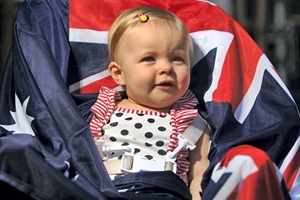
To publicise Australia Day events in Tasmania, The Examiner had a photo of an eight-month-old baby girl named Uma Paech, from Lauceston (pictured). It’s a celebrity name, because of Hollywood actress Uma Thurman, but also shows the growing popularity of names from Asia. Uma Thurman was raised in a Buddhist household, and her father was the first Westerner to become a Tibetan Buddhist monk. Her name is taken from the Tibetan phrase Dbuma Chenpo, meaning “Great Middle Way”; one of the guiding principles of Buddhist practice. (The Db is silent). Uma is also one of the titles of the Hindu goddess Parvati.

In early February, an official report on publicly funded home births was prepared by the Homebirth Advisory Group from the Northern Rivers district of New South Wales. The story interviewed Jade Trapp of Lismore, who gave birth to her son Django at home with a midwife two years ago. This is another name which comes from a famous person. It was the nickname of Belgian jazz guitarist Jean Baptiste Reinhardt, and it is Romani for “I awake”. Although Django died in the 1950s, his gypsy jazz is still hot, and he has been portrayed or alluded to in several films, including The Triplets of Belleville and Martin’s Scorscese’s Hugo. His music has been used for the soundtrack of movies such as The Matrix, Chocolat, Kate and Leopold and Stardust Memories. This is a hyper-hipster name oft suggested on Nameberry, and one with a cheery sound to it.

Meme and Soemyint Theloep are recent refugees from Burma who live in the Illawarra region surrounding the city of Wollongong in New South Wales. This month, they were caught in the floodwaters that flowed into their flat, and Soemyint had to carry his three-week-old daughter to safety in a baby sling. Although their English is still only basic, they knew enough to give their baby an English name – Blessing. What a beautiful tribute to their new home and refuge (despite the occasional flood). It’s a name that makes me smile and smile.

Monica Carduff Gonzalez, professionally known as DJ Monski Mouse, has been playing classic vinyl tracks at events such as the Edinburgh Fringe Festival for ten years now. She is now starting up an event called Baby Disco Dance Hall, which plays funky tunes suitable for the under-five crowd. Monica’s own daughter is named Monalisa (didn’t you just somehow guess her baby wouldn’t be named Emily or Mia?). Apart from the famous painting by da Vinci, Mona Lisa is also an award-winning Nat King Cole song, and it was playing while Monica and her husband, magician Tony Roberts, were choosing baby names; the new baby smiled, and they took that as her seal of approval. I love this cool name and the story attached to it (which I got off her website).

And an interesting name attached to an adult:

I read a short article on parenting about the myths of motherhood. It’s good advice telling us not to worry so much about being perfect. What interested me more was the author’s name, which was Benison O’Reilly. Her name is a vocabulary word which means “blessing, benediction”. According to her website, it’s a favourite name amongst the O’Reilly family. I think it’s a great name and obviously has a very positive meaning.

Names of babies encountered over the summer in real life:

Annabel: the original form looks crisp, classic and very English after so many Frenchified Annabelles.

Cael: I always thought this Irish name was said like the word keel, but Cael’s family say his name like the word kale.

Lacey: I feel as if the long-term popularity of Lucy is helping the rise of pretty Lacey.

Purity: this name reminded me of purity rings, but her name was chosen with the idea of purity in the sense of “pure and natural, uncontaminated by the artificial”. Purely herself!

Zeke: not short for Ezekiel, just plain Zeke. Very cowboy.

Names of new babies welcomed by people I know (family/friends/colleagues/neighbours etc) over the summer:

Bethany

Brock

Eleanor

Finn

Isla

Laila

Leilani

Stella

According to a new article Abby has at Appellation Mountain, the baby names chosen by the people around you will likely tend to be similar, and also not unlike the names you are apt to choose yourself (leading to much angst and accusations of name stealing and so forth – see Lou at Mer de Noms, as to whether to “call dibs” or not).

I think some of these names do “go together”, as in I can imagine Finn and Isla as siblings, and also Eleanor and Stella. There’s a strong L sound in all of them except Bethany, Brock and Finn, who thus also seem to be matched. Laila and Leilani are particularly similar.

← Older posts
Newer posts →

Enter your email address to follow this blog

Categories

Archives

Recent Comments

A.O.'s avatarwaltzingmorethanmati… on Zarah Zaynab and Wolfgang…
Madelyn's avatarMadelyn on Zarah Zaynab and Wolfgang…
JD's avatardrperegrine on Can Phoebe Complete This …
A.O.'s avatarwaltzingmorethanmati… on Rua and Rhoa
redrover23's avatarredrover23 on Rua and Rhoa

Blogroll

  • Appellation Mountain
  • Baby Name Pondering
  • Babynamelover's Blog
  • British Baby Names
  • Clare's Name News
  • For Real Baby Names
  • Geek Baby Names
  • Name Candy
  • Nameberry
  • Nancy's Baby Names
  • Ren's Baby Name Blog
  • Sancta Nomina
  • Swistle: Baby Names
  • The Art of Naming
  • The Baby Name Wizard
  • The Beauty of Names
  • Tulip By Any Name

RSS Feed

  • RSS - Posts

RSS Posts

  • Celebrity Baby News: Melanie Vallejo and Matt Kingston
  • Names from the TV Show “Cleverman”
  • Can Phoebe Complete This Sibset?
  • Zarah Zaynab and Wolfgang Winter
  • Baby, How Did You Get That Name?
  • Celebrity Baby News: Media Babies
  • Celebrity Baby News: Adelaide Crows Babies
  • Celebrity Baby News: Chris and Rebecca Judd
  • Names at Work: Name News From the World of Business and Employment
  • Celebrity Baby News: Sporting Round Up

Currently Popular

  • Rare Boys Names From the 1950s
  • Celebrity Baby News: Toby Allen and Darren Weller
  • Celebrity Baby News: Bernard Fanning and Andrea Moreno
  • Celebrity Baby News: Ed Husic and Bridget Tilley
  • Why Your Child Will Hate Their Name

Tags

celebrity baby names celebrity sibsets english names famous namesakes fictional namesakes honouring locational names middle names name combinations name history name meaning name popularity name trends nicknames popular names saints names sibsets surname names twin sets unisex names

Create a free website or blog at WordPress.com.

Privacy & Cookies: This site uses cookies. By continuing to use this website, you agree to their use.
To find out more, including how to control cookies, see here: Cookie Policy
  • Subscribe Subscribed
    • Waltzing More Than Matilda
    • Join 517 other subscribers
    • Already have a WordPress.com account? Log in now.
    • Waltzing More Than Matilda
    • Subscribe Subscribed
    • Sign up
    • Log in
    • Report this content
    • View site in Reader
    • Manage subscriptions
    • Collapse this bar
 

Loading Comments...