• About
  • Best Baby Names
  • Celebrity Baby Names
  • Celebrity Baby Names – Current
  • Celebrity Baby Names – Past
  • Featured Boys Names
  • Featured Girls Names
  • Featured Unisex Names
  • Links to Name Data
  • Waltzing on the Web

Waltzing More Than Matilda

~ Names with an Australian Bias of Democratic Temper

Waltzing More Than Matilda

Tag Archives: US name trends

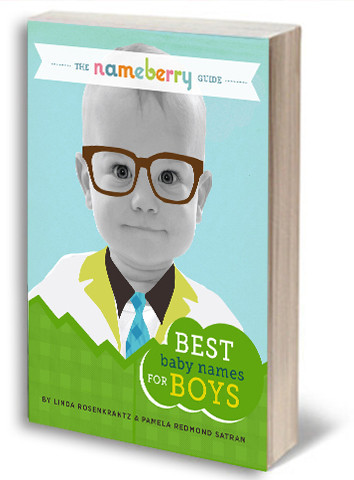
The Nameberry Guide to the Best Baby Names for Boys

07 Monday Oct 2013

Posted by A.O. in Name Resources

≈ 2 Comments

Tags

Amazon, baby name books, classic names, Google, Linda Rosenkrantz, modern classics, name forums, Nameberry, Pamela Redmond Satran, rare names, US name trends, vocabulary names

boybooktaller_grande

Look on parenting sites and name forums, and one of the most common complaints is, We can’t come up with any good names for boys. People even Google, Help – I have no boys names!, to reach this blog.

Enter this handy little e-book. There are nearly 20 000 boys names on the Nameberry database, and Linda Rosenkrantz and Pamela Redmond Satran have selected 600 that they consider the most appealing and usable – the best of boys names.

There are classic names like Henry and Thomas, modern classics like Liam and Benjamin, fashionable names like Cade and Jagger, hip names like Rufus and Barnaby, traditional names like Edmund and Solomon, and less common names, like Abraxas and Poe – not to mention plenty of names from non-Anglophone countries, like Stellan and Alonzo, and vocabulary names like Justice and Wolf.

That’s a pretty wide of selection of names – this isn’t one of those books which says there’s only one kind of name that’s good to choose for your son. I would say the majority of names are ones which are not popular, but not unusual either; but if you want popular or unusual, there’s plenty to choose from.

Entries give the meaning of the name, and note famous people with the name, as well as fictional namesakes. They also describes the style of the name, and how it fits in with current trends.

The book does mention how popular each name is internationally, but the trends are from a US perspective, and sometimes they don’t gel with what is fashionable or interesting here. However, most of the information would be helpful to Australian parents.

Each name is hyperlinked to the Nameberry database, and by clicking on the heading for that name, you will be taken to the Nameberry website, to receive more information about the name, and see if the name has been covered in blog entries or forum posts.

This e-book is available from the Nameberry store in several different formats, and if you would like a print version, it can be obtained from Amazon.

Popular Here, There and Everywhere: International Name Trends

17 Tuesday Sep 2013

Posted by A.O. in Name Data

≈ 9 Comments

Tags

name popularity, name trends, popular names, UK name popularity, UK name trends, US name popularity, US name trends

The Most International Popular Names

These names are all within ten places of each other on the Top 100s of Australia, England/Wales, and the United States, and should be equally familiar in all countries.

Boys

Ethan, James, Joshua, William

Girls

Ava, Ella, Emily, Isabella, Layla, Mia, Olivia

James and Olivia are the most international popular names, being no more than 2 places apart between any two countries.

You Saw it Here First

These are names which are already popular in Australia, but still rising toward the Top 100 in England/Wales and the United States.

Boys

Archer, Beau, Braxton, Jasper

Girls

Mila, Olive

Archer and Olive are the Australian popular names furthest ahead of international trends.

(The freshest names from the UK are Theodore and Elsie, and the freshest trends from the US are Jeremiah and Josiah – no popular American girls names were ahead of the trends).

Never Gonna Give You Up

These are names which have already left the Top 100 in the UK and US, but still remain popular in Australia.

Boys

Ashton, Hayden, Marcus, Mitchell, Patrick

Girls

Chelsea, Jade

Mitchell and Chelsea are the Australian popular names most behind international trends.

(The stalest names in the UK are Kyle and Bethany, while in the US, Gavin and Kylie are furthest past their used-by date).

Australia was the furthest ahead of international trends, and the USA most behind international trends – surely an indication of our different population sizes.

The Least International Popular Names

These names are common in one country, but rarely used in the others.

Most Australian Name: Darcy for a boy – it is considered feminine in the UK and US

Most British Name: Mackenzie for a boy – it is considered feminine in Australia and the US

Most American Names: Easton (boy) and Genesis (girl)

Interview with Brooke from Baby Name Pondering

12 Sunday May 2013

Posted by A.O. in Blog Reviews

≈ 3 Comments

Tags

Australian name trends, baby name blogs, Baby Name Pondering, choosing baby names, colour names, fictional namesakes, Greek names, Halloween names, name combinations, Nameberry, names from movies, names from television, popular names, To Kill a Mockingbird, UK name trends, US name trends, user names, vocabulary names, Women's Day, Yahoo Answers

cool-baby-thinkingBrooke is a fellow Aussie name blogger, and she has a fantastic name blog called Baby Name Pondering. Here she ponders all manner of baby names, and specialises in names that are a bit different. Brooke finds name inspiration all over the place, especially in popular culture, so she covers names from your favourite TV shows, such as Khaleesi, and favourite movies, such as Argo. However, there are also popular favourites, such as Charlotte and Hunter. There are also specifically Australian names, such as Tempany. I highly recommend this blog to name nerds and anyone drawn to imaginative baby names.

What is your name?

Brooke Olivia

Have you ever wished you had a different name?

When I was younger, I sometimes wished my first name was more “exotic”, which  simply meant more than one syllable! I remember thinking at one point I’d like to change my name to Bianca. Somehow I felt that if I had a different name it should still start with B :). I’m very happy with my name now though.

What was the inspiration behind your user name Blue Juniper?

I read a book in my early teens where the main character was named Juniper, and I fell in love with it. I’d often have it as a user name online, and one day when Juniper wasn’t available, I put my favourite colour in front and that wasn’t taken. It felt right so it kind of stuck. I used it on Nameberry, and when I started a name blog I figured that’s how other Nameberries would recognise me.

When did you first begin getting interested in names?

It was around the age of ten. I found a pull-out booklet of names in one of my Grandma’s Woman’s Day magazines. After years of not being able to find any personalised products with Brooke on it, this booklet had both Brooke and Olivia! It also had cool names I’d never heard before, like Xanthe. I was hooked.

What inspired you to begin a name blog?

I spent a fair bit of time on Nameberry forums and Yahoo Answers, but the nature of those is that you’re either giving a quick answer on a name someone else likes, or asking for feedback. And I like names – especially different ones – so much that I  I felt I had more to say. I was encouraged by some of the other great blogs out there and thought to myself I could do that. The blog name sums up what my blog is about – names that inspire me and get me pondering.

Do you have a favourite blog entry on Baby Name Pondering?

I really like the series of Halloween posts I did last October – I wanted to profile some names that hadn’t been included on other Halloween lists. I also like my recent post on ’80s fantasy movie names. I grew up with those movies and still think that a lot of those names are really cool.

What differences do you see between Australian name trends and those overseas?

When you look at the top ten in each country you can see some definite similarities, but also some differences. I think we’re probably a little closer to the UK in that our tastes are slightly more conservative than the US. In the US there are a lot more variations in names, which I think is due to their larger population. With more people, there is perhaps more of a need to differentiate your child’s name, to make it stand out or feel more individual. It’s easier to stand out here where there are fewer people and the population is more widely spread.

Do you have a pet naming peeve?

Mangling name spelling. I understand a small tweak to differentiate a name, or make it easier to spell or pronounce, but I hate it when a name is twisted so much that you have to stop and think before you can tell what it was originally meant to be. It just looks ugly and is unnecessary. Recent examples I’ve seen include Jayceon (Jason), Zy’Cari (Zachary), Khynedi (Kennedy), Mattelyn (Madeline), and Kharmyn (Carmen). Changes should enhance a name, not detract from it.

What are some of your favourite names?

If I had to name my style I’d say eccentric preppy. Some of my girl favourites include Saffron, Sage, Imogen, Sutton, Rissa, Bay, Petra, Adria and Tamsin. My boys list includes Bram, Lorcan, Caspian, Dresden, Zared and Theon.

What names do you dislike?

Nevaeh. I get it, but I’m not a fan of how it looks or sounds. And I feel like people use it because they think it makes them look clever, which is one of my problems with so-called “kre8tiv” names. I also have to admit that I don’t get Atticus, which is a name enthusiast favourite at the moment. But I suspect that’s because I haven’t read To Kill a Mockingbird yet. One of my goals this year is to read it so I can see what everyone else sees.

Are there any names you love, but could never use?

I recently fell in love with Cassia, but I have serious doubts it would work with our surname, which is very similar to Cousins.

One of my guilty pleasure names is Winchester because I’m a big fan of the TV show Supernatural and I think it sounds cool, but don’t think I can bring myself to give a child a name so closely associated with a type of gun.

I also love Eddard, but our best friend’s and one of my cousin’s sons are called Edward, so it’s too similar for my liking.

What are your favourite names in the Victorian Top 100?

Imogen (#48) and Declan (#74).

What are your favourite names that have never charted in Australia?

Rissa and Caspian.

Do you have names picked out for your future children?

No, but I have a nice long list of ideas!

If you found out you were pregnant right now, what names would you think about using for the baby?

I like the idea of using all nature related names, as my husband and I both have first and middle names with nature related meanings.

Have you and your husband ever disagreed over baby names?

We’re not too bad, although I did have a few ideas that he vetoed due to people he knew that he didn’t like. He also used to joke about wanting to name a boy Agamemnon, after the Greek Commander in the Trojan war, which I feel is a bit of a heavy name! If I ask him which names he likes, he’ll just pluck some random name out of the air that he knows I won’t like to tease me. But since I started the blog he’s noticing names more, so if he sees a name he likes enough to mention, and I like it too, I add it to the list. When the time comes I’ll probably just hand him the list and we’ll negotiate a top pick.

What is something we don’t know about you?

My latest decorating obsession has been wall clocks. I have a feature wall in our living room with just clocks. So far there’s only (?) seven of them, but I’m often looking for interesting ones to add to the collection. But no cuckoo clocks as I think that would drive me a little batty!

What advice would you give to someone who was choosing a baby name?

Remember that the most important people who have a stake in the name are the parents and the child. Sure, it can be a good idea to get feedback from friends or family, but ultimately as long as the parents like it, and they feel that it won’t be a burden on the child, it’s probably a good choice.

It’s a good idea to do some research. And if, after you’ve looked through multiple name books (or blogs), you still have your heart set on your childhood favourite, then that’s fine. It’s okay to take all nine months of the pregnancy to be sure it’s a name that will work for a lifetime. And if popularity matters to you, check the top name charts!

Is the Name Wren Strictly for the Birds?

11 Saturday May 2013

Posted by A.O. in Naming Assistance

≈ 6 Comments

Tags

animal names, bird names, celebrity baby names, celebrity sibsets, choosing baby names, classic names, famous namesakes, Greek names, honouring, middle names, Nameberry, names from television, nature names, rare names, royal names, sibsets, surname names, unisex names, US name data, US name popularity, US name trends

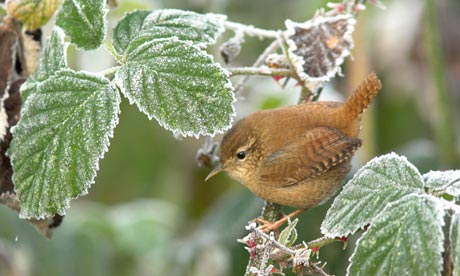
Country Diary : Wren in frosted bramble bushHannah and James live in the United States, and they are expecting their third son in about a month’s time. He will be a younger brother to William and Griffin, and his middle name will be Michael, which is a family name. Hannah and James’ surname begins with M and ends with L eg Maxwell.

Hannah and James’ Name List

  • Wren – they really like this name, but worry it may be too different or perceived as feminine, although everything they’ve read said it is a boy’s name
  • Crosby – they keep changing their minds on this one, and going back and forth
  • Cannon
  • Gates
  • Henry
  • Oliver
  • River

Less Usable

  • Kenson – a family name, but James isn’t thrilled by it
  • Miller – love it, but Miller Michael Maxwell is just a little too much

Hannah and James want a name which sounds good with William and Griffin and doesn’t start with M. They like classic and original names, and don’t want anything trendy or with variant spelling. They aren’t concerned about popularity if the name is a classic.

~ ~ ~ ~ ~ ~ ~ ~ ~ ~

I have a disclaimer on my site saying if you’re from overseas I may not have a good grasp of name trends from your country, and some of the names on your name list are ones which are not often used in Australia, or even recognised as first names. However, I also promised to do my best, in the very Australian tradition of “having a go”.

YOUR NAME LIST

Wren

I’m sure this is a unisex name rather than a boy’s name, and according to the 2012 data from the US, it’s more commonly given to girls in America – 263 girls were called Wren or Wrenn, compared to 29 boys. That suggests that many people probably would perceive it as feminine, and it rose for girls and sank slightly for boys last year, so it’s becoming increasingly feminine by usage.

I really like this name as well (for either sex), but I don’t happen to love it for you. To me it sounds slightly odd with your surname, and is rather a clash with William and Griffin, especially Griffin. Both griffins and wrens are winged creatures, but of such wildly different types that they seem strange as a sibset – like two sisters named Lotus and Thistle.

Crosby

This name has recently joined the US Top 1000 and rose 77 places last year. It’s known from a character on popular TV show, Parenthood. I quite like it; I think it goes well with William and Griffin while sounding quite distinctive. However, you did say you didn’t want a trendy name, and a name that’s suddenly jumped onto the Top 1000 after appearing in a TV show and then risen almost a hundred places does seem pretty trendy to me. Maybe this is the reason why you keep changing your minds?

Cannon

This name is around the #500 mark on the US popularity charts. According to Nameberry, this is also a trendy name, as it had a big jump in popularity after Larry King chose this for his son. Although it didn’t rise last year, you might want to be careful with this one too.

Gates

This name is very rare in the US, given to just 10 boys last year, but it is on trend (not trendy) in the American South. I must say, a William and a Gates in one family seems like some weird tribute to Microsoft.

Henry

I think this name is great – a handsome classic name which goes perfectly with William and Griffin, and sounds awesome with your surname. I don’t know if this is an issue for you, but Prince William and Prince Henry of England are famous brothers with these names. At least this sibset has been royally road-tested.

Oliver

A fantastic choice – perfect match with surname, middle name and siblings, and very stylish, while still having that down-to-earth feel that William and Griffin do. I’d be hard-pressed to pick between Henry and Oliver, they both seem exactly right.

River

Like Wren, this is another unisex nature name, and it seems like a better fit for your family. I think it’s really handsome, and would make an excellent choice.

OTHER NAMES YOU MIGHT LIKE

Alexander

A classic like Henry and Oliver which is in the Top 10 like William and with Greek connotations like Griffin. This seems like a great match with both brothers.

Beck

This short simple nature name reminds me of Wren, and means “brook”, which is rather like River. According to US data, it is underused, and only given to boys.

Corbin

It means “raven”, so it’s another bird-related name, like Wren, but this is a very old name that’s almost entirely masculine. I like how it sounds with your two boys.

Frederick

Another classic name, but this one is in the lower half of the Top 1000. It has Henry’s royal background, but something of Oliver’s European style.

Gage

This surname name has a vaguely military feel, like Cannon, and sounds similar to Gates. I think it seems very cool and masculine with your surname.

Oscar

This has the slight “growly” sound of Crosby, and like Crosby, it goes well with William and Griffin while allowing each name to seem quite distinct from each other.

Rowan

A unisex nature name which sounds a bit like Wren, with a similar level of popularity to River. I like it with William and Griffin.

This blog consultation took me right out of my comfort zone, and I’m not sure if I was able to give you any real help, because of my deep unfamiliarity with some American-style names. However, from your list, my choices would be Henry, Oliver and River, and from my suggestions, I confess to finding Beck very appealing and usable.

Please write back in if you need more help with narrowing down your name list, and remember to let us know what name you eventually choose.

Note on the title: For the uninitiated, bird is British slang for woman

NOTE: The baby’s name was Henry Michael!

POLL RESULTS: Almost half of respondents voted for Wren being a girl’s name, with Oliver being the preferred name choice, gaining more than 20% of the vote. Henry came a very close second.

(Photo of wren from The Guardian)

The Top 50 Girls and Boys Names in Australia for 2012

06 Saturday Apr 2013

Posted by A.O. in Name Data

≈ 6 Comments

Tags

Kidspot, name popularity, popular names, US name trends

This is a national Top 50 which was drawn up by Kidspot parenting website, using data from the birth registries of each state. It doesn’t include the Northern Territory and the Australian Capital Territory.

Interestingly, the data shows that more girls than boys received a popular name in Australia, while I am told that in the United States boys are more likely to be given a popular name than their female counterparts.

GIRLS

  1. Charlotte 1839
  2. Ruby 1787
  3. Olivia 1655
  4. Chloe 1618
  5. Sophie 1593
  6. Emily 1583
  7. Mia 1546
  8. Amelia 1541
  9. Ava 1475
  10. Isabella 1427
  11. Ella 1396
  12. Grace 1304
  13. Sienna 1249
  14. Lily 1222
  15. Zoe 1053
  16. Sophia 1024
  17. Emma 880
  18. Isla 865
  19. Hannah 554
  20. Lucy 778
  21. Matilda 736
  22. Ivy 688
  23. Evie 669
  24. Eva 655
  25. Scarlett 614
  26. Abigail 610
  27. Maddison 570
  28. Madison 564
  29. Summer 551
  30. Lilly 545
  31. Chelsea 532
  32. Zara 499
  33. Jessica 494
  34. Isabelle 489
  35. Savannah 471
  36. Jasmine 469
  37. Georgia 459
  38. Layla 453
  39. Harper 432
  40. Sarah 422
  41. Alexis 395
  42. Stella 373
  43. Alice 364
  44. Willow 357
  45. Imogen 345
  46. Mackenzie 342
  47. Elizabeth 333
  48. Holly 332
  49. Annabelle 326
  50. Audrey 317

BOYS

  1. Jack 1388
  2. William 1264
  3. Noah 1159
  4. Ethan 1158
  5. Oliver 1126
  6. Thomas 1039
  7. Cooper 1019
  8. James 1004
  9. Lucas 968
  10. Lachlan 924
  11. Liam 901
  12. Samuel 836
  13. Jacob 826
  14. Joshua 809
  15. Mason 806
  16. Riley 777
  17. Max 770
  18. Alexander 769
  19. Charlie 742
  20. Xavier 738
  21. Benjamin 711
  22. Harrison 667
  23. Tyler 635
  24. Hunter 607
  25. Ryan 606
  26. Levi 597
  27. Isaac 551
  28. Jackson 543
  29. Blake 528
  30. Harry 471
  31. Braxton 449
  32. Oscar 446
  33. Henry 442
  34. Eli 436
  35. Daniel 395
  36. Jayden 366
  37. Jaxon 344
  38. Logan 344
  39. Jake 324
  40. Sebastian 319
  41. Flynn 316
  42. Patrick 301
  43. Hudson 288
  44. Dylan 264
  45. Mitchell 263
  46. Archie 259
  47. Connor 254
  48. Luke 254
  49. Matthew 248
  50. Aiden 243

MYTH: Australian Baby Names Follow English Trends More Closely Than American Ones

09 Sunday Sep 2012

Posted by A.O. in Baby Name Mythbusters

≈ 7 Comments

Tags

Arabic names, British Baby Names, Gone With The Wind, Greek names, international name trends, Italian names, Legitimate Baby Names, name data, name poopularity, name trends, popular names, Southern names, UK name trends, US name trends, Welsh names

Last time we went mythbusting, we looked at whether Australian names are becoming increasingly Americanised, and didn’t find a lot of evidence. This is the flip side to that myth – the one that comforts us that we are essentially more British in our ways than American, and so are our baby names. That despite an increasing tendency to call our children Jett and Harlow, most of us will trustingly follow dear old Mother England, and choose something like Archie, Evie, Callum or Isla.

Again, this myth sounded quite plausible to me. But we have to look and make sure, so once more I prepared myself to examine the Top 100 from each nation. The first hurdle is that both of us are slightly data-challenged, so I was forced to rely on data from Victoria only (the only state with stats going back to 1929), while the data from the UK would include both England and Wales, but not Scotland or Northern Ireland. I did feel that already the waters were getting slightly muddied, only to find that England/Wales doesn’t publicise historical Top 100s.

I express my heartfelt gratitude to Elea at British Baby Names, who has provided on her blog, through her own labours, Top 100s for England/Wales for each decade from 1904 to 1984. Upon e-mailing her to enquire where I might find the one for 1994, she very kindly sent me a copy of her own personal spreadsheets so I could have that one as well.

Now I acknowledge this leaves me with some flaws in my methodology before even starting. I only had data from one state of Australia; furthermore this state has a reputation of being slightly more “English” than average. I only had data from England/Wales, and only had access to years ending in a 4. As I had already examined the earlier myth using data from the United States in years ending with a 0, it was possible I wasn’t going to be comparing apples to oranges so much as bananas to hedgehogs to timeshare villas in Spain.

However, we won’t get too gloomy, but show a bit of British pluck and press on. No, this won’t be the most statistically persuasive thing you’ll read all year, but we’re not doing a study, not trying to prove anything, just having a keen yet amateurish look around us to see if anything obvious shows up. And after all, if the myth is clearly and inarguably true, then broad trends should be pretty obvious even through a fog of slightly dodgy data.

1934

Boys – 82% the same (17% higher than US)

Girls – 69% the same (18% higher than US)

1954

Boys – 75% the same (16% higher than US) – down 7% overall, down 1% relative to US

Girls – 68% the same (21% higher than US) – down 1% overall, up 3% relative to US

1974

Boys – 72% the same (16% higher than US) – down 3% overall, no change relative to US

Girls – 62% the same (11% higher than US) – down 6% overall, down 10% relative to US

1994

Boys – 67% the same (11% higher than US) – down 10% overall, down 3% relative to US

Girls – 61% the same (5% higher than US) – down 1% overall, down 6% relative to US

2011

Boys – 63% the same (4% higher than US) – down 4% overall, down 7% relative to US

Girls – 63% the same (16% higher than US) – up 2% overall, up 11% relative to US

Based on these numbers, I would say that’s a MYTH CONFIRMED – at no time in history did the the amount of popular names shared with the US overtake the amount of popular names shared with England/Wales.

However, you can clearly see that while the number of shared girls names went down only very slightly between 1934 and 2011, the number of shared boys names sunk by almost 20%. In fact, yes, we still share more boys names with England/Wales than with the United States, but only by 4% – four names! Statistically, that’s what I call a big-whooping-deal difference, and if this trend continues, future Australian boy’s names are going to look much more like those in the US than the Top 100 for England/Wales.

Girl’s name did not show this steady decline, and in fact last year had a slight increase since the 1990s, while also showing a significant gain relative to the US data. This makes me think that when we say that our names are more English than American, we are primarily thinking of our names for girls.

GENTLE MUSINGS

Last time I ended the article with “conclusions”; this now seems far too definite and perhaps arrogant considering that we are left with far more questions than answers. So I will not reach any conclusions, but merely gently muse on some of the issues that have been raised.

Questions

  • Many names are shared by the Top 100s of all three countries. Therefore, can you really label names such as Olivia, Jacob, Ella and Liam as “English” or “American”, or are they more properly “international trends”?
  • If determined to designate a name as “English” or “American”, do you rely upon the place which provided the cultural impetus for the name, or the place where it became popular first, or the place where it reached the highest levels of popularity? If the first, then many popular names could be classed as American; if the second or third, a large number would be classed as Australian more than anything else.
  • I used the example of Scarlett as an “American-style” name in the preceding article (I admit without much forethought), and Sebastiane from Legitimate Baby Names quite correctly pointed out that Scarlett was more popular in England than in the United States. Now, it cannot be disputed that Scarlett hails from the United States, because the name became known through Margaret Mitchell’s novel, Gone with the Wind, and was popularised by American actress, Scarlett Johansson. However, the name is #19 in Victoria, #25 in England/Wales, and #80 in the USA. It reached the Top 100 of both Victoria and England/Wales in the same year, 2004, New South Wales in 2005, but only became Top 100 in the USA last year. So which country, if any, claims it?
  • Sometimes my blog entries end up being copied and discussed in some odd places, so my Referrer stats tell me; occasionally they end up somewhere rather disturbing. I found the Mythbuster on Australian and US trends on a not-very-nice forum (not baby name or parenting related), where the poster claimed that supposedly “trashy” American names that were popular in Australia but not the USA (eg Beau) were in fact, not American, but “Southern” names. Did the Civil War not end? I wondered. Is the lower portion of America not part of the United States, but a separate nation? It does raise the issue, what qualifies as an “American” name? Must it be in the Top 100 of every state in the USA to be called American? In which case, I have a feeling that “American” names would end up being those that are popular internationally, like Michael and Emily.

Observations

  • Immigration made a difference between the Top 100s of England/Wales and Victoria. Mohammed and Abdul have been popular names since the 1930s in the UK, while post-war immigration saw names such as Antonio and Ioannis reach the Top 100 in Victoria during the 1970s.
  • Although Australia has a history of being very keen on Welsh-inspired names such as Mervyn and Gweneth, I was amused to notice that not only were these not popular in England/Wales, but they had Welsh names, presumably used by actual Welsh people, which we didn’t, such as Ivor and Glynis.
  • While we all are influenced by each other’s name trends, each country had its names that the others were seemingly oblivious to. The name Gillian seems to be a quintessentially English name, appearing decade after decade on their Top 100, whilst never making the Top 100 in Australia, or the Top 1000 of the US. Meanwhile the US had quite a thing for Melvin – a name which still ranks on their Top 1000. In turn, we had a long-standing fascination with the name Bronwyn.
  • Each country also had their own favourite names. Adrian was a name we took to early – it was Top 100 by the 1930s and stayed there until quite recently. In England/Wales, it took a bit longer to reach the Top 100 and they tired of it sooner. In the US, Adrian only reached the Top 100 in 1989. England/Wales had an inordinate passion for the name Derek, which continued for decades – a name that has never been Top 100 in Australia, and only reached the Top 100 of the USA in 1970, a good half-century after England/Wales. In the US, Douglas seemed to enjoy favour much longer than elsewhere, being still Top 100 as late as the 1980s.
  • In other words, we might all be influenced by international trends, but we also have our own tastes in names, and don’t necessarily abandon a favoured name just because everyone else is doing so.
  • I have noticed that some people, amongst them many Australians I’m sorry to say, assume that a name which becomes popular in England/Wales is somehow more “classy” or “stylish” that one whose popularity originated in the United States or Australia. Granted, whether a name is stylish or not is completely subjective, but I did not feel that this assumption stood up to even casual investigation. From my perusal of popular names from three places across seven decades, it seemed to me that all were capable of being inspired by names that have been considered stylish, and its opposite.
  • For example, the name Isabella became popular in Australia much earlier than elsewhere, and I think most people would say Isabella is a pretty, stylish name. Yet we were also the first (by many years) to jump aboard the Hayden/Aidan/Jayden/Brayden craze. While I don’t consider this the black hole of name taste that others do, I acknowledge it’s not generally thought of as a stylish trend. While England has some lovely aristocratic names on its Top 100s, such as Constance and Daphne, can a land which adored the name Derek really take the title of Stylemeister? America has brought us no end of cool names, from glamourpuss Marilyn to zippy Jett. There’s a freshness and vigour to American name trends which I love, and a world without their names would be a far less interesting one. However, sometimes they’re a trifle overenthusiastic – and besides, Derek was on their Top 100 for 15 years, so they forfeit the style crown too.
  • Oh, and Barry and Sheila? Barry was Top 100 in England/Wales for longer than it was here, and Sheila, although popular in both England/Wales and the United States, didn’t show up in the Australian data, because by the 1930s it had already peaked and dropped off our Top 100. Who’d have thunk it?

MYTH: Australian Baby Names are Becoming Increasingly Influenced by American Trends

01 Sunday Jul 2012

Posted by A.O. in Baby Name Mythbusters

≈ 20 Comments

Tags

Australian names, Biblical names, classic names, created names, famous namesakes, fictional namesakes, flower names, French names, germanic names, Greek names, Irish names, Italian names, Mer de Noms, name data, name popularity, name trends, nicknames, Old English names, popular names, saints names, Scottish names, Spanish names, surname names, unisex names, US name trends, US popularity, Welsh names

Since I last went mythbusting, the 2011 name data from the United States has been released, and this week it’s American Independence Day. To celebrate both events, I decided to compare Australian and US name data. (Lou at Mer de Noms brought out her own comparison of the data for the United States and England/Wales in May, and did something pretty interesting with it.)

That Australians are becoming increasingly Americanised, including their choice of baby names, is something not debated, but accepted as a truism. It is often mourned by older generations that Australians used to call their children good solid Aussie names like Barry and Sheila, and now give them sleek American-style names like Logan and Scarlett.

It’s a myth which sounds very plausible – I certainly know far more children named Logan and Scarlett than I do Barry and Sheila (actually I don’t know any children called Barry or Sheila). But I thought we should try to get some numbers to back the myth up.

So I decided to look at the Top 100 names from both countries, in the years 1930, 1950, 1970, 1990 and 2011. If the number of names shared by both countries went steadily up, that could help support the theory that Australian names were becoming increasingly “American”. By no means conclusive proof, but it would be a start, and frankly I couldn’t think of any other way of doing it.

As I went through calculating the number of shared names, I also took note of those trends at work in Australia and the United States, where they were the same and where they differed. This gave me a picture of changing trends through the years. (The data is from Victoria, because theirs go back to 1929).

1930

MALE – 65% shared with US Top 100

1930 marked the highest percentage of shared names between the countries. This wasn’t because Australians were more “American” in 1930, but because in every year, the common denominator for both countries were classic names like John, Thomas and William, and these sort of names took up more space of both countries’ Top 100.

Trends noticeable on the Australian Top 100 were names from Ireland, Scotland and Wales, such as Kevin, Malcolm and Trevor, and aristocratic English surnames, such as Neville. Americans preferred prominent surnames of their own citizens, such as Elmer and Lee. Popular names from America we didn’t share were “cowboy” names – Wayne, Earl and Jesse. In America, nicknames for boys were all the rage, including Billy, Bob and Jimmie.

FEMALE – 51% shared with US Top 100

Popular girls names in both countries were homespun names such as Margaret and Dorothy, as well as plant names like Hazel and Rose.

Australian trends for girls included names from Ireland and Wales, such as Sheila and Gweneth, saints names such as Carmel and Veronica, and literary inventions like Doreen and Mavis. American trends were for Germanic names such as Emma and Clara, and the clunky Old English Mildred and Bertha. America’s Hispanic population meant that Delores and Juanita were Top 100 there.

1950

MALE – 59% shared with US Top 100 (down 6%)

American trends for boys we had picked up by 1950 include Gary, after Hollywood star Gary Cooper, and that supposed Australian favourite, Bruce, also popular in the US.

America continued its love of nicknames, with Bobby, Joe and Fred all Top 100. Several of the Irish boys names such as Kevin and Barry were now on the US Top 100 as well, but new Irish-style names such as Shane were still to gain American acceptance. Already in the US you can see a reluctance to use “feminine sounding” or unisex names such as Lindsay and Noel, which were Top 100 in Australia. In Australia, that same 1950s gender-anxiety produced the opposite result, with some unisex names like Leslie becoming male-only.

FEMALE – 47% shared with US Top 100 (down 4%)

The most noticeable shared trends for girls were those glamorous Hollywood names such as Marilyn (Monroe) and Rita (Hayworth). Even when Australians did take a name from America, such as Jennifer from Hollywood star Jennifer Jones, it didn’t always follow that Americans would embrace it as rapidly themselves. Jennifer was a 1950s name in Australia, but didn’t peak in the US until the 1970s.

Australian girls were being given French names like Annette and Jeanette, while Americans girls had Jacqueline. Another popular Australian “French” name was Lorraine, given in honour of St Joan of Arc, sometimes called The Maid of Lorraine. The American love of the nickname meant that names such as Judy and Peggy were Top 100 for girls.

1970

MALE – 56% shared with US Top 100 (down 3%)

Popular 1970 names which we think of as “American style” were in evidence on both charts, such as Bradley, Jason, Glenn, Darren and Craig.

Australian boys names not picked up in the US included Scottish-style names such as Ross, Graham, Stuart and Gavin, and the “feminine sounding” Ashley and Jamie. Differing ethnicities also made their mark, with Spanish Carlos in the US Top 100, and Italian and Greek names like Giovanni and Giorgio in the Australian Top 100. American nicknames powered on, with Larry, Terry and Jerry amongst them.

FEMALE – 51% shared with US Top 100 (up 4%, return to 1930 level)

It was the decade of those 1970s names Sharon and Tracey, although Sharon in particular had been popular in America for some time and we’d only just caught up.

Names such as Samantha and Amanda were already popular in Australia in 1970, but would have to wait until the 1980s to make it big in the US. Conversely, Amy was popular in the US, but wouldn’t be here until the 1980s. French Nicole was in vogue in both countries, and we’d caught up with Jacqueline; however Australia also had Danielle, Louise, Justine, Natalie, Simone and Josephine – typical 1970s girls names that were underused in the US. Scottish and Welsh names like Fiona, Megan and Bronwyn were popular here but didn’t get a look-in in the US. We were proudly using names of Australian origin, like Kylie and Narelle; naturally these were unknown in the US.

1990

MALE – 56% shared with US Top 100 (no change)

Trends from the US we were embracing were Old Testament names, such as Jacob and Zachary; and the new surname names, such as Ryan and Mitchell.

A new generation of “too feminine” boys names that were popular in Australia were ignored in the US, such as Shannon, Tristan and Leigh, as were more Scottish, Welsh and Irish-ish names, such as Lachlan, Rhys and Kane. Hayden and Jayden were already Top 100 in Australia, but not in the US. America had finally gone off nickname names, while Australia now had Jack, Jake and Ricky. American names Beau, Jackson and Tyson were popular then, as now, in Australia; of the three, only Jackson has hit the US Top 100 so far.

FEMALE – 56% the same as the US Top 100 (up 5%)

Names that both countries had in common were those typical 1990s names, like Tiffany, Brittany, Kayla and Caitlin.

Americana we were still to discover included unisex names for girls like Ariel, Shelby and Paige. Although the US had Danielle and Natalie by now, French names such as Monique, Elise, Renee and Madeleine which were popular here had apparently failed to make an impression. Although Welsh Caitlin was all the rage, the US were not on board with Tegan and Rhiannon, as we were. Most notably, Emma, Amelia, Charlotte, Sophie, Chloe and Zoe were missing from the US Top 100 – while American parents who chose these names in 1990 were ahead of the trends, in Australia, parents choosing these names in 1990 were just following the trends.

2011

MALE – 59% shared with US Top 100 (up 3%, return to 1950 level)

Congruence in popularity between the two nations has risen to 1950 levels, with many name trends in common, mostly a fresh crop of Biblical names, such as Elijah, and surname names, such as Mason.

American parents are now avoiding a new generation of Scottish names, such as Angus and Hamish, while Irish names like Declan and Flynn are also neglected in the US. Oddly enough, Kevin is still Top 100 in the US, while it’s considered a bit dated here. The scunner against nicknames continues as Americans shun Australian populars Charlie, Harry, Archie, Sam and Nate. No longer merely  shying away from “feminine sounding” names for boys like Bailey and Riley, parents in the US have actually given these names to their daughters in such numbers that they are now Top 100 for girls, while Top 100 for boys here. Several names we have taken from the US, such as Jett, Hudson and Jasper, are still not popular in America.

FEMALE – 47% shared with US Top 100 (down 9%, return to 1950 level)

Girls names have also returned to 1950s levels. Many names are shared because America has caught up with our popular names from 1990, but Australian parents have also begun to use unisex names for girls like Madison and Addison.

America has abandoned many names as “outdated” such as Amy, Jessica, Holly and Amber that have taken on “modern classic” status here. While America has accepted Lily, it is less keen on our popular plant names Daisy, Ivy, Violet, Willow, Olive and Rose. British-style names such as Isla and Imogen cut no mustard in the States. Meanwhile, popular American virtue names like Genesis, Serenity, Trinity, Nevaeh and Destiny do not resonate here. Perhaps they will in the future.

CONCLUSIONS

I did not manage to bust this myth, but neither did I find much evidence to support it, so I will give its status as MYTH UNCONFIRMED.

As I compared popularity charts from the two countries, I realised more and more that it was a case of apples and oranges. Names took longer to gain popularity in the US, and it was harder for them to stay in the Top 100; name popularity was a competitive environment there. Australia has a much smaller population size, which means that name trends show up faster here. We’re also more likely to hold onto our favourite names once we’ve found them, sometimes for generations.

I don’t think it’s an exaggeration to say that American parents are absolutely obsessed with getting ahead of the current trends, and can watch the slowly rising popularity of their chosen names with almost comical anxiety. This makes some sense, because trending names can take so long to reach the Top 100 that they have a good chance of having ten to twenty years before that happens. In Australia, this behaviour makes no sense at all, because as soon as a name begins to show up in the data, it’s basically already quite popular. As we keep names around for longer, there’s no real rush to “catch” a name on the way up either; we can always wait until it’s a cosy, familiar “classic”.

In any given year, Australia and the US will share around half the names on their respective Tops 100s, and this has not changed across time. We share many name trends, and since at least 1950, Australia has been drawn to names from America. Sometimes it took us a long time to get onto a particular trend from America, and other times we took to it with greater enthusiasm than Americans did themselves.

Both countries also have their own styles of naming. Australia has always been fond of Irish-inspired names, and although Barry and Sheila have fallen by the wayside, we now have Finn and Molly. Scottish names continue to be a growth area, with Angus, Hamish, Callum and Isla seeming rather stylish to us. Through the years, there were many names unique to the Australian popularity charts. Names that I thought of as typical of their period, such as Dulcie in 1930, Glenys in 1950, and Jacinta in 1970 seemed to be unknown in the US.

Americans are slow to adopt Irish names, but often touchingly faithful to them, and are wary of Scottish and Welsh names. They have a deep suspicion of unisex names for boys or anything that even sounds remotely feminine, while comfortable with briskly masculine names for girls. Flower names are not popular there; perhaps they seem too girlish even for girls.

Due to going overboard on nicknames in the past, America has developed almost a horror of them, much in the same way I can no longer stomach gingerbread after overindulging on it a few Christmases ago. As nicknames are currently internationally popular, this has seen them unfairly branded as a bit stuffy on the issue, when they’re really just over the whole thing.

We don’t have to try to follow American trends, and in fact a couple of them would be downright foolish for us to imitate. But the United States has proved a rich source of name inspiration for many decades, and I know it will continue to be so for many decades to come.

The Top Ten Girls Names of 2028

20 Sunday May 2012

Posted by A.O. in Your Questions Answered

≈ 9 Comments

Tags

classic names, colour names, famous namesakes, French names, future trends, Google, K.M. Sheard, Laura Wattenberg, name data, name popularity, name trends, Nook of Names, place names, popular culture, popular names, retro names, surname names, The Name Wizard, unisex names, US name trends

A couple of weeks ago as I was checking my stats, I saw that the release of all the 2011 name data had influenced someone to Google me a rather interesting question: What names will be popular in the future? Now if someone had asked me that a year ago, I would have been very much perplexed as how to answer. Even Laura Wattenberg from The Name Wizard suggests that guesswork is pretty much all we have to go on.

However, last October Kay from Nook of Names brought out her Top Ten for 2035, based on the US data. Kay’s method was simple, yet inspired – she looked at where the currently popular names were in 1985, and then found a name which is in a similar position today, in order to extrapolate them to their 2035 position. I thought I’d give her method a go, but also see check to see where each name was a decade previously to see if each name was following a similar trajectory. (I think Kay probably did this too).

I went into it very optimistically, but found it brought me a certain degree of angst, because it’s actually pretty difficult to find two names that follow the exact same path to success. However, I persevered, and found the closest possible matches available. In case you’re wondering why I hit on 2028, it’s because the New South Wales Top 100 goes back to 1995, so I went ahead 17 years from last year’s data. Of course, if you’ve just had a baby, 17 years will see it verging on adulthood – another reason it seemed like a good time period to evaluate.

Now, do I really think this is the New South Wales Top Ten for the year 2028? Well no, that’s just a sensationalist headline designed to grab your attention. Frankly I will be staggered (and slightly scared) if all these names simultaneously turn up in the Top Ten of the same year, let alone in this order! However, based on their current performance, I am tipping most of these names to increase in popularity – in some cases, to dramatically increase.

Current Top Ten

  • Chloe #22 in ’95, and #72 for the 1980s (a steady rise up the Top 100)
  • Ruby #107 for the 1990s, and #560 for the 1980s (a skyrocket from nowhere)
  • Olivia #26 in ’95, and #117 for the 1980s (a steady rise into the Top 100)
  • Isabella #34 in ’95, and #509 for the 1980s (a skyrocket from nowhere)
  • Mia #138 for the 1990s, and #320 for the 1980s (a steep rise)
  • Charlotte #87 in ’95, and #180 for the 1980s (a steady rise into the Top 100)
  • Sophie #25 in ’95, and #74 for the 1980s (a steady rise up the Top 100)
  • Sienna #402 for the 1990s, and barely in use in the 1980s (a new name, climbing exponentially)
  • Ava #466 for the 1990s, and barely in use in the 1980s (a new name, climbing exponentially)
  • Amelia #52 in ’95, and #118 for the 1980s (a steady rise into the Top 100)

FUTURE TOP TEN

1. ABIGAIL

Abigail is currently #27, and ten years ago she was #88. I thought that made her a good match with Chloe. Abigail is already a Top Ten name in the US, and although we’ve been lagging behind, by 2028 I think we’ll be well and truly caught up. I hesitated before nominating Abigail as the #1 name, but it does make sense, because of the rampant popularity of her many short forms.

2. OLIVE

Currently, Olive is probably somewhere in the 120s-130s, and a decade ago she was barely in use. That pattern doesn’t exactly match Ruby’s, but it isn’t too different either. If you’re looking for a meteoric rise to echo that of Ruby, Olive fits the bill better than any other candidate. I also like the idea of Ruby’s replacement being another vintage colour name. Even today, when Ruby is so hugely popular, there are grandparents meeting their new grand-daughter and saying, “But Ruby is an ugly old lady name!”. I predict similar reactions to all the baby Olives who will be born in the future.

3. EVA

Eva is currently #21, and a decade before she was somewhere in the 150s. Her climb has been steeper than Olivia’s, but she’s the best match I could find. That steeper climb may mean she peaks sooner than Olivia, but she’s also a classic name which has never left the charts, which I’m hoping will give her some ballast. She does almost seem like a shorter, snappier form of Olivia.

4. ISLA

Isla is currently #22, and ten years ago she was #445 for the early 2000s. This wasn’t a close enough match to please me, but no matter how I wrestled with the data, Isla was the closest equivalent, and did have a similar zoom up the charts, as well as looking like an updated Isabella. I can’t see any reason why Isla won’t continue to go higher, quite possibly to #1, and both Isabella and Isla have been chosen for royal babies. Of course, a major book and movie series with a main character called Isla wouldn’t hurt either, just for that extra buzz factor.

5. FREYA

Freya is currently around the 130s, and was #269 for the early 2000s. That’s not quite as steep a rise as Mia had, but it’s pretty darn close. Not only do Mia and Freya both have a northern European feel to them, but both are are associated with actresses as well – Mia with Mia Farrow, and Freya with Freya Stafford. I can see Freya doing very well indeed, and can easily picture her going to #1.

6. ELOISE

Eloise is currently #96, and a decade ago she was #140 for the early 2000s. I think that’s a fairly good match with Charlotte, which also went from the 100s into the lower portion of the Top 100 in ten years. Eloise seems a worthy successor to Charlotte, for both are elegant French names which manage to sound both strong and feminine. Eloise isn’t climbing as steeply as Charlotte, so we’ll have to see how far she manages to get in 17 years, but I think she will do well.

7. ZARA

In 2011, Zara was #26, and a decade ago in 2011 she was #83. This seems similar to Sophie’s steady rise from the bottom third of the Top 100 into the Top 20. Both Sophie and Zara have a French origin, with just a touch of the Middle East about them. I’m not sure whether Zara will keep climbing or if she’s peaked already and will begin a gentle decline; however, I have similar doubts about Sophie as well. If you’ve really been paying attention, you will see I could have easily swapped Abigail and Zara around, and after much deliberation, I decided Abigail seemed more likely to go to #1.

8. HAVANA

Now this is the part where my fortune-telling gets really sticky, because in 1995, Sienna was only used about 11 times per year in New South Wales. In other words, she may show up on the data now, but that’s only because of her success – in 1995 she wouldn’t have even been a blip on the radar, and in 1985, she was barely known. That means I had to come up with a name that is still little used, but feels as if it might be going somewhere. I wanted to pick a name similar to Sienna; I wanted a modern name just coming into use, and I hoped to find one that was also a place name. Quite a tall order, but eventually I decided upon Havana. Of course it’s a huge gamble picking a name so far in advance, but Havana seems like a pretty good bet. She’s similar to Heaven, Haven, Ava, Anna, Hannah, Savannah, Vanna and Ivana – in other words, she sound like a whole bunch of familiar words and names while having a very clear identity of her own. She doesn’t look out of place on this hypothetical Top Ten either, as she shares a V sound with Eva and Olive. Sienna only whizzed up the charts after Sienna Miller began her career, but in 17 years, it’s possible that a young model named Havana will be ready to take the world by storm. It could happen.

9. HARLOW

When it came to picking another Ava for the future, although I was looking for a name even rarer than Havana, I really had a much easier time of it. Ava was a name that we gained from America, so I simply went to the US Top 1000 for 1995 and saw where Ava was, then tried to find today’s equivalent. Of course, I was looking for one which was climbing like Ava, and if possible, had a similar feel to it. In 1995, Ava was #737, and ten years earlier, she wasn’t on the Top 1000, but just scraped in the year before. After much internal debate, I decided upon Harlow, which was #621 last year, and not on the Top 1000 in 2001. Although Harlow is climbing far more rapidly than Ava, she seemed the most likely candidate. Like Ava, she is a name redolant of Hollywood glamour, and she has the OH sound found in Eloise, while beginning with H like Havana. She fits on the list. At the moment, Harlow is very little used in Australia, and newspaper articles even discuss the strange unpopularity of Harlow. Like Ava, she may well fly under the radar, until one day we all wake up and suddenly realise Harlow is in the Top 100 and climbing. (Cue parental handwringing).

10. ROSE

Rose is currently #65, and she was #119 for the early 2000s. Not only does this look quite similar to Amelia’s pattern, but both these names are classic, pretty and wholesome. Rose is by no means shooting up the charts, but she is ascending in a calm and ladylike fashion, just like Amelia. Rose doesn’t have all the nickname options that Amelia does, so I’m not sure whether she will be Top 10 by 2028, but I am tipping her to continue rising.

My Tips for Coming Trends

  • OH sounds, as found in Eloise, Harlow and Rose
  • V sounds, as found in Olive, Eva and Havana
  • Short brisk names ending in -A, such as Eva, Isla, Freya and Zara (the new Mias)
  • Stronger influence from the UK than from the US, but with the US influence being far more spectacular in nature (much like today)
  • A nice balance between “old-fashioned names” like Olive and Rose, and modern inventions like Havana and Harlow (just like today).
  • Most popular girl’s names will be definitely feminine, but Harlow may show the potential for unisex names and surname names to break into the Top Ten for girls.

Boys Top Ten for 2028 will be next week!

Waltzing with … Skyler

29 Sunday Jan 2012

Posted by A.O. in Waltzing with ...

≈ 5 Comments

Tags

American names, celebrity baby names, Dutch names, famous namesakes, fictional namesakes, name combinations, name history, name meaning, name popularity, name trends, nicknames, sibsets, surname names, UK name popularity, unisex names, US name popularity, US name trends

4c86fe452cad39ae2f1075e407eda5e1

This post was first published on January 29 2012, and heavily revised on February 10 2016.

Tomorrow school goes back in three different states and territories (Queensland has already been back a week), which means that the summer holidays are drawing to a close. I chose this name as suitable for the start of term, thanks to its educational meaning.

Name Information
Skyler is a variant of Schuyler; a Dutch surname of German origin meaning “scholar”, said SKIE-luh. This name was brought to what is now the United States by Dutch colonists, who settled in the east during the 17th century.

The Schuylers were a prominent New York family. Pieter Schuyler was the first mayor of Albany in New York, and a commander of the British forces at the Battle of La Prairie, near Montreal. His descendants were numerous and distinguished, including his grand-nephew Philip Schuyler, who was a general in the American Revolution and Senator for the state of New York. It is said that the first use of the names Schuyler and Skyler was in honour of this family.

Schuyler has only appeared on the US Top 1000 a smattering of times. It shows up first at the beginning of the twentieth century, and then again between the mid 1980s and mid 1990s, only charting as a male name, and never getting higher than the bottom of the Top 1000. Currently Schuyler is almost equally given to both sexes in the US – 17 girls and 15 boys last year.

Famous people with the name include Schuyler Colefax, the 17th US Vice-President, who was a distant cousin of Philip Schuyler, and Schuyler Wheeler, inventor of the electric fan. Schuyler has been chosen as a baby name by actors Michael J. Fox and Sissy Spacek – both times for daughters. The name is barely used outside the United States, and pronunciation would be a puzzle to most.

During the 1940s and 1950s there was a popular American radio and television series called Sky King, about an Arizona rancher and pilot called Schuyler “Sky” King. During the 1950s, the spelling variant Skyler begins showing up in the data. It’s tempting to imagine that people tuned into the show, and began spelling the name as it sounded, or in such a way as to make the nickname Sky more obvious.

Skyler joined the US Top 1000 in 1981 for boys, and for girls in 1990 – it began showing up in data as a girls name in the late 1970s, so it had a brisk rise as a girls name. Skyler peaked for boys in 1996 at #217, and is currently #351. For girls, it peaked in 2000 at #250, and is currently #302.

Famous Skylers include Skyler Green, a footballer who played for the Dallas Cowboys in the NFL, and actress Skyler Samuels, who played Gigi on Wizards of Waverley Place. A fictional Skyler is Skyler White from the TV series Breaking Bad, played by Anna Gunn. Fashion stylist Rachel Zoe has a son named Skyler.

In the UK, Skyler has charted for boys and girls since the late 1990s. Currently it is #406 for girls, while in 2014, there were 13 boys named Skyler. It is rising rapidly for both sexes.

Rising alongside Skyler is the variant Skylar. While it has never been higher for boys in the US than the 300s, and is currently #635, it is Top 100 for girls, being #48 and rising. A famous namesake is American singer and songwriter Skylar Grey, born Holly Hafermann – her stage name a reference to mysterious “grey skies”.

In the UK, Skylar is #212 for girls and rising steeply. It is occasionally used for boys, and in 2014 there were 5 baby boys named Skylar.

There are also spelling variants of Skyler/Skylar which are specifically feminine. Skyla is #531 in the US, #156 and rising in the UK, and in 2012 made the Top 100 in New Zealand. It is much more popular than Skylah, but that is rising rapidly as well.

Skyla and Skylah are much more common in Australia than any other spellings of Skyler, and the numbers in the UK and New Zealand suggest that this spelling makes the most sense for someone with a British/Commonwealth accent. I estimate that if Skyla and Skylah were added together, the name would be in the Australian Top 100 by now, or very close to it, while other spelling variants are extremely rare for either sex.

You can see that if all the different spellings of Skyler were added up, it would be an extremely common name in the English speaking world. So Skyla or Skylah may not be an original choice for girl, but a boy named Skyler would stand out in Australia. Some of the other spelling variants would be worth considering, although I think Schuyler will cause more problems than it is worth.

By now this name has become almost completely divorced from its true meaning, and we now connect it with such things as clear or cloudy skies, free-wheeling flight, and the wild blue yonder. The obvious nicknames are Sky and Skye, and it fits in with names like Shyla, Myla, Kayla, Kai, and Tyler. Its sound is at least part of the reason for its success.

POLL RESULTS
As a girl’s name Skyler received an approval rating of 52%. 38% of people thought it seemed okay, although only 5% of people actually loved it.

Skyler had a lower approval rating as a boy’s name, at 46%. 28% disliked Skyler on a boy, and only 4% loved it.

The favoured spelling of the name was Skyler, with 37% of the vote, although Schuyler was not far behind on 33%. The least popular was Skyla, which only one person voted for.

(Photo is of the NSW Schoolhouse Museum of Education in Sydney)

Boys Names from the Top 100 of the 1930s

26 Sunday Jun 2011

Posted by A.O. in Name Themes and Lists

≈ 18 Comments

Tags

Anglo-Saxon names, animal names, aristocratic names, Arthurian names, Celtic names, classic names, english names, epithets, European name popularity, famous namesakes, fictional namesakes, Gaelic names, German names, germanic names, Greek names, Irish name popularity, Irish names, Latin names, mythological names, name history, name meaning, name popularity, name trends, names from films, names from television, nicknames, Old English names, Old Norse names, retro names, royal names, royal titles, saints names, Scottish names, Slavic names, Spanish names, UK name trends, US name trends, Welsh names

This post was first published on June 26 2011, and substantially revised and updated on June 25 2015.

Alfred
Anglo-Saxon name meaning “elf counsel”. The name became famous due to Alfred the Great, 9th century king of Wessex, who defended England against the Vikings, and was the first to call himself King of the Anglo-Saxons. Renowned for his love of learning, he encouraged education and reformed the legal system. Although not officially a saint, he is regarded as a Christian hero, and has a feast day in the Anglican Church. The name Alfred continued to be used even after the Norman Conquest, when many Anglo-Saxon names were discarded. It dwindled after the Middle Ages, but had a revival in the 19th century, and was chosen as the name of one of Queen Victoria’s sons – an earlier Prince Alfred was the son of King George III, and the current British family trace their ancestry back to Alfred the Great. Alfred is a classic name which has never left the charts. It was #14 in the 1900s, and #50 by the 1930s. Alfred left the Top 100 in the 1950s, and is currently around the 300s, its position apparently fairly stable. Popular in Scandinavia, Alfie, Fred, and Freddie give this venerable classic several cute nickname options.

Brian
Irish name, possibly from the Celtic bre, meaning “hill”, to suggest “high, great, exalted”. In Irish mythology, Brian is one of three brothers who are sent on a worldwide magical quest. In some versions, Brian is the clever one of the three, while his brothers are bumbling and easily pushed around. A famous namesake is Brian Boru, the first High King of Ireland, and founder of the O’Brien dynasty; he made the name common in Ireland. The name Brian was also used in Brittany, and became quite popular in East Anglia, where it was spread by Breton immigrants, and in the north of England, brought over by Scandinavian settlers who had lived in Ireland. It experienced a revival in the early 20th century. Brian is a classic name which has never left the charts. It was #169 in the 1900s, and joined the Top 100 in the 1920s. Peaking in the 1930s and ’40s at #7, Brian didn’t leave the Top 100 until the 1980s – Monty Python’s Life of Brian having turned it into a “joke name” didn’t help its fortunes. However, it’s been reasonably stable for about a decade, and is around the 300s. Brian remains a popular name in Ireland. This is a strong-sounding Irish classic still getting reasonable use.

Colin
Anglicised form of the Scottish name Cailean, meaning “whelp, pup, young dog” in Gaelic. It is also a medieval pet form of Col, short for Nicholas, so it’s an English name as well. Cuilén mac Ildulb was a 10th century King of the Scots, while Sir Colin Campbell (“Colin the Great”) was a 13th century cousin of Robert the Bruce, and one of the earliest known members of the Clan Campbell, ancestor of the Earls of Argyll. The name became traditional in the Campbell family because of him. Colin was #51 in the 1900s, and peaked in the 1930s at #14. It left the Top 100 in the 1980s, and although it stayed in use for many years afterwards, now seems to be quite rare. Colin is a traditional name which has a gentle and slightly poetic feel, and works well in the middle.

Edwin
Modern form of the Anglo-Saxon name Eadwine, meaning “rich friend”. The name was traditional amongst Anglo-Saxon royalty and nobility, with the most famous Edwin being a 7th century king of Northumbria who converted to Christianity; it was said that during his reign, the land was so peaceful that a woman with a new baby could walk across the country without being harmed (it tells you something that this was considered remarkable). He was canonised as a saint after his death. The name Edwin sunk in popularity after the Norman Conquest, but was revived in the 19th century during the Victorian enthusiasm for early English names. Edwin is a classic name which has never left the charts. It was #52 in the 1900s, and #88 by the 1930s. It left the Top 100 in the 1940s, and is currently around the 400s. A good alternative to popular Edward, while still having Eddie, Ed, Ned, and Ted as nicknames.

Frederick
English form of the Germanic name Friduric, translated as “peaceful ruler”; the modern German version is Friedrich. A favourite amongst European royalty, the name was traditional amongst the Holy Roman Emperors, with Frederick I also known as Frederick Barbarossa, meaning “red bearded” in Italian. Descended from two of Germany’s leading royal houses, he is regarded as the greatest of the medieval Holy Roman Emperors. Handsome, charismatic, and courtly, he was ambitious and skilful, greatly increasing Germany’s power base, and bringing back the Roman rule of law. According to medieval legend, he is not dead, but sleeps in a cave, waiting to return Germany to its former greatness. There are also a couple of medieval German saints named Frederick. The name was brought to England by the Normans after the Conquest, but it didn’t catch on. It was revived in the 18th century when the German House of Hanover inherited the British throne; Prince Frederick was the eldest son of King George II. Frederick is a classic name which has never left the charts. It was #8 in the 1900s, and #26 by the 1930s. It left the Top 100 in the 1960s, and sunk to its lowest level in the 1990s, at #459. Since then it has gradually increased in popularity, and is now around the low 200s. A distinguished name with friendly nicknames like Fred and Freddie, Frederick is already popular in the UK.

Ivan
Slavic form of John. A traditional Slavic name, there have been many famous Ivans in history, including six tsars of Russia, and many Croatian and Ukrainian leaders. St Ivan is a legendary hermit from Bohemia, while St Ivan of Rila is the patron saint of Bulgaria. Ivan continues to be a popular name in Eastern Europe, while the Spanish form Iván is popular in Spain and Latin America. Its long-term use in the English-speaking world may come from its similarity to the Welsh form of John, Ifan, so it can be seen as an Anglicised form of the Welsh name. Ivan is a classic name which has never left the charts. It was #117 in the 1900s, peaked in the 1910s at #97, and was #100 in the 1930s. It left the Top 100 in the 1940s and is currently around the low 300s, having been reasonably stable since the 1990s. That makes it a great cross-cultural choice which has remained both familiar and underused.

Lawrence
Variant of Laurence, and the usual surname form of the name. St Lawrence of Rome was a 3rd century Spanish saint who was archdeacon of Rome during a time of Christian persecution. There are many stories and legends about him. One is that he spirited the Holy Grail to Spain, where it remains in Valencia. Another is that the Emperor demanded that Lawrence hand over all the church’s goods. Lawrence hastily distributed everything the poor, then presented the city’s suffering, saying that these were the true treasures of the church. For this act of defiance, he was supposedly martyred by being roasted over a gridiron; after hours of pain, he remarked cheerfully: I’m well done. Turn me over! He is one of the most widely venerated saints, and his tomb a favourite pilgrimage site since the 4th century. Lawrence is a classic name which has never left the charts. It was #67 in the 1900s, peaked at #55 in the 1910s and ’20s, and was #61 in the 1930s. It left the Top 100 in the 1960s, and reached its lowest point in 2010 at #466. Since then it has risen again, and is now in the 200s, outstripping Laurence in popularity. This rugged-sounding classic comes with the nicknames Lawrie and Larry.

Lionel
Medieval pet form of Leon, a Greek name meaning “lion”; it could also be directly from Lion, which was used as a nickname in the Middle Ages. According to Arthurian legend, Sir Lionel was a Breton king, and knight of the Round Table. He features in the Grail Quest, where he is shown to be unworthy of the Grail, and more interested in fighting than the spiritual life. Lionel of Antwerp was a son of King Edward III, and reputedly a giant of a man, almost seven feet tall and of athletic build. It is through him that the House of York claimed the throne of England, and the name was a common one amongst the aristocracy. Lionel was #68 in the 1900s, peaked in the 1910s at #66, and was #73 by the 1930s. It left the Top 100 in the 1950s, and hasn’t charted since the 1980s. The name is rising in both the the UK and US, fitting in well with both popular Leo, and the trend for animal names. Definitely a worthy choice that has too often been overlooked!

Rex
The Latin word for “king”, and the title of the ancient kings of Rome (“Rex Romae“) – according to legend, the first king of Rome was Romulus. The Roman monarchs did not inherit kingship, but were elected to the role, and held absolute power. The word rex is ultimately from an ancient root meaning “to rule”, and it is related to the Sanskrit term Raja, the German word reich, and the English words rich, right, regal, royal, reign, and realm. Rex has been used as a personal name since the 17th century, but only came into common use in the 19th century. Rex was #138 in the 1900s, and entered the Top 100 in the 1920s. Peaking in the 1930s at #74, Rex left the Top 100 in the 1950s. It left the charts in the 1980s, but returned the following decade at #635. It has continued climbing, and is now around the 300s. No wonder Rex is making a comeback – it’s short and snappy, ends in the fashionable X (like Max), and sounds very masculine and confident.

Walter
English form of the ancient Germanic name Walthari, meaning “ruler of the army”. It was brought to England by the Normans and soon replaced its Old English version, Wealdhere. Mythologist Jacob Grimm theorised that the name may have originally been an epithet of one of the Germanic war gods, and be linked to the Norse god Tyr. The name was especially famous in the Middle Ages because of Walter of Aquitaine, a legendary king of the Visigoths; medieval poems tell of his military exploits, fighting one-handed against his foes. He may be based on a 5th century king of Aquitaine, Wallia – his name is probably from the Old Norse for “slaughter”. There is a 12th century English saint called Walter. Walter was #15 in the 1900s, and #46 by the 1930s. It left the Top 100 in the 1950s, and dropped off the charts in the 1990s. However, it made a comeback in 2011 after the hit TV show Breaking Bad aired in Australia, with ailing chemistry teacher turned criminal Walter White played by Bryan Cranston. His name was inspired by the American poet, Walt Whitman, and he is also often known as Walt. His teenage son is Walter White Jr, giving the name a younger image to match Walter Snr’s villainous smarts. Walter is currently around the 500s, and it is yet to be seen whether it continues rising now the show has finished. I hope so, because this retro name now seems fresh and unconventional.

POLL RESULTS
People’s favourite names were Walter, Frederick and Alfred, and their least favourites were Lionel, Ivan and Brian.

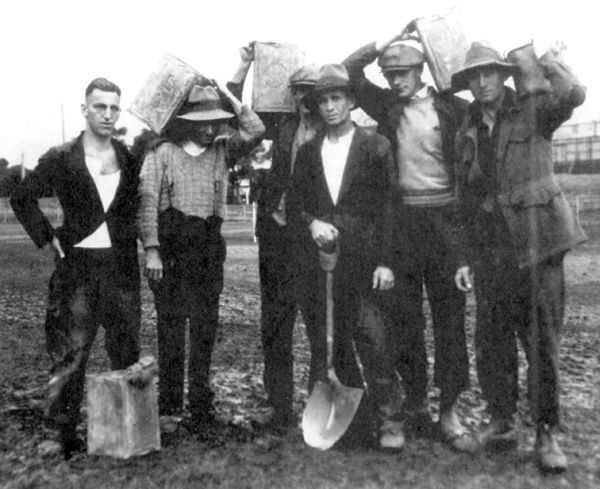
(Photo of men doing relief work during the Great Depression in 1933 from the National Library of Australia)

← Older posts
Newer posts →

Enter your email address to follow this blog

Categories

Archives

Recent Comments

A.O.'s avatarwaltzingmorethanmati… on Zarah Zaynab and Wolfgang…
Madelyn's avatarMadelyn on Zarah Zaynab and Wolfgang…
JD's avatardrperegrine on Can Phoebe Complete This …
A.O.'s avatarwaltzingmorethanmati… on Rua and Rhoa
redrover23's avatarredrover23 on Rua and Rhoa

Blogroll

  • Appellation Mountain
  • Baby Name Pondering
  • Babynamelover's Blog
  • British Baby Names
  • Clare's Name News
  • For Real Baby Names
  • Geek Baby Names
  • Name Candy
  • Nameberry
  • Nancy's Baby Names
  • Ren's Baby Name Blog
  • Sancta Nomina
  • Swistle: Baby Names
  • The Art of Naming
  • The Baby Name Wizard
  • The Beauty of Names
  • Tulip By Any Name

RSS Feed

  • RSS - Posts

RSS Posts

  • Celebrity Baby News: Melanie Vallejo and Matt Kingston
  • Names from the TV Show “Cleverman”
  • Can Phoebe Complete This Sibset?
  • Zarah Zaynab and Wolfgang Winter
  • Baby, How Did You Get That Name?
  • Celebrity Baby News: Media Babies
  • Celebrity Baby News: Adelaide Crows Babies
  • Celebrity Baby News: Chris and Rebecca Judd
  • Names at Work: Name News From the World of Business and Employment
  • Celebrity Baby News: Sporting Round Up

Currently Popular

  • Celebrity Baby News: Jacinta Allan and Yorick Piper
  • Celebrity Baby News: Jacinta Allan and Yorick Piper
  • Celebrity Baby News: Craig Thomson and Zoe Arnold
  • The Top 100 Names of the 1940s in New South Wales
  • Celebrity Baby News: Ed Husic and Bridget Tilley

Tags

celebrity baby names celebrity sibsets english names famous namesakes fictional namesakes honouring locational names middle names name combinations name history name meaning name popularity name trends nicknames popular names saints names sibsets surname names twin sets unisex names

Create a free website or blog at WordPress.com.

Privacy & Cookies: This site uses cookies. By continuing to use this website, you agree to their use.
To find out more, including how to control cookies, see here: Cookie Policy
  • Subscribe Subscribed
    • Waltzing More Than Matilda
    • Join 517 other subscribers
    • Already have a WordPress.com account? Log in now.
    • Waltzing More Than Matilda
    • Subscribe Subscribed
    • Sign up
    • Log in
    • Report this content
    • View site in Reader
    • Manage subscriptions
    • Collapse this bar
 

Loading Comments...