• About
  • Best Baby Names
  • Celebrity Baby Names
  • Celebrity Baby Names – Current
  • Celebrity Baby Names – Past
  • Featured Boys Names
  • Featured Girls Names
  • Featured Unisex Names
  • Links to Name Data
  • Waltzing on the Web

Waltzing More Than Matilda

~ Names with an Australian Bias of Democratic Temper

Waltzing More Than Matilda

Tag Archives: Irish names

Boys Names From Australian Children’s Literature

24 Sunday Aug 2014

Posted by A.O. in Name Themes and Lists

≈ 10 Comments

Tags

aristocratic names, aristocratic surnames, Australian slang terms, Biblical names, classic names, colour names, english names, famous namesakes, fictional namesakes, Gaelic names, German names, germanic names, Greek names, hebrew names, Irish names, Latin names, locational names, modern classics, mythological names, name history, name meaning, name popularity, names from songs, names from television, names of businesses, nature names, nicknames, Old Gaelic names, Persian names, plant names, popular names, retro names, royal names, saints names, Scottish names, surname names, tree names, underused classics, unisex names
Cyan Magenta Yellow Black

Darius
Odo Hirsch’s Darius Bell and the Glitter Pool (2009) tells the story of the Bells, a proud family fallen on hard times; plucky youngest son Darius must save the family’s estate. (Name nerd bonus info: Odo is the older form of the German name Otto). Darius is the Latin form of Dareios, the Greek form of the Persian name Dārayavahush, meaning “holding on to goodness”. This name was traditional amongst the Persian kings, and Darius I was known as Darius the Great, as he ruled over the Achaemenid Empire at the height of its power. Darius III was defeated by Alexander the Great, and there are a number of minor princes with the name. Darius is mentioned several times in the Old Testament, so it is a Biblical name as well (nobody is sure which historical Darius it means). Although rare, this name is known in Australia from NRL star Darius Boyd, while there is also a Darius in The Hunger Games trilogy. Darius is a cool-sounding name that might appeal to a broad range of people.

Felix
Terry Denton’s first picture book was Felix and Alexander (1985), about a little boy named Alexander who gets lost, and his toy dog Felix must find him. Felix is a Latin name meaning “fortunate”. It was first given as a nickname to the Roman general and statesman Lucius Cornelius Sulla, a free translation of the Greek nickname he acquired during his military campaigns – Epaphroditos, meaning “beloved of Aphrodite”. The Roman procurator Felix is mentioned in the New Testament, although not in a positive way – he imprisoned St Paul. Felix was a favourite name amongst early Christians, and there are heaps of saints named Felix, including the 7th century Felix of Burgundy, who introduced Christianity to East Anglia, and three popes. Two Australian connections are Felix the Cat, and Australia Felix, the name given to the lush farmland of western Victoria by explorer Sir Thomas Mitchell. Felix was #172 in the 1900s, and left the charts in the 1920s. It returned in the 1980s at #396 and climbed steadily; it’s been on and off the Top 100 since 2011. It’s now #86, and was one of the fastest-rising names last year. A hip retro favourite growing in recognition.

Harley
Sleepy Harley (2011), written by Karen Treanor and illustrated by Kelly Iveson, is a picture book about a cat named Harley who tries to find a place to nap in a Perth suburb. Harley is a surname which comes from a place name meaning “hare meadow” in Old English. The de Harley family were nobles whose history can be traced before the Conquest, and Sir Robert Harley, first Earl of Oxford, was from a prominent political family. One of them, William Cavendish-Bentinck, became British Prime Minister in the 18th and 19th centuries; he was the maternal great-great-great grandfather of Queen Elizabeth. The name will remind many of Harley-Davidson motorycles, giving Harley a pretty cool image. Harley was #212 in the 1900s, and went up and down before dropping off the charts in the 1950s. It returned in the 1970s at #462, and rose before peaking at #70 in 1992. It dropped again before starting to rise in the early 2000s, and is not far out of the Top 100. You could see Harley as an underused classic – in use for many years, but never very popular. I have occasionally seen Harley on girls as well.

Jude
Me and Jeshua (1984) by award-winning author Eleanor Spence is a historical novel about the childhood of Jesus of Nazareth, as seen through the eyes of his cousin Jude. Jude is a variant of the name Judas, Greek form of the Hebrew name Judah, meaning “praised”. In the New Testament, Jude is used for the Apostle whose name was Judas, to distinguish him from Judas Iscariot. Jude is also listed in the New Testament as one of the brothers of Jesus (Eleanor Spence follows a tradition they were cousins), but it is not clear if Jude the Apostle was Jesus’ brother. The Apostle Jude is usually connected with the Apostle Simon the Zealot, and according to tradition they were both martyred in Beirut. Jude is well known as the patron saint of lost causes, and this has made him one of the most venerated saints. Contemporary associations are the actor Jude Law, and the Beatles song Hey Jude. Jude can also be used as a girl’s name, short for Judith, as in the YA novel by Maureen McCarthy, Queen Kat, Carmel, and St. Jude Get a Life (1995). This attractive name has quietly been gaining in popularity, and last year joined the Top 100 in Victoria.

Leonard
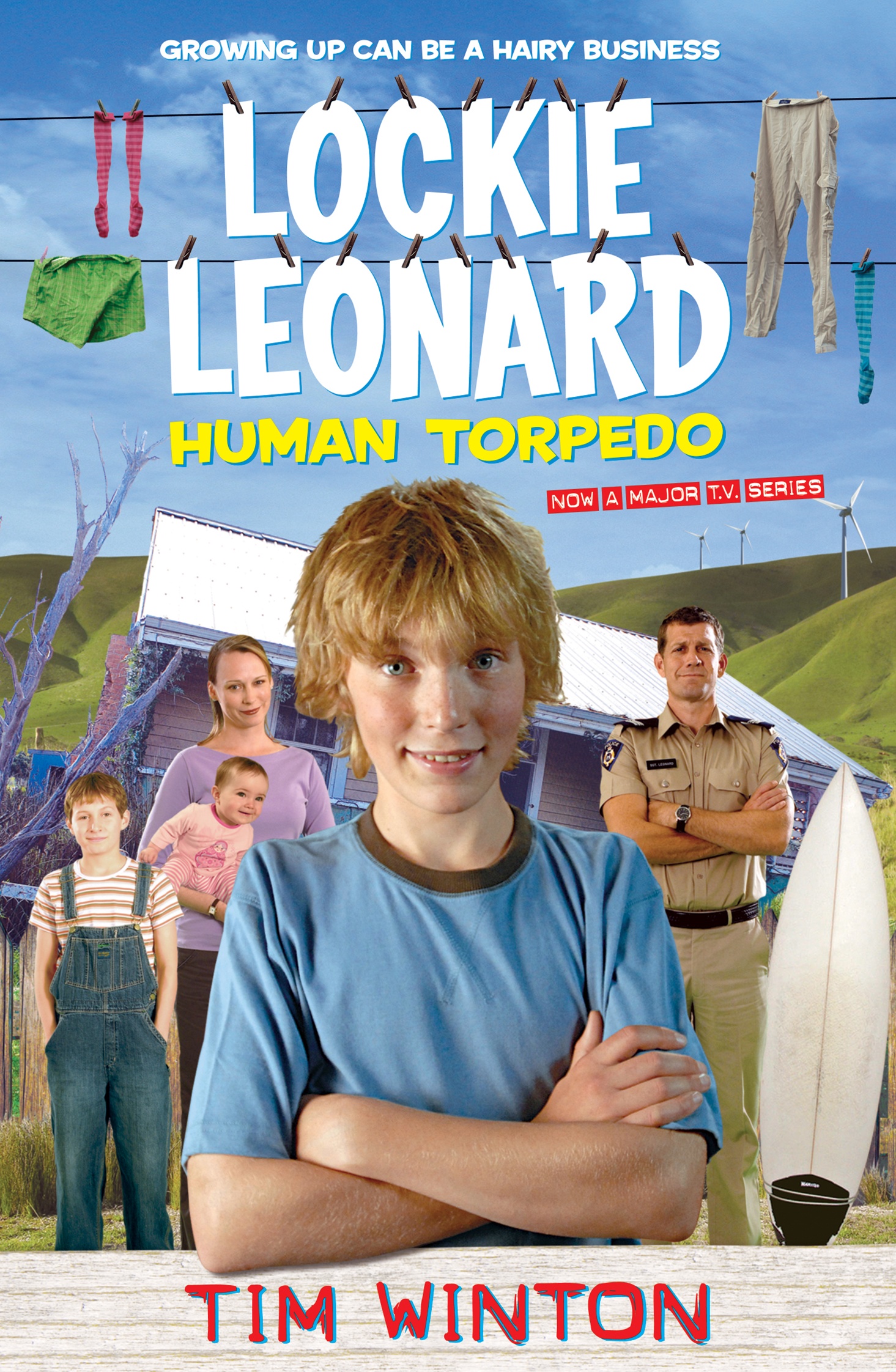
The Lockie Leonard series by Tim Winton (1990-97) stars a surf rat named Lachlan “Lockie” Leonard who moves to the Western Australian town of Angelus (based on Albany). Leonard is a Germanic name which can be translated as “brave lion” or “brave as a lion”. St Leonard is a legendary 6th century saint, a Frankish nobleman at the court of Clovis I who could liberate prisoners from their chains when invoked. The Normans brought the name to England, although it didn’t become particularly common until the 19th century. Famous Australians with the name include distinguished chemist Leonard Lindoy, and hard-hitting post-war cricketer Leonard “Jock” Livingston, also a talented rugby league footballer. Leonard has been a popular name amongst Jews in the past, including Jock Livingston: other examples are Canadian folk singer Leonard Cohen and actor Leonard Nimoy. Leonard was #39 in the 1900s, and peaked in the 1910s at #35. It didn’t leave the Top 100 until the 1960s, and remained in steady but low use until getting a little boost after The Big Bang Theory, with main character Leonard Hofstadter, began airing in the late 2000s. Clunky cool, this underused classic provides a way to get the popular nickname Lenny.

Nathaniel
In Isobelle Carmody’s YA novel The Gathering (1993), Nathaniel Delaney is a teenager who moves to a grim seaside town and finds himself locked in a battle between the forces of Light and Dark. Nathaniel is a variant of Nathanael, the Greek form of Hebrew Netan’el, meaning “God has given”, nearly always understood as “gift of God”. In the Bible, Nathaniel is usually identified with the Apostle Bartholomew; as Bartholomew means “son of Talmai”, it is taken to be Nathaniel’s surname. Nathaniel was in use as an English name by the 16th century, and became more common after the Protestant Reformation. It was used amongst the aristocracy, and also became a favourite in America, with author Nathaniel Hawthorne a notable bearer. Nathaniel was #179 in the 1900s, and left the charts the following decade. It returned in the 1970s at #296, and climbed steadily until it reached the Top 100 last year at #79, making it one of the fastest-rising names of 2013. A handsome retro name that gives the popular nickname Nate, it’s well known from Australian actor Nathaniel Buzolic, from The Vampire Diaries, and Australian singer-songwriter Nathaniel Willemse, who was on The X-Factor.

Rafferty
The Rafferty series by Joan Woodberry (1959-62) are the adventures of an English boy named Rafferty who moves to a fishing village on the Queensland coast. Rafferty is a common Irish surname, an Anglicised form of O’Raithbheartaigh, meaning “son of Rabhartach”. The Old Gaelic personal name Rabhartach means “wielder of prosperity”. The name has a particular Australian resonance, due to iconic Australian actor John “Chips” Rafferty. He was seen as the quintessential Australian, and took part in a marketing campaign convincing British people to migrate to Australia in the 1950s – this might explain the choice of Rafferty’s name in Woodberry’s books. Another Australian reference is the slang term Rafferty’s rules, meaning “no rules at all”. It gives the name Rafferty a pleasantly raffish, lawless feel. This name is around the 200s in Australia, and although it is rising in the UK, is more popular here than anywher else. I have also begun to see a few girls named Rafferty.

Rowan
The Rowan of Rin fantasy series by Emily Rodda (1993-2003) takes place in a fictional world. Rowan is the unlikely hero, considered a bit of a wimpy weakling by the sturdy villagers of Rin, but when danger strikes, his resourcefulness and courage saves the day. Rowan is a Scottish name that’s an Anglicised form of Ruadhán, a pet form of Ruadh, Gaelic for “red”, often given as a nickname to a man with red hair. You may remember that the red-headed Scottish outlaw Raibeart “Ruadh” MacGregor is known as Rob Roy by the English. Rowan can also be unisex when named after the rowan tree; its English name comes from the Germanic for “to redden”, because of the tree’s red berries, so either way the meaning has a connection with the colour. A pleasant association with the tree is that according to folklore it has the power to ward off evil. The name Rowan has charted for boys since the 1940s, debuting at #205, and climbing until it peaked in the 1980s at #164. It’s now around the 300s-400s. Rowan is an underused modern classic which alludes to a vibrant colour, and a magical tree.

Silvander
Norman Lindsay is famous for writing and illustrating The Magic Pudding (1918), a comic fantasy deservedly recognised as a classic. For some reason, his other children’s book, The Flyaway Highway (1936), is neglected, even though it’s just as funny and fantastical. I loved this story, which relates how Egbert and Muriel Jane meet a “bloke with horns and cows’ hooves” named Silvander Dan, who take them on a journey down the Flyaway Highway. As a child, I thought that the name Silvander was made up for the book (although I’m afraid I was already junior name nerd enough to know what it meant). However, I’ve since found that Silvander was a literary name in the 18th century, and in most of the sources I’ve read, characters named Silvander are untrustworthy bounders! The name is derived from Silvanus, the Roman god of woods and fields, from the Latin silva, meaning “wood, forest”. Although an extremely rare name, it is just enough like Silas and Alexander to not be completely outrageous, and has an agreeably silvery sound. For those who like Leander and Evander, here is another to consider.

Theodore
I told myself I would not choose more than one book from a single author, but was forced to make an exception for Odo Hirsch, from whose oeuvre I could happily fill two lists. Antonio S and the Mystery of Theodore Guzman (1997) is his first novel, a charming story about a boy who lives in a grand old house, and is fascinated by a reclusive actor. (Name nerd bonus info: Odo Hirsch is the pen name of Dr David Kausman). Theodore is from the Greek name Theodorus, meaning “God’s gift”. Theodorus wasn’t uncommon in ancient times; ironically one of its famous bearers was the 4th century BC philosopher Theodorus the Atheist. Because of its meaning, the name was a popular choice for early Christians, and saints named Theodore are numerous, including a 7th century Archbishop of Canterbury and two popes. Theodore was also traditional mongst the Byzantine Emperors, and the Russian Tsars. Theodore was #116 in the 1900s, and reached its lowest point in the 1970s at #383. It began rising steeply in the 1990s, and last year joined the Queensland Top 100 at #79, making it one of the state’s highest-rising names. A sophisticated classic name which comes with cool short forms Theo and Ted, I’d call this underused except I’m not sure how long it will stay that way.

POLL RESULTS
The public’s favourite names were Theodore, Jude and Felix, and their least favourite were Leonard, Darius and Harley.

(Picture shows cover of Lockie Leonard – Human Torpedo by Tim Winton)

Girls Names from Australian Children’s Literature

17 Sunday Aug 2014

Posted by A.O. in Name Themes and Lists, Requested Names

≈ 10 Comments

Tags

astronomical names, Babylonian names, Biblical names, classic names, english names, Etruscan names, fictional namesakes, flower names, French names, Greek names, hebrew names, Irish names, Italian names, Latin names, Median names, middle names, month names, mythological names, name history, name meaning, name popularity, name trends, names from television, nature names, nicknames, plant names, popular names, retro names, Roman names, royal names, Semitic names, Shakespearean names, underused classics, underused names, unisex names

HarrietYoullDriveMeWild01

This week it is Children’s Book Week, which is run by the Children’s Book Council of Australia. Librarians and teachers everywhere will be thinking up exciting new ways to encourage children to read, while the CBC has awarded prizes to the best new Australian children’s books. I thought it would be fun to join in the celebrations, and many of the books chosen are classics and award winners.

Amaryllis
I know two characters with this name. One is Amaryllis “Ryl” Mereweather, from H.F. Brinsmead’s Pastures of the Blue Crane (1964), about a teenage girl who inherits an old shack in northern New South Wales. (Name nerd bonus info: H.F. Brinsmead stands for Hesba Fay – Hesba is derived from the Greek hesperus, meaning “western”). The other is in Sally Odger’s fantasy Amy Amaryllis (1992), about an ordinary Australian girl named Amy Day who switches identities with a girl named Amaryllis Loveday, from a magical world named Ankoor. Amaryllis is a Greek name meaning “to sparkle”, perhaps to suggest sparkling eyes. In Virgil’s pastoral poems, The Eclogues, Amaryllis is a beautiful shepherdess, and the poet makes a play on words to suggest that her name comes from Latin amor, “love”. The amaryllis flower is often known as “Easter lily” in Australia; it is named after the literary character, so this is not just a simple flower name. Unusual and lovely, Amaryllis comes with a host of possible nicknames, including Amy, Ryl, Rylla, Lily, Lissy, and Mary.

Beatrice
In Playing Beatie Bow (1980) by Ruth Park, Beatie Bow is a local legend, a game that children play to frighten each other. But when teenage loner Abigail watches the game, she is brought to the Sydney of one hundred years earlier by a strange girl named Beatrice “Beatie” Bow. This classic is a YA time-travel historical mystery adventure with a dash of romance, and so firmly grounded in The Rocks area of Sydney that you can follow every step of Abigail’s journey. (Name nerd bonus info: Abigail’s parents named her Lynette, but when her parents separate, she chooses Abigail for herself, because it’s an “old witch” name). Beatrice is the Italian form of Beatrix, very famous because of the beautiful muse in Dante’s Divine Comedy. The name has been used in England since the Middle Ages, including by royalty; Princess Beatrice of York was named after a daughter of Queen Victoria, but itwas used in the royal family long before. It’s also a Shakespearean name, because in the comedy Much Ado About Nothing, Beatrice is the witty heroine. Beatrice was #50 in the 1900s, and left the Top 100 in the 1930s; by the 1960s it had left the charts. It made a modest comeback in the 1990s, after the birth of Princess Beatrice, and has remained around the 500-600 level. This is an elegant retro name which has long remained underused. Bea is the usual nickname, although Beatrice Prior from the Divergent series goes by Tris.

Blossom
Little Ragged Blossom is one of the main characters in May Gibbs‘ Snugglepot and Cuddlepie series (1918-40), featuring her plump “gum nut babies”. Blossom is a poor little gum-blossom girl, alone in the world until she gains the friendship and protection of gum-nut boys Snugglepot and Cuddlepie. From then on, she is part and parcel of their adventures, and not infrequently plays the role of damsel in distress, such as when she needs rescuing from the wicked Banskia Men. Even now, I cannot see a gum tree in bloom without imagining the flowers as little blossom girls … The word blossom is used for flowers that grow in masses and clusters, especially on trees, and evokes spring and freshness. Blossom has been used as a girl’s name since the 18th century, and is probably more common as a nickname, such as aviation engineer Maxine “Blossom” Miles, or a middle name, such as jazz singer (Margrethe) Blossom Dearie. On television, Blossom was one of the Powerpuff Girls, and Blossom Rosso the floppy-hatted heroine of sitcom Blossom. Ultra-feminine, quirky and cool, could Blossom be the ultimate flower name?

Celia
Feeling Sorry for Celia (2000) is Jaclyn Moriarty’s side-splittingly comic début epistolary YA novel. Private school girl Elizabeth spends most of her time fretting over her best friend Celia, whose life is one self-caused drama after another. However, a pen-pal programme with the local public school teaches Elizabeth how real friendship works. Celia is the feminine form of Caelius, a Roman family name traditionally derived from caelum, Latin for “heaven”. However, the Caelii traced their ancestry to the Etruscan hero Caeles Vibenna, so the name probably isn’t Latin in origin. It may come from Cel, the Etruscan earth goddess who is the equivalent of Gaia; her name means “honoured”, and the Etruscans named the month of Celi (September) after her. I like the idea of an earthy goddess becoming connected with heaven. Shakespeare used the name for an attractive, serious character in As You Like It, and Ben Jonson wrote the poem Song to Celia, which became Drink To Me Only With Thine Eyes. These writers sparked interest in Celia as an English name in the 17th century. This literary name is both rare and traditional, and doesn’t seem out of place next to popular names like Olivia and Sienna.

Dot
Ethel C. Pedley’s posthumous novel Dot and the Kangaroo (1899) is about a five-year-old girl named Dot who wanders off into the bush and gets lost. She is befriended by a kangaroo who has lost her joey, and gives Dot some magic berries that allow her to understand the speech of animals. It has a strong conservationist message in regard to our native flora and fauna, which is still very much needed. The book was the first to show Australian animals in a genuine Australian setting, and became an immediate favourite. Dot is a short form of Dorothy which dates to medieval times, and has been used as an independent name at least since the 17th century. This adorably pert little name could honour a Dorothy, and also works well in the middle.

Esther
Ethel Turner’s Seven Little Australians (1894) is the only Australian book to be continuously in print for more than a century. Featuring a family of mischievous, lovable army brats who live in Sydney’s outer suburbs, it is surprising how little it has dated. Blended families, teen rebellion, obsession with body image, schoolgirl crushes, and discipline problems … all topics of interest more than a hundred years ago too. The seven little Australians are Meg, Pip, Judy, Nell, Bunty, Baby, and The General; their father is stern Captain Woolcot and stepmother (The General’s mother) is Esther. Esther is beautiful and sweet, but barely older than her eldest step-children, and incapable of really mothering them. Hilarious, heart-warming, and tragic, this is one of Australia’s best-loved children’s books. In the Bible, Esther was a Jewish queen of a Persian king; her story is the basis for the Jewish holiday of Purim. The meaning of Esther is much debated. It may be from a Semitic word meaning “star, morning star”, or a Median word meaning “myrtle” (the translation of her Hebrew name, Hadassah). Another theory is that it comes from the Babylonian fertility goddess Ishtar (Ishtar also represents the morning star, Venus). Esther was #73 in the 1900s, and left the charts in the 1920s. It reached its lowest point in the 1950s and ’60s at #379, but has climbed since then, and isn’t far outside the Top 100 in Victoria. This underused classic is very much on trend at present.

Harriet
Harriet, You’ll Drive Me Wild (2000) is a picture book written by kidlit doyenne Mem Fox, illustrated by Marla Frazee. Harriet Harris is a toddler who doesn’t mean to be naughty, but trouble follows in her wake without her even trying. Harriet’s mother is a calm woman who doesn’t like to yell, but Harriet pushes her to breaking point. The book helps explain to littlies why parents lose their cool. (Name nerd bonus info: Mem Fox’s full name is Merrion, but she has always gone by Mem). Harriet is the English form of Henriette, the feminine form of French Henri, and thus a feminine form of Harry. Harriet was #122 in the 1900s, and left the charts in the 1930s. It returned in the 1970s, and has been climbing ever since. Last year it was one of the fastest rising names of 2013, and joined the Top 100 at #89. Cute and spunky, it can be shortened to Hallie or Hattie – Hattie is a hen in Mem Fox’s Hattie and the Fox (1986).

Josie
Josephine Alibrandi, known as Josie to her friends, features in Melina Marchetta’s breakthrough YA novel, Looking for Alibrandi (1992). A coming of age story, its smart-mouth heroine is in her last year of school, dealing with boys, family, exams, mean girls, and her father, who left when she was a baby and has suddenly reappeared in her life. Looking for Alibrandi was an instant success upon publication, and has been called “the most stolen library book”. Josie is a short form of Josephine, used as an independent name since the 16th century. It has sometimes been given to boys, as a short form of Joseph or Josiah. Josie first ranked in the 1920s at #291, and left the charts in the 1940s. It returned in the 1970s, and climbed before peaking in 2009 at #175. This is an underused retro name which doesn’t sound old-fashioned, but sassy and stylish.

Liesel
Liesel Meminger is the young girl in Markus Zusak’s The Book Thief (2005), set in Nazi Germany during World War II, and narrated by Death himself. Liesel is illiterate at the start of the story, but through learning to read, discovers a lifelong love of words, and finds solace in stealing books to share with others. Against a backdrop of fear and horror, the story shows that books can feed the soul even in our darkest hours. The story does end up having an Australian connection, and a specific Australian setting is used in a very unexpected way. Liesel is a German pet form of Elisabeth, pronounced LEE-zel. Although it’s never charted in Australia, this charming name is very familiar because of Liesl from The Sound of Music, and swimmer Leisel Jones.

Norah
Norah Linton is the heroine of Mary Grant Bruce’s Billabong series (1910-42). Making her début in A Little Bush Maid at the age of twelve, Norah lives at Billabong Station in northern Victoria. She’s a hardy, spirited tomboy who loves horse-riding, camping, and fishing, and is a total daddy’s girl. The books haven’t aged too well, but Norah is an ancestor of other feisty, independent Australian heroines, such as Ryl Merewether and Josie Alibrandi. Norah is a variant of Nora, a pet form of names such as Honoria and Eleanor. It’s often thought of as particularly Irish, and records show many Norahs of the 18th century were born in Ireland. Hip and arty, Norah is fast growing in popularity in both the UK and US, and already popular in Europe, but almost unknown in Australia. It deserves serious consideration by those keen to get ahead of the trends.

Thank you to Manday for suggesting the name Liesel be featured on Waltzing More Than Matilda, and for recommending The Book Thief be added to this list.

POLL RESULTS
The public’s favourite names were Beatrice, Harriet and Norah, and their least favourite were Josie, Blossom and Dot.

(Picture shows cover of Harriet, You’ll Drive Me Wild, from Mem Fox’s website)

Famous Name: Fiona

30 Wednesday Jul 2014

Posted by A.O. in Famous Names

≈ 6 Comments

Tags

baby name books, created names, famous nameksakes, Gaelic names, Irish names, literary names, modern classic names, name history, name meaning, name popularity, names from films, names of personifications, pen names, pseudonyms, Scottish names

2014ARC_Lowry.jpg.496x605_q85

The Archibald Prize this year was won by Fiona Lowry, for her portrait of architect Penelope Seidler. The Art Gallery of NSW trustees, who are the judges of the Archibald, seemed to avoid controversy this year by awarding the $75 000 prize to an overwhelming favourite.

Fiona first saw Penelope Seidler six years ago at a gallery opening, and was struck by her beauty and presence; she decided then that she would like to paint her. The portrait was begun at Penelope’s home, Killara House, a heritage-listed Sydney icon which she designed with her husband, the famous modernist architect Harry Seidler.

Fiona’s paintings are made with an airbrush and a limited range of soft pastel colours, creating an often unsettling atmosphere seen through a fine mist. I can’t help thinking that Clarice Beckett would give a wry smile … and that once again, Penelope proves a winner!

The name Fiona was created by the 18th century Scottish poet James McPherson, and first used in his famous Ossian poems, which were a great influence on the Romantic movement, and instigator of the Gaelic revival. MacPherson pretended his poems were “translations” of ancient Gaelic poems, but could never produce the originals, and it is now agreed that while he based them on old ballads, many of the stories and characters are from his imagination.

In the Fingal section of the Ossian poems, MacPherson wrote: Let the sons of Fiona rise, on the lone plains of her lovely Ardan. Fiona is a not a person, but a feminine personification, like Erin or Brittania, or Lady Liberty. But a personification of what?

You may recall that the Irish hero Finn McCool’s warriors were called the Fianna. Although that looks as it means “Finn’s men”, fiann means “soldier, warrior, hero” in Old Irish, and fianna is its plural. Fianna can thus be translated as “war band”. Although the Fianna come from mythology, it is believed that such bands did exist in medieval Ireland; young men and women of the nobility who had not yet come into their inheritance and had no lands of their own.

Fiona is James MacPherson’s transcription of Fianna, which he may have written to make it look as if it was derived from Fionn, or Finn, meaning “fair, white”, in order to give his Fingal the status of the great Irish hero Finn McCool. You might see MacPherson’s “Fiona” as a personification of Celtic pride, independence, and fighting spirit.

Baby name books often try to claim Fiona as a feminine form of Finn or Fionn, but in medieval Gaelic, adding an -a to a name did not make it feminine. Instead -nat or –sech were used, so the feminine forms of Finn are Finnat and Finnsech (genuine medieval names). Just to confuse things, Fíona is a modern Irish name meaning “wine”. Although some people take Fiona as an Anglicisation of Fíona, it’s more that an Irish meaning was found for an existing name.

Fiona was used as a pseudonym by the Scottish writer William Sharp. Although already a distinguished poet, biographer, and literary editor, he chose to sometimes write romantic novels and poetry as Fiona McLeod – which he feared would not be accepted if it was known he was the author. William Sharp edited the Ossian poems, which is most likely where he found the name Fiona.

William Sharp had a love affair with a woman named Edith Wingate Rinder, and it was those works inspired by his passion for Edith that he attributed to “Fiona McLeod”. The poetry he wrote under the influence of this inspiration is considered his greatest work, and the Fiona McLeod novels proved so popular that they brought him financial success. You could say that “Fiona” was the name William gave his feminine side, and tapping into it unleashed a wave of creativity.

The secret of William Sharp’s dual identity only became publicly known after his death, when his wife revealed that her husband was the author of all works by Fiona McLeod. It was after Fiona McLeod became a popular novelist that the name Fiona became well known, so while James MacPherson may have created it, it was another Scottish writer who spread its use.

Fiona first charted in Australia in the 1950s, making an impressive début at just outside the Top 100 at #105. The reason for its sudden appearance on the charts is the 1954 film Brigadoon, based on the Broadway musical of the same name. It’s about two American men who are hunting in Scotland when they happen upon a miraculous village which rises out of the mists every hundred years for just one day. One of the men falls in love with a girl from the village named Fiona Campbell (Fiona McLaren in the original musical), played in the film by Cyd Charisse. The magic and romance of the story were clearly a hit with Australian audiences.

By 1960, Fiona was #57, by 1961 it was in the Top 50 at #47, and by 1967 it had just scraped into the Top 20. Fiona reached its peak in 1970 at #14, and was last in the Top 100 in 1986. A famous fictional Fiona during the 1970s was matriarch Fiona Cleary, from Colleen McCullough’s The Thorn Birds, although by this time the name was falling in popularity.

If you judge the name Fiona purely as a name nerd, you must admit it has some black marks against it. It’s a “made up” name, and furthermore, not even a name made up for a character – it’s basically the Khaleesi of the 18th century. It was popularised by a man pretending to be a woman, in part to obscure an extra-marital affair. It’s not the most promising name history of all time.

Fiona leapt into the charts out of nowhere due to popular culture – a musical film which was a box office success, but received lukewarm reviews. It was a “trendy” name that climbed in popularity very suddenly, then sank again at almost the same rate. It’s a “dated” name, in that it is dated to a particular era – you can be almost sure that someone named Fiona was born somewhere between Brigadoon and The Thorn Birds 1983 mini-series, and most likely between the late 1960s and mid-1970s (Fiona Lowry was born in 1974).

But isn’t it tiresome to always judge names through the lens of nerdism? Because in spite of all this, I think Fiona remains a pretty, delicate name with a fascinating literary history. It has a romance to it – a name created by a poet who changed the face of literature, made well known by a writer who had a talent he never knew existed until he fell in love, brought to popularity through a miraculous love affair.

I like the fact that such a gentle-sounding name has a war-like meaning; it’s a warrior princess of a name. Despite being dated, Fiona doesn’t sound particularly dated – it even has a fashionable OH sound in the middle. There are tons of Fionas in current popular culture, including Princess Fiona, the feisty green ogress from Shrek.

If you love the name Fiona, take heart – it is no longer plummeting in popularity, but relatively stable around the 300-400s, and can claim modern classic status. Furthermore, in the United States, which is much slower to appreciate British (especially Scottish) names, Fiona only began charting in the 1990s and has been gradually climbing ever since.

I have a family member who is a massive fan of the Shrek movies, and especially of Princess Fiona. Sometimes I think I will be a grandmother to a little Fiona, and the idea doesn’t displease me at all.

POLL RESULTS
Fiona received a very good approval rating of 72%. People saw the name Fiona as strong and feisty (23%), and beautiful or pretty (19%). However, 16% of people considered it too dated to be a baby name. The association with Shrek didn’t seem to be an issue, with twice as many people (10%), thinking it was a cool association than a problematic one (5%). Only one person thought the name Fiona was “too made up”.

(Painting is Penelope Seidler by Fiona Lowry)

Names Spotted at Home and Abroad (Winter 2014)

28 Monday Jul 2014

Posted by A.O. in Names Spotted at Home and Abroad

≈ 4 Comments

Tags

birth notices, famous namesakes, fictional namesakes, holiday names, illegal names, Irish names, metal names, middle names, mythological names, name meaning, name trends, names from television, names of pets, nature names, rare names, surname names, twin sets, urban legends, virtue names, vocabulary names

image-tools

Anzac Day for Baby Anzac
After I covered the name Anzac on the blog, I received several e-mails from people insisting that it was illegal for babies to be named Anzac in Australia, and that my post should be altered to reflect that. I have seen babies in birth notices with this name, but my correspondents refused to believe me, as I had no proof of this (which is fair enough – imagine if I believed all the people who said they knew twins called Lemonjello and Orangejello).

Because of this healthy scepticism, I am posting a story about a baby named Anzac Judd from Bowraville, near Nambucca Heads in northern New South Wales. Unfortunately, it’s a sad story, because Anzac passed away from a spinal disease when only a few months old. On Anzac Day this year, Bowraville held a golfing and bowls day in Anzac’s memory, and even though the circumstances are heartbreaking, it shows that Anzac Day can mean more to you when you have a baby Anzac.

Danger is His Middle Name for a Reason
Robbie Danger Russell of Darwin was born with an extremely rare and little-understood genetic condition that meant doctors held out little hope of him surviving birth. Robbie did survive, despite multiple medical conditions, and at one year of age, still has the eyesight doctors expected him to have lost by now, although his prognosis is still very poor. Robbie’s mother Jennifer seems to have chosen the middle name Danger as a sign of the hazards that lay ahead of him, and that he lives with every day.

Quick Silver
I know readers love to know what fashionable people are naming their children, so here’s a quick profile of interior stylist Sibella Court who has a little shop in Paddington, and a daughter named Silver with her partner Ben Harper. Silver is pretty, and very much like mum’s name, but Silver Harper is a little race-horsey for my tastes.

And if you’d like to know what is in style, Sibella recommends vases of fruit and foliage, black walls, random surfboards, painter’s ladders, 1950s seashell collections, Union Jacks, vintage life-vests, and subway tiles. But for goodness sakes, don’t do any of this, because the story is from March, and that’s all TOTALLY LAST SEASON.

Sibella also had a pet pig named Wilbur, but pigs either went out of style, or now it’s bacon, the story didn’t really explain. Love the name Wilbur though!

Is it Just Hype?
I read a story about one of the many families who were victims of financial fraud committed by the Commonwealth Bank, and who were able to win their case in court, under the most difficult of circumstances.

One of the family, Tegan Couper of Shellharbour, is pictured with her baby son Hype. It’s a very unusual name, almost a virtue name really. I kept wondering if it was short for something, but could only think of Hyperion, which seemed even less likely, in a way.

Supposedly Seen – Sheen
Brisbane comedienne Mel Buttle wrote a piece about her childhood pet, a beloved dog named Benny, which she named after a boy named Ben she liked at school. In case we don’t think that’s an impressive naming story, she said she knows a baby who was named Sheen, after Charlie Sheen.

Not sure if that’s just a joke, but Sheen doesn’t seem that bad (if you put aside the Charlie Sheen part for a moment). The Irish surname Sheen is derived from a personal name which meant “peaceful”, and it almost sounds like a masculine form of Sheena, or a variant of Shane, as well as the appeal of English word sheen, meaning “lustre”.

Mel’s new dog is named Molly.

The Gods on Television
There was a new television program on ABC1 this autumn called The Gods of Wheat Street. Set in Casino in New South Wales, it’s about an Aboriginal family named Freeburn who have to let go of the past after their mother Eden‘s death, with the help of a bit of magic. Head of the family is Odin, and his siblings are Ares, Isolde, and Tristan, while Odin’s daughters are named Electra and Athena. The names may possibly help the trend for mythological names (and seem informed by said trend).

Perth Suburbs That Could Be Used As Girls Names

13 Sunday Jul 2014

Posted by A.O. in Name Themes and Lists

≈ 5 Comments

Tags

Anglo-Norman names, Anglo-Saxon names, Australian Aboriginal names, controversial names, english names, famous namesakes, French names, Gaelic names, historical records, Irish names, Italian names, Latin names, locational names, Lycian names, middle names, mottos, mythological names, name history, name meaning, name popularity, name trends, names of rivers, nicknames, Old English names, royal names, surname names, unisex names

quinns rocks beach

Aveley
Aveley is a neighbourhood of the town of Ellenbrook – an outer suburb in the north-east which is projected to be a future satellite city. Avely is named after a small town in Essex, where the Belhus estate was located: this stately home was once visited by Queen Elizabeth I, and had grounds landscaped in the 18th century by the famous Capability Brown. One of the early settlers to the Swan River Colony in 1829 was Edward Pomeroy Barrett-Lennard, the grandson of Lord Dacre, who owned Belhus. Edward Barrett-Lennard was assigned more than 13 000 acres in the Swan Valley, and his eldest son George purchased a large tract of land which he named Belhus after the family estate: it is this which eventually became Aveley. The name Aveley is Old English and means “Aelfgyth’s meadow”; Aelfgyth is an Anglo-Saxon woman’s name meaning “elf battle”. Avely is also a surname, and has been in rare use as a personal name since at least the 16th century. Historically more common for males, Aveley fits so well with current trends in female names that it seems more suitable for girls. Pronounced AV-uh-lee, this is a pretty, modern-sounding name with a feminine meaning and interesting history.

Carine
Carine is an affluent suburb 14 km north of the city. The area was once owned by the wealthy Hamsersley family, who came to the Swan River Colony in 1837, and before being developed in the 1960s, it was primarily used for farms and market gardens. The suburb’s name comes from the local wetlands, which are now known as Big Carine Swamp and Small Carine Swamp. Their names are a corruption of Careniup, the Noongar name for the wetlands, which means “the place where bush kangaroos graze”; it has the same origin as nearby Lake Karrinyup. The tranquil wetlands provide a home for rare water-birds and other native wildlife. Carine is already used as a girl’s name, the French form of Carina; it can be said in several different ways, but the Australian Carine is kuh-REEN. You would be hard pressed to find anything more Australian than “kangaroo” as part of a name’s meaning, and this is attractive, although perhaps slightly dated-sounding, due to its similarity to Karen, Caroline, and Corinne.

Floreat
Floreat is an exclusive suburb 8 km north-west of the city, close to beaches and filled with parkland. As well as swanky boutiques, it is also well known for its sporting facilities, including Perry Lakes Stadium, which was used for the 1962 Empire and Commonwealth Games, and has now been replaced with the Western Australian Athletics Stadium. The suburb’s name is Latin for “let it flourish, let it prosper”, which is the official motto for the City of Perth (and has been fulfilled, for the city has grown rich on the back of the mining boom). Floreat has been occasionally used as a unisex name since the 18th century. In Australian records, it has mostly been used as a middle name, and examples from Perth may have been named for the city’s motto. In Australia, Floreat has been more commonly used as a girl’s name, due to its similarity to Florence, which has the same Latin origins and meaning. With Florence now fashionable, and girl’s names ending with a T sound, like Charlotte and Violet, popular, Floreat seems a surprising choice as a name, but not an outrageous one.

Jindalee
Jindalee is a new outer suburb in Perth’s far north. Because development has only just begun, the beaches are almost untouched, and it is surrounded by bush, scrub, and heathland. The name Jindalee is believed to mean “a bare hill” in an unknown Aboriginal language of New South Wales; there is a town of Jindalee in New South Wales, and a suburb of the same name in Brisbane. The name may refer to Eglinton Hill in Jindalee, which provides views of the sea. I only found one person in Australian records with the name Jindalee, and it was in the middle; although he was a man, to me Jindalee seems feminine, and could be shortened to Jinny or Jindy. This is a lively name which seems quintessentially Australian in its flavour.

Kiara
Kiara is a quiet leafy suburb in Perth’s northern suburbs. Its name is from an Aboriginal word for “white cockatoo”, and it is not a Western Australian word, but one recorded in the Coffs Harbour region of New South Wales. The “white cockatoo” in question is probably the sulphur-crested cockatoo, a large, handsome, intelligent, curious, and very loud bird, native to the eastern states and far north of Australia. Australian parents seem to have a great fondness for girls’ names beginning with K, and this name sounds much like Italian Chiara, but with a distinctive Australian meaning. The name Kiara has charted since the 1980s, and first joined the Top 100 in 1999 at #67, peaking in 2005 at #49. It left the Top 100 in 2011, and is currently in the low 100s. It’s no longer popular, but still getting plenty of use.

Leda
Leda is one of the suburbs of the City of Kwinana, a coastal centre in Perth’s far south known as a working-class industrial area. Several of Kwinana’s suburbs are named for ships, and the brig Leda brought settlers to the Swan River Colony in 1830. The name was appropriate, because in Greek mythology, Leda was a queen of Sparta whose beauty attracted the attention of the god Zeus, who seduced her in the guise of a swan. Queen Leda didn’t have any unnatural interest in swans – the god-swan fell into her arms for protection while escaping from an eagle. Swans are one of the few birds which have a penis outside their body, like mammals do, and after this the specifics are left to our imaginations. Some artists and poets have depicted the act as a rape, while others show Leda as not just consenting, but positively enthusiastic. The same night, Leda lay with her husband, and from these biologically confused couplings, she gave birth to two eggs – one of which contained the ravishing Helen of Troy. Helen’s birth was commemorated by her father Zeus, who placed the constellation Cygnus, the Swan, in the sky. The meaning of the name Leda is not known for sure; it may be from the Lycian for “woman, wife”, and is pronounced LEE-duh. Simple and elegant, this is a name from Western Australian history which also references Perth’s Swan River.

Myaree
Myaree is a light industrial suburb 11 km south of the city. Its name is said to come from an Australian Aboriginal word meaning “plant leaves, foliage, greenery” (rather inaptly, given the suburb’s purpose). Myaree has been used as a baby name, although not apparently in Australia: it may have been an Anglicisation of an Arabic girl’s name, or a name created from other name elements. Apart from the pleasant meaning of Myaree, and its multicultural possibilities, in many ways it seems quite on trend, because of popular Maya, trendy Marley, and fashionable Myra. In other ways, it seems slightly dated, because of its similarity to names such as Maree and Nyree. To me it’s rather appealing and contemporary, while not unfamiliar in sound.

Quinn
Quinns Rocks is in the outer northern suburbs of Perth. It was first settled in the 19th century by a family of sheep farmers called the Clarksons, who used it as pasturage. In the 1930s it was a place for seaside holidays, with many people building beach shacks along the coast. It began to be developed as a residential area in the late 1950s, and was declared a town in the 1960s. The beautiful white beach is the suburb’s major feature, and still attracts holidaymakers. The suburb gets its name from an offshore reef, and is believed to have been called after Robert Quin, a 19th century government surveyor who made the first records of the area. Another theory is that it is named after Mick Quinn, one of the Clarksons’ shepherds who had a shack in the area. Why it should be named after this shepherd in particular is not related, and the congruence of names seems most likely. Quinn is a common Irish surname, an Anglicised form of the Gaelic mac Cuinn, meaning “son of Cuinn”. Cuinn (which is Anglicised to Conn) means “head, chief”. The surname’s originator is Art mac Cuinn, a High King of Ireland; according to legend, he and his father Conn of the Hundred Battles, also a High King, had dealings with a fairy woman. The Quins were one of the noble families of Ireland, but the line came to an end a few years ago. Quinn is rising rapidly as a unisex name, and currently seems to be almost equal between the genders, while also performing well as a middle name. Expect to see more Quinns in the future.

Serpentine
Serpentine is a small town on the very fringes of the metropolitan area, 55 km south-east of the city, on the railway line between Perth and Bunbury. The town is named after the nearby Serpentine River, so called because of its meandering course. Serpentine has been used sparingly as a name since the 19th century, and in Australian records is found mostly as a middle name, divided fairly evenly between males and females. Most of the Serpentines were from the Perth area, making me think they were named after the river. Serpentine is a problematic name, because while serpentine means “winding, curving” (like a serpent), it can also mean “crafty, deceitful”. The second meaning is an obvious allusion to the serpent in Genesis, who leads Eve into temptation. While this may give some people the jitters, serpents are also ancient symbols of wisdom and healing, and are often depicted guarding sacred places; a serpent holding its tail in its mouth is a symbol of eternity. In Australian Aboriginal myths, the Rainbow Serpent is a significant deity, symbolising life and fertility. Strong and mysterious, sinuous Serpentine may be easier to bear as a middle name.

Viveash
Viveash is a secluded riverside suburb in the city’s north-west. It is named after Dr Samuel Waterman Viveash, a prominent pioneer who arrived in the Swan River Colony in 1838, and took up farming. Viveash is an English surname whose origins are disputed; it may be Anglo-Norman, and come from the French vivace, meaning “lively, vigorous”. However, because it is pronounced like “five ash” with a V instead of an F at the start, it is often linked to places in southern England called Five Ash Trees. Viveash has been used as a personal name for both sexes, almost exclusively found in the middle position. Examples from Australian records are all from Western Australia, and nearly all from the Perth area, making it likely they were named in honour of Dr Viveash. Viveash is a very unusual name, but is vaguely similar to Vivian and Ashley, while having a distinct sound and feel of its own.

POLL RESULTS
The public’s favourite names were Quinn, Aveley and Leda, and their least favourite were Jindalee, Serpentine and Viveash.

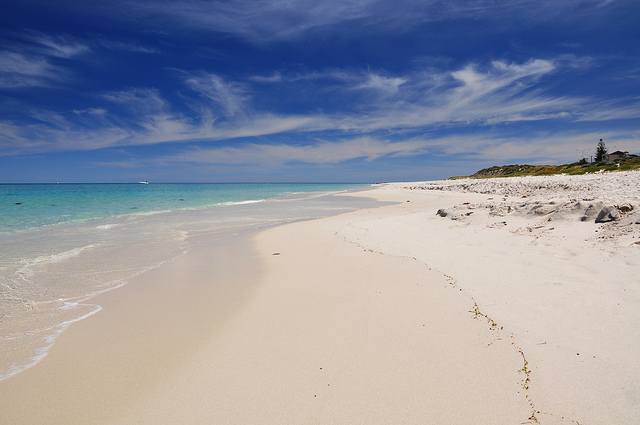
(Photo is of the beach at Quinns Rocks)

Waltzing With … Winter

22 Sunday Jun 2014

Posted by A.O. in Waltzing with ...

≈ 6 Comments

Tags

birth notices, english names, Gaelic names, German-Jewish names, historical records, Irish names, middle names, name history, name meaning, name popularity, nature names, season names, surname names, UK name trends, unisex names, US name trends, vocabulary names

flat,550x550,075,f (1)

Yesterday was the winter solstice, so we are now embarking on the coldest part of the year. In Hobart they celebrated the winter solstice with an icy nude swim at sunrise, and declared that being half frozen to death was quite exhilarating.

It’s been a fairly mild winter so far (hopefully in Hobart too), although winter still came as a shock to me as we’d had such a warm autumn. There’s lots to enjoy about winter: the grass which was dry and brown in summer is now a lush green; the sunshine is warm, but doesn’t burn; the clear blue skies of winter are more beautiful than in summer.

I look forward to making soup, walking for miles without getting hot and sweaty, footy season, weekends ski-ing, and cold nights at home by the fire. I love the eerie look of trees looming through fog, waking up to find a glitter of ice on the lawn, snow capping the mountains, or falling softly on the house like icing sugar.

Of course, I also hate going to work in the pitch dark, finding the frost has killed all the vegetables in the garden, everyone tracking mud and dead leaf mush into the house, and miserable grey days where the sun doesn’t appear until 3.30 pm, then sets at 4. But on a sunny winter Sunday, it’s easy to forget all that.

I planned to do the name Winter today back in January, but yesterday a blog reader considered the name Winter for one of her twin daughters, and on Friday there was a boy with Winter as one of his middle names, so what with the winter solstice, this does seem like the weekend for Winter.

Winter is an English word derived from Ancient Germanic. The original meaning is not known for sure: it may come from an ancient word for “water”, possibly to denote “wet season”.

The English surname Winter started out as a nickname for someone who was of a cold or miserable “wintry” temperament – not very flattering! As an Irish surname, Winter can be an Anglicisation of the Gaelic Mac Giolla Gheimhridh, meaning “son of the servant of Gheimhridh”, with the personal name Gheimhridh meaning “winter”. Winter can also be a German-Jewish surname after the season. The surname is frequently spelled Wynter, making this a variant spelling with a long history.

Winter has been used as a first name since at least the 16th century, and according to early records, most people named Winter were born during the winter months. Later records don’t seem to show much correlation between the name Winter being chosen and the season of birth.

Winter is historically much more common as a male name, suggesting that the surname was more influential than the season. These days, Winter is more often thought of as a female name, and it charts in the United States as a girl’s name only, where it is rising. In the UK, Winter is more common for girls (more than three times as many Winters are girls), but is rising steeply for both sexes. Interestingly, the less common spelling Wynter has been much more evenly given to both sexes through history (although still more common for males).

Winter was in the 200s in Victoria in 2012 – there were almost as many baby girls named Winter just in this state as in the whole of the UK. I see Winter used mostly as a girl’s name in Australian birth notices, but it seems more common as a boy’s name in the middle position, showing its great versatility.

Even though Winter is currently more common as a girl’s name, it still seems very usable for boys. It sounds similar to Winston, is a surname, and the season of winter isn’t generally thought of as particularly feminine. It is sometimes personalised as Old Man Winter or Father Winter, and another “winter character” of folklore is Jack Frost. This always reminds me of the Australian bird, the Jacky Winter – another boyish-sounding winter connection.

I can think of two famous female characters connected to winter, and they are both from the fairy tales of Hans Christian Anderson. One of them is the beautiful yet deadly Ice-Maiden, and the other is the Snow Queen. Although the Snow Queen is a seemingly malevolent character, she is an attractive one: beautiful, strong, and intelligent, she is a “queen bee”. Because of these two characters, we call an alluring yet frosty woman an “ice maiden” or “snow queen”, and rumour has it that Anderson based both these characters on the opera singer Jenny Lind, and her rejection of him.

The Snow Queen recently received a reboot in the Disney film Frozen, with a completely different plot and characters from Anderson’s fairy tale. The stranger-danger theme of a beautiful cold woman in a sleigh seducing, abducting, and imprisoning a little boy had already been co-opted by C.S. Lewis for The Lion, the Witch and the Wardrobe, so something different was necessary.

Frozen has been a huge hit, with its appealing characters, fun dialogue, heart-warming coming-of-age story, and catchy songs. As Ebony from Babynameobsessed has pointed out, that has had an effect on the naming world. The name Elsa is becoming more popular, Arendelle suddenly seems usable as a baby name, and perhaps we can expect more winter-inspired names such as Snow, Frost, Ivy, June … and Winter.

Winter is a clean-sounding name that conjures up the purity of virgin snow, mysterious fog descending on the earth like a white blanket, the crisp sparkle of morning frost. Or maybe it reminds you of invigorating hikes in the cold air, and the thrill of downhill ski-ing, or of hot cocoa drunk before a blazing fire, and snuggling under the quilts at night while listening to a storm roaring outside.

When I think of stories connected with winter, apart from ice maidens, snow queens, white witches and frost fairies, I think of the white bear in the tale East o’ the Sun and West o’ the Moon, of the frost giants of Norse legend, of William Shakespeare’s comedy The Winter’s Tale, with its frozen queen, and Mark Helprin’s New York fantasy, Winter’s Tale.

There are so many fantasy stories about winter, perfect for recounting before the fire on cold nights, that there seems something magical it. Anything is possible in a winter wonderland – it’s a season of miracles.

POLL RESULT
Winter received an extremely good approval rating of 78%. 28% of people loved the name, while a further 24% liked it. Less than 10% of people hated the name.

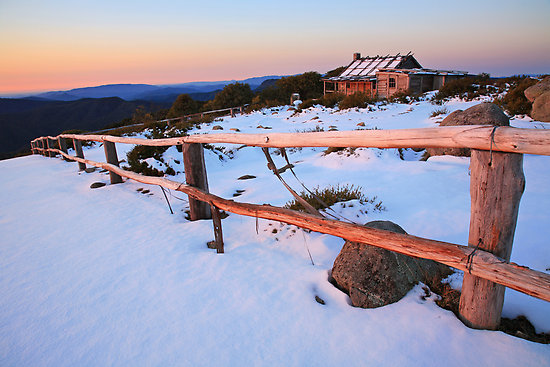
(Picture shows Craig’s Hut at Thredbo, New South Wales; photo from Red Bubble)

Irish Names for Boys

15 Sunday Jun 2014

Posted by A.O. in Name Themes and Lists

≈ 8 Comments

Tags

animal names, celebrity baby names, ethnonyms, famous namesakes, Gaelic names, hebrew names, Irish name popularity, Irish names, Latin names, modern classic names, mythological names, name history, name meaning, name popularity, name trends, names of political organisations, nicknames, Old Irish names, popular names, retro names, royal names, saints names, underused names, Welsh names

a07442ad-b5ca-4bfe-8a64-ab471fc44a87

It was very hard to choose just ten Irish boys’ names, as there are so many commonly used Irish names for boys in Australia, especially if you include Irish surnames. It’s not surprising when you consider our strong Irish heritage, and because the Irish were here from the beginning of European settlement, they were never marginalised as happened in other countries.

Famous Australians with Irish heritage include bushranger Ned Kelly, Peter Lalor who led the Eureka Rebellion, actor Erroll Flynn, artist Sidney Nolan, rock singer Doc Neeson, philanthropist Daisy Bates, and our greatest prime minister, Ben Chifley. Those alive today include Governor-General Peter Cosgrove, Nicole Kidman, Kylie Minogue, surfer Mick Fanning, Socceroo Lucas Neill, author Tom Keneally, and former prime ministers Paul Keating and Kevin Rudd.

A reminder I haven’t included any names with fadas (accent marks), as they aren’t permitted in all states and territories.

Aidan
Anglicised form of Aodhán, a pet form of Aodh or Áed, meaning “fire” in Old Irish; there are many characters from Irish mythology named Aodh. St Aidan of Lindisfarne was an Irish-born monk known as the Apostle of Northumbria; he was famous for converting people by simply walking from village to village, politely chatting with people and introducing them to Christian beliefs by helping them in their daily lives. The name Aidan first ranked in the 1970s at #533, and by the 1980s was already #177. Aidan joined the Top 100 in 1993 at #92, and peaked in 2008 at #51. Currently Aidan is #99 in Victoria and #102 in the Australian Capital Territory. The Aiden spelling is more popular: this first charted in the 1980s at #368, joined the Top 100 in 1997 at #62 and peaked in 2009 at #35. Currently Aiden is #41 nationally, #45 in New South Wales, #45 in Victoria, #65 in Queensland, #47 in Western Australia, and #39 in the Australian Capital Territory. Even combining spellings, Aidan/Aiden is only #51 nationally. This doesn’t seem as if Aidan is very popular, yet it still has a reputation as an “overused” name because of the massive trend for sound-alike names, such as Hayden, Brayden, Caden, Jayden, Zayden etc. Aidan is #50 in Ireland and #43 in Northern Ireland.

Cian
In Irish mythology, Cian was a god and father of the hero Lugh of the Long Hand. According to folk tales, Cian possessed a magical cow which produced a superabundance of milk. During a quest to recover his cow after she had been stolen, he seduced a princess who had been locked up in a tower (it was the princess’ father who had stolen the cow). The tale sounds very much like the Greek myth of Danae, and the princess was imprisoned for the same reason – a prophecy said that the princess’ father would be killed by his grandson. Lugh the Longhand was born from this union, and eventually the prophecy was fulfilled when Lugh killed his grandfather in revenge for locking his mother in a tower. The name Cian means “long, enduring, far, distant” in Gaelic, and is pronounced KEE-in. It is often anglicised to Kian, which is in the 400s in Victoria. Cian is #15 in Ireland.

Connor
Variant of Conor, Anglicised form of the Gaelic name Conchobhar, meaning “lover of hounds”. There have been several real life Irish kings with this name, including a High King, and also the legendary Conchobhar mac Nessa, who was unsuccessfully married to both Queen Medb and Deirdre, but had many other wives. The name is the basis for the Irish surname O’Connor, meaning “grandson of Conchobhar”, and the Clan O’Conchubhair is a royal Irish dynasty whose lineage has provided one hundred kings of Connacht, and two High Kings of Ireland: some members of the noble O’Conor family of Ireland are the living descendants of the last High King of Ireland. Connor is a truly royal name, which must have an influence on its use. The name Connor has charted since the 1980s, debuting at #418. It joined the Top 100 in 1994 at #83, and peaked at #21 in 2003. Currently it is #43 nationally, #74 in New South Wales, #61 in Victoria, #33 in Queensland, #31 in Western Australia, #40 in Tasmania, and #69 in the Australian Capital Territory. Connor is #97 in Northern Ireland; Conor is #5 in Ireland and #17 in Northern Ireland.

Darragh
Variant of Dara, derived from from the Gaelic for “oak grove”. The oak was sacred to the Celts, and the word druid is directly related to the word for oak. The city of Derry in Northern Ireland has the same meaning. Darragh can also be an Anglicisation of the Old Irish name Dáire, meaning “fertile, fruitful, virile, sexually aroused”, but also “agitated, raging, violent, tumultuous”. It’s a very explicit meaning in regard to masculine sexuality, suggesting a sort of bestial lust. The Darini were an ancient peoples from Northern Ireland, and it would seem that Dáire was their ancestor or ancestral god. Several Irish noble families and Scottish clans claim descent from the Darini, as do the current British royal family. There are many kings and heroes from Irish legend named Dáire, but folklorists believe they are ultimately versions of the same mythological figure, who may have been a god of the battlefield. Darragh can be pronounced DAH-ruh, or DA-ra, and may seem like an updated Darren to Australians. Darragh is #20 in Ireland and #30 in Northern Ireland; Dara is #86 in Ireland, and Dáire is #88 in Northern Ireland.

Finn
Both the older Irish and Anglicised form of Fionn, meaning “blond, fair, white, bright”. Its most famous namesake is the mythical warrior and giant Find mac Cumail, transcribed in English as Finn McCool. Finn was a nickname – his real name was Deimne, meaning “sureness, certainty”, and gained his nickname after his hair turned prematurely white. Finn was brought up by a warrior woman who trained him in war and hunting, then he studied under a poet and druid. One day Finn was cooking a mystical salmon for his master which would give him all the knowledge in the world: he burned his thumb in the process, and instinctively put his thumb in his mouth to cool it, swallowing a piece of salmon skin. This gave Finn the wisdom of the salmon, and whenever he needed to draw on its power, he needed only to suck his thumb. Finn’s followers were called the Fianna, and it is from them the Fenian Brotherhood gained their name. According to legend, Finn is sleeping in a cave beneath Ireland, and will one day awake to defend Ireland in her hour of greatest need. Finn first charted in the 1990s at #287, and by 1997 was already in the Top 100 at #88. Currently it is #62 nationally, #68 in New South Wales, #60 in Victoria, #76 in Queensland, #40 in Western Australia, and #30 in the Australian Capital Territory. This is a handsome popular name that has helped drive the popularity of names such as Flynn and Finlay. Finn in #38 in Ireland and #56 in Northern Ireland; Fionn is #27 in Ireland and #70 in Northern Ireland.

Lorcan
Anglicised form of Lorcán, derived from the Irish Gaelic word for “fierce”. There have two been ancient Irish kings named Lorcán, and a medieval saint Lorcán Ua Tuathail whose name is Anglicised to Lawrence O’Toole. St. Lorcán was of royal blood, and became Archbishop of Dublin. He played a prominent role in the religious reform of the 12th century, spearheading a movement of spiritual renewal while bringing the church in Ireland closer to Rome. He was admired by both members of the church and the secular community for his many acts of charity to the poor – much needed at the time due to a severe famine. This is a cool Irish name which could be an alternative to names as Lachlan, Liam, or Declan. Lorcán is #67 in Northern Ireland.

Malachy
Anglicised form of Máel Sechlainn, meaning “follower of St. Seachnall”. St. Seachnall is an obscure 5th century Irish bishop who seems to have been of Italian origin; his name may be an Irish form of the Latin name Secundus, meaning “second (born)”, as he is also known as St. Secundius. The modern spelling of Malachy has been influenced by the Hebrew name Malachi, meaning “my messenger”, and therefore understood as “my angel”. However, Malachy is pronounced MAL-uh-kee, not MAL-uh-kie. There have two medieval High Kings of Ireland named Malachy, and also a St. Malachy, who was the first native-born Irish saint to be canonised. The saint’s name is an Anglicisation of Máel Máedóc, meaning “follower of St. Madoc”; Madoc was a 7th century Irish monk, and his name may come from the Welsh for “fortunate”. Malachy is an attractive name in occasional use, and AFL footballer Liam Picken has a young son named Malachy.

Oscar
Believed to mean “deer friend”. In Irish mythology, Oscar was the son of the warrior Oisin (“young deer”) and the fairy queen Niamh; he was the grandson of Finn McCool, and one of his warriors. Oscar was killed by a member of the increasingly corrupt Fianna, and upon his death, Finn wept for the first time in his life. The name Oscar was popularised in the 18th century by the poems of James McPherson; Napoleon was a great admirer of McPherson and gave his godson Oscar as one of his middle names. Later Napoleon’s godson became Oscar I of Sweden, and the name Oscar became traditional in Scandinavia. The Irish writer Oscar Wilde may have received his name because his mother collected Irish folk tales, but perhaps also because his father had travelled in Sweden, where he received honours from King Carl XV – Carl had a son named Oscar, born two years before Oscar Wilde, and sadly the little prince died just months before Oscar Wilde’s birth. Oscar was #103 for the 1900s, and sank before leaving the charts in the 1940s. It returned in the 1970s at #478, joined the Top 100 in 1998 at #98, and the Top 50 in 2004 at #47. Currently Oscar is #24 nationally, #27 in New South Wales, #20 in Victoria, #39 in Queensland, #34 in Western Australia, #19 in Tasmania, and #20 in the Australian Capital Territory. This tough, masculine yet snuggly retro name is more popular than it has ever been. Oscar is #61 in Ireland and #64 in Northern Ireland.

Ronan
Anglicised form of Rónán. Irish and Scottish legend tells of selkies, who swim in the sea as seals, but can shed their sealskin and become human on land. Male selkies were handsome and seductive; female selkies were said to make excellent wives, but could never forget their true home, and would gaze longingly out to sea – selkie tales are nearly always romantic tragedies. The children born of selkie women were called ronans, or “little seals”. The lovely film The Secret of Roan Inish, set in Ireland, is about the selkie legend, and an Irish animated movie is due to come out this year on the same topic. St. Ronan was an educated Irish bishop who sought exile in Brittany and a peaceful life as a hermit. A magical fairytale name that sounds smooth and handsome, Ronan could replace popular Ryan; it will remind many of Irish singer Ronan Keating from The X-Factor. Ronan is #52 in Ireland and #40 in Northern Ireland.

Rory
Anglicised form of the Irish Gaelic name Ruaidhrí or Ruairí. The name means “red king”, referring to fox-coloured hair. There have been many Irish kings named Ruaidhrí, including Ruaidrí Ua Conchobair, the last High King of Ireland before the Norman invasion. Rory has charted since the 1950s, debuting at #289; after a bumpy start (when it sank to #420 in the 1960s) it began climbing steadily, and peaked in the late 2000s at #125. Currently it’s in the mid 100s, and this is a rare example of a modern classic which has never become popular. Not only underused, Rory is cute but with a “tough boy” vibe, and could be an alternative to popular Riley, or fashionable Remy. Rory is #42 in Ireland and #44 in Northern Ireland; Ruairí is #81 in Ireland and #74 in Northern Ireland.

POLL RESULTS
The public’s favourite names were Finn, Rory and Oscar, and their least favourite were Lorcan, Cian and Darragh.

(Picture of a Harbour Seal or Common Seal from the Belfast Telegraph)

Irish Names For Girls

08 Sunday Jun 2014

Posted by A.O. in Name Themes and Lists

≈ 10 Comments

Tags

classic names, famous namesakes, fictional namesakes, French names, Gaelic names, Irish Gaelic names, Irish name popularity, Irish names, Italian names, middle names, modern classics, mythological names, name history, name meaning, name popularity, nicknames, Old Irish names, popular names, royal names, saints names, underused classics, unisex names, vintage names

3478061055_c7f655e9d0

Irish people have played an important role in Australia’s history, with many arriving in the 18th century as convicts or free settlers. By the late 19th century, a third of Australia’s population was Irish, and today around 30% of us claim some Irish ancestry. It is said that Australia is the most Irish country in the world outside Ireland.

The Irish have made an indelible mark on our history, culture, religion, sport and perhaps most especially, our politics – six of our prime ministers have had Irish ancestors. They have also helped create much of our national character: both the good bits, like our dry sense of humour and love of language, and the bad bits, like our pessimism and thin-skinned “touchiness”. When I did Italian names, I said that I could imagine an Australian without an Italian history, I just didn’t care to, but it’s impossible to imagine Australia without an Irish history.

Here’s ten Irish girls’ names, some of which have become popular here, and others which are less common. Just a heads up that I haven’t included any fadas (accent marks) on any of the names, since they are not legal in all states.

Aisling
Modern name meaning “dream, vision” in Irish Gaelic. It can be seen as a literary name, because the aisling is a poetic genre developed in 17th century Ireland, where a woman appears in a vision and predicts a turn for the better in Ireland’s fortunes. Earlier, the dream-woman was young and beautiful, and didn’t have a political message, but symbolised nature or love. Aisling can be pronounced ASH-ling or ASH-leen, and to English-speakers, seems like a fresh alternative to Ashley; it has also spawned variants such as Ashlynn. Aisling is #41 in Ireland.

Aoife
From the Gaelic for “beauty, radiance”. In Irish legend, Aífe is a warrior woman, and rival of her (possible) sister Scáthach. Legend tells that she fought the hero Cú Chulainn, but he overcame her with trickery, and promised to spare her life if she stopped fighting with Scáthach, spent a night with him, and bore him a son. She fulfilled her side of the bargain, but the story didn’t end happily. In the tale of The Children of Lir, Aoife is the wicked queen who transformed her stepchildren into swans; she was cursed by being turned into a demon by her own father as punishment. Despite this unpleasant namesake, Aoife was used by medieval Irish nobility, with a notable example being Aoife MacMurrough. This 12th century Irish princess conducted battles on behalf of her husband, and is an ancestor of the current British royal family. Aoife is pronounced like EE-fuh; although complex to spell, it sounds rather like popular Eva, and has a lovely meaning. Aoife is #11 in Ireland and #10 in Northern Ireland.

Bridget
Anglicised form of the Old Irish name Brigit, meaning “high, exalted”. In Irish mythology, Brigit is a goddess; her name is derived from the word for “fire” and most likely her title. Brigit was a poet, and the inventor of keening – the lament over a body at a burial that is a mixture of singing and weeping. She is also patron of healing, smithing, arts and crafts, cattle and livestock, sacred wells, and serpents. She ruled all things high-reaching, as well as lofty attributes, such as intelligence, wisdom, excellence, knowledge, and skill. Brigit is associated with the home and hearth, and with early spring. Her special day is Imbolc, on February 1. She has become fused with St Brigid of Kildare, one of the patron saints of Ireland – probably an attempt to Christianise the goddess. St Brigid is patron of smiths, cattle, poets and scholars, and her feast day is February 1. In Ireland, the name Bridget was too sacred to use until the 17th century, but later became extremely popular – so much so that an Irishwoman was called a “Biddy“, just as an Irishman was called “Paddy”. Bridget was #104 in the 1900s, and dropped to its lowest ranking in the 1950s, at 0. It hit a minor peak in the early 2000s at #166, and is currently in the 200s in Victoria and the 400s in New South Wales. Bridget is an underused classic which has remained on the charts while never becoming popular.

Caitlin
Anglicised form of Caitlín, Irish form of Cateline, Old French pet form of Catherine. While the Irish say it something like kat-LEEN, English-speakers say KAYT-lin, and turn the Irish pronunciation into another name, Kathleen. Caitlin has been used in Ireland since the 19th century, and became well known in the 20th. In Australia, Caitlin has ranked since the 1970s, making its debut at #554, and soaring until it entered the Top 100 in 1987 at #86. By 1990 it was in the Top 50 at #38; by 1994 it was in the Top 20 at #15. It peaked in the late 1990s at #12, and since then has declined. Currently Caitlin is #99 nationally, #78 in New South Wales, and #103 in the Australian Capital Territory. Last year Caitlin was one of the names that fell the most in popularity, suggesting its day is coming to a close (although its many variant spellings would significantly boost its ranking). Caitlin is #64 in Ireland and #33 in Northern Ireland.

Ciara
Feminine form of Ciar, meaning “black”. There is a 6th century St Ciara and a 7th century one, or else just one long-lived St Ciara. According to legend, St Ciara was of royal blood, and founded an abbey; another story says that she (unless it is a different St Ciara) saved a town from a noxious fire through her prayers. Ciara is pronounced KEER-uh, and must be one of the most heavily Anglicised Irish names, for you rarely see it with its native spelling, but more often Keira or Kira. Although to me the Ciara spelling looks more elegant, it risks being confused with the Italian Chiara. Ciara fits in with Australian’s love of names such as Kirrily and Kirra, and has a native sound to our ears. Ciara is #32 in Ireland.

Deirdre
Deirdre of the Sorrows is a tragic heroine from Irish mythology. The daughter of King Conchobar’s bard, when she was a baby a druid predicted she would be very beautiful, but that much blood would be shed for her sake. Conchobar decided he wanted this beauty for himself, and had her brought up in seclusion. As an adult, Deirdre was as stunning as the druid had foreseen, and she fell in love with a handsome warrior named Naoise. The couple eloped, and were blissfully happy until the furious Conchobar tracked them down. In the ensuing battle, Naoise was amongst those killed. Conchobar triumphantly took his gorgeous wife home, but was angry that she remained cold and depressed. To teach her a lesson, he told her that he would give her to the man who had murdered Naoise – the man she hated above all others. On the journey to deliver her, the unhappy Deirdre threw herself from the chariot and split her head open. In some versions of the story, she simply wastes away with grief. Deidre is derived from the Gaelic name Derdriu, whose meaning is debated, but is implied in the original story as meaning “noise, murmuring”, related to the word for “storm”. It could thus be understood as “weeping, wailing, storm of tears”, and is often glossed as “sorrow”. Deirdre came into use as a girl’s name in the 19th century, and became more common in the 20th, when there had been many popular re-tellings of the legend. Deirdre first ranked in the 1930s at #183, peaked in the 1940s at #180, and hasn’t charted since the 1970s. This is a vintage name which has had very little use, so hasn’t become dated. It is rather lovely, although very sad.

Erin
Derived from Éirinn, from the Irish word for Ireland, Éire. Erin was used as a poetic and nationalistic name for Ireland, or the feminine personification of Ireland. According to folklore, the country’s name comes from Ériu, the mother goddess of Irish mythology, and a symbol of Irish sovereignty. Her name is believed to come from an ancient root meaning “fat”, to indicate that Ireland was a land of abundance. Erin came into common use as an Irish name in the 19th century. It has sometimes been given to boys, perhaps because it sounds like Aaron and Eric, but has only charted for girls. The name Erin first charted in the 1950s, debuting at #457, and reached the Top 100 in 1978, at #71. By 1980 it was in the Top 50 at #46, the following year it was in the Top 20 at #17, and it peaked in 1984 at #12. Erin has been a long-time favourite, and only left the Top 100 in 2012. This modern classic is no longer popular, but still getting a reasonable level of use. It is #39 in Ireland and #19 in Northern Ireland.

Maeve
Anglicised form of the Gaelic name Medb, meaning “intoxicating”, and related to the English word mead (a fermented honey drink). In Irish legend, Queen Medb was a powerful and seductive queen known for taking a succession of husbands as her consorts. She was once married to King Conchobar, from the story about Deirdre. Medb couldn’t stick him either and walked out; she ended up defeating Conchobar and ruling in his place. She demanded that her wealth be at least equal to her husbands’, and insisted her consorts be without fear, meanness, and jealousy – the last was very important, because Medb also took lovers to supplement her husbands. Folklorists believe that Queen Medb was originally a sovereignty goddess in a matrinlineal society who the king would symbolically “marry” in order to gain power over the land. This explains her many husbands. In modern times, she has become a feminist symbol of women’s power and female sexuality. This is a sweet, spunky name which fits in with the trend for names with a V in them, like Ava, and makes a great middle name. Maeve is in the 100s in Victoria, so not particularly unusual, while it is #100 in Ireland.

Orla
Anglicised form of Órfhlaith or Órlaith, meaning “golden princess”. Órlaith was a very popular name in medieval Ireland, and there are several queens and princesses from Irish history with this name. The famous High King of Ireland Brian Boru had a sister named Órlaith who married another High King (she unfortunately came to a sticky end after getting over-involved with her stepson), and Brian also had a daughter and a grand-niece named Órlaith. For some reason, Orla is a man in The Poems of Ossian by James McPherson, a young warrior and chieftain of Lochlin who falls in battle. In Scandinavia, Orla is used as a male name, and that might be because of McPherson’s poetry, which was very popular in Scandinavia. Orla is simple to spell and pronounce, and the princessy meaning would be attractive to many parents. Orla is #82 in Ireland.

Sinead
Anglicised form of Sinéad, the Irish form of Jeanette, the pet form of the French name Jeanne. It is the equivalent of the English name Janet, which is a pet form of Joan. In practice, Sinead is often understood as the Irish form of Jane or Jean; it has even been used as an Irish form of Jennifer since Jenny is an old pet form of Jane. The name is pronounced shi-NAYD. A famous Irish namesake is Sinéad de Valera, the wife of the Rebublican leader and Ireland’s third president, Éamon de Valera. A teacher of the Irish language, Mrs de Valera was named Jane by her parents, but changed her name to Sinéad not long after she was married. Sinéad de Valera was a successful children’s writer, who wrote in both English and Irish. She helped to popularise the name in Ireland, and the Irish singer-songwriter Sinéad O’Connor was named after her. Sinéad has lost popularity in Ireland in recent years, and has never charted in Australia, although still seen occasionally.

POLL RESULTS
The public’s favourite names were Maeve, Bridget and Aoife, and their least favourite were Ciara, Deirdre and Sinead.

(Picture shows detail from an Irish pound note, which bears the likeness of Queen Medb or Maeve; the pound hasn’t been used in Ireland since 2002 when the euro was introduced)

Famous Name: Harvey

28 Wednesday May 2014

Posted by A.O. in Famous Names, Requested Names

≈ 7 Comments

Tags

birth notices, Breton names, english names, famous namesakes, French names, Gaelic names, Gallic names, Irish names, mythological names, name history, name meaning, name popularity, Old Breton names, popular names, retro names, saints names, surname names, UK name trends, US name trends


world-no-tobacco-day-rose-graphicFamous Namesake
On May 31 it will be World No Tobacco Day, encouraging smokers to abstain from tobacco for just 24 hours. World No Tobacco Day was started by the UN’s World Health Organization in 1987, and each year there is a new theme: this year it is “Raise taxes on tobacco”. Should you wish to celebrate No Tobacco Day by giving up smoking, information and support can be gained from a number of government and community services.

The number of Australian smokers has dropped dramatically since World War II. In 1945, about three-quarters of men and a quarter of women smoked every day. Today it’s 16% of men and 13% of women, with numbers continuing to fall, making us one of the most successful countries at reducing smoking in the English-speaking world. That can be attributed to vigorous public anti-tobacco campaigns running since the 1980s.

Australia’s campaign against smoking began with William Harvey, a distinguished thoracic physician who devoted his lengthy career to the study and treatment of tuberculosis after his father (also a doctor) contracted the disease. Harvey had the satisfaction of seeing TB become less common, due to better testing and treatment, but over time he became concerned at the growing incidence of lung cancer.

In 1965 he helped found the Australian Council on Smoking and Health as part of his campaign against smoking, and was its president from 1966 to 1975. This didn’t make him popular with some, especially tobacco companies, who continued to deny there was any link between smoking and disease. However, William Harvey had been a POW during World War II who continued caring for his patients even as disease threatened his own life. He didn’t believe in giving up.

He visited schools and sporting bodies, he wrote to the newspapers, and he persuaded other doctors and medical organisations to join him in his campaign against tobacco. One of his achievements was the banning of cigarette vending machines in hospitals. Progress seemed slow, but he persisted, saying that he had great faith in “the inevitability of gradualness”. A devoted family man, Harvey was a keen gardener and surfer into his twilight years, and played golf, tennis and bowls. He passed away suddenly in 1981 at the age of 84 – a good advertisement for a life of healthy non-smoking.

William Harvey didn’t live to see the big government campaigns against smoking of the 1980s, but their existence and determination owe a great debt to his dedication and energy. And if I can reveal my hand, I have friends and family members who have given up smoking, and as a result I have got to spend many more years with them, or seen them live happier, healthier lives. Every one of them was convinced to give up by anti-smoking campaigns, so from the bottom of my heart, I thank you William Harvey.

Name Information
Harvey is an English surname, and one of the earliest recorded. It is derived from the Breton personal name Huiarnuiu derived from the Old Breton name Huiarnviu, meaning “blazing iron”. The Gallic form of the name is Hervé, and St Hervé (or St Harvey) is one of Brittany’s most popular saints.

Hervé was born blind, and was a 6th century hermit and bard known for his humility. According to legend, he had the power to cure animals, and was always accompanied by a wolf. The story goes the wolf had eaten the ox that the saint used for ploughing, and St Hervé made such an eloquent sermon that the wolf volunteered to pull the plough instead, in penitence.

One of the followers of William the Conqueror during the Conquest was named Hereueu, another form of the Breton name. Use of the name as a surname followed almost immediately after the arrival of men with the first name, and is first found in Norfolk, where the Harvey family were granted lands for their services at the Battle of Hastings.

In Ireland, Harvey was used to Anglicise the Gaelic surname O’hAirmheadhaigh, meaning “grandson of Airmed”. Airmed is a goddess from Irish mythology, known for being a healer during a great battle. As she wept over the grave of her brother, who had been slain by her father, all the healing herbs of the world sprang up, watered by her tears. Airmed gathered them into her cloak, but her father scattered the herbs, so that no person can ever know all the secrets of herbalism – only Airmed. Her name is identical to a word meaning “a measure of grain”, although I’m not sure if that is the origin of the name.

Harvey was also used to Anglicise the Gaelic surname Ó hEarchaidh, meaning “son of Earchadh”. Earchadh is an Irish name that I have seen translated as “noble warrior”. By the way, William Harvey was very proud of his Irish Protestant heritage, so his surname was Irish, although most likely of English origin rather than Gaelic.

The name Harvey was #167 in the 1900s, and peaked in the 1940s at #141 – perhaps because of a family of cricketers from Victoria with the surname Harvey who flourished around this time. Harvey disappeared from the charts from the 1960s to the 1980s, but made a comeback in the 1990s when it ranked at #581.

Interestingly, this was the time when retail chain Harvey Norman, co-founded by maverick businessman Gerry Harvey, became a “superstore” business, with massive expansion. The name Harvey zoomed up the charts to make #314 for the early 2000s and #243 for the late 2000s. Harvey peaked in 2010 at #149, and then began dipping the next year – this coincides with Gerry Harvey’s unpopular campaign to make consumers pay Goods and Services Tax on items bought online from overseas websites.

Although Harvey is in the 100s in New South Wales, it is a Top 100 name in Victoria. Harvey entered the Victorian Top 100 in 2010, debuting at #100, and last year made #64. If you are in Victoria you probably think of Harvey as a popular and rising name, while in other states, Harvey may seem fashionable but underused. It is not clear at present if other states will follow Victoria’s lead, but as Harvey is Top 100 in the UK, and rising in the US, international trends suggest Harvey’s popularity here may be increasing.

Harvey is a cute, spunky name for boy, but there’s also something strong and masculine about it. This retro name has been underused for most of its history, and is now making a comeback – in at least one state, it is more popular now than at any other time. This may give some parents the jitters. Although it has only ever charted as a boy’s name, I have seen Harvey on a few girls in birth notices, and the Irish goddess does give this some legitimacy as a name for both genders.

POLL RESULT
Harvey received an excellent approval rating of 75%, making it one of the highest-rated names for 2014. People saw the name Harvey as strong and manly (20%), cute and boyish (16%), and traditional without being stuffy (13%). However, 11% were reminded too strongly of Harvey Norman stores. There was a strong preference for Harvey being reserved for boys only, with 18% saying it was only suitable for boys, and just 2% believing it could be used for both genders.

Thank you to Vanessa for suggesting the name Harvey be featured on Waltzing More Than Matilda.

Boys Names from the Top 100 of the 1920s

11 Sunday May 2014

Posted by A.O. in Name Themes and Lists

≈ 7 Comments

Tags

Anglo-Saxon names, aristocratic surnames, classic names, dated names, english names, epithets, famous namesakes, Gaelic names, germanic names, Irish names, locational names, middle names, name history, name meaning, name popularity, name trends, nicknames, Norman-French names, Old English names, Old Norse names, retro names, Roman names, royal names, saints names, Scottish names, surname names, unisex names, Welsh names

161695_medium

Happy Mother’s Day! One of my mum’s favourite hobbies is browsing in antique shops and vintage stores: sometimes you find the most wonderful items in these places, and marvel that we ever stopped making such beauties. On the other hand, sometimes there’s nothing but junk in them. But either way, you get to lose yourself in the past for a while. Here are ten boys names from the 1920s, and I will let you decide whether I have dug up something worthwhile, or whether they should be allowed to lie under dust sheets for a few years longer. 

Athol
Based on the place name Atholl, a district of the Scottish Highlands which means “New Ireland” in Gaelic. One of its towns is named Blair Atholl, and the Duke of Atholl is a member of the Scottish peerage – the only person in Europe legally commanding his own private army, the Atholl Highlanders. Both Sydney and Adelaide have suburbs named Blair Athol; the one in Sydney is named after a historic house. A famous Australian namesake is Athol Guy, from folk group The Seekers – he’s the one with glasses. Athol has been used as a first name since the 18th century, and originates from the Atholl region of Scotland. Athol was #86 in the 1900s, and peaked in the 1910s at #70; by the 1920s it was #72. It left the Top 100 in the 1940s, and hasn’t ranked since the 1950s. Athol unfortunately sounds a lot like the female name Ethel, and can be mispronounced to sound like a rude word (I went to primary school with an Athol, and can testify to this). It might be better suited as a middle name.

Bernard
Germanic name translated as “brave as a bear”. It was brought to England by the Normans, where it replaced the Old English equivalent, Beornheard. There are several saints named Bernard, including St Bernard of Mentone, founder of a famous refuge for pilgrims in the French Alps; the St Bernard dogs used to rescue people are named after him. Another is St Bernard of Clairvaux, who founded the Cistercian Order and is a Doctor of the Church, famed for his eloquence. Two Australian celebrities demonstrate the different ways this name can be pronounced: Bernard Fanning from Powderfinger says his name with the accent on the first syllable, while tennis player Bernard Tomic has his name pronounced with the emphasis on the second. Bernard was #62 in the 1900s, and peaked in the 1920s at #53. It didn’t leave the Top 100 until the 1970s, and last ranked in the 1990s. With more than sixty years in the Top 100, yet never in the Top 50, Bernard seems very usable. It’s a strong, masculine name that is quite funky, and comes with cute nicknames like Bernie, Barney, and Bear.

Herbert
Germanic name translated as “bright army”, and found very early in the form Charibert, who was King of the Franks in the 6th century; his daughter married a king of Kent. The Anglo-Saxons had their own form of the name, Hereberht, and there is a 7th century saint with this name, as well as an obscure French St Herbert. When the Normans conquered England, they brought the name with them, and it replaced the Old English form. Unlike many other medieval names, Herbert managed to remain in use because it is an aristocratic surname – the Herbert family have been Earls of Pembroke in an unbroken line since 1501. The first Earl of Pembroke was a courtier married to the sister of Catherine Parr, one of Henry VIII’s wives, and the present Earl still lives on the estate built by the first Earl. The name Herbert became popular during the 19th century, when Sidney Herbert, the 14th Earl, was a distinguished politician famous for being the most handsome MP of his day. Herbert was #23 in the1900s, and #48 by the 1920s. It left the Top 100 in the 1940s, and hasn’t ranked since the 1960s. I have seen one or two small children named Herbert, and this is one for the serious lover of vintage names, with the nicknames Herb, Herbie, and Bertie.

Ian
Anglicised form of Iain, a modern Scottish Gaelic form of John, derived from the medieval Irish name Eoin. Both Iain and Ian date from the 19th century, and it is not impossible that Iain was an attempt to Gaelicise English Ian. Ian was #128 in the 1900s, and joined the Top 100 the following decade. It was #57 in the 1920s, and peaked in the 1950s at #10. It didn’t leave the Top 100 until the 1990s, and is currently stable in the mid-200s. This makes Ian a very safe choice – it’s a classic which was popular for eighty years, and is still in reasonable use.

Lloyd
English form of the Welsh Llwyd, commonly translated as “grey”, which in practice referred to various shades of brown in different contexts, and white, in the sense of grey hair being white. Although Llwyd was sometimes used as a personal name, it became better known as an epithet, which came to describe someone with mouse-brown hair, and then developed into a surname. By this stage, the original meaning of “grey” was pretty much lost, and it was understood as “brown-haired”. The word llwyd could also be understood as meaning “holy, blessed”, although this doesn’t seem to have contributed to the surname. In Britain, Lloyd has some heavy-duty business clout, due to Lloyds Bank, and the insurance market Lloyd’s of London. Use of the name may have been boosted by David Lloyd George, Britain’s only Welsh Prime Minister. Lloyd was #148 in the 1900s, and peaked in the 1910s at #80. By the 1920s it was #91, and it left the Top 100 the following decade. However, the name Lloyd continued to chart until the late 2000s. It’s still in occasional use, and I see it quite often as a middle name in birth notices. Lloyd may be a little clunky, but it’s not an outrageous choice.

Ross
A region in north-west Scotland, said to mean “headland” in Gaelic, perhaps referring to the Black Isle, a peninsula in the Scottish Highlands. Another possibility is that it means “horse island” in Old Norse, in reference to the island of Orkney. The Scottish surname Ross originates from this area. However, the surname has English roots too, because there are places in England named Ross, with the meaning “headland”, and Rozzo was an Anglo-Saxon name meaning “fame” (related to the name Rose). The Rosses were a large Yorkshire family who came over with William the Conqueror from the village of Ros in Normandy (the name means “red’); in the Middle Ages they bought up large tracts of Ayrshire, so their surname also became Scottish. Ross has been used as a personal name since at least the 16th century, and first used in England rather than Scotland. Ross was #203 for the 1900s, and hit the Top 100 in the 1920s at #75. It peaked in the 1950s at #37, didn’t leave the Top 100 until the 1980s, and still ranked in the late 2000s. Ross is fairly common in the middle, and wouldn’t be too surprising up front.

Roy
Anglicised form of Ruadh, a Gaelic name meaning “red”, often used as a nickname for someone with red hair. One of the most famous bearers is Scottish outlaw Raibeart Ruadh MacGriogair, known in English as Rob Roy MacGregor. His story was turned into a best-selling novel by Sir Walter Scott, and Liam Neeson starred in a film about him. The name can also be derived from the surname, which can be from Ruadh, but also from Norman-French Roi, meaning “king”. This could be used as a nickname, but was a medieval personal name as well. Roy was #25 in the 1900s, and #34 by the 1920s. It left the Top 100 in the 1950s, and reached its lowest point in 2010 with a ranking of 0. Since then, Roy has begun to pick up steam, and has become rather fashionable, along with similar names like Royce, Elroy and Leroy. This classic is once again on trend.

Sidney
Aristocratic surname which probably comes from a place name meaning “at the water-meadows” in Old English. However, folk etymology derives it from the French Saint-Denis, a suburb of Paris named after the city’s first bishop. The Sidney family became prominent during the Tudor period; Sir William Sidney was squire to Henry VIII. Sir William’s grandson was poet Sir Philip Sidney, famous for creating the name Stella. The story goes he had a noble and gallant death, for as he lay dying in battle, he gave his water to another wounded soldier, with the words, “Thy necessity is yet greater than mine”. Sir Philip’s great-nephew was Algernon Sidney, a 17th century republican executed for treason, and afterwards revered as a heroic patriot and martyr. Although Sidney had been used as a first name since the 16th century, it became much more popular in the United States during the 18th and 19th, because Algernon Sidney’s anti-monarchist views were highly influential to the American conception of liberty. Although it has charted for both sexes in the US, in Australia Sidney has only charted as a male name. Sidney was #48 in the 1900s, and peaked in the 1910s at #47; by the 1920s it was #63. It left the Top 100 in the 1940s, and dropped from the charts in the 1980s. However, it ranked again in the late 2000s at #450, and has been gently increasing. This retro name is back in style, along with its short form, Sid.

Terence
English form of the Roman family name Terentius, of unknown meaning. The Roman comic playwright we call Terence was named Publius Terentius Afer, and he was a slave (probably from Libya) of a Roman senator from the Terentius family, who educated him, and later freed him; he adopted the name Terentius after gaining his freedom. There are several saints we call Terence, although most of them were named things like Terentianus, Terentian, or Tertius. Terence has been used as an English name since the 17th century, and in Ireland was used to Anglicise the name Toirdhealbhach, meaning “instigator”. Terence was #141 for the 1900s, and joined the Top 100 in the 1920s at #71. It peaked in the 1940s at #30, and left the Top 100 in the 1960s. It hasn’t ranked since the 1990s, but Terence still seems usable, and could be seen as either a “posh” choice or an Irish one.

Wallace
English surname derived from the Norman French waleis, meaning “foreigner”. Although often translated as “Welsh”, the word waleis could refer to someone from Wales, or from the English counties bordering Wales, or to Cornish Celts, or to Bretons who came to England after the Norman Conquest and settled in East Anglia. The surname became associated with Scotland because of the early medieval Kingdom of Strathclyde, which straddled northern England and southern Scotland. The people of Strathclyde spoke Cumbric, a British language closely related to Old Welsh, and were known as walensis. Even after becoming part of Scotland, it remained a distinctive area into the 12th century. The surname is famous because of Sir William Wallace, a commander during the 13th century Wars of Scottish Independence who has become an iconic Scottish national hero. There have been many books and poems written about Wallace’s exploits, and he features in the film Braveheart, played by Mel Gibson. Wallace has been used as a first name since the 17th century, and originates from Scotland. Wallace was #74 for the 1900s, and peaked in the 1920s at #68. It left the Top 100 in the 1940s, and hasn’t ranked since the 1950s. Wallace really deserves to make a comeback, and the nicknames Wally and Wal are cute.

POLL RESULTS
The public’s favourite names were Sidney, Wallace and Ian, and their least favourite were Terence, Athol and Herbert.

(Picture shows two boys riding their tricycles amongst grape vines in Mildura, Victoria in the 1920s; photo from Museum Victoria)

← Older posts
Newer posts →

Enter your email address to follow this blog

Categories

Archives

Recent Comments

A.O.'s avatarwaltzingmorethanmati… on Zarah Zaynab and Wolfgang…
Madelyn's avatarMadelyn on Zarah Zaynab and Wolfgang…
JD's avatardrperegrine on Can Phoebe Complete This …
A.O.'s avatarwaltzingmorethanmati… on Rua and Rhoa
redrover23's avatarredrover23 on Rua and Rhoa

Blogroll

  • Appellation Mountain
  • Baby Name Pondering
  • Babynamelover's Blog
  • British Baby Names
  • Clare's Name News
  • For Real Baby Names
  • Geek Baby Names
  • Name Candy
  • Nameberry
  • Nancy's Baby Names
  • Ren's Baby Name Blog
  • Sancta Nomina
  • Swistle: Baby Names
  • The Art of Naming
  • The Baby Name Wizard
  • The Beauty of Names
  • Tulip By Any Name

RSS Feed

  • RSS - Posts

RSS Posts

  • Celebrity Baby News: Melanie Vallejo and Matt Kingston
  • Names from the TV Show “Cleverman”
  • Can Phoebe Complete This Sibset?
  • Zarah Zaynab and Wolfgang Winter
  • Baby, How Did You Get That Name?
  • Celebrity Baby News: Media Babies
  • Celebrity Baby News: Adelaide Crows Babies
  • Celebrity Baby News: Chris and Rebecca Judd
  • Names at Work: Name News From the World of Business and Employment
  • Celebrity Baby News: Sporting Round Up

Currently Popular

  • Rare Boys Names From the 1950s
  • Celebrity Baby News: Toby Allen and Darren Weller
  • The Top 100 Names of the 1930s in New South Wales
  • Celebrity Baby News: Jason Morrison and Heidi Tiltins
  • Celebrity Baby News: Jacinta Allan and Yorick Piper

Tags

celebrity baby names celebrity sibsets english names famous namesakes fictional namesakes honouring locational names middle names name combinations name history name meaning name popularity name trends nicknames popular names saints names sibsets surname names twin sets unisex names

Create a free website or blog at WordPress.com.

Privacy & Cookies: This site uses cookies. By continuing to use this website, you agree to their use.
To find out more, including how to control cookies, see here: Cookie Policy
  • Subscribe Subscribed
    • Waltzing More Than Matilda
    • Join 517 other subscribers
    • Already have a WordPress.com account? Log in now.
    • Waltzing More Than Matilda
    • Subscribe Subscribed
    • Sign up
    • Log in
    • Report this content
    • View site in Reader
    • Manage subscriptions
    • Collapse this bar
 

Loading Comments...