• About
  • Best Baby Names
  • Celebrity Baby Names
  • Celebrity Baby Names – Current
  • Celebrity Baby Names – Past
  • Featured Boys Names
  • Featured Girls Names
  • Featured Unisex Names
  • Links to Name Data
  • Waltzing on the Web

Waltzing More Than Matilda

~ Names with an Australian Bias of Democratic Temper

Waltzing More Than Matilda

Tag Archives: Biblical names

Names Spotted at Home and Abroad (Autum Edition)

27 Thursday Jun 2013

Posted by A.O. in Names Spotted at Home and Abroad

≈ 7 Comments

Tags

Arabic names, Arthurian names, Biblical names, Cornish names, english names, hebrew names, Japanese names, locational names, Maori names, name meaning, names from movies, names from television, portmanteau names, rare names, Scottish names, Slavic names, Spanish names, stage names, surname names, terms of endearment, unisex names, vocabulary names, Welsh names

982951-130420-twam-honeyNames of Babies and Children

The winners of the 2013 Bonds Baby Search were announced during the autumn, and some of the interesting names I saw amongst them were Ramsey, Cielo and Azriel. Ramsey is a Scottish surname from an English town meaning “wild garlic island” – at last, it’s an anti-vampire name! Cielo means “sky”, in Spanish, but it’s also a term of affection, meaning “my heaven”. Azriel is a Hebrew Biblical name which means “help of God”. Although male in the Bible, its similarity to Azaria and Ariel probably makes it seem unisex, or even female.

A baby girl born rather suddenly in a hospital car park in Adelaide was named Lowenek, a Cornish name said to mean “joyfulness”. South Australia has a strong Cornish heritage, and I wonder if little Lowenek was named with this in mind?

A poor little baby had a rather awful time in hospital. Her name is Venice, which I think is really pretty. We just saw a Verona in a birth announcement, and I saw a Vienna at For Real Baby Names – Valencia must be just around the corner.

This story on a mum who went all out to lose her baby weight, getting super fit in the process, says that she has a toddler son named Jatticus, and a baby daughter named Atlantis. I’ve seen people use Jatticus as a user name online, but never seen it on a baby before, and Atlantis is pretty wow.

A story on a Sydney family with a dozen children did not give all their names, but did mention one boy named Taiawhio, which is a Maori name meaning “go around, encircle”.

An article on baby naming laws in Australia from Lifehacker mentioned a few rare baby names that were registered last year – Hurricane, J’Adore, Couture, Excel, Burger, Google, Tron, Hippo. Are these unique baby names? Nope, they were each registered more than once. Remember, no matter how unusual you think your baby name is, someone else has probably thought of it.

Names of Adults

A story on a baby’s difficult birth mentioned the midwife as being named Oki Rose. Oki is a Japanese name which means “offing” – the offing is the distant sea which is still visible from the shoreline. It’s a surname in Japan, as well as a place name, the Oki Islands. It’s a name which strangely appeals to me, and as parents sometimes call their babies after the midwife in gratitude, I wonder if there are any little Okis in her area?

There was a profile on a novelist named Honey Brown. People always ask her if it’s a pen name, but it’s the name she was given at birth. Her dad was driving down a country road when he saw a sign advertising honey painted on a roadside shed, and he went home and told his pregnant wife that if they had a girl, her name had to be Honey. If that isn’t sweet enough, for her 40th birthday, Honey’s sister tracked down the original sign and took a photo of it. I love a name with a story behind it.

Another writer, this time a teenage fashion blogger from Perth named Willabelle Ong. She’s been blogging since she was 15, has more than 60 000 subscribers, racks up over 115 000 views a month, and has been featured in Teen Vogue and the New York Times. I’m not usually a fan of portmanteau names, but Willabelle is really quirky and charming.

There was a story on a young rapper whose stage name is Iggy Azalea, which is pretty cool. Her real name is Amethyst Kelly, which is cool too. Would you prefer to be called Iggy or Amethyst?

A story on new Australian citizens in Queensland mentioned one with the intriguing name of Ginny Lovelady. It puts an interesting picture in your mind. Other names of new Australians were Craig, Manjula, Marriette, Brigette, Albert, Melissa and Almari.

While watching RPA, I saw a young man, still in his teens, having a tumour removed from his leg. Luckily, his limb was able to be saved. He had the romantically Arthurian name Galahad, which some interpret as being from the Welsh for “hawk of summer”. Galahad is the only knight who is pure enough to find the Holy Grail, and some see him as a Christ-figure. Guinevere is becoming accepted as a “normal” name now, so how about Galahad for the guys?

On the news, there was a brief interview with the father of an unsuccessful criminal who was foiled by a quick-thinking young lady. The dad’s name was Trampas, which seemed to me very unusual (okay, utterly bizarre). Turns out the name had quite a vogue in its day, because Trampas was one of the main characters in the 1960s TV cowboy series, The Virginian. It’s from a place name meaning “traps” in Spanish, and there’s some famous Americans with this name, who were born while the TV show was on. There’s also several Australians with the name in historical records. Perhaps in 50 years a name blogger will exclaim over a stout middle-aged lady named Katniss, and wonder where on earth she got her “weird” name from.

Speaking of names from books, a friend complained that she couldn’t finish the novel she’d started because of the heroine’s name – Ava. She found it ridiculous that a grown woman should have a “little girl” name – sooo unbelievable. The funny thing is, I know an Ava who’s 32, not to mention a Ruby who’s 28 , a Keeley who’s 29, and an Oliver and a Tyson in their mid-forties. These popular baby names had to start out somewhere! The grown-up Ava I know has a toddler named Jessica – I wonder how many people get their names confused?

Interesting Names Spotted in Real Life

Akira – a Japanese name meaning “bright, clear”. It can be unisex, but I saw it on a boy.

Ebenezer – I was so rapt to see this on a little boy! It really doesn’t seem any different to Biblical names like Ethan, Elijah, Ezra etc.

Malik – an Arabic name meaning “chieftain, king”. Does it remind you of Slumdog Millionaire or One Direction?

Riven – a girl’s name from the online game, League of Legends. Literally it means “split asunder” in English, which kind of freaks me out, but I can see it sounds a lot like River and Rivendell. Maybe her parents think riven means “full of rivers”?

Zora – a Slavic name meaning “dawn”. A nice alternative to popular Zara.

Names of Babies Born to People I Know or Know Of:

Girls: Autumn, Mabel, Xanthe

Boys: Calvin, Lennon, Theo, Wyatt

(Picture shows the original sign which inspired Honey Brown’s name)

Boys Names from the Top 100 of the 1910s

26 Sunday May 2013

Posted by A.O. in Name Themes and Lists

≈ 14 Comments

Tags

aristocratic surnames, aristocratic titles, Arthurian legends, Biblical names, British names, celebrity baby names, Celtic names, classic names, english names, famous namesakes, fictional namesakes, French names, Gaulish names, germanic names, hebrew names, Idylls of the King, King Arthur, Latin names, locational names, Lord Tennyson, name history, name meaning, name popularity, names from movies, nicknames, Norman-French names, Old Norse names, papal names, Roman names, royal names, saints names, Scottish names, surname names, unisex names, Welsh names

awm-ez0007Arthur

Arthur‘s fame comes from the legendary King Arthur, a British hero of the Dark Ages who became much celebrated in medieval romances. The meaning of the name isn’t known; some popular theories derive it from the British for “bear king” or, less convincingly, the Welsh for “bear man”. Another theory is that it is from the Roman surname Artorius, which would make King Arthur a Romanised Briton; this does fit in with some of the earliest versions of the tales. Unfortunately, it isn’t known what Artorius means, so leaves us no wiser. It’s a name we often think of as Victorian, as the 19th century was so keen on reviving medieval names, and Lord Tennyson’s Idylls of the King made the Arthurian legends popular once more. Queen Victoria’s favourite son was named Arthur, and Arthur Wellesley, the Duke of Wellington, and detective writer Arthur Conan Doyle were two other famous Victorian namesakes. Arthur was #6 in the 1900s, and peaked in the 1910s at #5. It didn’t leave the Top 100 until the 1960s, and reached its lowest point in the early 2000s at #334. Since then it has been rising gently, and is currently #216. Handsome and noble, this is a classic which isn’t overused and the nickname Artie is a good alternative to popular Archie.

Clarence

Clarence seems to have started out as a girl’s name, presumably an elaboration of Clare or variant of Clarice. In the 19th century, although given to both sexes, it was much more common as a boy’s name, due to Queen Victoria’s son Leopold, the Earl of Clarence. The title is said to originate from the town of Clare in Suffolk, owned by the first Duke of Clarence, Lionel of Antwerp, in the 14th century. The town’s name was originally Clara, from Roman times – this was either from the Latin for “clear” because of the Chilton Stream which flows through the town, or a Latinisation of a Celtic word, but scholars seem to currently lean towards the first explanation. Clarence was #30 in the 1900s, #42 in the 1910s , and left the Top 100 in the 1940s. It hasn’t charted since the 1960s. Famous as the angel in It’s a Wonderful Life, this might seem like an “old person name”, but actor Clarence Ryan, who has starred in kid’s TV shows Lockie Leonard and Dead Gorgeous, gives us a chance to see the name on a young man. The classic nickname is Clarry, but Ren would be neat.

Ernest

Ernest is a Germanic name meaning “vigour, strife”, only very distantly related to the English word earnest. It was a name used by German royalty and nobility, and introduced to England in the 18th century when the Hanoverians inherited the British throne. Famous men named Ernest include New Zealand-born physicist Ernest Rutherford, British explorer Ernest Shackleton, American author Ernest Hemingway and Australian TV host Ernest “Ernie” Sigley. The name also reminds us of Ernest Worthing, from the Oscar Wilde play, The Importance of Being Earnest. Ernest was #16 in the 1900s, #17 in the 1910s, and left the Top 100 in the 1950s. It hasn’t charted since the 1970s. Ernest seems like one of those granddad names that could easily be used again; it’s strong and appealing, almost sounds like a virtue name, and Ernie makes a cute nickname. In a recent poll on the blog, Ernest was voted the male name from the 1900s that people most wanted to be revived.

Horace

Horace is the name by which the Roman poet Quintus Horatius Flaccus is known in English. He was a member of the Horatii, an ancient noble family of Rome. The family name Horatius is said to go back to a legendary hero named Horatus; the meaning of his name is unknown. The poet Horace used to make puns on his own name and its similarity to the Latin hora, meaning “hour”, and from this exhorting to “seize the day” and make the most of time. The elegant and witty poetry of Horace was a great influence on English literature from the Middle Ages onwards, but to modern eyes his love poetry appears brutally unromantic (he seized the day with an awful lot of people). The name Horace was #45 in the 1900s, #57 in the 1910s, and had left the Top 100 by the 1930s. It hasn’t charted since the 1940s. Unfortunately for the name, Horace always seems to be used for comic characters in fiction, often overweight ones, such as barrister Horace Rumpole of the Bailey and Horace Slughorn from Harry Potter. Indeed, the Roman poet himself was short and rotund, giving this name a portly sound. However, it also seems sturdy and reliable – and you could use Ace as a contemporary nickname.

Joseph

Joseph is a form of the Hebrew name Yosef. In the Old Testament, Joseph was the son of Jacob and his favourite wife Rachel. The meaning of the name appears to be “Yahweh shall add (a son)”, but the Bible makes a pun about Joseph also “taking away” his mother’s shame of being barren – a little mathematical joke. Jacob spoiled Joseph terribly, gave him some fancy duds, and his jealous brothers sold him into slavery after he unwisely shared a dream he had about being way better than them. Through a series of adventures where his dream skills were more appreciated, he became the most powerful man in Egypt after the Pharaoh, and was reunited with his family, who he received with love and forgiveness. In the New Testament, Joseph was the husband of Mary, and the earthly father of Jesus; he is regarded as a saint. Joseph was #17 in the 1900s, and #23 in the 1910s. A sturdy classic which has never left the Top 100, the lowest it’s ever been is #68 during the 1940s. Currently it is #52 in New South Wales. Although last year it fell somewhat, Joseph is an extremely safe choice with Joe as the standard and popular nickname.

Laurence

Laurence is the English form of the Roman surname Laurentius, meaning “from Laurentum”. Laurentum was an ancient city near Rome whose name may mean “laurel tree”. The Romans wore laurel wreaths to symbolise victory, so it’s a very positive meaning. (In France, Laurence is the feminine form of Laurentius). Laurence became well known because of Saint Lawrence, a 3rd century martyr put to death for not handing over the church’s money to the Emperor. According to legend, he was roasted on a gridiron, cheekily saying, “I’m done – turn me over!”. He is one of the most popular saints, and widely venerated. Laurence was #87 in the 1900s and #72 in the 1910s; it peaked in the 1920s at #62, and didn’t leave the Top 100 until the 1960s. Laurence hasn’t charted in New South Wales since 2009, but in Victoria it is #494. This name is sleek and handsome, but presently much more popular in the middle than up front.

Maxwell

Maxwell is a Scottish surname which comes from a place named Maccus Well or Maxwell on the Scottish Borders. The name came about when a Norman lord named Maccus obtained land on the River Tweed, with a salmon pool soon known as Maccus’ Wiel – Maccus’ pool. Maccus is from the Old Norse name Makkr, a form of Magnus, meaning “great”. A grandson of Maccus became chamberlain of Scotland, and through him many branches of the family grew through south-west Scotland. Clan Maxwell was a very powerful Lowland clan who operated as one of the great noble houses of Scotland, holding titles of high esteem. Maxwell has been used as a first name since the 17th century, and in Scotland was sometimes given to girls. Entertainer Jessica Simpson raised eyebrows when she named her daughter Maxwell last year. Maxwell was #118 in the 1900s and #79 in the 1910s. It peaked at #29 in the 1930s, and left the Top 100 in the 1960s. Maxwell hit its lowest point in the 1970s and ’80s, when it plateaued at #318. After that it climbed, and was just outside the Top 100 when it fell to #139 in 2011. The retro nickname Max makes this a very attractive choice.

Percy

Percy is an aristocratic surname used as a first name. William de Percy was a Norman who arrived in England in 1067; he may have lived in England before the Conquest, but been expelled and returned when it was safe. He was granted large tracts of land, and it is from him that the House of Percy descends. The Percys were the most powerful noble family in the north of England during the Middle Ages, and rivals to the Nevilles. Various Percys did all the usual noble things – signed the Magna Carta, took leading roles in wars and battles, governed Virginia. George Percy, Earl Percy, the current heir to the Dukedom of Northumbria, was Pippa Middleton’s housemate, and is close friends with her. The name Percy comes from the manor of Perci-en-Auge in Normandy; it’s derived from the Roman personal name Persius, of unknown meaning, and may be a Latinisation of a Gaulish name. Percy was #41 in the 1900s, #48 in the 1910s and had left the Top 100 by the 1930s. It hasn’t charted since the 1940s. Because Percy can be used as a nickname for Percival or Perseus, it fits in well with the trend for old-fashioned nicknames like Ned or Ollie.

Ronald

Ronald is a Scottish form of Ragnvaldr or Rognvaldr, an Old Norse name meaning something like “well-advised ruler, decisive ruler”. The Gaelic form of the name is Ragnall, and this was Anglicised as either Ranald or Ronald (the Latinised form is Reginald). The Norse name was introduced to Scotland by settlers from Scandinavia, and there were several powerful Norse rulers of northern England and Scotland named Ragnall. Ronald was #34 in the 1900s, #10 in the 1910s, and peaked in the 1920s at #3. It didn’t leave the Top 100 until the 1970s, and only stopped charting in the late 2000s. There are two likeable fictional sidekicks which remind me of this this name – Ron Weasley, red-headed best mate of wizard Harry Potter, and Ron Stoppable, bestie of crime fighter Kim Possible. Both are played for laughs, yet are brave, loyal, and manage to get the girl. I have seen a few babies in birth notices called Ron or Ronnie, but so far I haven’t seen a full-blown Ronald. I suspect the familiar hamburger clown Ronald McDonald might hamper it – the name Ronald took a definite dive after McDonalds became established in Australia.

Victor

Victor is a Roman name meaning “victor” in Latin, which is easy enough to understand. It was a very popular name amongst early Christians, symbolising victory over sin and death. There are several saints named Victor, and three popes with the name – Saint Pope Victor I was the first African pope. Victor was commonly used as a name amongst Continental European nobility and royalty, and in the 19th century received a boost in England due to Queen Victoria. There are quite a few Victors in fiction, but the most widely-known often has his first name forgotten – Victor Frankenstein, the young Swiss scientist who brings a nameless creature to life. Writer Mary Shelley based Frankenstein on her husband Percy Shelley, who used Victor as a pen name and had been a keen science student while at university. Victor was #31 in the 1900s and #38 in the 1910s. It left the Top 100 in the 1960s, and reached its lowest point in the charts in 2009, when it dipped to #478. Currently it is #333. This is a strong, honest-sounding classic which seems rather hip.

POLL RESULT: People’s favourite names were Arthur, Joseph, and Maxwell, and their least favourite were Clarence, Ronald, and Horace.

(The photo shows Australian soldiers in the trenches at Bois-Grenier near Armentières on the Western Front, 1916. Image held by the Australian War Memorial)

Will Olive Become Too Popular?

18 Saturday May 2013

Posted by A.O. in Naming Assistance

≈ 8 Comments

Tags

Biblical names, choosing baby names, classic names, honouring, middle names, name popularity, sibsets, underused classics, vintage names

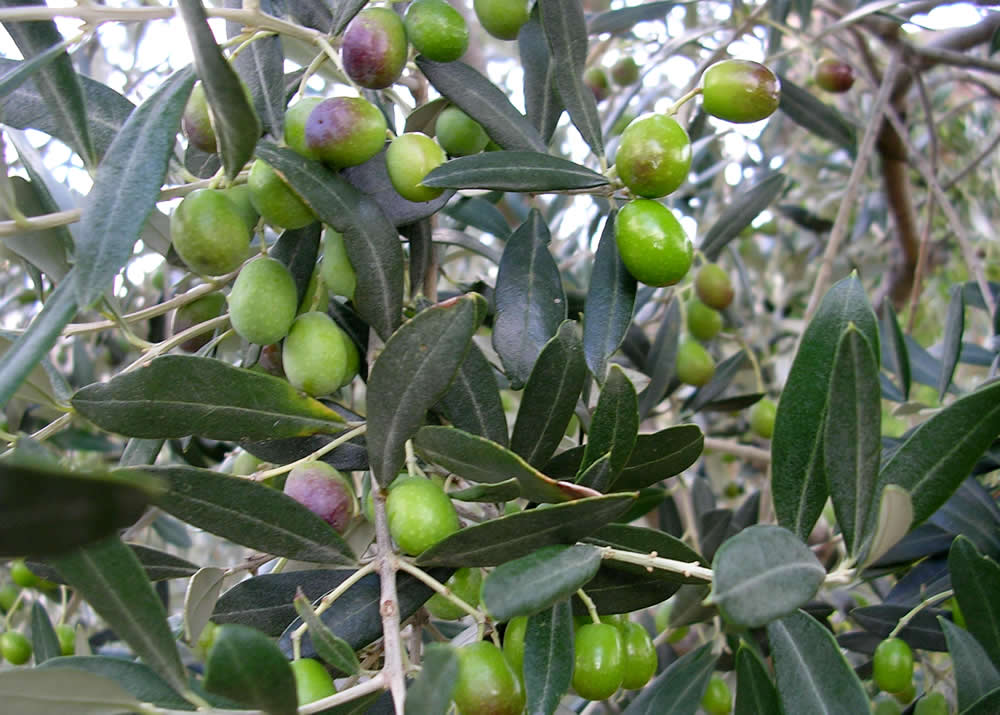
OlivesSophie and Michael are expecting their second child in a couple of months, who will be a brother or sister to their daughter Mary. If it’s a boy, he will be named Harry, which is a family name, but girls names have proved harder to decide upon. Sophie and Michael’s surname begins with a hard C and ends in an OH sound eg Carrow, and they are hoping to use family name May in the middle, but for the right name they could change it.

Sophie and Michael’s Name List

  • Olive – this is their first choice, but Sophie is worried it could become too popular in the future
  • Alice – a name both of them like
  • Tabitha – Lucy’s choice
  • Gertrude – Lucy’s choice; a family name
  • Annabelle – Michael’s choice

Names Rejected

  • Matilda and Millicent – don’t want another name starting with M
  • Cate – really like it, but doesn’t match with surname

Sophie is very concerned about popularity, and definitely wouldn’t consider any name in the Top 20. She loves that she has has never met another little Mary. They are looking for a name which is original, but not too “out there”; ideally an under-the-radar classic which is clunky, currently under-used, and enduring. They prefer shorter names which can’t be abbreviated to a diminutive form.

~ ~ ~ ~ ~ ~ ~ ~ ~ ~

Your Name List

Olive

This is a spunky little name which sounds nice with your surname and would make an adorable sister for Mary. No wonder it’s your favourite choice! Realistically, if you had an Olive she would be statistically unlikely to share her classroom with anyone else of that name, but I can see you might be worried about future popularity.

Alice

A pretty classic which isn’t even in the Top 50 in your area, and rising sedately in popularity. I’m crazy about Mary and Alice as sisters, and if you decided that Olive was too “risky” a choice for you, despite being more popular, Alice would probably be safer.

Tabitha

Very cute name which I think would be an excellent choice. If popularity is a real concern, then Tabitha is very under-used, and likely to remain so.

Gertrude

I think Gertrude would be quite a hip choice, and Mary and Gertrude definitely make an old-style name set. Gertrude is easily shortened to Gertie or Trudy though.

Annabelle

Very pretty and feminine, and now losing popularity rather than gaining. I would prefer the Scottish Annabel spelling with your surname though, and Mary and Annabel somehow feels a better match than Mary and Annabelle. I read on Nameberry somewhere that men prefer Annabelle though!

Other Names You Might Like

Vera

A simple vintage name which has just rejoined the charts, and has the same V sound as Olive. If Olive has gone from hip to fashionable, Vera still feels like it’s at the hip phase.

Florence

A similar sound and feel to Alice, but more fashionable and much less popular (although rising nicely). I like Mary and Florence together, and I think this sounds fantastic with your surname. Florence does lend itself to several nicknames though.

Jemima

Reminds me of Tabitha – both three-syllable clunky-stylish Biblical names with animal-related meanings that joined the charts in the 1960s and have never made the Top 100. Neither of them have an obvious nickname either.

Greta

Has the same clunky sound as Gertrude, yet while Gertrude is at the proto-hip stage, Greta has been hip seemingly forever. On and off the charts, it’s often in use, but never come anywhere near being popular.

Lydia

Lydia has that quirky upper-class feel of Annabelle and is from the New Testament like Tabitha. This name is a genuine underused classic, having never left the charts while never joining the Top 100.

June

Simple, pretty vintage name with a fashionable OO sound, and a great match as a sister to Mary. You couldn’t use May as the middle name, but June Annabelle is cute.

Willa

Has never charted in Australia, but fast becoming a hip name choice. I could see this as the Olive of the future … a nice long time in the future!

~ ~ ~ ~ ~ ~ ~ ~ ~ ~

I wonder if you would have already decided on Olive if you weren’t worried about its future popularity? Olive didn’t even make the Top 100 in your area last year, but that’s probably not much comfort. It’s a fashionable name, has got a celebrity “buzz” around it, and you’ve already seen little Olives appearing in your neighbourhood. You may have even read my article where I note that Olive is currently on the same trajectory that Ruby was 15 years ago.

I think you have to ask yourself exactly how upset you would be if Olive became popular down the track, and exactly why it would bother you. This is something far more likely to bug you than your daughter. Children usually like their own name, and often bond with others who share it.

I’ve noticed that girls who were given a name rising in popularity nearly always love their name, probably because they are receiving constant subtle reminders that others value it. Your own name is more popular now than it would have been when you were born – has that really been a problem for you?

You also have to ask yourself – what happens if you don’t pick Olive, and the name never does become that popular? Would you be regretful that you didn’t go with your first choice, based on something that might happen?

At the very least, if you did go with Olive, you would be doing so with your eyes open, knowing that it could become popular in time, and resigned to that happening.

In my experience, savvy parents who choose the name they love best even while foreseeing future popularity don’t end up with many regrets. There might be an occasional twinge of annoyance at meeting yet another baby with their child’s name, or an eye roll when the name data comes out, but in general they are happy they went with their favourite name, and glad that they got to pick it while it was still fresh.

You don’t need to make a choice now – you don’t even know if you’re having a girl, and you already have a great list of names up your sleeve if you ultimately decide that Olive isn’t right for you.

Good luck, and let us know what name you went with!

UPDATE: The baby’s name is Olive!

POLL RESULT: People preferred the second choice of Alice for Mary’s sister, at 21% of the vote, but Olive wasn’t far behind in the #2 position at 18%.


Famous Names: Asher and Hamish

16 Thursday May 2013

Posted by A.O. in Famous Names

≈ 7 Comments

Tags

Assyrian names, Biblical names, famous namesakes, fictional namesakes, hebrew names, Irish names, mythological names, name history, name meaning, name popularity, names from movies, names from television, popular names, Scottish names, Semitic names, tribal names, unisex names

4615398-16x9-512x288Last month the Logie Awards were held to honour those deemed most excellent or most popular in the TV industry (the public votes on the “popular” categories via the TV Week website). The Gold Logie for most popular personality on Australian television overall went to actress Asher Keddie, for her work in popular thirty-something drama Offspring (she also won Most Popular Actress).

Comedian Hamish Blake won the Gold Logie last year, but this year had to be satisfied with Most Popular TV Presenter, for Hamish and Andy’s Euro Gap Year and Hamish and Andy’s Caravan of Courage: Australia vs New Zealand.

We’ve already seen Asher Keddie and Hamish Blake on the blog before – Asher for her award-winning role playing Ita Buttrose, and we covered Hamish’s surname, Blake, a year ago. So this seemed like a good opportunity to cover both their first names.

In the Bible, Asher is one of the sons of Jacob and the founder of one of the twelve tribes of Israel. Because Asher’s mother is said to be one of Jacob’s handmaids, rather than one of his wives, some scholars believe this means the tribe of Asher had non-Israelite origins, of which there is some evidence from outside sources.

The tribe of Asher was believed to be especially blessed, for they were very wealthy, produced an abundance of sons and beautiful daughters, and had a reputation for great wisdom. This fits very well with the Hebrew meaning of Asher given in the Bible: “happy, blessed, fortunate”.

However, meanings of names given in the Old Testament are nearly always just folk etymology, and Asher may be named after Asherah, the Semitic mother goddess; she was worshipped as the consort of Yahweh before the Israelites became monotheistic. Her ancient name may mean “straight, upright”, with reference to trees, or “holy place, shrine”, or perhaps “lady”. It is pronounced uh-SHEER-uh.

Another possibility is that Asher is after the East Semitic god Ashur, which means “the whole of heaven”. He was the major Assyrian deity, and seems to have been a god of the weather – both sunshine and tempests.

An interesting theory put forward is that the tribe of Asher descended from the Uash people, one of the mysterious Peoples of the Sea who were seafaring raiders. As nobody is quite sure where the Uash people came from (they may have been Trojans), I doubt that the meaning of their name is even known.

So quite a range of attractive meanings to choose from, and quite possibly the real meaning is so ancient and mysterious as to be unknowable.

Although usually listed as a boy’s name, in Australia the name Asher is unisex, and in Victoria at least (Asher Keddie’s home state), is given fairly equally to boys and girls (it is #168 for boys and #195 for girls).

Apart from Ms Keddie herself, another reason for its unisex status here is that in an Australian accent, this is said the same way as the girl’s Asha. And if you believe the name Asher is related to Asherah, then it has a feminine meaning.

Hamish is an Anglicised form of Seumas, the Scottish form of James, and obviously based on the Irish form of the name, Séamas. The Scottish pronunciation SHAY-mas is similar to how Hamish is said – HAY-mish. (Hamish shouldn’t remind you of ham any more than James reminds you of jam).

Apart from all the famous Hamishes (on the blog alone we have already had Hamish Blake, Hamish Rosser and Hamish McLachlan) there are several Hamishes in fiction, including Hamish Campbell in Braveheart, and TV detective Hamish Macbeth, played by Robert Carlyle. Another detective connection is that Hamish is the middle name of Dr. John Watson, Sherlock Holmes’ sidekick.

Hamish first charted in Australia in the 1950s, and from the 1980s onwards, rose steadily to make the Top 100 in the early 2000s. It peaked in 2010 at #60, and since then has been on a decline. Currently it is #85 in New South Wales, #58 in Victoria, #77 in Queensland, #28 in Tasmania and #67 in the Australian Capital Territory.

Apart from its obvious Scottish heritage associations, Hamish is often seen as a rather upper class name in Australia. It’s still popular, and outside New South Wales at least, is probably set to have a fairly gentle decline.

POLL RESULT: Hamish received an approval rating of 81%, and Asher a slightly higher approval rating of 83%. This makes Hamish and Asher two of the most highly-rated names of the year.

(Photo is of Asher Keddie with her Logie)

Boys Names Which Rose in Popularity in 2012

21 Sunday Apr 2013

Posted by A.O. in Name Themes and Lists

≈ 8 Comments

Tags

astrological names, Biblical names, celebrity baby names, Celtic names, Disney names, english names, famous namesakes, fictional namesakes, hebrew names, Hollywood names, honouring, Irish Gaelic names, Irish names, Latin names, locational names, name history, name meaning, name popularity, name trends, names from movies, names from television, nicknames, Old English names, Old Gaelic names, popular names, saints names, Scottish names, soap opera names, unisex names

586419-river-boysThese are the boys’ names which became markedly more popular last year. I think the list lacks the depth of the one for girls, with far less diversity. There is only one classic name for boys, and eight of the names are surnames – six of these ending in N. While the girls’ list shows names which are currently trending, I think a couple of these could be legitimately identified as trendy.

Braxton

Braxton is without doubt 2012’s Name of the Year, joining the national Top 50 from nowhere. It was the #1 fastest-rising name nationally, in New South Wales and South Australia; made the top 5 fastest-rising names in Victoria, Queensland, and Western Australia; and went up in Tasmania and the Australian Capital Territory. Currently it is #31 in Australia, #51 in NSW, #81 in Victoria, #25 in Queensland, #44 in SA, #34 in WA, #65 in Tasmania and #70 in the ACT. Braxton is an English surname of disputed origin. It is a corruption of an English place name; perhaps Branxton in Northumberland, meaning “Branoc’s settlement” (Branoc is a Celtic personal name derived from the word for “raven”). Braxton has been used as a personal name since the late 18th century, and originated in the United States – Carter Braxton was one of the signatories to the American Declaration of Independence. Here it is known from the Braxton brothers on soapie Home and Away; three members of a thuggish surfer gang, and sexually desirable “bad boys” (based on the real-life Bra Boys). The characters were introduced in 2011, and last year Steve Peacocke won a Logie for his role of Darryl “Brax” Braxton. Braxton is new to the charts, although short form Brax had been in the Top 100 before. I wonder if it will keep going, or will parents hit the panic button after its massive surge in popularity?

Jaxon

Jaxon was the #1 fastest-rising name in Victoria and Tasmania, made the top 5 fastest-rising names in New South Wales and South Australia, and increased in popularity in Western Australia and the Australian Capital Territory. Currently it is #37 in Australia, #54 in NSW, #52 in Victoria, #42 in Queensland, #31 in SA, #17 in WA, #33 in Tasmania and #92 in the ACT. Jaxon is a variant of the surname Jackson; although sometimes derided as a “mis-spelled Jackson”, it is a legitimate surname particularly associated with East Anglia, and possibly with the Puritans. Jaxon has been used as a first name since the 17th century, and originated in Norfolk – then an area with a high Puritan population. Jaxon has charted in Australia since the 1990s, and rose steeply to make the Top 100 in 2011. It continues to capitalise on its trendy X, and may even overtake big brother Jackson. It’s interesting that it is most popular in Western Australia, for there is a large construction company in that booming state named Jaxon.

Mason

Mason was the #1 fastest-rising name in Queensland; it increased in popularity nationally, and in every state and territory. Currently it is #15 in Australia, #24 in NSW, #18 in Victoria, #15 in Queensland, #10 in SA, #12 in WA, #8 in Tasmania, #15 in the NT and #28 in the ACT. Mason first charted in the 1980s, and rose steadily to make the Top 100 by the mid-2000s. Mason is an occupational surname for someone who worked as a stonemason. The Mason family settled in Kent, on lands granted to them by William the Conqueror for their part in the Battle of Hastings. Mason has been used as a first name for boys since at least the 16th century, and originated in East Anglia; it possibly had Puritan significance. It’s much more common in the United States, where the distinguished Mason family played a prominent role in American politics. George Mason IV was one of the Founding Fathers of the United States, and an author of the Bill of Rights. Recently it has been often used as a celebrity baby name, boosting and cementing its popularity.

Hunter

Hunter was the #1 fastest-rising name in Western Australia, amongst the top 5 fastest-rising names nationally and in Queensland, and increased in popularity in New South Wales, Victoria, South Australia, Tasmania and the Australian Capital Territory. It is currently #24 in Australia, #35 in NSW, #39 in Victoria, #19 in Queensland, #27 in SA, #22 in WA, #7 in Tasmania and #50 in the ACT. Hunter is a surname based on the English word for a man who hunts professionally, and originated in Scotland. The Clan Hunter were from Normandy and settled in Ayrshire in the 11th century; experts in hunting and fieldcraft, they were invited there by King David I, who had been brought up in a Norman court. Hunter has been used as a personal name since the early 18th century, and seems to have been most popular in the northern counties of England. The Hunter Valley is the area around the city of Newcastle; the Hunter River is named after Governor John Hunter, and as his surname suggests, he was a Scotsman. Hunter has charted in Australia since the 1990s, and made the Top 100 by the late 2000s. It shows no signs of losing steam.

Hudson

Hudson was in the top 5 fastest-rising names nationally, in New South Wales, Victoria and Western Australia, and increased in popularity in South Australia and Tasmania. Currently it is #43 in Australia, #74 in NSW, #50 in Victoria, #45 in Queensland, #36 in SA, #31 in WA, and #67 in Tasmania. Hudson is an English surname which means “son of Hudde”. Hudde can be an old nickname for Hugh or Richard, or it can be derived from the common Old English name Huda; the surname is traditionally associated with Yorkshire. Hudson has been used as a first name since the early 17th century; although these births coincide with English explorer Henry Hudson’s first voyages, it can’t be known whether he inspired them. Hudson was new to the charts last year, having gained massive popularity after pop singer Guy Sebastian welcomed his son in 2012. The inspiration for Hudson Sebastian’s name came from the Hudson River in New York, (named after Henry Hudson), as Guy and his wife Jules love New York City. However, it has an Australian connection as well, because Sir Hudson Fysh, a World War I hero, founded Qantas, so Hudson could be used to honour a family tradition in the aviation industry.

Flynn

Flynn was in the top 5 fastest-rising names in Victoria and South Australia, and increased in popularity nationally, in New South Wales, Western Australia, Tasmania and the Australian Capital Territory. It is currently #41 in Australia, #46 in NSW, #36 in Victoria, #34 in Queensland, #43 in SA, #35 in WA, #22 in Tasmania and #28 in the ACT. Flynn has been in the charts since the 1990s, and after hitting a plateau for a few years, it suddenly shot up into the middle of the Top 100 in 2011, after Miranda Kerr and Orlando Bloom welcomed their son Flynn. Flynn is a common Irish surname which is an Anglicised form of the Old Gaelic Ó Floinn, meaning “son of Flann”. Flann means “red, ruddy” in Irish Gaelic, and is the name of one of the High Kings of Tara. The name is strongly associated with swashbuckling Tasmanian actor Erroll Flynn, known for his success with the ladies. He helped inspire the character of Flynn Rider from the Disney film Tangled. Interestingly, Flynn is most popular in Tasmania.

Archer

Archer was in the top 5 fastest-rising names in South Australia and the Australian Capital Territory; it also increased in popularity in New South Wales, Victoria and Tasmania. Currently it is #92 in NSW, #47 in Victoria, #61 in Queensland, #47 in SA, #47 in Tasmania and #46 in the ACT. The name was new to the Top 100 this year. Archer is an occupational surname denoting a professional bowman, and was brought to England at the time of the Norman Conquest; the Archer family settled in Wiltshire. Archer has been used as a first name since the 17th century, and seemed to be much more common in the southern counties surrounding London. Archer may remind you of legendary bowmen such as Robin Hood and William Tell, or it could remind you of the zodiac sign Sagittarius, called The Archer. In Australia, the Archer River is on the Cape York Peninsula in far north Queensland, and the first horse to win the Melbourne Cup was named Archer. Archer’s popularity is growing partly because it’s a great way to get the popular nickname Archie.

Eli

Eli was in the top 5 fastest-rising names in Australia, and increased in popularity in Western Australia, Tasmania and the Australian Capital Territory. Currently it is #34 in Australia, #53 in NSW, #83 in Victoria, #27 in Queensland, #48 in SA, #38 in WA, #32 in Tasmania and #27 in the ACT. Eli has been in the charts since the 1970s, and reached the Top 100 in the late 2000s; since then it has gliding smoothly upward. Eli is a Hebrew name meaning “ascent”, and in the Old Testament, Eli was a high priest who is regarded as a judge and prophet in Judaism, and the teacher of the prophet Samuel. In Scandinavia, Eli is a girl’s name, used as a short form like Ellie, and pronounced EE-lee. Some Australian namesakes include rally driver Eli Evans, Olympian hockey player Eli Matheson, soccer player Eli Babalj, and kickboxer Eli “Mad Dog” Madigan. At a time when Old Testament boys’ names are slumping, Eli stands out as a Biblical success story, and tended to rise when Elijah did too.

Patrick

Patrick was in the top 5 fastest-rising names in South Australia, and increased in popularity nationally, in New South Wales, Victoria, Western Australia, Tasmania, and the Australian Capital Territory. Currently it is #42 in Australia, #47 in NSW, #34 in Victoria, #53 in Queensland, #35 in SA, #47 in WA, #53 in Tasmania, and #25 in the ACT. In Australia, Patrick is a sturdy classic which has never left the Top 100. It was #36 in the 1900s, and peaked in the 1990s at #34; the lowest it has ever been is #68, in 2009. Patrick is from the Latin name Patricius, meaning “nobleman”, and its fame today is entirely down to one man – Saint Patrick. Saint Patrick was a 5th century Romanised Briton brought up in a Christian family. As a teenager, he was captured and carried off as a slave to Ireland, where he remained for six years. He managed to escape back to Britain, but returned to Ireland as an ordained bishop to undertake missionary work. Called the Apostle of Ireland, he is the major patron saint of Ireland, and such a vital part of Irish identity that his feast day on March 17 is seen as a celebration of Irish culture.

Harrison

Harrison was in the top 5 fastest-rising names in Queensland, and increased in popularity nationally and in South Australia. Currently it is #22 in Australia, #25 in NSW, #26 in Victoria, #16 in Queensland, #13 in SA, #27 in WA, #34 in Tasmania and #40 in the ACT. Harrison has charted since the 1980s, and skyrocketed into the middle of the Top 100 during the 1990s. It peaked at #23 in the early 2000s, then fell before starting to climb again, so it’s now on its second wind. Harrison is a surname meaning “son of Harry”, with Harry itself being a short form of Henry. Harrison has been used as a first name since the 16th century, and over time became greatly more popular in the United States than in Britain. This may be because of the Harrison family of Virginia, who were related to King Edward I. They managed to produce numerous state governors, as well as two presidents – Benjamin Harrison and William Henry Harrison. The popularity of Harrison as a first name is probably due to actor Harrison Ford – the name began charting just after he starred in the first Star Wars movie, and boomed during the Indiana Jones series.

POLL RESULT: People’s favourite names were Flynn, Archer, and Patrick, and their least favourite were Braxton, Mason, and Jaxon.

(Photo shows the Braxton brothers from Home and Away)

Famous Name: Gabriel

21 Thursday Mar 2013

Posted by A.O. in Famous Names

≈ 3 Comments

Tags

angels names, Biblical names, famous namesakes, fictional namesakes, French names, hebrew names, Italian names, name history, name meaning, name popularity, names from movies, nicknames, popular names, saints names, unisex names

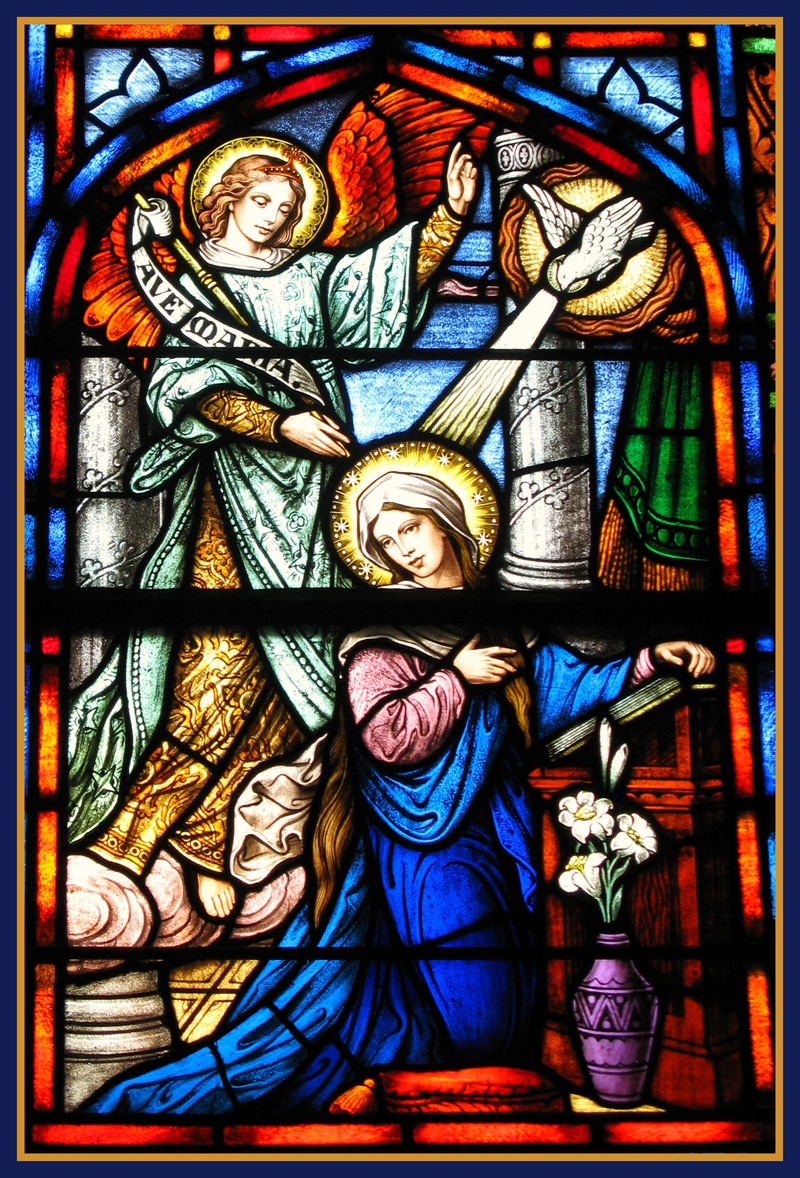
The AnnunciationOn Monday March 25, it will be the Feast of the Annunciation, which celebrates the angel Gabriel announcing to the Virgin Mary that she will conceive a son; Gabriel also tells her that the child is to be called Jesus. This was staggering enough news, but the big shock for her was that this would happen through the Holy Spirit and not via the usual route to conception.

This is the story told in Luke, while Matthew tells the story from a different angle. According to this gospel, Mary found herself pregnant and her betrothed, Joseph, was considering breaking things off. But then an angel came to him in a dream, and explained the situation to him.

Although the Bible doesn’t say so, it’s generally assumed that this angel was also Gabriel. Further assumptions are that he was the angel who appeared to the shepherds at the Nativity, and the one who came to Jesus to give him strength as he prayed in the garden before the Crucifixion.

The Feast of the Annunciation is held nine months before Christmas, to symbolise the length of a pregnancy. It is also called Lady Day, and until 1752, it was New Year’s Day in Britain. It’s obviously a hard habit to break, because in the UK they still start the financial year on April 6, which is Lady Day on the old (Julian) calendar.

The Annunciation isn’t Gabriel’s first appearance in the Bible, or even in the New Testament. In the Book of Daniel he interprets Daniel’s visions for him, and earlier in the Gospel of Luke he appears to Zachariah, a priest, and the husband of the Virgin Mary’s kinswoman. He tells Zachariah that his wife Elizabeth, for many years barren, would bear a son named John; this would be John the Baptist, who was to prepare the way for Jesus.

According to Islamic teachings, the angel Gabriel dictated the Koran to Muhammad, and led him on his “Night Journey”, or great spiritual vision of the heavens. So the angel is important to all three Abrahamic religions.

There is a tradition that Gabriel will blow his trumpet to announce Judgement Day, which comes from John Milton’s Paradise Lost. In Jewish legend, Gabriel is said to pluck new souls from the Tree of Life so that they may be conceived as new babies. So you can see Gabriel as both the beginning and end of Life – although the end is only to make way for a new beginning.

Gabriel is the English form of the Hebrew name Gavri’el, which is variously interpreted as “man of God”, “strong man of God”, “hero of God”, “champion of God”, “warrior of God”, or “strength of God”. The image you get from it is of a mighty being, using their immense strength to serve God. In the Old Testament, words such as great, might, power and strength are used to describe Gabriel, and in Jewish tradition he is an angel of judgement and punishment.

However, Christian tradition sees Gabriel differently. As he appears in the New Testament to bring people news of great joy, and to bring comfort to those burdened by great worry, he is viewed as an angel of mercy and consolation.

Angels are spiritual beings, not physical, so they cannot be said to have a sex, although in the Bible they always take on the appearance of human males when communicating with people. However, you might say that in Jewish tradition, Gabriel gives off a very masculine “energy”, while Christians get more of a feminine “vibe” from the angel. (If you doubt this, consider how many Nativity plays you’ve seen where a female plays the role of the announcing angel).

Because of this certain level of gender ambiguity, Gabriel has, for centuries, sometimes been used as a female name in the English-speaking world, and in fact Tom Waterhouse’s mother, the horse trainer Gai Waterhouse, is named Gabriel (in case you were wondering what Gai was short for). There are also specifically feminine forms of the name we have imported from other languages, such as French Gabrielle and Italian Gabriella.

The name Gabriel has charted in Australia since the 1960s, and joined the Top 100 in 2001 at #97. I’m not sure if this was an influence, but it joined the Top 100 a year after the movie The Patriot came out, starring Australian actor Heath Ledger as Gabriel Martin. It peaked in 2009 at #60, and since then has been on a decline. Last year it made #88.

Two feminine forms of the name have been more successful. Gabrielle has charted since the 1920s, and joined the Top 100 in the 1990s, when it peaked at #49. It left the Top 100 in 2010, and in 2011 was at #111, still only just outside the Top 100.

Gabriella has charted since the 1940s, but didn’t begin really climbing until the 1980s. It joined the Top 100 in 2006 at #89 (there were just as many baby girls named Gabriella as Gabrielle that year). It peaked the same year as Gabriel, in 2009, and only one place higher, at #59. However, its decline has been more gentle, and last year it made #71.

I do think the greater success of Gabrielle and Gabriella has not been helpful to the popularity of the male name Gabriel. I have noticed that many people hear the name Gabriel as Gabrielle, or think that the two names are so alike as to make Gabriel sound “feminine”. I have to admit this annoys me, because I much prefer Gabriel to either of his sister-names.

Gabriel seems to be more appealing to mothers as a baby name than it is to fathers, with many women complaining that their partner strongly vetoed the name Gabriel for their sons, even as a middle name.

I think it might suffer a little from what we might call The Valentino Factor – women are more likely to find the name Gabriel handsome, charming and even sexy, while men are more likely to find it foofy and irritatingly ornate.

Another issue is the nickname, because the standard shortening is Gabe, and many parents dislike it. Some worry it sounds too much like the word gay or the word babe, others think that it sounds dim-witted or redneck, and others just find it ugly.

It would be easy to suggest some other nickname, but chances are he’s going to get called Gabe once he leaves the house anyway, if he gets a nickname at all. Personally I don’t think Gabriel needs any nickname.

Gabriel is a beautiful, indeed, a heavenly name. It’s a name of great masculinity and strength, yet at the same time has a wonderful sweet tenderness as well. One thing that occurs to me is that there is a theme of the angel Gabriel bringing joyful news of unexpected pregnancies, and a miraculous childbirth. I think it would make a great name for someone expecting a baby they never thought they would ever have, a baby which defied all logic to make his way into the world.

For those who never thought their miracle baby would ever arrive, Gabriel says, Fear not, for behold, I bring you good tidings of great joy!

POLL RESULT: Gabriel received a very good approval rating of 76%. People saw the name Gabriel as strong yet tender (23%), handsome and heavenly (19%), sexy (12%), and powerful (11%). However, 9% thought the name was a little bit girly, and 7% that it didn’t have any good nicknames.

(Picture shows The Annunciation on a window at St Mary’s Church, Denville, New Jersey)

Italian Names for Girls

10 Sunday Mar 2013

Posted by A.O. in Name Themes and Lists

≈ 4 Comments

Tags

Arthurian legends, Arthurian names, Austrian name popularity, Belgian name popularity, Biblical names, birth notices, celebrity baby names, compound names, English idioms, famous namesakes, fictional namesakes, food names, French names, Greek names, Harry Potter names, hebrew names, Italian name popularity, Italian names, J.K. Rowling, locational names, modern classics, mythological names, name history, name meaning, names from movies, names from songs, nicknames, Orlando Furioso, Percy Bysshe Shelley, popular names, Roman names, saints names, Shakespearean names, The Sleeping Beauty, William Shakespeare

William_Dyce_-_Francesca_da_Rimini_-_Google_Art_ProjectItalian-Australians are the largest ethnic group in Australia after those of British and Irish heritage, and about a million people identify as having Italian ancestry – around 5% of the population. The first Italian migrants arrived in the 19th century (Australia’s first police officer was an Italian), but immigration soared after World War II. They have made an incalculable contribution to Australia’s economy and culture, with noteworthy Italians in business, politics, sport, the arts and entertainment. It’s not that I can’t imagine Australia without an Italian history; it’s just that imagining such an Australia appals me.

This is a selection of Italian names for girls which I think are usable in Australia, whether you have Italian ancestry or not.

Alessandra

Alessandra is the feminine form of Alessandro, the Italian form of Alexander. Alessandra has been popular in Italy for many years, remaining in the Top 10 throughout the 1970s. It is still in the Top 100 today, and has only recently slipped off the Top 30. I see many instances of this name in birth notices, particularly in families with Italian surnames (although not exclusively). Not only is it the Italian form of the popular Alexandra, but is well known due to Brazilian supermodel Alessandra Ambrosio, who is of part-Italian descent. It is also an Australian celebrity baby name, since Casey Stoner and his wife Adriana welcomed their daughter Alessandra Maria last year. This pretty name is an Italian modern classic, and the Italian pronunciation is ahl-e-SAHN-dra, although I suspect many Australians would say it more like al-uh-SAN-dra. Nicknames abound, including Allie, Alessa, Alessia and Lissa, and it is one of the names tipped to rise in the wake of Hurricane Sandy.

Arianna

Arianna is the Italian form of the Greek name Ariadne, meaning “most holy, utterly pure”. In Greek mythology, Ariadne was a princess of Crete, the daughter of King Minos, and helped the hero Theseus escape from the Minotaur (Ariadne’s monstrous half-brother). The two of them escaped together, but Theseus abandoned her on the island of Naxos, where she married the god Dionysus. It seems likely that Ariadne was originally an ancient Cretan mother goddess, and some suggest that she was a goddess of weaving, thus perhaps a goddess who ruled fate. Arianna is currently #24 in Italy, and although there are a few famous Italians with this name, it’s probably best known as the name of Arianna Huffington, who co-founded The Huffington Post. The Italian pronunciation is ah-RYAHN-na, and the English is ah-ree-AH-nuh or ar-ee-AN-uh, which allows Ari as the obvious nickname.

Bianca

Bianca is the Italian equivalent of the French name Blanche, meaning “white, fair”. The name was used amongst the Italian nobility during the Middle Ages and the Renaissance; one example being Bianca Visconti, a 15th century Duchess of Milan who is a distant ancestor of both Diana, Princess of Wales and Princess Michael of Kent. There are two characters named Bianca in the plays of Shakespeare, in Othello and The Taming of the Shrew, but the name doesn’t seem to have been used in Britain until the 19th century, during the Victorian veneration of the Bard and his works. It does seem to have been attractive to families with Italian ancestry from early on. The name Bianca did not chart here until the 1960s, and was in the Top 100 by the 1980s. It peaked in the 1990s at #45, and fell until it left the Top 100 in 2009. In 2011 it rose again to make #103, only just outside the Top 100. Bianca is a modern classic in Australia which hasn’t been lower than the 100s since the 1960s, although it is rather dated in Italy. The Italian pronunciation is something like BYAHN-ka, but here we say it bee-AN-ka.

Chiara

Chiara is the original Italian form of the names Clara, Clare and Claire, meaning “clear, bright, famous”. Chiara Offreduccio was one of the followers of Saint Francisof Assisi, and founded the Order of Poor Ladies; she is the first woman known to have written a monastic Rule. She was a great encouragement and support to Saint Francis, and nursed him during his final illness. Today we know her as Saint Clare, and her order is affectionately known as The Poor Clares. This medieval saint has a very modern connection, because she is the patron of television. Chiara has been a Top 10 name in Italy for several years now, and is currently #6. It is also Top 100 in Austria and Belgium. Chiara is one of the most popular Italian names that I see in Australian birth notices, and it is known to us as the name of cyclist Cadel Evans’ Italian wife. We say this name kee-AH-ra, which isn’t exactly the Italian pronuciation, but not too far off it either.

Eliana

Eliana is the Italian form of the Roman name Aeliana, the feminine form of Aelianus. The name is from the Roman family name Aelius, derived from the Greek word helios, meaning “sun”. One of the Titans was named Helios, a handsome sun god who drove his chariot across the skies each day. There is a Saint Eliana, an early Roman martyr. Eliana can also be understood as a modern Hebrew name meaning “my God has answered”. This name is not on the Italian Top 30, but I have seen many examples of it in Australian birth notices, with a variety of spellings. The Italian pronunciation is eh-LYAH-na, but I think most Australians would prefer el-ee-AH-na, as it opens the name up to nicknames such as Ella, Elle or Ellie.

Francesca

Francesca is the feminine form of Francesco, the Italian original of the name Francis. One of the most famous people with this name is Francesca da Rimini, whose story features in Dante’s Divine Comedy. Francesca was married off to a brave but crippled man named Giovanni, and fell in love with his younger brother, Paolo. Although Paolo was married too, they managed to carry on an affair for about ten years. Her story reached a tragic conclusion when her husband killed both she and her lover after finding them together in her bedroom. In Dante’s poem, he meets she and Paolo in the second circle of Hell, where those who have committed sins of lust are punished; Dante faints in pity at her sad plight. Her story has been turned into numerous operas, plays and artworks. Francesca has been on the Australian charts since the 1940s, but has never reached the Top 100. It peaked in the 1960s at #241; currently it is #245 and climbing, so looks likely to overtake this high point fairly soon. The name has been popular in Italy for many years, and is currently #12. The Italian pronunciation of frahn-CHES-ka, and the English fran-CHES-ka are both used here; Frankie is fast becoming the fashionable nickname.

Ginevra

Ginevra is the Italian form of Guinevere, so you can consider it to be the Italian Jennifer as well. By coincidence, it is also the Italian name for the Swiss city of Geneva. The Arthurian legends were known in Italy, and on the cathedral of Modena in Italy, it shows King Arthur rescuing Guinevere from her abduction by the villain Maleagant. A 15th century Florentine noblewoman named Ginevra de’ Benci was painted by Leonardo da Vinci and there was an also a 17th century Italian painter named Ginevra Cantofoli. There are several Ginevras in fiction, including Princess Ginevra of Scotland in Orlando Furioso, the Ginevra who has a tragic wedding day in the poem by Shelley, and Ginevra “Ginny” Weasley from the Harry Potter books. Ginevra is #25 and rising in Italy, but this romantic name is not often used in Australia. The Italian pronunciation is something like jeh-NEEV-rah, while the English pronunciation is ji-NEHV-ruh; I think both sound usable, and allow nicknames such as Jenny, Ginny, Ginger, June, Neve and Evie.

Lia

Lia is the Italian form of the Hebrew name Leah, who in the Bible was one of Jacob’s two wives, or it can be used as a short form of names such as Rosalia or Aurelia. I’m not sure how popular this name is in Italy (it’s not in the Top 30), but there are quite a few Australians named Lia, including politician Lia Finocchiaro. Italian girls names don’t have to be elaborate or ornate; here is one as sweet and simple as you could desire, fitting in perfectly with short popular names like Mia and Ava. Although Lia does not chart in Australia, Leah is in the Top 100 and has been climbing since the 1990s.

Mietta

Mietta is the Italian form of the French name Miette, which literally means “bread crumb”, but is a term of endearment, like “sweet little morsel, sweet little thing” (compare with how you might call a little girl muffin in English). One of the fairies in The Sleeping Beauty ballet is named Miettes qui tombent, meaning “falling breadcrumbs”. It presumably began life as a nickname, but at some point was accepted as a full name, probably because it seemed like a pet form of names such as Marie. In Australia we best know the name from the chef Mietta O’Donnell, whose parents were Italian migrants and restaurateurs. Mietta and her partner opened the famous Mietta’s restaurant during the 1970s, a Melbourne institution for twenty years. Mietta O’Donnell was not just a contributor to Australian cuisine, she changed and defined Australian cuisine and raised the standard immeasurably, as well as teaching people about good food through her restaurant guides and cookbooks. Mietta was a charismatic and ardent supporter of the arts in her city; little wonder I see so many birth notices for little Miettas in Melbourne. In O’Donnell’s case, Mietta was a nickname; her real name was Maria. The Italian pronunciation of this name is MYEHT-ah, but most Australians would prefer mee-EH-tah. The popularity of Mia must surely have made Mietta more appealing.

Rosabella

Rosabella combines the names (or words) Rosa and Bella, and even if you don’t know much Italian, you can probably figure out what Rosabella means – “beautiful rose”. The two original words were used together in a medieval Italian poem by Leonardo Giustiniani, O Rosa Bella, which later became a popular English chant. A 1940s Italian love song featuring the name is Rosabella Del Molise; the song tells of a beautiful woman from southern Italy loved by a shepherd; he begs Rosabella to marry him, and plans a wedding to be speedily followed by a bambino. A piece of film trivia is that in the Italian version of Citizen Kane, the sled is called Rosabella instead of Rosebud. I get the feeling that in Italy this is a very old-fashioned name, and as it is also a variety of luncheon meat, may even appear comical. However, I have seen this name several times in recent Australian birth notices, along with Rosa-Bella, Rosabel and Rosebelle. Here it seems like a compound of popular Rose with popular Isabella; it’s slightly operatic, but does fit the trend for frilly girls names, and has simple nicknames like Rosie and Bella.

POLL RESULT: People’s favourite names were Eliana, Arianna, and Francesca, and their least favourite were Bianca, Rosabella, and Mietta.

(Picture shows Francesca da Rimini (1837), painted by William Dyce)

2012 Name Trends in Western Australia – Girls

09 Saturday Mar 2013

Posted by A.O. in Name Data

≈ Comments Off on 2012 Name Trends in Western Australia – Girls

Tags

Biblical names, classic names, flower names, name trends, nature names, nicknames, plant names, popular names

Biggest Movers Up

  1. Ivy +23 at least
  2. Willow +19 at least
  3. Leah + 16 at least
  4. Evelyn +15 at least
  5. Harper +15
  6. Annabelle +13 at least
  7. Elizabeth +13
  8. Poppy +12
  9. Layla +10
  10. Sarah +10

This is another state where celebrity baby name Harper continued rising. While flower names were mostly down in Victoria, plant names are booming in the west, with Ivy and Willow the two biggest risers, and Poppy making creditable ground. Biblical classics also did well, with Leah, Elizabeth and Sarah increasing in popularity. Note the love of L and V sounds, such as in Layla and Evelyn.

Also Up

Caitlin, Mackenzie, Milla and Mila, Isabel/Isabelle, Alexis, Chelsea, Indiana and Indi, Violet, Zara, Skye, Anna, Kayla, Sophia/Sofia and Sophie, Alyssa, Imogen, Madison and Madeleine, Rose, Savannah, Scarlett, Aria, Charlotte, Olivia, Holly, Maya, Paige, Phoebe, Amelia and Amelie, Emily

No Change in Position

  • Ruby #3
  • Grace #11
  • Jasmine #24
  • Georgia #27
  • Mikayla #41

Biggest Movers Down

  1. Amber -14 at least
  2. Hayley -14
  3. Isabella -10
  4. Summer -10
  5. Evie -9
  6. Mia -9
  7. Molly -9
  8. Lucy -8
  9. Tahlia -7 at least
  10. Abigail -7

Also Down

Alice, Sienna, Stella, Ella, Ellie, Emma, Jessica, Hannah, Lily/Lilly, Amy, Bella, Jade, Eva, Isla, Addison, Maddison, Matilda, Zoe, Ava, Chloe

Once again we are left to ponder the strange workings of name popularity. Isabelle and Isabel are up, but Isabella and Bella are down. Flower names are up – except for Lily and Lilly. Evelyn and Ivy are up, while Ava, Eva and Evie are down. Milla and Mila are up, Mia and Molly are down. Elizabeth is up, while nicknames Ella and Ellie are down. Alyssa is up and Alice is down. Anna is up, but don’t add any Hs because Hannah is down.

New or Returned to the List

  • Ivy #28
  • Willow #32
  • Leah #35
  • Evelyn #36
  • Annabelle #38
  • Caitlin #42
  • Milla #42
  • Isabel #42
  • Mila #44
  • Violet #44
  • Skye #45
  • Anna #46
  • Rose #47
  • Indi #48
  • Aria #48
  • Amelie #49
  • Phoebe #49
  • Madeleine #50

Gone From the List

  • Amber #37
  • Tahlia #44
  • Amy #48
  • Ellie #50

2012 Name Trends in Western Australia – Boys

09 Saturday Mar 2013

Posted by A.O. in Name Data

≈ Comments Off on 2012 Name Trends in Western Australia – Boys

Tags

Biblical names, name trends, nicknames, popular names, royal names, surname names

Biggest Movers Up

  1. Hunter +25
  2. Hudson +20 at least
  3. Braxton +17 at least
  4. Nicholas +15
  5. Isaac +13
  6. Dylan +11
  7. Henry +11
  8. Noah +10
  9. Mason +9
  10. Harry and William +9

More success for the surname names, with Hunter, Hudson and Braxton the top three risers, and Mason also gaining. In Victoria, Isaac was the only Old Testament boy’s name to do really well; here he is joined by Noah, who rose 10 places to make #1 overall. Princes Harry and William have their royal names making headway, although once again, Henry did even better than Harry.

Also Up

Jacob and Jake, Jack, Jackson and Jaxon, Jayden, Hayden, Aiden, Austin, Lincoln, Leo, Beau, Blake, Eli and Elijah, Adam, Daniel, Zachary, Luke, Lachlan, Liam, Declan, Owen, Ryan, Patrick, Finn, Flynn, Tyler, Max, Michael, Samuel, Nate, Archie, Charlie, Nate, Kai

No Change in Position

  • Benjamin #16
  • Harrison #27
  • Matthew #30

Biggest Movers Down

  1. Jordan -9 at least
  2. Cameron -8 at least
  3. Marcus -7 at least
  4. Joseph -7 at least
  5. Joshua -7
  6. Seth -7
  7. Callum -6 at least
  8. Sebastian -6
  9. Oscar -5
  10. Caleb -4

The names that fell the most in Western Australia tended to be the same ones that lost popularity elsewhere. There does seem to be a distinct drop in Biblical names starting with J, and anything starting with Cal- or Cam-.

Also Down

Connor, Cooper, Chase, Logan, Lucas, Mitchell, Riley, Hamish, James, Jesse, Ethan, Levi, Nathan, Taj, Tyson, Thomas, Alexander, Oliver, Xavier, Zac

New or Returned to the List

  • Hudson #31
  • Braxton #34
  • Leo #43
  • Adam #44
  • Owen #46
  • Finn #48
  • Austin #48
  • Archie #49
  • Declan #50
  • Lincoln #50

Gone from the List

  • Jordan #42
  • Cameron #43
  • Marcus #44
  • Joseph #44
  • Callum #45
  • Hamish #49
  • Zac #49
  • Jesse #50
  • Taj #50
  • Tyson #50

Requested Famous Name: Naomi

27 Wednesday Feb 2013

Posted by A.O. in Famous Names, Requested Names

≈ 3 Comments

Tags

Biblical names, classic names, famous namesakes, hebrew names, Japanese names, name history, name meaning, name popularity, unisex names

85th Annual Academy Awards - Arrivals

Name in the News
The 85th Academy Awards ceremony was held on February 24, and as with every year at this time, there was intense speculation in the Australian media as to whether any Australians would manage to win an Oscar.

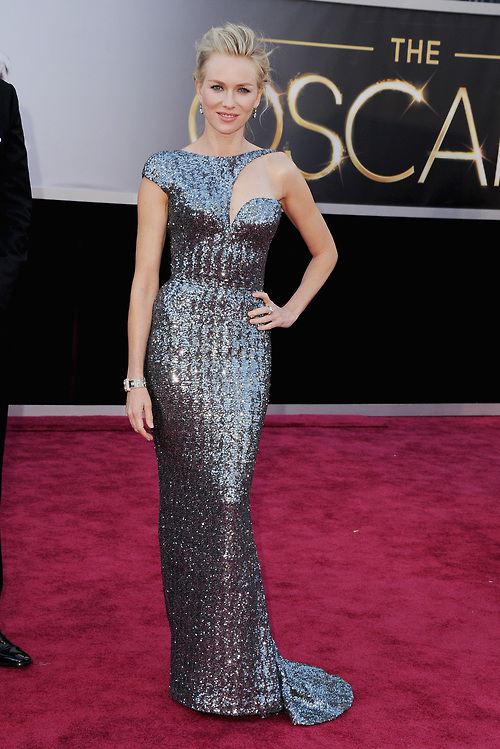
One who was under consideration was actress Naomi Watts, who was born in England and came to Australia as a teenager, where she attended high school in Sydney (Nicole Kidman was one of her classmates). Her first acting jobs were in Australia, gaining experience in film and television. In the 1990s she moved to Los Angeles to continue her career; her big break came when she was chosen as the star of Mulholland Drive.

This year, she was nominated for the Academy Award for Best Actress, for her role of Maria Bennett in The Impossible. She lost to Jennifer Lawrence, but has won several other awards for the film, as well as being judged one of the best-dressed on the red carpet at the Oscars.

Name Information
Naomi is a Hebrew name interpreted as “pleasant, agreeable, sweet”. In the Old Testament, Naomi is a central character in The Book of Ruth, and despite the lovely meaning of her name, things went so wretchedly for her that she told others to call her Mara, meaning “bitterness”.

Because of a famine in Judea, Naomi and her family travelled to the land of Moab, where her husband and both her sons died, leaving her alone with her daughters-in-law Orpah and Ruth. Although her daughters-in-law were foreigners and pagans, they did not desert Naomi, and when she told them she was going back to her own people at Bethlehem, both girls offered to accompany her.

Naomi managed to convince Orpah that she should return to her family and her own customs, but Ruth famously says:

Entreat me not to leave thee, or to return from following after thee: for whither thou goest, I will go; and where thou lodgest, I will lodge: thy people shall be my people, and thy God my God: Where thou diest, will I die, and there will I be buried: the LORD do so to me, and more also, if ought but death part thee and me.

Naomi must have been a pretty wonderful mother-in-law to have evoked such love and loyalty. As mother-in-laws tend to get a bad rap, she really stands out as something special.

When Naomi returned to Bethlehem with Ruth (the famine was over by then), both of them were destitute, and poverty and misery had changed Naomi’s appearance so much that she was barely recognisable; no wonder that she felt she had been treated bitterly and deserved a bitter name.

However, she made lemonade from the lemons life had given her. She arranged for one of her husband’s relatives to marry Ruth, and after the happy couple had a child, she became the little boy’s nanny, caring for him as devotedly as if he had been her own son. I hope the rest of her life was as pleasant as her name.

Naomi is a Japanese name too, most frequently translated as “honest and beautiful” or “beautiful above all”. It is said differently to the Hebrew name, for while we generally pronounce Naomi as nay-OH-mee, the Japanese name is said something like NOW-mee. Although it is a unisex name, it seems to be much more common as a female name in Japan. You will often see Naomi suggested as a cross-cultural baby name for couples where one person is Japanese and the other from an English-speaking country.

Naomi is a classic girl’s name in Australia which has never left the charts. In rare use in the 1900s, it reached the Top 100 in the 1970s, and peaked in the 1980s at #67. It left the Top 100 in the early 2000s, and since then has been up and down the popularity charts in the 100s – most recently up, when it reached #152 in 2011.

As Naomi peaked in the 1970s and ’80s, it would be easy to dismiss it as a “mum” name. However, it never reached the Top 50, and is still in the 100s; it hasn’t been lower than the 100s since the 1950s. I think it manages to avoid being dated by never becoming highly popular, nor uncommon, so it seems very usable. I feel as if this name could belong to someone of almost any age group.

Despite being a familiar name, Naomi still seems slightly unusual, even exotic. It doesn’t sound like other Old Testament girls’ names which have reached the Top 100, like Deborah, Sarah, Rachel, Rebecca or Hannah. These seem solid and homely, perhaps to some ears, even stodgy. If you had never heard the name Naomi before, I wonder if you would guess it to be a name from the Bible? I might have picked it as Polynesian or Native American, if I didn’t know otherwise.

Naomi is a classic name with a distinctive sound and even a distinctive narrative, for the Old Testament Naomi has a Bible story quite unlike other Biblical heroines. I think this is a great choice of baby name for someone who wants something slightly different, yet not at all obscure.

Thank you to Brooke for suggesting Naomi as a featured name.

POLL RESULT
Naomi received an excellent approval rating of 84%, making it one of the best-liked names of the year. The name Naomi was seen as beautiful and distinctive (24%), still suitable as a baby name (17%), a good cross-cultural choice (15%), having an inspiring Bible story (15%), and a pretty classic (13%). However, 9% were put off by the fact that the name is “I moan” backwards. Nobody thought the Bible story of Naomi was depressing.

(Picture shows Naomi Watts at the 2013 Oscars)

← Older posts
Newer posts →

Enter your email address to follow this blog

Categories

Archives

Recent Comments

A.O.'s avatarwaltzingmorethanmati… on Zarah Zaynab and Wolfgang…
Madelyn's avatarMadelyn on Zarah Zaynab and Wolfgang…
JD's avatardrperegrine on Can Phoebe Complete This …
A.O.'s avatarwaltzingmorethanmati… on Rua and Rhoa
redrover23's avatarredrover23 on Rua and Rhoa

Blogroll

  • Appellation Mountain
  • Baby Name Pondering
  • Babynamelover's Blog
  • British Baby Names
  • Clare's Name News
  • For Real Baby Names
  • Geek Baby Names
  • Name Candy
  • Nameberry
  • Nancy's Baby Names
  • Ren's Baby Name Blog
  • Sancta Nomina
  • Swistle: Baby Names
  • The Art of Naming
  • The Baby Name Wizard
  • The Beauty of Names
  • Tulip By Any Name

RSS Feed

  • RSS - Posts

RSS Posts

  • Celebrity Baby News: Melanie Vallejo and Matt Kingston
  • Names from the TV Show “Cleverman”
  • Can Phoebe Complete This Sibset?
  • Zarah Zaynab and Wolfgang Winter
  • Baby, How Did You Get That Name?
  • Celebrity Baby News: Media Babies
  • Celebrity Baby News: Adelaide Crows Babies
  • Celebrity Baby News: Chris and Rebecca Judd
  • Names at Work: Name News From the World of Business and Employment
  • Celebrity Baby News: Sporting Round Up

Currently Popular

  • Celebrity Baby News: Alisa Camplin and Oliver Warner
  • Rare Boys Names From the 1950s
  • Sad Celebrity Baby News (contents may cause distress)
  • Girls Names From Stars and Constellations
  • The Top 100 Names of the 1930s in New South Wales

Tags

celebrity baby names celebrity sibsets english names famous namesakes fictional namesakes honouring locational names middle names name combinations name history name meaning name popularity name trends nicknames popular names saints names sibsets surname names twin sets unisex names

Create a free website or blog at WordPress.com.

Privacy & Cookies: This site uses cookies. By continuing to use this website, you agree to their use.
To find out more, including how to control cookies, see here: Cookie Policy
  • Subscribe Subscribed
    • Waltzing More Than Matilda
    • Join 517 other subscribers
    • Already have a WordPress.com account? Log in now.
    • Waltzing More Than Matilda
    • Subscribe Subscribed
    • Sign up
    • Log in
    • Report this content
    • View site in Reader
    • Manage subscriptions
    • Collapse this bar
 

Loading Comments...