Celebrity Baby News: Grant Denyer and Cheryl Rogers

Tags

,

1444676570969 (1)

Host of Channel Ten’s Family Feud Grant Denyer, and his wife Cheryl Rogers, welcomed their second child on September 17 and have named their daughter Scout Una. Scout is a little sister for Sailor, aged 4; Sailor’s birth was featured on the blog. Sailor had her heart set on a brother named Freeda, so had a bit of adjustment at first.

(Photo of the Denyers with Scout from Sydney Morning Herald)

Waltzing With …. Lucinda

Tags

, , , , , , , , , , , , , , , , , ,

91yXs7juaPL._SL1500_

Famous Fictional Namesake
I’ve been away on holiday, hence the lack of posts. Whenever we go somewhere, I always take tons of books with me, in the fond belief that I will have lots of free time. I rarely get much reading done, as holidays take up more of your time and energy than you think they will, but in the spirit of my good intentions I’m covering a name from a modern Australian classic.

Peter Carey’s Oscar and Lucinda won the 1989 Miles Franklin Award and the 1988 Booker Prize. Set in the nineteenth century, Lucinda is a young orphaned heiress who forms an unlikely and intense relationship with an Anglican priest named Oscar.

These eccentric redheaded soulmates are bound together by their mutual passion for gambling. Lucinda is the owner of a glass factory on Sydney’s Darling Harbour, and she and Oscar make a crazy wager that he will transport a glass church by river to the town of Bellingen in New South Wales; Lucinda stakes her entire fortune on the bet.

Peter Carey’s first idea for his heroine’s name was Hermione; however he went off the idea as he realised how difficult Hermione was for him to say. Not fancying the idea of constantly talking about Hermione at book festivals and so on, and thinking how awkward Oscar and Hermione sounded as a title, he cast about for something else. His wife at the time suggested Lucinda, and he immediately liked it, as it felt both modern and Victorian.

Only later did he realise that Lucinda had a connection with light, which fit the themes of the novel. Lucinda is obsessed with glass, while Oscar has a deadly fear of water, which makes his transporting of the glass church upriver a nightmare on many levels. The novel brings together the imagery of glass and water very beautifully: as Lucinda knows, both are liquids. There is a great shimmer of light on this novel which constantly plays with the idea of chance.

Oscar and Lucinda was made into a film in 1997, with Cate Blanchett and Ralph Fiennes in the title roles. The film is beautiful, and Blanchett suitably luminous as Lucinda, but readers (especially ones trying to cheat their way through book club) should be aware that the novel’s ending has been altered for the film.

Name Information
Lucinda is an elaboration of the Roman name Lucia, the feminine form of Lucius, meaning “light”. The name appears to have been the invention of Spanish author Miguel de Cervantes, in his masterwork Don Quixote. In a farcical subplot, Lucinda is in love with one man, but forced to marry another; she manages to escape her husband and be with her true love.

Cervantes may have gotten the name from another 17th Spanish writer, the poet Lope de Vega. Lope de Vega used the name Camila Lucinda as a pseudonym for some of his most romantic and passionate poems – a near anagram of Micaela de Luján, an actress who was de Vega’s mistress. Their relationship began in 1599, and his first poems written to “Luzinda” were published in 1602.

Although Cervantes had been an admirer of de Vega, they became rivals enough that Don Quixote contains verses which satirise de Vega. It is even possible that the foolishly romantic Don Quixote himself is a sly allusion to ardent ladies man Lope de Vega. Could it be that Cervantes “stole” the name Lucinda for his novel as a sarcastic in-joke?

Don Quixote was published in two volumes, in 1605 and 1615, and these were translated into English in 1612 and 1620. The name Lucinda begins to appear in 17th century records after the publication of Don Quixote, both in Spain and English-speaking countries.

Lucinda became something of a literary favourite. English poet Henry Glapthorne wrote a series of romantic poems addressed to “Lucinda” in 1639. French playwright Moliere included a character named Lucinde in his 1666 farce, The Doctor in Spite of Himself, and English playwright Samuel Foote’s 1782 farce The Englishman in Paris had a Lucinda. German poet Karl von Schegel published an autobiographical romance named Lucinde in 1799 – considered scandalously erotic in the 19th and early 20th centuries, but tame by today’s standards.

In all these works Lucinda is attractive, and involved in romantic situations that generally work out to her advantage. In von Schegel’s work, Lucinda stands for the ideal woman who is passionate and intellectual in equal measure. Even in Glapthorne’s poems, where the relationship between he and Lucinda doesn’t last, it seems to be by her own choice that she leaves.

Martin Boyd’s classic Australian novel Lucinda Brayford is rather less upbeat. Set mainly in the first half of the 20th century, Lucinda is a beautiful woman of the Melbourne upper class who marries a dashing English aristocrat and moves to Britain. Disillusionment swiftly follows. (Peter Carey has been quick to correct reviewers who imagine he had in mind any connection with Lucinda Brayford when writing Oscar and Lucinda).

In contemporary fiction, Lucinda is often used in fairy tale and fantasy works: she is the well-meaning fairy godmother in Ella Enchanted, the good little witch in Sofia the First, a stepsister of Cinderella in Into the Woods, an elderly lady who finds her own personal fairyland in The Spiderwick Chronicles, and the heroine of the young adult fantasy romance series Fallen by Lauren Kate. Princess Lucinda is both a Groovy Girls doll and a powerfully magical comic book character.

Lucinda first charted in the 1960s, debuting at #342, and peaked in the late 2000s at #126. It is currently around the middle of the 100s, making it an attractive choice for someone wanting a name that has never been popular, but isn’t too far off popularity either.

Lucinda is more popular in Australia than anywhere else. In the United States, Lucinda was in the Top 1000 until the late 1980s, and peaked at #153 in 1881. Last year, 143 baby girls were named Lucinda in the US, and numbers seem to be still falling. In the UK in 2014, 29 baby girls were named Lucinda, with numbers in decline after a peak in the 200s during the late 1990s.

Famous Australian namesakes include ballerina Lucinda Dunn, principal dancer at the Australian Ballet for 23 years; sailor Lucinda “Lu” Whitty, who won silver at the 2012 Olympics; equestrian eventer Lucinda Fredericks, who also competed at the 2012 Olympics; actress Lucinda Cowden, who was on Neighbours; Lucinda “Cindy” McLeish, Liberal politician in the Victorian parliament; and Lucinda “Lucy” Turnbull, former Lord Mayor of Sydney, and wife of the current Prime Minister.

There is also a small coastal town in Queensland called Lucinda, named after a paddle steamer. The Lucinda was named after Lady (Jeannie) Lucinda Musgrave, daughter of prominent American lawyer and law reformer David Dudley Field II, and the wife of Sir Anthony Musgrave, a governor of Queensland. The little town of Lucindale in South Australia is also named after her, as Sir Anthony was previously a governor of that state.

Lucinda is a pretty and elegant literary name linked to love and romance, and with a fairy tale feel to it. In Australia it is an underused modern classic, often thought of here as having a rather upper class image. Among its attractions are nickname options, such as Lucy, Lucie, Lu, and Lulu, with Lux and Lucky as fun possibilities. While Cindy might recently have been thought of as too dated, I’m seeing an increasing number of babies named or nicknamed Cindy, so this cute retro name may be coming back into style.

POLL RESULT
Lucinda received an outstanding approval rating of 96%, making it one of the highest-rated names of 2015. 40% of people loved the name Lucinda, and nobody hated it.

Boys Names from International Destinations

Tags

, , , , , , , , , , , , , , , , , , , , , , , , ,

Ikuta Shrine

Arden
A region of Warwickshire in England, once thickly covered in trees and known as the Forest of Arden. It has strong Shakespearean connections, as William Shakespeare’s home town of Stratford-upon-Avon is one of the region’s main attractions. Furthermore, the Arden family were prominent in the area for centuries – they are one of the few landed families in England who can trace their lineage back to before the Norman Conquest. William Shakespeare’s mother, Mary Arden, was one of this family. Shakespeare’s comedy As You Like It is set in the Forest of Arden, a creative mixture of the real forest, a romanticised version of it, and the Ardennes Forest in central Europe. The name Arden is thought to come from the Ancient British word ardu, meaning “high land”; it has been used as a personal name since the 17th century, and had strong ties with Warwickshire. Arden is more popular for girls in the US (perhaps because of cosmetics company Elizabeth Arden), but is fairly even in the UK, and rising for both sexes. This matches my own observations in Australia, and it fits with both male and female name trends.

Boston
The capital of Massachusetts, one of the oldest and largest cities in the United States. Founded by Puritans in the 17th century, it was the scene of many of the key events in the American Revolution – perhaps most famously, the Boston Tea Party. Boston is one of the most economically powerful cities in the world, and a major educational centre, the home of top universities such as Harvard. It has been called “The Athens of America” for its contribution towards literature, art, music, and high culture in general. It is also known for its strong Irish history and culture: former President John F. Kennedy was from a Boston family of Irish Catholic heritage. The city is called after the town of Boston in Lincolnshire, whose name is said to be a contraction of “St Botolph’s town” – St Botolph was an obscure yet strangely popular Anglo-Saxon saint, and his name is believed to be an Old English one meaning “messenger wolf, herald wolf”. Also a surname, Boston has been in use since the 18th century. I saw this name more frequently after the Boston Marathon terrorist attacks in 2013, which matches the situation in the UK, although the name remained stable in the US.

Cairo
The capital of Egypt, and one of the largest cities in the world. Founded in the 10th century, it is close to several ancient sites, including the Pyramids, so that despite being a busy metropolis, it is often associated with the romance of Ancient Egypt. Cairo is a transliteration of the Arabic name for the city: al-Qāhirah, meaning “the victorious”. The reason for the name is because the planet Mars (in Arabic, Al Najm Al Qahir) was rising at the time of the city’s founding. The Egyptian name for the city is Khere-Ohe, meaning “place of combat”, referring to a battle which is supposed to have occurred here between the gods Set and Horus. Not only a strong, war-like name, Egyptian-themed names are very cool at present, and this might appeal to someone wanting a nod to African or Arabic culture. It fits very well with current trends in boys names and can be shortened to Cai.

Cuba
The largest island in the Caribbean, which was claimed for Spain by Christopher Columbus in 1492. It is an ethnically diverse nation with a tumultuous history, and has been under Communist rule since 1965. The island’s name comes from the indigenous Taino language, but the meaning is not certain: it may be from cubao, meaning “where fertile land is abundant”, or coabana, meaning “great place”. Cuba has become well known as a boy’s name due to Hollywood actor Cuba Gooding Jr. As his name tells you, Cuba was named after his father Cuba Gooding Sr, lead singer of the group The Main Ingredient. Cuba Sr’s father Dudley was from Barbados, but fled to Cuba, and met and married a woman there. After she was murdered because of their involvement in the Pan-African movement, Dudley promised her on her deathbed that he would name his first son Cuba. That is a very powerful name story for the name Cuba, and let’s face it, yours won’t be able to compete. However, Cuba has been used as a name since the 18th century, and in the US had strong ties to the African-American community: it may have originally been given as a slave name.

Denver
The capital of Colorado, and one of the largest cities in the American south-west. Set high in the Rocky Mountains, it has the distinction of being exactly one mile above sea level. The city was named after a 19th century politician, James W. Denver, in hopes of currying favour. The surname Denver is after a village in Norfolk, meaning “the passage of the Danes” in Old English – it’s a place on the River Ouse once crossed by Danish invaders. Famous people with the surname include Bob Denver from Gilligan’s Island, and singer John Denver (born Henry Deutchendorf). Denver Pyle played Jesse Duke in The Dukes of Hazzard, while a famous Australian namesake is Denver Beanland, a former Liberal politician from Queensland. The name isn’t particularly strongly tied to the city and can be seen just as easily as a surname name. In use in Australia since the 19th century, it has a reasonable history, so that it doesn’t seem too modern and trendy, despite having a fashionable letter V. Little wonder that it seems to be in quiet but steady use.

Harlem
An area of Manhattan in New York City which has been known as a major centre for African-American culture since the “Harlem Renaissance”of the 1920s. Originally a village settled by Dutch immigrants, it is named after the city of Haarlem in the Netherlands. Haarlem is the capital of North Holland, and historically the centre of the famous tulip industry. Its name probably means something like, “home on the forested dunes”, as it lies on a thin strip of land near the North Sea. It is also a surname; one example is former Norwegian prime minister Gro Harlem. I see this name fairly regularly, and that’s probably because it fits in so well with the strong trend for Har- sounds in boy’s names, such as Harvey, Harley, Harland, and so on. Not only similar to these, Harlem celebrates a place with a cool, and perhaps slightly dangerous image. The Harlem Shake memes could even be a contributing factor!

Jericho
A city in Palestine on the River Jordan. It is believed to be one of the oldest inhabited cities in the world, and the oldest walled city; archaeologists have found remains in Jericho dated to 9000 BC. Jericho features in a famous Bible story, which tells how Joshua, the general of Moses, took the city of Jericho. The Israelites marched around the city perimeter for six days with the Ark of the Covenant. On the seventh day, they marched around seven times, then the priests blew a ram’s horn and the Israelites raised a great shout. The walls of the city fell down, and the Israelites slaughtered almost all the inhabitants. There is a very rousing African-American spiritual about the incident, where the “walls came tumbling down” – an inspiration for the Thatcher era pop song. Archaeologists tell us that although Jericho’s famous walls have been brought down during various conflicts, Jericho was temporarily abandoned during the time that Joshua was supposed to have lived. Perhaps more importantly for the name, it fits in with the current fashion for names with an -o ending, and joined the US Top 1000 in 2013, as it has recently become known as one of the Teen Titan superheroes, and a common name in video games.

Kobe
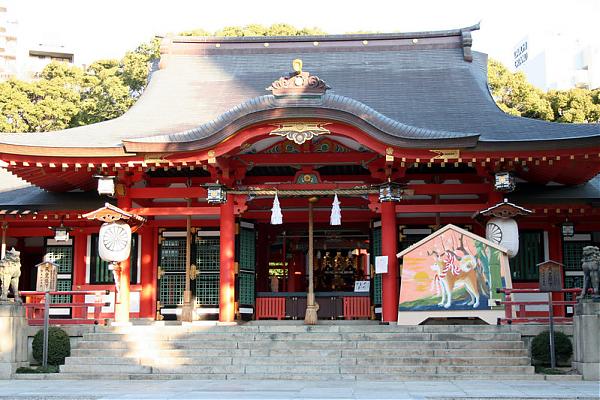
A busy port in Japan, and one of the country’s largest cities. It is famous for its hot springs, which provide a tranquil retreat and have been in use since at least the 8th century, making them amongst Japan’s oldest. The city’s name is connected to its Ikuta Shrine, a Shinto shrine founded in the early 3rd century to venerate Wakahirume, the Japanese goddess of the rising sun and weaving. The city’s name is derived from kamube, an old name for the people who supported the shrine. It is also a Japanese surname, after the city. The name has been popularised by American basketballer Kobe Bryant, whose parents named him after Kobe beef, a very high quality meat from Japan, that they saw on a restaurant menu. Although the Japanese pronunciation is more like KO-BEH, English-speakers generally say it as a homophone of the name Coby, which is one of the name’s attractions. In fact, it is also a Dutch pet form of Jakob. Kobe is around the 100s in Australia, significantly more popular than in either the US or the UK, although it is a Top 50 name in Belgium.

Memphis
The largest city in the state of Tennessee. It is famous as a centre for popular music; because of this, almost a thousand songs are about Memphis, or mention it in some way, and Graceland, Elvis Presley’s famous estate, is a major tourist attraction of the city. Memphis is named after a a capital of ancient Egypt because the American city is situated on the Mississippi, just as the Egyptian one was situated on the River Nile. The Egyptian city is now in ruins, but was once a port and busy commercial centre. Memphis is the Greek transliteration of the Egyptian name Men-nefer, meaning “enduring and beautiful”, and Greek mythology personified it as a nymph named Memphis who founded the city along with her husband, a king and son of Zeus. Despite this feminine history for the name, Memphis is much more common as a male name than a female one, most likely because of Elvis. It is around the 600s for boys in Australia, more popular than in either the US or UK.

Tyrone
The largest county in Northern Ireland. Its name comes from Tir Eoghain, meaning “land of Eoghan”; according to Irish legend, Eoghan was a son of a great medieval king who claimed this land for himself. Eoghan may be derived from Eugene, and thus an Irish form of the Welsh name Owen; others say it is from the Old Irish, and means “born under the protection of the sacred yew tree”. Tyrone has been used as a personal name since the 18th century, and originated in the United States, presumably as an Irish heritage name. It later became used in Ireland too. The name was popularised by Hollywood actor Tyrone Power Jr; part of a long line of actors, the name Tyrone was traditional in his family. The original Tyrone Power, the great-great-grandfather of the Hollywood actor, was from a landed family in Ireland. Tyrone entered the charts in the 1960s at #413, and peaked in the late 2000s at #181. Currently around the 300s, it has never become popular, yet never gone out of use, pioneering, and still fitting in with, the well-worn trend for Ty- names for boys, such as Tyler and Tyson.

POLL RESULTS
People’s favourite names were Arden, Jericho and Boston, and their least favourite were Cairo, Harlem and Cuba.

(Photo of the Ikuta Shrine in Kobe, Japan by Suguri F)

Corymbia and Campbell

Tags

, , ,

eucalyptus-summer-red

Multiples
Jobe and Jackson
Ashton, Byron and Callum
Elijah Jordan, Christian Blair and Isaac Riley

Girls
Abigail Leilani (Semma, Talita)
Addisson Jaimee (Cami)
Alesha Khandakaz Ayra
Amalie Sierra (Hamish)
Corymbia Jane
Dottie Allan (Charlie)
Elianah Louise Grace (Indyanna, Zion)
Everly Susanne (Tristan)
Georgia Celeste
Helena Alexandra (Matthew)
Imogen Elizabeth Faye (Matilda, Bailey)
Isobel Edie
Ivy Nell
Lila Iris (Oliver, Lachlan, Jordan)
Lydia Rose (Harry)
Maggie Vivian (Lachlan, Holly, Frazer)
Mei Marissa (Kai)
Parker Addison
Reese Mae (Shelby)
Selina Michelle
Sofia Juliet
Stevie-lee Alessandra
Trinnity Sarsha
Willow Kylie
Zahri Mae

Boys
Alfie Joseph (Sylvie)
Archer Warren (Oscar)
Atticus Raymond
Caelen (Rueben)
Campbell John Ysbrand (Bryce)
Felix Sebastian (Oliver, Nathanael)
Flynn Archie (Oliver)
Ha-rang Ko
Harrison Tate
Hugh David (Amy, Bonnie, Sandy, Lily, Jo, Andy)
Isaiah Jordan
Jasper Donald (Jacob)
Jimmy Philip (Billy, Lucy)
Joachim Manu Frank
Joel Israel (Sophie, Belle)
Khoen Damien Kristopher (Jupiter-Paige, Peyton)
Leif (Issy, Erik)
Lenny George (Elsie, Evie)
Orlando Eliar Matthew Arthur (Sorayah)
Oscar Vincent
Paddy Jack (Ivy)
Robert James Stewart
Rudra Partap
Theo Edward
William Maxwell

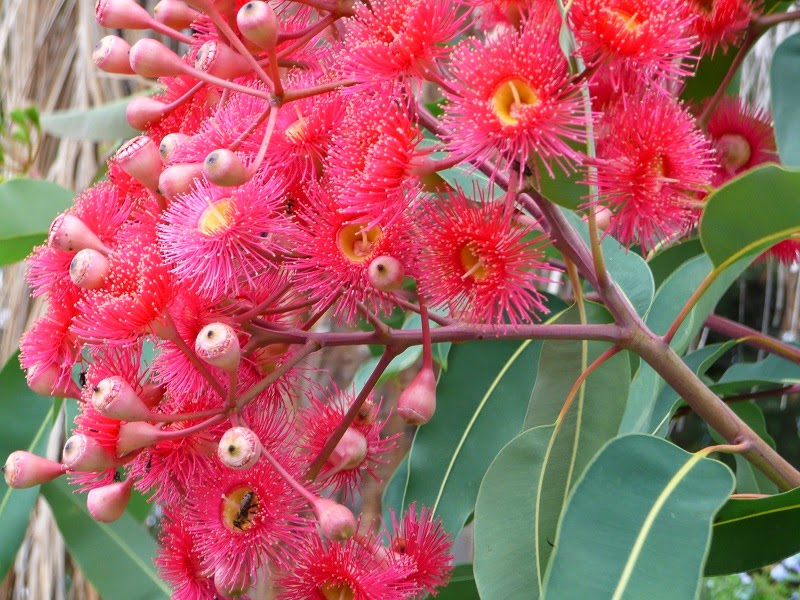
(Photo of Corymbia “Summer Red” flowering gum tree from Seed Landscape Design)

Girls Names from International Destinations

Tags

, , , , , , , , , , , , , , , , , , , , , , , , , , ,

alaska-mountains

Aberdeen
The third largest city in Scotland, often called The Energy Capital of Europe because of its North Sea oil reserves, and Scotland’s most important city economically. Another of its claims to fame is that it is the coldest city in the UK. The original name for Aberdeen was Aberdon, a Celtic name meaning “mouth of the Don” – the River Don empties into the North Sea north of Aberdeen’s original site. The river’s name may be derived from Devona, a Celtic deity whose name means “river goddess”. I saw a baby girl named Aberdeen in the newspaper, and her mother emailed me to explain that her name is in honour of Kurt Cobain, lead singer for the rock band Nirvana, who was born in Aberdeen, Washington (Aberdeen’s father is a great admirer). The American city’s name is after a salmon cannery which was named for the Scottish city, because it is also situated on a rivermouth. A rare name with a possible feminine origin which can be shortened to Abby or Deeni.

Alaska
The most northern state of the USA, separated from the continental US by Canada. First colonised by Russia, it was purchased by the United States in the 19th century, and eventually became a state in 1959. Once famous as a gold rush area and wild frontier, it is now known for its vast gas and oil reserves, and stunning natural beauty. The state’s name was adopted during the Russian colonial period, derived from an Aleut word meaning “mainland” (literally “that which the sea breaks against”). The name has become better known since the 2005 publication of John Green’s first young adult novel, Looking for Alaska, with the character of Alaska Young a beautiful but unstable teenage girl who is the hero’s love interest.

Calais
A town and major seaport in northern France and a major trading centre since the Middle Ages. It is famously located at the narrowest point of the English Channel, and a popular place to make for when swimming the Channel (or crossing by ferry). It was once a territory of England, and called “the brightest jewel in the English crown” for its rich commercial opportunities. The Romans called it Caletum, apparently in reference to the local Celtic tribespeople; it was from Calais that Caesar launched his invasion of Britain. Pronounced kal-ay, Calais sounds similar to names such as Callie and Carly while having the fashionable AY sound. Calais is also a boy’s name – in Greek mythology, Calaïs was a son of the North Wind, and one of the Argonauts. The name means “turquoise” or “chrysolithe” (another blue-green jewel), so is a rare masculine gemstone name. It is pronounced KAL-uh-ees. I’ve seen several boys in Australia named Calais, but more likely because of the car, the Holden Commodore Calais, than after the Greek hero.

Havana
The capital of Cuba, and a popular tourist destination that’s almost instantly recognisable from its colourful architecture and vintage cars. Under American occupation before the revolution, it was a playground for the middle classes, a sort of offshore Las Vegas with an exciting tinge of corruption and decadence. The city was founded by the Spanish in the early 16th century and named San Cristóbal de la Habana. Saint Christopher is the city’s patron, but the meaning of Habana isn’t certain. It may come from Habaguanex, the name of a Native American chief who controlled the region. The name has become fairly well known in Australia because of the DJ, singer, and dancer Havana Brown. Born in Melbourne to parents from Mauritius, Havana’s birth name is Angelique Meunier. The name Havana was #339 in Victoria in 2012. Pronounced huh-VAH-nuh, it fits in with the trend for names with a strong V sound, and looks like a natural successor to Ava and Harper.

Holland
A historic region of the Netherlands, sometimes informally used to refer to the country itself (Dutch people outside North and South Holland may not appreciate this, just as Scots don’t care for being told they’re from England). The name comes from the Middle Dutch holtland, meaning “wooded land”, but folk etymology connects it to the modern Dutch hol land, meaning “hollow land”, because the Netherlands is famously low-lying. Holland is also an area of Lincolnshire, similarly flat and famous for tulips, but its name comes from the Old English for “hill spur land, ridge land”. It is from this area that the English surname Holland comes, and you can see Holland as a surname name too. Both Holland Park in London and the Holland Tunnel in New York are from the Lincolnshire connection. Holland is also a fabric; this heavy linen was in the past often imported from the Netherlands. Long in use for both sexes, on a girl this name easily shortens to Holly.

India
India is named for the Indus River, one of the longest rivers of Asia, which flows from Tibet into the Arabian Sea; the Sanskrit name for the river is Sindhu, which means “body of trembling water”. Alexander the Great crossed the Indus, and the ancient Greeks called the people of present-day Pakistan and India Indoi, meaning “people of the Indus” – it’s the origin of the word for the Hindu religion as well. The Indus Valley was the birthplace for an ancient civilisation, the oldest urban culture in South Asia. In Britain, India was often given as a name in reference to the British Raj, and still has a rather upper class image in the UK. In the US, India had steady use in Indiana, but overall was more common in the south – a famous fictional namesake is India Wilkes from Gone With the Wind, the sister of Ashley. India was also given as a slave name in colonial America, perhaps because it was associated with a dark complexion. It’s always been a name which symbolises exoticism to Europeans, and is around the 200s in Australia, a natural successor to popular Indiana and sharing the nickname Indi.

Mississippi
An American state in the south, named for the Mississippi River, another inspiration for the name. The Mississippi is the chief river of North America, and one of the largest in the world, rising in Minnesota and meandering to the Gulf of Mexico. The Mississippi River Valley is one of the country’s most fertile areas, and was the focus for the steamboat era, brought to life in the works of Mark Twain. It features in songs such as Johnny Cash’s Big River, Creedence Clearwater Revival’s Proud Mary, and Charley Pride’s Roll on Mississippi. The river’s name comes from Misi-ziibi, the Objibwe or Algonquin for “great river”. Lengthy, and a spelling minefield for the unwary, this comes with two snappy nicknames: Missi and Sippi.

Odessa
A city in the Ukraine founded by Catherine the Great. It was named thus because of a belief that it was the site of an ancient Greek city called Odessos – Odessos is now thought to have been where Varna, in modern Bulgaria, is today. The name is probably pre-Greek, and its meaning and origin unknown. A free port, Odessa was a city where people of many cultures and languages mingled; its cosmopolitan nature made it a place for freethinkers to congregate, and Mark Twain predicted it would become one of the great cities of the world. The first tremors of the Russian Revolution could be felt here in 1905, after a workers’ uprising was put down with a brutal massacre. Odessa looks as if it could be related to all kinds of familiar names, and is sometimes even touted as a feminine form of Odysseus, so it feels like a “real name”. It’s right on trend and would make a great alternative to popular Olivia.

Sahara
The largest desert in Africa, and the largest hot desert of the world, the Sahara stretches right across northern Africa, often very beautiful in its shifting sandscapes. Its name is an intensifier of ṣaḥrā , the Arabic word for desert, to suggest “great desert”. The singer-songwriter Sahara Smith received her name because her father hiccuped while suggesting the name Sara, and liked the result. This is a pretty name which is so similar to names like Sara, Sarah, Zara and Zahara that its main issue is probably being confused with them.

Venice
A city in northern Italy built on a series of islands separated by a maze of canals and linked by bridges. It is seen as one of the most beautiful cities in the world and a very romantic destination, thanks to its ornate architecture and the gondolas providing transport through its waterways. A wealthy city for most of its history, it has a particularly strong connection with the arts and music, and has featured in many plays, novels, and films. The city’s name comes from the Veneti, the tribespeople who populated the area in ancient times. Etymologists believe their name comes from an ancient root meaning “strive, wish for, love” (to suggest strong kinship bonds), giving it a very attractive meaning as well. The name seems to have been used since the 16th century, although in at least some records, may have been confused with the related names Venus or Venetia. This artistic name would make a good alternative to rising Florence.

POLL RESULTS
People’s favourite names were Odessa, India and Holland, and their least favourite were Havana, Venice and Mississippi.

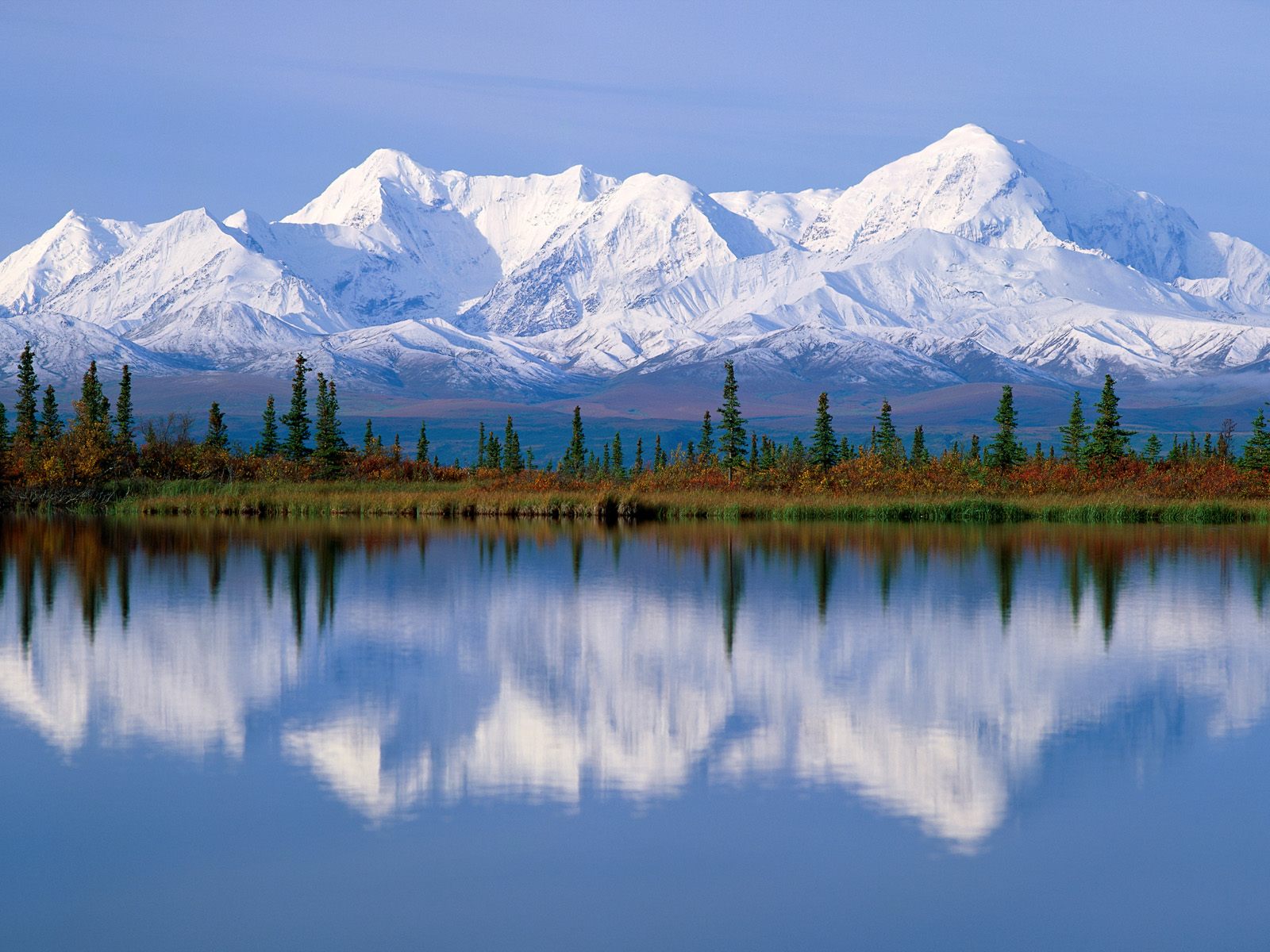
(Photo is of Denali National Park in Alaska)

Urgent Poll: Name for a New Baby Girl

Tags

, ,

poll2

Blog readers have already welcomed their second child, but haven’t yet settled on a name for her. They would love to know what other people think of the names they are considering.

The baby girl’s middle name has already been decided on: it’s Clementine. The surname begins with W and ends with N eg Welborn. The baby’s older brother is named Hugo.

Bearing all these factors in mind, which of these names would you suggest to them? You can pick up to three favourites.

Odette Rose and Rupert Francis

Tags

, ,

hero-300

Twins
Miller Christopher and Mason Robert
Tom Stuart Mark and Coco Patricia (Isabelle)

Girls
Addilyn Jacinta (Oliver)
Alexis Coral (Patrick, Joey)
Aria Concetta
Audrey Lucia (Ethan)
Azzali
Brianna Carmela
Cara Sonya (Niamh)
Charlize Moya
Cienna Eileen (Paisley, Amara)
Chloe Lorene
Daisy May
Dakoda-Lee Margaret
Dexie
Edie Maree (Maeve)
Eliana Olive
Elka Grace (Elyce)
Harper Sunday (Ivy)
Indi (Peppa, Max)
Ivy Therese
Kenzie Skye (Dayne)
Leni Dorothy (Oscar, Maggie)
Libby Camille (Eddie)
Lilian Joan (Sebastian)
Molly Magdalen
Odette Rose (William James)
Remy Jayne (Jye, Indi)
Rose Matilda (Beth, William, Tom)
Thea Violet
Valentina Maria
Zoey Jennifer (Allyssa, Liam)

Boys
Alfred Harvey
Alistair William
Ari Gilbert
Austin Hugh
Billy (Beau)
Braxton Alan
Brock Ryder
Christian (Jeremy, Sebastian)
Dusty John (Will, Evie)
Edward Darcy James
Ezra Thomas (Aidan)
Fletcher Roland (Jordan, Jemma, Mitchell)
Grayson Michael (Stirling)
Hartley Rex
Henry Noll (Mitchell)
Izaiah Jeffery (PJ, Shannon, Zeth, Aarron)
Jack Shields (Tom)
James Percival
Joseph Campbell
Lance Norman
Luciano
Nalu
Olly Arthur
Parker David (Riley, Ashton)
Rocky
Rupert Francis
Thomas Elroy
Walter Bruce
Wyatt Edwin
Zachary Robin (Dylan, Cameron)

(Photo shows two koalas at the Lone Pine Koala Sanctuary in Brisbane)

Famous Name: David

Tags

, , , , , , , , , , , , ,

David_Unaipon

Famous Namesake
Next week it will be the 143rd birthday of David Unaipon, who was born September 28 1872 – Unaipon is an Anglicised form of the name Ngunaitponi. David was a writer, mythologist, inventor, motivational speaker, lecturer, religious leader, and political activist; in his lifetime he was hailed as a genius. Yet he was given no schooling after the age of 13, and was often denied service because of the colour of his skin.

Born on a South Australian mission, his high intelligence was obvious even as a child. Frustrated by the scarcity of career paths open to him, and almost complete lack of educational ones, after work he would devour books on literature, science and philosophy until the early hours of the morning. He became obsessed with the idea of inventing a perpetual motion machine (a hot topic of the day), and this led to his first patented invention: an innovative design for shearing machines which is the basis for modern mechanical shears.

In all, David took out 19 provisional patents on his inventions, but could not afford to fully patent them: he made no money from his inventions, and received no credit apart from one newspaper article. His other inventions include a centrifugal motor, a multi-radial wheel, and a mechanical propulsion device. One of his ideas was a basic design for a helicopter in 1914, based on the spinning motion of a boomerang; this earned him the title of “Australia’s Leonardo”. A recognised authority on ballistics, he also had a great interest in lasers which he foresaw might one day have military applications – this was some years before Einstein’s pioneering work on lasers.

David worked as a lay preacher and missionary, but was also keen to educate white people on Indigenous mythology and culture. David compiled his versions of Aboriginal legends, influenced by his study of classical and Egyptian mythology, and written in a style reminiscent of John Milton. They were published in a series of booklets and articles, and eventually commissioned as Myths and Legends of the Australian Aboriginals in 1930: David was paid $150 for his work, but received no credit. He was the first Indigenous Australian writer to be published.

Urbane and cultured, dignified in bearing, formal of manner, and fastidious in speech, David defied the stereotypes then held about Aboriginal Australians, and confounded expectations. Even when sympathetic, the newspapers spoke of him in ways which now make us squirm.

He was not just a genius: he was a “black genius” or “Australia’s cleverest darkie”. One journalist calls him “a remarkably intelligent specimen of primitive man”, and writes that people can barely believe he is a “full blooded Aborigine”. “An outstanding representative of the primitive race”, and “remarkably able … even amongst superior whites”, it was made clear that he was an exception to every rule, and one fine shining hour for a people who were inevitably dying out.

David lived to the age of 94, packing many lifetimes into his generous span of years; he continued working on his inventions into old age, and right to the end remained determined to discover the secret of perpetual motion.

He had lobbied the government on Aboriginal rights, been the first Aboriginal person to attend a royal levee, and received a Coronation Medal. The David Unaipon Literary Award is given to an unpublished Indigenous author each year, and the David Unaipon College of Indigenous Education And Research at the University of South Australia is named after him. You may also have David in your wallet – he is on the $50 note.

An extraordinary Australian with an original mind, he was neither mute nor inglorious, yet his story is one of undeveloped potential. Howard Florey was sent to Oxford University as a Rhodes Scholar, and he changed the world: what might David Unaipon have done if given similar opportunities and advantages?

Name Information
David is derived from the Hebrew name Dawid, from the Semitic root dwd, meaning “to love”. It is usually translated as “beloved” or “my darling”. There were a number of Semitic deities with names from the same source, and it is possible the name David was originally given in honour of these gods, or came to be understood as “beloved of God”.

The name has come into common use because of the character from the Bible. In the Old Testament, David was an armour-bearer to Saul, the first king of Israel. David was a talented musician, and whenever Saul was feeling particularly wretched, David would play the lyre to him until he felt better. David was a great warrior, and Saul made him commander over his armies: eventually he became so popular that after Saul’s death David was anointed king.

A popular story from the Bible is about David’s youth. Saul’s armies were facing those of the Philistines, and their opponents sent their largest warrior to fight someone in single combat – a huge giant named Goliath (around six foot nine, or just over 2 metres tall). Everyone was afraid to take on the big boy, until David stepped forward and accepted the challenge. He brought Goliath down with a slingshot, then cut off his head using the giant’s own sword. In modern parlance, a David and Goliath battle is one where the underdog wins, and we all love a story where the “little guy” is victorious over someone more powerful.

King David is a central figure in Judaism, a symbol of Jewish kingship. According to the Hebrew canon, a descendant of King David will one day sit on the throne of Israel, heralding an era of global peace. Christianity views David as a divinely appointed king, and the ancestor of Jesus Christ. In Islam, David (Dāwūd) is revered as one of the great prophets.

David has been a popular figure in art and literature, most notably Michelangelo’s statue of him as a young man, the epitome of masculine strength and beauty. In the Bible, David is described as a handsome youth with beautiful eyes, and ruddy in colour. This has often been taken to mean David was red-haired (Jewish tradition makes David a redhead), but the word used refers to the same coppery-brown skin tone assigned to Adam. There is another connection between these two characters: Adam is the first name in the Bible, while David is the last.

David has been used as an English name since the Middle Ages; in medieval Europe, David was seen as the ideal chivalrous hero, and a model for kingship. Saint David is the patron saint of Wales, and his icons include the leek, a Welsh national symbol. A Welsh short form of his name, Taffy, was used to refer to a Welshman (often insultingly) for many years, just as a Paddy meant an Irishman. King Edward VIII went by David, which was his final middle name, given in honour of the national saint.

The name David also has a strong history in Scotland, as David I was a powerful medieval Scottish king who supported his niece, the Empress Matilda, in her claim to the English throne. A defender of the Scottish church’s independence from the English church, contemporary historians describe him as pious and just. He is regarded as a saint in Roman Catholicism.

David is a solid classic which has never left the Top 100. It was #28 in the 1900s, and peaked at #1 through most of the 1960s, making it the most popular boy’s name for that decade. Currently it is #91 nationally, #92 in New South Wales, #76 in Queensland (where it was one of the fastest rising names of last year), #98 in Tasmania, and #83 in the Australian Capital Territory.

Thanks to the fame of King David, David is a popular name around the world, including in eastern and western Europe, Scandinavia, and Latin America. It is most popular in Croatia, at #4. It is popular in all English-speaking countries, and most popular in the United States, at #18. It is still a popular name in Israel, and seems a patriotic choice as the national flag has a Star of David on it.

David is an attractive classic name with a beautiful meaning. An ancient name with a heroic royal namesake, it has never gone out of style and remains popular. Widely recognised around the world, it travels well and can work cross-culturally. A beloved name for thousands of years, it would not be surprising if this name was perfect for your darling son.

POLL RESULTS
David received a creditable approval rating of 70%. People saw the name David as a timeless classic which would never go out of style (27%), clean and wholesome (19%), and handsome or attractive (16%). However, 21% thought it was too common and boring. Only person thought David seemed too mature to give to a little boy, and just one thought it was too biblical.

(The photo of David Unaipon is the same one used for the bank note).

The Top 100 Names of the 1920s in New South Wales

Tags

,

GIRLS

  1. Betty (1049)
  2. Joan (947)
  3. Mary (933)
  4. Dorothy (906)
  5. Joyce (856)
  6. Margaret (784)
  7. Patricia (767)
  8. Beryl (628)
  9. Norma (623)
  10. Shirley (477)
  11. Kathleen (455)
  12. Marie (436)
  13. Marjorie (418)
  14. Mavis (394)
  15. June (383)
  16. Phyllis (352)
  17. Eileen (340)
  18. Edna (333)
  19. Thelma (328)
  20. Elizabeth (326)
  21. Doreen (297)
  22. Daphne (288)
  23. Lorna (284)
  24. Gloria (267)
  25. Irene (263)
  26. Nancy (256)
  27. Doris (251)
  28. Hazel (247)
  29. Gladys (246)
  30. Valerie (244)
  31. Elsie (239)
  32. Audrey (229)
  33. Florence (222)
  34. Olive (202)
  35. Gwendoline (200)
  36. Alice (198)
  37. Iris (197)
  38. Rita (193)
  39. Heather (193)
  40. Enid (189)
  41. Ruth (181)
  42. Helen (174)
  43. Dulcie (170)
  44. Barbara (163)
  45. Edith (162)
  46. Ellen (157)
  47. Ethel (145)
  48. Elaine (152)
  49. Vera (149)
  50. Violet (138)
  51. Muriel (138)
  52. Sylvia (136)
  53. Ivy (134)
  54. Catherine (130)
  55. Grace (126)
  56. Winifred (124)
  57. Yvonne (124)
  58. Annie (123)
  59. Lillian (121)
  60. Evelyn (199)
  61. Alma (116)
  62. Frances (113)
  63. Peggy (105)
  64. Ruby (105)
  65. Nellie (104)
  66. Olga (100)
  67. Sheila (98)
  68. Veronica (96)
  69. Una (88)
  70. Mona (87)
  71. Hilda (84)
  72. May (83)
  73. Beatrice (81)
  74. Nola (81)
  75. Lola (80)
  76. Constance (80)
  77. Agnes (79)
  78. Aileen (79)
  79. Josephine (77)
  80. Eva (77)
  81. Pauline (76)
  82. Valda (74)
  83. Marion (72)
  84. Rose (70)
  85. Laurel (70)
  86. Pamela (68)
  87. Judith (67)
  88. Marjory (65)
  89. Joy (65)
  90. Mabel (65)
  91. Monica (64)
  92. Lilian (64)
  93. Eunice (61)
  94. Isabel (60)
  95. Fay (58)
  96. Emily (58)
  97. Elva (58)
  98. Freda (58)
  99. Gweneth (57)
  100. Myrtle (56)
BOYS

  1. John (2498)
  2. William (1705)
  3. Ronald (1065)
  4. Robert (952)
  5. James (904)
  6. Kenneth (709)
  7. George (686)
  8. Keith (666)
  9. Thomas (614)
  10. Raymond (601)
  11. Arthur (582)
  12. Edward (515)
  13. Frederick (500)
  14. Norman (484)
  15. Jack (470)
  16. Donald (440)
  17. Kevin (437)
  18. Harold (433)
  19. Allan (411)
  20. Charles (394)
  21. Eric (371)
  22. Albert (368)
  23. Reginald (365)
  24. Stanley (361)
  25. Gordon (360)
  26. Henry (352)
  27. Colin (325)
  28. Douglas (315)
  29. Noel (314)
  30. Neville (301)
  31. Bruce (287)
  32. Walter (286)
  33. David (280)
  34. Roy (277)
  35. Ernest (273)
  36. Alfred (271)
  37. Richard (267)
  38. Alan (264)
  39. Leonard (263)
  40. Cecil (256)
  41. Peter (250)
  42. Joseph (239)
  43. Frank (238)
  44. Mervyn (218)
  45. Maxwell (207)
  46. Geoffrey (196)
  47. Patrick (185)
  48. Herbert (178)
  49. Alexander (160)
  50. Brian (159)
  51. Harry (158)
  52. Victor (156)
  53. Bernard (138)
  54. Allen (130)
  55. Lawrence (124)
  56. Vincent (121)
  57. Ian (114)
  58. Maurice (109)
  59. Clifford (107)
  60. Cyril (102)
  61. Clarence (100)
  62. Laurence (99)
  63. Sidney (98)
  64. Desmond (96)
  65. Leo (93)
  66. Michael (92)
  67. Lionel (90)
  68. Wallace (87)
  69. Russell (82)
  70. Edwin (77)
  71. Terence (76)
  72. Athol (75)
  73. Trevor (74)
  74. Malcolm (72)
  75. Ross (71)
  76. Anthony (66)
  77. Clive (65)
  78. Neil (62)
  79. Aubrey (62)
  80. Phillip (62)
  81. Rex (61)
  82. Wilfred (60)
  83. Paul (59)
  84. Barry (59)
  85. Philip (58)
  86. Claude (57)
  87. Percy (56)
  88. Owen (56)
  89. Ralph (54)
  90. Andrew (54)
  91. Lloyd (52)
  92. Hugh (51)
  93. Milton (51)
  94. Samuel (50)
  95. Dudley (47)
  96. Hilton (42)
  97. Gregory (42)
  98. Ivan (42)
  99. Edgar (38)
  100. Horace (37)

UNISEX

  1. Jean (726)
  2. Leslie (652)
  3. Francis (465)
  4. Sydney (117)
  5. Jessie (110)
  6. Merle (83)
  7. Lindsay (62)
  8. Darcy (21)
  9. Lesley (20)
  10. Robin (16)
  11. Dallas (15)
  12. Laurie (14)
  13. Valmai (13)

Urgent Name Help Needed: Their Baby Boy is Due Very Soon!

Tags

,

yellow-notebook-paper2

Natalie and James are expecting their son in a few weeks, their first-born child. Nat is from a Chinese/Malaysian background, and her parents will help them choose a Chinese middle name. It’s lucky that the middle name issue is already solved, as Nat and Jamie are struggling to think of a first name!

What they would like for their son’s name:

Not too common and boring
Not totally out there and weird
No unusual variant spellings
Seems manly
Lends itself to good nicknames
Will suit an adult as well as a child

Some names they have been considering:

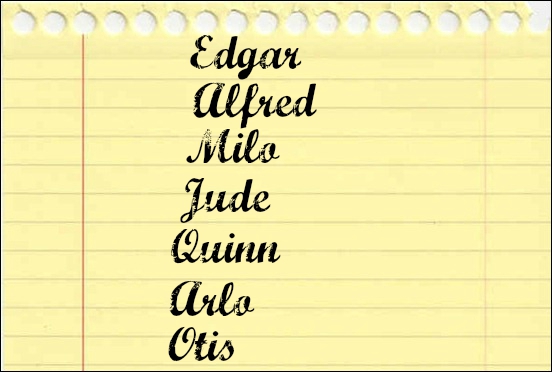
Edgar
Alfred
Milo
Jude
Quinn
Arlo
Odin
Otis
Marlowe

Nat likes Jasper, Jarvis, and Rupert, but Jamie doesn’t. Jamie likes Henry and Hugo, but Nat isn’t so keen.

Nat and Jamie have a pet dog named Frankie, so the name Franklin, which Nat loves, is also out.

Nat and Jamie’s surname begins with C eg Clarkson.

* * * * * * * * * *

Nat and Jamie, I notice a few name preferences you seem to have. One is for the classic-style solid English names like Edgar and Alfred which have been common since forever. The other is for those smooth-sounding names which have only become commonly used fairly recently, such as Arlo and Quinn.

Perhaps you could think about one which you would prefer, as this might influence the names of the children you have later.

You really seem to like the “long” vowel sounds found in names like Milo, Jude and Otis. That makes Quinn something of an outlier for you, and as it’s a name often used for girls as well, I wonder if it really fits your desire for something manly? It’s also a bit of a tongue-twister with your surname.

Jude is another name which sticks out to me, as it’s the only other name which is one syllable: I’m struggling to think of nicknames for Jude and Quinn. Your preference seems to be for a two-syllable name, although in general they don’t have obvious nicknames.

Could it be that you are not so nickname-happy as you thought? If you wanted a nickname, you might want to go up another syllable, as it seems easier to find nicknames for longer names.

With just a few weeks to go, I think you basically have two options. You can start to narrow down your current list to a top three or four that you think you are likely to use, and take that list with you to hospital. Once your son is born, you might feel he is definitely a Marlowe and not a Milo, or an Alfred and not an Arlo.

Or, if you are not convinced that any of the names are quite right, you could consider a slightly wider selection of names that still fits all your criteria and your name style. I will suggest another list of names which seem to be in line with what you like.

Don’t be afraid to choose the name you love best, even if it breaks one of your name rules. You are already having the middle name chosen for you, so that really leaves the first name spot open for you to express your individuality and follow your heart.

NAME UPDATE: The baby’s name was Frederic “Freddie”!

POLL RESULTS: The public’s top choices for the baby’s name were Jude, with 18% of the vote, and Theodore, with 24% of the vote.