• About
  • Best Baby Names
  • Celebrity Baby Names
  • Celebrity Baby Names – Current
  • Celebrity Baby Names – Past
  • Featured Boys Names
  • Featured Girls Names
  • Featured Unisex Names
  • Links to Name Data
  • Waltzing on the Web

Waltzing More Than Matilda

~ Names with an Australian Bias of Democratic Temper

Waltzing More Than Matilda

Tag Archives: popular names

Top 50 Baby Names in Western Australia for 2014

22 Thursday Jan 2015

Posted by A.O. in Name Data

≈ Comments Off on Top 50 Baby Names in Western Australia for 2014

Tags

name trends, popular names

GIRLS

  1. Emily
  2. Ava
  3. Charlotte
  4. Olivia
  5. Amelia and Mia
  6. Ella
  7. Isla
  8. Sophie
  9. Chloe
  10. Grace
  11. Isabella
  12. Ruby
  13. Zoe
  14. Lily and Lucy
  15. Harper
  16. Sophia
  17. Sienna
  18. Hannah and Zara
  19. Emma, Evie, Ivy and Scarlett
  20. Georgia
  21. Matilda
  22. Eva and Layla
  23. Imogen
  24. Willow
  25. Abigail
  26. Alexis
  27. Evelyn and Summer
  28. Jasmine
  29. Isabelle
  30. Madison and Mila
  31. Lilly and Savannah
  32. Paige
  33. Jessica and Maddison
  34. Holly
  35. Aria
  36. Violet
  37. Sofia
  38. Alyssa
  39. Sarah and Stella
  40. Annabelle, Ellie and Poppy
  41. Mackenzie
  42. Alice, Elizabeth and Phoebe
  43. Addison and Audrey
  44. Anna
  45. Charlie and Maya
  46. Elsie and Hayley
  47. Lola
  48. Bella and Rose
  49. Amber and Indi
  50. Amelie and Peyton
BOYS

  1. Oliver
  2. Jack
  3. Noah
  4. Wiliam
  5. Lucas
  6. Thomas
  7. James
  8. Ethan
  9. Liam
  10. Jacob
  11. Mason
  12. Lachlan
  13. Samuel
  14. Charlie
  15. Alexander and Joshua
  16. Harrison
  17. Logan
  18. Cooper
  19. Riley
  20. Hunter and Levi
  21. Jaxon and Max
  22. Henry
  23. Isaac
  24. Benjamin
  25. Harry
  26. Hudson
  27. Nate, Tyler, Xavier
  28. Daniel
  29. Jayden
  30. Blake and Elijah
  31. Archie and Oscar
  32. Dylan
  33. Kai
  34. Aiden and Luke
  35. Matthew, Michael and Ryan
  36. Sebastian
  37. Leo
  38. George and Jackson
  39. Eli and Lincoln
  40. Flynn
  41. Archer and Mitchell
  42. Chase
  43. Caleb, Jake and Jordan
  44. Zachary
  45. Luca
  46. Patrick
  47. Connor
  48. Jai
  49. Austin
  50. Hayden

GIRLS

Biggest Risers
Aria (+14), Evelyn and Mila (+13), Madison and Paige (+12)

Biggest Fallers
Jessica (-9), Jasmine (-8), Ruby and Sofia (-7), Mackenzie and Matilda (-5)

New
Audrey, Charlie, Maya, Elsie, Lola, Rose, Amber, Indi, Peyton

Gone
Aaliyah, Samantha

BOYS

Biggest Risers
Archie (+20 at least), Aiden (+13), Henry and Logan (+10)

Biggest Fallers
Jake (-18), Braxton (-13 at least), Seth (-12 at least), Daniel (-12), Finn (-11 at least)

New
Archie, Caleb, Jordan, Luca, Patrick, Jai, Austin, Hayden

Gone
Joseph, Ryder, Marcus, Beau, Owen, Nathan, Nicholas, Finn, Seth, Braxton

The 2014 Matilda Awards

18 Sunday Jan 2015

Posted by A.O. in Blog News

≈ 2 Comments

Tags

aristocratic names, Biblical names, celebrity baby names, classic names, english names, famous namesakes, flower names, gemstone names, Greek names, hebrew names, historical records, middle names, name combinations, nature names, Old French names, patriotic names, plant names, popular names, rare names, retro names, royal names, Scottish names, sibsets, surname names, twin sets, underused classics, virtue names

165256

Welcome to the second annual Matilda Awards, a quest to discover which names featured on the blog in 2014 gained the greatest approval from the public.

Waltzing With … Category

The most popular names featured in the Waltzing With … category were CONSTANCE for girls, which scored an approval rating of 85% and FORREST for boys, which was rated 78%.

Constance is an Old French name dating to medieval times, traditional amongst aristocracy and royalty, but also valued as a virtue name. It hasn’t charted since the 1990s, and hasn’t been popular since the 1920s. The name Constance was chosen to honour courageous World War I nurse, Sister Constance Keys.

Forrest is an English surname with strong Scottish associations, in use as a first name since at least the 16th century, and possibly even earlier. It has never charted, but is found fairly often in Australian historical records. The name Forrest was chosen for the wealthy Forrest family, prominent in conservative politics.

Once again, the key to winning this category, which has a very simple voting system, is for people to have a high level of tolerance for the name. Both Constance and Forrest were names which hardly anybody had animosity towards, and most people thought were perfectly fine.

Famous Name Category

The most popular names featured in the Famous Name Category were HOPE and OPAL for girls, which both scored an approval rating of 86% and SAMUEL for boys, which scored 88% and was the top-rated name overall for the year.

Hope is a virtue name which is an underused classic; almost constantly on the charts, it has never become popular. Hope was praised as a simple and elegant classic which was both pretty and wholesome, and had a very positive meaning. The name was chosen to commemorate the centenary of the start of World War I.

Opal is a gemstone name with a patriotic meaning – the opal is Australia’s national gem, and the black opal is the state gem for New South Wales. A name most used during the Victoria era, it has never charted, but is often found in Australian records, especially in opal mining regions. Opal gained approval as an unusual and refreshing choice which was both pretty and simple, and hip and quirky. The name was chosen for the roll-out of the Opal public transport card in Sydney.

It’s interesting that Hope and Opal tied for first place, as they are quite similar – both short, simple English names with a strong OPE sound to them.

Samuel is a Hebrew name from the Bible; in the Old Testament, Samuel was a prophet and judge of Israel who brought peace to the land. Samuel is a classic name which has never been out of the Top 200, and is very popular, with a stable position for twenty years. Samuel was seen as a handsome classic which was both strong and gentle; a “nice guy” name which aged well and suited a variety of people. The name was chosen for the actor Samuel Johnson, who broke the world unicycling record to raise funds for breast cancer research; coincidentally, Samuel did this feat for his sister, who is named Constance, another favourite name.

Name Themes and Lists Category

The most popular names which were featured in the Names Themes and Lists Category were VIOLET and THEODORE. Violet won very convincingly, and also managed to win its original poll, while Theodore had a comfortable win.

Violet is a retro flower name first used in Scotland. Popular in the 1900s, it left the charts from the 1960s to the 2000s, but is now back with a bang, and zooming up the Top 100. The name was chosen for a spring-time list of native Australian flowers.

Theodore is a Greek name common in ancient times, which gained popularity amongst early Christians. An underused classic, Theodore has been rising steeply for decades, and seems likely to join the Top 100 soon. Theodore was chosen from the Australian children’s book Antonio S and the Mystery of Theodore Guzman by Odo Hirsch, part of a list for Book Week.

Celebrity Baby Names

The most popular celebrity baby girl name was CLEMENTINE FRANCES LOGAN, which proved a clear favourite right from the start. Clementine is the daughter of Peter and Hannah Logan, and this is proof you do not need to be an A-lister to have a great baby name, because the Logans are local celebrities from the Mudgee area, who run a successful wine company. Tess Clementine was the favourite baby name in 2013, and it looks as if blog-readers are Clementine-crazy.

The most popular celebrity baby boy name was EVANDER MAXWELL GLEAVE, who managed to win by a single vote in an extremely tight contest, as many boys’ names were nominated this year. Evander is the son of Australian model and Miss Australia winner Erin McNaught, and British rapper Example (Elliot Gleave).

Clementine and Evander both have elegance and substance, with classical roots, and a European vibe, being fairly popular in France, while uncommon here. The middle names are solid classics which aren’t popular as first names. Celebrities, take note!

There was no favourite amongst the celebrity twins, as none of them received enough approval to be eligible. Yes, this is a tough audience.

Names from the Birth Announcements

The most popular names for multiples were boy/girl twins FLORENCE AND HENRY, who proved solid performers. This handsome twin set from March was nominated by Madelyn.

In the girls section, ARABELLA HERMIONE ROSE scraped through by one vote. Elegant and a little off-beat, this pretty girl’s name from April was nominated by Sophia.

Amongst the boys, HUGO FREDERICK had a very comfortable win. This stylish boy’s name from early November was nominated by Nana Patricia.

The sibsets were dominated by LILY, WINTER, BEAU AND VIOLET, who absolutely destroyed all opposition. Note that Violet had a second victory. These four siblings, whose names have a simple, natural feel, were nominated in late November by both Nicole and Names For Real (Sarah from For Real Baby Names).

Some themes were clear this year: Scottish names did very well, as Forrest, Violet, Clementine Logan and Arabella all have links with Scotland. It did not win independence, but the land of loch and legend clearly won our hearts. Nature names and virtue names were also clear favourites – a positive meaning seems to be a real help.

Top 20 Baby Names in the Northern Territory for 2014

12 Monday Jan 2015

Posted by A.O. in Name Data

≈ Comments Off on Top 20 Baby Names in the Northern Territory for 2014

Tags

name trends, popular names

GIRLS

  1. Charlotte
  2. Sophie
  3. Olivia
  4. Amelia
  5. Ava
  6. Grace
  7. Lily
  8. Isla
  9. Mia
  10. Ruby
  11. Emily
  12. Scarlett
  13. Sophia
  14. Hannah
  15. Jasmine
  16. Lucy
  17. Matilda
  18. Chloe
  19. Emma
  20. Savannah
BOYS

  1. Jack
  2. Noah
  3. Thomas
  4. William
  5. Hunter
  6. James
  7. Jayden
  8. Lachlan
  9. Logan
  10. Mason
  11. Oliver
  12. Harry
  13. Isaac
  14. Michael
  15. Samuel
  16. Alexander
  17. Charlie
  18. Elijah
  19. Jackson
  20. Jacob

GIRLS

Biggest Riser
Ava (+12)

Biggest Faller
Chloe (-13)

New to List
Scarlett, Hannah, Jasmine, Lucy, Emma

Gone from List
Ella, Madison, Zoe, Isabella, Evelyn

BOYS

Biggest Riser
Hunter (+16 at least)

Biggest Faller
Cooper (-19 at least)

New to List
Hunter, Jayden, Harry, Samuel, Charlie, Elijah, Jacob

Gone from List
Cooper, Lucas, John, Ethan, Jaxon, Riley, Xavier

NOTE: The Northern Territory only releases a Top 20 each year due to its very small population size.

Top 100 Baby Names in Victoria for 2014

10 Saturday Jan 2015

Posted by A.O. in Name Data

≈ 1 Comment

Tags

Baby Name Pondering, name trends, popular names

GIRLS

  1. Olivia
  2. Charlotte
  3. Mia
  4. Ava
  5. Chloe
  6. Amelia
  7. Sophie
  8. Emily
  9. Ruby
  10. Ella
  11. Grace
  12. Zoe
  13. Sienna
  14. Isabella
  15. Matilda
  16. Scarlett
  17. Evie
  18. Ivy
  19. Zara
  20. Isla
  21. Emma
  22. Lily
  23. Lucy
  24. Harper
  25. Hannah
  26. Isabelle
  27. Willow
  28. Sophia
  29. Eva
  30. Abigail
  31. Evelyn
  32. Georgia
  33. Maya
  34. Violet
  35. Jasmine
  36. Mila
  37. Audrey
  38. Imogen
  39. Maddison
  40. Annabelle
  41. Layla
  42. Alice
  43. Poppy
  44. Jessica
  45. Sofia
  46. Stella
  47. Alexis
  48. Ellie
  49. Summer
  50. Lola
  51. Aria
  52. Indiana
  53. Holly
  54. Sarah
  55. Alexandra
  56. Anna
  57. Madison
  58. Elizabeth
  59. Savannah
  60. Milla
  61. Mackenzie
  62. Alyssa
  63. Eden
  64. Sadie
  65. Rose
  66. Isabel
  67. Chelsea
  68. Emilia
  69. Addison
  70. Madeleine
  71. Eliza
  72. Paige
  73. Harriet
  74. Victoria
  75. Olive
  76. Eloise
  77. Ayla
  78. Piper
  79. Molly
  80. Heidi
  81. Piper
  82. Ariana
  83. Madeline
  84. Elsie
  85. Phoebe
  86. Eve
  87. Claire
  88. Pippa
  89. Hayley
  90. Daisy
  91. Charlie
  92. Sara
  93. Lilly
  94. Hazel
  95. Frankie
  96. Lexi
  97. Billie
  98. Penelope
  99. Millie
  100. Amy
BOYS

  1. Oliver
  2. Jack
  3. William
  4. Noah
  5. Thomas
  6. James
  7. Lucas
  8. Ethan
  9. Mason
  10. Lachlan
  11. Alexander
  12. Charlie
  13. Oscar
  14. Liam
  15. Xavier
  16. Henry
  17. Max
  18. Joshua
  19. Samuel
  20. Benjamin
  21. Isaac
  22. Harrison
  23. Harry
  24. Levi
  25. Jacob
  26. Patrick
  27. Ryan
  28. Daniel
  29. Hunter
  30. Edward
  31. Cooper
  32. Sebastian
  33. Hudson
  34. Archie
  35. Jackson
  36. Logan
  37. Leo
  38. Flynn
  39. Elijah
  40. Archer
  41. Jayden
  42. Jaxon
  43. Aiden
  44. Harvey
  45. Angus
  46. Riley
  47. George
  48. Blake
  49. Hugo
  50. Jordan
  51. Zachary
  52. Ryder
  53. Nate
  54. Luca
  55. Jake
  56. Michael
  57. Matthew
  58. Tyler
  59. Nicholas
  60. Dylan
  61. Kai
  62. Spencer
  63. Luke
  64. Nathan
  65. Finn
  66. Marcus
  67. Louis
  68. Lincoln
  69. Hamish
  70. Eli
  71. Austin
  72. Owen
  73. Adam
  74. Caleb
  75. Aaron
  76. Mitchell
  77. Joseph
  78. Felix
  79. Ashton
  80. Hayden
  81. Connor
  82. Christian
  83. Alex
  84. Muhammad
  85. Jasper
  86. Chase
  87. Maxwell
  88. Toby
  89. Theodore
  90. Gabriel
  91. Evan
  92. Charles
  93. Bailey
  94. Anthony
  95. Zac
  96. Fletcher
  97. Nathaniel
  98. Ali
  99. Jude
  100. Lenny

GIRLS

Biggest Risers
Sadie (+37 at least), Emilia (+33 at least), Violet (+33), Anna and Indiana (+25), Ayla (+24 at least), Maddison (+24), Aria and Savannah (+23), Piper (+22)

Biggest Fallers
Bella (-46 at least), Lilly (+31), Hayley (-24), Mikayla (-22 at least), Eve and Madison (-22), Chelsea (-20), Amelie (-19 at least), Samantha (-17 at least), Amber (-15 at least)

New to List
Sadie, Emilia, Ayla, Ariana, Elsie, Charlie, Sara, Hazel, Frankie, Billie

Gone from List
Bella, Mikayla, Samantha, Amber, Tahlia, Lara, Charli, Stephanie, Indigo, Leah

BOYS

Biggest Risers
Kai (+40 at least), George and Marcus (+24), Caleb (+21), Harvey (+20), Nate (+19), Muhammad (+17 at least), Felix and Hugo (+16), Maxwell (+14 at least)

Biggest Fallers
Braxton (-28 at least), Nathaniel (-22), Lewis (-21 at least), Connor (-20), Darcy (-17 at least), Bailey and Mitchell (-17), Beau (-16 at least), Cooper and Zac (-13)

New to List
Kai, Muhammad, Maxwell, Theodore, Gabriel, Evan, Anthony, Fletcher, Lenny

Gone from List
Braxton, Lewis, Darcy, Beau, David, Jesse, Joel, Aidan, Sam

NOTE: For further information on the Victorian Top 100, please visit Brooke’s blog, Baby Name Pondering.

Top 50 Baby Names of 2014 from Baby Center Australia

10 Saturday Jan 2015

Posted by A.O. in Name Data

≈ Comments Off on Top 50 Baby Names of 2014 from Baby Center Australia

Tags

Baby Center Australia, name trends, popular names

GIRLS

  1. Ava
  2. Amelia
  3. Charlotte
  4. Olivia
  5. Choe
  6. Ella
  7. Sophie
  8. Mia
  9. Emily
  10. Lily
  11. Zoe
  12. Sophia/Sofia
  13. Madison/Maddison
  14. Ruby
  15. Grace
  16. Isabella
  17. Matilda
  18. Abigail
  19. Harper
  20. Aria
  21. Annabelle
  22. Charlie
  23. Isla
  24. Hannah
  25. Isabelle
  26. Zara
  27. Scarlett
  28. Evie
  29. Emma
  30. Layla
  31. Mackenzie
  32. Imogen
  33. Audrey
  34. Sienna
  35. Alice
  36. Alexis
  37. Lucy
  38. Evelyn
  39. Addison
  40. Ivy
  41. Willow
  42. Eva
  43. Maya
  44. Alyssa
  45. Mila
  46. Elizabeth
  47. Jasmine
  48. Violet
  49. Summer
  50. Ellie
BOYS

  1. Oliver
  2. Noah
  3. Jack
  4. Jackson
  5. William
  6. Thomas
  7. Mason
  8. Lucas
  9. Henry
  10. Liam
  11. James
  12. Alexander
  13. Lachlan
  14. Charlie
  15. Cooper
  16. Ethan
  17. Hunter
  18. Xavier
  19. Max
  20. Harrison
  21. Isaac
  22. Aiden
  23. Logan
  24. Oscar
  25. Jacob
  26. Archie
  27. Samuel
  28. Luca
  29. Hudson
  30. Sebastian
  31. Joshua
  32. Elijah
  33. Ryan
  34. Levi
  35. Archer
  36. Riley
  37. Jayden
  38. Leo
  39. Benjamin
  40. Harry
  41. Eli
  42. Dylan
  43. Flynn
  44. Jake
  45. Luke
  46. Lincoln
  47. Jordan
  48. Tyler
  49. Finn
  50. Matthew

GIRLS

Biggest Risers
Harper (+21), Mackenzie (+18), Madison/Maddison (+14), Imogen (+12), Evelyn (+10)

Biggest Fallers
Ivy (-22), Sienna (-20), Maya and Lucy (-13), Emma (-12), Layla (-11)

New to List
Matilda, Aria, Charlie, Alexis, Addison, Willow, Elizabeth, Violet, Summer, Ellie

Gone from List
Ayla, Phoebe, Hayley, Sarah, Poppy, Indiana, Holly, Chelsea, Madeline, Georgia

BOYS

Biggest Risers
Luca (+19), Henry (+18), Hunter (+16), Mason and Sebastian (+13), James (+11)

Biggest Fallers
Benjamin (-21), Riley and Tyler (-12), Ethan and Levi (-11)

New to List
Logan, Hudson, Eli, Dylan, Jake, Luke, Jordan, Finn, Matthew

Gone from List
Connor, Kai, Nathan, Mitchell, Zachary, Ashton, Blake, Hayden, Zac

Famous Name: Jasper

07 Wednesday Jan 2015

Posted by A.O. in Famous Names

≈ 5 Comments

Tags

American slang terms, Banjo Paterson, Chaldean names, Christmas names, english names, English slang terms, European name popularity, gemstone names, locational names, name history, name meaning, name popularity, New Zealand, Pashto names, popular names, royal names, saints names, unisex names, William Shakespeare

1024px-Edward_Burne-Jones_-_The_Adoration_of_the_Magi_-_Google_Art_Project

Name Story
Yesterday was Epiphany, which commemorates the Adoration of the Magi in western Christianity. According to The Gospel of Matthew, the magi were learned men from the East who followed a mysterious star to kneel before the baby Jesus, bearing gifts of gold, frankincense, and myrrh.

Although the Bible does not specify a number, it is usually assumed there were three, because there were three gifts. The Magi were Zoroastrian priests from Persia, and the word magi has been traditionally translated as “wise men”, although modern translations of the Bible use the word “astrologers”, as Zoroastrians studied the stars.

Christian legend sometimes calls them the “three kings”, due to a Psalm which says May all kings fall before him. In some countries, January 6 is known as the Feast of Kings, and it is most famous from the Epiphany carol, We Three Kings of Orient Are.

The date of January 6 is purely symbolic – the Magi are supposed to have arrived some time in the two years after the birth of Jesus, and although they are often included in Nativity scenes, the Bible says they visited Mary at her house, not in the stable. Tradition says that after the Magi returned home, they became Christians and were martyred: they are thus regarded as saints.

The Bible being so short on details, legend has filled in the blanks with imaginative flair. The Magi are given names, usually said to be Gaspar, Melchior, and Balthasar. Gaspar is identified as a middle-aged brown-skinned Indian who brings the frankincense; Melchior as an elderly white-skinned Persian who carries the gold; and Balthasar as a young black-skinned Arabian who bears the gift of myrrh.

Perhaps you think it is far-fetched that a group of men would cross the desert (a difficult journey of many months) in order to worship a foreigner of a religion that isn’t even theirs. However, history records that it did happen, at least once.

King Tiridates of Armenia, a Zoroastrian priest of Armenian, Greek, and Persian ancestry, travelled to Rome in 66 AD on a visit to the Emperor Nero with a huge retinue of followers, including his magi. As his tribute king, Tiridates knelt before Nero, proclaiming that he worshipped him as a god (this was mere diplomacy; Tiribates was apparently disgusted by Nero). Unlike the Bible story, it was Nero who gave gifts to Tiridates, and paid for all his travel expenses.

It has been suggested that this state visit may have provided the inspiration for the Adoration of the Magi in the Gospel of Matthew. However, it’s also evidence that the journey of the Magi as described in the Bible has some degree of plausibility.

Epiphany is the traditional date for the end of the Twelve Days of Christmas, and in the past, its eve was celebrated as Twelfth Night, with much feasting and tomfoolery. William Shakespeare wrote his comedy Twelfth Night as an entertainment for the end of the Christmas season: its theme of cross-dressing is appropriate, for it was the rule that everything had to be topsy-turvy. If you went to a Christmas pantomime, you’ll know this tradition continues.

Most people say your Christmas decorations have to come down by Epiphany, and many people will go back to work by this date. I’m not back at work yet – but I am back at blogging! Hope you had a great Christmas and New Year.

Name Meaning, History and Popularity
Jasper is the English form of Gaspar, derived from the ancient Chaldean word gizbar, meaning “treasurer”; the modern Hebrew word for treasurer is still gizbar. These days the word treasurer doesn’t sound too glamorous (if you’ve ever been treasurer of your local tennis club or something, you’ll know it’s essentially a boring, thankless job), so the name is sometimes translated as “master of the treasure house”.

The traditional names for the three Magi date back to at least the 6th century, and Gaspar is the only one whose name may be inspired by a real person. The apocryphal Acts of Thomas mentions a Zoroastrian king named Gudnaphar, and Gondophares was a traditional name and title in the House of Suren – they were kings of Iranian background who ruled in the area around northern India.

According to tradition, Saint Thomas the Apostle travelled to India as a missionary. Gondophares was identified in medieval texts as the Indian king who brought incense to the baby Jesus as one of the Magi, and was converted to Christianity by Saint Thomas. Gondophares is the Greek form of the Pashto name Gandapur, meaning “may he find glory”.

Jasper is also the word for a gemstone which is usually red, yellow, brown or green in colour. The word comes from the Old French for “spotted stone, speckled stone”, and may be Semitic in origin. It was a favourite gemstone in ancient times, especially the green variety, although the ancients probably called many different minerals “jasper”; it is mentioned in the Bible. Because of the gemstone, Jasper has occasionally been used as a name for girls.

Jasper has been used as an English name since the Middle Ages, in honour of the saint, although it was never highly popular. It has also been used as a slang term – in England, it is an old country term for a wasp (because it sounds a bit similar), and in America, it has been used as slang for a simpleton or hick (perhaps because it sounded a backwoodsy sort of name there).

There is a Lake Jasper in south-west Western Australia; it has very clear fresh water and is popular for picnics. It’s named in honour of Jasper Bussell, who died in infacy, and was the brother of the famous Grace Bussell, who we met earlier. Its use by the wealthy and prominent Bussells suggests a rather upper class image in the 19th century.

There is also a small village in the mountains of New South Wales named Wee Jasper, where Banjo Paterson once had a country home. Folklore relates the village got its name due a Scottish settler who came home with a “wee jasper” in his pocket, the gemstone found in some stream amongst the hills.

Jasper has ranked in Australia since the 1990s, when it debuted at #237. It joined the Top 100 in 2009, at #98, and since then has remained around the bottom of the Top 100. Currently it is #82 nationally, #87 in New South Wales, #77 in Victoria, #87 in Queensland, #22 in Tasmania, and #80 in the Australian Capital Territory.

In the English-speaking world, Jasper is most popular in Australia, as it is not yet Top 100 in the US or UK, although rising, and has just joined the New Zealand Top 100 at #85. It isn’t popular in many other countries, but ranks highest in Belgium, at #55.

Jasper is a handsome and sophisticated choice related to gifts, gems, and treasure that will please many parents for not being overused. It isn’t highly popular anywhere in the world, and in Australia has never been higher than the bottom quarter of the Top 100; nor does it show signs of rising alarmingly. The name has its detractors, due to some image problems from popular culture, but no doubt that’s one of the factors keeping use down. I think it helps make Jasper seem a bit quirkier.

And the name commemorates one of the most beautiful Christmas stories – who could resist the magic of a star guiding your way?

POLL RESULTS
Jasper received an excellent approval rating of 89%, making it the most highly-rated boy’s name in the Famous Name category for 2015. People saw the name Jasper as hip and quirky (29%), handsome or cute (22%), and cool and sophisticated (19%). However, 3% thought the name seemed creepy and evil. Only one person thought Jasper was too old-fashioned, and just one thought it was too posh.

(Picture shows The Adoration of the Magi, an 1890 tapestry by Edward Burne-Jones)

Famous Name: Owen

26 Wednesday Nov 2014

Posted by A.O. in Famous Names

≈ 6 Comments

Tags

Arthurian names, classic names, famous namesakes, Frankish names, French names, Greek names, Irish names, name history, name meaning, name popularity, popular names, royal names, saints names, Shakespearean names, Welsh names

P08567.002

Owen Glendower Howell-Price was one of a family of brothers from the greater Sydney region who served with distinction during World War I. Owen was studying agriculture when war broke out, and he was commissioned second lieutenant in the 3rd Battalion of the Australian Imperial Forces.

Appointed assistant adjutant, he was immediately promoted when the adjutant was killed on the first day of the Gallipoli landing. Promoted to captain, he won the Military Cross for his fighting at Lone Pine, and due to heavy casualties, was temporarily in charge of the whole battalion. A fine trainer and organiser, he continued fighting even when wounded.

After the evacuation from Gallipoli, Owen was sent to northern France where his courage set a magnificent example during those bloody battles, always placing himself in the most dangerous positions. He was awarded a Distinguished Service Order for his leadership abilities, and promoted to lieutenant-colonel.

In 1916 Owen was shot in the head, and died the following day; his last words were: “Give my love to the battalion”. The young officer, just 26 when he died, was perhaps too serious and responsible for real popularity, but behind his stern manner lay a deep loyalty to his men, and his final thoughts were for them.

Owen’s brothers Philip and Richmond were also killed in France, so of their six boys, five of whom served overseas during World War I, the Howell-Prices lost half.

Owen is the modern form of the medieval Welsh name Owain. One of the most famous of its namesakes is Owain mab Urien, a 6th century prince from one of the kingdoms of northern Britain who fought valiantly against the Angles, and was killed in battle, thus ending any hope that the kingdom could continue.

So celebrated were the victories of he and his father, King Urien, that they were given a place in Arthurian mythology as Knights of the Round Table, despite being more than a generation too late to be contemporaries of any historical King Arthur. In Arthurian legend, Owain is often said to be King Arthur’s nephew, and the son of Morgan le Fay.

There have been several other British and Welsh kings and princes named Owain. Owain ap Gruffudd was known as Owain the Great, and the first to be known as Prince of Wales. Owen of the Red Hand was a Welsh soldier who fought with the French against the English during the Hundred Years War, and was a claimant of the title Prince of Wales until his assassination. Like King Arthur, he is supposed to be merely sleeping until he can become king of the Britons.

Owen Glyndŵr (or Glendower) was the last native Welshman to hold the title of Prince of Wales, and instigated the Welsh revolt against Henry IV. His uprising was fiercely fought, long-running, and initially quite successful, but ultimately the Welsh were defeated. Owen Glyndŵr evaded capture, ignoring offers of a royal pardon from Henry V, and was never betrayed, despite having a large reward on his head.

He features in William Shakespeare’s Henry IV, Part 1, and is an important figure in Welsh nationalism, on par with King Arthur, and has the same familiar theme of simply waiting until Wales is threatened so that he can once again rise to its defence. It was this Welsh national hero that Owen Howell-Price was named for: his father was born in Wales, and his mother was of Welsh heritage.

Owen Tudor, a courtier of Henry IV whose father had been one of Owen Glendower’s rebels, fought for the English at Agincourt. He secretly married Queen Catherine Valois, the widow of Henry V, and became the founder of the Tudor dynasty, which included the powerhouse Henry VIII, and reached its final flowering in Elizabeth I.

There is a 7th century Saint Owen, a man of high rank who became a Benedictine monk in England, and a French Saint Owen, or more correctly Ouen, who was a Frankish bishop of Rouen. Ouen is based on the Frankish name Audoin, perhaps based on a Germanic name such as Odwin. Yvain is the usual way of transliterating Sir Owain’s name in medieval French chronicles.

The origin of the name Owain is not known for sure. It is often said to be a Welsh form of the Greek name Eugenius or Eugene, but another theory is that it is a Welsh form of the medieval Irish name Éoġan (modernised as Eoghan), which is said exactly the same as Owen. Unfortunately, it is not quite sure what this means either – some say it means “born from the yew tree”, although others are of the opinion that this is also a form of Eugenius, bringing us back full circle.

Although etymologists cannot agree among themselves, what is clear is that Owain shares a similar sound with several other names, like Eoghan and Eoin, and may have been understood as their Welsh equivalent, even if of a different origin.

Owen is a classic name which has never left the charts in Australia. It was #112 in the 1900s, and joined the Top 100 the following decade, remaining there until the 1950s. It reached its lowest point in the 1990s at #166, then began climbing steeply. It reached the Top 100 again in 1997 at #85, then returned in 2003 at the same level. Currently it is #73 nationally, #90 in New South Wales, #81 in Victoria, #86 in Queensland, #46 in Western Australia, #47 in Tasmania, where it was the fastest-rising boys’ name last year, and #67 in the Australian Capital Territory.

This is a handsome, solid classic which has never been out of the Top 200. It has a rich royal history which has become intertwined with romantic legend, yet it feels very modern. Rising gently in the charts, it is now at its highest level of popularity, and fits in perfectly with contemporary name trends. It’s a softer-sounding boys’ name that is still very masculine, and even heroic, which might make it easy for parents to agree upon it. It is certainly a very easy name to own, and if you choose it, you will be owin’ nobody an explanation. Oh, when it’s time to pick a baby name, it’s Owen for the win!

POLL RESULTS
Owen received an outstanding approval rating of 85%, making it one of the highest-rated names of 2014. People saw the name Owen as cute on a little boy but dignified on a grown man (28%), handsome and classic (23%), and strong and masculine (14%), while 12% loved its connection to Arthurian myth and Welsh legend. However, 6% thought it was too popular. Nobody thought the name Owen was cutesy or wussy.

(Picture shows the officers of the 3rd Battalion; Owen Howell-Price is second from the right in the second row from the front. Of these 26 men, 14 of them were killed in battle. Photo from the Australian War Memorial).

Famous Name: Caleb

19 Wednesday Nov 2014

Posted by A.O. in Famous Names

≈ Comments Off on Famous Name: Caleb

Tags

animal names, baby name books, Biblical names, controversial names, famous namesakes, fictional namesakes, hebrew names, modern classics, name history, name meaning, name trends, nicknames, popular names, saints names, tribal names

148170-a35f84fa-ca7d-11e3-9aee-4ab1c4ff1b91

Duckbour Caleb James Shang, known as Caleb, or by his Chinese name Lee, or the nickname “Charlie”, was one of the more unlikely heroes of World War I. Quiet, soft-spoken and shy, the slightly-built Queenslander from far north Cairns was 170 cm tall and weighed 51 kg. Furthermore, as the son of a Chinese-born father and Australian-born mother, nobody expected him to even enlist, as only those of European ancestry were considered eligible for military service at this time, and it was unusual for people of Asian ancestry to join the armed forces.

Yet both Caleb and his brother Sidney enlisted in 1916, and in 1917 Caleb joined the 47th Battalion in time to join heavy fighting in Flanders on the Western Front. He later fought on the Somme during the heaviest attack ever faced by Australian soldiers, and after his battalion was disbanded due to severe casualties, he served in the 45th Battalion during the Battle of Amiens. Here he was wounded, and evacuated to England before being sent back to Australia when the war was over.

Caleb was a runner, signaller, and scout, tirelessly running messages and bringing supplies at all hours, signalling while exposed to the enemy, constantly volunteering for dangerous missions into enemy territory, and attacking snipers in broad daylight. The runner’s job was one of the most dangerous on the Western Front, and had a terrifying casualty rate, yet for most of his war service, Caleb got through these perilous situations without a scratch.

Caleb’s outstanding endurance, contempt for danger, gallantry, skilful resourcefulness, and devotion to duty inspired those around him, and earned him the admiration of both the officers and men. The first Australian soldier of Chinese descent to be decorated, the most highly decorated Chinese Australian soldier of World War I, and the most highly decorated Queensland soldier of his time, he received the Distinguished Conduct Medal twice, and was awarded the Military Medal.

When he returned home to Cairns in 1919, Private Caleb Shang received a hero’s welcome, with 3000 people turning out to jubilantly greet him on the wharf at dawn. The mayor was there, as were the Returned Soldiers League, and the Cairns Citizen Brass Band played See the Conquering Hero Comes. The Cairns Post raised a subscription fund to start him off in civilian life, and more than £45 was raised by the townspeople.

During World War II, Caleb served with the Volunteer Defence Force in Cairns; during his service he suffered several head injuries, which may explain why he later spent time in a psychiatric hospital. In the 1940s, there was heightened anti-Asian feeling due to the war against Japan, and Caleb was sometimes the target of racist slurs, as few people knew of his distinguished war record and volunteer service. In 1943, he attended his only Anzac Day parade, apparently in response to the racism he encountered during World War II.

According to Caleb’s sister Alma, he never talked about the war to his family. In 2002, Caleb’s daughter Delta, then in her 70s, described her father as reserved, modest, understanding, kind and gentle, speaking very little about his war service. She could not guess what motivated him to enlist, but knew that her father loved a challenge.

Caleb Shang’s story is not completely unlike that of Caleb in the Bible. According to the Old Testament, Caleb was one of twelve spies sent out by Moses into the land of Canaan. Each spy was the head of one of the twelve tribes of Israel, and Caleb represented the tribe of Judah. Ten of the spies reported back that it would be impossible to conquer the land, but Joshua and Caleb brought back encouraging reports to Moses. Because of Caleb and Joshua’s courage and faith, they were the only two ancient Israelites allowed to reach the Promised Land, and Caleb was granted lands around Hebron, now in Palestine.

There is another Caleb mentioned in the Bible, the great-grandson of Judah. Jewish tradition says these two Calebs are the same person, which would explain why Caleb was the head of the tribe. However, biblical scholars find this unlikely – in fact, they are not even sure that Caleb the spy was an Israelite by birth, as the Bible indicates he was a Kenizzite, from a desert tribe. He might have been accepted into the tribe of Judah, and if so, becoming its head would have indicated someone of really superior ability. That’s more impressive than just inheriting the role from great-granddaddy.

Bible historians believe the story of Caleb represents the movement of a clan which invaded Palestine from the south, settled around Hebron, and became gradually absorbed into the tribe of Judah. According to Bible genealogies, the Calebites were descendants of Esau, twin brother to Jacob, so were closely related to the Israelites, and natural friends and allies. (Nabal, the grumpy first husband of the prophetess Abigail, was a Calebite). The Bible story is a way to explain how a non-Israelite desert people became part of the tribe of Judah.

The original Hebrew spelling of the name Caleb is identical with the Hebrew word kelev, meaning “dog”. Animal names are not unusual in the Old Testament, although nobody knows for sure why Caleb might have been called this. Considering his non-Israelite origins, it’s possible that his name was non-Hebrew, and just sounded like the Hebrew word for dog.

However, some scholars think it may have been given to indicate his original tribal totem as an ethnic signifier; if so, the totem would have referred to the Canaan dog. This is a breed of pariah dog which has existed since biblical times, and is one of the oldest breeds of dog in the world. The Old Testament makes several references to these dogs, both wild ones roaming in packs through the desert, and those which worked alongside humans. The Canaan dog is modern Israel’s national dog.

Canaan dogs are strong, athletic, agile and healthy, with a well-developed survival instinct. Highly intelligent and naturally defensive, they make excellent watch dogs, who bark readily as a warning. They are not aggressive towards humans, being cautious and even docile, and remain strongly attached and loyal to their owners. They are still used as sheep dogs by the Bedouins.

For a tribe to take the Canaan dog as their totem, they would have seen themselves as survivors in the harsh desert – not fighters ready to attack, but willing to defend their territory. Baby name books are generally reluctant to admit the meaning of “dog” to Caleb, and often gloss it as “faithful” or “devoted to God”. Although you can see the Caleb from the Bible story as having canine faithfulness, the original tribal totem seems much more likely to indicate a people tough enough to get through anything.

Caleb has a long history as a Christian name, because a 5th century king of Axum (around modern-day Ethiopia) was named Kaleb; he is considered a saint in the Orthodox tradition. Caleb has been used as an English name since at least the 16th century, and became much more common after the Protestant Reformation (Kaleb has been used almost as long by English-speakers, but not so widely).

A fictional namesake is the hero of William Godwin’s radical 18th century novel, Things as They Are, or The Adventures of Caleb Williams. A raging commercial success, the book was both condemned as dangerous anarchist propaganda, and glorified as an inspiring work of genius. Another is Caleb “Cal” Trask from John Steinbeck’s East of Eden, portrayed on film by James Dean. There have been many other Calebs in fiction, right up to the present, with Pretty Little Liars, and Divergent.

Caleb has charted since the 1970s, when it debuted at #443. It rose steeply until joining the Top 100 in 1996 at #83, but has never been higher than #50. Currently it is #72 nationally, #71 in New South Wales, #95 in Victoria, #66 in Queensland, #61 in Tasmania, where it was one of the fastest-rising boy’s names of last year, and #78 in the Australian Capital Territory.

This is a handsome modern classic – one of the Old Testament biblical names for boys which sounded fresher and more exotic than the familiar Bible classics. Despite being popular for many years, it has remained relatively stable in the bottom half of the Top 100, making it a safe choice. Perhaps the meaning has dogged its footsteps, but I can’t really see any problem as dogs are our beloved companions, known for their beautiful, faithful natures. Cal, Cale or Cabe can be used as nicknames.

POLL RESULTS
Caleb received an excellent approval rating of 84%, making it one of the highest-rated names of 2014. People saw the name Caleb as a modern classic with plenty of history (30%), strong and masculine (19%), and handsome or cute (13%). However, 9% thought it was too popular. 15% of people thought the possible meaning of “dog” wasn’t a problem, as dogs are faithful, smart, and loving, while 6% were really bothered by the canine connection. Nobody thought the name Caleb was harsh or ugly.

Name News – War Time Edition

13 Thursday Nov 2014

Posted by A.O. in Names in the News

≈ 1 Comment

Tags

baby name campaigns, birth notices, controversial names, Facebook, famous name trends, middle names, mythological names, name petitions, name trends, names of terrorist organisations, popular names, vintage names

Article Lead - narrow6119138610g24r1410499067381.jpg-300x0

Honour a War Veteran … With a Baby
ABC Radio publicised an interesting new campaign for the centenary of World War I. Martin Hamilton-Smith, the South Australian Minister for Veterans Affairs, has a plan to encourage new parents to give their children the names of World War I Anzac soldiers as a way to honour the country’s war veterans.

Martin’s own parents gave him the idea, because they bestowed on him the middle name of his paternal and maternal grandfathers, one of whom served on the Western Front in World War I, and the other who was a Rat of Tobruk in World War II. Martin followed their pattern, giving his son Thomas the middle name Theodore, which was the name of Martin’s great-uncle who was killed in France, and has been able to pass on to his son stories and letters about Theo.

He is calling on parents to consider giving their baby either the first or middle name of an ancestor who served in World War I, and to post their story to his Facebook page. He encourages those who don’t have a direct ancestor to go to a war memorial and pick the name of a soldier. Girls could be named after a nurse who served in World War I, or after a wife or mother bereaved by the war, or who cared for their returned loved ones, many of whom were left with injuries or post-traumatic stress.

The national secretary of the RSL thinks it’s a good idea, but wonders whether children will find it an honour, or a burden. In his wife’s family, a boy has been named after a great-uncle killed in World War I, and it doesn’t seem to have affected him in a negative way.

ABC Radio pictures the playgrounds of the near future filled with children named Bert, Clarry, Reg, Olive, and Edith, but Olive is already in the Top 100, and vintage names are on trend, so it may be difficult to gauge how much influence this campaign will wield on baby names.

POLL RESULTS
57% of people would consider naming their baby after a World War I veteran. 43% saw it as a way to connect their child to our history, while 14% saw it as a way to honour our heroes.
12% were in favour of the idea, but didn’t think it was suitable for their family.
19% of people were against the idea, with 17% saying that children deserved their own identity and a name all their own, while 2% thought it was too much of a burden.
12% weren’t sure how they felt about the idea.
Nobody thought that names from World War I were too old-fashioned for modern children.

Hot Baby Name Trend, 1914 Style
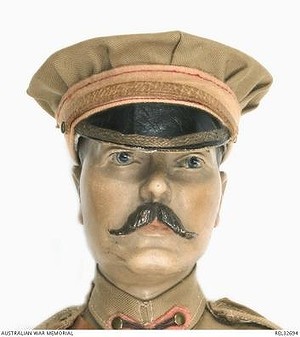
The Canberra Times had a column looking at the events of a century ago. Back in 1914, British army officer Earl Kitchener was the face of the war effort, and a popular subject for Toby jugs, statuettes, and souvenirs. The newspaper looked at the patriotic column of “Clio” in Melbourne’s humorous Punch magazine:

Do you know the baptismal names of Lord Kitchener?”

Not one person in a dozen does. Horatio Herbert. Perfectly appalling names, aren’t they? Shakespeare was perfectly right, you know, when he pertinently inquired, “What’s in a name?” for after all it is not the name but the man who bears it that matters most; and if Lord Kitchener bore any other names … he would still be the most splendid figure in English history to day.

Horatio Herbert is to be the fashionable name for boy babies this year. It is a curious medical fact that during war there are more boys born than girls, and mothers delight in choosing the name of some great soldier for their sons. And so this year the fad is in full swing. It began last week in the birth columns of a daily paper, when the announcement of the birth of a son was followed by his name in brackets (Earl Kitchener). But most mothers are quite content to drop the title, and bestow on their babies the plain names ‘Horatio Herbert.’

I did not find an Earl Kitchener born in 1914 (he might still be alive, or the story might refer to a British newspaper), but there were several born during World War I, and one born during the Boer War, where Earl Kitchener also played a leading role. I only found one Horatio Herbert, and he was born in the 1870s; however, Earl Kitchener went by his middle name, and there are quite a number of Herbert Horatios, and many Herbert Kitcheners. More than a hundred babies were given Kitchener as their middle name, and quite a few had Kitchener as their first name.

Note: “Clio” does not seem to have realised that there are always more boys born than girls, with an estimated 107 boys born for every 100 girls. There is some backing for their statement that more boys than usual are born during war-time, although the reason why is not known. However an Australian newspaper reported in 1941 that Australia bucked this trend, as numbers of boy babies decreased here during World War I, and the first years of World War II.

POLL RESULTS
People’s top choice to honour Earl Kitchener was to make Kitchener the middle name, with a third of respondents voting for it. The least favourite choice was the name combination Herbert Horatio, which got only one vote.

The First Casualties of War Are … Names
And on a very sombre note, a baby name which has been a casualty of war: Isis. The Daily Mail reports that an eight-year-old girl from Sydney named Isis Leskien has suffered the effects of her name.

I know it seems absolutely stupid (because it is), but since the terrorist group often referred to as ISIS has been in the news, people have been distancing themselves from her family, scared to be associated with her. Her brother Maximus has noticed that when they go to soccer together people stare when they hear the name Isis, and mum and dad Sheridan and Frank remember the days when people used to say, “What a beautiful name”, when they heard the name Isis; alas, not any more.

In the US, a petition has been started by a woman named Isis Martinez to ask media outlets to stop referring to the terrorist organisation as ISIS – it currently has more than 35 000 signatures, and the Leskiens are urging people to sign it. Whether it’s the petition or not, I have noticed that on the news here the organisation is now usually called ISIL or the Islamic State, but that may be slender comfort to people called Isis, as the name ISIS continues to be commonly used elsewhere.

POLL RESULTS
66% of people said they didn’t feel any differently about the name Isis
17% said the name Isis now made them feel very uncomfortable
15% said the name Isis now made them feel a little uncomfortable
2% said the name now made them feel so extremely uncomfortable that they would prefer to avoid someone named Isis

(Photo is of a statuette of Earl Kitchener, from the Australian War Memorial)

Famous Name: Edward

05 Wednesday Nov 2014

Posted by A.O. in Famous Names

≈ 16 Comments

Tags

Anglo-Saxon names, choosing baby names, classic names, english names, famous namesakes, fictional namesakes, locational names, middle names, name history, name meaning, nicknames, popular names, royal names, saints names

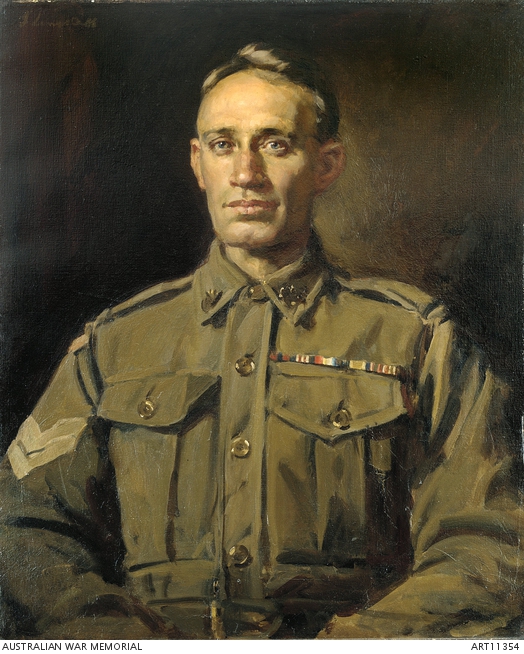
ART11354

This year is the centenary of World War I, and just a few days ago there were commemorative celebrations for the first Australian troops to leave for the battlefields of Gallipoli. Because of this, I have chosen the name of one of our war heroes.

Edward Picton was a shearer and drover from country New South Wales when war broke out in 1914, and by the end of that year he had embarked with the 7th Light Horse Regiment. He saw active service in Gallipoli, and distinguished himself in the campaigns of Sinai and Palestine. Twice he was decorated for capturing prisoners under heavy shelling, and his commanding officer praised him as reliable, full of dash and pluck, and cool under fire.

In early 1918, he received a severe wound which left him with a permanent limp, and was taken prisoner himself; reported as missing in action, he was taken to Turkey to endure many months as a POW, and returned to Australia after the Armistice. Despite his age and disabilities, he also signed up during World War II and served in Egypt and Syria. Although one of the the most decorated soldiers of the Australian Light Horse’s famous 1917-18 campaign, he remained modest, and lived a quiet life with his family.

The name Edward is derived from the Old English ead “wealthy” (or poetically, “blessed, happy”) and weard “guardian, watchman” (the origin of our English word warden), and is usually translated as something like “rich guardian”.

The name was a traditional one amongst Anglo-Saxon royalty and nobility, as were other Ed- names, which emphasised their inherited wealth and power. An early example is the Anglo-Saxon king Edward the Elder, the son of Alfred the Great; he was a successful ruler who is said to have been extremely handsome and intelligent.

Two other pre-Conquest English kings named Edward became saints: Edward the Martyr, whose short reign ended with his murder, and Saint Edward the Confessor, who was one of the patron saints of England until he was replaced by Saint George.

It was because of Saint Edward the Confessor that the name Edward also became traditional amongst the Norman kings, because Henry III named his eldest son Edward in honour of the country’s patron saint, and he became Edward I. Thus Edward became one of those rare Anglo-Saxon names which continued to flourish after the Conquest.

There have been eight English kings named Edward since 1066, with the last one being Edward VIII, who famously abdicated in 1936, the first year of his reign, to marry the American socialite Wallis Simpson.

The name, although perhaps not auspicious for a king any more, is still in use by the British royal family, with a notable example being Prince Edward, Earl of Wessex, the youngest child of Queen Elizabeth, who is currently visiting Australia. The queen has a cousin named Edward – Prince Edward, Duke of Kent. The Duke of Kent was born a year before Edward VIII’s abdication, and I wonder if he would have been given a different name if born a year after the abdication?

If you are a fan of the Anne of Green Gables books, you will know they are mostly set on Prince Edward Island, Canada’s smallest province. They are named after Prince Edward, Duke of Kent and Strathearn, who was Queen Victoria’s father.

Edward is a name which has been something of a favourite in romantic fiction, including the dutiful Edward Ferrars in Jane Austen’s Sense and Sensibility, and the Byronic Edward Rochester in Charlotte Bronte’s Jane Eyre. Mr Rochester was one of the models for another romantic love interest, the vampire Edward Cullen from the Twilight series. There’s also Prince Edward from the movie Enchanted, and from a very different fairy tale, the strangely gifted Edward Scissorhands.

Edward is a classic which has never been off the charts, and barely been out of the Top 100 in Australia. It was at its height in the 1900s at #10, and hit its lowest point in the late 2000s at #103 (it did rise after Twilight). Currently it is #59 nationally, #53 in New South Wales, #39 in Victoria, #83 in Queensland, #30 in Tasmania, and #32 in the Australian Capital Territory, where it was one of the fastest-rising names of 2013.

I must admit to having great affection for the name Edward, because it was the first name I ever bestowed on a human, at the age of three. It is my brother’s name, and my parents allowed me to choose his name, in the hope that this would prove a great bonding experience, as I’d been very jealous and grizzly about the whole “new baby brother” deal.

I chose the name Edward after my favourite literary character, Winnie-the-Pooh – well I was only three! As Pooh fans will know, Winnie-the-Pooh, who was named after a real bear named Winnipeg and a swan named Pooh, is identified in the poetry book When We Were Very Young as having Edward Bear as his official name.

The budding name nerd in me was thrilled at learning someone’s real name, and excited that there were such things as real names. My mum explained that Edward was the “proper name” for Teddy, so the name meant “teddy bear”. That discovery about nicknames coming from names blew my mind. No wonder I couldn’t get enough of Winnie-the-Pooh.

I may have also been drawn to the name because one of the “big boys” in our community (about eleven) was called Edward, and he had apparently impressed me as being very kind and gentle. Perhaps I saw Edward as a “nice guy” name – the kind of person I would want as a brother. If so, my wish came true, as my brother Edward is gentle and kind too, and has devoted his life to helping others. He’s definitely one of the good guys.

Of course I didn’t get things all my own way. My idea was that my brother’s whole name would be Edward Bear, like Winnie-the-Pooh, and that his nickname would be Teddy. My parents said Bear wasn’t a proper name, and the middle name was James, after my dad. Teddy was vetoed, as to my parents’ generation, it was a synonym for thug, and his nickname eventually became, without any particular forethought that I noticed, Eddie. It was an early lesson in name compromise, and that once you’ve named someone, you lose creative control of the project.

My parents’ master plan did not work, and despite naming him, I was a complete brat towards my baby brother, locked in sibling rivalry hell. However, it didn’t last long, as my mother got pregnant again almost immediately, and in an astonishingly short time, there was another baby. Either the shock of having two baby brothers pulled me up, or I had turned four and was now a lot more mature. My parents chose their youngest child’s name themselves (I didn’t get a second gig), and ironically his nickname became Bear, which had nothing to do with his name at all. Talk about name theft!

(I don’t have clear memories of being three, and have drawn on the recollections of my parents and sister for this, but I do remember Winnie-the-Pooh, and the moment of actually announcing Edward’s name. I don’t remember being a massive fangirl of older-boy-Edward, but my family assures me that I was a great admirer; I don’t remember him from the age of three, but obviously I grew up around him and have many later memories. I only recall throwing one jealous tantrum over Eddie, but I’ve been told I was a right little monster).

So there you have it – a handsome classic which is a solid, reliable choice, yet still has some dashing romance to it, as well as teddy bear huggability. Even as a toddler I could tell it was a great name, and it has served my brother well for many years. Highly recommended!

POLL RESULTS
Edward received an excellent approval rating of 83%, making it one of the highest-rated names of 2014. People saw the name Edward as a handsome and elegant classic (31%), noble and gentlemanly (18%), dashing and romantic (13%), and having great nickname options (13%). However, 7% of people thought it was too stuffy and old-fashioned. Nobody thought the name Edward seemed stuck-up or snobbish.

(Portrait of Corporal Edward Picton from the Australian War Memorial)

← Older posts
Newer posts →

Enter your email address to follow this blog

Categories

Archives

Recent Comments

A.O.'s avatarwaltzingmorethanmati… on Zarah Zaynab and Wolfgang…
Madelyn's avatarMadelyn on Zarah Zaynab and Wolfgang…
JD's avatardrperegrine on Can Phoebe Complete This …
A.O.'s avatarwaltzingmorethanmati… on Rua and Rhoa
redrover23's avatarredrover23 on Rua and Rhoa

Blogroll

  • Appellation Mountain
  • Baby Name Pondering
  • Babynamelover's Blog
  • British Baby Names
  • Clare's Name News
  • For Real Baby Names
  • Geek Baby Names
  • Name Candy
  • Nameberry
  • Nancy's Baby Names
  • Ren's Baby Name Blog
  • Sancta Nomina
  • Swistle: Baby Names
  • The Art of Naming
  • The Baby Name Wizard
  • The Beauty of Names
  • Tulip By Any Name

RSS Feed

  • RSS - Posts

RSS Posts

  • Celebrity Baby News: Melanie Vallejo and Matt Kingston
  • Names from the TV Show “Cleverman”
  • Can Phoebe Complete This Sibset?
  • Zarah Zaynab and Wolfgang Winter
  • Baby, How Did You Get That Name?
  • Celebrity Baby News: Media Babies
  • Celebrity Baby News: Adelaide Crows Babies
  • Celebrity Baby News: Chris and Rebecca Judd
  • Names at Work: Name News From the World of Business and Employment
  • Celebrity Baby News: Sporting Round Up

Currently Popular

  • Celebrity Baby News: Alisa Camplin and Oliver Warner
  • Rare Boys Names From the 1950s
  • Sad Celebrity Baby News (contents may cause distress)
  • Celebrity Baby News: Jacinta Allan and Yorick Piper
  • Celebrity Baby News: Nicki Gemmell and Andrew Sholl

Tags

celebrity baby names celebrity sibsets english names famous namesakes fictional namesakes honouring locational names middle names name combinations name history name meaning name popularity name trends nicknames popular names saints names sibsets surname names twin sets unisex names

Create a free website or blog at WordPress.com.

Privacy & Cookies: This site uses cookies. By continuing to use this website, you agree to their use.
To find out more, including how to control cookies, see here: Cookie Policy
  • Subscribe Subscribed
    • Waltzing More Than Matilda
    • Join 517 other subscribers
    • Already have a WordPress.com account? Log in now.
    • Waltzing More Than Matilda
    • Subscribe Subscribed
    • Sign up
    • Log in
    • Report this content
    • View site in Reader
    • Manage subscriptions
    • Collapse this bar
 

Loading Comments...