• About
  • Best Baby Names
  • Celebrity Baby Names
  • Celebrity Baby Names – Current
  • Celebrity Baby Names – Past
  • Featured Boys Names
  • Featured Girls Names
  • Featured Unisex Names
  • Links to Name Data
  • Waltzing on the Web

Waltzing More Than Matilda

~ Names with an Australian Bias of Democratic Temper

Waltzing More Than Matilda

Tag Archives: names from television

Is the Name Wren Strictly for the Birds?

11 Saturday May 2013

Posted by A.O. in Naming Assistance

≈ 6 Comments

Tags

animal names, bird names, celebrity baby names, celebrity sibsets, choosing baby names, classic names, famous namesakes, Greek names, honouring, middle names, Nameberry, names from television, nature names, rare names, royal names, sibsets, surname names, unisex names, US name data, US name popularity, US name trends
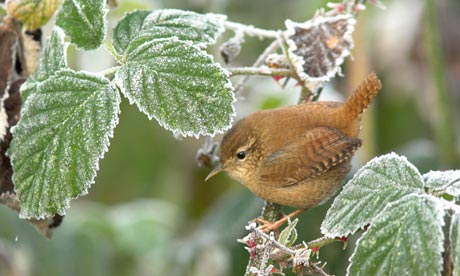
Country Diary : Wren in frosted bramble bushHannah and James live in the United States, and they are expecting their third son in about a month’s time. He will be a younger brother to William and Griffin, and his middle name will be Michael, which is a family name. Hannah and James’ surname begins with M and ends with L eg Maxwell.

Hannah and James’ Name List

  • Wren – they really like this name, but worry it may be too different or perceived as feminine, although everything they’ve read said it is a boy’s name
  • Crosby – they keep changing their minds on this one, and going back and forth
  • Cannon
  • Gates
  • Henry
  • Oliver
  • River

Less Usable

  • Kenson – a family name, but James isn’t thrilled by it
  • Miller – love it, but Miller Michael Maxwell is just a little too much

Hannah and James want a name which sounds good with William and Griffin and doesn’t start with M. They like classic and original names, and don’t want anything trendy or with variant spelling. They aren’t concerned about popularity if the name is a classic.

~ ~ ~ ~ ~ ~ ~ ~ ~ ~

I have a disclaimer on my site saying if you’re from overseas I may not have a good grasp of name trends from your country, and some of the names on your name list are ones which are not often used in Australia, or even recognised as first names. However, I also promised to do my best, in the very Australian tradition of “having a go”.

YOUR NAME LIST

Wren

I’m sure this is a unisex name rather than a boy’s name, and according to the 2012 data from the US, it’s more commonly given to girls in America – 263 girls were called Wren or Wrenn, compared to 29 boys. That suggests that many people probably would perceive it as feminine, and it rose for girls and sank slightly for boys last year, so it’s becoming increasingly feminine by usage.

I really like this name as well (for either sex), but I don’t happen to love it for you. To me it sounds slightly odd with your surname, and is rather a clash with William and Griffin, especially Griffin. Both griffins and wrens are winged creatures, but of such wildly different types that they seem strange as a sibset – like two sisters named Lotus and Thistle.

Crosby

This name has recently joined the US Top 1000 and rose 77 places last year. It’s known from a character on popular TV show, Parenthood. I quite like it; I think it goes well with William and Griffin while sounding quite distinctive. However, you did say you didn’t want a trendy name, and a name that’s suddenly jumped onto the Top 1000 after appearing in a TV show and then risen almost a hundred places does seem pretty trendy to me. Maybe this is the reason why you keep changing your minds?

Cannon

This name is around the #500 mark on the US popularity charts. According to Nameberry, this is also a trendy name, as it had a big jump in popularity after Larry King chose this for his son. Although it didn’t rise last year, you might want to be careful with this one too.

Gates

This name is very rare in the US, given to just 10 boys last year, but it is on trend (not trendy) in the American South. I must say, a William and a Gates in one family seems like some weird tribute to Microsoft.

Henry

I think this name is great – a handsome classic name which goes perfectly with William and Griffin, and sounds awesome with your surname. I don’t know if this is an issue for you, but Prince William and Prince Henry of England are famous brothers with these names. At least this sibset has been royally road-tested.

Oliver

A fantastic choice – perfect match with surname, middle name and siblings, and very stylish, while still having that down-to-earth feel that William and Griffin do. I’d be hard-pressed to pick between Henry and Oliver, they both seem exactly right.

River

Like Wren, this is another unisex nature name, and it seems like a better fit for your family. I think it’s really handsome, and would make an excellent choice.

OTHER NAMES YOU MIGHT LIKE

Alexander

A classic like Henry and Oliver which is in the Top 10 like William and with Greek connotations like Griffin. This seems like a great match with both brothers.

Beck

This short simple nature name reminds me of Wren, and means “brook”, which is rather like River. According to US data, it is underused, and only given to boys.

Corbin

It means “raven”, so it’s another bird-related name, like Wren, but this is a very old name that’s almost entirely masculine. I like how it sounds with your two boys.

Frederick

Another classic name, but this one is in the lower half of the Top 1000. It has Henry’s royal background, but something of Oliver’s European style.

Gage

This surname name has a vaguely military feel, like Cannon, and sounds similar to Gates. I think it seems very cool and masculine with your surname.

Oscar

This has the slight “growly” sound of Crosby, and like Crosby, it goes well with William and Griffin while allowing each name to seem quite distinct from each other.

Rowan

A unisex nature name which sounds a bit like Wren, with a similar level of popularity to River. I like it with William and Griffin.

This blog consultation took me right out of my comfort zone, and I’m not sure if I was able to give you any real help, because of my deep unfamiliarity with some American-style names. However, from your list, my choices would be Henry, Oliver and River, and from my suggestions, I confess to finding Beck very appealing and usable.

Please write back in if you need more help with narrowing down your name list, and remember to let us know what name you eventually choose.

Note on the title: For the uninitiated, bird is British slang for woman

NOTE: The baby’s name was Henry Michael!

POLL RESULTS: Almost half of respondents voted for Wren being a girl’s name, with Oliver being the preferred name choice, gaining more than 20% of the vote. Henry came a very close second.

(Photo of wren from The Guardian)

Boys Names Which Rose in Popularity in 2012

21 Sunday Apr 2013

Posted by A.O. in Name Themes and Lists

≈ 8 Comments

Tags

astrological names, Biblical names, celebrity baby names, Celtic names, Disney names, english names, famous namesakes, fictional namesakes, hebrew names, Hollywood names, honouring, Irish Gaelic names, Irish names, Latin names, locational names, name history, name meaning, name popularity, name trends, names from movies, names from television, nicknames, Old English names, Old Gaelic names, popular names, saints names, Scottish names, soap opera names, unisex names

586419-river-boysThese are the boys’ names which became markedly more popular last year. I think the list lacks the depth of the one for girls, with far less diversity. There is only one classic name for boys, and eight of the names are surnames – six of these ending in N. While the girls’ list shows names which are currently trending, I think a couple of these could be legitimately identified as trendy.

Braxton

Braxton is without doubt 2012’s Name of the Year, joining the national Top 50 from nowhere. It was the #1 fastest-rising name nationally, in New South Wales and South Australia; made the top 5 fastest-rising names in Victoria, Queensland, and Western Australia; and went up in Tasmania and the Australian Capital Territory. Currently it is #31 in Australia, #51 in NSW, #81 in Victoria, #25 in Queensland, #44 in SA, #34 in WA, #65 in Tasmania and #70 in the ACT. Braxton is an English surname of disputed origin. It is a corruption of an English place name; perhaps Branxton in Northumberland, meaning “Branoc’s settlement” (Branoc is a Celtic personal name derived from the word for “raven”). Braxton has been used as a personal name since the late 18th century, and originated in the United States – Carter Braxton was one of the signatories to the American Declaration of Independence. Here it is known from the Braxton brothers on soapie Home and Away; three members of a thuggish surfer gang, and sexually desirable “bad boys” (based on the real-life Bra Boys). The characters were introduced in 2011, and last year Steve Peacocke won a Logie for his role of Darryl “Brax” Braxton. Braxton is new to the charts, although short form Brax had been in the Top 100 before. I wonder if it will keep going, or will parents hit the panic button after its massive surge in popularity?

Jaxon

Jaxon was the #1 fastest-rising name in Victoria and Tasmania, made the top 5 fastest-rising names in New South Wales and South Australia, and increased in popularity in Western Australia and the Australian Capital Territory. Currently it is #37 in Australia, #54 in NSW, #52 in Victoria, #42 in Queensland, #31 in SA, #17 in WA, #33 in Tasmania and #92 in the ACT. Jaxon is a variant of the surname Jackson; although sometimes derided as a “mis-spelled Jackson”, it is a legitimate surname particularly associated with East Anglia, and possibly with the Puritans. Jaxon has been used as a first name since the 17th century, and originated in Norfolk – then an area with a high Puritan population. Jaxon has charted in Australia since the 1990s, and rose steeply to make the Top 100 in 2011. It continues to capitalise on its trendy X, and may even overtake big brother Jackson. It’s interesting that it is most popular in Western Australia, for there is a large construction company in that booming state named Jaxon.

Mason

Mason was the #1 fastest-rising name in Queensland; it increased in popularity nationally, and in every state and territory. Currently it is #15 in Australia, #24 in NSW, #18 in Victoria, #15 in Queensland, #10 in SA, #12 in WA, #8 in Tasmania, #15 in the NT and #28 in the ACT. Mason first charted in the 1980s, and rose steadily to make the Top 100 by the mid-2000s. Mason is an occupational surname for someone who worked as a stonemason. The Mason family settled in Kent, on lands granted to them by William the Conqueror for their part in the Battle of Hastings. Mason has been used as a first name for boys since at least the 16th century, and originated in East Anglia; it possibly had Puritan significance. It’s much more common in the United States, where the distinguished Mason family played a prominent role in American politics. George Mason IV was one of the Founding Fathers of the United States, and an author of the Bill of Rights. Recently it has been often used as a celebrity baby name, boosting and cementing its popularity.

Hunter

Hunter was the #1 fastest-rising name in Western Australia, amongst the top 5 fastest-rising names nationally and in Queensland, and increased in popularity in New South Wales, Victoria, South Australia, Tasmania and the Australian Capital Territory. It is currently #24 in Australia, #35 in NSW, #39 in Victoria, #19 in Queensland, #27 in SA, #22 in WA, #7 in Tasmania and #50 in the ACT. Hunter is a surname based on the English word for a man who hunts professionally, and originated in Scotland. The Clan Hunter were from Normandy and settled in Ayrshire in the 11th century; experts in hunting and fieldcraft, they were invited there by King David I, who had been brought up in a Norman court. Hunter has been used as a personal name since the early 18th century, and seems to have been most popular in the northern counties of England. The Hunter Valley is the area around the city of Newcastle; the Hunter River is named after Governor John Hunter, and as his surname suggests, he was a Scotsman. Hunter has charted in Australia since the 1990s, and made the Top 100 by the late 2000s. It shows no signs of losing steam.

Hudson

Hudson was in the top 5 fastest-rising names nationally, in New South Wales, Victoria and Western Australia, and increased in popularity in South Australia and Tasmania. Currently it is #43 in Australia, #74 in NSW, #50 in Victoria, #45 in Queensland, #36 in SA, #31 in WA, and #67 in Tasmania. Hudson is an English surname which means “son of Hudde”. Hudde can be an old nickname for Hugh or Richard, or it can be derived from the common Old English name Huda; the surname is traditionally associated with Yorkshire. Hudson has been used as a first name since the early 17th century; although these births coincide with English explorer Henry Hudson’s first voyages, it can’t be known whether he inspired them. Hudson was new to the charts last year, having gained massive popularity after pop singer Guy Sebastian welcomed his son in 2012. The inspiration for Hudson Sebastian’s name came from the Hudson River in New York, (named after Henry Hudson), as Guy and his wife Jules love New York City. However, it has an Australian connection as well, because Sir Hudson Fysh, a World War I hero, founded Qantas, so Hudson could be used to honour a family tradition in the aviation industry.

Flynn

Flynn was in the top 5 fastest-rising names in Victoria and South Australia, and increased in popularity nationally, in New South Wales, Western Australia, Tasmania and the Australian Capital Territory. It is currently #41 in Australia, #46 in NSW, #36 in Victoria, #34 in Queensland, #43 in SA, #35 in WA, #22 in Tasmania and #28 in the ACT. Flynn has been in the charts since the 1990s, and after hitting a plateau for a few years, it suddenly shot up into the middle of the Top 100 in 2011, after Miranda Kerr and Orlando Bloom welcomed their son Flynn. Flynn is a common Irish surname which is an Anglicised form of the Old Gaelic Ó Floinn, meaning “son of Flann”. Flann means “red, ruddy” in Irish Gaelic, and is the name of one of the High Kings of Tara. The name is strongly associated with swashbuckling Tasmanian actor Erroll Flynn, known for his success with the ladies. He helped inspire the character of Flynn Rider from the Disney film Tangled. Interestingly, Flynn is most popular in Tasmania.

Archer

Archer was in the top 5 fastest-rising names in South Australia and the Australian Capital Territory; it also increased in popularity in New South Wales, Victoria and Tasmania. Currently it is #92 in NSW, #47 in Victoria, #61 in Queensland, #47 in SA, #47 in Tasmania and #46 in the ACT. The name was new to the Top 100 this year. Archer is an occupational surname denoting a professional bowman, and was brought to England at the time of the Norman Conquest; the Archer family settled in Wiltshire. Archer has been used as a first name since the 17th century, and seemed to be much more common in the southern counties surrounding London. Archer may remind you of legendary bowmen such as Robin Hood and William Tell, or it could remind you of the zodiac sign Sagittarius, called The Archer. In Australia, the Archer River is on the Cape York Peninsula in far north Queensland, and the first horse to win the Melbourne Cup was named Archer. Archer’s popularity is growing partly because it’s a great way to get the popular nickname Archie.

Eli

Eli was in the top 5 fastest-rising names in Australia, and increased in popularity in Western Australia, Tasmania and the Australian Capital Territory. Currently it is #34 in Australia, #53 in NSW, #83 in Victoria, #27 in Queensland, #48 in SA, #38 in WA, #32 in Tasmania and #27 in the ACT. Eli has been in the charts since the 1970s, and reached the Top 100 in the late 2000s; since then it has gliding smoothly upward. Eli is a Hebrew name meaning “ascent”, and in the Old Testament, Eli was a high priest who is regarded as a judge and prophet in Judaism, and the teacher of the prophet Samuel. In Scandinavia, Eli is a girl’s name, used as a short form like Ellie, and pronounced EE-lee. Some Australian namesakes include rally driver Eli Evans, Olympian hockey player Eli Matheson, soccer player Eli Babalj, and kickboxer Eli “Mad Dog” Madigan. At a time when Old Testament boys’ names are slumping, Eli stands out as a Biblical success story, and tended to rise when Elijah did too.

Patrick

Patrick was in the top 5 fastest-rising names in South Australia, and increased in popularity nationally, in New South Wales, Victoria, Western Australia, Tasmania, and the Australian Capital Territory. Currently it is #42 in Australia, #47 in NSW, #34 in Victoria, #53 in Queensland, #35 in SA, #47 in WA, #53 in Tasmania, and #25 in the ACT. In Australia, Patrick is a sturdy classic which has never left the Top 100. It was #36 in the 1900s, and peaked in the 1990s at #34; the lowest it has ever been is #68, in 2009. Patrick is from the Latin name Patricius, meaning “nobleman”, and its fame today is entirely down to one man – Saint Patrick. Saint Patrick was a 5th century Romanised Briton brought up in a Christian family. As a teenager, he was captured and carried off as a slave to Ireland, where he remained for six years. He managed to escape back to Britain, but returned to Ireland as an ordained bishop to undertake missionary work. Called the Apostle of Ireland, he is the major patron saint of Ireland, and such a vital part of Irish identity that his feast day on March 17 is seen as a celebration of Irish culture.

Harrison

Harrison was in the top 5 fastest-rising names in Queensland, and increased in popularity nationally and in South Australia. Currently it is #22 in Australia, #25 in NSW, #26 in Victoria, #16 in Queensland, #13 in SA, #27 in WA, #34 in Tasmania and #40 in the ACT. Harrison has charted since the 1980s, and skyrocketed into the middle of the Top 100 during the 1990s. It peaked at #23 in the early 2000s, then fell before starting to climb again, so it’s now on its second wind. Harrison is a surname meaning “son of Harry”, with Harry itself being a short form of Henry. Harrison has been used as a first name since the 16th century, and over time became greatly more popular in the United States than in Britain. This may be because of the Harrison family of Virginia, who were related to King Edward I. They managed to produce numerous state governors, as well as two presidents – Benjamin Harrison and William Henry Harrison. The popularity of Harrison as a first name is probably due to actor Harrison Ford – the name began charting just after he starred in the first Star Wars movie, and boomed during the Indiana Jones series.

POLL RESULT: People’s favourite names were Flynn, Archer, and Patrick, and their least favourite were Braxton, Mason, and Jaxon.

(Photo shows the Braxton brothers from Home and Away)

Girls Names Which Rose in Popularity in 2012

14 Sunday Apr 2013

Posted by A.O. in Name Themes and Lists

≈ 25 Comments

Tags

celebrity baby names, classic names, english names, epithets, famous namesakes, fictional namesakes, Gaelic names, germanic names, Hollywood names, locational names, mythological names, name history, name meaning, name popularity, name trends, names from television, Native American names, nature names, nicknames, Old French names, Old Norse names, plant names, popular names, retro names, royal names, Scottish names, Slavic names, Spanish names, surname names, Twilight names, unisex names, vocabulary names

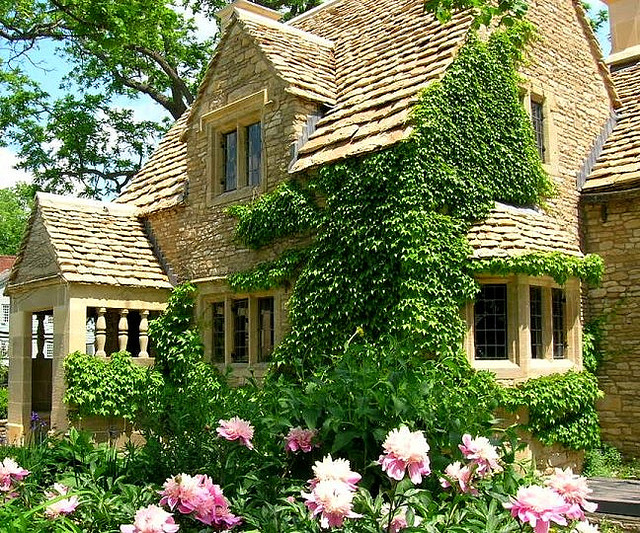
213495458_f0e01eb1bf_z-Cotswold-Cottage-2These names became noticeably more popular in Australia last year. If you are considering using any of them, don’t panic. Most are making solid progress rather than madly storming upward. It would be foolish to reject them based on their current popularity, and silly to fret if you chose one of these names in 2012.

The list indicates the diversity of girls’ names at present, with a mix of classic and modern; places and nature; Hollywood and royalty. There’s something for nearly everyone amongst these popular names.

Ivy

Ivy was the fastest-rising girl’s name both nationally and in Western Australia last year, and made the top 5 fastest-rising names in South Australia, Queensland and the Australian Capital Territory. It became more popular across the board in 2012, and nationally rose 18 places. This is its second time around in the Top 100 – Ivy was #17 in the 1900s, and didn’t leave the Top 100 until the 1940s. It vanished from the charts in the 1970s, but reappeared in the 1990s. Ivy soared during the 2000s, making the Top 100 by the end of that decade. It is currently #22 in Australia, #21 in NSW, #27 in Victoria, #25 in Queensland, #22 in SA, #28 in WA, #44 in Tasmania, and #30 in the ACT. Ivy is named for the plant, and like its namesake, is presently climbing; Beyonce‘s daughter Blue Ivy may have given the name publicity. Chances are we’ll be seeing more of this fresh, pretty retro name, which sounds similar to popular Ava, Eva and Evie.

Savannah

Savannah was in the top 5 fastest-rising names in South Australia, went up 9 places nationally, and increased in popularity in New South Wales, Victoria, Queensland, Western Australia and Tasmania. It is currently #35 in Australia, #38 in NSW, #74 in Victoria, #28 in Queensland, #43 in SA, #35 in WA and #94 in Tasmania. Savannah first charted in the 1990s, and climbed until it reached the Top 100 at the end of the 2000s. Savannah is an alternate spelling of the word savanna, referring to grasslands that have scattered trees, or where the trees are open to the sky; large tracts of northern Australia are savanna. The word comes from the Spanish sabana, derived from the Arawak (Native American) word zabana, which originally meant a treeless grassy plain. Savannah is a place name in the United States, most famously the city in Georgia. The city’s name comes from the Savannah River, which may be derived from the Shawnee people, or from Native American words for “southerner” or “salt”. The city featured in 1990s soap, Savannah, which probably accounts for its début in the charts that decade. While I imagine Savannah originally got its foot in the door because it sounds like Susannah, here it fit in with those other hip names of the ’90s, Ava and Sienna. Like Harper, this is another American South-inspired name, but also a royal one, because the queen’s first great-granddaughter is named Savannah.

Harper

Harper was the fastest-rising name in Tasmania and Victoria, made the top 5 fastest-rising names in South Australia and Western Australia, and became more popular in every state. Currently it is #39 in Australia, #37 in NSW, #29 in Victoria, #36 in Queensland, #44 in SA, #29 in WA, and #31 in Tasmania. Harper began as a surname from the English word for a professional harp player. The surname  originates from the west coast of Scotland, and is especially associated with the Clan Buchanan. The name also has Christian overtones, for heaven is said to be filled with the sound of harp music. Harper has been used as a first name since the 17th century, and was originally given to boys. The fame of (Nelle) Harper Lee, author of To Kill a Mockingbird, gave it a feminine slant. Harper only began charting in 2011, after David and Victoria Beckham welcomed their first daughter. Harper Beckham was named by her brothers after a character in Wizards of Waverley Place (although Victoria Beckham also happened to be working for Harper’s Bazaar at the time). The Beckhams said they wanted a name to honour their time in the United States, and chose this American-style name. Many Australians have followed in their footsteps.

Alice

Alice was the #1 fastest-rising name in South Australia, and has just joined the Top 20 in the Northern Territory, so it has gained popularity in central Australia. Intriguingly, the town of Alice Springs is in the middle of the Australia, offering food for thought. Alice also went up in popularity nationally, in Victoria, and in Tasmania. It is currently #43 in Australia, #49 in NSW, #34 in Victoria, #53 in Queensland, #34 in SA, #49 in WA, #41 in Tasmania, #20 in the NT and #43 in the ACT. Alice is a classic name which has never left the charts. It was #4 in the 1900s, and just missed out on the Top 100 in the 1940s, at #105. It reached its lowest point in the 1960s at #265, then began climbing, reaching the Top 100 for the second time in the 1990s. Since the beginning of the 2000s it has made staid but steady progress up the charts, and become middle name de jour. Alice is from the Old French name Aalis, short for Adelais, which is a short form of the Germanic name Adelheidis, meaning “noble kind” (which Adelaide is based on). Alice became popular in the Middle Ages, and got a boost during the 19th century after Queen Victoria had a Princess Alice. It’s been a favourite in fiction ever since Lewis Carroll penned Alice in Wonderland, and is the name of a main character in the Twilight series. Sensible, yet with a touch of magic, sweet Alice is one to keep your eye on.

Willow

Willow was in the top 5 fastest-rising names in Western Australia, went up  nationally, and increased in popularity in New South Wales, Victoria and the Australian Capital Territory. It is currently #44 in Australia, #43 in NSW, #33 in Victoria, #39 in Queensland, #32 in WA, #73 in Tasmania and #68 in the ACT. Willow first charted in the 1990s, and rose precipitously to make the Top 100 by the late 2000s. Willow is named for the genus of small trees and shrubs which symbolise both wisdom and deep loss. It has been used as a personal name since the 18th century, and was originally given equally to boys and girls. It has only ever charted for girls in Australia, but is still occasionally used for boys. The 1988 fantasy film Willow, which possibly played a role in Willow joining the charts in the ’90s, has a hero named Willow. In 2011, pop singer Pink welcomed a daughter named Willow, and that doesn’t seem to have done this name any harm. Flower names mostly didn’t do well in 2012; Ivy and Willow show that greenery is more appreciated than petals at present.

Mackenzie

Mackenzie made the top 5 fastest-rising lists in New South Wales and Victoria, and increased its popularity in other states and the Australian Capital Territory. Currently it is #46 in Australia, #57 in NSW, #44 in Victoria, #45 in Queensland, #33 in SA, #37 in WA, #45 in Tasmania, and #48 in the ACT. Mackenzie has charted since the 1990s, and zoomed up the charts to make the Top 100 by the early 2000s. It dipped out of the Top 100 in 2009, but was back the next year. Mackenzie is a Scottish surname, an Anglicised form of of the Gaelic Mac Coinnich, meaning “son of Coinneach” (Coinneach is the original form of Kenneth). The Clan Mackenzie is from the Highlands, and of Celtic origin; they trace their clan name back to the pagan god Cernunnos. Mackenzie has been used as a first name since the 18th century in Scotland; it was nearly always given to boys in the beginning, but not exclusively so. Mackenzie first charted in the US as a female name, popularised by actress (Laura) Mackenzie Phillips, who was in American Graffiti. Since then there have been other Mackenzies on our screens; most recently, Mackenzie Foy played Renesmee in Breaking Dawn – Part 2. 

Audrey

Audrey made the national Top 50 last year, and according to my estimate, rose almost as many places as Ivy. However, it’s harder to see where the gains were made than it is with Ivy, although Audrey made significant increases in New South Wales and Victoria, and modest ones in Tasmania and the Australian Capital Territory. Currently it is #50 in Australia, #36 in NSW, #32 in Victoria, #55 in Queensland, #96 in Tasmania and #35 in the ACT. Like Ivy and Alice, Audrey has been Top 100 before. Although it was #156 in the 1900s, it made the Top 100 the following decade, and shot up to peak at #32 in the 1920s. It sank faster than it had risen, and was #197 in the 1940s, reaching its lowest point in the 1980s with a ranking of #0. Since then it has climbed, and reached the Top 100 again at the end of the 2000s. It looks likely to overtake its earlier peak, but Audrey seems to be under the radar at present. This is one of those names which is probably more popular than you think, and has an Australian connection, for the famous Skipping Girl Vinegar neon sign in Melbourne is affectionately known as Little Audrey.

Mila

Mila was the #1 fastest-rising name in the Australian Capital Territory, and grew more popular in New South Wales, Western Australia and Tasmania. It is currently #59 in NSW, #46 in Victoria, #65 in Queensland, #44 in WA, #70 in Tasmania, and #48 in the ACT. Mila only began charting in 2011, so has been extremely successful in a brief space of time. The fame of Hollywood actress Mila Kunis must have had an impact; Mila entered the charts the year after Ms Kunis appeared in Black Swan. Mila is a short form of Slavic names containing the element mil, meaning “gracious, dear”. Mila Kunis’ full name is Milena, which is the feminine form of the Slavic name Milan, meaning something like “dear one”, and often translated as “sweetheart”. Mila sounds similar to other popular names such as Mia and Milla, and at the moment is doing very well.

Freya

Freya is a name just beginning to make an impression, for it joined the Top 100 in Tasmania and the Australian Capital Territory last year, and was in the top 5 fastest-rising names in Tasmania. Both these regions have small population sizes, so you can be forgiven for being a little sceptical; Freya is currently #174 in NSW and #129 in Victoria. Freya is the English spelling of the Old Norse goddess Freyja – her name means “lady”, and was originally an epithet. In Norse mythology, Freyja is a goddess of love, sex, beauty, fertility, sorcery, gold, war and death. Immensely beautiful and clever, she rules over a field in the afterlife. The name Freya has been popular in the UK for several years now, and is well known here due to Tasmanian actress Freya Stafford; it doesn’t seem too far-fetched that we should follow Britain’s lead, but we shall have to wait and see.

Josephine

Josephine just managed to squeeze onto the Top 100 in New South Wales last year. That may not sound impressive, but the amount Josephine climbed was phenomenal – it went up 99 places, far outstripping Ivy’s mere 18. For that reason alone, it deserves a place on this list. Josephine is a solid classic which has never been off the charts, or left the Top 200; on the other hand it has never enjoyed high popularity either. It was #86 for the 1900s, and peaked the following decade at #76. It just failed to reach the Top 100 of the 1940s at #103, and dipped in the 1980s to make #172. Its progress has been up and down, but never too high or low, and it reached its lowest point in the charts in 2011, at #199. It has more than made up for this by getting back to the Top 100 in 2012, where it hasn’t been since the 1930s. Currently it is #100 in NSW and #105 in Tasmania. Josephine has recently made its mark as a royal and celebrity baby name, with Josephine chosen for the daughter of Prince Frederik and Princess Mary of Denmark, and also the grand-daughter of former prime minister Kevin Rudd. Will Josephine continue its ascent? Historically it’s unlikely, for Josephine seems most comfortable in the low to mid 100s, and may very well drop back this year. Stay tuned!

POLL RESULT: People’s favourite names were Alice, Ivy, and Freya, and their least favourite were Harper, Savannah, and Mackenzie.

Waltzing with … Sullivan

13 Sunday Jan 2013

Posted by A.O. in Waltzing with ...

≈ 1 Comment

Tags

celebrity baby names, famous namesakes, fictional namesakes, historical records, Irish names, mythological names, name combinations, name history, name meaning, name popularity, names from television, nicknames, royal names, sibsets, surname names, UK popularity, US popularity

thesullivansfamilynewWe are now about halfway through the summer holidays. Despite your best intentions that every day of the holidays will be productive, rewarding, and jam-packed with memorably fun activities, there always seems to come at least one day where you find yourselves slumped in front of the air conditioner watching non-ratings season re-runs on TV. Perhaps this is what has inspired me to cover a name from Australian television.

The Sullivans is one of Australia’s most successful soap operas. First aired in 1976, it centred on an ordinary middle-class Melbourne family, and the effects that World War II had on it. The war gave endless opportunities for dramatic plot-lines; various members of the Sullivan family, and their friends and neighbours, went off to battle, worked as nurses, opposed the war, developed psychological problems, married people from different countries, got divorced, committed suicide, were lost at sea, ran the black market, went to prison, were interned as enemy aliens, shot by the Nazis, killed by bombs during the London Blitz, and had to adapt to peace-time conditions.

The show’s producers went to great lengths to ensure historical and cultural accuracy. Not only did the sets use authentic period furniture, but even the weather in the show mirrored that which actually occurred on each day during the war. This attention to detail and high production standards, not to mention a new nostalgia for the recent past, made the show a success.

A consistent ratings winner which gained the acclaim of the critics, it won five Logie Awards in 1978 and was the first Australian drama series to be sold overseas; more than 45 countries broadcast The Sullivans, where it was most popular in the United Kingdom. It made a star of Lorraine Bayly, who played dignified matriarch Grace Sullivan, and employed dozens of Australasian actors in supporting roles. Like all good soaps, it provided a testing ground for young actors, and it was on the set of The Sullivans that later big names such as Mel Gibson, Kerry Armstrong, Kylie and Dannii Minogue, Sam Neill, Gary Sweet and Sigrid Thornton gained early experience.

Ratings for the show suffered after fan favourite Grace Sullivan was killed off, and as time went on, the war finished and most of the main characters were dead or had otherwise been written out. There was some talk of continuing the story into the 1950s and showing how Australia changed in the post-war era, but it was decided to let it come to an end in 1983.

Sullivan is an Anglicisation of the Irish surname O’Sullivan, which means “grandson of Súilleabhán”. The meaning of Súilleabhán is disputed, but one theory is that it means “dark eyed”. There are also Sullivans whose family name is derived from Súileacháin, meaning “quick eyed”.

The O’Sullivans originated in County Tipperary, and the original Súilleabhán was a direct descendant of one of the kings of Munster, so his dynasty is of royal blood. The O’Sullivans also claim descent from the first Celts to colonise Ireland, migrating there from northern Spain in 800 BC.

Although this story is mythological, it does have some truth to it, for DNA studies show that the Celts of Britain and Ireland (all Celts, not just the O’Sullivans!) are descended from a tribe of Iberian fisherfolk who migrated there about 6000 years ago, and formed what is considered to be the indigenous population of the British Isles. In fact, nearly everyone in Britain is descended from them, and any of us who have British and Irish ancestry are too.

Famous Australians Sullivans include Pat Sullivan, who helped create Felix the cat; Victoria Cross recipient Arthur Sullivan; Olympic swimmer Eamon Sullivan; and Paralympic athlete Tim Sullivan. Actor Sullivan Stapleton, who starred in Animal Kingdom, is a rare example of it as a first name.

Sullivan has never charted in Australia, and only a few with the name can be found in old records, although it is reasonably common as a middle name. In 2012, there were 16 baby boys given the name Sullivan in Victoria. In the US, it is #524 and rising briskly up the rankings; in England/Wales, it is #970, and also trending upward.

Last year country music singer Melinda Schneider welcomed a son named Sullivan James Gable, and this may help raise the name’s profile in Australia.

Sullivan is a name from Australian popular culture, and more specifically, it is one from Melbourne, where The Sullivans was set and filmed. It feels modern, yet at the same time rather nostalgic, looking back to the 1970s and ’80s – who in turn were looking back with nostalgia at the 1940s.

Irish-surnames-as-first names are a great favourite in Australia, as in other countries where a significant proportion of the population claim Irish heritage. For those wanting something more unexpected than old favourites like Ryan or Darcy, I think Sullivan fits the bill of being something that’s recognised as a “real name”, while still underused. Sully or Van could be used as nicknames.

Name Combinations for Sullivan

Sullivan James, Sullivan Kelly, Sullivan Lucas, Sullivan Maddox, Sullivan Patrick, Sullivan Thomas

Brothers for Sullivan

Beckett, Cooper, Finlay, Oscar, Ronan, Toby

Sisters for Sullivan

Aisling, Emerson, Isla, Kenzie, Maeve, Violet

Note: Middle names and sibling names partially based on real life examples

POLL RESULT: Sullivan received an approval rating of 96% – the highest-rated featured boys name of 2013, and the highest-rated overall. 40% of people thought it was okay, and nobody disliked it.

(Picture is a publicity shot from The Sullivans; photo from fan site)

Waltzing With … Octavia

30 Sunday Sep 2012

Posted by A.O. in Waltzing with ...

≈ 6 Comments

Tags

celebrity baby names, famous namesakes, fictional namesakes, honouring, name combinations, name history, name meaning, name trends, names from television, Roman names, Shakespearean names, sibsets, UK name popularity, US name popularity

OLYMPUS DIGITAL CAMERA

This blog post was first published on September 30 2012, and revised and re-posted on June 1 2016.

It’s a long weekend in New South Wales, South Australia and the ACT, and in those places, Monday will be Labour Day, celebrating the Australian labour movement. This vibrant and influential strand in Australian politic began in the early 19th century with the first craft unions, who banded together to seek higher wages and lower working hours.

This was in the days when any servant who left their employment without their master’s permission would be hunted down as a bushranger, and even taking off from work for an hour would see you put in prison. In those times, a fifth of the prison population were there for that reason.

It was in August 1855 that the Stonemasons Associations in Sydney went on strike, demanding to work only eight hours each day. They won their cause and celebrated with a victory dinner on October 1. The following year, the stonemasons of Melbourne formed a protest march to demand an eight-hour working day; they were the first organised group in Australia to achieve their goal with no loss of pay.

The goal of “eight hours labour, eight hours recreation, eight hours rest” was one that unionists had been working towards since the early 19th century, and in 1916 it became law in Victoria, but didn’t come in nationally until the 1920s, with the forty-hour week enshrined in 1948.

It would be nice to say that was the end of the workers’ struggle, but the forty-hour week is still under threat. Indeed, thanks to e-mail and mobile phones sometimes it feels as if we never leave work at all. So tomorrow please switch off your laptop, and have your calls sent to voicemail, because we deserve at least one day a year free from employment.

In honour of the Eight Hour Movement we will look at a name connected to the number eight.

Name Information
Octavia is the feminine form of Octavius, a Roman family meaning “eighth”, from the Latin octavus, and taken from a personal name. Although the personal name is believed to have been given to an eighth child, it’s also thought that it could have been bestowed on those born in the eighth month (originally, October).

The Octavii originated from the town Velletri, in the Alban Hills just south of Rome. The area belonged to the Volsci people, who in ancient times were one of the most dangerous enemies of the Romans. The famous warrior queen Camilla was one of the Volsci.

The most famous member of this family is the Emperor Augustus, whose original name was Gaius Octavius Thurinus. Coincidentally, he went on to give his name to the month of August, which is the modern-day eighth month. Augustus had both a sister and a half-sister named Octavia, and the younger one, his sister, was the wife of Mark Antony.

The marriage was one of political convenience, but Octavia appears to have been a loyal and faithful wife. Famously, Mark Antony abandoned her and their children to take up with the fascinating Queen Cleopatra; he divorced her and not long after, committed suicide. Octavia was left as sole caretaker of their children, as well as the children from her first marriage, and she was also guardian to Mark Antony’s children to one of his previous wives, and to those he had by Cleopatra.

While Cleopatra was seen as the alluring temptress, glamorous, brilliantly intellectual and powerful, Octavia was cast in the role of the good wife and mother, who does what is best for her husband, her family, and Roman society. In his play Antony and Cleopatra, Shakespeare portrays poor Octavia as short and round-faced with brown hair, to ensure the dichotomy between the two is even sharper. I’m not sure what is supposed to be so hideous about being short, round-faced and brown-haired (sounds quite cute), but to the Elizabethans it meant “ugly”.

She may not have been the sexy one, but the Romans esteemed Octavia for her strength of character and nobility, and when she died, she was given a state funeral and several honours, including being one of the first Roman women to have coins minted in her image. Her great-granddaughter was named Octavia after her, and this young lady was so beloved by the Roman people that they rioted to protest her cruel treatment at the hands of her psychotic husband, Nero. Unhappy marriages yet great popularity was the fate of these Roman Octavias.

Octavia has been used as an English name since the 17th century, becoming more common in the 19th. A famous namesake from the Victorian era was social reformer Octavia Hill, who worked towards housing for the poor; she was named Octavia because she was her father’s eighth daughter. An American namesake from this era was socialite Octavia Le Vert, a lavish hostess and supporter of the arts. More recently we might think of actress Octavia Spencer, from The Help.

In the US, Octavia was on the Top 1000 from the 19th century until the 1930s, then returned in the 1970s. This coincided with the career of African-American science-fiction novelist Octavia E. Butler, who began writing in 1971. Octavia’s final novel in her Parable series was published in 1998, the last time Octavia was on the Top 1000. In the 20th century, the name never got any higher than #484 in 1987.

In 2015, 173 girls were named Octavia – a huge increase on the previous year, when 71 babies were given the name. Rebellious teen Octavia Blake on The 100, played by Marie Avgeropoulos, may be an inspiration in its sudden rise. In the UK in 2014, 26 baby girls were named Octavia.

Octavia could be used for an eighth child or grandchild, or for a baby born in August or October. Both these months celebrate milestones in the Sydney labour movement, and the number eight is the cornerstone of the Eight Hour Movement. Earlier this year, Labor MP Michelle Rowland welcomed a daughter named Octavia, a very suitable name for someone in labour politics.

The meaning of the name is connected to music, because an octave is the interval between one musical pitch and another and each scale has eight notes. In addition, the Octavia is a sound effects pedal used by Jimi Hendrix. The number eight is important in several spiritual or philosophical systems, such as Judaism, Wicca, Hinduism, Buddhism, and Taoism, and to the Chinese, the number eight symbolises prosperity and good luck.

Boosted by science fiction, Octavia may be a rarity, but doesn’t sound too unusual next to popular Olivia and Ava. Octavia is dignified, formal, strong, intelligent, and slightly clunky – a beautiful name with its own elegance.

POLL RESULT
Octavia received an excellent approval rating of 84%, making it one of the highest-rated names of 2012. 36% of people loved the name Octavia, and only one person hated it.

(Picture is of the Eight Hour Day Monument in Melbourne; photo from Monument Australia).

Boys Names from the Top 100 of the 1930s

26 Sunday Jun 2011

Posted by A.O. in Name Themes and Lists

≈ 18 Comments

Tags

Anglo-Saxon names, animal names, aristocratic names, Arthurian names, Celtic names, classic names, english names, epithets, European name popularity, famous namesakes, fictional namesakes, Gaelic names, German names, germanic names, Greek names, Irish name popularity, Irish names, Latin names, mythological names, name history, name meaning, name popularity, name trends, names from films, names from television, nicknames, Old English names, Old Norse names, retro names, royal names, royal titles, saints names, Scottish names, Slavic names, Spanish names, UK name trends, US name trends, Welsh names

This post was first published on June 26 2011, and substantially revised and updated on June 25 2015.

Alfred
Anglo-Saxon name meaning “elf counsel”. The name became famous due to Alfred the Great, 9th century king of Wessex, who defended England against the Vikings, and was the first to call himself King of the Anglo-Saxons. Renowned for his love of learning, he encouraged education and reformed the legal system. Although not officially a saint, he is regarded as a Christian hero, and has a feast day in the Anglican Church. The name Alfred continued to be used even after the Norman Conquest, when many Anglo-Saxon names were discarded. It dwindled after the Middle Ages, but had a revival in the 19th century, and was chosen as the name of one of Queen Victoria’s sons – an earlier Prince Alfred was the son of King George III, and the current British family trace their ancestry back to Alfred the Great. Alfred is a classic name which has never left the charts. It was #14 in the 1900s, and #50 by the 1930s. Alfred left the Top 100 in the 1950s, and is currently around the 300s, its position apparently fairly stable. Popular in Scandinavia, Alfie, Fred, and Freddie give this venerable classic several cute nickname options.

Brian
Irish name, possibly from the Celtic bre, meaning “hill”, to suggest “high, great, exalted”. In Irish mythology, Brian is one of three brothers who are sent on a worldwide magical quest. In some versions, Brian is the clever one of the three, while his brothers are bumbling and easily pushed around. A famous namesake is Brian Boru, the first High King of Ireland, and founder of the O’Brien dynasty; he made the name common in Ireland. The name Brian was also used in Brittany, and became quite popular in East Anglia, where it was spread by Breton immigrants, and in the north of England, brought over by Scandinavian settlers who had lived in Ireland. It experienced a revival in the early 20th century. Brian is a classic name which has never left the charts. It was #169 in the 1900s, and joined the Top 100 in the 1920s. Peaking in the 1930s and ’40s at #7, Brian didn’t leave the Top 100 until the 1980s – Monty Python’s Life of Brian having turned it into a “joke name” didn’t help its fortunes. However, it’s been reasonably stable for about a decade, and is around the 300s. Brian remains a popular name in Ireland. This is a strong-sounding Irish classic still getting reasonable use.

Colin
Anglicised form of the Scottish name Cailean, meaning “whelp, pup, young dog” in Gaelic. It is also a medieval pet form of Col, short for Nicholas, so it’s an English name as well. Cuilén mac Ildulb was a 10th century King of the Scots, while Sir Colin Campbell (“Colin the Great”) was a 13th century cousin of Robert the Bruce, and one of the earliest known members of the Clan Campbell, ancestor of the Earls of Argyll. The name became traditional in the Campbell family because of him. Colin was #51 in the 1900s, and peaked in the 1930s at #14. It left the Top 100 in the 1980s, and although it stayed in use for many years afterwards, now seems to be quite rare. Colin is a traditional name which has a gentle and slightly poetic feel, and works well in the middle.

Edwin
Modern form of the Anglo-Saxon name Eadwine, meaning “rich friend”. The name was traditional amongst Anglo-Saxon royalty and nobility, with the most famous Edwin being a 7th century king of Northumbria who converted to Christianity; it was said that during his reign, the land was so peaceful that a woman with a new baby could walk across the country without being harmed (it tells you something that this was considered remarkable). He was canonised as a saint after his death. The name Edwin sunk in popularity after the Norman Conquest, but was revived in the 19th century during the Victorian enthusiasm for early English names. Edwin is a classic name which has never left the charts. It was #52 in the 1900s, and #88 by the 1930s. It left the Top 100 in the 1940s, and is currently around the 400s. A good alternative to popular Edward, while still having Eddie, Ed, Ned, and Ted as nicknames.

Frederick
English form of the Germanic name Friduric, translated as “peaceful ruler”; the modern German version is Friedrich. A favourite amongst European royalty, the name was traditional amongst the Holy Roman Emperors, with Frederick I also known as Frederick Barbarossa, meaning “red bearded” in Italian. Descended from two of Germany’s leading royal houses, he is regarded as the greatest of the medieval Holy Roman Emperors. Handsome, charismatic, and courtly, he was ambitious and skilful, greatly increasing Germany’s power base, and bringing back the Roman rule of law. According to medieval legend, he is not dead, but sleeps in a cave, waiting to return Germany to its former greatness. There are also a couple of medieval German saints named Frederick. The name was brought to England by the Normans after the Conquest, but it didn’t catch on. It was revived in the 18th century when the German House of Hanover inherited the British throne; Prince Frederick was the eldest son of King George II. Frederick is a classic name which has never left the charts. It was #8 in the 1900s, and #26 by the 1930s. It left the Top 100 in the 1960s, and sunk to its lowest level in the 1990s, at #459. Since then it has gradually increased in popularity, and is now around the low 200s. A distinguished name with friendly nicknames like Fred and Freddie, Frederick is already popular in the UK.

Ivan
Slavic form of John. A traditional Slavic name, there have been many famous Ivans in history, including six tsars of Russia, and many Croatian and Ukrainian leaders. St Ivan is a legendary hermit from Bohemia, while St Ivan of Rila is the patron saint of Bulgaria. Ivan continues to be a popular name in Eastern Europe, while the Spanish form Iván is popular in Spain and Latin America. Its long-term use in the English-speaking world may come from its similarity to the Welsh form of John, Ifan, so it can be seen as an Anglicised form of the Welsh name. Ivan is a classic name which has never left the charts. It was #117 in the 1900s, peaked in the 1910s at #97, and was #100 in the 1930s. It left the Top 100 in the 1940s and is currently around the low 300s, having been reasonably stable since the 1990s. That makes it a great cross-cultural choice which has remained both familiar and underused.

Lawrence
Variant of Laurence, and the usual surname form of the name. St Lawrence of Rome was a 3rd century Spanish saint who was archdeacon of Rome during a time of Christian persecution. There are many stories and legends about him. One is that he spirited the Holy Grail to Spain, where it remains in Valencia. Another is that the Emperor demanded that Lawrence hand over all the church’s goods. Lawrence hastily distributed everything the poor, then presented the city’s suffering, saying that these were the true treasures of the church. For this act of defiance, he was supposedly martyred by being roasted over a gridiron; after hours of pain, he remarked cheerfully: I’m well done. Turn me over! He is one of the most widely venerated saints, and his tomb a favourite pilgrimage site since the 4th century. Lawrence is a classic name which has never left the charts. It was #67 in the 1900s, peaked at #55 in the 1910s and ’20s, and was #61 in the 1930s. It left the Top 100 in the 1960s, and reached its lowest point in 2010 at #466. Since then it has risen again, and is now in the 200s, outstripping Laurence in popularity. This rugged-sounding classic comes with the nicknames Lawrie and Larry.

Lionel
Medieval pet form of Leon, a Greek name meaning “lion”; it could also be directly from Lion, which was used as a nickname in the Middle Ages. According to Arthurian legend, Sir Lionel was a Breton king, and knight of the Round Table. He features in the Grail Quest, where he is shown to be unworthy of the Grail, and more interested in fighting than the spiritual life. Lionel of Antwerp was a son of King Edward III, and reputedly a giant of a man, almost seven feet tall and of athletic build. It is through him that the House of York claimed the throne of England, and the name was a common one amongst the aristocracy. Lionel was #68 in the 1900s, peaked in the 1910s at #66, and was #73 by the 1930s. It left the Top 100 in the 1950s, and hasn’t charted since the 1980s. The name is rising in both the the UK and US, fitting in well with both popular Leo, and the trend for animal names. Definitely a worthy choice that has too often been overlooked!

Rex
The Latin word for “king”, and the title of the ancient kings of Rome (“Rex Romae“) – according to legend, the first king of Rome was Romulus. The Roman monarchs did not inherit kingship, but were elected to the role, and held absolute power. The word rex is ultimately from an ancient root meaning “to rule”, and it is related to the Sanskrit term Raja, the German word reich, and the English words rich, right, regal, royal, reign, and realm. Rex has been used as a personal name since the 17th century, but only came into common use in the 19th century. Rex was #138 in the 1900s, and entered the Top 100 in the 1920s. Peaking in the 1930s at #74, Rex left the Top 100 in the 1950s. It left the charts in the 1980s, but returned the following decade at #635. It has continued climbing, and is now around the 300s. No wonder Rex is making a comeback – it’s short and snappy, ends in the fashionable X (like Max), and sounds very masculine and confident.

Walter
English form of the ancient Germanic name Walthari, meaning “ruler of the army”. It was brought to England by the Normans and soon replaced its Old English version, Wealdhere. Mythologist Jacob Grimm theorised that the name may have originally been an epithet of one of the Germanic war gods, and be linked to the Norse god Tyr. The name was especially famous in the Middle Ages because of Walter of Aquitaine, a legendary king of the Visigoths; medieval poems tell of his military exploits, fighting one-handed against his foes. He may be based on a 5th century king of Aquitaine, Wallia – his name is probably from the Old Norse for “slaughter”. There is a 12th century English saint called Walter. Walter was #15 in the 1900s, and #46 by the 1930s. It left the Top 100 in the 1950s, and dropped off the charts in the 1990s. However, it made a comeback in 2011 after the hit TV show Breaking Bad aired in Australia, with ailing chemistry teacher turned criminal Walter White played by Bryan Cranston. His name was inspired by the American poet, Walt Whitman, and he is also often known as Walt. His teenage son is Walter White Jr, giving the name a younger image to match Walter Snr’s villainous smarts. Walter is currently around the 500s, and it is yet to be seen whether it continues rising now the show has finished. I hope so, because this retro name now seems fresh and unconventional.

POLL RESULTS
People’s favourite names were Walter, Frederick and Alfred, and their least favourites were Lionel, Ivan and Brian.

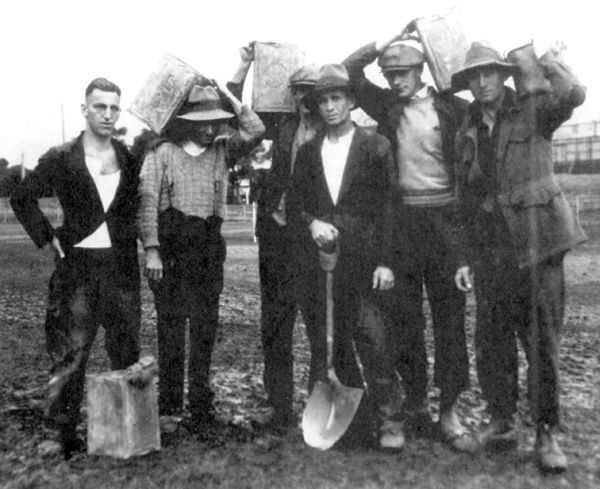
(Photo of men doing relief work during the Great Depression in 1933 from the National Library of Australia)

Boys Names From Songs

13 Sunday Mar 2011

Posted by A.O. in Name Themes and Lists

≈ 20 Comments

Tags

classic names, created names, english names, famous namesakes, fictional namesakes, Gaelic names, germanic names, Greek names, hebrew names, Italian names, meteorological names, modern classics, name popularity, names from fairy tales, names from nursery rhymes, names from songs, names from television, nicknames, Old English names, Persian names, popular names, royal names, saints names, Scottish names, Shakespearean names, slang terms, underused modern classics, unisex names


This blog post was first published on March 13 2011, and heavily edited and updated on March 20 2015. Not being psychic, I did not know then of the vile crimes that Rolf Harris would be imprisoned for, otherwise he would not have been included.

Duncan
Slim Dusty’s country song Duncan is one of his two hits which went to #1.The song describes the great enjoyment experienced drinking at the atmospheric Town and Country pub with his mate Duncan. Although the narrator also drinks with Colin, Kevin, Patrick, and Robert to obtain similar effects, it is Duncan who will always be remembered as the mate Slim would “love to have a beer with”. Duncan is the Anglicised form of the Gaelic name Donnchadh; it may mean either “brown-haired warrior”, or “brown-haired chieftain”. A traditional name amongst Scottish nobility and royalty, there have two medieval Scottish kings named Duncan, with Duncan I the original of William Shakespeare’s King Duncan in Macbeth. Unlike in the play, Duncan was a young king, and not assassinated by his war leader Macbeth, but killed in battle against him. Saint Duncan was of royal blood too, and an abbot of Iona. Duncan was #134 in the 1900s, and peaked in the 1970s at #122. It doesn’t seem to have charted since 2009, so this is a handsome underused Scottish choice.

Erasmus
Erasmus is a 2006 song by alternative rock band You Am I, a nostalgic remembrance of the 1990s. Erasmus is derived from the Greek for “beloved”. Saint Erasmus of Formia was a bishop who, according to tradition, was martyred for his faith in the 4th century. He is more commonly known as Saint Elmo, the old Italian form of his name, and St Elmo’s Fire is named after him – the glowing electrical discharge that can appear around tall, pointed structures during thunderstorms. As it was known for appearing around the masts of ships in the days of sail, Saint Erasmus is a patron of sailors. A famous namesake is Erasmus of Rotterdam, a Catholic priest, theologian, and classical scholar of the Renaissance who is known as “The Prince of Humanists”. Charles Darwin‘s grandfather was Erasmus, named after an ancestor, and Charles’ brother also had the same name. This rare name has geek chic, with history, strength, bags of brain power, and of course, a beautiful meaning. Rasmus and Raz could be used as nicknames.

Harry
Lazy Harry’s, or, The Road to Gundagai is a traditional folk song with a connection to Banjo Paterson, as he was the first to have it published, in 1905. The song tells of two shearers from a Riverina station who set out for Sydney to spend their pay cheques, but get no further than Lazy Harry’s pub between Wagga Wagga and Gundagai before they’ve spent the lot. Harry is a medieval English form of Henry which has never gone out of use. It has also been used as a pet form of Henry and Harold, and more recently, of Harrison. Harry is a classic name which has never left the charts. It was #32 in the 1900s, left the Top 100 in the 1950s, and reached its lowest point in the 1970s at #234. It began rising in the 1980s after the birth of Prince Henry, always known by his nickname Harry, and joined the Top 100 in the early 1990s. It continued rising through the 2000s, along with the popularity of boy wizard Harry Potter, and peaked in 2010 at #27, although by 2013 it had only dropped one place, to #26. Classic Harry is royal and magical, yet also friendly and casual.

Henry
Henry Lee is Nick Cave & The Bad Seeds’s 1996 version of an English folk song called Young Hunting, which in the United States is usually titled Love Henry or Henry Lee. It is a macabre tale of sexual jealousy; a man tells his mistress that he is leaving her for another woman, and while offering him a farewell kiss, she stabs him and throws his body in a well. P.J. Harvey sings the woman’s part of this eerie duet. Henry is from the Germanic name Heimrich, meaning “home ruler”. It has been commonly used amongst European royalty, and there are many rulers of Germany, France, Spain and Portugal named Henry, or one of its equivalents. There have also been six Holy Roman Emperors named Henry, one of them a saint. Henry is a traditional name in the British royal family, and there have been eight English kings named Henry. Henry is a classic name which has never left the charts. It was #11 in the 1900s, and left the Top 100 in the 1950s, hitting its lowest point in the 1970s at #265. It was back on the Top 100 by the 1990s, and had reached #23 by 2013. Henry is a handsome classic which is slowly rising in popularity.

Jack
Adam Harvey’s 2001 country song The House That Jack Built went to #1. It’s inspired by the nursery rhymes The House That Jack Built and Jack and Jill, while giving them a modern twist. Jack is a short form of Jackin, which began as Jankin, a medieval pet form of John. It has been used as an independent name since the Middle Ages, and was so popular in that era that it became a slang word to mean “man, male”. Jack is a fairytale hero, such as Jack and the Beanstalk and Jack the Giant Killer, and a trickster figure, like a jack-in-the-box and the knave in a deck of cards. Jack has a particularly British association, because of the Union Jack which is on our flag. Suffice to say I could talk about Jack until you were completely jack of it! Jack is a classic name which has never left the charts. It was #24 in the 1900s, and left the Top 100 in the 1940s. It hit its lowest point in the 1960s at #277, and was Top 100 again by the 1980s. It hit its peak in the 2000s at #1 name, when there were many heroes on film and TV named Jack. By 2013 it had only fallen two places, to #3, so it has been extremely stable as well as extremely popular. Jack the lad is an everyman name, and a nickname with its own rich history.

Jake
Jake the Peg is a 1965 novelty song by Rolf Harris, based on the Dutch-Canadian song Ben van der Steen. It’s a simple tale of an unfortunate man born with three legs, and Harris performed it onstage with a theatrical prop which left the audience guessing as to which of the three legs was fake. It has been voted one of the best Australian singles of all time. Jake is a medieval variant of Jack, but today is often used as a short form of popular Jacob. Jake first joined the charts in the 1970s at #392, the same decade as Jacob, and just after the song’s release. It joined the Top 100 in the 1980s and peaked in the 1990s at #6. In 2013 it was #43. More boyish than Jacob, more rakish than Jack, this name lets you know that everything is “jake”.

Jessie
Rick Springfield’s pop song Jessie Girl was an instant hit, reaching #1 on the Billboard Hot 100 of 1981, and winning a Grammy. According to Springfield, Jessie’s Girl was inspired by a real-life admiration he had for his friend Gary’s girlfriend. He considered using Gary’s real name, until he saw a girl wearing a softball jersey with the name Jessie on it. The song has been featured in movies and TV shows, and named one of the best songs of the 1980s. As a boy’s name, Jessie is a variant of the Hebrew name Jesse, which may mean “gift”. It’s also a girl’s name which was originally a Scottish pet form of Jean, but also used as a pet form of Jane, and more recently, of Jessica. In Australia, Jessie charted as a unisex name until the 1950s, but since the 1970s and the rise of Jessica, has only charted for girls. It made the Top 100 in the 1990s, when Jessica was the #1 name, and is currently in the 300s. Still usable for boys, although the popular Jessica has given it a pink vibe.

Johnny
Men at Work’s 1982 rock song Be Good Johnny is an obvious reference to Chuck Berry’s Johnny B. Goode. The song is about a young boy, a seemingly troubled daydreamer who can’t relate to or listen to adult authority. It could be the anthem for ADHD kids, and in fact a cover version of the song is the theme tune to the reality TV series Supernanny. Johnny is a pet form of John, long used as an independent name. There’s been heaps of famous Johnnys in Australia – Johnny Diesel, Johnny O’Keefe, Johnny Young, Johnny Lewis and Johnny Warren, to name a few. Johnny has charted since the 1950s, when it debuted at #265. It has not yet become popular, and is currently in the 200s. Modern classic Johnny seems like it has a lot of potential to go further.

Normie
Rak Off Normie was written as a sequel to comedian Bob Hudson’s satirical narrative, The Newcastle Song, which was at #1 for four weeks in 1975. The Newcastle Song is about a young man called Normie looking for a date, and pokes fun at the working class youth culture in the city of Newcastle. Eager for further success, Bob Hudson rapidly penned Rak Off Normie from the point of view of the girl Normie is attracted to, and Maureen Elkner was chosen to sing it. The song reached #6 on the charts. Normie is a pet form of Norman, used as an independent name since the 19th century. It is well known in Australia from 1960s pop star Normie Rowe, and will probably only make a comeback if Norman does.

Sam
Olivia Newton-John’s Sam reached #1 on the Billboard Easy Listening chart of 1977. It’s a song about two people who have been (apparently deservedly) dumped by their respective lovers and are now lonely; the song implies that the two of them may get together in order to comfort each other. Sam can be used as a short form of names such as Samuel or Samson, and as short for the female name Samantha. It is also a Persian name meaning “very dark”, and is familiar from Frodo’s companion in The Lord of the Rings, whose name is short for Samwise (samwise is the Old English for “half-wise, half-wit”). Sam has long been used as an independent name, overwhelmingly given to boys. Sam first joined the charts in the 1950s at #301, and was Top 100 by 1986. It peaked at #62 in 1991, left the Top 100 in 2011, and is still only just outside the Top 100. Well known from Welsh children’s TV show Fireman Sam, which has an Australian rescue pilot in it, this is a modern classic with boyish charm.

POLL RESULTS
People’s favourite names were Jack, Harry, and Duncan, and their least favourite were Johnny, Jake, and Normie.

Newer posts →

Enter your email address to follow this blog

Categories

Archives

Recent Comments

A.O.'s avatarwaltzingmorethanmati… on Zarah Zaynab and Wolfgang…
Madelyn's avatarMadelyn on Zarah Zaynab and Wolfgang…
JD's avatardrperegrine on Can Phoebe Complete This …
A.O.'s avatarwaltzingmorethanmati… on Rua and Rhoa
redrover23's avatarredrover23 on Rua and Rhoa

Blogroll

  • Appellation Mountain
  • Baby Name Pondering
  • Babynamelover's Blog
  • British Baby Names
  • Clare's Name News
  • For Real Baby Names
  • Geek Baby Names
  • Name Candy
  • Nameberry
  • Nancy's Baby Names
  • Ren's Baby Name Blog
  • Sancta Nomina
  • Swistle: Baby Names
  • The Art of Naming
  • The Baby Name Wizard
  • The Beauty of Names
  • Tulip By Any Name

RSS Feed

  • RSS - Posts

RSS Posts

  • Celebrity Baby News: Melanie Vallejo and Matt Kingston
  • Names from the TV Show “Cleverman”
  • Can Phoebe Complete This Sibset?
  • Zarah Zaynab and Wolfgang Winter
  • Baby, How Did You Get That Name?
  • Celebrity Baby News: Media Babies
  • Celebrity Baby News: Adelaide Crows Babies
  • Celebrity Baby News: Chris and Rebecca Judd
  • Names at Work: Name News From the World of Business and Employment
  • Celebrity Baby News: Sporting Round Up

Currently Popular

  • Rare Boys Names From the 1950s
  • The Top 100 Names of the 1930s in New South Wales
  • Girls Names From Stars and Constellations
  • The Top 100 Names of the 1940s in New South Wales
  • Celebrity Baby News: Caroline Craig and Callum Finlayson

Tags

celebrity baby names celebrity sibsets english names famous namesakes fictional namesakes honouring locational names middle names name combinations name history name meaning name popularity name trends nicknames popular names saints names sibsets surname names twin sets unisex names

Blog at WordPress.com.

Privacy & Cookies: This site uses cookies. By continuing to use this website, you agree to their use.
To find out more, including how to control cookies, see here: Cookie Policy
  • Subscribe Subscribed
    • Waltzing More Than Matilda
    • Join 517 other subscribers
    • Already have a WordPress.com account? Log in now.
    • Waltzing More Than Matilda
    • Subscribe Subscribed
    • Sign up
    • Log in
    • Report this content
    • View site in Reader
    • Manage subscriptions
    • Collapse this bar
 

Loading Comments...