• About
  • Best Baby Names
  • Celebrity Baby Names
  • Celebrity Baby Names – Current
  • Celebrity Baby Names – Past
  • Featured Boys Names
  • Featured Girls Names
  • Featured Unisex Names
  • Links to Name Data
  • Waltzing on the Web

Waltzing More Than Matilda

~ Names with an Australian Bias of Democratic Temper

Waltzing More Than Matilda

Tag Archives: honouring

Famous Name: Abel Tasman

19 Wednesday Sep 2012

Posted by A.O. in Famous Names

≈ 6 Comments

Tags

Akkadian names, Arabic names, Biblical names, birth notices, Dutch names, english names, famous namesakes, German names, hebrew names, honouring, locational names, Maori names, mythological names, name history, name meaning, names of seas, New Zealand names, nicknames, Slavic names, star names, surname names, TV commercials, US name popularity
Last Wednesday, September 12, commemorated the founding of the colony of Tasmania. Although it doesn’t seem to be celebrated in Tasmania, I thought we’d look at the man who gave his name to the state. I chose this topic several months ago, but unfortunately this recent story in the news is giving Abel Tasman a somewhat controversial image at present.

I feel like a mother who has just sent out 300 cards announcing her new daughter’s name as Sahara, then opens the paper to read with horror the headline: Murder at Sahara strip club provides clue to cocaine ring: our paper investigates the seedy underworld of the Sahara, knowing that for months the name Sahara is going to be associated with some very shady dealings. This happens to the best of parents, and possibly even the best of bloggers. However, let us continue.

Abel Tasman was the first known European to reach Tasmania and New Zealand. A Dutch seafarer, he undertook his voyages as an employee of the United East India Company (VOC) – the first multinational corporation in the world, and the first to issue stock. They were based in Batavia, now known as Jakarta, in Indonesia. This company despatched Tasman on a mission to obtain knowledge of “all the totally unknown provinces of Beach”.

That was his first problem: Beach didn’t exist. It was supposedly the northernmost part of Terra Australis, and that didn’t exist either. In fact, they had misread Marco Polo’s handwriting, which said Lohach, and referred to south Thailand, which Polo had assured all and sundry was a kingdom rich with gold. Sent off to find a non-existent kingdom of gold on an imaginary continent with faulty maps based on a vital error, Abel Tasman did the best he could under the circumstances.

On December 3 1642, he formally claimed Tasmania, which he dutifully named Van Diemen’s Land, after Anthonie Van Diemen, the Governor-General of the Dutch East Indies, and Tasman’s patron (Diemen is a homophone of demon). Battling against very rough seas, he managed to reach New Zealand ten days later, which he thought was connected to Argentina (the map’s fault again). A second voyage gave him the chance to map the north coast of Australia, which he called New Holland, and make observations of the land and its people.

From the point of view of the VOC, Tasman’s voyages were a failure. He hadn’t found Beach, located tons of gold, met anyone to trade with, or discovered new shipping routes. Although the Dutch had discovered Australia in 1606, they weren’t sufficiently impressed to follow it up, and so it was free for the British to claim many years later.

Abel Tasman did manage to make it to Thailand a few years later, although I’m sure he never realised he’d arrived in “Beach” after all. The lack of gold, it’s being called Siam, the way he was only there as a courier to deliver letters to the king – all these things helped disguise the fact he had reached his dream destination after all.

Abel was the second son of Adam and Eve in the Old Testament, and described as a shepherd, while his older brother Cain was a crop farmer. Famously, Abel is the first person in the Bible to die, while his brother Cain becomes the first murderer. The Bible doesn’t provide a motive for Cain’s actions, but it is usually assumed to be jealousy, since God was pleased by Abel’s offering from his flock, while not having a high regard for Cain’s produce. This story tends to irk vegetarians, and does make God seem rather like a capricious judge on Masterchef, but there is more to the story than meets the eye.

The archetypal simplicity of this tale of brother against brother has made an enormous impact, and been dramatised in modern stories, such as John Steinbeck’s East of Eden. Something in it speaks straight to our bones – primal emotions of rage, envy and betrayal; a deep sense of the fundamental injustice of the universe; the uneasy knowledge that those closest to us are the ones most likely to hurt us, even harm us.

Scholars believe the tale represents conflict between nomadic shepherds and settled farmers in the Middle East, at a time when agriculture was beginning to take over from hunter-gathering (this probably did sometimes end in bloodshed). Sadly, the story also serves as a commentary on the violence and hatred that has existed between religions who worship the same God, as Cain and Abel did (this still ends in bloodshed).

The name Abel is derived from the Hebrew name Hevel, often translated as “breath, vapour”, with connotations of “waste”, to indicate the transient nature of Abel’s existence. However, the name may simply mean “herdsman” to indicate his role in the story; a similar word still exists in modern Arabic. Another theory is that is based on the Akkadian word for “son”, which seems more likely as a person’s name, and fits in with modern scholarship identifying the story as based on a Sumerian myth.

Back in June, I mentioned Abel as a name I had encountered on a baby during the autumn, and considered it a rare sighting. Well, I have to eat my words, because over winter I met or heard of three new babies named Abel, and have seen a few more in birth notices. Clearly it’s a name on the rise, and in the US Abel is #237, jumping 56 places last year. With Old Testament names for boys growing in popularity, Abel is a solid, underused choice, and one that connects directly to early Australian history.

Tasman is a Dutch form of the German surname Tessmann, derived from both Slavic and German. Slavonic personal names such as Techmir, meaning “consolation”, become Tess in German. The -mann part of the name usually means “servant of”. So Tasman means “servant of Techmir”. English forms include Tesmond or Tessyman.

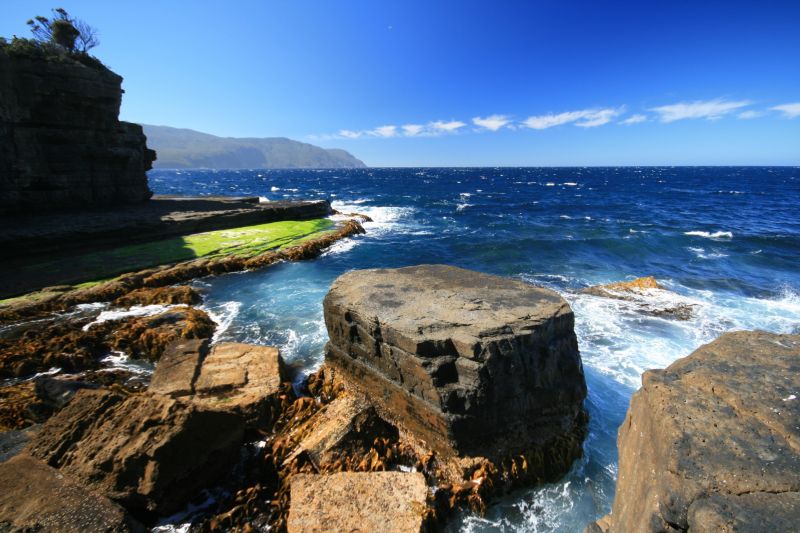
In Australia, Abel Tasman has given his name to the state of Tasmania, and also the Tasman Sea, which is the stretch of ocean between the east coast of Australia and the west coast of New Zealand (affectionately known as “The Ditch“). The Maori name for it is Te Tai-o-Rehua, which means “the sea of Antares”, the star Antares being associated with the height of summer, and considered a god of kindness and enjoyment. Many more places bear Abel Tasman’s name in New Zealand.

The name Tasman has a long history of use in Australia, and is most common in the state of Tasmania, which naturally feels a strong connection to it. It is turning up regularly in birth notices at the moment, and may be receiving more attention because there is currently a TV advertisement for Uncle Toby’s instant oats, with the little blond boy in the commercial being named Tasman.

This makes a fantastic name for a family which has one side from Australia and the other from New Zealand, with a baby Tasman joining both sides. The name is considered masculine in Australia, but feminised forms such as Tasmyn are thought suitable for girls. Usual nicknames are Tas, Taz or Tazzy.
UPDATE: I’ve just been informed that the reason the name Abel is skyrocketing is because of the TV show, Sons of Anarchy, where someone has a baby named Abel – thank you Twitter.

UPDATE: Thank you to blog reader Madelyn, who tells me that American actress Amy Poehler has a son named Abel.

(The picture shows a view of the Tasman Sea from Tasman National Park in southern Tasmania, on the other side of the bay where Abel Tasman claimed Tasmania; photo from There’s Nothing Like Australia)

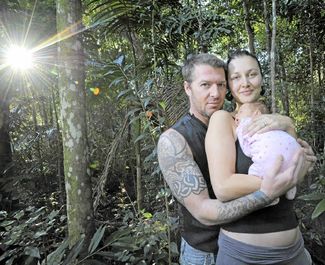
They’re Running Out of Time to Find a Baby Name

13 Thursday Sep 2012

Posted by A.O. in Naming Assistance

≈ 4 Comments

Tags

Biblical names, choosing baby names, honouring, nicknames, retro names, sibsets

Claire and Liam are expecting a baby in less than two weeks, and Claire is starting to feel slightly worried that they haven’t picked a baby name yet. In fact, they haven’t even got a short-list of names they both agree on. Claire has picked several names for both genders, but unfortunately, Liam doesn’t like any of them. However, he hasn’t made any suggestions of his own, and says he doesn’t have time to spend on the matter. In the meantime, time is running out ….

The couple already have three children:

  • M@rty – he was named by Liam after his own father, and Claire eventually agreed, with some reluctance
  • J@sper – this was the name Claire had picked out for a boy from the beginning, and Liam agreed as he also liked the name
  • Bes$ie – Claire named her after her great-grandmother, who was always known by her nickname; this was the name they had picked out if either of their sons had happened to be girls

All the children have family names in the middle, and their fourth child will too.

Names Claire likes for girls:

  • Mable
  • Poppy
  • Tilda
  • Harper
  • Sage
  • Eeda
  • May
  • Harlow
  • Eden
  • Hatley
  • Ayla

Names Claire likes for boys:

  • Isaiah
  • Angus
  • Finn
  • Arlo
  • Ezra
  • Jagger

Claire’s favourite names are Mable, Poppy and Tilda, and she is struggling to find a boy’s name that she really loves. Isaiah would have been their daughter’s name if she had been a boy, however Claire isn’t so keen on it any more. Claire would love some suggestions of baby names that aren’t too common, or too way out.

Claire and Liam’s surname is three syllables, begins with B and ends in N; eg Barrington.

~~~~~~~~~~~~~~~~~

I do advise people not to panic or feel pressured about finding a baby name, but with less than two weeks to go, you are getting to the pointy end of things, and I think it is time to gain a certain level of urgency. I don’t think you need to pick the perfect baby name right now, but I do think you need at least three choices for each gender that you can consider using – even if you don’t make the final decision until after the birth.

Girls Names

I’m finding it very hard to remain neutral on this one, because I love your three favourite girl’s names. Tilda in particular strikes me as a perfect match with your daughter’s name (which I adore), and sounds great with your surname.

As Liam hasn’t come up with any suggestions, I’m wondering whether you could broker a deal whereby you get to pick the name if it’s a girl, and perhaps the middle name (or one of the middle names) comes from Liam’s side of the family as a sweetener.

Liam did get to choose the first child’s name, and you were gracious enough to agree, even though you weren’t keen on it, so it would be a nice gesture if Liam were to be equally gracious in allowing you to choose a girl’s name that he isn’t so keen on.

I know you asked for suggestions, but I actually can’t think of anything nicer than Tilda. I do think that a retro nickname-type name to match your daughter’s name would be ideal. Some names in that mould would include:

  • Edie
  • Lottie
  • Nell
  • Peggy
  • Polly

Boys Names

This one’s quite hard, because you don’t have any names that you really love, and Liam hasn’t come up with any names at all. As you aren’t particularly attached to any name, perhaps you could ask Liam if he would like to choose the name if it’s a boy. Liam has picked one name, and you’ve picked two, so it does almost seem like it’s his turn again. I know he hasn’t seemed greatly interested so far, but if he’s given the task of choosing a name on his own, he may discover there is a name that he’d really like to use after all.

If this doesn’t happen, then I guess you always have Isaiah as a fall-back name, and this is a name you’ve already agreed upon.

I think if you’re absolutely stuck for names, and you genuinely have no preferences, names from the Bible are often a good choice that blend well with a wide range of middle names, and sibling names. Out of the names you’ve considered, although they’re all really nice, my favourite would be Ezra. The only one I don’t think is workable is Jagger, as it’s so similar to your second son’s name.

These would be my picks for a boy’s name:

  • Amos
  • Ezra
  • Felix
  • Tobias/Toby
  • Zeke

Good luck in your quest; you already have a track record of being able to compromise on baby names, and I’m sure the two of you will be pull it off again.

Please write in and let us know what name you ended up choosing!

NOTE: The baby’s name was Angus Jeremy!

Names Spotted at Home and Abroad (Winter Edition)

04 Tuesday Sep 2012

Posted by A.O. in Names Spotted at Home and Abroad

≈ 4 Comments

Tags

aristocratic names, Armenian names, band names, cartoon names, created names, english names, famous namesakes, fictional namesakes, Fijian names, French names, Greek names, hebrew names, honouring, Indian namaes, Japanese names, Latin names, locational name, middle names, modern names, mythological names, name history, name meaning, nicknames, Norman names, Norman-French names, polynesian names, popular culture, saints names, Sanskrit names, sibsets, Spanish names, stage names, surname names, Tibetan names

International Names

Kalden Edwards (Qld) – son of Korinna and Doug, brother of Indigo. Kalden is a traditional Tibetan name meaning “from the Golden Age”, and there are several men of this name from Tibetan history.

Savvas Stergos (NT) – son of Afrodite, brother to Maria, Irene and Michael. The Greek name Savvas is from the Hebrew for “old man” (I’m guessing intended as a title of respect), and there are several saints bearing this name.

Vaishvi Jani (NSW) – daughter of Monalisa. Vaishvi is an Indian name connected to the worship of the goddess Parvati and the god Vishnu. Interestingly, we had a baby called Monalisa mentioned this year, and now we have an adult one.

Xevi Campisi (Qld) – son of Rene Flanagan and Zac Campisi. His name is a common Spanish pet form of Xavier.

Surnames as-First Names

Abbeney Manning (Qld) – daughter of Luise. As far as I know, this aristocratic Norman surname is another form of Albany, based on French place names such as Aubigne, meaning “Albinius’ town”, with the Latin name Albinius meaning “white”. It was used by sci-fi writer Ursula Le Guin as a place name in her fictional universe depicted in The Hainish Cycle. Although historically more often male, today it does sound like an ornate version of Abby.

Kasabian Sentance (NSW) – son of Jodi. Kasabian are a British rock band; the band’s name is from Linda Kasabian, a member of the Charles Manson cult, famous as his getaway driver. She did not participate in any violence, was the star witness for the prosecution, and expressed great remorse for her part in the group’s crimes. Her married surname is a common Armenian one, meaning, “butcher”.

Vaokakala Nevaeh Mara Tere-Vave (NSW) – daughter of Glory Mara Tere and Tevita Vave. Her name is a Fijian surname, but I don’t know what it means. I had never seen Nevaeh on a real person before, but wasn’t surprised to see it used in the Pacific Islander community, as not only does it have strong Christian associations, but the pronunciation (nuh-VAY-uh) is vaguely Polynesian-sounding.

Wiley Huber (NSW) – son of Nicole and Tim. This English surname is from a common place name meaning “willow wood”. It’s the stage name of English rapper Richard Cowie; he took it from a cartoon character named Wiley Kat. It reminds me of the cartoon critter Wile E. Coyote.

Middle Names

I saw a number of babies with intriguing middle names in the papers over the winter.

Archie Elvis Lincard (Qld) – son of Gemma Hall and Chris Lincard.

Austin Kelly Beadle (Qld) – son of Leah and David. Austin’s middle name is in honour of his aunt – one of the handy things about unisex names is their versatility. His first name is after his American-born father’s cousin.

Jake Tiger Gow (Qld) – son of Wendi Leggatt and Bede Gow.

Lily Pepper Van Veen (NSW) – daughter of Xan and Adam [pictured]

Sabine Mirah Thiedeman (Qld) – daughter of Leanne and Nick. Her middle name is a form of the Arabic Amira, meaning “princess, female ruler”.

Adult Names

There was a story in the paper about a construction worker who was awarded more than $100 000 damages named Ark Tribe. His lawyer was named Stephen Dolphin.

The family has rebelled against the slightly brain-sapping entertainment of The Price is Right, and have opted for a noisy educational TV show before dinner instead. I think they became suspicious I had it on to do some clandestine name-spotting (I blame educational shows for making them brainy enough to figure this out!).

So no more names from TPIR – the only one I can remember is a forty-ish lady named Blondie who was indeed blonde-ish. Was this her legal name, or a nickname? I have no idea, as the host did not ask her. It seemed a bit of an odd name to give a child (it reminds me of Blondie Bumstead from the newspaper cartoons). On the other hand, it seemed a slightly odd nickname to retain into middle age as well (although Mrs Bumstead managed to pull it off, at least).

Names Seen in Real Life

We went to the speedway a few times over the winter – my fashion tip is to wear every jumper, jacket and coat you possess, and then cover yourself in gloves, hats and scarves until no skin is in contact with the icy air.

The speedway is the place to go if you want to hear some hardcore-type boys names – over the winter, I heard the names Ajax, Axel, Blade, Cruz, Diesel, Harlem, Hendrix, Hunter, Jagger, Jett, Nash, Taj, Tosh and Zayd. I remember someone saying on Twitter that you mostly hear boy’s names in public places, as they are the ones getting called or yelled at by anxious or petulant mamas, and it’s so true. The only girl I can remember getting yelled at the same place was a non-harmonious Harmony.

Two tots entered in a local kids photo contest were called Sai (boy) and Leto (girl). Sai is a Japanese name that can be translated as “genius”, and Leto was the mother of Apollo and Artemis in Greek mythology. Her name may mean “the hidden one”, or more prosaically, “woman, wife”.

Names of Babies Born to People I Know or Know Of:

Girls: Aoife, Beatrix, Cynthia, Jemima, Tallulah

Boys: Julian and Miles (twins), Emmett, Ronan

Famous Name: Adelaide

22 Wednesday Aug 2012

Posted by A.O. in Famous Names

≈ 15 Comments

Tags

celebrity baby names, famous namesakes, Frankish names, French names, germanic names, honouring, locational names, name history, name meaning, name popularity, nicknames, retro names, royal names, saints names, US name popularity

Tomorrow the city of Adelaide will welcome their Olympic athletes home with a street parade. That’s a good enough excuse as any to cover the name Adelaide, which has been sitting in my Request file for many months now.

Adelaide is the capital of South Australia, and it’s a pleasant coastal city which has been voted the Most Liveable and judged Most Affordable capital city in Australia. It was planned in the 19th century as the capital of a British province of free settlers, and is the only state capital not to have a history of convict settlement – something of which it is still very proud.

Its early history was marked by a commitment to religious freedom and political civil liberties, which led to its nickname of The City of Churches. Despite this moniker, the last census revealed that almost a third of Adelaideans had no religious affiliation at all, making it one of our least religious cities.

From early on, Adelaide attracted many European immigrants escaping religious persecution, most notably from Germany. The Germans brought with them the vine cuttings which were planted to found the famous wineries of the Barossa Valley. After World War II, there were many more immigrants, including Italian, Greek, Dutch, and Polish. The names in the birth notices from Adelaide tell me that South Australians remain very aware of their cultural heritage, because there are always lots of German and Italian baby names.

Adelaide is famous for its many festivals, celebrating music, art, theatre, comedy, sport, food, wine and just about anything else you can think of. When not having a festival, Adelaide tends to be on the sedate side, although quite sophisticated for a small city. If you enjoy somewhere quiet and clean, with good food and wine, attractive beaches, plenty of parkland, lots of outdoor activities and generally friendly people, you will like Adelaide. Please don’t drink the water though; it’s not unsafe but it tastes like it is.

The name Adelaide is from the French form of the Germanic name Adalheidis, meaning “noble kind”. The Frankish nobility were keen to stress their daughters’ high-born pedigree, as it made them more marriageable, and thus names starting with Adel- abound.

There are several Adelaides from history amongst the ruling classes of Europe, including Adelaide of Aquitane, who married Hugh Capet, elected king of France and the founder of one of the most important royal dynasties of that country. Saint Adelaide was the wife of the Holy Roman Emperor Otto, and she ruled the Empire for several years as her grandson’s guardian. (Saint Adelaide’s daughters were Emma and Matilda, which both sound very contemporary).

The name wasn’t particularly common in England until the 19th century, when William IV, then the Duke of Clarence, married Princess Adelaide of Saxe-Meiningen, a small state of Germany. Adelaide was less than half William’s age, and had to accept his ten illegitimate children as part of the bargain, but despite this, the couple were devoted to each other, and led a life of domestic harmony.

After William became king and Adelaide queen consort, the name got a huge boost. The English people loved Adelaide – she was dignified, modest, charitable, and gained public sympathy for being unable to produce a surviving heir. However, she was very fond of her niece, who would one day reign as Queen Victoria. Queen Victoria’s first child had Adelaide as one of her middle names, in her aunt’s honour.

It is this Adelaide that the city of Adelaide is named after; the city was founded in 1836, just a few years after Adelaide became queen. The city has never forgotten its royal namesake: there is a bronze statue of Queen Adelaide in the foyer of the Town Hall, and the Queen Adelaide Club provides an exclusive social club for women.

Each year the city celebrates Queen Adelaide’s birthday on August 13, held in the Queen Adelaide Room of the Town Hall. There is a tea party given, and everyone who bears the name Adelaide is invited to attend as an honoured guest. This year, on Queen Adelaide’s 220th birthday, 30 Adelaides came, up from 22 last year; the eldest was in her eighties, and the youngest only 17 days old. Over the past 15 years, more than 50 girls in South Australia have been named Adelaide.

In New South Wales, Adelaide was #132 in the 1900s, and then sank in popularity until it was out of regular use between the 1930s and the 1970s. During the 1980s, it was #792, representing about one Adelaide born each year. During the 1990s, it increased to #447, and continued rising. It peaked in 2010 at #154, and last year suddenly dropped to #232, so it may be losing popularity before reaching its 1900s ranking.

Australian actress Rachel Griffiths and artist Andrew Taylor welcomed a daughter named Adelaide Rose in 2005. As Adelaide Taylor was born in Los Angeles, she became part of a growing trend, because her name joined the US Top 1000 the year she was born. It has continued to rise, and is currently #407. I wonder if beleaguered MP Craig Thomson having a baby girl named Adelaide in 2011 damaged the brand in NSW – it was going so well until last year?

This is a stylish, ladylike name that manages to sound both “old fashioned” and contemporary. It’s never been on the Top 100, and doesn’t seem likely to join it at this stage. You could use Addie as a nickname, in which case it would blend right in with all the Addisons and Madisons, but many would prefer Ada, Adele, Dell, Della, or no nickname at all.

She Says Clara, He Says Zara: Can You Help This Couple Resolve Their Baby Naming Differences?

18 Saturday Aug 2012

Posted by A.O. in Naming Assistance

≈ 8 Comments

Tags

choosing baby names, classic names, compromising on baby names, honouring, middle names, modern classics, name combinations, name popularity, nicknames, popular names, portmanteau names, retro names, sibsets

Kate and her husband Steve are expecting their second child in late January next year. Although it may seem they have plenty of time, they are currently at a stalemate when agreeing upon names for a baby of either sex.

They had these naming issues with their first child as well. They continued discussing and arguing over it for eight months of Kate’s pregnancy, and chose their daughter’s name while actually in the hospital. Feeling pressured by family expectations that they choose a name immediately, and with her husband refusing to back down, Kate agreed to Steve’s choice, which was Madeline – a name that he loved, and would consider nothing else. The middle name was a family one from Kate’s mother’s side given to all first-born daughters.

Although Kate is fond of her daughter’s name, it was not her first choice, and this time she really wants the baby’s name to be something that she loves. Steve is willing to let her choose whatever name she likes – providing that he doesn’t hate it. The problem is, Steve seems to hate most of Kate’s favourite names. She is getting frustrated that he seems to be vetoing almost every name she suggests, while not making many suggestions of his own.

Names for Girls Considered

  • Kate’s favourite names for girls are Clementine, Olive, Ivy, Mabel, May, Nell, Lillian, Clara, Maeve, Dorothy, and Eloise. Steve detests all of these, but least dislikes May and Eloise.
  • Steve has expressed a preference for Kayla, Eleni, Lani, or Zara. Kate dislikes these names, with the exception of Zara, which she can just tolerate.
  • Neither of them has a preference for a middle name, and they don’t really mind what it is.

Names for Boys Considered

  • Kate’s favourite names for boys are Henry, Flynn, Hugo, Sullivan, Oscar and Archie. Steve hates the name Henry, and doesn’t mind Sullivan or Archie, but isn’t thrilled about them either.
  • Steve hasn’t made any serious suggestions for boy’s names, but has mentioned Lachlan and Noah. Kate doesn’t dislike either name, but does feel that Top 10 is a bit too popular to consider.
  • They both like the names Jack and William – alas, everybody else seems to as well! If only Jack or William were Top 50 rather than Top 5, these would be their choices.
  • The middle name will be either John or Timothy, which both honour much loved family members. They will go with whatever middle name fits best with the name they eventually choose.

Kate and Steve’s surname begins with H and ends with -er.

~~~~~~~~~~~~~~~~~~~~~~~~~~

Kate, if it’s any consolation to you, your baby name problems are ones that many couples share. The most common complaint I hear from women is that they suggest name after name, and their other half rejects all of them, yet doesn’t seem to contribute many ideas of his own.

I think the situation with your daughter’s name isn’t that unusual either – while women often seem to have at least a dozen “favourite names”, if men have any at all, it’s often only one. With just one egg in their basket, they can be prepared to fight for it, and in this case, it seems as if Steve did fight for his favourite, and prevailed.

I think it’s lovely for a little girl to have a name chosen by her daddy, and her middle name is from your side of the family, so her name connects her to both of you. You can take heart that despite all your disagreements, you actually did a good job together, which means you’ll probably do a good job again. It was generous of you to agree to your husband’s choice on the very first baby – I’m not certain most wives would have done that.

It seems obvious that since Steve picked the first name, it’s only fair that it should be your turn to pick the second. Yet to be equally fair, Steve picked a name that you may not have loved, but are fond of – he didn’t force you to accept a name that you hated. And that’s the sticking point. Steve didn’t have to compromise on the name that he loved, but you may have to. Or else Steve will have to compromise this time around, which is something for you to negotiate together.

Another thing you might want to consider is that it can be harder choosing the second name, because you already have a child, and may want a name that goes well with hers. I know some people aren’t bothered by sibsets going together, so if you are one of them, just ignore this bit.

If you want a name that doesn’t clash with Madeline, or seem too matchy, there’s probably already a couple of names on both your lists that could be crossed off. I love the name Clementine, but I think it’s too matchy with Madeline because they almost rhyme, while to me, Eleni and Madeline is a style clash.

It seems it would be easier for you both to compromise on a girl’s name, since Steve has already picked his one favourite name, and should be more flexible this time around.

Possible Compromises

  • Since the girl’s middle name spot is vacant, you choose the name, and Steve picks the middle name. Dorothy Lani may sound a slightly odd combination, but big deal, you’d have a baby name chosen by both of you.
  • You use the two names of yours that Steve hates least, and call the baby Eloise May.
  • You use two names from each of your lists you least dislike, and call her Eloise Zara.
  • You combine the sounds of names from your list with ones from Steve’s list to make names that sound similar to both. For example: Olive + Kayla = Livia. Eleni + Clementine = Elaine. Dorothy + Zara = Daria. Lani + Eloise = Louise. And so on.
  • You choose a name that you like, but only if Steve is able to make a nickname from it that he likes eg Eloise nn Lulu, Olive nn Liv.

With boy’s names, it almost seems as if you are getting close to the right name. Steve has only completely vetoed Henry, and you’ve actually agreed on several names, only to be put off by the popularity. I think it’s just a matter of finding names in a similar style you both like, that aren’t in the Top 10. Or you may decide that a Top 10 name isn’t so bad after all – William has never left the Top 50 in 111 years, so it’s more of a perennial favourite than a trendy popular .

Once you’ve got a little list of possible names together, see which ones sound best with Madeline, with the chosen middle names, and with your surname. Out of what you’ve got so far, my pick would be Archie John.

If it was up to me, I’d say Eloise May for a girl, and Archie John for boy (or else William). But you didn’t write to me so I’d pick your baby name, you wrote to me for suggestions of names that I think both you and Steve might like. So here goes:

GIRLS

What I noticed you and Steve had in common was you both tended to like quite popular names, or names coming (back) into popularity. You also both preferred girl’s names that were recognisably feminine, but not particularly frilly. I tried to think of names that fit these criteria, and also seemed to make a nice match with Madeline’s name, while not sounding too awful with your surname. I also tried to pick names that were easy to make contemporary-sounding nicknames from, in case the nickname pleased more than the name itself.

It’s hard to find a perfect compromise between retro names and modern ones, so I concentrated on names that have never gone out of fashion, ones that are coming back into fashion, and modern classics. There’s a couple of wildcards thrown in, just on the off-chance!

  • Audrey
  • Cassandra
  • Cecily
  • Claudia
  • Daphne
  • Eleanor
  • Eloise (the one on your list your husband least hated, and goes best with Madeline)
  • Emmeline
  • Evelyn
  • Florence
  • Genevieve
  • Isobel
  • Josephine
  • Leila
  • Louisa
  • Lucia
  • Natalie
  • Penelope
  • Rosalie
  • Rose
  • Saskia
  • Sophia
  • Susannah
  • Victoria
  • Violet

BOYS

It felt like boys names were one you would have an easier time agreeding with, as you each identified certain groups of names that you either liked, or could live with.

Timeless classics, like Jack and William

  • Charles
  • Edward
  • George
  • James
  • Nicholas

Retro names like Archie

  • Austin
  • Felix
  • Frederick
  • Leo
  • Rex

Scottish names like Lachlan

  • Angus
  • Callum
  • Duncan
  • Lennox
  • Logan

Irish surnames like Sullivan

  • Cassidy
  • Quinn
  • Rafferty
  • Rowan
  • Tully

Simple Old Testament names like Noah

  • Abel
  • Ezra
  • Jude
  • Micah
  • Reuben

Homework for Kate and Steve:

I’d be very surprised if you read through this and said, Oh yes of course, Genevieve for a girl and Felix for a boy, that’s perfect. These lists are just for window-shopping, and for trying out names, so you can identify and narrow down what you both like and dislike. Don’t make a decision just yet, it’s far too early. Give yourselves more time to think things through, and keep trying out names. When the time’s right, I’m sure the perfect one will fit into place.

If you still feel stuck in early November, please write in again with your new improved name lists, and we’ll have another go. And whatever happens, don’t let yourselves be railroaded into a decision at the hospital again – you’ve got 60 days after the birth to pick a name, and there’s nothing wrong with taking the baby home with you before naming it. Absolutely no need to rush or panic!

Readers, what do you think is a fair system for Kate and Steve to compromise on choosing a baby name? And what names would you suggest to them?

NOTE: The baby’s name is Lewis John!

Famous Name: Apollo

25 Wednesday Jul 2012

Posted by A.O. in Famous Names

≈ 5 Comments

Tags

Babylonian names, epithets and titles, famous namesakes, fictional namesakes, Greek names, honouring, locational names, middle names, mythological names, name history, name meaning, name trends, Sumerian names, title names

Last Friday marked the anniversary of the first moon landing, which took place on July 20 1969. The NASA spaceflight programme responsible was famously named Apollo, and the name was chosen in 1960, during the administration of President Eisenhower.

It was named after the Greek god of the sun by NASA manager Abe Silverstein, and he later said that he named it as carefully as if he was naming his baby. Dr Silverstein had been reading a book of Greek mythology, and was struck by an illustration of the god Apollo riding his chariot across the sun; this seemed in line with the grand scale of the project they had in mind.

It became far grander after the election of President John F. Kennedy, for while Eisenhower was on the fence about the whole space thing, Kennedy had made winning the Space Race against the Soviet Union a key campaign promise. Like many people on their way to power, President Kennedy hadn’t considered how much such a promise would cost, and when he found out the price, he also started to go a bit lukewarm on the idea.

Once the Soviet Union became the first to send a man (cosmonaut Yuri Gargarin) into space in 1961, it all suddenly seemed a lot more pressing, and President Kennedy vowed that the United States must be the first nation to land a man on the moon, and would do so by the end of the decade.

Even some people at NASA thought this was going a bit far, and wondered if the President understood how difficult it would be. No he didn’t, but that’s what leaders are for – to come up with big impossible dreams, and then let the brainiacs sort out the technical details.

As we all know, they did manage to get to the moon by the end of the 1960s, on spaceflight Apollo 11, and history was made – not just American history, but world history. Around the globe, 500 million people watched the moon landing on their TV sets, and Australia played a vital role in the television broadcast of the moon landing.

The images broadcast from the moon were received by three tracking antennae – one in California, one in the delightfully named Honeysuckle Creek near Canberra, and one in Parkes, New South Wales. The very first television pictures were received by Honeysuckle Creek, and then NASA alternated between California and Parkes, trying to find the best quality pictures. Less than ten minutes into the broadcast, the signals from Parkes were so superior that NASA stayed with them for the rest of the two-and-a-half hour television broadcast.

The behind-the-scenes of the television broadcast seems to have been very confused. One of the biggest mysteries to me is how NASA managed to lose all the footage we sent them. They didn’t throw them in a cupboard and forget about them, they actually taped over them. I mean, this isn’t the family holiday to Fiji we’re talking about, it’s the freaking moon landing! With baffling carelessness, they also lost the back-up copy Australia sent them. After an exhaustive search, a bootleg copy of the original broadcast was found in Australia in time for the fortieth anniversary of the moon landing. Phew!

The god Apollo who had inspired the name of the space programme was one of the most important and complex in the Greek and Roman pantheon. Always depicted as a handsome and gloriously athletic young man, he was the god of many things – light, the sun, prophecy, healing, music and poetry amongst them. I think of him as a very appropriate god for Australia, because (apart from all the sunshine he’s blessed us with), he was also a god who ruled colonists, and protected flocks and herds. As a former colony with a strong interest in farming, it’s a wonder we don’t celebrate him more often in official imagery.

His name is so ancient that the meaning of it is now very obscure. The Greeks themselves tried to link the name to Greek words that sounded similar such as those for “destroy”, “redeem”, “purification”, “simple” and “ever-shooting”. The name was connected to the word apella, meaning “assembly”; the Apella was a Spartan political meeting held on each full moon, aptly enough. This word originally meant “a wall, a fence”, so you can see that the Greeks saw the political process as being protected by the god, just as he protected flocks of animals. Apollo’s earliest role seems to have been as a protector against evil.

The name is likely to be older than Greek, as there are a number of gods from the Middle East with similar-sounding names. The official title of the Babylonian sun god Nergal was Aplu Enlil, meaning “son of Enlil”. Enlil means “lord of the storm”, and he was the chief god of the Sumerians. Not only does Aplu sound like Apollo, but the parallels between chief storm gods Enlil and Zeus, and their sons, sun gods Nergal and Apollo are obvious. If so, the name Apollo simply means “the son of”, like the Gaelic prefix Mac.

The meaning is far less important than what it symbolises, for classical Greece made Apollo the principle of light, harmony, order and reason. This is the Apollo who presided over contests of music, art and literature, and who inspired the greatest composers and poets. But he had a darker side too from his Eastern origins, which were shamanistic and oracular. His Delphic priestesses sometimes perished in their efforts to hear his divine voice, people who died suddenly were said to have been struck down by the god, and he also brought plague and pestilence as a mark of his displeasure. He demonstrates that everything being light, bright, clear and intellectual are not enough – we also need intuition, awe and mystery in our psychological make-up.

Apart from the god and the space programme, the name may remind you of fictional characters Apollo Creed, from the Rocky movies, and Captain Apollo from Battlestar Galactica. A famous example of a real life Apollo from our own region is the Samoan-New Zealand rugby player Apollo Perelini, a relative of Australian soccer star Tim Cahill. Perelini got his name because he was born the day the Apollo 11 space project was launched – July 16 1969. His middle name is 11. An Australian link is the tourist town of Apollo Bay on the Victorian coast, so named because the ship Apollo sheltered from a storm there.

Apollo is a strong, handsome and spectacular name which commands attention. It’s garnering some interest and perhaps greater use, as it fits in with the trends for mythological names and names ending in O. I suspect this might be a name where many people love the sound and associations, but fear that calling their son after such a divine figure may seem a little hubristic. If so, it makes a brilliant middle name. Many parents are becoming a bit more daring with boy’s names, and if you prefer names without a built-in nickname, Apollo is one to consider.

Celebrity Baby News: Jarrad and Clementine McVeigh

10 Tuesday Jul 2012

Posted by A.O. in Celebrity Baby News

≈ 2 Comments

Tags

celebrity baby names, celebrity sibsets, honouring

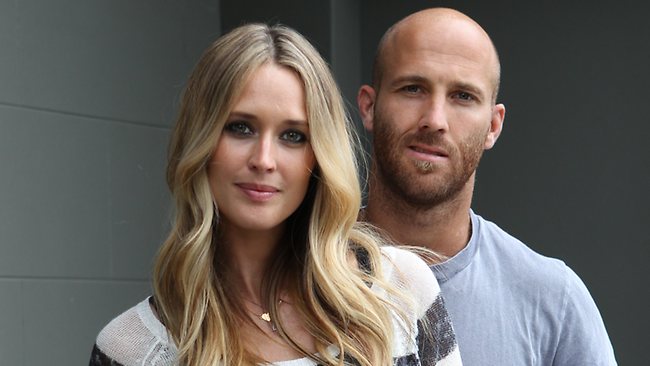
Co-captain of the AFL Sydney Swans Jarrad McVeigh, and his wife, model Clementine, welcomed their daughter Lolita-Luella on July 8. Lolita-Luella McVeigh was born at Sydney’s Royal Hospital for Women in Randwick, arriving at 3.17pm and weighing 3.2 kg (7 pounds).

You may remember Jarrad and Clementine from the blog last year, when they lost their baby Luella at the age of four weeks, due to a congenital heart problem. After her death, the couple went on an overseas trip so they could get away from everything and work through their grief together. It was while they were in Italy that they conceived Lolita-Luella, and she was born 17 days before Luella’s birthday. The second part of her name is obviously in honour of her sister; I understand that she will be called Lolita in everyday life.

In an interview, Jarrad says that they are proud of Luella for the courage she demonstrated in her short life, that they think about her every day, and that she will always be part of their family.

Famous Name: Azaria

20 Wednesday Jun 2012

Posted by A.O. in Famous Names

≈ 8 Comments

Tags

1001 Unusual Baby Names, baby name books, Biblical names, hebrew names, honouring, name history, name meaning, The Complete Book of Names, unisex names, US name popularity

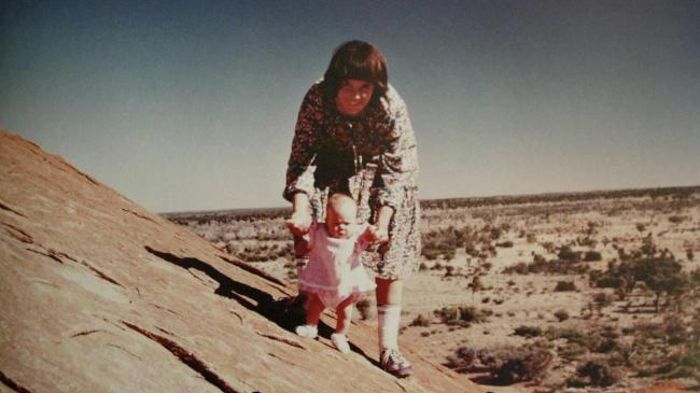
On June 12 this year, a very long legal case finally came to an end, when coroner Elizabeth Morris ruled that Azaria Chantel Loren Chamberlain had been taken by a dingo on August 17 1980. Azaria was nine weeks old when she died, and June 12 was the day after what would have been Azaria’s thirty-second birthday, had she lived.

The disappearance and death of baby Azaria in the Northern Territory was a case which generated mass hysteria, divided the nation, and led to a cruel media-driven witch hunt against Azaria’s grieving parents, Lindy and Michael. It remains an ugly stain on our national psyche, and a lesson in not being too ready to believe the worst about the latest media “villain”. A lesson we unfortunately never seem to learn.

The Chamberlains had been on a camping holiday at Uluru (Ayers Rock) with their three young children when Lindy screamed that a dingo had taken her baby from their tent. Witnesses at the time believed her implicitly; there were warning signs everywhere about the dangers of dingoes, and six weeks earlier, a three year old named Amanda Cranwell had been dragged from her parents’ car by a dingo and had to be driven off. Azaria’s brother Aidan said that he heard a dingo in the tent with them, and Aboriginal trackers reported that she had been dragged by an animal.

A coronial inquest found that Azaria had been taken by a dingo, but her missing body disposed of by unknown human means. That should have been the end of this family’s tragedy, but instead it had just begun. For reasons unclear to me, the Northern Territory police refused to accept the findings, and charged the Chamberlains with murder.

Michael was a pastor in the Seventh Day Adventist Church. People didn’t know much about this minority religion, and mistrusted the Chamberlains as somehow “different”. Lindy maintained the calm dignity of someone who knew she was innocent and believed that God was on her side. This was taken as unnatural – why didn’t she shriek and cry hysterically like a proper woman? Why did she never squeeze out at least a few tears? Why did she seem so assured when she was only a housewife?

Wild rumours began to circulate, and the media gleefully reported each one. One was that the Chamberlains’ religion demanded a child sacrifice, and they had gone into the outback with the express purpose of murdering their baby daughter. Another was that they weren’t Christians at all – they were Satanists, devil worshippers or into black magic; being religious was just a front. Another notion was that perhaps their religion forbade medical assistance (it doesn’t), and that they had killed a terminally ill Azaria rather than let her suffer a slow death. One of the sickest was that Azaria’s brothers Aidan and Reagan, then aged six and four, had killed her and her parents covered it up.

It is shocking and heartbreaking that people in modern times could be so ignorant, gullible and superstitious; it beggars belief that anyone could think a mother would kill her daughter in front her other children, and have the audacity to do so in broad daylight surrounded by witnesses, washing off all blood and disposing of all evidence within ten minutes. However, so convincing was this view of the evil, unnatural Lindy that she was found guilty and sentenced to prison in 1982. Four years later, some of Azaria’s missing clothing was found in a dingo’s lair, and Lindy was released.

The Chamberlains’ marriage did not survive and both remarried. The fate of Azaria was still listed as “unknown”, and her story became urban legend; she was part of the horrors of the outback, she was our nightmare and our collective guilt. She was a meme, a joke, a rumour, a punchline, a subject of gossip, a tee-shirt slogan, an industry which brought out books, tea towels, movies, TV shows and even an opera.

Last week Azaria’s extraordinary story ended, and she was at last declared officially dead and given a death certificate. The coroner offered her heartfelt sympathies to the Chamberlains for the loss of their daughter and sister, however the Northern Territory government refuses to apologise for the events which followed that loss.

Azaria is a variant of the Hebrew name Azariah, which means “Yahweh has helped”; however Azariah is pronounced az-uh-RY-uh, and most people say Azaria a-ZAHR-ree-uh. Despite Azariah being a male name in the Old Testament, Azaria is more commonly used as a girl’s name.

During the hysteria surrounding the Chamberlain case, it was falsely claimed that the name Azaria meant “sacrifice in the wilderness”, with the obvious conclusion  that the Chamberlains had marked their daughter from birth for ritual infanticide. (I would have thought that if you actually were planning to do that to your baby, you’d choose a name that drew less attention to your nefarious scheme).

The original coroner made a finding that Azaria did not in fact mean “sacrifice in the wilderness”, making it one of the few times in legal history when a court has made a ruling on the meaning of a name. Lindy found the name in 1001 Unusual Baby Names, where it was identified with standard baby name book laxness as the feminine form of Azariah, meaning “blessed by God”. The current edition of the book is called The Complete Book of Baby Names, now boasts over 100 000 entries, and has updated Azaria to mean “helped by God”.

Azaria’s name was an unusual name when she was born, and it is still uncommon. I have seen the name a few times in birth announcements, using both the Azaria and Azariah spellings, and given to both girls and boys. Azaria has been on the US Top 1000 since the mid-2000s, suggesting that the name is on the rise internationally rather than being an Australian phenomenon.

The first time I saw the name given to a new baby I gave an unconscious start of shock, but then rationality kicked in and I could see that the name deserves to be used again, and it would be ridiculous to avoid it. Until I saw Azaria with the middle name Chamberlain. Maybe it was a family name, maybe it was honouring an unfortunate victim, but even 32 years later, for me it was too soon.

Celebrity Baby News: Jeremy and Jody Smith

14 Thursday Jun 2012

Posted by A.O. in Celebrity Baby News

≈ 5 Comments

Tags

celebrity baby names, celebrity sibsets, honouring

NRL player Jeremy Smith, and his wife Jody, welcomed their third child and first son on June 9; their son is named Jeremy after his dad. Jeremy Smith Junior joins big sisters Marly, aged 6, and Evie, aged 1.

Jeremy is originally from New Zealand, and is a cousin of Kalifa Faifai Loa, who plays rugby league for the North Queensland Cowboys. Jeremy has been playing professionally since 2004, and began his career with the Melbourne Storm. He has played for the Cronulla Sharks since last season, and also represented the New Zealand Kiwis in last year’s ANZAC Test.

Jody went into labour unexpectedly on the preceding Friday, giving birth to baby Jeremy in the early hours of Saturday morning. When he got home from hospital, he had two children to care for, including his baby daughter, so there was little rest for him. Despite 36 hours without sleep, Jeremy scored the first try of the game in the 17th minute, and Cronulla beat the Gold Coast Titans 22-10.

Famous Name: Diamond

06 Wednesday Jun 2012

Posted by A.O. in Famous Names

≈ 11 Comments

Tags

British Baby Names, english names, famous namesakes, fictional namesakes, gemstone names, Greek names, honouring, Mer de Noms, name history, name meaning, nature names, surname names, US name popularity, vocabulary names

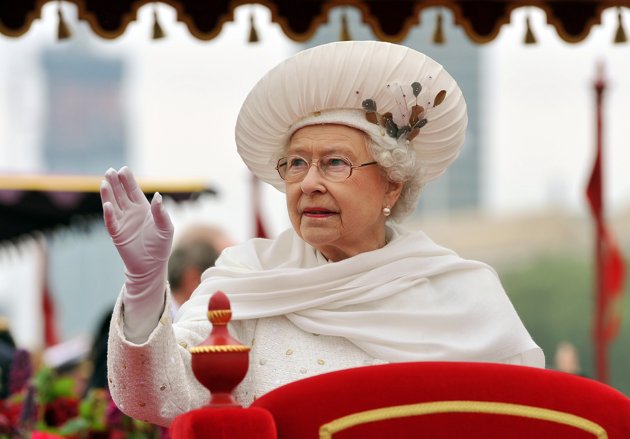
Queen Elizabeth II is only the second monarch since Queen Victoria to reign for sixty years. Last weekend, it was the Queen’s Diamond Jubilee celebration, where the British enjoyed four days of triumphant pageantry, horse-drawn carriages, royal barges, processions, church services, street parties, luncheons, concerts, festivities and general revelry. Naturally the Brits didn’t allow a bit of very British rain to stop the fun.

We also celebrated here, in a more humble and low-key sort of way, and even managed to have wet weather, in a meteorological show of sympathy. We sent a detachment of the New South Wales Mounted Police to represent us at the pageant, and Indigenous performer Gurrumul came on stage for Sing, a song written especially for the Jubilee featuring 200 artists from the Commonwealth; Kylie Minogue and Rolf Harris also performed at the concert (not together).

Australia has another connection to the Queen’s Jubilee: earlier this year, the largest pink diamond ever mined in Australia was found at Rio Tinto’s Argyle mine in the north-west of Western Australia (which is the source of most of the world’s supply of pink diamonds). The diamond is 12.76 carat, and, in honour of the Diamond Jubilee, has been dubbed the Argyle Pink Jubilee diamond. It was cut and polished in Perth, and will be sold later this year; pink diamonds cost about 20 times more than equivalent white diamonds.

The name Diamond is ultimately from the Greek adamas, meaning “unbreakable, invincible” (although the Greeks probably used the word to refer to other gemstones). It is from this that we get the words adamant, meaning “determined, unyielding”, and adamantine, meaning “as hard as diamond”. Diamonds are famous for their hardness, as well as their clarity and fiery white lustre.

It is thought that diamonds were first recognised and mined in India, where they have been used in Hindu religious icons for thousands of years. India remained the only source of diamonds until the 18th century, when they were discovered in Brazil, and today most of the world’s diamonds are cut and polished in India.

Diamonds have been used for jewellery since ancient times, and one of the most famous of their uses is for engagement rings. Medieval Italians called the diamond the “stone of reconciliation”, saying that it would maintain harmony between husband and wife. Diamonds were therefore recommended for betrothal rings, although they could only be afforded by royalty and aristocracy. It was the marketing campaign of De Beers begun in 1938 that sold us the idea that everyone needed to have a diamond engagement ring; such a campaign was necessary because of the large quantities of diamonds being brought in, especially from South Africa.

Mention of Africa brings up a grim factor of the diamond industry: the blood diamonds. In politically unstable countries of central and west Africa, revolutionary groups have taken over control of diamond mines, using the proceeds to fund their operations. Processes are in place to prevent blood diamonds from entering the mainstream market, and although they aren’t perfect, your chance of actually buying a “blood diamond” from a reputable jeweller is probably fairly remote.

However, the ethics of diamond mining are still pretty murky in many areas. Mines in India and South Africa not infrequently use child labour, working conditions can be cruel, and miners and gemstone cutters earn a pittance in relation to the value of the stones they help produce. De Beers have built mines in areas where they have forcefully displaced the indigenous people of the region, so even an “ethical diamond” may not be as ethical as you hoped.

For some reason, the name Diamond seems to get more negative reactions than other gemstone names, like Ruby or Pearl. The very hardness and sparkle which makes real diamonds so valuable, somehow makes the name Diamond appear “cheap” or “rough”. When diamonds symbolise so many positive things – strength, beauty, eternal love – that seems a foolish distinction to make.

Diamond is a gemstone name that works equally well for boys. For a start, the English surname Diamond is specifically masculine, and comes from an Anglo-Saxon personal name Dayman, meaning “man who takes care of livestock”. In Ireland, the surname is based on the personal male name Dermot, while the surname taken directly from the gemstone was adopted by some Jewish families from Eastern and Central Europe.

George McDonald’s enchanting fairy tale At the Back of the North Wind has a little boy named Diamond as its hero, and the movie I Am Sam has Dakota Fanning playing a girl named Lucy Diamond Dawson, her name a direct reference to the Beatle’s song, Lucy in the Sky with Diamonds.

Another connection with diamonds and royalty is a little girl named Diamond Ann Marshall, who was chosen to meet Catherine, Duchess of Cambridge on the royal tour of Canada. Diamond wrote the duchess a nice letter, and when she met her, gave her a big hug. Diamond was a cancer patient at the time, but is now in remission. Diamond’s name was given to her in honour of Princess Diana – I’m guessing Diamond Ann sounded like the name Diana to her parents.

Diamond as a girl’s name has been on the US Top 1000 since 1986, and peaked at #150 in 1999. It’s currently #760 and falling. It may be on the wane in America, but I hope that the Jubilee year inspires a spike of baby Diamonds in Commonwealth countries.

Looking for some more baby names for the Diamond Jubilee? Go check out these blogs from Elea at British baby Names, and Lou at Mer de Noms.

← Older posts
Newer posts →

Enter your email address to follow this blog

Categories

Archives

Recent Comments

A.O.'s avatarwaltzingmorethanmati… on Zarah Zaynab and Wolfgang…
Madelyn's avatarMadelyn on Zarah Zaynab and Wolfgang…
JD's avatardrperegrine on Can Phoebe Complete This …
A.O.'s avatarwaltzingmorethanmati… on Rua and Rhoa
redrover23's avatarredrover23 on Rua and Rhoa

Blogroll

  • Appellation Mountain
  • Baby Name Pondering
  • Babynamelover's Blog
  • British Baby Names
  • Clare's Name News
  • For Real Baby Names
  • Geek Baby Names
  • Name Candy
  • Nameberry
  • Nancy's Baby Names
  • Ren's Baby Name Blog
  • Sancta Nomina
  • Swistle: Baby Names
  • The Art of Naming
  • The Baby Name Wizard
  • The Beauty of Names
  • Tulip By Any Name

RSS Feed

  • RSS - Posts

RSS Posts

  • Celebrity Baby News: Melanie Vallejo and Matt Kingston
  • Names from the TV Show “Cleverman”
  • Can Phoebe Complete This Sibset?
  • Zarah Zaynab and Wolfgang Winter
  • Baby, How Did You Get That Name?
  • Celebrity Baby News: Media Babies
  • Celebrity Baby News: Adelaide Crows Babies
  • Celebrity Baby News: Chris and Rebecca Judd
  • Names at Work: Name News From the World of Business and Employment
  • Celebrity Baby News: Sporting Round Up

Currently Popular

  • Rare Boys Names From the 1950s
  • Celebrity Baby News: Toby Allen and Darren Weller
  • Girls Names of Australian Aboriginal Origin
  • The Top 100 Names of the 1920s in New South Wales
  • Celebrity Baby News: Queensland Babies

Tags

celebrity baby names celebrity sibsets english names famous namesakes fictional namesakes honouring locational names middle names name combinations name history name meaning name popularity name trends nicknames popular names saints names sibsets surname names twin sets unisex names

Create a free website or blog at WordPress.com.

Privacy & Cookies: This site uses cookies. By continuing to use this website, you agree to their use.
To find out more, including how to control cookies, see here: Cookie Policy
  • Subscribe Subscribed
    • Waltzing More Than Matilda
    • Join 517 other subscribers
    • Already have a WordPress.com account? Log in now.
    • Waltzing More Than Matilda
    • Subscribe Subscribed
    • Sign up
    • Log in
    • Report this content
    • View site in Reader
    • Manage subscriptions
    • Collapse this bar
 

Loading Comments...