• About
  • Best Baby Names
  • Celebrity Baby Names
  • Celebrity Baby Names – Current
  • Celebrity Baby Names – Past
  • Featured Boys Names
  • Featured Girls Names
  • Featured Unisex Names
  • Links to Name Data
  • Waltzing on the Web

Waltzing More Than Matilda

~ Names with an Australian Bias of Democratic Temper

Waltzing More Than Matilda

Tag Archives: classic names

How Can She Choose a Modern Baby Name If He’s Still Living in the ’70s?

05 Saturday Apr 2014

Posted by A.O. in Naming Assistance

≈ 4 Comments

Tags

Biblical names, birth notices, choosing baby names, classic names, middle names, name combinations, popular names, sibsets
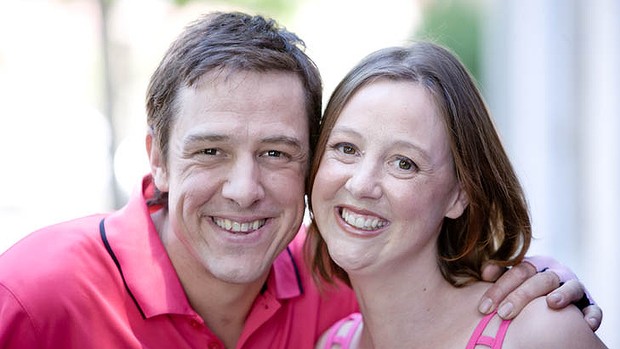
047728-bcabc874-5cb4-11e3-8eb9-1c57f26bd260Fiona and Brent are expecting their fourth child next month. They had no problems choosing names for a baby girl, but have found it more difficult to agree on names for boys.

Fiona and Brent want many of the same things in a name: it must be easy to spell and pronounce, it must be recognisable as a name to everyone, it must have a long history of use, and it must have an established nickname. The trouble is, they don’t always see eye to eye on what those things mean.

Brent only likes names that he is familiar with from people of his own generation – the names of people he went to school with. His choice would be a name like Peter, Ian, Jason, or Nicholas.

Fiona doesn’t want a dated 1970s name for her son, although she would be happy with a classic name that has always been popular. She would like a religious association for the name, but could gain that from the middle name. Her choice would be a name like Owen, Dominic, Patrick, Luke, or Silas.

As a result, Fiona and Brent are left with a very short list of compromise names which are classics, and could belong to someone of any age. So far they have managed to agree on John, David, William, and Patrick.

Sometimes Fiona loves the idea of having a little Johnny, Davey, Billy or Paddy, and feels a compromise is absolutely fine. Other times she worries that these names will sound out of place on a baby born in 2014, and seem a bit old-fashioned next to the Lucases and Olivers who will be his schoolmates. These concerns are significant enough to keep her awake at night.

She wonders if there is any such thing as a classic name which is a safe and reliable choice, and yet still sounds fresh? Or have they picked out good names, and can stop looking for something else?

Fiona and Brent’s other three children have very nice classic names from the Bible. Fiona doesn’t care at all if the name doesn’t fit into a “sibset”, although the names they have already chosen do happen to sound good together.

The middle name will be John, unless they pick John for the first name, and the second middle name will be Francis.

The family surname is an unusual English one that is instantly recognisable as the name of an extremely famous fictional character eg Merlin, Batman. It tends to get good-natured teasing, and although it’s a nice surname with positive associations, they don’t want a first name which will draw further attention to it, or excite more comment.

* * * * * * * * * *

I was so interested to get your e-mail Fiona, because I quite often see women writing in to name forums saying that their partner only likes names from his own generation, and the advice often seems to be to wait until the next baby, because by then he’ll have realised that the popular names of today are Chloe and Mason, not Kylie and Jason. Clearly that doesn’t always work, since you are now up to Baby #4 and Brent hasn’t changed his mind.

If it makes things easier for you, it really isn’t that uncommon for couples to choose baby names from their own era. Many people like “normal” baby names, and for some, normal means the names they grew up with. I read birth notices every week, and you’d be surprised how many families I see where the children’s names could be people I went to school with: Emma, Natalie and Damien, or Penelope and Marcus, or Joshua, Sarah, Michael and Elizabeth.

I think you’ve come up with an excellent compromise in choosing classic names that feel familiar to Brent, yet remain common enough that they haven’t become dated. It probably suits your surname too, because if your surname is unusual yet highly recognisable from another context, a classic name gives it dignity, and even a bit of anonymity.

However, you did ask if there is a way to choose a classic name that feels fresh and modern, and to a certain extent, there is. Last year I wrote an article on classic names, which sorted them into categories, and the first category is Contemporary Classics, which are classics currently at their most popular, so that they feel traditional, yet also up-to-date. Boys names in this category which were reasonably common in the 1970s include:

  • Alexander (#69 in the 1970s)
  • Angus (#139 in the 1970s)
  • Lachlan (#137 in the 1970s)
  • Marcus (#109 in the 1970s)
  • Samuel (#83 in the 1970s)
  • William (#48 in the 1970s)

There are also the Up and Coming Classics, which are currently rising in popularity. Although a classic name can’t exactly sound original, Up and Coming Classics seem quite fresh and stylish. Boys names in this category which were reasonably common in the 1970s include:

  • Frank (#143 in the 1970s)
  • John (#14 in the 1970s)
  • Leon (#141 in the 1970s)
  • Patrick (#65 in the 1970s)

As you can see, three of the four classic names you are considering are actually quite fresh and modern, with William very popular, and John and Patrick rising. And David is still in the Top 100, and fairly stable, so it definitely isn’t dated. I don’t think these will stand out or seem strange in a future classroom.

I know you were a bit iffy about William, and whether it sounded odd with your surname, and I’m going to be the one who tells you: yes it does. Even though it’s a handsome classic, it does draw attention to your surname, in the same way Arthur Merlin or Robin Batman would seem a bit much (even if you called him Artie or Rob). I would cross William off your list.

I think John, Patrick, and David all sound really nice with the middle names you have chosen, and they all sound fine with your surname. Basically, I guess I’m saying you have already done a good job of choosing names for your potential future son, and there’s no need for you to keep looking.

I hope that you can now get a few good nights sleep in before the baby arrives!

Readers, which of the names on Fiona and Brent’s name list do you like best? And do you have any name suggestions for them?

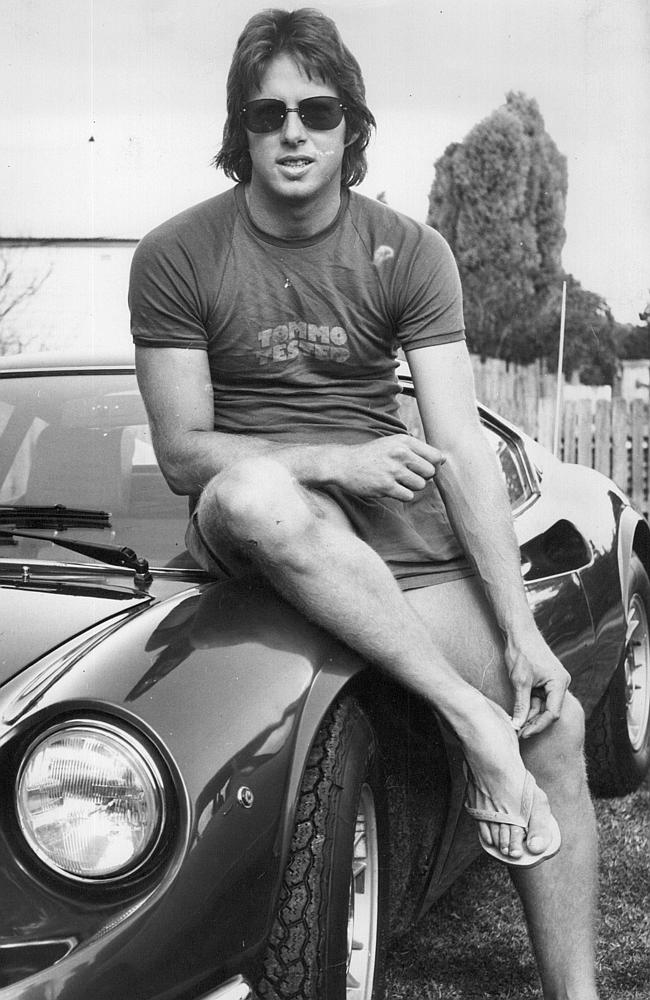
(Photo shows 1970s bowler Jeff Thomson)

NAME UPDATE: The baby’s name is John Patrick Francis!

POLL RESULT: The public’s choice for the baby’s name was Patrick John Francis, with nearly half of respondents voting for this name combination.
Requested Name: Eva

02 Wednesday Apr 2014

Posted by A.O. in Requested Names

≈ 9 Comments

Tags

Biblical names, classic names, European name popularity, famous namesakes, fictional namesakes, hebrew names, historical events, honouring, Irish names, Latinate names, name history, name meaning, name popularity, name trends, names of aeroplanes, New Zealand name popularity, nicknames, popular names, saints names, UK name popularity


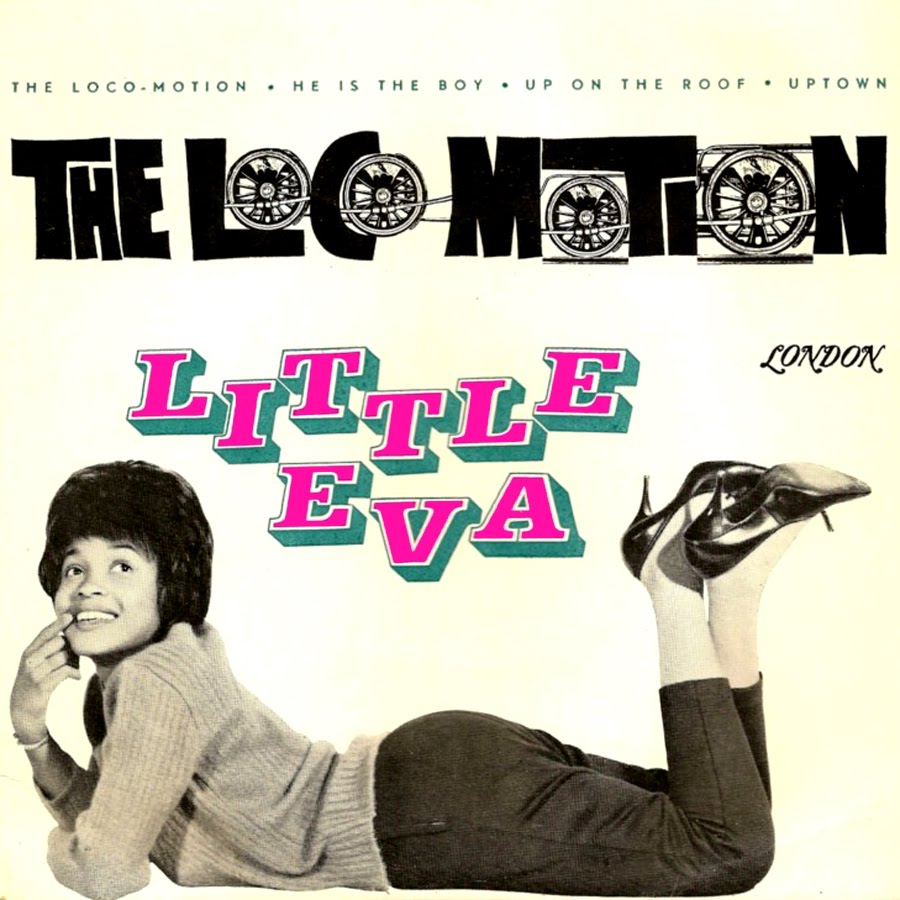
Front1Eva is the Latinate form of Eve, a Hebrew name translated as “breath, life”. Eve is famous as the first woman in the Bible, and the companion of the first man, Adam. She shared Adam’s fate of being cast out of the Garden of Eden, and is regarded in the Bible as the mother of all humanity. Apart from the biblical figure, there is also a saint named Blessed Eva of Liege, a medieval holy recluse.

Eva is the most usual form of the name Eve in many countries around the world, and in Ireland and Scotland, can be used to Anglicise the Irish name Aoife, meaning “beauty”. In Australia, Eva has historically been often used by European immigrants, particularly amongst Catholics and Jews. This gives it considerable scope as a potential heritage choice.

Amongst English-speakers, the name received a boost of popularity in the 19th century after the publication of Harriet Beecher Stowe’s 1852 anti-slavery novel, Uncle Tom’s Cabin. In the book, Evangeline St. Clare, or “Little Eva” is an angelic little girl who inspires love in even the most heart-hardened, and in her final throes, converts all the slaves to Christianity with some locks of her hair. It is the pure goodness of Little Eva which changes the lives of all around her.

Uncle Tom’s Cabin created a wave of pro-slavery novels to combat its views, and one of them was Little Eva: the Flower of the South, in 1853. Quick to cash in on the Little Eva phenomenon, it features yet another angelic little girl called Little Eva, equally loving and lacking in prejudice – only in this book, Eva is so kind-hearted that when the slaves are set free, they elect to remain with her of their own free will. This idealistic dream of voluntary slavery never came to pass on a large scale.

A real life Little Eva was the 1960s pop singer, born Eva Narcissus Boyd. She didn’t receive her moniker from either of these literary characters, but was called Little Eva by her family to distinguish her from her aunt, also named Eva. Little Eva is most famous for singing The Locomotion, later covered by Australian pop star Kylie Minogue. Little Eva apparently wasn’t too impressed by Kylie’s version.

Another Australian connection to Little Eva comes from World War II, when an American Air Force plane named the Little Eva got lost and crashed after a bombing mission in an isolated region of the Gulf of Carpentaria in Queensland. What happened to the survivors of the crash, and their desperate struggle against the dangers of the Australian outback, was made into a documentary called Aeroplane Dance, and is being developed into a feature film scheduled for release this year.

Eva is a classic name in Australia which has never left the charts. It was #37 in the 1900s, sinking until it left the Top 100 in the 1930s. It reached its lowest point in the 1980s at #425, then rose steeply during the 1990s to make the Top 100 for the late 2000s. Currently it is #24 nationally, #26 in New South Wales, #30 in Victoria, #31 in Queensland, #66 in Tasmania, and #27 in the Australian Capital Territory.

Eva is a very international name, being popular in all English-speaking countries, and all over Europe, including Eastern Europe and Scandinavia. It is most popular in Slovenia, at #2, and its popularity in Britain and New Zealand is almost identical to that in Australia.

Eva’s position in the Top 100 is stable, and it is now at its highest level of popularity ever. This makes it a Contemporary Classic – a traditional classic name which manages to feel modern and up-to-date. Because it is still rising, albeit gradually, it is also an Up and Coming Classic, so that it still seems rather fresh and stylish.

This all helps to make Eva an attractive choice. Furthermore, it fits in with the trend for short names ending in -a, such as Isla and Ella, and the V names, such as Ava, Ivy, Evie and Evelyn. This means that while Eva doesn’t stand out amongst its peers, neither does it sound particularly distinctive.

However, for those who care about such things, Eva has the advantage of being a classic, unlike Isla, Ella, Ava, Ivy and Evie, and also began rising before them, so that it cannot be accused of being a copycat. Eva is closest to the name Evelyn, which is also a classic that began rising in the 1990s – although Evelyn has yet to reach the popularity it enjoyed in the 1900s.

Eva is a beautiful classic name that is feminine without being frilly. Eva sounds intelligent as well as pretty, and it’s a name which ages well. It is easy to spell and pronounce, and is popular without being either extremely common or faddish. That makes it a baby name which might tick a lot of boxes on many people’s lists. The usual nicknames are Eve or Evie, but it is so short and simple that it doesn’t really need a nickname.

POLL RESULT
Eva received an excellent approval rating of 83%, making it one of the highest-rated names of 2014. People saw the name Eva as a stylish classic (23%), feminine yet not frilly (19%), beautiful or pretty (18%), and easy to spell and pronounce (17%). However, 6% thought it was too popular. Nobody thought the name Eva sounded too much like the word evil.

Thank you to Brooke for suggesting the name Eva be featured on Waltzing More Than Matilda

Famous Name: Samuel

12 Wednesday Mar 2014

Posted by A.O. in Famous Names

≈ 2 Comments

Tags

Biblical names, celebrity sibsets, classic names, english names, famous namesakes, hebrew names, name history, name meaning, name popularity, names of personifications, nicknames, popular names, saints names, sibsets

wide-LYS13-310-620x349

Last month, on Valentine’s Day, actor Samuel Johnson broke a world record by riding a unicycle more than 15 000 km on a zig-zagging route across Australia for 364 days. How did it all start? His sister Constance set him the toughest challenge she could think of. It started as a joke, and turned into a promise.

You see, Sam’s beloved sister Connie has cancer. She has fought it three times in her life, beginning from the age of 11, but now she is dying, and doesn’t have much time left. So Samuel promised he would raise a million dollars towards breast cancer, with his unicycle challenge dubbed Love Your Sister.

So far he has raised almost 1.5 million dollars for breast cancer research through the Garvan Institute, and plans to work full time for the charity. Even better, Connie’s cancer is stable, and her oncology team are surprised and very pleased with how well her treatment is going. They say there is a good chance she still has a year left, maybe more.

The reason I chose to cover this story, apart from the chance to record a key moment in unicycling history, and because I had been looking for an opportunity to feature the name Samuel, is because of the wonderful sibsets involved. Connie has two small boys named Willoughby “Wib” and Hamilton. Samuel’s two sisters are Constance and Hilde.

Samuel is a character from the Bible whose story starts before he is even conceived. His mother Hannah was barren, and prayed for a baby in the doorway of a religious shrine, vowing that if her prayer was answered, she would dedicate the child to God. A priest of the shrine named Eli heard her, and offered a blessing, suggesting that her prayer would be answered. Hannah gave birth to a son that she named Samuel; in fulfilment of her promise, she gave Samuel to Eli once the child was weaned (about the age of three).

Eli brought Samuel up to work in the shrine, where he proved a devoted and highly intelligent assistant. While still a child, Samuel woke up in the night to hear a voice calling his name. Thinking it was Eli calling him, he went to ask him what he wanted. After this happened a few times, Eli realised that it was God calling Samuel, and instructed him in how to respond, so he could hear the word of God.

God’s first message turned out to be a piece of unwelcome news for Samuel’s mentor Eli, because it was foretold that both his sons, who were corrupt priests, would come to a bad end. During Samuel’s youth, the Israelites were defeated by the Philistines, who took control of the land and ransacked the shrine. During the conflict, both of Eli’s sons were killed, and the old man, now blind and about ninety, died of shock when he heard the report.

Samuel became publicly recognised as a great prophet and seer, and after twenty years of oppression, he organised the Israelites into an army and led them in battle against the Philistines. There was a decisive victory for the Israelites, and for many years afterwards there was peace in the land. Samuel became a judge of the Israelites, and all went well for ten years, until the people demanded a king to rule over them instead. Samuel (after warning everyone what a terrible idea having a king was) anointed both Saul and David as the first and second kings of Israel.

Samuel was the last judge and the first prophet of the Hebrews, and the founder of a kingdom. He is revered in Judaism, Christianity, and Islam, and regarded as a saint in the Catholic and Orthodox faiths.

Samuel is the English form of the Hebrew name Shemu’el. The Bible tells us that the name Samuel means “asked of God”, which Hannah chose to indicate that Samuel was an answer to her prayer. However, this is not correct, and is rather the meaning of the name Saul. It would seem that the names of the first prophet and first king have got confused, and perhaps even their narratives have too.

Samuel can be translated as either “heard by God”, or “hearer of God” – the first one to suggest that Hannah’s prayers were heard and answered by God; the last one to signify his role as prophet. It can also be understood as “son of God”, which makes sense as Samuel was raised from early childhood in God’s shrine.

Although in some use in Britain in the late Middle Ages, Samuel became far more common after the Protestant Reformation. Famous English Samuels include lexicographer Dr Samuel Johnson, satirical poet Samuel Butler, and diarist Samuel Pepys. Samuel was one of the very earliest English names to travel to the American colonies, and famous American Samuels include Samuel Adams, one of the founding fathers of the United States, Samuel Morse, the inventor of Morse code, and Samuel Langhorne Clemens, otherwise known as the beloved author Mark Twain. The United States itself even became personified as a Samuel – Uncle Sam.

Samuel is a classic name which has never left the charts. It was #46 for the 1900s, and dropped out of the Top 100 during the 1930s. It reached its lowest level in the 1960s at #164, but was back in the Top 100 by the 1970s. It was #14 for the 1990s, and since then has remained extremely stable, hovering around that position.

Currently it is #12 nationally, #20 in New South Wales, #15 in Victoria, #12 in Queensland, #18 in Western Australia, #11 in Tasmania, #16 in the Northern Territory, and #14 in the Australian Capital Territory. It is of similar popularity in the UK and the US, and is a Top 100 name in many countries, making this a very international name.

Samuel is a handsome name which has strength, but also softness. A timeless classic, it is currently at its historic height of popularity, and has been stable for decades, making it a very safe choice. It is so commonly used around the world that it has no particular image attached to it. That means that when it comes to picturing a Samuel, he could be any age, of any appearance, and be anything; an athlete, writer, doctor, traveller, builder, or prime minister. The short form Sam is commonly used as a full name for boys, and is currently only just outside the Top 100.

POLL RESULT
Samuel received an outstanding approval rating of 88%, making it one of the highest-rated names of 2014, and the highest-rated boys name of the year. People saw the name Samuel as handsome and classic (27%), strong yet gentle (17%), ageing well (16%), a “nice guy” name (15%), and suiting a variety of people (13%). However, 6% thought it was too common and boring. Nobody thought that the name Samuel wasn’t masculine enough.

The 2013 Matilda Awards

16 Thursday Jan 2014

Posted by A.O. in Blog News

≈ 4 Comments

Tags

Arabic names, Biblical names, celebrity baby names, celebrity sibsets, classic names, German names, germanic names, Irish names, name combinations, nicknames, popular names, rare names, royal names, sibsets, surname names, twin sets, underused classics

165256Welcome to the Matilda Awards, where we discover which names featured on the blog proved most popular with the public during 2013.

Waltzing With … Category

The most popular names featured in the Waltzing With … Category were LAYLA, which scored a 94% approval rating, and SULLIVAN, which scored a 96% approval rating – not just the highest-rated name for the category, but the highest-rated for the whole year.

Layla is an Arabic name with a romantic history, both in Muslim literature and popular culture; it is comfortably established in the Top 50. Sullivan is an Irish surname used as a first name; it was #306 in Victoria for 2012, and is rising in both the US and UK.

Layla and Sullivan did well not because they were deeply loved by the public, but because so few people hated them – in fact not a single respondent said they disliked the name Sullivan.

Famous Names Category

The most popular names featured in the Famous Names Category were MIRIAM, which scored an approval rating of 91%, and HENRY, which scored an approval rating of 95%.

Miriam is an ancient Biblical name, the name of one of the strongest and most interesting Old Testament heroines; it is an underused classic which has never left the charts yet never reached the Top 100. Henry is an English name of Germanic origin, long known as a royal name (and was featured as the name of a visiting prince); it is a popular classic which is gently rising in the Top 50.

Miriam was praised for being both strong and intelligent, and pretty and feminine; people also noted its many nickname options. Almost nobody disliked the name Henry.

Name Themes and Lists Category

The most popular names which were featured in the Names Themes and Lists Category were ALICE and AUGUST. Alice won convincingly, and also managed to win the original poll, while August received almost twice as many votes as its nearest opponent.

Alice is an English name of Germanic origin which has been used by royalty and aristocracy; it is currently rising in the Top 50, and was one of the fastest-rising names of 2012. August is a German short form of Augustus which featured as a rare royal name from history; it does not chart in Australia, but is currently rising in the US and UK.

Celebrity Babies

The most popular names for celebrity twins were HARVEY AND ROXANNE WELLER ALLEN, the son and daughter of singer Toby Allen and actor Darren Weller. They were the only celebrity twin names to be judged “adorable” by a majority of people – quite an achievement as there were an unusually high number of celebrity twins last year.

The most popular celebrity baby girl name was TESS CLEMENTINE HUGHES, the daughter of comedian and broadcaster Dave Hughes, and journalist Holly Ife. She was picked as favourite by 20% of respondents, who loved her hip name. Tess has a big sister named Sadie, and a big brother named Rafferty – what a cool sibset.

The most popular celebrity baby boy name was SEBASTIAN TANDER, the son of champion racing drivers Leanne and Garth Tander. He was picked as favourite by 30% of respondents, who found his smooth, stylish name appealing. Sebastian has a big sister named Scarlett – a sleek modern sibset.

From the Baby Name Round-Ups, the winning baby names were FREYA ROSE GOWER and SAMUEL ELLIOT. Freya is the daughter of NRL player Craig Gower, and model Amanda Flynn, and the name Freya has recently become a favoured choice for sporting celebrities. Samuel is the son of national women’s team cricketer Sarah Elliot, and cricket coach Rob Elliot.

Birth Announcements

The most popular names for multiples were MAGNOLIA MARY AND HENRY JOSEPH, who had a narrow win. Readers of Waltzing More Than Matilda are a broad-minded lot, and don’t believe Mary and Joseph are “too matchy” for twins. Or maybe they couldn’t resist voting for Henry once more.

In the girls name section, ETTA JUNE had a very comfortable win. Vintage, hip and extremely cute, Etta fits in with popular names such as Ella.

In the boys name section, JUDE WINTER absolutely trounced the opposition, gaining a massive 40% of the vote. This is a very stylish name combination, with Winter working just as well on a boy as it does on girls. Etta and Jude came from the same set of birth announcements in July – both their middle names seem inspired by the winter season, and both have a JOO sound in their names. Magnolia and Henry came from another set of July birth announcements – a victory for midwinter babies!

The most popular names in a sibset were ELSIE, NED, TILLY AND GUS, which just scraped through by a couple of votes. A very charming vintage short form sibset, these sisters and brothers were featured the day after Anzac Day.

What type of names did people like? Quite a variety, but royal names, vintage names, classic names, short form names, popular and rising names seem like the big winners.

Choosing Boy Names That Won’t Become Girl Names

01 Sunday Dec 2013

Posted by A.O. in Your Questions Answered

≈ 9 Comments

Tags

choosing baby names, classic names, famous namesakes, gender-specific names, masculine names, name popularity, name trends, popular names, rare names, surname names, unisex names

tie

boys names that can’t be used for girls

That was the search term someone used to reach the blog some time ago, and ever since I have been wondering how to answer it.

There is no name that can’t be used for girls in Australia, as we don’t have any naming laws in regard to gender. It might be rare to meet a woman named Jeffrey or Andrew, but there’s no prohibition against it.

However, I do think it’s possible to choose a name for your son that is unlikely to be used for many girls. In other words, you can pick out a name which is seen as masculine rather than unisex, and which has a low probability of becoming seen as unisex, or even feminine, in the future.

1. Choose a Classic Name

Classic boys names have the advantage of possessing a long, yet recent, history of being used primarily for boys, which tends to put a masculine stamp on them. When I looked at classic names in Australia, I found that only two of them went from unisex to gender-specific – and both went to the boys (the names were Darcy and Francis).

There are lots of classic names, and they come in all styles, and are at all levels of popularity, so there’s quite a range to choose from. A classic boys name such as William, Arthur, Vincent, Duncan, Leonard, or Frederick would be an extremely safe choice for someone worried about their son’s name being chosen for girls.

2. Choose a Popular Name

When I looked at unisex names from the 2012 Victorian data, it became apparent that names are only truly unisex (used for roughly equal numbers of boys and girls) when they are at a low level of popularity. Once a name becomes popular, it only seems to do so for one gender or another – there are few names which reach the Top 100 for both sexes at once, and when they do, it’s a situation which doesn’t seem to last long.

Therefore, a popular name seems like a safe choice when picking a name to ensure that it has already been chosen for one specific gender over another. And the more popular it is, the safer a choice it probably is, because names that have switched from boy to girl in popularity haven’t peaked any higher than #60 for boys, and most of them didn’t even peak in the Top 100.

So if you’re a bit worried, pick something in the Top 100, like Declan or Hugo, and if you’re very worried, pick a Top 50 name, like Oscar or Sebastian.

3. Choose a Rare Name

A boys name seems to need a reasonable level of familiarity in order to become acceptable for use on girls: at this point, it starts to seem “cute” or “spunky” on a girl. Choosing a male name that is little used even for boys seems like a reasonable insurance policy against it becoming used by girls. So perhaps a name like Benedict or Wolfgang might seem like a good choice.

4. Choose a Name Strongly Associated with a Very Famous Man

Elvis is technically a unisex name, and in the 1920s and ’30s, it was almost entirely used for girls in Australia. But once Elvis Presley appeared on the scene in the 1950s, Elvis was a boy’s name. Other names associated with famous men include Aristotle, Banjo, Barack, Butch, Hannibal, Leonardo, Moses, Muhammad, Napoleon, and Winston.

Just make sure that the man has a high level of recognition, so that most adults would recognise him by his first name alone. If you have to explain who he was, then he’s not famous enough to ensure his name stays masculine.

And surnames don’t count – think of all the girls named Presley or Cassidy!

5. Buy a Time Machine ….

… so you can visit the future and make sure that nobody has used the name for a highly successful character in popular culture, or it doesn’t belong to a hugely famous actress who goes on to win Academy Awards for the next sixty years.

Yes, I’m joking. You can’t predict with any certainty what the future will bring (so why fret about it?). However, I do think if you choose one of the previous four options, you will have done a fair bit towards future-proofing your son’s name.

It’s not likely anyone will write a blockbuster about a spunky heroine named Leonardo, or that there will be a gorgeous movie actress named William, but even if those things happen, it’s even less likely that those names would be picked for baby girls by the general populace.

So there you go. Four simple steps you can take to make it less likely that anyone will use your son’s name for their daughter.

However, I sense many of you do not like this advice very much. You don’t want a classic name, you don’t want a name in the Top 50, you don’t want a name that’s hardly ever seen, and you definitely don’t want a name tied to someone mega famous.

Like a vast bulk of parents, what you really want is one of those fashionable boys names that are familiar but not popular. Something that seems fresh and new, yet so on trend that it blends in seamlessly with all the other kids in the playground.

However, by choosing something fresh and new, you are by definition taking a risk. You risk Axel  becoming popular, Arlo becoming stale and boring, and Ari becoming more common for girls.

Now I could go on to give further advice, such as to avoid surnames (what if Harland is the next Harper?), or anything which can be shortened to a girly nickname (what if all the Maddoxes become Maddies?), or anything ending in -lee (what if Finley becomes the new Ashley?), or anything which sounds even vaguely like a girl’s name (is Ezra too similar to Eliza?).

But I’m not going to, because

a) it sounds crazy paranoid

b) it would be foolish to avoid using your favourite name based on something which might happen in the future

c) risks make life exciting, colourful and worth living

and

d) I would prefer that femininity isn’t seen as something which taints a name so that males can no longer use it.

If you want a name used almost entirely for boys, that is likely to stay that way for a long while, then you have good options.

But I hope that we can also embrace risk and change and diversity, and live in a more accepting world that doesn’t divide us so sharply into pink or blue – a world where we all have more name choices, rather than less.

Famous Name: Hugo

06 Wednesday Nov 2013

Posted by A.O. in Famous Names

≈ 3 Comments

Tags

classic names, European name popularity, famous nameksakes, germanic names, Latinised names, name history, name meaning, name popularity, name trends, UK name popularity, US name popularity

Hugo_Throssell

It will be Remembrance Day next Monday, so we are going to look at the name of another First World War hero.

Hugo Vivian Hope Throssell was from the country town of Northam in Western Australian, the son of former Western Australian premier George Throssell, who had also been Mayor of Northam, and the town’s first official citizen. George was prominent in local business and conservative politics, and was known as “the Lion of Northam”.

Hugo was sent to an elite boy’s boarding school in Adelaide, where he was captain of the football team, and a champion athlete and boxer. After leaving school, Hugo became a jackaroo on cattle stations in the north, then he and his older brother Frank Erick Cottrell (“Ric”) bought a farm together in the wheat belt. The brothers had a close bond, and were later described as “David and Jonathan” in their devotion to each other.

When war broke out in 1914, Hugo and Ric joined the 10th Light Horse Regiment, and Hugo was commissioned as a second lieutenant. Hugo arrived at Gallipoli in August 1915, just before the assault on the Nek, which he called “that FOOL charge”. Within minutes, 9 officers and 73 men from his regiment were killed.

Hugo was eager to avenge the 10th Light Horse, and on August 29, the regiment were brought into action to take a trench full of Turkish troops near the summit of Hill 60. The surrounds became a slaughterhouse, with the bodies of the dead piling up so quickly there was no time to bury them.

A fierce bomb fight began, described by Hugo as a sort of gruesome tennis match – it was one of the most intensive bomb fights of the Australians at Gallipoli. During the night, more than 3000 bombs were thrown, with the Western Australians picking up bombs thrown at them and hurling them back.

At one point, Hugo was in sole command of the regiment, and was wounded twice, continuing to yell encouragement to the men with his face covered in blood. For his bravery and inspirational leadership, Hugo received the Victoria Cross; it was the first VC a Western Australian had won during the war.

Promoted to captain, Hugo joined his regiment in Egypt, where he was wounded in April 1917 at the second battle of Gaza. It was here that his brother was killed; the night Ric disappeared, Hugo crawled across the battlefield under enemy fire, searching in vain for his brother amongst the dead and dying, whistling for him with the signal they had used since they were boys. Hugo took part in the final offensives in Palestine, and led the 10th Light Horse guard of honour at the fall of Jerusalem.

Soon after the war’s end, Hugo married an idealistic young Australian writer named Katherine Susannah Prichard, who he had met while in London for medical treatment, and settled on a farm near Perth. Already an award-winning novelist when she married Hugo, Katherine’s career continued to flourish. In 1920, Katherine became a founding member of the Communist Party of Australia, with Hugo joining her as a speaker to support the unemployed and striking workers.

Hugo’s experience of war had made him a pacifist and a socialist, but his views on the futility of war outraged many, especially coming from a war hero, and the son of a conservative political figure. His political opinions damaged his chances of employment during the Depression, and he fell into serious debt. At one point he pawned his VC just so he could take his son to the movies.

Believing that he could provide better for his family if he left them a war service pension, he shot himself in 1933, and was buried with full military honours. His wife, who had been on tour in the former Soviet Union at the time, suffered another unbearable anguish on top of losing her husband. She would never know if Hugo had read the manuscript of her unfinished novel, Intimate Strangers, in which an unwanted husband kills himself (Katherine changed the ending to the novel before publication).

Friends blamed Hugo’s depression on an attack of meningitis he had suffered in the trenches of Gallipoli which almost killed him. Depression and disordered thinking can be an after-effect of meningitis, and Hugo had undoubtedly been under severe post-traumatic stress since his arrival at Gallipoli. The tragedy of his war was that it damaged him psychologically to the point where he felt he could not continue.

In 1954 a memorial was built to Hugo outside his home, and a ward at Hollywood Private Hospital in Perth is named after him. In 1983 his son Ric Throssell gave his Victoria Cross to the People for Nuclear Disarmament. The Returned Servicemen’s League bought the medal and presented it to the Australian War Memorial in Canberra, where it is on display in the Hall of Valour.

Hugo is the Latinised form of the Germanic name Hugh, meaning “mind, heart, spirit”, which was introduced to Britain by the Normans. In medieval times, the name Hugo would have been commonly used in Latin documents, but the person would have been called Hugh in everyday life.

Another famous Australian with this name is actor Hugo Weaving, who has been in several Hollywood blockbusters, as well as many Australian films. The name Hugo has been in the charts since the 1970s, and began ranking in the 1980s at #421 – the same decade that Hugo Weaving’s screen career began, in the 1984 cricketing miniseries Bodyline.

During the 1990s, when Hugo Weaving gained international attention for Priscilla, Queen of the Desert, Hugo was #248, and by the early 2000s, when Hugo Weaving was starring in The Matrix series as Agent Smith, and The Lord of the Rings as Elrond, it was #143. In the mid to late 2000s, when Hugo Weaving was providing the voice of the villainous Megatron in The Transformers, it had risen to #117.

The name Hugo made the NSW Top 100 in 2009, debuting at #93, and last year was one of the biggest risers for boys nationally, going up eleven places. Currently it is #76 nationally, #67 in New South Wales, #79 in Victoria, #83 in Queensland, #79 in Tasmania, and #76 in the Australian Capital Territory. Hugo went up 10 places in Victoria and 23 places in New South Wales, so it is making significant gains. Based on its current trajectory of popularity, I have picked it to be a Top Ten name by 2028.

Hugo is more popular here than in either the US or the UK, where it is not yet in the Top 100. However, it is extremely popular in Europe, and is a Top Ten name in France, Spain and Sweden, so we are following the lead of European countries rather than English-speaking ones.

This is a handsome name with a touch of European sophistication, and a fashionable OOH sound as well as a trendy O ending. It doesn’t really surprise me that Hugo is rising through the rankings while steady classic Hugh continues to plod along in the mid-100s, where it’s been since the 1980s. Hugo is more stylish and fits in better with current trends. If you love the name Hugo, you certainly won’t be alone!

POLL RESULT: Hugo received an approval rating of 80%, making it one of the most well-liked names of the year. People saw the name Hugo as handsome or attractive (27%), stylish and sophisticated (19%), hip and cool (15%), and cute and quirky (15%). However, 8% preferred classic Hugh, and 5% gloomily prognosticated that Hugo would soon be too popular. Only one person thought it was already too popular.

(Photo of Hugo Throssell from the State Library of Western Australia)

Never Out of Season: Different Varieties of Classic Name

27 Sunday Oct 2013

Posted by A.O. in Your Questions Answered

≈ 5 Comments

Tags

Abby Sandel, classic names, Laura Wattenberg, name popularity, Nameberry, Nameberry Nine, popular names, The Baby Name Wizard

roberts_springtime

Classic baby names are a perpetual subject for discussion. This week Abby Sandel wondered in her Nameberry Nine column what makes a classic name, and Laura Wattenberg at The Baby Name Wizard shared her “magic formula” for turning classic names into pure gold (unfortunately her mathematical formula doesn’t work in Australia – either we don’t have a big enough population, or enough data, or both).

“Classic baby names” are a popular search term too, but it didn’t seem helpful to just write down a list of classic names. I sorted them into categories, so you can see what kind of classic each classic name is.

I counted as a classic any name which had charted in Australia for a century, never disappeared from the charts for more than a decade at a time, and never did so more than twice. After some experimentation, I found this was the most generous definition I could work with that didn’t become meaningless.

Contemporary Classics

These classics have a very modern feel to them, because they are more popular now than they were a century ago, and didn’t experience a peak of popularity in the middle. Choose one of these, and you get a name that feels both traditional and up to date.

  • Amelia
  • Charlotte
  • Ella
  • Emily
  • Eva
  • Grace
  • Hope
  • Isabella
  • Lily
  • Lucy
  • Sophia
  • Stella
  • Alexander
  • Angus
  • Darcy
  • Harry
  • Jack
  • Lachlan
  • Leo
  • Lewis
  • Marcus
  • Max
  • Oliver
  • Samuel
  • William

Up and Coming Classics

These classics are currently rising in popularity. It’s hard for a classic name to seem surprising or original, but these mostly manage to feel quite fresh. I think these classic names would make stylish choices – they’re names that we’re subconsciously primed to want more of.

  • Adele
  • Alice
  • Amelia
  • Angela
  • Audrey
  • Daisy
  • Elaine
  • Eva
  • Evelyn
  • Gloria
  • Irene
  • Josephine
  • Leah
  • Lillian
  • Rosalie
  • Rose
  • Sophia
  • Stella
  • Victoria
  • Vivienne
  • Arthur
  • Frank
  • John
  • Lawrence
  • Leo
  • Leon
  • Lewis and Louis
  • Patrick
  • Theodore
  • Vincent

Ready Steady Classics

Name nerds often talk about “timeless classics”, and these classic names are truly timeless. Their position has remained relatively stable, and over the course of the last century, they haven’t risen or fallen more than 250 places. I call them the Ready Steady Classics because they are maintaining a steady course, and ready to be used at any time. You can’t go wrong with a Ready Steady – they’re a very safe choice.

  • Angela
  • Annie
  • Catherine and Katherine
  • Christina
  • Claire
  • Elizabeth
  • Esther
  • Georgina
  • Josephine
  • Julia
  • Katie
  • Laura
  • Maria
  • Mary
  • Naomi
  • Rachel
  • Rebecca
  • Rose
  • Sarah
  • Adrian
  • Alexander
  • Andrew
  • Angus
  • Anthony
  • Charles
  • Christopher
  • Daniel
  • David
  • Edward
  • Eric
  • Harry
  • Hugh
  • George
  • Kevin
  • James
  • John
  • Joseph
  • Leon
  • Louis
  • Marcus
  • Mark
  • Martin
  • Matthew
  • Michael
  • Nicholas
  • Patrick
  • Paul
  • Peter
  • Raymond
  • Richard
  • Robert
  • Samuel
  • Stephen
  • Thomas
  • Timothy
  • Vincent
  • William

Underused Classics

These classic names have remained in use, yet haven’t become popular during the past century (the highest any has been is the very bottom of the Top 100). Choose one of these and you get a name which seems “normal”, but also slightly “unusual”. It’s a very attractive quality.

  • Adele
  • Beth
  • Bridget
  • Christina
  • Cecilia
  • Erica
  • Estelle
  • Faith
  • Georgina
  • Greta
  • Helena
  • Hope
  • Leila
  • Louisa
  • Lydia
  • Martha
  • Miriam
  • Rosa
  • Rosalie
  • Teresa and Theresa
  • Vivian and Vivienne
  • Carl
  • Duncan
  • Ivan
  • Leon
  • Lewis and Louis
  • Theodore
  • Wesley

Faded Classics

The Faded Classics have fallen more than 250 places since they peaked in popularity, and are currently at their lowest ebb. Is that any reason to reject these names? Definitely not! A classic never goes out of style, and as many of these names have hit the bottom of their cycle, they may be about to turn things around, and begin climbing in popularity in a decade or two. Some of these classics manage to have a funky vintage feel.

  • Clare
  • Linda
  • Louise
  • Marie
  • Mona
  • Nancy
  • Patricia
  • Ruth
  • Veronica
  • Shirley
  • Susan
  • Albert
  • Brian
  • Dennis
  • Edwin
  • Geoffrey and Jeffrey
  • Keith
  • Laurence
  • Leonard
  • Malcolm
  • Murray
  • Philip and Phillip
  • Roger

Under the Radar Classics

These classic names are not peaking, or rising, or fading, or maintaining a steady course. As a result, they may have escaped your attention. You may even be surprised to find some of these are classics. Don’t overlook them – these are all good names, and one of them may be perfect for you.

  • Alison
  • Amanda
  • Anna
  • Anne
  • Beatrice
  • Caroline
  • Eleanor
  • Ellen
  • Emma
  • Frances
  • Hannah
  • Helen
  • Iris
  • Isabel
  • Jacqueline
  • Jane
  • Joy
  • Joyce
  • Madeline
  • Margaret
  • Monica
  • Natalie
  • Sylvia
  • Valerie
  • Alan and Allan
  • Alfred
  • Bruce
  • Douglas
  • Francis
  • Frederick
  • Henry
  • Ian
  • Kenneth
  • Maxwell
  • Neil
  • Rex
  • Roy
  • Stanley
  • Victor

TRIVIA

  • The most contemporary of the Contemporary Classics are Sophia and Lachlan, who have the largest gap between their current position and their position in the 1910s. Sophia is 315 places higher, while Lachlan has gained 188 places.
  • The most up and coming of the Up and Coming Classics are Rosalie and Frank, who have risen highest in the last few years. Rosalie has risen 638 places since the mid-2000s, while Frank has risen 170 places.
  • The steadiest of the Ready Steady Classics are Elizabeth and James. Elizabeth has remained within 32 places throughout the past century, while James has remained within just 15 places.
  • The most underused of the Underused Classics are Estelle and Wesley. The highest Estelle has ever been is #222, and the highest Wesley has ever been is #165 – both in the 1920s.
  • The most faded of the Faded Classics are Susan and Keith, who have fallen the most from their peak. Susan went from #1 in the 1950s to its current position of 0, while Keith went from #8 in the 1920s to its present position of 0.

NOTE: I can’t guarantee I have included every classic name. If you believe one is missing, let me know.

POLL RESULTS

Question: What type of classic name do you like best?
Underused classic – 31%
Up and coming classic – 18%
Under the radar classic – 13%
Contemporary classic – 5%
Ready steady classic – 5%
Faded classics – 3%
None (classics are boring) – 3%
I can’t decide (I love so many) – 22%

(Painting shown is Springtime by the Australian artist Charles Conder – 1888)

Famous Names: Henry and Navy

23 Wednesday Oct 2013

Posted by A.O. in Famous Names

≈ 3 Comments

Tags

American names, classic names, colour names, english names, famous namesakes, germanic names, historical records, honouring, military terms, name history, name meaning, name popularity, nicknames, patriotic names, popular names, royal names, saints names, unisex names, vocabulary names

5000830-3x2-940x627

Early in October, the Royal Australian Navy International Fleet Review was held, celebrating the 100th anniversary of the first Royal Australian Navy fleet in Sydney Harbour, on October 4 1913. Around 40 warships from twenty countries, and 16 tall ships took part, with seven RAN ships symbolising the 1913 entry itself. A stunning fireworks display on the Harbour used huge projections on the Sydney Opera House to tell the story of our century-old navy.

Although the Governor General Quentin Bryce reviewed the Fleet as the Queen’s Representative, it is traditional to have a member of the royal family in attendance for the Review, and Prince Henry of England, otherwise known as Captain Wales, or Prince Harry, got the gig. It was his first official visit to Australia, and although only here for 36 hours, he made himself immensely popular.

The famous names this week are in honour of the Royal Australian Navy, and our royal visitor.

Henry is from the Germanic name Heimrich, meaning “home ruler”. It has been commonly used amongst European royalty, and there are many rulers of Germany, France, Spain and Portugal named Henry, or one of its equivalents. There have also been six Holy Roman Emperors named Henry, one of them a saint. Other saints named Henry include a legendary bishop of Sweden, and Henry of Coquet, a Danish hermit who lived on an island off the coast of Northumberland.

Henry is a traditional name in the British royal family, and there have been eight English kings named Henry. Henry I was the son of William the Conqueror, and probably named after his great-uncle, King Henry I of France. The last king named Henry was Henry VIII, who is best remembered for his six wives, and for the English Reformation, which saw the Church of England break away from the Roman Catholic Church and the pope’s authority. In his prime handsome and powerful, he is considered to be one of the most charismatic of English rulers.

There have been a few British princes named Henry, and Prince Harry may have been named after his great-uncle Prince Henry, the Duke of Gloucester, who was Governor-General of Australia, and married to Princess Alice, whose middle name was covered in Rare Royal Names for Girls.

Some people find it hard to understand why Harry is a short form of Henry. In the Middle Ages, Herry or Harry was how the name Henry was pronounced in England, so anyone named Henry was automatically a Harry once their name was said aloud. Today the medieval Harry is used as a pet form of Henry.

It is sometimes forgotten that Prince Harry’s official name is Henry, so that when he was introduced as an ambassador of the 2012 Olympic Games, some viewers wondered who this “Prince Henry” chap was. Bizarrely, one online news source (now removed) even reported that Prince Harry and Prince Henry of England attended the closing ceremony together (well, I guess they did, in a way).

Henry is a classic name in Australia which has never left the charts. It was #11 in the 1900s, and gradually fell until the left the Top 100 in the 1950s, hitting its lowest point in the 1970s at #265. Since then, it has gradually climbed, and was back on the Top 100 by the 1990s, where it has continued to increase in popularity. It isn’t shooting up dramatically, but making steady gains.

Currently it is #33 nationally, #27 in New South Wales, #23 in Victoria, #35 in Queensland, #17 in South Australia, #33 in Western Australia, #15 in Tasmania, #19 in the Northern Territory, and #10 in the Australian Capital Territory.

Henry is a handsome classic that seems intelligent and solidly unpretentious. It’s a popular name, and rising in popularity, but in a sensible, steady way. It seems unlikely at this point to match Prince Harry’s brother’s name, William, in the popularity stakes, and get to #1.

Navy is an English vocabulary name; the word navy refers to a fleet of military watercraft. Although navies have been used since ancient Greek and Roman times, navy is quite a modern word in English, dating back to around the 17th century, it is from the Old French meaning “fleet of ships” – ultimately from the ancient Greek for “ship”.

You can also see Navy as a colour name, since navy blue or navy is the very dark blue named after the traditional colour of naval uniforms.

Navy has been used as a personal name since the very late 18th century, and is first found in the United States, more specifically New England. The births of the first babies named Navy coincide with the establishment of the US Navy in 1794, so it seems to be a very patriotic name, and likely to be given to children of people connected with the navy itself.

Navy is much more common in the US than anywhere else, although rare in America too, and overall it has been given to boys and girls in fairly equal numbers. It is an extremely rare name in Australian historical records, and seems to be slightly more common as a girls name here; I have only ever seen Navy on girls, but so infrequently that it seems an entirely unisex name.

Rare, unisex, and rather modern, the name Navy would honour a naval connection in the family, or a family naval tradition.

POLL RESULTS: Henry received an astonishing approval rating of 95%. Navy received a more modest approval rating of 25%.

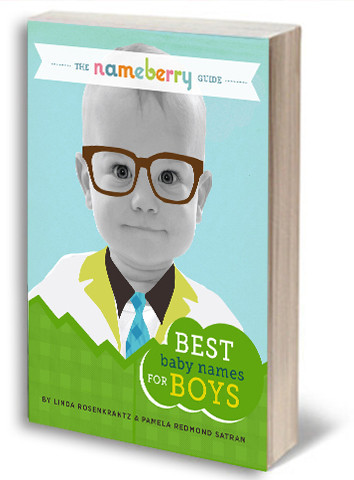
The Nameberry Guide to the Best Baby Names for Boys

07 Monday Oct 2013

Posted by A.O. in Name Resources

≈ 2 Comments

Tags

Amazon, baby name books, classic names, Google, Linda Rosenkrantz, modern classics, name forums, Nameberry, Pamela Redmond Satran, rare names, US name trends, vocabulary names

boybooktaller_grande

Look on parenting sites and name forums, and one of the most common complaints is, We can’t come up with any good names for boys. People even Google, Help – I have no boys names!, to reach this blog.

Enter this handy little e-book. There are nearly 20 000 boys names on the Nameberry database, and Linda Rosenkrantz and Pamela Redmond Satran have selected 600 that they consider the most appealing and usable – the best of boys names.

There are classic names like Henry and Thomas, modern classics like Liam and Benjamin, fashionable names like Cade and Jagger, hip names like Rufus and Barnaby, traditional names like Edmund and Solomon, and less common names, like Abraxas and Poe – not to mention plenty of names from non-Anglophone countries, like Stellan and Alonzo, and vocabulary names like Justice and Wolf.

That’s a pretty wide of selection of names – this isn’t one of those books which says there’s only one kind of name that’s good to choose for your son. I would say the majority of names are ones which are not popular, but not unusual either; but if you want popular or unusual, there’s plenty to choose from.

Entries give the meaning of the name, and note famous people with the name, as well as fictional namesakes. They also describes the style of the name, and how it fits in with current trends.

The book does mention how popular each name is internationally, but the trends are from a US perspective, and sometimes they don’t gel with what is fashionable or interesting here. However, most of the information would be helpful to Australian parents.

Each name is hyperlinked to the Nameberry database, and by clicking on the heading for that name, you will be taken to the Nameberry website, to receive more information about the name, and see if the name has been covered in blog entries or forum posts.

This e-book is available from the Nameberry store in several different formats, and if you would like a print version, it can be obtained from Amazon.

Why Your Child Will Hate Their Name

22 Sunday Sep 2013

Posted by A.O. in Your Questions Answered

≈ 21 Comments

Tags

baby name advice, baby name books, choosing baby names, classic names, created names, dated names, Google, honouring, name forums, name image, name popularity, name studies, names from television, popular names, pseudonyms

I-HATE-MY-NAME-815x1024

How can I pick a name my child won’t hate?

That’s the question somebody typed into a search bar, and Google knows how, ended up on my blog. Here’s the kicker: you can’t. There’s no name, no matter how tastefully chosen, that comes with a guarantee that your child won’t one day hate it to bits.

I know people with what I see as very nice names (nicer than mine, in my opinion) who hate them with a bewildering passion, while people who have what I consider very boring or even ugly names are deeply grateful to their parents for choosing them. We all have different tastes.

I do know quite a few people who hate their names, and if you hang out on name forums, you don’t have to look hard to find others who have become disgruntled with their names. While everyone has their own personal quirks, over the years I have noticed a few things they tended to have in common.

These are often not the things that baby name articles warn you about. For example, a popular belief is that a “weird name” is sure to be hated by the bearer, who will be teased in the playground and come to loathe their name, their parents, and probably the whole world.

I haven’t noticed this to be the case, with most owners of unusual names enjoying, or at least coming to terms with them. I have never met anyone with an unusual name who legally changed it to something more mundane, even those who professed to find it a bit of a pain sometimes. At most, they adopted a pseudonym when booking restaurants.

Another piece of advice often handed out is that a “bizarre” name spelling will be such a nuisance that the bearer will undoubtedly wish that their parents had gone with something more traditional. Again, I don’t find that to be generally true. Some people with unusually spelled names loathe them, while others are delighted by them.

I know someone with a very unintuitive name spelling (think Veeruyniiikkarh for Veronica), and she loves that every letter in her name was individually chosen by her mum, with each one having a specific personal meaning. I thought it would be the most tremendous nuisance to have to spell out every time, but she assures me that she doesn’t mind at all. “It makes me feel special that my name gets so much attention”. For her, holding up queues is an ego-massage.

As I can’t tell you how to pick a name your child won’t hate, I thought I would least explain why they may end up hating it.

They hate themselves

Research has shown that people with high self-esteem tend to like their own name, and the higher their sense of self-worth, the more they liked their name. That suggests that people who dislike their own name may suffer from self-esteem issues.

You might assume that someone who dislikes their name would arrogantly think it not good enough for them, but sometimes it seems to be the other way around – they don’t think they are good enough for their names.

“It’s a popular girl name, it’s just not me”; “It’s too pretty for me carry it off”; or the most tragic I heard, “It sounds like the name of a happy normal person”.

To give your child the best chance of liking their name, make sure that they have high self-esteem. Convince them that they are pretty, popular, happy and normal enough for their name.

Their name is going downhill

A lot of parents worry about popularity; nearly always that the name is “too popular” to use, or is going to be too popular in the future.

However, I’ve noticed that the majority of people who dislike their names were given names that were either falling in popularity when they were born, or hitting their peak, so that they had begun falling by the time they started school.

Not only that, but the level of dislike appears to correlate with how steeply the name rose and fell. Names with a very obvious peak and trough, dating them to a particular era, seem to be the most disliked.

It doesn’t necessarily seem to be the most popular names that are disliked so much as those which display this pattern. For example, Sarah was the #1 name of the 1980s, yet I rarely hear Sarahs complain bitterly about their name. Could that be because Sarah is a classic which is still in the Top 40, so we don’t think of it as a “typical 1980s name”?

I don’t often hear anyone identify the trajectory of their name’s popularity as the reason for their dissatisfaction. They all have what appear to be good reasons for their dislike: it’s unattractive, it’s boring, it doesn’t suit them. Yet somehow it seems to be names falling in popularity which are perceived as ugly, boring, and not suiting their owners.

People given names that were already dated and out of style at the time of their birth (“old people” names) usually say that they hated their name as a child, but now they’re grown up, they appreciate it’s different from the usual names of their generation.

That may because such names sometimes begin to come back into fashion when they are adults. For example, someone born in the 1980s named Florence would have had a dated name, as it peaked in the 1900s. But now it is fashionable and rising in popularity – suddenly Florence has a cool name.

I do think popularity is worth considering – but not to cross off a name because it’s hit a particular point in the charts. Of course, you can’t know how a name will perform in the future, but you can at least see how it’s doing now. Has it maintained its position over several decades? Has it suddenly “come out of nowhere”? Is it already falling steeply? This information might help you choose between different names.

They hate the reason you chose their name

If someone really loves their name, I don’t think a bad name story will seriously ruin it for them, but if someone is already lukewarm, a bad one can add insult to injury. The factors that seem to get people’s goats are a perceived randomness, casualness, or lack of thought in the way their name was selected.

When you tell your child how you chose their name, stress how important it was to you and how much you love their name. If you chose their name from a baby name book, or a TV show, for example, make sure they understand that it wasn’t just by chance you chose their name. Whatever it was that made you fall in love with the name, express it. And don’t wait until they’re a moody teen or resentful adult to share the good news – they should know from an early age how special you think their name is.

I know a lot of people who disliked their names, and were even thinking of changing them, until their parents explained how much love and care had gone into choosing it. Teenagers who thought their parents had unimaginatively picked a popular name found that they had been named after a much-loved relative. A “made up” name that seemed “random” was the result of putting together the initials of their parents’ best friends who introduced them. And sometimes just knowing it was a name their parents loved above all others was enough to reconcile someone to a name they had thought ordinary.

The bottom line: everyone wants their name to be meaningful. Show your child that theirs is.

You hate your name

In some cases, disliking names seems to run in the family. Quite a number of women I know who dislike their names tell me that their mother was also unhappy with her own name. This may be from parental modelling. Just as mothers who constantly moan about their flabby thighs tend to have daughters with body image problems, it could be that mothers who dislike their name unconsciously send the message to their children to focus on anything about their name that fails to please.

If you hate your own name, make peace with it. Don’t try to work out your own issues when choosing your child’s name. So many parents seem to think that because they hated being one of a dozen in their class their child’s name must be rare, or because they hated their nickname their child needs a “nickname proof” name.

It’s well intentioned, but the trouble is that you’ve made your child’s name story all about you. When you tell your child how you chose their name, the story shouldn’t include information about how you felt about your name. Don’t use your child’s name as an opportunity to fix the mistakes of the past.

They hate you

In rare but distressing cases, people reject their names because their relationship with their parents irretrievably breaks down. It’s not uncommon for them to change their names in order to signal a complete break from their family background, and it can also be so their parents can’t easily locate them.

I don’t think this is worth worrying about, because if it occurs, their name isn’t really the issue, and is the least of your problems.

POSTSCRIPT: I should add that most of my observations in regard to name dislike relate to women. It isn’t that I don’t know any men who dislike their names – I know a fair few who hated their name enough to legally change it, and I’ve read a lot of articles written by men on how much they dislike their name.

However, women and girls do seem to more openly express their feelings about their names, and it’s possible that they have subtler emotions toward their name, or are more likely to be analytical about them. Perhaps women are more likely to be “fussy” about their names than men. Whatever the reason, it seems to be easier to gather information about their feelings towards their names (at least for me).

POLL RESULTS
79% of people responding to the poll were generally satisfied with their name. 33% liked their name, 19% loved their name, 18% weren’t mad about their name, but could live with it, and 9% said that they used to dislike their name, but had changed their mind and now felt positive towards it.

However, 12% of people did hate their name, while 9% thought that hate was too strong a word to use, but they didn’t really like their names either.

The good news is, most of us have names that we are content with, and around 10% of people who don’t like their name will change their minds.

(Picture from Naver)

← Older posts
Newer posts →

Enter your email address to follow this blog

Categories

Archives

Recent Comments

A.O.'s avatarwaltzingmorethanmati… on Zarah Zaynab and Wolfgang…
Madelyn's avatarMadelyn on Zarah Zaynab and Wolfgang…
JD's avatardrperegrine on Can Phoebe Complete This …
A.O.'s avatarwaltzingmorethanmati… on Rua and Rhoa
redrover23's avatarredrover23 on Rua and Rhoa

Blogroll

  • Appellation Mountain
  • Baby Name Pondering
  • Babynamelover's Blog
  • British Baby Names
  • Clare's Name News
  • For Real Baby Names
  • Geek Baby Names
  • Name Candy
  • Nameberry
  • Nancy's Baby Names
  • Ren's Baby Name Blog
  • Sancta Nomina
  • Swistle: Baby Names
  • The Art of Naming
  • The Baby Name Wizard
  • The Beauty of Names
  • Tulip By Any Name

RSS Feed

  • RSS - Posts

RSS Posts

  • Celebrity Baby News: Melanie Vallejo and Matt Kingston
  • Names from the TV Show “Cleverman”
  • Can Phoebe Complete This Sibset?
  • Zarah Zaynab and Wolfgang Winter
  • Baby, How Did You Get That Name?
  • Celebrity Baby News: Media Babies
  • Celebrity Baby News: Adelaide Crows Babies
  • Celebrity Baby News: Chris and Rebecca Judd
  • Names at Work: Name News From the World of Business and Employment
  • Celebrity Baby News: Sporting Round Up

Currently Popular

  • Celebrity Baby News: Alisa Camplin and Oliver Warner
  • Rare Boys Names From the 1950s
  • Sad Celebrity Baby News (contents may cause distress)
  • Celebrity Baby News: Jacinta Allan and Yorick Piper
  • Celebrity Baby News: Nicki Gemmell and Andrew Sholl

Tags

celebrity baby names celebrity sibsets english names famous namesakes fictional namesakes honouring locational names middle names name combinations name history name meaning name popularity name trends nicknames popular names saints names sibsets surname names twin sets unisex names

Blog at WordPress.com.

Privacy & Cookies: This site uses cookies. By continuing to use this website, you agree to their use.
To find out more, including how to control cookies, see here: Cookie Policy
  • Subscribe Subscribed
    • Waltzing More Than Matilda
    • Join 517 other subscribers
    • Already have a WordPress.com account? Log in now.
    • Waltzing More Than Matilda
    • Subscribe Subscribed
    • Sign up
    • Log in
    • Report this content
    • View site in Reader
    • Manage subscriptions
    • Collapse this bar
 

Loading Comments...