Should Chloe Become Claude?

Tags

,


nachname

Chloe is 24 years old and from country Australia, and is seriously considering a change of name. She likes the sound of Chloe, but for some reason she can’t quite pinpoint, she has never felt entirely comfortable with her name.

She is now at the point where she really wants to pick a name and put an end to the wondering. With her parents’ blessing, she would like to legally change her name on her 25th birthday.

The name that Chloe is thinking of changing to is Claude. She likes the fact that it is unisex, short, and begins with the same KL sound as Chloe, so that she would get used to it quickly.

Chloe is studying in Europe, where the name Claude is easily accepted as a female name. However, she is planning on returning to Australia, and she worries that Claude may seem as if she chose it to be “exotic”.

In French, Claude is pronounced like KLODE, and in Australia most people would instinctively say it KLAWD, but that doesn’t bother Chloe. She doesn’t want to force a specific pronunciation on others, and is happy for people to say Claude in whatever way is natural to them. She realises that in Australia Claude would be seen as a man’s name, and an old man’s name at that, but she feels that its fusty old guy image will actually be fine on her.

Chloe thinks that if Claude seems too male, she could be Claudette or Claudie on paper, but be called Claude in everyday life. She has also thought of Clementine, named Clem, but her last name is Martin, and she doesn’t like the way that the m of Clem would run into the initial letter of her surname.

Chloe’s family is supportive of her, and she won’t pick a name they don’t like, or don’t think suits her. They are a family which often uses nicknames, and would probably be comfortable calling her by a different name.

When her parents were choosing baby names for her, her dad’s choice was Cate and her mother’s was Clare, so she would really like to stick with a name beginning with C. Chloe wouldn’t force a change on her family, and if they wanted to keep calling her Chloe, that would be fine.

~ ~ ~ ~ ~ ~ ~ ~ ~ ~

Chloe, this is the first time someone has written into the blog about changing their name as an adult. I don’t have that much experience, but I’ll definitely do my best.

It occurs to me that although Chloe and Claude both begin with the same sound, and are similar in length, they are very different in style, and this might be a bigger change than it looks on paper.

I was curious to know whether people would readily accept an Australian woman named Claude, so I took a straw poll amongst my acquaintances. There seemed to be two responses: (1) Claude is obviously a man’s name; only an idiot would think a woman could be called Claude and (2) Claude is clearly a unisex name; you would have to be ignorant not to realise that Claude is a female name too. It seems like a name choice that could be polarising, attracting strong opinions.

For myself, I feel that I would immediately accept a French woman named Claude, but would be confused by an Australian one of that name. I can imagine you having conversations that go like this:

“Hello, my name is Claude”.

“Nice to meet you Claude. Why do you have a man’s name?”

“Actually Claude is a unisex name, and isn’t uncommon for women in France”.

“Oh I see. Why do you have a French name?”

It just seems like something that is always going to require explanation, and although that might not seem like a big deal now, remember that you would be Claude for more than fifty years to come, maybe even another seventy.

I do think it might be easier to cope with if you had an “official” girly name, but used Claude as a nickname. Then the conversations would be more like:

“Hi, my name’s Claude”.

“Nice to meet you, Claude. But isn’t that a guy’s name?”

“It’s short for Claudette. But I prefer being called Claude”.

I guess the only thing you would have to worry about is those people who respond with, “Oh Claudette is much prettier. I think I’ll just stick with Claudette, since that is your real name”. However, these would be an annoying minority, and you seem like a very easy-going person who doesn’t get all huffy about their name anyway.

I think I like Claudie better than Claudette as a long form of Claude; to me Claudette seems a bit dated, although really it’s so rare that it could be any age. The thing with Claudie is that if you pronounced it klo-DEE or KLO-dee, it really wouldn’t be very different to Chloe in sound, which might make for an easier transition. I suppose you have already considered Claudia and Claudine, and rejected them, as you don’t mention them.

Other Possibilities

Clementine nn Clem
I agree with you – I don’t like the way Clem blends into your surname, and there’s something about the sound of Clem that doesn’t appeal; it’s like a cross between clammy and phlegm.

Clare
The name your mother picked out is short and simple, and as Clare is a surname, technically it’s unisex, although it’s not been used for men much in Australia, and probably hasn’t been seen as unisex since the 19th century. However, picking your mum’s choice over your dad’s might seem too much like taking sides.

Clarence
If you like the fusty old man image of Claude, then Clarence is another possibility. This used to be seen as unisex, and in fact started out as a female name. It could be shortened to Clary or Clare, although this does seem to take us back to Clare again.

Claris
Like Claude, this is another Latin name which can either be male or female. As a man’s name, it can be a masculine form of Clara, while as a woman’s it can be a medieval form of Clara.

Clover
This another unisex name. As a female name, it is after the plant, while as a man’s it is from the surname, derived from the word cleave. You could use Clove or Clo as the nickname, which isn’t too different from Chloe. There’s also Clova, a feminine form of Clovis, the original of Louis. Come to think of it, people might accept Clovis as female now too.

Clove
A rare nature name which could be used by either sex. Clove from The Hunger Games gives it more recognisability, but may also make it seem too trendy to you.

Cloud
Another rare unisex nature name which sounds a bit like Claude.

Clo
I have seen the name Clo in old novels; it just seems to be a variant of Chloe. It may seem too much like your current name, and it’s not unisex.

Clodagh
The name of an Irish river which is quite popular as a girl’s name in Ireland, and is said KLO-da. This reminds me quite a bit of Claude.

Cleo
This is a unisex name which can be short for anything beginning with Cleo-, such as Cleopatra (female), or Cleophas (male). As it just flips the syllables of Chloe, it seems easy for everyone to adjust to. I have to admit this would probably be my favourite.

However, all my instincts are telling me that you should talk this over thoroughly with your parents. It seems as if Chloe was their second choice for you, a nice sensible compromise between Cate and Clare. I can’t help wondering if this is why Chloe has never quite felt like your proper name, even though you like the sound of it.

I would tell them exactly how you feel, and give them another chance to name you, with all the knowledge they have of your adult appearance and personality, and with you providing feedback and input. (How many parents of babies would love to be able to do this?) I feel that together the three of you will be able to come up with the perfect name.

And if they love the name Claude, and say, “Wow, I wish we’d thought of that when you were born”, and you change it, no matter what questions or comments other people may make, you will always be able to say, “My name is Claude, and it’s the name my parents chose for me. They love it, and so do I”. That’s an explanation you might be happy to make for the next half century.

You seem like a sensible person with a great attitude, and a loving family, so I know you will be able to make the right decision.

NAME UPDATE: Unfortunately Chloe never got back to me, so I don’t know whether she ever changed her name, or if she settled on the name Claude.

POLL RESULTS
73% of people could accept an Australian woman named Claude. 40% of people said they would accept it immediately, while 33% said they would need time to get used to the idea. 27% of people said there was no way they could accept an Australian woman named Claude.

The most common suggestion, made by 15% of people, was that Chloe should keep her name, and use Claude as a nickname. 14% favoured changing it to Claudette, with Claude as the nickname, while 13% liked the idea of switching the syllables of Chloe around into Cleo. Nobody thought Clarence was a good idea.
Rafferty and Rufus

Tags

,

67616532_191b22de81

Girls

Ameera Neelma

Daisy Louise Aroha

Elvy Joan

Everly Doris

Julia Susan Klara (James)

Luna Mabel

Margaret Bo

Nyla Jane

Pippa Maeve

Sawyer Jewell (Emerson)


Boys

Bejay Bernard Charles (Maddison)

Benjamin Laurence Henty (Tom)

Billy Jed (Lily, Jesse)

Eden John

Fergus Henry

Harley Zeke (Baily, Elijah)

Jimmy Stuart

Koda Vann (Archie, Ollie)

Rafferty William Alexander (Emilia)

Rufus George Sinclair (Alexander)


Most popular names this week

Girls: Madison

Boys: Dylan

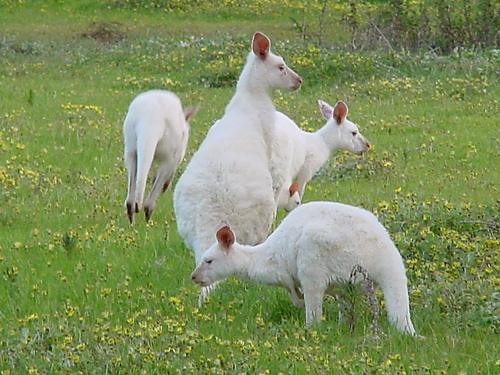
(Picture shows white kangaroos in the spring at Bordertown Wildlife Park in South Australia)

Popular Here and There: Comparing the Shared Top 100 Names of Australia and New Zealand

Tags

, ,

GIRLS

Similar Level of Popularity (within 10 places of each other)

Abigail, Addison, Alexis, Alice, Amelia, Anna, Annabelle, Ava, Charlotte, Chloe, Elizabeth, Ella, Ellie, Emily, Emma, Eva, Grace, Hannah, Hayley, Isabel, Isabella, Isabelle, Isla, Jessica, Lauren, Lily, Lucy, Madison, Mia, Mikayla, Mila, Olivia, Poppy, Ruby, Sarah, Scarlett, Sofia, Sophia, Sophie, Willow, Zara, Zoe

More Popular in Australia (11-40 places higher)

Alexandra, Alyssa, Amy, Evelyn, Ivy, Kayla, Layla, Lilly, Lola, Mackenzie, Maddison, Phoebe, Piper, Rose, Sienna, Summer, Violet

Much More Popular in Australia (more than 40 places higher)

Evie, Matilda, Maya

More Popular in New Zealand (11-40 places higher)

Aaliyah, Amber, Bella, Eden, Georgia, Holly, Jade, Jasmine, Molly, Olive, Paige, Samantha, Stella

Much More Popular in New Zealand (more than 40 places higher)

Aria, Leah

Not on New Zealand Girls Top 100

Amelie, Angelina, Audrey, Caitlin, Charlie, Chelsea, Claire, Ebony, Eliza, Elise, Eloise, Eve, Gabriella, Heidi, Imogen, Indiana, Josephine, Lacey, Lara, Lillian, Madeleine, Mariam, Milla, Savannah, Skye, Tahlia, Victoria

Not on Australian Girls Top 100

Ashley, Ayla, Brooklyn, Daisy, Faith, Hazel, Indie, Kate, Keira, Khloe, Lucia, Maia, Maria, Millie, Nevaeh, Nina, Peyton, Pippa, Riley, Skyla, Taylor

BOYS

Similar Level of Popularity (within 10 places of each other)

Alexander, Angus, Ashton, Benjamin, Braxton, Charlie, Christopher, Cooper, Dominic, Dylan, Edward, Eli, Ethan, Harry, Hugo, Hunter, Isaac, Jack, Jackson, Jacob, James, Jasper, Jordan, Joshua, Levi, Liam, Logan, Lucas, Mason, Max, Michael, Noah, Oliver, Oscar, Ryan, Samuel, Tyler, William, Zac, Zachary

More Popular in Australia (11-40 places higher)

Adam, Aidan, Aiden, Archie, Beau, Flynn, Harrison, Hayden, Henry, Jake, Jaxon, Lachlan, Lincoln, Marcus, Riley, Thomas, Xavier

Much More Popular in Australia (more than 40 places higher)

Nate, Patrick, Sebastian

More Popular in New Zealand (11-40 places higher)

Alex, Austin, Blake, Caleb, Cameron, Charles, Connor, Daniel, David, Finn, Jayden, Joseph, Leo, Luca, Matthew, Nathan, Ryder, Toby

Much More Popular in New Zealand (more than 40 places higher)

George, John

Not on New Zealand Boys Top 100

Ali, Andrew, Anthony, Archer, Bailey, Callum, Chase, Christian, Darcy, Declan, Gabriel, Hamish, Hudson, Jesse, Jonathan, Kai, Luke, Mitchell, Muhammad, Nicholas, Owen

Not on Australian Boys Top 100

Aaron, Asher, Carter, Felix, Fletcher, Israel, Joel, Kayden, Kingston, Leon, Louis, Nathaniel, Phoenix, Quinn, Robert, Sam, Tyson, Zion

Australia shares 77 Top 100 girls name with New Zealand, with 42 of them at a similar level of popularity, and 80 Top 100 boys names, with 40 at a similar level of popularity. That is very close – close enough that I think it would be fair to talk about Trans-Tasman name trends.

However, even with this harmony between us and our Antipodean cousins, it’s interesting to see that we each have our own particular likes and dislikes of certain names. We have hung stubbornly on to names that New Zealand has tired of, and vice versa, and they have their favourite names which are rare here, and vice versa, but in general I would say that New Zealand is slightly ahead of the trends – probably due to their much smaller population size.

Discussion of New Zealand names often seems to focus on “wacky” names, and name laws, so I think there could be closer examination of their popular names.

Famous Name: Declan

Tags

, , , , , , , , , , , ,

5922793578_4acfc9253e_z

September 8 marked the 74th birthday of folk singer Declan Affley, who was born in Wales to parents of Irish descent. He joined the British navy at 16, and travelled to Japan and Australia; he jumped ship in Australia and based himself in Sydney. At a harbourside pub called the Royal George (now The Slip Inn), he discovered the libertarian movement known as the Sydney Push, and joined its folksinging scene.

He became a regular performer in the folk clubs of Sydney and Melbourne, and appeared at folk festivals. He also busked on the streets, and was occasionally censored for singing left-wing political material, but this encouraged rather than deterred him. He was invited to sing some of his political songs on ABC radio, and also appeared in the 1966 award-winning ABC documentary, The Restless Years, presenting Australian history through poems, stories and songs. He also contributed to films, including the 1970 version of Ned Kelly.

Declan regarded himself as a socialist with anarchist leanings, and was an active supporter of the New South Wales Builders Labourers’ Green Bans, Irish hunger strikers, and Aboriginal land rights. He taught music at the Eora Centre in Redfern as his contribution to the advancement of Australian Indigenous people. Irish people are often thought of as having the gift of the gab, and Declan loved to talk for hours about history, music, politics and sport over a beer.

He died unexpectedly at the age of 45 – a very great loss to the folk community. The Declan Affley Memorial Award for excellence in a young performer is awarded each year at the National Folk Festival.

Declan is an Anglicisation of the Irish name Declán or Deaglán; it is usually translated as coming from the Old Irish for “full of goodness”. The name is known because of Saint Declán of Ardmore, a 4th or 5th century Irish bishop credited with the Christianisation of southern Ireland before the arrival of Saint Patrick.

The village of Ardmore in County Waterford is believed to be the oldest Christian settlement in Ireland, and by tradition, Saint Declán built a monastry here. He has been steadily popular in Waterford, with many churches dedicated to him, and each year on his feast day of July 24, devotions are held in his honour. This year, a five-day pilgrimage walk was held in late July, on a 100 km path between Cashel in Tipperary and Ardmore, which Saint Declán is said to have taken.

There is a long tradition of Christians taking new names, or being given new names, to mark their new lives, and in particular many of the Irish saints have created descriptive names. Declan looks to be one of them, for the meaning “filled with goodness” seems to have Christian significance.

I can first find Declan in Irish records from the late 18th century, and they were all born in southern Ireland; in Munster, where Declan is the patron saint, and in Waterford, near his centre of Ardmore. That suggests very strongly that the name was given in honour of the saint, and that it had an element of local pride as well.

Declan was quite a popular name in Ireland during the mid-twentieth century, and as well as Declan Affley, is borne by several musicians. These include Declan de Barra, an Irish-born Australian punk-folk singer, English pop singer Declan Galbraith who covers traditional Irish tunes amongst his own work, Declan Nerney, an Irish country singer, and Declan Sinnot, an Irish folk-rock singer. You may also have heard of Declan MacManus, who performs under the name Elvis Costello.

Declan has charted in Australia since the 1980s, and ranked since the 1990s, when it debuted at #145. It has been Top 100 since the early 2000s, and last year it was in the top ten fastest rising boys names in Australia, when it rose 12 places on the national chart. Currently it is #84 nationally, #74 in Victoria, #60 in Queensland, #50 in Western Australia, #71 in Tasmania and #56 in the Australian Capital Territory.

Unusually for a name in the national Top 100, Declan hasn’t been Top 100 in New South Wales since 2010. We seem to be caught between international trends, with New South Wales following the lead of England/Wales, where Declan has left the Top 100 and is declining in popularity, and Victoria and other states, who appear to be following the United States, where Declan is still rising towards the Top 100. Declan has a similar popularity to us in Scotland, but isn’t Top 100 in either Ireland or Northern Ireland.

If you love the name Declan, you won’t find yourself alone in your preference, but it’s still a good Irish heritage choice. It’s a handsome name, with an attractive, lilting sound to it, and it’s not wildly popular. Brooke from Baby Name Pondering chose it as her favourite boys name in the Victorian Top 100, and tells me that she finds it really charming – great recommendation!

POLL RESULT: Declan received an approval rating of 70%. People saw the name Declan as a good Irish heritage choice (25%), handsome or attractive (23%), and sweet and charming (11%). However, 11% thought the name was too trendy, and destined to be the next Aidan or Liam.

(Photo is of Ardmore in Ireland, where Saint Declan is supposed to have lived and preached)

Popular Here and There: Comparing the Shared Top 100 Names of Scotland and Australia

Tags

, ,

We’ve already looked at the popular names Australia shares with the United States, and England/Wales, and Elea from British Baby Names suggested that it might be a good idea to compare the Top 100s of Australia and Scotland, in case they had more in common. So here we go.

BOYS

Similar Level of Popularity (within 10 places of each other)

Alex, Alexander, Archie, Caleb, Charlie, Declan, Ethan, Finn, Jack, James, Jayden, Liam, Luke, Mason, Max, Michael, Oliver, Ryan, Tyler

More Popular in Australia (11-40 places higher)

Angus, Benjamin, George, Harrison, Jacob, Jake, Joshua, Luca, Lucas, Noah, Oscar, Samuel, Thomas, William

Much More Popular in Australia (more than 40 places higher)

Blake, Cooper, Isaac, Jackson

More Popular in Scotland (11-40 places higher)

Aidan, Aiden, Christopher, Connor, Daniel, Dylan, Harry, Joseph, Kai, Leo, Logan, Matthew, Muhammad, Nathan, Owen, Riley, Zac

Much More Popular in Scotland (more than 40 places higher)

Adam, Andrew, Callum, Cameron, David, John

Not on Scottish Boys Top 100

Ali, Anthony, Archer, Ashton, Austin, Bailey, Beau, Braxton, Charles, Chase, Christian, Darcy, Dominic, Edward, Eli, Elijah, Flynn, Gabriel, Hamish, Hayden, Henry, Hudson, Hugo, Hunter, Jasper, Jaxon, Jesse, Jonathan, Jordan, Lachlan, Levi, Lincoln, Marcus, Mitchell, Nate, Nicholas, Patrick, Ryder, Sebastian, Toby, Xavier, Zachary

Not on Australian Boys Top 100

Aaron, Alfie, Arran, Ben, Blair, Brodie, Calum, Calvin, Cody, Cole, Euan, Evan, Ewan, Finlay, Fraser, Harris, Jamie, Jay, Josh, Jude, Kaiden, Kayden, Kian, Kieran, Kyle, Leon, Lewis, Mark, Murray, Ollie, Olly, Reece, Rhys, Robbie, Robert, Rory, Ross, Ruaridh, Sam, Scott, Sean, Shay

GIRLS

Similar Level of Popularity (within 10 places of each other)

Amelia, Ava, Chloe, Emily, Emma, Eva, Evie, Grace, Hannah, Layla, Lily, Mia, Olivia, Paige, Sofia, Sophia, Sophie, Summer

More Popular in Australia (11-40 places higher)

Abigail, Alexis, Alice, Alyssa, Bella, Charlotte, Elizabeth, Ella, Georgia, Isabella, Lilly, Madison, Maya, Rose, Ruby, Sarah, Zara, Zoe

Much More Popular in Australia (more than 40 places higher)

Imogen, Jasmine, Scarlett, Sienna, Willow

More Popular in Scotland (11-40 places higher)

Amelie, Caitlin, Elise, Eve, Holly, Isla, Jessica, Lola, Lucy, Molly, Poppy

Much More Popular in Scotland (more than 40 places higher)

Amber, Amy, Anna, Ellie, Kayla, Lacey, Lauren, Leah, Skye

Not on Scottish Girls Top 100

Aaliyah, Addison, Alexandra, Angelina, Annabelle, Aria, Audrey, Charlie, Chelsea, Claire, Ebony, Eden, Eliza, Eloise, Evelyn, Gabriella, Harper, Hayley, Heidi, Indiana, Isabelle, Ivy, Jade, Josephine, Lara, Lillian, Mackenzie, Maddison, Madeleine, Mariam, Matilda, Mikayla, Mila, Milla, Olive, Phoebe, Piper, Samantha, Savannah, Stella, Tahlia, Victoria, Violet

Not on Australian Girls Top 100

Abbie, Aimee, Ayla, Beth, Brooke, Cara, Carly, Daisy, Darcy, Eilidh, Emilia, Erin, Faith, Freya, Gracie, Hollie, Iona, Julia, Kara, Katie, Keira, Lexi, Lexie, Lois, Lucie, Maisie, Maria, Megan, Millie, Mirren, Mollie, Mya, Niamh, Nicole, Orla, Rachel, Rebecca, Robyn, Rosie, Taylor

As it turns out, Australia shares 56 boys names and 61 girls names in the Top 100 with Scotland. This means that our boys list is less Scottish that English or American, and our girls names more English than Scottish, but more Scottish than American.

The Scottish Top 100 certainly makes interesting reading – I think I was imagining it as much like England/Wales with some Gaelic names thrown in, but it has a flavour all its own, with quite a few surprises.

Rare Royal Names for Boys

Tags

, , , , , , , , , , , , , , , , , , , , , , , , , , , , , , , ,

Franz_Xaver_Winterhalter_Family_of_Queen_Victoria

Alastair

Alastair Windsor was a great-grandson of Queen Victoria through his father, and a great-great-grandson of Victoria through his mother. Although born a prince, he was stripped of his royal titles while still a toddler, after the regulations were tightened up. Alastair went into the army, and died during World War II on active service, in unconventional circumstances. He had been sent to Canada as aide-de-camp to the Governor General, who was a relation of his. Both his regiment and the Governor General had rejected him as incompetent, and he fell out of a window while drunk. It can get very cold in Canada, and Alastair succumbed to hypothermia overnight. Alastair is the Anglicised form of Alasdair, a Scottish form of Alexander. Alasdair Mòr Mac Dòmhnaill is the ancestor of the Clan MacAlister. I think Alastair very handsome, and in a country where Lachlan and Hamish are common, it doesn’t seem out of place. If the alas at the start bothers you, it can also be spelled the more common Alistair.

Athelstan

Although there had been many English kings before him, Athelstan the Glorious was the first ruler of all England, and the first who can be called king of the English. He was the grandson of Alfred the Great, and like his grandfather, had a reputation as a man of great intelligence and justice. His household was a centre for learning, he created the most centralised government England had yet had, maintained social order, encouraged literature, was an unbeaten military leader, and a key player in international affairs. He gets rave reviews from medieval historians, and even foreign writers of his time were eager to sing his praises. He is a king worthy of admiration, yet while the name Alfred was successfully revived and is still used now, Athelstan went out of use after the Norman Conquest, and remains extremely rare. Just doesn’t seem fair, does it? Athelstan is the modern form of the Anglo-Saxon name Æþelstan, meaning “noble stone”; it was very common amongst Anglo-Saxon royalty and nobility, and there are quite a few other kings with the name. I admit it does seem a little unwieldy, but it comes with the nickname Stan.

August

August was the second name of Prince Ernst August, a great-great grandson of George III and cousin of George V. As a member of the Hanoverian family, he was born a prince of Britain and Ireland, but during World War I, anti-German sentiment convinced the British royal family to strip the titles from their German relatives. However, the Hanoverians didn’t consider themselves bound by British rules, and continued to call themselves princes and princesses. To this day, the Hanoverians ask the British monarch for permission to marry, like other royals. It’s a bit of an odd situation. Prince Ernst was the last reigning monarch of the House of Hanover, and his marriage to Princess Victoria of Prussia the last large gathering of European royals before World War I broke out – he was very much the end of an era. August is the German form of Augustus, a traditional middle name in the Hanoverian royal family which continues to be handed down. You can also see August as after the month, in which case it can be given to both sexes.

Axel

Axel was the final middle name of Prince Georg Wilhelm Ernst August Friedrich Axel, the son of Prince Ernst August. He married Princess Sophie of Greece and Denmark, who was Prince Philip’s sister. The name Axel is the medieval Danish form of the Hebrew name Absalom. In the Old Testament, Absalom was a son of King David, staggeringly handsome and extremely charming. He rebelled against his father; it’s a pretty awful story involving incest, rape and murder, and not one of the most uplifting parts of the Bible. Absalom was killed when he got his head stuck in a tree, which is meant to be very ironic for some reason. To me the ironic part is his name means “my father is peace”, and he went to war against his father. Axel is not a popular name in Australia, but I feel as if it will be in a few years, based on how frequently I see it in birth notices – it is #164 in Victoria. Its use seems to be influenced by singer Axl Rose, whose stage name is famously an anagram.

Edmund

Edmund the Magnificent was half-brother to Athelstan the Glorious, and his successor to the throne. He only ruled for a few years before he was murdered, but in that short time he had important military victories in the north, established peace with Scotland, began reviving the monasteries and helped restore Louis IV to the throne of France. His great-grandson Edmund Ironsides fought valiantly against the Danes, and although ultimately defeated by King Canute, was a skilled and inspiring leader. Edmund is an Old English name meaning “rich protector”, and it was common amongst Anglo-Saxon royalty and nobility. Saint Edmund the Martyr was a King of East Anglia killed by the Danes, and was the patron saint of England until Saint George got the gig – there is a movement in East Anglia to reinstate him. Unlike many other Anglo-Saxon names, Edmund remained in use after the Conquest (probably because of the saint), and was even used in the royal family. It’s surprising how rare this name is compared to classic, popular Edward, but it’s a very handsome and noble one. Narnia fans will know it as the name of the treacherous Pevensie brother, who redeems himself and becomes a king of Narnia. Edmund “Ted” Gyngell is a recent celebrity baby, sometimes called Edmund the Magnificent after his namesake.

Emmanuel

Emmanuel was the final middle name of Francis Albert Augustus Charles Emmanuel of Saxe-Coburg and Gotha, otherwise known as Prince Albert. He married his cousin Victoria, who was the heir to the British throne at the time. Victoria had the choice of two cousins to wed, and chose Albert as the most handsome and charming. Queen Victoria was devoted to Albert, and he was a great support to her, holding quite a bit of power behind the throne. A progressive and liberal thinker, he helped bring in many reforms, set the example that monarchy must be above politics, and made a huge success of the Great Exhibition of 1851. He died while only in his early 40s, and Queen Victoria was devastated. She wore mourning for the rest of her days and withdrew from public life. Emmanuel is a Hebrew name meaning “God is with us”; the Old Testament gives the name in a prophecy, and the New Testament attached it to Jesus Christ as the Messiah. The name was common amongst European royalty, but less often used in Britain. In Australia it’s possibly best known as a surname, from guitarist Tommy Emmanuel.

Eustace

Eustace was the eldest son of King Stephen, and a great-grandson of William the Conqueror. Stephen had become king of England in a rather controversial way. After the heir to the throne had drowned in a disastrous shipwreck, Stephen had himself declared king by popular acclaim and was speedily crowned before anyone knew what was happening. The Empress Matilda had been next in line, but she was only a woman, and Stephen thought he should rule instead. Matilda didn’t agree, and their subsequent battle for power threw England into a state of anarchy for nearly two decades. Stephen had Eustace declared his co-king, but the church refused to ratify this, and nearly everyone was greatly relieved when the teenaged Eustace unexpectedly died. Generally perceived as rather a blot, his welcome demise allowed peace negotiations to go ahead. Even more conveniently, Stephen died the following year leaving Matilda’s son, Henry II, as ruler. Eustace is the English form of Greek Eustachios, meaning “rich crop”, a name chosen for himself by a 2nd century Roman general and martyr who had been born Placidus, and is known as Saint Eustace; because of him, the name was common during the Middle Ages. This is another name from The Narnia Chronicles, because Eustace Scrubb was a rather annoying character who, like the saint, was converted from his previous beliefs. Hardly anybody seems to like the name Eustace, and even C.S. Lewis made fun of Eustace Scrubb’s name.

Leopold

Prince Leopold was a son of Queen Victoria, named after his great-uncle, Leopold I of Belgium, who had helped arrange the marriage of Victoria and Albert. Leopold’s birth is famous because his mother used chloroform during labour, giving the royal seal of approval for women to seek pain relief during childbirth. Prince Leopold inherited the family condition of haemophilia and also had mild epilepsy; he became a patron of the arts, literature and chess. He knew Alice Liddell, famous as the inspiration for Lewis Carroll’s Alice books (one of which revolves around chess), and some believe he considered marrying her, although others say it was her older sister Edith who was his intended wife. Queen Victoria arranged for him to marry Princess Helena of Waldeck and Pyrmont, a distant cousin. Leopold’s marriage was happy, and he and Helena had a daughter named Alice, but he died as a result of haemophilia after only a few years. He passed away just before his son Charles was born. Alice inherited the haemophilia gene, and passed it on to her son Rupert, who also died young. Leopold is a Germanic name meaning “bold people”; it was common amongst German royalty. This rather grandiose name has popular Leo as the nickname.

Magnus

Magnus was a son of King Harold II and Edith the Fair, or Edith the Gentle Swan, sometimes (wrongly) called Edith Swan-neck. Harold and Edith were married in a traditional manner known as handfasting, and although Edith was regarded as Harold’s wife by regular people, and their children as princes and princesses, the clergy saw her only as his mistress because they hadn’t wed in a Christian ceremony. Harold did have another wife, also called Edith, but this was a marriage of political convenience, and not a love match as it was with Edith the Fair. According to legend, after Harold was killed at the Battle of Hastings, only Edith the Fair could identify his body by markings she knew, so Harold was able to have a Christian burial. Magnus is a Latin name meaning “great”; Magnus Maximus was a 4th century Western Roman Emperor who became important in British folklore and Welsh legend, and is part of the mythology of King Arthur. There are several saints named Magnus, and it was a traditional name in the royal families of Norway and Sweden. The name is often thought of as Scottish, and one of the Saints Magnus was from Scotland. This is a great name, rich in history and legend, strong and interesting, and a good alternative to Max.

Octavius

Prince Octavius was the thirteenth child of King George III, and doted upon by his adoring parents. At the age of four, he was inoculated against the smallpox virus, and as vaccination was still in its experimental stages, became ill and died, the last member of the British royal family to suffer from smallpox. The sudden death of the tiny prince caused his family immense grief, and during his later bouts of madness, King George even had hallucinations about Octavius. What made it harder for them was they had lost Octavius’ younger brother Alfred in exactly the same way six months previously. Octavius is a Roman name coming from the Latin for “eight”; Octavius was the eighth son of King George III. Octavius seems very hip – fresher than Atticus and Orlando, with a distinct feel of its own. It would be a good choice for an eighth child or grandchild, or someone born in August (the 8th month) or October.

POLL RESULT: People’s favourite names were August, Magnus, and Alastair, and their least favourite were Octavius, Athelstan and Eustace.

(Picture shows a portrait of Prince Albert and his royal family by Franz Xaver Winterhalter)

Aisha and Zain

Tags

, ,

Muslim festival 'Eid-ul Fitr'

Twins

Eloise Charlette and Melaina Jade

Pixie Anne and Rose Ivy

Rupert and Maisie


Girls

Aisha McKenzie (Koby, Kai)

Alora Dae

Blair Margaret Rose (Kirra, Sunny)

Hera Sunim

Indiana Jeffrey

Kahzali Jane

Layce Melinda Ellen

Leticia Ivy

Luca Ingrid (Will)

Madeleine Susanna (Alexandra, Isabelle)

Merindah Poppy

Nellie Anabel (Lily, Charlie)

Piper Diaz

Ruby Vienna (Harrison, Grace)

Violette Raine (Cailen)


Boys

Chance Brooklyn

Edan Thomas (Sara)

Griffin Leigh

Harrison Jardine

Jenson Frank (Ashleigh, Jessica, Jackson)

Jude Henley (Finn)

Lenny George (Hannah, Ben, Josh, Jack)

Mannix Lloyd (Indi, Pepper)

Merrick Lennox Jaybe (Jordan, Tori, Phoenix, Nayte, Jayda)

Orlando Carmine (Charlize)

Reed Werner

Tom Calder (Sam, Lilli, Violet)

Walter Joseph “Wally” (Alexandra, Ava)

Zain Israr

Zenith-Daniel


Most popular names this week

Girls: Lucy

Boys: William

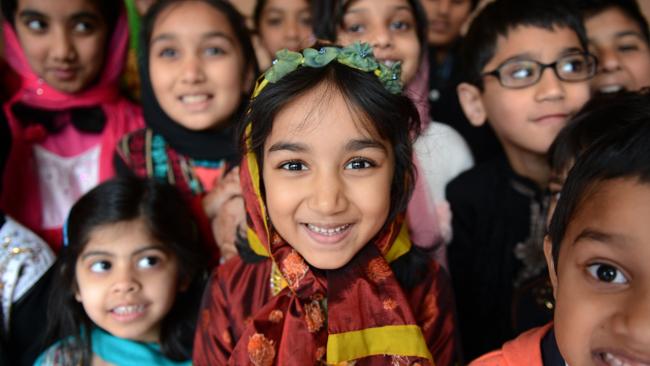
(Picture shows six-year-old Sulaima with her family and friends, gathering in Melbourne for an interfaith Eid-ul-Fitr festival dinner to mark the end of Ramadan last month; photo from the Bayside Leader)

Popular Australian Names and Their England/Wales Chart Position

Tags

, ,

The flipside to the previous article. To me this is the strongest evidence that our names are more British than American, because very few of our popular names are rare in the UK. Names like Hamish and Tahlia may not be at all popular in England and Wales, but they do chart, and they are at least familiar in Britain.

GIRLS

Already left the Top 100

  • #87 Aaliyah – #125 (last on Top 100 in 2003)
  • #78 Alexandra – #116 (last on Top 100 in 2010)
  • #31 Chelsea – #326 (last on Top 100 in 2004)
  • #61 Claire – #825 (last on Top 100 in 1996)
  • #96 Elise – #146 (last on Top 100 in 2004)
  • #86 Eloise – #110 (last on Top 100 in 2006)
  • #82 Eve – #134 (last on Top 100 in 2009)
  • #49 Hayley – #414 (last on Top 100 in 1997)
  • #69 Jade – #302 (last on Top 100 in 2004)
  • #72 Lara – #155 (last on Top 100 in 2006)
  • #99 Lauren – #103 (last on Top 100 in 2011)
  • #66 Madeleine – #148 (last on Top 100 in 2007)
  • #89 Samantha – #289 (last on Top 100 in 2003)
  • #81 Victoria – #106 (last on Top 100 in 2007)

Still Rising Toward the Top 100

  • #55 Addison – #556, slightly higher for boys but not climbing as fast
  • #83 Aria – #294
  • #39 Harper – #284
  • #64 Indiana – #679
  • #? Mila – #160
  • #? Milla – #654
  • #90 Olive – #260
  • #65 Piper – #414
  • #35 Savannah – #136

Possibly Rising Toward the Top 100

  • #39 Alexis – #101
  • #62 Alyssa – #161
  • #93 Josephine – #235
  • #100 Lillian – #349
  • #94 Mariam – #183
  • #77 Tahlia – #614

Falling Without Reaching the Top 100

  • #95 Angelina – #379
  • #50 Audrey – #499
  • #52 Charlie – #331
  • #97 Ebony – #211
  • #73 Eden – #150
  • #88 Gabriella – #120
  • #80 Kayla – #135
  • #70 Mikayla – #738
  • #42 Stella – #364

In Rare Use

  • #46 Mackenzie – 22 births, only charts for boys

BOYS

Already left the Top 100

  • #96 Andrew – #153 (last on Top 100 in 2007)
  • #87 Anthony – #142 (last on Top 100 in 2003)
  • #80 Ashton – #111 (last on Top 100 in 2011)
  • #81 Austin – #108 (last on Top 100 in 2009)
  • #83 Christian – #220 (last on Top 100 in 1998)
  • #93 Christopher – #112 (last on Top 100 in 2009)
  • #84 Declan – #175 (last on Top 100 in 2004)
  • #88 Dominic – #116 (last on Top 100 in 2007)
  • #52 Hayden – #102 (last on Top 100 in 2011)
  • #28 Jackson – #113 (last on Top 100 in 2011)
  • #98 John – #104 (last on Top 100 in 2011)
  • #99 Jonathan – #170 (last on Top 100 in 2005)
  • #60 Jordan – #210 (last on Top 100 in 2004)
  • #73 Marcus – #167 (last on Top 100 in 2003)
  • #45 Mitchell – #290 (last on Top 100 in 2001)
  • #48 Nicholas – #149 (last on Top 100 in 2004)
  • #42 Patrick – #127 (last on Top 100 in 2005)

Still Rising Toward the Top 100

  • #62 Archer – #484
  • #58 Beau – #172
  • #31 Braxton – #569
  • #59 Chase – #218
  • #7 Cooper – #211
  • #34 Eli – #145
  • #41 Flynn – #146
  • #43 Hudson – #277
  • #24 Hunter – #238
  • #77 Jasper – #129
  • #37 Jaxon – #192
  • #56 Nate – #411
  • #86 Ryder – #654

Possibly Rising Toward the Top 100

  • #97 Ali – #139
  • #72 Hamish – #450
  • #10 Lachlan – #492
  • #67 Lincoln – #263
  • #20 Xavier – #163

Falling Without Reaching the Top 100

  • #57 Angus – #408
  • #65 Finn – #131
  • #91 Jesse – #198
  • #26 Levi – #151
  • #90 Zac – #136

In Rare Use

  • #85 Darcy – 27 births, only charts for girls

Popular Names in England/Wales and Their Australian Chart Position

Tags

, , ,

As a follow up to the article on shared popular names, this shows where Top 100 names in England/Wales that aren’t popular here appear on our own charts, if they appear at all.

GIRLS

Already Left the Top 100

  • #73 Bethany – #160 in NSW, #196 in Vic (last on Top 100 in early 2000s)
  • #59 Brooke – #142 in NSW, #212 in Vic (last on Top 100 in late 2000s)
  • #36 Erin – ? in NSW, #160 in Vic (last on Top 100 in late 2011)
  • #79 Julia – #211 in NSW, #153 in Vic (last on Top 100 in early 2000s)
  • #66 Katie – #143 in NSW, #181 in Vic (last on Top 100 in 2009)
  • #92 Keira – #126 in NSW, #115 in Vic (last on Top 100 in 2009)
  • #94 Maria – #145 in NSW, #200 in Vic (last on Top 100 in 1980s)
  • #41 Megan – #273 in NSW, #262 in Vic (last on Top 100 in early 2000s)
  • #99 Sara – #144 in NSW, still Top 100 in Vic – #92 (last on NSW Top 100 in 2009)

Still Rising Toward the Top 100

  • #70 Elsie – #155 in NSW, #134 in Vic
  • #73 Faith – #125 in NSW, #146 in Vic
  • #34 Florence – #284 in NSW, #199 in Vic
  • #90 Francesca – #245 in NSW, #224 in Vic
  • #67 Harriet – #198 in NSW, already Top 100 in Vic (#97)
  • #26 Millie – #114 in NSW, already Top 100 in Vic (#99)

Possibly Rising Toward the Top 100

  • #87 Aisha – #194 in Vic
  • #22 Daisy – #134 in NSW, #108 in Vic
  • #63 Eleanor – #164 in NSW, #109 in Vic
  • #56 Emilia – #170 in NSW, #110 in Vic
  • #65 Esme – #613 in Vic
  • #19 Freya – #174 in NSW, #129 in Vic
  • #52 Gracie – #165 in Vic
  • #54 Hollie – #370 in Vic
  • #98 Isobel – #186 in NSW, #166 in Vic
  • #46 Lexi – #107 in Vic
  • #96 Lydia – #282 in NSW, #227 in Vic
  • #30 Maisie – #383 in NSW, #253 in Vic
  • #77 Martha – #533 in Vic
  • #81 Maryam – #284 in Vic
  • #84 Niamh – #263 in Vic
  • #92 Tilly – #136 in Vic

Falling Without Reaching Top 100

  • #84 Mollie – #567 in NSW, #538 in Vic
  • #48 Rosie – #319 in NSW, #183 in Vic

In Rare Use

  • #89 Darcey – unranked

BOYS

Already Left the Top 100

  • #69 Aaron – ? in NSW, still on Top 100 in Vic – #97 (last on NSW Top 100 in 2011)
  • #94 Kyle – #309 in NSW, #256 in Vic (last on Top 100 in early 2000s)
  • #84 Rhys – #120 in NSW, #121 in Vic (last on Top 100 in 2009)
  • #96 Robert – #107 in NSW, #182 in Vic (last on Top 100 in early 2000s)
  • #91 Seth – #111 in NSW, still on Top 100 in Vic – #89 (last on Top 100 in 2009)

Still Rising Toward the Top 100

  • #52 Arthur – #219 in NSW, #163 in Vic
  • #46 Harley – #117 in NSW, #118 in Vic
  • #71 Jude – #111 in Vic
  • #81 Louis – #113 in NSW, already on Top 100 in Vic (#88)
  • #43 Lewis – #116 in NSW, #112 in Vic
  • #60 Mohammad – #150 in NSW, #213 in Vic
  • #68 Reuben – #158 in NSW, #178 in Vic
  • #97 Theodore – #186 in NSW, #155 in Vic

Possibly Rising Toward the Top 100

  • #7 Alfie – #201 in Vic
  • #57 Bobby – #378 in Vic
  • #70 Dexter – #218 in Vic
  • #95 Elliott – #224 in Vic
  • #83 Finlay – #273 in Vic
  • #34 Finley – #231 in Vic
  • #66 Frankie – #405 in Vic
  • #87 Frederick – #212 in NSW, #172 in Vic
  • #64 Jamie – #186 in Vic
  • #54 Jenson – #233 in Vic
  • #92 Kayden – #194 in Vic
  • #89 Kian – #416 in Vic
  • #72 Leon – #118 in NSW, #144 in Vic
  • #79 Louie – #418 in Vic
  • #26 Mohammed – #147 in NSW, #210 in Vic
  • #73 Ollie – #329 in Vic
  • #99 Rory – #159 in NSW, #167 in Vic
  • #90 Sonny – #156 in Vic
  • #74 Stanley – #317 in NSW, #555 in Vic
  • #44 Theo – #333 in Vic
  • #55 Tommy – #334 in Vic

Falling Without Reaching the Top 100

  • #75 Elliot – #181 in NSW, #145 in Vic
  • #86 Evan – #130 in NSW, #127 in Vic
  • #48 Harvey – #169 in NSW, in Top 100 in Vic (#73)
  • #93 Taylor – #251 in NSW, #259 in Vic (more popular for girls)

In Rare Use

  • #100 Ellis – unranked
  • #38 Freddie – unranked

Famous Names: Muhammad

Tags

, , , , , , , , , , , , ,

PMUZ058

The name Muhammad joined the national Top 100 last year, which was also its first time in the New South Wales Top 100. However, data from the NSW Registry of Births, Deaths and Marriages shows that, if you combine all the variant spellings, Muhammad has been in the Top 25 of the state since 2010, giving it a similar level of popularity to Xavier, Jayden, Mason and Charlie.

This trend looks likely to continue, with 161 baby boys named Muhammad, Mohamed, Muhammed or Mohammed already born in the state this year between January and August.

Muslin leader and community spokesperson, Keysar Trad, who has a son named Muhammad, believes that these statistics are a sign that Australian Muslims are becoming more confident in giving their children Islamic names.

He thinks that they show a greater acceptance of Muslim names in the wider community, and a healthier connection with their religion amongst Muslims.

Mr Trad says that religious names not only allow an expression of devotion to God, but allow parents to reclaim an aspect of their culture.

By choosing the name of a significant religious figure, they hope that their child will share in the good qualities of that name, and perhaps be inspired to learn more about it when they get older.

“You think that one day, maybe they will read up on the significance on the name,” he said.

The prophet Muhammad’s full name was Abū al-Qāsim Muḥammad ibn ʿAbd Allāh ibn ʿAbd al-Muṭṭalib ibn Hāshim, and he was a 6th century leader from Mecca in Arabia who unified his country under Islam.

According to his own testimony, at the age of 40, he began receiving revelations from God through the archangel Gabriel, and a few years later began preaching these revelations. He proclaimed that “God is One”, and that complete surrender to Him was the only acceptable path to God – the word Islam itself means “surrender”. Muhammad declared himself a prophet, and a messenger sent by God.

The revelations which Muhammad reported receiving until his death in his early 60s form the Quran, which is the basis of the Muslim religion, and regarded by Muslims as the Word of God.

The name Muhammad means “praised, praiseworthy” in Arabic, and it is a very popular name amongst Muslims. It has a variety of transliterations and spellings because of the different languages used in the Islamic world.

It is believed that Muhammad, counting all variant spellings, is the most common personal name in the world, with an estimated 150 million men and boys bearing the name. It is the most common boys name in England/Wales, and in the United States, if all the spelling variants were combined, Muhammad would be in the Top 200 and rising, with a similar popularity to Silas, Maddox, Weston and Greyson.

There is a popular theory that names which are too “ethnic” sounding should be avoided lest they lead to discrimination, and you can find studies which show that in many cases, it can be harder to get a job interview if the name on your resume looks “foreign” (although this Australian study showed it depended where you lived and what kind of “ethnic” your name was).

Kayser Trad acknowledged that there have been cases where people with an obviously Muslim name had trouble getting a job, but he doesn’t believe the answer is to “go into hiding”, or change your name to Charlie Edwards to get an interview.

It also occurs to me that this theory assumes that all businesses are owned and all industries are controlled by people from an Anglo background, and that all people in charge of such businesses would prefer not to employ non-Anglo people. That just isn’t true.

I watched the daily business report on television yesterday, and noted that of the half dozen spokespeople from major businesses interviewed, four of them had ethnic names, including two with Arabic names. Furthermore, many businesses are owned by people from non-Anglo heritages, and having a Muslim name may prove an advantage in some areas.

Businesses in areas with a strong migrant community could prefer to hire people from a similar background for greater rapport with and understanding of their customer base, and your name shouldn’t be any disadvantage in the public and non-profit sector – about 25% of the workforce, and in some areas, up to 80% of the workforce.

Muhammad joining the Top 100 is a watershed in Australian society, but it should also be remembered that the majority of names on the boys Top 100 are of Jewish or Christian origin, with many names of pagan origin only coming into popular use through saints, such as George and Aidan, and even surname names developing because of saints, such as Mitchell and Jackson.

If you are interested how names of other religious figures fare in New South Wales, during the 2000s more than one baby each year, but less than six, were named Jesus or Moses, and in the same period most years saw about 7-11 babies named Abraham. By July this year, 10 babies named Krishna had been born. Hmm, this could be another growth area …

POLL RESULT: Muhammad received an approval rating of 49%. 27% of people thought the name Muhammad connected its bearer to his culture, and as a result, 24% believed the name was only suitable for Muslims. 14% saw the name as “too Muslim”.   

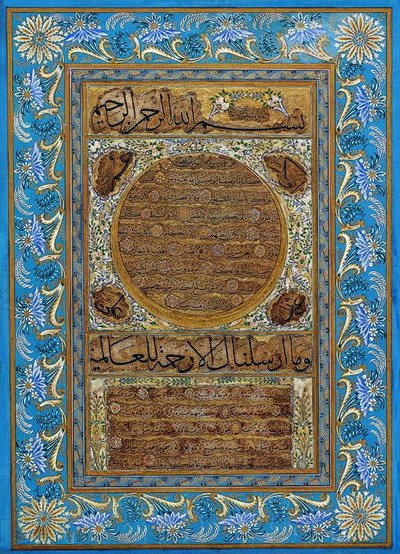
(The picture shows a 17th century Ottoman calligraphy panel by Hafiz Osman, describing the physical appearance of the prophet Muhammad; it is not permitted to show images of Muhammad in Islam)