• About
  • Best Baby Names
  • Celebrity Baby Names
  • Celebrity Baby Names – Current
  • Celebrity Baby Names – Past
  • Featured Boys Names
  • Featured Girls Names
  • Featured Unisex Names
  • Links to Name Data
  • Waltzing on the Web

Waltzing More Than Matilda

~ Names with an Australian Bias of Democratic Temper

Waltzing More Than Matilda

Tag Archives: name popularity

Rare Royal Names for Boys

08 Sunday Sep 2013

Posted by A.O. in Name Themes and Lists

≈ 11 Comments

Tags

alphanumeric names, anagram names, Anglo-Saxon names, Arthurian names, Biblical names, birth notices, classic names, Danish names, english names, famous namesakes, fictional namesakes, German names, germanic names, Greek names, hebrew names, Latin names, middle names, mythological names, name history, name meaning, name popularity, names of months, nicknames, Old English names, popular names, rare names, Roman names, royal names, saints names, Scottish names, stage names, surname names, unisex names

Franz_Xaver_Winterhalter_Family_of_Queen_Victoria

Alastair

Alastair Windsor was a great-grandson of Queen Victoria through his father, and a great-great-grandson of Victoria through his mother. Although born a prince, he was stripped of his royal titles while still a toddler, after the regulations were tightened up. Alastair went into the army, and died during World War II on active service, in unconventional circumstances. He had been sent to Canada as aide-de-camp to the Governor General, who was a relation of his. Both his regiment and the Governor General had rejected him as incompetent, and he fell out of a window while drunk. It can get very cold in Canada, and Alastair succumbed to hypothermia overnight. Alastair is the Anglicised form of Alasdair, a Scottish form of Alexander. Alasdair Mòr Mac Dòmhnaill is the ancestor of the Clan MacAlister. I think Alastair very handsome, and in a country where Lachlan and Hamish are common, it doesn’t seem out of place. If the alas at the start bothers you, it can also be spelled the more common Alistair.

Athelstan

Although there had been many English kings before him, Athelstan the Glorious was the first ruler of all England, and the first who can be called king of the English. He was the grandson of Alfred the Great, and like his grandfather, had a reputation as a man of great intelligence and justice. His household was a centre for learning, he created the most centralised government England had yet had, maintained social order, encouraged literature, was an unbeaten military leader, and a key player in international affairs. He gets rave reviews from medieval historians, and even foreign writers of his time were eager to sing his praises. He is a king worthy of admiration, yet while the name Alfred was successfully revived and is still used now, Athelstan went out of use after the Norman Conquest, and remains extremely rare. Just doesn’t seem fair, does it? Athelstan is the modern form of the Anglo-Saxon name Æþelstan, meaning “noble stone”; it was very common amongst Anglo-Saxon royalty and nobility, and there are quite a few other kings with the name. I admit it does seem a little unwieldy, but it comes with the nickname Stan.

August

August was the second name of Prince Ernst August, a great-great grandson of George III and cousin of George V. As a member of the Hanoverian family, he was born a prince of Britain and Ireland, but during World War I, anti-German sentiment convinced the British royal family to strip the titles from their German relatives. However, the Hanoverians didn’t consider themselves bound by British rules, and continued to call themselves princes and princesses. To this day, the Hanoverians ask the British monarch for permission to marry, like other royals. It’s a bit of an odd situation. Prince Ernst was the last reigning monarch of the House of Hanover, and his marriage to Princess Victoria of Prussia the last large gathering of European royals before World War I broke out – he was very much the end of an era. August is the German form of Augustus, a traditional middle name in the Hanoverian royal family which continues to be handed down. You can also see August as after the month, in which case it can be given to both sexes.

Axel

Axel was the final middle name of Prince Georg Wilhelm Ernst August Friedrich Axel, the son of Prince Ernst August. He married Princess Sophie of Greece and Denmark, who was Prince Philip’s sister. The name Axel is the medieval Danish form of the Hebrew name Absalom. In the Old Testament, Absalom was a son of King David, staggeringly handsome and extremely charming. He rebelled against his father; it’s a pretty awful story involving incest, rape and murder, and not one of the most uplifting parts of the Bible. Absalom was killed when he got his head stuck in a tree, which is meant to be very ironic for some reason. To me the ironic part is his name means “my father is peace”, and he went to war against his father. Axel is not a popular name in Australia, but I feel as if it will be in a few years, based on how frequently I see it in birth notices – it is #164 in Victoria. Its use seems to be influenced by singer Axl Rose, whose stage name is famously an anagram.

Edmund

Edmund the Magnificent was half-brother to Athelstan the Glorious, and his successor to the throne. He only ruled for a few years before he was murdered, but in that short time he had important military victories in the north, established peace with Scotland, began reviving the monasteries and helped restore Louis IV to the throne of France. His great-grandson Edmund Ironsides fought valiantly against the Danes, and although ultimately defeated by King Canute, was a skilled and inspiring leader. Edmund is an Old English name meaning “rich protector”, and it was common amongst Anglo-Saxon royalty and nobility. Saint Edmund the Martyr was a King of East Anglia killed by the Danes, and was the patron saint of England until Saint George got the gig – there is a movement in East Anglia to reinstate him. Unlike many other Anglo-Saxon names, Edmund remained in use after the Conquest (probably because of the saint), and was even used in the royal family. It’s surprising how rare this name is compared to classic, popular Edward, but it’s a very handsome and noble one. Narnia fans will know it as the name of the treacherous Pevensie brother, who redeems himself and becomes a king of Narnia. Edmund “Ted” Gyngell is a recent celebrity baby, sometimes called Edmund the Magnificent after his namesake.

Emmanuel

Emmanuel was the final middle name of Francis Albert Augustus Charles Emmanuel of Saxe-Coburg and Gotha, otherwise known as Prince Albert. He married his cousin Victoria, who was the heir to the British throne at the time. Victoria had the choice of two cousins to wed, and chose Albert as the most handsome and charming. Queen Victoria was devoted to Albert, and he was a great support to her, holding quite a bit of power behind the throne. A progressive and liberal thinker, he helped bring in many reforms, set the example that monarchy must be above politics, and made a huge success of the Great Exhibition of 1851. He died while only in his early 40s, and Queen Victoria was devastated. She wore mourning for the rest of her days and withdrew from public life. Emmanuel is a Hebrew name meaning “God is with us”; the Old Testament gives the name in a prophecy, and the New Testament attached it to Jesus Christ as the Messiah. The name was common amongst European royalty, but less often used in Britain. In Australia it’s possibly best known as a surname, from guitarist Tommy Emmanuel.

Eustace

Eustace was the eldest son of King Stephen, and a great-grandson of William the Conqueror. Stephen had become king of England in a rather controversial way. After the heir to the throne had drowned in a disastrous shipwreck, Stephen had himself declared king by popular acclaim and was speedily crowned before anyone knew what was happening. The Empress Matilda had been next in line, but she was only a woman, and Stephen thought he should rule instead. Matilda didn’t agree, and their subsequent battle for power threw England into a state of anarchy for nearly two decades. Stephen had Eustace declared his co-king, but the church refused to ratify this, and nearly everyone was greatly relieved when the teenaged Eustace unexpectedly died. Generally perceived as rather a blot, his welcome demise allowed peace negotiations to go ahead. Even more conveniently, Stephen died the following year leaving Matilda’s son, Henry II, as ruler. Eustace is the English form of Greek Eustachios, meaning “rich crop”, a name chosen for himself by a 2nd century Roman general and martyr who had been born Placidus, and is known as Saint Eustace; because of him, the name was common during the Middle Ages. This is another name from The Narnia Chronicles, because Eustace Scrubb was a rather annoying character who, like the saint, was converted from his previous beliefs. Hardly anybody seems to like the name Eustace, and even C.S. Lewis made fun of Eustace Scrubb’s name.

Leopold

Prince Leopold was a son of Queen Victoria, named after his great-uncle, Leopold I of Belgium, who had helped arrange the marriage of Victoria and Albert. Leopold’s birth is famous because his mother used chloroform during labour, giving the royal seal of approval for women to seek pain relief during childbirth. Prince Leopold inherited the family condition of haemophilia and also had mild epilepsy; he became a patron of the arts, literature and chess. He knew Alice Liddell, famous as the inspiration for Lewis Carroll’s Alice books (one of which revolves around chess), and some believe he considered marrying her, although others say it was her older sister Edith who was his intended wife. Queen Victoria arranged for him to marry Princess Helena of Waldeck and Pyrmont, a distant cousin. Leopold’s marriage was happy, and he and Helena had a daughter named Alice, but he died as a result of haemophilia after only a few years. He passed away just before his son Charles was born. Alice inherited the haemophilia gene, and passed it on to her son Rupert, who also died young. Leopold is a Germanic name meaning “bold people”; it was common amongst German royalty. This rather grandiose name has popular Leo as the nickname.

Magnus

Magnus was a son of King Harold II and Edith the Fair, or Edith the Gentle Swan, sometimes (wrongly) called Edith Swan-neck. Harold and Edith were married in a traditional manner known as handfasting, and although Edith was regarded as Harold’s wife by regular people, and their children as princes and princesses, the clergy saw her only as his mistress because they hadn’t wed in a Christian ceremony. Harold did have another wife, also called Edith, but this was a marriage of political convenience, and not a love match as it was with Edith the Fair. According to legend, after Harold was killed at the Battle of Hastings, only Edith the Fair could identify his body by markings she knew, so Harold was able to have a Christian burial. Magnus is a Latin name meaning “great”; Magnus Maximus was a 4th century Western Roman Emperor who became important in British folklore and Welsh legend, and is part of the mythology of King Arthur. There are several saints named Magnus, and it was a traditional name in the royal families of Norway and Sweden. The name is often thought of as Scottish, and one of the Saints Magnus was from Scotland. This is a great name, rich in history and legend, strong and interesting, and a good alternative to Max.

Octavius

Prince Octavius was the thirteenth child of King George III, and doted upon by his adoring parents. At the age of four, he was inoculated against the smallpox virus, and as vaccination was still in its experimental stages, became ill and died, the last member of the British royal family to suffer from smallpox. The sudden death of the tiny prince caused his family immense grief, and during his later bouts of madness, King George even had hallucinations about Octavius. What made it harder for them was they had lost Octavius’ younger brother Alfred in exactly the same way six months previously. Octavius is a Roman name coming from the Latin for “eight”; Octavius was the eighth son of King George III. Octavius seems very hip – fresher than Atticus and Orlando, with a distinct feel of its own. It would be a good choice for an eighth child or grandchild, or someone born in August (the 8th month) or October.

POLL RESULT: People’s favourite names were August, Magnus, and Alastair, and their least favourite were Octavius, Athelstan and Eustace.

(Picture shows a portrait of Prince Albert and his royal family by Franz Xaver Winterhalter)
Popular Australian Names and Their England/Wales Chart Position

05 Thursday Sep 2013

Posted by A.O. in Name Data

≈ 6 Comments

Tags

name popularity, popular names, UK name popularity

The flipside to the previous article. To me this is the strongest evidence that our names are more British than American, because very few of our popular names are rare in the UK. Names like Hamish and Tahlia may not be at all popular in England and Wales, but they do chart, and they are at least familiar in Britain.

GIRLS

Already left the Top 100

  • #87 Aaliyah – #125 (last on Top 100 in 2003)
  • #78 Alexandra – #116 (last on Top 100 in 2010)
  • #31 Chelsea – #326 (last on Top 100 in 2004)
  • #61 Claire – #825 (last on Top 100 in 1996)
  • #96 Elise – #146 (last on Top 100 in 2004)
  • #86 Eloise – #110 (last on Top 100 in 2006)
  • #82 Eve – #134 (last on Top 100 in 2009)
  • #49 Hayley – #414 (last on Top 100 in 1997)
  • #69 Jade – #302 (last on Top 100 in 2004)
  • #72 Lara – #155 (last on Top 100 in 2006)
  • #99 Lauren – #103 (last on Top 100 in 2011)
  • #66 Madeleine – #148 (last on Top 100 in 2007)
  • #89 Samantha – #289 (last on Top 100 in 2003)
  • #81 Victoria – #106 (last on Top 100 in 2007)

Still Rising Toward the Top 100

  • #55 Addison – #556, slightly higher for boys but not climbing as fast
  • #83 Aria – #294
  • #39 Harper – #284
  • #64 Indiana – #679
  • #? Mila – #160
  • #? Milla – #654
  • #90 Olive – #260
  • #65 Piper – #414
  • #35 Savannah – #136

Possibly Rising Toward the Top 100

  • #39 Alexis – #101
  • #62 Alyssa – #161
  • #93 Josephine – #235
  • #100 Lillian – #349
  • #94 Mariam – #183
  • #77 Tahlia – #614

Falling Without Reaching the Top 100

  • #95 Angelina – #379
  • #50 Audrey – #499
  • #52 Charlie – #331
  • #97 Ebony – #211
  • #73 Eden – #150
  • #88 Gabriella – #120
  • #80 Kayla – #135
  • #70 Mikayla – #738
  • #42 Stella – #364

In Rare Use

  • #46 Mackenzie – 22 births, only charts for boys

BOYS

Already left the Top 100

  • #96 Andrew – #153 (last on Top 100 in 2007)
  • #87 Anthony – #142 (last on Top 100 in 2003)
  • #80 Ashton – #111 (last on Top 100 in 2011)
  • #81 Austin – #108 (last on Top 100 in 2009)
  • #83 Christian – #220 (last on Top 100 in 1998)
  • #93 Christopher – #112 (last on Top 100 in 2009)
  • #84 Declan – #175 (last on Top 100 in 2004)
  • #88 Dominic – #116 (last on Top 100 in 2007)
  • #52 Hayden – #102 (last on Top 100 in 2011)
  • #28 Jackson – #113 (last on Top 100 in 2011)
  • #98 John – #104 (last on Top 100 in 2011)
  • #99 Jonathan – #170 (last on Top 100 in 2005)
  • #60 Jordan – #210 (last on Top 100 in 2004)
  • #73 Marcus – #167 (last on Top 100 in 2003)
  • #45 Mitchell – #290 (last on Top 100 in 2001)
  • #48 Nicholas – #149 (last on Top 100 in 2004)
  • #42 Patrick – #127 (last on Top 100 in 2005)

Still Rising Toward the Top 100

  • #62 Archer – #484
  • #58 Beau – #172
  • #31 Braxton – #569
  • #59 Chase – #218
  • #7 Cooper – #211
  • #34 Eli – #145
  • #41 Flynn – #146
  • #43 Hudson – #277
  • #24 Hunter – #238
  • #77 Jasper – #129
  • #37 Jaxon – #192
  • #56 Nate – #411
  • #86 Ryder – #654

Possibly Rising Toward the Top 100

  • #97 Ali – #139
  • #72 Hamish – #450
  • #10 Lachlan – #492
  • #67 Lincoln – #263
  • #20 Xavier – #163

Falling Without Reaching the Top 100

  • #57 Angus – #408
  • #65 Finn – #131
  • #91 Jesse – #198
  • #26 Levi – #151
  • #90 Zac – #136

In Rare Use

  • #85 Darcy – 27 births, only charts for girls

Popular Names in England/Wales and Their Australian Chart Position

05 Thursday Sep 2013

Posted by A.O. in Name Data

≈ 1 Comment

Tags

name popularity, popular names, rare names, UK name popularity

As a follow up to the article on shared popular names, this shows where Top 100 names in England/Wales that aren’t popular here appear on our own charts, if they appear at all.

GIRLS

Already Left the Top 100

  • #73 Bethany – #160 in NSW, #196 in Vic (last on Top 100 in early 2000s)
  • #59 Brooke – #142 in NSW, #212 in Vic (last on Top 100 in late 2000s)
  • #36 Erin – ? in NSW, #160 in Vic (last on Top 100 in late 2011)
  • #79 Julia – #211 in NSW, #153 in Vic (last on Top 100 in early 2000s)
  • #66 Katie – #143 in NSW, #181 in Vic (last on Top 100 in 2009)
  • #92 Keira – #126 in NSW, #115 in Vic (last on Top 100 in 2009)
  • #94 Maria – #145 in NSW, #200 in Vic (last on Top 100 in 1980s)
  • #41 Megan – #273 in NSW, #262 in Vic (last on Top 100 in early 2000s)
  • #99 Sara – #144 in NSW, still Top 100 in Vic – #92 (last on NSW Top 100 in 2009)

Still Rising Toward the Top 100

  • #70 Elsie – #155 in NSW, #134 in Vic
  • #73 Faith – #125 in NSW, #146 in Vic
  • #34 Florence – #284 in NSW, #199 in Vic
  • #90 Francesca – #245 in NSW, #224 in Vic
  • #67 Harriet – #198 in NSW, already Top 100 in Vic (#97)
  • #26 Millie – #114 in NSW, already Top 100 in Vic (#99)

Possibly Rising Toward the Top 100

  • #87 Aisha – #194 in Vic
  • #22 Daisy – #134 in NSW, #108 in Vic
  • #63 Eleanor – #164 in NSW, #109 in Vic
  • #56 Emilia – #170 in NSW, #110 in Vic
  • #65 Esme – #613 in Vic
  • #19 Freya – #174 in NSW, #129 in Vic
  • #52 Gracie – #165 in Vic
  • #54 Hollie – #370 in Vic
  • #98 Isobel – #186 in NSW, #166 in Vic
  • #46 Lexi – #107 in Vic
  • #96 Lydia – #282 in NSW, #227 in Vic
  • #30 Maisie – #383 in NSW, #253 in Vic
  • #77 Martha – #533 in Vic
  • #81 Maryam – #284 in Vic
  • #84 Niamh – #263 in Vic
  • #92 Tilly – #136 in Vic

Falling Without Reaching Top 100

  • #84 Mollie – #567 in NSW, #538 in Vic
  • #48 Rosie – #319 in NSW, #183 in Vic

In Rare Use

  • #89 Darcey – unranked

BOYS

Already Left the Top 100

  • #69 Aaron – ? in NSW, still on Top 100 in Vic – #97 (last on NSW Top 100 in 2011)
  • #94 Kyle – #309 in NSW, #256 in Vic (last on Top 100 in early 2000s)
  • #84 Rhys – #120 in NSW, #121 in Vic (last on Top 100 in 2009)
  • #96 Robert – #107 in NSW, #182 in Vic (last on Top 100 in early 2000s)
  • #91 Seth – #111 in NSW, still on Top 100 in Vic – #89 (last on Top 100 in 2009)

Still Rising Toward the Top 100

  • #52 Arthur – #219 in NSW, #163 in Vic
  • #46 Harley – #117 in NSW, #118 in Vic
  • #71 Jude – #111 in Vic
  • #81 Louis – #113 in NSW, already on Top 100 in Vic (#88)
  • #43 Lewis – #116 in NSW, #112 in Vic
  • #60 Mohammad – #150 in NSW, #213 in Vic
  • #68 Reuben – #158 in NSW, #178 in Vic
  • #97 Theodore – #186 in NSW, #155 in Vic

Possibly Rising Toward the Top 100

  • #7 Alfie – #201 in Vic
  • #57 Bobby – #378 in Vic
  • #70 Dexter – #218 in Vic
  • #95 Elliott – #224 in Vic
  • #83 Finlay – #273 in Vic
  • #34 Finley – #231 in Vic
  • #66 Frankie – #405 in Vic
  • #87 Frederick – #212 in NSW, #172 in Vic
  • #64 Jamie – #186 in Vic
  • #54 Jenson – #233 in Vic
  • #92 Kayden – #194 in Vic
  • #89 Kian – #416 in Vic
  • #72 Leon – #118 in NSW, #144 in Vic
  • #79 Louie – #418 in Vic
  • #26 Mohammed – #147 in NSW, #210 in Vic
  • #73 Ollie – #329 in Vic
  • #99 Rory – #159 in NSW, #167 in Vic
  • #90 Sonny – #156 in Vic
  • #74 Stanley – #317 in NSW, #555 in Vic
  • #44 Theo – #333 in Vic
  • #55 Tommy – #334 in Vic

Falling Without Reaching the Top 100

  • #75 Elliot – #181 in NSW, #145 in Vic
  • #86 Evan – #130 in NSW, #127 in Vic
  • #48 Harvey – #169 in NSW, in Top 100 in Vic (#73)
  • #93 Taylor – #251 in NSW, #259 in Vic (more popular for girls)

In Rare Use

  • #100 Ellis – unranked
  • #38 Freddie – unranked

Famous Names: Muhammad

04 Wednesday Sep 2013

Posted by A.O. in Famous Names

≈ 4 Comments

Tags

Arabic names, celebrity baby names, famous namesakes, name data, name discrimination, name history, name meaning, name popularity, name studies, NSW name popularity, popular names, saints names, UK name popularity, US name popularity

PMUZ058

The name Muhammad joined the national Top 100 last year, which was also its first time in the New South Wales Top 100. However, data from the NSW Registry of Births, Deaths and Marriages shows that, if you combine all the variant spellings, Muhammad has been in the Top 25 of the state since 2010, giving it a similar level of popularity to Xavier, Jayden, Mason and Charlie.

This trend looks likely to continue, with 161 baby boys named Muhammad, Mohamed, Muhammed or Mohammed already born in the state this year between January and August.

Muslin leader and community spokesperson, Keysar Trad, who has a son named Muhammad, believes that these statistics are a sign that Australian Muslims are becoming more confident in giving their children Islamic names.

He thinks that they show a greater acceptance of Muslim names in the wider community, and a healthier connection with their religion amongst Muslims.

Mr Trad says that religious names not only allow an expression of devotion to God, but allow parents to reclaim an aspect of their culture.

By choosing the name of a significant religious figure, they hope that their child will share in the good qualities of that name, and perhaps be inspired to learn more about it when they get older.

“You think that one day, maybe they will read up on the significance on the name,” he said.

The prophet Muhammad’s full name was Abū al-Qāsim Muḥammad ibn ʿAbd Allāh ibn ʿAbd al-Muṭṭalib ibn Hāshim, and he was a 6th century leader from Mecca in Arabia who unified his country under Islam.

According to his own testimony, at the age of 40, he began receiving revelations from God through the archangel Gabriel, and a few years later began preaching these revelations. He proclaimed that “God is One”, and that complete surrender to Him was the only acceptable path to God – the word Islam itself means “surrender”. Muhammad declared himself a prophet, and a messenger sent by God.

The revelations which Muhammad reported receiving until his death in his early 60s form the Quran, which is the basis of the Muslim religion, and regarded by Muslims as the Word of God.

The name Muhammad means “praised, praiseworthy” in Arabic, and it is a very popular name amongst Muslims. It has a variety of transliterations and spellings because of the different languages used in the Islamic world.

It is believed that Muhammad, counting all variant spellings, is the most common personal name in the world, with an estimated 150 million men and boys bearing the name. It is the most common boys name in England/Wales, and in the United States, if all the spelling variants were combined, Muhammad would be in the Top 200 and rising, with a similar popularity to Silas, Maddox, Weston and Greyson.

There is a popular theory that names which are too “ethnic” sounding should be avoided lest they lead to discrimination, and you can find studies which show that in many cases, it can be harder to get a job interview if the name on your resume looks “foreign” (although this Australian study showed it depended where you lived and what kind of “ethnic” your name was).

Kayser Trad acknowledged that there have been cases where people with an obviously Muslim name had trouble getting a job, but he doesn’t believe the answer is to “go into hiding”, or change your name to Charlie Edwards to get an interview.

It also occurs to me that this theory assumes that all businesses are owned and all industries are controlled by people from an Anglo background, and that all people in charge of such businesses would prefer not to employ non-Anglo people. That just isn’t true.

I watched the daily business report on television yesterday, and noted that of the half dozen spokespeople from major businesses interviewed, four of them had ethnic names, including two with Arabic names. Furthermore, many businesses are owned by people from non-Anglo heritages, and having a Muslim name may prove an advantage in some areas.

Businesses in areas with a strong migrant community could prefer to hire people from a similar background for greater rapport with and understanding of their customer base, and your name shouldn’t be any disadvantage in the public and non-profit sector – about 25% of the workforce, and in some areas, up to 80% of the workforce.

Muhammad joining the Top 100 is a watershed in Australian society, but it should also be remembered that the majority of names on the boys Top 100 are of Jewish or Christian origin, with many names of pagan origin only coming into popular use through saints, such as George and Aidan, and even surname names developing because of saints, such as Mitchell and Jackson.

If you are interested how names of other religious figures fare in New South Wales, during the 2000s more than one baby each year, but less than six, were named Jesus or Moses, and in the same period most years saw about 7-11 babies named Abraham. By July this year, 10 babies named Krishna had been born. Hmm, this could be another growth area …

POLL RESULT: Muhammad received an approval rating of 49%. 27% of people thought the name Muhammad connected its bearer to his culture, and as a result, 24% believed the name was only suitable for Muslims. 14% saw the name as “too Muslim”.   

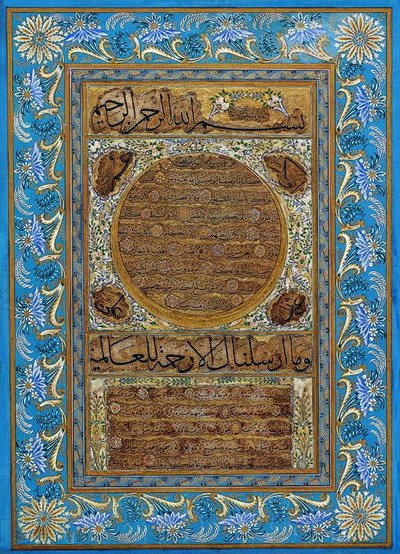
(The picture shows a 17th century Ottoman calligraphy panel by Hafiz Osman, describing the physical appearance of the prophet Muhammad; it is not permitted to show images of Muhammad in Islam)

Popular Here and There: Comparing the Shared Top 100 Names of England/Wales and Australia

03 Tuesday Sep 2013

Posted by A.O. in Name Data

≈ 5 Comments

Tags

name popularity, popular names, UK name popularity, US name popularity

In May I compared the popular names Australia shares with the US, and now that the data for England/Wales has come out, I’m going to do the same with them. I think it’s interesting to see not only see how we compare with England/Wales, but to compare our results with the earlier ones for the United States. I used the Top 100 charts drawn up by Elea at British Baby Names.

BOYS

Similar Level of Popularity (within 10 places of each other)

Alexander, Ethan, Henry, Isaac, Jack, Jacob, Jake, James, Jayden, Joshua, Kai, Logan, Luke, Matthew, Max, Michael, Nathan, Oliver, Owen, Riley, Sebastian, Thomas, Tyler, William

More Popular in Australia (11-40 places higher)

Aiden, Bailey, Benjamin, Blake, Caleb, Connor, Elijah, Harrison, Hugo, Liam, Lucas, Mason, Noah, Ryan, Samuel

Much More Popular in Australia (more than 40 places higher)

No results

More Popular in England/Wales (11-40 places higher)

Adam, Aidan, Alex, Archie, Cameron, Charles, Charlie, Daniel, David, Dylan, Edward, Gabriel, Harry, Leo, Luca, Oscar, Toby, Zachary

Much More Popular in England/Wales (more than 40 places higher)

Callum, George, Joseph, Muhammad

GIRLS

Similar Level of Popularity (within 10 places of each other)

Amelia, Amy, Anna, Ava, Bella, Eliza, Elizabeth, Ella, Emily, Eva, Evelyn, Grace, Heidi, Imogen, Isabella, Isla, Jasmine, Layla, Lilly, Lily, Lucy, Maya, Mia, Olivia, Ruby, Scarlett, Skye, Sophia, Sophie

More Popular in Australia (11-40 places higher)

Abigail, Annabelle, Caitlin, Charlotte, Chloe, Emma, Georgia, Hannah, Matilda, Paige, Rose, Sienna, Summer, Violet, Willow, Zara

Much More Popular in Australia (more than 40 places higher)

Ivy, Maddison, Madison, Sarah, Zoe

More Popular in England/Wales (11-40 places higher)

Alice, Amber, Amelie, Ellie, Evie, Holly, Isabel, Isabelle, Jessica, Leah, Molly, Phoebe, Sofia

Much More Popular in England/Wales (more than 40 places higher)

Lacey, Lola, Poppy

Australia shares 62 boys names with the US, and 61 with England/Wales, which is pretty even. But we share 13 boys names of very similar popularity with the US, and 24 with England/Wales. You can see how hard it is to decide whether our boys names are more “American” or more “English”! Interestingly, we shared more boys names with Wales than with England, so perhaps our boys names are more “Welsh” than anything else.

Australia shares 54 girls names with the US, with 19 of those at a similar level of popularity, and 67 girls names with England/Wales, with 29 of them at a similar level of popularity – in several cases, they had exactly the same popularity ranking. This is a much more clear-cut situation – our girls names are significantly closer to those in England/Wales than to the United States.

Celebrity Sibset: Wendy Harmer

17 Saturday Aug 2013

Posted by A.O. in Sibsets in the News

≈ 4 Comments

Tags

baby name advice, celebrity baby names, celebrity sibsets, choosing baby names, classic names, famous namesakes, fictional namesakes, honouring, Irish names, locational names, name popularity, popular names, products with human names, surname names

8487-1_n

Wendy Harmer is a highly successful comedian, who for many years has entertained on stage, television and radio. She was the first woman in Australia to host her own comedy show, The Big Gig, in 1989, and for more than a decade she was co-host of a top-rating breakfast show on 2-Day FM, when she became one of the nation’s highest paid entertainers.

Wendy is a prolific and successful author, having written humour for adults, chick lit novels, teen fiction, kid’s books, two plays, and the libretto for an opera. Her best-selling children’s series, Pearlie the Fairy, has been turned into an animated TV show. She is also editor of The Hoopla, a women’s news and opinion site.

Wendy is married to Brendan Donohoe, and has two children. Her son is named Marley (aged about 15), and her daughter is named Maeve (aged about 13).

Wendy appears to be yet another star of radio with a bee-lined bonnet in regard to baby names, because she has written an article about them for The Hoopla. It’s one of those “names not to call your baby” lists, which I must admit I don’t usually care for, because they don’t seem to really be helpful to parents so much as bullying anyone who happens to have different tastes and opinions from yourself.

Interestingly, Rule Number 2 on the list states that you shouldn’t use a famous person’s surname as your child’s name. Her son is named after Bob Marley. Okaaaay. Number 4 is that you musn’t name all your children with same letter. Mmmmm.

This article is an “update” of an earlier one, where one of the pieces of advice was that the pronunciation of your child’s name should be clear from the way it is spelled. Even now, when the name is quite well-known, some people don’t know how to pronounce Maeve from its spelling, and think that it must be MAY-vee or mah-EEV.

I do notice that so often when parents criticise baby names, the same criticisms could be levelled at their own children’s names. The most obvious example is that rather ghastly woman who said that place names as baby names were lower-class, when her own daughter was named after a country in Asia. I guess we all have mother-blindness about our baby names, and I have been guilty of the same thing myself – it’s an easy trap to fall into, but luckily I didn’t do it on TV or anything.

When we come up with rules on naming babies which we ourselves cannot stick to, it may be a sign that the rules aren’t all that useful. Just a thought!

Wendy doesn’t like her own name, which peaked at #15 in the 1950s, when Wendy was born. Part of her disappointment is that her mother chose the name out of a knitting pattern book, when the layette she was knitting was called the “Wendy”. She imagined that she had been named after Wendy Darling from Peter Pan, so being named after a knitting pattern didn’t seem so special.

Wendy much prefers her father’s choice for her name, which was Claire, the name of her beloved great-aunt. In the 1950s, Claire was #224; it rose steeply in popularity during the 1960s and ’70s, and has been in the Top 100 since the 1980s.

Now I think that’s really useful naming advice taken from real life. It may not be the best idea to choose a baby name peaking in popularity and about to fall and become dated, or select one virtually at random.

A better choice could be a classic which is lower in popularity and about to start rising, to become very popular in the long-term future. And it’s probably preferable to honour a beloved family member than to name your baby after a product – it’s nice to have a name which has some significance.

Think about the name story you are going to pass on to your child – a knitting pattern clearly doesn’t cut it. And sometimes dad knows best.

PS Wendy did manage to give the name Claire to one of her characters, the heroine of her novel, Farewell My Ovaries.

(Picture of Wendy and her family taken some years ago at Uluru; photo from Body + Soul)

Rich List Baby Names

15 Thursday Aug 2013

Posted by A.O. in Names in the News

≈ 4 Comments

Tags

classic names, famous namesakes, name popularity, name studies, popular names, rare names

0dfda646-ffc9-11e2-82b3-338937740ac4_556245252--646x363

BRW magazine puts out the Rich 200 list of the top 200 richest people in Australia each year, and has looked through all the names on their Rich List since the magazine was founded in 1984, to see which names are most common for rich people. They then suggest that parents may like to choose these names for their babies, in hopes that they will then become rich, or at least not look out of place just in case they ever do become rich.

You probably won’t be staggered to learn that the most common name on the Rich Lists was John, with fifty men of this name being included since 1984.

Top Ten Rich List Names for Boys

  • John
  • Peter
  • David
  • Michael
  • Robert
  • William
  • Ian
  • Paul
  • George
  • Andrew

Girls names were rather more problematic, since only 7% of the Rich List have been women, and only two female names have turned up more than once – Rose and Christina, of which there are just two examples of each. Despite having virtually no data to work with, they still manage to come up with a Top Ten for girls names as well. It seems to be based on simply putting the rest of them in alphabetical order.

Top Ten Rich List Names for Girls

  • Rose
  • Christina
  • Andrea
  • Angela
  • Charlotte
  • Elizabeth
  • Gina (short for Georgina)
  • Nicole
  • Penelope
  • Therese

You can probably see a major flaw in their name-your-baby-the-rich-way plan, in that the names on the boys list are classic names which have retained high levels of popularity over time.

John has never been off the Top 100, and was the #1 name from 1910 to 1940; it didn’t leave the Top Ten until the 1970s. So there are lots of rich men named John, but there are also lots of high school teachers, auto mechanics, scientists, discharged bankrupts, and murderers named John as well. It’s not so much a “rich man name” as an “everyman” name.

Even BRW admits that an unusual name will not disqualify you from wealth, because there are people on the Rich List named Ranald, Sinclair, Wolf, Brettney, and Merlin as well. (They also include Iris for some reason, although Iris is not particularly unusual even now, and was Top 100 from 1900-1940.)

John and Rose are nice names, well worth choosing if you like them, but they won’t make a difference to your child’s bank account. A name cannot magically bring wealth, and if you look at the Top Ten of the Rich 200, you can see that at least half of them inherited all, or the bulk of, their fortune.

The richest person in Australia is Gina Rinehart, who got her money, not because was named Georgina, but because her wealthy father died and left her his fortune. In other words, if you would like your children to be rich, the best thing to do is become rich yourself, and leave them all your money in your will. They will be able to inherit from you no matter what their first name is.

How did most people on the Top Ten get rich? Mining and property development. So go buy a mine, and turn it into a block of flats, and your child is well on its way to financial security.

Famous Names: Aria and Delta

14 Wednesday Aug 2013

Posted by A.O. in Famous Names

≈ 8 Comments

Tags

alphanumeric names, celebrity baby names, english names, famous namesakes, fictional namesakes, geographical names, Greek names, historical records, Italian names, locational names, musical names, musical terms, name popularity, name trends, names from songs, names from television, nature names, nicknames, saints names, vocabulary names

thumbThe Australian music industry celebrated an important birthday a month ago, because July 10 this year marked thirty years since the Australian Recording Industry Association (ARIA) began collating sales information from music stores. The ARIA charts developed from the Kent Music Report, and the first Australian charts began in the 1960s, collated by Go-Set magazine, the music “bible” of its time which later spawned Australian Rolling Stone, and whose weekly music columnist Ian “Molly” Meldrum would go on to host seminal music show Countdown.

The first single to top the ARIA charts way back in 1983 was Total Eclipse of the Heart by Bonnie Tyler, the first #1 album was Michael Jackson’s Thriller, and the most consistently popular performer over the many years of her career has been Madonna. However, Kylie Minogue equalled Madonna for the most #1 singles (10), and was equal second with the Black Eyed Peas for most weeks (30) spent at #1 in the singles charts.

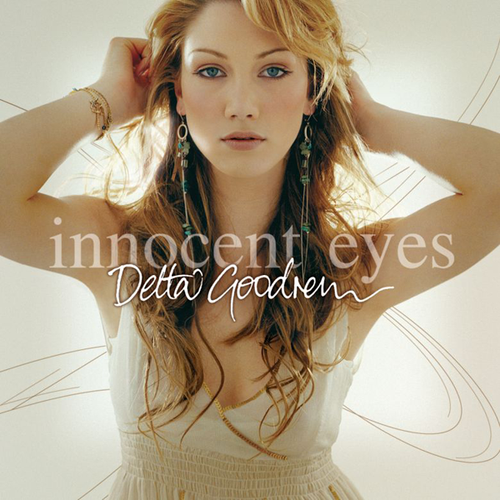
Pop singer Delta Goodrem’s debut album, Innocent Eyes, spent longer at #1 than any other Australian album at 29 weeks, and she is the first ever music artist to have five #1 singles from a debut album. Innocent Eyes went on to be the best-selling album of the 2000s. Delta played aspiring singer Nina Tucker on soapie Neighbours, where she sang Born to Try, scoring Delta her first #1 spot on the ARIA charts. She has won ten ARIA Awards, and all her albums have gone to #1, making her one of Australia’s best-selling female artists. Delta is currently a judge, coach and mentor on The Voice.

In music, an aria is a vocal piece performed by a singer, usually as part of a larger work. We often connect arias to opera, although they can be part of classical concert music too, and usually think of them as very beautiful and elaborate pieces of music that only an expert singer can do justice to.

Some famous arias are Ave Maria, O Sole Mio, La Donne e Mobile from Rigoletto, and Nessun Dorma from Turandot (if you think you don’t know them, click on the links to listen, and you’ll probably find that you have heard them before). In Italian, aria means “air”, and is from the Latin word for “atmosphere”.

As a girl’s name, Aria is usually said to be a modern English name. It’s hard to track it through historical records, as any Arias you find could easily be a misprint for Maria, so while there are hundreds of Arias in Australian records, with both English and Italian surnames, your guess is as good as mine whether they were really named Aria.

There is a Saint Aria, an obscure early Christian who was martyred in Rome, but her name seems to have been short for Ariadne.

Aria catapulted into the national Top 100 last year, debuting at #83, the second-highest rising name for girls in Australia, and possibly the highest, if we had access to all the data. The name has been popularised by the character of Aria Montgomery, from the Pretty Little Liars books and TV series, and young singer and actress Aria Wallace; it’s also been boosted by its similarity to other fashionable names, like Arya, Arianna, Ariel, Allira and Allegra. Musician Ash Grunwald welcomed a daughter named Aria earlier this year.

Delta is the fourth letter of the Greek alphabet; it’s based on a letter in several Semitic alphabets which is supposed to represent a door. The Greek letter is shaped like a triangle when capitalised, and it is for this reason that the landmass at the mouth of river became known as a “delta”. If you want to get geographically technical, it is wave-dominated deltas which tend to have this triangular form; the most obvious example is that of the River Nile, and it is the Nile Delta which was first given the name, and is the “original” delta.

The Mississippi Delta region is the area which lies between the Mississippi and Yazoo Rivers, and includes parts of the states of Tennessee, Mississippi and Arkansas. Here’s another geographical technicality – the Mississippi Delta isn’t actually a delta – it’s an alluvial plain. The Mississippi River Delta is 300 miles to the south, in Louisiana, where the river meets the Gulf of Mexico. Just in case you have, in this short space of time, due to my scintillating prose style, become obsessed with river deltas, the Mississippi River has a bird-foot delta, where long finger-like projections reach out into the sea, and isn’t actually delta-shaped in the least.

The Mississippi Delta (the region, not the actual river delta in Louisiana – gosh I hope all this geography isn’t getting too confusing) is associated with the very beginning of several genres of popular music, such as Delta blues and rock and roll. You can no doubt get yourself into some very stimulating arguments over whether Delta blues is significantly different to any other kind of blues, or just how rock and roll got started anyway, but the Mississippi Delta would be crazy not to cash in with tons of music festivals, and they’re not, so they do.

Rita Coolidge is an American singer who inspired the song Delta Lady, by her one-time boyfriend, singer-songwriter Leon Russell. I always assumed that the name came about because Ms Coolidge is from the Mississippi Delta, but – more geographical technicalities – she’s from Macon county in Tennessee, which isn’t in the Delta region. So we may be talking poetic license here rather than geographical technicalities, although from the song’s lyrics, Russell seems to be using delta as a metaphor for ladyparts (as in the erotica collection, Delta of Venus, by Anais Nin).

(Just as an aside, the faded southern belle of unsound mind in the song Delta Dawn, which became Helen Reddy’s first #1 hit, was from Brownsville in Tennessee, which prides itself on being the “heart of the Tennessee Delta”. Dawn was a real Delta Lady.)

It was the song Delta Lady which inspired Delta Goodrem’s parents to name their daughter Delta, so that is one possible source of the name, but you could see it as a geographic name, a nature name or an alphanumeric name as well. You can also see it as a musical name, because a major 7th chord is sometimes called a Delta Chord.

There are many, many women named Delta in Australian historical records, dating back to the 19th century, and it is currently #412 in Victoria.

So here’s two pretty, modern-sounding musical names for girls, both with an Australian focus. Cross-cultural Aria is much more on trend that Delta, and consequently more popular, yet Delta has a more solid history of use as a personal name. Which one do you like better?

POLL RESULTS: Aria received an approval rating of 78%, and Delta of 33%.

https://www.youtube.com/watch?v=TOz6Mt2t084

A Sibling Name for Harper

03 Saturday Aug 2013

Posted by A.O. in Naming Assistance

≈ 5 Comments

Tags

birth notices, choosing baby names, honouring, middle names, modern names, name combinations, name popularity, names of businesses, nature names, nicknames, popular names, rare names, sibsets, surname names, unisex names, US name popularity, vocabulary names

tumblr_mndd1obcEF1rrnekqo1_1280

Carissa and Nick Taylor are expecting their second child towards the end of the year, and they have a daughter named Harper Joy – Harper’s middle name is a family name.

If Harper had been a boy, the name they had picked out was Jensen, so that seemed an obvious choice for a boy’s name. However, they seem to be gradually losing interest in Jensen, and are now thinking of Carson instead. The only thing that bothers Carissa is that she wonders if Carson is too close in sound to her own name. The middle name for a boy will be Carissa’s maiden name, Fero.

They are having real problems deciding on a girl name that will match Harper. They love Avery, but dislike the idea of Ava as the nickname, and Carissa is concerned that the name will always remind her of Avery the stationery company.

They also love Quinn, but when they try to match it with a feminine middle name, it sounds too much like Queen ____. For example, Quinn Mary = Queen Mary. If they go with a more unisex middle name, it sounds “too American” to them. The middle names they are likely to use for a girl are Grace, May or Poppy (family names).

The Taylors don’t have any problems with popular names, but nothing in the Top 100 happens to appeal to them – except Willow, which isn’t possible for them to use for personal reasons.

~ ~ ~ ~ ~ ~ ~ ~ ~ ~

Name for a Boy

I get the feeling that Jensen is slipping away from you – part of the reason is probably that you think of it as Harper’s-name-if-she-had-been-a-boy, so it’s now hard for you to get enthusiastic about it on a new baby.

To me, Carson and Carissa sound similar, but not too similar, but I think this is something you have to decide for yourself. It might be a good idea to have Nick call out “Carson!” and then call out “Carissa!” and see if you can easily tell which one is your name from a distance (say, out in the back yard).

There’s nothing like road-testing a name for a week, so start using the name Carson in sentences all the time and see if it feels right to you. Talk to each other about Carson – “Carson came top of his class in maths this term; I think that extra tutoring is really helping” or “Carson has this weird rash on his left ankle. If I take him to the doctor, will they think I’m over-reacting?”.

Talk to Carson as if he’s there and already been part of your family for years. Call him to dinner, tell him to take those muddy football boots outside, talk to him about the family holiday you’re planning, ask him what colour he’d like his room to be painted. Does Carson sound like a name you can imagine saying for a lifetime? Is it a name that feels like it fits into your family? Can you imagine saying, “These are my children, Harper and Carson”?

You asked whether Jensen or Carson was more popular: Jensen is #149 in Victoria, and Carson doesn’t chart at all in Australia, although it is a Top 100 name in the US. I see Jensen fairly often in birth notices, but I can only remember seeing Carson a couple of times – once as a girl’s middle name. If popularity is a factor for you, then Carson is definitely the less common name.

Name for a Girl

If you had asked me to pick a sister for Harper, with no other information given, my top two suggestions would have been Avery and Quinn, so I think you have two excellent choices there.

Avery

It never occurred to me until you wrote it that Ava could be a nickname for Avery. While it’s hard to control what nicknames people will bestow on your child, I do feel as if Ava is the type of nickname which is not likely to take off if the parents don’t approve of it and give it their blessing. If I knew a little girl called Avery, and her mum and dad always referred to her as Ava, then I might call her that too, but I’d never think of just deciding to call her Ava on my own – maybe because I’d figure that if they’d wanted the name Ava, they would have chosen it in the first place.

As far as the stationery company goes, how often do you come across Avery? Do you have to use their products every day at work, or is it more that you’ll sometimes buy a box of labels for your Christmas cards? If you love the name Avery, I really don’t think you’ll be reminded of the stationery company once your baby girl arrives – Avery will be your daughter, and that will be it. Stationery isn’t a horrible association, and buying from Avery might even give you a bit of a buzz – seeing her name on a box of labels will probably be a thrill for a little girl named Avery anyway.

While Avery Grace or Avery May sounds nice, I think your own middle name would be lovely with Avery – Avery Elizabeth. If you were willing to share it, I think that one’s a winner.

Quinn

I see what you mean about the middle name issue with Quinn, which does make it slightly trickier for a girl’s name. I see girls named Quinn quite often in birth announcements, and what I’ve noticed is that they tend to be paired with a fairly modern or slightly gender-ambiguous middle name. Some from the blog are Quinn Eden, Quinn Gracyn, Quinn Cedar, and Quinn Brielle. I don’t think these sound “too American” – they just sound modern.

I don’t think Quinn sounds awful with any of the middle names on your list, but I wonder whether you might prefer it with a nature name eg Quinn Aspen, Quinn Autumn, Quinn Maple, Quinn Meadow, Quinn Saffron, Quinn Winter? To me, that solves the problem of Quinn + Girl Name, but at the same time, nearly everyone would recognise Quinn Meadow as a female name. It also fits in with Harper, who has a vocabulary word as her middle name.

If your heart is set on a family name, I like Quinn Poppy best, as it’s a nature name. You might also want to separate the names with another middle name, such as Quinn Winter Poppy.

Other Unisex Names for Girls

  • Arden
  • Ariel
  • Aubrey
  • Emerson
  • Fallon
  • Frankie
  • Marley
  • Morgan
  • Peyton
  • Remy

These names are all unisex, but more common on girls (like Avery), or fairly equally given to boys and girls (like Quinn). The one which appeals to me most is Arden, but I admit that might make a boy named Carson seem less usable down the track.

Well I hope that’s given you some food for thought. You’re still quite a way from your due date, so feel free to write in again as more ideas come to you!

NAME UPDATE: The baby was a boy, and his name is Jensen!

(Picture shows a vintage card with a female harpist)

Famous Name: George Alexander Louis

31 Wednesday Jul 2013

Posted by A.O. in Famous Names

≈ 16 Comments

Tags

Biblical names, classic names, epithets, famous namesakes, French names, German names, germanic names, Greek names, honouring, middle names, name combinations, name history, name meaning, name popularity, royal names, saints names, sturdy classics, underused classics

18388_662259277118346_1655646202_n

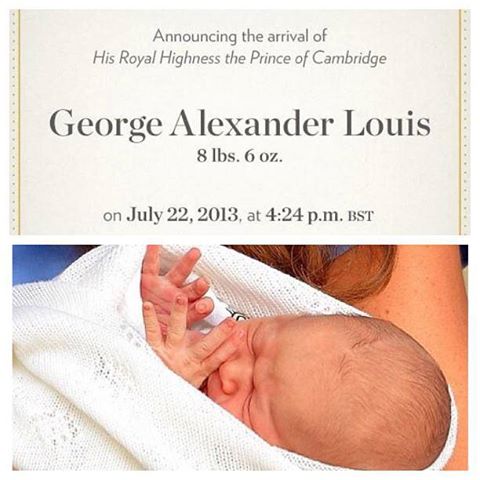
The Prince of Cambridge was born more than a week ago, and he is still big news around the globe. As future kings are born only once in a generation or so, this makes Prince George the most famous baby in the world, and it seems like an opportune time to take a look at his names.

George is derived from the Greek name Georgios, translated as “farmer”. Because it literally means “worker of the earth”, it specifically refers to the cultivation of crops.

The name George became known throughout Europe because of Saint George. According to tradition, he was a 3rd century Roman soldier from a noble Christian Greek family in Palestine. His military career went swimmingly until he was asked to sacrifice to the Roman gods, and when he refused, he was tortured and beheaded. He is venerated by Christians as a martyr.

Much later, the legend of Saint George saving a princess from a dragon was tacked on to the story. This medieval legend came from the Eastern church, and seems to be an attempt to Christianise pagan myths such as Perseus. It was brought to Europe by the Crusaders, and became a medieval romance. Saint George is the patron saint of England, and his flag, a red cross on a white background, forms part of the Union Jack.

Despite Saint George being the patron of England, his name did not become particularly common there until George I, who was German-born, took the throne of Great Britain in 1714. The name became a traditional one in the royal family, and there have been six British kings named George; the most recent the father of the present queen; he was born Albert Frederick Arthur George, and reigned under his last middle name.

George is a common name amongst many of the royal houses of Europe, and Prince Philip’s grandfather was George I of Greece, with Prince Charles having George as his last middle name. There has only been one other Prince of Cambridge, and the first one was also named George.

The name George is a sturdy classic in Australia which has never left the Top 100. It was at its peak in the 1900s and 1910s at #4, and has never been lower than #72, which it reached in the early 2000s. Currently it is #71 nationally, #64 in New South Wales,#69 in Victoria, #79 in Queensland, #48 in Tasmania and #50 in the Australian Capital Territory.

Alexander is the Romanised form of the Greek name Alexandros, translated as “defender of men, protector of men”. It first turns up in Greek mythology as the epithet of Paris, prince of Troy, who gained it while only a child, rescuing cattle from thieves while working as a cow-herd. There was a slightly earlier real life ruler of Troy named Alexander, and it’s possible the fictional Paris ended up with his name.

Just as George is a traditional name in the British royal family, Alexander was traditional in the Macedonian royal family, and the man who made the name famous for all time was Alexander III of Macedon, otherwise known as Alexander the Great. A young man of boundless ambition, Alexander conquered much of the known world, including Persia and Egypt, and invaded India before being turned back by his own men, who were getting pretty sick of his let’s-conquer-the-whole-world attitude.

Alexander was a history-maker, a great commander who never lost a battle, a role model for the empire-building Romans, and whose military strategy is still used today. He was a figure of romance, with legends being written about him even in his own lifetime. And he took power while still a teenager, dying in his early thirties, so he is always remembered as youthful, vaunting and energetic.

The name Alexander, and its many variants, spread throughout the world. There are early Christians named Alexander mentioned in the New Testament, several saints named Alexander, and many popes.

Alexander I of Scotland was named after Pope Alexander II, who gave his blessing for the Norman Conquest, and there were two more Alexanders after him in the Scottish royal family. There has never been an English king named Alexander, but the name isn’t uncommon in the royal family, and it’s especially seen use as a middle name.

In Australia, Alexander is another sturdy classic which has never left the Top 100. It was #29 in the 1900s, and sunk to its lowest level in the 1950s and ’60s at #89. It is currently enjoying some of its highest levels of popularity, being #16 nationally, #14 in New South Wales, #9 in Victoria, #20 in Queensland, #21 in South Australia, #21 in Western Australia, #26 in Tasmania and #17 in the Australian Capital Territory.

Louis is the French form of the old Germanic name Chlodowech, Latinised as Clovis, and whose modern German form is Ludwig. It means “famous warrior”. The 5th century Clovis I was the first king of the Franks to unite all the Frankish tribes under one ruler, so that they were now ruled by a single king, with kingship descending onto his heirs. He was also the first Christian ruler of Gaul.

Having created the Frankish monarchy, it’s little wonder that his name was such a big hit with French rulers, with 19 kings of France bearing the name Louis (the last one only managed a few minutes before he abdicated). The first one was Louis the Pious, son of Charlemagne, who was not only king of France but also co-ruler of the Holy Roman Empire – Louis was a traditional name amongst the Emperors as well.

Louis IX, or Saint Louis, is the only French monarch to be canonised, and Louis XIV was known as Louis the Great, or the Sun King, one of the most powerful monarchs to ever rule France. It all went wrong for Louis XVI, who was executed during the French Revolution. The other Louis the Somethings were kings in name only, as the throne had been abolished and France was no longer a monarchy.

Although so strongly associated with the French crown, Louis has been well-used as a middle name in the British royal family – in fact George I’s full name was Georg Ludwig, or George Louis. Louis is the final middle name of Prince Edward, who may have gained it from one of his godfathers, Louis, Prince of Hesse and Rhine, and Prince William, who is said to bear it in honour of Louis, Lord Mountbatten, a mentor to Prince Charles.

Louis has several pronunciations, for in French it is said loo-EE, and in English it can either be pronounced LOO-ee or LOO-is. The royal family use the LOO-ee pronunciation. Somebody recently wrote into the blog, worrying that if she called her son Louis, people might say it LOO-is by mistake, which doesn’t seem unlikely.

The name Louis is an underused classic in Australia which has never left the charts, yet never become popular. It was #101 for the 1900s, and reached its lowest point in the 1970s at #290. Since then it has continued climbing, and is currently #113 and still going strong.

George, Alexander and Louis are excellent names for a king-to-be, and great names for any boy. All classics, these are names which have stood the test of time, and been borne by men who were not just part of history, but changed history. They are names of kings and warriors and saints, defenders of the realm, and those who sought new worlds to conquer. Yet they have been borne by so many ordinary people as well that no particular expectations come with them.

These are names perfect for a prince – are any of them perfect for your little prince?

POLL RESULTS: George received an approval rating of 66% , Alexander of 88%, and Louis of 69%.

(Photo of Prince George from Facebook)

← Older posts
Newer posts →

Enter your email address to follow this blog

Categories

Archives

Recent Comments

A.O.'s avatarwaltzingmorethanmati… on Zarah Zaynab and Wolfgang…
Madelyn's avatarMadelyn on Zarah Zaynab and Wolfgang…
JD's avatardrperegrine on Can Phoebe Complete This …
A.O.'s avatarwaltzingmorethanmati… on Rua and Rhoa
redrover23's avatarredrover23 on Rua and Rhoa

Blogroll

  • Appellation Mountain
  • Baby Name Pondering
  • Babynamelover's Blog
  • British Baby Names
  • Clare's Name News
  • For Real Baby Names
  • Geek Baby Names
  • Name Candy
  • Nameberry
  • Nancy's Baby Names
  • Ren's Baby Name Blog
  • Sancta Nomina
  • Swistle: Baby Names
  • The Art of Naming
  • The Baby Name Wizard
  • The Beauty of Names
  • Tulip By Any Name

RSS Feed

  • RSS - Posts

RSS Posts

  • Celebrity Baby News: Melanie Vallejo and Matt Kingston
  • Names from the TV Show “Cleverman”
  • Can Phoebe Complete This Sibset?
  • Zarah Zaynab and Wolfgang Winter
  • Baby, How Did You Get That Name?
  • Celebrity Baby News: Media Babies
  • Celebrity Baby News: Adelaide Crows Babies
  • Celebrity Baby News: Chris and Rebecca Judd
  • Names at Work: Name News From the World of Business and Employment
  • Celebrity Baby News: Sporting Round Up

Currently Popular

  • Celebrity Baby News: Toby Allen and Darren Weller
  • Girls Names of Australian Aboriginal Origin
  • Rare Boys Names From the 1950s
  • Girls Names From Native Australian Flowers
  • The Top 100 Names of the 1920s in New South Wales

Tags

celebrity baby names celebrity sibsets english names famous namesakes fictional namesakes honouring locational names middle names name combinations name history name meaning name popularity name trends nicknames popular names saints names sibsets surname names twin sets unisex names

Create a free website or blog at WordPress.com.

Privacy & Cookies: This site uses cookies. By continuing to use this website, you agree to their use.
To find out more, including how to control cookies, see here: Cookie Policy
  • Subscribe Subscribed
    • Waltzing More Than Matilda
    • Join 517 other subscribers
    • Already have a WordPress.com account? Log in now.
    • Waltzing More Than Matilda
    • Subscribe Subscribed
    • Sign up
    • Log in
    • Report this content
    • View site in Reader
    • Manage subscriptions
    • Collapse this bar
 

Loading Comments...