• About
  • Best Baby Names
  • Celebrity Baby Names
  • Celebrity Baby Names – Current
  • Celebrity Baby Names – Past
  • Featured Boys Names
  • Featured Girls Names
  • Featured Unisex Names
  • Links to Name Data
  • Waltzing on the Web

Waltzing More Than Matilda

~ Names with an Australian Bias of Democratic Temper

Waltzing More Than Matilda

Tag Archives: famous namesakes

Requested Famous Name: Shaun

08 Wednesday May 2013

Posted by A.O. in Famous Names, Requested Names

≈ Comments Off on Requested Famous Name: Shaun

Tags

famous namesakes, fictional namesakes, historical records, Irish Gaelic words, Irish names, name history, name popularity, Norman-French names

223011-shaun-micallef

Famous Namesake
If you are a fan of comedian Shaun Micallef you must be very happy (at least on Wednesdays), because he is in two TV shows on two different channels on the same night. On the ABC at 8 pm, he hosts his own satirical news programme, Shaun Micallef’s Mad as Hell, and on Channel Ten at 8.30 pm, he co-stars with Kat Stewart in the comedy-crime-mystery series, Mr and Mrs Murder. Unfortunately, your happiness will end soon, as one series wraps up tonight, and the other next week.

Like Rebel Wilson, Shaun is trained in law, although unlike Rebel he actually got to the practising part of it, and worked as a solicitor in insurance. Somehow this failed to keep him entertained, and he did a bit of comedy on the side. Eventually Shaun’s wife got sick of him banging on about how he’d much rather work full-time in comedy; she circled a day on the calendar and told him that he had to quit his job and become a comedian by that date, or shut up about it forever. He opted not to shut up, and went into TV comedy as a writer and performer.

Shaun’s style of comedy is cerebral and surreal in a Pythonesque sort of way, and he seems like a cross between George Clooney and John Cleese, veering an erratic silver-haired path between charm and rudeness. Now that his early audiences have grown up, got mortgages and become TV executives, his style of humour has moved further into the mainstream, and he has won several awards. I think his best work was on the short-lived Micallef Tonight, his absurdist chat show which was unfortunately cancelled on flimsy pretexts.

Shaun is of Irish and Maltese heritage, which explains why he has an Irish first name and a Maltese surname. He went on genealogy show Who Do You Think You Are? in order to learn more about both sides of his ancestry, which was a surprisingly emotional experience for this aloof performer.

Name Information
The name Shaun is a variant of the Irish name Seán. When the Normans conquered England in 1066, they brought the name Jehan or Johan with them, pronounced something like DZUH-an – the DZ is like that in the word adze. In English, this was spelled Jean, and pronounced John.

When the Norman English conquered Ireland a century later, the Irish nobility were replaced by Norman aristocrats, many of whom were named Jehan or the Anglicised John. In Ireland, the name became Seán, said SHAWN, which is closer to the modern French pronunciation of Jean than it is to the English pronunciation of John. Once Anglicised, Seán dropped the accent mark to become Sean, which was further Anglicised to Shawn and Shaun.

Now, some people will object that there is no need to further Anglicise Sean – we all know the proper way to pronounce it, which is SHAWN, and Sean is the only correct English form of Irish Seán. However, it’s not quite that simple.

The little mark over the letter a in the name Seán is called a síneadh fada (or just plain fada), and it indicates that the vowel sound has lengthened into an AW sound, so that the name is pronounced SHAWN. However, in Northern Ireland the name is Séan, with the fada over the e to indicate that it has lengthened into an AY sound, and is pronounced SHAYN.

So when you see an Anglicised Sean, how do you know which way to say it – like Seán, or like Séan? We turn it into two different names, Sean and Shane, for the two different Irish pronunciations.

But this is just a useful convention, for without any fada, Sean would be pronounced neither SHAWN nor SHANE, but more like SHAN (by coincidence, shan is the Irish Gaelic word for “old”). We agree to overlook this, for the sake of convenience, but convenience isn’t exactly correctness.

In fact, depending upon their regional accent, people in Ireland may say Sean as SHAWN, SHAYN, SHON, SHEN or SHAHN, so you can see that we are not being entirely accurate when we insist that Sean is always said SHAWN.

The phonetic spellings Shawn and Shaun make things clear, and both were used in Ireland from around the 18th century, with Shawn the older form. Shaun is much more commonly found in historical records than Shawn, both worldwide and in Australia, although both are far outstripped by Sean.

Sean and Shaun began charting in Australia in the 1950s, when Irish names became fashionable, with Shawn following in the 1960s. Shaun debuted higher in the 1950s at #195, to Sean’s #209. Shawn’s debut was at #203 the following decade.

Sean and Shawn peaked in the 1970s at #44 and #144 respectively, and Shaun in the 1980s at #48. Currently Sean is #145, Shaun is #521, and Shawn #586 in New South South Wales. In Victoria, Sean is #183, Shawn is #639, and Shaun doesn’t rank at all.

Apart from Shaun Micallef, Shaun is a name well used in humour, for Shaun the Sheep is a funny animated kid’s show, and Shaun of the Dead a zombie comedy movie. Meanwhile, skater Shaun White and Australian motorcycle racer Shaun Geronimi help give this name a laid back, sporty feel.

Despite debuting higher and peaking later, Shaun hasn’t had the staying power of Sean, but it’s still a cute Irish boy’s name that won’t seem unusual in a class of Liams and Connors.

Thank you to Sarah for suggesting her son’s name to be featured on the blog.

POLL RESULT: Shaun received a decent approval rating of 70%. People saw Shaun as an Irish name well suited to Australia (21%), relaxed and friendly (14%), and easy to pronounce (14%). However, spelling was an issue, for 12% worried that it might get confused with Sean or Shawn, and a further 12% only liked the name spelled Sean. Only one person thought the name was dated.

(Photo of Shaun Micallef from Adelaide Now)

Will Sadie Always Be a Cleaning Lady?

04 Saturday May 2013

Posted by A.O. in Naming Assistance

≈ 2 Comments

Tags

choosing baby names, famous namesakes, fictional namesakes, flower names, Irish names, middle names, names from songs, nature names, nicknames, plant names, portmanteau names, retro names, sibsets, vintage names, virtue names

vintage-cleaningSamantha and Conall are expecting a baby in a couple of months, and if it’s a boy, he will be named Liam, which is a family name. Girls names are still not settled, as each name they like seems to have a few issues, but the middle name will be Patricia, which honours several relatives. Samantha and Connall have a surname starting with L and ending with R eg Lalor.

Their Short List

  • Sadie – Samantha loves this name to bits, but every time she mentions it to someone they bring up the song, Sadie the Cleaning Lady.
  • Eliza – Samantha also loves this name, but worries that Eliza Lalor doesn’t sound right. They are considering the name Elizabeth (a family name), but calling her Eliza.
  • Niamh – Samantha likes this name a lot, but worries that it is too Irish, and wonders whether spelling and pronunciation will prove troublesome.
  • Annie – Samantha thinks this name sounds almost too sweet.

Other Names That Seem Less Usable

  • Amity, Annabelle, April and Bonnie – Conall doesn’t seem so keen on these
  • Rose – a favourite name which has just been used by a close friend

Samantha would like to know what people think of their name list, and if there are any other names they might like they haven’t considered. The name has to fit their surname, suit the middle name Patricia, and not clash with Liam should they have a boy later. In general, Samantha doesn’t really like most of the girls names in the Australian Top 50.

~ ~ ~ ~ ~ ~ ~ ~

Your Name List

Sadie

Sadie is a very hip name at the moment, and you’re probably slightly ahead of the crowd on this one. If it’s any comfort, your daughter’s peers won’t know of the song, so it’s definitely not playground teasing material.

Eliza

I don’t think Eliza Lalor sounds horrible, but I agree it doesn’t seem quite right.  Elizabeth Lalor is lovely, but if you call her Eliza anyway, I’m not sure it really solves anything. Wouldn’t she still essentially be Eliza Lalor?

Niamh

This is a really gorgeous Irish name, and I don’t think there would be too many problems with spelling and pronunciation, although you probably would need to explain it sometimes. Niamh is reasonably well known and used in Australia – more than it is in Ireland at present, I believe.

Annie

You’re right, Annie is adorably sweet with your surname, although the name Annie is practical and homespun. I really like it, but saying it’s “too sweet” almost seems as if you’re looking for reasons to cross it off.

Other Names You Might Like

Zadie

This is an option to replace Sadie if you really can’t get over the “cleaning lady” association. Zadie had her heyday in the 19th century, and is probably most familiar from the writer Zadie Smith.

Maisie

Has something of the sound of Sadie and the feel of Annie. It’s not as hip as Sadie though.

Elsie

This short form of Elizabeth has a similar retro feel to Sadie and Annie.

Maeve

If you wanted an Irish name with a fashionable V sound but without the spelling/pronunciation issues, Maeve is generally well known now. Of course, that suggests that Niamh will be better understood in time too.

Nora

Has an Irish history, minimal spelling/pronunciation issues, and is hip and retro like Sadie.

Annabeth

This gives you a name that incorporates Elizabeth, but can still have Annie as a nickname. I think it’s pretty, and seems sweet and sophisticated at the same time.

Felicity

This is a virtue name like Amity with the elegance of Annabelle.

Hazel

A pretty nature name like Rose that sounds a bit like Sadie and Eliza. Like Rose, this is rising in popularity.

~ ~ ~ ~ ~ ~ ~ ~

It seems as if Sadie is easily your first choice. With the other three names on your list, the doubts you have about them are your own doubts – with Sadie, I wonder if your mind would already be made up without comments from other people.

It’s okay to change your mind about a name; it’s not cool to have your mind changed for you (except by your partner). Almost any interesting name is going to have some issue attached to it: if you want a controversy-free baby name that nearly everyone approves of, pick a name that’s in the Top 30 and rising.

For what it’s worth, I think Sadie sounds great with your surname, suits the middle name you have chosen, and would make a cute sibset with Liam. I would think long and hard before you allow outside interference to decide what you name your baby.

Good luck Samantha, and let us know what decision you make when the time comes!

UPDATE: Samantha and Conall had a boy named Liam, but later had a girl named Sadie!

POLL RESULTS
95% of respondents were not troubled by the connection between the name Sadie and the song Sadie the Cleaning Lady

47% of people had never heard of the song
25% were reminded of the song by the name Sadie, but didn’t think it was a big deal
18% did know the song, but didn’t immediately connect the name Sadie with it
6% were only reminded a little bit of the song by the name Sadie
5% of people were reminded of the song by the name Sadie, and thought it was a big problem

There was strong support for Samantha to stick with her favourite name, with 29% of readers saying that Sadie was the name the parents should choose.

Famous Name: Rebel

01 Wednesday May 2013

Posted by A.O. in Famous Names

≈ 2 Comments

Tags

birth notices, celebrity sibsets, english names, famous namesakes, historical records, Hollywood names, middle names, name history, name meaning, Old French words, popular culture, royal names, unisex names, vocabulary names

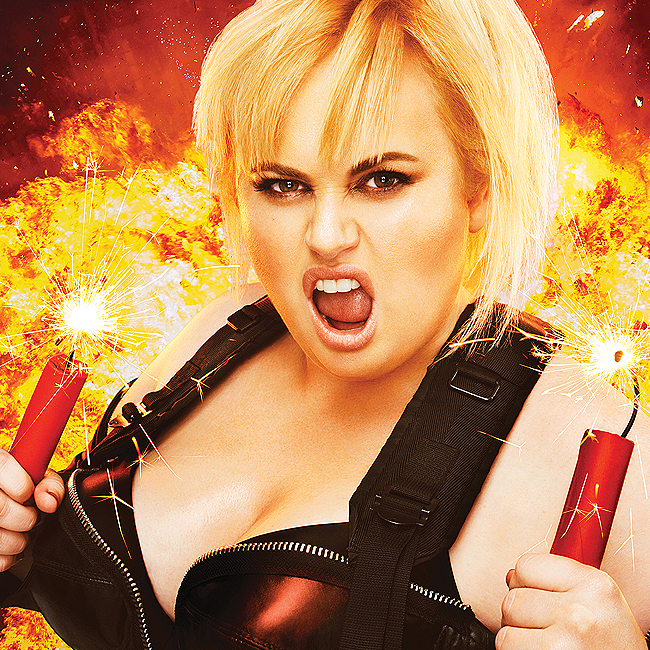
omRebel Wilson seems to be in the papers ever time I open it. Just in the past few weeks, she’s hosted the MTV Awards (and won a couple of them too), attended an official function at the White House, a Vanity Fair party, and a Hollywood première, been chosen to appear in Kung Fu Panda 3, had a glamorous makeover, is tipped to have a sex scene in upcoming Pain & Gain, performed on Late Night, and been interviewed on The View and BET.

Browsing through the headlines, I read that she is funny and wonderful, wows on the red carpet, has captivated audiences everywhere, loves being a gay icon, is now a certified international star, a great dancer and the toast of Hollywood, and it’s a proven scientific fact that she is the greatest living thing on the planet and reviewers wish she could star in every film. I am also reliably informed by some pundit that if you don’t love Rebel Wilson, you’re stupid.

It seems that Rebel has “arrived” in Hollywood, and in the uncertain world of acting, comedy and entertainment, she has gained enough success to be counted as a famous person.

It’s all a long way from her beginnings on Australian television, playing the controlling wife Toula on the SBS comedy Pizza. I could appear very clever by claiming that I always knew that Rebel would make it in Hollywood, but I can’t, because I didn’t. It never crossed my mind, even as I noted that she was a scene-stealer on the show, and by far the funniest thing about the TV special Pizza World.

To be fair, I don’t think anyone else from her early days predicted it either. A maths whiz who went on to study law, she spent a year in South Africa as a Rotary Youth Ambassador. She claims that while suffering hallucinations during a bout of malaria, she saw herself winning an Oscar. After that, she pursued acting, and when she got laughs during a serious performance, realised she had a gift for comedy.

So far, there’s been no Oscar, but she has received an acting scholarship funded by Nicole Kidman, got her big break in Bridesmaids after she wrote and starred in her own TV show, Bogan Pride, and won the MTV Movie Award for Best Breakthrough Performance in Pitch Perfect – past alumni of this award include George Clooney, Jennifer Garner, Isla Fisher and Zac Efron.

Rebel’s parents named her after a girl who sang at their wedding, and Ms Wilson’s siblings are named Ryot, Liberty and Annachi (her brother Ryot and sister Liberty have been contestants on The Amazing Race).

Professional dog showers with a surprisingly conservative streak, the Wilsons gave all their children middle names from English royalty – Rebel’s is after the present queen, and at school she was known as Elizabeth. I recently saw a birth notice for a little Rebel Elizabeth, so maybe this is a name combination which works well.

A rebel is someone who resists or defies authority, often with connotations of doing so violently. The word comes from Old French, and is ultimately from the Latin for “I fight back”.

The name Rebel became much more common in the American southern states after the American Civil War. The soldiers in the Confederate army were known as the Rebels, and personified as Johnny Rebel or Johnny Reb. It could thus be seen as a patriotic name for some Americans, and was given to both sexes, but mostly boys.

In Australia, it appears rarely in the records, mostly in the middle, and is much more common as a girl’s name. There is a female Australian film producer named Rebel Russell-Penfold, and mum Rebel Wylie writes for Kidspot.

Tough baby names like Bandit, Rocket, Blade and Maverick are fashionable, and the classic teen movie Rebel Without a Cause, western TV show The Rebel, and pop song He’s a Rebel give this name a certain retro rockabilly vibe (rebels were clearly a real fad of the 1950s and early ’60s).

Although unisex, it tends to read female in Australia, and the current success of Rebel Wilson only strengthens that. I think it can still work as a boy’s name though – it certainly doesn’t have an ultra-feminine meaning, and The Rebels is a popular name for sports teams, and also a biker club.

If you fancy the idea of having your own little Rebel, it’s a name which is on trend, and a little different without being too strange. The recent success of Rebel Wilson means that most people have heard of it, although some parents may fear that the larger-than-life comedienne could overshadow the name.

POLL RESULT: Rebel received an approval rating of 32%. People saw the name Rebel as unprofessional (19%), ridiculous (17%), and over the top (16%). However, 13% thought it was different and cool. 12% thought Rebel Wilson made the name seem more usable, while 3% were put off the name by the actress.

Waltzing with … May

28 Sunday Apr 2013

Posted by A.O. in Waltzing with ...

≈ 11 Comments

Tags

anagram names, birth notices, double names, famous namesakes, flower names, middle names, month names, mythological names, name combinations, name popularity, nature names, nicknames, plant names, popular names, retro names, sibsets

eucalyptus-flower-bookIt will be May very soon, and whenever that month comes around, it reminds me of one of my favourite Australian authors from childhood – May Gibbs. Born in England, May grew up in Western Australia, and it was while riding her pony around the bush as a little girl that she began writing stories and drawing pictures based on the native flora.

After going to art school, she became a professional illustrator in the early twentieth century, and was most famed for her “gumnut babies” – plump little cherubs scantily dressed in gumnuts, gumblossom and gumleaves. She even produced postcards of the gumnut babies to support the war effort during WW I, and her house was called Nutcote.

Later she wrote stories to accompany her enchanting drawings, the best-known being the Snugglepot and Cuddlepie series. Adults are charmed by the stories’ sense of fun, but for small children, they are filled with adventure and excitement, and can even be frightening, due to the villains of the story, the wicked Banksia Men. Without being sickly or sentimental, the subtle message of the stories is always that we must care for each other, and for the world around us.

After growing up with May Gibbs’ picture books, it is impossible to walk through the Australian bush and not see it differently; she gave us our own fairy tales and our own mythology of nature. And because many eucalyptus trees flower in autumn (not to mention some banksia species), you can see “gumnut babies” and “banksia men” for yourself in May.

The name May appears to have begun life as a short form of names such as Mary and Margaret, but very soon was associated with the fifth month of the year.

The month of May is generally said to be named by the Romans in honour of the goddess Maia, whose name may mean “greater”. She probably didn’t have a connection to the Greek goddess Maia originally, but the two goddesses became gradually merged into one. Maia was a mother goddess, an earth goddess, and encouraged growth and abundance. May is in the spring in the northern hemisphere, so readily suggests the idea of fecundity.

The poet Ovid said that the month was named for the ancestors, also connected to the word for “greater”; I’m not sure if this was his own idea or one in wide circulation in his day. On the first of May, the Romans sacrificed both to the goddess Maia and to the ancestor spirits who were guardians of the city.

The first of May has quite a history as a day of celebration. In Ireland, it is the Celtic festival of Beltane, which marks the beginning of the summer; this is observed by Neo-Pagans around the world. Related to this is May Day, a European celebration of spring and fertility which often involves dancing around a phallic Maypole decorated in blooms, and choosing a Queen of the May, as if still honouring a spring goddess. In Catholic tradition, the month of May is sacred to the Virgin Mary and the flowering of her spirituality; a continuation of the devotion to floral mother figures.

Another floral connection is the word mayflower, which can refer to several different flowering species, but traditionally is the hawthorn, also known as may, mayblossom, may tree or may thorn. The hawthorn is one of the flowers associated with Beltane, and in Ireland you can make wishes on the maytree during this festival. It is also said that they are inhabited by fairies, especially if you see a lone hawthorn bush out in the wild. To bring us back full circle, hawthorn was sacred to the goddess Maia.

The name May was at its highest popularity in the 1900s, when it was #41 for the decade, and had left the Top 100 by the 1930s. It left the charts entirely between the 1960s and 1980s, but has remained in modest use since the 1990s. Currently it is #557 (11 births) in New South Wales and #489 (10 births) in Victoria.

I should have said in modest use as a first name, because May gets a real workout in the middle position. You can’t read through a few pages of birth notices without seeing name combinations such as Charlotte May, Emma May, Harper May, Pippa May and Zara May – not to mention double names like Gracie-May, Ella-May and Lily-May.

You might say that other names are similarly popular in the middle, such as Elizabeth, Grace and Rose – and Alice is quickly joining their ranks. However, all these names are in the Top 100 and either rising or stable, so they are clearly not being neglected as first names.

Poor May lies in the doldrums, with parents preferring Maya and Mia. Even May’s big sister Mary and anagram twin Amy are much more popular, and April is far more common as a name than the following month.

Yet there is something so simple and sweet about May; it sounds old-fashioned without being the least bit musty. If you would like an underused retro name which still seems fresh and youthful, why not consider rescuing May from the middle, and putting her front, rather than centre?

Name Combinations for May

May Amelia, May Elizabeth, May Kathleen, May Luella, May Sophia, May Victoria

Brothers for May

Charlie, George, Harry, Samuel, Tobias, William

Sisters for May

Alice, Clara, Lillian, Nettie, Rose, Sadie

POLL RESULT: May received an approval rating of 93% – just 1% behind the highest-rated girls name, Layla. 37% of people liked the name May, and 35% loved it.

Boys Names Which Rose in Popularity in 2012

21 Sunday Apr 2013

Posted by A.O. in Name Themes and Lists

≈ 8 Comments

Tags

astrological names, Biblical names, celebrity baby names, Celtic names, Disney names, english names, famous namesakes, fictional namesakes, hebrew names, Hollywood names, honouring, Irish Gaelic names, Irish names, Latin names, locational names, name history, name meaning, name popularity, name trends, names from movies, names from television, nicknames, Old English names, Old Gaelic names, popular names, saints names, Scottish names, soap opera names, unisex names

586419-river-boysThese are the boys’ names which became markedly more popular last year. I think the list lacks the depth of the one for girls, with far less diversity. There is only one classic name for boys, and eight of the names are surnames – six of these ending in N. While the girls’ list shows names which are currently trending, I think a couple of these could be legitimately identified as trendy.

Braxton

Braxton is without doubt 2012’s Name of the Year, joining the national Top 50 from nowhere. It was the #1 fastest-rising name nationally, in New South Wales and South Australia; made the top 5 fastest-rising names in Victoria, Queensland, and Western Australia; and went up in Tasmania and the Australian Capital Territory. Currently it is #31 in Australia, #51 in NSW, #81 in Victoria, #25 in Queensland, #44 in SA, #34 in WA, #65 in Tasmania and #70 in the ACT. Braxton is an English surname of disputed origin. It is a corruption of an English place name; perhaps Branxton in Northumberland, meaning “Branoc’s settlement” (Branoc is a Celtic personal name derived from the word for “raven”). Braxton has been used as a personal name since the late 18th century, and originated in the United States – Carter Braxton was one of the signatories to the American Declaration of Independence. Here it is known from the Braxton brothers on soapie Home and Away; three members of a thuggish surfer gang, and sexually desirable “bad boys” (based on the real-life Bra Boys). The characters were introduced in 2011, and last year Steve Peacocke won a Logie for his role of Darryl “Brax” Braxton. Braxton is new to the charts, although short form Brax had been in the Top 100 before. I wonder if it will keep going, or will parents hit the panic button after its massive surge in popularity?

Jaxon

Jaxon was the #1 fastest-rising name in Victoria and Tasmania, made the top 5 fastest-rising names in New South Wales and South Australia, and increased in popularity in Western Australia and the Australian Capital Territory. Currently it is #37 in Australia, #54 in NSW, #52 in Victoria, #42 in Queensland, #31 in SA, #17 in WA, #33 in Tasmania and #92 in the ACT. Jaxon is a variant of the surname Jackson; although sometimes derided as a “mis-spelled Jackson”, it is a legitimate surname particularly associated with East Anglia, and possibly with the Puritans. Jaxon has been used as a first name since the 17th century, and originated in Norfolk – then an area with a high Puritan population. Jaxon has charted in Australia since the 1990s, and rose steeply to make the Top 100 in 2011. It continues to capitalise on its trendy X, and may even overtake big brother Jackson. It’s interesting that it is most popular in Western Australia, for there is a large construction company in that booming state named Jaxon.

Mason

Mason was the #1 fastest-rising name in Queensland; it increased in popularity nationally, and in every state and territory. Currently it is #15 in Australia, #24 in NSW, #18 in Victoria, #15 in Queensland, #10 in SA, #12 in WA, #8 in Tasmania, #15 in the NT and #28 in the ACT. Mason first charted in the 1980s, and rose steadily to make the Top 100 by the mid-2000s. Mason is an occupational surname for someone who worked as a stonemason. The Mason family settled in Kent, on lands granted to them by William the Conqueror for their part in the Battle of Hastings. Mason has been used as a first name for boys since at least the 16th century, and originated in East Anglia; it possibly had Puritan significance. It’s much more common in the United States, where the distinguished Mason family played a prominent role in American politics. George Mason IV was one of the Founding Fathers of the United States, and an author of the Bill of Rights. Recently it has been often used as a celebrity baby name, boosting and cementing its popularity.

Hunter

Hunter was the #1 fastest-rising name in Western Australia, amongst the top 5 fastest-rising names nationally and in Queensland, and increased in popularity in New South Wales, Victoria, South Australia, Tasmania and the Australian Capital Territory. It is currently #24 in Australia, #35 in NSW, #39 in Victoria, #19 in Queensland, #27 in SA, #22 in WA, #7 in Tasmania and #50 in the ACT. Hunter is a surname based on the English word for a man who hunts professionally, and originated in Scotland. The Clan Hunter were from Normandy and settled in Ayrshire in the 11th century; experts in hunting and fieldcraft, they were invited there by King David I, who had been brought up in a Norman court. Hunter has been used as a personal name since the early 18th century, and seems to have been most popular in the northern counties of England. The Hunter Valley is the area around the city of Newcastle; the Hunter River is named after Governor John Hunter, and as his surname suggests, he was a Scotsman. Hunter has charted in Australia since the 1990s, and made the Top 100 by the late 2000s. It shows no signs of losing steam.

Hudson

Hudson was in the top 5 fastest-rising names nationally, in New South Wales, Victoria and Western Australia, and increased in popularity in South Australia and Tasmania. Currently it is #43 in Australia, #74 in NSW, #50 in Victoria, #45 in Queensland, #36 in SA, #31 in WA, and #67 in Tasmania. Hudson is an English surname which means “son of Hudde”. Hudde can be an old nickname for Hugh or Richard, or it can be derived from the common Old English name Huda; the surname is traditionally associated with Yorkshire. Hudson has been used as a first name since the early 17th century; although these births coincide with English explorer Henry Hudson’s first voyages, it can’t be known whether he inspired them. Hudson was new to the charts last year, having gained massive popularity after pop singer Guy Sebastian welcomed his son in 2012. The inspiration for Hudson Sebastian’s name came from the Hudson River in New York, (named after Henry Hudson), as Guy and his wife Jules love New York City. However, it has an Australian connection as well, because Sir Hudson Fysh, a World War I hero, founded Qantas, so Hudson could be used to honour a family tradition in the aviation industry.

Flynn

Flynn was in the top 5 fastest-rising names in Victoria and South Australia, and increased in popularity nationally, in New South Wales, Western Australia, Tasmania and the Australian Capital Territory. It is currently #41 in Australia, #46 in NSW, #36 in Victoria, #34 in Queensland, #43 in SA, #35 in WA, #22 in Tasmania and #28 in the ACT. Flynn has been in the charts since the 1990s, and after hitting a plateau for a few years, it suddenly shot up into the middle of the Top 100 in 2011, after Miranda Kerr and Orlando Bloom welcomed their son Flynn. Flynn is a common Irish surname which is an Anglicised form of the Old Gaelic Ó Floinn, meaning “son of Flann”. Flann means “red, ruddy” in Irish Gaelic, and is the name of one of the High Kings of Tara. The name is strongly associated with swashbuckling Tasmanian actor Erroll Flynn, known for his success with the ladies. He helped inspire the character of Flynn Rider from the Disney film Tangled. Interestingly, Flynn is most popular in Tasmania.

Archer

Archer was in the top 5 fastest-rising names in South Australia and the Australian Capital Territory; it also increased in popularity in New South Wales, Victoria and Tasmania. Currently it is #92 in NSW, #47 in Victoria, #61 in Queensland, #47 in SA, #47 in Tasmania and #46 in the ACT. The name was new to the Top 100 this year. Archer is an occupational surname denoting a professional bowman, and was brought to England at the time of the Norman Conquest; the Archer family settled in Wiltshire. Archer has been used as a first name since the 17th century, and seemed to be much more common in the southern counties surrounding London. Archer may remind you of legendary bowmen such as Robin Hood and William Tell, or it could remind you of the zodiac sign Sagittarius, called The Archer. In Australia, the Archer River is on the Cape York Peninsula in far north Queensland, and the first horse to win the Melbourne Cup was named Archer. Archer’s popularity is growing partly because it’s a great way to get the popular nickname Archie.

Eli

Eli was in the top 5 fastest-rising names in Australia, and increased in popularity in Western Australia, Tasmania and the Australian Capital Territory. Currently it is #34 in Australia, #53 in NSW, #83 in Victoria, #27 in Queensland, #48 in SA, #38 in WA, #32 in Tasmania and #27 in the ACT. Eli has been in the charts since the 1970s, and reached the Top 100 in the late 2000s; since then it has gliding smoothly upward. Eli is a Hebrew name meaning “ascent”, and in the Old Testament, Eli was a high priest who is regarded as a judge and prophet in Judaism, and the teacher of the prophet Samuel. In Scandinavia, Eli is a girl’s name, used as a short form like Ellie, and pronounced EE-lee. Some Australian namesakes include rally driver Eli Evans, Olympian hockey player Eli Matheson, soccer player Eli Babalj, and kickboxer Eli “Mad Dog” Madigan. At a time when Old Testament boys’ names are slumping, Eli stands out as a Biblical success story, and tended to rise when Elijah did too.

Patrick

Patrick was in the top 5 fastest-rising names in South Australia, and increased in popularity nationally, in New South Wales, Victoria, Western Australia, Tasmania, and the Australian Capital Territory. Currently it is #42 in Australia, #47 in NSW, #34 in Victoria, #53 in Queensland, #35 in SA, #47 in WA, #53 in Tasmania, and #25 in the ACT. In Australia, Patrick is a sturdy classic which has never left the Top 100. It was #36 in the 1900s, and peaked in the 1990s at #34; the lowest it has ever been is #68, in 2009. Patrick is from the Latin name Patricius, meaning “nobleman”, and its fame today is entirely down to one man – Saint Patrick. Saint Patrick was a 5th century Romanised Briton brought up in a Christian family. As a teenager, he was captured and carried off as a slave to Ireland, where he remained for six years. He managed to escape back to Britain, but returned to Ireland as an ordained bishop to undertake missionary work. Called the Apostle of Ireland, he is the major patron saint of Ireland, and such a vital part of Irish identity that his feast day on March 17 is seen as a celebration of Irish culture.

Harrison

Harrison was in the top 5 fastest-rising names in Queensland, and increased in popularity nationally and in South Australia. Currently it is #22 in Australia, #25 in NSW, #26 in Victoria, #16 in Queensland, #13 in SA, #27 in WA, #34 in Tasmania and #40 in the ACT. Harrison has charted since the 1980s, and skyrocketed into the middle of the Top 100 during the 1990s. It peaked at #23 in the early 2000s, then fell before starting to climb again, so it’s now on its second wind. Harrison is a surname meaning “son of Harry”, with Harry itself being a short form of Henry. Harrison has been used as a first name since the 16th century, and over time became greatly more popular in the United States than in Britain. This may be because of the Harrison family of Virginia, who were related to King Edward I. They managed to produce numerous state governors, as well as two presidents – Benjamin Harrison and William Henry Harrison. The popularity of Harrison as a first name is probably due to actor Harrison Ford – the name began charting just after he starred in the first Star Wars movie, and boomed during the Indiana Jones series.

POLL RESULT: People’s favourite names were Flynn, Archer, and Patrick, and their least favourite were Braxton, Mason, and Jaxon.

(Photo shows the Braxton brothers from Home and Away)

Girls Names Which Rose in Popularity in 2012

14 Sunday Apr 2013

Posted by A.O. in Name Themes and Lists

≈ 25 Comments

Tags

celebrity baby names, classic names, english names, epithets, famous namesakes, fictional namesakes, Gaelic names, germanic names, Hollywood names, locational names, mythological names, name history, name meaning, name popularity, name trends, names from television, Native American names, nature names, nicknames, Old French names, Old Norse names, plant names, popular names, retro names, royal names, Scottish names, Slavic names, Spanish names, surname names, Twilight names, unisex names, vocabulary names

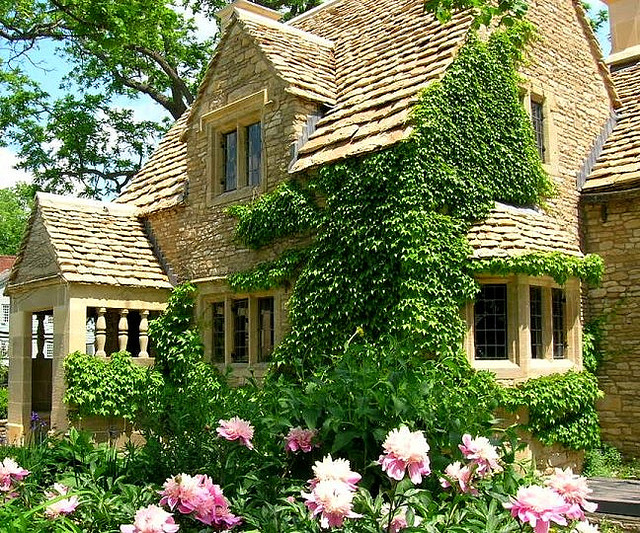
213495458_f0e01eb1bf_z-Cotswold-Cottage-2These names became noticeably more popular in Australia last year. If you are considering using any of them, don’t panic. Most are making solid progress rather than madly storming upward. It would be foolish to reject them based on their current popularity, and silly to fret if you chose one of these names in 2012.

The list indicates the diversity of girls’ names at present, with a mix of classic and modern; places and nature; Hollywood and royalty. There’s something for nearly everyone amongst these popular names.

Ivy

Ivy was the fastest-rising girl’s name both nationally and in Western Australia last year, and made the top 5 fastest-rising names in South Australia, Queensland and the Australian Capital Territory. It became more popular across the board in 2012, and nationally rose 18 places. This is its second time around in the Top 100 – Ivy was #17 in the 1900s, and didn’t leave the Top 100 until the 1940s. It vanished from the charts in the 1970s, but reappeared in the 1990s. Ivy soared during the 2000s, making the Top 100 by the end of that decade. It is currently #22 in Australia, #21 in NSW, #27 in Victoria, #25 in Queensland, #22 in SA, #28 in WA, #44 in Tasmania, and #30 in the ACT. Ivy is named for the plant, and like its namesake, is presently climbing; Beyonce‘s daughter Blue Ivy may have given the name publicity. Chances are we’ll be seeing more of this fresh, pretty retro name, which sounds similar to popular Ava, Eva and Evie.

Savannah

Savannah was in the top 5 fastest-rising names in South Australia, went up 9 places nationally, and increased in popularity in New South Wales, Victoria, Queensland, Western Australia and Tasmania. It is currently #35 in Australia, #38 in NSW, #74 in Victoria, #28 in Queensland, #43 in SA, #35 in WA and #94 in Tasmania. Savannah first charted in the 1990s, and climbed until it reached the Top 100 at the end of the 2000s. Savannah is an alternate spelling of the word savanna, referring to grasslands that have scattered trees, or where the trees are open to the sky; large tracts of northern Australia are savanna. The word comes from the Spanish sabana, derived from the Arawak (Native American) word zabana, which originally meant a treeless grassy plain. Savannah is a place name in the United States, most famously the city in Georgia. The city’s name comes from the Savannah River, which may be derived from the Shawnee people, or from Native American words for “southerner” or “salt”. The city featured in 1990s soap, Savannah, which probably accounts for its début in the charts that decade. While I imagine Savannah originally got its foot in the door because it sounds like Susannah, here it fit in with those other hip names of the ’90s, Ava and Sienna. Like Harper, this is another American South-inspired name, but also a royal one, because the queen’s first great-granddaughter is named Savannah.

Harper

Harper was the fastest-rising name in Tasmania and Victoria, made the top 5 fastest-rising names in South Australia and Western Australia, and became more popular in every state. Currently it is #39 in Australia, #37 in NSW, #29 in Victoria, #36 in Queensland, #44 in SA, #29 in WA, and #31 in Tasmania. Harper began as a surname from the English word for a professional harp player. The surname  originates from the west coast of Scotland, and is especially associated with the Clan Buchanan. The name also has Christian overtones, for heaven is said to be filled with the sound of harp music. Harper has been used as a first name since the 17th century, and was originally given to boys. The fame of (Nelle) Harper Lee, author of To Kill a Mockingbird, gave it a feminine slant. Harper only began charting in 2011, after David and Victoria Beckham welcomed their first daughter. Harper Beckham was named by her brothers after a character in Wizards of Waverley Place (although Victoria Beckham also happened to be working for Harper’s Bazaar at the time). The Beckhams said they wanted a name to honour their time in the United States, and chose this American-style name. Many Australians have followed in their footsteps.

Alice

Alice was the #1 fastest-rising name in South Australia, and has just joined the Top 20 in the Northern Territory, so it has gained popularity in central Australia. Intriguingly, the town of Alice Springs is in the middle of the Australia, offering food for thought. Alice also went up in popularity nationally, in Victoria, and in Tasmania. It is currently #43 in Australia, #49 in NSW, #34 in Victoria, #53 in Queensland, #34 in SA, #49 in WA, #41 in Tasmania, #20 in the NT and #43 in the ACT. Alice is a classic name which has never left the charts. It was #4 in the 1900s, and just missed out on the Top 100 in the 1940s, at #105. It reached its lowest point in the 1960s at #265, then began climbing, reaching the Top 100 for the second time in the 1990s. Since the beginning of the 2000s it has made staid but steady progress up the charts, and become middle name de jour. Alice is from the Old French name Aalis, short for Adelais, which is a short form of the Germanic name Adelheidis, meaning “noble kind” (which Adelaide is based on). Alice became popular in the Middle Ages, and got a boost during the 19th century after Queen Victoria had a Princess Alice. It’s been a favourite in fiction ever since Lewis Carroll penned Alice in Wonderland, and is the name of a main character in the Twilight series. Sensible, yet with a touch of magic, sweet Alice is one to keep your eye on.

Willow

Willow was in the top 5 fastest-rising names in Western Australia, went up  nationally, and increased in popularity in New South Wales, Victoria and the Australian Capital Territory. It is currently #44 in Australia, #43 in NSW, #33 in Victoria, #39 in Queensland, #32 in WA, #73 in Tasmania and #68 in the ACT. Willow first charted in the 1990s, and rose precipitously to make the Top 100 by the late 2000s. Willow is named for the genus of small trees and shrubs which symbolise both wisdom and deep loss. It has been used as a personal name since the 18th century, and was originally given equally to boys and girls. It has only ever charted for girls in Australia, but is still occasionally used for boys. The 1988 fantasy film Willow, which possibly played a role in Willow joining the charts in the ’90s, has a hero named Willow. In 2011, pop singer Pink welcomed a daughter named Willow, and that doesn’t seem to have done this name any harm. Flower names mostly didn’t do well in 2012; Ivy and Willow show that greenery is more appreciated than petals at present.

Mackenzie

Mackenzie made the top 5 fastest-rising lists in New South Wales and Victoria, and increased its popularity in other states and the Australian Capital Territory. Currently it is #46 in Australia, #57 in NSW, #44 in Victoria, #45 in Queensland, #33 in SA, #37 in WA, #45 in Tasmania, and #48 in the ACT. Mackenzie has charted since the 1990s, and zoomed up the charts to make the Top 100 by the early 2000s. It dipped out of the Top 100 in 2009, but was back the next year. Mackenzie is a Scottish surname, an Anglicised form of of the Gaelic Mac Coinnich, meaning “son of Coinneach” (Coinneach is the original form of Kenneth). The Clan Mackenzie is from the Highlands, and of Celtic origin; they trace their clan name back to the pagan god Cernunnos. Mackenzie has been used as a first name since the 18th century in Scotland; it was nearly always given to boys in the beginning, but not exclusively so. Mackenzie first charted in the US as a female name, popularised by actress (Laura) Mackenzie Phillips, who was in American Graffiti. Since then there have been other Mackenzies on our screens; most recently, Mackenzie Foy played Renesmee in Breaking Dawn – Part 2. 

Audrey

Audrey made the national Top 50 last year, and according to my estimate, rose almost as many places as Ivy. However, it’s harder to see where the gains were made than it is with Ivy, although Audrey made significant increases in New South Wales and Victoria, and modest ones in Tasmania and the Australian Capital Territory. Currently it is #50 in Australia, #36 in NSW, #32 in Victoria, #55 in Queensland, #96 in Tasmania and #35 in the ACT. Like Ivy and Alice, Audrey has been Top 100 before. Although it was #156 in the 1900s, it made the Top 100 the following decade, and shot up to peak at #32 in the 1920s. It sank faster than it had risen, and was #197 in the 1940s, reaching its lowest point in the 1980s with a ranking of #0. Since then it has climbed, and reached the Top 100 again at the end of the 2000s. It looks likely to overtake its earlier peak, but Audrey seems to be under the radar at present. This is one of those names which is probably more popular than you think, and has an Australian connection, for the famous Skipping Girl Vinegar neon sign in Melbourne is affectionately known as Little Audrey.

Mila

Mila was the #1 fastest-rising name in the Australian Capital Territory, and grew more popular in New South Wales, Western Australia and Tasmania. It is currently #59 in NSW, #46 in Victoria, #65 in Queensland, #44 in WA, #70 in Tasmania, and #48 in the ACT. Mila only began charting in 2011, so has been extremely successful in a brief space of time. The fame of Hollywood actress Mila Kunis must have had an impact; Mila entered the charts the year after Ms Kunis appeared in Black Swan. Mila is a short form of Slavic names containing the element mil, meaning “gracious, dear”. Mila Kunis’ full name is Milena, which is the feminine form of the Slavic name Milan, meaning something like “dear one”, and often translated as “sweetheart”. Mila sounds similar to other popular names such as Mia and Milla, and at the moment is doing very well.

Freya

Freya is a name just beginning to make an impression, for it joined the Top 100 in Tasmania and the Australian Capital Territory last year, and was in the top 5 fastest-rising names in Tasmania. Both these regions have small population sizes, so you can be forgiven for being a little sceptical; Freya is currently #174 in NSW and #129 in Victoria. Freya is the English spelling of the Old Norse goddess Freyja – her name means “lady”, and was originally an epithet. In Norse mythology, Freyja is a goddess of love, sex, beauty, fertility, sorcery, gold, war and death. Immensely beautiful and clever, she rules over a field in the afterlife. The name Freya has been popular in the UK for several years now, and is well known here due to Tasmanian actress Freya Stafford; it doesn’t seem too far-fetched that we should follow Britain’s lead, but we shall have to wait and see.

Josephine

Josephine just managed to squeeze onto the Top 100 in New South Wales last year. That may not sound impressive, but the amount Josephine climbed was phenomenal – it went up 99 places, far outstripping Ivy’s mere 18. For that reason alone, it deserves a place on this list. Josephine is a solid classic which has never been off the charts, or left the Top 200; on the other hand it has never enjoyed high popularity either. It was #86 for the 1900s, and peaked the following decade at #76. It just failed to reach the Top 100 of the 1940s at #103, and dipped in the 1980s to make #172. Its progress has been up and down, but never too high or low, and it reached its lowest point in the charts in 2011, at #199. It has more than made up for this by getting back to the Top 100 in 2012, where it hasn’t been since the 1930s. Currently it is #100 in NSW and #105 in Tasmania. Josephine has recently made its mark as a royal and celebrity baby name, with Josephine chosen for the daughter of Prince Frederik and Princess Mary of Denmark, and also the grand-daughter of former prime minister Kevin Rudd. Will Josephine continue its ascent? Historically it’s unlikely, for Josephine seems most comfortable in the low to mid 100s, and may very well drop back this year. Stay tuned!

POLL RESULT: People’s favourite names were Alice, Ivy, and Freya, and their least favourite were Harper, Savannah, and Mackenzie.

Name Trends from Baby Center Australia – Boys

02 Tuesday Apr 2013

Posted by A.O. in Name Data

≈ Comments Off on Name Trends from Baby Center Australia – Boys

Tags

Baby Center Australia, celebrity baby names, famous namesakes, fictional namesakes, name trends, names from movies, popular names, surname names, unisex names

Biggest Movers Up

  1. James +14 at least
  2. Cooper +11
  3. Xavier +9
  4. Jackson +8
  5. Liam and Thomas +6

Also Up

Benjamin, Lucas, Samuel, Ethan, Mason

James returned to the Top 20 after dropping off it in 2011 – Baby Center suggests the 50th anniversary of James Bond films may be a factor, which doesn’t seem too implausible. Samuel is also back on the list, no theories as to why. Xavier was new to the list last year, and continues his ascent; Benjamin was new too, and went up slightly. Baby Center believes this because of model Gisele Bundchen’s son Benjamin, born in 2009. Cooper and Jackson are two surname names doing well, with Mason new to the Top 20. Liam made modest gains, which Baby Center attributes to the success of One Direction. As Harry is suddenly doing really well in the official data, this seems fairly convincing.

Biggest Movers Down

  1. Riley -25
  2. Charlie -11
  3. William -9
  4. Aiden -8
  5. Alexander and Jack -8

Also Down

Lachlan, Max, Jacob, Joshua, Noah

Riley really stood out, diving 25 places right off the Top 20, and Charlie also fell more than 10 places, so it became less popular for both sexes. Old favourites William and Jack took a bit of a tumble, while Alexander, new to the Top 20 last year, left it this year. Oliver was the only name to stay at the same position, maintaining his presence as the #1 name. Baby Center noted that there were fewer alternative spellings for boys’ names in 2012, suggesting a shift back to basics.

New or Returned to the Top 20

  • Samuel #18
  • Mason #20

Gone from the Top 20

  • Riley #12
  • Alexander #18

No Change in Position

  • Oliver #1

Famous Names: Ellen and Portia

28 Thursday Mar 2013

Posted by A.O. in Famous Names

≈ 1 Comment

Tags

Arthurian names, car names, changing names, classic names, english names, fairytale names, famous namesakes, fictional namesakes, German names, Latin names, mythological names, name history, name meaning, name popularity, name trends, nicknames, Roman names, Shakespearean names, surname names, William Shakespeare

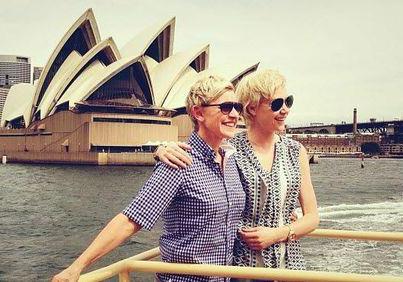
531523_10151298153817261_581124430_nAmerican chat show host, Ellen DeGeneres, was in Australia this week. She follows in the footsteps of Oprah Winfrey, another American chat show host who brought her show to Australia, in 2010. However, while Oprah managed to get around quite a bit, Ellen (who was recovering from ‘flu), just popped in to Sydney and Melbourne.

She did seem to take a bit of a shine to Melbourne, saying it reminded her of Boston and New Orleans, and even said that it was possible she and Portia would live there one day. Ellen is practically an Australian-in-law, because her wife, model and actress Portia de Rossi, is from Australia.

Portia was born Amanda Lee Rogers in Geelong. She changed her name as a teenager to sound more exotic and interesting – Portia is after the heroine of Shakespeare’s The Merchant of Venice, and de Rossi is an Italian surname, which probably means “red” (like Russell).

Portia de Rossi is the name of the mother of famous Italian poet Torquato Tasso, but I’m not sure whether the young Amanda Rogers was aware of that. Since her marriage, Portia has legally changed her name to Portia Lee James DeGeneres. I don’t know where the James comes from.

The name Ellen is a medieval form of Helen, making it the English equivalent of Elaine. Ellen was a fairly common name in the Middle Ages, and features in the English fairy tale Childe Rowland, where Burd Ellen is Rowland’s sister, who must be rescued from Elfland. Childe and Burd don’t mean how they sound – childe was a title given to the eldest son in a noble family, while burd means “lady, maiden”. In some versions of the tale, they are the children of Queen Guinevere, and Merlin also plays a significant role in the story.

Ellen is a classic name in Australia, which was at its most popular in the 1900s, when it was #20. It remained on the Top 100 until the 1950s, and made its way back there in the 1990s, when it reached #92. It’s been fairly stable for a few years now, and in 2011 rose slightly from #517 to #470. Although this looks like quite a jump, it represents just two more babies named Ellen.

With Ella and Ellie in the Top 100, and Elle, Eleanor and Elena rapidly gaining in popularity, and retro Nelly, Nellie, Nella and Nelle becoming increasingly hip name choices, Ellen seems extremely usable, with a host of cute and fashionable nicknames. Simple, pretty and unpretentious, I feel that we will see more of this name in years to come.

Portia is a variant of Porcia, the feminine form of the Roman family name Porcius, from the Latin for “pig”. A lot of people have problems with this name meaning, but the Fabii were named after the broad bean, and perhaps the Porcii gained their name from pig farming.

Another possibility is that in many parts of the ancient world, pigs were sacred animals of the Underworld, fertility and the moon, and there may have been some religious connotations to the name (and in fact pig farming itself had a distinctly religious side, as the Romans were very fond of sacrificing pigs to the gods). Many ancient gods and goddesses were connected with swine, such as Osiris, Adonis, Attis, Demeter, Persephone, Freya and Ceridwen. They were beasts of a mysterious and ancient power, and held in awe.

The most illustrious branch of the Porcius family were the Catones, which included Cato the Elder and his great-grandson, Cato the Younger. Cato the Younger had a beautiful, intelligent daughter named Porcia, and she married her cousin, Marcus Junius Brutus – famous for being one of the key people in the assassination plot against Julius Caesar. Porcia was the only woman who knew of the conspiracy, and as such she plays a role in William Shakespeare’s play, Julius Caesar.

However, when we think of Portia, we automatically think of Portia from Shakespeare’s Merchant of Venice, a beautiful and brilliantly intelligent lady who manages to get her own way while still showing obedience. She steals the show and saves the day in a gripping cross-dressing courtroom drama as her fine legal mind swoops in on a loophole in the law. Even now we sometimes call a gifted female lawyer a Portia. The role of Portia was once famously played by actress Ellen Terry.

Portia is an elegant literary name, with historical and fictional namesakes who have both beauty and brains. People seem to either love it, or find it pretentious. Another issue is that it sounds like the name of the car company, Porsche. (Porsche is a German surname derived from the name Boris). Because some people do use Porsche as a girl’s name, a certain type of parent does worry that a daughter named Portia will have her name confused with little girls named Porsche.

So Portia is not without her issues as a baby name, but still a very lovely one nonetheless.

POLL RESULT: Ellen received an approval rating of 46%, and Portia a rating of 31%.

(Photo shows Ellen and Portia on Sydney Harbour)

Names Spotted at Home and Abroad (Summer Edition)

25 Monday Mar 2013

Posted by A.O. in Names Spotted at Home and Abroad

≈ 3 Comments

Tags

animal names, Australian Aboriginal names, changing names, culinary names, english names, ethnonyms, famous namesakes, fictional namesakes, fish names, floral emblems, flower names, food names, French names, German names, honouring, initials, Japanese names, Latin names, locational names, makes of cars, name combinations, name meaning, names of horses, names of spices, names of weapons, Native American names, nature names, nicknames, Persian names, plant names, rare names, rose varities, sibsets, surname names, types of boats, unisex names, vocabulary names

297602-baby-namesThe first baby born in Wollongong for 2013 was Rumi Vassilakoglou; he is named after the medieval mystical Persian poet, whose moniker means “from Rome” (this name for him is not used in Muslim countries, by the way). Rumi’s mum is named Leila, and his younger sibling is Mahli.

Your baby disappearing is every parent’s worst nightmare, but little Minowa Worthington’s story ended happily. Minowa is the name of a Japanese town, and a Japanese surname, but baby name books tell me it also Native American for “one with a moving voice”. They don’t say which language it is from, but I have seen Native Americans online with Minowa as their surname.

A Gold Coast baby born in the Queensland floods was named Sabre Smith. Although his name can be after the sword, putting it in the same genre as Blade or Steel, a sabre is also a class of racing boats – which seems apt for a baby born surrounded by water.

Another water baby is Dwight Anderson, who was born in the bath. I was a tiny bit surprised to see such an old-fashioned name in use … much more surprised to see that Dwight is a girl. Dwight’s sister is named Billie-Jo.

Allegra Bluebelle from Canberra, born in the city’s centenary year, has a middle name after its floral emblem, the royal bluebell. A little girl born on the city’s birthday seven years ago has the same initials as the Australian Capital Territory – Aisha Caitlyn Truselsen. A fisherman has a daughter named Makaira Indica, which is the scientific name for the black marlin (this isn’t connected to Canberra, so not sure why they mentioned it, but there you go).

The Hallett family changed their name by deed poll to Holden, in honour of the make of car. Not content with that, they have given their children Holden-related names too. Their son is named Toree, after the Torana, and his little sister is named Elcee – after the LC generation of Toranas.

An article about “unique” names quoted brothers named Mac and Fonzii. I have no idea why Mac is supposed to be unique, but Fonzii does seem slightly out of the ordinary. He’s not named about Fonzie from Happy Days, which reminds me of the baby named Tinkabell not named after the fairy. Other unusual names of real babies mentioned were Dragon, Justus, Porch, Ever, Notorious, Cash, Lychee and Bandit.

Another article on the same subject, with much the same information, featured a baby boy named Ace Bear Johnson, which strikes me as both cute and sporty (Ace’s sister is named Esmee). There was also a baby girl named Annecy Belle Easton [pictured], named after a French town that her parents fell in love with after they stayed there. She is called Annie for short, and Annecy’s mum also has the name of a French town – Nancy. Article also mentions real babies named Batman, Blaze and Charisma.

Darwin schoolteacher Wendy Green named her racehorse Rogan Josh, after the Indian spice mix, which she saw at the supermarket. She claims that in Tennant Creek, she was asked to baptise a baby, which she did using champagne, and named the baby Rogan Josh as well. You may take this story with as many grains of salt as you wish – but Rogan Josh really isn’t too bad a name. It literally means “boiling oil” in Persian.

Friday’s birth notices included a new baby named Passion Brinessa Ajayla Quinatee Martin, who is the 12th child in her family. The rest of the family are Samantha Jayne (18), twins Shantelle Victoria and Stephanie Catherine (15), Jenaya Lee (11), Shania Kay (10), Brandon Bradley (7), Brandi Shyla Molly Robyn (6), Cruz Richard (5), Clayton Adam Logan (4) and Diammond Sparckle Zedekeyah Lilly Ann (3). Mum is named Brinessa, which is a variety of rose, and quite an unusual name too. She admits she did find it difficult to come up with original names, and turned to an iPhone application for inspiration.

Names of Adults

Lyra Benbow is a primary schoolteacher in the Melbourne suburb of Digger’s Rest who is just about to spend her Easter break doing volunteer work in Uganda. Is anyone else just loving her name? It sounds like something out of a fantasy novel.

Another awesome name from the papers: Eugenie Pepper, who runs a children’s fashion business named Plum. I feel like ringing her number to hear if she answers, “Hello, this is Pepper of Plum”.

Last year, Cressida Moneypenny attended the Anzac Day commemorations in Turkey. Originally from the Gold Coast, Ms Moneypenny was drawn to her name’s spiritual home, and moved to London. Ian Fleming never gave his Miss Moneypenny a name, but I feel sure it should have been Cressida …

The Melbourne Comedy Festival will feature eight comedians named Dave. Why so many funny guys named Dave? Dave O’Neil was a David until he started in comedy – then he became Dave, which seemed more man of the people. Dave Hughes also began as a David, but said he couldn’t make it stick – people just expect a comedian of a certain age to be a Dave, apparently. All the Daves agreed they had been stuck with an uncool name – while a David can be hip or sexy, a Dave is always daggy.

Names From Real Life

A pair of sisters named Ilse and Matine, which I thought went together really well without being in the least matchy. Ilse is a German nickname for Elizabeth, while Matine is based on the French word for “morning”.

Another cute sibset, this time a little hippyish – Lotus, Jewel and Sunny (two girls and a boy). They are names which just make you smile.

Someone I know told me they have a new niece named Berrilee, which is the name of a suburb of Sydney (and one I missed!). It is derived from an Aboriginal word meaning perhaps “mouth” or “food”, and far from being a modern innovation, baby Berrilee is named after an ancestor.

A name I saw on a class list at the start of the school year – Phonique. It’s French for “phonic”, as pertaining to sound, and is used by a (male) DJ in Europe. To me it almost seems like a portmanteau of phony and unique …. and quite technological.

In spring it was Aryan … here’s another name I saw some people find controversial – Gypsy. This is a name more common in Australia than it is in the UK and other European countries, which have significant populations of Romanis or Travellers (who sometimes refer to themselves as gypsies). Romanis are not in fact from Egypt, which is what Gypsy literally means – their origins are from the Indian subcontinent.

Names of Babies Born to People I Know or Know Of:

Girls: Florence, Harriet, Lola, Marina

Boys: Arlo, Gus, Huxley

Waltzing with … Neville

24 Sunday Mar 2013

Posted by A.O. in Waltzing with ...

≈ 2 Comments

Tags

aristocratic names, dated names, english names, famous namesakes, fictional namesakes, Harry Potter names, honouring, locational names, middle names, name combinations, name history, name meaning, name popularity, nicknames, Old French names, sibsets, surname names

Bonner - 700_tcm16-37336Today is Palm Sunday, which commemorates the triumphal ride into Jerusalem by Jesus about a week before the Resurrection. The people hailed him as if he were a victorious king, laying palm branches in his path. We already know that James Cook named the Whitsunday Islands and Trinity Beach after important days in Easter-tide, and on Palm Sunday 1770, he named the Palm Islands in northern Queensland after the day. After World War I Palm Island became an Aboriginal settlement, where the government maintained a repressive control over the Indigenous population.

On March 28 it will be 91 years since Aboriginal activist and Jagera elder Neville Bonner was born, and another tie-in with this time of year is that Neville once lived on Palm Island. Born on a small Aboriginal island settlement in northern New South Wales, he never knew his father and received almost no formal education. After working as a farm labourer, he moved to Palm Island with his family in 1946, and became assistant overseer of the settlement.

His time on Palm Island gave him both an interest and experience in politics, and after moving to Ipswich in 1960, he became the president of moderate indigenous rights organisation One People of Australia League, and an office holder in the Liberal Party. He was the first indigenous Australian politician, and elected senator in his own right four times.

Neville was appointed to the board of the ABC, and the council of Griffith University, which also awarded him an honorary doctorate. In 1979 he was named Australian of the Year, and in 1984 appointed as Officer of the Order of Australia. After his death, the Neville Bonner Memorial Scholarship was created for Indigenous students to take honours in political science. There is a Queensland electorate and a Canberra suburb of Bonner, named after him.

Neville is an English surname which was introduced to Britain by the Normans, and refers to a French place name in Normandy, either Neuville or Neville. Both places mean “new settlement” in Old French, and are common names of towns in France.

The House of Neville is an aristocratic English family which can trace its lineage back to Anglo-Saxon times. Although they married into the Norman nobility and assumed a Norman surname, the male line of the family had been ruling landowners in Northumbria since before the Conquest, with their ancestral seat near Durham, and were already wealthy and powerful in their own region.

The Nevilles continued to gain power, often appointed to prestigious royal offices and administrative roles. Ralph Neville was one of the founding members of the Peerage of England, being one of those summoned to sit in the House of Lords when it was established in 1294, and by the 14th century the family owned large tracts of the north of England.

They married into the royal family, but lost a great deal of power by getting involved in the War of the Roses, and also backing the wrong horse by supporting Mary, Queen of Scots instead of Elizabeth I (the Nevilles also claimed descent from one of the royal families of Scotland). Although their glory days were over, the Nevilles continued gaining earldoms and baronies through a junior line of the family, and they are still members of the peerage.

Neville can be found used as a first name from the 16th century, but remained extremely rare until the 18th century. Given that the Nevilles were so powerful in the north, you might expect to find the name greatly more common there than in the southern counties, but that doesn’t seem to be the case. It did appear to originate in Lincolnshire though, which is one of the many areas where the Nevilles owned estates and had loyal political supporters.

In Australia, Neville just squeezed onto the Top 100 of the 1900s at #99. It continued rising and peaked in the 1920s (when Neville Bonner was born) at #30; it didn’t leave the Top 100 until the 1960s, missing out by only a few places at #104. Neville hasn’t charted at all here since the 2000s.

It is sometimes suggested that the character of Neville Longbottom from the Harry Potter books could help raise the popularity of this name; however, it seems that almost as soon as the first book was published, Neville disappeared from the charts altogether.

The trouble was that Neville Longbottom, although a good person and loyal Gryffindor, was not necessarily an attractive character to parents. Chubby, unpopular and low on self-esteem, he seemed to be dogged by the chronic bad luck suffered by the self-conscious and unconfident. He lost and forgot things, had minor accidents, was bullied by both students and teachers, and was a mediocre student except in Herbology.

In the fifth book, The Order of the Phoenix, it was revealed that Neville’s parents, brave and gifted warriors in the fight against Voldemort, had been tortured to madness and permanently institutionalised. Although this evoked enormous sympathy for Neville, it didn’t help to make his name seem more usable. Nobody was saying, “Yes, I’d love to name my child after a character with insane parents, I can really relate to that”.

With Harry’s encouragement, Neville’s skills as a wizard improve and his courage grows. Once out of Harry’s shadow, he becomes the leader of the resistance group at Hogwarts, the protector of those younger and weaker, and a vital part of Voldemort’s downfall. He is the story’s alternate hero – brave, noble, kind, selfless, and pure-hearted.

Is this late blooming enough to rehabilitate Neville as a name? Or will parents continue to think of the awkward klutz that Neville is for most of the book series?

Neville is a dated name, but we have seen other old-fashioned names come back into use and even become popular. It’s a little clunky, and a tad geeky, but also solid and dignified. I often see Neville used as a middle name to honour a great-grandparent, and I wonder when someone might feel brave enough to use it up front again. Older people will find it almost irresistible to use the long-popular nickname “Nifty” Neville, but the standard Nev still sounds surprisingly dashing.

Name Combinations for Neville

Neville Anthony, Neville Charles, Neville Frederick, Neville John, Neville Peter, Neville Winston

Brothers for Neville

Edwin, George, Harold, Ralph, Stanley, Theodore

Sisters for Neville

Cecily, Emma, Flora, Isabel, Peggy, Susan

POLL RESULT: Neville received an approval rating of 69%. 26% of people liked the name Neville, and only 4% hated it.

(Photo shows Senator Neville Bonner 1979; image from the National Archives of Australia)

← Older posts
Newer posts →

Enter your email address to follow this blog

Categories

Archives

Recent Comments

A.O.'s avatarwaltzingmorethanmati… on Zarah Zaynab and Wolfgang…
Madelyn's avatarMadelyn on Zarah Zaynab and Wolfgang…
JD's avatardrperegrine on Can Phoebe Complete This …
A.O.'s avatarwaltzingmorethanmati… on Rua and Rhoa
redrover23's avatarredrover23 on Rua and Rhoa

Blogroll

  • Appellation Mountain
  • Baby Name Pondering
  • Babynamelover's Blog
  • British Baby Names
  • Clare's Name News
  • For Real Baby Names
  • Geek Baby Names
  • Name Candy
  • Nameberry
  • Nancy's Baby Names
  • Ren's Baby Name Blog
  • Sancta Nomina
  • Swistle: Baby Names
  • The Art of Naming
  • The Baby Name Wizard
  • The Beauty of Names
  • Tulip By Any Name

RSS Feed

  • RSS - Posts

RSS Posts

  • Celebrity Baby News: Melanie Vallejo and Matt Kingston
  • Names from the TV Show “Cleverman”
  • Can Phoebe Complete This Sibset?
  • Zarah Zaynab and Wolfgang Winter
  • Baby, How Did You Get That Name?
  • Celebrity Baby News: Media Babies
  • Celebrity Baby News: Adelaide Crows Babies
  • Celebrity Baby News: Chris and Rebecca Judd
  • Names at Work: Name News From the World of Business and Employment
  • Celebrity Baby News: Sporting Round Up

Currently Popular

  • Girls Names From Stars and Constellations
  • Rare Boys Names From the 1950s
  • Celebrity Baby News: Mick and Angie Molloy
  • The Top 100 Names of the 1920s in New South Wales
  • The Top 100 Names of the 1940s in New South Wales

Tags

celebrity baby names celebrity sibsets english names famous namesakes fictional namesakes honouring locational names middle names name combinations name history name meaning name popularity name trends nicknames popular names saints names sibsets surname names twin sets unisex names

Create a free website or blog at WordPress.com.

Privacy & Cookies: This site uses cookies. By continuing to use this website, you agree to their use.
To find out more, including how to control cookies, see here: Cookie Policy
  • Subscribe Subscribed
    • Waltzing More Than Matilda
    • Join 517 other subscribers
    • Already have a WordPress.com account? Log in now.
    • Waltzing More Than Matilda
    • Subscribe Subscribed
    • Sign up
    • Log in
    • Report this content
    • View site in Reader
    • Manage subscriptions
    • Collapse this bar
 

Loading Comments...