• About
  • Best Baby Names
  • Celebrity Baby Names
  • Celebrity Baby Names – Current
  • Celebrity Baby Names – Past
  • Featured Boys Names
  • Featured Girls Names
  • Featured Unisex Names
  • Links to Name Data
  • Waltzing on the Web

Waltzing More Than Matilda

~ Names with an Australian Bias of Democratic Temper

Waltzing More Than Matilda

Tag Archives: celebrity baby names

Celebrity Baby News: Celebrity Round Up

21 Tuesday Jul 2015

Posted by A.O. in Celebrity Baby News

≈ 1 Comment

Tags

celebrity baby names, celebrity sibsets, Hawaiian names, surname trends

925961-b629ae28-2dd0-11e5-a7c2-8f56938fe831

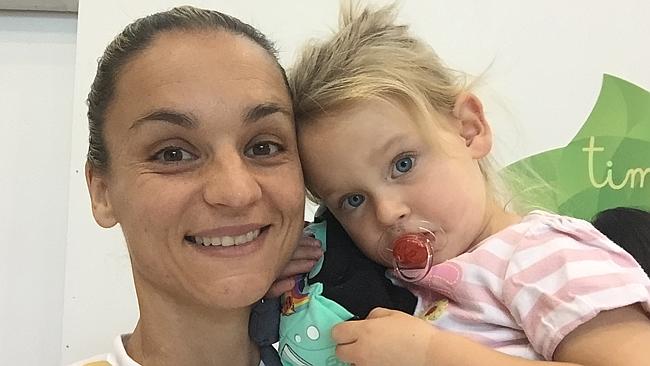
Reality TV contestant Dr Katherine Schmidhofer, and her partner Chris Jeffrey, welcomed their son Hugo Clifton on June 11. Katherine is a child psychologist who took part in the first season of The Bachelor; she has also written a book about her experiences as a breast cancer survivor.

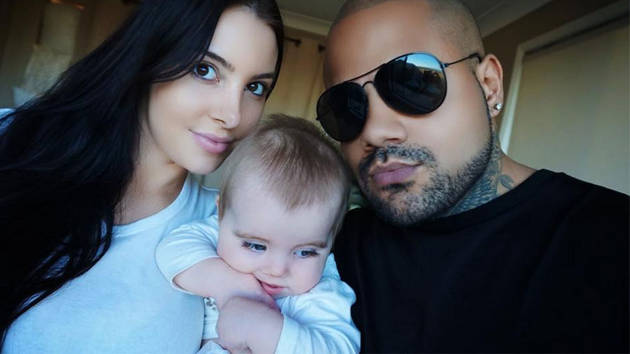
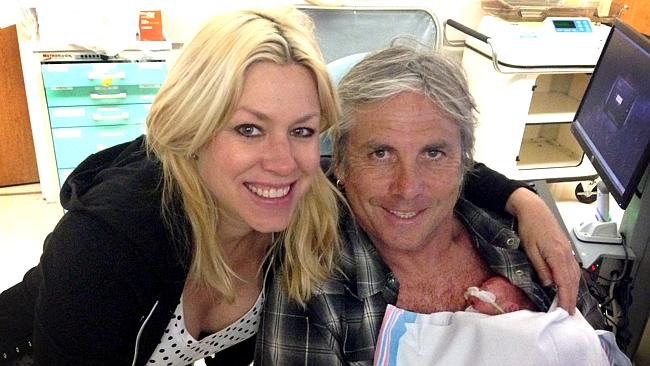
Brisbane rock scene mainstays Kylie Lovejoy and Brendan Wright welcomed their son Phoenix Koa on June 9 [pictured]. Phoenix was born unexpectedly while Kylie and Brendan were on holiday in Hawaii, arriving three months before his due date. Phoenix has had numerous health issues as a premature baby, and will remain in a Honolulu hospital until September. The name Phoenix had already been chosen in advance, but now seems very apt, while the Hawaiian name Koa was chosen because of his birth place. Kylie is a musician and musical festival organiser while Brendan is a sound engineer. Phoenix’s surname is Wright Lovejoy – it is a growing trend for babies to have both parents’ surnames, but this is a fairly rare case where the mother’s surname comes second.

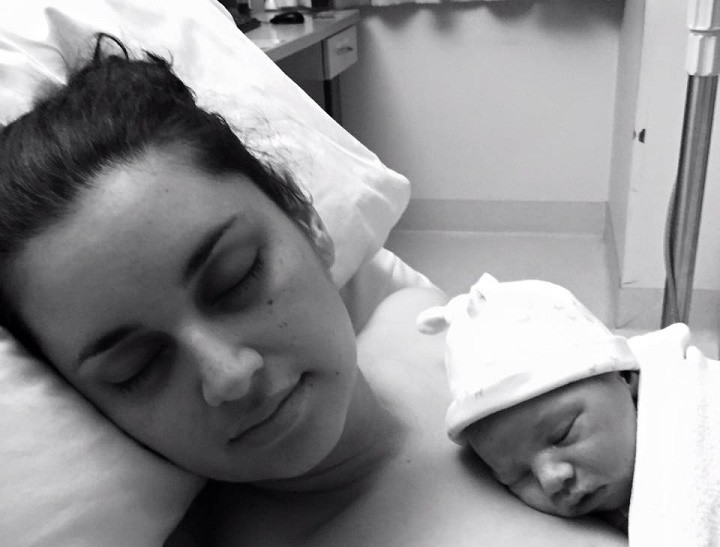
Exercise guru and businesswoman Emma Seibold, and her husband Matt Kane, welcomed their daughter Isla Rose in January, a sister for Xavier. Emma is a yoga and Pilates instructor, and a fitness coach who is the founder of juice detox program Urban Remedy Cleanse. She has also developed the Barre Body fitness training technique.

Suburbs of Adelaide and Hobart Which Could Be Used as Girls Names

19 Sunday Jul 2015

Posted by A.O. in Name Themes and Lists

≈ 2 Comments

Tags

American names, Anglo-Saxon names, aristocratic surnames, Australian Aboriginal names, Biblical names, celebrity baby names, Cornish names, Dutch names, english names, famous namesakes, Finnish names, food names, French names, fruit names, hebrew names, Italian names, Latin names, locational names, name history, name meaning, name popularity, names from songs, names from television, names of ships, names of sporting teams, nature names, nicknames, plant names, popular names, surname names, tree names, unisex names, vintage names

OLYMPUS DIGITAL CAMERA

Beulah
Beulah Park is an affluent suburb of Adelaide, named after a village in Wales. The name Beulah is from a Hebrew word translated as “married (woman)”. In the Old Testament, the prophet Isaiah prophesies that the land of Israel shall be known as Beulah, because it shall be as if “married” to God, to indicate an especially close and loving relationship. Because of this, Beulah was used by John Bunyan and William Blake to mean a mystical place from which Heaven can be seen; it’s also used this way in the hymn Beulah Land. Beulah has been used as an English name since at least the 17th century, and was taken up by the Puritans. It has been much more popular in the United States, and was Top 100 in the late 19th and early 20th centuries; however it hasn’t charted there since the 1950s. Poor Beulah has come to exemplify the “ugly old lady” name, even though it doesn’t sound much different to Bella or Ruby (put the OO sound from Ruby into Bella, and you’ve got Beulah!). Can vintage Beulah ever be pretty again?

Brooklyn
Brooklyn Park is in Adelaide’s western suburbs, and was probably named after the borough of New York City. Brooklyn was settled by the Dutch, and originally called Breukelen, after a town in the Netherlands, whose name means “broken land”. Apparently this is because both the Breukelens were built on marshes, where the land is broken up with little streams, and I have also seen Brooklyn translated as “marshland”. Brooklyn has been used as a personal name since the 19th century, and originated in the United States. It was at first more common as a male name, but today Brooklyn only charts as a girls name in the US. In the UK it is more common for boys, thanks to David Beckham’s son Brooklyn – the name has charted for boys in the UK since 1999, when Brooklyn Beckham was born. In Australia, the name Brooklyn is fairly evenly used for both genders, although not very common for either. An attractive underused modern name suitable for either sex, although international trends suggest it is turning pink again.

Cherry
Cherry Gardens is a semi-rural suburb of Adelaide named for the native cherry trees which once grew there in profusion. The name Cherry can be from the cherry tree, or its delicious red fruit, although I think many people would be reminded of cherry blossom, which is enchantingly pink and lovely. In Australia, cherries are especially connected with the town of Young in New South Wales, which promotes itself as the Cherry Capital of of Australia, and holds a Cherry Festival every year. It also recalls the popular Cherry Ripe, which is Australia’s oldest chocolate bar. Cherry can be given as a nickname for names such as Charity, and can also be from the surname Cherry, which might refer to someone who grew or sold cherries: this probably explains boys given the name Cherry. Cherry has been used as a name since the 17th century (perhaps influenced by the popular poem and song Cherry Ripe), but it only became common in the 19th. It has a 1950s vibe, and seems “ripe” for teasing, but also bright and irrepressibly cheery. It’s a name that makes you smile when you say it aloud.

Eden
Eden Hills is a suburb of Adelaide, and well suits its name, as it in the city’s foot hills, and contains bushland, parks, and a botanic garden. The first landowner in the area was William Cook, who settled here in 1839. He was the master of a vessel called the Eden, and it is believed that’s where the suburb got its name. The name Eden is usually given in reference to the Garden of Eden in the Bible. The name has been translated as if derived from the Akkadian edinnu, meaning “steppe, plain”. It’s now thought to be related to an Aramaic root meaning “fruitful, well-watered” – this fits in better with the biblical description, as the Garden of Eden was said to be irrigated by rivers and filled with fruit trees (of course fruit was to prove a real problem). In Hebrew, the word is understood as meaning “pleasure”, and Eden is recorded in the Old Testament as a personal name. It has been used as an English name since the Middle Ages as a variant or pet form of the Anglo-Saxon Ed- names, such as Eadhun, meaning “rich bear cub” (the source of the aristocratic Eden surname). The biblical meaning came into use around the 16th century, and the name has always been given to both sexes, but is more common as a feminine one. Eden has charted since the 1980s at #757 (the decade of popular TV drama series, Return to Eden – in this case, Eden was the name of an estate in the Northern Territory). It joined the Top 100 in 2011 and is now #68. Although it has only ever charted as a girl’s name, it is quietly but steadily given to boys too, and seems rather distinguished as a male name. A clean attractive name suitable for both sexes.

Fern
Fern Tree is an outer suburb of Hobart, named so because of the Tasmanian Tree Ferns which grow abundantly in the area. It’s a popular place for bushwalking. Ferns are ancient plants which have remained unchanged for more than a hundred million years, and are extremely hardy and easy to grow. Because ferns don’t have flowers or seeds, people didn’t know how they reproduced for a long time (now we know – it’s from spores). This enigma gave it a magical air, and it has long been associated with fairies and spells. Ferns have a special connection with New Zealand, used as an emblem by sporting teams, especially the netball team, the Silver Ferns. Fern has been used as a person’s name since at least the 17th century, but it became quite popular in the 19th century. Not only were plant names very fashionable then, but the Victorians went fern-crazy, and there was a real fad for collecting the plants. This is a vintage nature name which doesn’t seem old-fashioned in the least, but rather off-beat and artistic.

Lenah
Lenah Valley is in the foothills of Mount Wellington in Hobart, and was settled in the 19th century. There are several bushland reserves here, and it is the home of the Lady Franklin Museum, a classical temple built by pioneer Jane Franklin, wife of the explorer John Franklin; it now houses the Art Society of Tasmania. Lenah is the local Aboriginal word for “kangaroo”. It looks like the name Lena, but is said LEN-uh, not LEEN-uh. This would work well cross-culturally, while having a very Australian meaning.

Lutana
Lutana in Hobart’s north was originally built by the Electrolytic Zinc company as housing for its workers. A competition was held to name it in the 1920s, and the name Lutana was selected; it’s the local Aboriginal word for “moon”. A famous namesake is Lutana Spotswood, an Indigenous language worker who gave a eulogy in the Palawa language at the funeral of Tasmanian premier Jim Bacon. Lutana is pronounced loo-TAN-uh. This is quite similar to the familiar Luna in sound and meaning, but is purely Australian and avoids any concern over loony or lunatic. Not only can you use Lulu as a nickname, but I have seen quite a few baby girls lately named Tanna, so the sound must appeal to Australian parents.

Marion
Marion is in Adelaide’s south-west, and was named after a young daughter of James Fisher, the Resident Commissioner in the 1830s, who was responsible for disposing of public land. Miss Fisher’s name was actually Marianne, not Marion, and she lived to be one hundred years old. Marion is a medieval French pet form of the name Marie. During the Middle Ages, one of the most popular type of French folk song revolved around a shepherdess named Marion, and her lover, a knight named Robin. This all sounds very familiar, but strangely enough there doesn’t seem to be any proven link between these songs and the English tales of Robin Hood and Maid Marian. There is also a surname Marion, taken directly from the woman’s name, and this has been quite often been given as a boy’s name – most famously to the actor John Wayne, born Marion Morrison. Perhaps people thought it was the masculine form of Mary. In the US, Marion has charted as a unisex name fairly evenly given to both sexes, but it has only charted as a female name in Australia. Marion was #89 in the 1900s, and peaked in the 1930s at #47. It left the Top 100 in the 1960s, and hasn’t charted since the 1980s. Although this name is dated, there is something rather glamorous about it, thanks to French actress and singer Marion Cotillard. If you’re worried about Margot becoming too popular, why not consider this other French charmer?

Penna
Penna is in the outer suburbs of Hobart, and is sometimes listed as a village or a commuter town. It’s name is most likely from the Cornish surname Penna, meaning “headland”, as it is faces onto a peninsula. Penna as a personal name can be from the Latin word penna, meaning “feather, wing”. This is where our word pen comes from, as we once wrote with feathered quills, but even in English, the word penna means a contour feather on a bird. There’s also the Italian surname Penna, which comes from the Latin pinnus, meaning “pointed”, and refers to someone who lived on a hill. In Finland, Penna can be given to boys as a variant of the name Ben. Penna has been used as a personal name since the 18th century, and when you look through the records, it’s clear that it is a multicultural choice, used all over the world, including Hungary, Italy, Greece, Norway, Persia and Brazil, as well as English-speaking countries. Recently it was chosen by actor Ian Ziering for his daughter, giving this rare name some much needed publicity. The rise of Penelope makes Penna seem more usable.

Rosetta
Rosetta is a small suburb of Hobart thought to be named after Rosetta Cottage. This was built in the early 19th century by John Beresford, who came to Australia as a convict on the First Fleet, and took up land in Tasmania to become a prosperous farmer. Rosetta Cottage later became a private girls’ school, and then the Undine Hotel – it is now a B&B. It seems likely the cottage was named after the Rosetta Stone, a 2nd century BC stone slab discovered in Egypt in 1799 which had the text in Egyptian hieroglyphics, Egyptian script, and ancient Greek. This allowed Egyptian hieroglyphics to be translated for the first time, and even now, Rosetta Stone is used to mean a crucial key in decoding information. The Rosetta Stone is so named because it was found in the Egyptian town of Rosetta. Rosetta, meaning “little rose”, is the western version of the town’s Arabic name Rashid, meaning “guide” – both are corruptions of the Coptic name Trashit, which I think just describes it as a mouth of the Nile. This is a pretty vintage name, very much on trend, which has a wealth of meaning and history behind it. Rosie or Etta could be used as the nickname.

POLL RESULTS
People’s favourite names were Fern, Eden and Lenah, and their least favourite were Lutana, Brooklyn and Beulah.

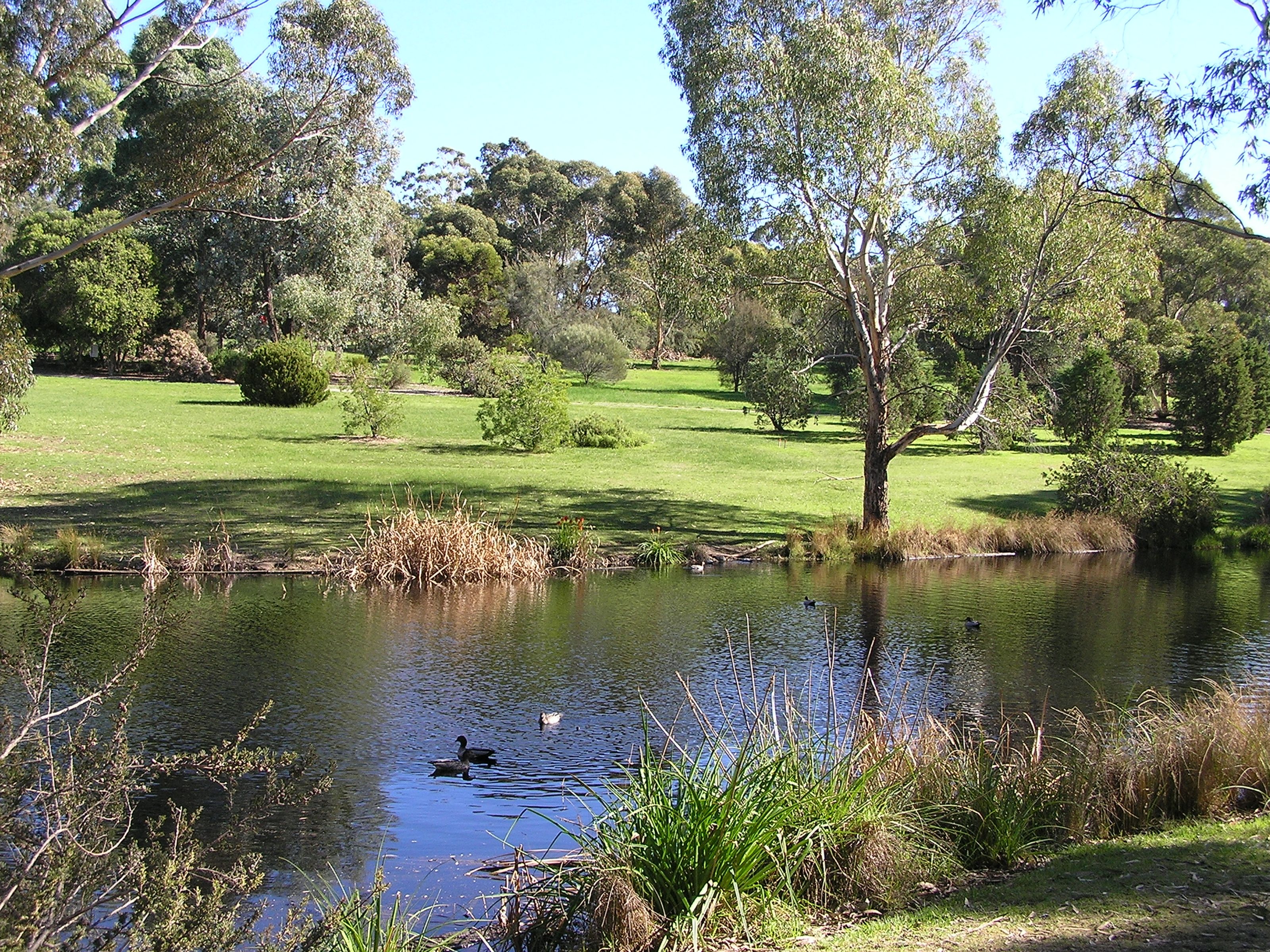
(Photo shows Wittunga Botanic Garden in Eden Hills, Adelaide)

Celebrity Baby Names: Sporting Babies

14 Tuesday Jul 2015

Posted by A.O. in Celebrity Baby News

≈ 1 Comment

Tags

celebrity baby names, celebrity sibsets

CIzq2OEUcAEHMiF

Trainer James Cummings, and his wife Monica, welcomed a daughter named Adeline on June 30 [pictured]. A fourth generation trainer of race horses, James is the grandson of veteran trainer Bart Cummings, and works in partnership with his grandfather. Monica is racing manager at Gooree Park, and the granddaughter of Filipino billionaire Eduardo Cojuangco.

NRL footballer Moses Mbye, and his partner Maddy, welcomed their daughter Mya Kate on July 5 (a strong M theme!). Moses has played for the Canterbury Bulldogs since last year. Of Gambian descent, he is one of the few NRL players with African heritage.

AFL footballer Travis Varcoe, and his partner Kim, recently welcomed a daughter named Franki, a sister for Travis’ stepdaughter Olivia, age 11. Travis played for Geelong for many years, and signed with Collingwood this season; he has also been chosen for the national team and the Indigenous All Stars.

MMA fighter Robert Whittacker welcomed his son Jack at the end of May. Originally from New Zealand, Sydney-based Robert fights in the UFC, and holds the Super Fight Australia Welterweight Belt.

From William to Oliver: Life Cycles of the #1 Boys Names in New South Wales

12 Sunday Jul 2015

Posted by A.O. in Naming Issues

≈ 1 Comment

Tags

celebrity baby names, famous namesakes, fictional namesakes, name data, name popularity, names from films, popular names

number-1-ribbon

William 1900s and 2009-2013
Was the #1 name of the 1900s (previous history unknown, but in the UK was #1 for the second half of the 19th century). Left the Top 10 in the 1950s, sinking to its lowest level in 1980 at #50. The name began rising after the birth of Prince William in 1982, and reached the Top 10 in 1997 (the year of Princess Diana’s death, putting her eldest son in the public eye). The name went to #1 during William’s courtship of Catherine Middleton, remaining there during the years of their engagement, wedding, and the birth of their first child. Currently #2. William is the overall #1 name of the twentieth century.

John 1910s, 1920s, 1930s and 1940s
Was #2 in the 1900s, and the #1 name of the following four decades (previous history unknown, but in the UK was stable in the Top 10 for the second half of the 19th century). Left the Top 10 in 1972, and the Top 50 in 2001. It reached its lowest level in 2010 at #100, but then rose again. Currently #93. John is the overall #1 boys’ name in Australian history.

Peter 1950s and 1960-1961
Was #64 in the 1900s, and joined the Top 50 in the 1920s. Top 10 by the 1930s, it was the #1 name of the 1950s and the beginning of the 1960s; this correlates with the career highlights of British-Australian actor Peter Finch, who starred in A Town Like Alice and The Shirralee. Left the Top 10 in 1982 and the Top 50 in 1997. Left the Top 100 in 2007. 2011 position was #125.

David 1962-1970
Was #28 in the 1900s, and joined the Top 10 in the 1940s – rise coincides with the 1935 film version of David Copperfield, with Freddie Bartholomew as the young David, and the beginning of actor David Niven’s career. The #1 boys’ name for nine years, David was the overall #1 name of the 1960s. It left the Top 10 in 1990 and the Top 50 in 2004. Currently #92.

Jason 1971-1973
First charted in the 1950s at #290, the decade that the popular Italian film Hercules was released, with Fabrizio Mioni in the role of Jason. Joined the Top 100 in 1964 at #97, the year after the release of classic fantasy film Jason and the Argonauts, starring Todd Armstrong as Jason. Reached the Top 50 in 1966, and the Top 10 in 1970 (it may amuse some readers that Kylie and Jason were #1 in the same year, 1973). Left the Top 10 in 1978, the Top 50 in 1999, and the Top 100 in 2006. 2011 position was #133.

Michael 1974-1981 and 1983
Was #44 in the 1900s and joined the Top 10 in the 1940s. Was #1 for nine years, and the overall #1 boys’ name of the 1970s. It was paired with Michelle, the #1 girls’ name of that decade, making them the most similar boy and girl #1 names until Oliver and Olivia last year. Left the Top 10 in 1997. Currently #46.

Matthew 1982-1987 and 1989-1991
Was #89 in the 1900s, falling to its lowest level in the 1940s at #161. It rose again in the 1950s, and by 1960 was #63. It joined the Top 50 in 1961 and the Top 10 in 1971, spending nine years in total at #1, and was the overall #1 boys’ name of the 1980s. Left the Top 10 in 2006. Currently #44.

Daniel 1988
Was #58 in the 1900s, falling to its lowest level in the 1930s at #116. By the 1940s it had returned to the Top 100, and by 1960 was #72. Joined the Top 50 in 1967, and the Top 10 in 1974. Left the Top 10 in 2007. Currently #25.

Joshua 1992-1996 and 1998-2003
First charted in the 1960s at #283. Joined the Top 100 in 1971 at #78, and was in the Top 50 by 1975. Joined the Top 10 in 1982, spending eleven years in total at #1. Not only the overall #1 boys’ name of the 1990s, it is the longest-serving #1 boys’ name since 1960. Left the Top 10 in 2013. Currently #17.

Jack 1997 and 2004-2008
Was #24 in the 1900s, falling to its lowest level in the 1960s at #277. Rejoined the Top 100 in 1986 at #88 (a year after rocker Ozzie Osbourne welcomed his son Jack) and was in the Top 50 by 1989. Joined the Top 10 in 1994, and spent six years in total at #1, the overall #1 boy’s name of the 2000s. Currently #4.

Oliver 2014
Was #83 in the 1900s, falling to its lowest level in the 1960s at #418. It began rising in the 1970s – surge in popularity corresponds with the 1968 release of the award-winning musical film Oliver!, with Mark Lester as Oliver Twist. Rejoined the Top 100 in 1986 at #100, and was Top 50 by 2000. Joined the Top 10 in 2008, and reached #1 last year.

You only need a quick glance at the post to see how it differs from the one on the #1 girls’ names. For a start, it is much shorter, with just 11 #1 boys’ names as opposed to 18 for girls. And although different types of boys’ names got to the top of the charts, nearly all of them are classic names. Jason and Joshua stand out as the only #1 names which were new to the charts before their rise.

Not only are nine of the names classics that have never left the charts, nine of them were Top 100 names in the 1900s, and six of them were in the Top 50 of the 1900s! That extreme conservatism in popular boys’ names tempts one to look at the 1900s Top 100 to see if any more of the popular names of that era could become future #1 names. Could names such as George, Alexander, Harry, Patrick, Edward, Henry, or Samuel be destined for the top spot?

The main trait that #1 boys’ names tended to share with #1 girls’ names is the speed with which they got into the Top 50 (although this is made more difficult due to the fact so many boys’ name started out already in the Top 50). This would make names such as Hudson and Flynn look like possibilities for future #1 names.

The notable exception to this is Oliver, which took 14 years to get from the bottom half of the Top 100 into the top half. Interestingly, Olivia was the exception amongst the girls, taking 12 years to get into the Top 50 once in the Top 100. Both these names made #1 in 2014, which may be a sign that things are changing.

There was a very definite break in the pattern in the girls’ name, which became evident around the mid-2000s. That there is no such obvious break in the pattern of the boys’ names may mean that boys’ name popularity is so much more conservative than girls that they will continue on as they have done so far – or it may mean that change is just slower coming. It may even have already started. We will just have to wait and see!

POLL RESULTS
People’s favourite #1 boy’s name was William, gaining 21% of the vote, and Jack was very close behind on 20%. The least favourite was Michael, which only one person voted for.

Celebrity Baby Names: Sporting Babies

08 Wednesday Jul 2015

Posted by A.O. in Celebrity Baby News

≈ 1 Comment

Tags

celebrity baby names

075190-d0978d5e-040c-11e5-a51d-261bba26395a

Soccer star Melissa Barbieri, and her husband, Geoff Hudson, welcomed their daughter Holly in 2013 [pictured]. Melissa has been a member of the national women’s squad, the Matildas, since 2002, and was captain when Australia won the Asian Cup in 2010. She currently plays for Adelaide in the W-League, and in her first year with the team, won the W-League goal keeper of the year award. She is in training for the World Cup, which will be her fourth.

Basketball coach Sam Woosnam, and her partner Alex Vanrenen, welcomed their daughter Myah on Mother’s Day. A life member of the Women’s National Basketball League, and triple championship player, Sam is currently coach of Kilsyth in the South East Australian Basketball League.

Former athlete Amber Halliday, and her partner Mello Bouwmeester, welcomed their son Monty Rex on June 23. Amber is a three-time world champion in lightweight rowing who competed at the 2004 Olympic Games, before swapping to cycling in 2008. She won the Women’s Tour of New Zealand in 2009, but unfortunately her sporting career was ended after a serious racing accident. She is now a rowing coach and public speaker, as well as studying for her PhD in psychology.

Celebrity Baby News: Egypt and Alexandria

08 Wednesday Jul 2015

Posted by A.O. in Celebrity Baby News

≈ Comments Off on Celebrity Baby News: Egypt and Alexandria

Tags

celebrity baby names, stage names

inline_fortafy_1amt2t5-1amt44p

New Zealand-born rapper Fortafy (born Samuel Ratumaitavuki), and his partner Shana Evers, welcomed their daughter Egypt eight months ago [pictured]. Fortafy is an up-and-coming rapper, nightclub promoter, and business marketer who is an Internet sensation. Although very young, Egypt is also a bit of web celebrity, having over 200 000 followers on her Facebook page. Egypt’s parents are sometimes said to be modelling themselves on the Kardashian-Wests, and although they haven’t called their daughter North, they have given her a name from North Africa!

Reality TV contestant Alana Wilkie, and her fiance, footballer Chris Billings, welcomed their daughter Alexandria Rose in early June. Alana was a finalist in the 2010 Miss Universe Australia contest, and also competed on last year’s series of The Bachelor. Chris, who plays Australian rules football in the WAFL, was initially approached by producers to be the bachelor on the show, but turned down the role. The two made a connection after Alana was eliminated.

From Mary to Olivia: Life Cycles of the #1 Girls Names in New South Wales

05 Sunday Jul 2015

Posted by A.O. in Naming Issues

≈ 8 Comments

Tags

Appellation Mountain, brand names, celebrity baby names, classic names, dated names, famous namesakes, fictional namesakes, modern classics, name data, name popularity, names from films, names from songs, nicknames, popular names, retro names, royal names, UK name popularity

pink_first_prize_ribbon_oval_decal

Recently Abby from Appellation Mountain had a great article on the #1 girls names in the United States – such a good idea that I had to steal it! As we don’t have national data stretching back to the turn of the century, I’ve looked at the #1 girls names in New South Wales, since it is the most populous state, and has the best data. Annual data is only available from 1960, so until then the #1 names are for the decade only.

Mary 1900s and 1910s
The #1 name of the 1900s and 1910s (previous history unknown, but in the UK was #1 for the second half of the 19th century). Left the Top 10 in the 1940s, and the Top 100 in 2009. 2011 position was #101. Mary was the overall #1 girls’ name of the twentieth century.

Betty 1920s
Was #276 in the 1900s. Joined the Top 100 in the 1910s at #62 – sudden increase in popularity correlates with matinee idol Betty Blythe starting her film career. Shot up to #1 in the 1920s, the peak era for Blythe. Left the Top 10 in 1940, and the Top 100 in 1950. Left the charts in the 1990s.

Margaret 1930s and 1940s
Was #6 in the 1900s (previous history unknown, but in the UK had been stable in the Top 10 for the second half of the 19th century). Made #1 for both the 1930s and 1940s, coinciding with the early life of Princess Margaret. Left the Top 10 in the 1960s, and the Top 100 in 1970s; Princess Margaret attracted some controversy at this time. Failed to chart in 2010, but in 2011 was #428 – higher than before the drop. Margaret is the overall #1 girls’ name in Australian history.

Susan 1950s
Was #149 in the 1900s. Joined the Top 100 in the 1940s at #14 – sudden increase in popularity correlates with actress Susan Hayward starting her career. The #1 name of the 1950s, the peak of Susan Hayward’s career. Left the Top 10 in the 1970s, and the Top 100 in the 1980s. Although in steady use for many years, it failed to chart in 2011.

Jennifer 1960-62
Joined the charts and Top 100 in the 1930s at #75. Surged in popularity during the 1940s, correlating to career success of actress Jennifer Jones. Was #1 in the late 1950s and early 1960s. Left the Top 10 in 1970, and the Top 50 in 1995. Left the Top 100 in 2005. 2011 position was 260 and stable.

Karen 1963 to 1966
Joined the charts in the 1940s at #104 and the Top 100 in the 1950s at #13. By 1960 it was Top 10, and overall Karen was the most popular girls’ name of the 1960s. Left the Top 10 in 1977, and the Top 50 in 1983, leaving the Top 100 in 1987. Sudden drop in popularity correlates with the death of singer Karen Carpenter from anorexia nervosa, and the death of Karen Ann Quinlan, who had been in a long-term coma after a radical starvation diet. Left the charts in 2009, but made a slight recovery in 2011, ranking #631.

Michelle 1967-72 and 1974-75
First charted in the 1940s at #248 and joined the Top 100 in the 1950s at #52. By 1960 it had reached #18, and was in the Top 10 by 1961. Reached #1 in 1967, when The Beatles song Michelle won the Grammy Award for Song of the Year. Michelle reached #1 again in the mid 1970s, the most popular girls’ name of that decade. Left the Top 10 in 1985, the Top 50 in 1995, and the Top 100 in 2003. 2011 position was 233 and stable.

Kylie 1973
Joined the charts and Top 100 in 1965 at #93. Reached the Top 50 in 1968, and the Top 10 in 1970. Left the Top 10 in 1982, but managed to get back into it in 1987, the year of Kylie Minogue’s onscreen wedding to Jason Donovan in soap opera Neighbours. Left the Top 50 in 1989 and the Top 100 in 1990 – sudden fall in popularity correlates with Mary-Anne Fahey appearing as grouchy schoolgirl Kylie Mole in The Comedy Company television show. Left the charts in the late 2000s.

Rebecca 1976 to 1982
Was #179 in the 1900s, and left the charts in the 1930s. Made a comeback in the 1940s at #366, the same decade that Alfred Hitchcock’s film Rebecca was released. Joined the Top 100 in 1966 at #93, and the Top 50 in 1969. Joined the Top 10 in 1972, and was #1 four years later, staying in the top spot for eight years. Left the Top 10 in 1998, and the Top 50 in 2004. Left the Top 100 in 2008 – sudden fall in popularity correlates with actress Rebecca “Bec” Cartright leaving soap opera Home and Away. 2011 position was 188 and stable.

Sarah 1983
Has been on the charts since the 1900s, falling to its lowest level in the 1940s at #284. Began rising in the 1950s, and joined the Top 100 in 1964 at #98. Joined the Top 50 in 1970, and the Top 10 in 1976. Despite only being #1 for one year, Sarah was overall the most popular girls’ name of the 1980s. Left the Top 10 in 2005. Currently #44.

Jessica 1984-97 and 2000-01
Joined the charts in the 1960s at #437; similarity to Jennifer probably a major factor. Joined the Top 100 in 1976 at #97, and the Top 50 in 1979. Joined the Top 10 in 1982, spending thirteen consecutive years at #1 and managing to get there again at the start of the 2000s. Overall Jessica was the most popular girls’ name of the 1990s. Left the Top 10 in 2008. Currently #40.

Emily 1998-99 and 2002-2004
Has been on the charts since the 1900s, falling to its lowest level in the 1950s at #455. Began rising in the 1960s, and joined the Top 100 in 1977 at #77. Joined the Top 50 in 1981, and the Top 10 in 1989. Made #1 twice for a total of five years between 1998 and 2004, and was overall the most popular girls’ name of the 2000s. Currently #6.

Olivia 2005 and 2014
Joined the charts and Top 100 in 1978 at #65, the year that Newton-John starred as as Sandy in the movie Grease. Joined the Top 50 in 1990, and Top 10 in 1998. Currently #1 again, correlating with a busy period for actress Olivia Wilde.

Chloe 2006 and 2011
Joined the charts in the 1970s at #674, the decade when French fashion house Chloé was at its peak. Joined the Top 100 in 1985 at #98, the same year that actress Candice Bergen welcomed a daughter named Chloe. Joined the Top 50 in 1986 – sudden rise in popularity correlates with the birth of Olivia Newton-John’s daughter, Chloe Lattanzi. Joined the Top 10 in 1996 and was #1 ten years later. Made #1 again in 2011, a key year for young actress Chloe Moretz. Currently #7.

Isabella 2007 and 2009-10
Has been on the charts since the 1900s, dropping off in the 1950s and the 1970s. Came back in the 1980s at #499, after actress Isabella Rossellini began her career in American films. Joined the Top 100 in 1993 at #78 and the Top 50 in 1994 – sudden surge in popularity correlates with actress Nicole Kidman welcoming a daughter named Isabella by adoption. Joined the Top 10 in 1998. Reaching #1 in 2007, it was back again in 2009, the year after the first Twilight film, with Kristen Stewart as Isabella “Bella” Swan. Currently #9.

Mia 2008
Joined the charts in the 1960s at #464 for the decade, the era when Maria “Mia” Farrow, daughter of Australian director John Farrow, began her career on soap opera Peyton Place. It joined the Top 100 in 1997 and the Top 50 in 2003 – sudden massive surge in popularity correlates with The Princess Diaries being released on DVD, with Anne Hathaway as Princess Mia. Joined the Top 10 in 2005, and was #1 for one year. Currently #2.

Ruby 2012
Was #21 in the 1900s and left the charts in the 1950s. Came back in the 1980s, at 548, the decade comedian Ruby Wax began her career on British TV. Joined the Top 100 in 1996 at #100, and the Top 50 in 1998 – sudden surge in popularity correlates with Ruby Wax getting her own interview show. Joined the Top 10 in 2010, just after the name Ruby was chosen for a baby on hit drama series, Packed to the Rafters. Two years later it was #1. Currently #8.

Charlotte 2013
Was #96 in the 1900s, and left the charts in the 1940s. Came back in the 1960s at #513, just as actress Charlotte Rampling began her career. Joined the Top 100 in 1989 at #86, and the Top 50 in 1998. Joined the Top 10 in 2003, and was #1 a decade later. Charlotte is currently #3.

What do the #1 names have in common? They include classics and retro names, but many had never appeared on the charts before they began their ascent to the top.

The amount of time it took to go from obscurity to popularity varied. Some leaped straight from nowhere into the Top 100, while others took decades – Mia had around 30 years between appearing on the charts and joining the Top 100. The average was 13 years.

One thing that nearly all the names had in common was the swiftness with which they went from the bottom half of the Top 100 into the Top 50: the average amount of time it took was just four years, and some managed it in a single year. The longest was Olivia, which took 12 years to get into the Top 50.

Once in the Top 10, the longest any names took to reach #1 was ten years. It took them at least two years before they reached the #1 spot, with the fastest being Jessica and Ruby. The average was six years.

Having made #1, names tended to stay in the Top 10 for a while, an average of twelve years. It took Kylie 17 years to finally leave the Top 10 for good, while Jessica was gone in just seven.

After they left the Top 10, most names were fairly quick to depart the Top 100, except Jennifer, which had 35 years of further popularity. Kylie had just three. Most of the names remained in reasonable use, so #1 names don’t usually become horribly dated, unless they become associated with something unpleasant or comical.

Can we draw any inferences for the future? It’s apparent that the nature of the #1 name has changed – the days of one name being at the top for several years are over. The change set in around the mid-2000s, which is when we all became a lot more conscious about name popularity. Since then, it seems as if being #1 is a job-sharing position, with several Top 10 names taking it in turns to wear the crown.

Could other current Top 10 names get to #1? Ava reached the Top 10 in 2008 and Amelia in 2009, so they still have until 2018 and 2019 to make the ten year deadline. However, Sophie joined in 2004, so time has run out – she should have been #1 last year if we accept a ten-year time-frame.

Speed of rising is a predictor of potential #1 success. If we look at names currently rising, Aria and Evelyn look like possibilities for the future, taking just 2 years to go from the bottom of the Top 100 to the Top 50. Harper, Isla and Ivy seem even more likely, as they took only one year.

Maybe that’s making parents of Arias and Islas feel a little nervous, but there’s one thing to remember: out of all the names given to babies in New South Wales since 1900, most didn’t get to #1. In other words, whatever name you love, the odds are on your side that it will never become the most popular name of the year.

POLL RESULTS
People’s favourite #1 girl’s name was Charlotte, gaining 20% of the vote. The least favourite was Michelle, which nobody voted for.

Celebrity Baby News: Celebrity Round Up

29 Monday Jun 2015

Posted by A.O. in Celebrity Baby News

≈ 1 Comment

Tags

Arabic names, celebrity baby names, celebrity sibsets, German names, honouring, name meaning, surname names

jamila-feat-720x547

Editor Jamila Rizvi, and her husband Jeremy Smith, welcomed their first child on June 2 and have named their son Rafi Fileborn [pictured]. Rafi is an Arabic name meaning “noble”, while Fileborn is also Jeremy’s middle name, and is Jeremy’s mother’s maiden name – it’s German. Jamila is editor-in-chief of the Mamamia website.

Perth socialites Sophia and Troy Barbagallo welcomed their daughter Madison Mia almost a year ago, a sister for Troy’s teenaged son Dom. The couple are expecting another child this year, and Troy predicts it will be a girl again – apparently he has some kind of gender-predicting superpower, as he is never wrong when he guesses. Sophia is a former Miss World WA, and she and Troy are the organisers for Miss Universe WA and Toybox International.

Councillor Belinda Murphy, and her husband Wayne, welcomed their son Liam last October, a brother for Madeline. Belinda is the mayor of McKinlay Shire, which is in north-western Queensland, centred around the town of Julia Creek. She became the shire’s first female mayor in 2012, and was elected unopposed. An experienced pilot, Belinda runs a cattle transport and earthmoving business with Wayne. She is currently taking part in a campaign to run seven marathons in seven days in six different states to raise money for Bravehearts.

Human rights advocate Gillian Triggs became a grandmother this year when her son, Paris-based lawyer James Brown, and his partner Marie, welcomed a daughter named Sia. A specialist in international law, Gillian is currently the President of the Human Rights Commission. She is married to former diplomat Alan Brown.

Famous Names: Jedda and Rosalie

24 Wednesday Jun 2015

Posted by A.O. in Famous Names

≈ 7 Comments

Tags

animal names, Australian Aboriginal names, bird names, celebrity baby names, ethnonyms, European name popularity, famous namesakes, fictional namesakes, flower names, French names, historical records, international name trends, Latin names, locational names, name history, name meaning, name popularity, names from movies, nature names, nicknames, plant names, saints names, screen names, UK name popularity, US name popularity

JEDDA

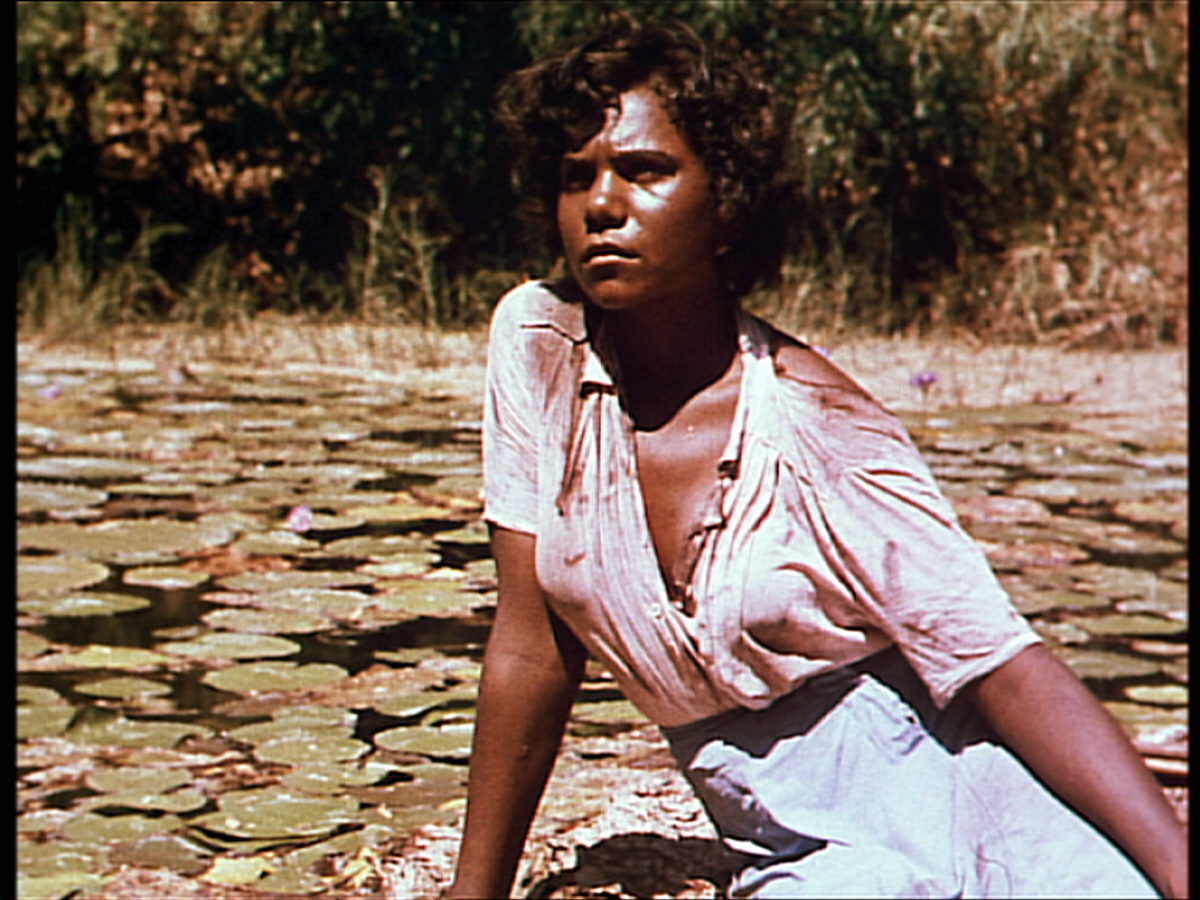
Last month the Australian film Jedda returned to the Cannes film festival, sixty years after it was first shown there in 1955. Jedda was the work of distinguished film-makers Charles and Elsa Chauvel; the first Australian feature film to be shot in colour, and the first to have Aboriginal actors in lead roles.

In the film, Jedda is an Aboriginal girl who is brought up by a white couple on a cattle station after her mother dies. She is raised in European ways, and forbidden to learn about her own culture, kept separated from the other Aborigines on the station.

When she gets older, Jedda finds herself strangely drawn to an Aboriginal man living in the bush, and following the traditional ways of his people. He abducts her, but when they come to his tribal lands, Jedda discovers that their relationship is forbidden by Aboriginal law. It’s a Romeo and Juliet scenario, and as with Shakespeare’s tale, it ends in tragedy for the star-crossed lovers.

The role of Jedda was given to Rosalie Kunoth, an Aboriginal teenager from the Northern Territory, who was studying in Alice Springs. The Chauvels gave her the screen name Ngarla for the film, which they thought looked more “authentic”. Ngarla was the name of Rosalie’s mother’s people – the Ngarla are from the Pilbara region of Western Australia. This was distressing to Rosalie, as it was culturally inappropriate.

The filming was challenging for Rosalie in many ways, and when she attended the premiere (sitting in the white section of a segregated cinema), was horrified by the film’s eroticism. Rosalie was an Anglican nun for ten years; she then left the order, married, and eventually returned to the Northern Territory. Now a respected Aboriginal elder, Rosalie Kunoth-Monks has spent her life working as an Indigenous activist, taking on leadership roles in her community. She has a daughter named Ngarla.

Jedda was a groundbreaking film in Australian cinema history, especially significant as it gained international attention and respect at a time when Australian cinema was practically nonexistent. As well as its other “firsts”, it was the first Australian film to be shown at Cannes, and nominated for the Palme d’Or.

Although it has dated in some ways, it remains a powerful and heartbreaking story. Jedda was created in opposition to the assimilationist policies of the 1950s, and the film is still relevant in light of the Stolen Generations. It helped inspire Indigenous film-maker Tracey Moffatt, whose Night Cries is a re-imagined “what might have been” sequel to Jedda.

JEDDA
In the movie Jedda, Aboriginal servants name the baby Jedda when she arrives, because she “flies in” like a “jedda bird”. Jedda appears to be from the Noongar word djida or jida, meaning “bird” (more specifically a wren), even though Noongar people are from south-west Western Australia, and the film is set in the Northern Territory. In the film, the identification with Jedda as a bird connects her to flight, to freedom and capture, and also to the spirit world.

Australian records show the name Jedda in sporadic use as far back as the 19th century, including by Indigenous Australians. I can only speculate as to where their names might have come from; in the case of Europeans, maybe as a variant of the name Jetta. It is possible that Indigenous women born before the film was made took (or were given) the name Jedda after its release. In addition, I have seen Indigenous women named Djida and Jida.

Jedda is also a plant name, as the jedda bush is native to the Cape York Peninsula region of far north Queensland. It is named after Jedda Creek, which is where it was first found, but I have not been able to discover the origin of the creek’s name – it may even have been named after the film.

Jedda is in use as a personal name for both Indigenous and non-Indigenous Australians, and is a popular name for homes, businesses, and streets. It is often used as a name for animals too, and in particular I have encountered quite a few horses named Jedda. This may be why in the children’s novel, Hating Alison Ashley by Robin Klein, the heroine’s sister Jedda pretends she is a horse. I’ve seen the name given to a boy, and it does have a bit of a unisex vibe, as it shortens to Jed.

Jedda is an Australian name made famous by a classic film, and appealing to both Indigenous and non-Indigenous parents. Although traditionally female, it could even be used for both sexes. It tends to be seen as slightly dated, yet it has never been common and is similar to Gemma, Jenna, Jed, and Jett.

ROSALIE
French form of the Latin name Rosalia, derived from rosa, meaning “rose”. Saint Rosalia was a medieval hermit who tradition says was a Norman noblewoman led by angels to live in a cave in Sicily. The saint became known in 1624, when she is supposed to have miraculously cured a plague. The saint’s name Rosalie was given to a young nun named Jeanne-Marie Rendu, and she became Blessed Sister Rosalie, who performed a lifetime of charity in the slums of 19th century Paris, and was mourned by the city when she died.

The name Rosalie came into common use in the 18th century, and was especially used in France, Germany, and Central Europe. It only became common in the English-speaking world in the 19th century, possibly because of the French courtesan Rosalie Duthé, who became the mistress of French kings and aristocrats. As a young woman she moved to London to escape the French Revolution, and gained the immensely rich George Wyndham, 3rd Earl of Egremont, as a lover. Beautiful and golden-tressed, Rosalie was apparently not overburdened with brains, and it is theorised that she is the originator of the “dumb blonde” stereotype.

The name Rosalie first joined the charts in the 1910s, debuting at #268. The name peaked in the 1940s at #141, probably because of the 1937 movie Rosalie, starring Eleanor Powell as a princess in disguise: Cole Porter’s song Rosalie is from the movie. Rosalie dropped off the charts in the early 2000s, but returned in 2009 at #519, the year after the first Twilight film was released, with Nikki Reed in the role of Rosalie Hale. Rosalie is described as being “the most beautiful person in the world”, which must have been a drawcard. The name Rosalie is apparently now in rare use again.

In the US, Rosalie returned to the Top 1000 in 2009, under the influence of Twilight. It is now #310 and rising. In the UK, the name Rosalie suddenly began rising steeply in 2009, and is now #394. Rosalie is also in the 300s in France, and is a popular name in The Netherlands, at #79.

Rosalie is a pretty, charming, European-style name with that touch of fairy-tale magic which has seen it chosen in films for a student princess and a vampire beauty. As Rose- names are becoming increasingly fashionable, it is a bit surprising that Australia seems to to be lagging behind the international trends – although it might just be that our data-collection is lagging.

I have seen quite a few birth notices for baby girls named Rosalee, Rosaleigh, Rosa-Lee and so on, and wonder if the spelling is an issue for some parents. Perhaps they worry that Rosalie will be said with the end rhyming with Lorelei, or just don’t like the idea of a name that ends in -lie. This makes me wonder if there are more Rosalies out there than meets the eye. A fantastic underused traditional choice, in any case.

POLL RESULTS
Jedda received an approval rating of 53%. 39% of people weren’t keen on the name Jedda, while 16% loved it.

Rosalie received a very good approval rating of 76%, making it one of the highest-rated names of 2015. 39% of people loved the name Rosalie, and only 4% thought it was a terrible name.


Uncommon Girls Names from the Birth Announcements of 2011-12

14 Sunday Jun 2015

Posted by A.O. in Name Themes and Lists

≈ 3 Comments

Tags

animal names, Arabic names, Australian Aboriginal names, birth notices, celebrity baby names, Celtic names, Chinese names, Cornish names, created names, english names, famous namesakes, fictional namesakes, French names, Gaelic names, German names, Greek names, honouring, Irish names, Japanese names, Latin names, literary names, locational names, middle names, mythological names, name history, name meaning, names from films, names from video games, names of businesses, nicknames, rare names, surname names, UK name popularity, unisex names, vocabulary names, Welsh names

satine (1)

Althea
Variant of the ancient Greek name Althaea, perhaps derived from the Greek word althos, meaning “healing”. In mythology, Althaea was a queen with a son named Melager. When Melager was a baby, the Three Fates turned up, rather like the fairy godmothers in a certain tale. One said he would be noble, the second that he would be brave, but the third did the usual grumpy godmother routine, and said his life would last only as long as a certain piece of wood burning on the fire. Althaea immediately took the wood and blew it out, burying it secretly so that none should ever find it again. When Melager was grown into the brave and noble prince predicted by The Fates, he got into a quarrel while hunting, and killed his uncles. When Althaea discovered Melager had murdered her brothers, she took revenge by setting fire to the piece of wood, so that her son died. Afterwards she committed suicide. This isn’t the happiest name story ever, but the poet Richard Lovelace wrote To Althea, From Prison while imprisoned for a political protest. The famous poem is very romantic, and the name Althea has been used since the 17th century because of it, while never being very common. One attraction of this literary name is the potential to use fashionable Thea as a nickname.

Carys
Modern Welsh name derived from caru, meaning “to love”, and given the common -ys ending found in Welsh names, such as Gladys and Glenys. It has been in use since the early 20th century, and is currently #328 in England/Wales, although falling in popularity. The name gained interest as a celebrity baby name, when Welsh-born actress Catherine Zeta Jones chose it for her daughter. It is meant to be pronounced KAH-ris, but the few people called Carys I know in Australia all say their name to rhyme with Paris, and this pronunciation is even used in Wales sometimes (kuh-REES is really pushing it though). Leaving aside possible pronunciation pitfalls, this is a modern name that is feminine without being frilly.

Isolde
In medieval romance, Isolde the Fair is a stunningly beautiful golden-haired Irish princess with a gift for healing, who is married off to King Mark of Cornwall. Due to a mix-up with a love potion, Isolde falls passionately in love with Tristan, her husband’s nephew and adopted son, with tragic consequences. Tristan actually ends up married to a different Isolde, a Breton princess called Isolde of the White Hands, who he weds for the curious reason that she has the same name as his true love. Their marriage is never consummated, and fed up and jealous, Isolde of the White Hands eventually takes her revenge. The stories originally had nothing to do with Arthurian legends, but became part of them. Adapted by Gottfried von Strassberg in the 12th century, Isolde is a German translation of Iseult, used in French versions of the tale. The Welsh form of the name is Esyllt, and although there are many arguments over the name’s meaning, the most convincing theory is that it is from the Celtic for “she who is gazed upon”, to suggest an overwhelming beauty. The name Isolde has been used since the Middle Ages due to the Tristan and Isolde legend, without ever becoming common: the composer Richard Wagner, who wrote the opera Tristan and Isolde, had an illegitimate daughter named Isolde. A romantic literary name fit for a fairytale princess, you can say Isolde almost any way you like, but common pronunciations would be i-SOL-duh or i-ZOL-duh.

Jamilla
Variant of the Arabic name Jamila, the feminine form of Jamil, meaning “beautiful”. The name became better known in the English-speaking world in 1944 through the romantic fantasy film Kismet, starring Marlene Dietrich as Lady Jamilla, a captive queen who falls in love with a rascally beggar. Set in an Arabian Nightsy type world, at one point, Dietrich does an erotic dance with her legs painted gold, so the name got a rather sexy image. Jamilla works well cross-culturally, and is easy to explain to people, as it is said like Camilla with a J. The popular short form Milla is an added attraction.

Lowenna
Modern Cornish name meaning “joy”, used since the early 20th century, and in rare but fairly steady use in England/Wales. The name is something of a favourite in fiction, even being chosen for historical novels set in Cornwall hundreds of years ago, when it is unlikely the name was in use. Lowenna can be found in the US in the 19th century, where it may be a variant of Louanna, or other names based on Louisa. It was used in the stage version of Rip Van Winkle, written in 1859 (Lowenna is Rip’s daughter; in the original story, his daughter was called Judith). A drawcard is that the name is very similar to the Indigenous name Lowanna, meaning “girl, woman”, giving this name a rather Australian feel.

Lux
Latin for “light”. Lux was used as a male name in medieval Germany, as a short form of Lukas, or a corruption of the German nickname Luchs, meaning “lynx” – this is the origin of the Lux surname. Lux began to be used as an English name by the 17th century, when it was used for girls: in general, English-speakers have preferred it as a female name, although it has been used as a male name too, particularly in North America, which has a history of high immigration from central Europe. The name may be used in a Christian sense, as Fiat lux means “Let there be light”, a famous quote from Genesis to show the beginnings of creation, or even a specifically Catholic context as Lux Aeterna (“eternal light”) is used in Latin prayers to refer to heaven. However, the meaning of light is positive to almost everyone, and the name also has a science-fiction feel to it, because lux is a scientific measurement of luminosity (there is a video game character named Lux, Lady of Luminosity). The name has had publicity from the film The Virgin Suicides, with Kristen Dunst as Lux Lisbon, and from the daughter of One Direction’s stylist – once known in the press as Baby Lux, and almost a celebrity in her own right. A short, cool, luxurious-sounding name that also works well in the middle.

Posy
Can be used as a short form of other names, or with the meaning “a small bouquet of flowers” in mind. The word posy comes from poesy, meaning “poetry”, and has been used to mean a bunch of flowers since the late 16th century – a slightly earlier definition of the word was a motto inscribed inside a ring. Posy has been used as a personal name since the 18th century, and although it sounds very dainty and feminine, it has quite often been given to boys. The reason is because Posy is also a surname, after the town of Pusey in Oxfordshire, meaning “pea island”. Although the name Posy has never been very common, there are a few Posys in fiction to give it some publicity. Posy Fossil is one of the main characters in Noel Streatfeild’s Ballet Shoes, a brilliant young dancer filled with ambition. More recently, Posy Hawthorne is a sweet little sister in The Hunger Games, and in the romantic comedy About Time, Posy Lake is the protagonist’s eldest daughter. Although Posy began as a short form of Josephine, you could use it for a wide variety of names, including Sophia and Penelope – British cartoonist Posy Simmonds, from The Guardian, is named Rosemary.

Satine
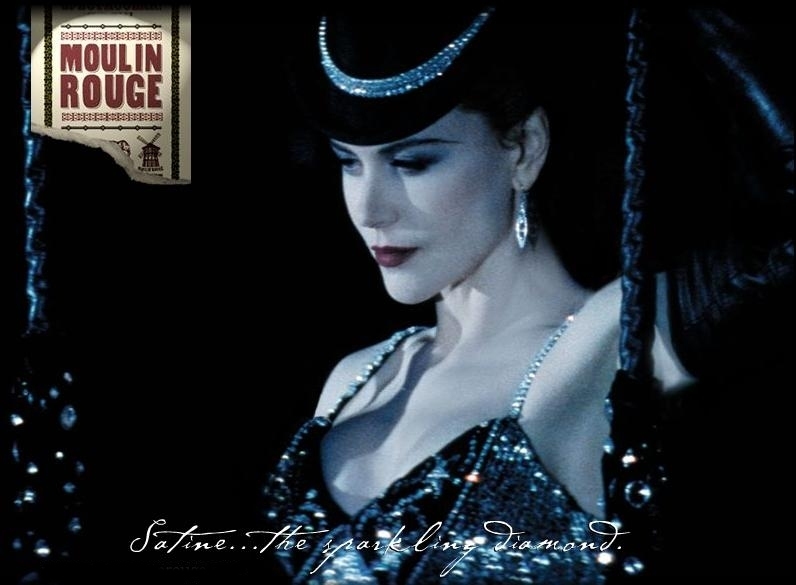
In the 2001 movie Moulin Rouge!, Nicole Kidman plays the role of Satine, a Parisian cabaret star and courtesan who has never known love until she falls for a poor English writer. Satine, which is presumably a professional or stage name, is French for satin, the familiar glossy fabric – its name comes from the Chinese city of Quanzhou (once a major shipping port for silk), which was called by the Arabic name of Zayton during the Middle Ages. Zayton is the Arabic word for “olive”, to symbolise peace, perhaps due to the mix of cultures living and working in the city. This makes Satin or Satine a possible honour name for Olive, weirdly enough. Satine has been used as a name since the 19th century, and although it is not a traditional French name, it has sometimes been used as a baby name in France since the film came out. A soft, exotic-sounding name with an Australian connection.

Shiseido
The name of a highly successful Japanese cosmetics company, and one of the oldest in the world, being founded in 1872. The company’s name is taken from the classic Chinese text, the I Ching (Book of Changes), and can be translated as “How wonderful is the virtue of the earth, from which all things are born!”. The company believes that this embodies its resolve to create new products that will enhance clients’ well being, and also helps to promote an image which is healthy and environmentally sound. Although there are many brand names used as personal names (such as Chanel and Armani), and some existing personal names used for brands (such as Mercedes and Nike), I have only ever seen one baby given the name Shiseido. That makes it very unusual, but it’s rather attractive, and has a lovely, carefully-crafted meaning. Pronounced shi-SAY-doh, you could use Sadie as a short form, although the baby I saw had Sass as her nickname.

Sorcha
Gaelic name meaning “brightness, radiance”. It can be found in medieval Irish documents, so it has a long history. In Ireland it is sometimes Anglicised as Sarah, because of the similar sound, while in Scotland it is more often Anglicised as Clara, which has the same meaning. The Irish actress Sorcha Cusack, who came to prominence in the 1970s as Jane Eyre, and is still on TV now as the housekeeper in Father Brown, has given it publicity in recent decades, and the name isn’t uncommon in Ireland. The correct pronunciation is SAWR-kuh or SAWR-i-kuh, but in practice a wide variety of pronunciations is tolerated in Ireland and Scotland, including SAWR-sha, which is probably easier for English-speakers, and sounds like familiar Sasha (although liable to be confused with another Irish name, Saoirse). An unusual yet very usable name.

POLL RESULTS
People’s favourite names were Carys, Isolde and Posy, and their least favourite were Lowenna, Jamilla and Shiseido.

(Picture shows Nicole Kidman as Satine in Moulin Rouge!)

← Older posts
Newer posts →

Enter your email address to follow this blog

Categories

Archives

Recent Comments

A.O.'s avatarwaltzingmorethanmati… on Zarah Zaynab and Wolfgang…
Madelyn's avatarMadelyn on Zarah Zaynab and Wolfgang…
JD's avatardrperegrine on Can Phoebe Complete This …
A.O.'s avatarwaltzingmorethanmati… on Rua and Rhoa
redrover23's avatarredrover23 on Rua and Rhoa

Blogroll

  • Appellation Mountain
  • Baby Name Pondering
  • Babynamelover's Blog
  • British Baby Names
  • Clare's Name News
  • For Real Baby Names
  • Geek Baby Names
  • Name Candy
  • Nameberry
  • Nancy's Baby Names
  • Ren's Baby Name Blog
  • Sancta Nomina
  • Swistle: Baby Names
  • The Art of Naming
  • The Baby Name Wizard
  • The Beauty of Names
  • Tulip By Any Name

RSS Feed

  • RSS - Posts

RSS Posts

  • Celebrity Baby News: Melanie Vallejo and Matt Kingston
  • Names from the TV Show “Cleverman”
  • Can Phoebe Complete This Sibset?
  • Zarah Zaynab and Wolfgang Winter
  • Baby, How Did You Get That Name?
  • Celebrity Baby News: Media Babies
  • Celebrity Baby News: Adelaide Crows Babies
  • Celebrity Baby News: Chris and Rebecca Judd
  • Names at Work: Name News From the World of Business and Employment
  • Celebrity Baby News: Sporting Round Up

Currently Popular

  • Celebrity Baby News: Toby Allen and Darren Weller
  • Girls Names From Native Australian Flowers
  • Girls Names of Australian Aboriginal Origin
  • Celebrity Baby News: Victoria Samba and Mitch Hoare
  • Celebrity Baby News: Katie Underwood and Darren McCoy

Tags

celebrity baby names celebrity sibsets english names famous namesakes fictional namesakes honouring locational names middle names name combinations name history name meaning name popularity name trends nicknames popular names saints names sibsets surname names twin sets unisex names

Blog at WordPress.com.

Privacy & Cookies: This site uses cookies. By continuing to use this website, you agree to their use.
To find out more, including how to control cookies, see here: Cookie Policy
  • Subscribe Subscribed
    • Waltzing More Than Matilda
    • Join 517 other subscribers
    • Already have a WordPress.com account? Log in now.
    • Waltzing More Than Matilda
    • Subscribe Subscribed
    • Sign up
    • Log in
    • Report this content
    • View site in Reader
    • Manage subscriptions
    • Collapse this bar
 

Loading Comments...