Boys Names from the Top 100 of the 1950s

Tags

, , , , , , , , , , , , , , , , , , , , , , , ,

r556127_3326529

Adrian
From the Roman name Hadrianus, meaning “from Hadria”. Hadria (now called Adria) is a town in northern Italy. Its name may be from the River Adria, named from the Venetic word adur, meaning “water, sea”. It has given its name to the Adriatic Sea, to which the river was once connected. A famous Roman namesake is Publius Aelius Hadrianus, otherwise known as the Emperor Hadrian, well known for the wall he built across northern England. There have been many saints named Adrian, including Adrian of Canterbury, an African-born English scholar famous for his learning. There have also been six popes named Adrian. The name Adrian has been used in Britain since the Middle Ages, but only became common in the 19th century. Adrian was #144 in the 1900s and joined the Top 100 in the 1940s; by the 1950s it was #94. It peaked in 1976 at #38 and left the Top 100 in 2004; it is currently around the 100s so still in reasonable use. This is a classic which has been superseded by Aidan, but a reliable choice which is still widely popular around the world.

Christopher
From the Greek name Christophoros, meaning “bearing Christ”; it was a name chosen by early Christians to indicate they held Jesus Christ in their hearts. The legendary St Christopher is said to have carried the Christ Child across a river, making the name’s meaning literal. Christopher seems to be a title or epithet of the Egyptian martyr St Menas, and the story is very similar to one told of the hero Jason in Greek mythology. Christopher is a hugely popular saint, and you may even know someone who has a St Christopher medal to keep them safe, as he is the patron of travellers, athletes, surfers, and sailors. Christopher has been used as an English name since the Middle Ages, and has remained in constant use for centuries. Famous Australian namesakes include poet Christopher Brennan, winemaker Christopher Penfold, Federal Minister Christopher Pyne, statistician Professor Christopher Heyde, and actor Chris Hemsworth. Christopher was #97 in the 1900s and left the Top 100 in the following decade. It returned in the 1940s and by the 1950s was #11, peaking at #2 in the mid 1980s. Christopher just left the NSW Top 100 in 2015, so is still common here, and popular in the English-speaking world.

Darryl
Variant of the English surname Darrell, from the Norman-French D’Airelle, meaning “from Airelle”; Airelle in Normandy means “courtyard”. Although Darrell has been used since the 17th century, the variant Darryl didn’t come into common use until the 19th. Darryl entered the charts in the 1930s at #174, and was on the Top 100 by the 1950s, when it was #80 for the decade. This corresponds to the period when Darryl F. Zanuck was head of Twentieth Century Fox. That was also its peak, and it left the Top 100 in 1969; it hasn’t charted since the 1990s (Daryl has a similar history, but slightly less popular). A famous fictional namesake is cheerful battler Darryl Kerrigan from The Castle, voted the favourite Australian film character of all time. Is that enough to give Darryl another go around the block? Some would say you’re dreaming to think it.

Denis
From a medieval French form of Dionysius, derived from Dionysos, the Greek god of wine. The god’s name combines his father’s name, Zeus, with Nysa, the mythological region where he was raised. Dionysius was an extremely common name in ancient Greece, and the name continued to be used in the Christian era. There is a Dionysius in the New Testament, a judge of Athens converted by St Paul. A number of saints have the name, and a pope as well. However, the most famous is the Dionysius who became bishop of Paris in the 3rd century and was martyred; he is known as St Denis and is one of the patrons of France. According to legend, after being decapitated he picked up his head and walked several miles with it, preaching sermons the whole way. He seems to have started a trend, as after that it became fashionable for saints, especially French ones, to carry their own heads. St Denis was very popular, and his name was introduced to England by the Normans. It became a great favourite in Ireland. Denis was #109 in the 1900s, and joined the Top 100 in the 1930s. It peaked in the 1940s at #41, and by the 1950s was #73. It left the Top 100 in 1957, and hasn’t charted since the late 2000s. The surname form Dennis has always been more popular, and this spelling is still in use.

Gary
Surname usually said to be a variant of the surname Geary, a medieval English nickname for names such as Gerard and Gerald, and thus another form of Gerry or Jerry. In Ireland Geary is used to anglicise the Gaelic name O Gadhra, meaning “son of Gadhra”, with the name Gadhra meaning “dog”. The surname Gary is more common in Ireland as a contraction of McGarry, from the Gaelic name Mag Fhearadhaigh, meaning “son of the brave”. Gary has often been understood as a pet form of Gareth, even though that isn’t its origin. Gary has been used as a boys name since perhaps the 16th century, coming into common use by the 19th. Gary entered the charts in the 1930s when Gary Cooper began his Hollywood career in films such as A Farewell to Arms. The name Gary was in the Top 100 by the 1940s and peaked in 1952 at #8, the year Gary Cooper starred in classic Western High Noon. Gary left the Top 100 in 1985, and hasn’t charted since the early 2000s. Its downfall is usually attributed to the numerous child sex offence charges against British pop star Gary Glitter (real name Paul Gadd) although it had already left the Top 100 long before he was first arrested. Garry had a similar history, but was a bit less popular.

Glenn
Scottish surname meaning “narrow valley”. It has been used as a personal name since the 18th century, becoming more common in the 19th. Glenn joined the charts in the 1940s, just as Hollywood star Glenn Ford was making his name known in war drama So Ends Our Night, and appearing in early film noir Gilda. It was in the Top 100 by the 1950s when it made #40 for the decade, peaking at #17 in the early 1960s, around the time Glenn Ford starred in epic Western Cimarron. It left the Top 100 in 1987, and hasn’t charted since the 1990s. There are a number of Glenns in the field of music, including pianist Glenn Gould, jazz star Glenn Miller, Glenn Frey from The Eagles, heavy metal guitarist Glenn Hughes, and Glenn Tilbrook from Squeeze. In Australia there is cricketer Glenn McGrath, and rugby league star turned politician Glenn Lazarus. Glenn is a simple nature name that could still appeal – in a discussion I had with other parents, Glenn was the 1950s boy’s name most people wanted revived. Glen had a similar history, but was less popular.

Keith
Scottish surname from the lands of Keith in East Lothian, whose name is said to come from a British word meaning “wood”. In the 11th century, the lands were supposedly given to a Germanic warrior of the Chatti tribe who helped defeat invading Danes, and some believe the name may be German in origin. The Clan Keith held a hereditary title as protector of the King of the Scots, and took leading roles in the Scottish Wars of Independence. One of the most powerful of the Scottish clans, various Keiths have been appointed ambassadors and keepers of the crown jewels, so have always had close ties with royalty. Keith has been used as a personal name since the 18th century; from the beginning it had strong associations with Scotland. The name became popular in the 19th century, perhaps due to George Elphinstone, Baron Keith, an admiral during the Napoleonic Wars. Keith was #43 in the 1900s, peaking in the 1920s at #8. By the 1950s it was #44 for the decade; it left the Top 100 in 1970, and hasn’t charted since the late 2000s. I do see the occasional baby named Keith (could country singer Keith Urban be an influence?), so this name is still going long past its peak, and could experience a revival in the future.

Neil
Based on the Irish name Niall, perhaps derived from the Old Irish word niadh, meaning “champion, warrior”, or from nel, meaning “cloud”. The most famous Niall in history is the semi-legendary 5th century Irish king Niall of the Nine Hostages. The name Niall was popular in medieval Ireland and Scotland. It was adopted by the Vikings, who had strong ties with Ireland in the Middle Ages, and the name was taken to Scandinavia in the form Njall. The Normans, who were of Viking stock, brought the name to England, although the name already existed in the north, where it had been introduced from Ireland or by Scandinavian settlers. Neil was in use by the 17th century, and originated in Scotland, perhaps influenced by the surname McNeil, meaning “son of Niall”. Neil was #110 in the 1900s and joined the Top 100 the following decade. It peaked in 1955 at #33 and left the Top 100 in 1986. It is currently around the 600s, and the Indian name Neel, meaning “blue”, is more common. Neil is still a pleasant Gaelic choice with some cool namesakes, including astronaut Neil Armstrong, singer Neil Young, and Beat muse Neal Cassady.

Shane
Anglicised form of Séan, the Northern Irish version of Seán, pronounced SHAYN rather than SHAWN, and an Irish form of John. Shane has been in common use since the 19th century, and was strongly associated with immigration from Ireland. The name became famous because of the classic 1953 Western film Shane, with Alan Ladd in the title role as the mysterious stranger who rides into a little Wyoming valley and becomes a guardian, teacher, and inspiration to a family of settlers still unskilled in the ways of the West. The name Shane rocketed into the Top 100 from nowhere in 1954, and was #69 for the decade. It peaked in 1973 at #12 and left the Top 100 in 1997 (cricketer Shane Warne doesn’t seem to have helped, even at the peak of his success). It is now around the 500s and drifting away like its famous namesake – will anyone ever cry out, Come back, Shane!, I wonder?

Wayne
English occupational surname for a wagon-driver or wagon-maker, from the Old English waegn, meaning “cart, wagon”. It has been used as a personal name since the 18th century, and was more common in the United States – probably because of Anthony Wayne, who was General in Chief of the Army during the American Revolutionary War. The name Wayne first charted in the 1930s, the decade when Hollywood star John Wayne began his career in Western films; he hit the big time in 1939 with Stagecoach. Interestingly, 1939 was also the year that superhero Batman first appeared, the alter ego of billionaire playboy Bruce Wayne; this seems significant, although the creators named him after Anthony Wayne. Wayne was in the Top 100 by the 1940s and peaked in 1955 at #11, the year after John Wayne starred in airline disaster flick The High and the Mighty. It left the Top 100 in 1987 and hasn’t charted since the 1990s, the name disappearing after the Wayne’s World movies with Mike Myers as partying slacker Wayne Campbell. This name is no longer excellent, which is bogus and sad.

POLL RESULTS

The public’s favourite 1950s names were Adrian, Christopher and Neil, and their least favourites were Darryl, Denis and Gary.

(Picture shows At Newport, 1952, by classic Australian photographer Max Dupain; now held at the Art Gallery of NSW)

What Name for Alex and Charlie’s Brother or Sister?

Tags

, , , , ,

June-2016

Brooke and Ryan are expecting their third child next month, who will be a brother or sister for Alexander, called Alex, and Charlie. Brooke wonders if they already have a problem, because they chose a formal name with a nickname, and then a nickname as the full name.

Brooke’s favourite choice for a boy is Hugo. Although Ryan also likes the name, his favourite is Banjo. Brooke likes Banjo, but isn’t sure whether she is daring enough to use it. Other names they have thought of are Frank, and Fred (maybe short for Frederick?)

For a girl’s name, which Brooke is finding harder, she would like a traditional vintage-style name, but doesn’t want anything too popular. So far she likes:

Olive – Brooke imagines a lot of other people might not like it, and as she’s a chef she wonders if it’s too much having a food name; maybe in the middle?

Pearl – this would be the baby’s birth stone, so a nice link

Rose

Isabel, Isobel or Isabelle – Brooke doesn’t know which spelling she prefers, and thinks it might be too popular. However, it is Ryan’s favourite name for a girl

Maeve

Mabel

Maisie – loves it, but it has the same ending as Charlie

If it’s a boy, the middle name could be Bradley, which is a family name. If it’s a girl, Brooke would like to use Audrey, to honour a relative, but she could also use Emily, a family name from an earlier generation. Florence is another possible family name.

Brooke doesn’t want a name that starts with A or C, or sounds too similar to Alex and Charlie. Her main concern is that she’s not sure whether to choose another long name that has a nickname, like Alexander/Alex, or another nickname that’s a full name, like Charlie.

Brooke and Ryan have a surname vaguely like Schneider.

* * * * * * * * * * * *

Brooke, I don’t see it as a big problem that you have an Alex, short for Alexander, and a Charlie. I don’t think you have to consciously choose or reject one or the other type of name for your third child, and there’s no “name police” that will come down on you for mixing and matching a formal name with a nickname. There are plenty of families who do this, and I promise nothing terrible happens to them!

You can pick a name like Hugo, which doesn’t usually have a nickname – Alex, Charlie, and Hugo sounds just fine. Or you could pick a name like Banjo, which is a nickname, but not short for anything, so would be a third type of name – Alex, Charlie and Banjo is nice.

Frank and Fred (possibly short for Frederick) are also worth considering. I know neither of them are a favourite name, but there have been so many parents lately choosing a name for their child that wasn’t a front-runner on their list that I would not discount them.

Frank is handy because it’s not necessarily a nickname (it’s a name in its own right), but is often used as a nickname, so it bridges that gap between Alexander and Charlie. Fred is cute, and if you wanted to use Frederick as the formal name, then Alexander, Charlie, and Frederick works great – it even sounds quite royal.

I love all the girls names that you have chosen. It does sound as if you are having serious doubts about Olive, but it could make a wonderful middle name if you decide not to go with Audrey, Emily or Florence.

If you love the V sound in names, then Maeve might be a good replacement with no obvious food associations (although I think it literally means “mead”, the drink). Maeve Audrey,  Maeve Emily and  Maeve Florence all sound nice.

Pearl is very pretty, and if the baby arrives in June, then the link with the birth stone would be a bonus. Names that mean “pearl”, such as Margaret, Margot or Lulu would also fit the birth stone. Pearl Florence is darling.

I’m wondering if that was the thinking behind Rose as well, because that is usually given as the birth flower for June. It’s very pretty, and Rose Audrey is sweet, but to me this is quite hard to say with your surname. It could work as a middle name though.

Mabel is lovely, and has the advantage of being a nickname that is nearly always used as the full name, so is another gap-bridging name. Mabel Emily and Mabel Florence seem especially nice.

I don’t think it’s a huge issue that Maisie ends with the same sound as Charlie, but would it help if her name was Margaret, nicknamed Maisie? Or would plain Mae fit the bill? (I feel as if we are back to Maeve by this point).

I think Ryan has made a good choice too, with Isabel. If you wanted the least common spelling, then I would go with Isobel – this is also a Scottish name which seems like a nice match with Alexander and Charlie, wihich have strong Scottish associations. If you wanted a more “vintage” feeling, then I would pick Isabel, which was more popular in times past. Isabelle is the most popular spelling today. Isabel Audrey and Isabelle Florence are nice, although if you wanted to go down the birth stone route, Isobel Pearl seems rather charming.

Don’t worry any more about having an Alexander and a Charlie – whatever you pick will work fine. You needn’t feel that you must pick a nickname or a name with a nickname to fit in. I can tell you are more excited about choosing a girl’s name, which is understandable after two boys. If it’s harder for you, it sounds as if that’s because there’s more names you are interested in using. I would just enjoy all the choice!

UPDATE: The baby was a girl, and her name is Pearl!

POLL RESULTS: The public’s choice for a boy’s name was Hugo (53%), and for a girl it was Isobel/Isabel/Isabelle (22%), although Pearl was close behind on 20%. The favourite spelling of Ryan’s choice of name was Isobel, which more than half of respondents voted for (52%).

Florence Sunshine and Ida Maeflower

Tags

acacia-terminalis-0408066170

Girls
Aurora Roriana
Aziza Zoe
Billie Star
Chloe Valencia
Eliana Jolie
Florence Sunshine
Harper Indigo
Ida Maeflower
Kataleah Day
Leena Khawaja
Lola Jean
Luna Cherry
Maisey Dot
Manila
Maxine Aaliyah
Memphis June
Molly Lou
Ruby Reign
Sabriella Jaime Talita
Skyanne
Sophia Aroha
Tiraa Vaine
Vegas
Willow Elora
Zarah Hermione Alexandra

Boys
Anton Freo
Archie Sailor
Axel Cruz
Chanel Cooper
Crew
Dane Dean
Duke Zion
Felix Django
Frankie Jack
Hendrix Prince
Iowa
Jaycee Robert Earl
Leo Orlando
Logan Clive
Malek Sammour
Myles Forrest
Noah Patch
Oscar Bowie
Perfect JR
Poet
Remy Rome
Simon-Peter
Vincent Row
Winston Jai
Zebedee Wells

Baby names from Bonds Baby Search 2016.

(Picture shows Sunshine Wattle blossom in Blue Mountains National Park, NSW)

Celebrity Baby News: Australian-American Babies

Tags

, ,

42e29614b0183519ed1d8604460dde04

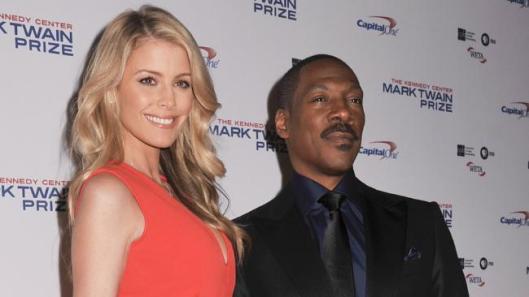
Model and actress Paige Butcher, and her boyfriend, American comedian and actor Eddie Murphy [pictured], welcomed their first child together on May 3 in Los Angeles and have named their daughter Izzy Oona. Eddie has eight other children from previous relationships, and their names are Eric, Christian, Bria, Myles, Shayne, Zola, Bella, and Angel. Paige is from Perth, won a modelling contract in 1994 before going to New York, and has appeared in movies including Big Momma’s House. Eddie is well known as a comedian who gained success on Saturday Night Live, and went on to star in films such as Beverly Hills Cop, Coming to America, The Golden Child, The Nutty Professor, Dr Dolittle, Shrek, and Dreamgirls.

Former ballerina Marie-Claire D’Lyse, and her husband, ballet dancer Shane Wuerthner, welcomed their daughter Dominque Vienne on April 22. Marie-Claire is from Brisbane, and trained at the Ballet School of the Vienna State Opera. She joined the Queensland Ballet in 1997, before becoming a soloist at the Vienna State Opera Ballet in 2000, and then joining the San Francisco Ballet in 2012. Shane is American-born, and has performed with the Vienna State Opera Ballet and the San Francisco Ballet, becoming Principal Dancer with the Queensland Ballet in 2014. I notice that Dominique’s middle name commemorates a city important to her parents. (Information from Brisbane’s Courier Mail).

Name Update: A Scottish Choice

Tags

, ,

images

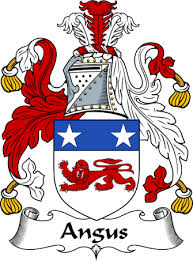
Eloise and George were expecting their second child in a month, and still hadn’t picked a name for him. They wanted something strong and masculine, preferably something English or Scottish to complement their daughter’s name.

Eloise and George welcomed their son about a month ago, and decided to call him

ANGUS, nicknamed GUS,

baby brother to Arabella.

Angus wasn’t one of their front-runners, and Eloise describes it as a “dark horse” that they rarely talked about. However, it was a name that nobody else they knew had used, and they loved Gus as the nickname. I remember that Angus was a name that Eloise said she liked, but George wasn’t as keen at the time, so this is another example of a dad who had a change of heart on a name.

Congratulations to Eloise and George on the birth of Angus! They found that perfect Scottish name, and the nickname Gus is adorable.

Girls Names from the Top 100 of the 1950s

Tags

, , , , , , , , , , , , , , , , , , , , , , , , , , , , ,

De104960

Annette
French pet form of Anne. It was in common use by the 18th century, not only in France and French-speaking countries, but in the English-speaking world, Central Europe, and Scandinavia. Annette sprang straight into the Top 100 in the 1930s; a famous namesake from this era was singer Annette Hanshaw, one of the most popular radio stars of the decade. The name peaked in the 1950s and ’60s at #41, perhaps inspired by 1950s Mousketeer Annette Funicello, who starred in teen beach movies in the 1960s. Two famous Australian namesakes are feminist and political activist Annette Cameron, and early 20th century swimming star Annette Kellermann. It would be easy to dismiss Annette as a tired 1950s name, but there’s still something sweet and elegant about it, and it doesn’t seem strange next to popular names like Annabelle, especially as French names like Estelle are gaining in favour. Annie and Nettie are the standard nicknames.

Beverley
English surname from the town of Beverley in Yorkshire; in the Middle Ages one of the wealthiest towns in England, and a centre for pilgrimage with its own patron saint, John of Beverley. The town’s name is from the Old English for “beaver lake” or “beaver clearing”, as there were once beaver colonies in the nearby River Hull. Beverley has been used as a personal name since at least the 18th century, and from the beginning was given to both sexes, but mostly to boys. One of the reasons it became more common for girls in the 20th century could be silent film star Beverly Bayne (born Pearl, she used her middle name). Beverley has charted in Australia since the 1910s, the beginning of Beverly Bayne’s career, debuting at #321. It rocketed into the Top 100 in the 1930s, peaking in the 1940s at #13. By the 1950s it was #56, and it left the Top 100 in the 1960s, falling off the charts in the 1980s. Unisex-style surname names for girls are on trend, and Beverley is just Everley with a B, yet a comeback seems unlikely.

Heather
The common name for the widespread hardy shrubs; the plant name was later influenced by the word heath, as they grow on heathlands and moors. Heather is one of the symbols of Scotland, as it grows abundantly in the Highland hills. White heather is supposed to lucky, probably because it’s rare. Heather has been used as a girl’s name since at least the 17th century, but did not come into common use until the 19th, when flower names became fashionable. Heather was #128 in the 1900s and joined the Top 100 in the 1910s, peaking in the 1930s at #30. By the 1950s it was #47, and it left the Top 100 in the 1970s, leaving the charts altogether in 2010. The film Heathers gives it a dark edge, but the lovely Heather Jelly, played by Kerry Armstrong in SeaChange, brings a touch of suburban fantasy to it. It’s a flower name that’s strong and sensible rather than feminine and frilly, and might well appeal to a future generation.

Jill
Variant of Gill, short for Gillian, an English feminine form of Julian which dates to the Middle Ages. It’s perhaps most famous as the heroine of the old nursery rhyme, the girl who comes tumbling down the hill after Jack. At one time, Jill was used to mean any young girl or sweetheart (just as Jack meant any lad). It didn’t become common as an independent name until the 19th century – I wonder if that’s because it’s when Jack and Jill became widely published? Attractive fictional Jills include brave Jill Pole in the Narnia novels by C.S. Lewis, and P.G. Wodehouse’s flapper-era Jill the Reckless. A more modern example is tough heroine Jill Valentine from the Resident Evil game franchise. Jill entered the charts in the 1920s at #171, and was in the Top 100 by the 1930s at #45, which was also its peak. It was #73 by the 1950s, and left the Top 100 in the 1960s, leaving the charts in the 1990s. Vintage short forms like Tess, Nell and Mae are in vogue, and there seems no convincing reason why spunky Jill could not be used.

Judith
In the Old Testament, Judith is a beautiful widow who saved her people by seducing an enemy general of the Assyrians and decapitating him while he was drunk. The Book of Judith doesn’t fit any historical facts, and so is accepted as a parable or religious fiction; however, it has been a popular subject in literature, art, and music. There’s another Judith in the Bible – one of the wives of Esau, Jacob’s twin brother. Judith is the feminine form of the Hebrew name Judah, meaning “praise”. It has been in use since the Middle Ages and was traditional among European nobility and royalty. An early celebrity baby was Judith Shakespeare, the Bard’s daughter, and twin sister of Hamnet. Famous Australian namesakes include actress Dame Judith Anderson, poet Judith Wright, singer Judith Durham, and comedian Judith Lucy. Judith entered the charts in the 1910s at #248, and was in the Top 100 by the 1920s. It peaked in the 1940s at #3, and by the 1950s was #8; it left the Top 100 in the 1970s, and the charts in the 1990s. Mature and substantial, Judith seems almost ready for a comeback, and the nickname Jude is positively cool.

Leonie
From the French name Léonie, feminine form of the Latin name Leonius. It can be seen as a feminine form of Leo, with the same meaning of “lion”. In use since at least the 18th century, it soon spread to the English-speaking world as well as Central Europe; it is still popular in France, Switzerland, Germany, and Austria. Famous Australian namesakes include distinguished academic Dame Leonie Kramer, senior journalist Leonie Wood, and actress Leonie “Noni” Hazlehurst; it’s also the name of Chris Hemsworth’s mother. Leonie entered the charts in the 1910s at #338 and was in the Top 100 by the 1940s. It peaked in the 1950s at #55, left the Top 100 in the 1970s, and was off the charts by the early 2000s. This is a 1950s name that still sounds pretty and elegant, fits in with the trend for animal names, and has the advantage of never being highly popular.

Linda
Originally a Latinised short form of medieval Germanic names such as Sieglinde, or short for names such as Irmilinda; in these cases, the -linde or -linda meant “soft, tender”. However in the modern era, Linda is given because of the Spanish word linda, meaning “pretty”. Linda has been used as a personal name in Spain since perhaps the 17th century, and spread to other countries. The 19th century opera Linda di Chamounix by Donizetti helped popularise it in the English-speaking world, and Nancy Mitford’s novel The Pursuit of Love, with beautiful Linda Radlett as its focus, has some plot elements in common with the romantic opera. Linda was #53 in the 1900s, and left the Top 100 in the 1920, sinking to #189 in the 1930s. It returned in the 1940s and was #24 in the 1950s, peaking at #12 in 1963. Linda left the Top 100 in the early 1980s, falling after Alice Lynn “Lindy” Chamberlain was falsely convicted of her daughter’s death, and hasn’t charted since 2009. Linda is a classic with a lovely sound and meaning which now feels dated, along with its ‘sixties sisters Melinda and Belinda. Although it does not sound that odd next to today’s Lilys and Laylas, most will probably believe it needs a rest before rediscovery.

Maureen
Anglicised form of the Irish name Máirín, a pet form of Máire, the Irish form of Mary. A modern name, Maureen came into common use in the 19th century, with significant use in Ireland. Maureen joined the charts in the 1910s at #271, and was in the Top 100 by the 1930s, when Irish-American film star Maureen O’Sullivan, who played Jane in several Tarzan films, married Australian-born film director John Farrow. The name peaked in the 1940s at #18, when gorgeous Irish-American actress Maureen O’Hara was starring in such films as How Green Was My Valley and Miracle on 34th Street. By the 1950s it was #42, and by the 1960s had left the Top 100; it hasn’t charted since the 1980s. It may not be currently fashionable, but Maureen does not seem horribly old-fashioned, as there are so many contemporary and even rather hip namesakes. Who could forget Maureen “Mo” Tucker from The Velvet Underground, or writer and activist Maureen Duffy? Bisexual performance artist Maureen Robinson from the musical Rent shares her name with a time-evading mama in the sci-fi Future History series by Robert Heinlein. Another generation might find Maureen strong and attractive, and even now it could appear clunky and cool.

Susan
English form of the Hebrew name Susanna, meaning “lily”; it has been in use since the Middle Ages. Famous Australian namesakes include Justice of the High Court Susan Kiefer; socialite Lady Susan Renouf; long distance swimmer Susan “Susie” Maroney; and Susan Cullen-Ward, who became Queen Susan of Albania. Susan was #149 in the 1900s, and was in the Top 100 by the 1940s, peaking as the #1 name of the 1950s; the name’s popularity was influenced by Hollywood star Susan Hayward. It left the Top 100 in the 1980s, and last charted in 2010. Susan was a favourite name in children’s fiction, so you might have grown up with Susan Pevensie in the Chronicles of Narnia, Susan Walker in Swallows and Amazons, Susan Garland from The Country Child, Little Friend Susan from Milly-Molly-Mandy, Susan from The Weirdstone of Brisingamen, or Susan from Worzel Gummidge. This is a charming classic which has suffered from being a mid-century #1 now at the ebb of its cycle, leading to much hand-wringing. Depending on your point of view, you will either think it’s too dated and needs more time before it feels fresh again, or can see that choosing Susan will put you way ahead of the curve when ‘fifties names make a comeback.

Yvonne
Ultimately the feminine form of the medieval Germanic name Ivo, thought to be a short form of names beginning with Iv-, meaning “yew”. Because yew wood is used to make bows, the name can be glossed as “bowman, archer”. In French, the name became Yves, hence Yvonne. Although introduced to England by the Normans, the name died out and only became common again in the 19th century. Famous Australian namesakes include opera singers Yvonne Minton and Yvonne Kenny, and rugby league commentator Yvonne Sampson, but the most famous is tennis champion Evonne Goolagong Cawley, one of the great players of the 1970s and ’80s. Yvonne joined the charts in the 1910s at #165 and was in the Top 100 by the following decade. It peaked in the 1930s at #26 and by the 1950s by #68. It left the Top 100 in the 1970s and hasn’t charted since the early 2000s. Yvonne seems dated, except that the strong V sound is still on trend, and popular Evie could be used as the nickname. I see baby girls with names like Evanne, Yvanna and Yvaine, so it feels more like a name that has evolved rather than simply gone out of use.

POLL RESULTS

The public’s favourite 1950s names were Leonie, Annette and Heather, and their least favourites were Linda, Maureen and Beverley.

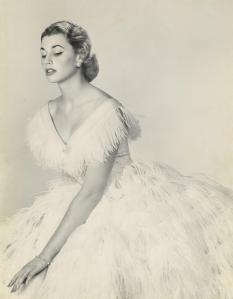
(Picture of 1950s model from an exhibition of Melbourne fashion photography by Athol Shmith held at the National Gallery of Victoria).

What Name for Olive and Mabel’s Sister?

Tags

, , , , , , , ,

girls-614914_960_720

I’m positive you will remember Charlotte and Jake. A couple of years ago they got themselves into a baby naming pickle with their second daughter: they named her at the hospital, but then family disagreements made Charlotte unsure of their decision.

They picked another name, but friends and family made some very hurtful comments about it which added to Charlotte’s worries. Eventually they decided that the second name was the right one, and their baby girl officially became Mabel a couple of months after her birth, a sister for their eldest daughter, Olive.

Charlotte and Jake are expecting their third child in the spring, and it will be another girl. They have learned some valuable lessons in regard to baby naming since Mabel’s birth. Jake definitely has – he wouldn’t even consider the prospect until they both agreed that this baby would be named before she leaves the hospital!

Charlotte is keeping her name list down to ten names, and they aren’t sharing their name ideas with friends and family this time. Another point of interest is that Olive is now old enough to have her own opinions, and her four favourite name choices are top of Charlotte’s list.

Charlotte (and Olive’s!) Name List:

Edie or Edith
Violet
Nora
Ida
Iris
Margot
Agnes
Ethel (starting to grow on her)

Charlotte quite likes the middle name Percy with some of these names, perhaps short for Persephone (she’s been watching the remake of Upstairs, Downstairs which has a Lady Persephone, sister to Agnes). Another possibility for a middle name is Florence.

Jake’s Name List:

Edie
Alice (Charlotte can’t agree to this, it’s beautiful but just isn’t for her)
Nora
Rosie (they already know three families just in their suburb with an Olive and Rosie sibset!)
Margot

Charlotte favourite name is probably Ida. She loves the name Violet, but its growing popularity is a slight turn off. She adores Edie, but would like a full name option for it, and can’t commit to Edith; three of her old friends back in London, where the name is more popular, have daughters named Edith. However, she is currently watching Downton Abbey, so she might change her mind! She thinks Jake could agree to Ida and Violet without too much persuasion.

Charlotte wonders what people think of their name choices so far.

* * * * * * * * * * * *

It’s always nice to hear back from parents who have been on the blog previously, and it’s especially good to hear from those who’ve had naming troubles in the past, and feel much more relaxed  this time around. I’m so glad to hear that you’re expecting another little girl, and have put rules in place for yourselves to make things easier when choosing her name. I’m tickled by Jake’s name rule, but of course he’s quite right.

And how delightful that Olive is now asserting herself, and has such sympathetic taste in names to her parents: I love that she gets to make her own little name list for her new sister.

It sounds to me as if you are doing absolutely fine, and are making sensible choices for yourself. The better you plan now, the less stress you’ll experience once the baby arrives.

It’s good that you and Jake and Olive have all made name lists, and although you do have a quite a way to go yet, I wonder whether it might be time to start combining them into a Master List. The easiest way is to include all the names that both you and Jake have agreed on independently, with perhaps some wiggle room for names that you think either one might come around to.

So far it looks as if everyone likes these names: Edie (possibly short for Edith), Nora, and Margot.

And you think that Jake could be persuaded to agree to: Ida and Violet.

You have ruled out Alice, and still don’t seem too keen on Rosie, which you vetoed last time (I can see that being the fourth family in your suburb to pick both Olive and Rosie would not be appealing).

That leaves Agnes, Iris, and Ethel still up in the air. I remember Jake went off Agnes and Iris last time, but then again you vetoed Edie/Edith last time and it’s now at the top of your list. So I think it’s worth having more conversation about these names. Ethel is a very new addition to the list, and I would give that some time to settle in before you make any decisions either way.

So your list is now:

Front Runners
Edie/Edith
Nora
Margot

Maybe (need more input from Jake)
Ida
Violet

Still Possible (need more thought and conversation)
Agnes
Iris
Ethel

And there’s room to add more names that you might fall in love with over the winter, so you don’t need to worry that your name list is overstocked.

EDIE/EDITH
This is a name that everyone has at the top of their list, so can’t be overlooked. I do remember that you prefer names to have a long form, and Edith nn Edie might suit you better than Edie. I wouldn’t worry about your friends in London having daughters named Edith. If you ever catch up with them all on a trip it will be a cute talking point, but can’t see how it will impact on your day to day life. I think Olive, Mabel and Edith is adorable, and Edith Persephone, Edith Percy or Edith Florence all sound nice. Maybe the final episode of Downton can make up your mind!

NORA
Another favourite name of everyone. I know it’s technically a nickname, but so is Mabel: I think they are both names where the short form has become much better known than the full name. Nora seems very hip and spunky, and at the moment is even less common in Australia than Edie or Edith. Who wouldn’t love Olive, Mabel and Nora together (they even touch in the alphabet)? Nora Florence is lovely, while Nora Percy unfortunately sounds vaguely rude.

MARGOT
Yet another technically-it’s-a-nickname-but-not-really name! It’s terrifically hip and elegant, and I suspect could get a good response from people. Olive, Mabel and Margot are sweet together, and I like both Margot Florence and Margot Persephone (although in this case I think Margot Percy looks a bit rude). Margot has become an It Name lately, and that makes some parents nervous. Hopefully you can embrace that rather than be put off by it.

IDA
I’m just loving Olive, Mabel and Ida, and the combination Ida Persephone! And I think this name is sufficiently ahead of the curve that you won’t have to worry about other little Idas popping up all over the place. Jake went off this name before, so here’s hoping he has a change of heart.

VIOLET
Very pretty, although possibly a bit too much on trend for your complete comfort. Also I remember last time you weren’t sure about having another plant name with Olive, so how do you feel about it now? Would it make Mabel look out of place, or does Mabel actually help make it seem more possible?

I was interested to see that when I put Olive and Mabel into Nameberry’s Namehunter, it suggested Violet, Iris, Edith, Alice, and Florence for you. Other names on the list were Pearl, Clementine, Maisie, Clara, Beatrice, Cora, Adelaide, Willa, and June. And when I put your five top names in, it suggested Olive and Mabel, so it seems as if you have a really good feel for matching name styles.

I know you and Jake (and Olive) are going to choose a name for your baby girl that you love and makes a perfect match with her sisters – that just comes naturally to you. In the meantime, keep working on your name list as a family while remaining tight-lipped. Feel free to come back to us if you add new names and name combinations to your list – we’re always happy to help if we can.

POLL RESULT: The public’s clear choice for the name was Edith or Edie on 27%.

UPDATE: Last time I heard from Charlotte, Jake had convinced her that Edith was the right name for their new daughter.

Zoe Aphrodite and Oak Apollo

Tags

, , ,

fbc14924382163c4e99df114713af638

Multiples
Austin Norman and Hunter Douglas (Naida, Indi)
Edith and Amelie
Jasmine and Joseph
Lilah Grace and Archie Max (Hunter, Charlie, George)
Natasha and Stephanie
Stratos and Dimitrios
Ethendoss, Emricdoss and Edricdoss

Girls
Adele Phyllis
Annabel Josephine (Archie, William)
Aurora Quelle “Rory”
Azariah Phoenix
Cleo Violet
Etta Elizabeth (Isabelle)
Eva James
Faith Mary
Felicity Octavia (Kenzie-Alexis)
Freya Iris (Estelle)
Hallie Joan
Juniper (Sage)
Kaleisha (Aspen)
Lilliana Luz (Bryce)
Lola Thelma Susan (Lennon, Francis)
Marissa Celeste
Martha Alice Florence
Molly Jude (Bligh, Mia)
Nola Rose
Pippa Irene Mili (Hutch)
Quinn Poppy (Isla, Wes)
Samantha Yolande (Charlie, Macie)
Sierra Skye
Sophie Rita (Georgia, Ted)
Sylvie Grace
Veida Jane (Archie, Harvey)
Violet Helen (Ruby)
Willow-Grace Mitzi (Bella-Rose, Jack, Charlie)
Zaylia Lucy
Zoe Aphrodite

Boys
Allan Jaxon “AJ”
Asher Reef
Bear Harvey Alfred
Blayde Ben (Gypsy Lee)
Boone Rodney
Chase Robert Lee (Denim, Montana, Sienna, Skylar, Dylan, Jack)
Dempsey Michael
Denzel William
Dexter Kevin (Henry)
Elijah Giuseppe
Florian James
Freddie Thomas (Archie)
Gus Clinton (Archer, Xavier)
Jarvis (Liffey)
Louis Marselio
Marco Peter
Marley Drew
Maximus Wayne
Myles Dean (Charlotte)
Nash Anderson
Oak Apollo
Ollie Ryder
Omari Alexander
Reuben Vincent
Roman Lionel (Jacinta, Myles, Deon, Emerald)
Sullivan Anthony
Teddy Daniel
Thomas Jude Lindsay (Jeremy, Jackson)
Zach Sydney (Callan, Lucas)
Zander Richie

(Photo of Australian sea gull from pinterest)

The Top 50 Names from Baby Center Australia for 2015 (Combined Spellings)

Tags

, ,

GIRLS

  1. Charlotte
  2. Olivia
  3. Amelia
  4. Ava
  5. Sophia
  6. Zoe
  7. Mia
  8. Lily
  9. Isla
  10. Evie
  11. Ruby
  12. Scarlett
  13. Maddison
  14. Sophie
  15. Emily
  16. Chloe
  17. Ella
  18. Ivy
  19. Matilda
  20. Grace
  21. Isabella
  22. Mila
  23. Emma
  24. Isabelle
  25. Layla
  26. Charli
  27. Harper
  28. Sienna
  29. Evelyn
  30. Zara
  31. Aria
  32. Annabelle
  33. Hannah
  34. Abigail
  35. Eva
  36. Willow
  37. Lucy
  38. Georgia
  39. Ellie
  40. Savannah
  41. Alexis
  42. Imogen
  43. Jasmine
  44. Poppy
  45. Piper
  46. Madeline
  47. Maya
  48. Hayley
  49. Mackenzie
  50. Eleanor
BOYS

  1. Oliver
  2. Noah
  3. Jack
  4. Lucas
  5. William
  6. Jackson
  7. James
  8. Max
  9. Charlie
  10. Isaac
  11. Oscar
  12. Xavier
  13. Mason
  14. Harrison
  15. Thomas
  16. Liam
  17. Cooper
  18. Lachlan
  19. Alexander
  20. Hunter
  21. Levi
  22. Logan
  23. Elijah
  24. Ethan
  25. Riley
  26. Jayden
  27. Henry
  28. Archie
  29. Hudson
  30. Connor
  31. Sebastian
  32. Aiden
  33. Jacob
  34. Joshua
  35. Leo
  36. Finn
  37. Lincoln
  38. Luca
  39. Harry
  40. Eli
  41. Ryan
  42. Archer
  43. Jake
  44. Harvey
  45. Hugo
  46. Benjamin
  47. Daniel
  48. Samuel
  49. Patrick
  50. Kai

GIRLS

Fastest Risers
Mila (+23), Ivy (+22), Evie (+18)

Fastest Fallers
Mackenzie (-18), Abigail (-16)

New
Georgia, Savannah, Poppy, Piper, Madeline, Hayley, Eleanor

BOYS

Fastest Risers
Oscar, Levi and Finn (+13)

Fastest Fallers
Samuel (-21), Henry (-18)

New
Connor, Harvey, Hugo, Daniel, Patrick, Kai

Note: Baby Center Australia counts births reported by parents on its site.