Top 100 Baby Names in Tasmania For 2014

Tags

,

GIRLS

  1. Charlotte
  2. Sophie
  3. Ruby
  4. Mia
  5. Isla
  6. Grace
  7. Amelia
  8. Matilda
  9. Olivia
  10. Lucy
  11. Ella
  12. Evie
  13. Ava
  14. Emily
  15. Zoe
  16. Chloe
  17. Isabella
  18. Sophia
  19. Lily
  20. Evelyn
  21. Abigail
  22. Stella
  23. Willow
  24. Esther
  25. Sienna
  26. Layla
  27. Holly
  28. Scarlett
  29. Madison
  30. Elsie
  31. Isabelle
  32. Alexis
  33. Bella
  34. Maddison
  35. Violet
  36. Ellie
  37. Imogen
  38. Harper
  39. Olive
  40. Eliza
  41. Emma
  42. Molly
  43. Georgia
  44. Elizabeth
  45. Hannah
  46. Sarah
  47. Mackenzie
  48. Lola
  49. Addison
  50. Madeline
  51. Phoebe
  52. Savannah
  53. Ariana
  54. Eleanor
  55. Piper
  56. Hazel
  57. Skyla
  58. Lillian
  59. Freya
  60. Jessica
  61. Alice
  62. Frankie
  63. Ivy
  64. Daisy
  65. Annabelle
  66. Poppy
  67. Tilly
  68. Aria
  69. Rose
  70. Summer
  71. Eden
  72. Maggie
  73. Billie
  74. Eva
  75. Indiana
  76. Heidi
  77. Millie
  78. Mikayla
  79. Amber
  80. Brooke
  81. Lilly
  82. Josie
  83. Nevaeh
  84. Bonnie
  85. Claire
  86. Zoey
  87. Isabel
  88. Mila
  89. Taylor
  90. Josephine
  91. Claudia
  92. Amy
  93. Anna
  94. Eve
  95. Audrey
  96. Samantha
  97. Chelsea
  98. Lexi
  99. Eloise
  100. Mabel
BOYS

  1. Oliver
  2. Jack
  3. William
  4. Mason
  5. Thomas
  6. Lachlan
  7. Max
  8. Logan
  9. Noah
  10. Charlie
  11. Jacob
  12. Harrison
  13. Henry
  14. Ethan
  15. Jackson
  16. Samuel
  17. Cooper
  18. Liam
  19. Xavier
  20. George
  21. Harry
  22. Nate
  23. Edward
  24. Eli
  25. Benjamin
  26. Lucas
  27. Riley
  28. Hunter
  29. Hudson
  30. Toby
  31. James
  32. Lincoln
  33. Archie
  34. Alexander
  35. Elijah
  36. Felix
  37. Flynn
  38. Angus
  39. Levi
  40. Oscar
  41. Bailey
  42. Caleb
  43. Archer
  44. Leo
  45. Blake
  46. Patrick
  47. Ryan
  48. Seth
  49. Hamish
  50. Sebastian
  51. Zachary
  52. Daniel
  53. Jayden
  54. Lewis
  55. Joshua
  56. Finn
  57. Fletcher
  58. Jaxon
  59. Jake
  60. Tyler
  61. Luca
  62. Joseph
  63. Hugo
  64. Ryder
  65. Chase
  66. Dylan
  67. Owen
  68. Robert
  69. Isaac
  70. Connor
  71. Hayden
  72. Alex
  73. Jett
  74. Brock
  75. Jasper
  76. Ollie
  77. Cameron
  78. Michael
  79. Christopher
  80. Aiden
  81. Abel
  82. Jesse
  83. Zander
  84. Declan
  85. Sonny
  86. Nathaniel
  87. Darcy
  88. Beau
  89. Carter
  90. Reuben
  91. Maxwell
  92. Arthur
  93. Austin
  94. Spencer
  95. Billy
  96. Hugh
  97. Harley
  98. David
  99. Nicholas
  100. Joel

GIRLS

Biggest Risers
Ariana (+82 at least), Hazel (+79 at least), Skyla (+78 at least), Freya (+76 at least), Frankie (+73 at least), Aria (+67 at least), Rose (+66 at least), Abigail (+53), Lola and Tilly (+46)

Biggest Fallers
Stephanie (-80 at least), Florence (-77 at least), April (-68), Jasmine (-67 at least), Madeleine (-64 at least), Bronte (-60 at least), Lacey (-60), Harriet (-56 at least), Rubi (-49 at least)

New
Ariana, Hazel, Skyla, Freya, Frankie, Aria, Rose, Billie, Mikayla, Taylor, Josephine, Claudia, Anna, Samantha, Lexi

Gone
Stephanie, Florence, Maya, April, Jasmine, Madeleine, Bronte, Harriet, Hayley, Rubi, Zara, Charli, Ebony, Kaylee, Abbie, Abby, Annabel, Charlie, Dakota

BOYS

Biggest Risers
Patrick (+62 at least), Finn (+52 at least), Felix (+51), Leo (+45), Seth (+44), Robert (+40 at least), Luca (+39), Brock (+34 at least), Bailey (+34), Hugo (+33)

Biggest Fallers
Bentley (-56 at least), Charles (-55 at least), Jasper (-53), Luke (-52 at least), Jobe (-45 at least), Jordan (-44 at least), Tyson (-40 at least), Hamish (-38), Mitchell (-36 at least), Parker (-35 at least)

New
Patrick, Finn, Robert, Brock, Ollie, Cameron, Christopher, Aiden, Abel, Zander, Sonny, Carter, Arthur, Austin, Billy, Hugh, Harley, David

Gone
Bentley, Charles, Luke, Jobe, Jordan, Tyson, Mitchell, Parker, Ari, Braxton, Koby, Matthew, Adam, Campbell, Zane, Elliot, Heath, Kai, Kaiden, Louie

Note: Because of their small population size, Tasmania’s Top 100 is most of its complete data. For the same reason, movement up and down the chart is extremely volatile.

Name Update: Welcome Archer and Cleo’s Sister!

Tags

,


Edie

Lydia and Oliver weren’t planning on more children after they had Archer and Cleo – but then they received a delightful surprise, with the news that they would be having another girl. Although lots of names were up for discussion, the two front runners were Edie and Quinn, and Lydia wrote in to the blog to ask what people thought of their choices.

The baby arrived early this year, and they chose the name fairly easily. The middle name was going to be Joy, but Oliver didn’t like that, and he made a suggestion that Lydia really liked, so her name is

EDIE FLORENCE,

little sister to Archer and Cleo.

The only issue has been is that Edie was born with health problems that required emergency medical intervention, and has needed a lot of care in hospital. With so many doctors and nurses reading her name, Lydia is frustrated that they often mis-read it, and call her little girl “Eddie”. She is thinking of changing the spelling to Eadie to make the pronunciation more obvious. Apart from that, she is absolutely thrilled with Edie’s name, and of course, absolutely thrilled with her daughter, who has proved such a tough little fighter.

Congratulations to Lydia and Oliver, and may their little Edie Florence continue to grow and flourish as much her name suggests. It’s a gorgeous name, and isn’t the sibset of Archer, Cleo and Edie adorable? Blog readers voted Edie as their favourite choice for the baby, so I’m sure this will receive wide approval.

Celebrity Baby News: Robyn Lawley and Everest Schmidt

Tags

1412890200849_wps_10_Robyn_Lawley_posts_photos

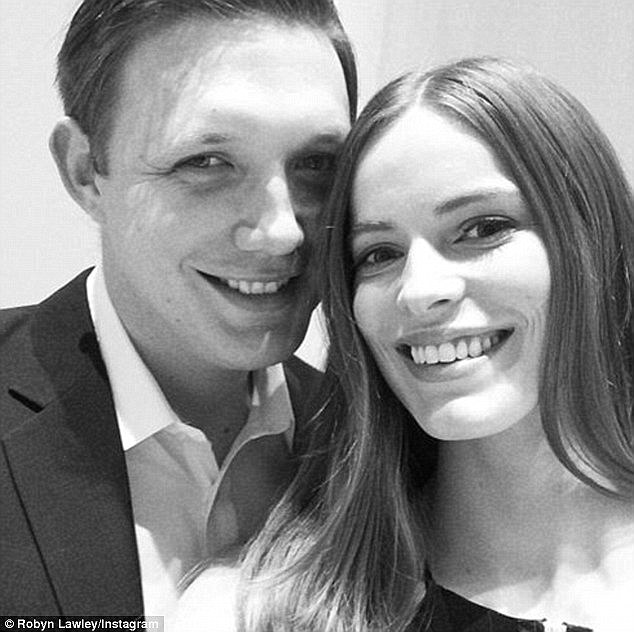
Supermodel Robyn Lawley, and her fiancé Everest Schmidt, welcomed their first child on February 26 and have named their daughter Ripley.

Robyn has been modelling since she was a teenager, and has been signed with a plus-size modelling agency since she was 18. She has appeared on front covers of Dolly, French Elle, Revue des Modes, French Marie Claire, Vogue Italia, Vogue Australia, and Madison Magazine. She has walked catwalks all over the world, including New York, Sydney and Milan, and has appeared in advertisements for plus-sized and mainstream fashion brands; she was the first plus-sized model to be used in in-store advertising for Ralph Lauren. Robyn was photographed by Danish fashion photographer Kenneth Willardt for a fine art exhibition in London called Size Does Matter. Early this year, Robyn became the first plus-size model to be featured in Sports Illustrated‘s annual swimsuit edition, and she has her own swimwear line. She has a successful food blog called Robyn Lawley Eats, which led to a cookbook.

Everest is a New York lawyer, and after living in New York City together for four years, he and Robyn have recently moved to California.

Girls Names from the Top 100 of the 1940s

Tags

, , , , , , , , , , , , , , , , , , , , , , , , , , , , , , ,

029692

These are names of babies born during World War II, and the first baby boomers, born in the years just after the war. If you are an older parent, your own mother might have been born in this decade, while young parents may see 1940s names as “grandma” names. For those wanting a name that’s ahead of the curve, there are rich pickings from this time period.

Coral
Coral is a gemstone made from the polished shells or exoskeletons of coral polyps – originally, and typically, Corallium rubrum, from the Mediterranean. Because this species has a pink or red colouring, the word coral also refers to a pinkish colour. The ancient Romans believed coral would protect children, and it was common for baby toys and teething rings to be made from coral, even in the 19th century. Coral jewellery has been worn since prehistoric times, although it was the Victorian era which made coral fashionable. Today, with greater awareness of the environmental impact of harvesting coral, many jewellers will no longer sell coral items, and consumers are urged to boycott jewellery made from coral. The name Coral was #194 in the 1900s, and joined the Top 100 in the 1930s. It peaked in the 1940s at #79, left the Top 100 the following decade, and was off the charts by the 1980s, perhaps partly due to growing environmental concerns. Leaving aside the gemstone, you could see this name as a way to celebrate our beautiful coral reefs, and marine environment.

Daphne
In Greek mythology, Daphne was a naiad; a nymph of fresh water, and daughter of a river god. Acording to legend, she was so beautiful that the god Apollo pursued her. Just as he was about to catch her, she pleaded with her father to help her, and he turned her into a laurel tree – Daphne literally means “laurel”, and it’s also the scientific name for the plant. The laurel became sacred to Apollo, and wreaths of laurel were traditionally given to those who had achieved victory. The name Daphne has been use since the 18th century, when classical names became fashionable, but only became common in the 19th, because of the interest in botanical names. Daphne was #82 in the 1900s, and peaked in the 1920s at #22. It was #76 in the 1940s, left the Top 100 the following decade, and was off the charts by the 1970s. Recently it been in the charts again, and is around the 300s. Charming retro Daphne makes a distinguished choice, not a daffy one.

Frances
Feminine form of Francis, often given in tribute to St Francis of Assisi, although St Frances of Rome provides a medieval female saintly namesake. The name was commonly used by the British aristocracy, with examples such as Frances Cobham, a close friend of Elizabeth I, and Frances Grey, the mother of queen-for-nine-days Lady Jane Grey. The great Restoration beauty Frances Stewart, Duchess of Richmond and Lennox, drove King Charles II batty with desire, but she refused to become his mistress. Her lovely face was used as the model for Brittania on coins, medals, and statues, and can still be seen today. In common use since the 16th century at least, Frances is a classic name which has never disappeared from the charts. It was #52 in the 1900s, and peaked in the 1940s at #47, leaving the Top 100 in the 1970s. It sank into obscurity in the late 2000s, but had a boost at the start of this decade which saw it move into the 500s, and is now around the 200s. More solid than Francesca, Frances is a quiet achiever which gets royal glamour from being the middle name of Diana, Princess of Wales, and offers the cool nickname Frankie.

Irene
From the Greek Eirene, meaning “peace”. In Greek mythology, Eirene was the personification of peace, depicted as a beautiful young girl carrying symbols of plenty. Another mythological Eirene was a daughter of Poisedon. The name was in use in ancient Greece, and one Eirene was a famous artist. There are a number of saints named Irene, with Irene of Thessalonica martyred with her sisters Love and Purity, so personifications of theological virtues. Originally more popular in eastern Christianity, it was the name of a Byzantine Empress, and has been used by European royalty. The name was originally pronounced e-REE-nee, but is usually said IE-reen now. Irene is a classic name which has never left the charts. It was #19 in the 1900s, and peaked the following decade at #17. It was #56 in the 1940s, and left the Top 100 in the 1960s. It reached its lowest point in the late 2000s at #684, and since then become more popular, perhaps because it’s been used for several fictional characters in the past few years. Currently it’s around the 400s. This is a hip, underused classic with a lovely meaning.

Lois
In the New Testament, Lois was the pious grandmother of Saint Timothy. It’s not known what the name means: it may be from the Greek meaning “more desirable, more agreeable”, and understood as “the most beautiful, the best”. However, as Lois was Jewish, it could be an attempt to Hellenise a Hebrew name. Lois is also a male name – an Occitan and Galician form of Louis. The female name Lois has been in use since the 16th century, and was used by Puritan families. Lois Lane, Superman’s love interest, has given the name publicity for many decades, but more recently it has become a “mum name” on TV, with Lois Wilkerson from Malcolm in the Middle, and Lois Griffin from Family Guy. Lois joined the charts in the 1910s, debuting at #181. It joined the Top 100 in the 1930s, when it peaked at #84, and was #93 in the 1940s. It left the Top 100 the following decade, and was off the charts by the 1970s. Soft sounding Lois would make an interesting alternative to popular names such as Eloise.

Marlene
German name combining Maria/Marie and Magdalene, so it commemorates Mary Magdalene from the New Testament, the chief female disciple of Jesus Christ. The German pronunciation is mahr-LE-nuh, but it is often said MAHR-leen in English. The name became well known in the English speaking world because of iconic German-American film star Marlene Dietrich, whose real name was Marie Magdalene. The name Marlene rocketed into the Top 100 from nowhere in the 1930s when Dietrich became a star after appearing as the uberdesirable Lola Lola in Josef von Sternberg’s movie The Blue Angel. It both debuted and peaked at #63 in the 1930s. The name Marlene was #68 in the 1940s, when Dietrich did valuable war work, such as performing for the troops and raising war bonds. By the 1950s, when Dietrich became a cabaret star, the name Marlene had left the Top 100. It left the the charts in the 1980s, when Dietrich’s career was over. Despite being a dated name which spiked in popularity only briefly, Marlene still seems glamorous and sexy, fitting in with modern names such as Marley and Elena.

Pamela
Created by Sir Philip Sidney for his 16th century epic, the Arcadia; in the story, Pamela is an attractive main character. It is usually thought that Sidney based the name on the Greek for “all sweetness”. The name was given publicity by Samuel Richardson’s best-selling 18th century novel, Pamela, where a lovely teenaged maidservant is threatened with rape by her employer, but she successfully resists him, and is rewarded for her virtue by being allowed to marry him. Not only are there so many things wrong with that sentence, it was apparently based on a true story. Pamela was originally pronounced pa-MEE-luh, but PAM-eh-luh is more usual now. Pamela has been used since the 17th century, and an early namesake was Lady Edward Fitzgerald; although her real name was Stephanie, she named her eldest daughter Pamela. Pamela joined the charts in the 1910s, debuting at #310, and peaked in the 1940s at #9. It left the Top 100 in the 1970s, and hasn’t been on the charts since the early 2000s. This is an elegant literary name which is dated, but still seems very usable.

Ruth
In the Old Testament, Ruth was the loyal widowed daughter-in-law of Naomi, who famously offered to follow her mother-in-law wherever she went. Naomi married Ruth to one of her relatives, who called Ruth a “noble character”; she is one of the nicest people in the Bible, blessed with a loving spirit. Her name comes from the Hebrew ru’at, meaning “friend, companion” – it seems chosen for the story, as she was such a good friend to Naomi. Ruth is also an English word meaning “mercy, compassion” – it’s one of those words which only seems to be used in its negative form, as we often describe people as ruthless, but rarely ruthful. Ruth has been in common use throughout the modern era, and is a classic name which has never left the charts. It was #66 in the 1900s, and peaked in the 1920s at #41. It was #58 in the 1940s, and left the Top 100 in the 1970s. It’s currently around the 500s. An underused classic with two lovely meanings and a sweet namesake, this is a great name. After all, you can’t spell truth without Ruth!

Thelma
Popularised by Marie Corelli’s 1887 novel Thelma; in Corelli’s romance, Thelma is an enchantingly beautiful, snow-pure Norwegian princess who marries an English nobleman. The name Thelma had been in use since at least the 18th century, but the meaning is not known. One theory is that it is based on the Greek word thelema, meaning “will”, but there is no evidence to support it. It may be a variant of Selma, since Selma is a common name in Scandinavia even today, and Thelma was used in Norway before the novel was published. The name Thelma was also used in Spanish-speaking countries before Corelli’s novel, and Anselma (the long form of Selma) is a Spanish name. Thelma was #18 in the 1900s and peaked the following decade at #9. It was #96 in the 1940s, left the Top 100 by the following decade, and was off the charts by the 1970s. With the name Selma now receiving a boost from the film, could its clunky sister Thelma be in with a chance?

Valerie
English form of the French name Valérie, from the Latin name Valeria, the feminine form of Valerius, meaning “strong, healthy”. It comes from the same source as the name Valentine. St Valerie was a legendary French saint who was martyred by beheading, then went for a walk carrying her head. This was a popular thing for French saints to do in medieval legends, so the name Valerie got quite a boost. Valerie is a classic name which has never left the charts. It was #180 in the 1900s, and joined the Top 100 the following decade. Peaking in the 1930s at #12, it was #38 in the 1940s. It left the Top 100 in the 1960s, and has remained in uncommon use. It had a small boost at the start of this decade, when it was in the 400s. Valerie is a classic with a rather luscious feel to it. It makes a great middle name too.

POLL RESULTS
People’s favourite names were Daphne, Coral and Frances, and their least favourite were Marlene, Thelma, and Pamela.

(Picture shows members of the Women’s Auxiliary Air Force working on a RAAF plane; photo from the Australian War Memorial)

What Would You Name a Brother for Alfie and Ned?

Tags

, ,

il_340x270.726720476_sd8a

Kathleen and Michael are expecting their third child in a few months, and already have two sons named Alfie and Ned. If they have a girl, there are plenty of names that they could choose, but they are quite stuck if there is another boy on the way.

They have considered the name Otis, but are not sure if it fits with their other children’s’ names, and Michael has rejected the name Jock, which was also under discussion.

Kathleen and Michael like fairly traditional names which aren’t too common – Kathleen doesn’t want a Top 100 name, or a name which is rapidly rising into the Top 100.

They would prefer a nickname-style name to match Alfie and Ned, hopefully one which doesn’t start with A or N, and ideally would like a shortish name, as they have a reasonably long surname eg Bassingthwaite.

* * * * * * * * * *

Kathleen, I can sympathise with you having tons of girl’s names lined up, yet feeling stuck for boy’s names after having two sons. I have two daughters, and if we had another child, I would be brimming with ideas for boys’ names, but picking another girl’s’ name would be a bit stressful.

I feel confident that we would come up with an attractive girl’s name that sounded nice with our surname, fitted the middle names we have planned, and sounded okay with her siblings. But would I be able to pick a name that we absolutely loved, that thrilled us to the marrow, and that seemed to click into place absolutely perfectly? I’m not sure about that.

It’s possible that it will be hard for you to find a name that you instantly connect with and get excited over, and I think in that situation it’s only fair that you keep your expectations realistic, and your options open.

When you’re not feeling the love, then at least you can be business-like about it, and think about names that really work for you – that fit into your family, and that tick as many of your boxes as possible. You’re still a fair way off your due date, and you definitely have time to find a good name. Maybe even time to learn to love a good name!

First off, I wouldn’t dismiss Otis immediately if you like it. I think it’s a fantastic choice; it’s very hip and is nowhere near hitting the Top 100. And although it might not be an obvious match with Alfie and Ned, I don’t think it sounds bad with them either.

It’s a cute, spunky name, like Alfie and Ned, and being a surname form of Otto, you could see it as having a bit of a nickname vibe too (especially as Otto itself began life as a nickname). I think Alfie, Ned and Otis make a nice set, and Otis sounds great with your surname too.

However, if I haven’t managed to convince you, don’t worry, because there are so many fashionable and cute nickname names for boys that aren’t in the Top 100.

Two that are going like hot cakes at the moment are Lenny and Sonny, which have a similar popularity to Ned. However, if you are super nervous at the idea that your chosen name might go Top 100 one day, then these are a bit of a risk.

Three that are a similar level of popularity to Alfie are Gus, Jimmy, and Johnny. I must say, I think Gus sounds adorable as a brother to Alfie and Ned, and is another stand out choice with your surname.

Once we start getting into the less-common, but still familiar, nicknames, you might consider Jonty or Ollie. I’m seeing a lot of Vince and Joe lately, and Monty is one which seems like a perfect match with your sons’ names, and with your surname – it sounds quite posh.

Or you could go for something which is rarely used, such as Freddie, Jem, Kip or Kit. Freddie is ultra-cute like Alfie, and Kip has that same air of derring-do and adventure that Ned has.

However, I don’t think you should tie yourself down to thinking you must have another short form name, just because Alfie and Ned have one. There’s plenty of other names that will still blend in nicely with your family.

You could pick a name that isn’t a nickname, but has a cute, nicknamey feel, like Remy. Or a surname name that has a casual, nicknamey vibe, like Digby or Murphy. Or a nickname that doesn’t come from a name, like Banjo, Dusty, or Sunny. There’s also short simple names, such as Rex – that would sound really handsome alongside your boys, and very alpha male with your surname.

Out of the names I’ve mentioned, I think my favourites would be Otis, Gus, Monty, Freddie, Kip, Digby, and Rex, but if you are truly out of ideas, I think you should let your imagination go wild. Eliminate names you really hate, and names in the Top 100 if that bothers you, then let yourself consider any name that sounds attractive and fits with your family. The results might surprise you!

UPDATE: The baby was a girl, and her name was Pearl!

POLL RESULTS
People’s favourite choices for a brother for Alfie and Ned were Otis (32%) and Gus (29%). If Pearl had been a boy, her name would have been Otis.

Celebrity Baby News: Sporting Baby Round Up

Tags

, ,

494096-9c3f5916-ac5e-11e4-87d4-104e1e9a2f7e

Golfer Adam Scott, and his wife Marie, welcomed their daughter Bo Vera on February 15. Last year Adam was the #1 ranked golfer in the world for several months, and won the Masters Tournament in 2013. His first tournament for this year’s season will be the World Golf Championships in Miami this March.

Rugby league footballer Mike Cooper, and his partner Katie, welcomed their son George early in February. Mike is an English player who played for the Warrington Wolves, and is currently in Australia on contract to the St George Illawarra Dragons, so his son’s name really fits the team. Although George is born in Australia, and has an Australian birth certificate, Mike is adamant his son is a little Englishman, so he has a very patriotic name.

Rugby union footballer Will Genia, and his wife Vanessa, welcomed their daughter Olivia on January 27. Will is originally from Papua New Guinea, plays for the Queensland Reds, and is also on the national squad.

Pakistani cricket great Wasim Akram, and his Australian-born wife Shaniera [pictured], welcomed their daughter Aiyla on December 27 last year in Melbourne – the Arabic name Aiyla means “moonlight”. Wasim has two sons named Tahmoor, aged 17, and Akbar, aged 14, from his previous marriage. The Akram family are in Australia while Wasim commentates on the Cricket World Cup, and they will return home to Pakistan at the end of next month.

Australian rules footballer Alipate Carlile, and his partner Jo Sutton, welcomed their daughter Essena on March 31 last year. Alipate is originally from Fiji, and plays for Port Adelaide. He and Jo are expecting another child in a few months.

Rhett and Romeo

Tags

, ,

22286-1610-0

Twins
Bryce Robert Alan and Brayden Alfred John
Ochre and Echo – both girls (twins Lily and Meg, Willow, Bay)

Girls
Adriana Audrey Renee (Greyson, Elliot)
Anastasia Elizabeth May (Charlotte)
Caroline Elise
Ciara Skye (Hudsen, Macy)
Clementine Florence (Lachlan, Patrick)
Daisy Jean (Maggie)
Eleanor Lillian (Trinity, Xander)
Elsa (Franz)
Emmeline Sarah Grace (Kayla, Joel)
Georgina Olivia Amy (Liliana)
Grace Jenna (Cadel, Emily)
Hazel Rose Constance (India)
Ilaria (Lucas)
Imogen Alice
Isla Summer
Liberty
Jett Joan
Matilda Jane (Harry, Wilbur)
Monique Lani (Riley, Tyler)
Nevaeh (Zaiden)
Phillipa Isabel (Leo)
Remy Charlotte
Selma
Sophia Clementine
Zoe Barbara (Grace, Naomi, Joshua)

Boys
Alexander Finn (Scarlett, Stella)
Atticus (Noah)
Austin Charles (Savannah, Memphis)
Bobby Dan (Jade, James, Jordan, Alfie)
Charlie Elian (Henry)
Edward Gena
Erik Walter (Hudson)
Felix Benjamin Rivett
Flynn Roderick Kingsley (Ryder, Lacey, Braxton)
Gabriel Ross David (Grace)
Giuseppe Costa (Lily Anastasia)
Hendrix Ashley
Jasper Orson (Ocean)
Joe Richard (Roy, Leo)
Leonardo Frank (Oliver, Sebastian)
Lloyd Patrick (Tiarna, Eamonn)
Matteo Domenic (Luca)
Oakley (Harlan)
Quinci (Dali, Eiki)
Rhett William (Alyssa)
Rohan (Noah)
Romeo John
Sam Louis Baxter (Alexander, Will, Zara)
Tyson Dene (Jessica, Jasmin, Jayde)
Zac Foti (Lucas)

Thank you to Brooke from Baby Name Pondering for her contributions from the Herald Sun.

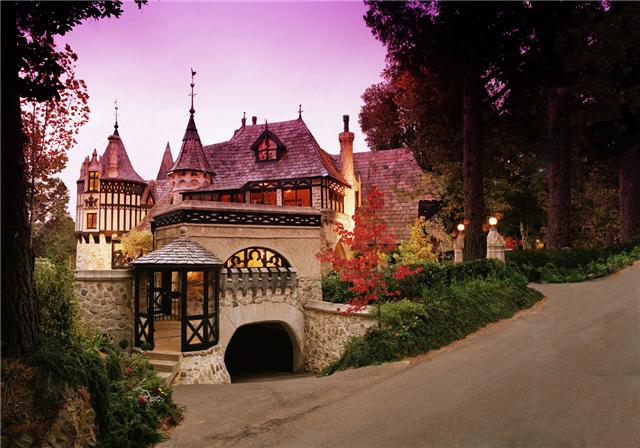
(Photo shows Thorngrove Manor, in the Adelaide Hills)

Famous Name: Charles

Tags

, , , , , , , , , , , , , , ,

6126726-3x2-700x467

Famous Namesake
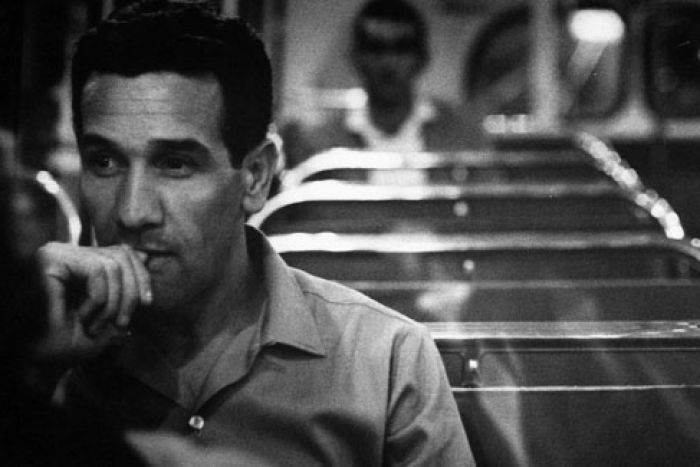
Fifty years ago, on February 12 1965, a bus left Sydney University on a two-week tour of rural New South Wales. Aboard was a group of 29 white and black activists, mostly students, who had been inspired by the American civil rights movement of the 1960s to protest in support of Indigenous civil rights.

The bus trip had been organised by Student Action for Aborigines, and their elected president was Charles “Charlie” Perkins, one of only two Indigenous students at Sydney University, and a huge fan of Dr Martin Luther King. The trip was later dubbed the Freedom Ride, after the famous Freedom Riders of the American civil rights movement, who took buses through the southern states in 1961 to protest racial segregation.

Some members of SAFA saw themselves as on a fact-finding mission to collect evidence of discrimination against Aborigines in rural Australia. At the time, many Australians believed racism was a problem which existed only in South Africa, or in the deep south of the United States. But the Australian Freedom Riders found that apartheid and segregation did not just happen overseas.

The SAFA were shocked to find the poor living conditions of most rural Aborigines, and that hospitals, schools, and churches separated black people from white in some country towns, as did milk bars, pubs, and cinemas. In others, Indigenous Australians were barred from entering swimming pools, clubs, or restaurants, while it was routine for them to be refused service in shops and businesses.

The students made several non-violent protests on their bus trip, and also tried to encourage Indigenous Australians to join their protests and demand better treatment. In Moree they helped Aboriginal children to go swimming at the pool in defiance of the race-based ban against them, and were greeted with hostility by white locals, who threw eggs, rotten fruit, and stones at the protesters while spitting at them. However, they were eventually able to persuade the town council to overturn the ban.

One of the students on the Freedom Ride was also an ABC journalist, and the SAFA had ensured plenty of media coverage on their bus trip – they even made the news internationally. With the events of the Freedom Ride appearing on television, radio, and in newspaper articles, and with the harsh injustice against Australian Aborigines exposed, it was no longer possible for white Australians to claim ignorance of racism in their own country.

Charles Perkins graduated from Sydney University with a Bachelor of Arts in 1966, becoming the first Indigenous Australian man to graduate from university. The following year, as manager of the Foundation for Aboriginal Affairs, he headed the campaign to advocate for a Yes vote in the Referendum which allowed Aboriginal people to be counted in censuses, and for parliament to be allowed to introduce legislation specifically for Aboriginal people. The Referendum passed, with more than 90% of Australians voting Yes.

He became a public servant with the Office of Aboriginal Affairs, and in 1981 was appointed Permanent Secretary of the Department of Aboriginal Affairs – the first Indigenous Australian to become permanent head of a federal government department. He took leadership roles in the Aboriginal community, and, being a former soccer player, was also appointed to key positions in football administration. He received many awards and honours during his lifetime.

On February 18 this year, his daughter Rachel Perkins was among those who took a bus from Sydney University in a re-enactment for the fiftieth anniversary of the Freedom Ride. Along the way, they were greeted warmly by the communities they entered, rather than having stones thrown at them or being run off the road, as a sign of how things have changed.

Although this year’s five-day bus trip could celebrate improvements in the lives of Indigenous Australians, such as being counted in the census and having access to the same education as white people, it also highlighted the disadvantages that many Aborigines continue to suffer, such as poverty, unemployment, health issues, higher rates of incarceration, and covert racism. The work of the Freedom Riders is by no means complete.

Name Information
Charles is the French form of the Germanic name Karal, which in modern German is Karl; it comes from the Germanic karlaz, meaning “a free man”. In Anglo-Saxon English karlaz became ceorl, denoting the lowest rank of freemen – a peasant who was neither a slave nor a serf. Ceorl does seem to have been used as a name in Anglo-Saxon England, even by royalty. By modern times, the word had become churl, understood as “a country person, someone of low social status”, and eventually seen as someone rude, loutish and vulgar – exhibiting what we call churlish behaviour.

The name has become widely known chiefly because of Charles Martel, a powerful Frankish military leader who never held the title of king, but nevertheless ruled Francia (modern France) as Duke and Prince, and divided the kingdom of the Franks between his sons, just as kings did. His grandson was Charles I, otherwise known as Charlemagne (Charles the Great), called “The Father of Europe”. He united western Europe and laid the foundations for modern France and Germany; his kingdom is known as the Carolingian Empire.

Little wonder the name Charles was a favourite in the French monarchy; the last one was Charles X, who ruled in the 19th century until being forced to abdicate and go into exile. This means that Charles remained a French royal name for over a thousand years.

The name Charles became used by British royalty due to the Stuart kings, who were Scottish; Scotland has long had ties with France. Charles I wasn’t a terrifically popular king, and fought against his enemies in the English Civil War. Losing that, he refused to accept the parliament’s demand for a constitutional monarchy, and was beheaded for treason. He is regarded as a martyr in Anglicanism.

England became a republic for a few years, until the monarchy was restored with the accession of Charles’ son. Charles II was known as the Merry Monarch for his decadent lifestyle, and although he couldn’t stick the parliament either, he managed to dissolve it without getting his head cut off.

We may get a King Charles III in the near future, although some are of the opinion that Charles is not a suitable name for a modern king. The first two Charleses were anti-parliament and resisted a constitutional monarchy, while Charles II is considered to have lived an “immoral” life that we now expect kings not to emulate. (Maybe the spaniels are also an issue). Prince Charles could rule under any of his names, and a popular belief is that he will choose to take the throne as George VII.

There are quite a number of saints named Charles, and several religious leaders, such as Charles Wesley, who co-founded the Methodist Church, and Charles Spurgeon, a famous Baptist preacher.

Famous people from Australian history include explorer Captain Charles Sturt; naval officer Sir Charles Fremantle, after whom the city of Fremantle is named; Charles La Trobe, first Lieutenant-Governor of Victoria; Sir Charles Menzies, founder of the city of Newcastle; astronomer and pioneering meteorologist Charles Todd; Charles Harpur, our first real poet; Sir Charles Kingsford Smith, World War I flying ace and pioneer aviator; Antarctic explorer Charles Laseron; distinguished film-maker Charles Chauvel; artist Charles Blackman; and brilliant neurosurgeon Charles “Charlie” Teo.

Charles is a classic name which has never left the charts, and barely been out of the Top 100. It was #7 in the 1900s, and reached its lowest point in the 1980s at #116. It was back on the Top 100 by the following decade, and since then its position has been fairly stable. In 2013, it was #81 nationally, #81 in New South Wales, #88 in Victoria, #85 in Queensland, #53 in Tasmania, and #86 in the Australian Capital Territory.

With Charles, you get a handsome, elegant classic and a solid, traditional name. Its history takes you back to European royalty, and Charles still feels regal and noble. However, lest the name feel too stiff and formal, it has a number of relaxed, casual nicknames.

Charlie is a popular name in its own right, while the older-style Chas is familiar from comedian Chas Licciardello. The vintage nickname Chilla, which appears to be uniquely Australian, is perhaps best known from 1950s Olympic athlete “Chilla” Porter. The American nicknames Chip and Chuck are rarely used here, probably because they mean “French fry” and “vomit” respectively in Australian English.

POLL RESULTS
Charles received an excellent approval rating of 82%, making it one of the top-rated names of 2015. People saw the name Charles as strong and handsome (18%), a name with history and substance (17%), and formal and elegant (15%). 16% of people thought the nickname Charlie was cute. However, 9% thought the name was too stuffy and old-fashioned. Only one person was bothered by the linguistic connection to the word churlish, and only one person thought the nickname Charlie was silly and childish.

(Picture shows Charles Perkins on the “Freedom Ride bus trip; photo from National Geographic)
Celebrity Baby News: Vov and Toni Dylan

Tags

677756-337f1112-b890-11e4-9494-8c1a7cc48f9d

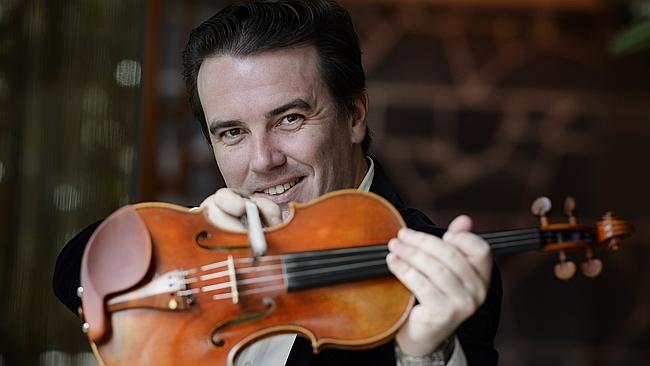
Violinist Vov Dylan, and his wife Toni, welcomed their first child on January 30 and have named their daughter Avalon Rose.

Vov Dylan has been playing the violin since he was a baby, and won many awards and scholarships performing on the classical music circuit. He formed his own orchestra in 2001, and tours Australia, Asia, Europe, and the Americas. Last year Vov officially became the world’s fastest violinist when he played Rimsky-Korsakov’s Flight of the Bumblebee in 38.1 seconds during a gig at Lizotte’s in Dee Why (it usually takes around 90 seconds). He has released six albums, with his most recent being Timeless. He has already bought Avalon her own violin, and she is taking daily lessons with her dad.

FullSizeRender


Celebrity Baby News: Stephanie McIntosh and Pete Hieatt

Tags

54637e1765457.preview-620

Actress and singer Stephanie McIntosh, and her boyfriend Pete Hieatt, welcomed their first child in December last year and have named their daughter Milla.

Stephanie started her career as a child actor on children’s television, and became a fan favourite playing Sky Mangel on soap opera Neighbours in the early 2000s. Her half-brother Jason Donovan was also a Neighbours star, in the 1980s. Also a singer, her album Tightrope was released in 2006, and made #4 on the ARIA album chart, with its biggest single Mistake getting to #3. Now based in Los Angeles, she has recently had roles in Liars All and Red Herring.

Pete is a landscape gardener from Los Angeles. He and Stephanie have been together since early 2014.