Blossom and Basil

Tags

, ,

749px-Alyogyne_huegelii

Twins
Ned David and Finn Douglas

Girls
Amity Lee (Violet)
April Wroxie (Imogen)
Blossom Rose (River, Seraya)
Camilla Felicity (George)
Cortana Ruby Jane (Cooper, Connor)
Elsa Dawn May (Michael, Georgia)
Emiliana Fleur (Izsak)
Estella Quinn
Grace Gabriel (Isla)
Indigo Joy (Sienna)
Isabella Sammi
Jasmine Pushpa (Tara)
Joan Edith (William)
Lavinia Violet
Lila Catherine (Lachlan)
Lucinda Margaret (Estella, Josephine)
Maisy Harper (Matilda)
Millie Lou
Phoebe Alice
Serena Mo Li
Shona Josephine
Susannah Paige Marie (Samuel)
Tanisha Maureen-May
Tessa Elizabeth
Zaliah Michelina (Alexi, Sebastian)

Boys
Alec Robert
Arthur Ken (Edward)
Basil Jock (Percy)
Boston Percy (Hudson, Scarlett)
Eddie Ray
Gus Alexander
Haize Te Arapa
Hunter Frank (Digby)
Izaak Pieter (Paige, Blayze)
Jaggar Jeorge
Jessy Wade (Charlotte)
Josiah Charles
Leroy James (Scarlett)
Lewis Quinn (Ella, Xanthe)
Manny Eric Reid (Anna)
Miller Hayne
Reuben Ivan
Roki (Ruby)
Sonny Nelson
Stuart Matthew Folau Shane
Tayton Noel (Tyson, Serryn)
Theodore Thomas “Teddy” (Maxwell)
Toby Brian St. Leger (Scarlett, Darcy)
Valentino Predrag
Zander Norbert (Sebastian, Lilah)

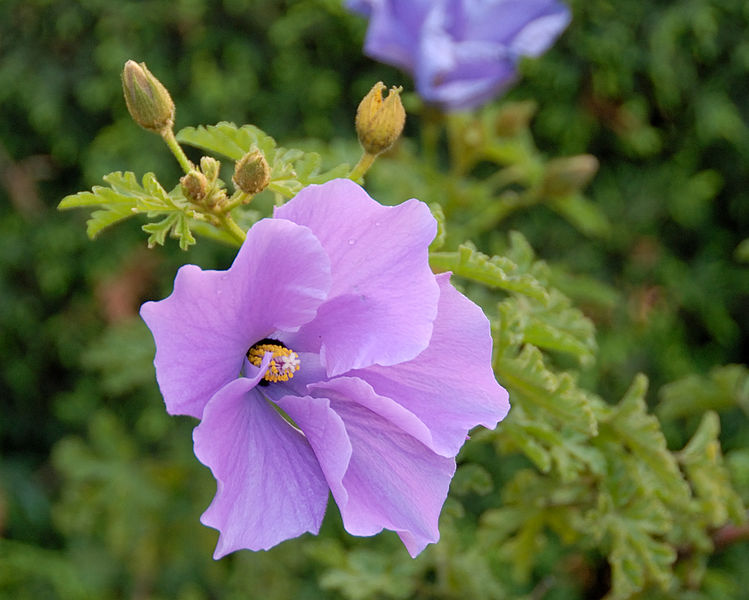
(Photo shows a native hibiscus – Alyogyne huegelii – in a Fremantle garden; these Western Australian shrubs flower for more than half the year, and can bloom in winter)

Famous Names: Franklin and Brindabella

Tags

, , , , , , , , ,

FIUAERGS_zpsb558a123

In March, Canberra was named Australia’s most liveable city, scoring highly in design, cleanliness, outdoor recreation, education, and safety. This was in a survey of residents conducted by the Property Council of Australia.

Now data collected by the Organisation for Economic Co-operation and Development (OECD) shows that the Australian Capital Territory has the highest levels of well-being in the country, with perfect scores for income, safety, and civic engagement, and near-perfect scores for health, jobs, education, and access to services.

The OECD report highlighted the differences between regions in member countries, and unfortunately the report showed that Australia had the greatest regional inequality of any OECD country, with Tasmania doing the worst in terms of income (6.1 while the ACT is 10). And while the ACT scored 9.9 for health, and 10 for safety, the Northern Territory received 4.1 for health, and a truly dismal 1.4 for safety.

Because the OECD was examining the regions of each country separately, it also shows that the Australian Capital Territory is performing extremely well on a global scale – in fact, it is officially the best place to live in the world, with Canberra coming first, then Western Australia second, followed by three regions in Norway. (The study also showed places similar to the ACT were western Norway, Stockholm, New Hampshire, and South-East England).

However, even though the ACT is, we now learn, the greatest place on the planet, it probably won’t lead to millions of people flocking there in search of cleanliness and safety. Not only because there isn’t the infrastructure for millions of people, but because Australians love to despise their capital as cold, boring, sterile, and full of politicians.

As a result, when people move to Canberra, especially those who have come from other countries, they are often pleasantly surprised to find themselves in a setting of great natural beauty, within easy driving distance of both the beach and the ski slopes, and, well, somewhere generally safe and clean and all those things which sound boring, but are actually nice to have.

Most of the Australian Capital Territory is taken up with national parks, which is why it is called “the bush capital”, and so I am covering two names from the mountains of the ACT region.

Mount Franklin is one of the higher mountains in the Brindabella Ranges, on the border of the Australian Capital Territory and New South Wales. The mountain’s summit is on the ACT side, and it is 1646 metres (5400 feet) high. It was once the hub of Canberra’s ski community, and it is still open for cross-country ski-ing, snow play, and bush walking.

Mount Franklin is close to Brindabella Station, which was built by the pioneering Franklin family in the 19th century. It was the childhood home of the famous author and feminist Miles Franklin, whose autobiographical novel My Brilliant Career tells of a spirited young woman growing up in rural New South Wales. Under the pen name Brent of Bin Bin, she wrote a series of novels about a station called Bool Bool in the mountains of south-eastern New South Wales, based on Brindabella, and in later life, she wrote a memoir called Childhood at Brindabella. Brindabella Station is still a working farm, and it is possible for visitors to stay on the property.

The station is named after the Brindabella Range itself, part of the Australian Alps which can be seen to the south-west of the capital. The Brindabellas are often taken for granted by Canberrans, but they are beautiful in their diversity, from imposing high crags in the mist, to rolling farmland nestled snugly in sun-dappled valleys between dark forests. The play of light and cloud never stops moving across the ranges, and each day in the mountains seems to end with a spectacular sunset.

The name Brindabella is said to mean “two hopping mice” in a local Aboriginal language. Hopping mice are native Australian mice with long tails, large ears and strong back legs; they can hop about just like a rabbit or a kangaroo. Another theory is that brindy brindy meant “water running over rocks”, and that Europeans added a -bella at the end, to suggest “beautiful”.

Franklin is an English surname, which doesn’t denote an occupation so much as the person’s social status. In medieval England, a franklin was a free man – one not in servitude to anyone. It came to mean someone who owned land, but was not a member of the landed gentry or aristocracy. The franklin was the beginning of an English middle-class: those who owned property, and could even be quite well off, yet were not of noble lineage.

The word franklin comes from the Latin francus, meaning “free”, which is the origin of our English word frank, meaning “free, liberal, honest”. You might remember that frank comes from the Germanic tribe of the Franks, who conquered Gaul, which was named France in their honour. The country’s name was the inspiration for the name Francesco, so Franklin is a linguistic relative of the names Frank and Francis.

Franklin has been used as a boy’s name since the 17th century, and it has been used more often in the US, where it has never left the Top 1000. One of the name’s most famous namesakes is inventor Benjamin Franklin, one of the Founding Fathers of the United States, and another American namesake is the president Franklin D. Roosevelt.

Franklin and Brindabella seem like names which might appeal to those who love the outdoors, especially the mountains. At the same time, they might equally find favour with those who love Australian literature, and may be especially meaningful for those who have a connection with the area around the Brindabellas.

Although neither of them have ever charted in Australia, their short forms are on trend, because Franklin can be shortened to the fashionable Frank or Frankie, while Brindabella naturally shortens to popular Bella – although Brin would not sound strange as a nickname. You may recall the American-born triplet with a Canberran father named Brindabella, and I have also seen a baby named Bryndee-Bella, in apparent allusion to the mountain range.

POLL RESULTS
Franklin received a very good approval rating of 74%, but people were far less enthusiastic about Brindabella, with an approval rating of 20%, making it the lowest-rated girls’ name of 2014.

(Picture shows a view of the Brindabella Ranges, including Mount Franklin; photo from Weatherzone)


Celebrity Baby News: Jonathan and Kylie Brown

Tags

,

118539-d3b1dab4-fce0-11e3-8a79-1c86c176d4fc

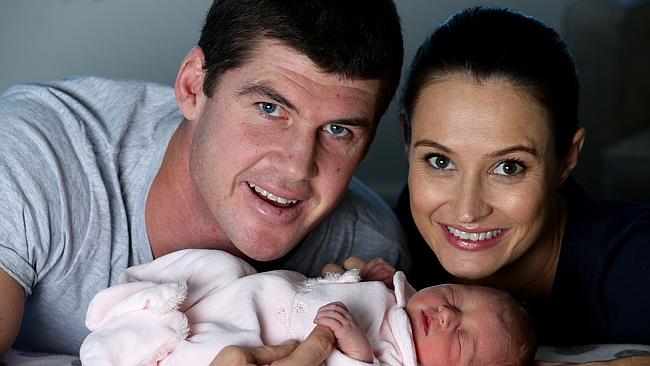
Retired AFL star Jonathan Brown, formerly captain of the Brisbane Lions, and his wife Kylie, welcomed their daughter on June 25 and have named her Macy Rose. Macy Brown was born early in the morning at John Flynn Private Hospital on the Gold Coast, weighing 2.9 kg (6lb 7oz) and 48 cm long. She joins big sister Olivia, aged 4, and big brother Jack, aged 1; Jack’s birth was announced on the blog. Jonathan announced his retirement due to injuries the night before Macy was born.

Thank you to Nicole for sending in this celebrity baby tip! All celebrity baby news is gratefully received.

My Top 100 Predictions – How Accurate Were They?

Tags

, ,

cfa-exam-december-2012-results

Before the 2013 birth data was released, I published my predictions of what names could be joining the Top 100 at some point, based on how frequently I’d seen them in birth notices that year. Now that all the data is out, I thought I’d go back and see how accurate this method was.

CORRECT

Indi/Indie
I only said that if all spellings were combined this name would already be Top 100, but Indie joined the national Top 100 at #94, and the Top 100 of New South Wales at #100. Meanwhile, both Indi and Indie joined the Queensland Top 100 at #92 and #90.

Louis/Lewis
This was another situation where if both these spellings were counted as one name, it would be a Top 100 name. As it happened, Louis not only joined the national Top 100 at #74, it was the fastest-rising name of the year. Lewis also joined the Top 100 at #97.

Harriet
I suggested it was ready to make the Top 100 this year, which it did – Harriet joined the national Top 100 at #89, and was one of 2013’s fastest-rising names to boot.

Elsie
I predicted Elsie would be in the national Top 100 within the next two years; it made #91 last year.

Pippa
I said that Pippa could make the national Top 100 within the next two years. It was quicker than that, making #95.

Indigo
This seemed likely to become a Top 100 name at some point, and it joined the national Top 100 at #96.

Peyton
I thought Peyton was a possibility to make Top 100 one day; it joined the national Top 100 at #98.

Parker
I picked this to become a future Top 100 name, and it joined the national Top 100 at #98.

PARTIALLY CORRECT

April
I thought April might join the national Top 100 this year, but it didn’t, although it was Top 100 in Queensland (new), Tasmania, and the Australian Capital Territory.

Asha
I thought this had a chance to join the national Top 100, which didn’t happen, although it did make the Top 100 in the Australian Capital Territory.

Spencer
I thought that Spencer had a shot at making the national Top 100, and although that didn’t happen, it was one of the fastest-rising names in Victoria, which does look promising for the future.

Theodore
This seemed like a possibility to make the Top 100 within five years. It joined the Top 100 in Queensland, and was one of the state’s fastest-rising names, which is very encouraging.

Alana
I said that if all spellings were combined this name would already be Top 100, but it did join the Top 100 in the Australian Capital Territory, scraping in at #99.

Lexi
As above. It joined the Top 100 in Victoria at #90.

Amity
I thought this was a possibility to make Top 100 one day: although it didn’t make the national Top 100, it did join the Queensland Top 100 at #86 and was one of the state’s fastest-rising names.

Jude
I thought perhaps this might make Top 100 at some point. It has already joined the Victorian Top 100.

INCORRECT

Bonnie
Because this was already Top 100 in Victoria, I thought it might keep rising and join the national Top 100 as well. It didn’t – in fact it left the Victorian Top 100 as well. It’s only on the Tasmanian Top 100.

Billie
This is another name which seemed as if it might take off since it was already on the Victorian Top 100. Like Bonnie, it fell instead.

Penelope
This was new to the national Top 100 and several state Top 100s, and one of the fastest-rising names of the year – in Victoria, it moved up more than 100 places! Did I see it coming? Nope; it moved much faster than I thought possible. I didn’t even see that many Penelopes in birth notices – maybe six or seven in the year, and never more than one in an individual week.

Nathaniel
This was new to the national Top 100 and several state 100s, and one of the fastest-rising names of the year. If I had seen enough examples in birth notices, I would have checked it and seen that it was only just outside the Top 100 and risng steeply. But I didn’t.

Ayla
This joined the national Top 100, and was one of the the fastest-rising names. I did notice several Aylas in birth notices, but there didn’t seem enough to make any firm predictions about it.

Daisy
This joined the Top 100, and was one of the fastest-rising names. There were quite a few Daisys in birth notices, and in retrospect, I should have paid more attention to the fact that it was only just outside the Top 100 in Victoria. Missing this one really was a careless mistake.

Ariana
This just scraped in at #100. There was little data on Ariana for me to be able to predict its future with any certainty, and I certainly don’t recall seeing more than a few in birth notices.

Nevaeh
I’m still scratching my head as to how this made the Top 100, when it only charted in Queensland – generally a name has to make the Top 100 in either New South Wales or Victoria to be in the national Top 100. No, I didn’t see it coming, didn’t see very many in birth notices, and frankly I still think there was an error somewhere!

There were eight hits, eight misses, and eight that weren’t exactly right, but didn’t seem quite wrong either. It seems as if predicting the future top names based on my own observations gave some mixed results, and although I still think it was a worthwhile exercise, I’m left with some doubts about its usefulness.

POLL RESULTS
71% of people thought using birth notices to predict future popularity was generally useful, with 50% saying it was mostly accurate, but with some notable misses, and a generous 21% thinking it was pretty much spot on.

Only 5% of people were totally unimpressed with the method, with 3% saying it was mostly inaccurate with some notable hits, and a harsh 2% seeing it as pretty much a complete failure.

24% hedged their bets by saying it was pretty much fifty-fifty each way.

Jake Benge and Rocco Ted

Tags

, ,

005129-3043f080-faa4-11e3-94a6-266deb5ccac3

Twins
Frankie Joy and Rosie Winter (Milo, Archie, Jasper)

Girls
Alira Joan
Arabella Kit
Bonnie Gwen (Harry, Maya)
Desia (Sophia, George)
Eleanor Jean (Charlotte)
Elsie Peach
Georgina Katherine Beatrice
Lillian Kate (Charlie, Elle Rose, Tommy)
Lucinda Jane (Freddie)
Mila Kenzie
Montana Maree
Phoenix Laura Lucy (Scout, Nash)
Peggy Attiah (Louie)
Pippa Julia May
Rokaya
Sadie Noeline Elizabeth
Sasha Ivy Grace
Tilley Rose (Kai, Indi, Koda)
Violet Florence
Zahli Alyssa

Boys
Arlo Thomas (Henry)
Blyth James (Jade)
Darby William
Eddie Harrison (James)
Elroy Henry Jude
Frederick Samuel
Hype
Jake Benge (Aliyah, Sean, James, Caitlin)
Jordy Luke
Julian Hugh (Berrick, Madlyn)
Kane Archie
Lawson Jack
Louis Kenneth
Maximus Hunter “Max”
Nathaniel Erik Mathias
Oscar Edward Patrick (Thomas)
Rocco Ted (Cleo, Lola)
Spencer Julien
Spiro Stamati
Zameer

Note: Thank you to blog reader Jessie May Storm for her contribution of the twin names.

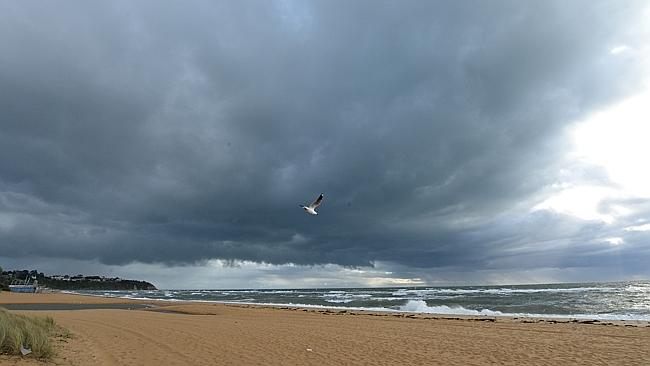
(Picture shows a recent storm rolling in over the Mornington Peninsula near Melbourne, Victoria; photo from the Herald Sun)

Celelebrity Baby News: Nathan and Jerri Jones

Tags

893662-e7bd3f1e-fb3a-11e3-85eb-f305a31fe088

AFL star Nathan Jones, and his wife Jerri, welcomed their first child on June 23, and have named their daughter Bobbi Grace. Bobbi Jones weighed 3.3 kg (7lb 3oz) at birth.

Nathan has played for Melbourne since 206, and is the team’s co-captain. He won the trophy for best and fairest in 2012 and 2013. Jerri and Nathan are high school sweethearts, and were married in 2012.

Famous Name: June

Tags

, , , , , , , , , , , , , , , , ,

art-353-june-300x0

Here we are at the end of June, and our last chance to cover the name of this month. On Sunday, I covered the winter solstice, where I said how mild it was – June was all blue skies and sunshine then. Little did I know the very next day a blizzard would hit, with massive snowfalls in the mountains, and freezing, gale-force winds and heavy rain elsewhere. So winter has definitely started now.

June Wright was once Australia’s queen of crime fiction; her first novel, Murder in the Telephone Exchange, was the best-selling mystery novel of 1948 in Australia, outselling the latest Agatha Christie. It featured feisty telephonist-turned-amateur-detective Maggie Byrnes, and was set during a blazing hot February in post-war Melbourne. These were the days when young working ladies lived in boarding houses where gentleman callers were not permitted, and leaving your bedroom clad only in pyjamas and dressing gown was an absolute no-no.

June went on to write five more novels, including a second Maggie Byrne mystery where the post-war housing shortage leads her into another interesting case to solve. The Devil’s Caress, which has a female doctor as the detective, was described as making Murder in the Telephone Exchange look like a bedtime story, and her last three novels featured Mother Mary St. Paul, an unassuming yet strong-willed Catholic nun detective that June Wright based on the head of the maternity ward where she gave birth to twins.

While June’s wartime experience as a telephone operator was the inspiration for Murder in the Telephone Exchange, it was her career as housewife and mother to six children, one severely intellectually disabled, that was seized upon by the women’s magazines of the day, who brought out articles with titles like “Wrote Thriller With Baby on Her Knee” and “Books Between Babies”. The writer of dark, gory murder mysteries with strong female protagonists was careful to present herself as charming and and feminine, and pointed out that both housewives and writers had to be practical, disciplined, and used to monotony.

June’s last novel was published in 1966. Her husband had a nervous breakdown, and June went back to work as a telephonist to support the family, before she and her husband started a cleaning business together. Although there are no hints she regretted having to abandon her literary career, she lived a long life (she only passed away recently), and it’s hard not to think of the many years she could have kept writing under different circumstances.

June lapsed into literary obscurity, and her works have been out of print for many years. However, in February this year Murder in the Telephone Exchange was re-issued by Dark Passage, an imprint of US publisher Verse Chorus Press. They will be bringing out all her novels, including previously unpublished Duck Season Death.

I haven’t bought my own copy yet, but this is welcome news for lovers of vintage fiction, women’s fiction, and Australian crime fiction. I think the books would be especially interesting for Melburnians from a historical perspective.

The name June is after the sixth month of the year. The Romans called the month Junius, commonly believed to be named in honour of the goddess Juno, the wife of Jupiter and queen of the gods. Do you remember the Happy June group, who celebrated June Day on June 1 every day? Well, on the first day of June, the ancient Romans had a festival dedicated to Juno’s “birthday”, in her role as goddess of war and protector of the state. So in a way, there is a “June Day” just as much as a “May Day”.

Because Juno was the goddess of marriage, the month of June was thought an auspicious time for weddings. This makes a lot of sense in the northern hemisphere, where it is early summer: in the United States, June is the most popular month for weddings, and in Italy, June is still a popular month to be married. In Australia, November is the most popular month for weddings (just to confuse things, in the United Kingdom August is the traditional wedding month – in Italy this is considered incredibly bad luck and very unhealthy).

As June is the start of summer in the northern hemisphere, there the name June may seem ripe and womanly, full of vitality and promise – as the song says, June is Bustin’ Out All Over. Here June is the start of winter, and to me it seems cool and fresh as a mountain breeze, and pure as snow.

June has been commonly used as a girl’s name since the 19th century, and part of its appeal must have been that it sounded similar to popular names such as Joan and Jane. It would have also seemed like a “real name” because of Latin names such as Junia – Saint Junia is venerated in the Orthodox tradition, and is mentioned in the New Testament as having a leadership role in the early Christian church. In the US, June has also been used as a male name, derived from Junius.

In Australia, June began charting in the 1910s, debuting at #162, and climbing so steeply that it was #15 for the 1920s. It peaked in the 1930s at #10, fell until it left the Top 100 in the 1950s, and last charted in the 1970s.

June does not chart in either Australia or the UK, but in the US June is already in the 300s and rising very briskly after only re-joining the Top 1000 in 2008. The United States is leading the way, and I think this is an American name trend well worth considering.

June is sweet and charming, and has the fashionable OO sound in it, like Ruby and Lulu. This is a hip vintage choice, and also a simple nature name, like Wren or Rain. Not only can it be used to honour a relative named June, or for cases where June is a special month for you, this would make a great name for someone who wanted something that was traditional and “old-fashioned”, while still seeming fresh and underused.

June could be used as a short form of names such as Juniper, Junia or Juno, and is getting some use as a middle name, but it would be lovely to see it up front as the full name. Junie is the usual pet form.

POLL RESULTS
June received an excellent approval rating of 80%, making it one of the highest-rated names of 2014. People saw the name June as vintage and hip (26%), sweet and charming (23%), traditional yet fresh (15%), and pretty or cute (10%). However, 9% saw it as only a middle name. Only one person thought the name June was too trendy.

Waltzing With … Winter

Tags

, , , , , , , , , , , , , , , ,

flat,550x550,075,f (1)

Yesterday was the winter solstice, so we are now embarking on the coldest part of the year. In Hobart they celebrated the winter solstice with an icy nude swim at sunrise, and declared that being half frozen to death was quite exhilarating.

It’s been a fairly mild winter so far (hopefully in Hobart too), although winter still came as a shock to me as we’d had such a warm autumn. There’s lots to enjoy about winter: the grass which was dry and brown in summer is now a lush green; the sunshine is warm, but doesn’t burn; the clear blue skies of winter are more beautiful than in summer.

I look forward to making soup, walking for miles without getting hot and sweaty, footy season, weekends ski-ing, and cold nights at home by the fire. I love the eerie look of trees looming through fog, waking up to find a glitter of ice on the lawn, snow capping the mountains, or falling softly on the house like icing sugar.

Of course, I also hate going to work in the pitch dark, finding the frost has killed all the vegetables in the garden, everyone tracking mud and dead leaf mush into the house, and miserable grey days where the sun doesn’t appear until 3.30 pm, then sets at 4. But on a sunny winter Sunday, it’s easy to forget all that.

I planned to do the name Winter today back in January, but yesterday a blog reader considered the name Winter for one of her twin daughters, and on Friday there was a boy with Winter as one of his middle names, so what with the winter solstice, this does seem like the weekend for Winter.

Winter is an English word derived from Ancient Germanic. The original meaning is not known for sure: it may come from an ancient word for “water”, possibly to denote “wet season”.

The English surname Winter started out as a nickname for someone who was of a cold or miserable “wintry” temperament – not very flattering! As an Irish surname, Winter can be an Anglicisation of the Gaelic Mac Giolla Gheimhridh, meaning “son of the servant of Gheimhridh”, with the personal name Gheimhridh meaning “winter”. Winter can also be a German-Jewish surname after the season. The surname is frequently spelled Wynter, making this a variant spelling with a long history.

Winter has been used as a first name since at least the 16th century, and according to early records, most people named Winter were born during the winter months. Later records don’t seem to show much correlation between the name Winter being chosen and the season of birth.

Winter is historically much more common as a male name, suggesting that the surname was more influential than the season. These days, Winter is more often thought of as a female name, and it charts in the United States as a girl’s name only, where it is rising. In the UK, Winter is more common for girls (more than three times as many Winters are girls), but is rising steeply for both sexes. Interestingly, the less common spelling Wynter has been much more evenly given to both sexes through history (although still more common for males).

Winter was in the 200s in Victoria in 2012 – there were almost as many baby girls named Winter just in this state as in the whole of the UK. I see Winter used mostly as a girl’s name in Australian birth notices, but it seems more common as a boy’s name in the middle position, showing its great versatility.

Even though Winter is currently more common as a girl’s name, it still seems very usable for boys. It sounds similar to Winston, is a surname, and the season of winter isn’t generally thought of as particularly feminine. It is sometimes personalised as Old Man Winter or Father Winter, and another “winter character” of folklore is Jack Frost. This always reminds me of the Australian bird, the Jacky Winter – another boyish-sounding winter connection.

I can think of two famous female characters connected to winter, and they are both from the fairy tales of Hans Christian Anderson. One of them is the beautiful yet deadly Ice-Maiden, and the other is the Snow Queen. Although the Snow Queen is a seemingly malevolent character, she is an attractive one: beautiful, strong, and intelligent, she is a “queen bee”. Because of these two characters, we call an alluring yet frosty woman an “ice maiden” or “snow queen”, and rumour has it that Anderson based both these characters on the opera singer Jenny Lind, and her rejection of him.

The Snow Queen recently received a reboot in the Disney film Frozen, with a completely different plot and characters from Anderson’s fairy tale. The stranger-danger theme of a beautiful cold woman in a sleigh seducing, abducting, and imprisoning a little boy had already been co-opted by C.S. Lewis for The Lion, the Witch and the Wardrobe, so something different was necessary.

Frozen has been a huge hit, with its appealing characters, fun dialogue, heart-warming coming-of-age story, and catchy songs. As Ebony from Babynameobsessed has pointed out, that has had an effect on the naming world. The name Elsa is becoming more popular, Arendelle suddenly seems usable as a baby name, and perhaps we can expect more winter-inspired names such as Snow, Frost, Ivy, June … and Winter.

Winter is a clean-sounding name that conjures up the purity of virgin snow, mysterious fog descending on the earth like a white blanket, the crisp sparkle of morning frost. Or maybe it reminds you of invigorating hikes in the cold air, and the thrill of downhill ski-ing, or of hot cocoa drunk before a blazing fire, and snuggling under the quilts at night while listening to a storm roaring outside.

When I think of stories connected with winter, apart from ice maidens, snow queens, white witches and frost fairies, I think of the white bear in the tale East o’ the Sun and West o’ the Moon, of the frost giants of Norse legend, of William Shakespeare’s comedy The Winter’s Tale, with its frozen queen, and Mark Helprin’s New York fantasy, Winter’s Tale.

There are so many fantasy stories about winter, perfect for recounting before the fire on cold nights, that there seems something magical it. Anything is possible in a winter wonderland – it’s a season of miracles.

POLL RESULT
Winter received an extremely good approval rating of 78%. 28% of people loved the name, while a further 24% liked it. Less than 10% of people hated the name.

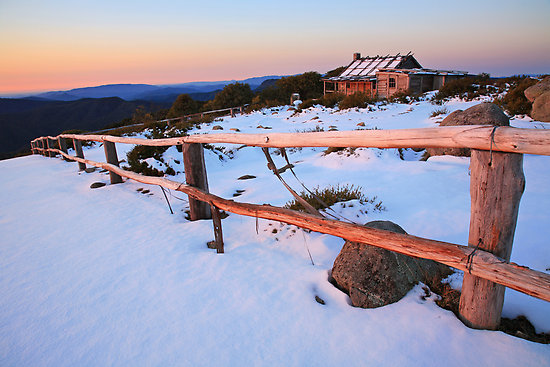
(Picture shows Craig’s Hut at Thredbo, New South Wales; photo from Red Bubble)

What Do You Think of These Names for Twin Girls?

Tags

, , , ,

1239206772_73d2cd57f8

Constance is obsessed with names, and now she is living out many a name nerd’s fantasy – she and her partner Sean are expecting twin girls next month.However, she’s finding the reality is a lot more stressful than you might think!

Connie and Sean have different name preferences, which is proving tricky to co-ordinate with twin’ names. Sean’s favourite name for a girl is Martha, which Connie thinks is lovely, but has found that other people aren’t so welcoming towards it.

Her own favourite for a girl is Winter – nice and straightforward, yet being a name nerd, she can’t help dreaming up lists of other possible twin combinations. She feels that she has lost sight of which names she really loves, and which are just passing name crushes. (Any of this sounding familiar???)

What Constance and Sean would like in a name:

  • universally recognised, if possible
  • an established name which isn’t too common, or too faddish
  • easy to pronounce
  • has a positive meaning and name history
  • possess some character, such as being strong even though feminine

Connie and Sean already have a son named Christian, and they like that his name is well known, established, but not too common. However, they aren’t fussed if the twins’ names don’t “match” with Christian.

Some twin combinations Constance is considering:

  • Ursula and Wilhelmina (nn Ursi and Willa)
  • Alexandra and Raphaelle
  • Olivia and Winter
  • Olive and Winter
  • Posie and Martha
  • Isis and Olive
  • Frances and Sophia
  • Bridget and Anabel
  • Delphi and Sophia
  • Theodora and Aurora (nn Teddy and Rory)
  • Noa and Isa
  • Violet and Mabel

Connie finds middle names a lot easier, and she likes them to be a little more flamboyant than the first name eg Winter Raphaelle, Martha Primrose. The surname ends an EE sound eg Raleigh, so Connie doesn’t want a name that ends with that sound.

Connie feels as if she is going around in circles, while Sean has had enough of it all and has simply given up.

* * * * * * * * * *

I don’t blame you both for feeling overwhelmed – naming even one child is a challenge, and having to do two at once is exponentially harder. I wonder if being a name nerd is making you feel even more pressured than usual, as if you must come up with twin names that are perfect in every way. I think that’s how I might feel in your position, at least.

I admire both the name Sean likes best, and the one you like best, and there’s a part of me that would like to be able to say, Well why not have twin girls called Martha and Winter? They are both lovely names, and would be given with love. And yet …. that might be being too idealistic.

People have a horrible tendency to judge twins against each other, especially female twins. The tiniest differences will be remarked on, so that a twin 2 inches smaller than her sister can be called the “short twin”, or one preferring to read while her sister loves sports will be called the “nerdy twin”.

I’m labouring this point because I notice that in several of your twin pairings, one twin has a name which is noticeably more clunky, or less popular, or less feminine, or less “cute” than the other. Part of me isn’t bothered by it, and would like to live in a world where one twin having a clunkier name, or one twin being shorter or more freckled or thinner or sportier, just doesn’t matter. Both are equally good, both are equally precious and loved.

Then there’s the part of me of that worries how the world will judge things. I know it’s not possible to ensure your children’s’ names are equal in every way (and if they are too even, then they seem “matchy”), but I think it’s worth keeping in mind.

Ursula and Wilhelmina (nn Ursi and Willa)
I really love this – these names are both quite substantial, but also elegant and sophisticated. I just wish there was a better nickname for Ursula: Willa is quite fashionable as a name in its own right, while Ursi seems more obviously “just a nickname”.

Alexandra and Raphaelle
Very pretty combination, although Raphaelle is a bit more exotic than popular Alexandra. I wonder if giving if it a little twist, such as Alessandra or Alexandria, might even things up a bit?

Olivia and Winter
I think this is a real crowd-pleaser: I can imagine very few people disliking this set of twin names. Because Olivia is a name from Shakespeare, and The Winter’s Tale is one of his plays, it even seems quite literary. Olivia is a very popular name, which does break one of your “rules”, but perhaps that won’t seem as important as you thought.

Olive and Winter
I can see you’ve gone for a less popular form of Olivia, and I do like these as twin names, but somehow I keep thinking Olivia seems like a more natural fit.

Posie and Martha
This is absolutely charming, although Martha seems a much sturdier choice than pretty Posie, and Posie also seems more nicknamey. To me it works though; they seem to balance each other without being too much of a clash. Posie does end with an EE sound like your surname – would a formal name like Josephine help?

Isis and Olive
To me it seems unfair for one twin to be named after a goddess, and the other after a tree.

Frances and Sophia
I love the way these two names sound together, with one beginning and the other ending with a S. Sophia is obviously a lot more popular than Frances though.

Bridget and Annabel
These are both very attractive vaguely Celtic names, although Bridget probably does fall under the “clunkier name than the other twin” category. I’m not sure it matters though.

Delphi and Sophia
I love the shared PH sound in the middle and the Greek origin of these names: both very meaningful as well. There’s quite a difference in popularity of course.

Theodora and Aurora (nn Teddy and Rory)
Love the tomboy nicknames for these elaborate formal names, but Theodora and Aurora do actually rhyme with each other. Not that it’s as noticeable as Fay and May, or Sallie and Hallie.

Noa and Isa
These seem very different from the other names you’ve chosen, so neat and simple, and even unisex. However, to me Noa seems like a name, while Isa is “just a nickname”.

Violet and Mabel
I like this pairing of retro names very much, they seem perfectly matched without being matchy. And they are pretty without being fluffy – they’ve got some sass to them.

I can why you keep going round in circles, because you like a wide variety of names, from rare to the Top 5, from frilly and feminine to sturdy and clunky, from long and elaborate to short and snappy. It’s one of the perils of name nerdism.

I wonder if it would help if you focused on those names and styles you like best, and concentrated on those. You did say that Winter was your favourite name, so what about if you tried to find a match for it, rather than thinking of all the possible name combinations?

What about:

  • Winter and Annabel
  • Winter and Sophia
  • Winter and Elodie
  • Winter and Scarlett (both surnames, a white/red combo)
  • Winter and Clementine (clementines are a winter fruit)
  • Winter and Posie (an allusion to winter and spring)
  • Winter and Violet (another winter/spring combination)
  • Winter and Lark (another winter/spring combination)
  • Winter and Aurora (an allusion to darkness and dawn)
  • Winter and Eden (another beginning/end combo, both unisex names)

I know poor Sean has become exhausted by it all and retreated, but once he’s had a good rest I hope you can persuade him to start talking names again. It’s a big task to name two babies all on your own, and I think you need his input and feedback. He might find it less overwhelming to discuss something specific, like, What name sounds nicest with Winter?, rather than What possible combinations could we think up for the twins?

Both you and Sean have got fantastic taste in names, even if your tastes don’t always synchronise, and I know you are going to pick beautiful names for your girls.

Readers, what do you think would be good names for the twin girls?

UPDATE: The twins names are Martha Primrose “Posie” and Winter Raphaelle!

POLL RESULT: The public’s choice for the twins’ names was Mabel and Violet.

Reeva Jade and Van Malachi Winter

Tags

, ,

Late fog in the hills, Australia

 
Twins
Adele Narelle and Bonnie Murray (Archie)
Lucy and Polly

Girls
Angel Shirley
Annika (Saphira)
Elsie Clementine (Clare Elisabeth)
Evelyn Patricia
Isla Kiera Beatrice (Neve, Connor)
Ivy Nell (Olive Sue)
Jolie Mai (Molly, Emmaline)
Livia Marina
Luella Clare
Maggie Gayle
Mieke Emilia (Olita)
Myfanwy Rosemary “Miffy” (Felix)
Octavia Joyce Margaret (Jai, Eli, Zac)
Puhi Te Aewa Rose
Reeva Jade (Pippa)
Ruby Alice (Mitchell, Emily)
Sabrina (Sebastian)
Sahara Pearl
Willow Gracie
Zara Lily

Boys
Abraham Rex
Andreas Nicholas
Carmelo Anthony (Angelo, Maria)
Clay James
Fox Elias (Jack)
Hudson Lars (Heaven-Lee, Yasmin, Edan)
Hugo Edward
Ian Thomas
Jack Alan Christopher
James Frank
Kingston William (Angus, Iyla)
Kyan Hayden Douglas (Evah Maree)
Lennox George
Leroy Steven (Maddison)
Max Julian (Ari)
Noah Francesco
Owen Robert
Rupert Francis (Lucien)
Thomas Hunter (Ethan)
Van Malachi Winter (Ziggy)

NOTE: Thank you to Brooke from Baby Name Pondering for her contributions from the Herald Sun.

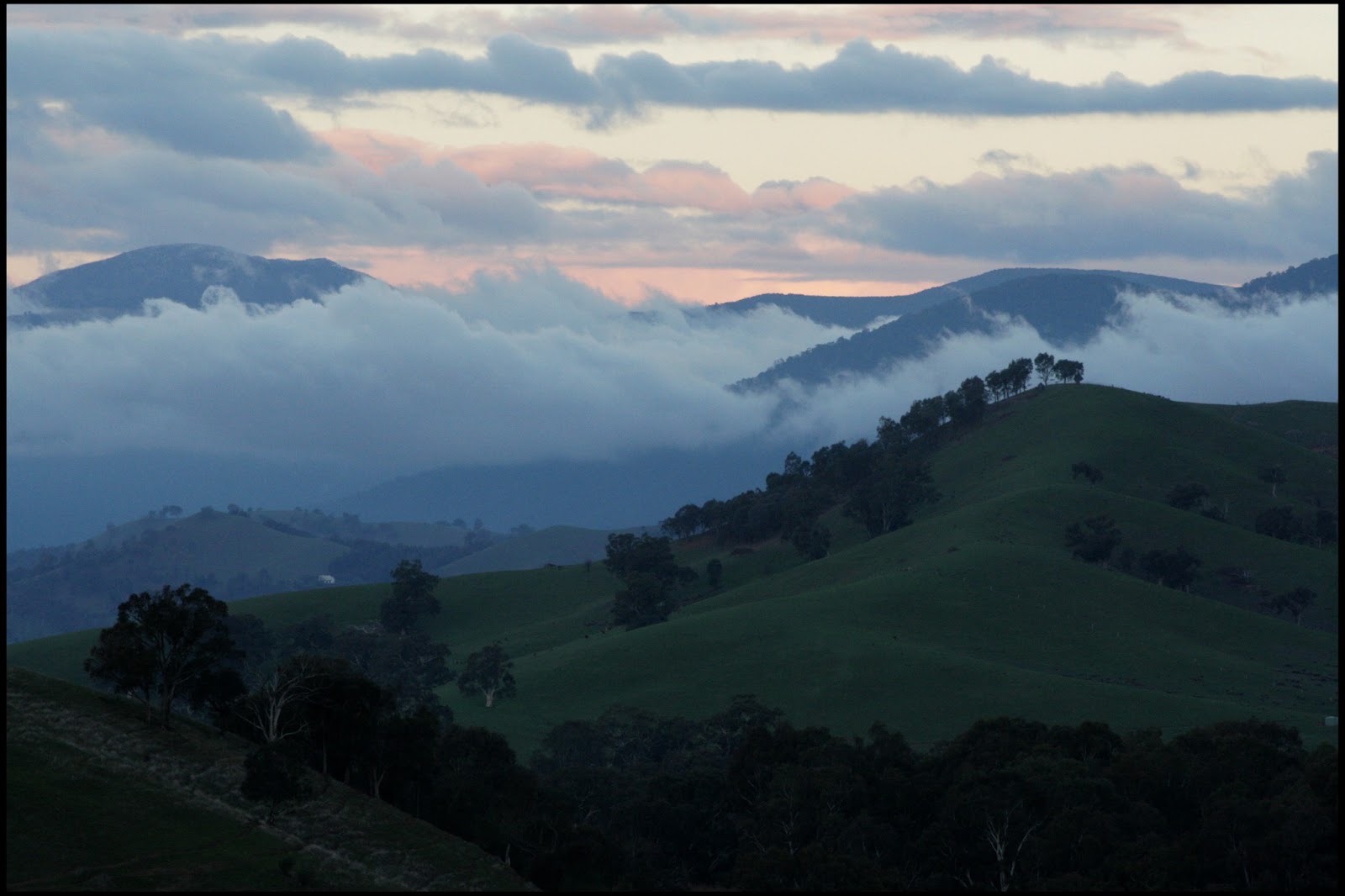
(Photo shows winter fog in the hills of a Victorian farm; from Just This Side of Chaos)