Caprice Jorja and Kayden Brock: Birth Announcements from Sydney (June)

Tags

,

Girls

Ainslie Mae (Lyndon, Lewis)

Bridie Eliza (Thomas)

Caprice Jorja (Memphis)

Dee Joyce

Eliza Lillian (Jacinta, Zane)

Emmy Charlotte (Archie)

Georgina Hope

May Robyn

Rosie Hunter

Scarlett Grace (Lulu)

Shae Annica (Neve, Lawson)

Violet Alice (Imogen, Xanthe, Saskia)


Boys

Alexander Graeme

Charlie Walter

Dominic Toby (Leo)

Hunter Jack (Oscar)

Izaiah Leigh

Kayden Brock (Daniel, Jason, Mitchell)

Levi Joshua Thomas (Sophie, Elias)

Marlon Peter (Ava, Theo)

Sebastian James (Emma, Amber)

Stephen Darian

Taj Christopher

Teddy Cooper

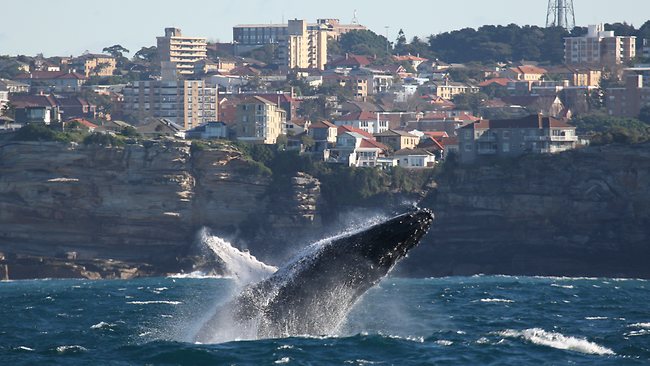
(June is whale-watching season in Sydney due to winter migration; the picture shows a humpback whale off Dover Heights in June. Photo from The Daily Telegraph)

Etta and Hal: Birth Announcements from Canberra (June)

Tags

, ,

Twins

Henry and Clare (Sophie)

Thomas Isaac and Julius Cain


Girls

Aurelie Lara

Etta Ruby (Astor, Arlo)

Evie Harper

Grace Victoria (Jasmine, Renee, Rachel, Michaela)

Lucinda Grae “Lucie” (Kade)

Marissa Elizabeth Amy

Matilda Grace-Ida (Harrison)

Phoebe Carolyn

Rubie Doreen

Sonia Louise Margaret (Sophie)


Boys

Archie Nicholas

Axel Bradley

Charles Herbert

Frederick William (Grace, Leila)

Hal Mathieson Wiggins

Patrick John Paul

Rhys Lionel (Ava, Gracie)

Scott Jacobus

Tasman Richard (Quinn)

Xavier Leo (Thomas, Dominic)

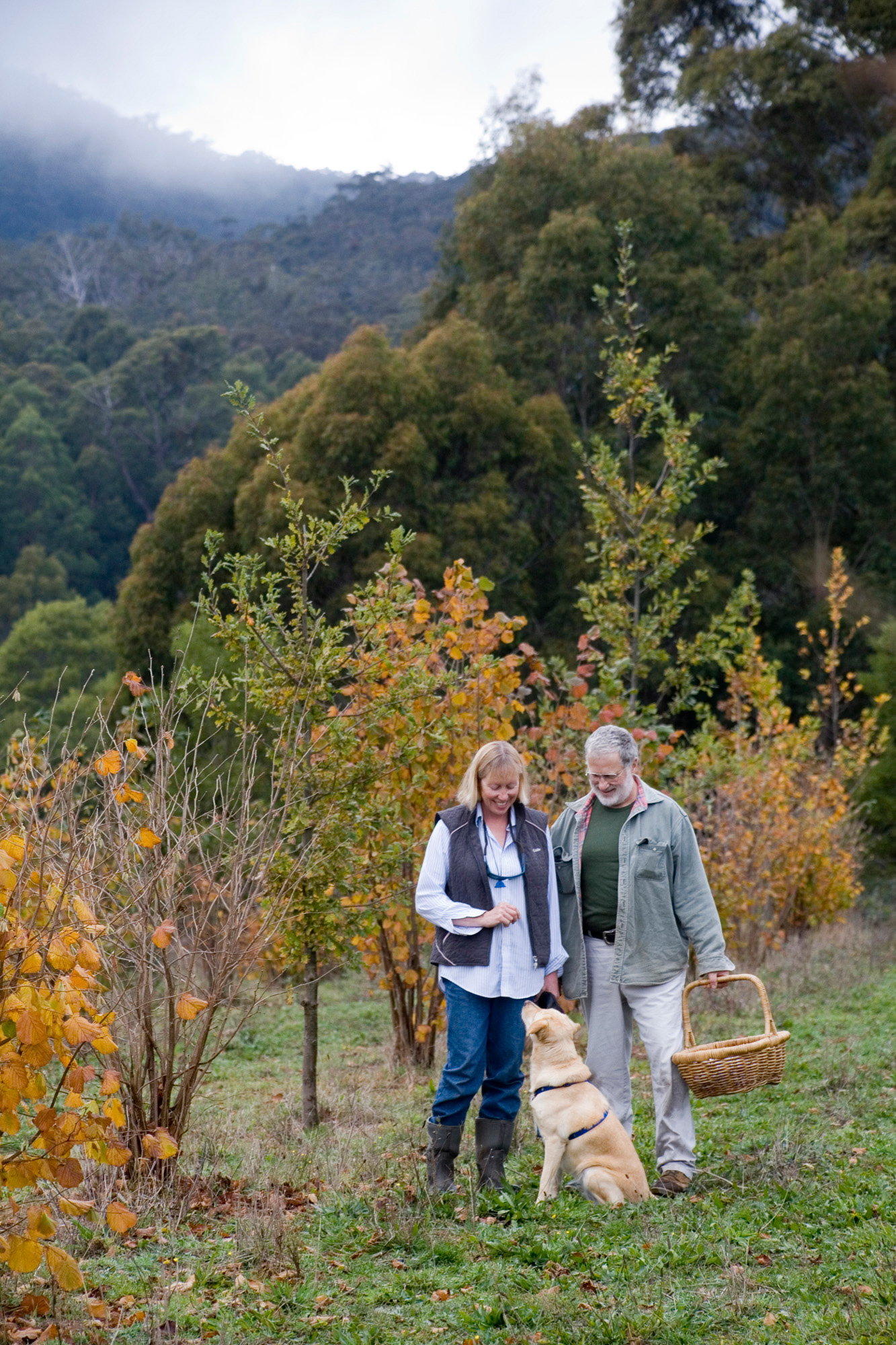
(Picture shows people truffle-hunting in Braidwood near Canberra, as part of the Canberra and Capital Region Truffle Festival which began in late June; photo from the festival website)

Celebrity Baby News: Ash and Amanda McGrath

Tags

,

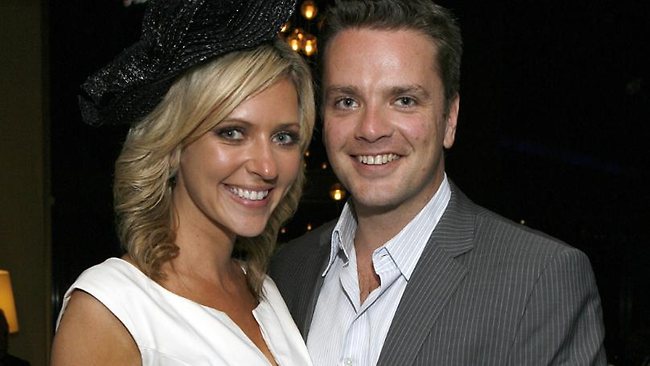
AFL player Ash McGrath, and his partner Amanda, welcomed their son Chase Ashley on July 3. Chase McGrath was born at 1.45 pm, and weighed 3.4 kg (7 pounds 7 ounces). He joins big sister Mikayla, aged 2.

Ashley made his debut for the Brisbane Lions in 2001, and has played with the team all his career. In 2009 he was selected to play for the Indigenous All-Stars. His brothers Toby and Cory also play in the AFL, and he is a cousin of former AFL player Dion Woods.

Famous Name: King

Tags

, , , , , , , , , ,

It’s a big week in North America, because Canada Day was on July 1, and today is Independence Day in the United States. I thought we’d look at the name of someone from our history who hailed from the North American continent, and is one of the most colourful and mysterious characters in Australian politics – King O’Malley.

According to his own account, King O’Malley was brought up by an uncle and aunt in New York, and began working in their bank. He then became an insurance salesman, and according to him, was an extremely successful one who worked his way across the United States. In Texas, he founded his own church, with the extravagant title of the Waterlily Rockbound Church – the Redskin Church of the Cayuse Nation. The story he told was that he performed many miracles, and married a beautiful young devotee, who unfortunately soon died of tuberculosis.

O’Malley was told he had contracted the disease himself, and had six months to live. Apparently, going to Australia was #1 on his bucket list, and he arrived here around 1888, being perhaps thirty years old (there is no birth certificate to verify his age). Far from dying, he established himself (once again?) as a successful and well-known insurance agent. His interest in politics grew, and in 1896 he announced he would be running for the South Australian state parliament.

This was a bit awkward, because he had told everyone he was an American, which made him ineligible as a candidate. He changed his story, and said that, now he thought of it, he had actually been born in Quebec, Canada, making him a British citizen. He had merely been raised in the United States. It seems nobody asked to see any paperwork, and he was duly elected as an Independent.

Soon after the election, a man who had known him in the US claimed that O’Malley was an American citizen who had fled the country on embezzlement charges. O’Malley sued, but refused to allow himself to be cross-examined. He won his case, but people surely had to be a little suspicious that financial scandal was the cause of his migration to Australia. This might be why he had trouble getting re-elected.

Nothing daunted, he moved to Tasmania and joined the Australian Labor Party, where he began to make his mark, being elected to Australia’s first national parliament in 1901. In fact, one of his lasting legacies is that the ALP spells Labour the American way. He convinced them it looked more modern, and differentiated the party from the labour movement. He was also a leading proponent of the need for a national bank, and the government founded the Commonwealth Bank in 1911.

Made responsible for the planning of the national capital, he at first said that Canberra was so dry a crow on vacation would need to bring its own water bottle, but then became an enthusiastic supporter. He approved the designs for the city by fellow American, Walter Burley Griffin.

Today a suburb of Canberra, O’Malley, is named after him, and there is also an Irish pub in the capital named King O’Malley’s which sports a picture of him on its signboard. This is something of an inside joke, as O’Malley was a member of the temperance movement, and introduced prohibition to the city of Canberra – something which made him extremely unpopular.

His political career ended after World War I, at least partly because of his pacifist views. Although only 59, he retired, and spent the rest of his life building up and embellishing his own legend, telling tall stories of his feats that were eagerly believed by his trusting supporters. He died in 1953, which would make him ninety-five by his own reckoning – it’s hard not to wonder if he put his age up a bit in order to fit in more years in which his exploits could have occurred. He was honoured with a state funeral.

O’Malley was an arresting character with a mischievous, mocking personality that many people found almost instantly annoying. His politics were considered radical to the point of charlatanism, and his oratorical style was a cross between P.T. Barnum and a revivalist preacher, with a rich range of original expressions, such as calling alcohol stagger-juice, and pubs drunkeries.

The secret to his success was that he was a massive hit with the ladies, and had no trouble at all getting the female vote. Tall, fashionably-dressed, flamboyant and loquacious, women went slightly ga-ga around him. He also had a number of policies which appealed to women, such as trying to pass a law that barmaids couldn’t be too attractive.

His commitment to women’s interests was probably genuine. When he married, he bought his wife several cottages so that she could be financially independent and have her own career, and after his death, he left in his will a trust fund for scholarships for female students of Home Economics.

O’Malley told so many stories about himself that I’m not sure the truth about him can be found now; I don’t think we even know who he really was. He had the hubris to give himself American Independence Day, July 4, as his birthday, although at other times it seemed to be July 2. It is now believed that he was from Kansas, that place about which another American story-teller would create a dream of a magical land with a fraudulent ruler in its Emerald City. King O’Malley was our Wizard of Oz – a mountebank, but a harmless one. He was a bounder, a fraud, a rapscallion, and a politician. But I repeat myself.

The name King is usually taken from the surname, which comes directly from the English word king, originally meaning a tribal chieftain. It’s very unlikely the ancestors of people named King were actually royal – the name may have denoted people who worked in the king’s household as his servants, or given as a nickname to someone who acted in a regal and perhaps arrogant manner.

In America, the surname King was often given to Irish immigrants to Anglicise an Irish name, such as Conroy (although the –roy in Conroy sounds like the French roi, meaning “king”, the name means “son of the keeper of hounds” or “servant of the keeper of hounds” in Gaelic). This seems significant in light of King O’Malley’s Irish surname.

King O’Malley claimed to be the son of Irish immigrant William O’Malley and Ellen King, with the implication that he had received his mother’s maiden name as his first name. This cannot be verified, as no such people can be found in the US census of the time. King may have been his middle name, or he may have made it up. Soon after his arrival in Australia, he styled himself as the Arizona Kicker King – the Arizona Kicker was a newspaper that O’Malley purported to have worked for.

It may sound fantastically over-the-top to us, but the name King was on the US Top 1000 from 1880 until the mid-1960s, and recently made a comeback in 2006. Since then use has steadily increased, and it is currently #389 (just one position behind Phoenix).

Although King Vidor was a famous Hollywood director, I wonder whether use of the name might be inspired by iconic civil rights leader, Martin Luther King. Jesus Christ is also known as The King of Kings in Christianity, which might give it a religious connotation.

King is one of those names that are not permitted to be registered in Australia, as King is an official title as well as a word. It might be possible to use it as a middle name though, and if King is a name in your family, that could give you a personal connection to it.

(Picture of King O’Malley from the ACT Museum and Art Gallery)

Celebrity Baby News: Shannan and Kylie Ponton

Tags

TV fitness coach Shannan Ponton, and his wife Kylie, welcomed their first child yesterday July 2, and have named their son Maximus Colin. Maximus Ponton was born at 8.24 am and weighed 3.9 kg (around 8 and a half pounds). It seems he will be called Maxi for short. The news was announced on Shannan’s Facebook page.

Shannan is one of the personal trainers from the Channel Ten weight-loss reality show, The Biggest Loser, and first joined the show in 2007. His first book, Hard ‘n’ Up, was published earlier this year.

Kylie (nee Stray) has a background working in sport, and is Shannan’s personal assistant. She and Shannan were married in a beach wedding in 2010, and then honeymooned in Bali.

Celebrity Baby News: Shelley Craft and Christian Sergiacomi

Tags

, , ,

Television presenter Shelley Craft, and her husband Christian Sergiacomi, welcomed their daughter Eadie Rose on June 12. Eadie Sergiacomi joins big sister Milla Grace, who is nearly two.

Shelley is a popular presenter who was on Channel 7 for many years, until she moved to Channel 9 in 2008. She currently hosts Australia’s Funniest Home Videos, and is a co-host on Domestic Blitz and The Block. This year’s season of The Block had its final episode last night, with each couple’s renovated house going successfully to auction.

Christian is a cameraman on The Block, and he and Shelley were married in 2009, at their beach house in Byron Bay. He and Shelley have recently started their own business venture together, The Builder App.

You may remember that 2011 celebrity baby Sailor Shelley Denyer gained her middle name in honour of Shelley Craft.

Shelley and Christian proved that they had an eye for baby names when they chose Milla, as it is now Top 100 and still climbing. As Eadie is also on trend, it will be interesting to see how the name fares in the next couple of years.

MYTH: Australian Baby Names are Becoming Increasingly Influenced by American Trends

Tags

, , , , , , , , , , , , , , , , , , , , , , , , , ,

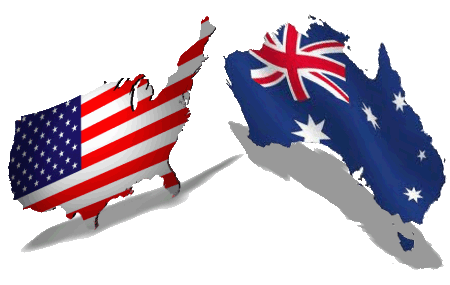
Since I last went mythbusting, the 2011 name data from the United States has been released, and this week it’s American Independence Day. To celebrate both events, I decided to compare Australian and US name data. (Lou at Mer de Noms brought out her own comparison of the data for the United States and England/Wales in May, and did something pretty interesting with it.)

That Australians are becoming increasingly Americanised, including their choice of baby names, is something not debated, but accepted as a truism. It is often mourned by older generations that Australians used to call their children good solid Aussie names like Barry and Sheila, and now give them sleek American-style names like Logan and Scarlett.

It’s a myth which sounds very plausible – I certainly know far more children named Logan and Scarlett than I do Barry and Sheila (actually I don’t know any children called Barry or Sheila). But I thought we should try to get some numbers to back the myth up.

So I decided to look at the Top 100 names from both countries, in the years 1930, 1950, 1970, 1990 and 2011. If the number of names shared by both countries went steadily up, that could help support the theory that Australian names were becoming increasingly “American”. By no means conclusive proof, but it would be a start, and frankly I couldn’t think of any other way of doing it.

As I went through calculating the number of shared names, I also took note of those trends at work in Australia and the United States, where they were the same and where they differed. This gave me a picture of changing trends through the years. (The data is from Victoria, because theirs go back to 1929).

1930

MALE – 65% shared with US Top 100

1930 marked the highest percentage of shared names between the countries. This wasn’t because Australians were more “American” in 1930, but because in every year, the common denominator for both countries were classic names like John, Thomas and William, and these sort of names took up more space of both countries’ Top 100.

Trends noticeable on the Australian Top 100 were names from Ireland, Scotland and Wales, such as Kevin, Malcolm and Trevor, and aristocratic English surnames, such as Neville. Americans preferred prominent surnames of their own citizens, such as Elmer and Lee. Popular names from America we didn’t share were “cowboy” names – Wayne, Earl and Jesse. In America, nicknames for boys were all the rage, including Billy, Bob and Jimmie.

FEMALE – 51% shared with US Top 100

Popular girls names in both countries were homespun names such as Margaret and Dorothy, as well as plant names like Hazel and Rose.

Australian trends for girls included names from Ireland and Wales, such as Sheila and Gweneth, saints names such as Carmel and Veronica, and literary inventions like Doreen and Mavis. American trends were for Germanic names such as Emma and Clara, and the clunky Old English Mildred and Bertha. America’s Hispanic population meant that Delores and Juanita were Top 100 there.

1950

MALE – 59% shared with US Top 100 (down 6%)

American trends for boys we had picked up by 1950 include Gary, after Hollywood star Gary Cooper, and that supposed Australian favourite, Bruce, also popular in the US.

America continued its love of nicknames, with Bobby, Joe and Fred all Top 100. Several of the Irish boys names such as Kevin and Barry were now on the US Top 100 as well, but new Irish-style names such as Shane were still to gain American acceptance. Already in the US you can see a reluctance to use “feminine sounding” or unisex names such as Lindsay and Noel, which were Top 100 in Australia. In Australia, that same 1950s gender-anxiety produced the opposite result, with some unisex names like Leslie becoming male-only.

FEMALE – 47% shared with US Top 100 (down 4%)

The most noticeable shared trends for girls were those glamorous Hollywood names such as Marilyn (Monroe) and Rita (Hayworth). Even when Australians did take a name from America, such as Jennifer from Hollywood star Jennifer Jones, it didn’t always follow that Americans would embrace it as rapidly themselves. Jennifer was a 1950s name in Australia, but didn’t peak in the US until the 1970s.

Australian girls were being given French names like Annette and Jeanette, while Americans girls had Jacqueline. Another popular Australian “French” name was Lorraine, given in honour of St Joan of Arc, sometimes called The Maid of Lorraine. The American love of the nickname meant that names such as Judy and Peggy were Top 100 for girls.

1970

MALE – 56% shared with US Top 100 (down 3%)

Popular 1970 names which we think of as “American style” were in evidence on both charts, such as Bradley, Jason, Glenn, Darren and Craig.

Australian boys names not picked up in the US included Scottish-style names such as Ross, Graham, Stuart and Gavin, and the “feminine sounding” Ashley and Jamie. Differing ethnicities also made their mark, with Spanish Carlos in the US Top 100, and Italian and Greek names like Giovanni and Giorgio in the Australian Top 100. American nicknames powered on, with Larry, Terry and Jerry amongst them.

FEMALE – 51% shared with US Top 100 (up 4%, return to 1930 level)

It was the decade of those 1970s names Sharon and Tracey, although Sharon in particular had been popular in America for some time and we’d only just caught up.

Names such as Samantha and Amanda were already popular in Australia in 1970, but would have to wait until the 1980s to make it big in the US. Conversely, Amy was popular in the US, but wouldn’t be here until the 1980s. French Nicole was in vogue in both countries, and we’d caught up with Jacqueline; however Australia also had Danielle, Louise, Justine, Natalie, Simone and Josephine – typical 1970s girls names that were underused in the US. Scottish and Welsh names like Fiona, Megan and Bronwyn were popular here but didn’t get a look-in in the US. We were proudly using names of Australian origin, like Kylie and Narelle; naturally these were unknown in the US.

1990

MALE – 56% shared with US Top 100 (no change)

Trends from the US we were embracing were Old Testament names, such as Jacob and Zachary; and the new surname names, such as Ryan and Mitchell.

A new generation of “too feminine” boys names that were popular in Australia were ignored in the US, such as Shannon, Tristan and Leigh, as were more Scottish, Welsh and Irish-ish names, such as Lachlan, Rhys and Kane. Hayden and Jayden were already Top 100 in Australia, but not in the US. America had finally gone off nickname names, while Australia now had Jack, Jake and Ricky. American names Beau, Jackson and Tyson were popular then, as now, in Australia; of the three, only Jackson has hit the US Top 100 so far.

FEMALE – 56% the same as the US Top 100 (up 5%)

Names that both countries had in common were those typical 1990s names, like Tiffany, Brittany, Kayla and Caitlin.

Americana we were still to discover included unisex names for girls like Ariel, Shelby and Paige. Although the US had Danielle and Natalie by now, French names such as Monique, Elise, Renee and Madeleine which were popular here had apparently failed to make an impression. Although Welsh Caitlin was all the rage, the US were not on board with Tegan and Rhiannon, as we were. Most notably, Emma, Amelia, Charlotte, Sophie, Chloe and Zoe were missing from the US Top 100 – while American parents who chose these names in 1990 were ahead of the trends, in Australia, parents choosing these names in 1990 were just following the trends.

2011

MALE – 59% shared with US Top 100 (up 3%, return to 1950 level)

Congruence in popularity between the two nations has risen to 1950 levels, with many name trends in common, mostly a fresh crop of Biblical names, such as Elijah, and surname names, such as Mason.

American parents are now avoiding a new generation of Scottish names, such as Angus and Hamish, while Irish names like Declan and Flynn are also neglected in the US. Oddly enough, Kevin is still Top 100 in the US, while it’s considered a bit dated here. The scunner against nicknames continues as Americans shun Australian populars Charlie, Harry, Archie, Sam and Nate. No longer merely  shying away from “feminine sounding” names for boys like Bailey and Riley, parents in the US have actually given these names to their daughters in such numbers that they are now Top 100 for girls, while Top 100 for boys here. Several names we have taken from the US, such as Jett, Hudson and Jasper, are still not popular in America.

FEMALE – 47% shared with US Top 100 (down 9%, return to 1950 level)

Girls names have also returned to 1950s levels. Many names are shared because America has caught up with our popular names from 1990, but Australian parents have also begun to use unisex names for girls like Madison and Addison.

America has abandoned many names as “outdated” such as Amy, Jessica, Holly and Amber that have taken on “modern classic” status here. While America has accepted Lily, it is less keen on our popular plant names Daisy, Ivy, Violet, Willow, Olive and Rose. British-style names such as Isla and Imogen cut no mustard in the States. Meanwhile, popular American virtue names like Genesis, Serenity, Trinity, Nevaeh and Destiny do not resonate here. Perhaps they will in the future.

CONCLUSIONS

I did not manage to bust this myth, but neither did I find much evidence to support it, so I will give its status as MYTH UNCONFIRMED.

As I compared popularity charts from the two countries, I realised more and more that it was a case of apples and oranges. Names took longer to gain popularity in the US, and it was harder for them to stay in the Top 100; name popularity was a competitive environment there. Australia has a much smaller population size, which means that name trends show up faster here. We’re also more likely to hold onto our favourite names once we’ve found them, sometimes for generations.

I don’t think it’s an exaggeration to say that American parents are absolutely obsessed with getting ahead of the current trends, and can watch the slowly rising popularity of their chosen names with almost comical anxiety. This makes some sense, because trending names can take so long to reach the Top 100 that they have a good chance of having ten to twenty years before that happens. In Australia, this behaviour makes no sense at all, because as soon as a name begins to show up in the data, it’s basically already quite popular. As we keep names around for longer, there’s no real rush to “catch” a name on the way up either; we can always wait until it’s a cosy, familiar “classic”.

In any given year, Australia and the US will share around half the names on their respective Tops 100s, and this has not changed across time. We share many name trends, and since at least 1950, Australia has been drawn to names from America. Sometimes it took us a long time to get onto a particular trend from America, and other times we took to it with greater enthusiasm than Americans did themselves.

Both countries also have their own styles of naming. Australia has always been fond of Irish-inspired names, and although Barry and Sheila have fallen by the wayside, we now have Finn and Molly. Scottish names continue to be a growth area, with Angus, Hamish, Callum and Isla seeming rather stylish to us. Through the years, there were many names unique to the Australian popularity charts. Names that I thought of as typical of their period, such as Dulcie in 1930, Glenys in 1950, and Jacinta in 1970 seemed to be unknown in the US.

Americans are slow to adopt Irish names, but often touchingly faithful to them, and are wary of Scottish and Welsh names. They have a deep suspicion of unisex names for boys or anything that even sounds remotely feminine, while comfortable with briskly masculine names for girls. Flower names are not popular there; perhaps they seem too girlish even for girls.

Due to going overboard on nicknames in the past, America has developed almost a horror of them, much in the same way I can no longer stomach gingerbread after overindulging on it a few Christmases ago. As nicknames are currently internationally popular, this has seen them unfairly branded as a bit stuffy on the issue, when they’re really just over the whole thing.

We don’t have to try to follow American trends, and in fact a couple of them would be downright foolish for us to imitate. But the United States has proved a rich source of name inspiration for many decades, and I know it will continue to be so for many decades to come.
Celebrity Baby News: Hamish and Kristy Rosser

Tags

Drummer Hamish Rosser, and his wife Kristy, welcomed their first child on June 22 and have named their son Oscar. Oscar Rosser was born at John Flynn Hospital, on Queensland’s Gold Coast.

Hamish has been drumming since he was 11, and joined his first band in high school. Since then, he has played with many bands, most notably The Vines. Recently he became the drummer for Wolfmother, and was on tour with them in Europe when Oscar was born. As well as his musical career, Hamish is also one of the co-founders of Brothers Ink Brewing Company, who make Skinny Blonde ale. Skinny Blonde, which is pale and low-carb, won the People’s Choice Award at the Australian Beer Festival in 2008. It also provoked some controversy, as the label for the beer shows a girl in a bikini top, which gradually disappears to show her nude form. Their latest offering is called Gold Digger ale, designed to “drain your pockets”.

Kristy (nee Ryan) is the sponsorship manager for the Splendour in the Grass music festival, which will be held at the end of July in the Rossers’ home town of Byron Bay. Hamish will be back from tour by then; in the meantime, he is getting to know his son via Skype.

Celebrity Baby News: Michael and Jacqueline Felgate

Tags

Centrebet spokesman Michael Felgate, and his wife Jacqueline, welcomed their daughter Madison last weekend.

Michael was a sports reporter and presenter on Channel 7 for several years, and this year took up a new position as Media and Communications Manager for bookmaking agency Centrebet. Jacqueline (nee Freegard) is a reporter for Channel 9 News, and she and Michael were married last year.

Harlan and Heston: Birth Announcements from Adelaide (May)

Tags

, ,

Twins

Anna Kate and Lucy Milla

Harriet Louisa and Flynn Gilbert (Gilbert)

Jemima Chloe and Imogen Juliet (Lucia, Phoebe)

Ky Preston and Peyton Harper (Charlotte, Hudson)


Girls

Amiya Celeste (Sibella)

Angelique Mary Sue

Arabella Soraya Hope (Thalia)

Antonia Lucia

Brielle Charli (Keira, Jett)

Cailin Ada

Clementine Heidi (Annabelle, Primrose)

Dior Ava (Dean, Zara)

Ebonnie Alice Matilda (Kiel, Sean, Tim, Taffy)

Elouise Christine Melicia

Isabelle Marie Barr

Luisa Marie

Katia Elena Chavez

Miranda Bonnie

Paige Kendall

Piper May (Riley)

Sienna Jeune

Tealie Lynne

Victoria Estelle Lily

Yani Dorothea (Ramita)


Arlan Troy

Astor Marco (Amelie, Louis)

Baxter Eugene (Lindon)

Benji Jay

Cade Lucas (Imogen, Adeline)

Charles Edward Xavier (Henry)

Ethan George Elio (Isabella, Sasha)

Harlan William John (Lila, Tigerlily)

Heston Dean

Jack Oliver Paul (William)

Jackson Scott Neville

Jacob John Graham

Jaisaac Keenan (Piper)

Jaxon Karoly (Monique)

Jed Eli Ilario (Zara)

Jude Nicolas David

Oscar Zygmunt

Rafael Andrew (Maliha, Theodore)

Ryder Grey

Tiernan Peter

(Picture shows a performance of Romeo and Juliet by the Australian Ballet, performed in Adelaide May 2012; photo from the Adelaide Review)