• About
  • Best Baby Names
  • Celebrity Baby Names
  • Celebrity Baby Names – Current
  • Celebrity Baby Names – Past
  • Featured Boys Names
  • Featured Girls Names
  • Featured Unisex Names
  • Links to Name Data
  • Waltzing on the Web

Waltzing More Than Matilda

~ Names with an Australian Bias of Democratic Temper

Waltzing More Than Matilda

Tag Archives: rare names

Most Common Australian Celebrity Baby Names of 2015

24 Sunday Jan 2016

Posted by A.O. in Celebrity Baby Names, Name Data

≈ Comments Off on Most Common Australian Celebrity Baby Names of 2015

Tags

celebrity baby names, middle names, rare names

GIRLS FIRST NAMES

  1. Charlie/Charlee 2
  2. Madison 2
  3. Matilda 2
  4. Milla 2
  5. Mya/Myah 2
  6. Olivia 2
  7. Willow 2
BOYS FIRST NAMES

  1. Samuel 4
  2. Archie 3
  3. Hugo 3
  4. George 2
  5. Theodore 2

Unusual Celebrity Baby Names

Girls: Avalon, Bo, Egypt, Essena, Giselle, Harvie, Imaan, Ripley, Scout, Sia, Sunday, and Zylah

Boys: Barclay, Blayden, Iliesa, Jerry, Leezak, Makua, Marlon, McLean, Montgomery, Otto, Percy, Rafi, Rocket, Solal, and Zion

GIRLS MIDDLE NAMES

  1. Rose 5
  2. Ann 2
BOYS MIDDLE NAMES

  1. James 5
  2. David 2
  3. George 2
  4. Joshua 2
  5. William 2

Unusual Celebrity Middle Names

Girls: Adenil, Blue, Merivale, and Napier

Boys: Arrow, Fileborn, Hawthorn, Winiata, and Zot

Uncommon Vocabulary Names For Boys

13 Sunday Dec 2015

Posted by A.O. in Name Themes and Lists

≈ 1 Comment

Tags

animal names, celebrity baby names, dog names, english names, famous namesakes, fictional namesakes, imperial titles, Japanese names, locational names, modern names, musical names, name history, name meaning, name trends, names of animals, names of rivers, nature names, nicknames, philosophical terms, plant names, rare names, slang terms, surname names, title names, virtue names, vocabulary names, weapon names

bear-grylls

Just as with the girls names, these are ten names I saw given to real life baby boys in 2015 – but only once.

Bear
Bears have been important to humans since prehistoric times, hunted for their meat and fur, and sometimes worshipped as a totem animal or deity. Bears have a starring role in our subconscious: there are legends of saints taming bears, and they feature in folk and fairy tales. One of the best known is Goldilocks and the Three Bears, and Winnie-the-Pooh and Yogi Bear show that bears continue to appeal to us. There are bear-related names, such as Bernard, Ursula and Orson, so that Bear as a name does not seem out of place. Bear has been used as an English name since around the 17th century, in some cases possibly from the surname, or used to translate bear names from other countries such as Ber and Bjorn. It has often been used as a nickname, a famous example being British adventurer Edward “Bear” Grylls. The boys’ name Bear showed up in UK and US name data after Grylls’ popular TV series Born Survivor (Man vs Wild elsewhere), and is rising in both countries, on trend with other animal names. It has been chosen as a baby name by celebrities such as Kate Winslet and Alicia Silverstone, while Jamie Oliver’s son has Bear as one of his middle names. Bear is strong and masculine in a shaggy, rough-and-tumble way, yet also sweet and cuddly – like a bear hug!

Courage
Courage is another word for bravery or fortitude; it comes from French, and is ultimately derived from the Latin for “heart”. It is not mere fearlessness, but having the moral strength to perservere and keep going under difficult circumstances. Courage was regarded as one of the highest virtues by the ancient Greeks and Romans, and in some Christian traditions is seen as one of the gifts of the Holy Spirit. It is also given high praise in Islam, Hinduism, and Eastern philosophies, while we think of people of courage as the true heroes. Unlike some other virtue names, Courage has only been used as a name since the 19th century and has always been rare, more often given to boys. A good choice for a baby facing an uphill battle, or for families in crisis.

Edge
An edge is the extreme of a margin, or the cutting side of a blade. To have the edge on someone means to be at an advantage, while if you are straight edge, you are a hardcore punk living a clean life. The word edge comes from an ancient root meaning “sharp”. There are names related to the word edge, such as Egbert, and Edge- is part of several English surnames, such as Edgely and Edgeworth. As a personal name, Edge originated in Cheshire in the 17th century – edge is a local term for an escarpment, and there are villages in Cheshire called Edge, or known as The Edge. The name Edge has never been common and is sometimes used as a nickname or professional name. A famous example is the musician named The Edge from U2 (apparently the nickname comes from his sharp features and mind). The name Edge might make you feel a bit edgy, or perhaps you’ll think that it’s right at the cutting edge of fashion.

Kaiser
Kaiser is the German word for “emperor”, derived from the Roman title of Caesar. This comes straight from the surname of Julius Caesar, believed to simply mean “hairy” (perhaps the first Caesar had lovely locks, or it could be a joke name for someone bald). The Holy Roman Emperors were the first to use the title Kaiser, in the belief that they were continuing the role of the Roman Empire. Even after the Holy Roman Empire was dissolved, the title of Kaiser continued to be used by the House of Hapsburg. Thanks to high school history class, we tend to connect the title with Kaiser Wilhelm II, head of the German Empire during World War I. Kaiser has been used as a personal name since perhaps the 19th century, although it some cases it may have been a nickname given to a German immigrant. Kaiser was chosen as a baby name last year on the reality TV show Teen Mom 2, and since then the name has been rising in both the US and UK. One possible inspiration is British band the Kaiser Chiefs. Title names are on trend, and this one can be shortened to popular Kai.

Pilot
The word pilot originally referred only to someone who steered a ship, and even now a pilot is one who knows a harbour or coastline well, and is hired to help navigate a vessel: it is one of the world’s oldest professions. More generally, a pilot can be any sort of guide through an unknown area, and pilots are used in road transport as well. However, most people connect the word with airline pilots, air travel having overtaken sea travel in importance. The word is from French, and may ultimately be from the ancient Greek for “oar”. Pilot has been in rare use as a personal name since the 19th century, and was probably once best known as a dog name – in Jane Eyre, Mr Rochester has a magnificent Landseer Newfoundland named Pilot. Actor Jason Lee named his son Pilot in 2003, and since then the name has been occasionally used for boys in the US, but with no sign of growth. Occupational names like Mason and Cooper are common for boys, but this one is still an attention-grabber.

Reef
A reef is a sandbar, or a chain of rocks or coral lying near the surface of the water. In Australia, a reef also means a vein of gold-bearing quartz, so it is connected with mining, while sailors will know it as the part of the sail which is rolled up. The word comes ultimately from an ancient root meaning “arch, ceiling”. Reef has been used as a boys’ name since the 19th century, although never very common. In Australia, the name is often connected with the Great Barrier Reef in Queensland, the world’s largest coral reef system. Not only important to Indigenous Australians, the Great Barrier Reef is a major tourist attraction. It has recently been in the limelight as it is the subject of a documentary by David Attenborough funded by Tourism Australia. He warns that the reef is in imminent danger from climate change, although pollution is also a major threat. A masculine counterpoint to Coral, and favourite choice of the surfer crowd, Reef has strong conservation credentials. A possible issue is that it is also slang for marijuana.

Rhythm
Rhythm refers to the beat or tempo of music, and more generally to the flow and regular variations in any task or situation. The word has been in use since the 16th century, and is derived from the ancient Greek meaning “flow, run, stream, gush”. Rhythm is a very modern name, dating only to the 20th century, and has been given to both boys and girls, although currently more common as a boys name (and only a boys name in the UK). A rare musical name that recalls natural life cycles as well. One issue is that it may remind people of the rhythm method of birth control, perhaps ironically.

Rye
Rye is a type of grass related to wheat which has been grown domestically since the Stone Age. Native to Turkey and surrounding areas, it has been a staple crop in Central and Eastern Europe since the Middle Ages. One of the most valuable things about it is that it will grow in even poor soil, and during very cold weather. The English word dates to the 8th century, and the surname Rye may be after the grain, or from places such as Rye in East Sussex, its name meaning “at the island”, or the River Rye in Yorkshire, from the Celtic meaning “river”. (Rye in Melbourne is named after the Sussex town). The word may remind you of the Robert Burns ballad Comin’ Thro’ the Rye; as a misremembered quotation, it forms the title of the classic novel Catcher in the Rye. Rye has been used as a personal name since at least the 16th century, and is more often a boys name. Although rare, it fits in well with familiar names such as Riley, Ryan and Ryder, and seems like a short form for these names (such as the guitarist Ryland “Ry” Cooder).

Warrior
A warrior is one involved in combat; the word is from Anglo-Norman, and is derived from the Latin guerra, meaning “war” (related to guerilla). We tend to connect the word to tribal or ancient societies, and professional military forces formed the basis for warrior castes or classes, such as knights in medieval Europe, or the samurai of feudal Japan. Such castes generally had an idealistic moral code, stressing bravery, loyalty, and service to others, so that a warrior is not just a thug for hire, but has an element of nobility. We might also call anyone fighting for a cause a warrior, as Steve Irwin was the Wildlife Warrior, while using the word in a sneering way towards trolling keyboard warriors who are very brave as long as nobody knows who they are. Warrior has been used as a boy’s since the 19th century, and is very rare. It sounds a little like names such as Warren and Warwick, giving it some familiarity, although its similarity to the word worrier isn’t a help.

Zen
Zen is a school of Buddhism which originated in China during the 7th century, and spread to Vietnam, Korea, and Japan. It emphasises rigorous meditation practices, and favours direct personal understanding rather than knowledge of doctrine. The word is the Japanese pronunciation of the Chinese word Chán, which is derived from the Sanskrit word dhyāna, meaning “absorption, meditative state”. Such meditation is a way to gain liberation through calmness and awareness. Zen became known in the West in the late 19th century, and it flowered during the 1950s and ’60s – not only because of philosophers such as Alan Watts, but through the writings of beat poets such as Allen Ginsberg. That makes Zen seem cool on several different levels. Zen does have a history as a name in Japan, and has been used as an English name since the end of the 19th century. It is not very common, but the name is increasing in use. Simple yet meaningful, with a quirky letter Z to add interest, there is much to appreciate about tranquil Zen.

POLL RESULTS
People’s favourite names were Bear, Rye and Reef, and their least favourite were Kaiser, Rhythm and Warrior.

(Photo shows wilderness warrior Bear Grylls having a quiet Zen moment as he contemplates whether to eat bugs or climb inside an animal carcase for the night)

Uncommon Vocabulary Names For Girls

06 Sunday Dec 2015

Posted by A.O. in Name Themes and Lists

≈ 1 Comment

Tags

controversial names, english names, famous namesakes, fictional namesakes, food names, French names, honouring, middle name, name history, name meaning, name trends, names from television, names from video games, names of dances, names of magazines, nature names, nicknames, plant names, rare names, screen names, season names, spice names, tree names, UK name popularity, unisex names, US name popularity, virtue names, vocabulary names, weather names

452full-temperance-brennan

Some vocabulary names are popular, like Poppy and Summer, while others are familiar, like Faith and Melody. Then there’s the vocabulary names which are more unexpected. These are ten names I have seen on Australian babies this year – but only once. They are real names, but comparative rarities.

Breeze
A breeze is a light gentle wind, pleasantly cooling and appreciated on a warm day. We say that anything easy or effortless is a breeze. The word came into use around the early 16th century, borrowed from the Dutch bries. By the following century it was in occasional use as a name. It has always been rare, and overall evenly given to both sexes, but in both the US and UK is more common now for girls. That might be because it’s similar to Bree, and sometimes girls with names like Brianna have Breeze or Breezy as their nickname. The name has a literary namesake, as H.E. Bates wrote a novella called Breeze Anstey; Breeze is a young woman and it’s a love triangle story. The name was chosen for the daughter of Levi Johnston, former fiance to Bristol Palin and father of her son Tripp, in 2012, and Vanilla Ice’s daughter has Breeze as her middle name. For a rare name, cool Breeze seems easy to wear.

Chilli
Chillies are spicy fruit from Central and South America, commonly used in cooking. The word comes from Nahuatl, the language spoken by the Aztecs, and doesn’t have any connection with the name of the country Chile, despite sounding exactly alike. Amusingly for Anglophones, a chilli is exactly the opposite of chilly! Chillies were introduced to Europe and Asia in the 15th century, but Chilli and Chili (the US spelling) have only been used very occasionally as names since the 19th century. It’s easier to find it as a nickname or stage name, such as vintage British actress Chili Bouchier (real name Dorothy). The name has gained some interest as a girl’s name since restaurateur Pete Evans, later TV host and cooking judge, and now Paleo Diet advocate, chose it for his eldest daughter around 2005. I see Chilli every now and again, and this hot name certainly packs a punch.

Halo
A halo is a ring of light; the word comes from the Greek, meaning “disc”. It can be used in science to refer to bands of coloured light around the sun or moon, and to clouds of gas surrounding galaxies. However, it’s probably best known from religious art, where saints and angels are depicted as having an aura of bright light around their heads, called a halo. It was a common artistic device in ancient Greece and Rome for heroes and rulers, and followed in religions such as Hinduism, Buddhism, Christianity, and Islam. The word has been used in English since the 16th century, and in the sacred sense since the 17th; it replaced glory, which was the older term for divine light. Being a modern word, it didn’t become used as a name until around the 19th century. Halo is now mostly given to girls, and has become more common since the Halo video game series was released in 2001. In the games, Halo rings are huge structures used as weapons, but do have a religious connection. A space age virtue name and possible honour name for Gloria.

Harvest
Harvest comes the Old English haerfest, which was used for the name of the month we call August, and referred to the season when harvesting took place, in late summer/early autumn. From the 18th century, people began calling the season autumn or fall, and then harvest specifically meant the process of gathering crops. However, if you come from a farming background, you will know that country people still often use the word harvest to mean the time of year when crops are gathered, as in “We can’t make any plans until after harvest”. Harvest has been occasionally used as a name since the 18th century, and shows up as originally evenly unisex. Overall Harvest has been mostly given to boys, but in the US data for last year, still looks fairly evenly unisex, given to 9 girls and 5 boys. It doesn’t appear in UK data at all. Harvest can be seen as pleasantly archaic, referring to the ancient cycles of rural life; it also has Christian and pagan connotations, celebrating harvest festivals of thanksgiving. Rich and ripe, Harvest fits in with popular names like Harper and Harvey, and is a fresh take on names like Autumn and August.

Ivory
Ivory is a costly substance made from the tusks and teeth of animals. The word comes from abu, the ancient Egyptian word for “elephant”, and although we usually think of ivory as coming from elephants, ivory has also been taken from animals such as hippopotamus, walrus, sperm whale, narwhal, elk, and warthog. Ivory has been used since ancient times to make expensive decorative objects, and at the height of its popularity in the 19th century, thousands of elephants were slaughtered every year for their tusks. Although the sale of ivory is now banned or restricted, poaching of elephants for their ivory is increasing, and wild elephant populations are threatened; in many Asian countries, they are almost extinct. That makes Ivory quite a controversial name, even though it’s been in use since the 17th century. Because it fits in with current name trends and is similar to popular Ivy, use of the name Ivory is increasing in both the US and UK (it was #753 in the US last year). Enjoying the name means forgetting what ivory actually is: something I am unable to do.

Magnolia
Magnolias are beautiful fragrant flowering trees native to south-east Asia and the Americas, with a strong association with the southern states of the US. Magnolias are ancient plants, and despite their rather delicate appearance are quite tough (Steel Magnolias was chosen to depict Southern women as both strong and beautiful, but they could have just gone with Magnolias!). They are named in honour of French botanist Pierre Magnol; his surname is most likely a pet form of the name Magne, French form of Magnus, meaning “great”. Magnolia has been used as a name since the 19th century, when flower names were fashionable, and was most common in the American south. The name Magnolia made the US Top 1000 until 1940, and returned in 2013, although almost unknown in the UK. A lovely exotic name with Maggie as the obvious short form.

Ochre
Ochre is a naturally coloured clay, ranging in tone through yellow, orange, red, purple, and brown; it is iron oxide in the clay which gives it its colour. The word ochre is from ancient Greek, and literally means “pale yellow”. Ochre has been used for art since prehistoric times, and Australian Aborigines have used ochre for painting and body decoration. The very earliest human remains in Australia, many tens of thousands of years old, were buried with ochre. Ochre is an exceedingly rare name, found only a few times since the 19th century, and not showing up in any current data. Yet it means much the same thing as popular Sienna (another clay coloured with iron oxide) and sounds similar to fashionable Oakley. A strong earthy nature name that is both unusual and evocative.

Temperance
Temperance is moderation and restraint; it comes from the Latin meaning “moderation, sobriety”. A temperate person avoids excess of negative emotion, such as anger or grief, and is prudent in their habits, never over-indulging. Temperance was one of the cardinal virtues of the Greek philosophers, and was adopted by Christian thinkers; it is also an essential element of the spiritual path in Buddhism and Hinduism. Modern psychology views the calmness and self-control of temperance as a hallmark of maturity and psychological health. The classic image for Temperance is a woman mixing water with wine, and this is the standard picture on the Temperance tarot card (number XIV). The word is often connected with the temperance movement, which advocated limiting alcohol consumption or abstaining from it altogether. Temperance has been used as a girl’s name since at least the 16th century, and was especially connected with the Puritans. Temperance joined the US Top 1000 in 2011, the name rising since comedy-drama crime show Bones, which stars Emily Deschanel as chic geek Dr Temperance “Bones” Brennan. It showed up in UK data after the TV series began in 2005, and is occasionally seen here too. Virtue names are back on trend, and this one is attracting many fans.

Vogue
Vogue means the fashion or style of the time, or of a particular era. The word came into use in the 16th century, from the French meaning “wave, course of success” – it’s from voguer, meaning “to travel through water, to swim, sail or row”. You can see how what’s in vogue is at the crest of the wave, and how those who follow it are in the swim of things. Ultimately it’s from ancient Germanic meaning “to sway, to fluctuate”, a reminder of fashion’s fickleness. It’s famous as the name of iconic fashion magazine Vogue, and the magazine has inspired a dance called the vogue, brought into the mainstream with Madonna’s song Vogue. Vogue has been in rare use as a personal name, mostly since the 20th century. It doesn’t show up in current US data, but has been rising in the UK since 2013. It’s influenced by Irish model Vogue Williams, briefly married to pop singer Brian McFadden, Australian popstar Delta Goodrem‘s ex-boyfriend: Vogue’s grandmother suggested her name after an encounter with someone named Vogue. I see this name occasionally (Vogue Williams lived here at one point), and vaguely wonder how for long it will be in vogue.

Zinnia
Zinnias are ornamental daisies related to the sunflower and native to the Americas; the best known species are from Mexico. Introduced to Europe at the end of the 18th century, they are named after German botanist Johann Zinn; his surname is an occupational one for someone who worked with pewter. Zinnia has been used as a girl’s name since the 19th century, favoured by that era’s trend for flower names, but has never been common. Nevertheless it has several fictional namesakes, including grieving Zinnia Taylor from young adult novel Chasing Redbird, mischievous Zinnia Larkin (twin sister to Petunia) from the Larkin family books by H.E. Bates, and neglectful mother Zinnia Wormwood from the film Matilda. It’s also a bit of a favourite for animal characters. Last year there were 89 girls in the US named Zinnia, and 12 in the UK, the name rising in both countries. A bright, quirky flower name that seems both aristocratic and exuberant.

POLL RESULTS
People’s favourite names were Magnolia, Zinnia and Temperance, and their least favourite were Ochre, Chilli and Vogue.

(Photo shows Emily Deschanel as Dr Temperance Brennan on Bones)

Name News: Baby Name Predictions, “Banned” Baby Names, and Grandparents Weigh In

21 Saturday Nov 2015

Posted by A.O. in Names in the News

≈ 2 Comments

Tags

Arabic names, banned names, family interference, name trends, rare names

081015_woman_with_baby-649x337

Name Trend Predictions for 2016
Social researcher Mark McCrindle, whose company collates the national Top 100 each year, has made his annual predictions on what name trends we will witness for next year.

1. Currently popular names will lose popularity
McCrindle says that names have about “a decade of popularity”. I’m guessing he’s referring to the Top 10 as “popular”, because it’s not uncommon for names to spend half a century or more in the Top 100. As such, Charlotte and Emily are slated to go down in popularity (these seem like VERY safe bets, as Charlotte has already gone down, while Emily has been decreasing in popularity since the late 2000s). Likewise, it’s bye-bye to Noah and Cooper.

2. Short names
Long names are generally declining, while short names are holding steady. He’s predicting more Eve, Gia, and Ivy for the girls, while Ash, Ed, and Max seem like reasonable bets for the boys.

3. The 1950s are back in style
Our grandparents names are now starting to seem a lot cooler, while still having that reassuring feel of familiarity. Why not Judith, Robyn, and Heather for girls, and Bernard, Stephen, and Andrew for boys?

4. Names with staying power
The babies being born now are predicted to have longer lifespans and continue working for longer than ever before. Solid names that sound equally good on a baby and an elderly person are advised for this generation. He thinks Audrey, Olivia, and Violet fit the bill for girls, while Daniel, Edward, and William are names for boys that will withstand the test of time.

5. Uncommon names will become more common
The number of babies with a Top 10 name shrinks each year, which means we’re selecting from an ever-wider pool of names. He suggests Olive and Sage for girls, Orson and Sawyer for boys (Olive is already in the Top 100, so not actually all that uncommon – could the pool be smaller than reported?). Also it looks like it’s nature names for girls, surname names for boys.

Predictions for 2016 from the Northern Territory
A rather confusingly-written article from the Northern Territory News says that it has a list of 60 “predictions” for next year’s popular baby names in the Territory. Where this list comes from they do not say – it may be a list of names actually registered this year, or perhaps a psychic vision from a local swami able to penetrate the birth registry through the Veil of Illusion with their Third Eye.

Some of the names on the list are Aspen, Cairo, Cleo, Darwin, Devon, Herbert, Khaleesi, Lawson, Miller, Monroe, Niles, Presley, Virginia, and Ziggy. Rather depressingly, the Arabic name Safiyaa is considered to be “made up”.

In any case, these sixty names will not all be on the popular list for next year, as the Northern Territory only has a Top 20.

Grandparents Naming Rights – Should They Have Any?
Seniors website Starts at Sixty discusses a naming trend they read about in the New York Times – rich people bribing their children with hefty financial incentives for the right to name their grandchildren. One reason for the trend is said to be the shift away from traditional naming practices towards choosing something more unusual.

The SAS writers have a bob each way by both condemning the practice, and saying that if their children were going to pick something outlandish like Apple, they’d be reaching for the chequebook quick smart. They suggest a compromise: grandparents can’t choose a name, but they get free right of veto.

Well sorry grandparents but I don’t even support a free veto, and if you read this article, you will see why! Some people would veto even common names.

I’m happy to say that most of the seniors who commented said that it was the parents’ right to name their own children, and reminded the website that they had already got to choose their own childrens’ names.

They also reminded us that this is hardly a new trend – one had a grandmother whose mother paid her to name her son Owen. Grandparent disapproval is nothing new either, as others reported that their own choice of baby name was greeted coldly by their parents. Others did report some success at suggesting baby names without resorting to bribery, so no need for grandparents to give up in despair either.

Banned Baby Names
There’s a list of banned baby names in Australia doing the rounds, copied from Scoopla. Supposedly these names were all banned in 2015, which is nonsense – I have seen these names before on lists going back for years. Some of them may be urban myths, as there is no source given for this (mis)information, while others may be simply hypothetical examples given by birth registries, and not actual names submitted for registration.

Read for fun, but with so many grains of salt that you will need to drink copious amounts of water for the rest of the day.

POLL RESULTS
People’s favourite baby name trend trend for 2016 was names that sound equally good on babies and the elderly, gaining 43% of the vote. Their least favourite was 1950s names, which 11% of people voted for.

Most people (62%) thought that grandparents should be free to make baby name suggestions, but with no expectation that they would be followed. However, a significant minority (36%) felt that they should stay out of the baby naming process altogether. 1% thought that grandparents should be allowed to veto a name they hated if it was very strange, and one person thought that if grandparents wanted to choose the baby name, they could pay for the privilege. Nobody was in favour of grandparents being allowed significant input into the baby naming process otherwise.

Celebrity Baby News: Justin Hemmes and Kate Fowler

13 Friday Nov 2015

Posted by A.O. in Celebrity Baby News

≈ Comments Off on Celebrity Baby News: Justin Hemmes and Kate Fowler

Tags

celebrity baby names, honouring, rare names

81097f99a0257820b2b11dca632ec6c1

Wealthy businessman Justin Hemmes, and his girlfriend Kate Fowler, welcomed their first child early this month and have named their daughter Alexa Merivale. Alexa’s middle name is in honour of her grandmother, as Justin’s mother had the unusual name Merivale.

Justin is CEO of Merivale (named after Mrs Hemmes), which was originally a fashion house owned by the Hemmes family. It is now a thriving concern in the hospitality industry, with a portfolio of more than fifty restaurants, bars, pubs, hotels, and function centres. Kate is a New Zealand-born model who is the daughter of Australian golf veteran Peter Fowler. She and Justin have been dating for a year.

Famous Name: Ceridwen

02 Wednesday Sep 2015

Posted by A.O. in Famous Names

≈ 1 Comment

Tags

Arthurian names, famous namesakes, fictional namesakes, mythological names, name history, name meaning, nicknames, rare names, Welsh names

194057-97833464-59ad-11e4-bb41-d2d878d2a380

Famous Namesake
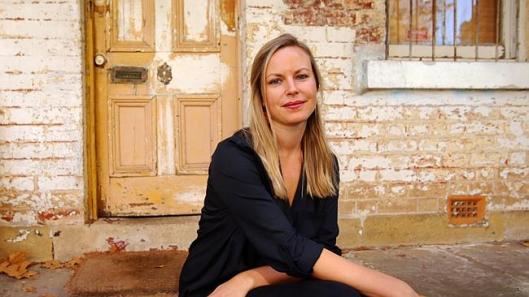
Author Ceridwen Dovey was born in South Africa, raised both there and Australia, and was educated at Harvard University, doing postgraduate work at New York University. Living in Sydney, Ceridwen says Australia feels like home, but South Africa remains part of her, and she has ties to the United States as well.

Ceridwen’s book Only the Animals was published last year, has just come out in the UK, and will be released in the US later this month. It’s very unusual, with the souls of ten animals who have died in human conflicts telling their own stories. Each beast also pays tribute to a particular writer who has written about animals, from Henry Lawson to Virginia Woolf to Ted Hughes, and these can be playful as well as moving (imagine a mussell’s journey to Pearl Harbour in the style of Jack Kerouac, for example).

Only the Animals has been shortlisted for numerous awards, and won the Steele Rudd Award for a short story collection at the 2014 Queensland Literary Awards. It’s a beautiful, wise book which really gets under your skin and remains with you, long after you turn the last page. Hopefully it will be appreciated overseas as well.

Name Information
In Welsh legend, Ceridwen was an enchantress. According to a medieval tale, Ceridwen had a son named Morfran who was hideously ugly, and she sought to make him wise since he was never going to coast along on his looks.

She mixed up a magical potion in her cauldron which would give the gift of wisdom and poetic inspiration, and a long drawn-out process it was. The potion had to be boiled for a year and a day, and she outsourced the workload, having the fire tended by a blind man while a young boy named Gwion kept stirring it. Only the first three drops of the potion would confer wisdom: all the rest was deadly poison.

Three drops of the hot potion spilled onto Gwion’s hand as he stirred, and instinctively he put his thumb in his mouth to cool the burning. As soon as he did, he gained all the wisdom and knowledge that had been meant for Morfran. The first piece of knowledge he gained was that he’d better scram as Ceridwen was going to be peeved beyond belief. Correct! She was furious.

Gwion turned himself into a hare so he could run fast, but Ceridwen became a greyhound and ran even faster. He jumped into a river to swim away as a fish, but she transformed into an otter. When he turned into a bird to fly away, as quick as thought she was an eagle chasing after him.

Finally he turned himself into a grain of wheat. I know what you’re thinking: all the wisdom in the world, and the best he can come up with is wheat? I mean, come on, at least turn invisible or something. For some reason, Ceridwen turned herself into a chicken and ate the wheat. Not sure why she had to be a chicken to eat wheat; probably showing off.

When Ceridwen became pregnant, she knew it was that crafty little Gwion growing inside her. (I know wheat doesn’t go into your uterus when you eat it; you have to throw all rational thought out the window, because magic). Ceridwen planned to kill the baby as soon it was born, but he was so beautiful that she just couldn’t do it. Due to her wonderful nurturing instincts, she chucked him into the ocean instead, wrapped in a bag.

The bag washed up on shore, and a prince who was fishing caught him instead of a salmon, and took him home. He knew the kid was something special, because he recited poetry all the way back to the castle. He named him Taliesin, and Taliesin became the greatest of the Welsh bards, and later the chief bard at King Arthur’s court.

Ceridwen never bothered making another potion for Morfran, but if you’ve been worried about him all this time, don’t be. He became one of King Arthur’s warriors, had a beautiful white horse, and survived Arthur’s final battle because he was so hideous that people thought he must be a demon, and ran away in panic.

The oldest known version of the name is Cyrridven, translated as “crooked woman”, because cyrrid means “crooked, bent, hooked”, and ben or ven means “woman, female”. A popular theory is that the name is a corruption of cerdd, meaning “poetry, music”, and gwyn, meaning “white, blessed”, to be understood as “sacred poetry”. I find this etymology too convenient to modern sensibilities to be convincing.

In many ancient traditions, travelling in a crooked or winding path is considered a powerfully magical thing to do (think of labyrinths, for example), so “crooked woman” might be understood as meaning “woman of magic power” – spot on for an enchantress.

Ceridwen is a very magical figure, and her story has several ties to mythology. The thumb sucking leading to great, yet unlooked for, wisdom, reminds us of the Irish hero Finn McCool, who sucked hot oil off his thumb while cooking the Salmon of Knowledge. Is it just coincidence that the prince caught Taliesin while fishing instead of a salmon?

Another is the magical duel, where two sorcerers turn themselves into a succession of creatures until one takes a form the other cannot defeat. There is a faint echo of shamanism here, and it might remind you of the Irish legend of Fintan the Wise, who was able to turn himself into a salmon in order to escape the Great Flood. Another connection to salmon and wisdom!

Ceridwen really appealed to people’s imaginations, and she became seen as not just an enchantress but a goddess of poetry and wisdom. The Victorians identified her as an early pagan goddess, and in modern Paganism she is a goddess of rebirth, knowledge, and inspiration. This is a meaningful modern mythology for Ceridwen, although Welsh scholars tend to get a bit sniffy about it as a 19th century invention.

While the character was known in medieval literature, the name was not used in everyday life, and the form Ceridwen dates to the 16th century. Ceridwen has only been in use since the 19th century revival of old British names, and originated in Wales.

The name Ceridwen features is the novel How Green Was My Valley; Ceridwen is the narrator’s sister. The book is set in the Victorian era, and it is barely possible that a Welsh girl of that time would be called Ceridwen, as it was just coming into use. The author Ceridwen Dovey is named after the literary character.

Ceridwen is in sporadic use as a baby name in the UK, and in 2013 less than three babies were given the name Ceridwen. In the US last year, less than five babies were named Ceridwen.

Ceridwen is a genuine but rare name, and something of a contradiction, as it has medieval origins but is essentially modern – something which causes no end of trouble for the Renaissance Fair crowd, or at least the bodies which approve their names.

To me it seems like a “cool mum” name, which sounds wild and artistic on someone of around my generation, but is hard for me to imagine on a new baby. Perhaps it’s because it fits in so well with the name trends of the 1960s and ’70s, as it sounds rather like a cross between Kerry and Bronwen.

However, this is a name from Welsh legend which will appeal to those wanting a strong, unusual girl’s name which is magical and imaginative. The pronunciation is ker-ID-wen, but English-speakers may prefer KER-id-wen, which gives the obvious nickname Ceri.

POLL RESULTS
Ceridwen received a very good approval rating of 70%. 18% of people thought the pronunciation of Ceridwen was too much of an issue, but 17% saw it as wild and magical, 15% as powerful yet feminine, and a further 15% as a great Welsh heritage choice.

(Photo of Ceridwen Dovey from The Australian)

German Names For Boys

30 Sunday Aug 2015

Posted by A.O. in Name Themes and Lists

≈ 3 Comments

Tags

Ancient Germanic names, animal names, aristocratic names, Biblical names, birth notices, European name popularity, famous namesakes, fictional namesakes, German name popularity, German names, Greek names, hebrew names, imperial names, Latin names, name history, name meaning, name popularity, names from songs, nature names, rare names, Roman names, royal names, saints names

Wolf_Howling

Andreas
Latinised form of the Greek form of Andrew, meaning “manly”. Saint Andreas of Alexandria was an early martyr. The name has been used in Germany since the Middle Ages; a famous medieval namesake is Andreas Osiander, a Lutheran mystic and theologian, while a contemporary one is the German opera singer Andreas Scholl. The name Andreas was used in Britain too, although probably the name was still pronounced the same way as Andrew in everyday life. There is an Old English poem called Andreas about Saint Andrew, which turns him into an Old English warrior, battling the forces of evil. Another English literary connection is the 12th century author Andreas Capellanus (Andrew the Chaplain), who wrote a satirical treatise on the courtly love. Just outside the Top 100 in Germany, Andreas is a popular name in Austria and Scandinavia. It’s not often seen here, perhaps because of fears it will be be confused with its feminine counterpart, Andrea. Pronounced something like ahn-DRAY-ahs in Germany, this German classic seems like a fresh update to flagging Andrew, and has recently had some publicity from the disaster movie San Andreas.

Anton
The equivalent of Antony, used throughout Europe since the Middle Ages, and a traditional name amongst European nobility and royalty. Famous namesakes include the Austrian composer Anton Bruckner, and Russian writer Anton Chekhov. A famous Australian namesake is SBS journalist and anchorman Anton Enus, who was born in South Africa. Antons in fiction tend to be baddies, which isn’t a help to the name’s image. One exception is the American children’s book Summer of My German Soldier, where Anton is an escaped German POW who befriends a little Jewish girl. Anton is a popular name in Germany, and around the 400s here. A suave multicultural choice – and even the many villainous Antons in fiction give it a bit of an edge.

Florian
From from the Roman name Florianus, derived from Florus, which is from the Latin for “flower”. Florianus, or Florian, was one of the Roman emperors, and the noble von Blumenthal family from Brandenburg claimed descent from him via an imaginative legend whereby his sons fled to northern Germany, and taught everyone how to make wine. Saint Florian was a Roman soldier whose duties included organising fire brigades; he was martyred by drowning in a river which is now in Austria, and he is a favourite saint in central Europe. Saint Florian is the patron of Poland, and the city of Linz in Austria, and in Austria and Germany, Florian is used as a call sign for fire engines and stations. With such imperial, noble, saintly, patriotic, and rather butch firefighting associations, it’s little wonder Florian is a common name in Germany, and still on the Top 100. It’s rare here, but the rise of Florence in some ways gives it more familiarity, and I have seen an Australian baby named Florian. It seems hip and elegant.

Johannes
Latin form of Ioannes, the Greek form of the Hebrew name Yochanan, which in English is John. Famous German namesakes are seriously heavy duty achievers. Johannes Gutenberg, who introduced the printing press to 15th century Europe – it began a cultural revolution which changed the world and is largely responsible for most of us being able to read. Astronomer Johannes Kepler, a key figure in the 17th century scientific revolution whose works provided the foundations for the theory of gravitational force. Johannes Brahms, one of the great composers of the 19th century, honoured in the German hall of fame. A famous Australian namesakes is former Queensland premier Sir Johannes “Joh” Bjelke-Petersen, husband to Florence, and a force in conservative politics; he was of Danish descent. Popular in central Europe and Scandinavia, Johannes is #56 in Germany. It doesn’t chart here, but I do see it sometimes in birth notices. In Germany it’s pronounced yo-HAHN-nes, while here it may be pronounced in order to give the nickname Joe. A strong, handsome, intelligent classic.

Justus
Latin name meaning “just”. A Christian named Jesus Justus is mentioned by St Paul in the New Testament, while Joseph Justus is a disciple of Christ considered as a possibility to become an Apostle to replace Judas – he is venerated as St Justus of Eleutheropolis. There are quite a number of saints named Justus, including a Pope and an Archbishop of Canterbury. One of the most influential is a legendary one named Justus of Beauvais, who was beheaded as a child and went for a stroll holding his head: one of those fashionable saintly miracles which sent you straight to the top of the medieval pops for some reason. A famous German namesake is Justus Perthes, an 18th century publisher who founded the Almanach de Gotha, a directory of European royalty and nobility. An Australian namesake is Justus Jorgensen, who founded an artist’s colony in Melbourne called Montsalvat which is still open. Justus is #99 in Germany, and is on the US Top 1000. It seems like a solid alternative to the English virtue name Justice, although pronounced quite differently in Germany.

Karsten
German form of Christian. It is more common as a surname than a first name in Germany, and is rare here as well, but I do see it occasionally in birth notices, and one of the athletes we sent to the 2012 Olympics was named Karsten. That makes it seem unusual but normal, and it’s very much like familiar names such as Carson and Carter.

Klaus
Short form of Nikolaus, a German form of Nicholas. The patron saint of Switzerland is Saint Nicholas of Flüe, affectionately known as Brother Klaus. There are many famous German people with this name, including Klaus Neumann, Luftwaffe flying ace, artist and musician Klaus Voormann, who designed album covers for bands like The Beatles, Klaus Badelt, who composed the film score to the 2003 version of Ned Kelly, singer Klaus Meine from The Scorpions, and actor Klaus Kinski, father to Natassja Kinski. There are famous fictional characters with this name too, such as teen bookworm Klaus Bauldelaire from A Series of Unfortunate Events, vampire-werewolf hybrid Klaus Mikaelson from The Vampire Diaries, and Olympian athlete-cum-goldfish Klaus Heissler from American Dad. Slightly dated in Germany, this charming name is very rare in English-speaking countries, probably because it reminds people of Santa Claus. Klaus is said to rhyme with house though.

Otto
Modern form of the ancient Germanic name Audo or Odo, originally short forms of names beginning with aud-, meaning “wealth, riches, fortune”. A name in common use by German royalty and nobility, there have been four Holy Roman Emperors named Otto. Otto I, or Otto the Great, was the son of Saint Matilda, and married an English princess. Otto IV was the son of Matilda of England, the daughter of Henry II. Two famous writers had dads named Otto: Anne Frank and Sylvia Plath. The name might also remind you of statesman Otto von Bismarck or film director Otto Preminger. In fiction, Otto has often been used as a comedic or joke name, but “Big Otto” Delaney from Sons of Anarchy is an example of it being both serious and powerful. Currently #320 in Germany, Otto is popular in Scandinavia and gaining popularity in both the US and UK. It’s around the 200s here, and seems hip and rather quirky.

Rudolf
Modern form of the ancient Germanic name Hrodulf, translated as “famous wolf”. It was commonly used by German royalty and nobility, and Rudolf II was a Holy Roman Emperor. Although not generally considered a successful ruler, his patronage of the arts made him a key player in the Renaissance, while his interest in the occult and alchemy helped bring about the scientific revolution – there would be no chemists without alchemists! A famous namesake of modern times is the great ballet dancer Rudolf Nureyev, who partnered Margot Fonteyn. Another is the Austrian philosopher Rudolf Steiner, who sought to find a system of thought which would be both scientific and spiritual in nature. Anthony Hope’s novel, The Prisoner of Zenda, is about two men named Rudolf – one a European king, the other his distant cousin visiting from England who must impersonate him. Despite all these interesting Rudolfs, the name is rarely used here as it reminds people of the Christmas song, Rudolph the Red Nosed Reindeer. Rather a shame, as this name is strong and rather charismatic. I do know someone named Rudolf who has never been bothered by the song though.

Wolf
Short form of names such as Wolfgang (“wolf path) and Wolfram (“wolf raven”), sometimes used as an independent name. A famous Australian namesake is Wolf Blass, a German immigrant who founded the famous winery in South Australia; his name was short for Wolfgang. The word wolf is the same in English and German (although pronounced differently), and you can also see this as a vocabulary name referring to the animal. Humans have always been fascinated by wolves, and in various mythologies they can be symbols of both danger (such as in the fairy tale Red Riding Hood) and nurturing (like the wolf mother who suckled the twins Romulus and Remus). A common thread in many legends from around the world is that of humans descended from wolves, or humans in wolf form, including werewolves. The power of the wolf makes this an attractive name, and it’s right on trend along with other animal names.

POLL RESULTS
People’s favourite names were Otto, Wolf and Anton, and their least favourite were Justus, Johannes and Rudolf.

Requested Famous Name: Obelia

26 Wednesday Aug 2015

Posted by A.O. in Famous Names, Requested Names

≈ 5 Comments

Tags

animal names, fictional namesakes, Greek names, historical records, name history, name meaning, nature names, rare names

tumblr_loadw9U9UE1qmho1lo1_500

We have already covered the classic children’s writer and illustrator, May Gibbs, and her adorable floral creation, Little Ragged Blossom. This is another of her characters in the Snugglepot and Cuddlepie series, who can be found in the 1921 picture book Little Obelia.

Instead of being set in the Australian bush amongst the gum trees, Little Obelia continues the undersea adventures first encountered in the previous book of the series, Little Ragged Blossom.

May Gibbs wrote: I always had an absolute love for the underwater things …. I used to look into the clear water from the boats … we used to do a lot of boating in Perth … And one day I thought how lovely it would be to have a little town under the water.

So just as the gumnut babies were born from her childhood experiences in the Western Australian bush, Little Obelia was inspired by boating in Perth. It’s probably not a coincidence that she saw the undersea world as a “town”, and thought of it while in the city.

In the stories, the undersea world is in stark contrast to the bush. While the bush folk, like our gum-nut trio, are generally simple and egalitarian, the world of the sea is one of class difference. It is not long before we encounter a “grand affair” where one may meet Lord Giant Boarfish, the aristocratic Long Tom, the Honourable Mrs Rock Whiting, and Lady Garfish.

In other words, the bush stands in for the country or suburbia, while the sea is the city … glittering, exotic, a carefully structured society in an environment which is ever-shifting and sometimes hard to navigate.

There are many mysteries regarding the sea (one of them is how the gum-nuts manage to easily breathe underwater), and Little Obelia a rather mysterious figure.

Obelia is apparently a type of gum-nut baby too, but instead of growing up in the bush she lay sleeping in a pearl at the bottom of the sea for “years and years”. As she slept, her mind became imbued with great wisdom, although she physically did not age a day, remaining a tiny baby.

One day the pearl burst open into a beautiful white flower, which was found by Ragged Blossom and Snugglepot. After that, Obelia grew very quickly until she was the same size as Ragged Blossom, but so wise that even the cleverest of the Fish Folk would travel many miles to seek her advice.

As you can see, there are a lot of unanswered questions here! How does a baby get inside a pearl? How does sleeping for years and years make you wise? How long is years and years – ten years or ten thousand? How does a pearl blossom into a flower? And so forth.

Like all great oracles, there is much about Obelia which is veiled in mystery and secrets, until she almost takes on the mantle of a nymph or marine goddess.

Obelia’s name comes from the “beautiful Obelia seaweeds” which grew all around her pearl as she lay sleeping. Obelia are not really seaweeds or even plants: they are a genus of simple animals, related to jellyfish and coral, and extremely ancient. They do however grow in colonies which resemble seaweed, with fragile stems and branches.

Obelia are common around the world, and only live in shallow coastal water such as in rockpools, often forming a delicate growth upon rocks and jetties. May Gibbs must have often seen them at the beach – part of that clear underwater world she viewed from boats. Obelia don’t live in the deep sea, so we know that Little Obelia’s pearl must have been in quite shallow water, close to shore.

The name Obelia is from the ancient Greek obelas, meaning “a round loaf or cake”, I guess because colonies of Obelia can form a big mound. The cake’s name is from obelos, meaning “a spit, a spike, a nail”, because they were toasted on spits.

This is also the origin of the word obelisk, those tall tapered pillars ending in a pyramid made by the ancient Egyptians, who called them tekhenu. The Greeks must have seen them and thought they looked like sharp spits.

Obelisks symbolised the sun god Ra, and were so impressive that several countries had Egyptian obelisks shipped over for public display (Rome went slightly obelisk crazy, and you can see the world’s largest obelisk in the Piazza di San Giovanni). Possibly the most famous is Cleopatra’s Needle on London’s Victoria’s Embankment, although of course it is far older than Queen Cleopatra. The obelisk shape is still a favourite design for war memorials.

I’m not sure whether Obelia was used as a woman’s name in ancient Greece, but it’s been in uncommon use as a girl’s name in the English speaking world since the 18th century, and overwhelmingly more common in the United States. It appears likely that the obelisk was the inspiration behind the name, with connotations of both strength and slenderness. The name remains rare, with no sightings of Obelia in either UK or US name data for 2014.

I found only a very few women named Obelia in Australian records, but the Australian writer Drusilla Modjeska has a stepdaughter named Obelia, and there is an architect named Obelia Tait, and a designer called Obelia McCormack. I have also come across several women and girls in Australia with the name, and I’m guessing most, if not all, were named with Little Obelia in mind. I also found Obelia on this lady’s name list, to give you an idea of what other names might be in Obelia’s style.

This is an intelligent, elegant and even hip literary name which is very unusual, but not unfamiliar, and doesn’t seem bizarre in Australia. It doesn’t seem too markedly different from popular names like Olivia, Amelia, and Isabella, and I think would make a good choice for someone who loved the sound of Ophelia, but worried about Ophelia’s unhappy fate. Even the literal meaning of Little Obelia’s name is not a problem, as it doesn’t seem much different from the name Coral. A great way to celebrate both Australian literature and Australia’s love of the sea.

POLL RESULTS
Obelia received a decent approval rating of 65%. People saw the name Obelia as magical and mysterious (25%), beautiful and elegant (13%), and hip and highbrow (11%). However 11% thought it was an ugly name, and another 11% viewed it as too weird.

Thank you to Siobhan for requesting the name Obelia be featured on Waltzing More Than Matilda

(Picture shows an illustration from Little Obelia by May Gibbs)

Famous Names: Bowie and Pluto

20 Thursday Aug 2015

Posted by A.O. in Famous Names

≈ 2 Comments

Tags

astronomical names, Disney names, dog names, english names, famous namesakes, Gaelic names, Greek names, historical records, Irish names, middle names, mythological names, name trends, names of weapons, nicknames, rare names, Scottish names, slave names, stage names, surname names, UK name popularity, unisex names, US name popularity

get-ready-for-david-bowie-to-take-over-melbourne-1432194284

Names in the News
On July 14 this year NASA’s New Horizons space probe made its closest encounter with the dwarf planet Pluto. Australia was the first place on Earth to receive images of Pluto from New Horizons, at the CSIRO’s Canberra Deep Space Communication Complex at Tidbinbilla. The CDSCC has been tracking New Horizons since it was launched in 2006, and it will take more than a year to receive all the data.

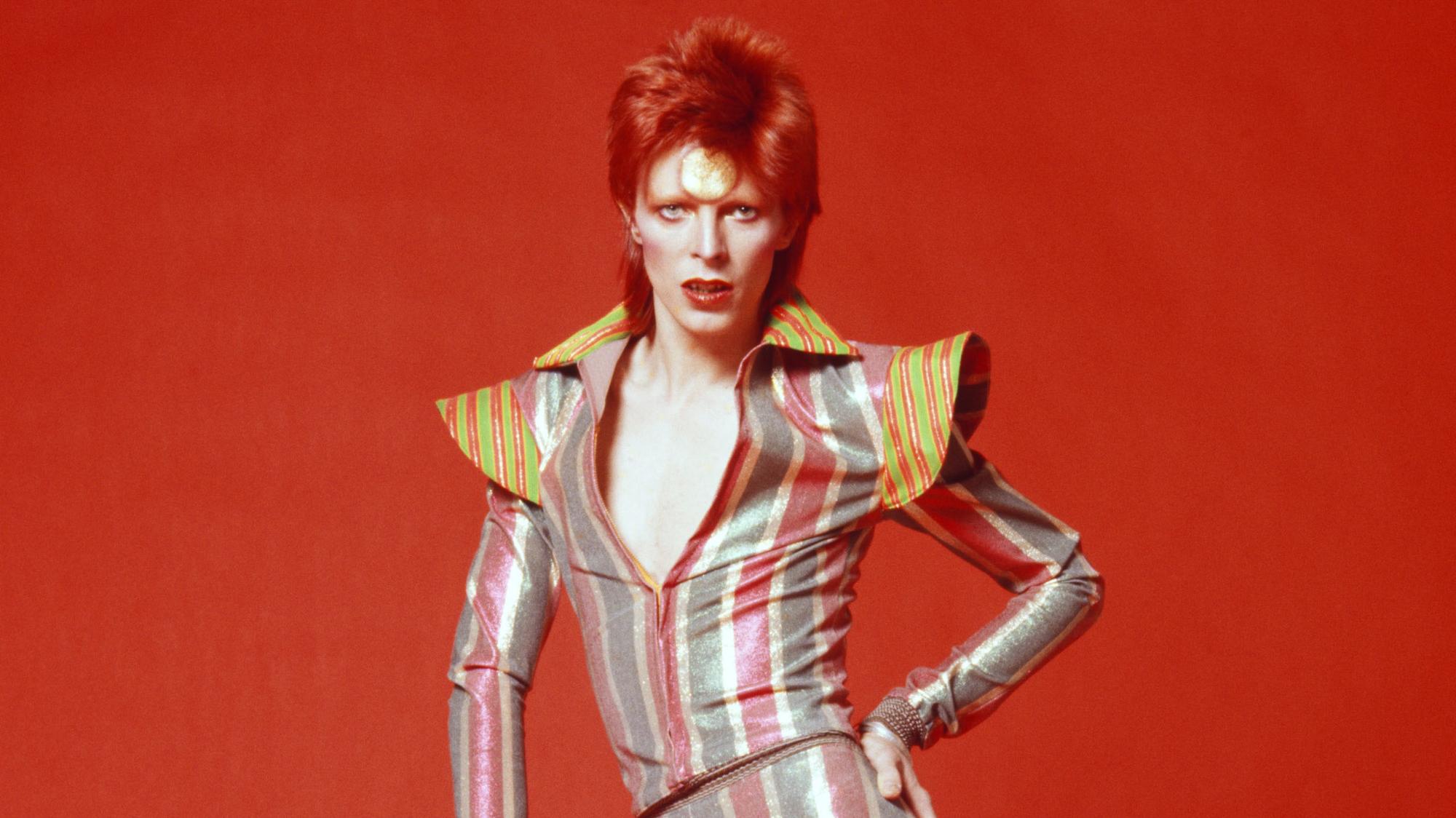
Two days later, the David Bowie Is touring exhibition opened at Melbourne’s Australian Centre for the Moving Image, and broke all records for ticket sales before anyone stepped inside the doors. First staged at the Victoria and Albert Museum in London, it has already been seen by more than 1 million people around the world. The show includes costumes, video, photographs, and items from Bowie’s own collection, including notes and sketches.

David Bowie has a special significance in Melbourne. His first Australian tour was in 1978, and the biggest concert of his career to that point was at the Melbourne Cricket Ground. People queued for three weeks to buy tickets, and the fact that it poured with rain did nothing to dampen the spirits of 40 000 fans. His experiences in Australia in the 1970s inspired the music video for Let’s Dance, filmed in Sydney and outback Carinda).

Besides having key Australian events at around the same time, there isn’t an obvious connection between Bowie and Pluto. Except that Bowie has had so many references to space in his music – Space Oddity, Ashes to Ashes, Ziggy Stardust, Moonage Daydream, The Stars (Are Out Tonight), Life on Mars?, Star Man – that it doesn’t seem too much of a stretch to cover these names together.

BOWIE
Scottish surname derived from the Gaelic nickname Buidhe, meaning “yellow”, to denote someone blond or fair haired. It has also been used to Anglicise the Irish surname Ó Buadhaigh, meaning “son of Buadhach”, with Buadhach meaning “victorious”, although more commonly that’s Anglicised to Boyce. In rare cases it may be a variant of the English surname Bye, from the Old English for “bend”, referring to someone who lived on a river bend.

The Bowie surname originates from Kintyre in western Scotland, and the Bowie family were early colonists to America, with John Bowie Snr one of the founders of Maryland in the early 18th century. He was the grandfather of James “Jim” Bowie, who played a prominent role during the Texas Revolution, and died at the Battle of the Alamo in 1836.

The thick heavy blade known as a Bowie knife is named after Jim, who carried a hunting knife with him and had a reputation as a skilled knife fighter. His brother Rezin Bowie is supposed to have been the creator of the Bowie knife, although Bowie family history relates that it was Rezin’s blacksmith who created the knife.

David Bowie was born David Jones, and first performed as Davie Jones, which risked being confused with Davy Jones from The Monkees. He chose his stage name after seeing the movie The Alamo in 1963, with Richard Widmark as Jim Bowie; allegedly he wanted a name with a “cutting” feel to it, like Mick Jagger’s, and the Bowie knife gave it some edge. He deliberately chose the name of a famous American, as American music and culture had first inspired him.

Bowie has been used as a personal name since the 18th century, and originated in Scotland. Mostly used as a middle name, it was first given as a family name, but in 19th century America increasingly given to honour Jim Bowie: it was particularly found in the southern states. The name Bowie has been given to both sexes, but mostly to boys.

Jagger, Lennon, and Hendrix are reasonably common names, but even with the fame of David Bowie, the name Bowie is in rare use. It doesn’t chart in Australia, while in the UK there has been a smattering of Bowies on the charts since 2003; in 2013 there were 5 baby boys named Bowie. In the US last year, there were 59 baby boys named Bowie and 30 baby girls (numbers rose considerably for boys, but fell for girls).

It is slightly puzzling why Bowie isn’t used more. It sounds like familiar names like Beau, Bohdi, and Brodie, is a counterpoint to popular Archer, and as a knife it fits the trend for weaponry names like Blade.

One issue is that the pronunciation is slightly confused. In the US, Bowie tends to be said BOO-ee, the usual pronunciation of the surname and the Bowie knife. The British sometimes say the first syllable of David Bowie’s surname like the bough of a tree, whereas Bowie himself says it like bow and arrows.

PLUTO
In Greek mythology, Pluto is the god of the Underworld and the afterlife. His earlier name was Hades, but gradually this was used to mean the Underworld itself. Pluto is the Latinised form of the Greek Plouton, meaning “wealth, riches”, and the name is sometimes glossed as “giver of wealth”.

It makes sense that Pluto should be associated with wealth, because he has dominion over all the precious metals, gems, and resources under the earth, and all crops planted in soil. He was a god of abundance, and from early on was associated with agricultural fertility – which is why he was the natural husband for the agricultural goddess Persephone. Pluto and Persephone were revered as a divine couple with knowledge of the mysteries of birth and rebirth.

In the Christian era, there was often a horror of gods of death and the Underworld, who tended to be associated with Satan or demons. Pluto’s image, never a particularly cheerful one, became positively macabre, with Hades a place of torment. In Dante’s Inferno, Pluto rules the fourth circle of Hell, where those who have squandered their wealth are sent. Medieval English writers sometimes conflated Hades with Fairyland, giving Pluto a magical elf-king quality.

The dwarf planet Pluto was discovered in 1930 by a young astronomer named Clyde Tombaugh who had just started working at the Lowell Observatory in Arizona. It was named by an eleven-year-old Oxford schoolgirl named Venetia Burney. She made the suggestion to her grandfather Falconer Madan, retired from the University of Oxford’s Bodleian Library. He had the connections to ensure that Venetia’s idea got to the right people, they unanimously agreed, and Venetia was paid £5 (around $450 in today’s money). A big help was that the first two letters were PL – the initials of Percival Lowell, who had founded the observatory.

When Walt Disney studios created a pet dog for Mickey Mouse in 1930, he was named Pluto – apparently after the planet, although nobody is able to confirm that. So Pluto went from being a god name to a dog name!

Pluto is a gloomy god, a dwarf planet, a cartoon dog … but the name has also been rarely used for humans. The name is first found in colonial America in the 18th century, as a slave name. Pluto can be found in Australian historical records (Pluto Riches and Pluto Surprise are two interesting finds), and was also given to Aboriginal servants. Overall, Pluto has mostly been used in the United States. Use of the name, always low, fell after 1930 and never recovered, although it isn’t clear whether parents were put off by the astronomical body or the Disney character.

Pluto is probably too much of a space oddity to use as a first name, but would make a memorable middle.

Two rare names from the stars: which one will rate better?

POLL RESULTS
The name Bowie received an approval rating of 50%. 42% of people weren’t keen on it, although 17% loved it.

The name Pluto was much less popular, with an approval rating of 15%. 46% of people weren’t keen on it, and only 7% thought it was a good name.

(Picture of David Bowie in 1973 by Masayoshi Sukita; photo from Urban Walkabout)

Suburbs of Adelaide and Hobart Which Could Be Used as Boys Names

26 Sunday Jul 2015

Posted by A.O. in Name Themes and Lists

≈ 2 Comments

Tags

Anglo-Saxon names, aristocratic names, aristocratic surnames, astronomical names, car names, colour names, dated names, english names, famous namesakes, fictional namesakes, gemstone names, germanic names, honouring, locational names, middle names, mythological names, name history, name meaning, name popularity, names from movies, names of animals, names of ships, nature names, nicknames, Old French names, plant names, popular names, rare names, retro names, Roman names, royal names, saints names, Scottish names, surname names, tree names, unisex names, vocabulary names


OLYMPUS DIGITAL CAMERAAustin
Austins Ferry is a suburb of Hobart, named after convict James Austin. Austin and his cousin was transported to Australia in 1803, and after their sentences expired, were given small land grants on the River Derwent near Hobart. In 1818 they established a ferry service across the river, and became very wealthy. You can still visit James Austin’s original cottage. Austin is an Old French shortening of the name Agustin, the equivalent of the English Augustine, and the surname Austin has the same source. Austin was #108 in the 1900s, and left the charts in the 1950s. It returned in the 1990s at #196, the decade of the Austin Powers spy comedies with Mike Myers in the title role. Groovy, baby! It climbed steeply and joined the Top 100 in 2011. It is currently #61, and was the fastest-rising name in Queensland and a fast-rising name in South Australia last year. It was a fast-rising name in New South Wales in 2013 too, so this retro name is doing very well for itself, and is now more popular than it has ever been before.

Cornelian
Cornelian Bay is a suburb of Hobart, whose bay on the River Derwent provides anchorage for yachts; there are boathouses and a waterside restaurant along its foreshore. The first English navigator to explore the Derwent was Lieutenant John Hayes; he came ashore here in 1793, and named the bay after the semi-precious cornelian stones which he found on the beach. Cornelian (also known as carnelian) is a dark red mineral whose name is from the Latin for the cornel cherry, a flowering dogwood tree which has small dark red fruit just the colour of the gemstone. Cornelian was used in Roman times for signet rings used to seal important documents, as hot wax doesn’t stick to it. It was a gemstone often associated with courage and good luck. Cornelian has been in very rare use as a personal name since the 17th century, and overall has been given fairly evenly to both boys and girls. Not many gemstones work well as boys’ names, but this sounds very similar to Cornelius, yet seems much more up-to-date. This would also make a great middle name, and is suitable for both sexes.

Fitzroy
Fitzroy is an inner-city suburb of Adelaide, and an exclusive area overlooking the North Adelaide Parklands. The houses are mostly 19th century mansions along a few tree-lined streets, as this is where the upper class settlers lived in the city’s early days. It may have been named after Fitzroy in Melbourne, which is named after Sir Charles FitzRoy, the governor of New South Wales in the mid 19th century. Another suggestion is that it was named for historic Fitzroy Square in London, whose name comes from Charles FitzRoy, 2nd Duke of Grafton, an 18th century politician who was a distant ancestor of Diana, Princess of Wales. The English surname Fitzroy (or FitzRoy) comes from the Old French for “son of the king”, and was traditionally given to illegitimate sons and daughters of a monarch, and could be inherited as a surname by their descendants. For example, the father of the 2nd Duke of Grafton was an illegitimate son of King Charles II by his mistress Barbara Villiers. Fitzroy has been used as a personal name since the 18th century, and was sometimes used to indicate a family relationship with illegitimate royalty. Roy- (and royal) names are on trend, and this is one you could consider that has Fitz or Fitzy as the nickname.

Hobart
Hobart is the capital of Tasmania; it is Australia’s second-oldest capital city after Sydney, and is our most southern capital city, serving as a hub for Australian and French Antarctic operations. It is located on an estuary of the Derwent River at the foot of Mount Wellington, and more than half of the city is taken up with bushland, so it contains much natural beauty. A small city with many historical buildings from its colonial past, Hobart has a great deal of charm. Hobart was named after Robert Hobart, 4th Earl of Buckinghamshire: Lord Hobart was the Colonial Secretary at the beginning of the 19th century. The surname Hobart is derived from the personal name Hubert, meaning “bright mind”. Hobart has long use as a personal name, and can be found often in historical records, with it being a bit of a favourite in Tasmania – indeed one example I found was Tasman Hobart. The Ho- at the beginning is rousing yet problematic, but you could use Bart or Barty as a nickname. A patriotic choice that may work better as a middle name.

Holden
Holden Hill is an inner-city suburb of Adelaide. It was named after a road extension called Halden’s Hill in the mid 19th century, as the land the road ran through was owned by a Mr Halden. The name was corrupted into Holden Hill. Holden is an English surname after a small village in Lancashire; it comes from the Anglo-Saxon meaning “deep valley”. Its most famous literary namesake is Holden Caulfield from J.D. Salinger’s Catcher in the Rye. It’s quite likely that Salinger named the character after a friend called Holden Bowler he met while they were both working on a ship. Mr Bowler went on to run his own advertising business and was godfather to singer Judy Collins. In Australia Holden will remind people of the car company, its name coming from South Australian manufacturer Sir Edward Holden (although it is owned by General Motors). Sadly, Holden will cease production in Australia in 2017. A very uncommon name in Australia because of the car.

Jupiter
Jupiter Creek is a semi-rural suburb of Adelaide which was once part of a gold-mining area, and still a place to go fossicking. Its name was given by gold-miners, possibly after a bull named Jupiter who was fond of running away to graze there. In Roman mythology, Jupiter is king of the gods, and the god of the sky and thunder, the equivalent of the Greek god Zeus. Ruler of the heavens, he was a divine witness to oaths and the protector of the state and justice; his symbols were the oak tree, the eagle, and the thunder bolt. His name is from an ancient root meaning “O Father Sky-god”, so his name is an invocation: to speak the name of Jupiter aloud is to call upon the god. The Romans named the largest planet in the solar system after Jupiter, and believed those born under its influence to be especially fortunate. As Juno is a hip name for girls, and so is Juniper, Jupiter for boys doesn’t seem too strange. A possible issue is the movie Jupiter Ascending, which has Mila Kunis as a heroine named Jupiter.

Linden
Linden Park is an affluent suburb of Adelaide. It was named after a house and estate which was built by Sir Alexander Hay in 1861. Linden trees (Tilia) are also called lime trees, although they are not closely related to the tree which produces lime fruit. They are tall, shady trees that have great significance in Germany and Eastern Europe, where they were seen as sacred; in German folklore, the linden is said to be the tree of lovers. Lindens have often featured in stories and poems, often as a symbol of love, protection, or resurrection. In Marcel Proust’s Swann’s Way, the narrator dips his madeleine cake into a cup of lime-flower tea, which opens up a flood of memories. The word linden is from an ancient Germanic root which may mean “mild, soft”: the timber of the linden tree is soft and easily worked, making it ideal for carving. Linden has been used as a name since the 18th century, overwhelmingly for boys, and is found in Australian records quite often, mostly from around the late 19th and early 20th centuries, although I know a few men around my age named Linden. I haven’t seen it on a young child, but this is a handsome, soft-sounding tree name, not so different in sound from popular Lincoln.

Montrose
Montrose is a northern suburb of Hobart. It is named after Montrose House which was built in 1813 by a Scottish settler named Robert Littlejohn, a renowned painter, botanist and teacher. It is the third oldest house in the state, and is named after Montrose, on Scotland’s east coast. A picturesque resort town, it is regarded as a cultural centre, and known for its sculpture. The town’s name is usually thought to be from the Gaelic monadh, meaning “moor”, and ros, meaning “peninsula”. Folk etymology understands it as “mount of roses”, and the town’s Latin motto is Mare Didat, Rosa Decorat, meaning “the sea enriches, the rose adorns”. Montrose is also a surname, and the Duke of Montrose is a title in the Scottish peerage, held by the Graham family. Montrose has been used as personal name since the 18th century, and first used by the Grahams. It has been used for both sexes, but is more common as a male name. Scottish and aristocratic, this is like a cross between Montgomery and Ambrose, and has Monty as the obvious nickname.

Sorell
Sorell is a historic market town north-east of Hobart, now a dormitory suburb of the city. It is named after William Sorell, the state’s third Lieutenant-Governor. William Sorell did a good job of cleaning up the colony, which he had found in a fairly lawless and untidy position. The English surname Sorell is from the Old French nickname Sorel, meaning “chestnut”, and given to someone with reddish-brown hair. It has been in rare use since the 19th century, and is given to both sexes, although more common overall as a male name. It may be known from Sir Julian Sorell Huxley, biologist and brother of Aldous Huxley. An interesting, intelligent name that may sound too close to the word sorrow for some parents.

Stuart
Mount Stuart is a suburb of Hobart on a ridge with the wonderful name of Knocklofty. The suburb is named because of Mountstuart Elphinstone, a Scottish statesman and historian who was Governor of Bombay (now Mumbai). A ship named in the governor’s honour as the Mountstuart Elphinstone visited Hobart in 1836, bringing the welcome news that the cruel and unpopular Lieutenant-Governor George Arthur was ordered to return to London. In celebration of getting rid of him, two roads were named Mount Stuart Road and Elphinstone Road, and eventually the area became known as Mount Stuart. Mountstuart Elphinstone was probably named after Mount Stuart House on the Isle of Bute in Scotland, the seat of the Stuarts of Bute. They are descended from Robert II of Scotland, the first of the Stuart kings (the Elphinstones are related to the Stuarts). The name of the Stuart dynasty comes from Stewart, the Scottish form of steward, meaning a governor. The first of this surname was Walter Stewart of Dundonald, High Steward of Scotland. The Stuart dynasty ended up ruling Great Britain for more than a century, and it’s because of them that Stuart was used as a personal name. Stuart was #135 in the 1900s, joined the Top 100 in the 1940s and peaked in 1969 at #31. It left the Top 100 in the 1990s and hasn’t charted since 2010. Stewart was less popular, never reached the Top 100, and hasn’t charted since the early 2000s.

POLL RESULTS
People’s favourite names were Linden, Austin and Holden, and their least favourite were Montrose, Jupiter and Hobart.

(Photo shows Hobart)

← Older posts
Newer posts →

Enter your email address to follow this blog

Categories

Archives

Recent Comments

A.O.'s avatarwaltzingmorethanmati… on Zarah Zaynab and Wolfgang…
Madelyn's avatarMadelyn on Zarah Zaynab and Wolfgang…
JD's avatardrperegrine on Can Phoebe Complete This …
A.O.'s avatarwaltzingmorethanmati… on Rua and Rhoa
redrover23's avatarredrover23 on Rua and Rhoa

Blogroll

  • Appellation Mountain
  • Baby Name Pondering
  • Babynamelover's Blog
  • British Baby Names
  • Clare's Name News
  • For Real Baby Names
  • Geek Baby Names
  • Name Candy
  • Nameberry
  • Nancy's Baby Names
  • Ren's Baby Name Blog
  • Sancta Nomina
  • Swistle: Baby Names
  • The Art of Naming
  • The Baby Name Wizard
  • The Beauty of Names
  • Tulip By Any Name

RSS Feed

  • RSS - Posts

RSS Posts

  • Celebrity Baby News: Melanie Vallejo and Matt Kingston
  • Names from the TV Show “Cleverman”
  • Can Phoebe Complete This Sibset?
  • Zarah Zaynab and Wolfgang Winter
  • Baby, How Did You Get That Name?
  • Celebrity Baby News: Media Babies
  • Celebrity Baby News: Adelaide Crows Babies
  • Celebrity Baby News: Chris and Rebecca Judd
  • Names at Work: Name News From the World of Business and Employment
  • Celebrity Baby News: Sporting Round Up

Currently Popular

  • Celebrity Baby News: Jacinta Allan and Yorick Piper
  • Celebrity Baby News: Jacinta Allan and Yorick Piper
  • Celebrity Baby News: Craig Thomson and Zoe Arnold
  • The Top 100 Names of the 1940s in New South Wales
  • Celebrity Baby News: Ed Husic and Bridget Tilley

Tags

celebrity baby names celebrity sibsets english names famous namesakes fictional namesakes honouring locational names middle names name combinations name history name meaning name popularity name trends nicknames popular names saints names sibsets surname names twin sets unisex names

Create a free website or blog at WordPress.com.

Privacy & Cookies: This site uses cookies. By continuing to use this website, you agree to their use.
To find out more, including how to control cookies, see here: Cookie Policy
  • Subscribe Subscribed
    • Waltzing More Than Matilda
    • Join 517 other subscribers
    • Already have a WordPress.com account? Log in now.
    • Waltzing More Than Matilda
    • Subscribe Subscribed
    • Sign up
    • Log in
    • Report this content
    • View site in Reader
    • Manage subscriptions
    • Collapse this bar
 

Loading Comments...